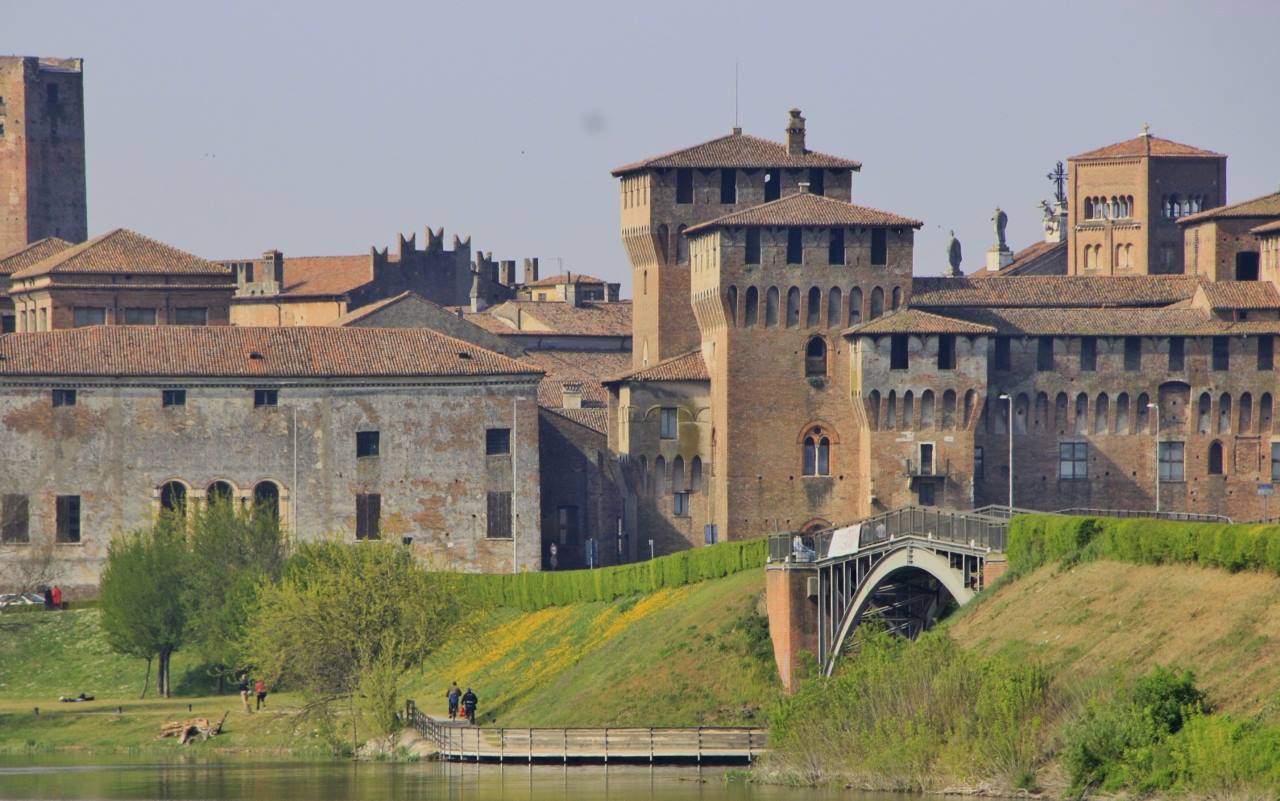
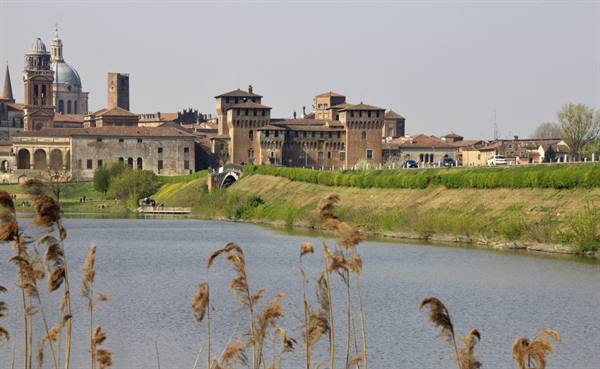
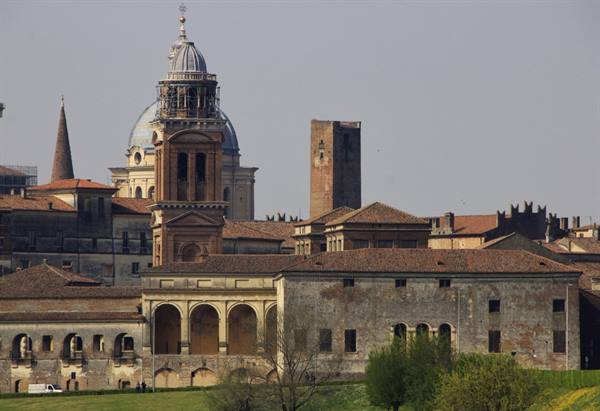
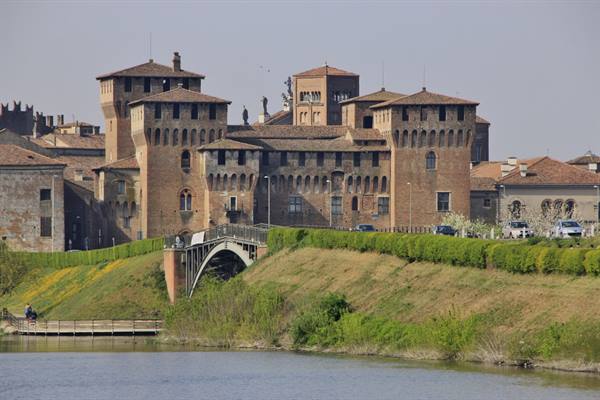
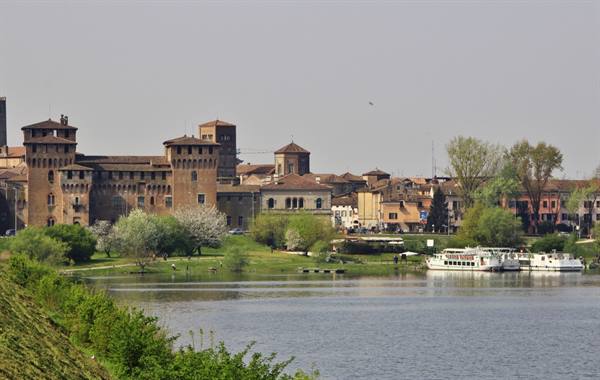
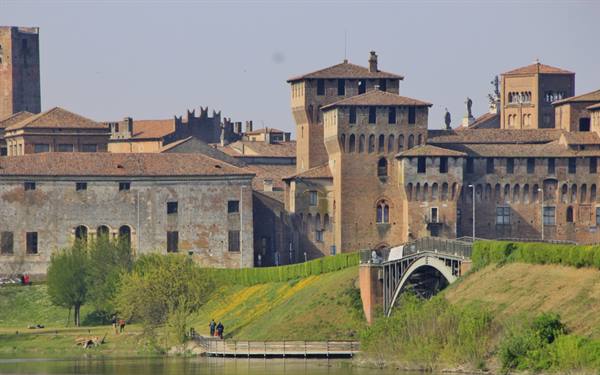
We leave our city at 8 a.m.; Mantua is about 200 kilometres away, and by 10 we had already reached the Ponte di San Giorgio, which separates Lake Mezzo from Lake Inferiore and from which you can admire Mantua's famous skyline. After crossing the bridge we keep to the right along viale Mincio; following the walls there are free car parks, but, finding no space, we carry on until we reach Palazzo Te. At the ticket office we decide to buy the Mantova Musei Card 5, costing 15€, which gives entry to the Museo Palazzo Te, Museo Palazzo Ducale, Museo Palazzo San Sebastiano, Museo Diocesano Francesco Gonzaga and the Teatro Scientifico Bibiena. For those with more time to visit the city there is the Musei Card 8, costing 17€, which, besides the museums listed above, gives entry to the Museo di Palazzo d'Arco, the Palazzo della Regione and Torre dell'Orologio, and the Tempio di San Sebastiano.
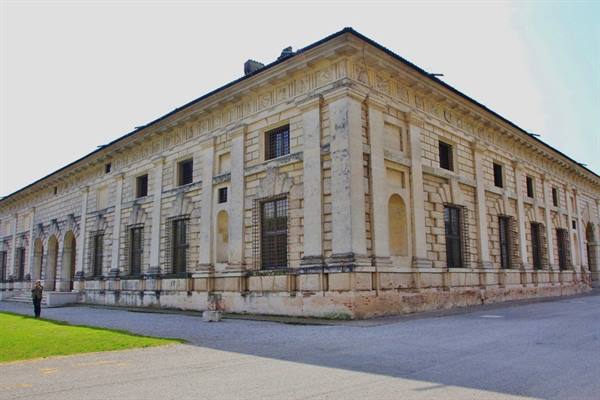
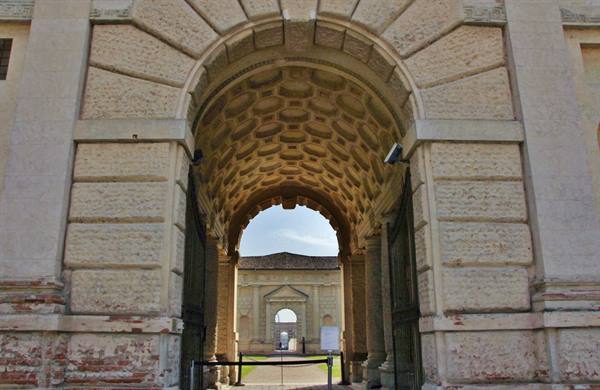
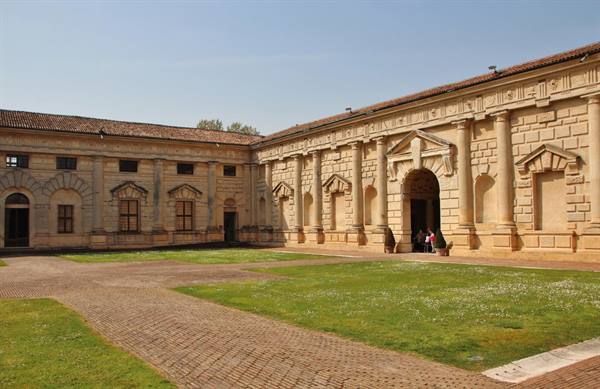
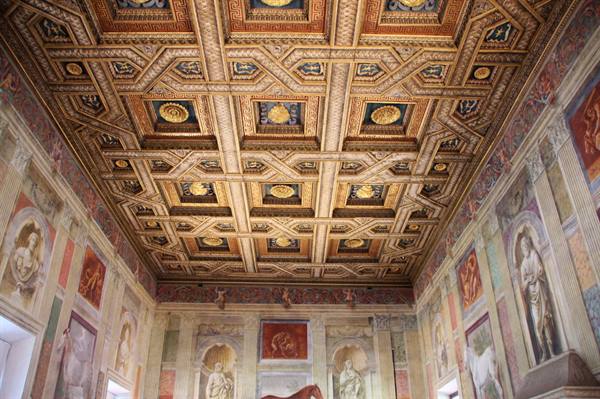
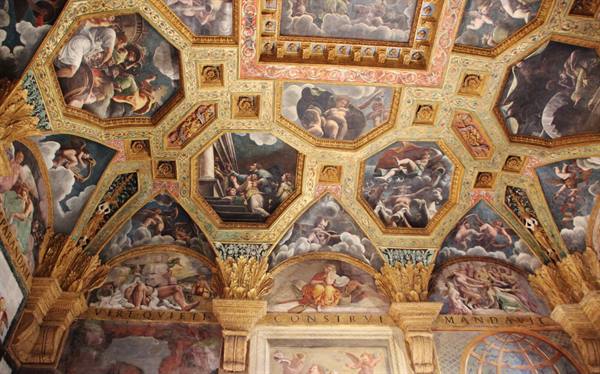
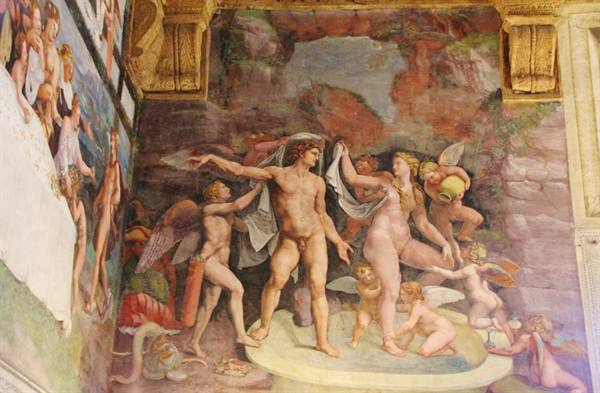
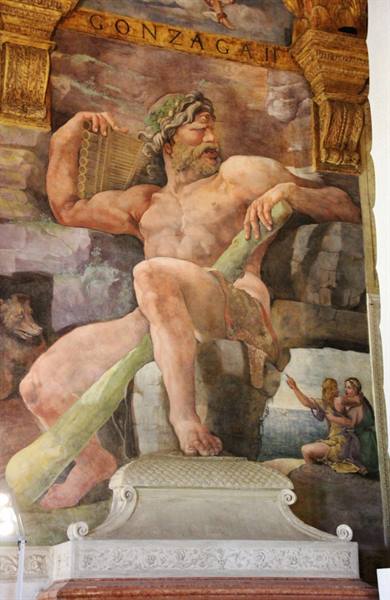
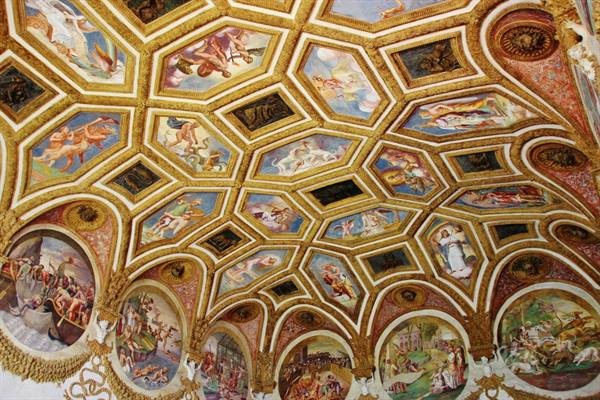
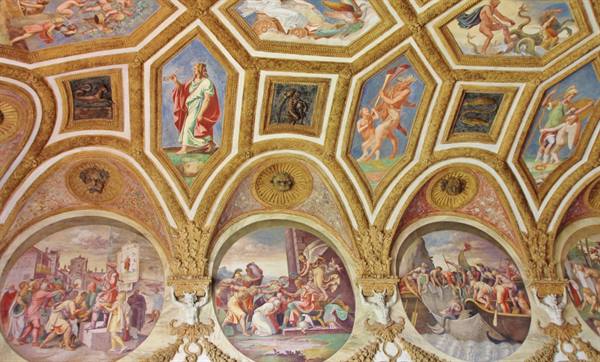
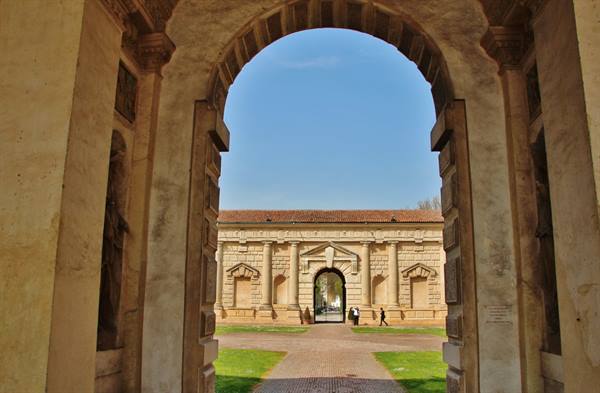
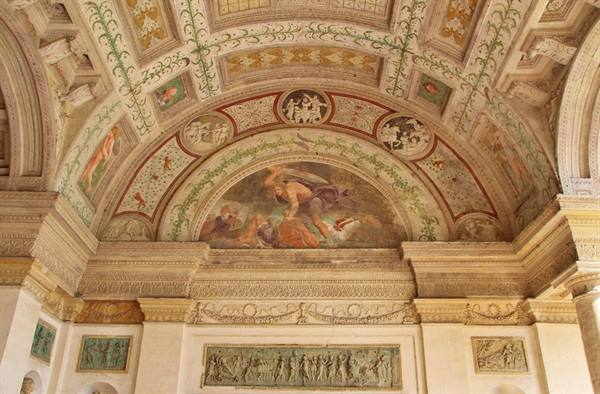
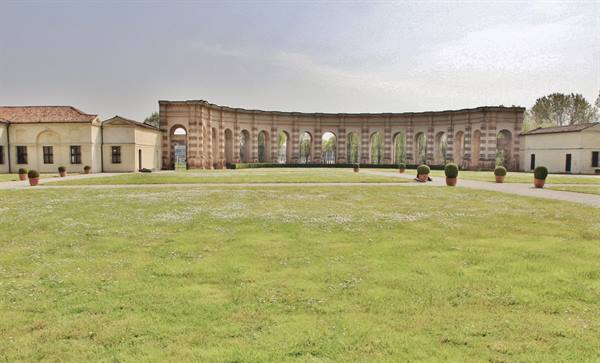
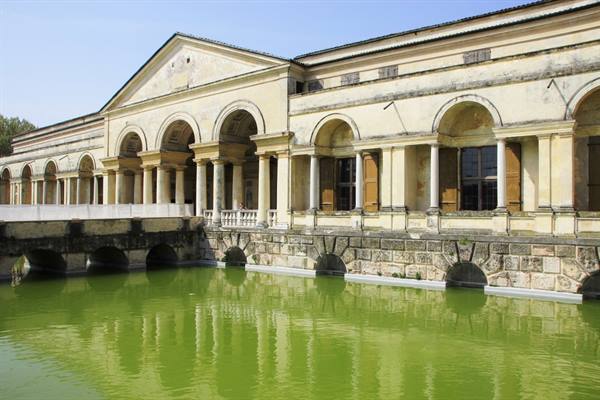
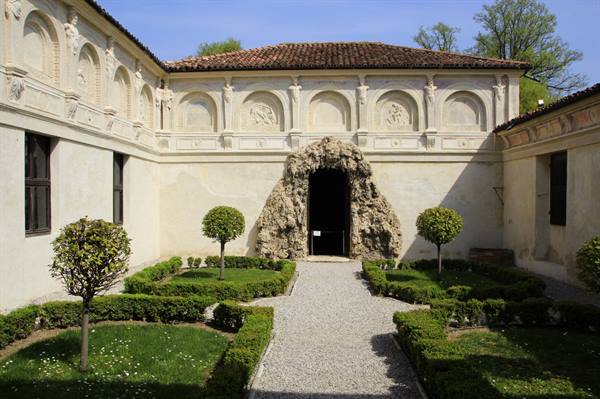
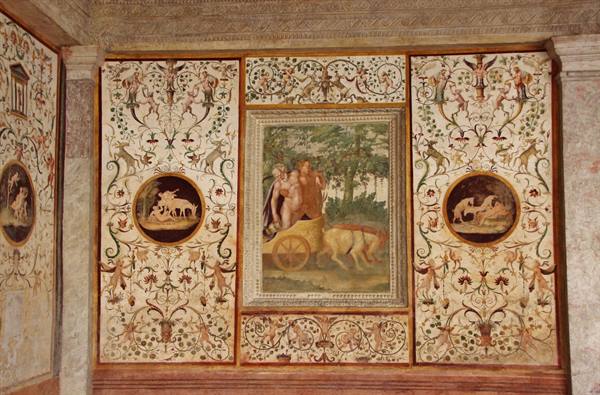
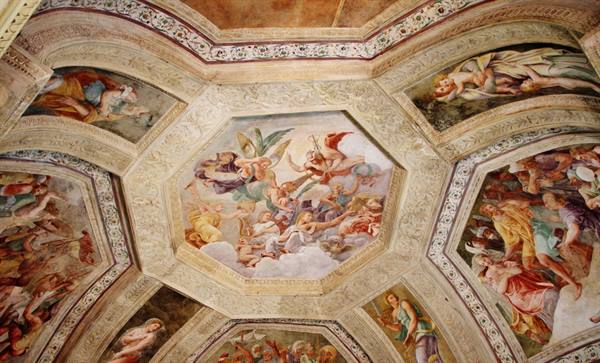
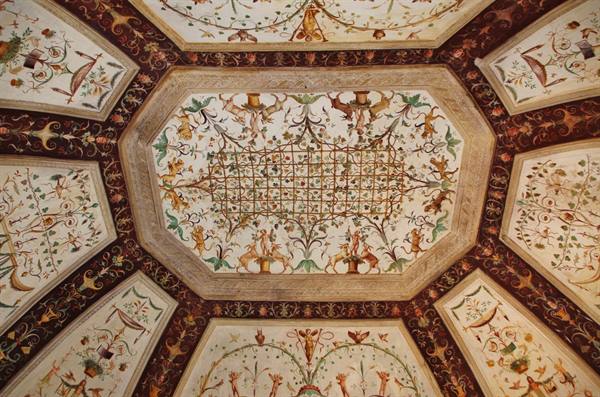
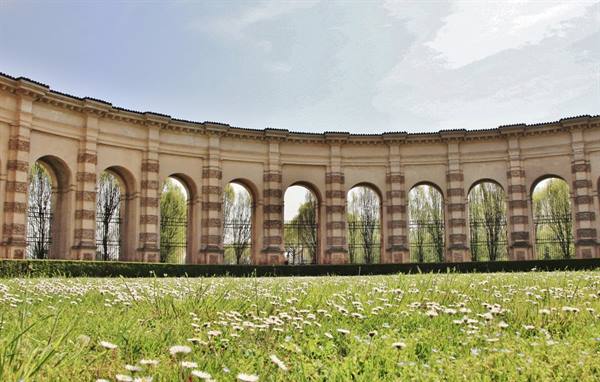
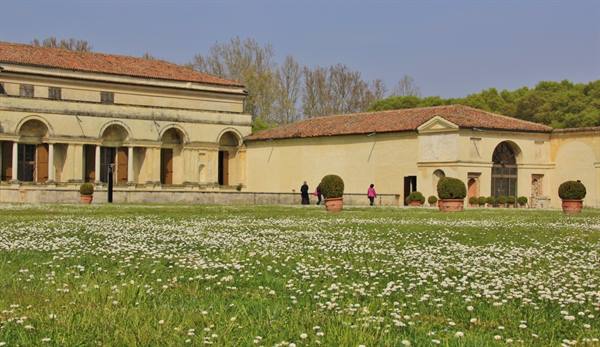
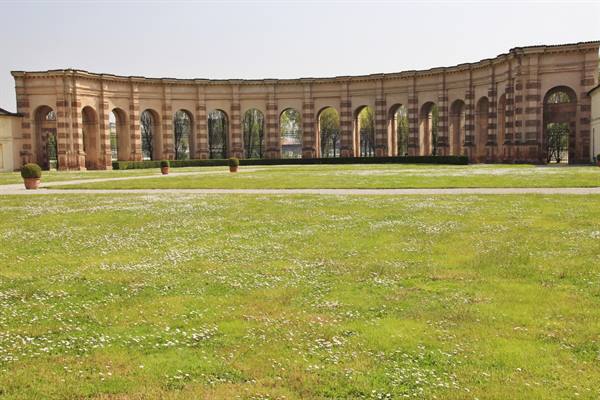
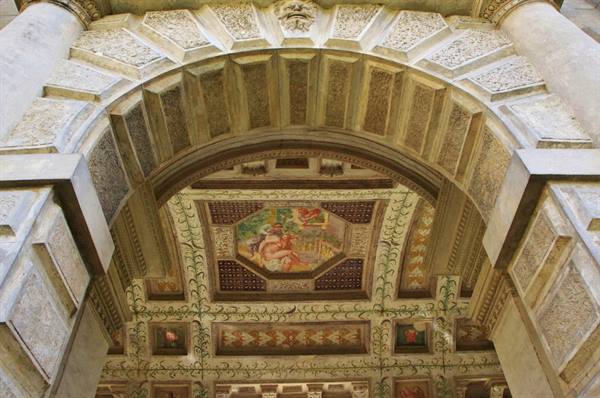
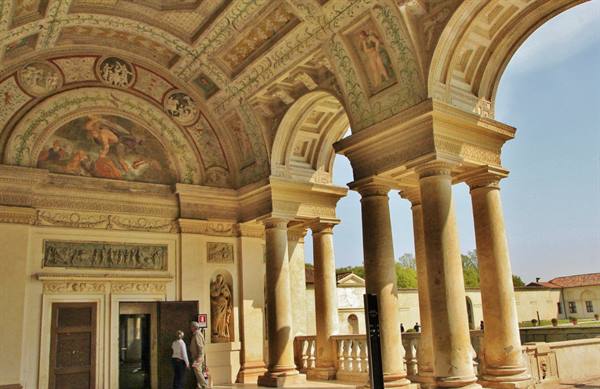
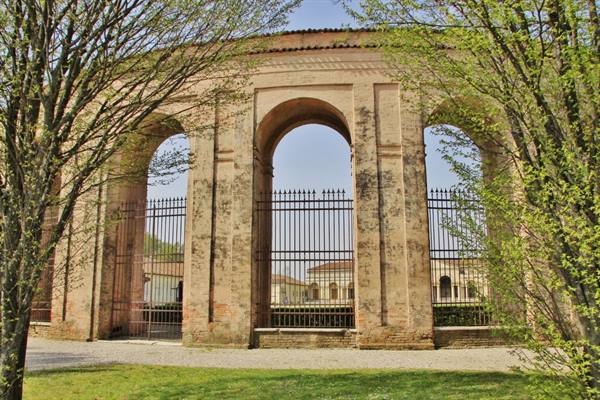
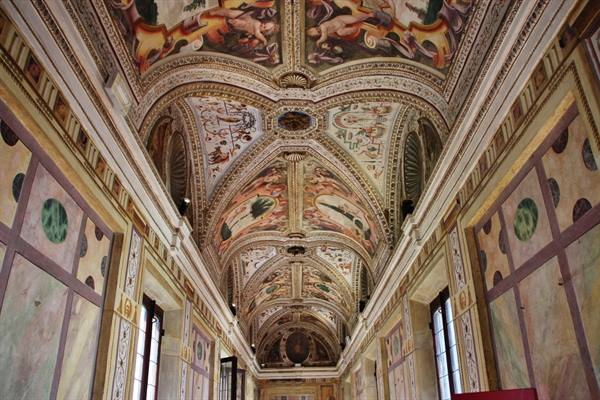
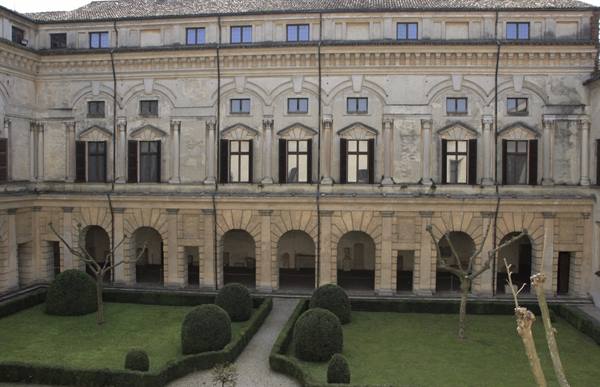
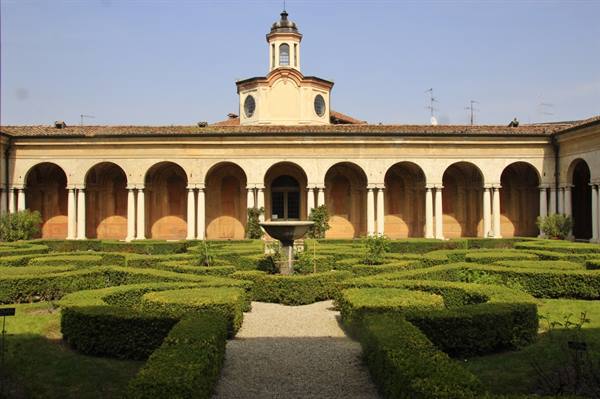
The card is valid for one year from the day of first use and also entitles you to other benefits and discounts. Palazzo Te, inspired by the Roman Domus Aurea, was built by Giulio Romano, a Renaissance architect and painter, on the orders of Federico II Gonzaga between 1525 and 1535. Past the courtyard of honour you enter the 16 rooms, sumptuously decorated, from the Room of the Sun, the Room of the Muses and the Room of the Horses to the Room of the Winds and the Room of the Eagles, the Room of the Giants, which tells of the rebellion of the Titans, and the room derived from the tale of Cupid and Psyche, the most opulent in the palace for its value and decoration. The Loggia d'Onore overlooks two large fishponds divided by a bridge that lead to the garden with the columns of the exedra; in one corner stands the building with the Appartamento della Grotta and the secret garden.
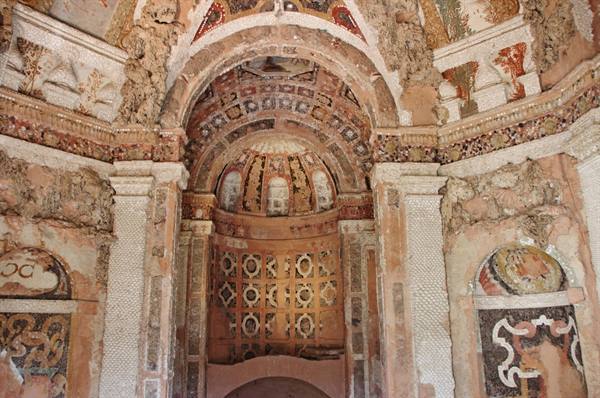
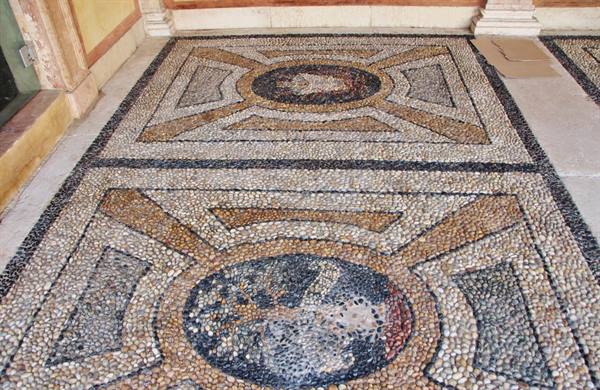
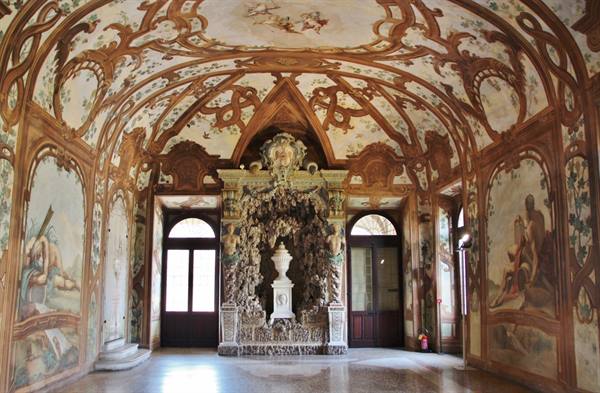
Past the entrance there are several decorated rooms with floors made of multicoloured river pebbles, and at the end of the small secret garden a grotto with niches and rocky walls, stuccoes, coloured stones and the marks left by embedded shells. Having left the Appartamento della Grotta and crossed the garden in front of the exedra, we enter a hall housing the exhibition “L'ordine e la luce” (Order and Light), a virtual journey through the evolution of interior spaces in the history of architecture — an exhibition I greatly appreciated. Through an innovative system you can navigate the virtual spaces inside these architectures, projected onto large surfaces, using the movement of your body. You can enter the spaces of the Parthenon, the Temple of Apollo, the Domus Aurea and the Baths of Trajan as if time had never passed.
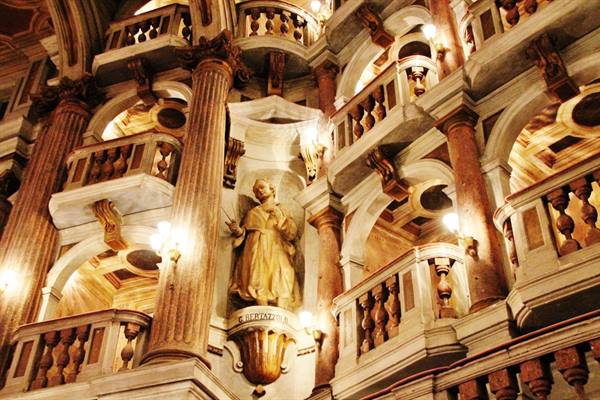
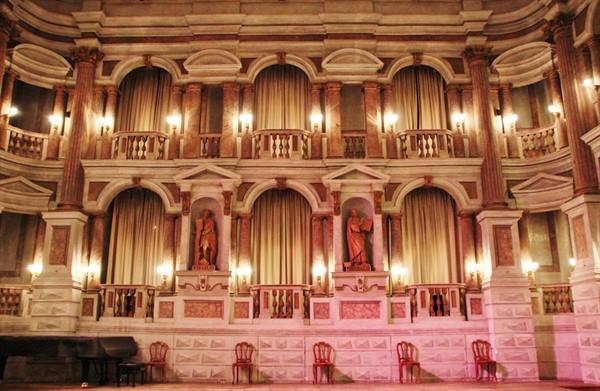
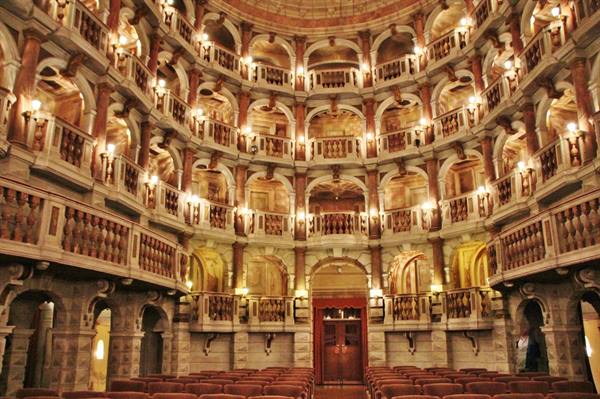
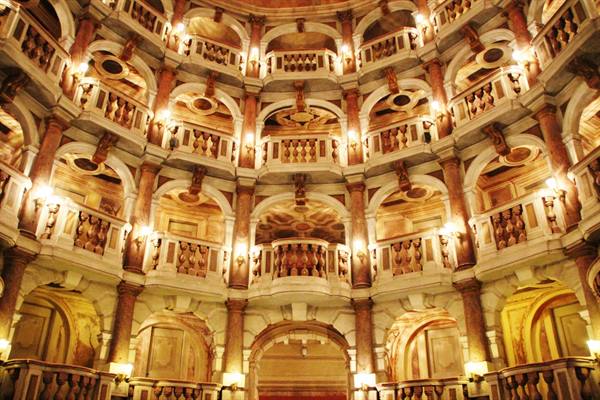
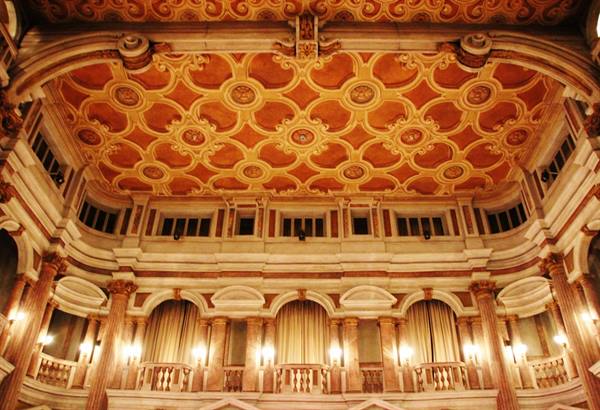
If Palazzo Te astonished me with its paintings and decorations, this exhibition made me see again the beauty of these architectures of the past. We leave the palace and head towards the centre; we find a car park on the Lungolago dei Gonzaga, very close to the Teatro Bibiena, built in two years by the architect Antonio Galli Bibiena on the orders of Empress Maria Theresa of Austria. Once the red curtain of the entrance is raised we see the beauty of this structure: the optical effect is wonderful, the soft lights in warm colours, the bell shape giving the impression of a circular space arranged over several levels with painted boxes, little balconies with columns and four niches with the statues of Virgil, Gabriele Bartazzolo, Pietro Pomponazzi and Baldassarre Castiglione, illustrious figures of Mantua — it is a truly enchanting place.
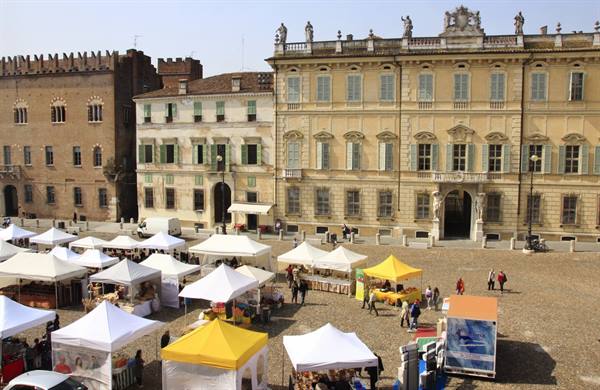
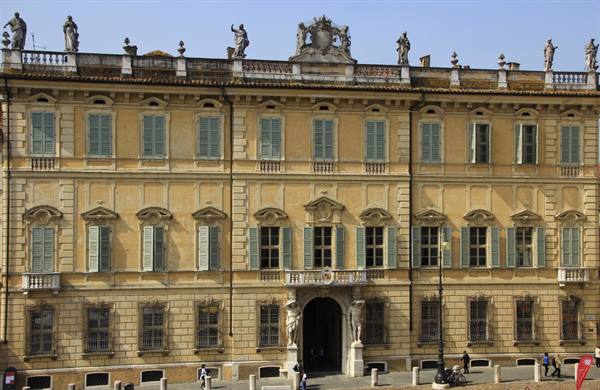
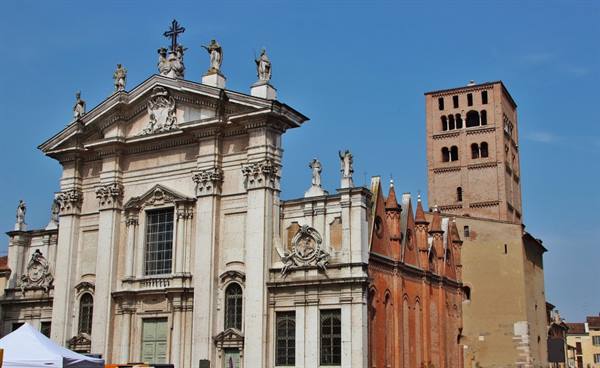
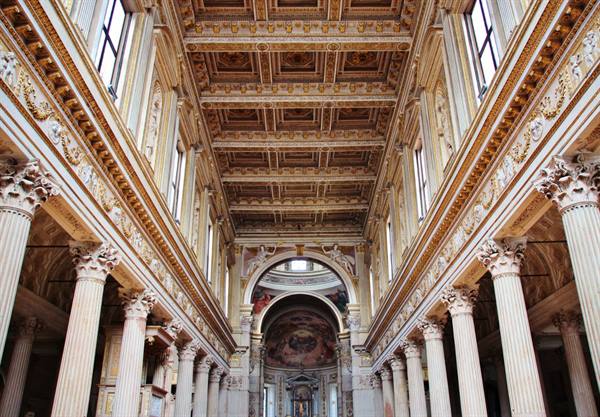
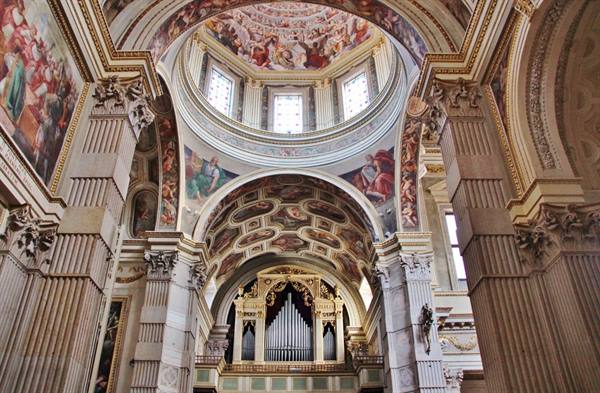
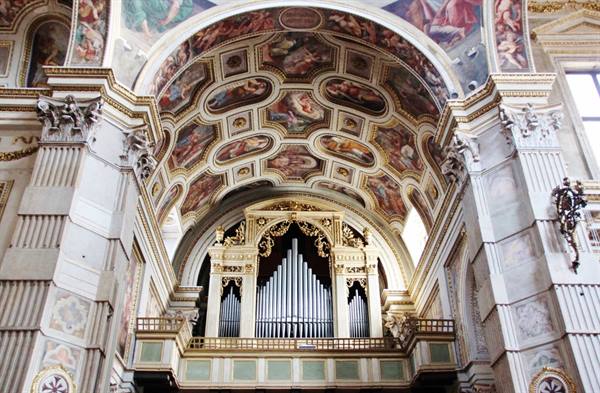
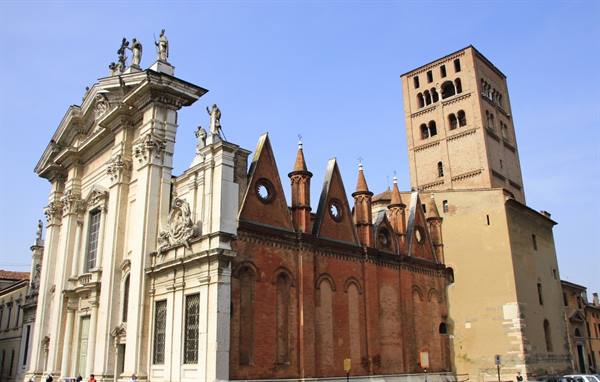
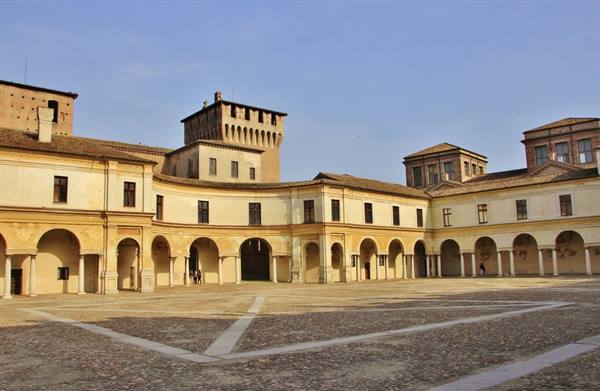
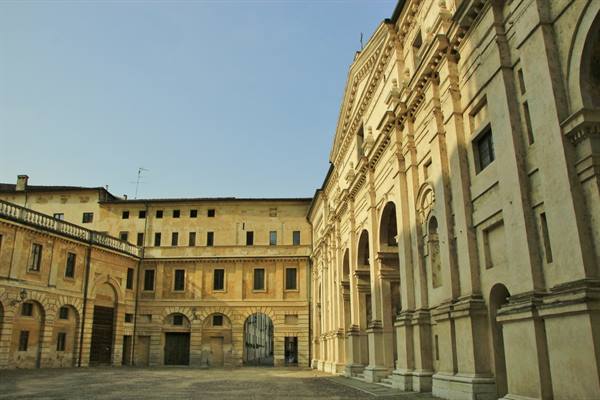
With only 363 seats it is one of the smallest theatres, yet the acoustics are excellent. A month after its inauguration, on 16 January 1770, it hosted a memorable concert by the fourteen-year-old Wolfgang Amadeus Mozart. Leaving the theatre we continue along Via dell'Accademia until we meet Via Broletto, where, turning right, we enter Piazza Sordello, the heart of Renaissance Mantua, on this day turned upside down and disfigured by the stalls of a market. In front of us is the bulk of the Duomo dedicated to Saint Peter, the Palazzo Vescovile, the episcopal seat, and at the sides Palazzo Bonacolsi and the Palazzo Ducale which, with the Castello di San Giorgio, the official residence of the Gonzagas, consists of several buildings joined together with courtyards, gardens and halls rich in history, frescoes and decorations.
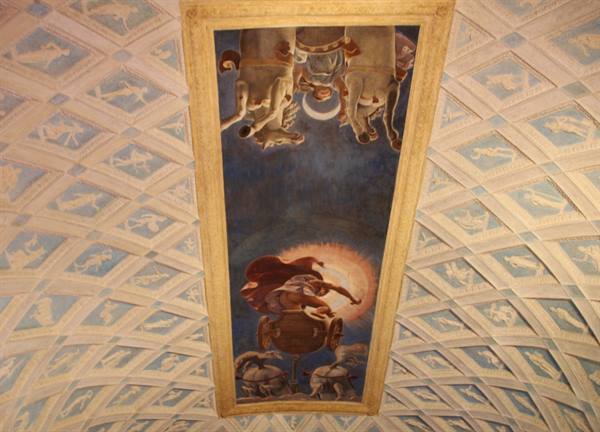
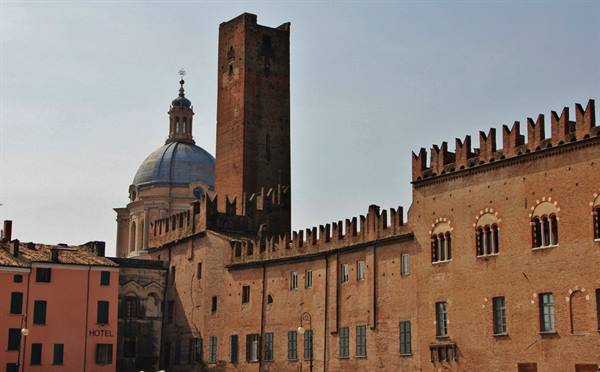
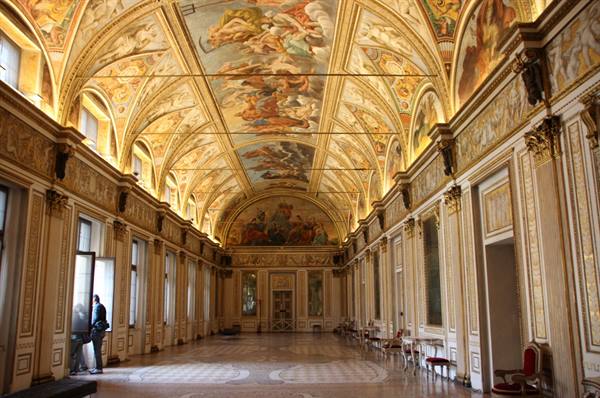
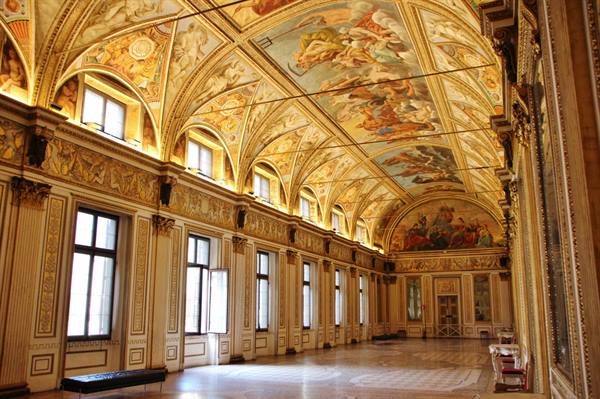
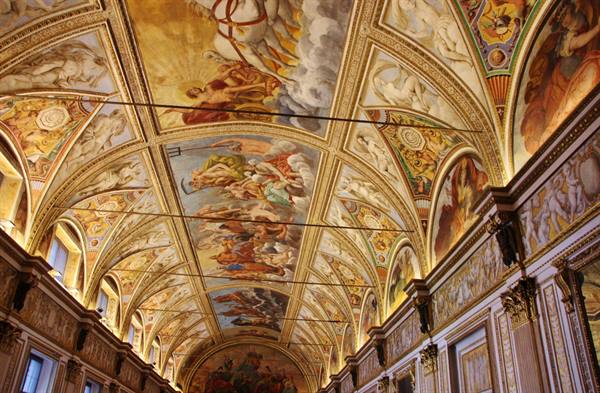
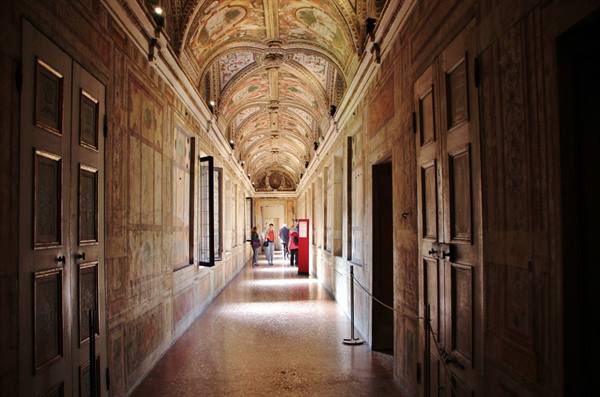
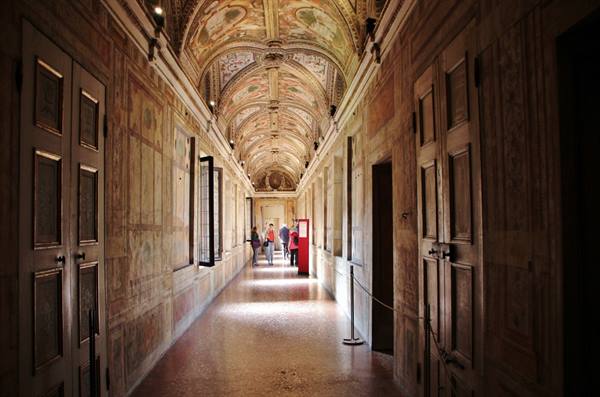
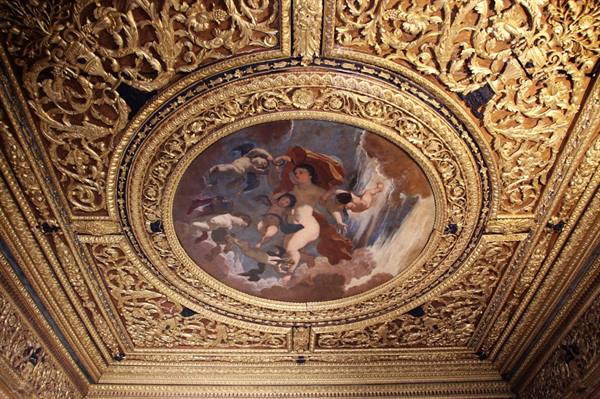
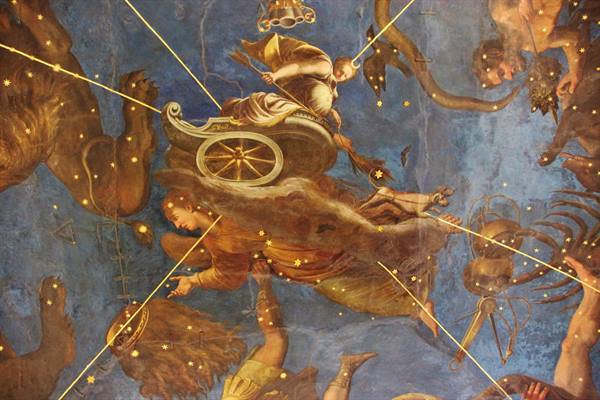
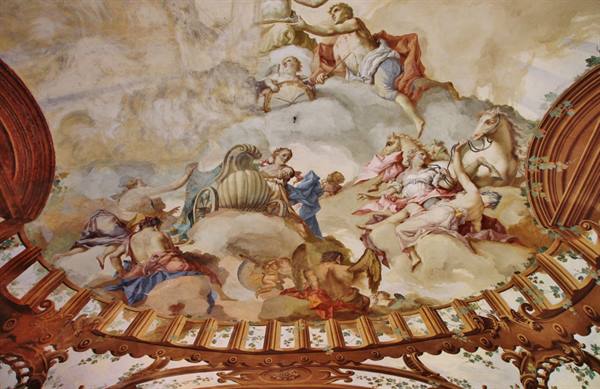
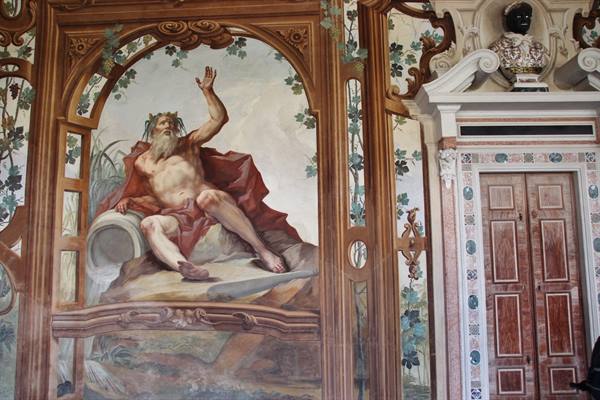
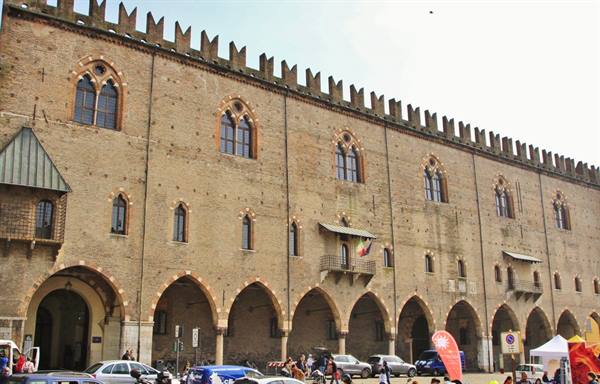
The visiting route is limited because of the damage caused by the earthquakes of 20 and 29 May 2012. Overlooking Piazza Sordello are the oldest parts: the battlemented Palazzo del Capitano and the Magna Domus, built by the Bonacolsi family, who ruled Mantua before the Gonzagas. The halls follow one another with paintings, statues, carved wooden ceilings, the splendid Sala degli Specchi, a connecting gallery overlooking the courtyard of honour, the Sala dello Zodiaco with its blue vault where, among the shining constellations, the chariot of Diana drawn by dogs stands out, followed by the Sala dei Fiumi with the six rivers of the Mantuan territory — the Po, the Mincio, the Secchia, the Chiese, the Oglio and the Mella — represented in the form of giants.
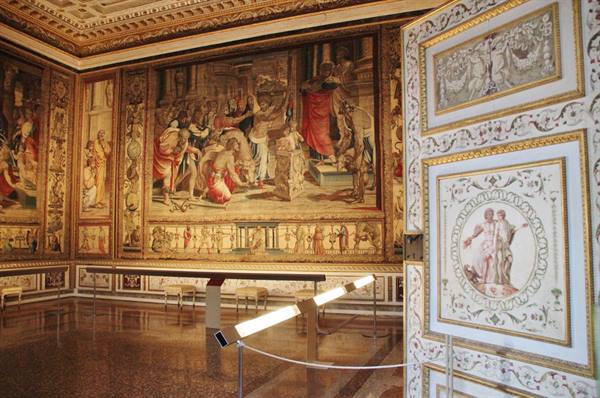
At the ends of the gallery are two grottoes worked in stucco with the Austrian and Gonzaga coats of arms; the hall with French windows overlooks the hanging garden, raised about 12 metres above the level of Piazza Sordello, with a portico running around its perimeter. Then the Stanze degli Arazzi, an apartment with 9 Flemish-school tapestries woven to designs by Raphael, and the Sala del Labirinto, so called because of the ceiling decoration — a labyrinth with the phrase “Forse che si, forse che no” written all along its path, apparently the text of a sixteenth-century song. The phrase, read by Gabriele D'Annunzio during his visit to the Palazzo Ducale, gave him the idea for the title of his last novel.
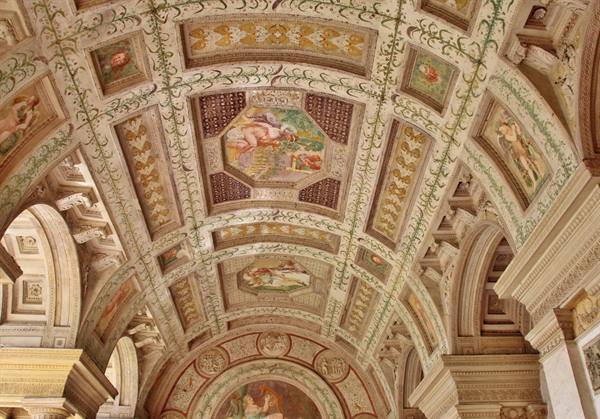
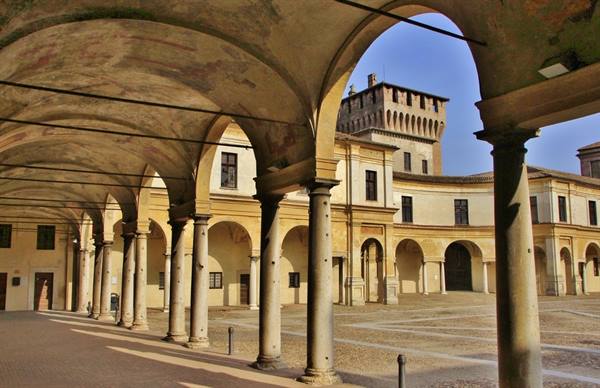
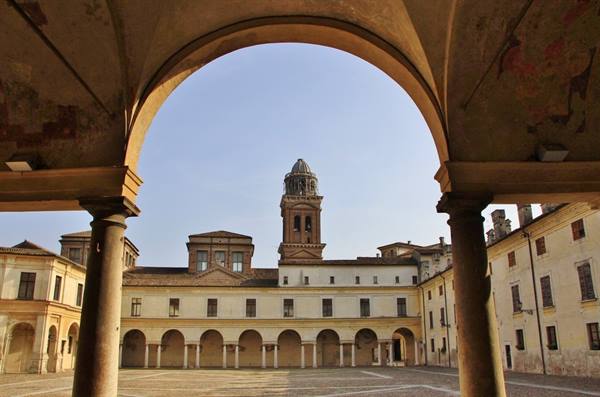
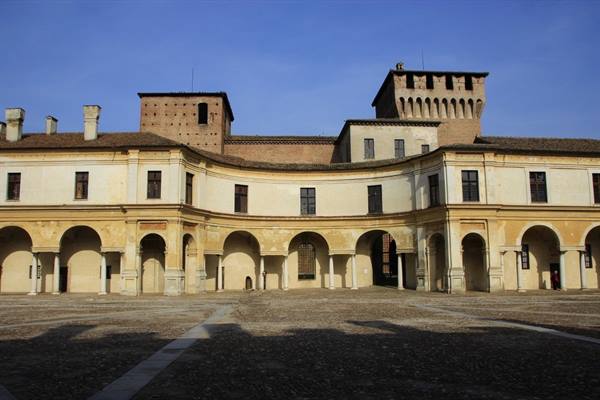
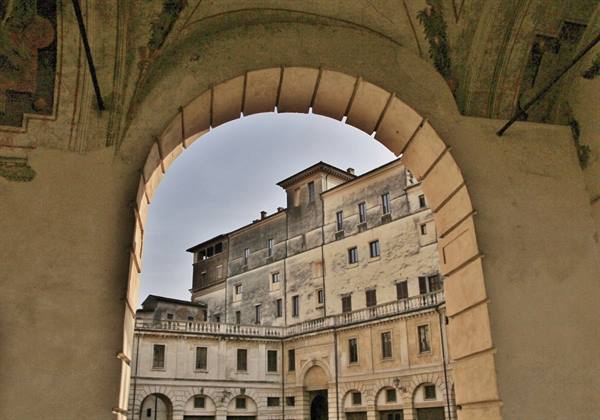
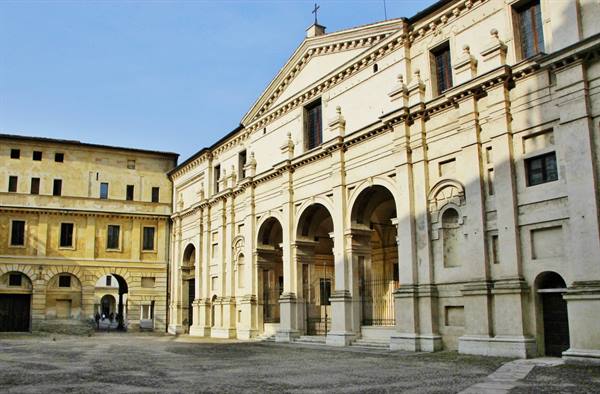
Leaving the Palazzo Ducale and continuing to the right, after about twenty metres there is the frescoed portico named after Gabriele D'Annunzio which connects Piazza Sordello to Piazza Castello, a scenographic square surrounded on three sides by Serliana porticoes with frescoed ceilings. The building on the fourth side, with an inner corridor once used by the Gonzagas to go to mass, links the Palazzo Ducale to the small square where the Palatine church of Santa Barbara stands. Castello San Giorgio was for many years the residence of Isabella d'Este, one of the most famous noblewomen of the Renaissance, who welcomed artists and poets to her court, collected paintings and works of art and made Mantua a city of art and culture.
One of the most beautiful and celebrated halls of the castle is the Camera degli Sposi, frescoed by Andrea Mantegna between 1465 and 1474, also known as the Camera Picta (painted chamber): a cycle of wonderful frescoes covers all the walls. This room, like other parts of the castle and the church of Santa Barbara, we could not visit, having been badly damaged by the earthquake.
Day 130 Mar 2014
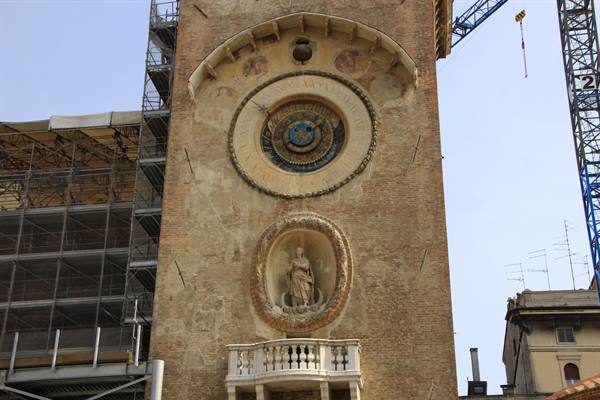
From Castello San Giorgio we return to Piazza Sordello and, passing under the Voltone San Pietro, we walk along via Broletto, a connecting street to Piazza delle Erbe; the name once indicated the fruit and vegetable market The square must have been very beautiful, surrounded by medieval buildings, today the regional government building and part of the clock tower are covered by scaffolding; alongside is the rotunda of San Lorenzo, built at the behest of Matilda of Canossa, it is the oldest church in the city The circular building was constructed in imitation of the Holy Sepulchre of Jerusalem; closed for worship by Duke Guglielmo Gonzaga, over the years it was incorporated into other buildings; in the early nineteen-hundreds the renovation of some buildings brought it back to the surface and restoration work began The rectangular clock tower, built in 1472 at the request of Marquis Ludovi
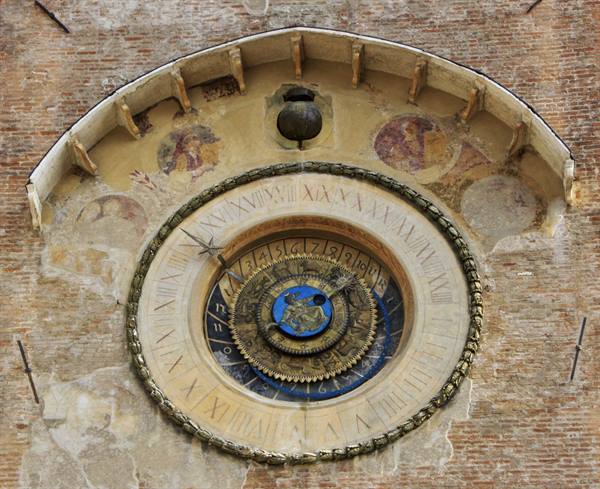
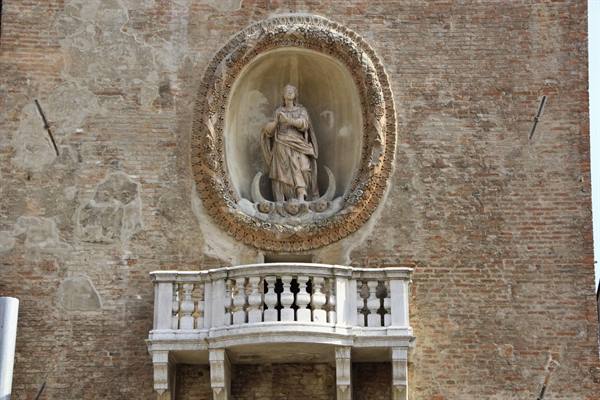
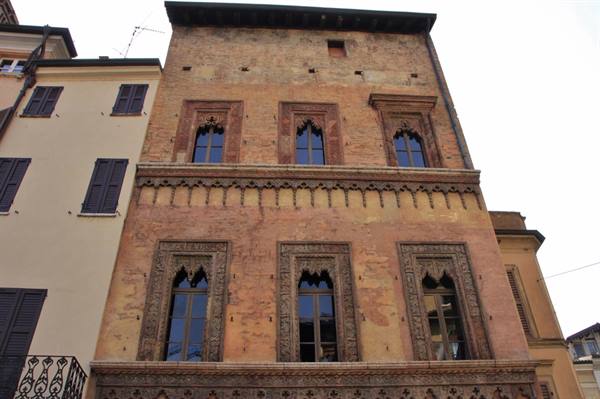
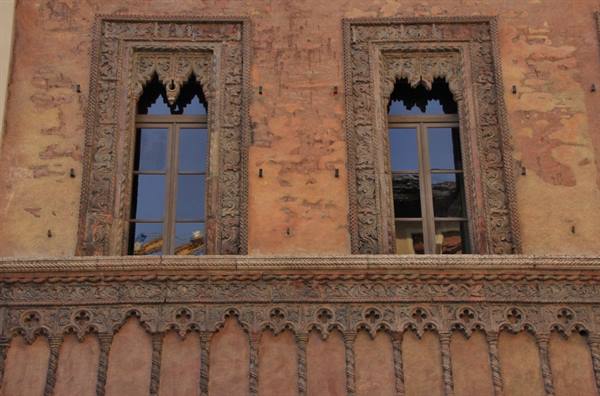
co II, has on its facade an ancient clock made by Bartolomeo Manfredi, astrologer and mathematician at the Gonzaga court The hours on the dial are marked by Roman numerals; there are the signs of the zodiac and indications of the position of the stars that were used for agriculture; below, in a niche, the statue of the Madonna Immacolata At the end of Piazza delle Erbe opens Piazza Andrea Mantegna; at the corner between these two squares is the house of the merchant Boniforte da Concorezzo, its Renaissance facade embellished with capitals, decorations and terracotta windows framed with relief motifs; behind it the Torre del Salaro, once a salt warehouse. In Piazza Andrea Mantegna stands the Basilica di Sant'Andrea; because of the 1012 earthquake the facade is covered by scaffolding, and the interior is also under renovation and one cannot fully admire the beauty of the frescoes
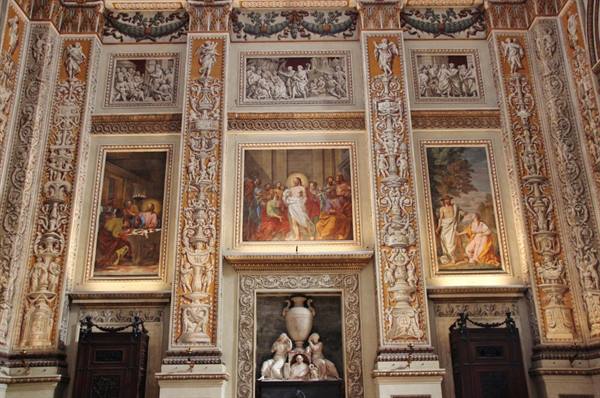
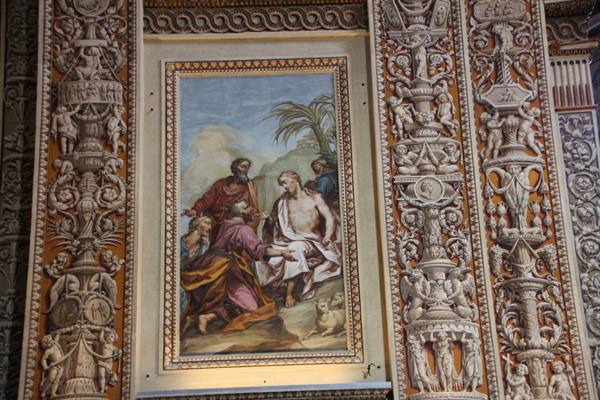
In the church is the funeral chapel of Andrea Mantegna, and in a crypt are kept the Sacred Vessels that contain the drops of Jesus' blood; legend tells that Longinus, the Roman soldier who pierced Jesus with a lance, then collected the blood mixed with earth; after converting, he set off to spread the words of the Lord, reaching as far as Mantua and hiding the relic in the garden of the "Spedale del Pellegrino", where after his martyrdom he himself was buried The body of Longinus and the chest with the relics were found and hidden again for fear of profanation; they were rediscovered and kept in the church of a Benedictine monastery until Ludovico II Gonzaga had it razed to the ground and built the current Basilica di Sant'Andrea Every year on the afternoon of Good Friday the ceremony for the opening of the chests takes place, a complicated operation that involves the use of 12 keys kept
by state and ecclesiastical authorities; the relics are placed at the foot of the crucified Christ in the apse of the cathedral. It is time to leave the city; we have visited the most important things but others remain to be seen; we hope to return and visit other monuments and to see Mantua healed from the wounds of the earthquake
Two personal considerations The first, positive, that they allowed photographs inside the museums; over time the memories of frescoes, paintings or other beautiful things visited fade; looking at the photos we return to admire the beauties of the past and the memories of the beautiful day spent in Mantua The second, negative, was seeing Piazza Sordello and Piazza delle Erbe invaded by market stalls, by tables, chairs and umbrellas of restaurants and bars
0 reader comments