The first time we visited Alsace was to see the Christmas markets, and it was a wonderful journey into the world of fairy tales; already on the way back home I was thinking of seeing these villages again with balconies full of flowers instead of Christmas decorations. But when I proposed a new trip to Colmar and Strasbourg, my husband's answer was: I'm not going back to places I've already visited, but what if you add a few forts of the Maginot Line?? I prepare the itinerary and in September we set off
Day 121 Sep 2012
Friday 21 September Villa Cortese- Viel Armand 393 km Col de la Schlucht 40 km Collet du Linge 20 km Turckheim 18km Colmar 8 km Strasbourg 80 km---Total 559 km
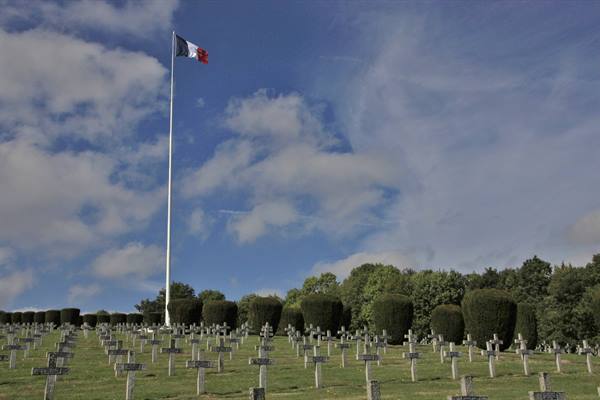
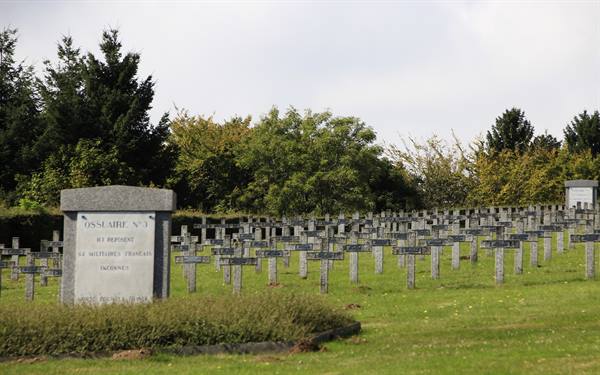
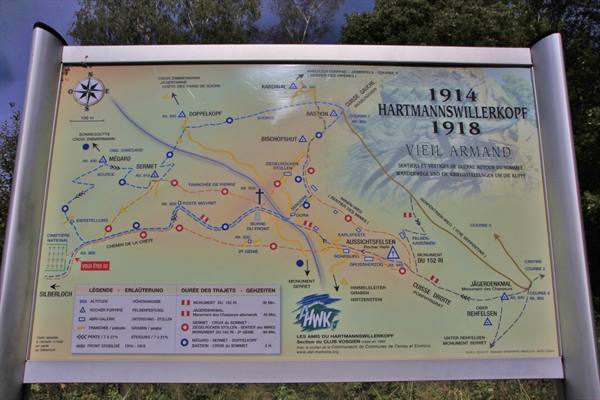
We leave Villa Cortese at 7:00, cross Switzerland and take the highway to Mulhouse, where we head for Cernay and Uffholz, where the Route des Cretes D 431 begins; the first stop is at Vieil Armand, a promontory at 950 m altitude in the Vosges; here is the Hartmannswillerkopf national monument erected in memory of the approximately 30,000 soldiers fallen in battle in the 1915/1918 war The museum, the crypt and the ossuary where the bones of 12,000 unknown soldiers are kept are closed for restoration; a leaflet taken at the entrance gives us some information In the crypt the statue of the Virgin with child adorns one of the three altars, the one for Catholic worship; alongside are the Protestant and Jewish altars; on the ceiling is the war cross On the esplanade above the crypt is the Altar of the Fatherland, while behind, in a green field, we see the white crosses of the large national cem
etery where 1,256 identified soldiers are buried; in the center, on a tall flagpole, the French flag flies (cemetery visit only €3 per person) The promontory of the Vosges chain has been marked by the events of war that have left indelible signs; around it there are about 45 km of trenches: French, German, casemates, bunkers, underground fortified positions. From the cemetery we set off along a stony road that climbs to the top of the mountain, where a cross has been raised, and there is a beautiful view of the valleys below.
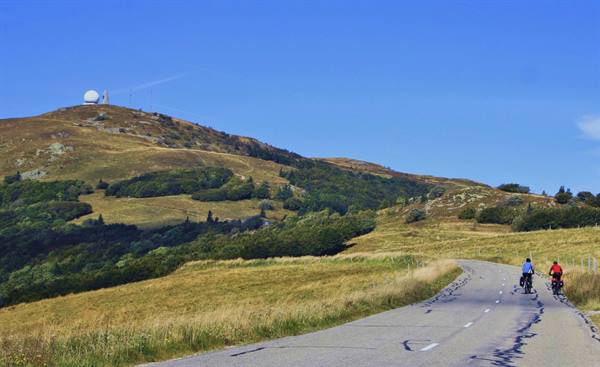
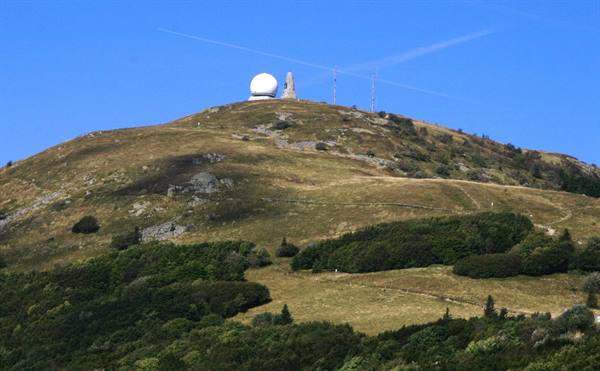
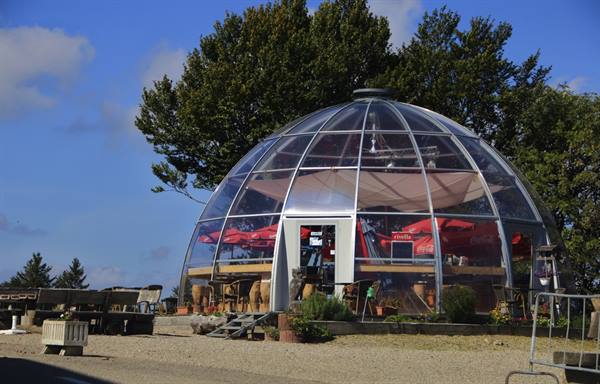
The Route des Cretes continues and has its summit at the Grand Ballon, the highest point of the region at 1424 m, where there is a parking lot, a restaurant and the Hotel du Grand Ballon; today is a clear day and the view stretches over the Black Forest, the Bernese Alps and the Alsatian plain From here a path leads to the summit with its white ball (radome) and radar antennas for wind management; it is also known for being the coldest place in Alsace About ten meters away is the monument dedicated to the Blue Devils, a battalion of alpine troops from the First World War.
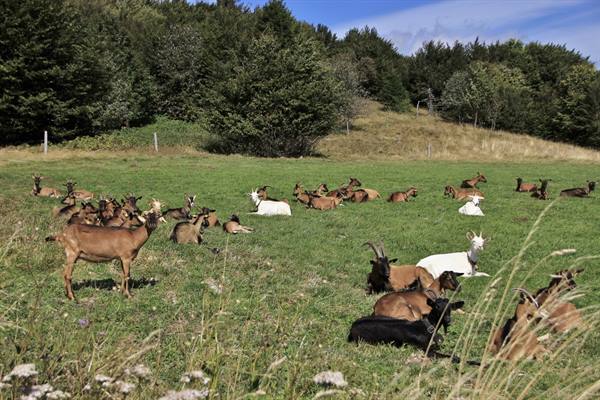
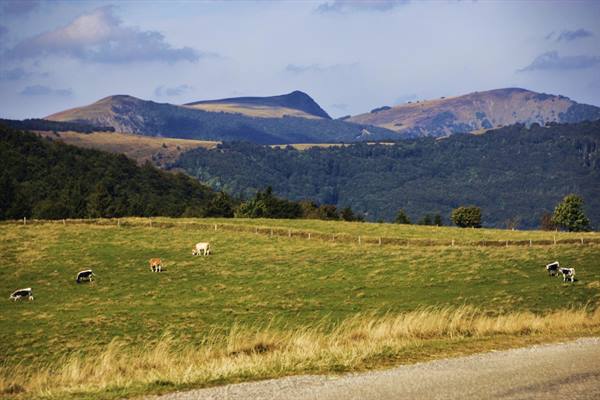
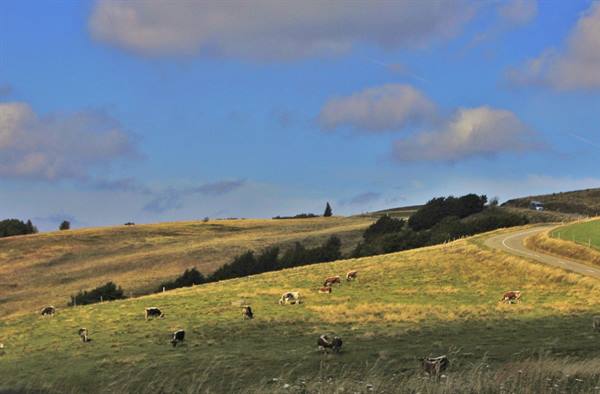
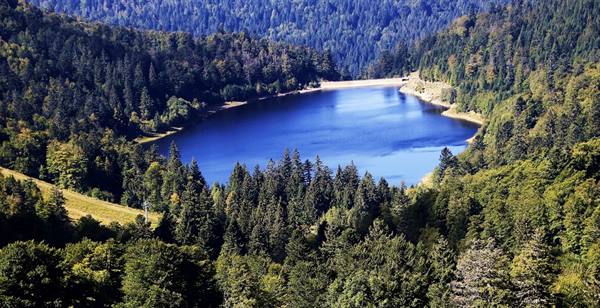
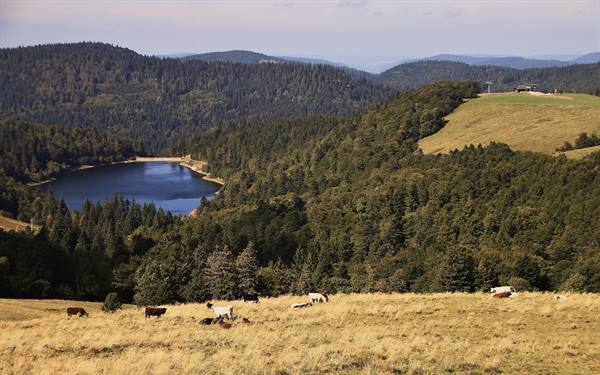
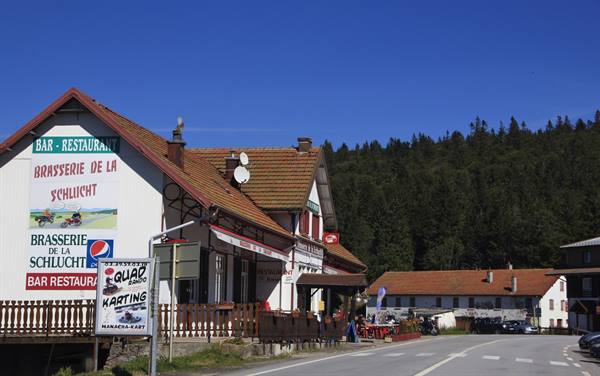
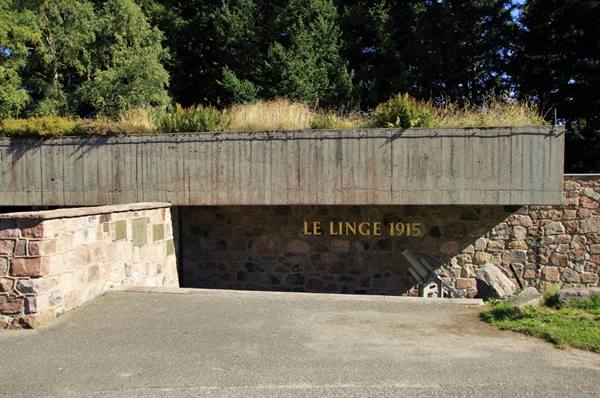
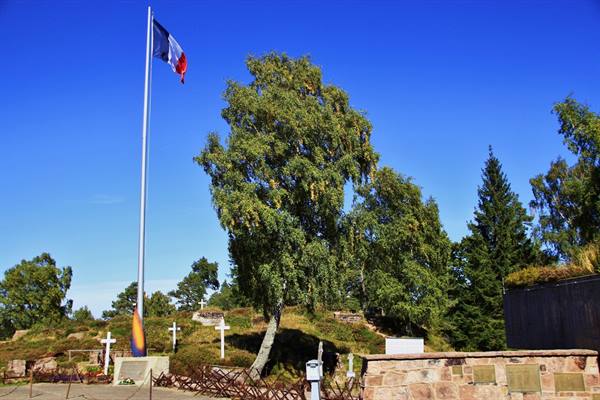
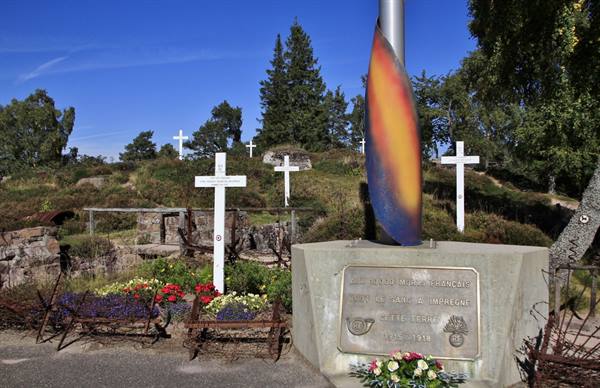
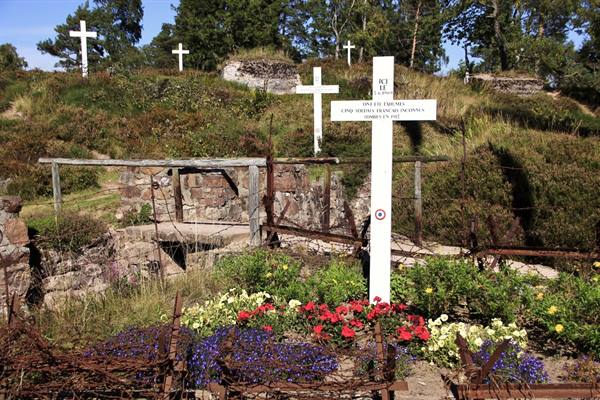
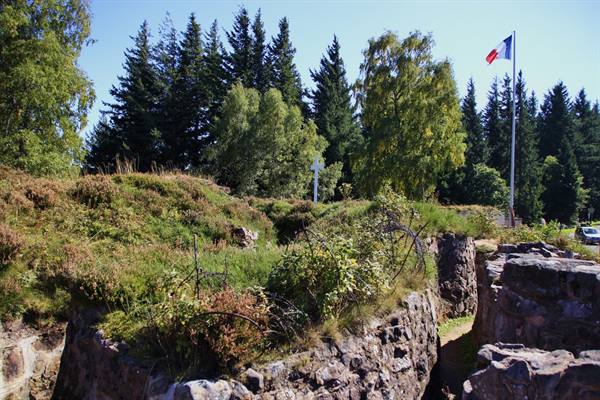
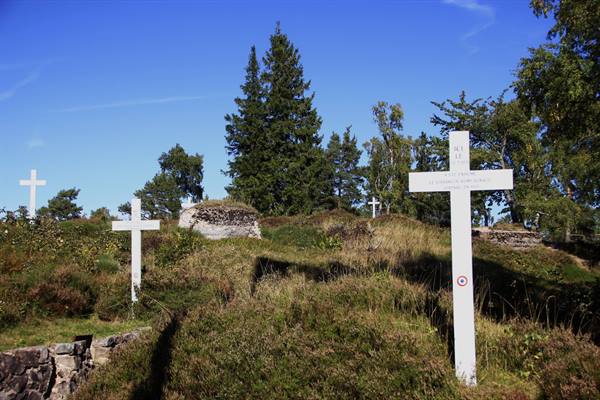
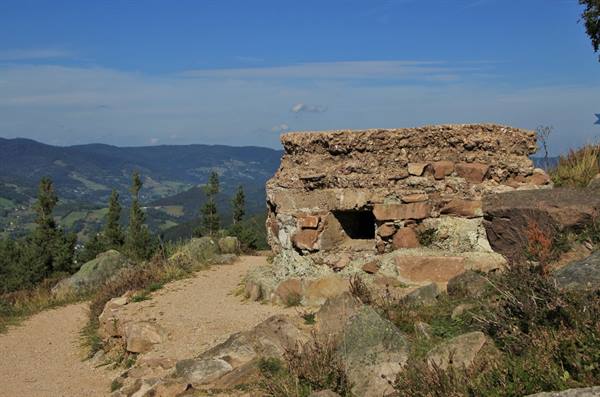
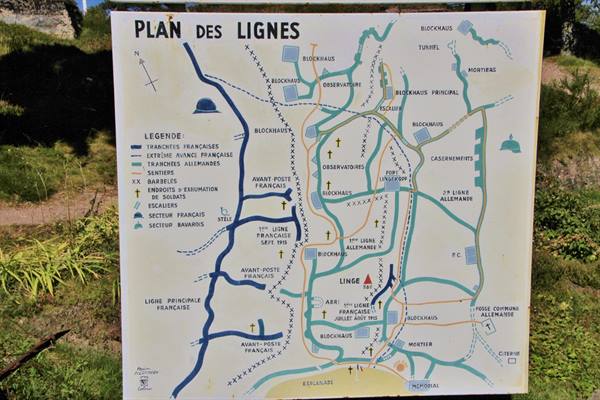
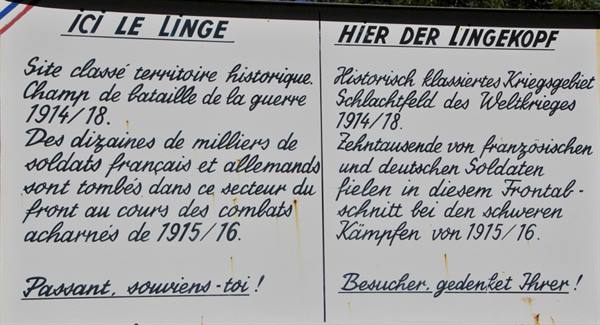
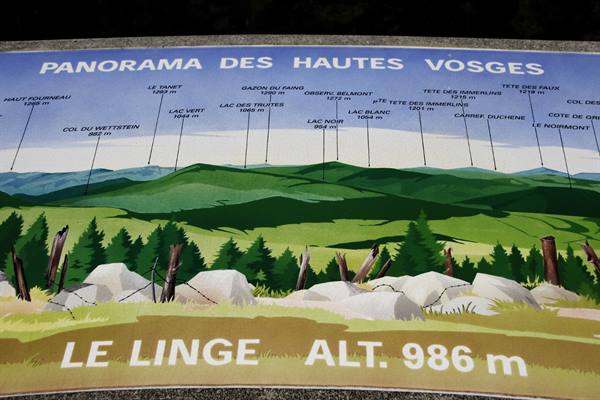
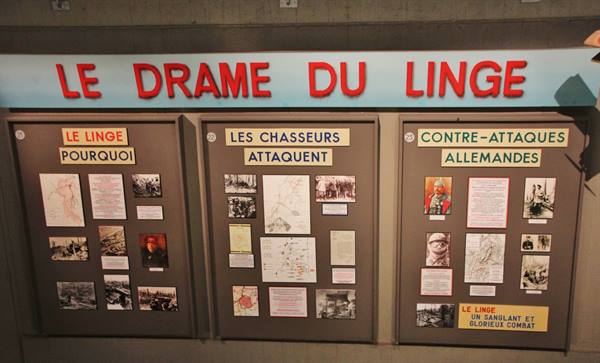
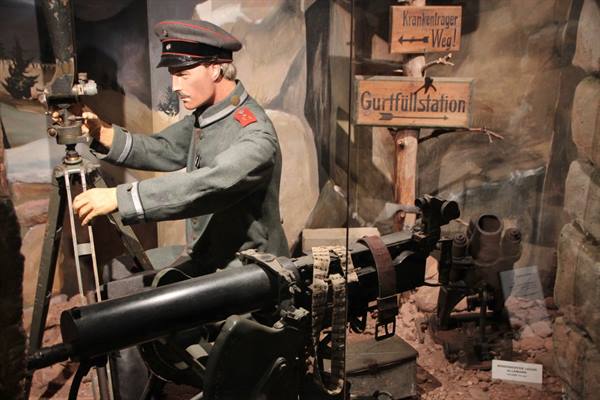
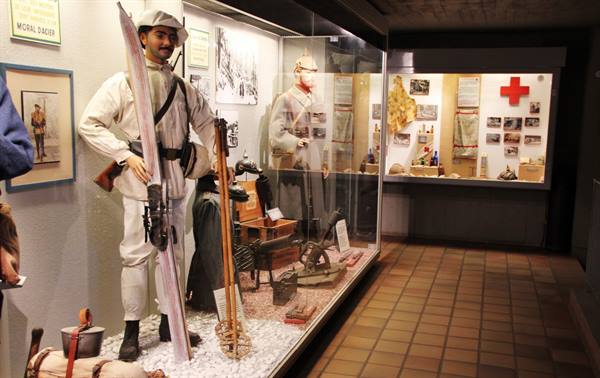
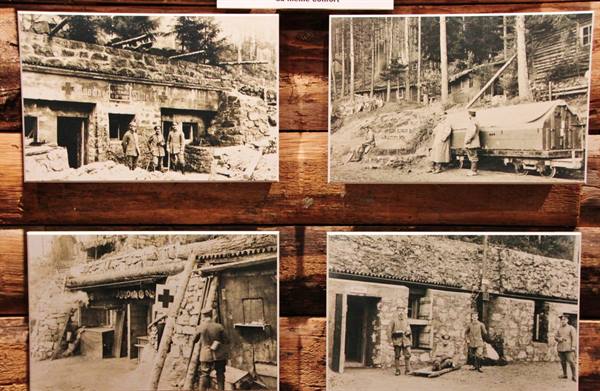
The road winds through a bucolic landscape, rolling hills, plateaus golden in the sun, farms scattered here and there, cows and goats grazing; we stop to admire a lake surrounded by conifers, it is the Lac de la Lande, blue like a sapphire We arrive at the Col de la Schlucht (1139 m), a ski resort; we continue on the D417 then the D 48 which crosses the Munster valley; we pass the Col de Wattstein with the French cemetery and arrive at the infamous Collet du Linge, where the most tragic battles of the First World War took place; the French and Germans in a few months left 17,000 soldiers dead on the field On the hill, among defense turrets, barbed wire and trenches, large crosses indicate the place where the bodies of the fallen were found over the years The memorial museum (€6 per person) bears witness to the battles that were fought in these places; inside are personal objects, weapons,
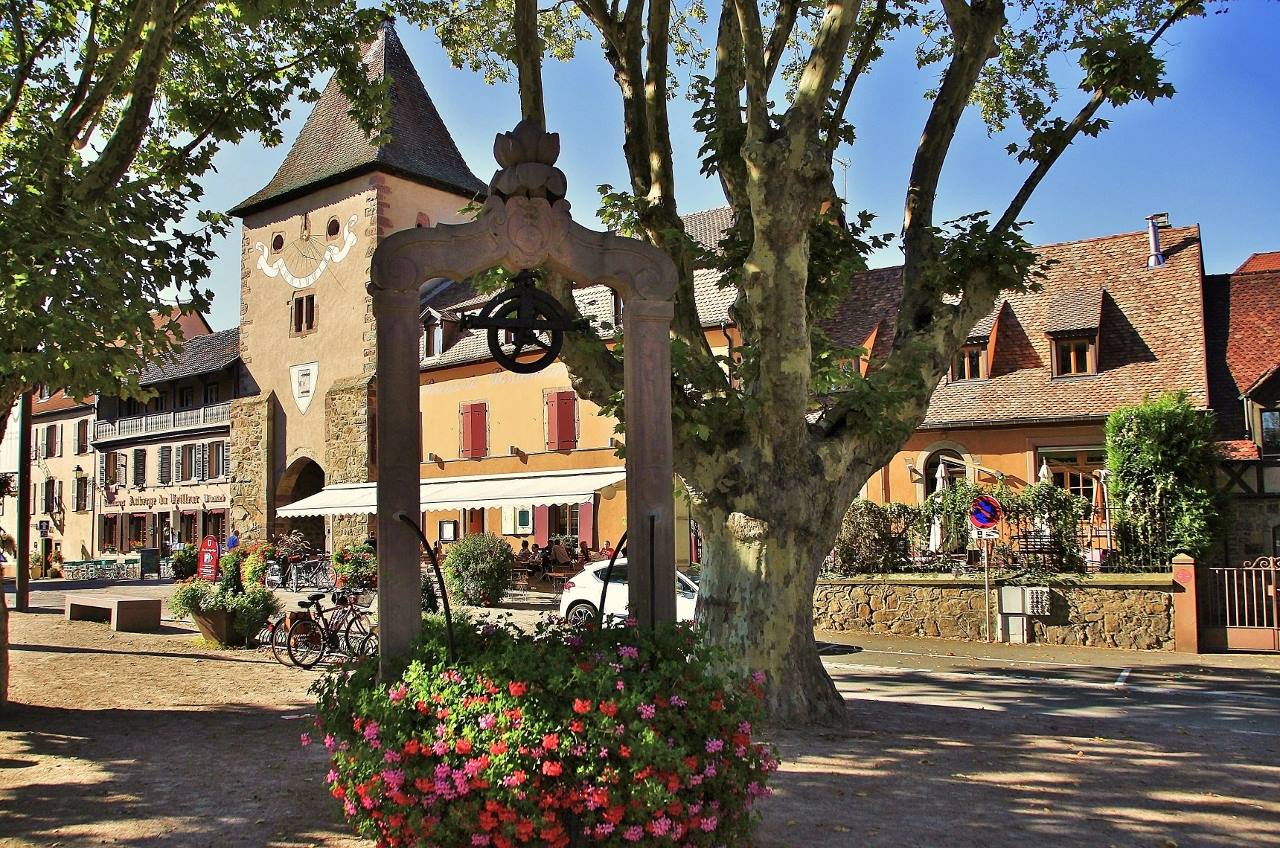
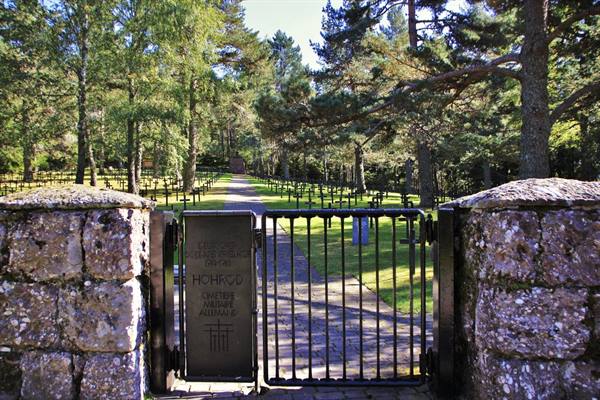
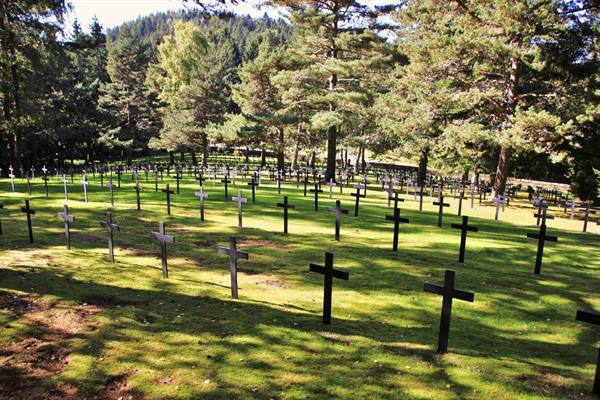
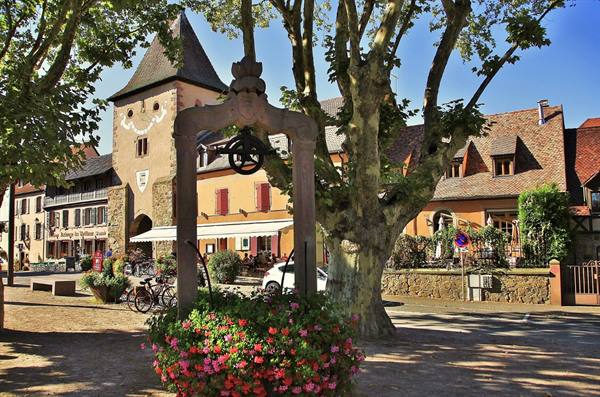
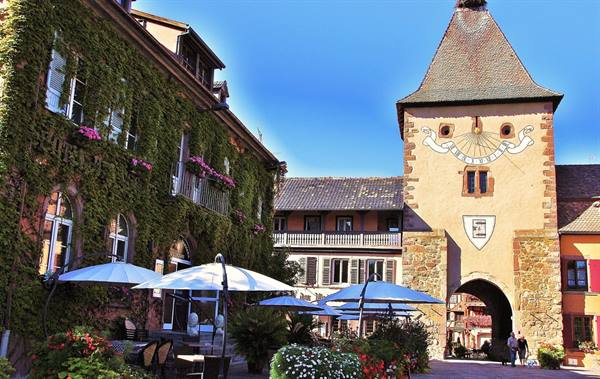
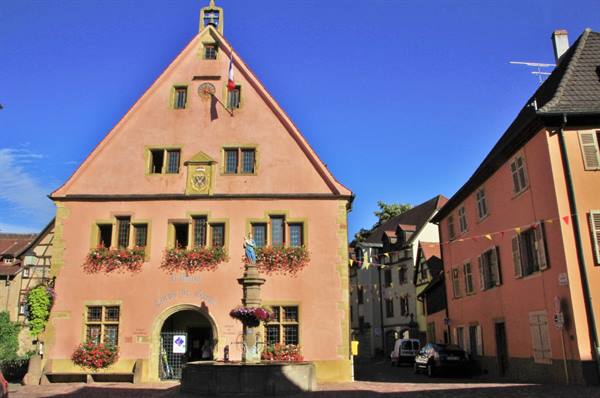
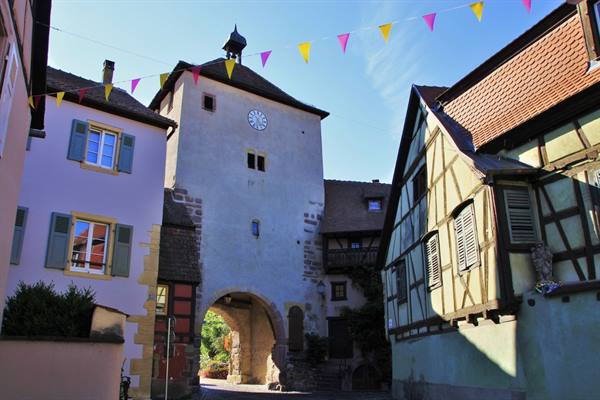
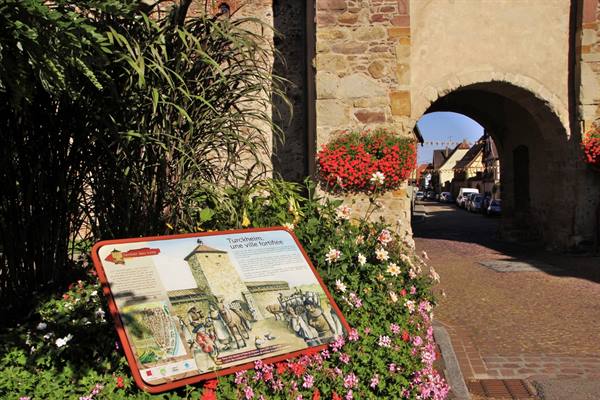
ammunition, uniforms, maps, battle plans, photos and images that explain how difficult it was to live in the trenches A few hundred meters away another expanse of white crosses is the Hohrod cemetery; here German soldiers are buried We continue toward the village of Turckheim, a fortified town on the wine route; we park the car near the massive Porte de France from 1315, a historic monument, the main gate that was closed at night after the evening "angelus" and in times of danger; it was reopened after the morning "angelus"; on the tip, of course, a large stork's nest could not be missing The gate gives access to the village and to Place Turenne with the fountain surmounted by the Virgin with child; a regulation from 1667 prohibited washing clothes and watering animals in order to keep the water clean; behind the fountain is the guardhouse building, once the town hall, school, meeting roo
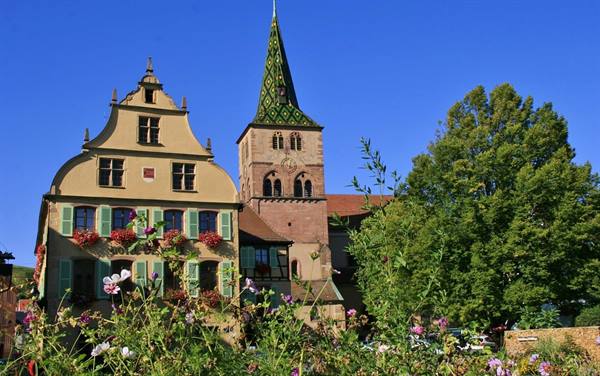
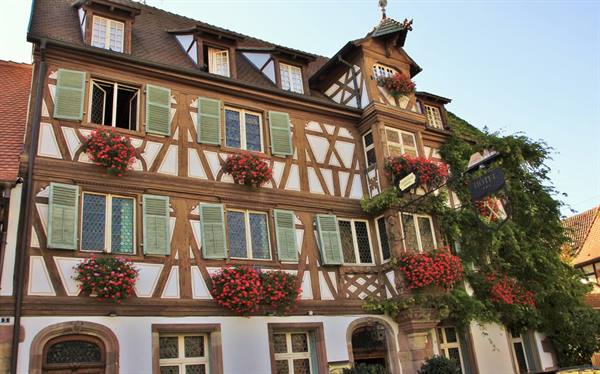
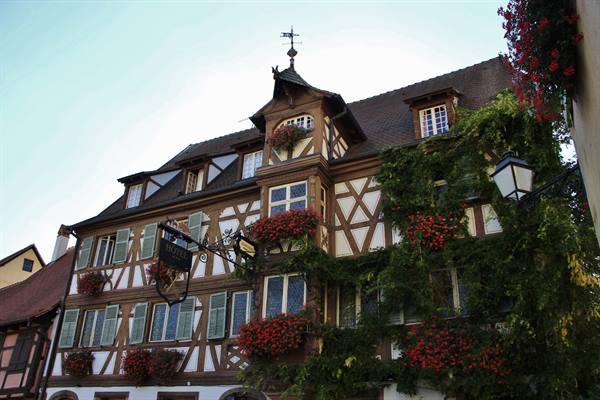
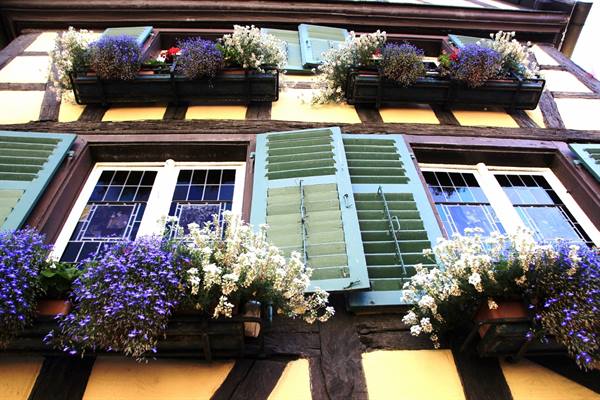
m and naturally shelter for soldiers; on the facade an imperial eagle; on the roof peak a small bell tower with a bell from 1658 used to call citizens to gather Further on is the Hotel Des Deux Clefs, an old guesthouse reserved for illustrious guests; a wisteria plant climbs up the half-timbered facade, wrapping around a carved wooden bow window, bottle-bottom windows and cascades of flowers On a small square is the town hall built in the 17th century, once the seat of the court of justice, and the church with the bell tower with a majolica roof; continuing through lanes and alleys we reach the Brandt gate, which gives access to the vineyards and was kept closed until the grape harvest Returning along our steps we take the Gran Rue, which reaches the Porte de Munster, or gate of torture; from here those condemned to death passed to be executed outside the walls; naturally the street is a
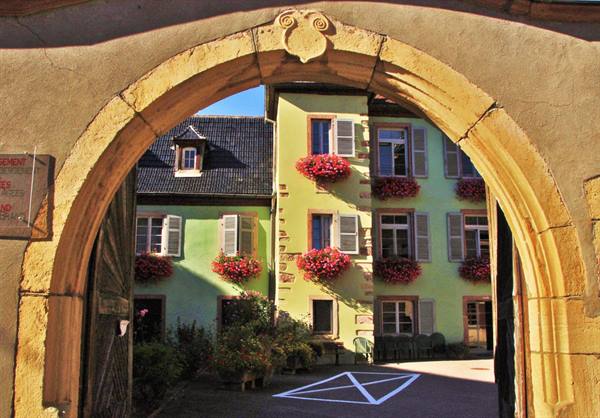
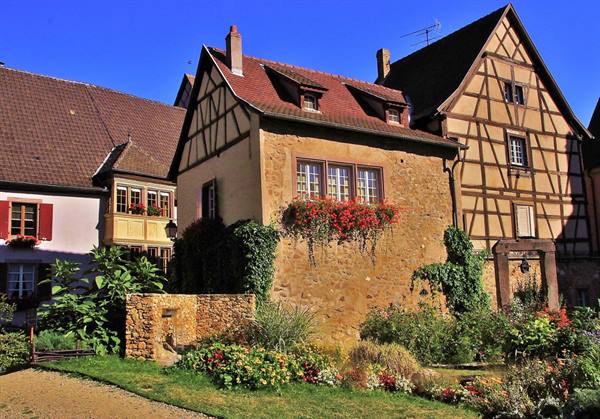
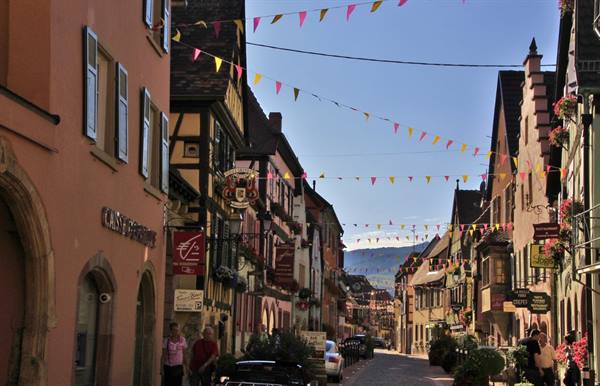
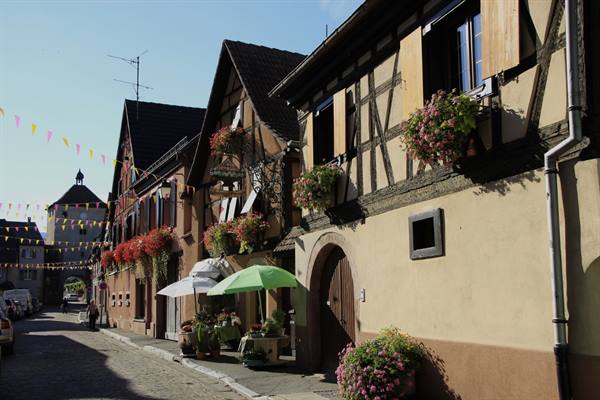
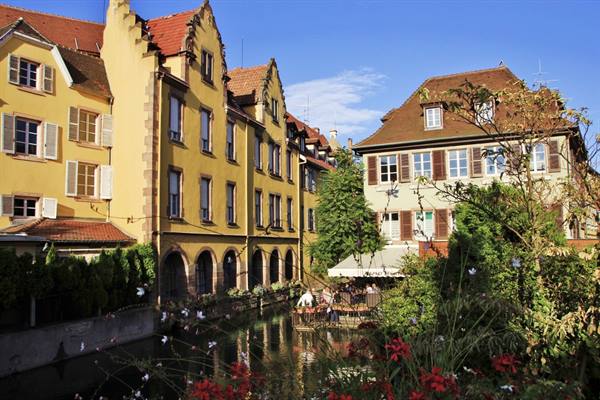
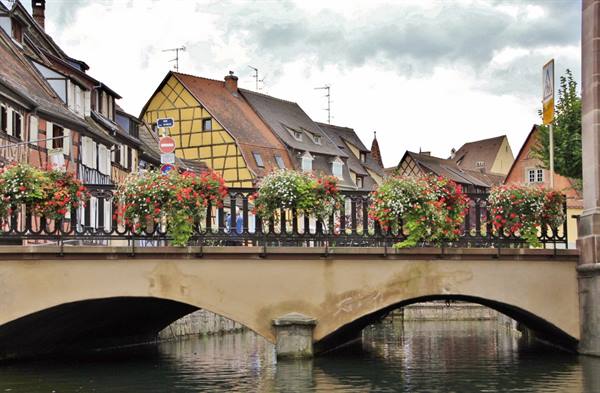
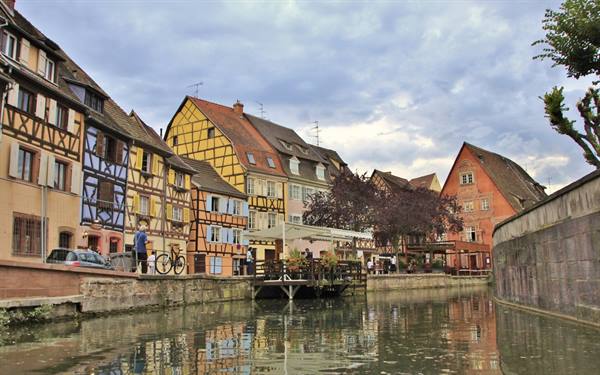
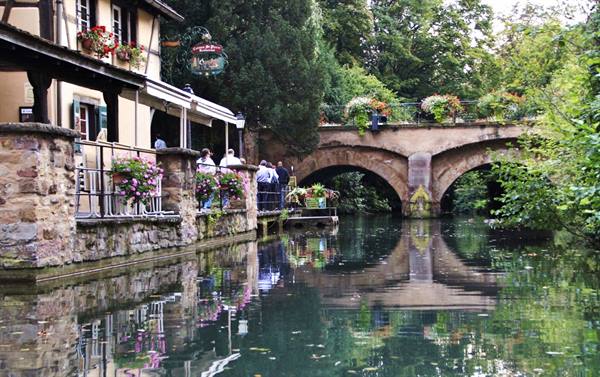
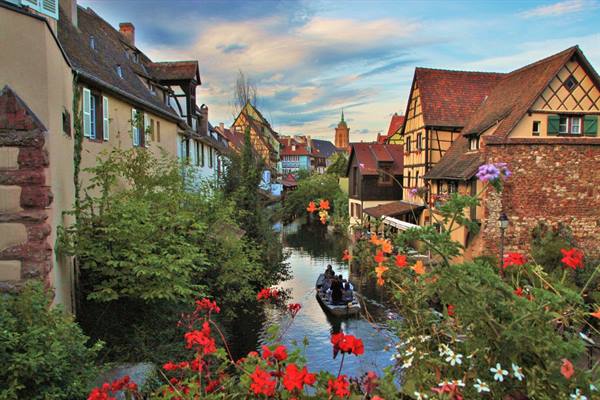
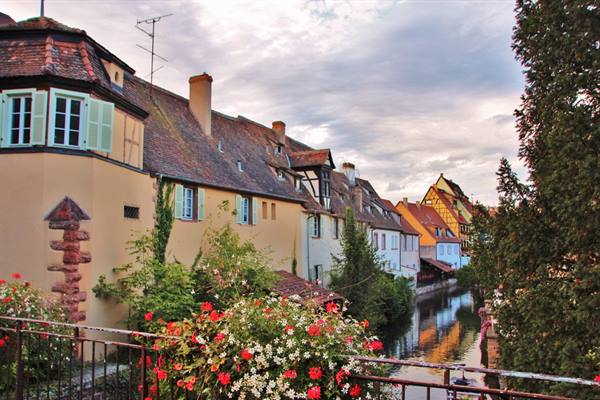
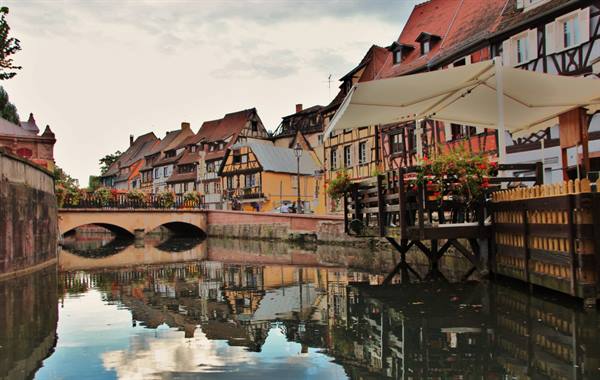
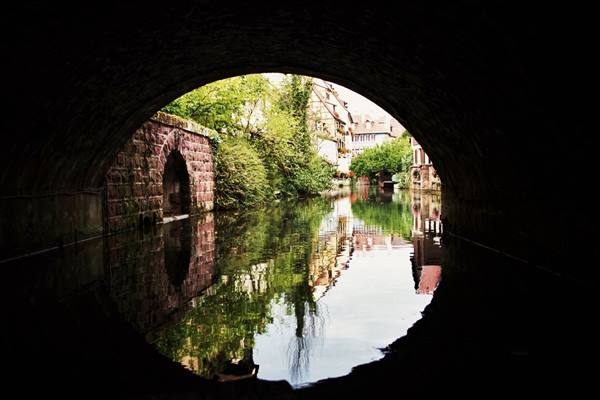
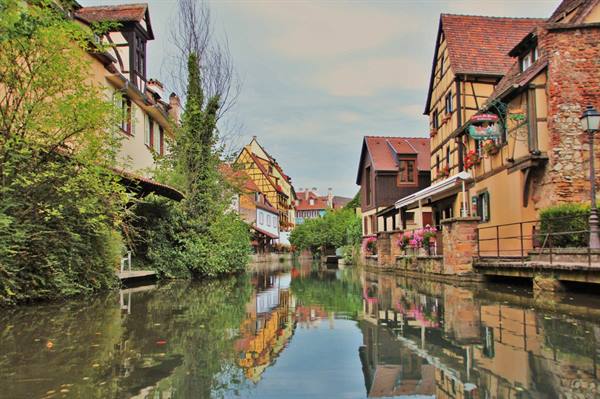
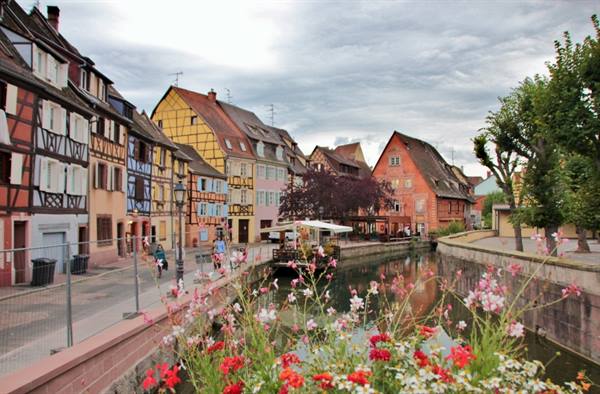
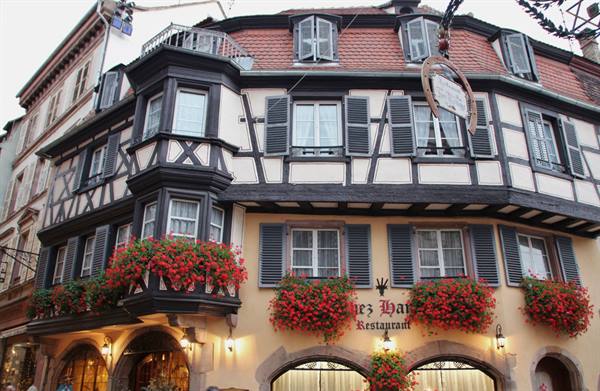
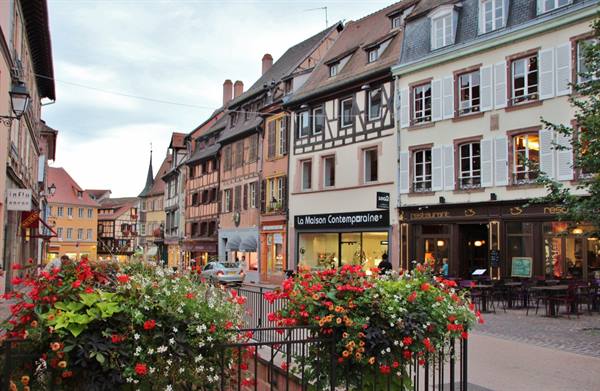
triumph of flowers, wrought iron signs and old houses Turckheim is also the village that has managed to keep an ancient tradition alive; from 1 May to the end of October a night watchman with a tricorn, halberd and lantern goes around the streets to check that all is well; in the past his purpose was to prevent fires, an unextinguished fire or candle could trigger a disaster for the village Only 8 km away is the city of Colmar; as last time we find parking in rue Turenne, very close to Little Venice; we stop immediately at the winstub La Krutenau, where there is a small landing stage and we manage to book for the last canal tour (€ 6 per person) Meanwhile we return to tour the village; spared from the fighting of the war, it has a historical and architectural heritage of hundreds of years: half-timbered houses with colorful walls, wrought iron shop signs and ancient medieval and Renaissan
ce buildings
Turckheim
Day 222 Sep 2012
Saturday 22 September Strasbourg -Schoenenbourg 54km Metz 176 km--Total 230
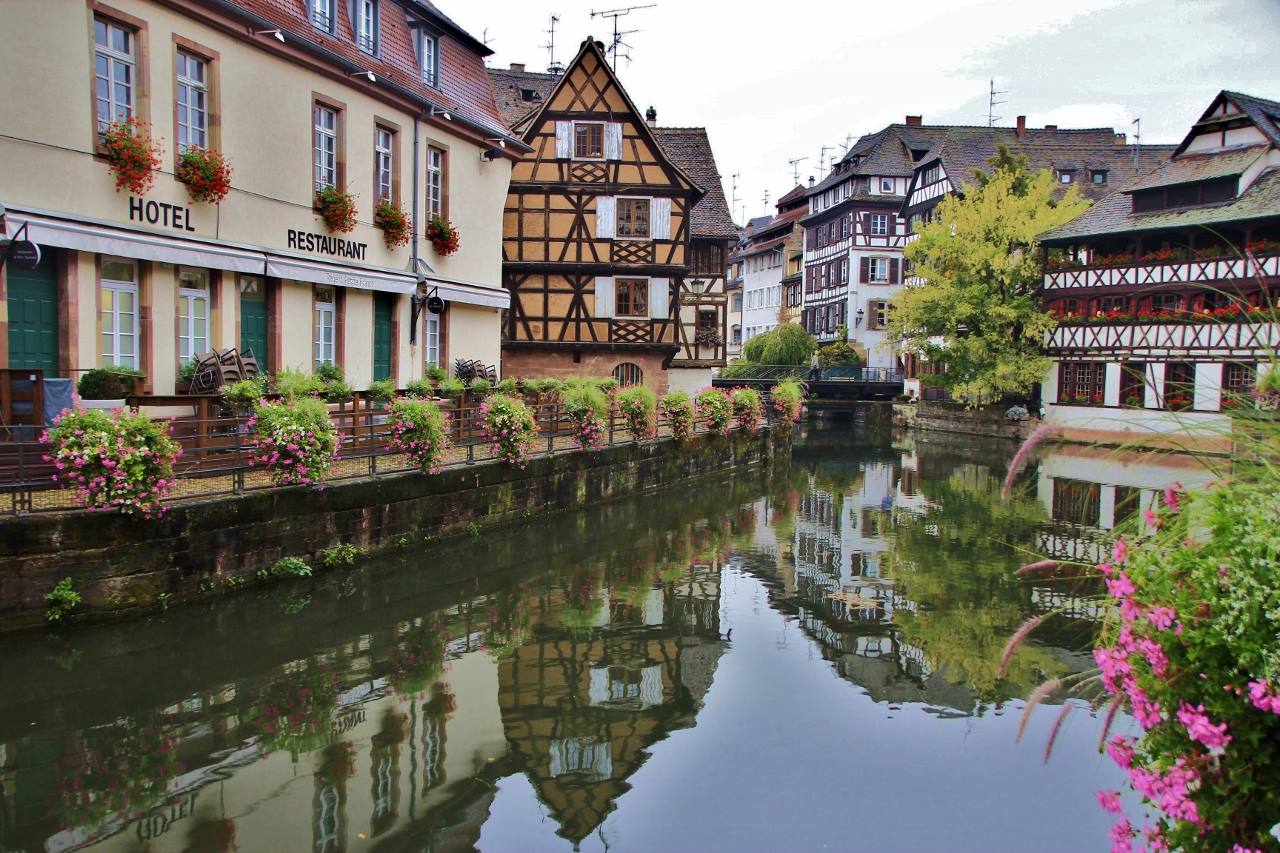
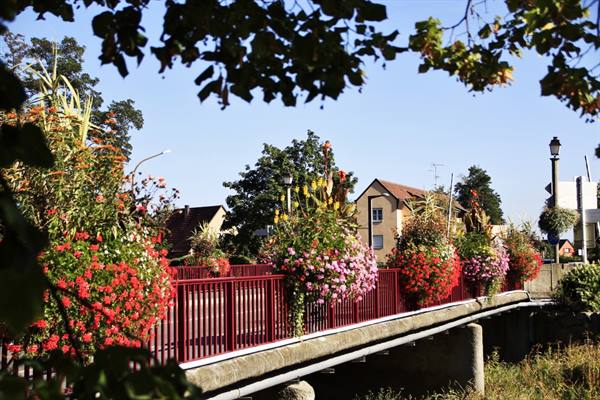
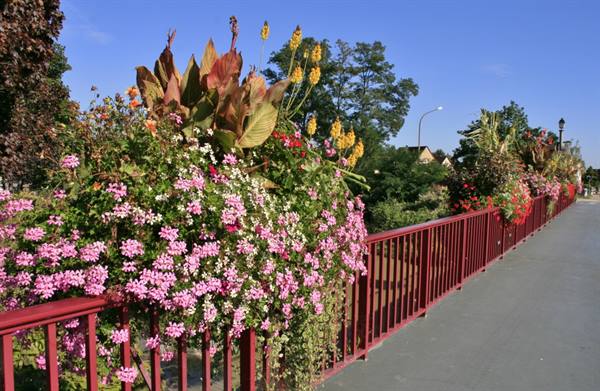
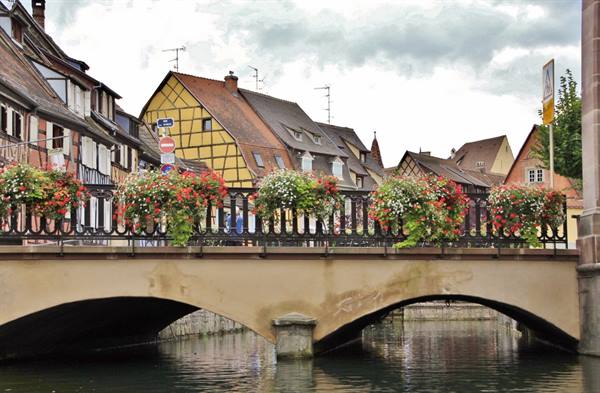
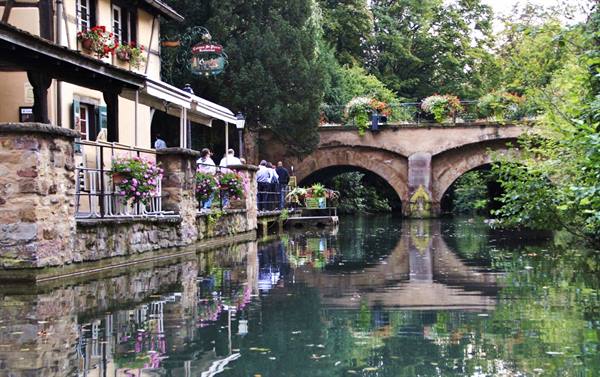
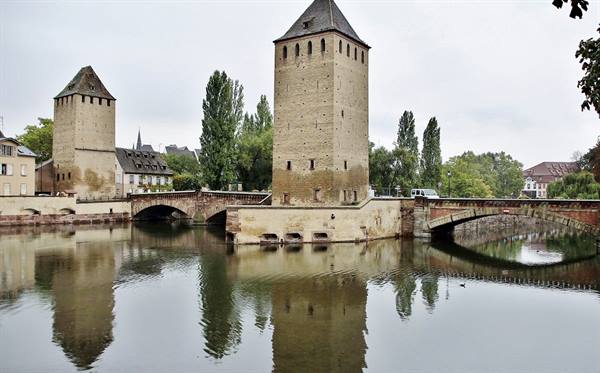
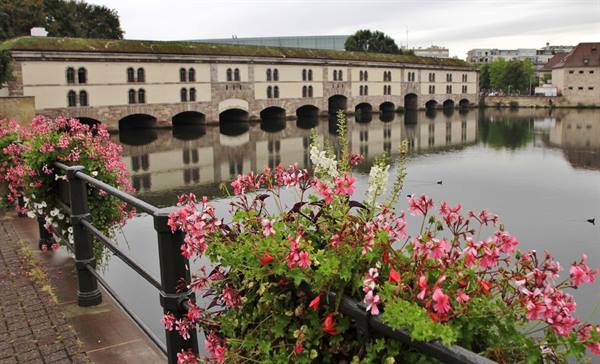
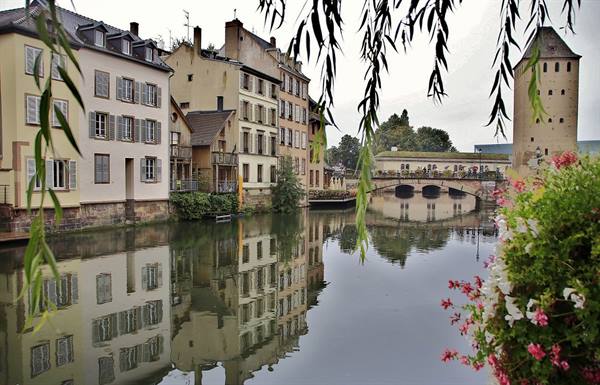
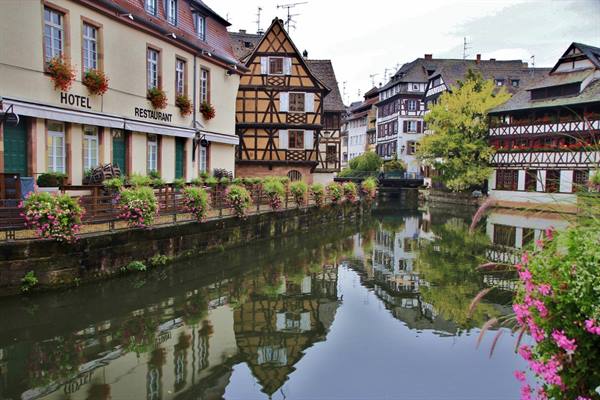
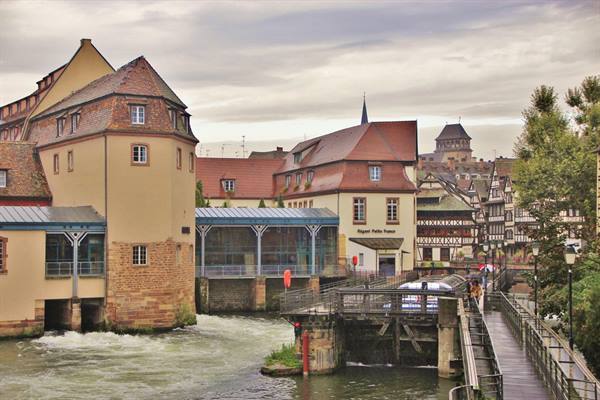
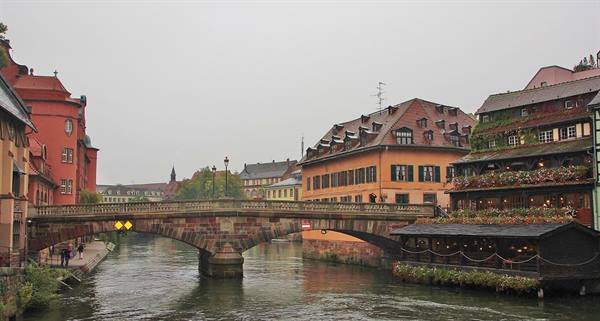
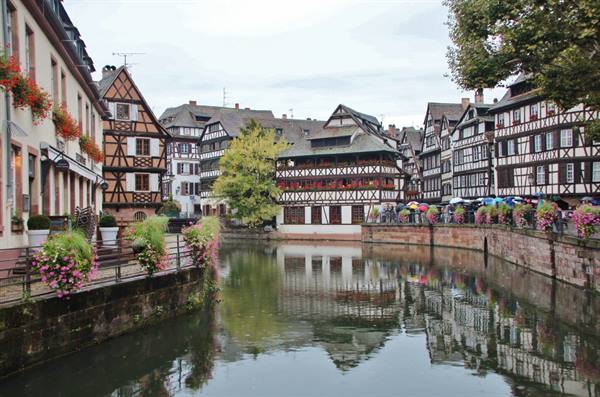
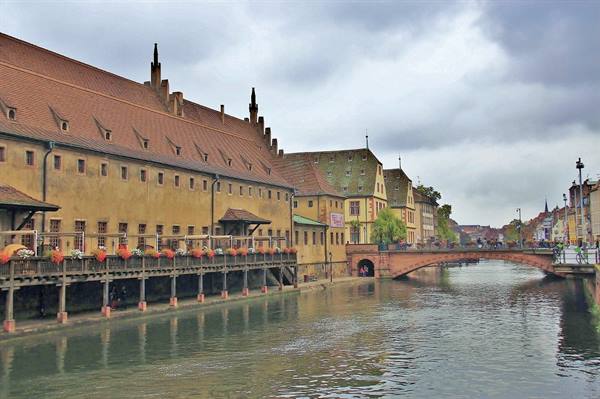
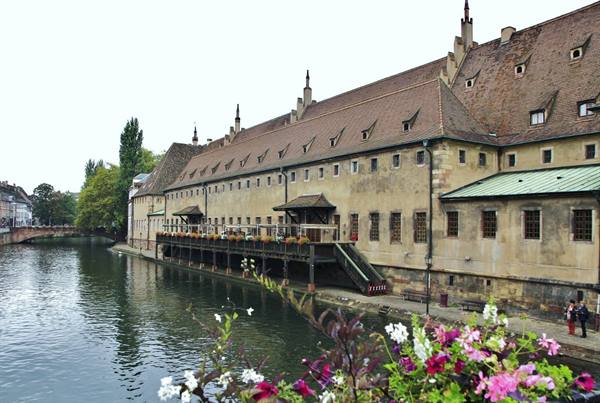
We start our tour of the city from the great lock (Barrage Vauban) under a gray and drizzly sky; the dam was built in 1960 to regulate the level of the Ill river, a tributary of the Rhine, which at this point divides to form five branches; it is the historic quarter of Strasbourg, Petite France From the panoramic terrace above the lock I hoped to be able to admire the "Ponts Couverts", but as in December when I first came to the city, they are still closed for renovation We begin the visit from the four towers of the picturesque "Ponts Couverts" which, although they have lost their roof, still have great charm; we wander around Petite France admiring the flowers that adorn bridges and railings along the canals, giving a bit of color and cheerfulness to this gloomy day.
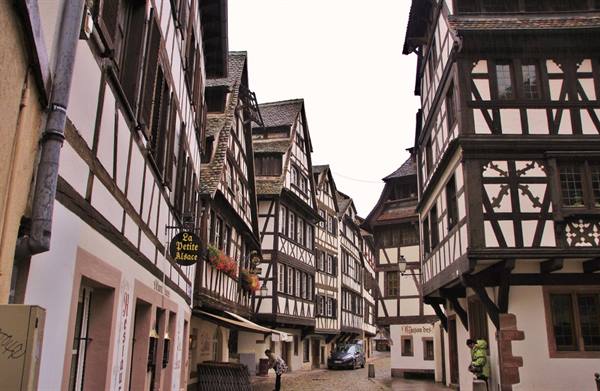
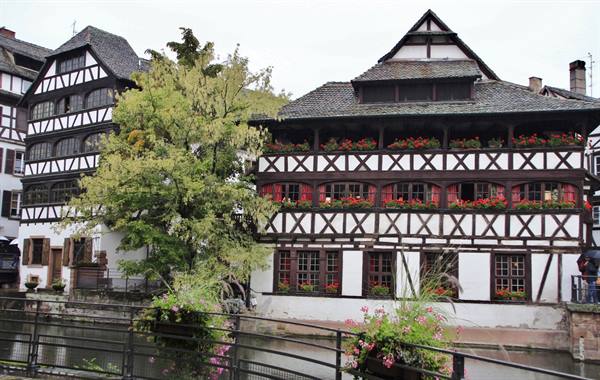
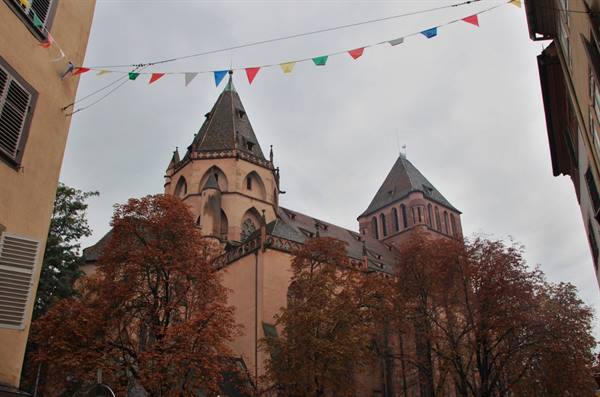
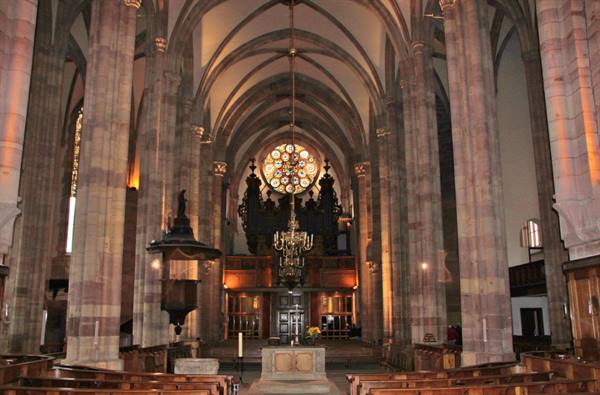
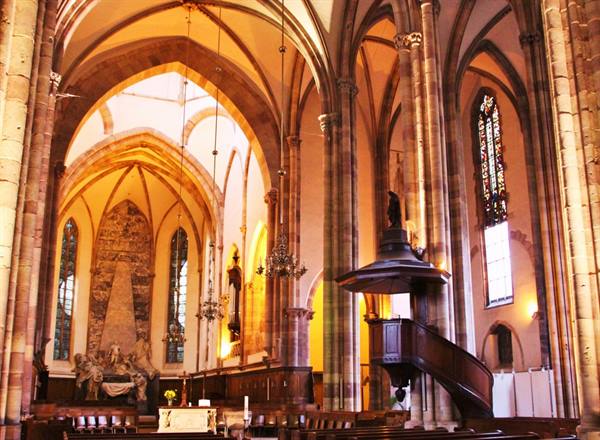
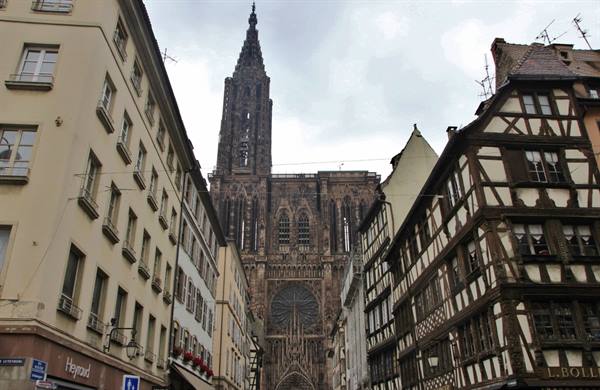
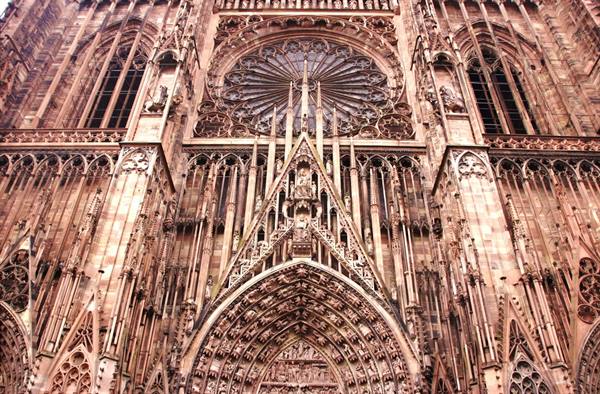
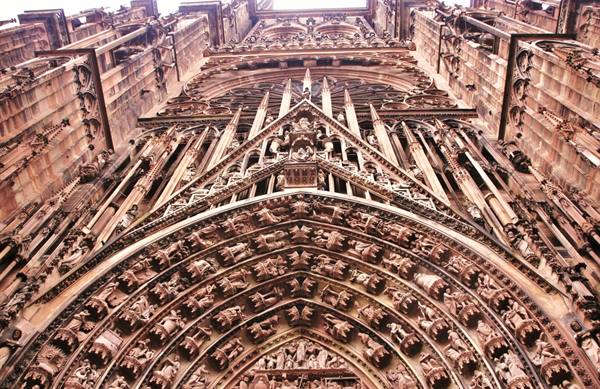
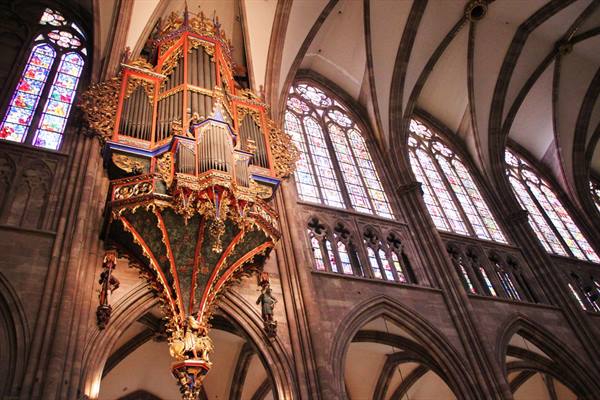
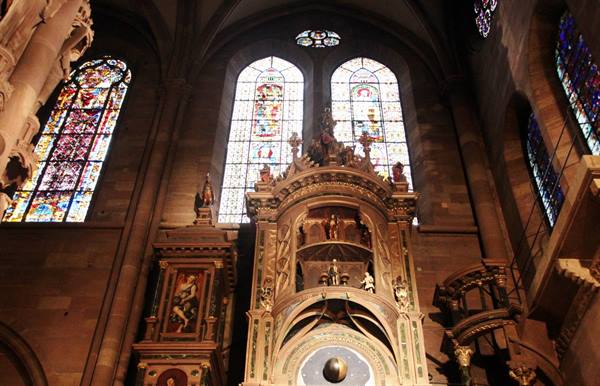
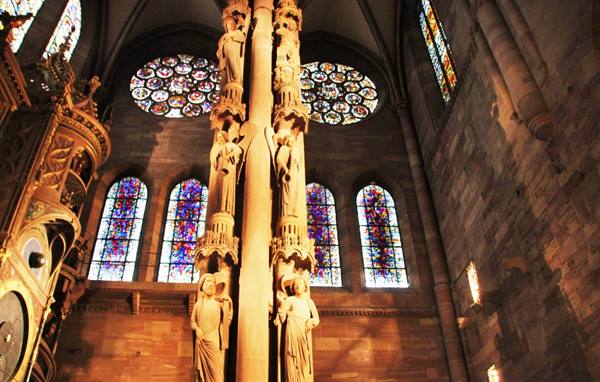
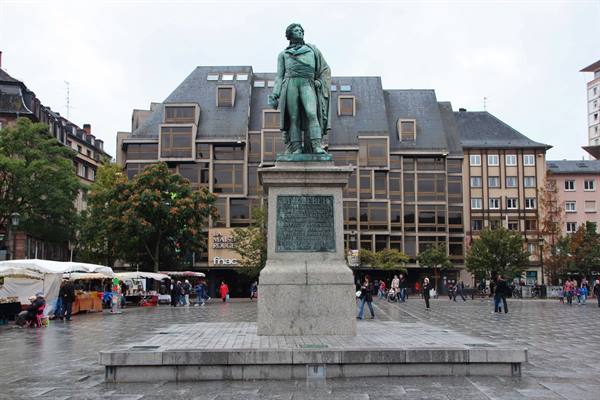
This is the most characteristic quarter of Strasbourg, with beautiful half-timbered houses with galleries and gables, where fishermen, tanners and millers once lived; we pass in front of the Maison des Tanneurs (house of the tanners) with its sloping roofs where hides used to be dried We see again the Lutheran church of Saint Thomas with inside the mausoleum of Maurice of Saxony, known as Marshal de Saxe, and the "Silbermann" organ, classified as a historic monument, famous throughout the world for its extraordinary sound; we walk along the river to the old customs house and to the Pont du Corbeau, a place of execution by drowning Place Gutenberg with the statue of the inventor of printing, the square with the cathedral of Notre Dame, the "pink angel of Strasbourg", with a facade so wonderful that it leaves you amazed, with hundreds of sculptures and lace-like details; the interior with t
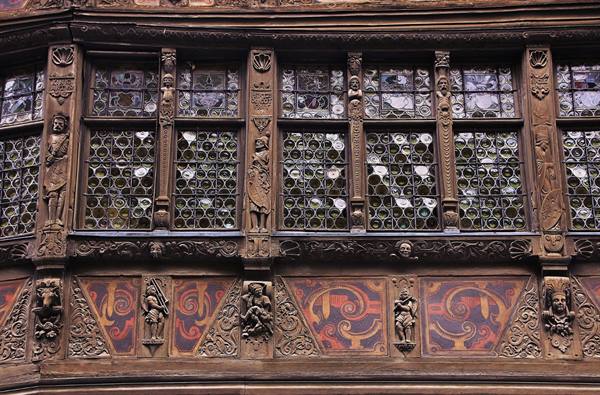
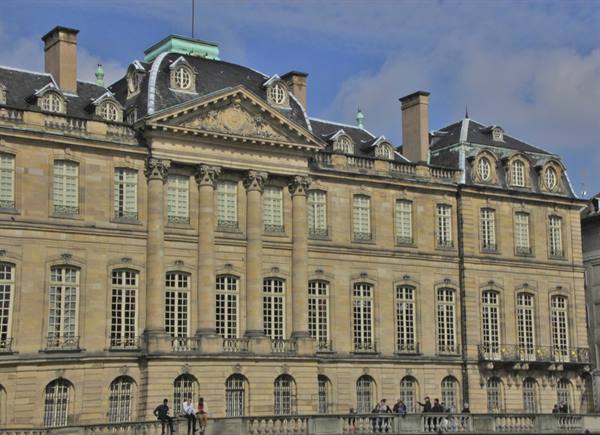
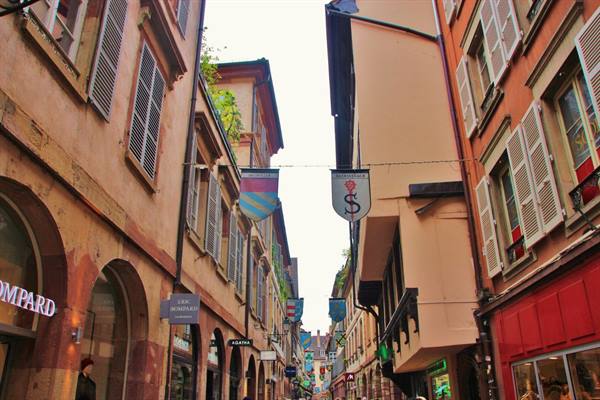
he golden "swallow's nest" organ, the transept with the pillar of the angels, the astronomical clock, the approximately 70 stained glass windows in astonishing colors. Next to it, Place du Chateau, where there is the entrance to access the cathedral terrace, and the Palais Rohan In the square in front of the cathedral is the Maison Kammerzell, built by a wealthy merchant; its half-timbered facade, the decorations and the bottle-bottom windows make this house the oldest and most decorated in the city We continue along Rue des Orfevres with many shops of Alsatian delicacies, Place du Marche with the Temple Neuf church and the large Place Kleber with the statue of Napoleon's marshal.
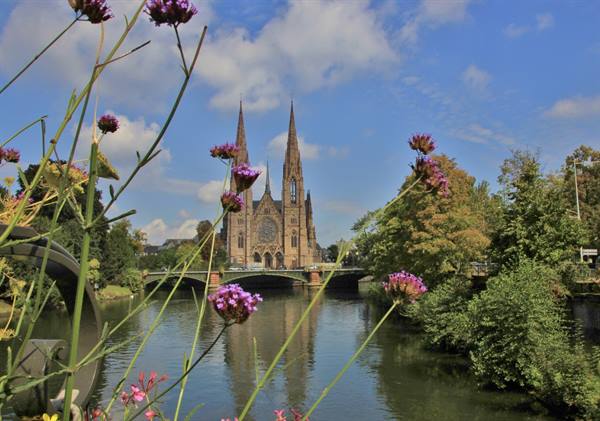
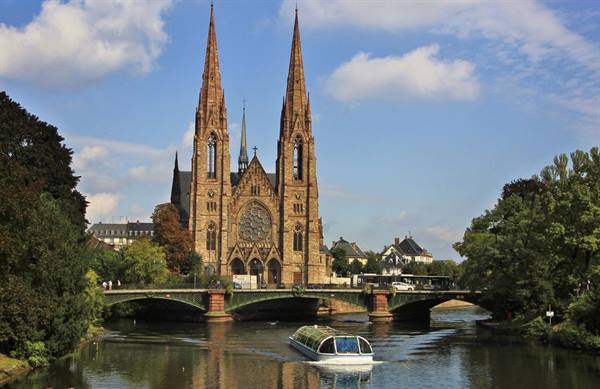
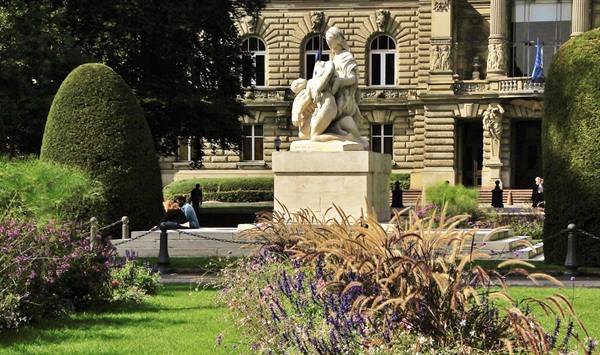
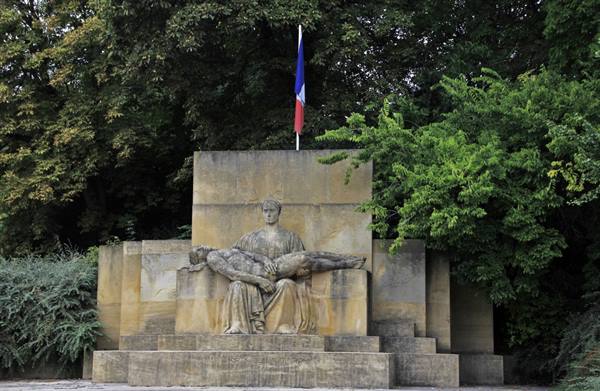
We take the car and leave the old city to go to those places that we had previously visited only during the boat tour; we stop on the bridge of Avenue de la Marseillaise, it is the best view to see the church of Saint Paul, built in a scenic position at the confluence of the rivers Ill and Aar Continuing we arrive at the large Place de la Republique in the German quarter; in the center of a flowered garden is the monument to the fallen with the inscription "to our dead", which expresses the tragedy experienced over the centuries by this region Because of its position, over the course of history Alsace found itself in the middle of terrible conflicts, passing four times between France and Germany, which alternated their rule over the region; it returned definitively to France after the liberation in 1944 The monument, sculpted by Leon Ernest Drivier (Grenoble 1878-Paris 1951), shows a grie
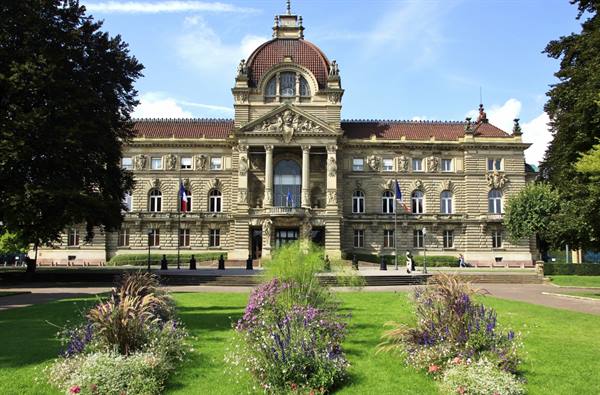
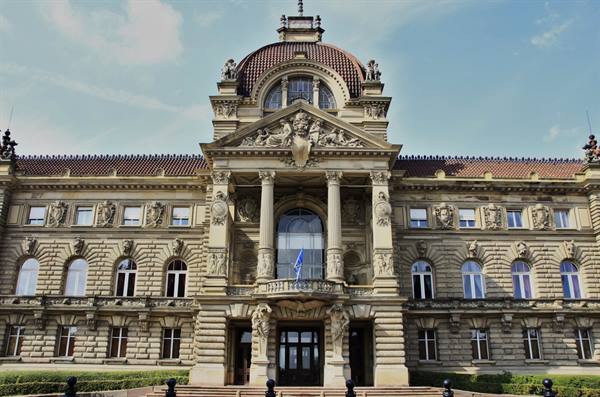
ving mother with two dying sons on her knees, one dead for France and the other for Germany, who before drawing their last breath hold hands A monument that makes you reflect on the disasters that war can cause, on grief and the loss of human lives The square is surrounded by majestic buildings that house the National Theatre, a historic monument in Renaissance and Neoclassical style, the National and University Library, the largest after the one in Paris with more than three million books and two thousand incunabula, the Prefecture, the Regional Treasury and the Palais du Rhin The Palais du Rhin, or imperial palace because under German rule it hosted the emperor during his visits to Strasbourg, built in yellow sandstone in Renaissance style, dominates the square with its dome; the facade is embellished with several sculptures and on the pediment stands out the imperial eagle We take the
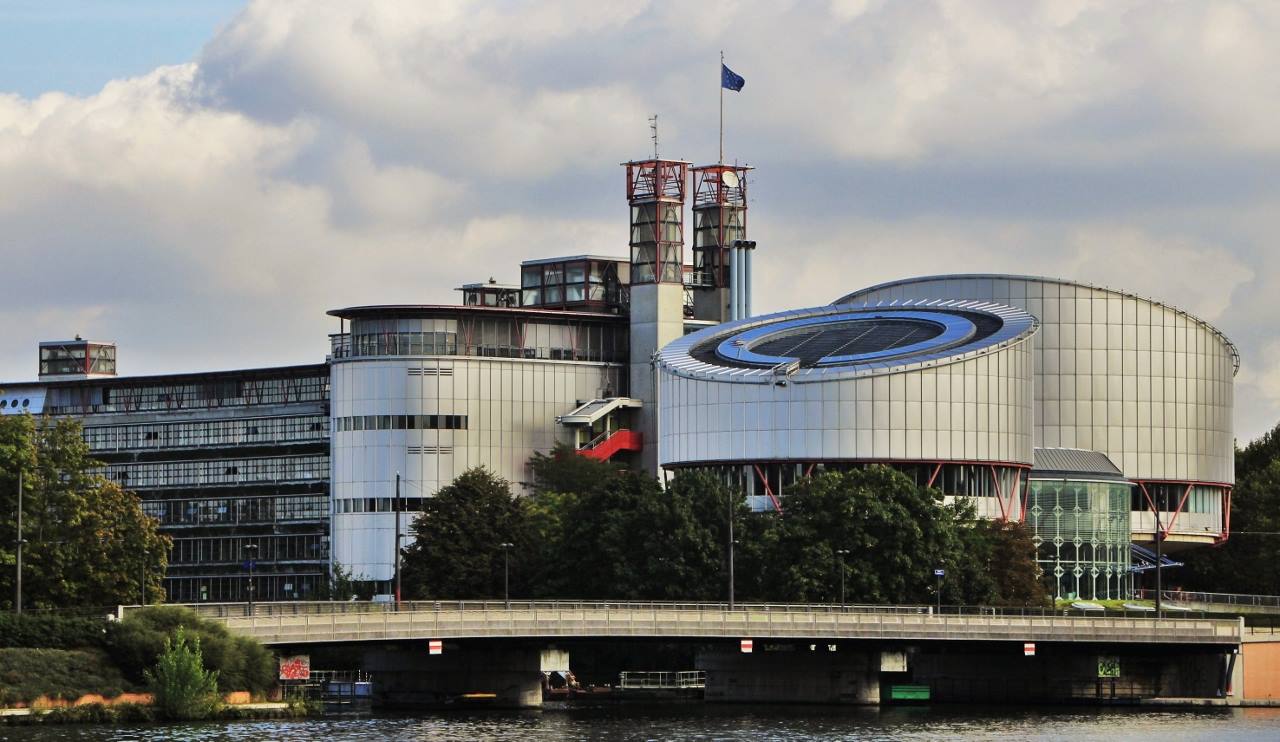
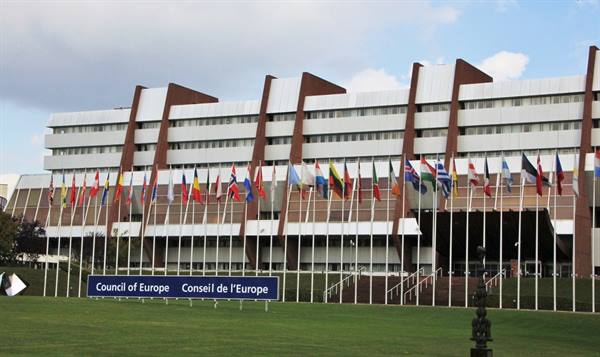
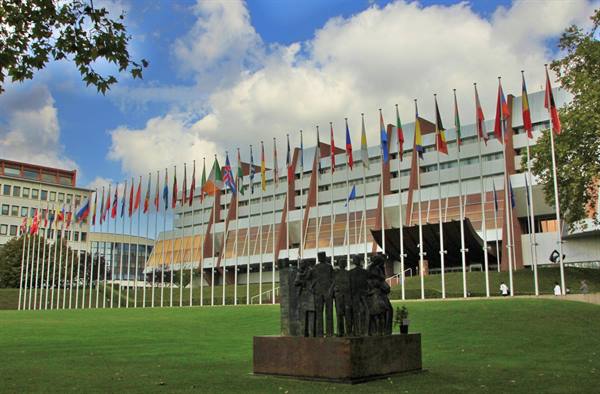
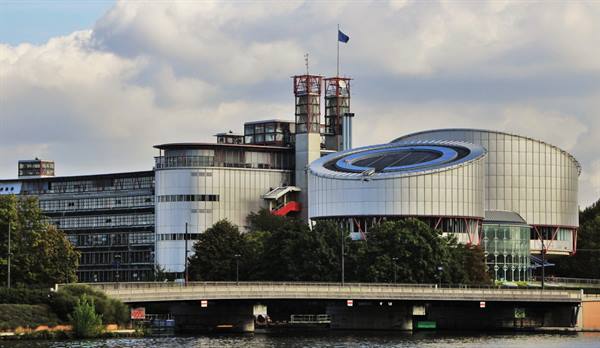
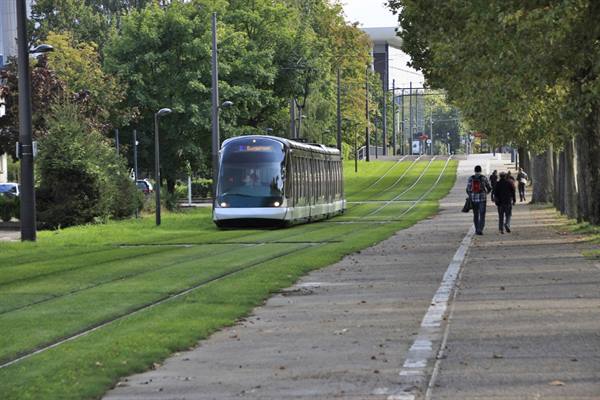
car again and head to Avenue de l'Europe in the quarter of the European institutions with modern buildings; we park in front of the Parc de l'Orangerie opposite the Palais de l'Europe, permanent seat of the European Council; every month for four days they meet to discuss, vote, amend, approve or reject proposals A staircase leads to the entrance of the palace which, seen from the outside, resembles a cube in brown, red and silver colors with rows of small windows; in front is a park with sculptures and the flagpoles where the flags of the European states fly As we continue toward the Palais des Droits de l'Homme (Palace of Human Rights) we notice that the area is incredibly quiet, even the tram tracks run on a grassy surface; the palace was built on the bend of the Ill river that crosses Strasbourg; from the central body two long buildings extend toward the rear, while at the front two pa
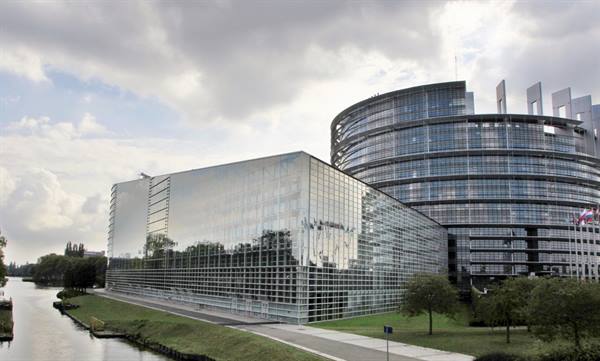
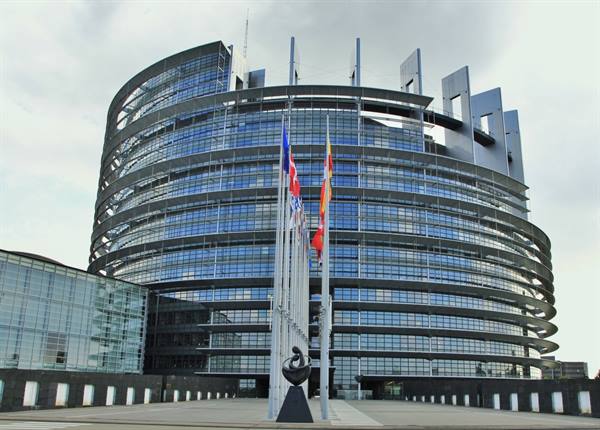
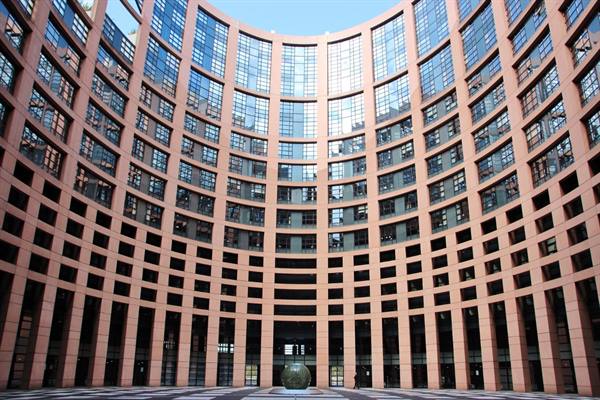
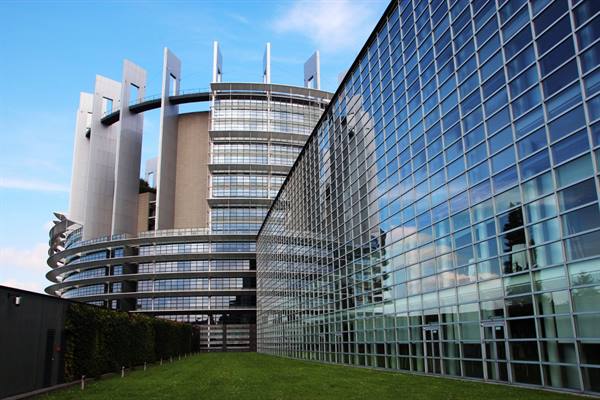
rticular and imposing cylindrical glass structures rise, recalling the scales of justice. The palace houses the European Court of Human Rights and each year receives thousands of appeals from citizens; hearings are public and take place in the last week of every month A few hundred meters away rises the best-known building, that of the European Parliament, named after Louise Weiss, daughter of an Alsatian father, a feminist journalist and the European parliamentarian who delivered the opening speech of the first session of the parliament The building has a capacity of 750 seats and is built in the shape of a wing from which emerges a circular structure of glass and metal, an ellipse and a circle representing the exchange between democracy and power, a tower 60 meters high on 17 levels with 1133 offices for the representatives of the 27 countries of the European Union; the deputies meet in
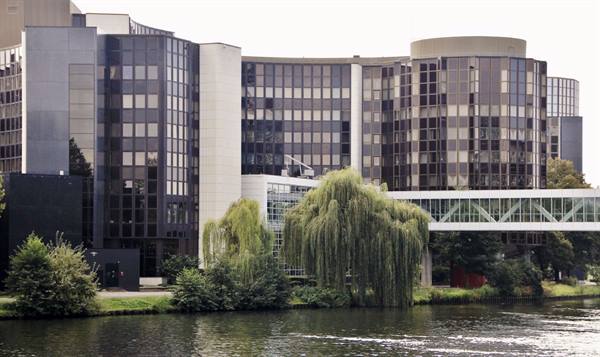
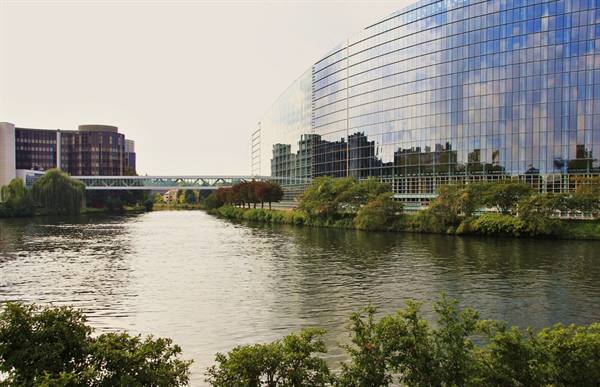
session four days once a month After passing the caretaker's gatehouse we enter this circular building; the appearance is that of a "modern Colosseum"; the building with the offices is where the spectators sat and the open-air courtyard is the arena; we walk around peering through the glass; at this moment there is no one, only the two of us After leaving the courtyard we walk around this building connected by a bridge to the older buildings of the European Parliament; on the other bank are the buildings named after Pierre Pflimlin (he was president of the European Parliament), Winston Churchill (one of the founding fathers of a united Europe) Salvador de Madariaga (Europeanist politician, co-founder of the College of Europe), a union of architectural works that, surrounded by the green of the trees, are reflected in the river.
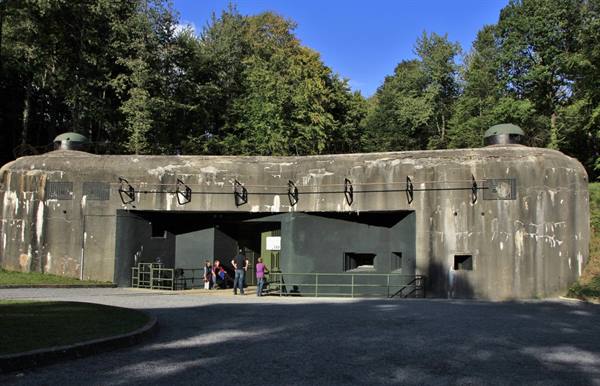
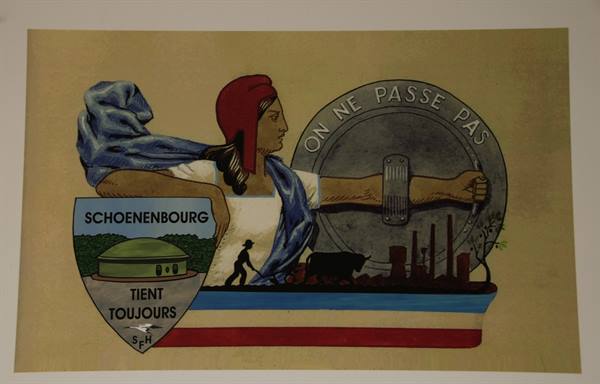
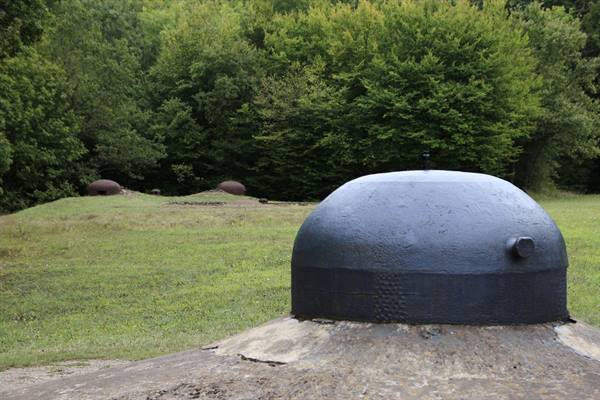
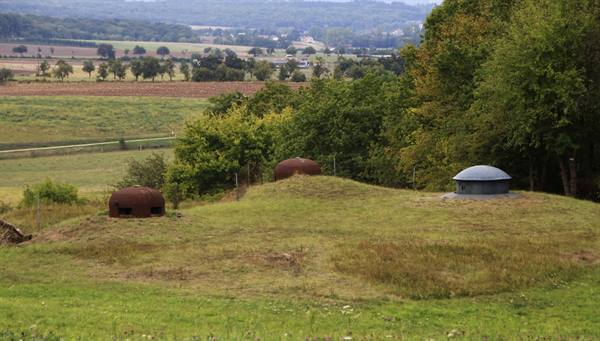
We leave the city and head to Fort Schoenenbourg, the main defensive complex of the Hagenau area, one of the structures of the Maginot Line; the entrance hours in this period are only from 14 to 16; the ticket costs € 6; the visit is self-guided and, by requesting it at the ticket office, you can get a booklet in Italian that explains what you are observing during the tour
Strasbourg
Day 322 Sep 2012
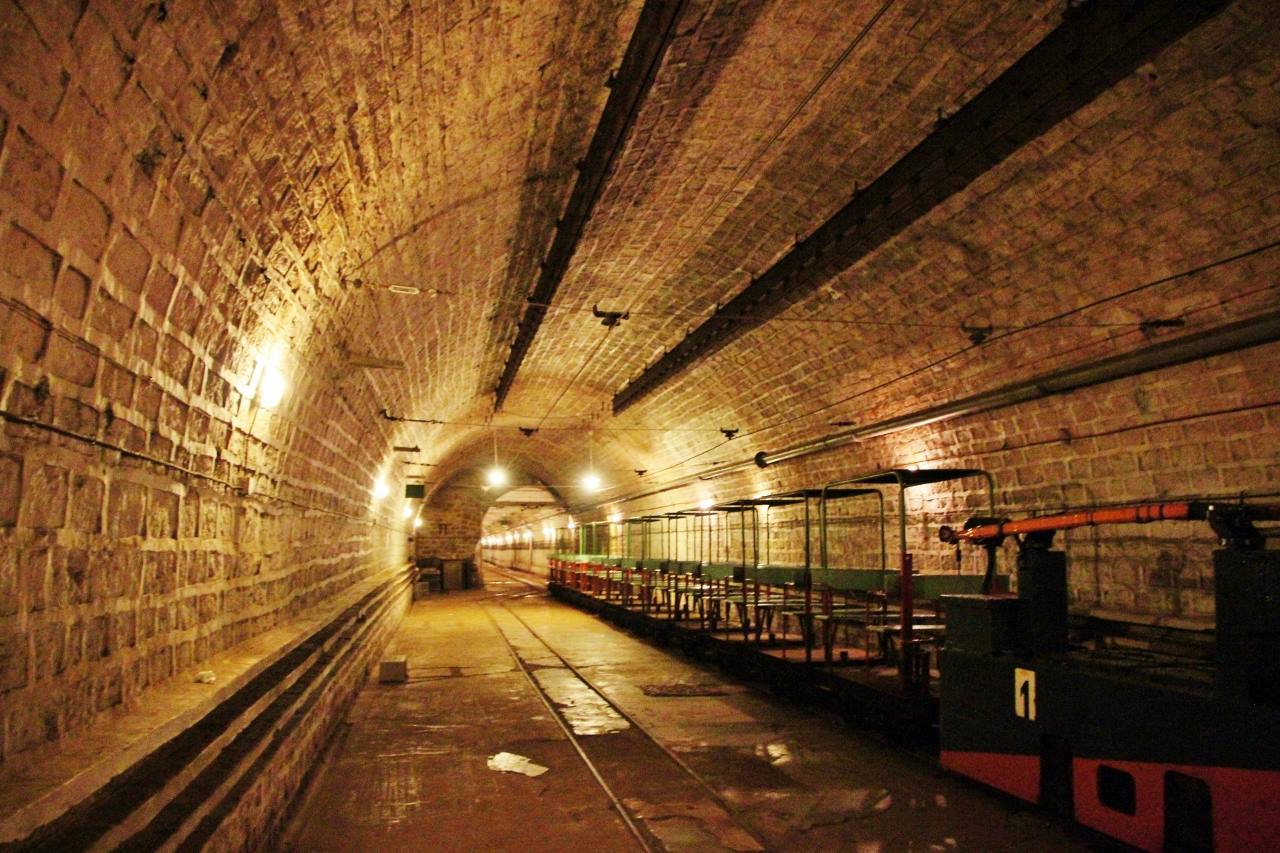
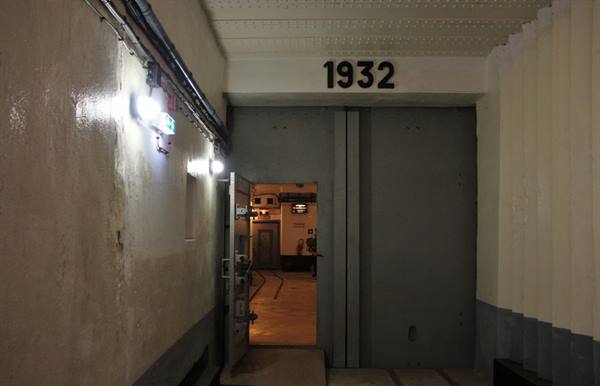
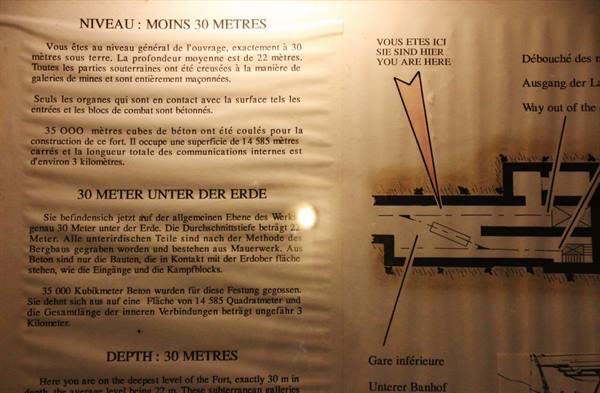
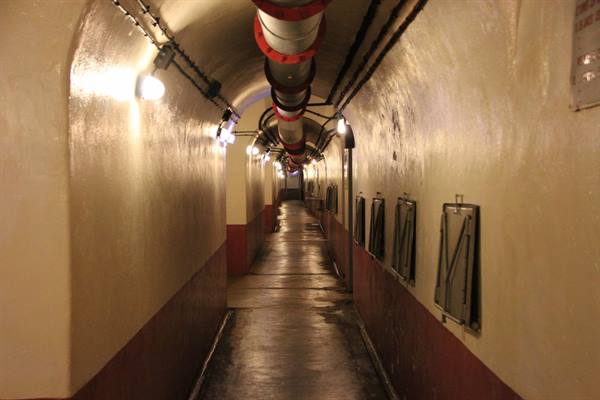
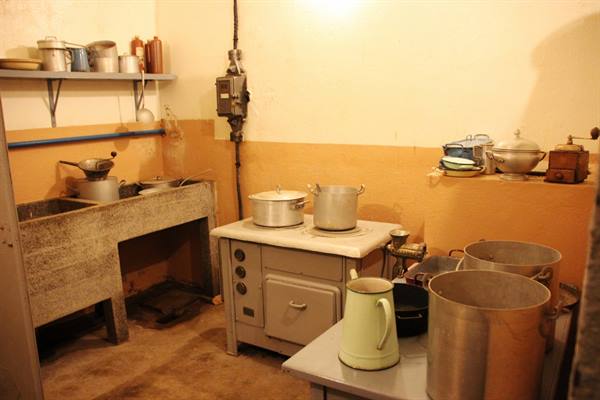
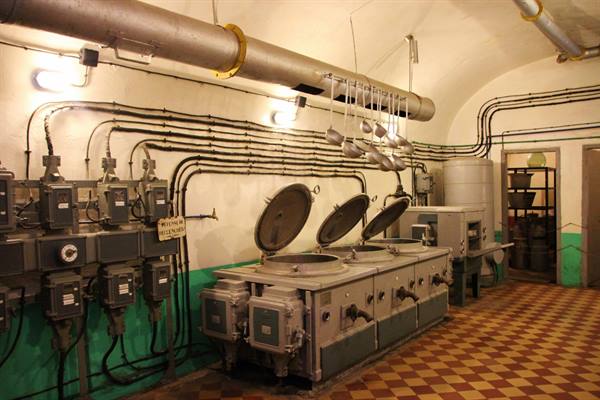
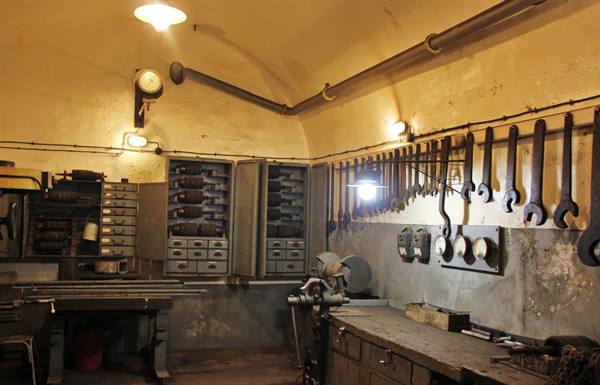
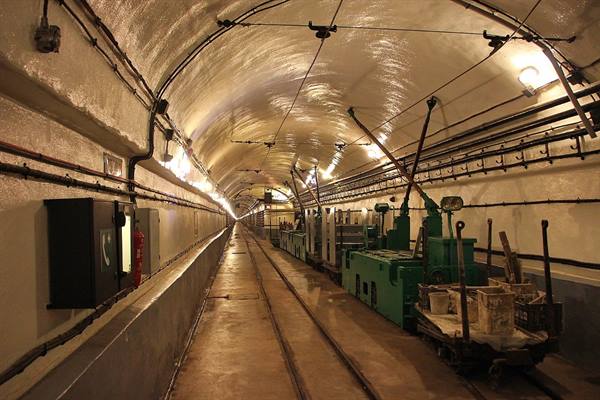
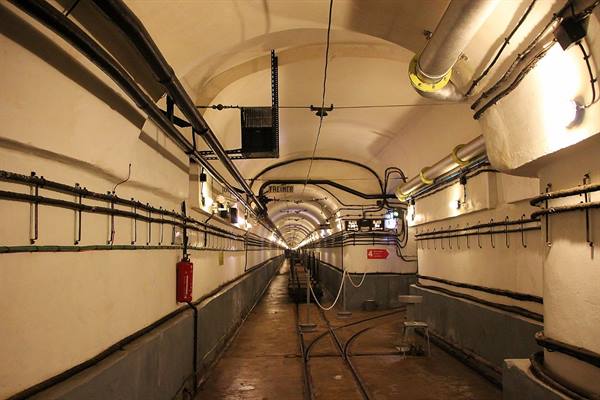
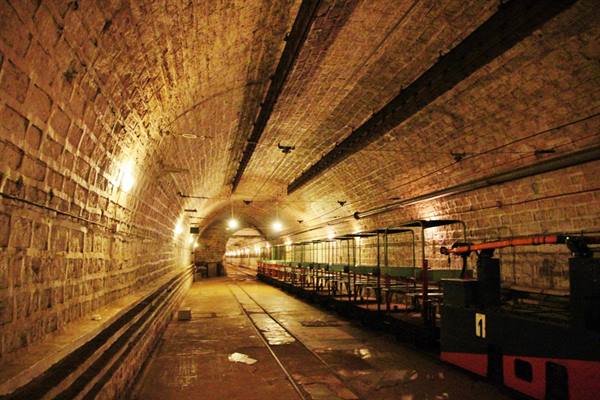
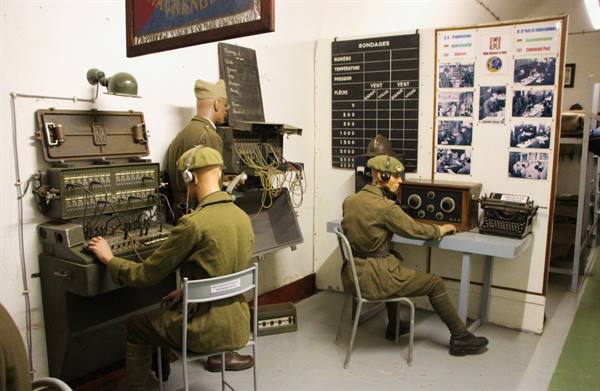
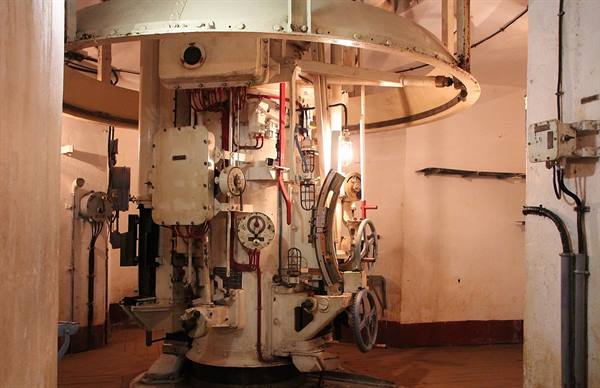
We pass through a large armored iron gate, go down 135 steps that take us 30 meters underground and emerge at the intersection of two long galleries; in the first, in turn divided into two of about 1 km, we see the infirmary, the kitchens, the barracks with bunk beds where the soldiers took turns sleeping, several rooms used as workshops with all the tools for carrying out repairs, control units for air exchange and for purifying water, food warehouses; the fort could hold supplies to feed 620 men for months The second corridor, about 1,200 meters long, with a rail that was traveled by a small electric train for transporting ammunition, which we must walk along on foot, leads to the command post, with telephone stations, maps, typewriters; you have to climb a ladder to reach the rotating turrets with combat blocks; for my husband, the two hours are barely enough to visit the fort calmly.
The fort was besieged for over a month in June 1940; despite the hits of about 3000 shells and the continuous fire of the German air force, thanks to the courage of its soldiers the fort was not defeated and forced the German troops to bypass the defenses by invading Belgium, and in a few weeks they defeated the French army The soldiers surrendered only at the order of the French High Command 5 days after the signing of the armistice The fort is entrusted to the volunteers of the Association des Amis de la Ligne Maginot d'Alsace, who take very good care of this heritage of French history and architecture We leave the fort for the city of Metz, capital of Lorraine; the Hotel Ibis Centre Cathedrale that I had chosen for its proximity to the center is full; as a fallback we head to the Ibis Centre Gare (€ 70), farther away; today we have walked a lot but I don't want to miss the visit of Met
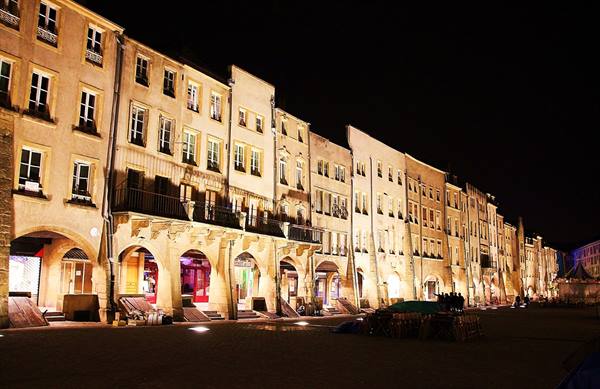
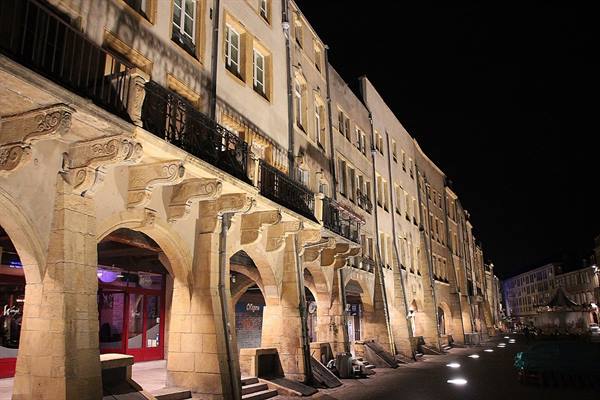
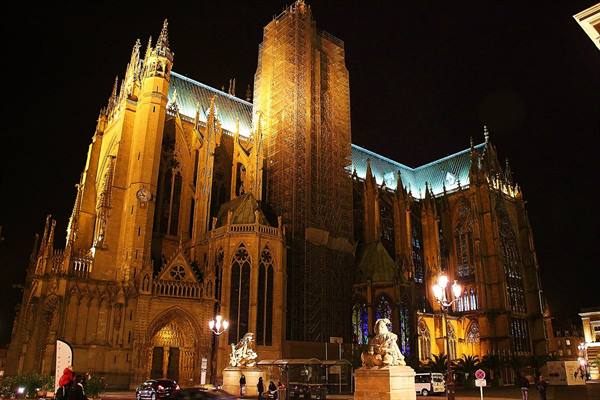
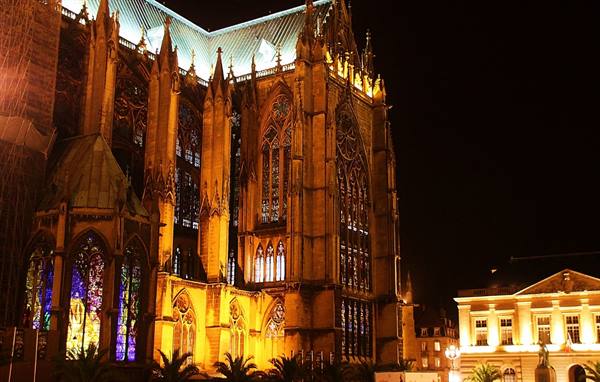
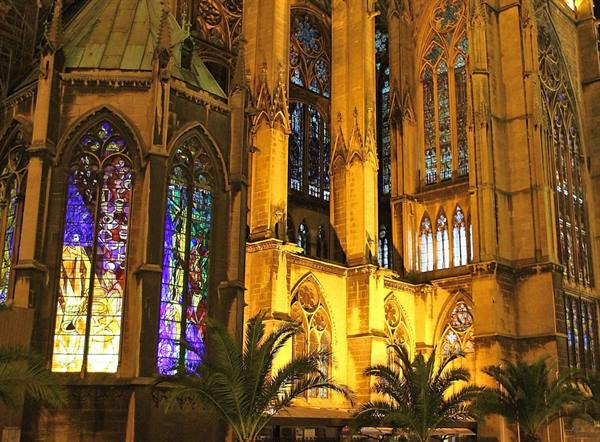
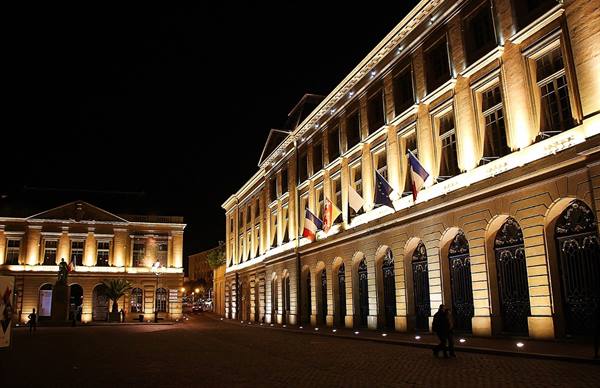
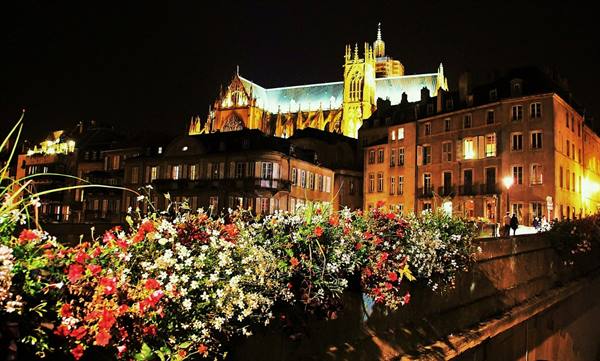
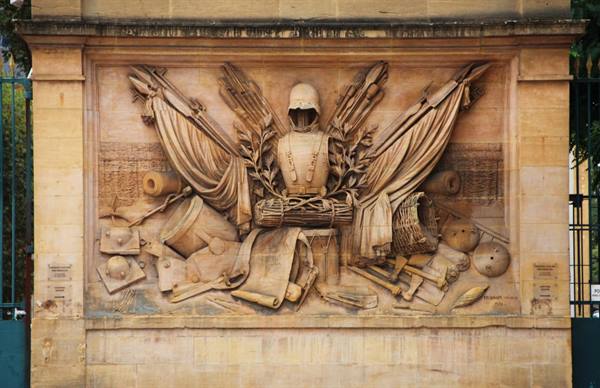
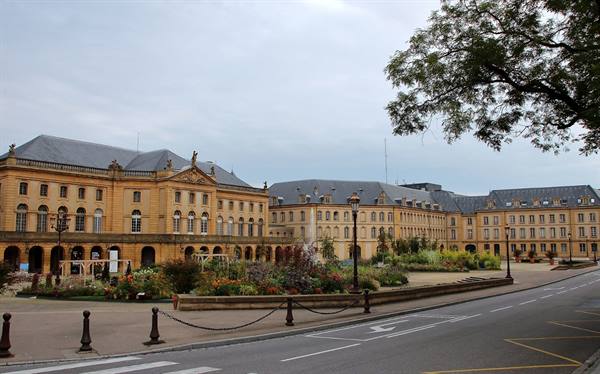
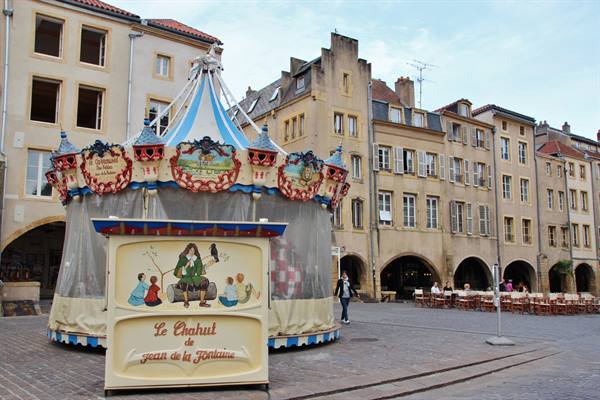
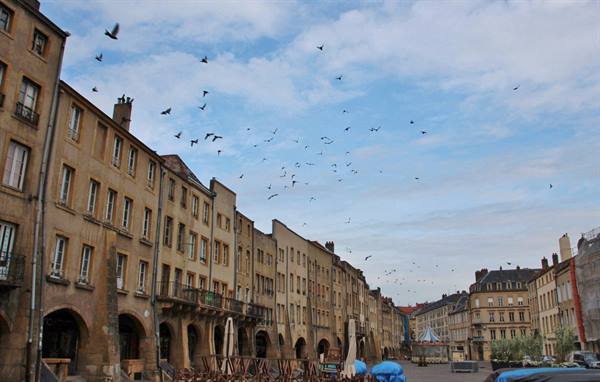
z at night; as we head into the heart of the old city we cross the wide Place Saint Louis, overlooked by buildings dating back to the Middle Ages built on Roman ramparts; under the arcades are bars and restaurants where we stop for a quick dinner (2 salads, water, beer, €26); we continue and arrive at Place d'Armes The first thing that strikes us is the scenic illumination of the square; Metz received the grand national prize from the Academy of Street Arts; since 2007 it has become the "capital of lights" The square is a square surrounded by neoclassical buildings and by the cathedral, where the colored stained glass windows stand out, the town hall, a two-story building 92 meters long, the guardhouse building now home to the tourist office, and the old parliament; in the center of the square the statue of Abraham de Fabert d'Estenay, marshal of Louis XIV, and two pillars with martial sy
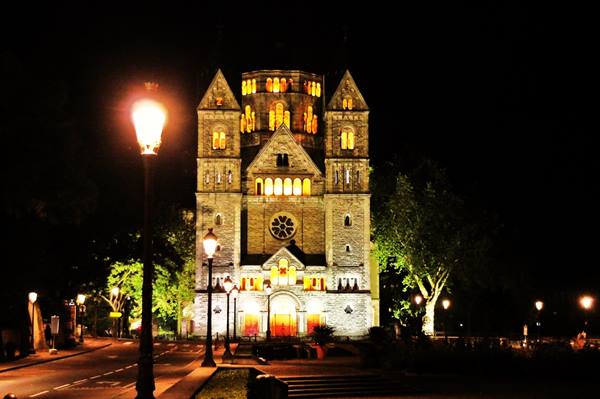
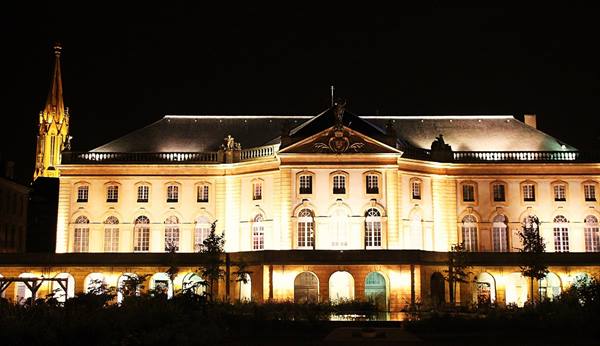
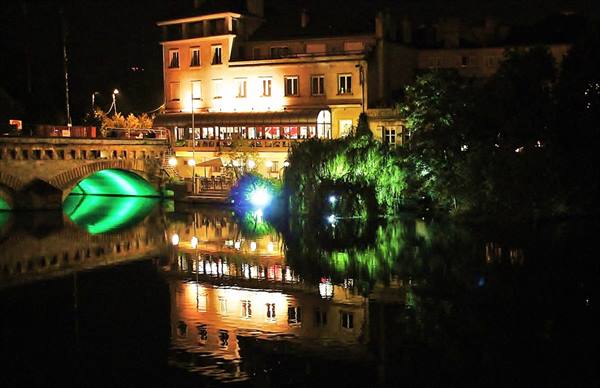
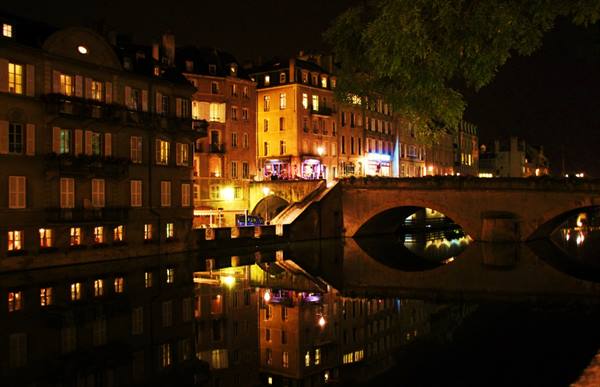
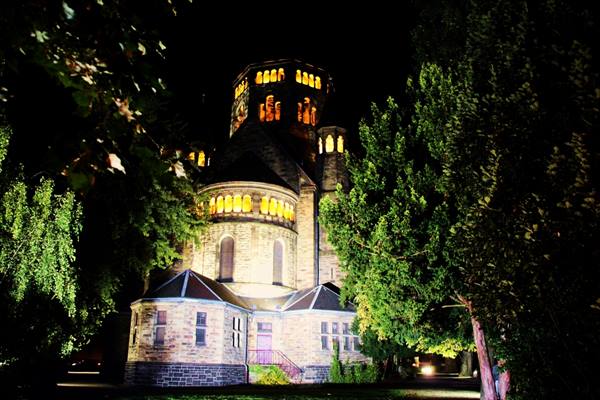
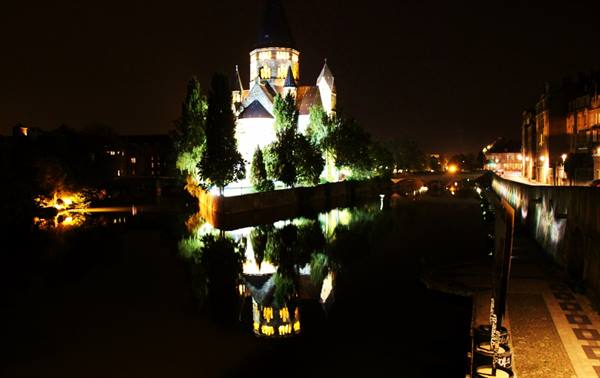
mbolism topped by a breastplate, helmet, plume and the fasces with weapons including lances, pistols and flags; it is a memorial for the liberation of Metz that took place on 22 November 1944 by General Patton's XXIII army We continue our tour and, after crossing a bridge over the Moselle river, we find ourselves in Place de la Comedie with the illuminated Opera building; a little further on is the Temple Neuf surrounded by the D'Amor Jardin, with the golden lights of the windows reflected in the river; after this beautiful view we head back
Strasbourg-Palace of Human Rights
Day 423 Sep 2012
Sunday 23 September Metz- Fort de Hackenberg Veckring 42 km-- Gengenbach 213-- total 255
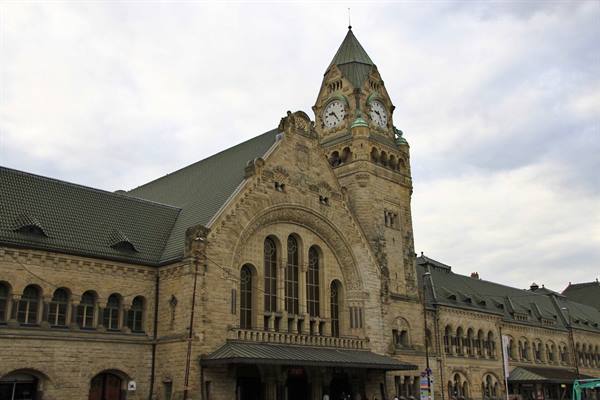
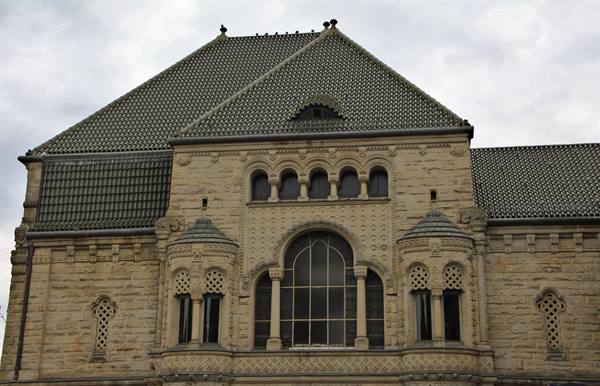
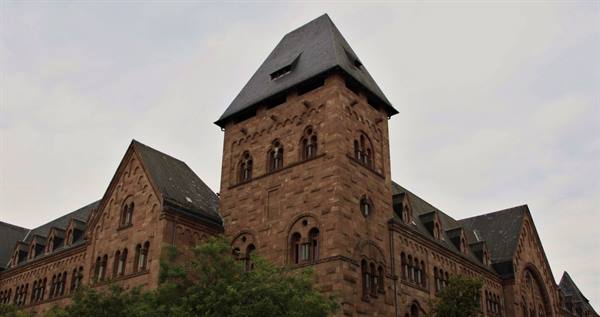
This morning after breakfast we resume our visit of the city; the Hotel Ibis Centre Gare, although not very close to the old center of Metz, is still in an excellent position; after crossing the street, the Passage de l'Amphitheatre begins, which, passing under the railway tracks, leads to the Centre Pompidou, a large museum dedicated to modern and contemporary art; the building is characterized by the wavy white architecture of the roof, obtained with a fiberglass and polytetrafluoroethylene membrane A few tens of meters from the hotel is Place General de Gaulle with the railway station, more than 300 meters long, built from 1905 to 1908 on the order of the German emperor Wilhelm II; it looks like a cross between a church and a castle with stained glass windows, Teutonic sculptures and the tower with the Art Nouveau clock; opposite is the massive pink sandstone post office building We wa
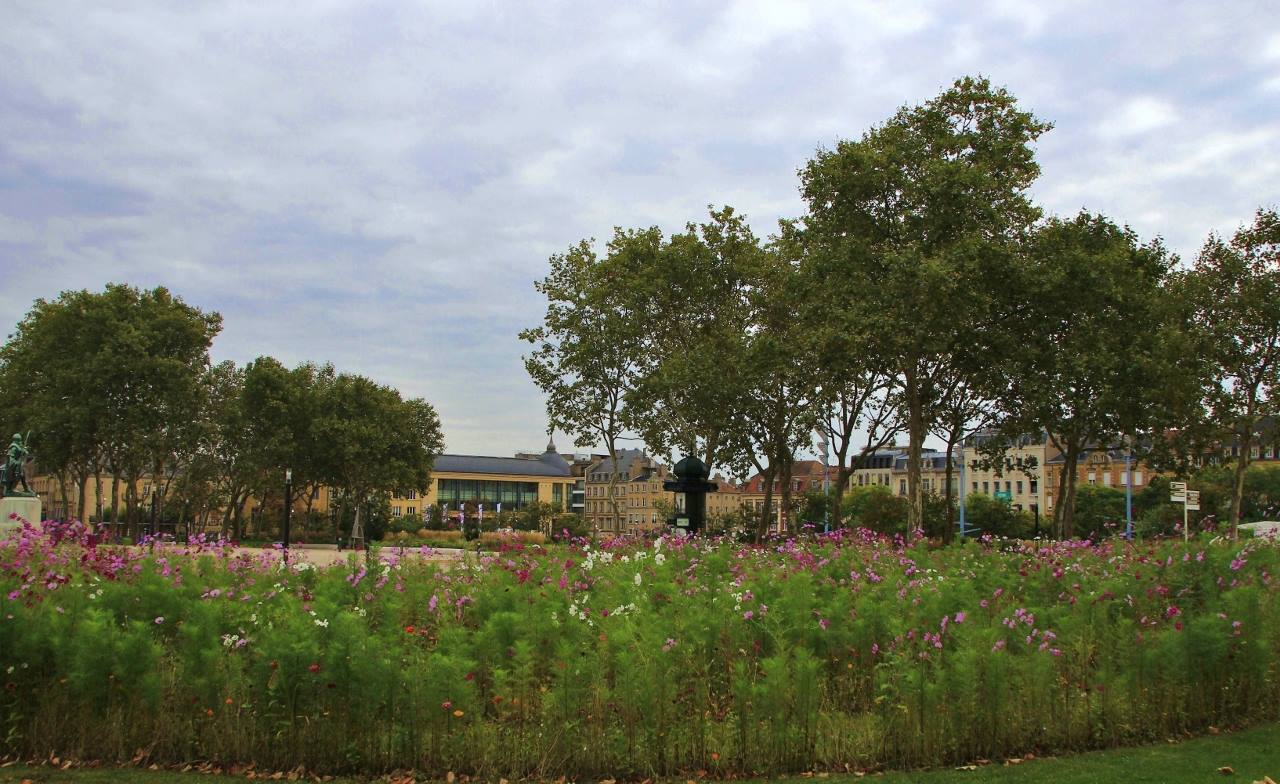
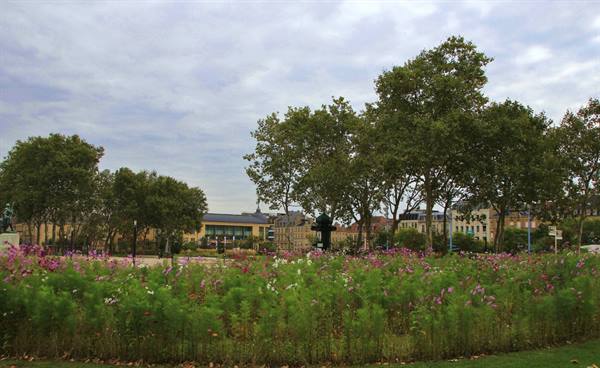
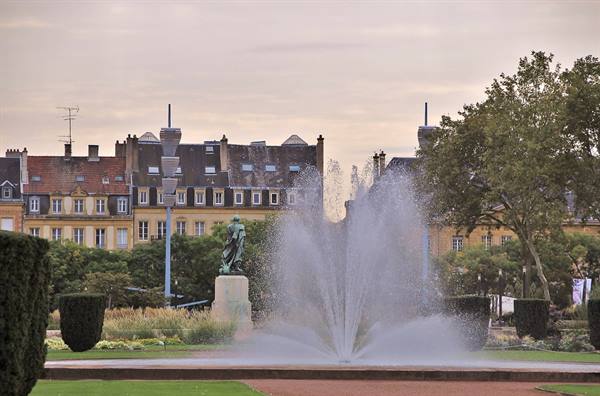
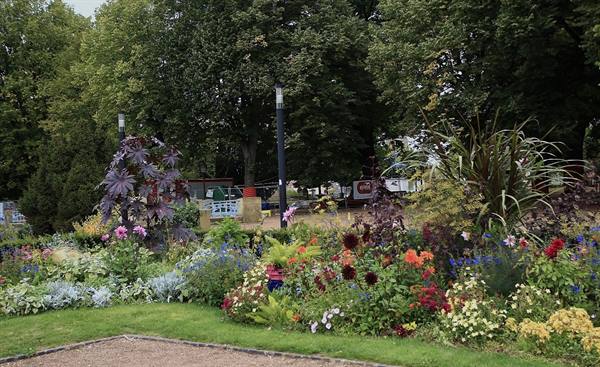
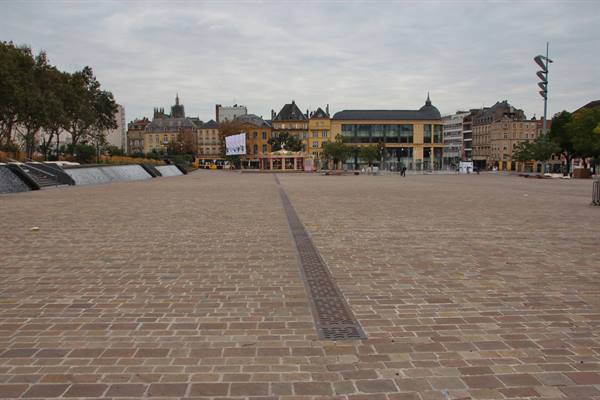
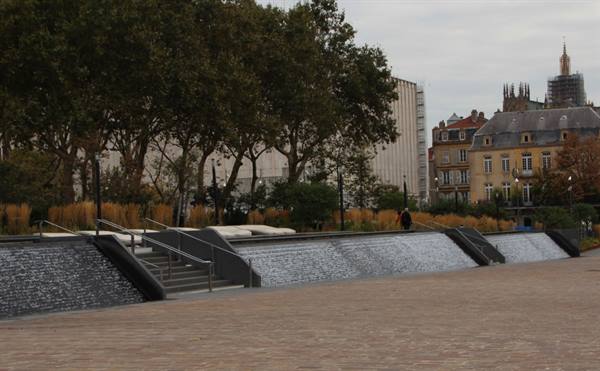
lk along Avenue Foch, the so-called "imperial" or German quarter built between 1870 and 1914, a wide avenue with grand buildings; we continue to the corner of Avenue Robert Schuman, where there is the monument to the fallen, and further on the Porte Serpenoise, an important part of the city fortifications and a symbolic witness to many historical events We arrive at la Citadelle, an area with various spaces and buildings built on the ruins of a military post, Place de la Republique, with an underground parking below and above a large, very welcoming square that can host fairs, exhibitions, markets, connected by a water wall to the large green space of the Esplanade, a well-kept garden, profusion of flowers, fountain, benches to relax in peace; between these two large spaces is the monument to Marshal Ney, a great marshal of Napoleon, as my husband, passionate about that period of French h
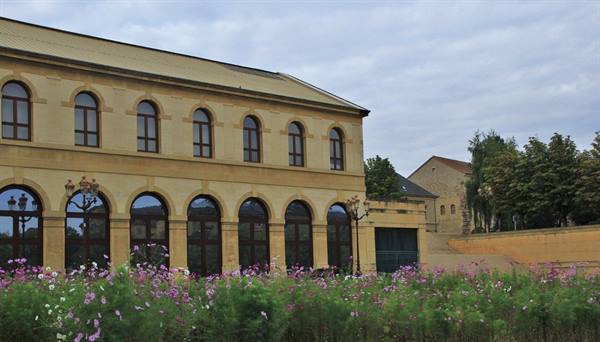
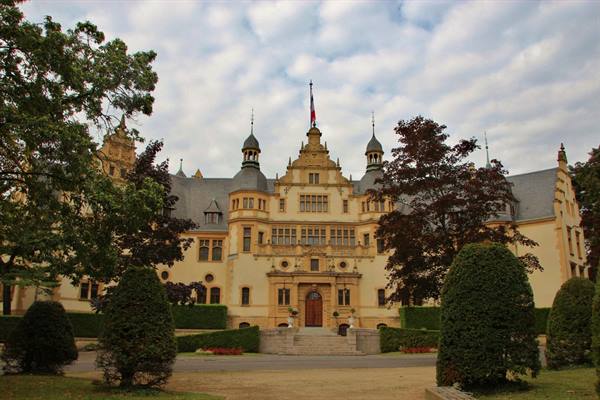
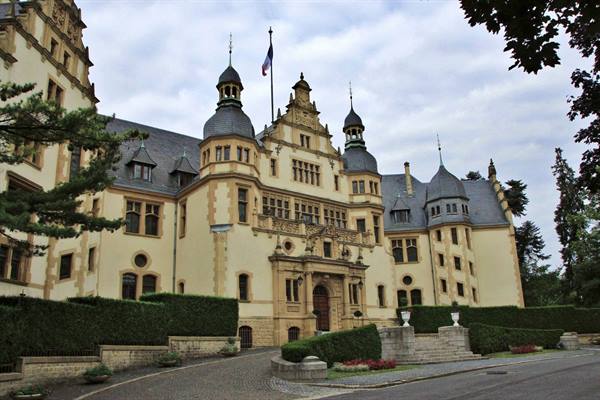
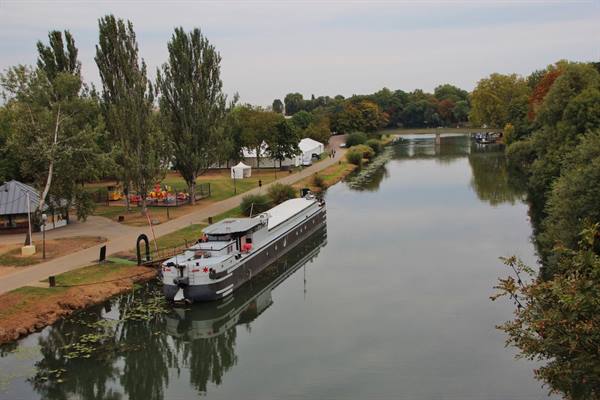
istory, explains to me Around it are large buildings: the neoclassical Palace of Justice, the Ney barracks, the Arsenal complex with one of the most beautiful concert halls in Europe, the church of Saint-Pierre aux Nonnains, one of the oldest in France, the chapel of the Templars, the Palace of the Governor known as General-Kommando, a residence built for Emperor Wilhelm II surrounded by a park with modern sculptures We continue along Avenue Joffre to the bridge over the Moselle; this is the island area, an urban space where the inhabitants of Metz come to practice water sports; a walk immersed in an oasis of greenery to the Jardin des Regates and the Lake of the Swans; during the summer season, sitting on these banks, you can admire the dancing fountains, water and light shows Continuing along Boulevard Poincare we arrive in front of three fountains surrounded by two staircases; it is th
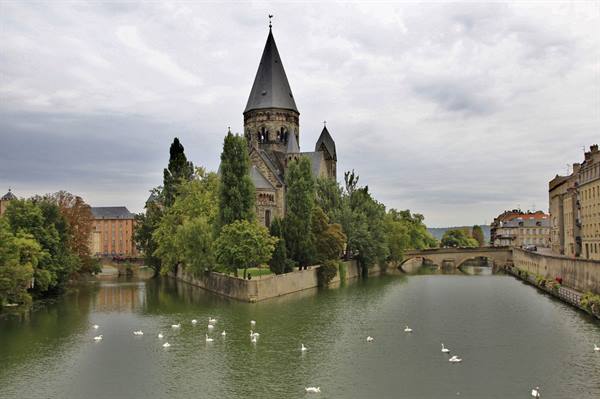
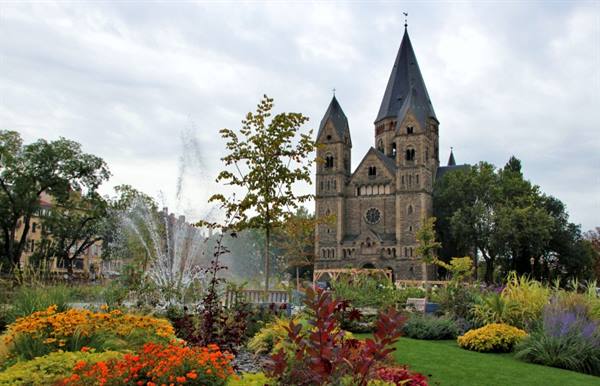
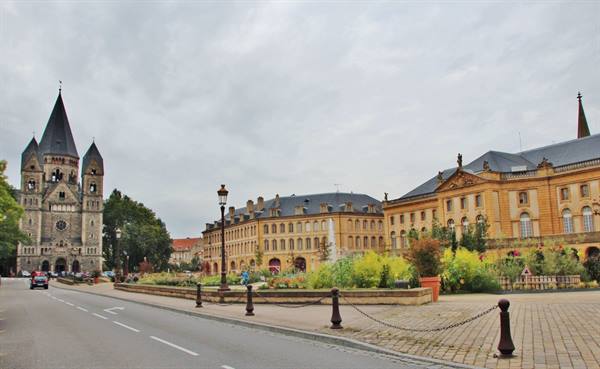
e second entrance of the Esplanade Continuing along the road that runs alongside the Moselle we reach the Moyen Pont with a wonderful view of the river where dozens of swans swim; in front of us, on the tip of the Ile du Petit Saulcy, is the Neo-Romanesque Temple Neuf, a Protestant church built in gray Vosges stone under German rule in 1904 In Place de la Comedie is the entrance of the church where a religious service is underway; so as not to disturb, we do not visit the interior; the square overlooks one of the canals of the Moselle and occupies most of the island; Place de l'Egalite, as it was called during the revolutionary period, was the site where the guillotine cut off the heads of enemies of the people; here 63 people were decapitated; today it houses the oldest theater in France still in use; the Opera-Theatre presents each year about sixty theatrical performances, choreographie
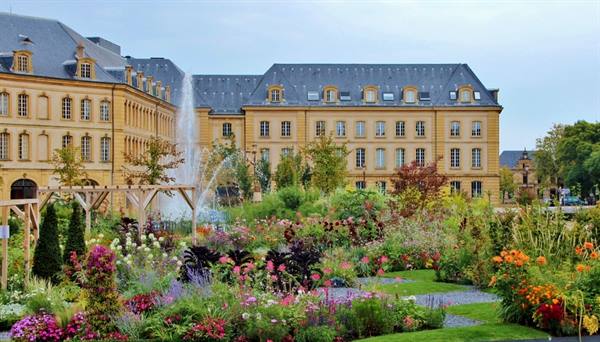
s, lyric poetry; the building was constructed with Jumont stone, a golden rock full of nuances Last night we had eyes only to admire the illumination, while this morning we also see the flowered garden and the fountain in the center of the beautiful square; adjacent to it are the Prefecture building and that of the General Council of the Moselle.
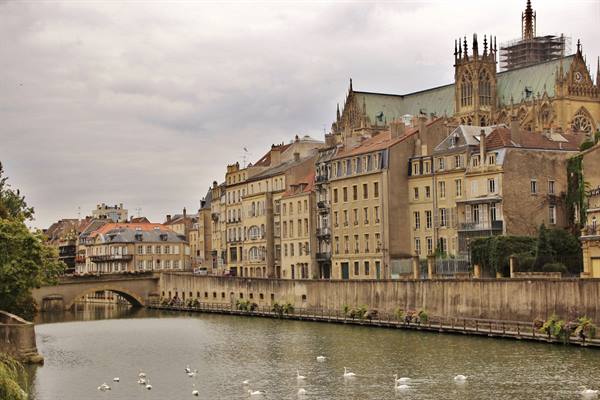
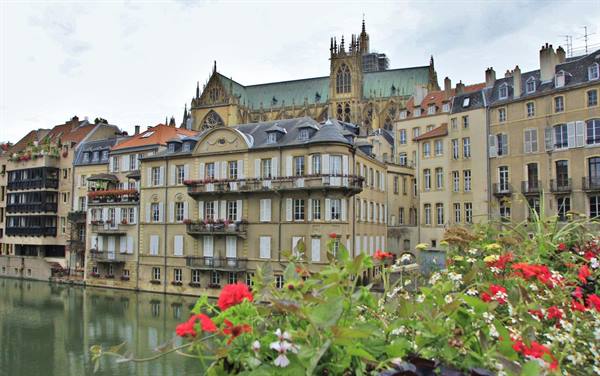
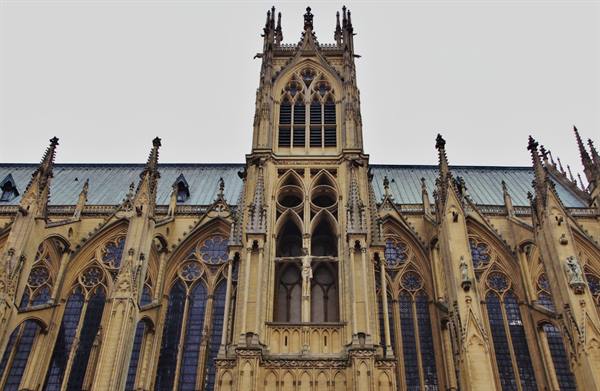
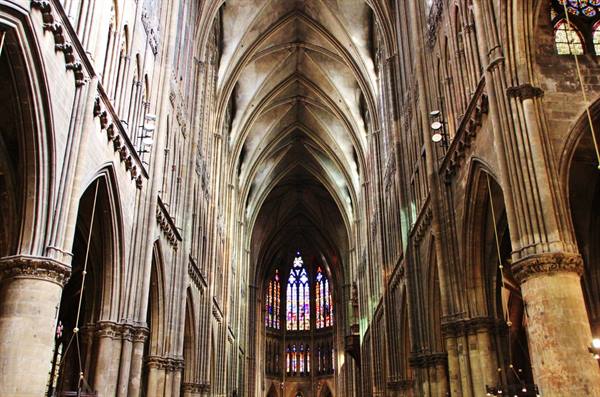
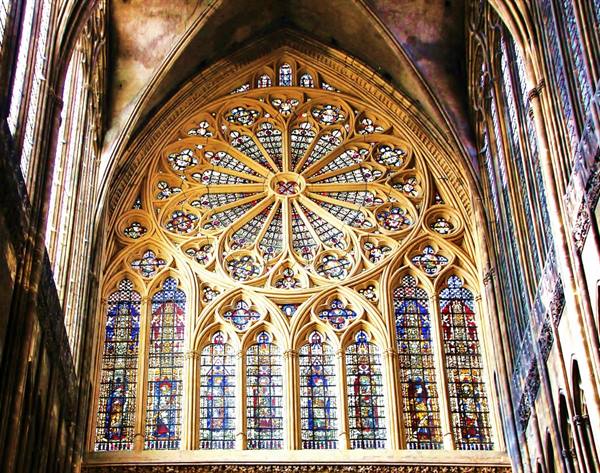
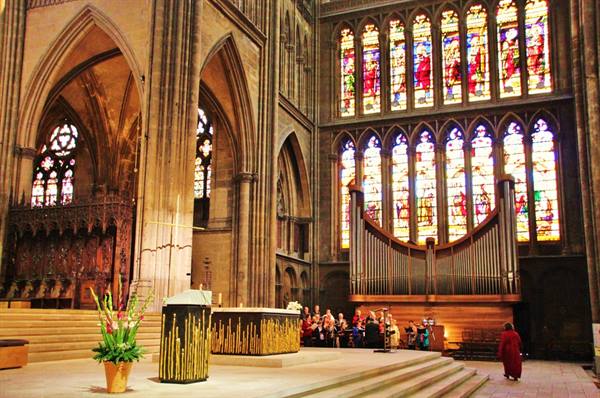
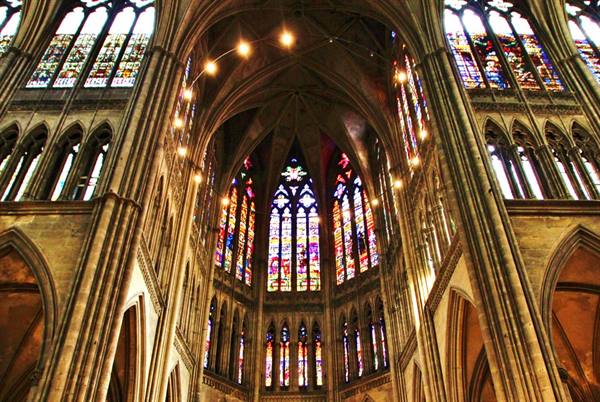
After crossing the bridge over the river we are in front of the north facade of the cathedral of Saint Etienne with its imposing flying buttresses, with the "Tour du Chapitre" and the imposing statue of Christ crucified; on the south facade, the one on Place d'Armes, are the clock tower and the tallest bell tower at 90 meters, the one with the "Mutte" bell cast in 1606; it weighs 11,000 kilograms and has a diameter of 2.30 meters The cathedral is one of the largest Gothic buildings in Europe; it was created by combining two churches; the central nave of Saint Stephen was connected to an ancient Roman church; it is called "the lantern of the Good God" and is famous for its stained glass windows that stretch over 6500 m2, created between the 13th and 20th centuries by Lorraine craftsmen; it also displays masterpieces of modern art; the most recent are stained glass windows made by Marc Chag
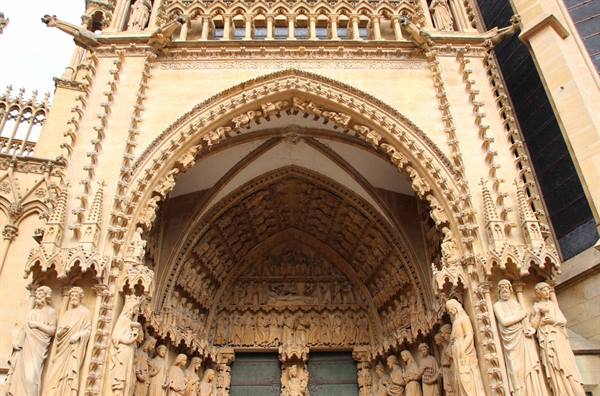
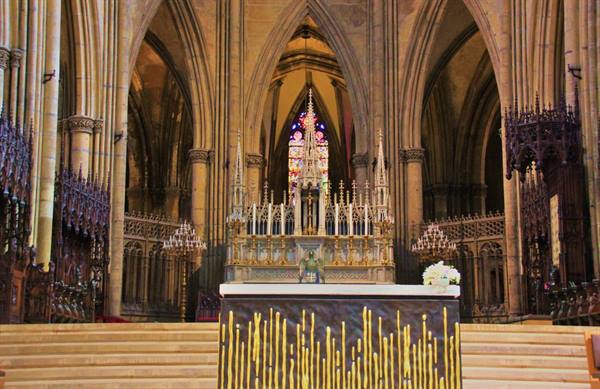
all between 1958 and 1968 We enter through the ornate Portail des Vierges; inside, the height of the nave is impressive; its arch rises more than 40 meters from the ground and it is 136 meters long; the altar is stupendous with the choir and the episcopal throne of Saint Clement; we visit the basilica with our eyes always turned upward to admire these wonderful stained glass windows that give an unparalleled luminosity.
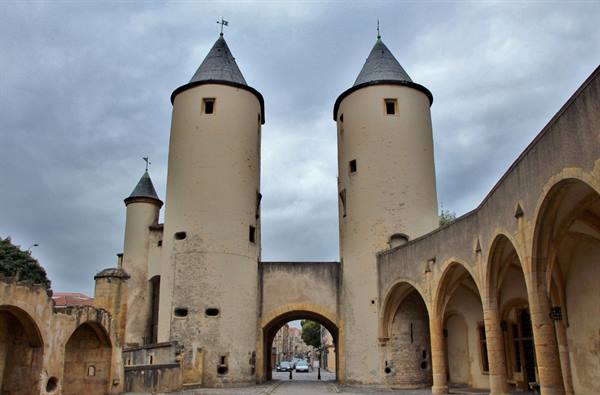
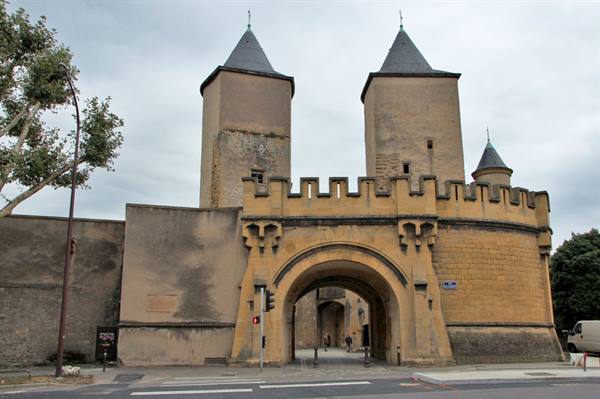
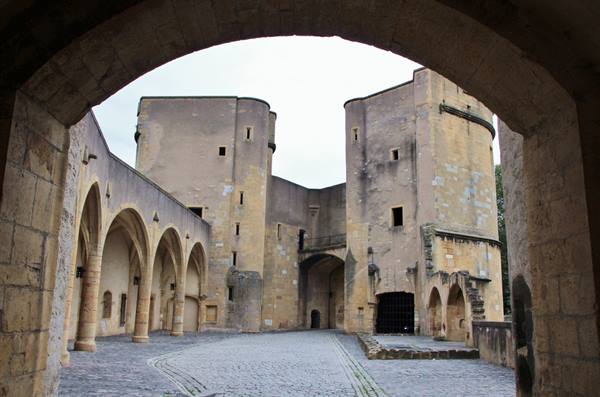
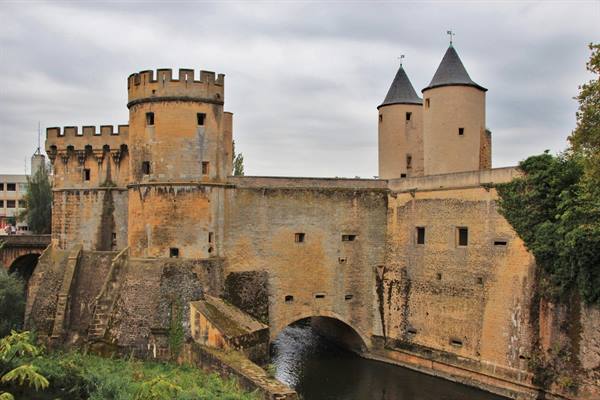
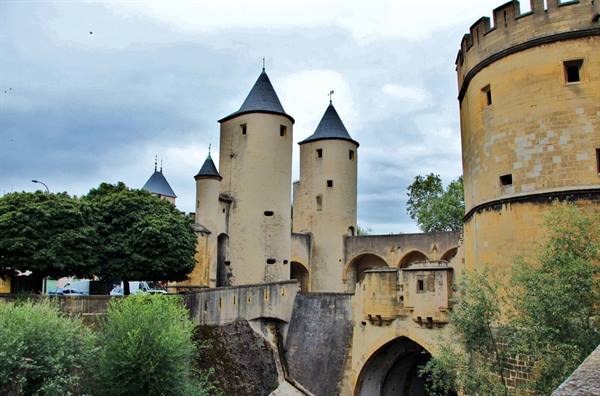
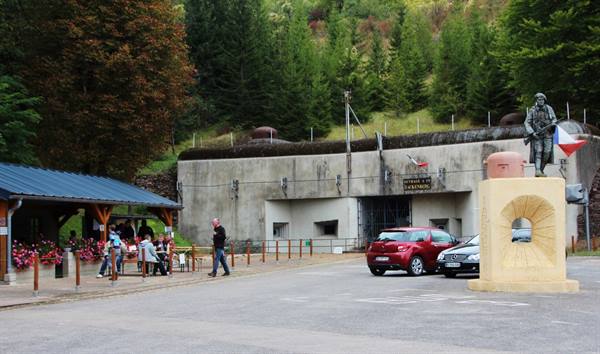
We head back, passing again through Place Saint Louis; in front of a boulangerie we smell the scent of bread; we can't resist; we buy a few slices of pizza and some pastries; it will be our lunch (€13) We leave the city passing through the Porte des Allemands (the gate of the Germans), an imposing example of medieval fortification; it owes its name to the Teutonic Knights who had founded a hospital here; it is a small fortress with a bridge and a double gate straddling the Seille river; from this point began a wall 7 kilometers long with 38 towers and 18 gates; during the German annexation much of it was demolished We are headed to Fort Hackenberg near the village of Veckring; with 19 blocks, 8 kilometers of galleries, 18 artillery pieces and 1082 men, it represents the most powerful fort among those of the Maginot Line The fort is entrusted to the Amifort Association of Veckring, which o
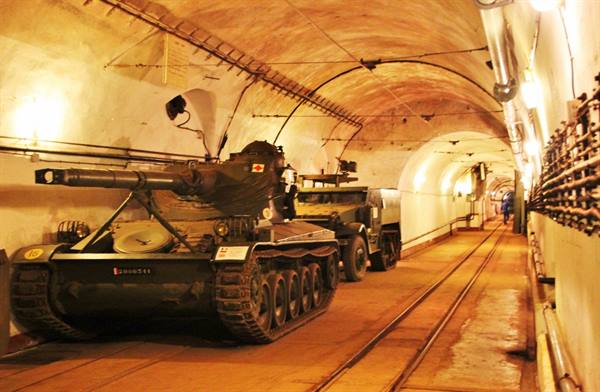
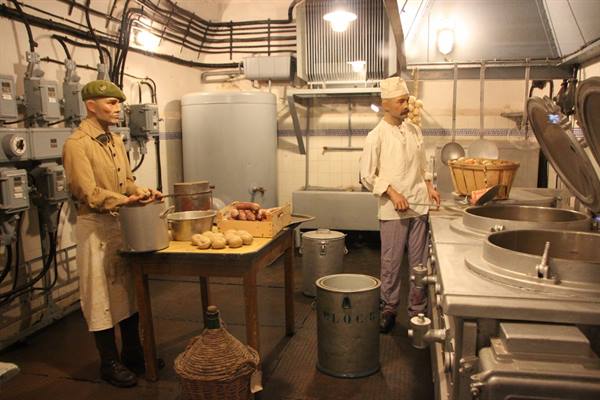
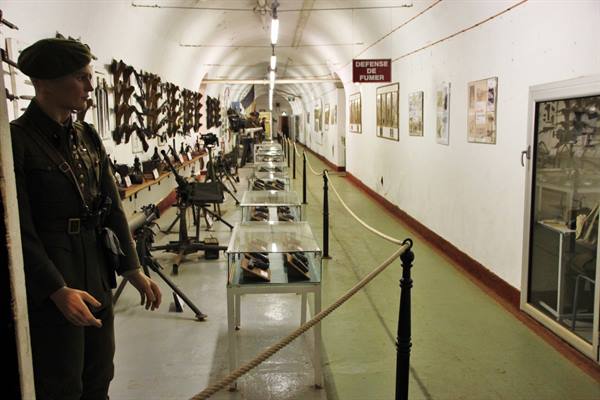
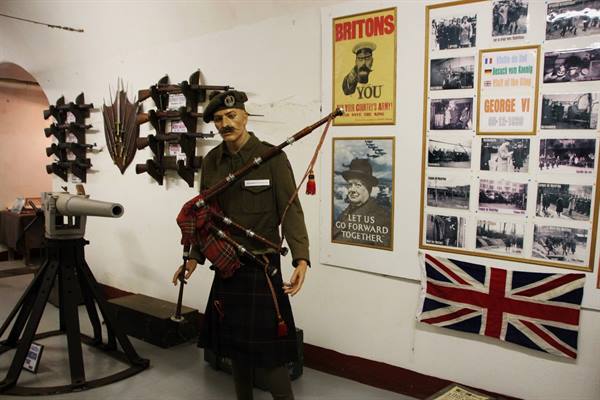
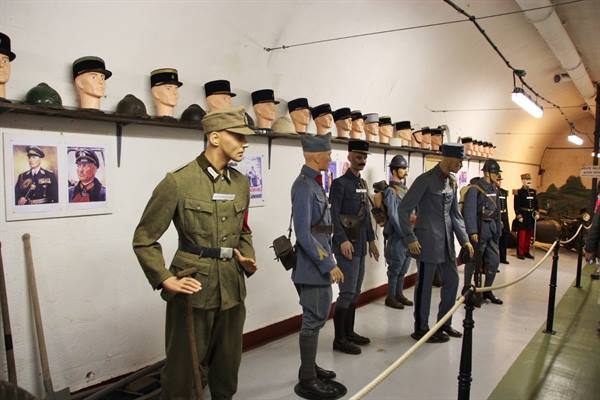
ffers a guided tour in French, English and German at different times; we decide to follow the first one that starts, which is the one in French; the cost is € 9 per person The tour lasts about 2 hours; the galleries are 30 meters underground and the temperature is a constant about 12 degrees; having previously visited Fort Schoenenbourg, we immediately notice the much larger galleries and the more complex system; at the entrance there is an armored vehicle, jeep and cannons; mannequins recreate the atmosphere of the kitchens, command posts, mess hall and dormitories.
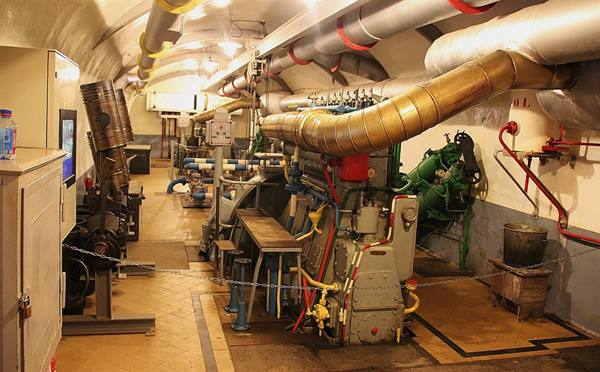
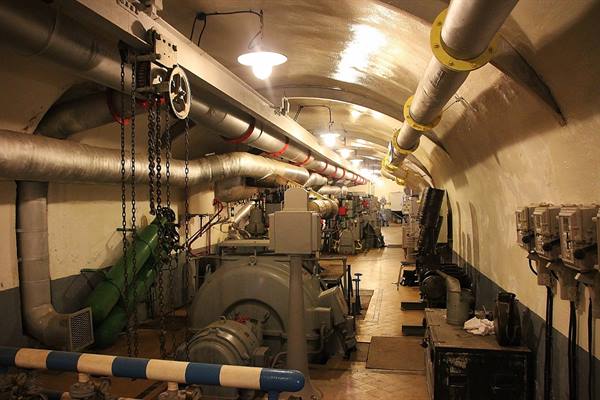
We visit food and ammunition depots, pieces of aircraft shot down and rebuilt, a museum with military uniforms and weapons of the nations that fought in France; a very large generator is started up for the ventilation systems; the noise is deafening and the smell of fuel is annoying The fort is divided into two blocks, one facing east and one west; a train inside the main gallery connects the two entrances, one for personnel and one for ammunition; tracks lead to observation and artillery turrets camouflaged in the ground The train used to transport ammunition is now used to transport tourists to blocks 8 and 9, the most distant, where there is also a demonstration of the operation of a rotating turret, and the exit from block 8, where you can see the damage caused to the structure by the bombings; from this point the vi
Metz-Esplanade
Day 523 Sep 2012
The visit ended at the exit; my husband is "over the moon" while he is commenting on some historical reconstructions of the Maginot Line read in a book; a gentleman approaches, introduces himself as the director of the fort and expresses his opinion on what he has heard; the conversation moved to the trenches on the border with Italy, and in his explanations of the battles he says a phrase that pleases us very much: "the Italians fought like lions" When planning the trip I had included the visit to the town of Saint Avold, where there is the largest United States cemetery in Europe from the Second World War; 10,489 American soldiers who died trying to liberate the city of Metz from the German forces are buried there, but it is too late; we give up We leave Hackenberg for the German city of Gengenbach in the Land of Baden-Wurttemberg; tomorrow we will return home crossing the Black Forest
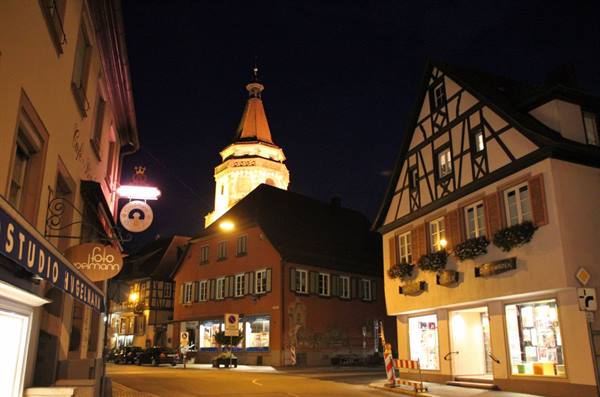
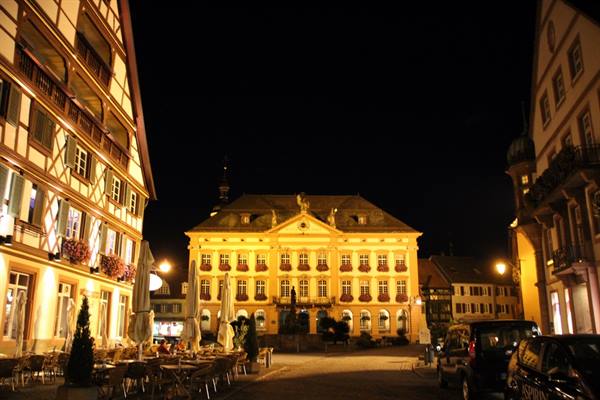
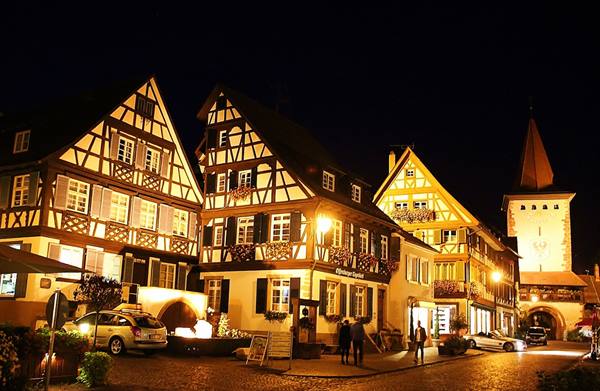
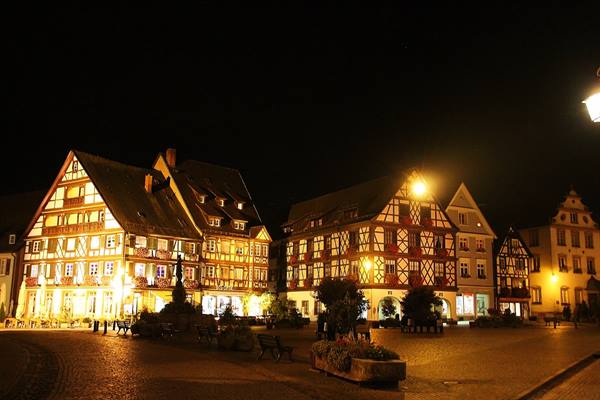
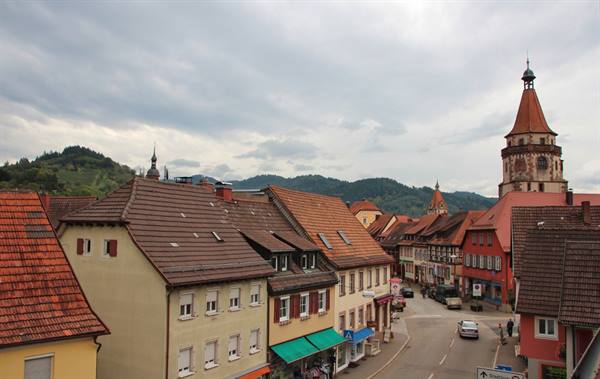
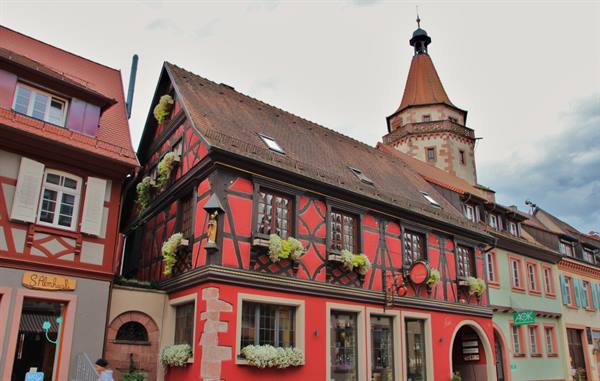
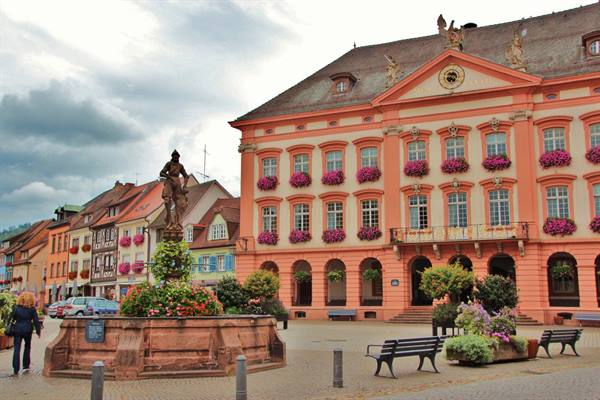
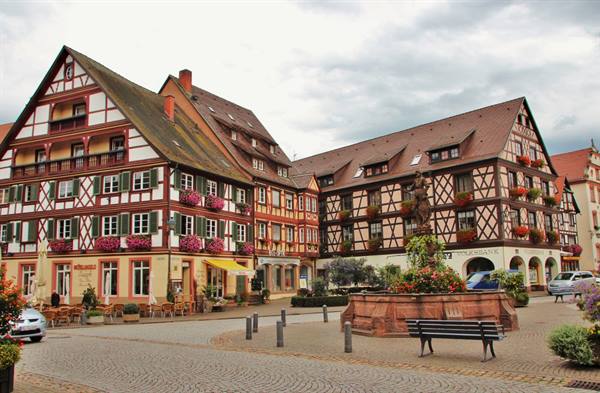
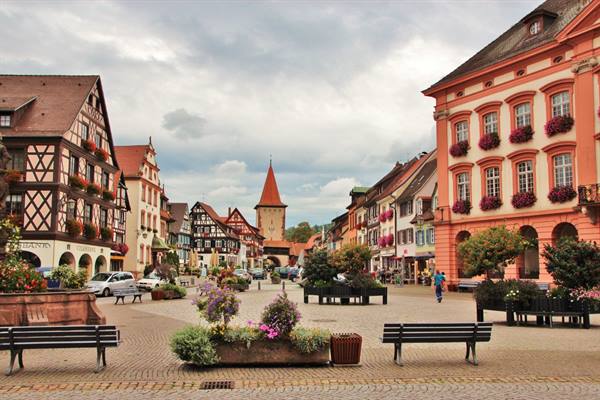
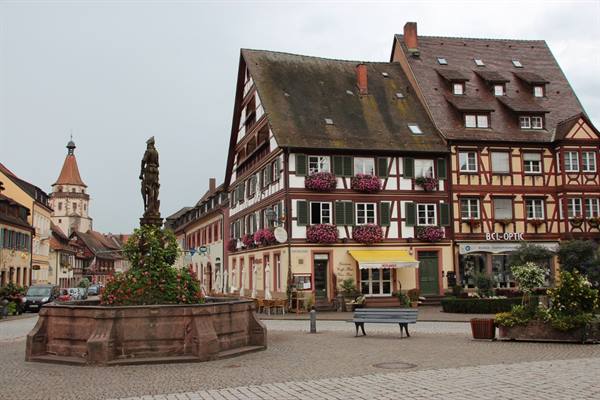
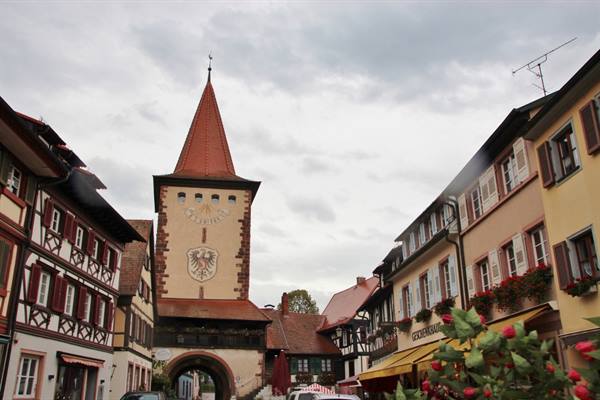
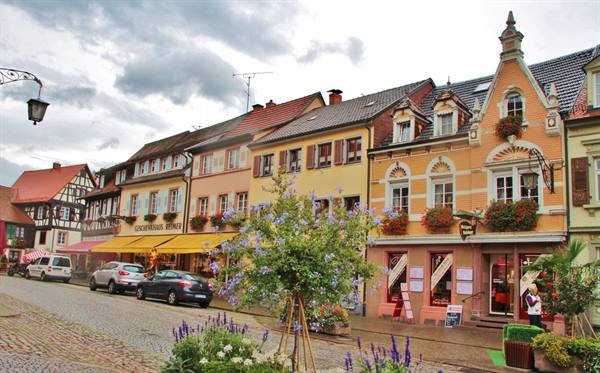
In Gengenbach we stop a few tens of meters from the pedestrian area, in front of the Hotel Salmen Garni, a two-story house with private apartments below and the Hotel above A very polished wooden staircase takes us to the upper floor, where the kind owner welcomes us, and we see the room with bathroom, large bed, sofa, table and other furniture; we pay €68 with breakfast; it does not accept credit cards; parking is private behind the house The center is small but wonderful; the town hall and the houses with flowered and illuminated balconies leave us astonished; we stop near the Upper Gate, the "Obertor", and enter the Rialto restaurant where for 2 carbonaras, 2 slices of cake, water and beer we spend €30; after, on the advice of the restaurant managers, who are Italian, we go to the Sanctuary dedicated to Saint James; the construction dates back to 1681 and for a long time was a destinat
ion for Spanish pilgrims in honor of Saint James; we walk along the road illuminated only by moonlight to the little church on the hill immersed in the vineyards; the only sound is the rustle of leaves moved by the wind
Hackenberg Fort
Day 624 Sep 2012
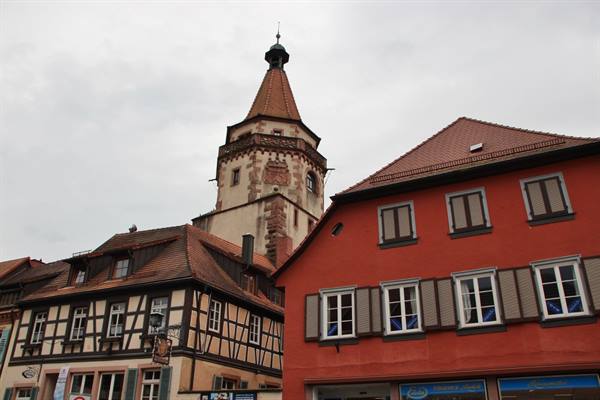
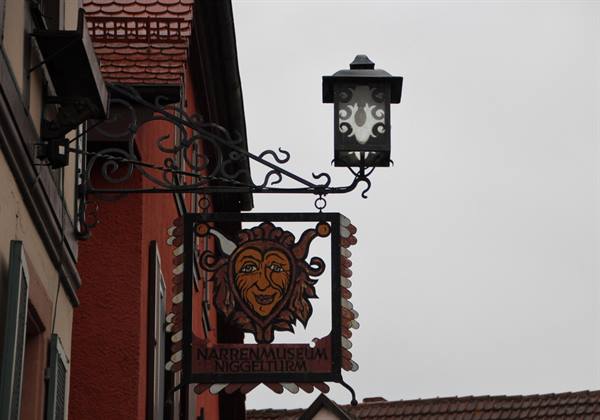
Monday 24 September Gengenbach - Triberg 46 km Schonach 4 km Donaueschingen 43 km Villa Cortese 370 km Total 463 This morning the sky is cloudy and drizzling and the autumn wind swirls the golden leaves scattered on the ground, but the flowers, the half-timbered beams that stand out on the pastel-colored houses make this "pearl" a romantic medieval town Near our hotel is the Niggelturm Tower, which houses the carnival museum where masks, often made of wood, and grotesque costumes are exhibited; a staircase leads to the seventh floor where, from a terrace, when the weather is good, you can glimpse the spire of Strasbourg cathedral; today the museum is closed; the opening days are Wednesday, Saturday and Sunday.
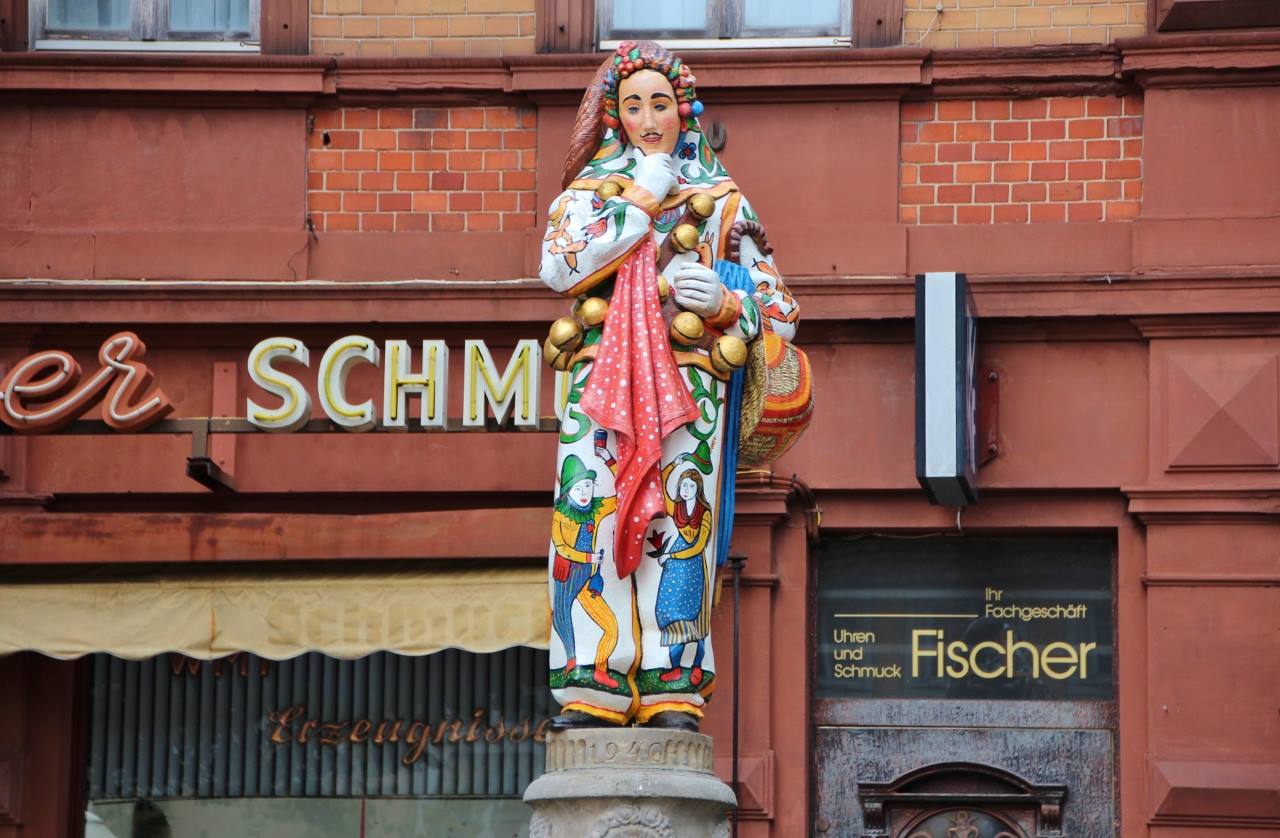
The Gengenbach carnival is a very important and well-known event, a tradition handed down since 1499; the opening ceremony begins three weeks before Ash Wednesday; "Hemdeglunker", the inhabitants of the town dressed in little caps, long white nightshirts, red scarves tied around the neck, red striped socks and straw shoes, process with drums, cymbals, trumpets toward the Niggelturm where "Schalk", the main character of the Gengenbach "Fasend" (carnival), sleeps; he is woken from a sleep lasting a year; after much noise, music and a parade, the mayor hands "Schalk" (represented as a jester) the key to the town hall.
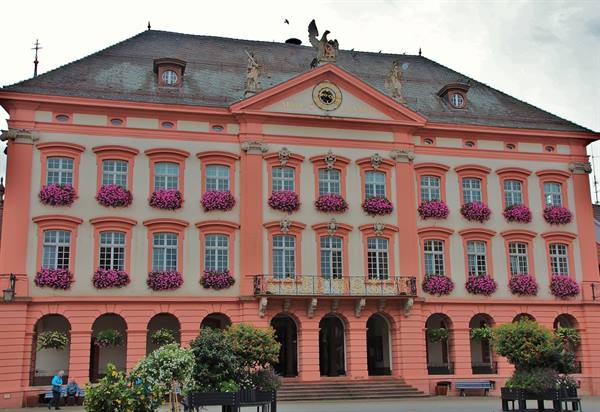
The conclusion of the carnival takes place with dancing and then a mass, the burning of the witches, and the "Schalk" returns to sleep for a year A few tens of meters away, in the market square, is the fountain with the statue of the "stone knight" and the beautiful town hall building; from the facade protrudes a splendid balcony with a golden balustrade supported by 4 heads meant to represent: Europe, America, Asia, Africa; on the pediment the clock, the date of construction of the building 1784, the statues of Justice and Prudence; in the center an imposing eagle holds the city coat of arms, and from the windows cascade flowers This Rathaus (town hall) in December is transformed into the largest Advent calendar in the world; in a Christmas atmosphere the ritual of opening the window is repeated, one each evening until the twenty-fourth; finally the facade can shine in all its splendor N
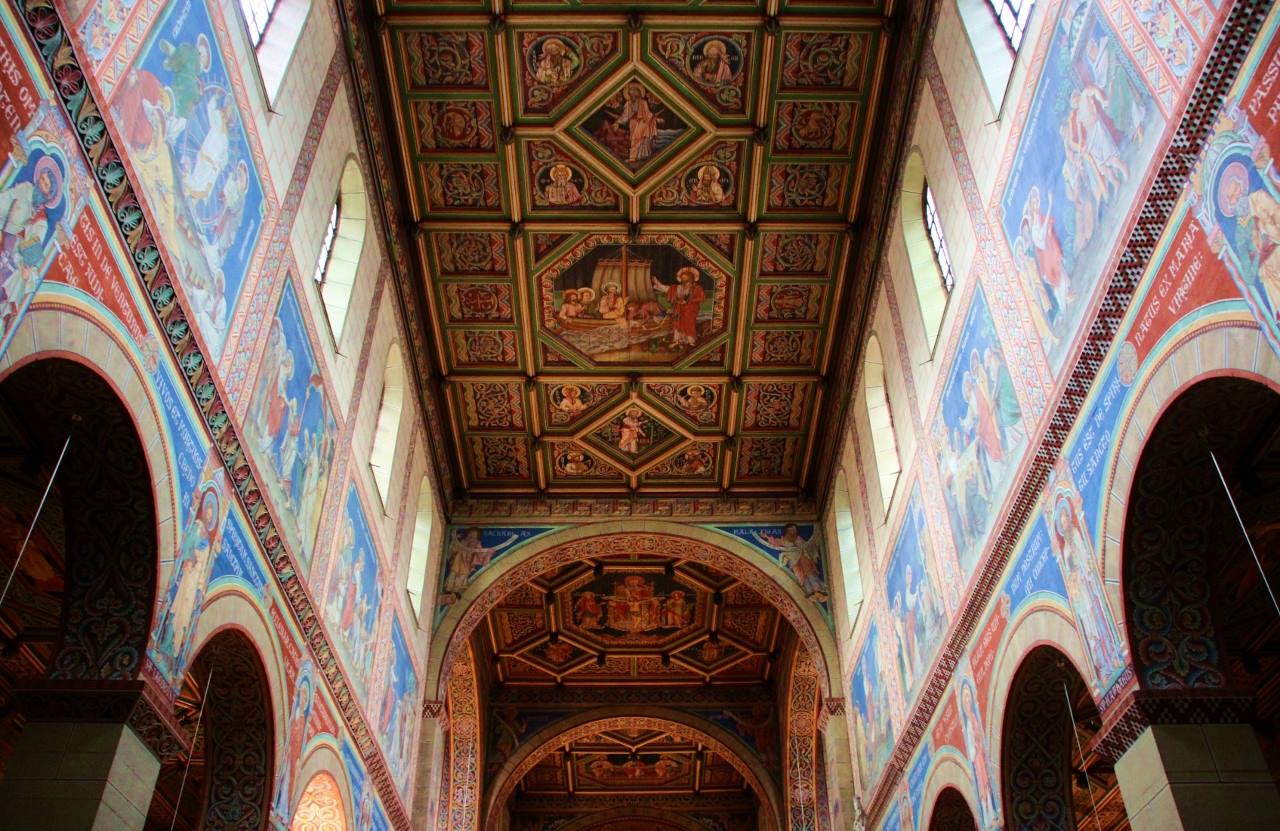
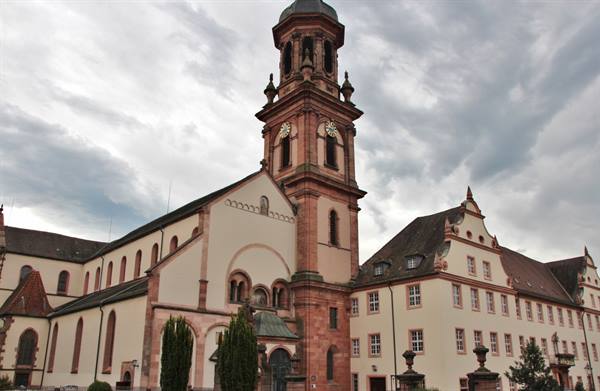
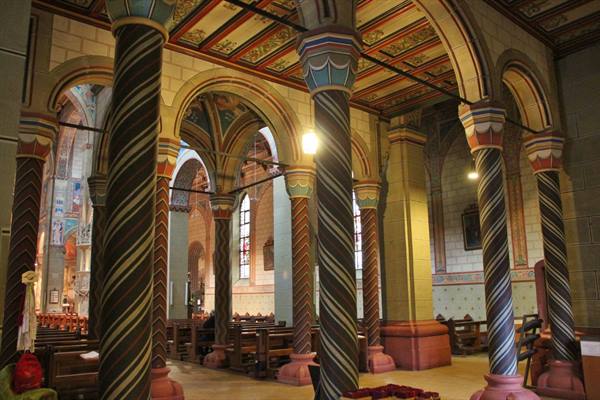
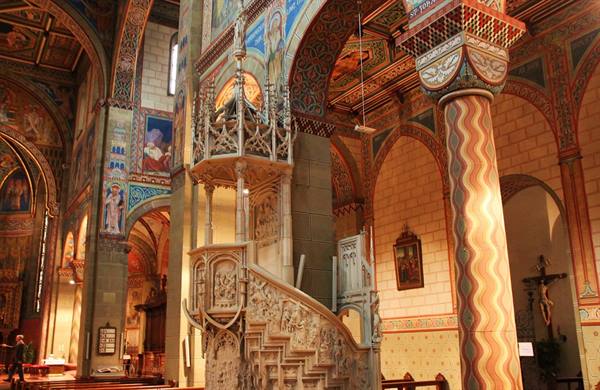
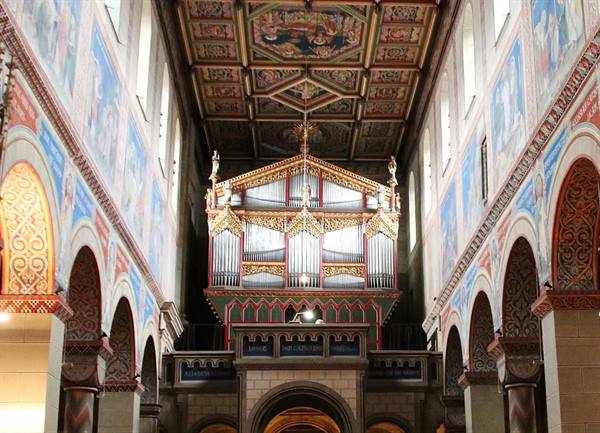
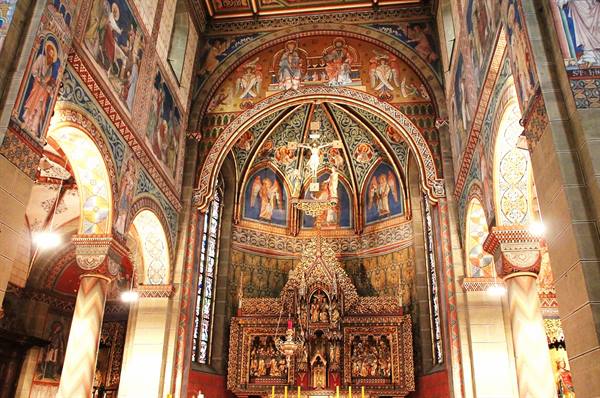
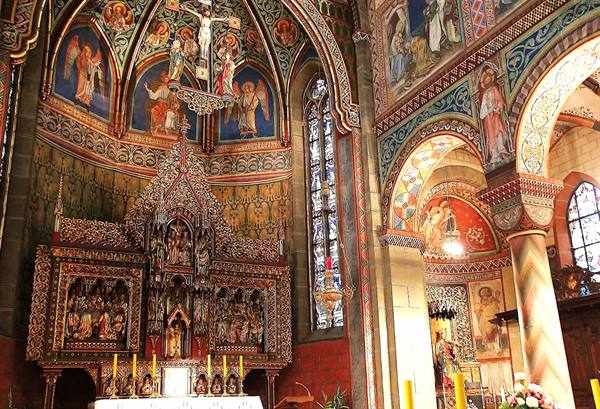
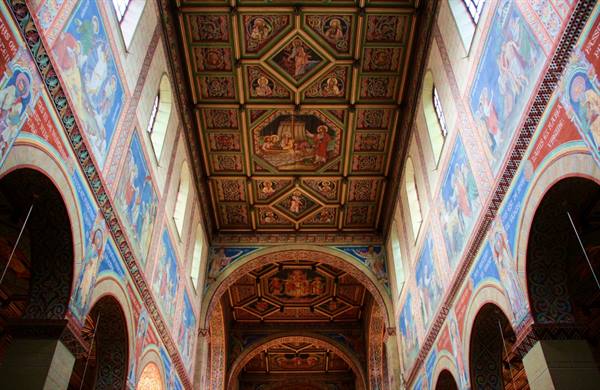
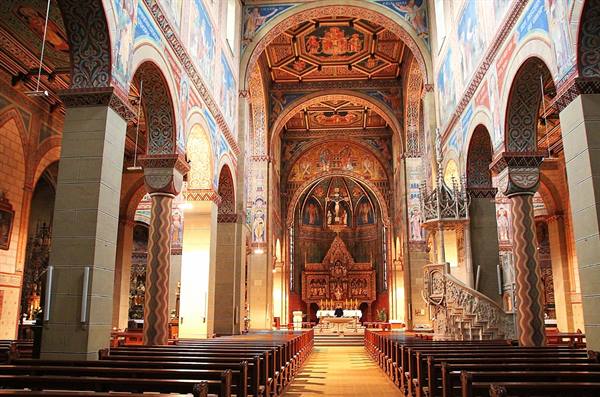
ear the town hall is the Lowenberg Palace with a Renaissance-style portal dated 1696, once a granary and municipal shop; the duty in force at that time, the "Zehnter", was also collected here; from here Victor.Kretz-Strabe begins, the most scenic street, and reaches the Upper Gate, the "Obertor", the most important one, with the sundial and the city coat of arms dating back to 1618; a two-ton iron grating, still functioning, was used to close the gate in defense of the city Another street that attracts the eye is the Engelgasse, called "Street of the Angels", where the typical half-timbered houses are the oldest in the city The church bell tower, destroyed and rebuilt several times, exceeds in height all the towers of the city; the Baroque-style interior was removed during the restorations carried out in 1896; as soon as we enter we are fascinated: painted columns divide the church into t
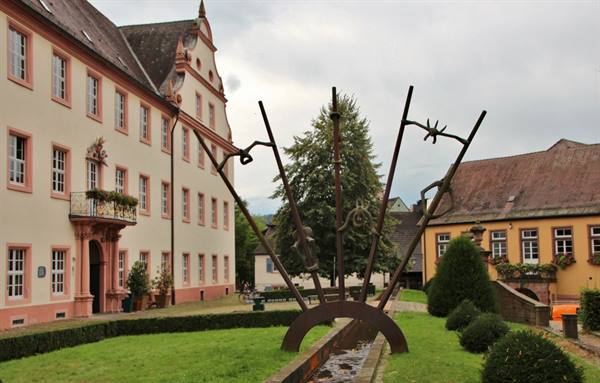
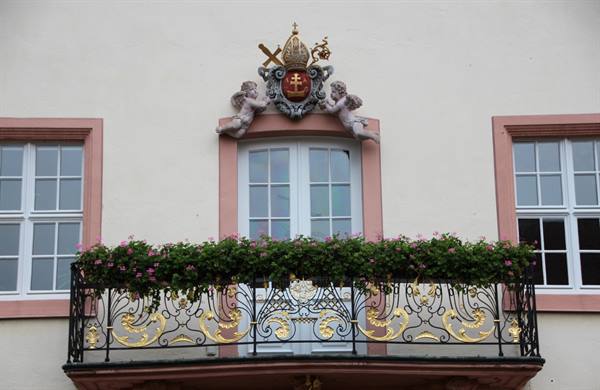
hree naves, the dark wooden ceiling with biblical scenes contrasts wonderfully with the frescoes above the arches, the carved light marble pulpit, the altar embellished with finely chiseled images, the chapel reserved for women's prayers with the statue of the Madonna and the choir stalls; from the external architecture one could not imagine so much beauty Connected to the church is the imperial abbey; the coat of arms is visible above the central window; today it houses the Offenburg school of engineering and electrical technology; the complex is surrounded by a garden and a canal flows in front of the entrance, where a strange sculpture of which I did not understand the concept is positioned Starting from the square, the Hauptstrabe reaches the river and the Kin
Gengebach
Day 724 Sep 2012
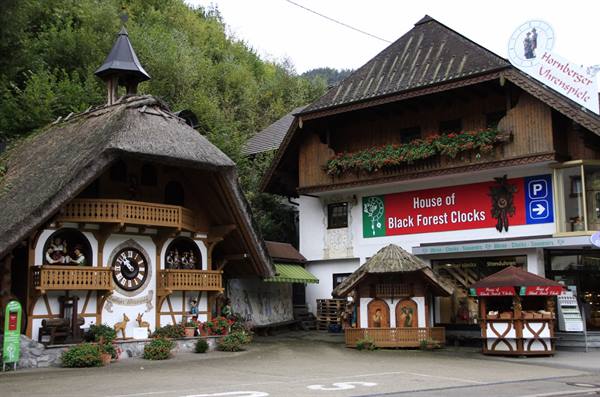
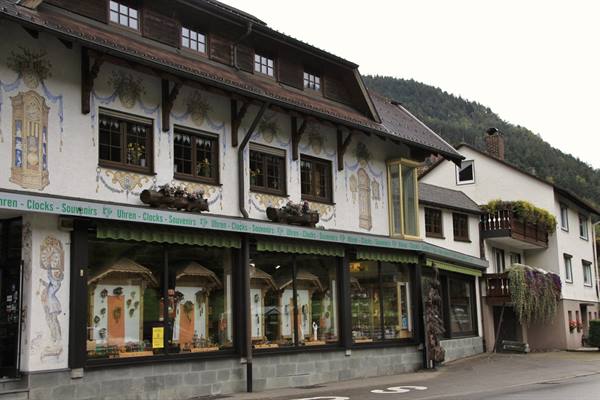
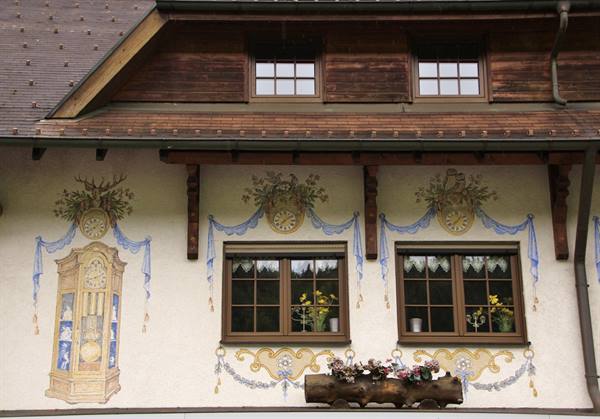
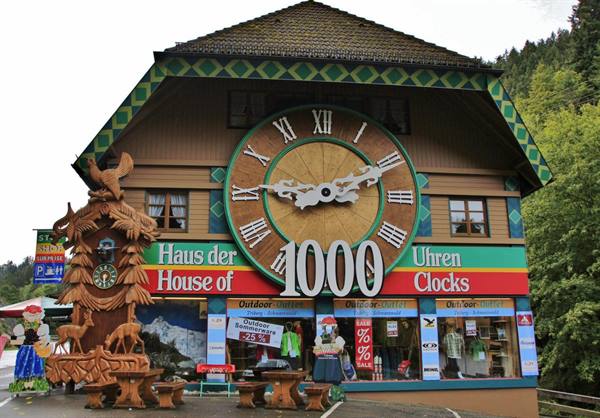
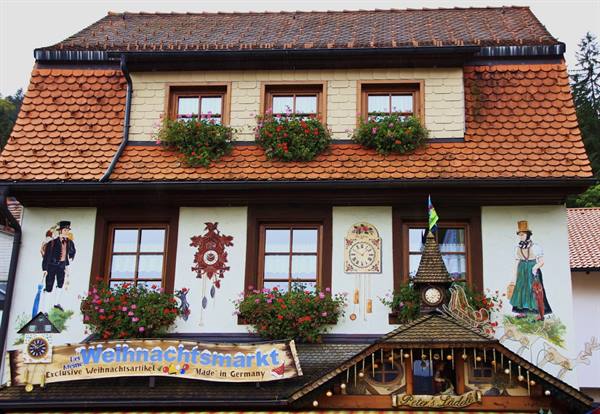
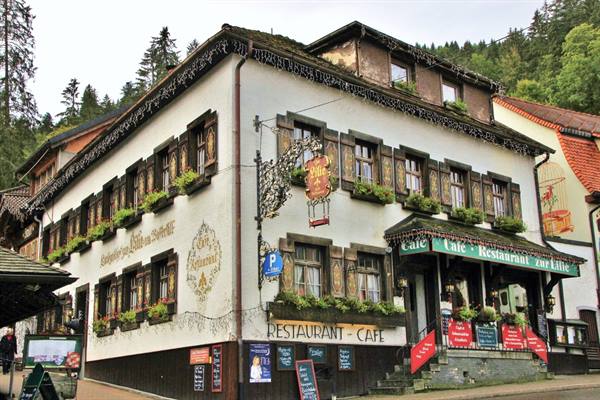
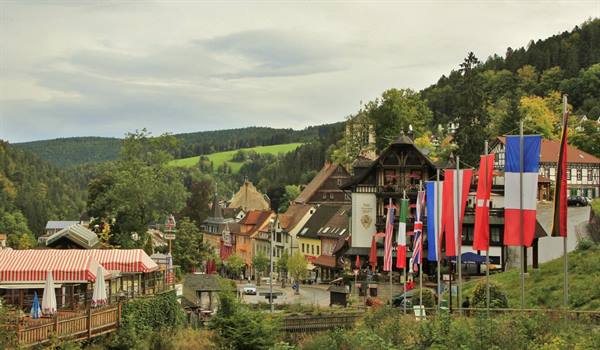
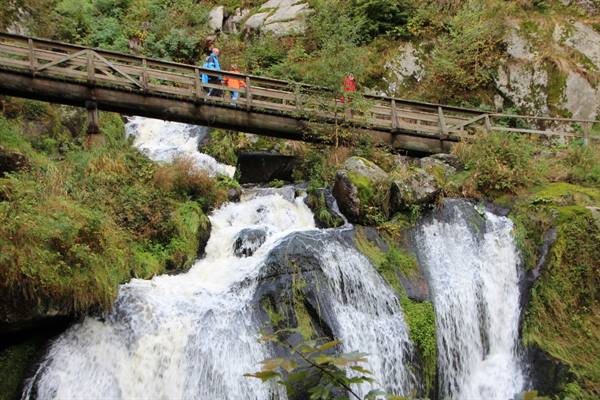
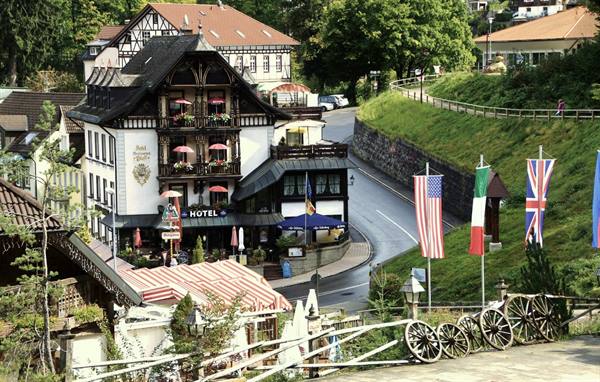
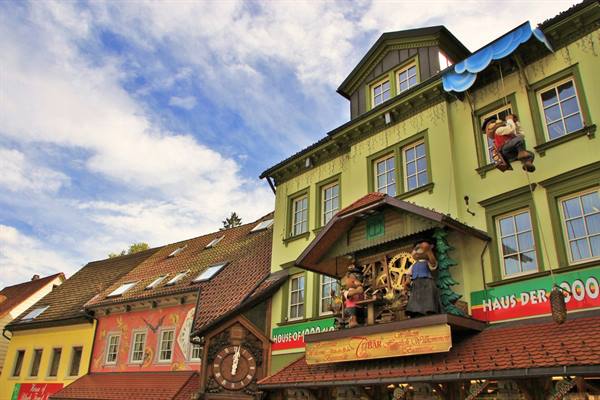
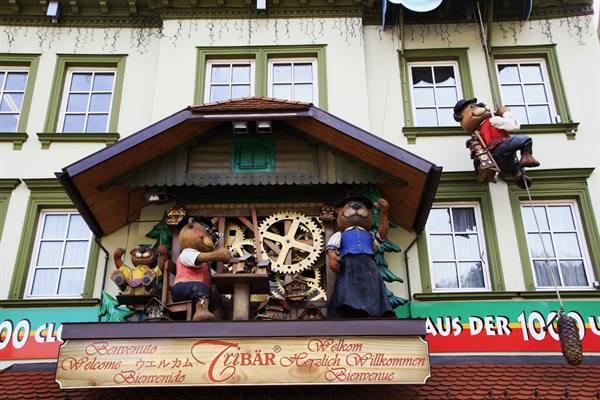
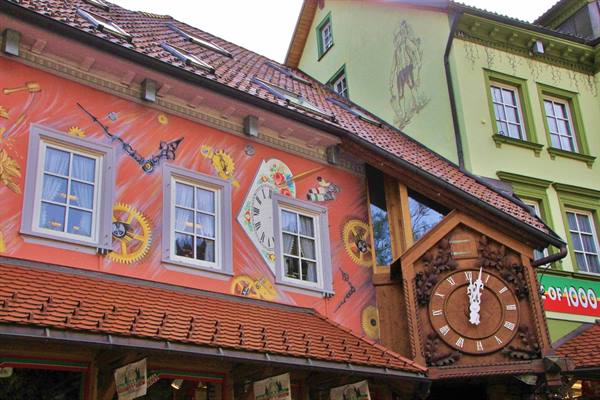
Triberg is known as the capital of cuckoo clocks and just strolling through the streets is enough to realize it, shops with exceptional clocks inside of different shapes and models produced by true masters of wood carving, here too there is the house of 1000 clocks outside little wooden bears come to life at the sound of the carillon and there was no lack of paintings on the facades, worked iron signs and flowers at the windows We are walking along the Haupstrabe and we feel a certain hunger pang, we enter a bakery that prepares sandwiches with Black Forest ham they also make tables available to eat them inside the shop, then we move on to Cafè Schafer which prides itself as the only producer of the original" Schwarzwalder Kirsch torte" Black Forest cherry cake created by Josef Keller in 1915, Keller gave the book with the original recipe to August Schafer who had collaborated with him fo
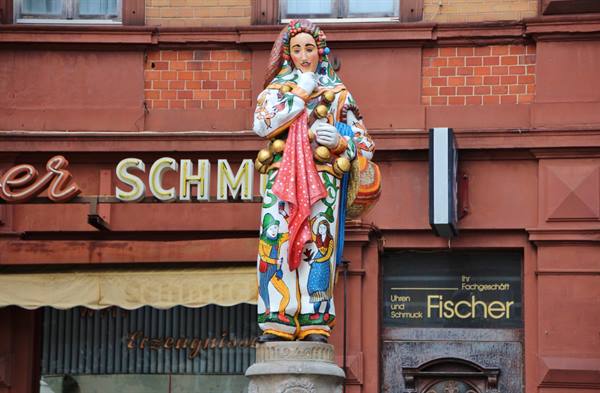
r years (today it is his son Claus who is the master pastry chef) The cake is made of layers of soft sponge cake filled with chocolate with a touch of Kirsch, layers of whipped cream and cherries also covered on the sides with cream with chocolate curls and a crown of cherries, so light that it melts in your mouth It seems that the cake is inspired by the traditional costume of the women of the Black Forest and the "Bollenhut"(hat with balls) the black dress like chocolate, the white blouse like cream, and the straw hat with large red pom poms like cherries, a hat that is worn only by unmarried women while for married ones the pom poms are black Near the car park there is the Schwarzwald Museum inside it is possible to see a cross-section of the ancient traditions of the region, traditional habits and customs, collections of clocks and barrel or cardboard street organs, (from the name of
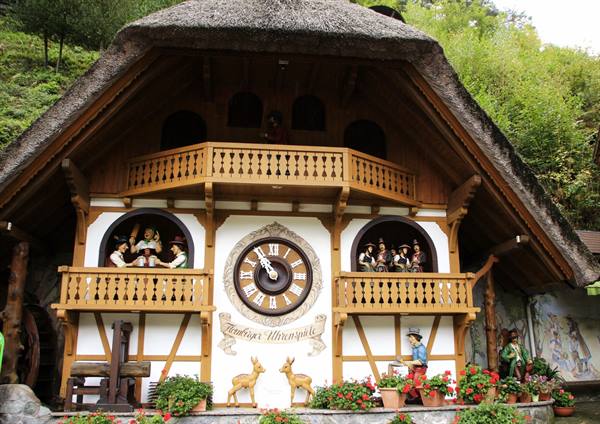
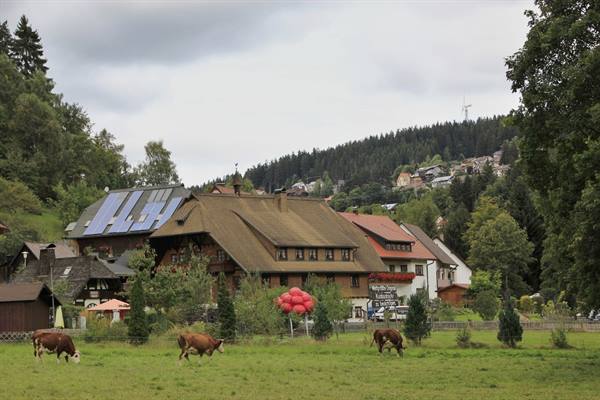
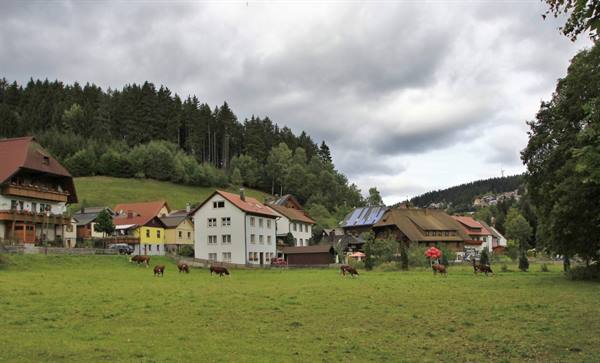
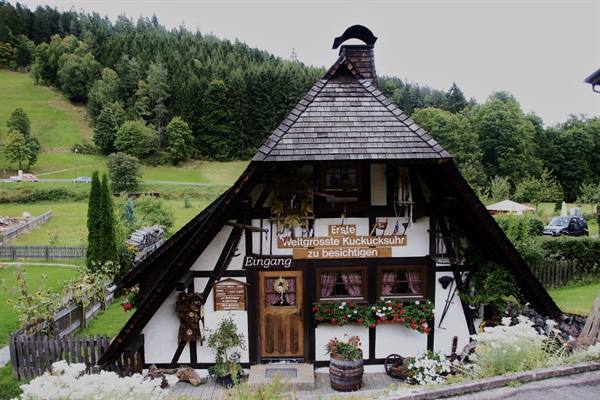
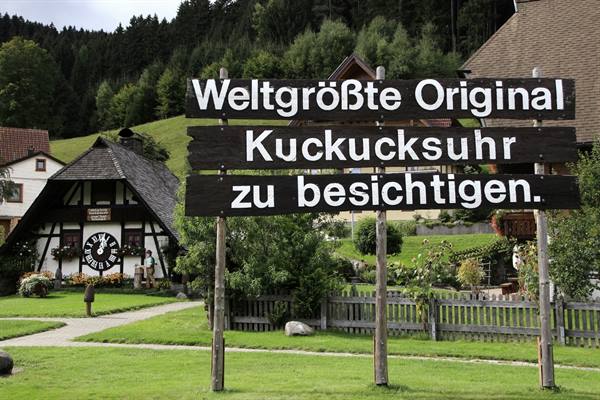
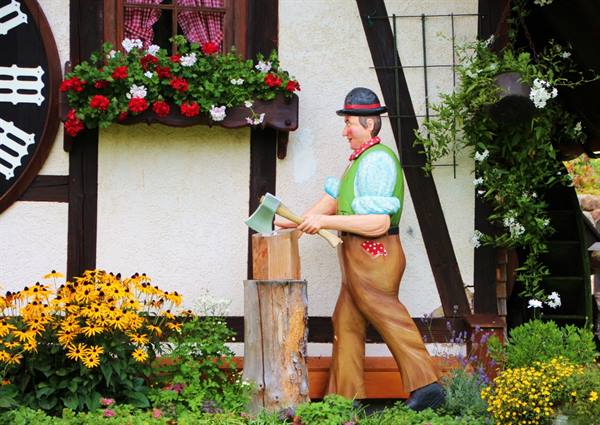
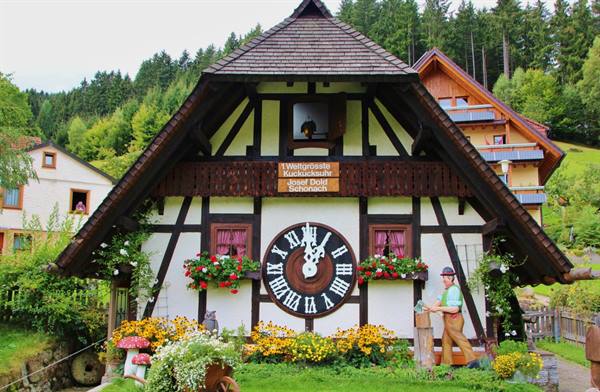
its inventor Giovanni Barbieri) whose sound is generated by a crank operated by an organ grinder Not content with all these clocks we head to Shonach where there is the cuckoo clock that lost its Guinness record, at the beginning of the village surrounded by green fields and cows grazing the little wooden clock house is delightful, built in three years entirely by hand by the master clockmaker Josef Dold in the early eighties It resembles the little houses depicted in fairy tale books, little windows with flowers and red checkered curtains, in the garden the mill wheel, the sculpture of a farmer in the act of cutting a log and colorful flowers everywhere The little house can be visited (€ 1.20) inside; the moving mechanism regulated by a counterweight moves the pendulum and the wooden wheels, it will have lost the Guinness record as the largest cuckoo clock house in the world but it certa
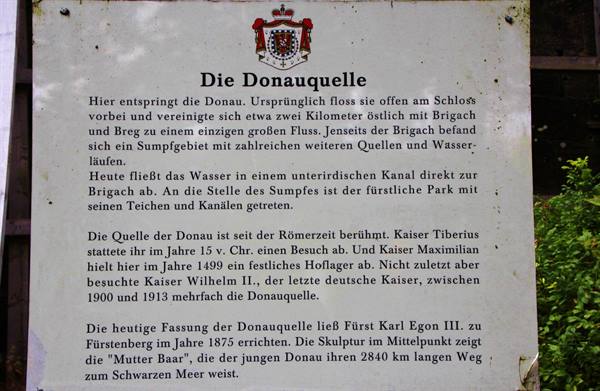
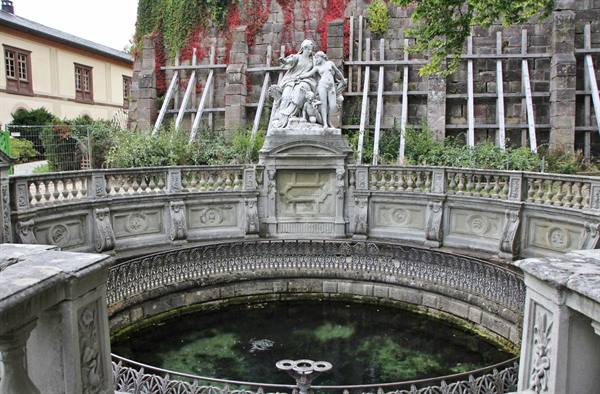
inly has that of the most beautiful. Our next stop is Donaueschingen famous for the castle residence of the Furstenberg when we reach the gate a sign warns us of the end-of-season closure, next to it just outside the walls of the castle garden the Donauquelle a large round basin Built in 1875 by Karl Egon II Furstenberg considered the source of the Danube, the prince had the "source of sources" adorned with a statue the Mutter Baar a woman holding a small child in her arms representing the Danube to whom she points the way towards the Black Sea The River is formed by two watercourses of the Black Forest, the main hydrological source is near the Martin Chapel in Furtwangen where the longest branch the Brigach is born, flowing into the Breg at Donaueschingen they give life to the Danube which with 2860 kilometers is the second longest river in Europe The weather is worsening we quickly visi
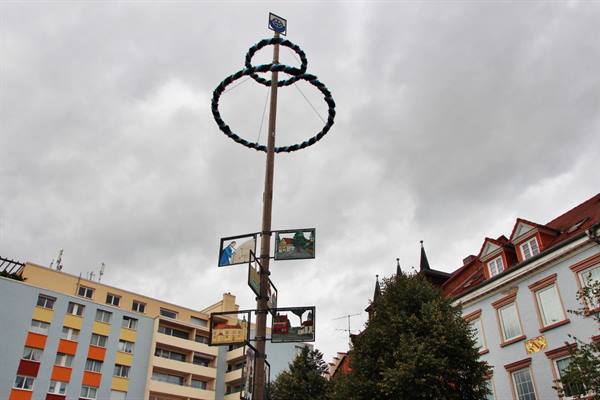
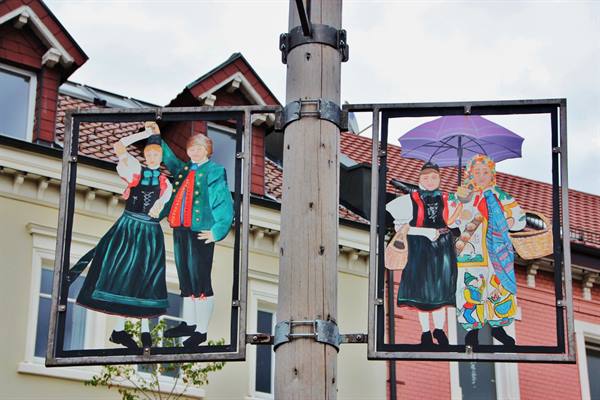
t the city we walk through alleys and squares where the Furstenberg house is present with its coat of arms on the facades of several houses and the brewery where the beer with the same name is produced, we were also struck by an original greasy pole that stands in the square.
Our vacation is over we leave the city crossing Switzerland with its beautiful landscapes and as in the first trip the villages of Alsace, the gentle hills covered with vineyards the variety of natural landscapes did not disappoint me and Metz capital of Lorraine surprised me, an elegant garden city very pleasant to walk around with an exceptional architectural heritage Alsace and Lorraine lands that in their history have experienced countless conflicts and battles, transit route of the great invasions witnessed by war cemeteries of all nations, forts and trenches of the Maginot Line, regions between two cultures the Latin one and the Germanic one that has given astonishing results The Black Forest is one of the most suggestive areas of Baden Wurtenberg ideal for vacations immersed in nature and landscapes that should be savored slowly Praise must be given to these inhabitants who have ma
naged to maintain traditions, gastronomy and architectures over the centuries, the charm of this territory remains unchanged in any season of the year Praise also to the administrators because we have always found clean and tidy streets and cities and beautified On this trip we traveled 1507 km Diesel 150 € Motorway only France 27.90 in Italy telepass, we were already provided with the Swiss vignette Hotel 3 nights 218 € Breakfasts-Dinners-snacks 117 € Museums- boat ride -70.40€ Tot 583.30- on the first day we ate with fruit and sandwiches brought from home
0 reader comments