The story
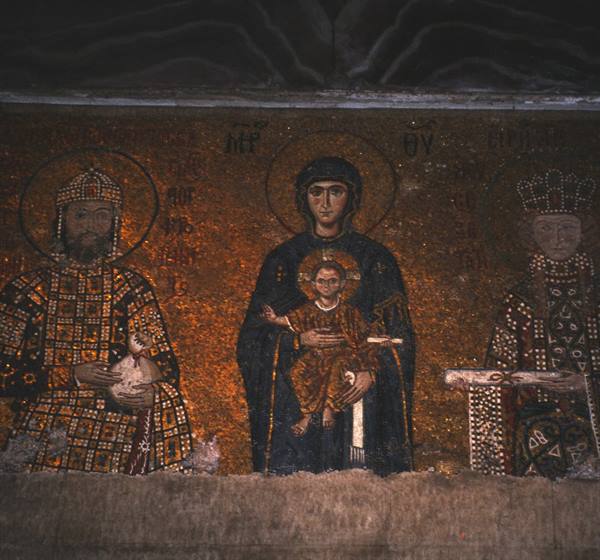
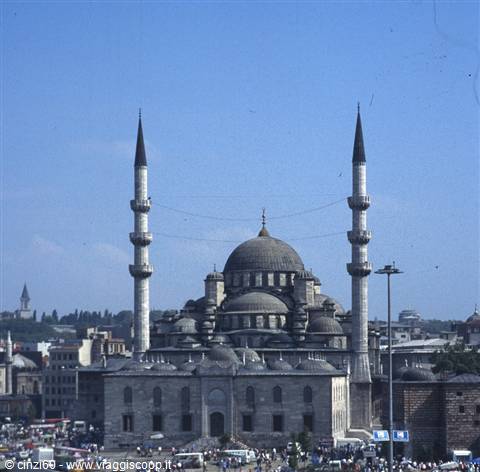
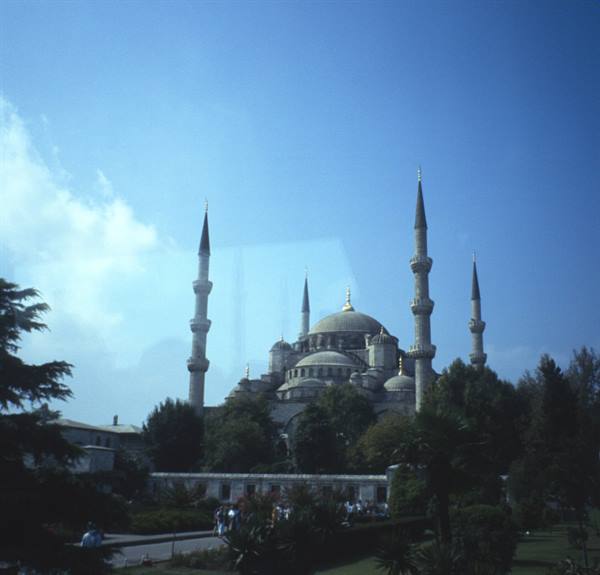
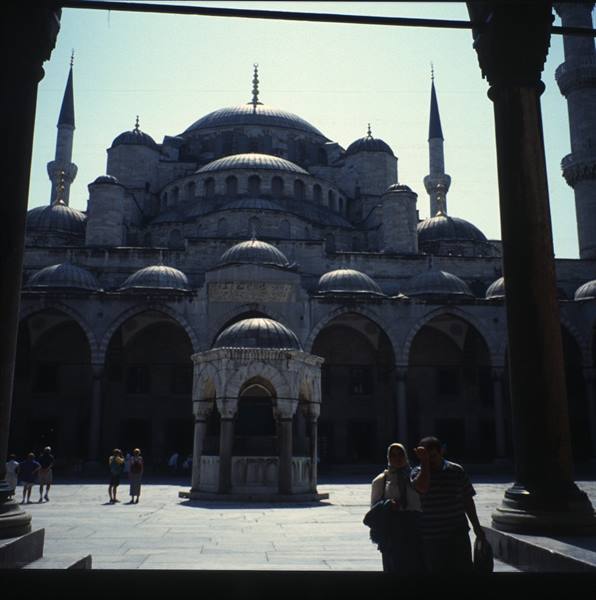
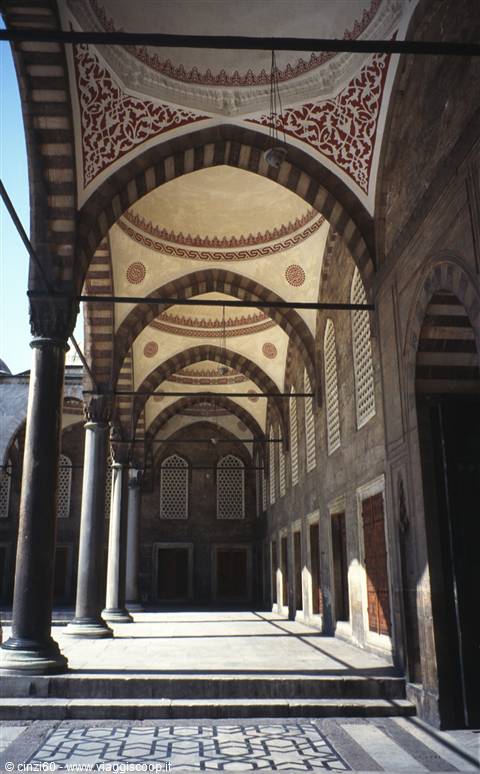
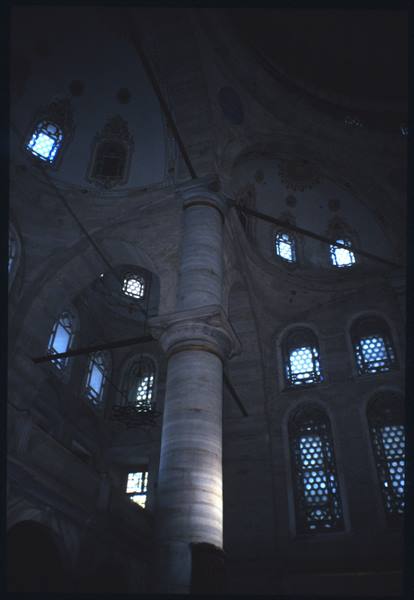
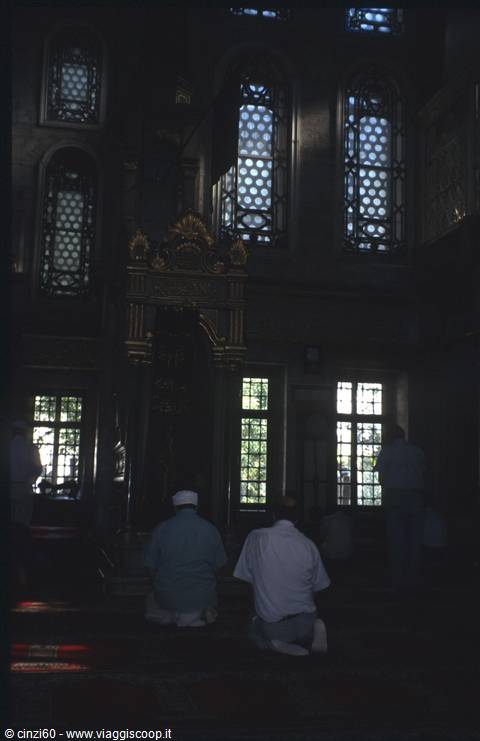
A fascinating country with a thousand attractions, from cultural to landscape: everything here is a discovery: Istanbul is a magical city: its mosques are beautiful - the Blue Mosque, Hagia Sophia and the Nuruosmaniye Mosque. The Nuruosmaniye Mosque is near the Grand Bazaar. The Blue Mosque (built in 1609-1616) is in the historic centre of Sultanahmet, opposite Aya Sofia. The famous Mosque of Sultan Ahmed is the only one with 6 minarets and is also called the Blue Mosque because of the blue tiles used in the interior decorations. The mosque of Aya Sofia was commissioned by Emperor Justinian I and built between 532 and 537. This Christian church was then transformed into a mosque by the Turks in 1453. Aya Sofia means Holy Wisdom and is also called Hagia Sophia. Today Aya Sofia (Ayasofya in Turkish, Hagia Sophia in English) is a museum. At the entrance of the mosque of S.
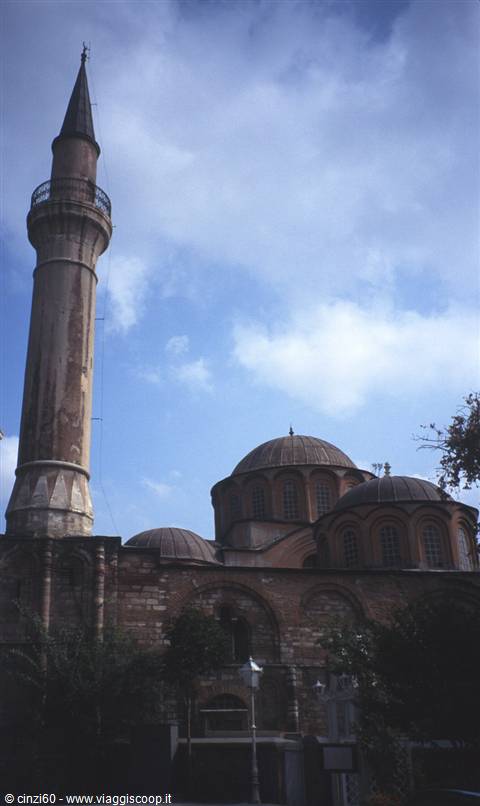
Sofia you have to raise your gaze to see what is perhaps the most famous Byzantine mosaic in the world: Christ Pantocrator, which is above the entrance door. The mosaics of the Church of Chora are also beautiful. Then the exploration of the most curious part of the city, the underground one, represented by the Cisterns. Arising in large numbers in the Byzantine period to make up for the lack of water in case of siege, these enormous reservoirs, often made with recycled materials, are a real discovery. The most famous is the Yerebatan Sarayi, the Basilica Cistern (open every day except Thursday): a hall 140 metres long and 70 wide, covered by a vaulted ceiling supported by 336 columns. A walkway allows you to reach the bottom, where there are two blocks of marble with a bas-relief of Medusa.
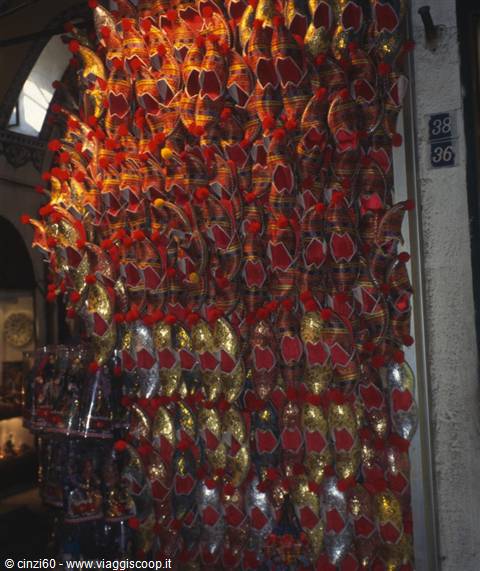
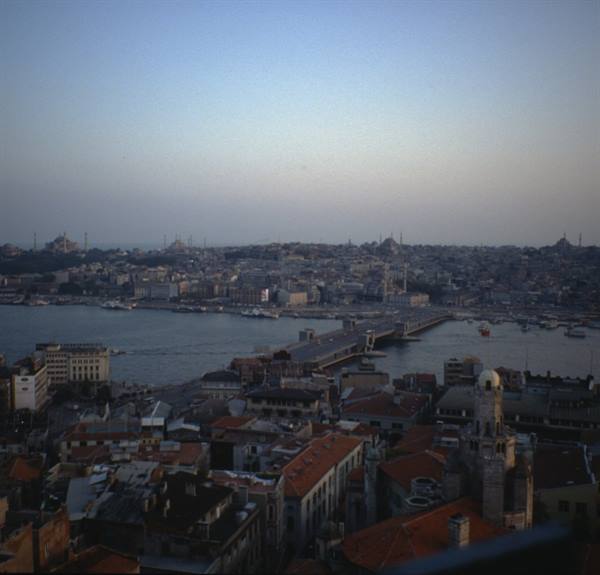
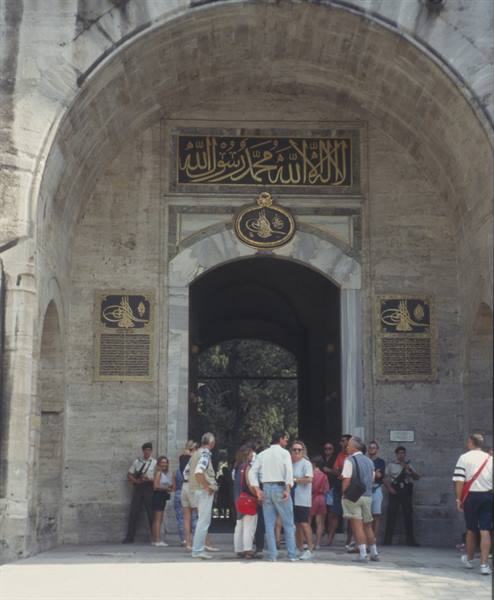
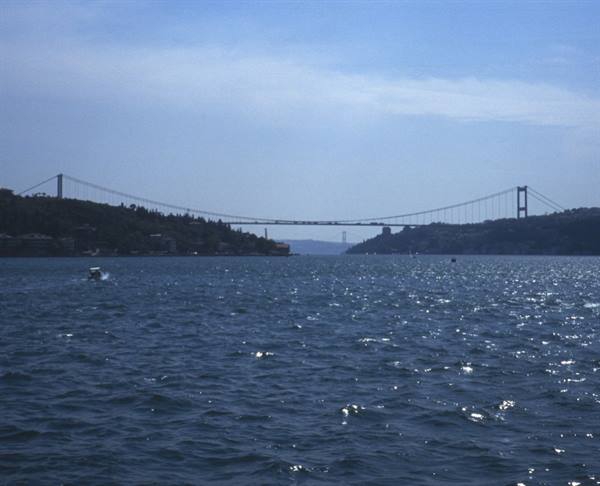
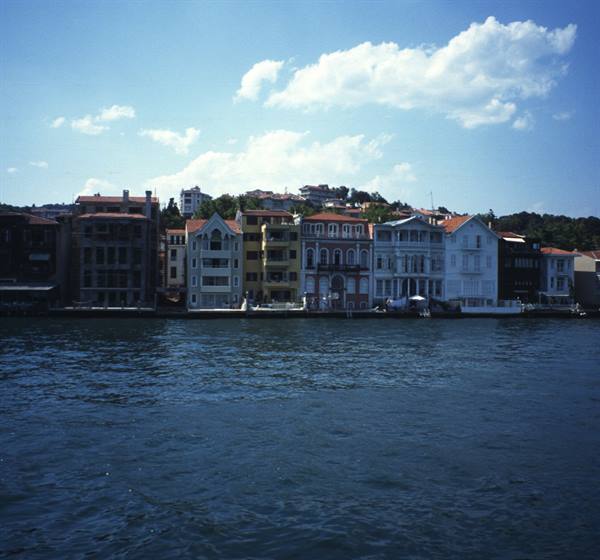
One is intoxicated by scents and colours walking through the famous Grand Bazaar among spices, hookahs and objects of every kind (beautiful the slippers with the upturned toe) that crowd the thousand corridors of a labyrinthine market (61 streets intersect there!), the most extensive covered market in Istanbul. I recommend a cruise on the Bosphorus that will take a whole day… a peaceful, cool and fantastic day. The ferries leave from Istanbul Sultanahmet (Golden Horn) in the morning....and during the crossing it is strange to think that along the two shores two worlds, the west and the east, so far apart in culture, are actually so geographically close! Finally the Galata Tower and the Topkapi Palace, that is, the "Gate of the Cannon": it was the main residence of Mehmed II.
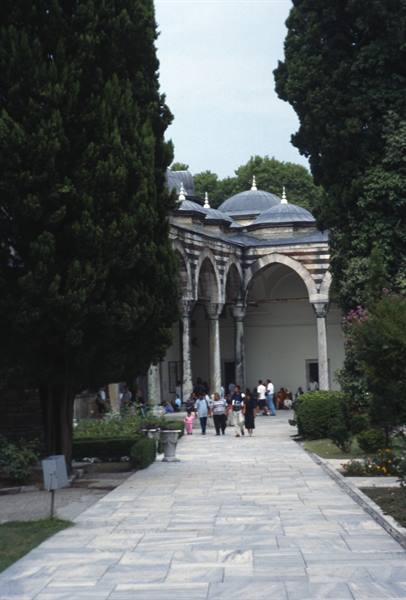
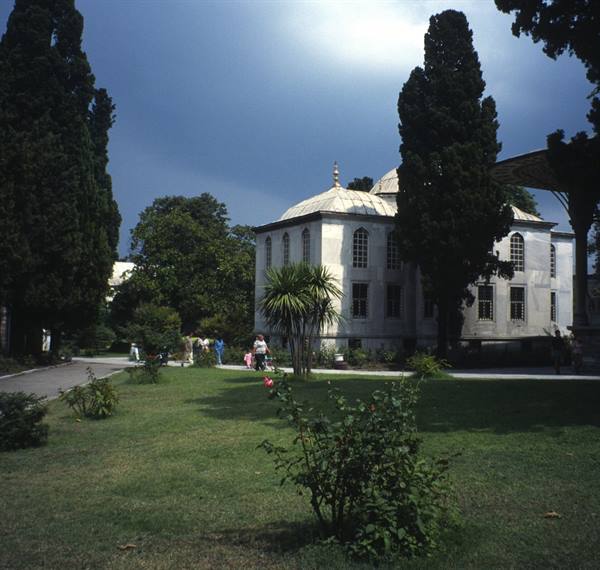
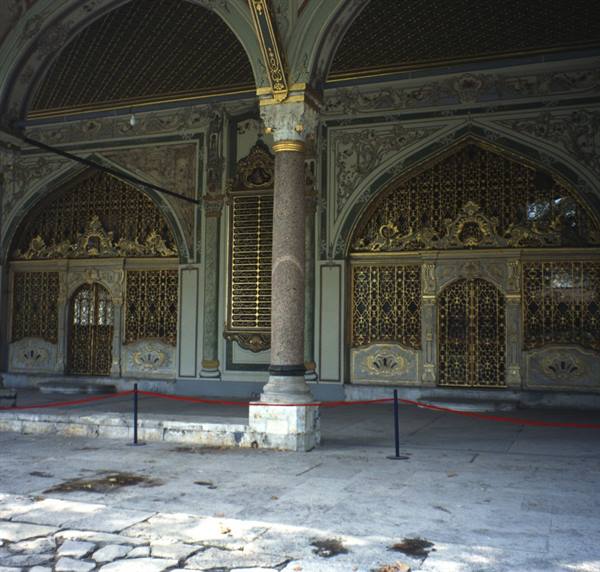
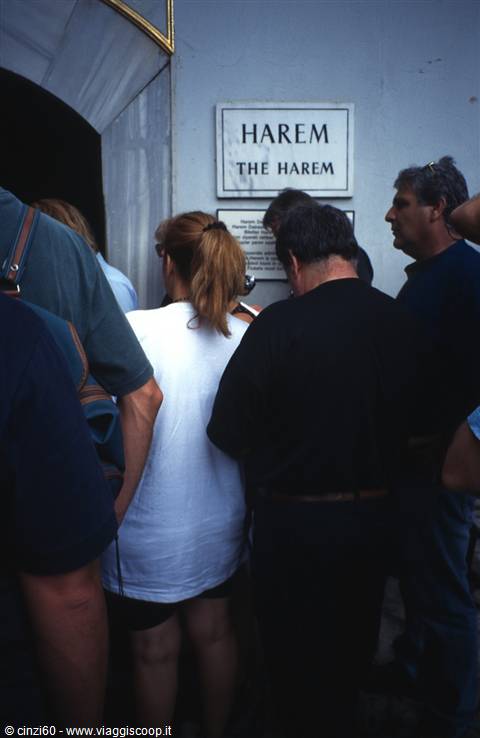
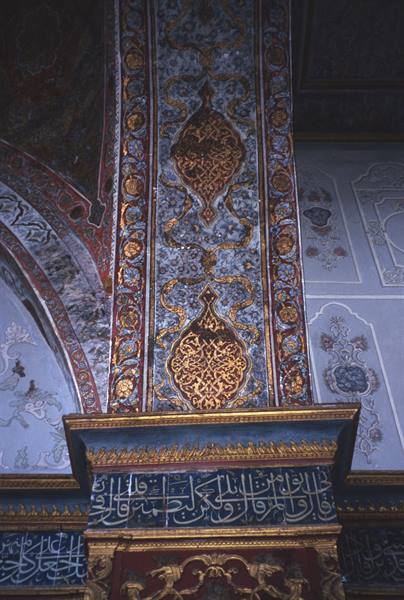
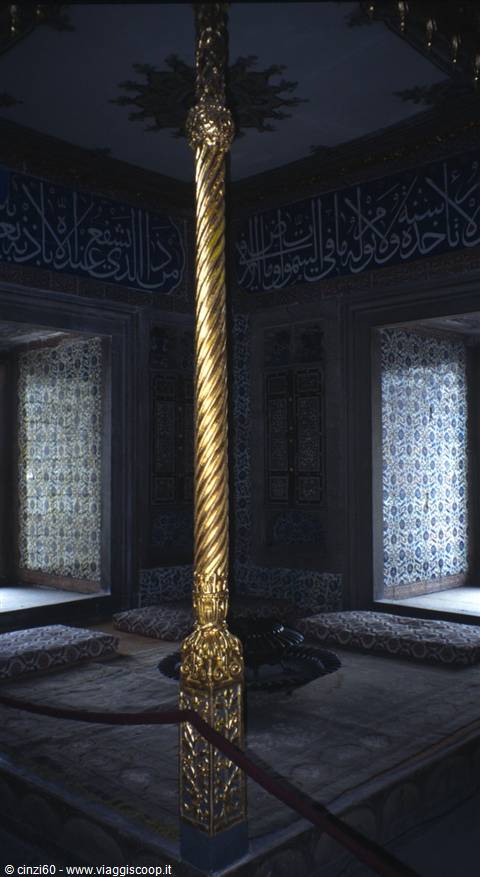
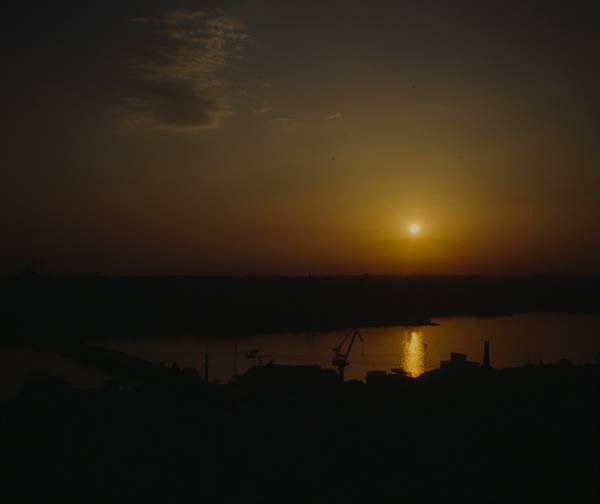
Entering, on the right, are the kitchens, recognisable from the outside by their chimneys, which fed more than 4,000 people. On the opposite side you enter the Harem, but much of it is under restoration, so we headed to the Treasury area, with precious stones, jades, crystals, thrones and swords. Next to it is the room with the Sacred Relics, containing the mantle of the Prophet, as well as one of his teeth and an imprint of his foot. Then very beautiful are the gardens as well as the panorama, with the Golden Horn on one side and the Bosphorus on the other.
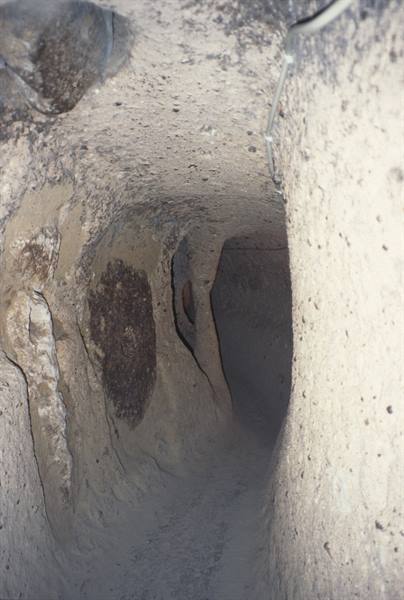
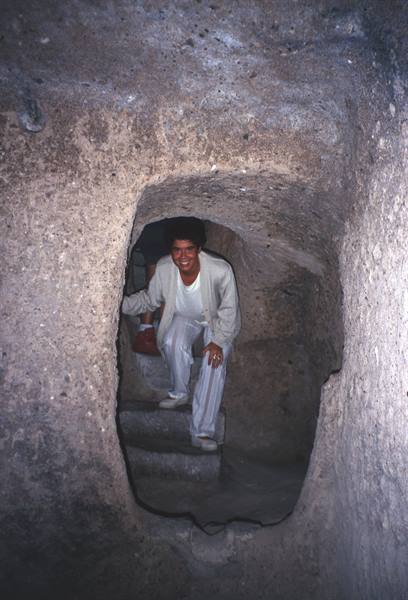
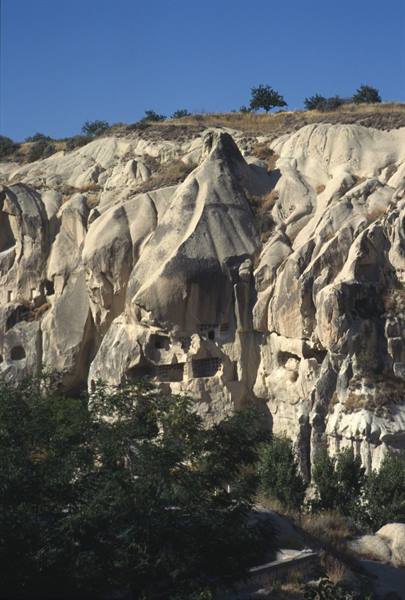
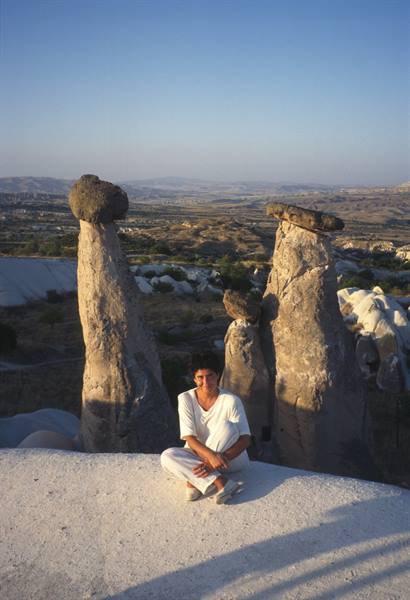
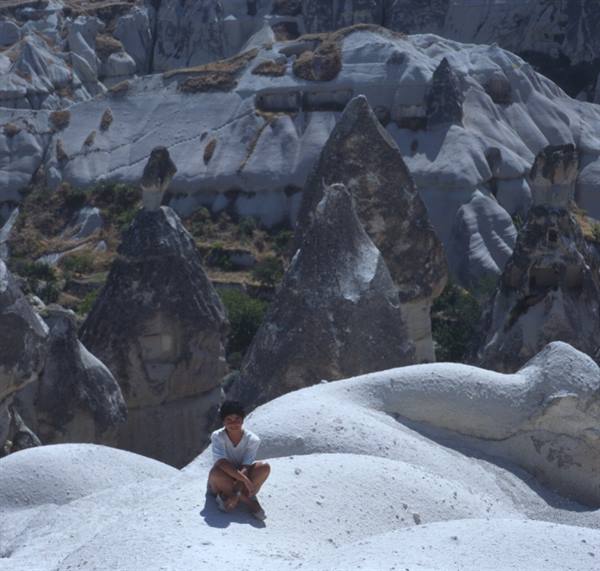
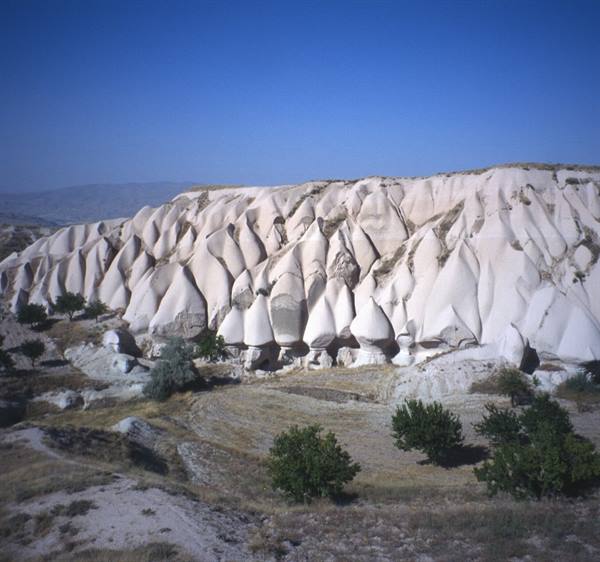
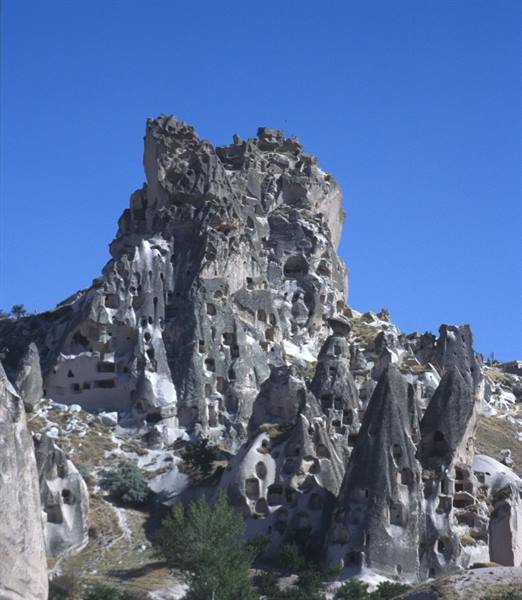
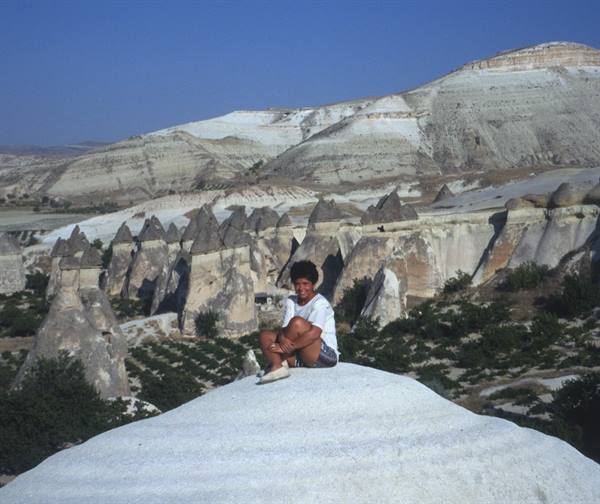
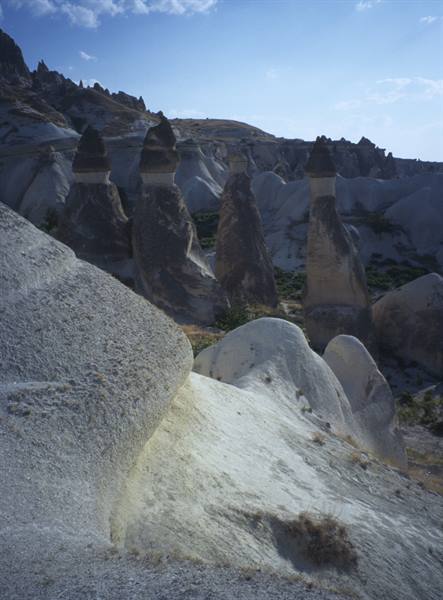
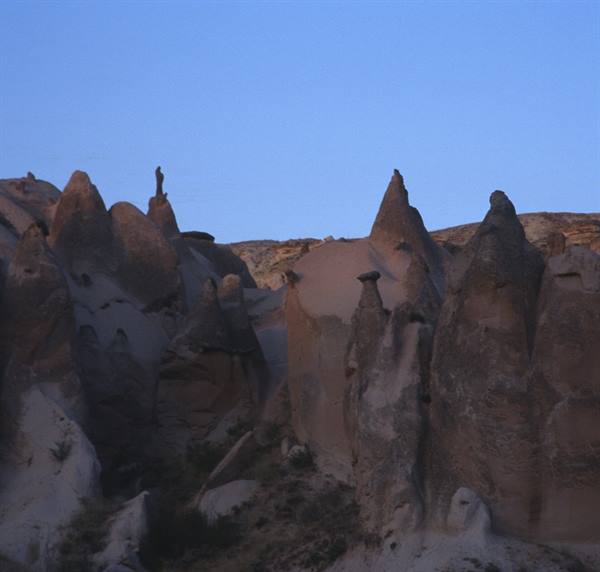
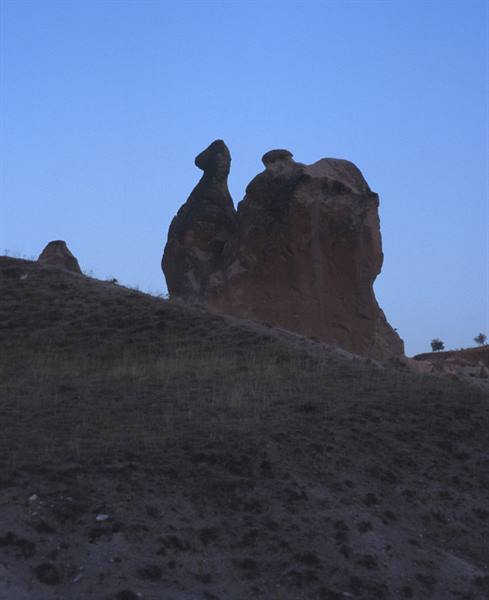
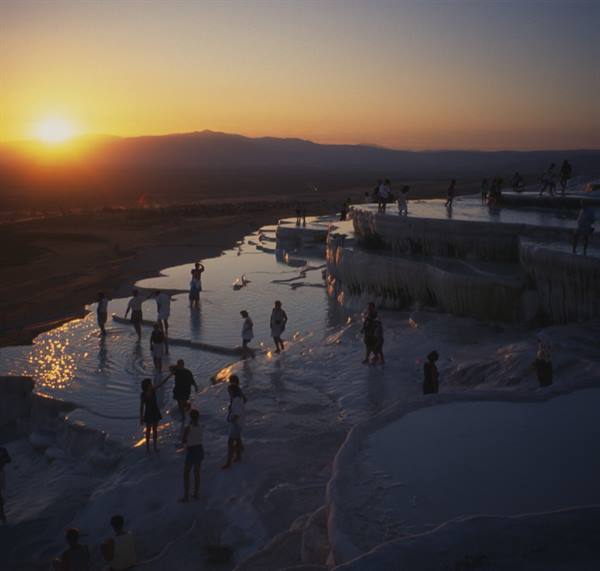
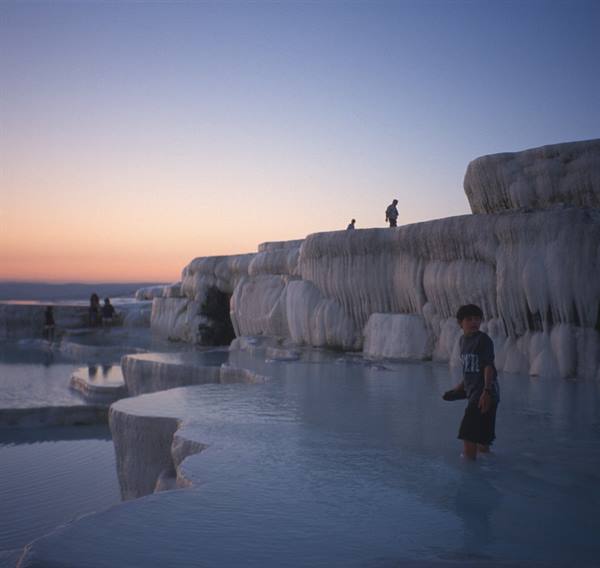
Having left Istanbul, the other great emotion is Cappadocia with its underground cities carved into the tuff, its pinnacles, the Fairy Chimneys, where erosion has created spectacular effects, such as cones topped by blocks of hard rock, tens of metres high, Goreme and its churches wedged in the rock with frescoes still visible, Urgup and its rock dwellings: everything is a spectacle! The region alone would be worth the trip to this country. Then the wonder of the calcium oxalate waterfalls of Pamukkale (which in Turkish means "Cotton Castle"), whose thermal springs about 2700 metres long and 160 metres high can be seen and admired from a great distance. Every second, 250 litres of hot water gush from the spring. The water contains large quantities of hydrogen and calcium carbonate, which merge to form calcium bicarbonate.
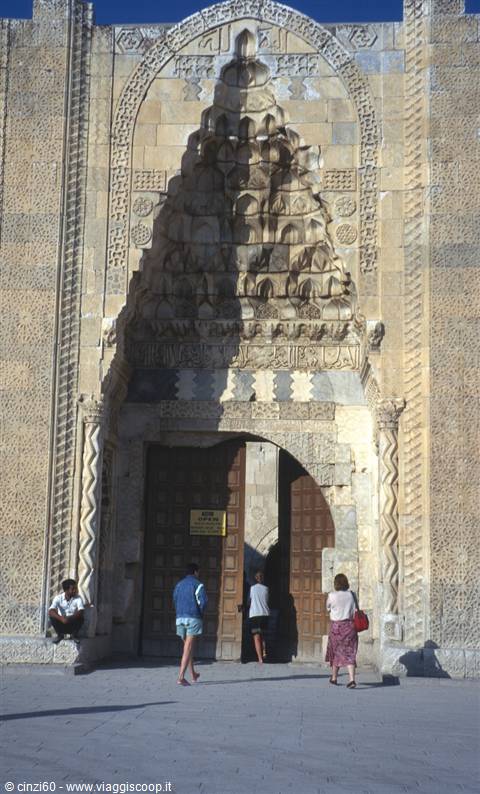
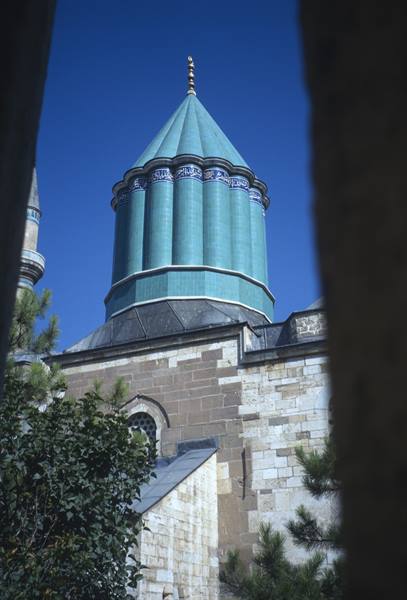
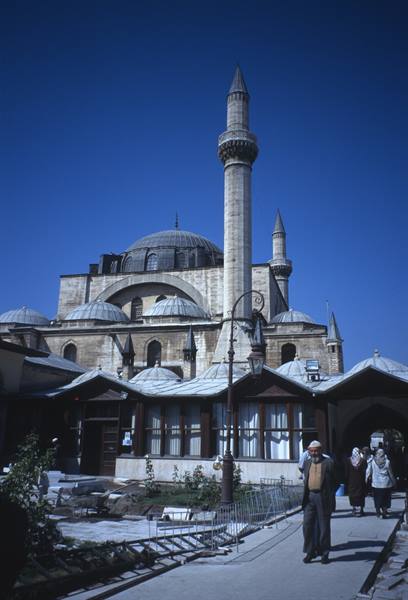
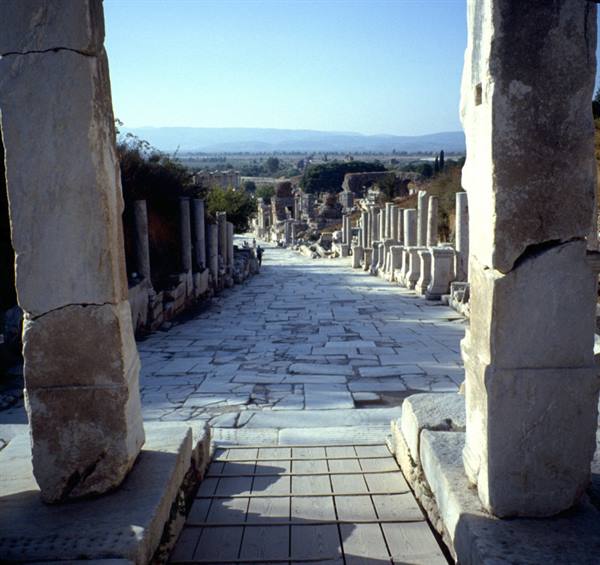
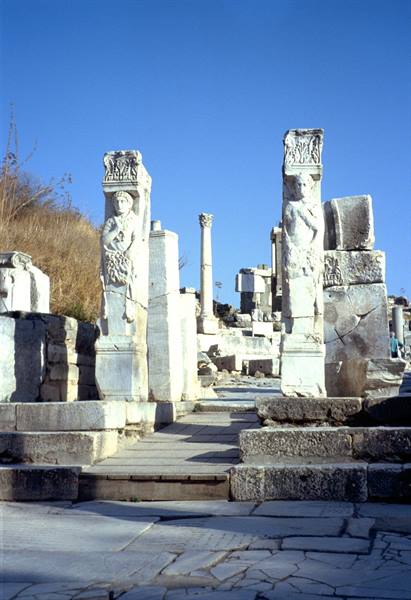
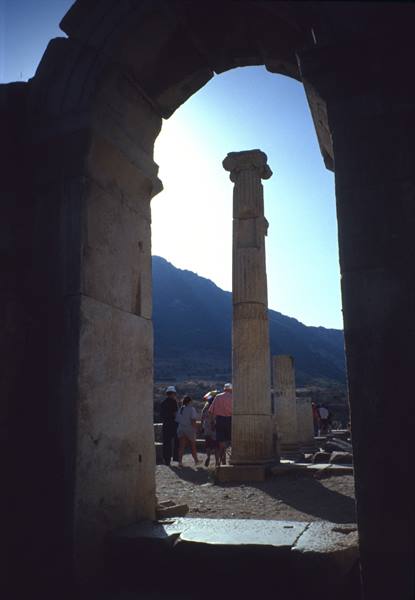
This natural phenomenon thus deposits such thick layers of white limestone and travertine that they seem to fall along the mountain slopes, making them resemble a frozen waterfall: one of the most beautiful natural spectacles in all of Turkey. These are the highlights of a trip that is completed by the visit to Ankara, a city known only for its Archaeological museum: Konya and its caravanserai; Ephesus and the archaeological remains of a city very famous in Roman times and finally the sea...the least well-chosen part of the holiday because it fell on a place called Bodrum, considered the Saint-Tropez of Turkey. Perhaps more than the town, the unfortunate choice was the tourist village, a very anonymous reality if compared with a stay in a structure more rooted in the local reality.
There are no beaches and here access to the sea is represented by concrete platforms close to the shoreline....but apart from this small flaw I would go back to Turkey right away!
The journey's photographs
64 photographs · click to open them full screen








0 reader comments