Damascus, Hama, Krak des Chevaliers, Ugarit, Salah Ed-Din Castle, Apamea, Ebla
When
28 Mar 2008 – 10 May 2008 44 days · trip of 2008
Who
Carlo Ranzani · @Carlo · Majano (UD)
How
Travel diary
The story · 7 days
This trip was not supposed to happen. This year Tina, my wife, had a major dental problem: operations, dressings and various treatments, so a problem that dragged on over time and at considerable cost. The dentist came to my aid, and between one operation and another at least 60 days had to pass, just the time needed to make this trip proposed to me by my friend Lorenzo of the Desert Club. At the last minute Tina agreed to do it and we set off. The trip, leaving from Ancona on 30 April, begins with a ferry that will take us to Patras and, from there, through Greece and Turkey, we will reach Syria and then Jordan, our main destinations. On the return, the sea crossing will be from Cesme in Turkey, landing again in Ancona on 10 May, and thus the end of the trip.
Damascus – New Kaboun Camping – Gps N 33° 31.781 E 36° 21.889
Departure at 8, we take the return road. Tonight we'll be in Damascus, let's hope we end up in a nice campground this time. Before the border, a diesel refill because in Syria you never know when we'll find more fuel. The last Syrian pounds are spent in a square full of shops. Unfortunately at departure time vehicle no. 2 still has the unexpected problem of the alarm engaging that prevents it from starting (probably the engine cooled down and unlocked the control unit) but after several attempts, the engine starts. Now we're at Al-Ramtha on the border with Syria and we're waiting for bureaucracy, as at all customs posts, to let us continue. Finally at 16:00 we officially re-enter Syria. We don't see Saman again but a new guide named Aziz. We head to Damascus on a nice highway with good road surface. Before entering the city, we stop for shopping at a large supermarket: the Town Center.
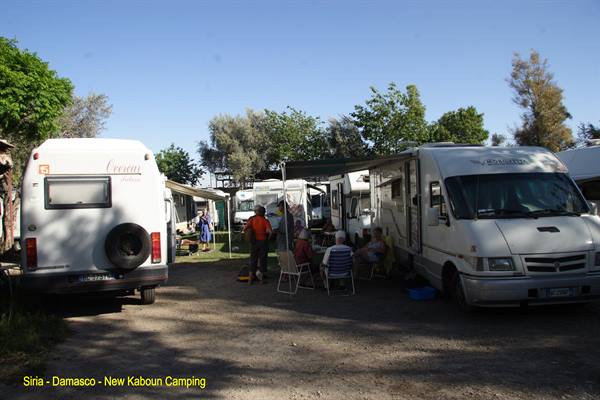
We find everything, just like back home in Italy. We fill up the fridges and set off again to reach the campground. After quite a few kilometers, no. 1 confesses he took the wrong road. We make a U-turn and head back toward Damascus (10 km, but didn't he say he'd already done this loop 11 times????). Finally we arrive at the parking lot where at first we're disappointed. We turn into a little road that looks like a rubble dump where we find the huge sign "Camping". We enter through a gate and are amazed. It's a large lawn with plants, there are already two campervans with their awnings open and people lying comfortably sunbathing. A bit of luck, finally. Pious illusion because our space is very cramped: one meter between one campervan and another where opening the windows without touching each other is a problem.
General disappointment while someone ventures a criticism that is immediately silenced by no. 1 who judges the thing more than fair and that it's fine as is. As for tomorrow, no one knows what we'll do. Tina, the most brazen of the group, takes courage and inquires with no. 1 about the bus schedule. Answer: from 8:30 to 8:45. How will we have lunch? Answer: he'll have the kebab, the others can fend for themselves. We'll probably make ourselves
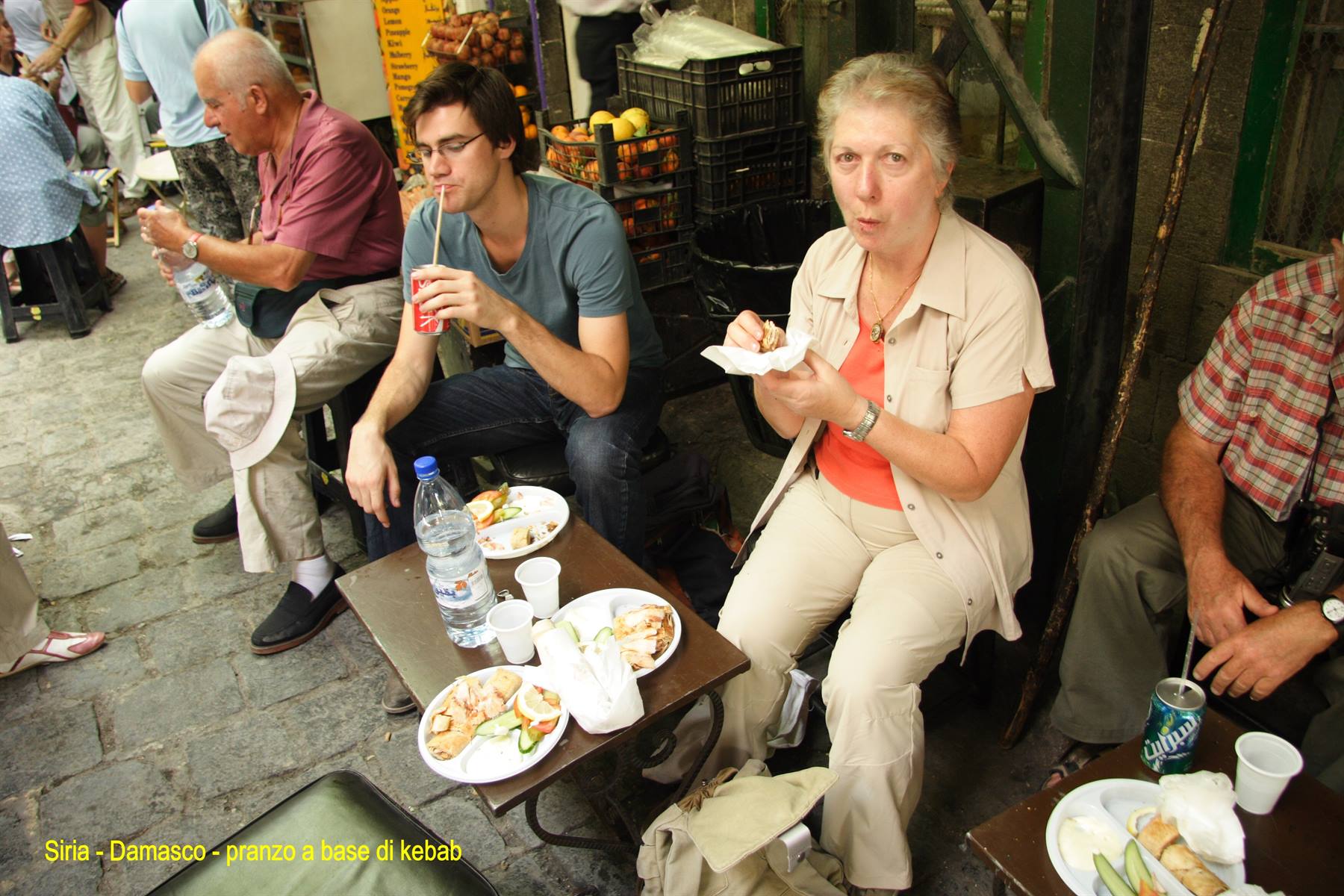
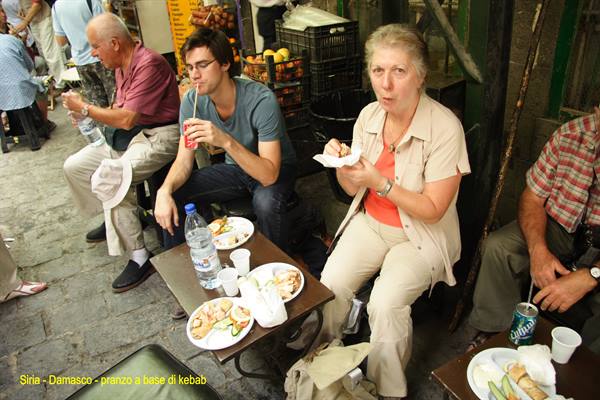
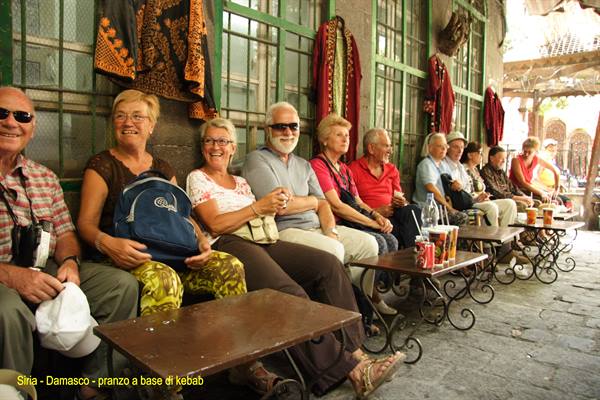
Syria - Damascus - lunch of kebab
Day 226 Apr 2008
Damascus – New Kaboun Camping – Gps N 33° 31.781 E 36° 21.889
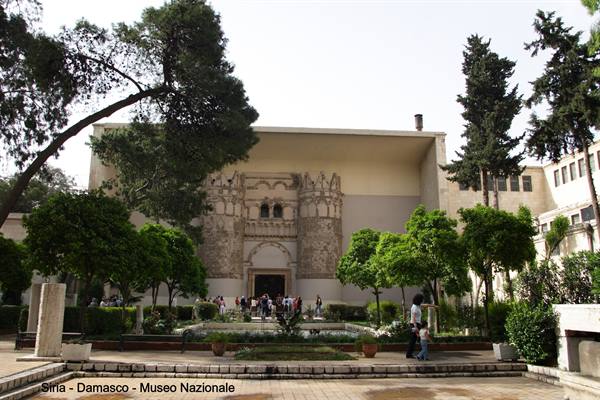
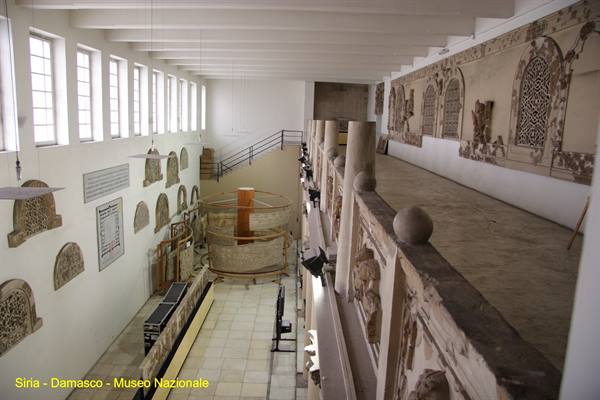
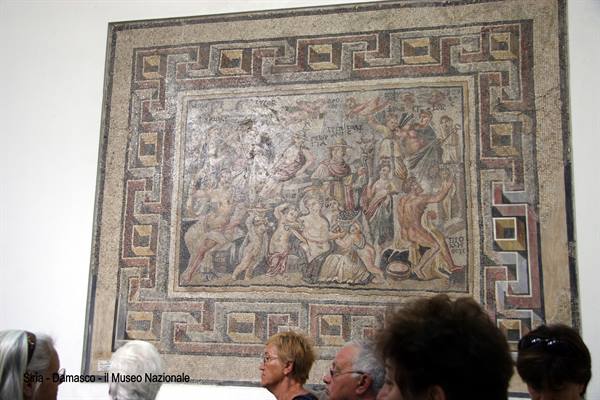
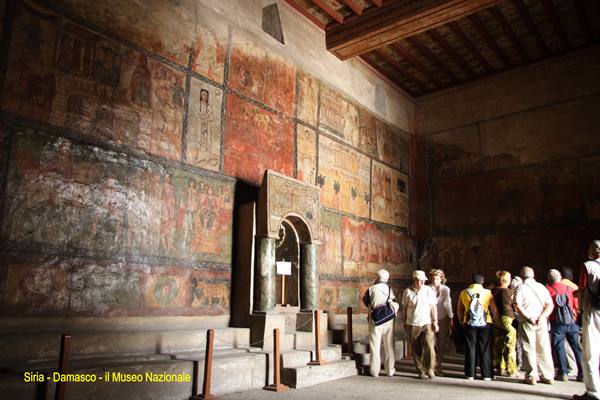
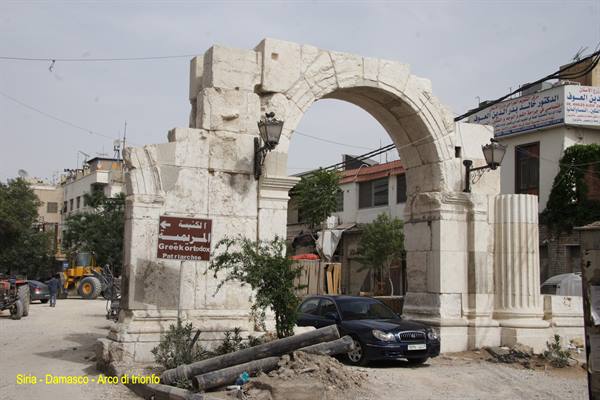
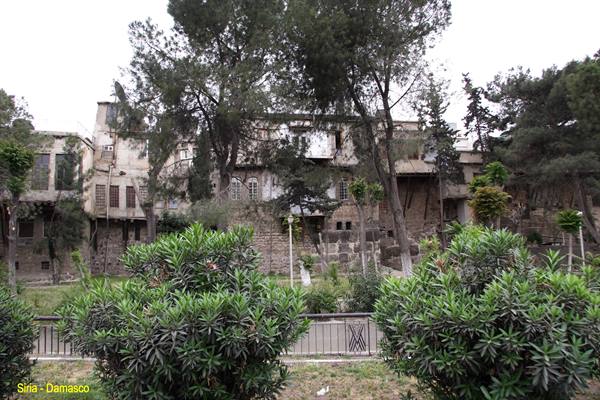
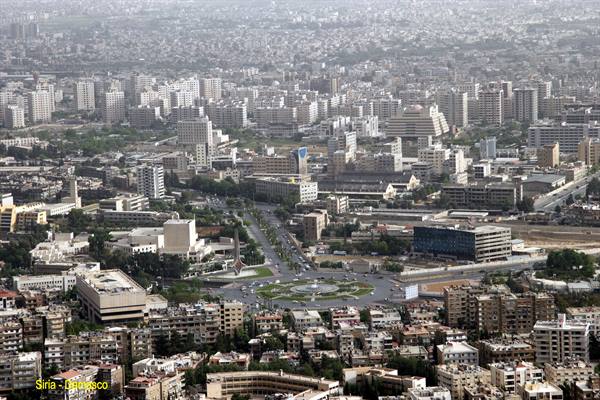
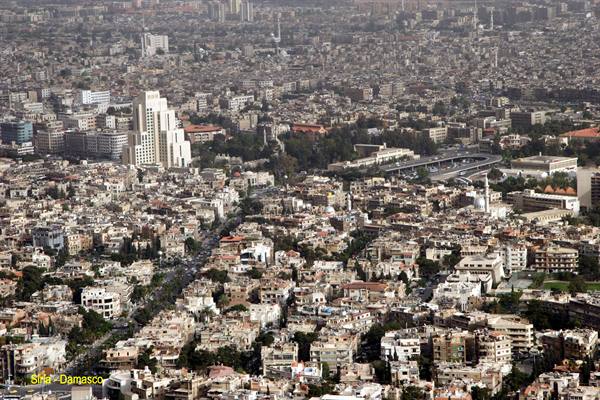
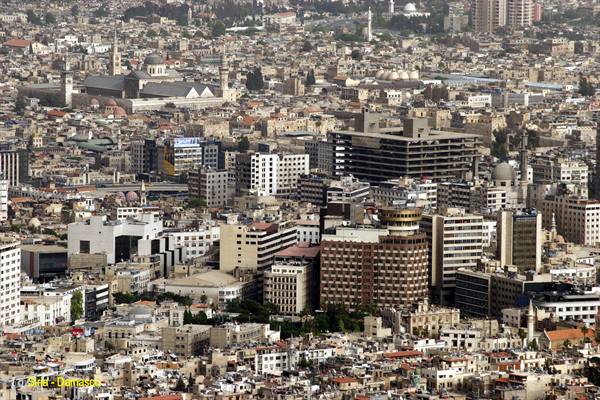
Damascus is the capital of Syria. A town located at 600 meters of altitude and always considered the "Paradise of the Near East" thanks to its mild and temperate climate. It has many waterways passing through it and is surrounded by hills. So we set off by bus for our visit to the city. After a short journey we arrive at the National Museum of Damascus. The museum's facade is the reconstruction of the desert castle Qasr al-Hayr al-Gharbi, of which few ruins remain. And the decorations of this facade are the remains of the originals found near the castle. In this museum there are many artifacts from the history of the Middle East. Some rooms contain Hittite artifacts, for example from the city of Mari, where there are beautiful alabaster statues. In the Ebla room there are various clay tablets with cuneiform writing. There is also a piece of lapis lazuli from Madagascar.
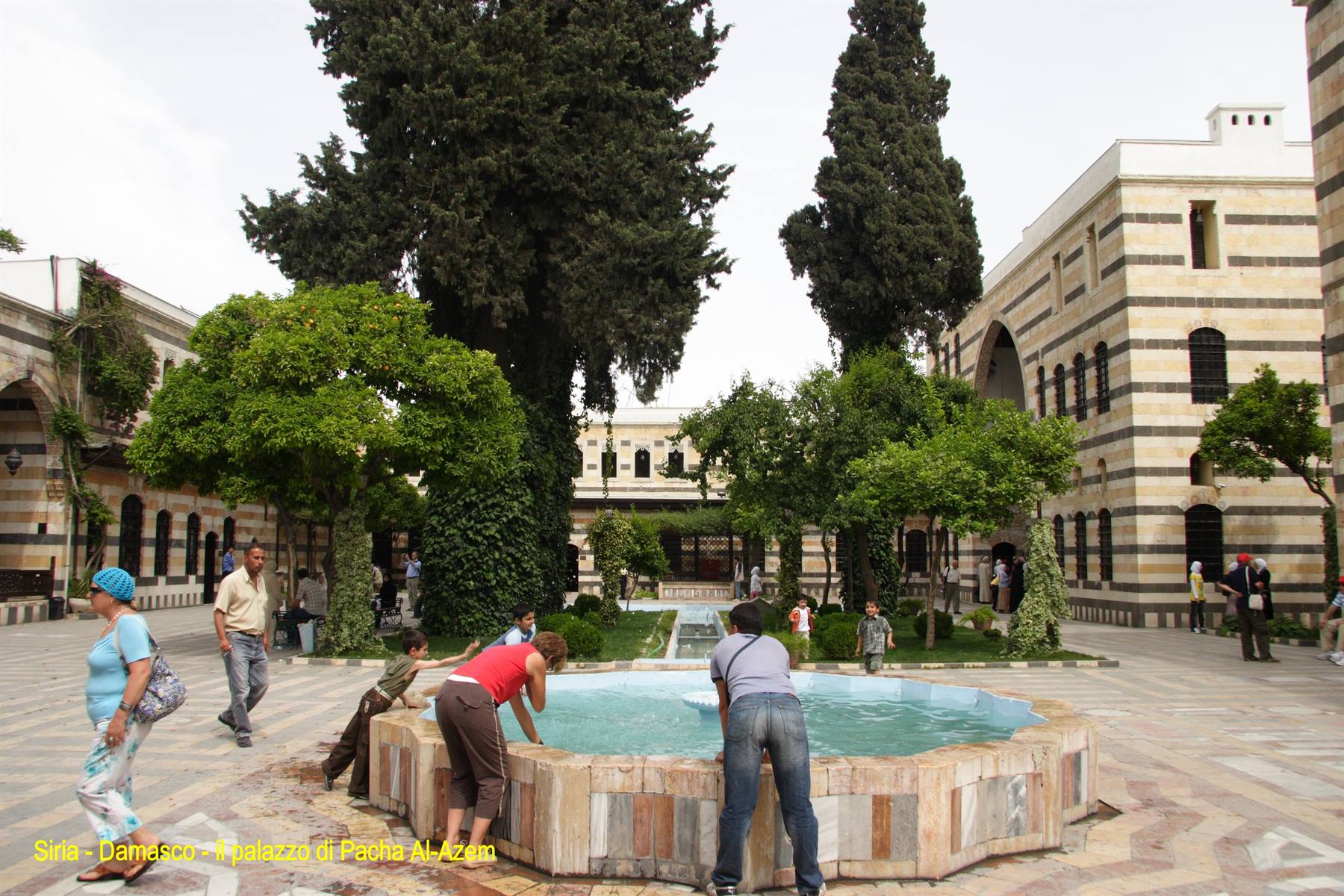
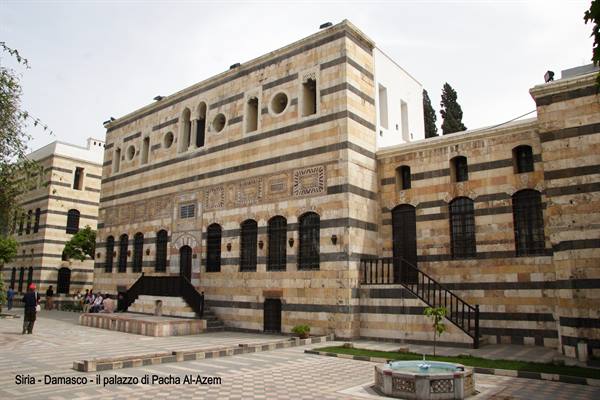
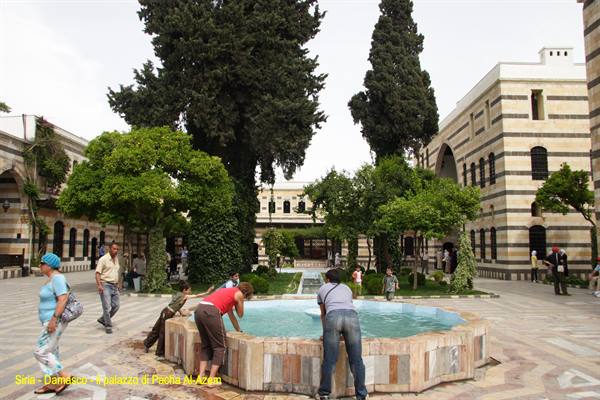
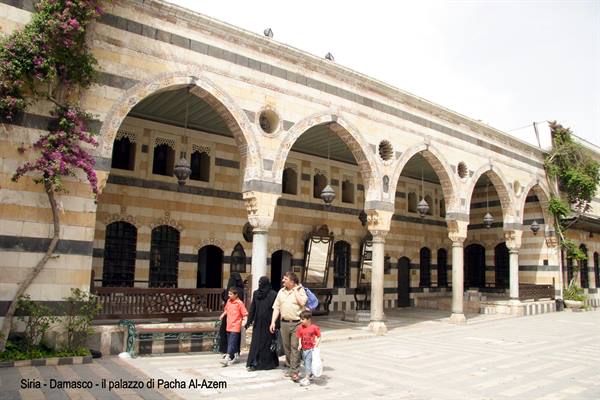
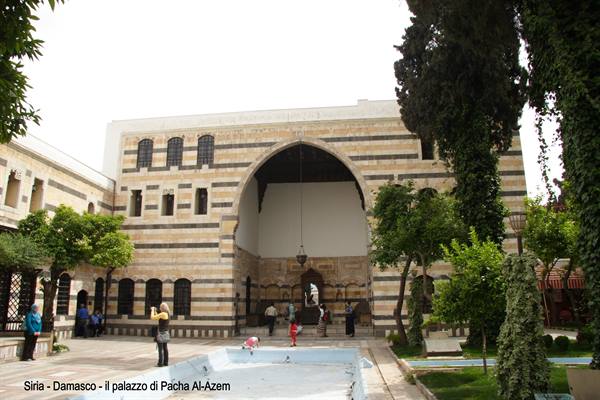
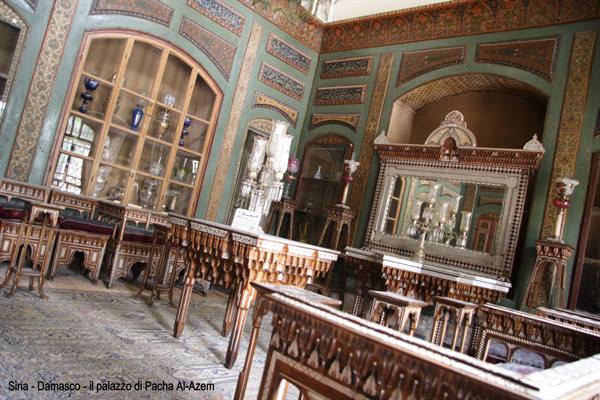
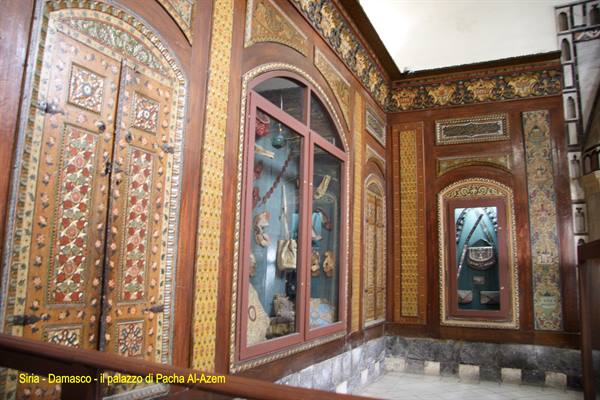
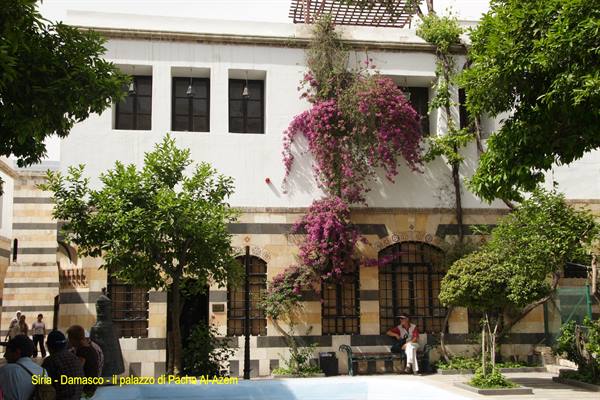
In these rooms you can also admire small cylinders pierced in the center, so as to become small rollers, engraved with various designs and writings. These cylinders were nothing more than seals that were rolled over soft clay placed as a seal, for example on containers of written tablets, so as to leave the design engraved on the cylinder impressed. In general the museum is very beautiful and spans a very broad historical period and with art from many cultures: Arab, Hittite, Phoenician, Egyptian, Greco-Roman, Byzantine and Jewish. After leaving the museum we have lunch in the old city and after a walk around, we visit the palace of Azem Pasha, Turkish governor of Damascus. The palace is divided into various rooms where on one side the women stayed and on the other the men. There are the apartments of the brides, of the pashas and of the pashas' mothers-in-law.
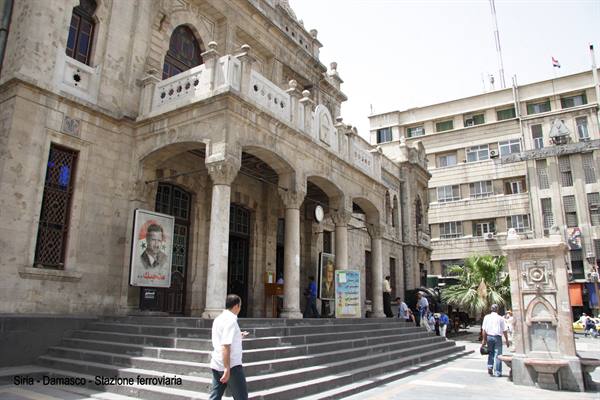
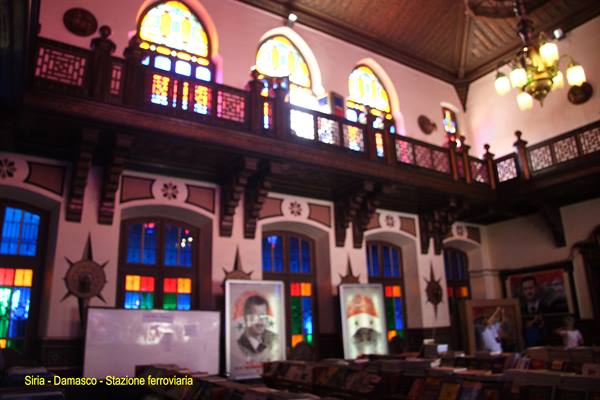
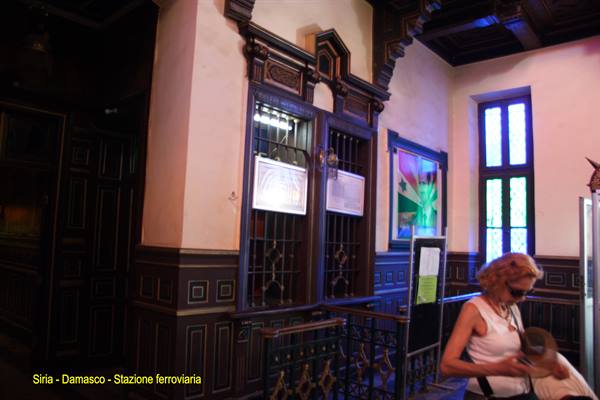
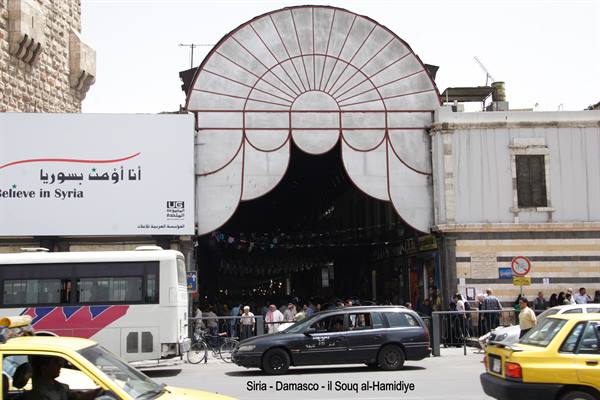
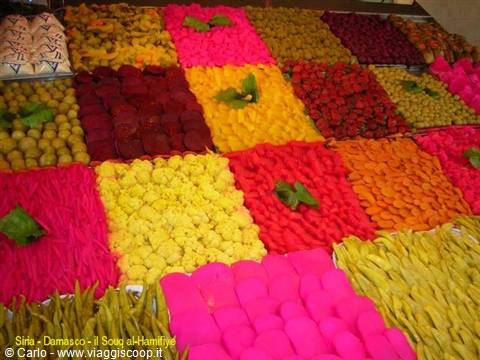
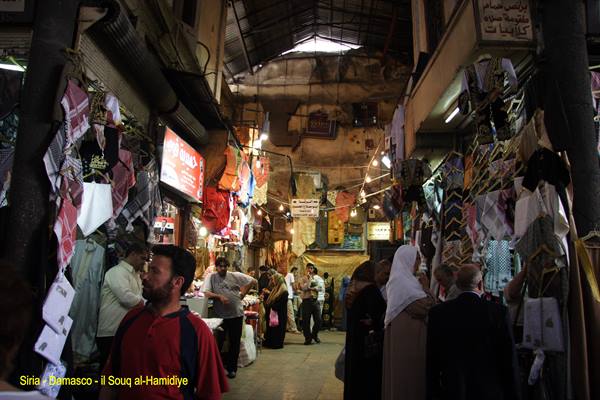
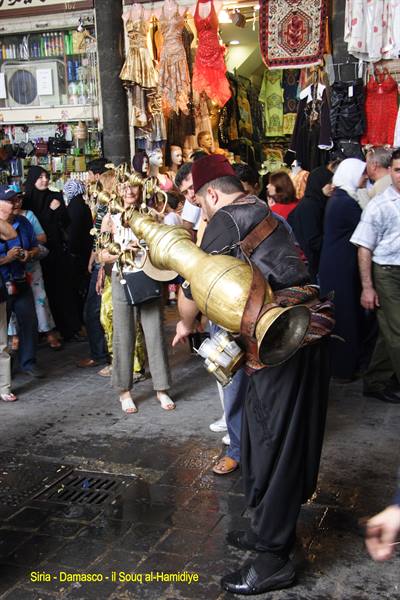
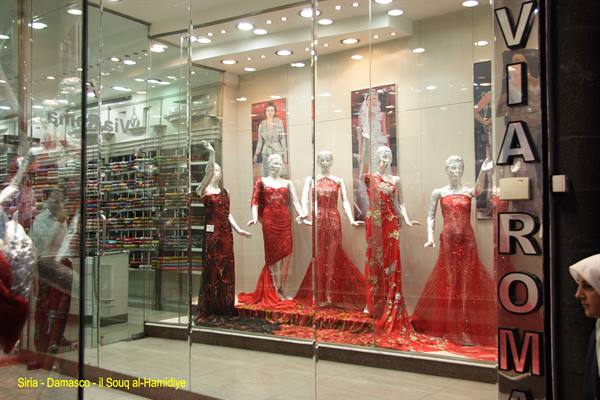
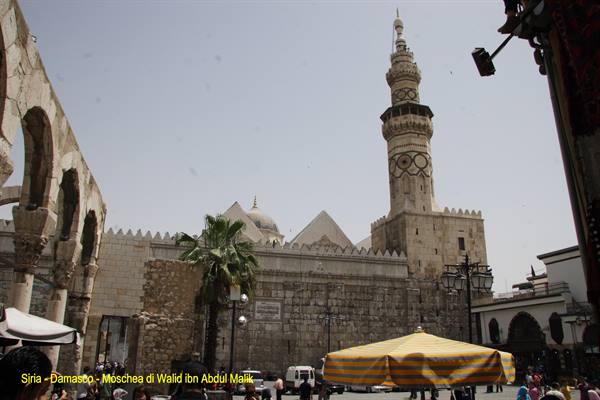
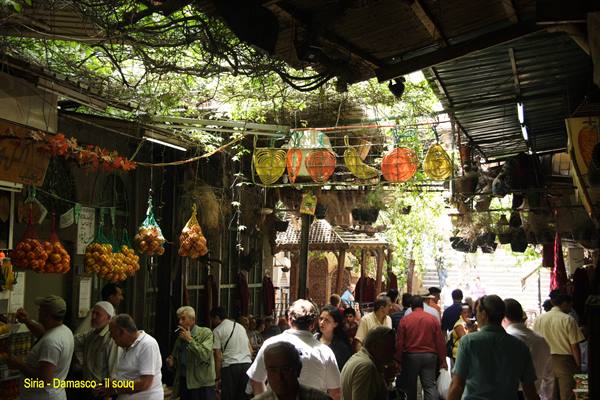
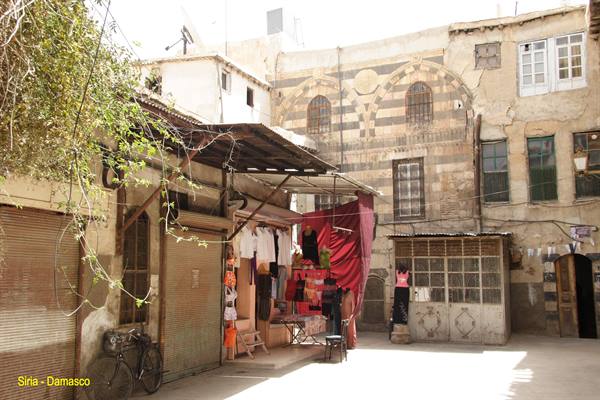
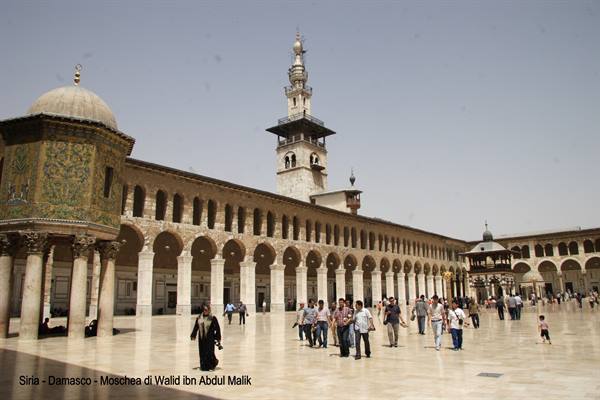
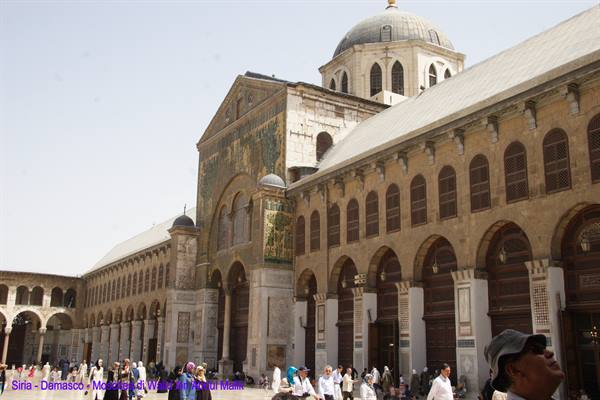
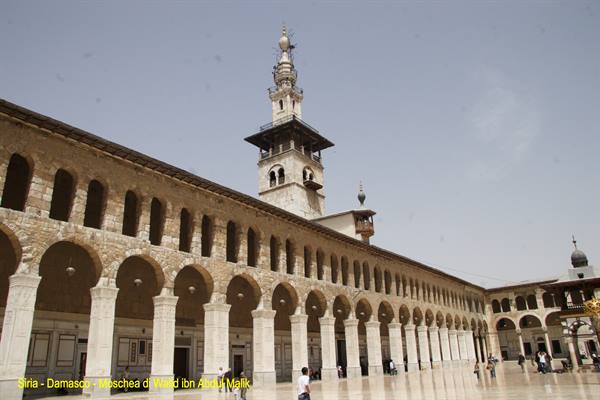
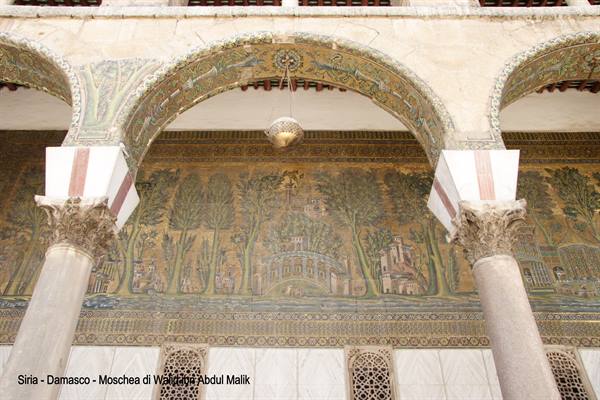
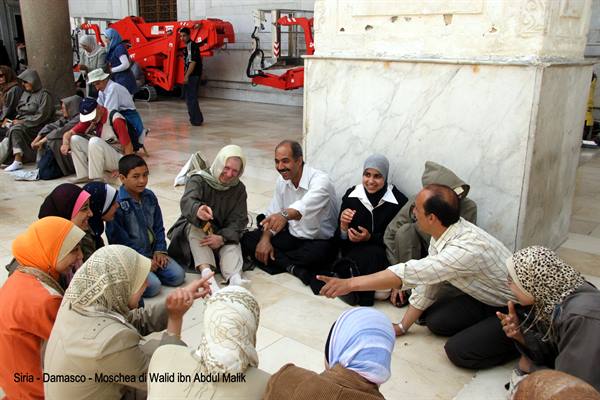
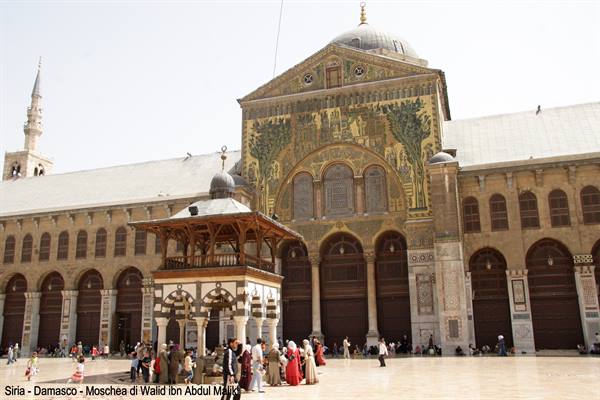
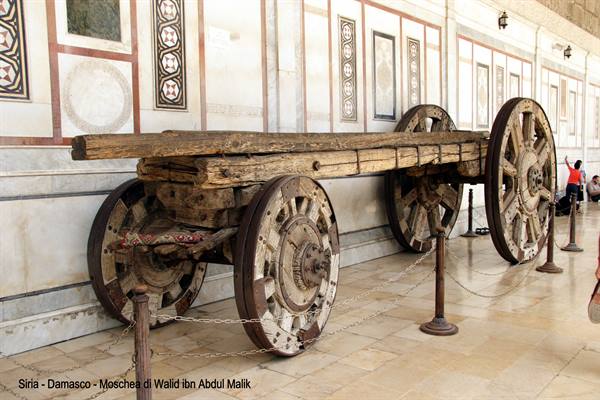
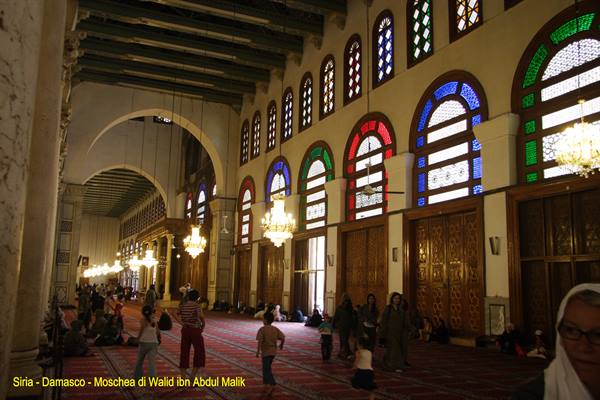
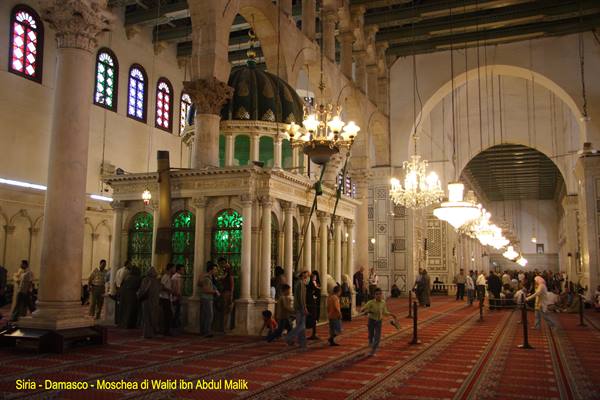
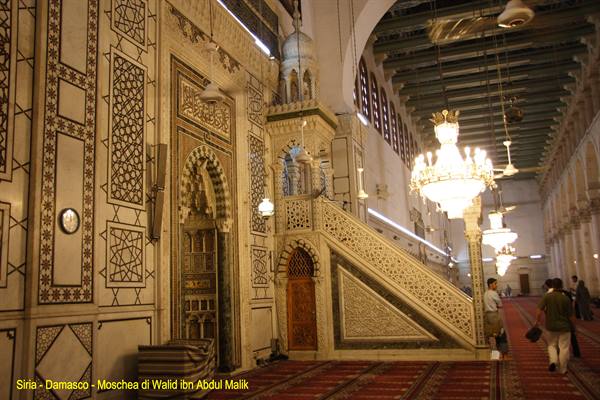
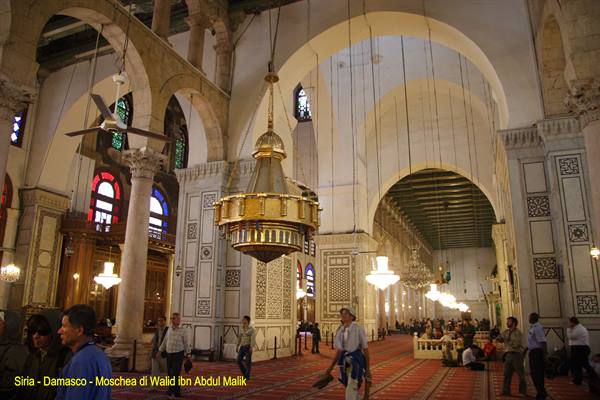
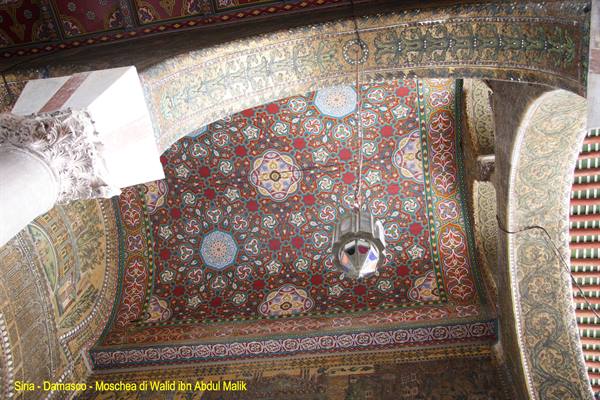
The reason for the presence of the mothers-in-law's apartments is explained by the fact that the pashas' wives could never leave the palace and therefore, once a year, the brides' mothers would go visit them. After leaving the palace, before arriving at the Umayyad Mosque, we stop to visit an ancient railway station, very beautiful and unusual. Then we cross the Souq al-Hamidiyeh where we find the usual little shops and a lot of dirt. Before visiting the Mosque we stop in an alley, where, in a tiny place, they cook kebab. We eat it sitting on little chairs in the middle of the alley, we find it very good perhaps because we're starving. The Mosque was commissioned and created in 705 AD by the caliph al-Walid ibn Abdul Malik to exalt the power of the new dynasty, and he wanted it so grand and resplendent that in the Middle Ages it was considered the eighth wonder of the world.
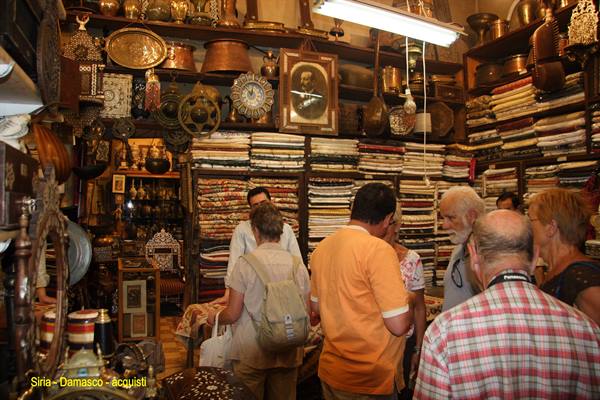
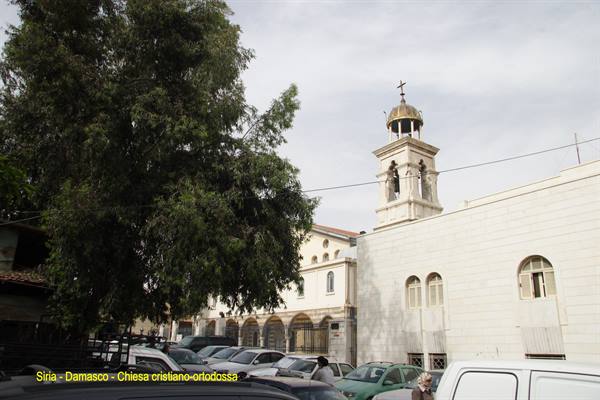
The works lasted about ten years. Entering the vastness of the courtyard through the Gate of Paradise you immediately notice the elegance of the double order of arches that the marble facing makes shine with a dazzling white. There is also a "minbar", the equivalent of our pulpit, wonderfully inlaid. We return to the souk and visit a shop recommended by no. 1. Tina buys a throw to save the sofa from Schizzo's claws, which will replace the one taken in Iran. We continue with a visit to the home of a pasha governor of Damascus: the house of Al-'Azem, a sumptuous palace, with rooms for every occasion and for every wife. Still on foot we have by now crossed all of Damascus. We were also supposed to visit the Jewish quarter, but without any explanation we only cross the Christian quarter.
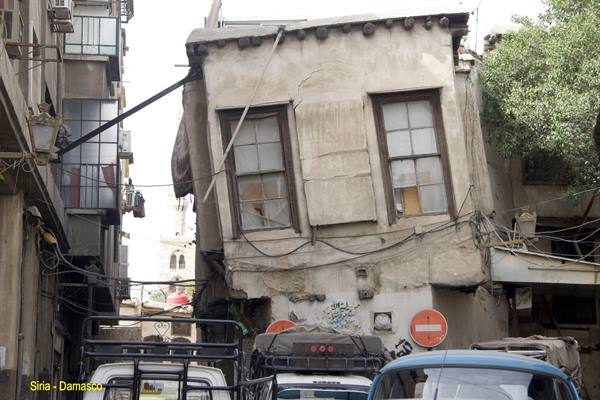
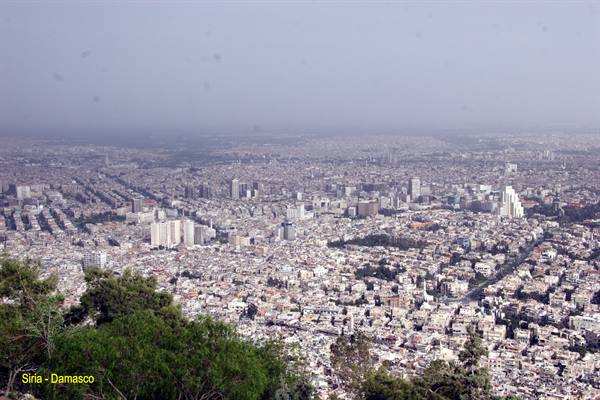
We see a series of dirty alleys with no attraction whatsoever and while we wait for the bus that will take us back to the campground, in a nearby bar we enjoy a cool drink. By bus we go up a hill to see the city from above, and even though the greater part is modern, it's always a beautiful sight. On returning to the campground, we find ourselves besieged by 21 campervans of the CC Italia, already encountered at a previous stop. They left after us and return before us but they won't manage to see everything we've seen because they do longer stages than ours and traveling like that is just a "tour de force".
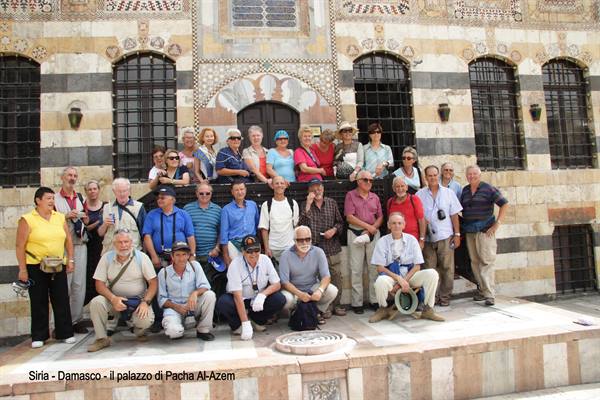
Syria - Damascus - the palace of Pacha al-Azem
Day 327 Apr 2008
Damascus – New Kaboun Camping – Gps N 33° 31.781 E 36° 21.889
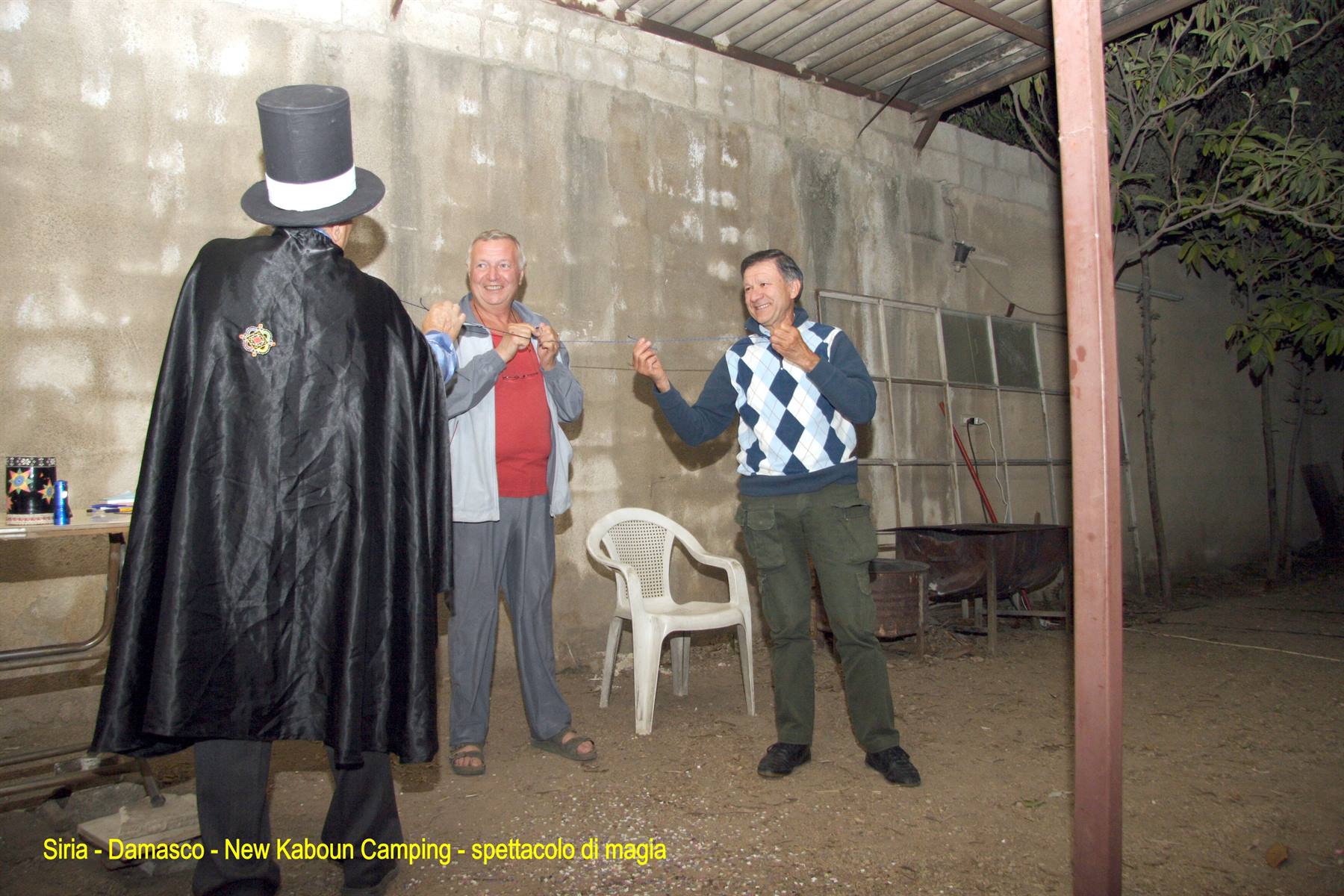
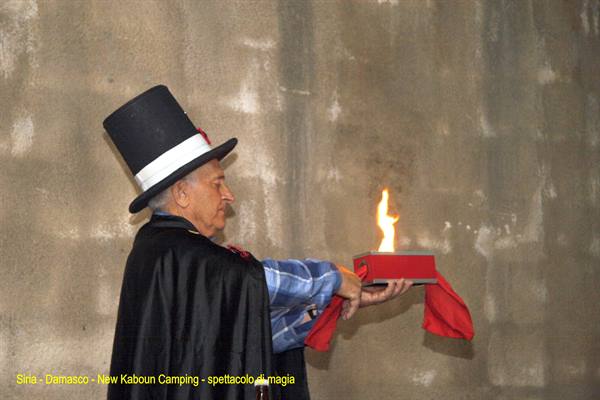
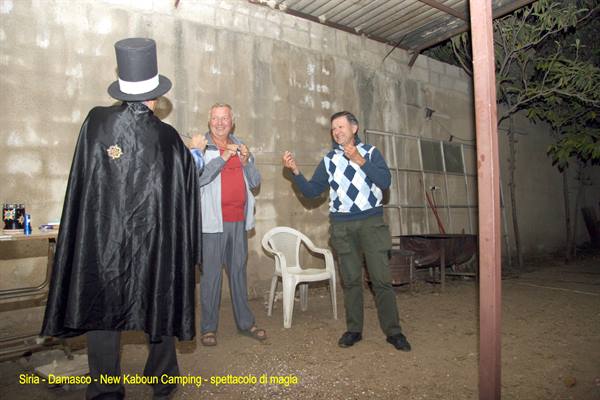
Today should be a rest day. Unfortunately the campervan needs a cleaning, not on the outside because I don't have the water and tools needed (I'll do that at home), but on the inside. First the mats, full of sand and dust, then the sofas and armchairs that will have to be brushed with a small vacuum cleaner, then tidying up the storage compartments, then a bit of general order. I think I'll be busy all morning. Many, by taxi, have gone back to Damascus. At noon we have lunch with no. 1 and no. 9: some pasta, some cheese and the usual Refosco/Coca Cola. In the evening, a participant from the other group presents us with a little magic show, very simple but entertaining, which gives us a couple of hours of fun.
Syria - Damascus - Camping New Kaboun - magic show
Day 428 Apr 2008
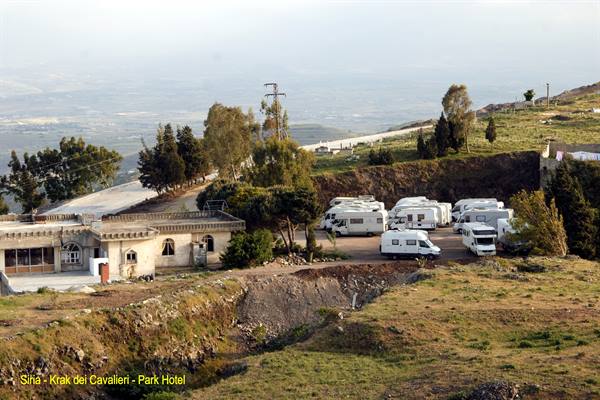
Hotel Krak dei Cavalieri Parking
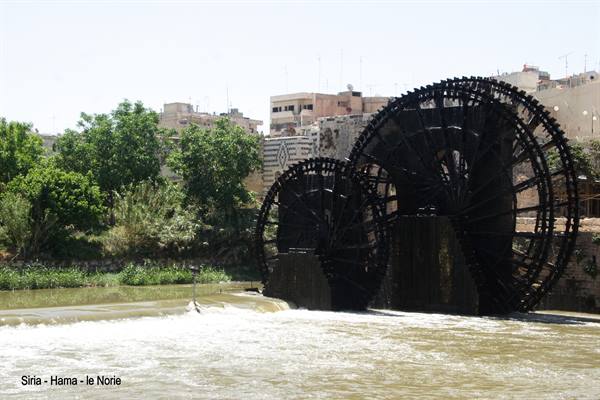
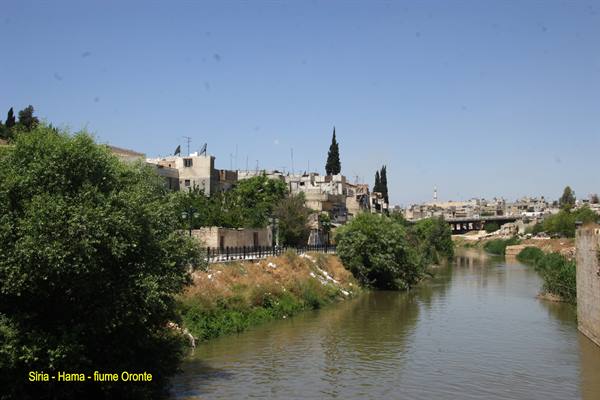
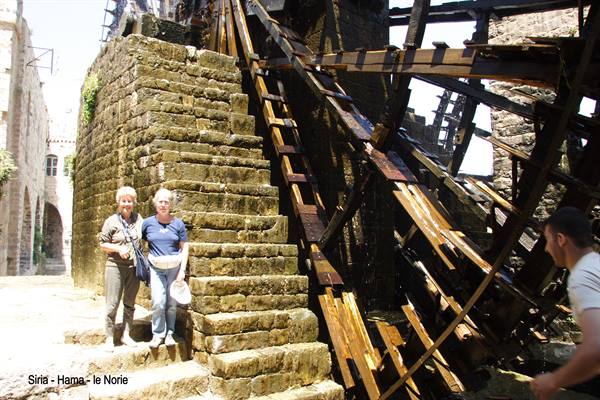
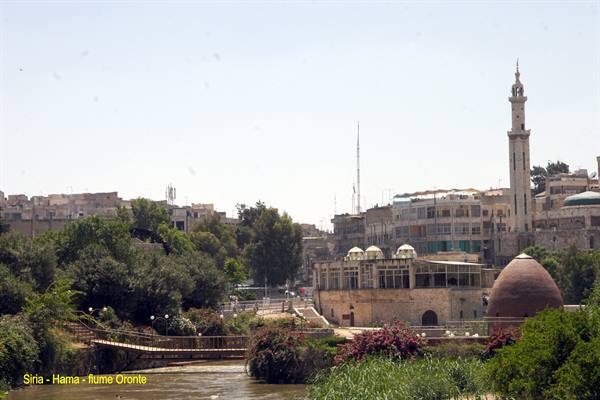
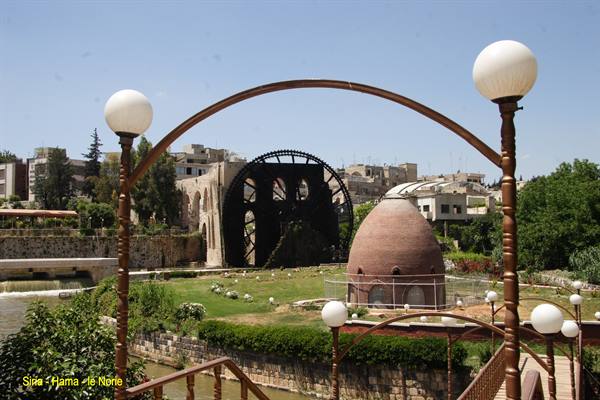
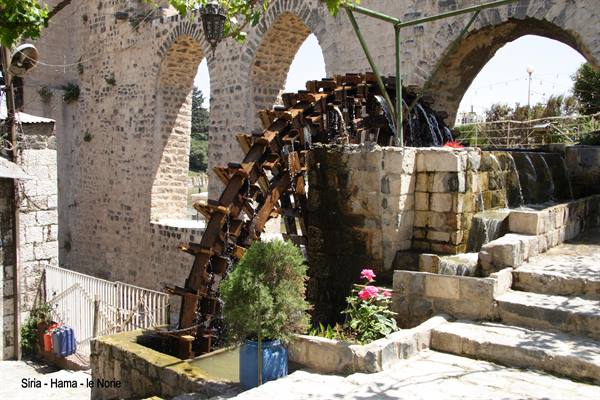
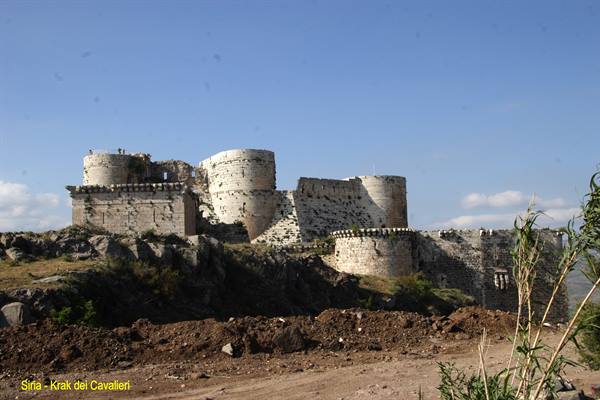
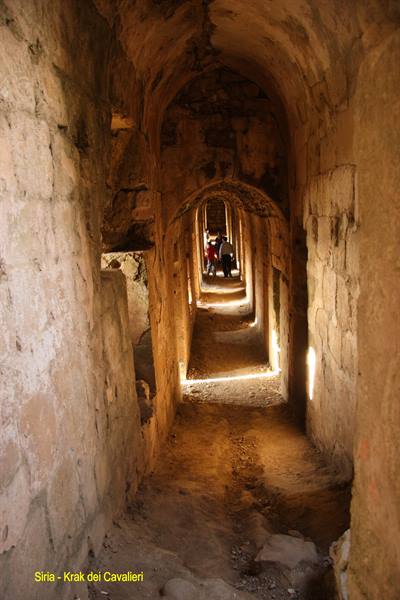
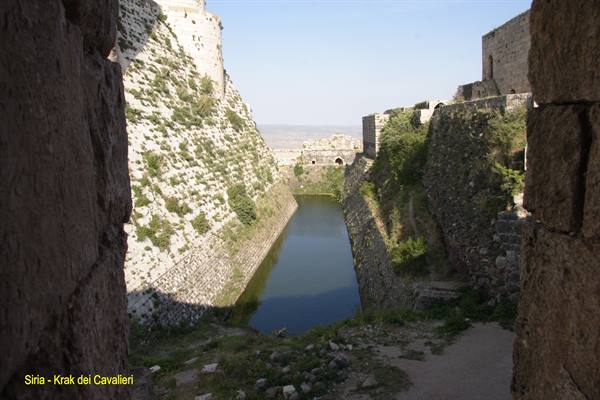
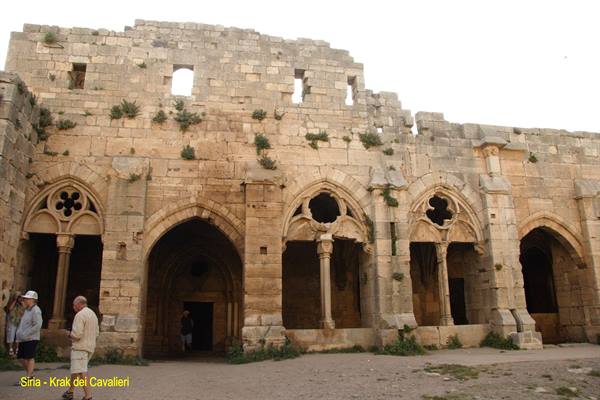
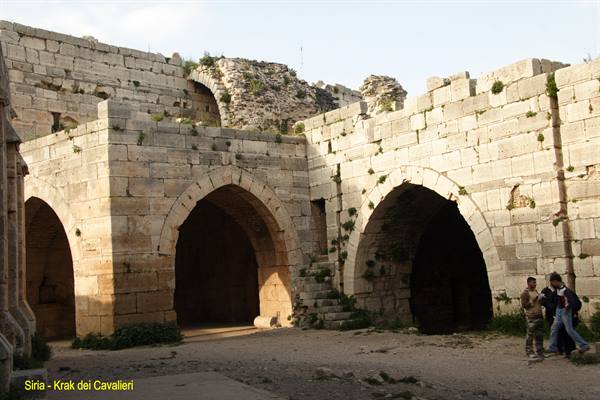
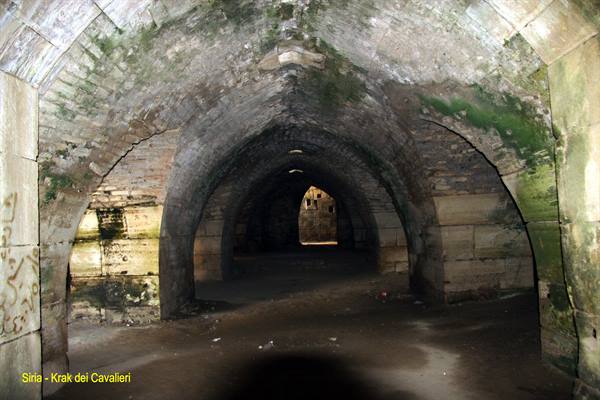
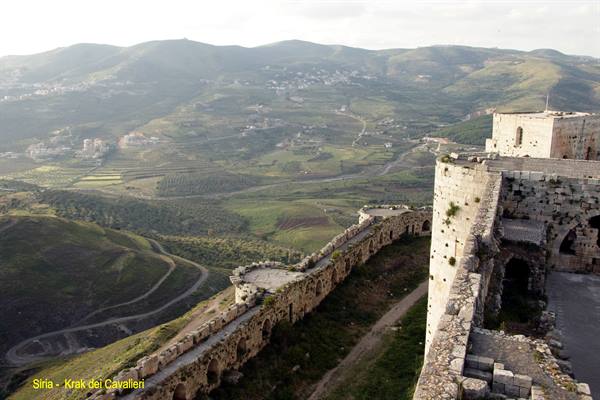
At 7:30 the friends from CC Italia depart, heading toward the border for their return home. We follow them at 8:30, but to continue our journey. We then arrive at Hama for a brief visit. We see the famous "norias" which are enormous wheels used to carry the water of the Orontes into the aqueducts for their subsequent use in irrigating fields and gardens. The name of these wheels comes from the Arabic word indicating the sound created when various women chat among themselves, similar indeed to the noise of the "norias" during their rotation. We then head toward the Crac des Chevaliers, near Homs, one of the most beautiful Crusader castles in the world. One of the many castles and fortresses built by the Crusaders between the 12th and 13th centuries as a formidable defensive line that stretched from Syria to the Gulf of Aqaba and the Red Sea.
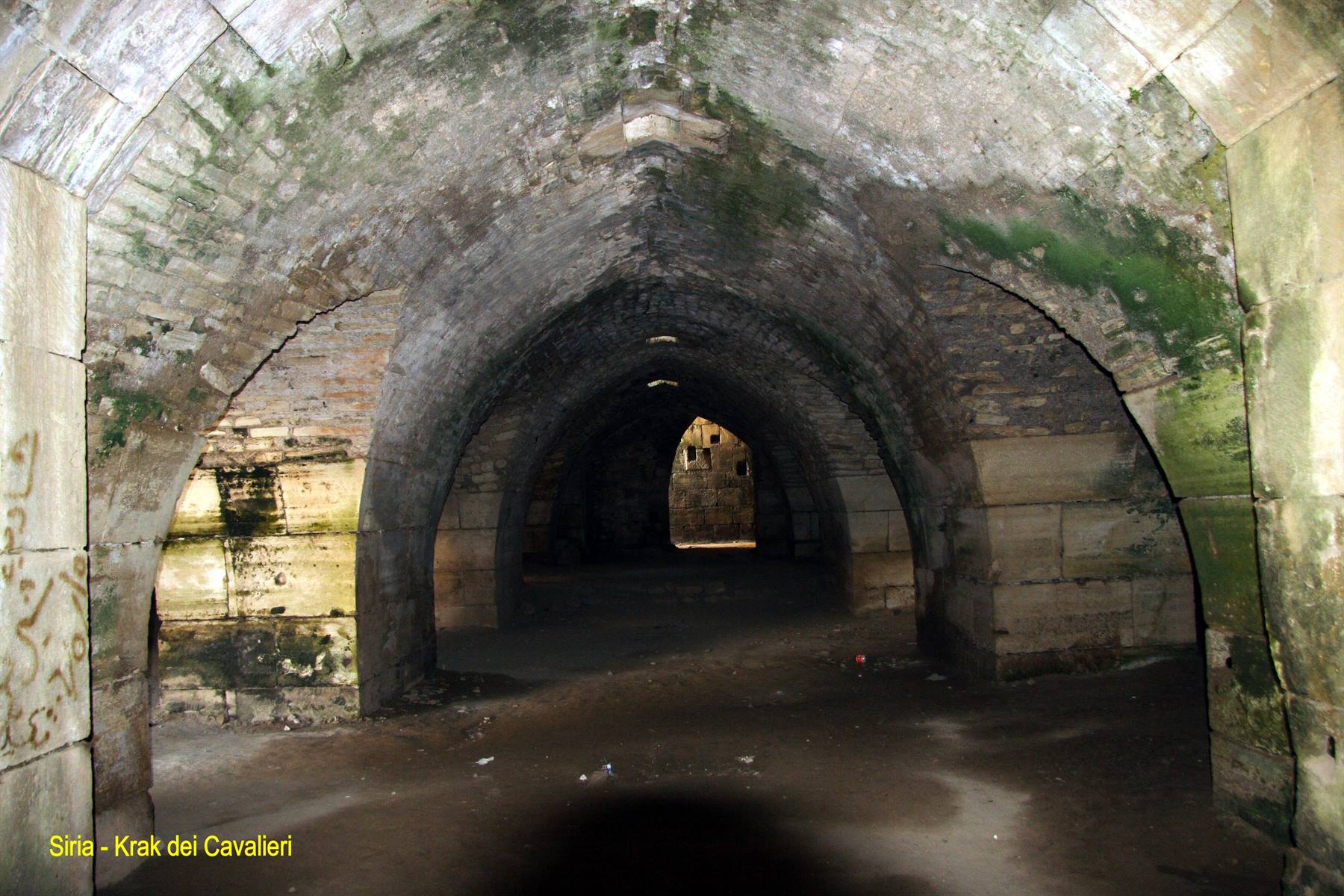
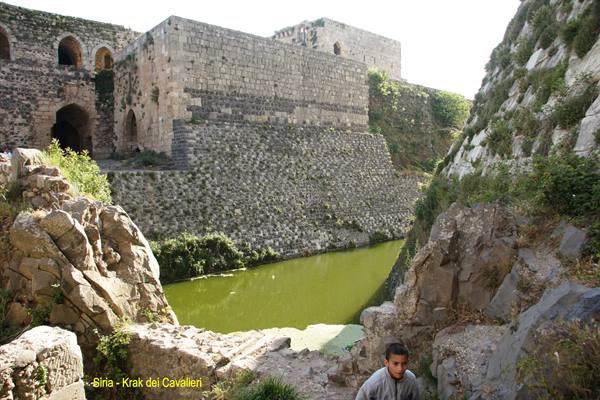
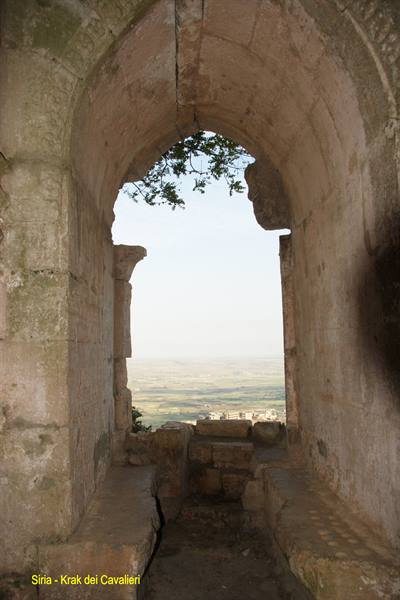
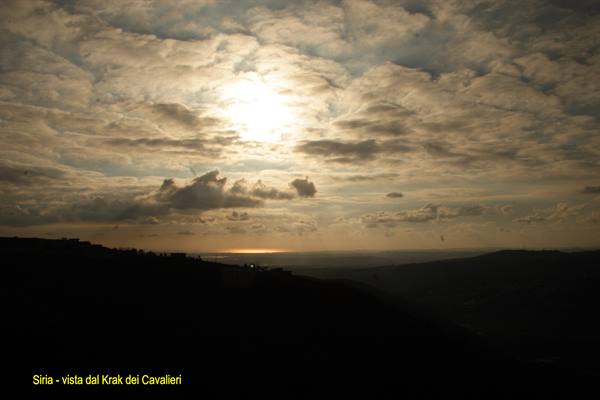
This one, in particular, became the most powerful stronghold of the Middle East, held by the Knights of St. John. We reach the fortress via a narrow, winding and very steep road and it's better not to look out the window to see how little separates the vehicle's wheels from the drop. We tried to park at the castle's parking lot, prevented by the many tour buses that arrived before us, so we go directly to the parking lot of the hotel that will host us for the night, where there's no electricity but on the other hand there's a water hose. On foot we return to the castle for the visit. The fortress is prestigious and immense. You end up carrying away a magical impression from the contrast of those dazzling images of white stone that time and the sun have burnished and the dark, frightening, pitch-black lava stone.
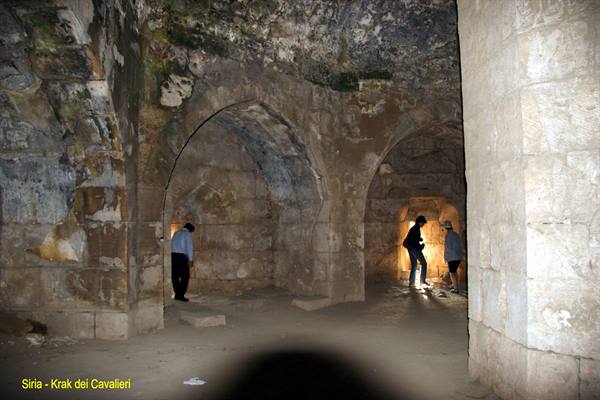
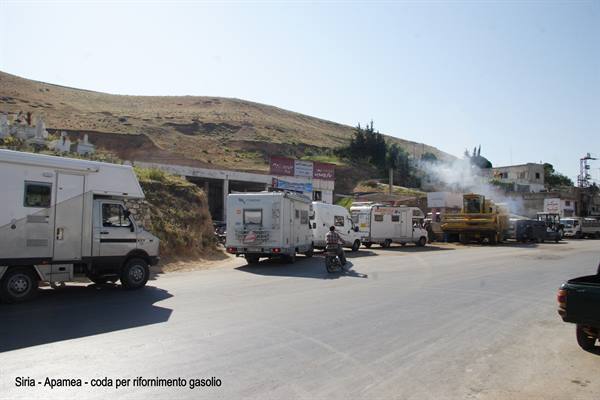
On one hand that sense of admiration for what evokes a powerful defensive line and on the other a discomfort, an unease: the sense that those cyclopean towers crumbling under the clear Eastern sky and being restored for tourists were immense, madly useless works. In the inner part, well preserved, you can admire the various rooms: stables, lodgings, kitchens, pantries, storerooms used by those who lived to defend this fortress. Before the visit to the castle, no. 1 warned us that a tanker would arrive to refuel the diesel. Unfortunately the tanker can't reach the parking lot, but we can go to a gas station down in the town. One crew complains and doesn't want to do the very bad and steep road again. No. 1, rightly, reproaches them and advises refueling when there's the possibility, otherwise we risk stopping for lack of fuel.
Unfortunately, he then continues with words that annoyed everyone with this warning: "he would no longer take care of the diesel for everyone, but would only think about his own needs and we would have had to queue up in those kilometer-long lines we saw passing by the open gas stations." This then didn't happen but it would have been better if he hadn't made this out-of-place outburst. In the evening, harmony restored, we had dinner at the hotel restaurant with roast chicken and fries, good and cheap. No. 5 got another flat tire and so now he has no more spare tires, tomorrow we'll definitely have to take care of it.
Syria - Krak des Chevaliers
Day 529 Apr 2008
Ugarit – Site parking
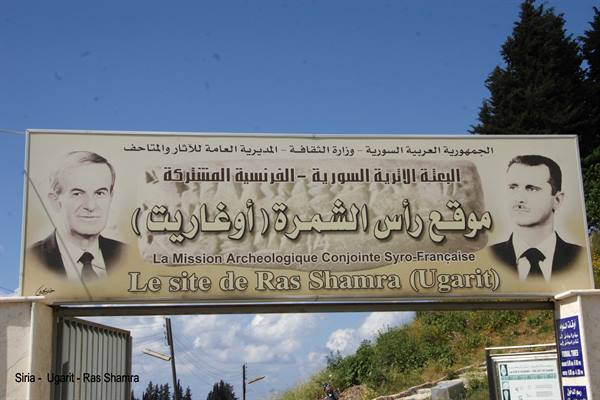
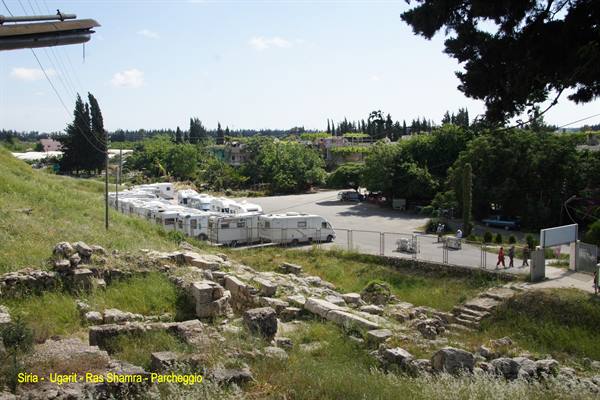
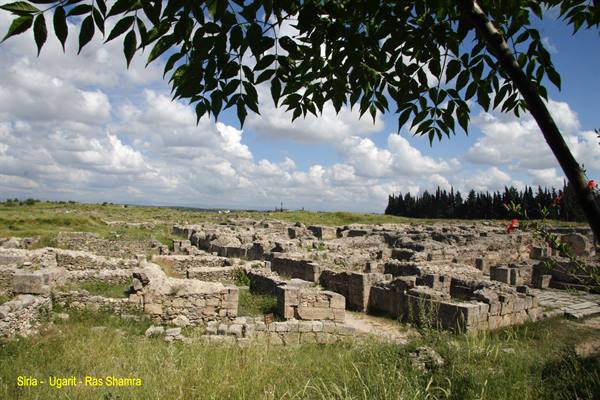
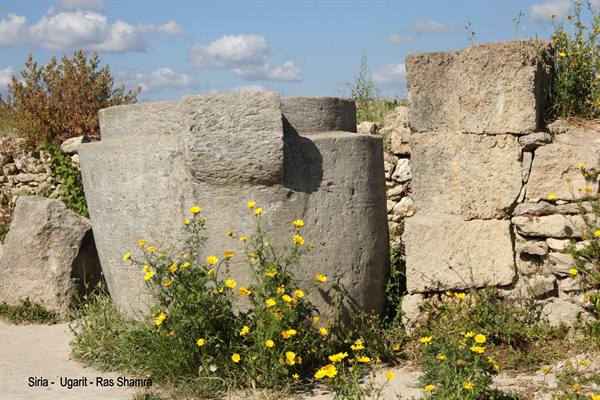
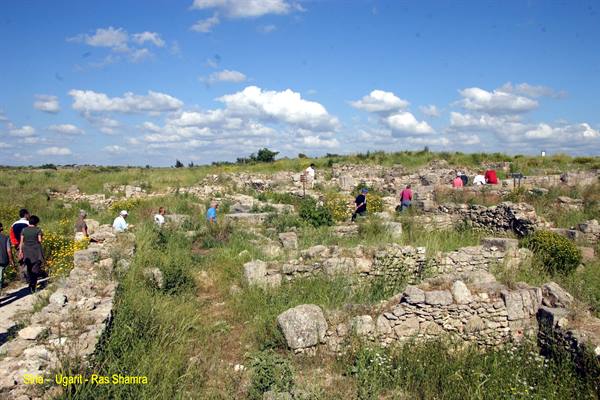
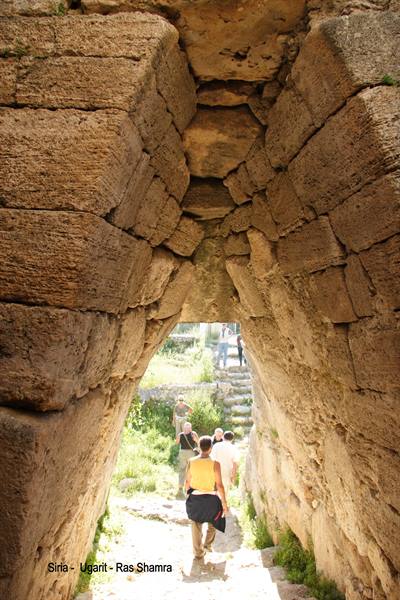
Departure at 9 toward Ugarit. Along the road near Tartus we stop by the sea to give no. 5 time to repair a tire. He was offered to buy a new pair at the price of € 110, but he only needs one and didn't accept. At that price, I would have accepted. Arriving at Ugarit, we park in the parking lot in front of the site. A visit to this city, ancient Syro-Phoenician capital called Ras Shamra due to the widespread presence of wild fennel. The finds of extraordinary craftsmanship have enriched the Syrian museums and the Louvre. In the city's political archives, thousands of tablets with cuneiform inscriptions relating to events of the 15th-17th century BC have been found. The language in which these texts are written is, in the current state of our knowledge, the oldest alphabetic language in the world.
In the area there are no stones to build the cities, so part of them were transported from afar and were used only for the base of the walls, just 1 meter or slightly more. Beyond a meter, mud and sun-dried straw were used, and over time this part then crumbled, leaving us only very low ruins. We wandered quite a bit seeing little, and only with Aziz's descriptions could one imagine the splendor of this city. In the evening, dinner at a restaurant located in front of the parking lot where we finally enjoyed a large grilled fish with the usual little sauces and vegetables, all very good and well cooked. Schizzo got his share too and greatly appreciated it. A quiet and cool night, cool enough to turn on the heating.
Syria - Al Haffah - Castle of Salah ad-Din
Day 630 Apr 2008
Apamea – Site parking
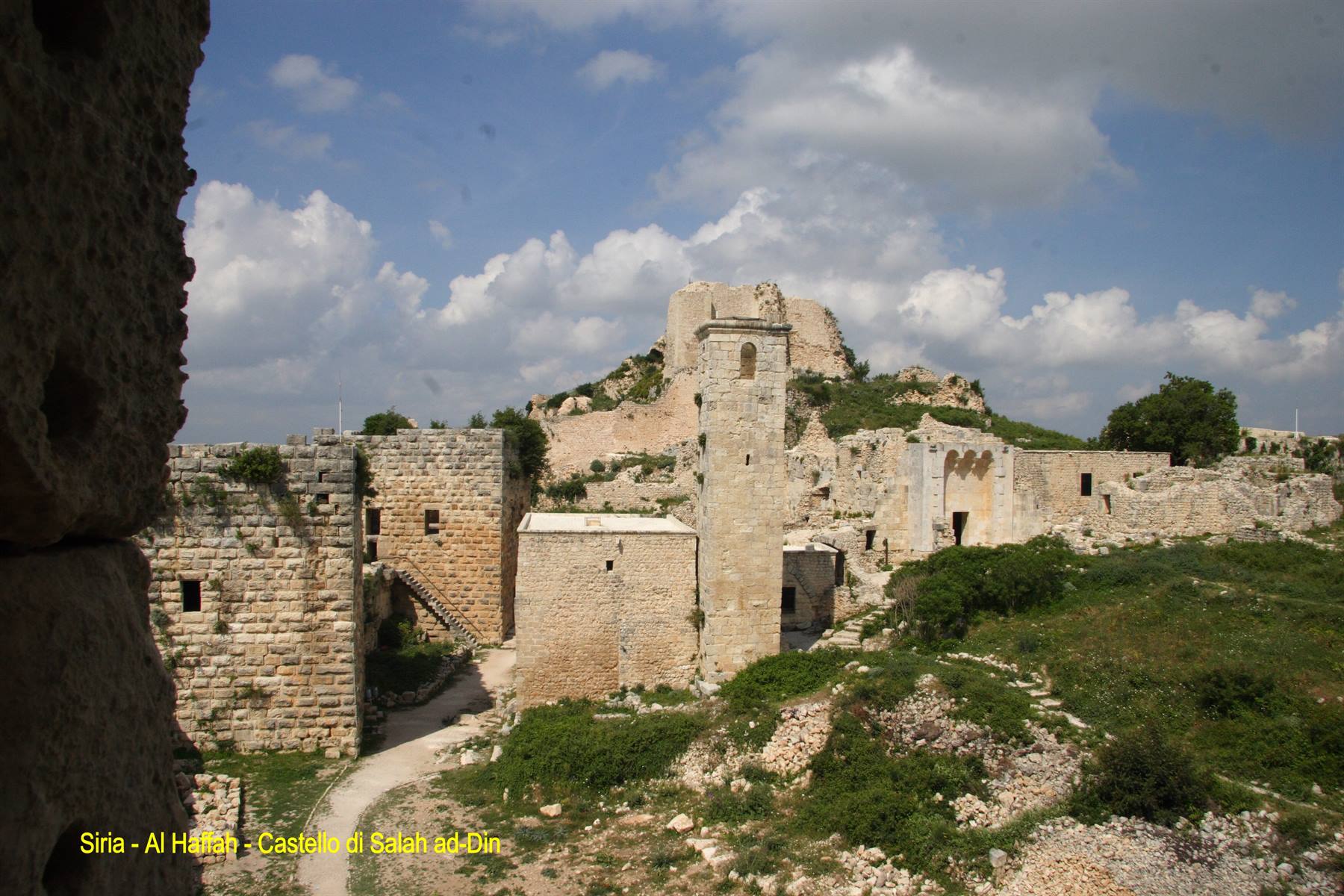
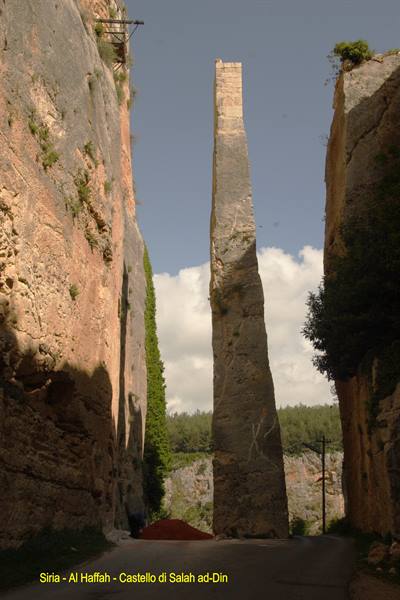
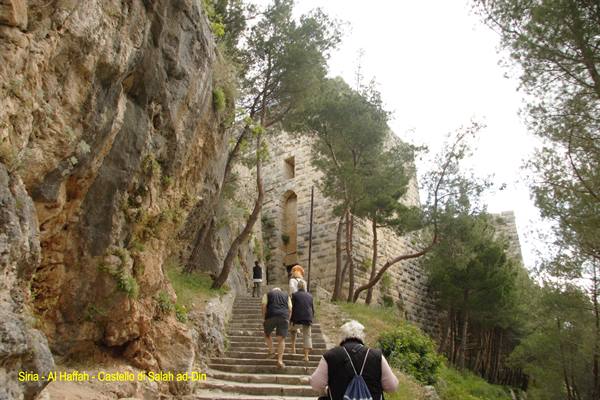
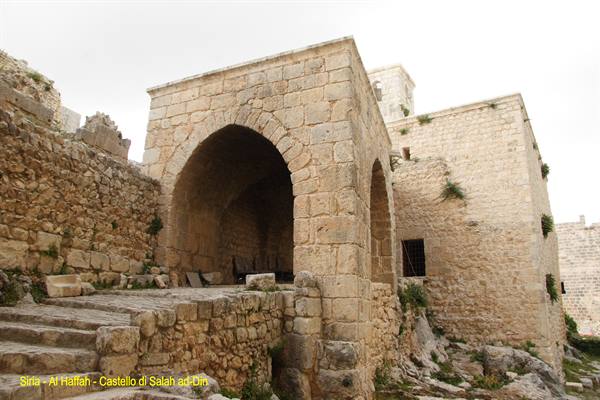
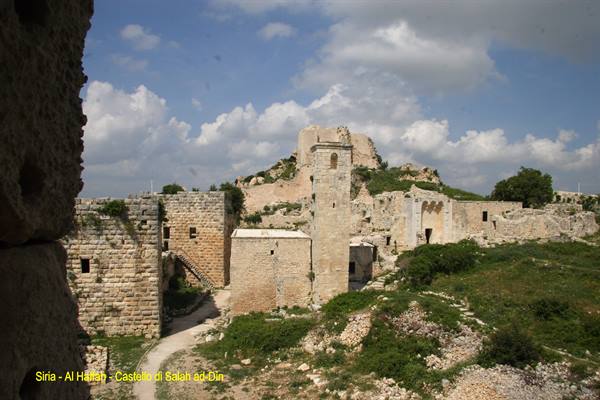
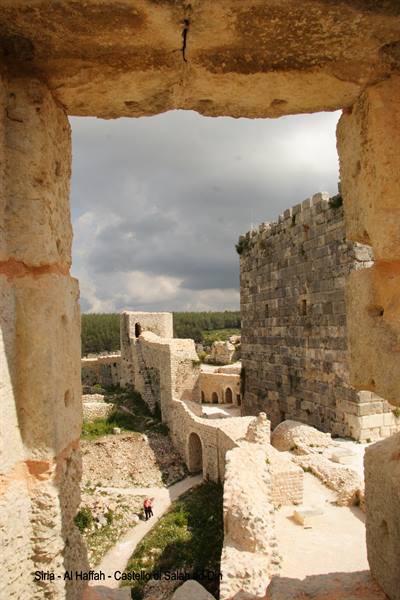
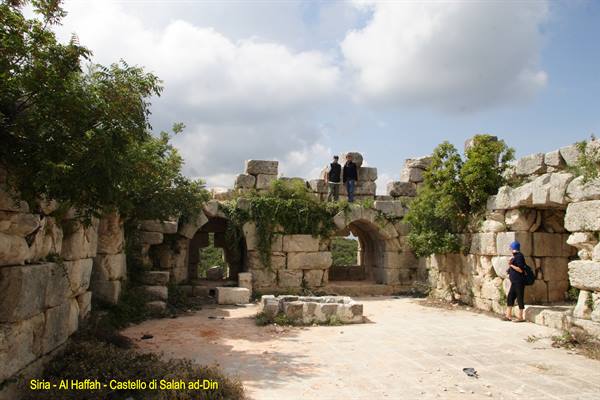
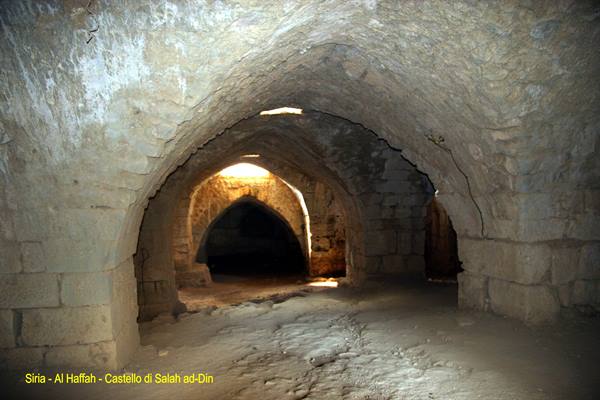
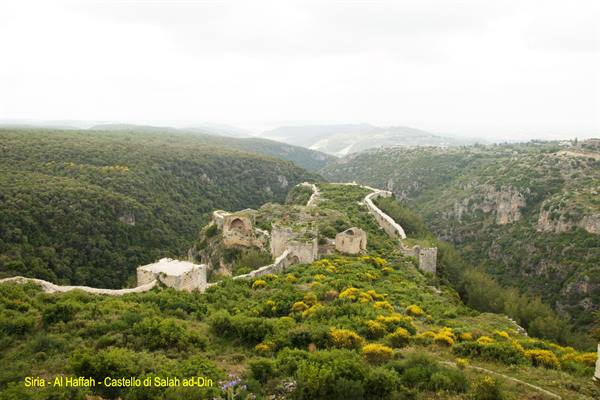
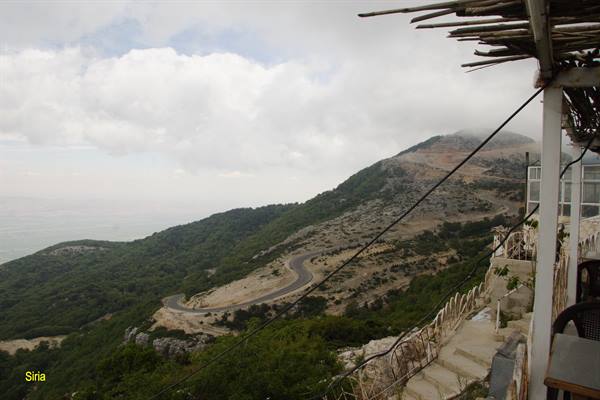
Along a truly awful road, narrow, badly asphalted, with curves and hairpin bends, you reach the parking lot of a restaurant, where you can go no further. Three minivans will take us to Saladin's Castle, on a much worse road, much narrower and much steeper, and with somewhat crazy and reckless drivers. Saladin's Castle is a castle of Crusader origin located about 24 km east of Lattakia. Arab sources first mention a fortress near the present-day town of al-Haffa in 975, when the Byzantine emperor John I Tzimiskes wrested it from the Hamdanids of Aleppo and made it the outpost in Syria. In 1188 Saladin moved from Laodicea and, after a three-day bombardment, conquered the castle. Count Robert of Saone, who was its owner at the time, was taken prisoner and brought to Damascus, where he was executed. Above all, its location is sensational.
It occupies an immense rocky ridge among woods with a wide view over the Mediterranean coast. It is reached by travelling through a narrow man-made canyon. It was the Crusaders who dug into the hillside for defensive purposes, and the site was chosen because of its proximity to the main road between Lattakia and Aleppo. Inside the complex stand Byzantine, Frankish and Islamic buildings. You can recognize the mosque and the Muslim hamman, the Byzantine baths and the Crusader church. The moat that protects it is 28 m deep and 18 m wide. To the left of the moat there still stands the stele that supported the drawbridge. Very beautiful and interesting, even though partly in need of restoration, but the visible part is still intact. On the way back to the campers we are offered smuggled diesel, no more than 20 litres each, but some take advantage of it and others will be left without.
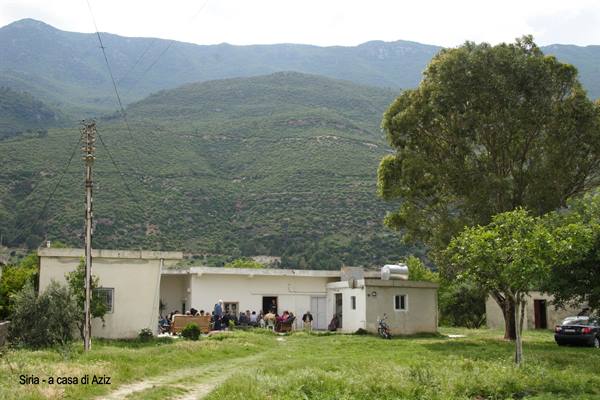
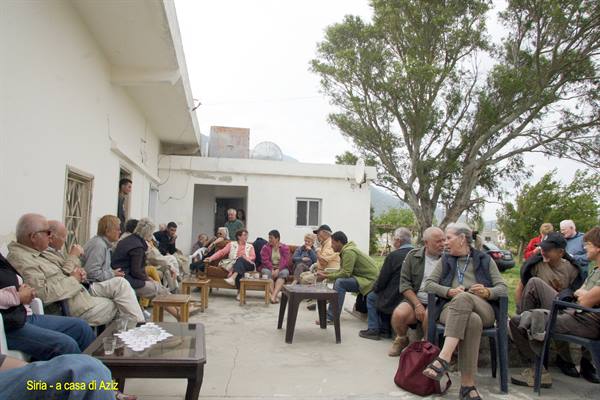
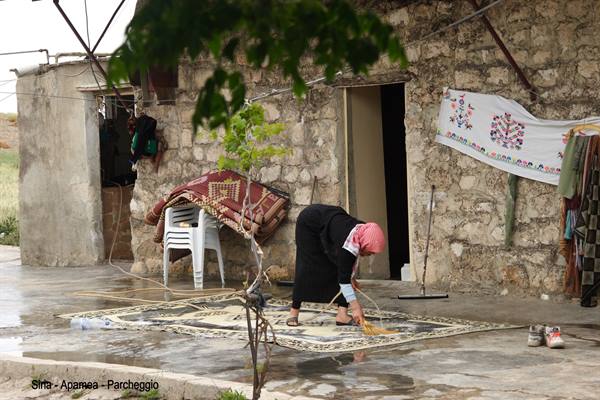
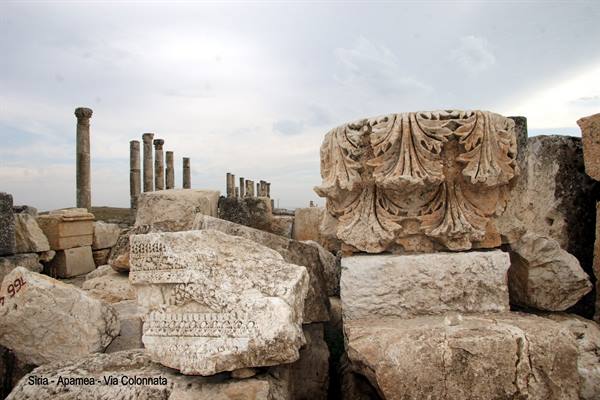
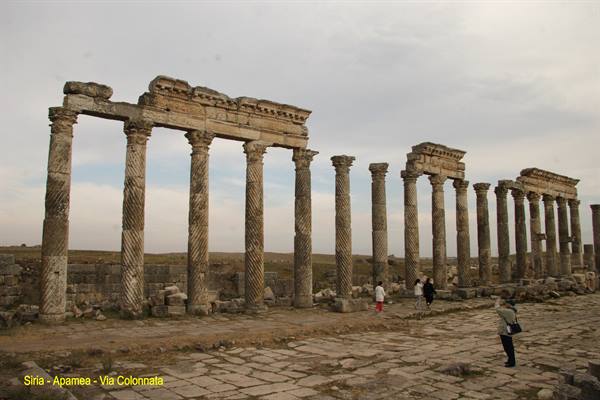
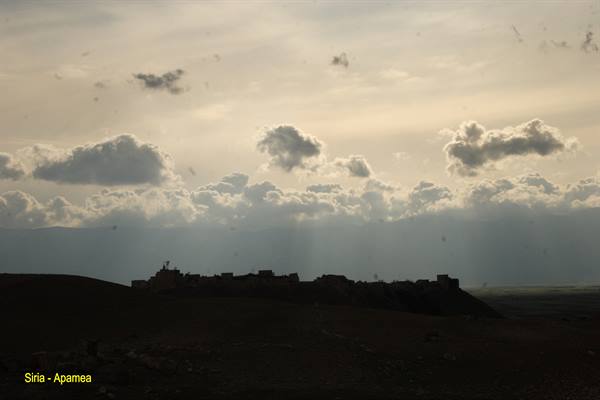
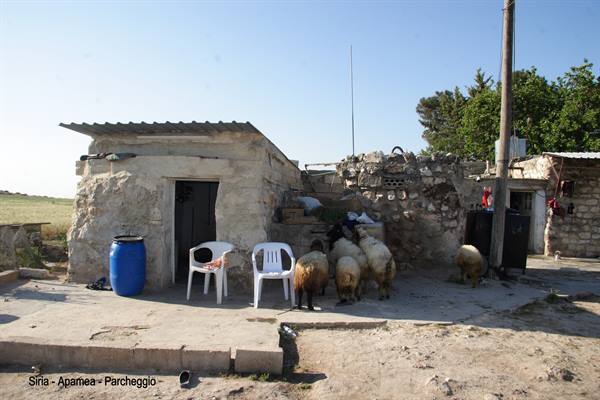
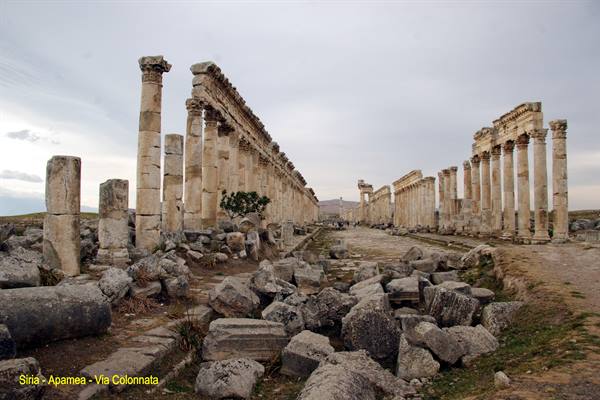
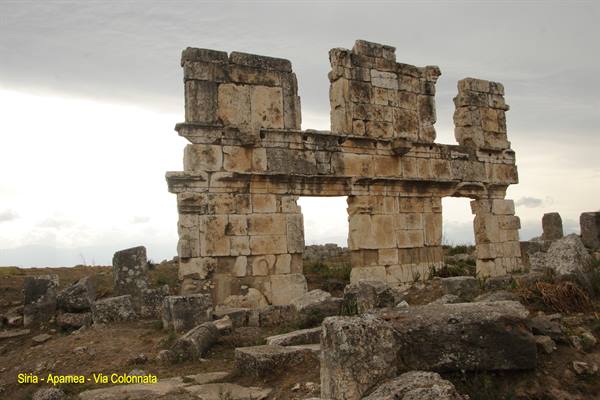
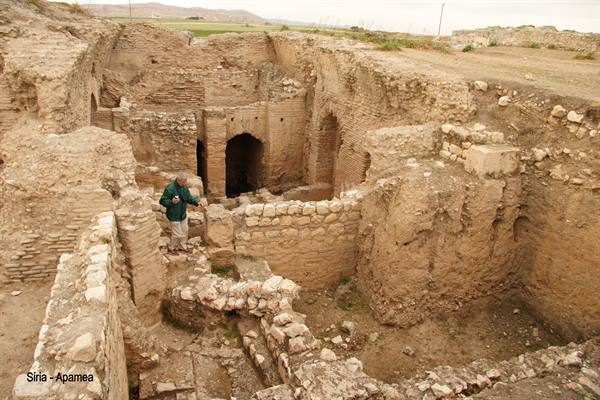
We head towards the city of Apamea. Along the road Aziz invites us to have tea at his home; 17 campers in this small village create quite a stir and a lot of curiosity. Dozens of children surround our vehicles; Aziz's parents and sisters welcome us with big smiles. Our guide has 11 siblings (5 brothers and 7 sisters), and in that house surrounded by greenery the parents and two sisters remain. After the greetings we set off again. Along the eastern edge of the Orontes Valley, about fifty kilometres north-west of the city of Hama, we are surprised by a dreamlike vision on the scene of a dazzling plateau. They are the columns of Apamea, one of the noblest and most famous cities of the ancient world. We stop, we try to count them, but the calculation never succeeds: there are too many, and it is impossible to take them all in distinctly with a single glance.
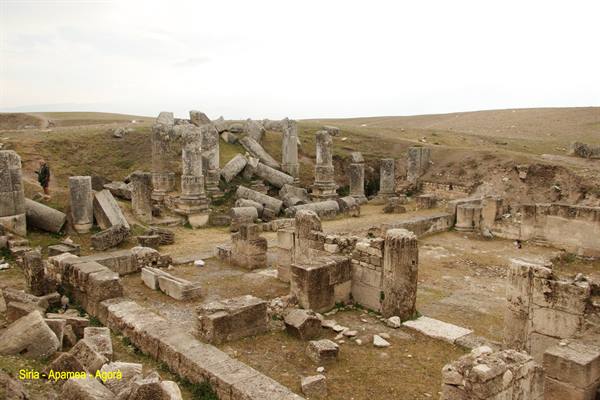
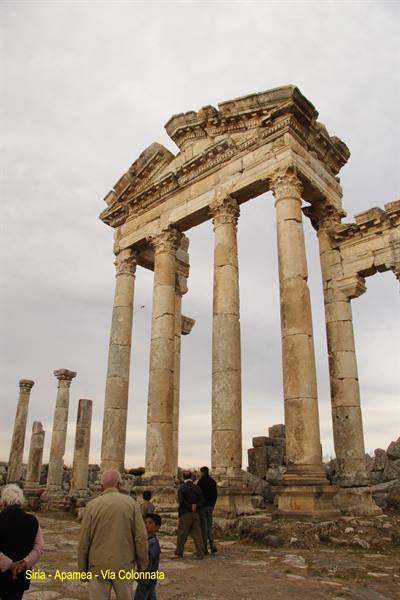
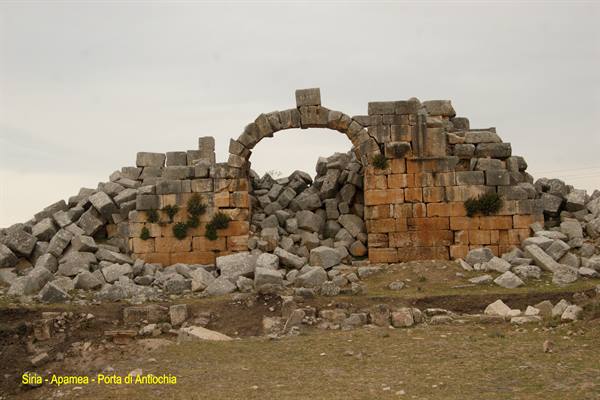
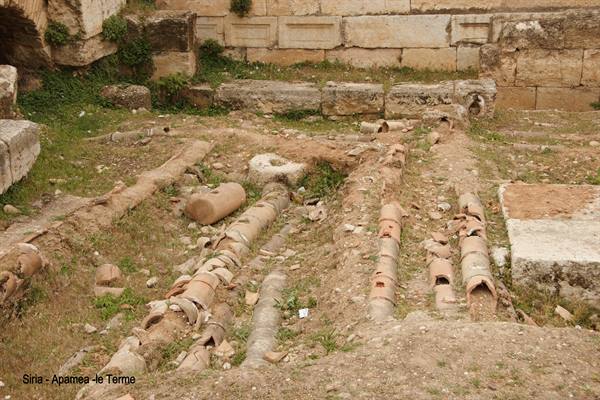
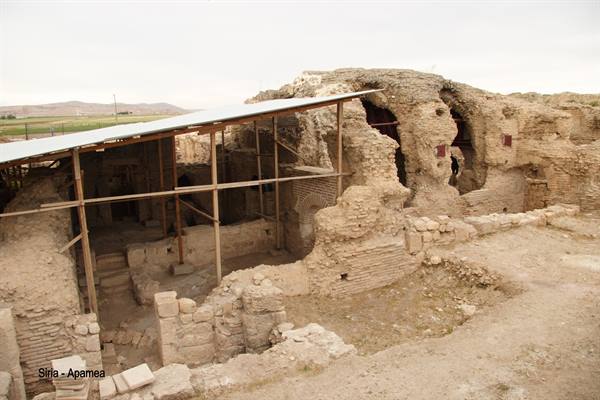
They are lined up for two kilometres in two parallel rows, perfectly straight, less than 40 metres apart. Few ruins in the world are so grandiose and solemn. You cannot help but think that fourteen centuries of history have passed in an instant. It can truly be said that Apamea was the city of philosophers. We are standing before one of the most important archaeological sites in the Middle East, and, because of the excavations still underway, only a part of the colonnaded street has been restored. Apamea was built by Seleucus I Nicator in 300 BC, who gave it the name of his wife of Persian origin. On the hill of the citadel, already inhabited in prehistoric times, the acropolis was built. The city was given a typically Hellenistic octagonal layout, later maintained by the Romans and Byzantines.
In a short time Apamea became one of the most important centres of the kingdom We park in a square in front of the ruins; Aziz accompanies us on this visit, initially assisted by the site's guard, who speaks perfect Italian. It is almost sunset when I manage to photograph the sun setting among the ruins in a unique spectacle.
Syria - Apamea - the baths
Day 71 May 2008
Park Tir Turkish border
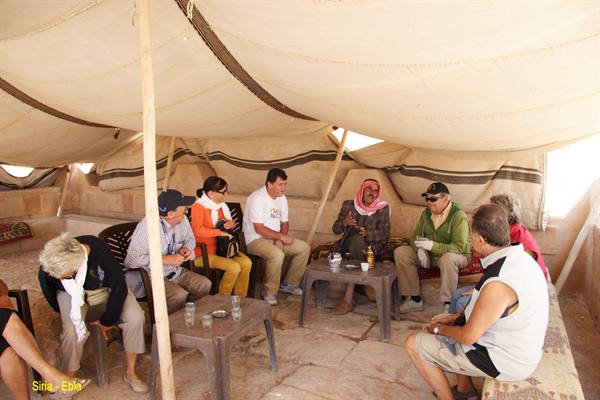
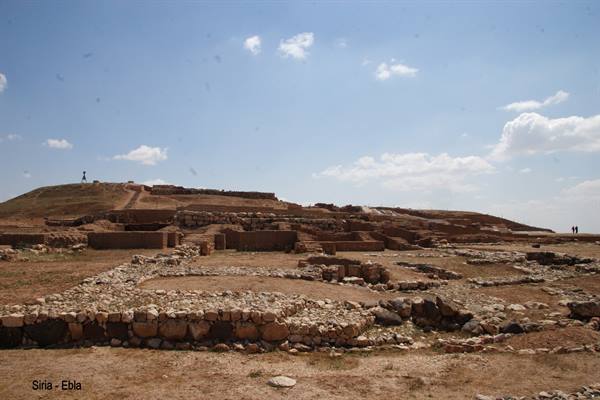
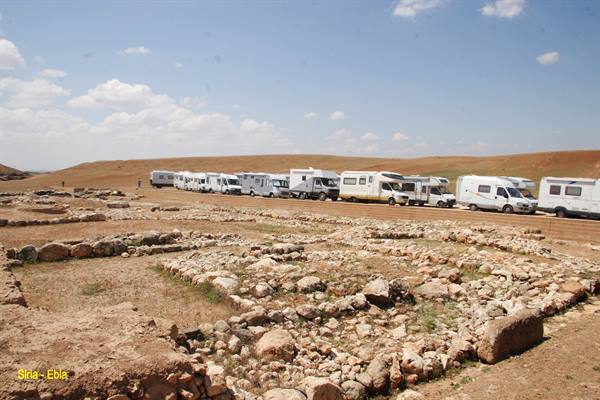
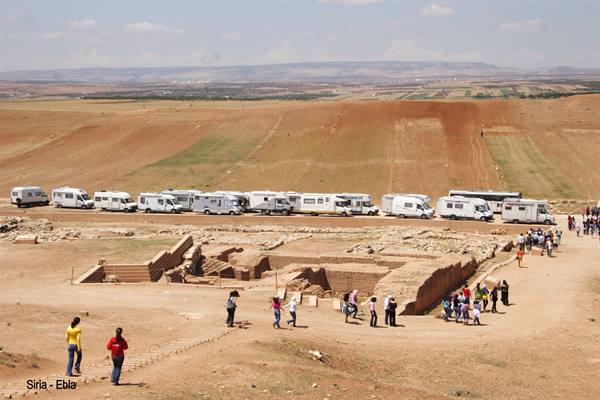
At departure the police inform us that there is an open petrol station in the village and, with their presence, we show up to refuel, but only those who did not get their 20 litres the previous time will be able to fill up. Now we head towards Ebla, the last city to visit. There would be another one, called the dead city, and someone in the group asks to visit it, but no. 1, although ahead of schedule, refuses. At this site of Ebla there are no colonnades to admire; the city is too ancient and was built with mud bricks, most of which have crumbled away over time, but it still makes an impression to see, or rather imagine, a city of those dimensions built 4,500 years ago. And moreover, seeing these ruins, we were able to understand the enthusiasm that archaeologists feel in their search for ancient finds.
Disappointed at having seen little or nothing of what remains of this great city, we close our journey in Syria by returning towards the border, towards Turkey. A long queue at the Syrian border, then we set off through no man's land towards Turkey. We overtake a long line of stopped articulated lorries without understanding why, but we understand immediately when, after a bend, we see the road blocked by a semi-trailer carrying a semi-trailer crane that has shifted, and three other cranes that are fixing it. We stay stopped for about three hours because, beyond the stationary vehicle, another column coming in the opposite direction is stopped like us. We see some campers and shortly afterwards we receive a visit from friends who were with us on the trip to Egypt last year.
An exchange of news and greetings; I give them my empty jerry cans, very useful for the precarious refuelling in Syria. During the forced stop we have dinner: tagliatelle with fish sauce. As soon as we finish, we hear the engines starting up again; I immediately move to the driver's seat and, half on the asphalt and half on the dirt, we manage to pass between the parked lorries and our friends' campers. We reach the Turkish border, where we endure the usual bureaucratic delays that will only set us free at 10.30 pm. We stop at the Tir parking lot from the outward journey.
















0 reader comments