The story
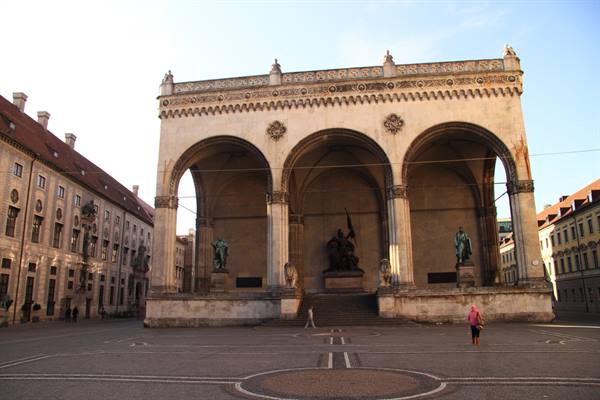
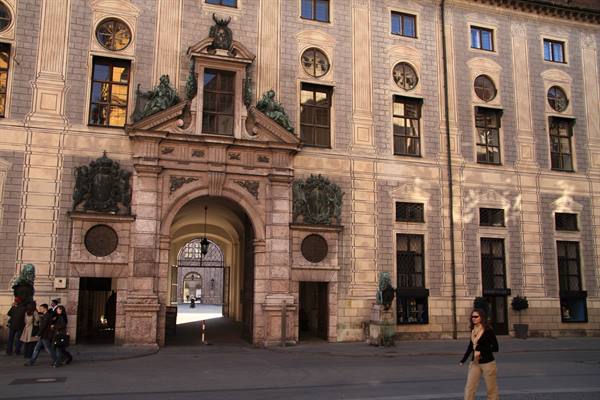
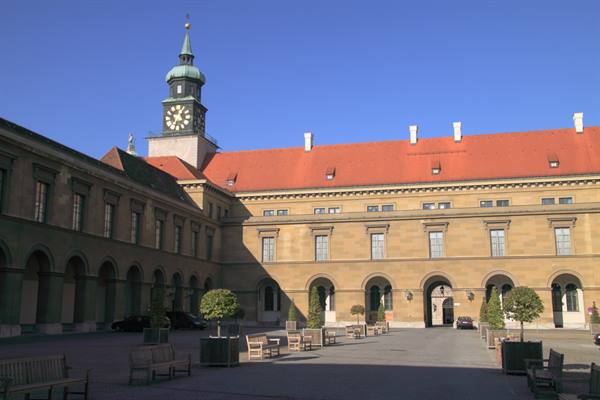
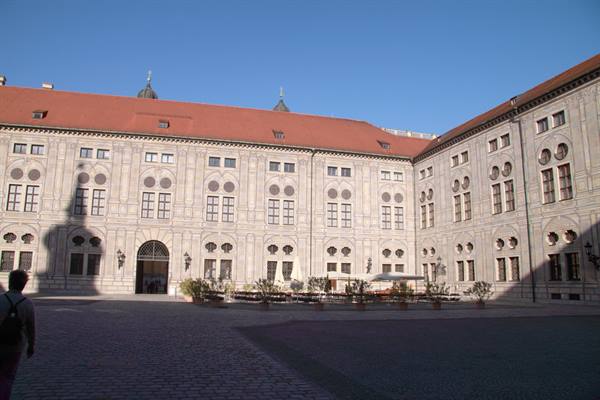
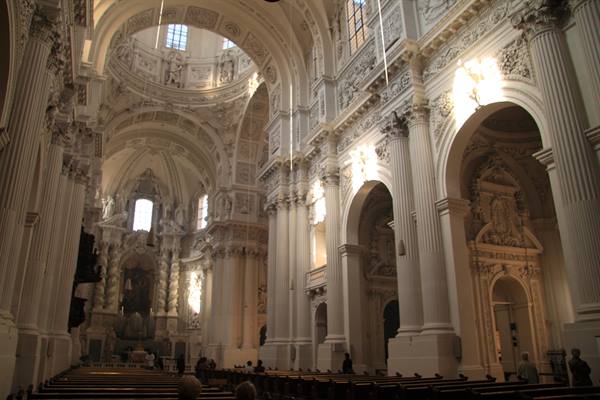
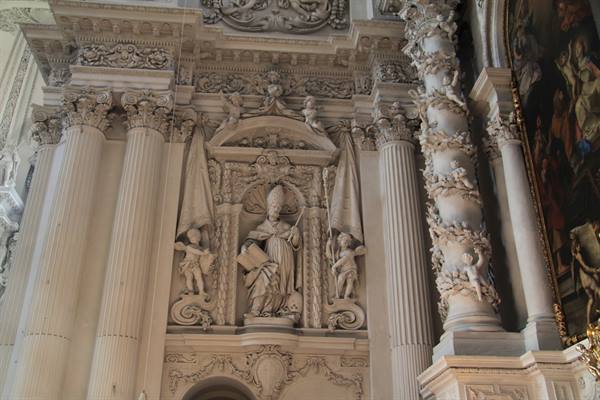
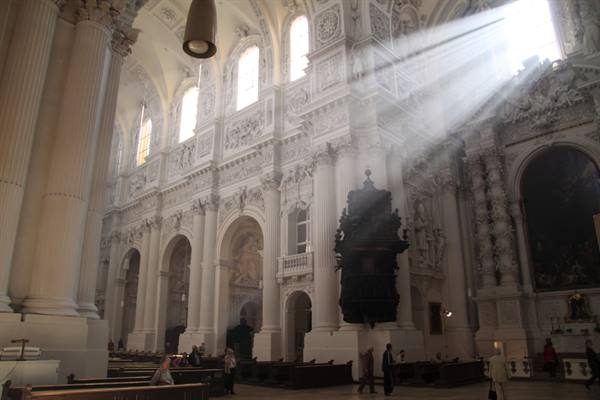
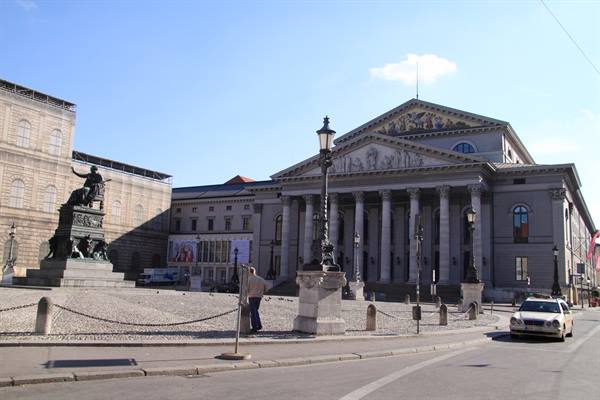
Yesterday we went to the Oktoberfest, today we visit the city of Munich. We take the metro again, line U2 to the terminus of Messestad Ost, always changing at the Innsbrucker Ring station, and take the U5 to the Marienplatz station; we emerge onto Max Joseph square right in front of the Residenz (the royal palace), one of the most significant interior decoration museums in Europe. The palace was built in 1385 and gradually enriched; it also contains the treasury and the splendid National Theatre where several of Richard Wagner's operas had their premiere under the patronage of Ludwig II of Bavaria. In the same square is the Katholische Stiftskirche St.
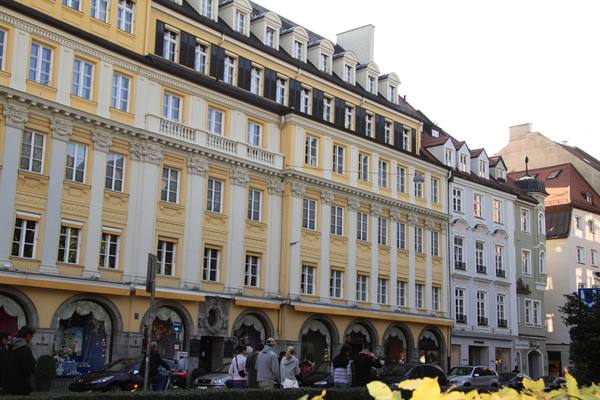
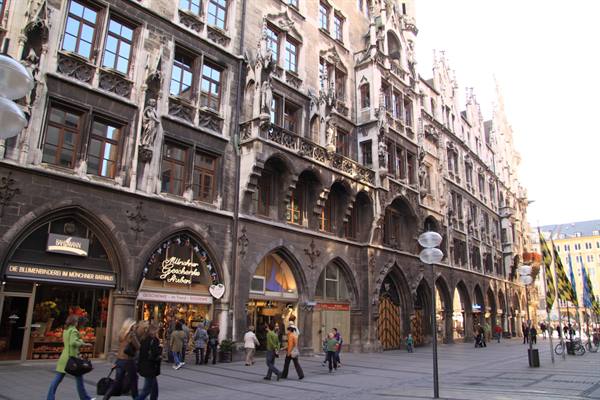
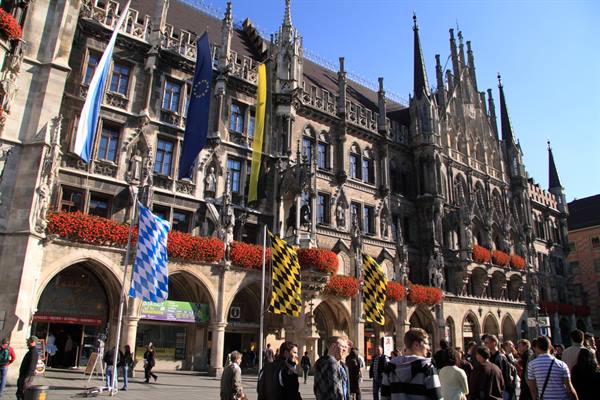
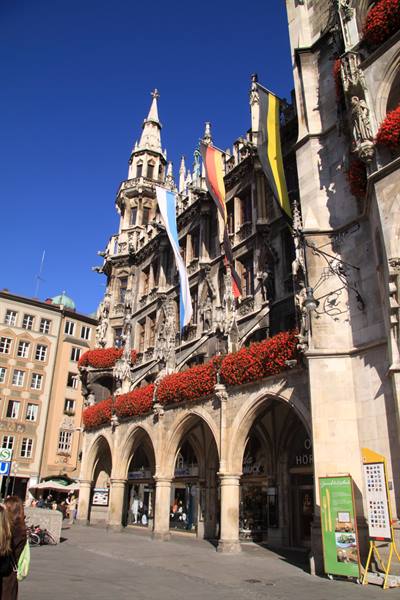
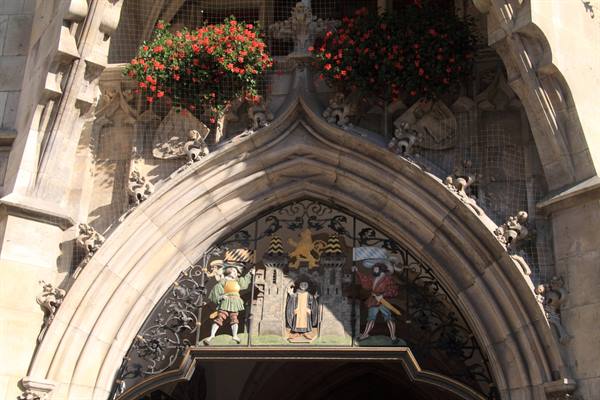
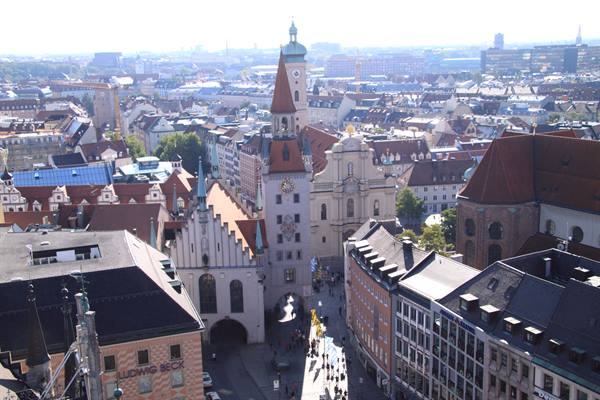
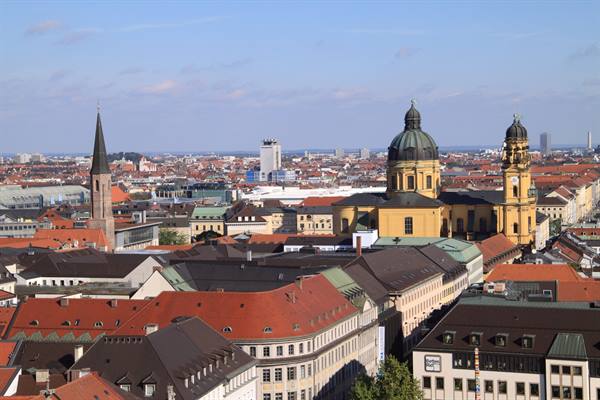
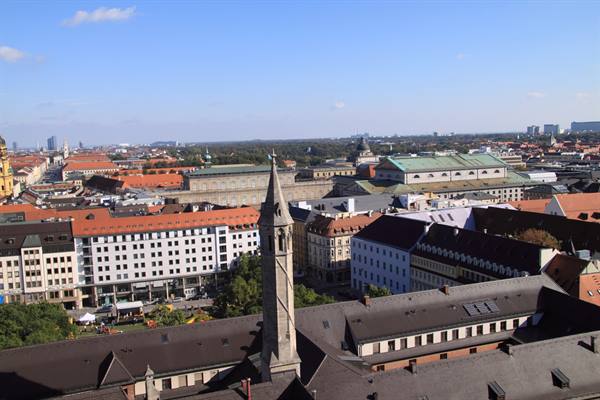
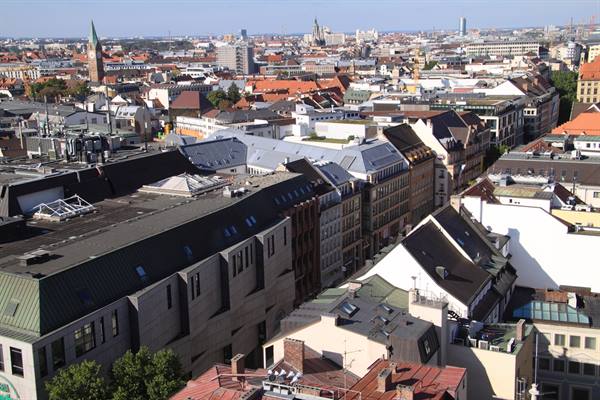
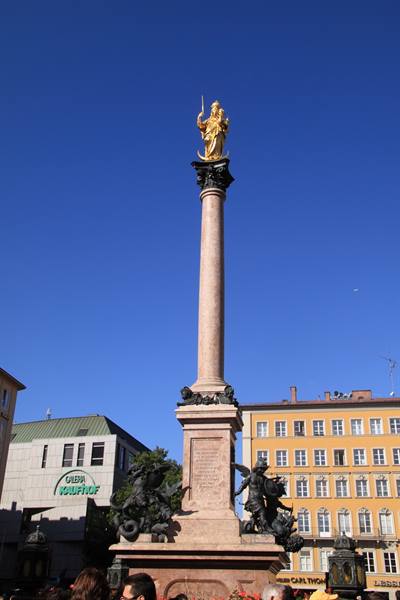
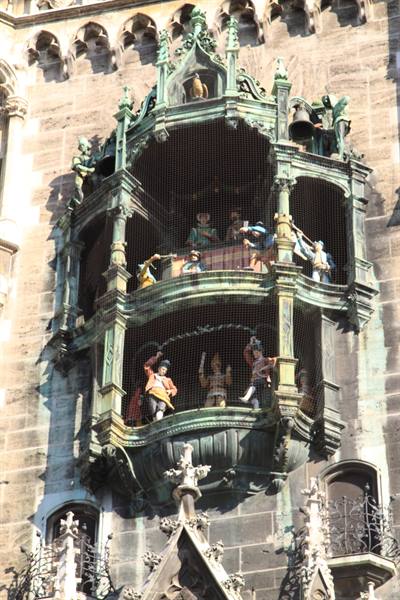
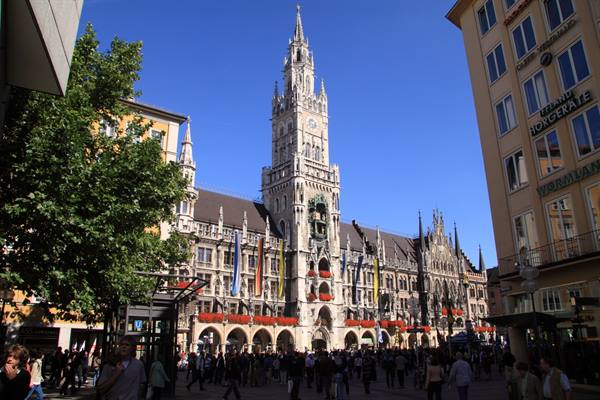
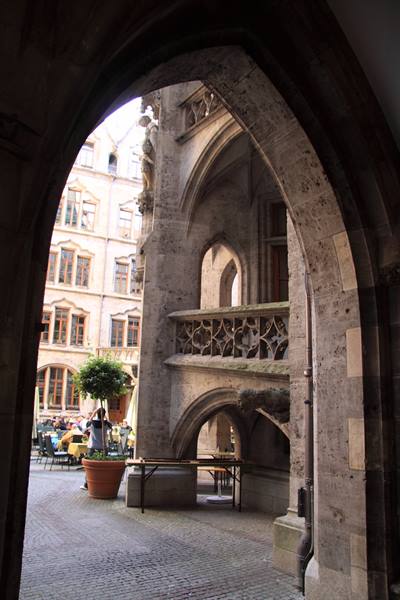
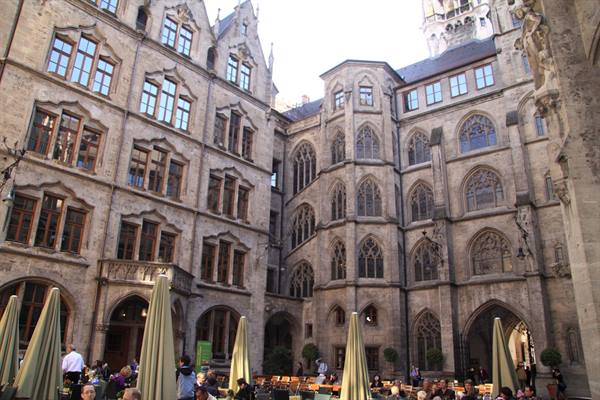
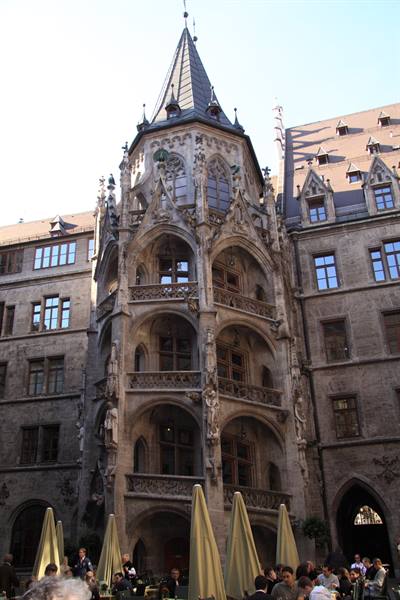
Kajetan (Church of Saint Cajetan.) Walking along a street reserved for pedestrians only, the Weinstrasse, lined with elegant shops in period buildings, you reach the Marienplatz where the imposing Neues Rathaus of the city stands, a grand Neo-Gothic building with its tower with the clock. The clock's statues dance two distinct scenes: a carousel in honour of the wedding of Duke William V with Renata of Lorraine; the other is the Schafflertanz, or dance of the coopers. We climbed the tower by paying for a ticket and using a lift. The first is free but at the second you have to pay. It's worth it, there's a wonderful view over the city. In the Marienplatz there's the Mariensaule (Column of the Virgin), commemorating the end of the Swedish invasion. The gilded statue of the Virgin, dating from 1590, is the work of Hubert Gerhard.
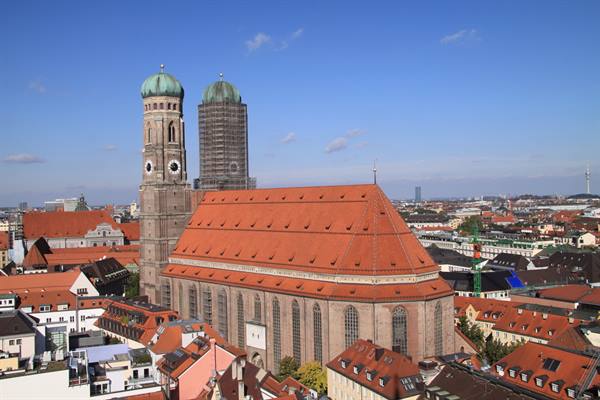
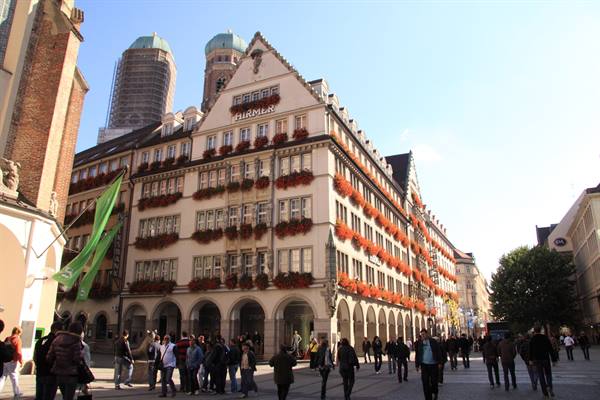
The four putti at the base of the column are from 1638 and are the work of Ferdinand Murmann; the putti are depicted in the act of defeating hunger, war, plague and heresy. Walking along the Kaufingerstrasse you find the cathedral of Munich and seat of the archbishop of Munich and Freising. The church stands where a Romanesque basilica was previously built. The imposing structure, made of brick, dominates the city. Indeed, the bell towers are almost one hundred metres tall. The onion-shaped domes that crown the bell towers, made of brass, were only completed in 1525. Inside the church there are numerous examples of notable art. First of all is the funeral monument of Louis the Bavarian. The emperor's sarcophagus is surrounded by the statues of four knights, representing peace and war. At the end of the street you reach Karlplatz with its beautiful fountain.
Back on the Kaufingerstrasse and feeling a bit peckish, we looked around for a restaurant; there were many scattered along the street, but full of tourists; in a side street we found a pizzeria bar; this time we ate well and spent the right amount. After wandering around this beautiful city we took the metro again and returned to the car park, to our camper, where Schizzo was waiting for us grumbling.
The journey's photographs
49 photographs · click to open them full screen













1 reader comments
Finalmente foto come si deve su Monaco!!!!!! bravi! e grazie!