The story
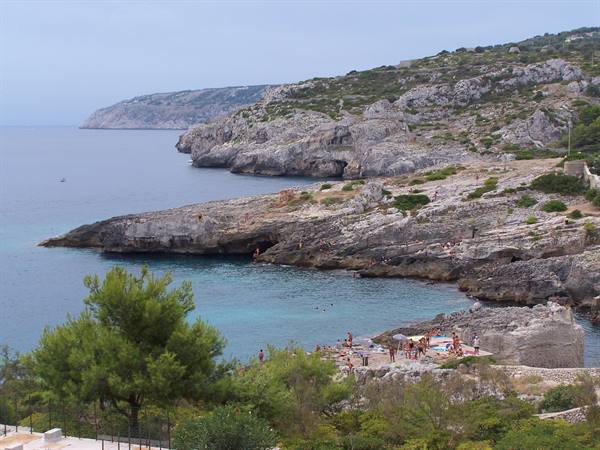
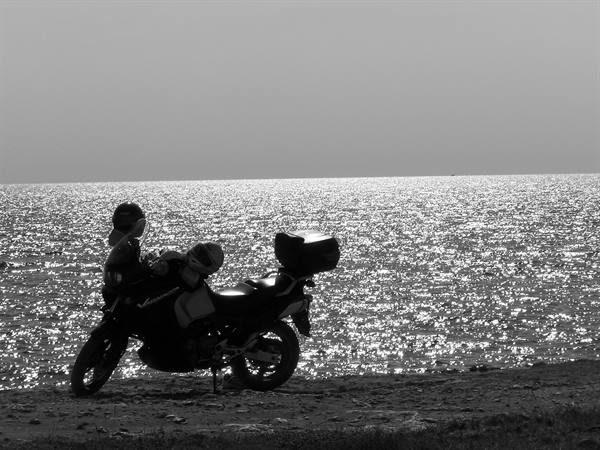
A holiday in the south-eastern part of Puglia, little excursions and short trips into the upper Murgia, the discovery of the 'sassi' of Matera. Eight days of sea and sun along the jagged and inaccessible coast of Salento, as far as the golden beaches of Gallipoli, through the lens of our camera.
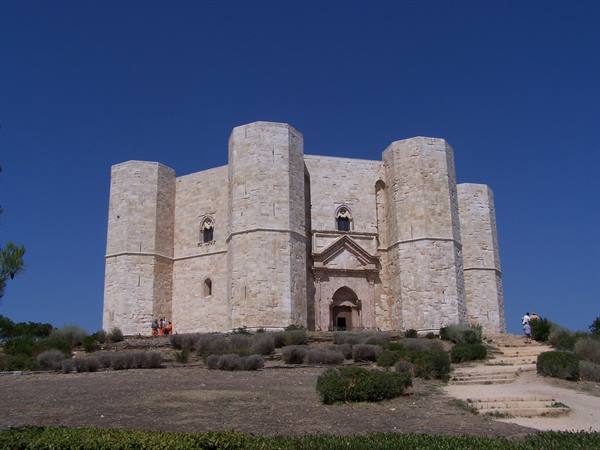
Castel del Monte, the fascinating and enigmatic octagonal structure, built by Frederick II of Swabia around 1240, dominates the plain of Andria in the upper Murgia. A castle where perhaps the emperor never stayed and which still today raises questions about the reasons for its construction and the choices linked to the site.
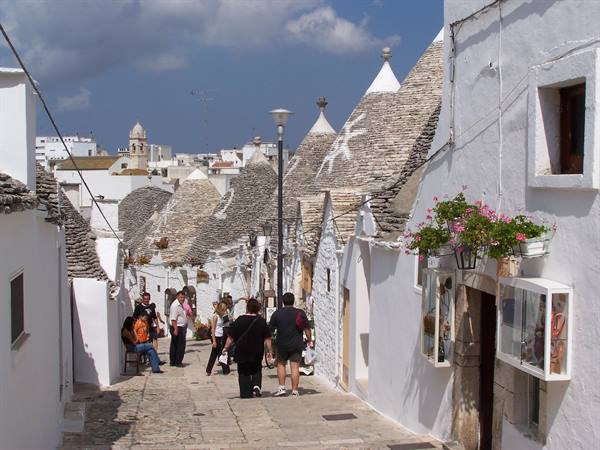
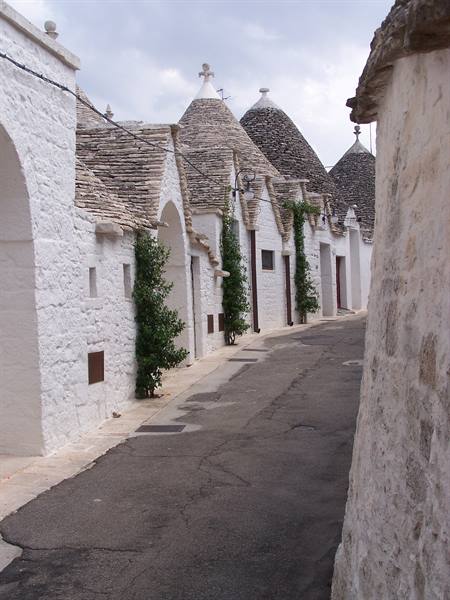
Alberobello, an extraordinary example of spontaneous urban architecture, its monumental historic centre is made up of about 1,500 trulli. Trulli are quadrangular buildings of very ancient origin, distinctive for their conical roof made of 'chiancarelle', limestone assembled dry, without the use of mortar or other binding material. The first records of these settlements date back to 1300, though it is believed the place was already inhabited in the Neolithic period and that these structures confirmed the continuity and persistence of the 'tholos' construction type in the area.
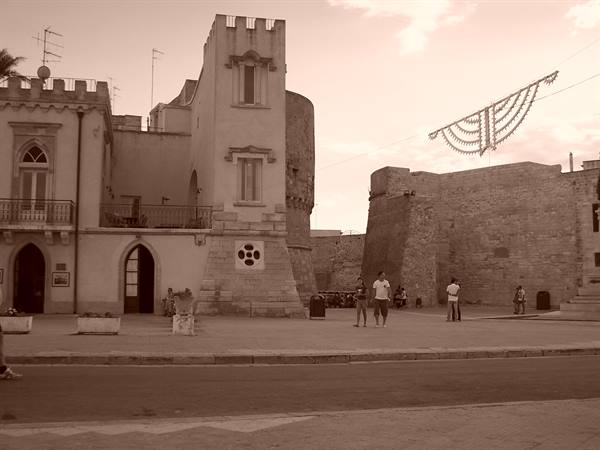
The history of Salento is tormented and fascinating, rich in traces of ancient civilisations that from prehistory to today have followed one another over the centuries. Time has blended the marks of the Greek, Roman, Byzantine, Norman and Aragonese dominations, mingling them together. Otranto in particular preserves intact the traces of these cultures; its monuments of great historical and architectural interest represent a heritage of great value and undeniable beauty.
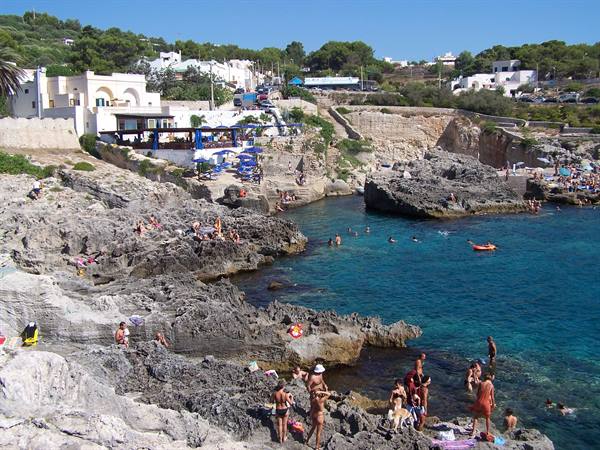
Marina di Novaglie is a tiny seaside resort set among beautiful cliffs plunging into the sea. A little harbour carved into the rock shelters the fishermen's boats, and all around are holiday lodgings, some of them made from the pagliare, the old storehouses that farmers used to build with stones.
Leuca, jutting into the sea between the two promontories of Punta Meliso and Punta della Ristola, lies on the slopes of a gently descending hill. Here Minerva was worshipped; the temple built by the Greeks stood where today is the sanctuary of Santa Maria de Finibus Terrae, a destination of constant pilgrimages.
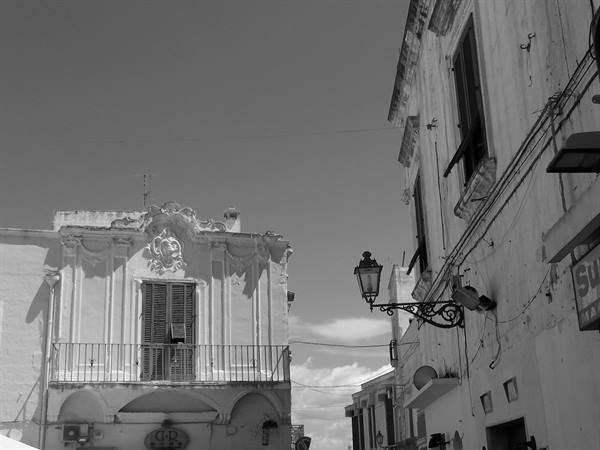
Gallipoli in Greek means beautiful city, and such is the judgement the tourist forms on discovering it while wandering its streets. At once its atmosphere strikes you, its Mediterranean smell, its colour. Its narrow alleys offer to the eye, one after another, the facade of a church, a rich doorway, a flowered balcony.
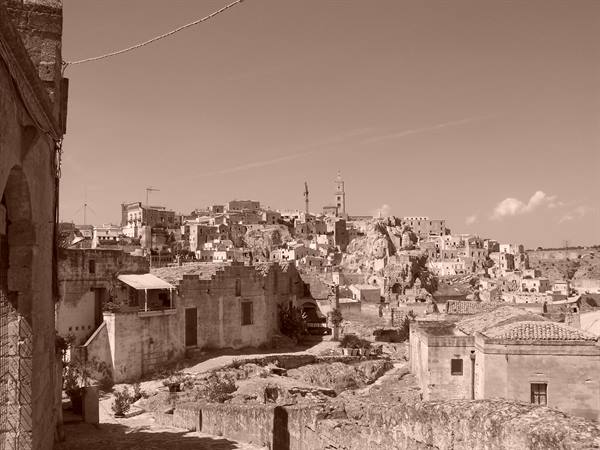
The Sassi, a World Heritage Site since 1993, listed among the sites under Unesco protection, form the old inhabited core of the city of Matera. The old quarters take shape within two broad rocky hollows and are characterised by an incredible rock architecture that, rather than building solid into void, carved void into solid. In these poor houses, which took air and light only from the door, men and beasts lived promiscuously. Now fortunately they are no longer the symbol of misery, but the testimony of a very ancient civilised past, at the disposal of the eyes of the world.
The journey's photographs
14 photographs · click to open them full screen



0 reader comments