The story
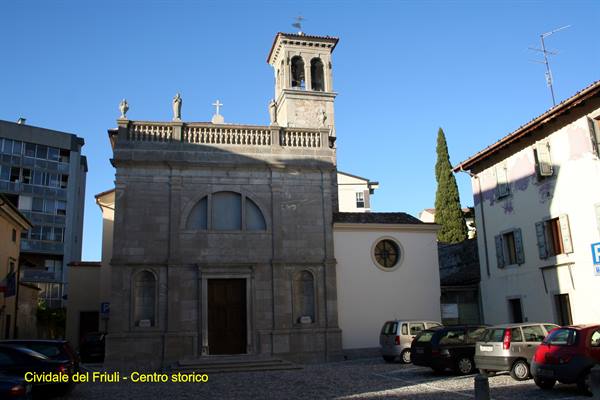
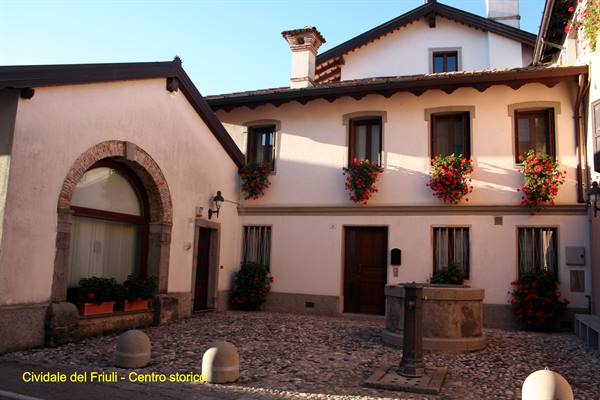
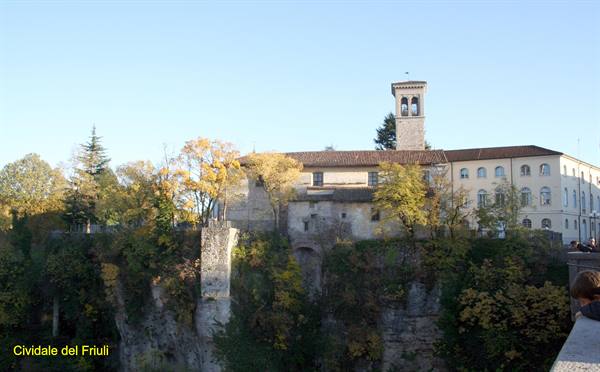
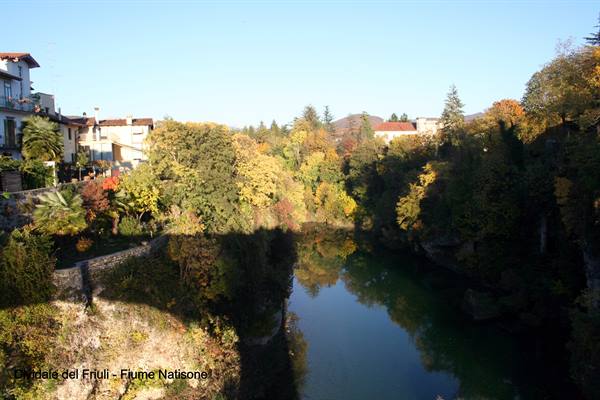
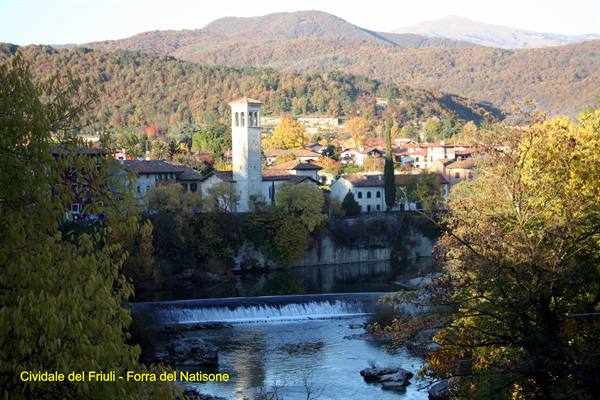
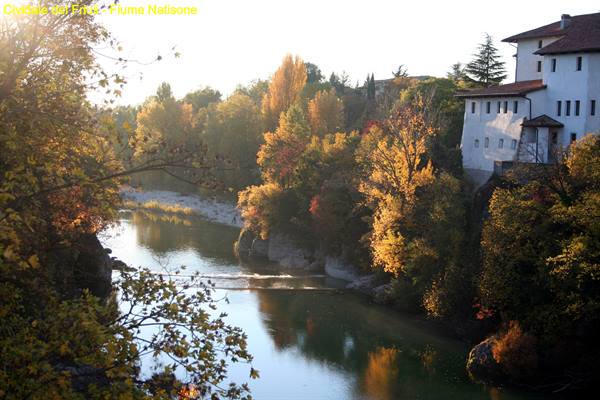
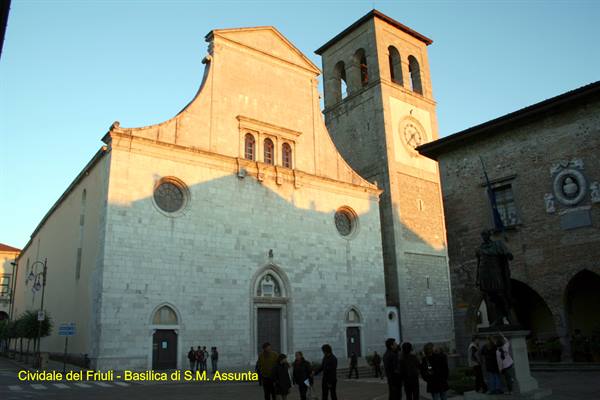
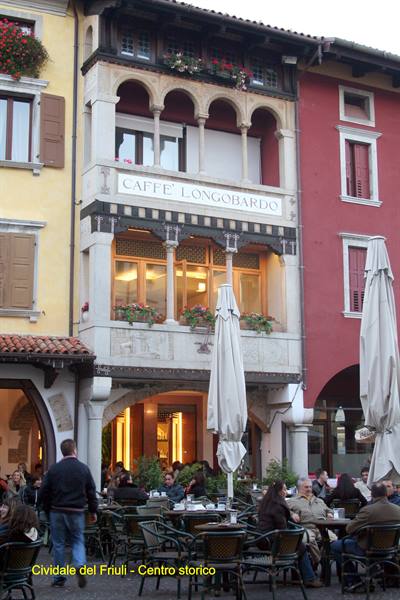
Today is a beautiful day, and my wife and I decide to visit Cividale del Friuli; it is near us, so we go by car and leave our trusty camper.
HISTORY OF THE TOWN
It is the Roman Forum Julii, from which the name Friuli derives. Near the town, prehistoric sites of the Palaeolithic and Neolithic have been found, while evidence of the Iron Age and the Palaeo-Venetian culture is abundant, on which the Celtic culture later developed from the 4th century BC.
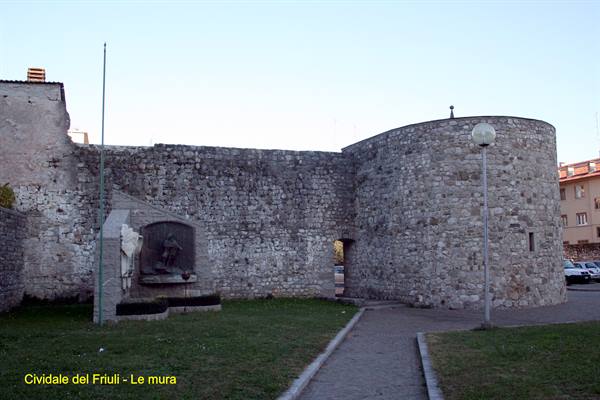
After Aquileia was founded and the Gallic Carni were defeated in 50 BC, thanks to the initiative of Julius Caesar, the Romans created there a municipium belonging to the Scaptia tribe; it later became a colony. The Roman walls form the base of the Venetian walls still present today.
In the 5th century AD, after the destruction of Zuglio by the Avars and of Aquileia by the Huns, Cividale grew in population and strategic importance. With the arrival of the Lombards in the 7th century, it was the capital of the first Lombard duchy in Italy under Duke Gisulf, nephew of Alboin. In that period it changed its name to Civitas, the city par excellence, which later became Cividale. In 737 it became an episcopal see and caput Venetiae, inheriting from Aquileia.
Destroyed by the Avars (610), it remained an important centre and rose again under the name Civitas Forumiuliana, to become the military and political centre of the Venices. In 737, during the reign of Liutprand, Callistus, Patriarch of Aquileia, came there to escape Byzantine raids. The bishop of Zuglio had also taken refuge there and was consequently removed. The seat of the Patriarchate of Aquileia remained there even after the expulsion of the Lombards. In 769 the council was held there that reconfirmed the indissolubility of marriage.
Under the Franks it was a duchy and then a march. The Duke of Friuli Berengar I became king of Italy (888-924) and in 915 also emperor. From the 9th century it took the name Civitas Austriae, from which the present name derives. In 1077 the Patriarch received the imperial investiture.
From the 12th century it was a free commune and the centre of an important market; from then on it was the leading political and commercial centre of the whole of Friuli, so much so that it obtained from Emperor Charles IV the opening of the University in 1353. In 1238 the Patriarchs moved to Udine, and so there were rivalries and struggles with that city. In 1419, during the war with Venice, in order to drive out the Hungarians of King Sigismund who were besieging it, Cividale surrendered to Venice. In the 16th century it was contested between the Empire and Venice; in July 1509 it was besieged by the imperial troops of the Duke of Brunswick, but the people of Cividale, after an epic struggle, managed to break the siege, forcing the German army to flee. At the end of the war it remained under Venetian rule.
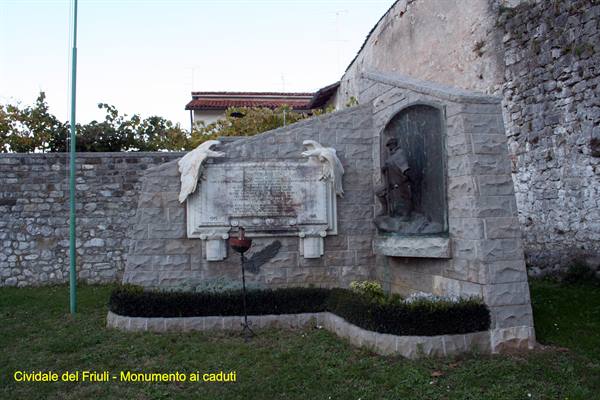
With the Peace of Worms (1530) it lost the castle of Tolmin on the Isonzo and the mercury mines of Idrija. In the following centuries it had to endure several Turkish incursions. During the Venetian period it was a notable centre of studies. In 1797, with the Treaty of Campoformio between Napoleon and Austria, Cividale passed to the Habsburg Empire, to which, after the brief period in which it was part of Napoleon's Kingdom of Italy, it was confirmed by the Congress of Vienna (1815). Between 1848 and 1866 there was a lively Risorgimento movement; in 1866, after the Third War of Independence, it was annexed to the Kingdom of Italy along with Venetia and Friuli. During the First World War it was, for a brief period, the seat of the command of the Second Army and was also damaged by air bombardments. It was occupied by the Austrians following the defeat of Caporetto.
The journey's photographs
34 photographs · click to open them full screen







0 reader comments