The story
The birth of Marano, and consequently its name, is linked to the origins of Aquileia. Aquileia was founded in the year 181 BC by a colony of 300 Roman soldiers, to whom later, in 169 AD, around 1,300 Roman families were added, sent to this area to prevent barbarian invasions. To some of these families were assigned the most important and strategic places to garrison. From the names of these families came the names of some Friulian villages such as Cervignano 'Ceveniano', Ontagnano 'Antoniano', Clauiano 'Claudio'... The family to which our area was entrusted was that of Mario. This fact is still remembered today by the old little central square 'Marii', which means '...of Mario'. Before long the settlement was called 'praedium Mariani', that is, Mario's estate or garrison.
The name 'Mariano' lasted a long time, so much so that we find it mentioned both in the first document concerning Marano (the news of the Synod, which comes to us from Paul the Deacon) and in a document of 1239. As the centuries passed, the 'i' of Mariano disappeared and so Marano remained, a name that better conveyed the idea of a place close to the sea. The addition of 'Lagunare' dates from the last century. With the unification of Italy, in fact, a clarification became necessary, so as not to confuse it with other Maranos that had meanwhile sprung up in Italy. This Roman origin of Marano is confirmed by the archaeological remains found in the lagoon and now kept at the Museum of the Castle of Udine and at the Municipal Museum of Marano, where there is a small but important collection.
Another Roman trace in Marano is the remains of the via Annia, an ancient Roman road that connected Concordia with Aquileia. That road passed through the lagoon area.
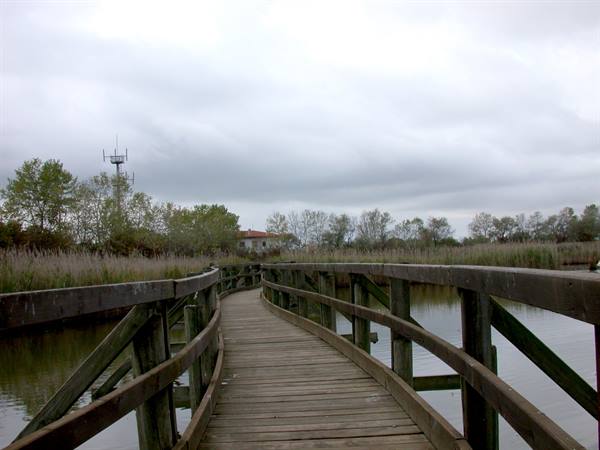
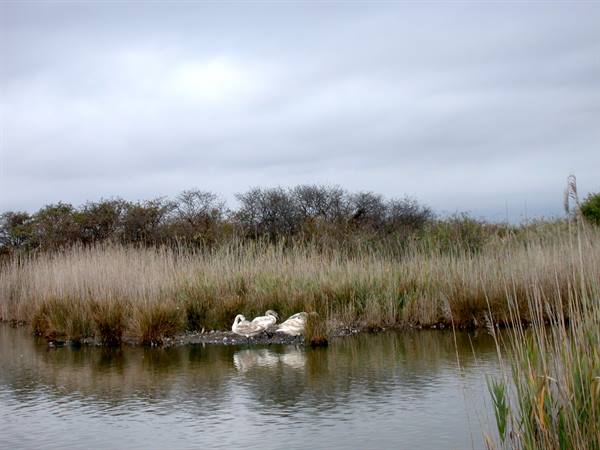
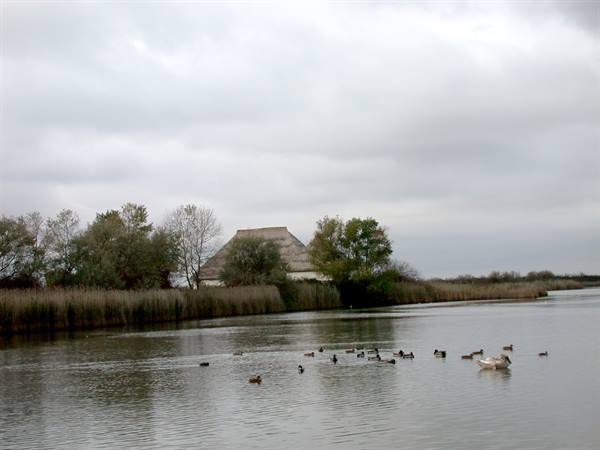
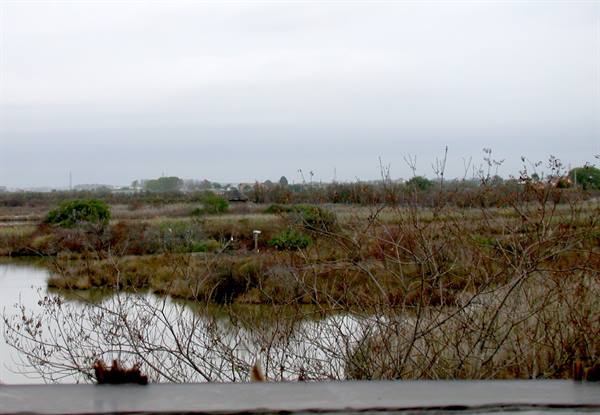
The journey's photographs
10 photographs · click to open them full screen


0 reader comments