The story
Corsica is a world to discover. We went there the first time in 1991 and then returned in 1998. In a short time you go from the sun-drenched beach to the mountain gorges, to the forest and back to the beach. The colours are indescribable: eucalyptus, cork oaks, forests that seem to have stood still for centuries, and then the Mediterranean scrub and the blue of the sea. We saw the whole eastern coast, from St-Florent to Bonifacio, and, on the other side, Ajaccio. St-Florent is at the base of the finger, to the north; Patrimonio has a beautiful old church; San Michele di Murato is the architectural jewel of the Nebbio region; Bastia, the arrival point from Italy, with the first signs of Napoleon's early presence. Going south, Aleria, with the ancient Roman ruins, then Quercioni, a solitary beach.
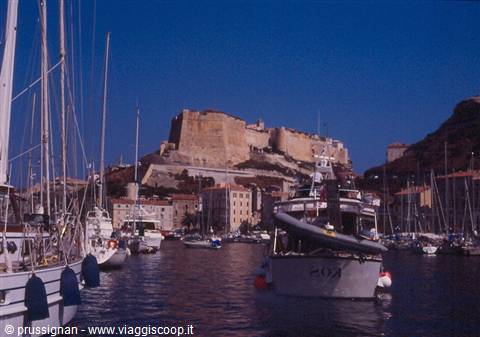
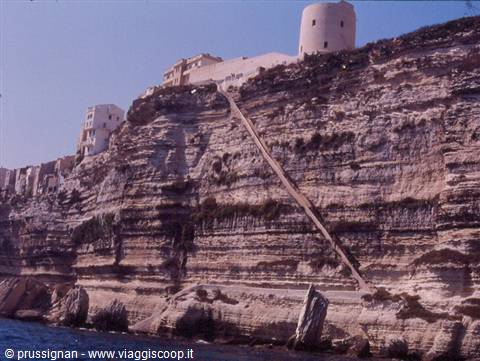
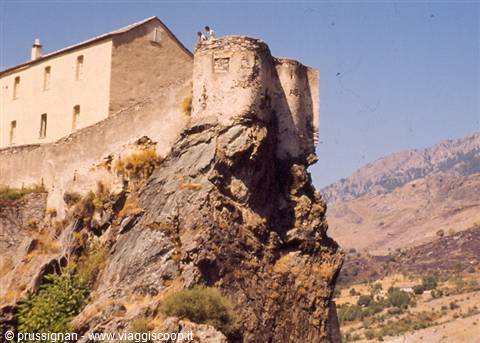
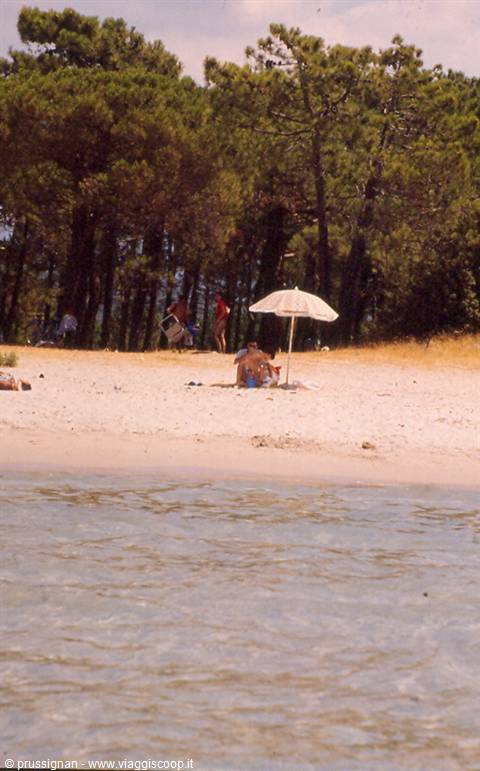
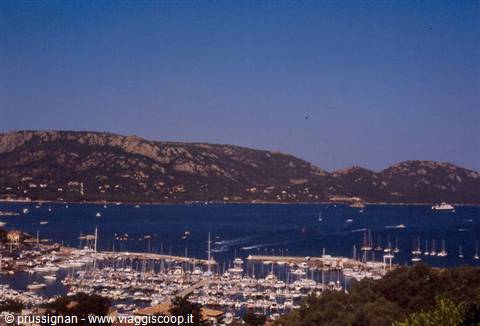
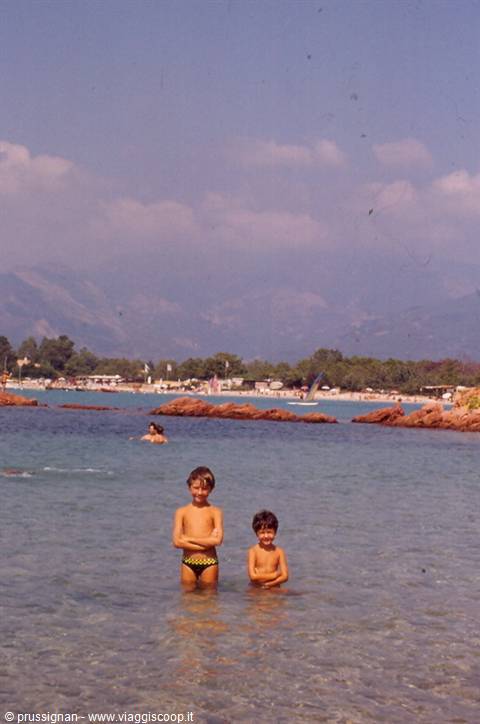
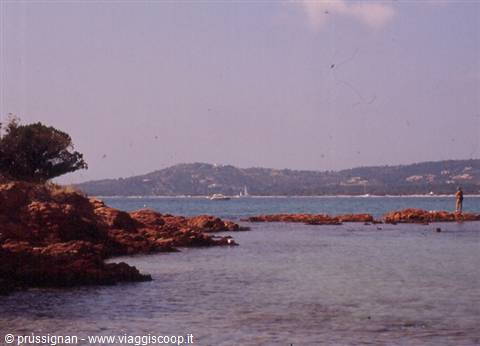
Towards Solenzara, the "coast of the castanets" with Scaffa Rossa and its multicoloured pebbles. Further south still, Pinarello with the pine wood by the sea; San Cipriano, a round bay with reddish rocks; the Gulf of Sogno; Santa Giulia, beautiful and chic; Santa Manza, with sand full of little shells; Bonifacio, beautiful, with the tremendous staircase of the King of Aragon (which we climbed all the way and in the early afternoon, sheer above the sea, against the rock, without a breath of wind); Porto-Vecchio, with its characteristic alleys. On the western coast, Ajaccio, where Napoleon is everywhere, with the beaches of Agosta and Rupione. Inland, the Piscia di Gallo waterfalls, the Solenzara and Restonica valleys, and then Corte, the ancient capital, and the Vizzavona forest. What can I say? A world to see
The journey's photographs
14 photographs · click to open them full screen







0 reader comments