Figueres, Empuries, Perpignan, Fort de Salses, Arles, Les Baux, Glanum, Chateauneuf, Avignon, Orgnac l'Aven cave, Orange, Vaison-la-Romaine, Briancon
Day 119 Aug 2000
From Playa de Aro to Empurias
We set off after lunch from Playa de Aro (Costa Brava) to accompany my sister to Lloret de Mar, from where she'll take a coach direct to Milan. We visit the shops and the centre, where there's a very pretty little church. Lloret de Mar is famous for being the Rimini of the Costa Brava; consequently the shops and all the facilities are suited to tourism by Italian young people aged between 15 and 20. After a little wander we set off again immediately for Figueres, taking the main road number 11, which is very beautiful—to stop at La Escala, a small village near the archaeological site of Empuries. (Hermite campsite, 3400 Pts)
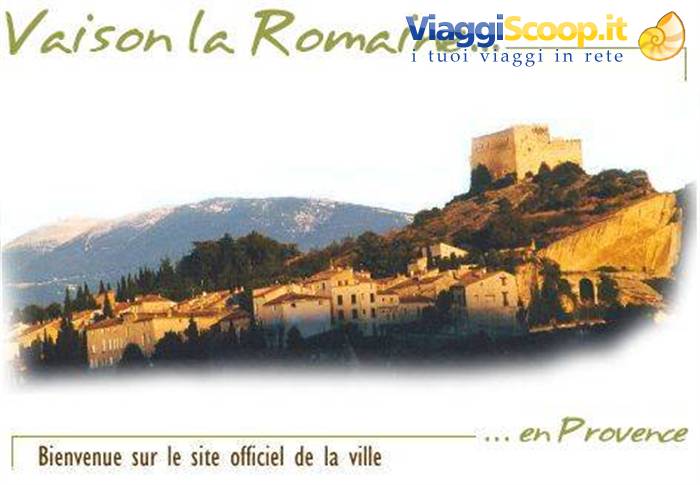
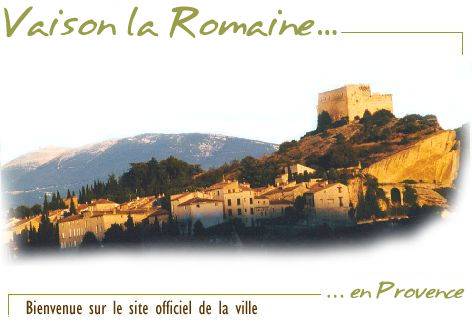
town website: www-vaison-la-romaine.com
Day 220 Aug 2000
Empurias (Spain), Perpignan and Ales
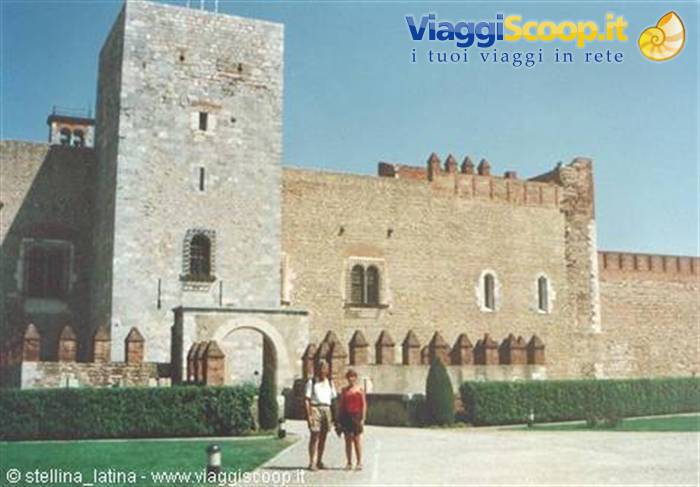
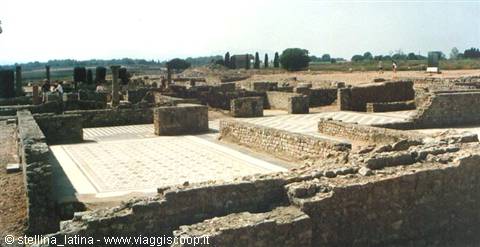
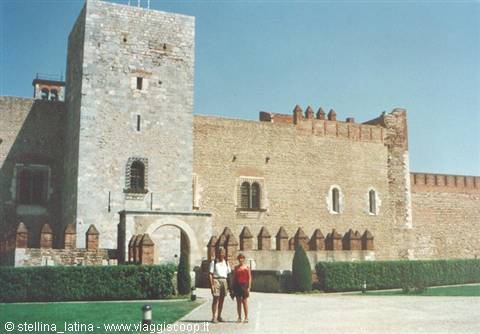
We leave the campsite to begin the visit to the archaeological site of Empurias. The entrance to the Greco-Roman city is at 10 o'clock and it has a large internal car park, remember to look for a place in the shade. We hire the audio guide for 700 Pts, while admission costs 800 Pts each; it's easy to get student discounts with university cards). The site is interesting and fairly well preserved. Empurias was an old Roman port and still preserves many buildings including mosaics. The sun, however, is scorching and shade rare. After lunch we resume our journey towards France. The main road is very beautiful and we use it as far as Perpignan. We found a lot of confusion and almost gridlocked traffic at the border. Pertus gives the impression of being a free port. In Perpignan we stop to visit the Palace of the Kings of Majorca, admission is free.
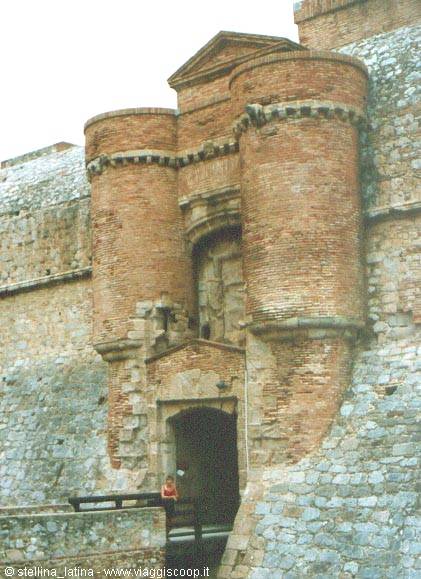
The palace is interesting and the visit lasts a short time (a little over 1 hour), for this reason, having resumed the journey we decide to stop also at the Fort (actually called Chateau: castle) Des Salses. This fortress is visible from the road and, every time we passed by, we wondered what it might be like. This was the opportunity to satisfy our curiosity. Admission costs 32Fr each, guide book 39 Ff. The visit is guided only, I think only in French. Our guide turns out to be very good and the fort, well preserved, has a very active history due to the many battles won thanks to its architecture, very innovative at the time. The name derives from "salt", because it was a strategic point on the precious salt trade route. We take the motorway again as far as Montpellier from where we take secondary roads crossing the Camargue, famous for its horses and for its marshes, nature reserves.
Along the road, in fact, as far as Arles, we see many wild animals, from waders to sea birds, many hares and pond animals. We also see the famous salt pans, very white. We stop at the Camping Les Rosiers in Arles for the night.
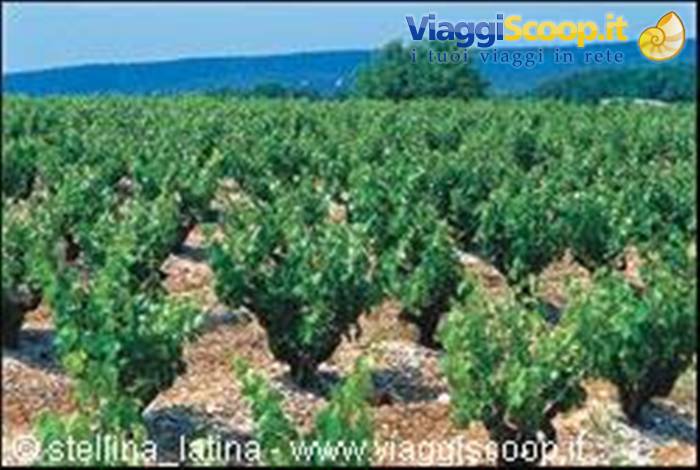
Orgnac cellars website: www.caveorgnac.com
Day 321 Aug 2000
Alres, Les Beaux de Provence, Glanum and Chateaucanard
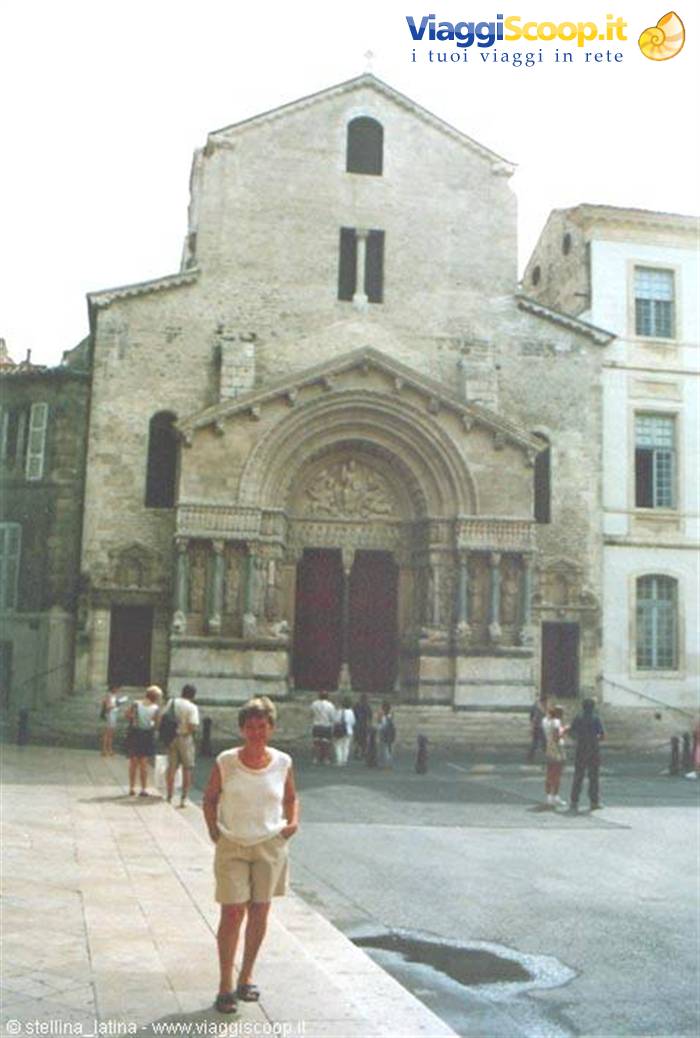
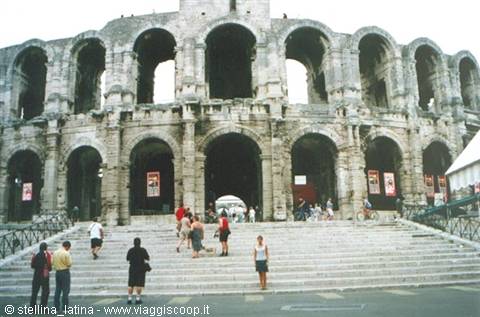
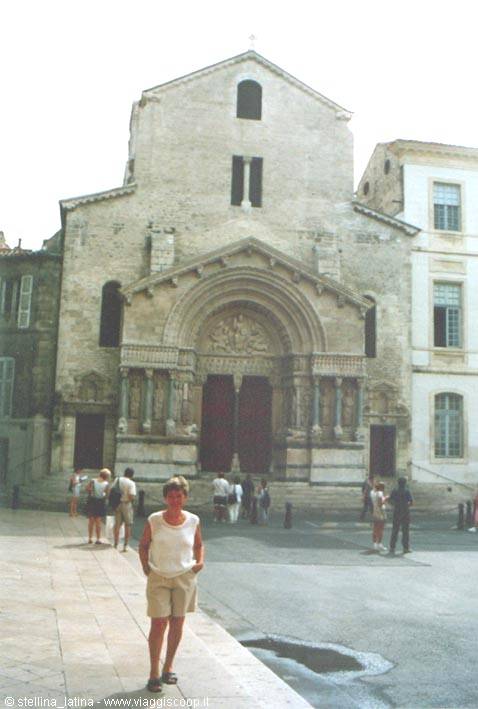
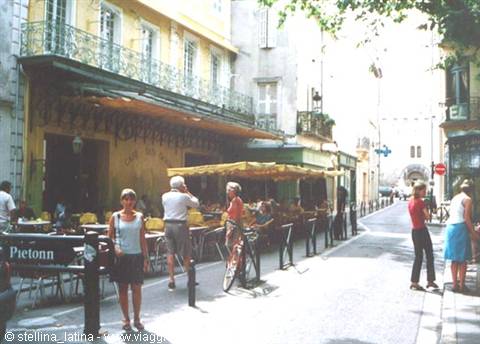
In the morning we take a tour of Arles, mainly to go to our favourite baker. We do a bit of Provençal shopping to buy gifts. For anyone visiting the city for the first time, though, it's fair to say that there are lots of monuments absolutely worth seeing, also because they're all gathered in the centre, convenient to get around on foot. First of all the Amphitheatre, the Theatre, the portal and facade of St Trophine are also beautiful. The Alyscamps gardens, on the other hand, don't deserve it because of the neglect of the place. On the road towards Avignon we see lots of cars of French people parked along the road, a truly "suspicious" movement, given that the country road doesn't indicate any particular centre anyway. We decide to have a look: why so many French tourists? We park with a bit of difficulty along the road and follow the flow of people.
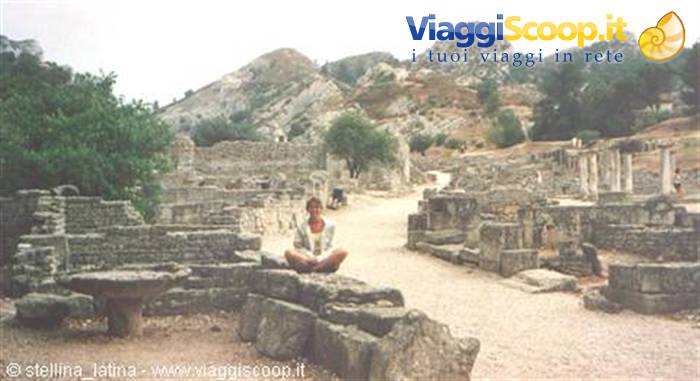
We arrive at the village of Les Beaux de Provence: a medieval town with a castle on the rocky plateau. The castle is by now a ruin, although the plateau of the cliff is evocative. The little citadel is very pretty, full of artisans' workshops. It's really all very well kept. Along the road we see some new excavations: it's the Greco-Roman city of Glanum, discovered very recently and still in the exploration phase. It's really very evocative because it's gathered in a narrow valley and very steep. The excavation project shows a very sustained pace to bring the ancient city back to light. Admission costs 32 Fr each. In the evening, around 19, we reach Chateaucanard near Avignon, where we stop at the Rochette campsite (95 Ff).
perpignan: the palace of the king of majorca
Day 422 Aug 2000
Avignon, Orgnac l'Aven, Orange
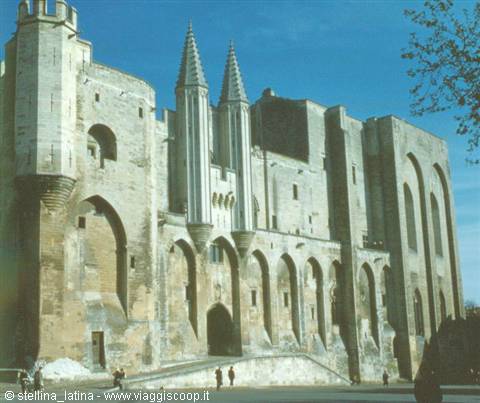
Departure from the campsite at 8:30 to do the shopping at the Auchan supermarket in Avignon. We don't go into the town but, in this case too, anyone who happens to be there for the first time absolutely must see the Pope's Palace, and also the medieval centre with the bridge. The Pope's Palace is truly spectacular and was built with lavish splendour over the course of many papacies. A guided tour, I believe also available in Italian, with the option to see only the interior of the palace and/or the exterior. I recommend the full tour because it truly contains a remarkably rich medieval heritage. We head out in the direction of Bagnols to see our favourite florist "Les Jardins," from which we never leave empty-handed. We visit the village of Orgnac l'Aven, famous for its caves and for its cellars. The caves are worth a visit (see photo); entry costs 54 Fr per person including the museum.
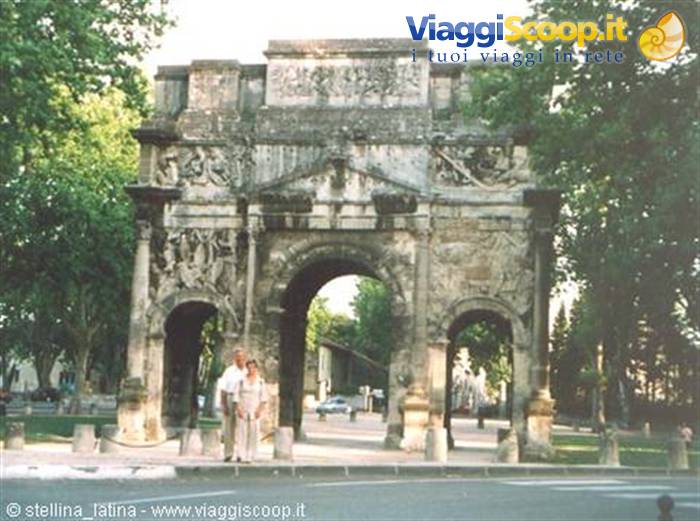
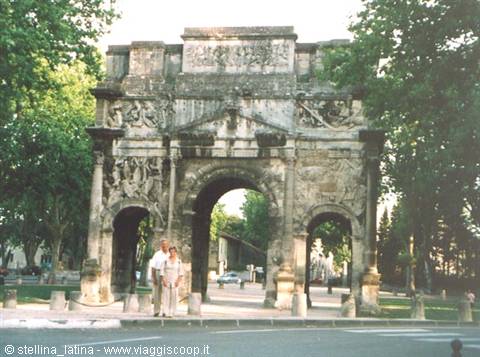
If you want, it's possible to visit the caves (cellars) as shown in the photo and the site indicated. In the evening we arrive at the campsite in Orange, Le Jonquier, which has horse riding and very large pitches (138.5 Fr)er. After dinner, a walk to see the Triumphal Arch and the theatre. In fact, we discover that the campsite is a 10-minute walk from the Triumphal Arch.
arles: church of Saint Trophime
Day 523 Aug 2000
Orange and Vaison la Romaine
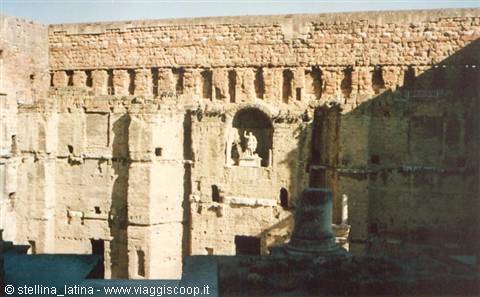
We visit the Roman theatre of Orange, one of the very few that still has all of it—therefore intact—(see photo). To take better photos, it's possible to go up early in the morning onto the belvedere hill behind the theatre. After leaving Orange we head towards Vaison la Romaine, where we park near the cathedral. A visit to the archaeological site, with the Roman villa and the street of shops, where though only the columns and traces on the floor of the rooms remain. We set off again towards Italy and, on arriving at Gap, during a stop my father notices a tyre on the camper with no pressure. We ask at the supermarket and they point us to a tyre repair shop 300 metres away. After having dinner we move in front of the workshop and wait for it to open the following morning.
site archéologique de Glanum
Day 624 Aug 2000
Briançon
In the morning at 7:30 the workshop is open. They repair the tyre; fortunately it wasn't punctured but had a defect on the valve. Spent on the repair. The mechanics are quick, courteous and extremely honest, including on the price. At 8:30 we take to the road again for the return journey. At Briançon we make a stop to visit the old town, where we rest and have lunch. Leisurely, in the afternoon we set off again to be in Milan by evening.






0 reader comments