I parte --> Mandalay, città imperiali, Bagan e lago Inle
After months of preparations here I am, finally, at Malpensa with my heart in my throat, heading toward a country full of exotic charm in the company of my friend, and expert travel companion, toward Myanmar. In the backpack there's room only for the essentials: after all we're heading to a country where subsistence is made a virtue to develop the soul. As soon as we land in Yangon, the capital of the State, we're welcomed by officials impeccable in their military uniforms, we head toward stalls where you can bargain for everything, from plane tickets to currency exchange, where we take the opportunity to buy the flight to Mandalay and to change some dollars into kyats, making the most advantageous exchange of the trip. Bargaining in Asia is an art, particularly in Burma. Yes, because not only do you bargain dollars and kyats at the same time, but also with various objects.
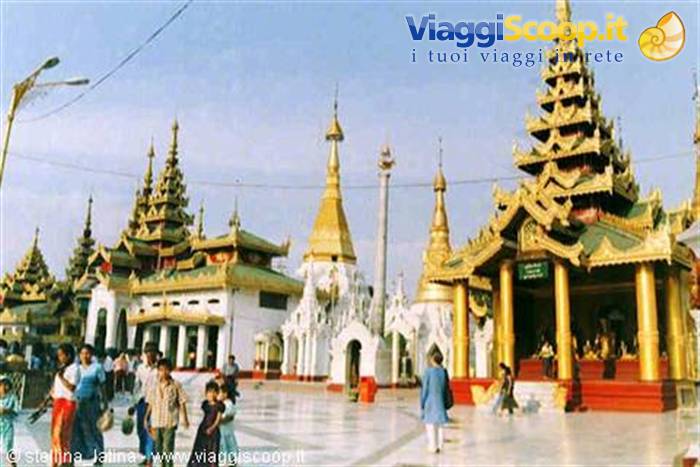
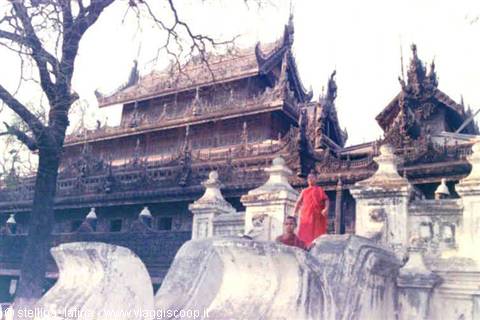
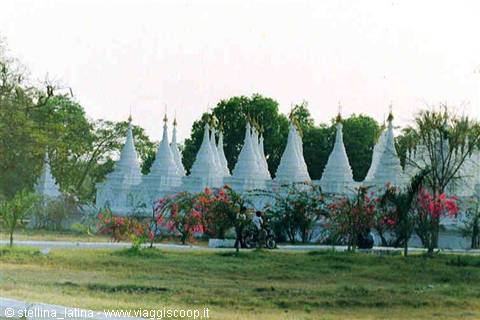
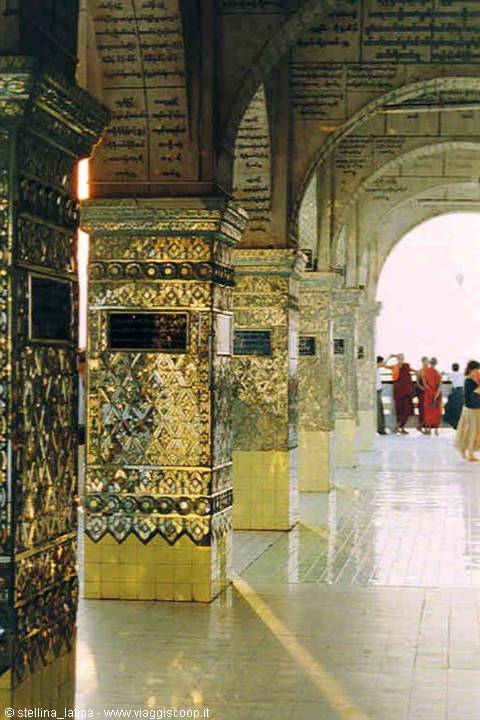
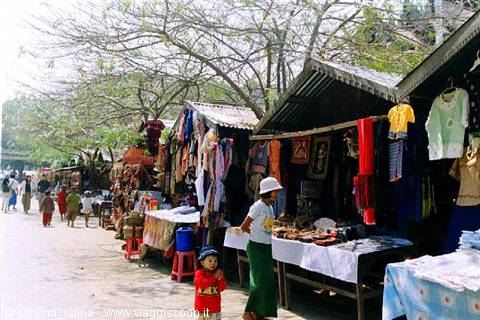
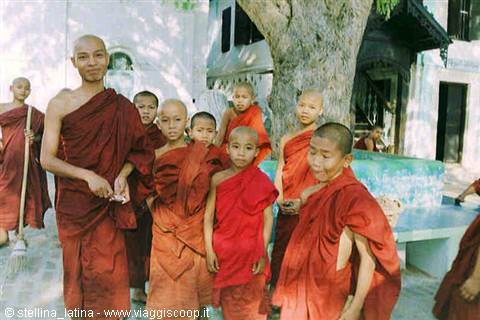
For a B&B room we added to a few dollars two perfume samples and some ballpoint pens. Thus we begin the discovery of Myanmar from Mandalay, which boasts interesting monuments such as: the unmissable Golden Palace Monastery, entirely in teak wood finely carved and imbued with the prayers and meditation that are practiced there, the Largest Book in the World, a stretch of small, very white pagodas truly evocative. The best way to enjoy the sunset over the city is from Mandalay Hill: walking barefoot along the immense labyrinth of stairs, you find yourself enveloped by the chatter of craft sellers, by the smell of food cooked on the spot, by the incense coming from the many altars. The monks greet serenely, the children laugh and play and the couples go up to share the romantic moment hiding shy smiles behind their delicate hands.
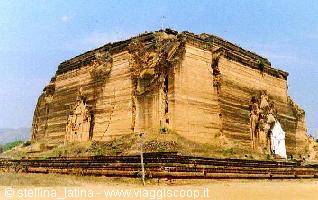
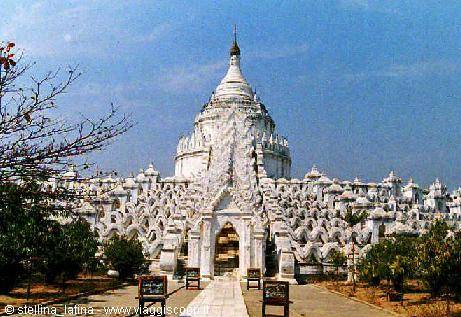
The optimal means to visit the city remains the characteristic tuk tuk. Worthy of particular interest, for their historical, artistic and religious value, are the imperial cities. To reach the first, Mingun, you have to cross the great Ayayarwady river, you're welcomed by a small crowd of tenacious vendors of longyi, traditional clothes, and local crafts. Particularly interesting is the imposing Mingun Paya which seems carved into the rock; climb to the top and stop to admire, with the breeze in your hair, the spectacle from the top of the river and the whole site. Try to climb alone, the white and elegant stairways of the Hsinbyume, to be able to immerse yourself in total silence and the contrast of the gold of the Buddha sparkling from the candles, the white of the undulating balconies and the intense blue of the sky scented with incense.
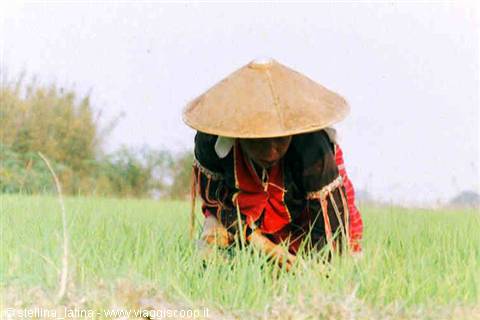
Inwa, the second imperial city, is an island to tour in an "Oscar," that is in a carriage, with monasteries and evocative ruins where it will be possible to meet the inhabitants, always kind and busy with farm work. Visit Sagaing, a famous religious center, and an excellent opportunity to spend time conversing with the monks. At the end of the day it's exciting to witness the most evocative sunset of all Myanmar, at Amarapura, on the U Bein teak bridge, in which all the shades of the sun are reflected on the placid waters of the river. The day ends with a memorable dinner at the Universal tea house, absent from all the guides and frequented only by local young people but, precisely for this reason, truly special. We bargain with a driver for the trip to the archaeological site of Bagan.
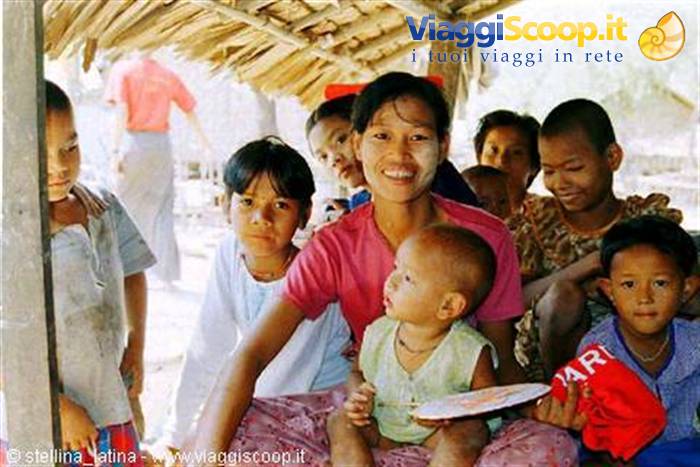
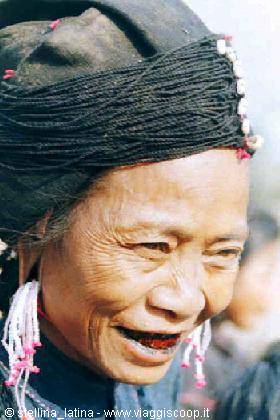
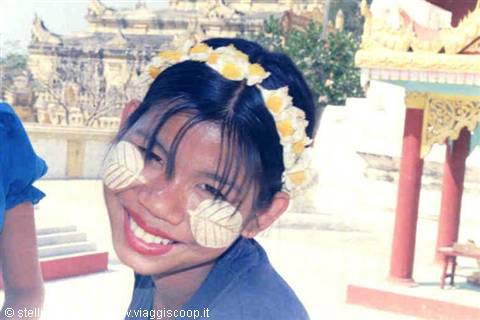
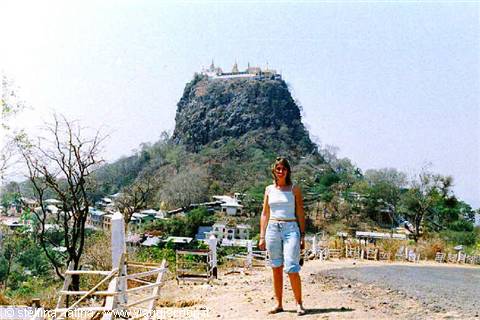
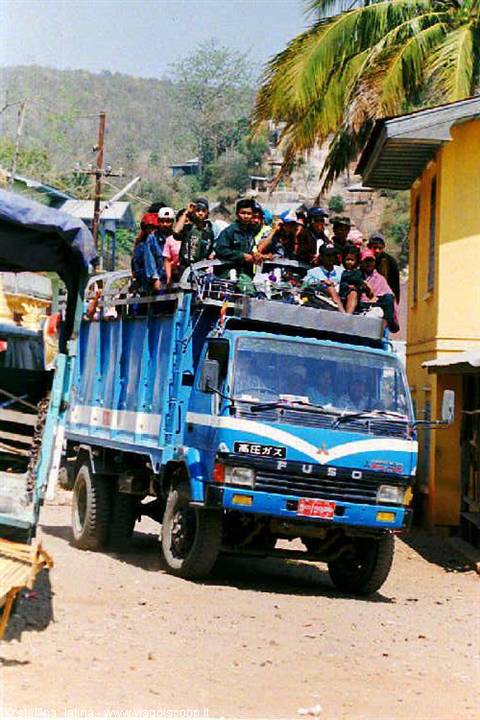
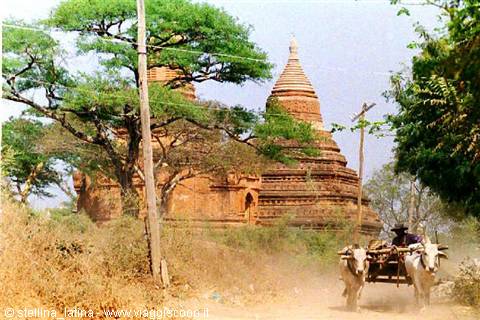
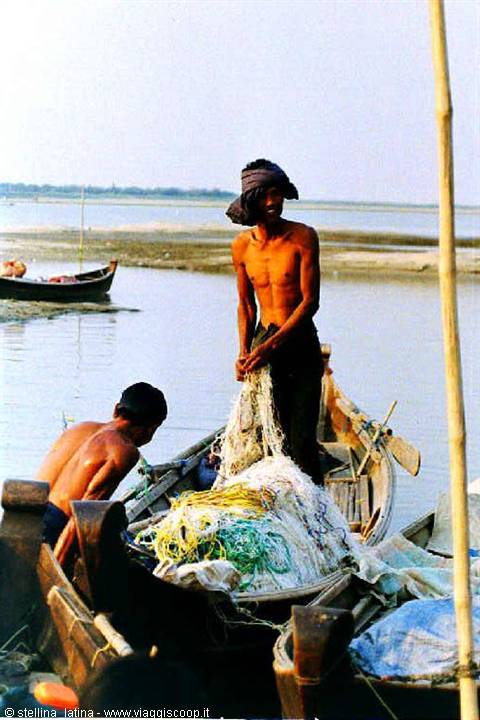
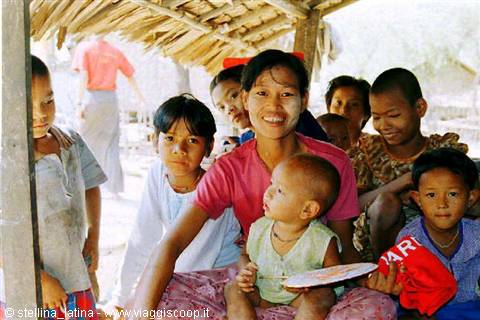
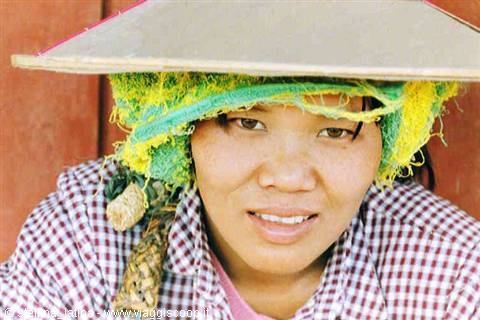
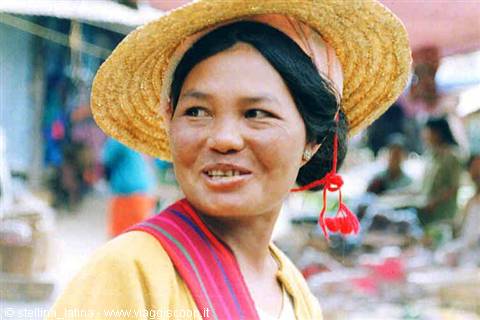
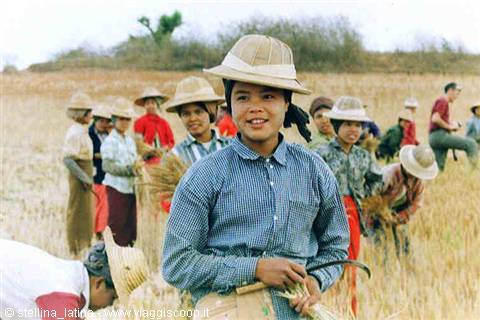
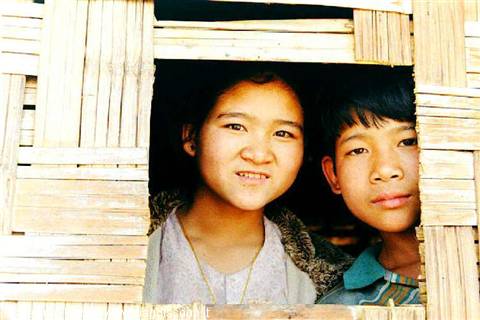
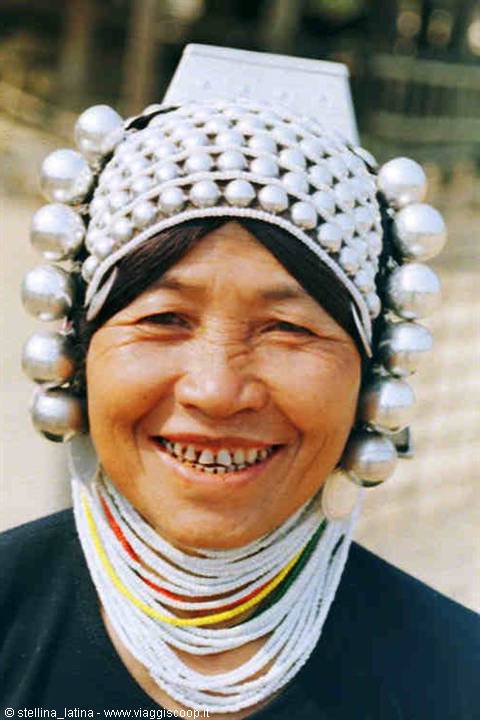
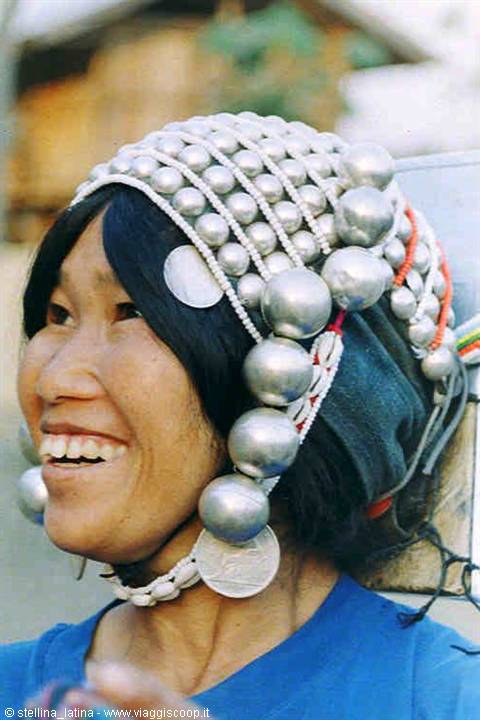
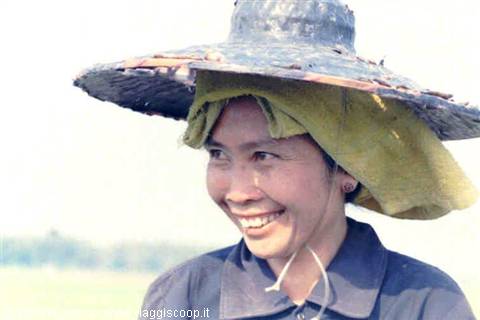
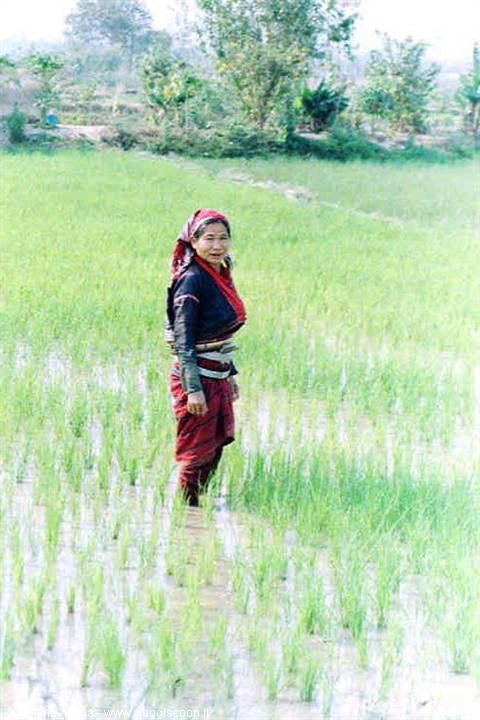
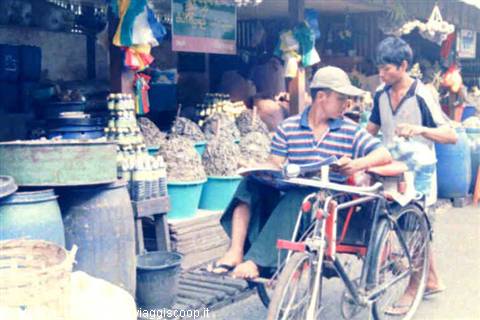
Under a scorching sun we travel dusty roads marveling at the load capacity of the means of transport: from bicycles to trucks, every vehicle is crammed to the impossible with people and goods. Crossing the country by car allows you to make unexpected stops, so it happens that you discover incredible faces, eyes and smiles. Along the way we stop at Mount Popa, an extinct volcano that rises 737 meters above the plain, famous home of the spirits. The monastery, frequented by Burmese on pilgrimage and inhabited by playful little monkeys, is reached via steep steps hard to climb under an oppressive mugginess. After this brief stop we enter Old Bagan, paying the 10 dollar entrance fee. We choose the Tante, a beautiful hotel in the middle of the archaeological site with small cottages and a pool. We then reach the ancient paye in fired brick that blaze at sunset.
On the main road of the site there are some restaurants of decent quality and excellent courtesy. The next day I get up before dawn and by bicycle, heading using a flashlight, to the tallest paya to witness the miracle of a new day. I climb in the dark on the big and steep steps, to be able to witness the awakening of the jungle. With my heart full of joy for the wonderful spectacle I return to the hotel to have breakfast and, in the company of children met the day before, we visit the site, their fishing village. We leave Bagan with a car that is to say the least decrepit toward Inle Lake. A two-day journey awaits us. The first night we stop in the mountains, in cool Kalaw, famous for trekking. The journey continues with the visit to the five-day market and the beautiful Pindaya Caves, mythological caves filled with Buddha statues donated by the faithful.
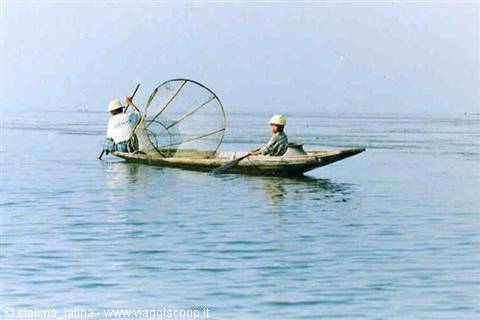
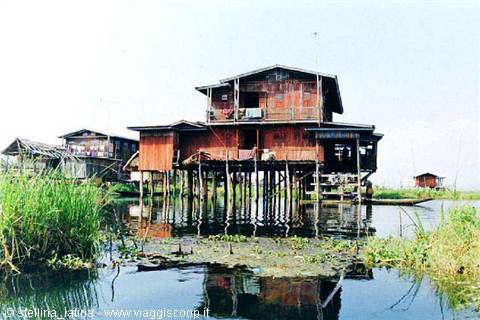
We arrive at the scenic Inle Lake, that is at the small town of Nyaungshwe, very touristy, with a





0 reader comments