MALAYSIA: COUNTRY IN PROGRESS
Standing tall like spikes of gray iron, they stretch across the Malaysian sky like wandering parts of an abandoned spaceship, emanating their message of past arrogance from the 88 Arab-style structures—here they are, the Petronas, the symbol of that fierce tiger that Malaysia had been until the 1990s, until that fateful 1997 when dreams of glory ended, leaving room only for those two giants of glass and concrete. Since childhood, the Petronas had represented for me the symbol of a city with a strange but exotic name, and likewise their shape and height attracted my curiosity, without ever truly being aware that one day I would be able to visit them.
One December we reach Kuala Lumpur, the capital of Malaysia, the city that arose in the mid-19th century with the confusing name "muddy confluence of rivers," a tin mining center, founded by a handful of Chinese, which became one of the freshest Asian capitals. Kuala Lumpur was born on two small rivers, wrapped in a very green forest that surrounds it and slips between its streets, its parks, its lakes and its squares. Colorful and bizarre skyscrapers emerge among the green foliage; a noisy and hot traffic crosses its main arteries, leaving to pedestrians the concrete edges of the historic center, of Chinatown and of the beautiful city. Despite their fame, the Petronas are much less showy in person than their reputation suggested; their height doesn't impress, their architecture interests, the night makes them beautiful and fascinating.
The world of KL revolves around Merdeka Square, the old English Padang where, as was customary, cricket was played, and around which stand the main buildings of the capital: from a gigantic Malaysian flag, to the first small Anglican church, to the Parliament buildings, the Sultan's house, the gardens, the palms, all very beautiful, fresh, new, interesting. KL is today a conference center for half the world, the seat of organizations; in some ways it has reclaimed a bit of that piece of prominence from the 1990s that the crisis had taken away. Palms and their prized oil surround like a spiderweb the outskirts of KL and the entire state of Selangor, extending toward the heights of the Cameron Highlands and up there toward the more strictly Islamic states toward which we will head.
Malaysian Airlines flights will take us toward what is considered the crossroads of a thousand cultures, the dreamed port of a thousand travelers, the coming and going of thinkers, merchants, traffickers, pirates and vagabonds from half the world. Sure, I imagined a small village on a green island, instead we found ourselves in a gigantic city, Georgetown, skyscrapers, traffic, chaos... The poetry and magic of times past lost amid the roars of engines and the screams of gray concrete, the luxurious hotels, the neon lights, the Penang Bridge, the cars, the scooters, the goods... In short, the image of a rural and distant Penang, with current legends and mysteries at hand, was a forgotten dream, today only glued with ink to the pages of history books and tourist guides.
Penang is today Georgetown, a mythical mix of a Chinese soul, an Indian soul and a Malay soul, all together passionately, alternating between temples and beliefs, lights and songs, food and more food. So it's only here, walking through the heat and the unmistakable smells, among the chaotic and noisy little streets of Georgetown, that one can still breathe a bit of that ancient Penang, the one founded in the 17th century by the English. The colonial remains are there, well kept and admirable, surrounded by the Chinese quarter with its ancient cafés, the old inns with their varied wares, the open-air restaurants, and then Little India, with its temples, its music, its barbers and its fragrance of aged curry.
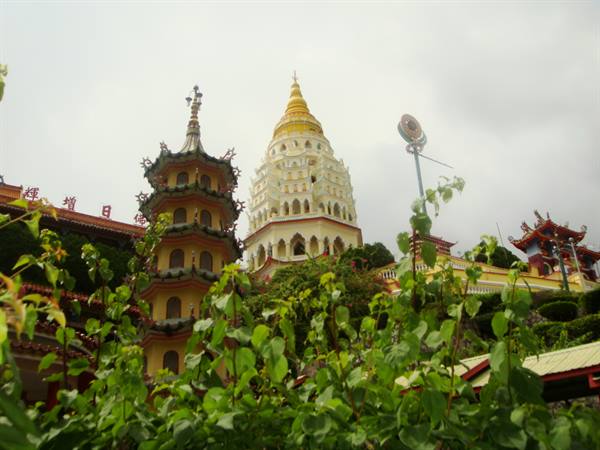
Outside Georgetown, a beautiful nature park to the north, a wonderful Botanical Garden where you can savor the wild nature of this very green and lush island, an interesting beach at Batu Ferringi, an extraordinary Buddhist temple, Kek Lok Si Temple, a few km from the heights of Penang Hills, at 800 meters of altitude, reachable with an exciting "ride" on a very "traditional" funicular, thus reaching an ecstatic panorama of the coast and the sea of the Strait of Malacca. To complete the picture of the western coast, here is the splendid and tropical island of Langkawi, the island of eagles, or rather 99 islets and small islands of blinding green, a turquoise sea, green mountains plunging sheer into an intense blue, palms and a relaxed and very touristy environment.
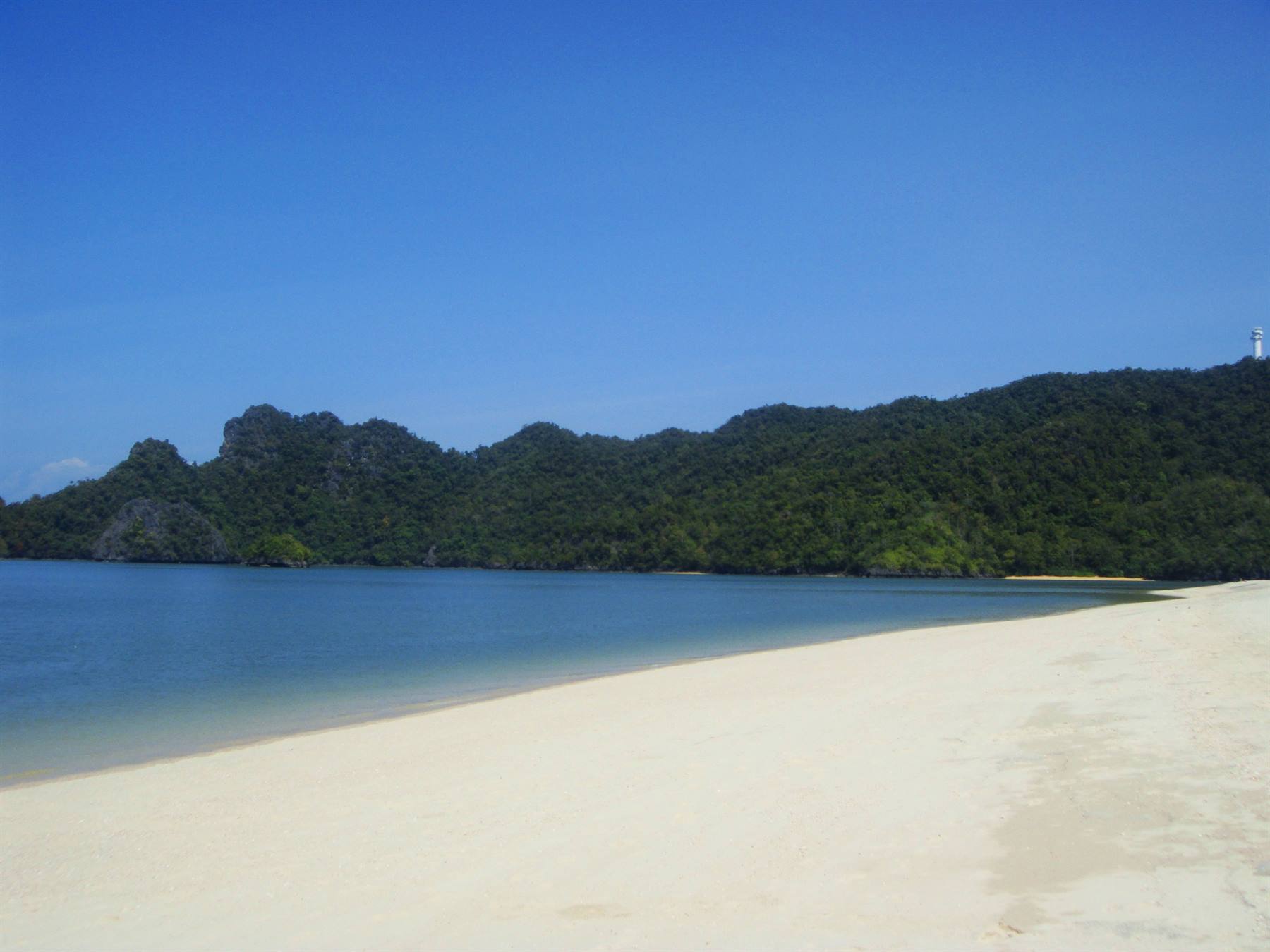
Kuah, the capital of the island, is a tourist center, a totally duty-free zone, stormed by tourists in search of cheap souvenirs, and it is a mandatory transfer point to reach the splendid and very white beaches scattered both to the north and to the west of the main port. From Penang the little ferry trip lasts its three hours, on comfortable vessels, accompanied also by a series of films in Malay, bar service and comfortable Business class seats. In short, total luxury. Tanjung Rhu is perhaps the most beautiful beach, perhaps even more beautiful for being totally desolate, deserted, only us running along its white dunes, throwing ourselves into its blue waters, admiring the green islets that emerge like primroses in a forest of water, leaving room for emotions and taking away words. Langkawi surprises with its beauty, but all of Malaysia surprises with its tranquility and freshness.
A federation born in 1957 from some small states of the Malay peninsula and from the states of Sabah and Sarawak in Borneo, gave shape and substance to Malaysia, soon losing along the way the Brunei of its sultan and the bizarre and vain Singapore. Malaysia always had to try to create a Malay identity on a Chinese and Indian, English and Portuguese, Indonesian and Dutch substrate, imposing its language, Bahasa Malay, on a Chinese citizenry tied to its "Mandarin," always creating difficulties of understanding and coexistence between the rich Chinese majority and the poor Malay community, leaving free rein to the influences of Islamic movements, in a slow process of genesis of a unique and indissoluble identity, authentically Malay, authentically non-Chinese. A marvelously hospitable country, marvelously green, marvelously beautiful.

0 reader comments