Dedicated to the people dear to me who, in this period of my life, have had the constancy to stand by me, encouraging me to carry on along my personal and professional path with motivation and optimism, always keeping me focused on the future with objectives and goals, but above all with so much positive energy, which is the mental capacity to improve and to improve oneself. Raffaele Banfi
Day 19 Oct 2007
Introduction
Here I am again, about to set off on another trip; this time the destination is Yemen, a country located in the southern part of the Arabian Peninsula. A country far from us not only in terms of kilometres, with its fascinating Arab culture. Places of which I have seen enchanting features on television, and even the information I read in guides and found online have given me only a partial but captivating picture of what I am about to see. I pack my suitcases with summer clothing and things suitable for trekking, a digital reflex camera (Nikon DX40) with three spare memory cards, my inseparable Moleskine® (the notebook), some pens, my passport, the travel programme, the guides, and last but not least, the indispensable plane tickets.
For the trip I have chosen two guides: • Yemen from Guida Express, 2007 edition, very good for the descriptive parts, which allow you to learn about the history, the regions, the customs, the geography and the ethnic groups; • Oman, Yemen, United Arab Emirates from Lonely Planet-EDT - 2nd Italian edition, April 2005, interesting for the list of places and monuments to visit, as well as providing other "useful information" for the trip. In the diary I will refer to the places I visit by indicating the reference page for the Guida Express with (GE pag.), while for the Lonely Planet-EDT it will be indicated with (LP pag.), so that anyone wishing to delve into historical and cultural details can find all the relevant references.
Sana'a houses
Day 29 Oct 2007
Part One
On an autumn morning where the temperature is still mild for this time of year, shortly before 6:00 am we meet at the usual place, that is, the church square, the ideal spot for the rendezvous of the group of 17 people departing by coach from Rovello Porro, while another 4 will join us directly at the airport; a warm greeting to those of the group we've met up with again, then brief introductions for the new members, then we load the suitcases onto the coach and head for Milan Linate airport. On the motorway we hit the usual traffic, but we arrive at Linate on time; the flight is scheduled for 9:40, we look at the board and see that the flight has been cancelled; we ask for explanations and they tell us that the whole group has been moved to the 10:00 flight, but the important thing is that at check-in the suitcases are routed directly to San'a, the capital of Yemen, where we are headed.
The flight proceeds normally towards Rome, where we land. Entering the airport building we head towards the "transit" area, looking for the exit indicated for the flight to Yemen, and we reach it. We have to check in and, surprise surprise, the desk is right at the opposite end from where we are. We alert the group that we need to go to check-in and everyone dutifully heads towards the desk, but with Fernanda, looking at where part of the group was sitting, we see that there are suitcases with yellow "Antichi Splendori" tags attached, and we think the same thing: someone from the group has gone to check in leaving the suitcases unattended.
We are talking about this when an airport official notices the abandoned suitcases and wants to trigger the "precautionary measures": luckily, by showing him our hand luggage and the identical tags, we convince him that we are part of a group and that the others have gone to check in. We warn everyone to come and retrieve their luggage and then, once check-in is finished, we return to the gate to wait for boarding. Our tour leader arrives, Mr. Samer Abdul Ghani, husband of the owner of the tour operator that organised our trip; he is Yemeni, and besides accompanying us he has to go to Yemen for work. We are waiting to board when another group arrives: they are partly from Biella and partly from the Oltrepò Pavese, and the seats at the gate fill up with people departing for the Arab country.
While we wait for boarding, some Yemeni girls also arrive; they are wearing Western clothes but after a little while they go to the bathroom and come out wearing the "traditional" black garment, the chador, a dress that wraps them completely, leaving only the face free. Finally, boarding; the flight is scheduled for 14:10, we depart slightly late; the plane comes from Frankfurt and is already full of passengers; the journey passes peacefully listening to music, I read part of the Yemen guide that I haven't read yet and take advantage of the available time to re-read some chapters.
Abdul is visibly happy, both about the group that has made an excellent impression on him, and about the programme that he personally agreed with Father Maurizio, but above all, even if he doesn't say it, he is happy to return to Yemen, his homeland, and even though he has been in Italy for years, married to an Italian woman, returning to one's origins is always something pleasant and much awaited. I observe the members of the group; some are resting, some chatting, some playing cards, some socialising, some doing crosswords, some reading. The flight lasts 7 hours, but who knows why they seem endless to me: perhaps it's the desire to see San'a; reading the guide has made me quite curious. My thoughts briefly turn to the suitcases: "I wonder if they'll all arrive?".
As a precaution and from experience, in my hand luggage I brought a change of clothes, so as to cope with the inconveniences I've already experienced, should the suitcase not arrive. On the plane there are people of various nationalities, of various ethnicities; the different skin colours create a pleasant mosaic to observe, as equally pleasant is the variety of Western and Arab clothing. The hostesses serve lunch, the first contact with Yemeni flavours; we are flying with Yemenia, the Yemeni flag carrier; the plane is clean and the service is good. I am seated in the middle rows of the plane; I try to peek out the window to see something, but beyond the clouds I see nothing; suddenly I see the clouds turn pink, it's the effect of the setting sun. The entry visa is handed out, which must be carefully filled in.
"Antichi Splendori" has provided us with a sample of how to fill it in and this makes it easy; when I finish, peeking out the window I realise it is completely dark. On the plane monitor the words "4078 km from departure" appear; hitting turbulence we bounce around and shortly after the lights come on to fasten seat belts; as we begin our descent I continue reading the guide, I read a bit of recent history and some information about San'a, the city we are headed to and will see tomorrow. We land at San'a; the impact is quite gentle, but this still causes a partial detachment of a panel of the interior fittings, a smile among the passengers who noticed it, and everything continues; out of the corner of my eye I see a strange movement, I turn my head and see the girls wearing the chador, they are lowering the black veil over their faces.
I think it's incredible how just a few hours earlier in Italy they dressed in Western style, and now, in their country, they dress in a completely different way. We arrive at customs with the inevitable check of visas and passports, we collect our suitcases, which this time have all arrived, and stepping out into the airport hall I immediately notice men with the jambiya; the characteristic curved dagger, which by shape, colour and finish identifies tribe, ethnicity and region. Our guide is waiting for us and we immediately get to know Omar, a man over 50 who speaks fluent Italian and immediately appears to be a down-to-earth person; he will accompany us throughout the tour. Leaving the airport we load our luggage onto a minibus, and onto another one we all get in.
As we leave the airport complex, Omar begins to tell us some details about Yemen and the tour we are about to make, stating that in Socotra he will introduce us to a dolphin; personally I am a bit doubtful about this and I make a mental note of this detail. It is 10 pm; we are in the capital of Yemen at 2,200 m above sea level, where the temperature is cool and it is 17°C. Leaving the airport the traffic immediately seems chaotic; here everyone honks their horn; I have truly arrived in another dimension. On the outskirts of the city the houses have a structure made of concrete with Yemeni-style windows, which are rectangular decorated in white, and above them other arched windows that form a crescent with masonry decorations and polychrome glass inside them.
Omar informs us that we are in the period of Ramadan, the 30-day fast of Muslims, and that it will end in 4 days; during this period during the day we will see very few people around, most shops will be closed, and indeed, as we will observe, the city only comes alive after sunset, that is, around 6 pm local time.
Sana'a houses
Day 39 Oct 2007
Part Two
On the transfer to the hotel we are crammed in and the minibus we are travelling in seems like a makeshift vehicle; we occupy all the seats, including the folding ones in the central aisle, our legs are tucked up, the door is "manually operated" both for closing and opening. The vehicle struggles on the uphill stretches, passes through the outskirts of the city, while of the old part I see no trace; I catch a glimpse of some characteristic buildings, but nothing more; everything is postponed to tomorrow. We arrive at the hotel, the "Movenpick", which is located on top of a hill close to the mountain; it is a modern and welcoming establishment; welcome cocktail, handover of passports, room assignment; I go up to mine, I have room no. 515, and from the window I see San'a, which appears lit up like a nativity scene.
I go down for dinner, a buffet, international and Yemeni cuisine, rice, meat, bread, delicate and spicy sauces, sweets, vegetables, fruit (melons, kiwi, watermelon); while we dine the hotel offers musical entertainment for the guests: dining with music is pleasant. Shortly after dinner I go to my room; I have to take tomorrow's clothes out of the suitcase, prepare the camera (a new reflex camera, whose use I haven't fully mastered yet, and for this reason I have brought the instruction manual, which I constantly consult to memorise the complex workings of the camera).
Sana'a houses and gardens
Day 410 Oct 2007
Part One
The alarm goes off at 7:30, but I've been up for a while already; I'm eager to see the city of San'a (GE 119) (LP 216); what I read in the guides has made me quite curious; there are dwellings called tower houses, built in ancient times with mud and straw bricks, narrow houses many storeys high, decorated with white lime. My curiosity is at its peak; I open the hotel window and see houses that, although built with brown and grey cement bricks, have some white decorations; a little taste of what I will see during the day. From the hotel I don't see traditional houses; the view of the enchantment of the old city is deferred to the afternoon; the morning programme includes a visit to the village of Bayt Baws, located near the city.
We have breakfast, then I go to my room to get ready for the start of the day, a "ritual" that will be repeated every day of the tour; hat, glasses, Moleskine®, pen, camera, adjusting the reflex and..... off we go; leaving the hotel the sky is clear blue, the temperature is warm, it really feels good, the wind blends perfectly with the heat. We are ready to depart, we count ourselves, one person is missing; we look for her in the breakfast room, in the lobby... nothing. With Father Maurizio, Fernanda and Sandro we decide to look more carefully; we split up parts of the hotel and quickly go round it, some taking the floors, some the outdoor pool, some the shops, and in the end.... Nothing. We have them call the room... nothing. She seems to have vanished. We start thinking of the "not positive" scenarios: 1) she is unwell; 2) she has died; 3) she has been kidnapped.
OK, what to do? Quite a dilemma; the search continues, the person seems to have vanished into thin air, tension and nervousness increase; we call her roommate, who is on the minibus, and ask her to go and check the room. The minutes pass, the search continues fruitlessly; we refer back to the aforementioned scenarios. Finally the lift door opens and her roommate appears, saying ".. she's in bed sleeping. She's not well. She heard the phone ringing but couldn't manage to answer." All in all, two of the hypotheses, the "least positive" ones, have been ruled out. We set off with the minibuses from the previous day; this time the group is divided between the two vehicles and the journey is decidedly better; with us this morning are both guides, Omar and Abdul.
We travel along the large asphalted roads of the outskirts; the houses I notice are all of brick and concrete, the windows decorated in white on the outside, topped by other arched windows with polychrome glass. San'a is a city covering an area of 80 square kilometres with 2 million inhabitants; having left the outskirts we travel along a wide, multi-lane, perfectly asphalted road, when suddenly, taking a turn-off on the left, we go down a secondary road, climbing up a steep slope; the road, in just a few hairpin bends, leads us close to the village of Bayt Baws (GE 161) (LP 228), built on a rocky cliff. Near the village we make a stop for the first photographs and, once the group has gathered, Abdul quickly tells us the history of San'a and of Yemen, extolling the various types of national crops (especially coffee) and the varied forms of craftsmanship.
We are on hills of basaltic rock whose slopes are partly covered with prickly pears; the ground is stony and desert-like, the colour of the rocks ranges from brown to black (depending on the type of basalt); the surrounding mountains, constantly beaten by the wind, where the ground is baked by the sun, have few plants; they are acacias that appear bare and thorny. The village we are about to visit stands on a rocky spur of red colour; below the vertical spur are inclined slabs of green colour; I ask Omar the reason for this colouring and he explains that the rock is rich in copper which, oxidising, creates this particular colour; I collect some small stones as a souvenir and, indeed, the characteristic oxidation of copper is noticeable.
The village appears fortified and this will be a constant that I will see throughout Yemen: small and large villages, always fortified and, as history shows, sometimes impregnable. Near the village there is a square where a sycamore tree stands imposingly, and next to it the water cistern; in fact, the presence of the sycamore indicates the existence of the precious liquid. Walking along a stony uphill road we pass through the entrance gate and enter the village; the outlying houses are all made with blocks of squared, angled, worked stone which, laid with mastery, creates these yellow/red house-fortresses. While keeping the ground floor in stone, some dwellings have the upper floors made with mud and straw bricks and have white lime decorations at the windows.
Wandering through the village we reach a high point from which we dominate the new part of San'a, while the old part lies behind two hills and is 15 km away. The houses are partially inhabited, but it is only in recent years, with the advent of tourism, that people have returned to populate the village; intelligent tourism also creates this "return to origins". Walking along I observe that in the centre of the village stands a concrete construction, a little out of place in the context of the village, but it is the water well where all the inhabitants draw water, and even though it clashes a lot, its presence is fundamental; who knows, maybe one day they will clad it in local stone, camouflaging it in this splendid context of centuries-old houses.
I am curious about the buildings I see; the development is largely vertical, three or four floors being the common feature, and as I said, some houses are exclusively of stone, others are of stone and mud bricks, with the porticoes made of stone while the beams and windows are of wood. During the tour one detail strikes me: human and animal excrement is collected into patties that are placed on stones exposed to the sun to dry; the dried patties will be used in the fields as fertiliser. Continuing the tour of the village we come to the end of the visit and exit passing under the gate we went through earlier; we reach the square with the sycamore where we take a few photos with the inhabitants; personally I am amazed by the architecture and by what I have seen so far.
We get back on the minibuses, descend the hill and head towards the city; shortly afterwards we stop to photograph the great mosque, a building under construction; I am struck by the impressiveness of the 6 minarets present. We continue towards the old part of the city and go down busy streets where, in order to drive, as already seen the previous evening, there is a continuous honking of horns, almost to signal one's presence; a completely different use from ours.
Sana'a houses and gardens
Day 510 Oct 2007
Part Two
We arrive at a square; the minibuses make a U-turn and a few metres later stop in front of the gateway of a building; it is the headquarters of the National Archaeological and Ethnographic Museum of Yemen. We get out of the vehicles, follow Omar who enters the gateway to access the museum, but since it is a day of Ramadan, the museum opens in the afternoon. Change of programme: we cross the street, walk along a pavement where stalls are set up and through a side entrance we enter the old part of the city: the first impression is one of astonishment at the houses, all brown with windows decorated in white lime, but one cannot admire the structure of the buildings for too long; there is a market and we are captivated by the colours and smells; the children ask to be photographed and thanks to the digital reflex I can immediately show them the photos, to their great delight.
The impact with the people of San'a is more than excellent, warm and polite, not at all intrusive; having crossed the market, Omar leads us along a road that runs in a ditch and tells us that when it rains it fills with water and the road becomes a river. Originally the city was completely surrounded by walls and entry was possible through 8 gates that were closed in the evening and reopened in the morning. In 1962 during the war, due to bombing, most of the walls were destroyed; today only a small part remains, and only one gate. Shortly afterwards we visit the old city, which is densely populated, where each house is inhabited by an extended family with children, sons-in-law, daughters-in-law and grandchildren.
Young people, at least those who study, prefer to live on the outskirts of the city in more modern buildings, but, as in all nations, on the feast day, which here is Friday, the family gathers in the paternal home. In houses where there are several families descended from the same lineage and where inheritance divisions have been made, they can only be sold if all the owners are in agreement. On the façades, the dwellings have drainage channels that convey the sewage directly into the sewer, but looking carefully I can see that on some houses there are the ancient vertical chutes that originally served to evacuate the sewage from the dwellings, which was collected by the farmers and dried into patties as seen earlier at Bayt Baws and then used to fertilise the fields.
In the old part of the city the paving is made with hand-carved stones and the roughness of the stone is noticeable when compared with the paving of stretches done with stones cut using modern technology. Before 1918, houses had windows with alabaster panes and only later did glass, imported from Turkey, gradually replace alabaster. The windows of the dwellings are of various types: the rectangular ones with opening shutters have transparent glass and are often topped by closed arched windows which, as a decorative element, enclose flower or star patterns with polychrome glass. Sometimes one sees additional fixed round windows with no decoration at all; wandering through the city I can notice some windows that have kept the alabaster panes: the mineral completely opacifies the window, allowing only light to pass through, giving a pleasant pinkish tone to the interiors of the dwellings.
We enter old San'a; the gaze is captivated by the brown buildings decorated in white, and if already while wandering through the market I felt I was in a film, now among the brown/hazelnut houses, amid the smells, the clear sky, where the gaze upwards is lost among a thousand and one details, I feel I am in a surreal dimension, in a fairy tale, in a tale from a thousand and one nights. Wherever the gaze rests I see neatly ordered houses, decorated, some well-tended gardens and so much, infinite, sublime beauty. It is difficult for me to describe these tower houses with their entrance door of inlaid wood sometimes covered by a small wooden balcony; the floors unfold in a continuous succession of verticality with windows decorated in white, the patterns of the decorations varying from house to house, while following the outlines of the buildings the gaze is lost in the cobalt blue sky.
Wandering through the streets, we arrive at the Arabia Fenix hotel where we stop for lunch, and the guide informs us that from the upper terrace of the establishment one can enjoy a stupendous view of the city; we enter and sit in a room adjacent to the inner garden, where lunch is served to us; cheese sauces, chickpea sauces, yogurt, Yemeni bread (kneaded with several cereals and baked in the oven, dark in colour, and it is delicious), rice (white and yellow), fish, mutton, chicken, potatoes and vegetables, bananas with date and aloe honey (very sweet and creamy in taste), tea, powdered coffee and Yemeni coffee. I have the Yemeni coffee, I let it settle well in the cup before drinking it, I savour it; the impression is of drinking our coffee with chocolate, a pleasant sensation.
Once lunch is finished, we get back on the minibuses and head to the Archaeological and Ethnographic Museum; the museum is located in the palace of the former Imam, but only part of it is accessible, since much of the building is under renovation. At the entrance to the museum there is the reconstruction of two bronze statues of kings, a gift from the Greeks to the Queen of Sheba, while in the hall, enclosed in display cases, are the remains of the original statues; a little further away are archaeological finds dating back to the kingdom of Sheba, the mythical kingdom of ancient Yemen; there are jewels, seals, necklaces, glass vessels, alabaster plaques, and stupendous sculptures also in alabaster.
Besides the archaeological finds, I linger to observe the architecture of the palace; the doors are sturdy and the walls are built with blocks of grey stone and have white decorations on the part towards the ceiling; the windows are of wood and can be opened, they have transparent glass, and are topped by lunettes with polychrome glass decorations that create a truly evocative effect inside. We continue the visit, going up to the upper floor where we find the more recent museum section with collections of coins, jewels, and weapons of the Ottomans who dominated the country, and in one room the green drape that covered the black stone at Mecca of Medina is displayed.
The ethnographic part contains models of Yemeni dwellings and there are stupendous reconstructions of craft activities and scenes of life; I see the work of carpenters, the making of jambiyas, of fabrics and their dyeing, the reconstruction of the interior of a dwelling with the kitchen, the women's room (with the bride, the servant and the wedding guests), the men's room, the collection of women's clothing, the interesting collection of silver jewellery; in one room there is a collection of wicker baskets for the most varied uses, still used today in some areas of the country.
We leave the museum and, crossing the street, re-enter the ancient city, and after walking through part of it we head to the market: the "suq", but while we cross the street I notice that the traffic has increased considerably compared to the morning; indeed, being the period of Ramadan, people leave home very late, and driving in the morning was much better; now the traffic is chaotic due to the presence of cars, lorries and various vehicles.
Sana'a qat seller
Day 610 Oct 2007
Part Three
We enter ancient San'a and cover a good part of it before reaching the suq; the view is lost among the brown/hazelnut bricks, among the rectangular windows, among the arched ones, among the round ones, among the transparent and coloured glasses, among the white decorations that embellish and adorn the dwellings, making them masterpieces of decorative art. We arrive at the suq, which is packed with people; the effect of the day of Ramadan and the related feast is visible in the great quantity of the crowd, and the first contact with the suq is a shop where they sell honey-based sweets; inside the glass counter the sweets are displayed and it is full of bees attracted by the smell.
I wander around the suq and find the fabric section with bright colours: there are satin, silk, velvet fabrics; I lose myself among a thousand colours and among many refined fabrics and some cheap ones imported from China. In a small square I notice bakeries where they produce the characteristic Yemeni bread, the one we tasted at lunch; wandering around the suq is like getting lost in a maze of shops selling knives, belts, fabrics, sweets, spices, tobacco, antiques, silver and gold jewellery. In the little squares there are craftsmen at work, some sewing shoes, some preparing belts for the Jambiya, and along the narrow streets, positioned on the corner, there are qat sellers where people buy the plant, but no one chews it; here too Ramadan is being respected.
Omar "disappears" to buy some qat and returns shortly afterwards with an enormous package; I think "what on earth will he do with that?". I have noticed that people buy qat in small plastic bags, not in the enormous quantity that Omar has; the bundle he carries on his shoulder looks more like an ornamental plant than a single dose. We leave the suq and get back on the minibuses; the city's traffic reflects that of other Arab countries: whoever gets through first, gets through. Driving along the streets I observe everything: people going the wrong way, sudden U-turns, honking to make one's presence known, so, as already mentioned, the use of the horn is continuous. There are mopeds emitting white smoke, burning enormous quantities of oil, making the air at times unbreathable.
Many times several people travel on the same motorbike; even cars travel overloaded, and lorries are often used to transport people. All kinds of vehicles circulate around the city, sometimes ancient ones; there are many off-road vehicles, and the cars are fitted with strips of leather placed on the dashboards and on the steering wheel, some of them synthetic; rust is a constant presence on the cars, and the new ones seem to have arrived from an unknown dimension. We return to the hotel and, after the anti-terrorism checks at the entrance, we can enter; I go to my room and am organising my notes in my notebook when the voice of the muezzin arrives, the crier who calls the faithful to prayer; I open the window and listen to this call, which is truly characteristic.
Dinner is a buffet and then the evening passes playing cards and chatting; I go out for a stroll outside, but the crisp air invites me back in. Around 10 pm I go to bed.
Sana'a qat seller
Day 711 Oct 2007
Part One
Wake-up at 5:30 because we have to leave for Sayun; we will fly and the flight is scheduled for 8:00; opening the room window I see the sunrise over San'a; the sun gradually reaches the plateau and slowly the houses with the white decorations emerge from the darkness, taking shape; it is an enchanting spectacle and I remain captivated by so much beauty and, while fresh air enters through the window, I look at the light blue sky as the last stars gradually disappear. I place my suitcase outside the room and go down for breakfast, then we load the suitcases onto a minibus and get into another one, heading for the airport.
After a short journey we arrive, unload the suitcases; at check-in there are a few small problems with the surname because in the group there are three people named Banfi and the operator has difficulty carrying out the checks; we are in the waiting room for the domestic flight, after a while the doors open, yet another check with a metal detector, we go out, get on the airport bus that takes us close to the plane; we are about to board, but the hostess comes out of the aircraft saying that it is not yet ready to receive passengers; we have no choice but to wait on the tarmac, and this mishap allows me to look around properly and observe the airport; at the sides of the civilian part there are hangars with military aircraft. We board the plane; the Boeing 737 is full and, with pre-assigned seating, the group finds itself scattered at random, but the flight is short, about 1 hour.
On the plane I see the group of Italians who departed with us from Fiumicino. Again this time I am seated in the middle rows of the plane and I see nothing from the window. The flight is calm, we land without problems at Sayun (GE 216) (LP 265). We get off the plane and, having reached the terminal, we prepare to collect our suitcases and find a very short conveyor belt; in reality it is the baggage boarding belt being used as a conveyor belt. We organise ourselves for collecting our suitcases; as they appear on the belt, before ending up on the ground, Sandro, Gigi and I catch them on the fly and, with a hand-to-hand chain, get them to our group; a minimum of organisation and cooperation is decidedly better than the individualism that could emerge. At the airport exit we find yet another passport check.
We leave the airport building and find ourselves in a square surrounded by palm trees with desert and mountains all around; I look carefully and realise we are surrounded by imposing mountain ranges, but I can't observe any more because we are looking for our coach, but I don't see it; Omar promptly heads towards a car park where there are Toyota Land Cruiser off-road vehicles, 4,500 cc: these will be our means of transport for the whole stay in Yemen. We divide into groups of four, load the luggage and take our places in the Toyotas; with me are Sandro, Luisella and Francesca; we set off and head towards the hotel; we go to unload the suitcases before leaving for the day's tour.
On the journey I notice on my left a continuous, compact mountain range; I can't glimpse any side valleys; everything is brown, the mountains are rocky with bare, vertical walls, and at their base there is rocky debris. Everything is brown, there is no vegetation, the mountain tops are flat and, even though we are on a plateau carved by water over the millennia, it is impressive to see mountains all around with flat, levelled tops, in the middle the flat riverbed, a valley partly cultivated with palm trees and fields, and partly desert, where only the presence of dwellings enlivens the landscape.
Along the road I see houses; here too they are made of bricks made with mud and straw, and the plaster covering the bricks is mud; although the houses are different from those seen in San'a, where the bricks are exposed, here too they have decorations on the façades, around the windows and on the upper part of the buildings where the terrace is located. As we travel I notice abandoned and partially collapsed houses where inside one can see the wooden beams used to support the floors. All around the inhabited centres extends the desert area with palm groves and cultivated fields where the women working, wearing the chador and with a pointed straw hat on their heads, which in shape recalls the black hat of fairy-tale witches.
Continuing towards the hotel I see that some houses are brown, others entirely decorated in white; the latter stand out greatly in the landscape, while the former camouflage themselves in the environment, and this is most noticeable in the villages on the mountain slopes, which become invisible and only the white of the decorations breaks the monotony, creating shapes and shadows: it is a succession of plays of light that change continuously, creating fascinating situations. We come across "brick factories"; the classic mixture is spread on a flat surface where it is left to dry in the sun, then the bricks are cut into rectangular shapes and set aside to finish drying; finally they are stacked beside the surface where they form piles about 1.5 m high.
We turn off the main road, head towards the mountain and after a few hundred metres we approach a fence also made of mud bricks, palm trees and two-storey buildings; we have arrived at the hotel, where the cars stop for the police check that guards the hotel; we enter a first courtyard, get out and, passing through an enormous wooden gate, enter the inner courtyard of the hotel, which, being full of palm trees, is shady and cool. As a welcome we are offered Yemeni tea (tea with ginger) and local dates (small but very sweet). The rooms are assigned; mine is no. 71, on the ground floor; Arab décor, with a private sitting area; there is air conditioning and a ceiling fan. It is mid-morning when, leaving our suitcases in the room, we prepare for the first excursion of the day; the destination is Sayun, where we will see the Sultan's Palace.
We get back into the Toyotas and retrace part of the asphalted road we travelled earlier, which leads to the airport with wide carriageways and, in the middle, the street lighting poles; after a few minutes of driving we arrive at Sayun. Here too the streets are wide and driving is easy; the traffic is not very heavy, but we are still in the period of Ramadan. Here the buildings are brown and white; some are completely white, these are the first houses I see like this, and at a first glance I observe that on the façades there are only rectangular windows, Western style; the architecture is different from San'a, there are no coloured lunettes.
Sayun - Sultan's Palace
Day 811 Oct 2007
Part Two
We arrive at a square; some stalls indicate that we are near the suq; on the asphalt there is a great deal of paper and used plastic bags; the impression is not the best. On one side of the square the cars stop; I get out; my gaze is captivated by the imposing walls enclosing the majestic Sultan's Palace: a structure of brick and mud; beyond the perimeter wall one can count six storeys of the building. We enter through the main gateway, go up a cobbled road that leads to an embankment; here the palace appears in all its impressiveness, all white with brown windows; it has the shape of a castle, rectangular in form and narrowing as it rises; there are nine storeys and 4 superimposed load-bearing structures; at the sides of the third structure there are round towers towering impressively and vertiginously, with ornamental spires at the top.
I am truly captivated by so much beauty and, while Omar explains the history of the palace, I take the opportunity to take some photographs. The palace is used as a museum and we enter from the ground floor, visiting the archaeological part. The first display cases contain fossils and Stone Age finds; others enclose finds dating back 2,000 years; very interesting are both the sacrificial altars dating from the 1st century BC and the wooden doors of the 18th century. Leaving the museum part of the ground floor we go up to the upper floors, where the Sultan's apartments originally were.
Today part of them houses a photographic gallery from the early 1900s, and I linger over some photographs from the 1930s portraying inhabitants engaged in the various activities of the market; I am struck by the cleanliness of the alleys and streets, which today, by contrast, appear covered in paper and plastic bags. Other rooms are dedicated to the ethnographic and traditional part, where we see clothes, jewels, kitchen implements, flags, bladed and firearms. Looking from the windows of the palace one sees beautiful glimpses of the city and the surrounding oasis; we go up to the upper floors, coming out onto the terrace; the view stretches far into the distance, well beyond the brown houses, the white houses, the palm trees that surround the whole city.
But the desert wind rises, lifting and carrying very fine sand that clouds everything and gets in everywhere: I must hurry to take photos and put the camera back in its case; indeed, the sand inexorably gets into the ears, eyes, nose, between the clothes and into the camera case. We go down and leave the building; we are on the embankment where there is a craft shop, and some of the group go in to look at the items on display; I take the opportunity to walk around the palace and take a few photos. On one side of the building I see that the lower part of the palace wall is without its white lime covering, showing mud and straw bricks; the contrast is very strong.
Sayun - Sultan's Palace
Day 911 Oct 2007
Part Three
We leave Shibam, crossing the dry, sandy bed of the stream, and head towards the village built on the slopes of the mountain facing the town; we cross the village and begin to climb the side of the mountain. The rock is sedimentary, not compact, and ancient rockfalls follow one after another, but we can walk and quickly find ourselves up high above the village, and before us Shibam appears in all its grandeur. On the plain, surrounded by palms, you can see the outer hazelnut-coloured walls and inside them, the "skyscrapers of the desert"; it is truly a cluster of hazelnut and white skyscrapers whose profile, standing out against the sky, creates a strong contrast with the surroundings.
I take some photos, then sit on a rock and, admiring so much beauty, update my travel diary, writing down the emotions I feel; the desert wind frames this vision where the blue sky is slightly dirtied by the desert sand that, carried by the wind, blends with the brown of the city walls. All around, the green of the palm groves; in the distance, the limestone mountains that are changing colour with the sunset; a stretch of sand seems to serve as a pedestal for so much beauty, as in a living painting. The sun is setting, in a few minutes it will be dark; we go back down the side of the mountain and reach the off-road vehicles parked on the plain below. On the way back to the hotel I see the streets beginning to fill with people: the effect of Ramadan is visible.
We arrive at the hotel when the sun has already set; a moment of relaxation awaits us before dinner, some go to the pool, others catch up on the early morning wake-up. Dinner is a buffet; appetisers, the excellent Arab bread, meats (chicken and fried goat), fruit (melons, watermelons, oranges), the desserts are much appreciated by the members of the group, especially the crème caramel. It's evening; Omar informs us that Ramadan has ended. We hear the noises of fireworks and some gunshots; in the villages people are celebrating. Omar tells us that here Ramadan ends when someone sees the sliver of the moon in the sky and publicly swears to have seen it, and only then do the celebrations begin. After all, the Muslim calendar is based on lunar cycles and in desert areas the "visual contact" with the moon is still very important.
Inside the walled grounds of the hotel, the evening passes peacefully, some dedicate themselves to shopping in the hotel shop, some chat, some play cards.
Shibam - Panorama of the city
Day 1012 Oct 2007
Part One
Wake-up at 8:00, breakfast and then we set off towards Tarim. There is no wind and in the blue sky you can see a few white clouds that dissolve as the temperature rises. Here the contrast between the sky and the mountains is very strong, and the mountains, in shape and colour, at least at dawn and sunset, recall our Dolomites, especially the Sella Group with its flat top section, an enormous terrace with sheer walls and scree at the base; the view stretches into an uninterrupted succession of mountains, the eye cannot see the end of them; it is an enchanting spectacle, dozens of kilometres of barren mountains. We leave the hotel and, along a beautiful and smooth asphalt road, head towards our destination, and in the villages we notice the effect produced by the end of Ramadan: people have appeared, the shops are open, the craftsmen are at work; finally a populated Yemen.
We retrace the road already travelled yesterday as far as Sayun, then continue in the direction of the airport, and as we pass it I notice that the forecourt of the facility is deserted, no car is parked, which means that no flight is scheduled today. We leave the road with a detour to the right and shortly afterwards arrive at a white enclosure, but the gate is closed. Omar goes to speak with the guard; we are at the tomb of Ahamed Bin Isa (GE 216) (LP 268), a figure venerated by the local population. The tomb, situated at the foot of the mountain, is a white building with columns and a dome, surrounded by a high wall, and it has a large square in front. The guard realises we are tourists and is inflexible: access is allowed only to Muslims. We have no choice but to take a few photos from outside the gate and set off again.
We resume our journey, and the asphalt road at times shows only the roadbed, then the asphalt resumes; I can't tell whether they've run out of tar or whether there are invisible works in progress. Fortunately we're travelling in off-road vehicles; otherwise, with ordinary cars it would be really challenging to drive along the stretches of road with stones of every size laid as roadbed. I notice that along the road there are no bridges: the asphalt follows the contours of the land and near the rivers it is replaced by concrete; this should facilitate the passage of river water during the rains. We continue our journey alongside the imposing mountains that border the plateau; palms line the road, the blue sky, the dry and pleasant heat complete this beautiful picture.
Along the road we pass villages and scattered dwellings; when the houses are not covered in lime, especially in the distance, it is hard to notice them, they blend perfectly into the landscape, their colour being one with the colour of the earth and the mountains. We arrive at Aynat (GE 221) (LP 268) and stop in a square where, on one side, there is a house with a curious portal; at the top, on the lintel painted white, ten pairs of ibex horns are fixed: a very particular taste; for us Italians, the display of so many horns gives rise to various interpretations. On the other side of the square is the Muslim cemetery, one of the most important in the country. There are five chapels, all rigorously identical, white, square, with a central little door with a portico, a window in the main facade, three terraces and then a dome.
All around are simple tombs, and you can distinguish those of the men from those of the women because the women's have a stone in the centre of the grave. On the gravestones the name, surname and date of birth are engraved; there are no photos, and the tombs are simple structures, identical for everyone. The deceased are buried wrapped in a sheet, with their gaze turned towards Mecca, and even for those buried in the chapels, the burial takes place in the same way. We leave the cemetery and, getting back into the cars, near a dry stream we stop to photograph the village: built on a rise just above the riverbed, the first houses are white, one or two storeys; behind them are hazelnut-coloured houses four or five storeys high, and behind the village a mountain rises triangularly with gentle slopes, and finally, to complete the backdrop, the blue sky.
From the houses emerges the minaret of the mosque, white, slightly dirtied by the desert sand; the walls of the mosque are also slightly hazelnut-coloured. The windows of the houses are wooden, and on some, in the upper part, there are white curtains; other windows are painted blue. We resume the route towards Tarim; along the road we see some kilns: they are lime works. The mineral extracted from the surrounding mountains is transported to this area and placed to be fired in kilns made of mud bricks and fuelled with palm wood. Once the mineral is fired, it is removed from the kilns and placed in some vats where water is added; there the chemical reaction that produces lime takes place; in the vats, the mixture is periodically stirred and then left to rest until it all becomes a white paste, which is finally taken out, placed in containers and sold.
The finished product is used to waterproof the terraces and walls of the houses, as well as to decorate and paint the walls. We continue our journey and, always among cultivated fields and palm groves, we arrive at Tarim (GE 220) (LP 267). We stop near a palace in an orientalising style, also built with the classic bricks; it has an enclosure decorated with fake columns, fake porticoes and topped by a balustrade with small columns, while the main gate is surmounted by decorated chapels and has two columns on each side. The four-storey palace can only be seen from the outside; it is in a good state of preservation; its facade has mullioned windows and, between them, columns serving as decorative elements, surmounted by lunettes that are also decorated.
The upper part of the palace shows a decorative cornice, and on the top floor there is a terrace with a balustrade; on the main facade there are five windows, also in the same style, but with two columns on the sides that recall the minarets; this spectacular building was the Government Palace, when the Sultan reigned here. Skirting the enclosure of the palace, we turn left and another imposing construction appears: it is six storeys high, with an articulated, harmonious shape, and after the enclosing wall, hidden by trees, is the facade of the palace, which appears in all its grandeur and astonishing beauty; it is the entrance to the Sultan's Palace, consisting of a colonnade surmounted by two domes.
The facade has wooden windows with brick decorations in an oriental style, with a series of geometric fretwork patterns, carved into the facade, decreasing towards the top, while between the windows there are finely decorated rectangular columns. A short distance away stands the Guard's Palace, which, compared to the previous structures, is of lesser artistic beauty, but is still an imposing building; it has a five-storey structure, rectangular and massive. On the ground floor it has windows identical in shape to those of the Sultan's Palace, but less decorated; on the first floor the large windows have a decoration that recalls the domes of minarets, and at the top of the building the terrace has defensive battlements.
Walking around the town, I notice that in front of the entrances to the houses there is a low wall, sometimes placed parallel with a few side steps on both sides, or else made at an angle but always with a few steps; this simple system prevents those passing on the street from being able to look inside the dwellings while still allowing air to circulate.
Shibam - Panorama of the city
Day 1112 Oct 2007
Part Two
We walk along the streets among the traditional houses, when suddenly the minaret of the Al-Muhdar mosque appears, the structure soaring toward the sky; it is 50 meters tall and is the tallest minaret in southern Arabia. Following Omar through the narrow alleys of Tarim, we head toward the cars and arrive at a square, where the modern mosque stands; it is Friday and the faithful, summoned to prayer, are making their way to the religious rite; and here too, as in all mosques, the entrances are divided between men and women. We get back into the cars and leave the city; along the way the drivers stop because they need to buy qat to consume in the afternoon and evening; the place has two entrance gates, the interior is rectangular, along the walls there are brick benches and on top of them there are people sitting, the bargaining for the purchase takes place everywhere.
Luisella and Francesca also enter the place; the men's gazes fall upon the Western women and to avoid "indiscreet" looks it is better to leave; I escort the women to the exit and linger to watch what happens outside the place, where there are parked cars and motorbikes; farmers arrive with jute sacks containing qat, the sale also takes place outside and involves bargaining both for minimal quantities of qat that is poured into plastic bags and for the sale of the entire jute sack. Yemenis, to chew qat, take it directly from the sack, and when the plant is finished, the bag is abandoned along the road, thus turning the streets into veritable dumps. We return to the hotel for lunch; vegetable appetizer, onion and tomato soup, fish or chicken, fruit.
During lunch, two men enter the room who, by their clothing, appear to be Arabs; we ask Omar for clarification and he explains that they could be citizens of Saudi Arabia or Oman; they consider themselves rich, claiming that Yemenis are poor. It is their custom to spend the holidays in Yemen and thus bring valuable currency into the country: the men have lunch in our room, the women and children have lunch in another room. After lunch, a bit of relaxation to avoid the heat, then we get back into the cars heading for Shibam; the expectation is to see a local celebration for the end of Ramadan. We arrive at Shibam and the square is deserted: the celebration was in the morning and ended at 1:00 p.m. We take the opportunity to take a little stroll through the quiet town; there are some open shops and part of the group loses itself in them for shopping.
In one neighborhood of the town we find artisans who are weaving the traditional mawiz on wooden looms, the typical skirt worn by men; the hand loom is in operation, what better occasion to take photos? We wander undisturbed around Shibam: it is truly pleasant to walk through the streets of the town, among the skyscrapers of mud and straw. It is a delight to browse the shops, where incense, fabrics, weapons, jewelry, postcards, wooden locks (typical of Yemen), and carved wooden windows are on fine display; the workshops truly display countless and precious handicraft items. We notice that Omar, our guide, 65 years old and well-preserved, with red hair dyed with henna, is greeted by many people and stops to talk with them; curious, we ask how he knows so many people.
He tells us he is originally from a nearby village and that people are offering him their condolences following the recent death of an older sister; a great sign of respect for a wonderful person like Omar. Omar learned Italian years ago, when for work he landed in Italy at Torre del Greco; at first he did many jobs, then, having returned to Yemen, he imported Italian cars and small trucks; for this reason he made numerous trips to Italy and had the chance to get to know it well; his Italian is fluent with a few phrases typical of the Neapolitan idiom. Sunset catches us at Shibam, the houses change shade, the colors become pastel and then intensify, and slowly the sky begins to become lighter at first and finally the first stars appear.
It is better to head back to the hotel, so we get back into the cars and take the long road leading to the airport; it is a four-lane road, with street lighting poles in the middle that work intermittently; at an intersection we leave the illuminated road and turn right, skirting fields and houses; I notice that in a field there are piles of old cars, completely stripped of everything, only the metal body is present, not an engine, not a window, not an interior, not a wire, only the skeleton of the car; the meticulous dismantling work is incredible.
As we continue along the road we talk with the driver, that is, Sandro, who speaks fluent English and tries to converse, but the driver knows little of it; in any case we understand that his name is Mohamed, he is married, has six children, three boys and three girls, ranging from two to twelve years old, and he lives in Taiz, a city 350 km south of San'a. The drivers, with the six cars that make up our caravan, left from San'a heading toward Marib (a region currently not advisable for tourists for reasons of public order), then they crossed the desert on a route of over 400 km; all of this requires more than a day of travel. We return to the hotel; at the entrance the police greet us, we take our room keys and withdraw to wait for dinner; I take the opportunity to organize my diary notes and check the photos I have taken, and after a nice shower, dinner.
We dine outdoors, the temperature is mild, there is no wind, and it is truly the ideal evening for an outdoor dinner. Omar warns us that after dinner there will be a folkloric show; dinner is a buffet with Yemeni dishes: yogurt, small cheeses, rice, meat, fish, potatoes, fruit and desserts; the beer, for those who want it, is strictly non-alcoholic. While we dine, two dancers and eight musicians arrive; with drums, flutes and other simple wooden instruments they begin to play; the dance movements are simple and the regular gestures are marked by harmonious music, following a very precise articulation; during the evening some guests join in the dancing.
Besides our group, in the hotel there is the other group of Italians who left with us from Fiumicino, then there are some European tourists, the people dressed in Arab style whom we saw at midday, and finally, at a separate table, two women and a distinguished gentleman. After the dances, the evening passes pleasantly with music, dancing and chatting; some of the group play cards, "burraco" has become a tradition, whenever possible they play; when the evening ends, we go to rest.
Tarim - Sultan's Palace
Day 1213 Oct 2007
Part One
Wake-up at 6:30; this morning the plan includes crossing the Wadi Daw'an (GE 222) (LP 268) while transferring to Al-Mukalla, a city on the coast of the Arabian Sea, a journey of over 300 km. Breakfast and then, after loading the suitcases into the off-road vehicles, we set off; the imposing mountains frame a landscape of acacia trees, palms, cultivated fields, houses, and there are stretches of desert where the sand is very fine. At a certain point, near a village, I see a flock of sheep led by a woman with a pointed straw hat; I have the car stopped and Sandro and I get out to take photos. We resume the journey; ahead of us an imposing mountain rises that appears completely bare. We travel along a stretch of road that crosses a desert area interrupted only by a few date palm plantations, and now and then in the desert expanse I notice Bedouin tents with flocks of sheep grazing.
Passing through a village, while the drivers make the inevitable stop to buy their daily qat, I look at the car license plates and see that they are different colors; I ask Omar for clarification and he explains the colors to me: • blue plate private cars (like the Toyota we are traveling in); • yellow plate taxis; • red plate transport vehicles; • green plate Government vehicles. We resume the road and encounter a checkpoint; we pass it, travel a few km through villages with mud houses up to five stories high, until we begin to skirt the mountain: on its slopes there are numerous fortified villages; we are in the Wadi Daw'an; next to the dry riverbed there are palm groves and cultivated fields. After about 100 km from departure we reach the Sanctuary of Al-Mashhad (GE 222), a building containing the tomb of a sheikh who died in the 18th century, a pilgrimage destination.
The structure is simple, a square building about four meters high, crowned by a decoration and topped by a white dome; adjacent to this building there is another identical one, but slightly lower, and finally connected to the two buildings is a small walled cemetery. The door is closed, but Omar turns the latch and opens it; we take off our shoes and enter; there is a rectangular block covered by a green cloth with Quranic inscriptions: it is the tomb of the sheikh. This is called the tomb of wishes; in fact, a legend says that upon entering and placing your right hand on the tomb you must make a wish; if it comes true, you must return to the sanctuary with an offering. At the sides of the tomb are wooden sarcophagi, rectangular blocks topped by a prism: they contain other remains; the latter are made of finely decorated wood, while the floor is covered with carpets.
Leaving the building I take a few photos of the group, then crossing the road I go to photograph some dromedaries resting under the acacias and a few houses standing a short distance away, as well as some flowers I noticed. We resume the journey; the road winds and runs over the hills and is a continual up and down; now and then in the hollows between the hills there are concrete stretches; they are the beds of dry rivers, and while we cross one the driver stops the car, sharply turns right and takes a dirt road where only all-wheel-drive off-road vehicles can climb the steep slopes and avoid getting stuck in the sand. I do not understand where we are going, but we are heading into the middle of the desert near the mountains, and shortly afterward the cars stop; we get out and Omar walks toward the top of a hill.
As I follow him I notice pieces of pottery on the ground; I really do not understand where we are. Once we have all reached the top of the hill, Omar tells us that we are at Raybun (GE 222), an archaeological site dating back to the 5th century BC, where the Temple of the Sun once stood; it was an important stop for the caravans that traveled the incense route in the days of the famous Arabia Felix. Today, all that remains of the temple are perimeter walls of stones, and a little lower down some walls with mud bricks that, slowly eroded by the wind, are disappearing. Looking carefully on the slopes of the hill, something catches my attention; I go to see: it is a sacrificial table, broken in half, but clearly visible; I find it strange that an archaeological artifact lies here in the middle of the desert, and I photograph it.
All around are desert and mountains; no villages or palms can be seen, only the profile of the flat-topped mountains and below, the desert, sometimes stony, sometimes sandy. We get back into the cars and return to the road to continue the journey toward Al-Hajarayn (GE 223) (LP 268), a village situated on the hills that overlooks the entire valley; the houses in brown/hazelnut colors and a few white ones rise toward the sky, and in the upper part of the village the white minaret of the mosque stands out. We leave the paved road and, traveling along a dirt road, approach the base of the mountain where the village stands; we climb the slope of the mountain on a cobbled road with steep hairpin bends, and at the end we find ourselves in a small square; we get out of the car and begin visiting the village.
On the sides of the mountain the houses were built on the outcropping rock and are narrow and tall; by exploiting space vertically they left more cultivable land available to the farmers. Walking along the dirt streets, we meet children, women with the traditional chador and the inevitable veil. The houses are three, four, five stories high and are simple; they have no elaborate decorations and are made of mud bricks. The gaze ranges upward, toward verticality, and loses itself in architectural details. Most of the buildings have facades merely plastered with mud, and now and then the bricks are visible. Sometimes, in the places where it is more difficult to anchor the houses well to the rock, there are foundations made of stones; the tone is always the same, hazelnut, the color of sand, the color of rock, the color of the mountain.
Among the boundary walls, the alleys, and the houses, occasionally you can see in the valley below the cultivated fields and palm groves, and in the distance other villages and then... the desert area, all around bare hazelnut mountains, and above a clear blue sky. The tour of the village continues among newly built houses and some older ones; the windows are all rectangular, made of wood, with no decorative shape; it is an architecture different from what we saw previously; the terraces of the houses sometimes have crenellations, the entrance doors are wooden, finely decorated, and some have a small covering balcony.
Tarim - Sultan's Palace
Day 1313 Oct 2007
Part Two
Walking, we reach a square where we are mobbed by children asking for pens or candies, and they do not always agree to be photographed; as the tour continues with my camera, I look for particular views among the doorways, in the narrow alleys, among the children, in the verticality of the house walls or in the depth of the valley, in the distances between the mountains and in the wonderful blue sky. We return to the cars and set off again; leaving the hill we reach the valley floor and while traveling along a dirt road lined with acacias, we suddenly meet women with pointed straw hats who are taking sheep to pasture; I have the car stopped, Sandro and I quickly get out to take a few photos; the women notice us and, as usual, are reluctant, move away, hide behind the plants; I manage to take a few photographs.
In the commotion I lose the lens cap of my camera; from now on I will have to be careful handling it and putting it away carefully in its case so as not to damage the filter that I had already prudently placed to protect the lens. We set off again on the dirt road and after a few hundred meters we return to the asphalt. Ahead of us, below a triangular-shaped mountain with a rocky peak, the village of Sif appears (GE 223) (LP 268); although built a few kilometers from the previous village, the houses appear different; here they are brown or white; the brown houses have windows decorated in white, the white houses have blue decorations both on the windows and as wall decorations, and in some cases they have colored crenellations.
The drivers stop; they need to refuel; I take the opportunity to look at the village located at the foot of the mountain and at its imposing castle which, rising on a rocky spur, is placed in a strategic position to control access to the valley. Lower down is the valley, with the now dry riverbed where the crops, palm groves, and acacia trees create a very particular picture of unique beauty; the colors create a very strong contrast between the green of the plants, the brown of the houses, the earth, the rock, and the blue of the sky; it is impossible not to photograph so much enchanting beauty.
We set off again, go a few hundred meters and enter the village, where we stop near a single-story building; it is midday and it is the lunch break; entering the place I find a small round central counter with an adjacent door leading to another room, and at the sides a series of tables, some round, some rectangular, with plastic chairs. The place is made of mud bricks and has a sheet-metal roof; inside, the lower part of the walls is painted light blue, then it is white up to the ceiling, and the sheet-metal roof and its beams are deep blue; the windows and other fixtures are also blue. We are welcomed with good hot tea, a sweet drink and definitely appropriate for the hot day because it is very thirst-quenching; we sit at the tables and the group fills the whole place. A single dish arrives: rice, peas with onion, flavored with cinnamon and cloves, roast chicken.
As cutlery we have a fork and spoon; Yemenis traditionally eat using a common dish from which they take food with their right hand, and therefore the place settings and cutlery are only for tourists; to drink there is water, and for those who want Coca-Cola or beer, clearly strictly non-alcoholic. The food is tasty; we finish lunch with excellent tea, then, leaving the place, we notice a water well, an excellent opportunity to wash our hands. The water flowing from the taps is very cool; someone from the group approaches to open the tap but it remains in his hand; a nice jet of water comes out of the well and sprays the "unfortunate" ones who are nearby at that moment; a little water in the midst of such heat is always welcome; it will evaporate from our clothes in an instant.
We quickly put the tap back in place and after a little while we set off again to travel the final part of the Wadi Daw'an; in the valley the landscape features scattered palm groves, but for the most part it is desert, and you see only rocks and mountains as far as the eye can see. Hamed, who is chewing qat leaves, offers us some to taste; I savor them; at first the taste is slightly bitter, but then it changes and resembles our fresh licorice; I really do not understand how Yemenis manage to keep ingesting leaves. Those who chew or suck qat leaves place them between their teeth and cheek, until they form balls that over time deform the cheek itself. This custom is only Yemeni, and the production from the plantations has an exclusively domestic market.
We continue the journey and the scenery does not change, but it is not monotonous because the mountains always offer magnificent views, and after a few hours of travel we arrive at the village of Rashid; the houses present particular shapes and colors; some are brown, without decoration, others are decorated with pastel polychrome colors; it is truly unusual to see the walls of these houses with parts colored blue, yellow, red, brown; it is truly unique architecture. Shortly before the village we take a road on the left that climbs the mountain; the route is at times extremely steep; the cars struggle to climb along the road that, although very well paved, winds up the mountain slopes; as we climb we pass beneath vertical walls and at the end we emerge, almost suddenly, onto the plateau, which appears desert-like, flat, as far as the eye can see.
We are above what from below seemed like mountains that we saw for days; you can see only stones, rocks, earth with some small shrub or tuft of grass; looking at it this way, the plain that appears boundless gives no idea that in this desolate plateau there open passages with immense valleys; we are more than 150 meters above the riverbeds; it is truly incredible how the erosive action of water over millennia of patient and inexorable work has carved these spectacular valleys: the "Wadis." We reach a pass where there is a building under construction; Hamed tells us it is a hospital.
A short distance away I see a sign for a "historic castle," and the cars head in that direction; we leave the road and, turning right, travel along a strip of asphalt that takes us near two towers, and given the previous sign, I think it is a castle; the land is walled, and around the wall there are Bedouin tents. Between the towers there is a barrier; we pass it and shortly afterward we find a building under construction; the cars stop, we get out; we are at a construction site; they are building a hotel; from the structure it appears very nice, with a central building and a series of small buildings intended as rooms, each with services and a veranda.
Al-Hajarayn - Children
Day 1413 Oct 2007
Part Three
All around, a stone fence delimits the enormous hotel area; we approach and, as if by magic, a Wadi appears; a few hundred meters below us on the flat floor, you can see the fields, the palm groves, the dry riverbed, and on the mountainside a road; in the center of the valley a rocky spur shaped like a semicircle dominates the whole valley and the access to the Wadi itself; on top of this huge rock there are houses; it is the fortified village of Arhab. The view is stunning, truly a particular position, strategic and in the past difficult to conquer. I take photos of the village and the Wadi; the walls are vertical, we are on a sheer drop over the void, the view ranges everywhere; above the Wadi, where the rocky walls end, the plateau extends as far as the eye can see.
I could stay for hours admiring this spectacle, to grasp its nuances and colors, to watch the sun set and see the rock become colored, but we must continue the journey; we get back into the cars and set off again, retracing the strip of asphalt that brings us back onto the road we had previously left; here the plateau appears truly flat and endless, stones everywhere, sand, only a few Bedouin tents enliven a landscape that, despite its flatness, is by no means monotonous. In the midst of so much flatland, only when approaching the edge of the Wadis is it possible to see the valley floor, parallel to the plateau but decidedly lower down. For several kilometers we travel across this immense plateau using a perfectly paved road; we encounter a few cars, then find a fork, take the road to the right, and shortly afterward begin the descent.
The landscape changes and transforms continuously; sparse acacia plants appear; the terrain is always stony, sometimes rocky; there are no crops, only enclosures intended for grazing sheep. The road, wide and perfectly paved, runs sinuously along mountains, slopes, and valleys; it rises, descends, climbs, descends again, and now and then can be glimpsed in the distance; the kilometers seem endless; it is a continual traveling among mountains, walls, and desert terrain. Suddenly in the distance clouds appear that are rapidly approaching, and shortly afterward, in the middle of the desert, it begins to rain; it rains heavily, and at a certain point we see a rainbow.
We begin a steep descent, and at a clearing between two hairpin bends we stop to photograph the valley, but it is also an opportunity to stretch our legs a little and to get bottles of water as well as have a snack; from the cars come boxes of bananas that were bought in San'a, and now after a few days in the cars they are very ripe; Omar invites us to eat them, saying they must be finished otherwise he will have to throw them away; but there are three boxes; eating them all would mean becoming little monkeys.
Once the stop is over we set off again and after a few kilometers of descent we arrive near a checkpoint at the entrance to a village; along the road there are very spartan shops and a few dwellings, but above all you see shacks; Omar says it is a village of very poor people; he stops, opens the off-roader's hatch, takes the boxes of bananas and gives them to the boys who had meanwhile approached the car. After the checks we resume the journey, and now the landscape offers mountains; we have already descended a great deal compared with the plateau; between the sides of the mountains we approach the valley floor, where the space opens up and dark mountains appear with white sand carried by the wind; this means we are close to the sea. After a while the road widens and becomes four lanes; you begin to see dwellings, cultivated fields, industrial zones; the coast is ever closer.
When we arrive at Al-Mukalla (GE 223) (LP 257) we find traffic, and after so many kilometers of desert it is almost annoying to see so many cars and to have to stop at stop signs and traffic lights. Near a small square we make a stop; at the sides of the road are two structures built on two large rocks; this is what remains of the ancient entrance gate to the city, which was the former customs house. The outskirts of the city appear built with cement bricks; only in the center does it keep houses made of mud bricks, and the buildings painted white give the city notable beauty. Taking a tour, we stop to photograph this part of the city that faces the sea; the sky is still cloudy and the sea dark, but the white houses are struck by a ray of sunlight and appear illuminated in all their beauty.
Beside the road there is a walled enclosure, and inside, a wooden building in English style dating from the 19th century shows the wear of time and the action of salt air. Along the seafront we find a great many people; since it is the end of Ramadan, there are three days of celebration, and in the evening people will come here to dine. We see small beaches with women and children; the women wear the chador, and the children, with only their legs bare down to the knee, are "bathing." The seafront has a very wide sidewalk with benches and small tables that are crowded with people, and on the street stalls sell sweets and french fries that are stormed by children.
All kinds of vehicles are arriving, buses and taxis overloaded; dozens of people find room on the beds of trucks, and as long as there is room they get on; the vehicles stop in the second, third, fourth row; people get off or on, then the vehicle sets off again; driving a car is practically impossible; we travel a few meters and then decide to go on foot; the destination is the suq. We reach the market area, but it is deserted, everything is closed, not a single shop is open, so we take the opportunity to wander undisturbed through the city center, to observe the dwellings, which appear decorated differently from those seen so far. The houses are all white; the wooden windows are rectangular and all decorated; some are topped by an arched window, others have triangular shapes with glass, others have only masonry decorations.
But the furnishing of the houses means that all the windows have white curtains in the upper part, giving the city a very pleasant appearance. Walking through the half-deserted streets I manage to take a few photos of people, although sometimes it is really difficult to take shots because people flee from the camera. After crossing the suq, we get back into the cars and after a short trip there is another stop because we have reached the old port, where in a sea illuminated by the sun setting toward dusk some fishing boats are moored, while on the pier nets are laid out to dry. The view of the city is evocative; behind the white houses, the mountain rises with a steep brown wall that serves as a backdrop and contrast to the white of the dwellings, and at the top of the mountain you can see the white buildings that are the watchtowers.
We get back into the cars for the umpteenth time and skirt a bay where fishing boats are moored; we leave the city and head toward the outskirts; we arrive at the hotel, the "Holiday Inn," where we are welcomed with a welcome cocktail. The hotel's air conditioning is too strong, creating a notable temperature shock, and this causes some "intestinal" problems for someone in the group. I take my room, 505; from the balcony you can see the pool, the private harbor and the sea; the temperature is hot and humid, the sky is still black and cloudy, the sun has just set and the last lights illuminate the sky.
Al-Hajarayn - Children
Day 1513 Oct 2007
Part Four
While waiting for dinner, I take the opportunity not only to organize my suitcase but also to look at and select photos, and I notice that I have already taken more than 300; I also update my diary notes. Dinner at 8:00 p.m. is a buffet, international cuisine and Yemeni dishes that are truly tasty and well prepared. While we dine looking out the window we realize that it is raining heavily; it is truly incredible; in the afternoon we encountered rain in the desert, and now it is pouring here too; my thoughts go to those who were on the seafront for the celebrations. After dinner I go out of the hotel; the temperature is hot and very humid; it is still drizzling, and this is an invitation to spend the evening inside the hotel, which passes with chatting, a few card games and the inevitable visit to the hotel shop.
Al-Hajarayn - Children
Day 1614 Oct 2007
Part One
Wake-up at 7:00; we sanctify Sunday, breakfast, and then we set off for Bir Ali beach (GE 214) (LP 259), which means "well of Ali," and with the first beach day anticipated, swimsuits are ready, as is the great desire to dive into the Arabian Sea. We leave the hotel and the drivers take the road the wrong way; here this is a custom aimed at avoiding long detours to find a roundabout and turn around. Along the road I notice other hotels; they are all walled and guarded by police. Now and then along the route, when entering and leaving towns or in inhabited areas, we find speed bumps that slow traffic; here their form is curious: they are large marine ropes laid on the asphalt, but despite their appearance they do their job perfectly; indeed, drivers treat them with the same respect as masonry speed bumps.
We leave Al-Mukalla heading southwest, traveling along the road that skirts the sea, and as in Sayun, the roadway has four lanes with streetlights in the middle. When we reach a hill the road rises and then descends, and the landscape opens onto a bay with very white sand and a sea that turns from blue to green, where fishermen's boats are neatly moored; on the shore there is a village, and all around first the desert and then the mountains forming a crown. We stop for photos, and Omar warns us that for a stretch of road we will be escorted by police; in fact, it is not the first time that, traveling in Arab countries, I find myself escorted. In any case, we resume the journey, and reaching the village we find the checkpoint; we pass it and shortly afterward the police car arrives and will escort us for a long stretch.
The road winds through incomparable scenery with mountains forming a crown and backdrop; their gentle contours sometimes recall the hills of our Apennines, and sometimes the ruggedness of other mountains recalls the imposing nature of our Alps. The cars' speed is sustained, the paved surface is perfect, and the journey continues without any difficulty. The sea on my left appears in all its shades, from deep blue to white to green; the beaches are sometimes of very white sand and sometimes rocky, depending on the conformation of the terrain; all around are desert stretches sporadically dotted with some acacia shrub.
The road rises, descends, turns, skirts the sea; the landscape is desert-like, with mountains in the distance; at a certain point the vast desert area narrows, the scenery changes; black mountains appear, clearly of lava origin; the magmatic layers are visible in formations that are enchanting to observe, vertical, horizontal, oblique. The black of the magma is interspersed with stretches of brown rock; sometimes the landscape shows only very black outcrops partially covered with sand from the sea and the desert. I remain enchanted admiring the color and shape of the mountains; the color ranges from hazelnut to intense black; the white sand of the sea and desert resting on the black mountains appears like snow, a snow that changes color depending on exposure to the elements; the color depends on the rocks on which it settles and with which it mixes.
The landscape changes continuously; the view is lost among peaks, hollows, desert that is sometimes light and sometimes black like lava; it is an unforgettable spectacle, and the clear sky accentuates the colors. The sea is furrowed by some fishing boats, and looking carefully we see dolphins following them; what an enchanting, magnificent, sublime sight. We arrive near a village, and because of the appearance of speed bumps at the entrance, the cars slow down. Here there is a market and people crowd it, while many donkeys wander undisturbed through the village; we find very many also at the roadside, walking calmly. I notice that the inhabitants' skin color is darker than that of residents of the other cities; their somatic features show that they are a different ethnic group; I will later read in the guidebook that they come from Somalia.
We continue the journey and again find a desert where the mountains are all completely black, a sign of a strong volcanic presence; I also see very regular erosion phenomena, almost as if man had shaped the rocks. In fact, along the sides of some sloping walls you can see perfectly aligned black lines, almost forming a frame, and in the center sand deposited in an orderly way, carried and shaped by the wind; very sporadically in the sand appear tufts of grass and a few acacia plants. The drivers slow down, deviate from the route onto a dirt road and shortly afterward stop at the base of a hill. Omar invites us to climb to the top and look; with part of the group I begin the ascent along the slope on friable, stony ground; at times compact magmatic deposits make the climb easier; we reach the top, look, and...
it is not a hill: it is an inactive volcano and we are on the edge of the crater. The volcanic cone is full of green water, and the walls present a magnificent spectacle; they are formed by infinite layers of magmatic material deposited over time; it is astonishing to follow the lines created by nature. Beyond the volcano, on one side there is the blue of the sea, on the other a desert area made up of black mountains sprinkled with white sand, while on yet another side the white desert appears contrasted with the blue of the sea skirted by a very white beach.
Part of the group climbed onto the volcano using the off-road vehicles; we reunite, and after taking photos and admiring the beauty of the place we descend toward the base of the volcano; some go down on foot and some use a car passage; I take the opportunity to take a little tour of the upper part of the volcanic cone, where the landscape is truly enchanting; then I go down toward the cars where the group is regrouping, and meanwhile the drivers, who are listening to traditional Yemeni music, invited by Omar, try their hand at dancing with the jambiye. We resume the journey and arrive at yet another checkpoint; here I notice a muzzle-loading cannon aimed at a wall, probably a historical artifact; intrigued, I photograph it.
The escort stops, so we can move freely around the village of Ghanat, where the houses are built with bricks obtained from black lava and the walls are plastered with mud. Some houses are made with cement bricks, while the windows of all the houses are small, wooden, painted blue, topped by decorations with dark curtains in the upper part. On the seashore we stop to see what was one of the oldest ports in Yemen; its origin dates back to 1,000 BC; originally an important and strategic point on the incense route, while today it appears as a small port of fishing boats, and its beach is an open-air dump, completely covered with paper, boxes, bottles and plastic bags. I leave this place with a bit of disappointment: it takes very little to keep things clean.
Having left the old port, we go to the fish market, and here too, for another reason, we are disappointed: the market is deserted; we find only the empty counters intended for displaying fish; today is the third day after the end of Ramadan and it is a holiday.
Wadi Daw'an - Village panorama
Day 1714 Oct 2007
Part Two
We find only a van with fish; they are unloading the catch and placing it in plastic crates; the fish is very fresh, very beautiful. On the van, on top of a mat, there are lobsters; we buy 4 for lunch; the price is really low: 6,000 Yemeni Rials (about €24). We take a few photos of the fish, the people, the children who literally mob us asking for pens and candies; we distribute what we have, always very sparingly. We get back into the cars and, leaving the village, resume the paved road, when after a few kilometers we take a road on the left; we travel along a sand track, where only off-road vehicles can advance among bumps and sand dunes.
We arrive at the seashore near a walled area, which is a facility dedicated to tourists, with a few huts as changing cabins, wooden and woven-straw loungers, canopies, mats, and in front of us a white beach with very fine sand, and lapping the beach, the waves of a green sea, water that invites you to dive in: we are at Bir Ali beach. I, who do not love the sea, in the face of such a spectacle do not hesitate for a moment; I put on my swimsuit, leave my clothes and camera on a lounger and rush into the water. The water is green, blue, transparent; you can see the very white sand of the bottom; some fish swim among the bathers' legs; it is paradisiacal to be in this warm water. Time passes quickly between a dip, a swim, and chatting, and lunchtime arrives. We go to a hut that Omar has prepared for lunch; a frugal but tasty meal prepared by the guide himself and the drivers.
Rice, bread, grilled fish (sea bream and dentex bought shortly before), lobster with vegetables, white melon, tea. I help Omar prepare the dishes; cleaning the fish with the help of two spoons is fun; I work quickly; the fish to be cleaned are truly cooked to perfection. Everyone eats their fill, and the lunch is truly excellent. After eating we lie down on the loungers, and while I look at the sea, some cormorants appear in the sky; they increase, there are hundreds, thousands; they manage to darken the horizon; they settle on the waters of the sea; the blue and green color of the water becomes black; more arrive; this stretch of sea in the bay is entirely covered by these birds: I admire with astonishment this enchanting spectacle of nature. After a few minutes some cormorants move to a small islet not far away
Wadi Daw'an - Village panorama
Day 1815 Oct 2007
Part One
The alarm goes off at 8.00, but I've already been up and about for a while; I need to let the swimsuit I hung on the balcony of the room dry, since the hot, humid temperature helps. I finish packing my suitcase because today the transfer to Socotra (GE 226) (LP 260) is scheduled, and at 11.15 we have our flight; the airport is over 60 km from Al-Mukalla and, given the checks, it's better to arrive early. On the road we find little traffic, cars, a few trucks and a few vehicles driving on the wrong side of the road. This road, like others, has no bridges and follows the shape of the hills, but here near a few river crossings we see construction sites for some bridges. Along the way we pass by a military airport; you can tell from the plane on display near a gate, while other planes are parked in the desert and look more destined for spare parts than for an active role.
We arrive at the entrance avenue of the airport, where tattered flags, worn by the wind and desert sand, fly from some flagpoles. We finally reach the square, take the suitcases out of the cars, say goodbye to the drivers whom we'll see again in San'a, and entering the building we find the first checks; besides the suitcases we check in a few cardboard boxes, one opens and food supplies fall on the floor (fruit, biscuits, cheese) and I ask Omar for an explanation: he tells me that on the island there is only fish and everything must be brought; I'm a bit baffled and a bit curious about what we'll find on Socotra. We go through further checks and enter the duty-free area; in the shops some members of the group dedicate themselves to buying silver jewellery.
The airport looks deserted, no plane is on the runway; in the waiting room for boarding, only Yemeni people, no other tourists; the men watch us curiously and especially look at the Western women who don't wear their traditional, covering chador. While waiting I update my notes for the diary and read the macro photography section in my camera manual, since I think I'll use it to capture the plants and flowers of the island. A plane arrives, but it's too small to carry all the people in the waiting room and, in fact, after a while a Boeing 737 lands; it's our plane. Some passengers get off and walk towards the airport. By bus we go to the aircraft, take our seats and take off; from the window you can see the sea and after a few minutes we glimpse many clouds and finally the island appears with mountains covered in black clouds; it seems bad weather is waiting for us.
Anyway, beyond the mountains you can see beaches lined by an asphalted coastal road, while in the northwest part of the island there are white beaches. From above the island as a whole appears desert-like, a few plants, no crops, a few villages and only the main roads asphalted. The landing on the runway at Hadibu is rough, but the flight went well; we get off the plane, collect our luggage with the usual organization, Omar collects his luggage and the boxes checked in at Al-Mukalla. We leave the airport and load our suitcases onto some Toyota Land Cruisers, identical to those used on the mainland, and we keep the same group composition, a formation that will remain unchanged until the end of the trip. On the island, besides Omar, we'll have a local guide, a 21-year-old guy who knows English well and also speaks a little Italian.
A local guide is a way to increase employment and allows active involvement of the population, creating development. The young man presents himself well and will prove attentive, precise and orderly; we get to know him and then, once the suitcases are loaded onto the cars, we set off towards the hotel. The island has a barren landscape, beaches, desert terrain, mountains with steep sides where trees that look like baobabs have grown, but they are an endemic species called the "bottle tree" because of its characteristic shape. After a few kilometres, we reach the hotel "Taj al Gazira," which looks very spartan and is partly under construction; it feels like we've arrived in another world, and indeed, that's how it is; here, comforts and conveniences are to be forgotten: you have to adapt to the best the island offers.
The hotel staff tries to assign us rooms; in the end Omar takes us to the first floor and lets us choose the rooms, some have private bathrooms, others share them; I'm in a room with three beds and I share the bathroom with don Maurizio. Of the three beds in my room, one has a wooden frame, while the other two have metal frames and, although new, they resemble hospital beds from long ago. The bathroom is also very spartan and consists of a squat toilet, a wall shower with a drain on the floor, while outside there is a washbasin. If this structure, though a bit run-down in appearance, is the best accommodation on the island, I don't dare imagine what other places for tourists' stays are like, but in any case the effort they are making to make the holiday more comfortable is evident.
Once the suitcases are settled, we go down to the ground floor for the meal; the dining room has simple tables with chairs and no tablecloth; the waiters are young boys who serve in a spartan manner: they bring cutlery, iron plates and paper tissues to use as napkins; the water is in bottles and there are no glasses. Despite the impact, we adapt to the island's conditions and lunch arrives; vegetables, rice, fish, apples and oranges (brought from Al-Mukalla), hot sweetened tea. I note that the pocket knife I brought proves very useful for peeling fruit. The dining room is full because there's another group: they're Canadians from Toronto. After lunch, we change and set off for the first tour of the island, and with the cars we head east, following the asphalted road that runs along the coast.
The island is full of goats, which over time have proven to be a real scourge; in fact, the palm plantations are fenced to protect the plants from the voracious herbivores; the animals introduced by man a few years ago to vary the population's diet are proving to be a calamity for the numerous endemic species of plants and flowers that are devoured: probably in the future they will take some measures to limit the number of goats and encourage the growth of vegetation. The landscape features a sea that is sometimes azure, sometimes deep blue, and the coast has white sand beaches interspersed with a few rocky beaches; as we travel, to my right there are mountains with steep, rocky sides covered with "bottle trees," and on the flat stretches of the coast there are fishing villages and a few date palm plantations.
Looking up, I notice that the mountains are covered in black clouds that foretell rain, but towards the sea, where we are heading, the sky appears blue with a few white clouds. During the journey I notice that these villages have houses made of reddish-coloured stones with an architectural structure different from those seen so far. I also observe that all the vehicles moving on the island have no licence plates: the dimension we're in is incredible, truly far from any convention.
Socotra - Delisha Beach - Coral and stones
Day 1915 Oct 2007
Part Two
We leave the asphalted road and take a dirt track where the off-road vehicles move at reduced speed since potholes and stones are a constant presence; suddenly on the side of a black-coloured mountain an imposing sand dune appears and below it a light-blue sea; we've arrived at Delisha beach, a long white beach with a stunning sea. On the beach, before diving into the water, Omar explains something about the island of Socotra; the origin of the name means "Market of drops of incense and myrrh." Indeed, for centuries, the island was the reference point for traders of incense and myrrh, where the precious resins were collected and then transported by sea to the mainland.
Every year the island is battered by a strong monsoon that forms between Somalia and the island; the point where this monsoon is born is called "hit and run" and is greatly feared by sailors for the violence of the storms and wind that rage there; the monsoon lasts three/four months with ceaseless wind and rain, and during this period almost all activities on the island come to a halt. On the island, moreover, it's not possible to use our mobile phones since there is a network with a particular configuration, so only locals' phones work. The white beach is lined by what at first glance could be stones, but is actually a mix of stones, corals and shells, and it's like a long, endless tongue that runs along the sand and the sea, where the eye gets lost among the round stones smoothed by the sea, among pieces of coral of every shape and size, among shells of every dimension.
The white colour of the sand is interspersed with the red, white, yellow of the stones, with the grey of the dead coral, with the mother-of-pearl white of the shells; Omar warns us that corals and shells cannot be taken away. Having crossed the stony strip we reach the beach where the sand is white and very fine and the azure sea invites a swim, and while some of the group dive straight into the water, I take a walk on the beach to observe such beauty. On the water's edge I see dozens of sand cones; curious, I approach and discover they are crab burrows; not far away many seagulls are resting. While I walk something catches my attention, I see a dead fish on the sand, I look carefully: there are many of them; they are fish washed ashore by the high tide, a natural phenomenon that brings nourishment for crabs and seagulls.
I observe fish of various species and sizes, some very big too; I notice a parrotfish, another with spines, another with red fangs. I return towards the group; with Fernanda, Francesca and Luigia we decide to go towards the imposing dune that dominates the beach, and as we walk we spot a small pond where the water is fresh and transparent with a bottom made of quicksand where, if you stand still, you slowly sink, and in the water small fish dart about quickly. I take some photos, trying to capture the contrast of the water with the black that envelops the surrounding mountains, and I think that on sunny days this place must be truly enchanting.
Walking along the beach I notice more crab burrows and a truly very tall dune, over 50 m, leaning against the side of the mountain, which has a semicircular front; the sun playing hide-and-seek among the clouds creates plays of light with suggestive colours. Near the sea some rocks are teeming with gastropods, crabs, and a few lizards move about undisturbed. As we reach other members of the group who had gone ahead, Gigi, armed with a stick made from a palm leaf, climbs the dune; from below he looks like a lost soul in the desert searching for the way he's lost; I photograph him and then, showing the photo to the others, we laugh amused by his expression.
We return towards the rest of the group who were swimming, and as we walk I glimpse rocks eroded by wind and water with particular shapes and colours ranging from red to black with a thousand different shades; I don't let the opportunity slip to take some photos. Sunset is approaching and the sun disappears behind a mountain, colouring the dune pink; it's time to get back in the car for the return to the hotel. Our driver doesn't drive smoothly, he moves in fits and starts, seems indecisive, perhaps it's a side effect of the qat he constantly chews; he doesn't speak English but only Arabic, and this means communication is completely impossible except through gestures.
As we approach the foot of the mountain where the city stands, the sky appears ever darker, the mountain is entirely covered in black clouds, and it's striking to notice how the colour of the sky blends with the night, darkening the sunset and making sky and mountain a single, impenetrable, very dark wall. We arrive at the hotel where it isn't raining, although the sky threatens water at any moment; shower and then dinner. We're no longer in the room where we had lunch at midday; Omar has had the tables set up outside the restaurant; on the gravel are placed wooden tables covered in Formica, the chairs are plastic; there's no tablecloth, we use paper tissues as placemats and napkins; before eating we clean the cutlery (fork and spoon); there are no glasses and we drink directly from the bottle.
We are served excellent freshly baked Arabic bread, stewed potatoes, grilled fish (sea bream and king fish), French fries, hot sweetened tea. During dinner some little goats come near looking for food; some of the group shoo them away, while others hold out a bit of bread to them, a wrong move: they find themselves surrounded by the animals insistently wanting more; the goats are then shooed away by the waiters. After dinner we stay seated at the tables which are promptly cleared; the goats are omnipresent and we get used to having them around; some chat and some play cards. Armed with a torch I go for a walk towards the town; looking up I see the black starry sky, here there's no light pollution, the feeling is wonderful and the gaze gets lost among thousands of white, luminous dots.
We reach the first houses of the town, it's 21.30, someone is working, in a shop an electrician is installing an electrical system, a mechanic is working on a car, there are very few people around, the town is deserted, and after a while we return to the hotel where we exchange a few words with Omar; seeing many children and young people we ask for information about the school system; he tells us that in Yemen whoever can and whoever wants goes to school since education is not compulsory; the school system is divided into primary school lasting 5 years, middle school lasting 4 years, high school lasting 3 years, then there are university faculties. It's gotten late, we decide to go to bed; from the mountain come the rumblings of thunder, perhaps it will rain; and indeed, during the night the rain falls.
Socotra - Delisha Beach - Coral and stones
Day 2016 Oct 2007
Part One
The alarm is set for 7.00 but the phone doesn't ring and the obligatory question is: will it work? Luckily, being in a spartan structure, a little noise is enough and the whole floor hears it; I have the advantage of being woken up on time. From the window of my room comes the cool air from the mountain; looking outside I see a clear sky and a few white clouds on the mountain peaks; it promises to be a beautiful day. I go down to the ground floor for breakfast, which takes place in the dining room; Arabic bread, honey, jam, tea. After breakfast we get ready to leave and, having gone outside, I notice that on the power lines and poles there are birds perched; they look like birds of prey; Omar tells us they are Egyptian falcons, a bird of prey that moved to the island because of the enormous quantity of fish.
We get into the off-road vehicles and head into town, with the fish market and the suq as our destination; we drive a few hundred metres on the asphalted road, then turn left, take a dirt road and, in a great cloud of dust, head towards some dwellings where the cars stop and we get out; the guide tells us that they are now building the coastal road towards the east, then in two years, once it's finished, they'll start asphalting the city streets. Once the group has gathered we set off and walk along a street that has dwellings on one side and fish sellers on the other; we've arrived at the fish market where the catch is unloaded from the boats, placed on wheelbarrows and taken to the local market where it's laid out on mats on the ground.
We see some fish propped against the walls of the dwellings, arranged vertically with their mouths facing down, but usually the fish is placed on wooden boards and cut with knives first lengthwise and then into further pieces; here the fish is cooked exclusively on the grill. We leave the fish market and, winding among the houses, head towards the suq. I notice that the houses are single-storey, made of stones; the walls covered in mud have simple windows, and sometimes adjacent there are enclosures where animals are raised. We arrive at the suq; there are a series of small shops where you can find everything and the goods come from the mainland; some of the group are looking for a pharmacy to buy local aloe-based products, but the search proves fruitless.
We ask Omar if it's possible to find stamps to send the postcards bought in previous days and we head to the post office, which is a large building with an imposing communications tower; but the stamps have run out. So we continue our tour of the town and finally get back into the cars and set off again. After a few kilometres we arrive at a promontory and stop to photograph a bay; the water goes from blue to white, the beach is white, in the sea there are dozens of fishing boats that unload their catch on the beach and load it onto small trucks, while a few hundred metres away stands a village surrounded by palms. We set off again heading west, leave the asphalted road and head towards the mountains; we arrive at Wadi Ayhaft, a nature park that lies in the middle of a valley strewn with water-shaped stones where we can observe numerous endemic trees that make up the forest of Socotra.
Some plants are truly imposing and centuries-old, with a large trunk stretching towards the sky, and in size they recall our oaks, but these are special; in fact, in spring when the other plants bloom, they lose all their leaves. The programme calls for us to continue towards the interior of the valley up to a cistern that collects water from the surrounding mountains, but the road is blocked by a landslide, so it's impossible to continue; we therefore retrace our steps. Today the climate is breezy and the strong sun makes the temperature hot; thank goodness we're in the cool season, who knows how scorching it is in high summer. We return to the coastal road and continue westwards. A few kilometres later, taking a left turn, we get onto a road that climbs steeply up the mountain.
The landscape changes constantly; desert areas alternate with wooded areas and occasionally some dwellings are seen, then more desert areas where strange plants appear; the cars stop, Omar gets out and approaches a plant growing near the roadside; it's a plant about five metres tall, with a smooth trunk and small leaves: it's an incense tree. Here on the island there are nine endemic species of incense tree, three of which are only in the eastern part of the island. Incense is a natural resin that oozes from the nodules of the plant and is collected with a knife without cutting or damaging the plant. Collection takes place only in summer, when the plant produces resin in quantity; we manage to take a little resin and smell it: it smells of dried lemon.
We continue along the asphalted road that winds along the slopes of the mountain, and as we climb the landscape changes; green takes the place of the brown of the desert area, the earth is still stony, but there are countless plants and shrubs; in this part of the island there are few goats, perhaps that's why there's so much green? Continuing the journey we arrive near the top of the mountain, when the blue sky fills with white and grey clouds, seemingly threatening rain, and at times the clouds, near the highest peaks, are truly dark and menacing.
Among the green of the shrubs and the brown/black of the ground stands a strange plant; it has a grey trunk, the branches are turned towards the sky as if they were a chalice, and above it has a cap of green leaves like an open umbrella covering everything; it's the dragon's blood tree, so called because of the red resin it produces, and this characteristic plant also appears on Yemen's coins. We get out of the cars to take the first photographs of this extraordinary plant, while the wind and temperature are cool; it feels really good.
The guide tells us the two legends about the origin of the dragon tree: • two brothers Cain and Abel quarrel, fight and wound each other; the blood gushing from the wounds falls to the earth and ends up in a small hole, and there it turns into a small seed, giving origin to the tree; • an elephant and a dragon fought a fierce battle; the dragon sank its teeth into the elephant, and the elephant, mortally wounded, fell on the dragon, killing it; both died and from their blood the tree was born.
Looking at the landscape we are struck by a strange phenomenon: no small plants are visible, only large ones; we ask Omar for an explanation and the answer is not long in coming: small plants are not present because they are devoured by goats, and for this reason protected areas have been created on the island where all the endemic species are cultivated, for the cultivation and conservation of the species. We resume the route, arrive near a junction and turn left; we take a dirt road that crosses a lava plateau with black and brown rock, pass a village, continue on the plateau and stop at the edge of a canyon.
Socotra - Sea and boats
Day 2116 Oct 2007
Part Two
Getting out of the car I notice that among the cracks in the black rock sporadic plants have grown, and as we walk among the bushes Omar warns us not to go near a green shrub with small yellow and red flowers; it's a very stinging plant and whoever has the misfortune to touch it will feel its effects for about twenty days. We keep a safe distance and indeed, looking carefully at the little plant, I notice it's entirely covered in spines; the flower stems and leaves have a white halo made of spines. The plateau is slightly sloping; being all desert, the plants are sporadic, and as we approach the canyon, an enormous chasm opens beneath our feet; we are on pure verticality.
Several hundred metres below us there are valleys, while the walls of the canyon are eruptive and sedimentary deposits alternating, creating plays of light in the rocks, where the colours range from black to grey to brown. It goes from compact lava rock to brown sedimentary or basaltic rock, and I look at the many wonderful colours and rock formations whose colour changes continuously due to the sun's exposure and the action of the clouds; light and dark alternate constantly, creating a fascinating and incomparable spectacle. While the group observes the canyon I wander among the lava fissures to photograph the flowers present; there are red flowers of some succulents, white and purple flowers, yellow flowers of some green plants.
On a rocky spur I see an Egyptian falcon and, as I watch it, it takes flight; it's a spectacle to see it glide lightly through the air; I manage to take a few photos. It's time to set off again; Omar invites us to get back in the cars and says we still have a lot of road to cover before the lunch stop. We set off and, crossing the lava plateau, reach the village, but near a rise we hear a strange noise, like a bang: we've got a flat on the rear right tyre. We stop, get out; Sandro and I give the driver a hand changing the tyre, which, having landed on a sharp rock, is literally shredded; while we loosen the bolts, the driver positions the jack and, having raised the car, puts stones under it to stabilise it. We struggle to remove the flat tyre, but after a few attempts we manage; we put on the new one and the driver puts away the tools.
While we're changing the tyre, we in turn become an attraction for the village inhabitants; we're surrounded by children and a few women curious about what we're doing; everyone smiles and, given the cheerful atmosphere, Sandro and I take out our video camera and camera respectively. The village women see us and bow; is it a sign of respect? Fear? Apprehension? Not at all! They pick up stones and, without saying anything, throw them at us! Given the reaction, we move away and quickly put everything away, apologising; we move away from the car and, very cautiously and calmly, photograph details of the village and a few calves resting peacefully, taking great care not to frame any woman.
The driver has finished putting away the tools used to change the wheel; we get back into the off-road vehicle and set off again; he's in a hurry to catch up with the other five cars, he drives fast, at least where possible; the road is always unpaved and full of sharp rocks; he has to be careful not to get another flat. After a few kilometres we arrive at a village where a sign is displayed indicating that we are in the protected area where endemic species are cultivated. We reach the others who, meanwhile, not seeing us had stopped, and one car was coming to see what had happened; the cars are stopped on the outskirts of the village and around them a swarm of children has formed; we stop to tell them what happened; given the view I snap a few photos; a few children, as soon as they see the camera, try to flee, but I manage to "capture" the image.
All together we resume the journey; we're on a steep dirt road that runs along the side of the mountain; we descend towards the valley; the road is at times extremely steep and the brakes are severely tested. We stop along the descent; Omar shows us a small green plant with beautiful red flowers; it's one of the many species threatened with extinction due to the voracious and destructive action of goats. We resume the descent; all around there is barren terrain enriched and embellished by dragon's blood trees. Another stop; the landscape has changed and the "bottle trees" have appeared; Omar has seen some in bloom and has stopped to show us.
We see that at the top of the tree's branches beautiful pink five-petalled flowers open in the shape of a star; they are truly enchanting; in fact, these flowers, for their beauty and delicacy, are called "desert rose." The bottle trees grow on the steep slopes of the mountain and photographing the flowers is a challenge; I have to balance on boulders. We set off again towards the valley floor; the mountain walls are black due to their lava origin, creating a strong contrast with the hazelnut colour of the sand and the white of the bottle trees' trunks. We reach the valley floor and find a small clearing between enormous boulders that allows parking; we've arrived at the bed of a stream that flows down from the top of the canyon and this is where we'll stop for the lunch break. Near the car park there is a hut; I glimpse a dromedary lying down being loaded with sacks.
These animals, on steep and rugged terrain, are still an excellent and irreplaceable means of transport, and on the island, in the following days, we'll meet others. The owner is proud that we photograph it, he lets us come closer and proudly invites us to see something: two newborn calves. In the valley floor, between black walls, stretches of brown wall, enormous boulders, large pools carved into the lava rock by water, flows a stream of very fresh water; all around palms and dwellings, not huts but well-built stone houses; the inhabitants are having lunch by the river; they see us arriving and invite us to see some beautiful views in the valley floor. I take a walk on the stream bed for some photos, when suddenly some Egyptian falcons land on a wall; I grab the camera, climb up a bit and manage to take a few shots with a close-up of the birds of prey; I'm satisfied with the photos.
I rejoin the group who, meanwhile, on mats on the ground, are starting to have lunch; tomatoes, carrots, courgettes, onions, tuna, bread, cheese portions, crackers, apples, oranges and biscuits: what more could one wish for on a stop at the bottom of a canyon? Part of the group is sitting on the mats, part on the stones, some eat standing up, and everyone is satisfied. After finishing eating, sitting on the stones, we chat with Omar about life in Yemen and the impact of the Muslim religion on daily life, with its rites, customs and traditions.
After the stop, the drivers gather up the mats, wash the containers, load everything onto the cars and then we set off again; we return along the road we came by; the climb proves steep and impervious, the cars go up at low speed; on the slopes of the mountain the bottle trees, with their white trunks and green leaves placed near the dragon's blood trees, create a suggestive and magnificent sight; it's a truly breathtaking panorama. The colours of the mountain and the plants alternate: black, brown, grey, green; the sky is increasingly cloudy and during the climb a few drops of rain fall.
Socotra - Sea and boats
Day 2216 Oct 2007
Part Three
Our driver, perhaps due to a lack of qat, shows some problems and uncertainty in his driving; we have to speak loudly and in firm tones to keep him awake and as attentive as possible; we arrive close to the city and he turns on the radio; he seems to show signs of life and his gaze appears a little less tired, or at least so it seems. With the radio at high volume he tries to hum some tunes and thus avoids getting distracted. We discover he is 42, but he looks many, many more. We arrive at the hotel; a bit of chatting and before going up to the room a glass of hot tea does us good. Given the lobsters from this morning, I ask if it's possible to have some for dinner tomorrow evening; the hotelier confirms and we agree on half a lobster each, but only by reservation and for a fee.
I go to the room, shower, and the water seems to be a nice mix of hot and cold, but perhaps it's just the effect of the sun from the day; my shoulders are red and after the shower I spread soothing cream on generously. During the rest, while waiting to rejoin the others in the group, I look at the day's photos; some are truly beautiful. At 18.50 we've agreed to meet outside the hotel; a driver's sister runs a shop of a cooperative for the development of the island where they collect incense and sell it. As a group we go to the shop and find incense, myrrh, resin burners, fabrics, cotton and straw artefacts, terracotta pottery; we're in the kingdom of incense and, to also help the local cooperative, I decide to buy the products here rather than elsewhere.
One package greatly intrigues me: "Dragon's Blood," a granular resin, red in colour, extracted from the plant we saw in previous days; the writing states that it's an excellent healing agent and is also indicated for fighting tiredness if used as a footbath; I buy several packets, as well as the unmissable incense. We return to the hotel for dinner; warm bread, rice, lamb and chicken en papillote, fish (king fish), French fries, tea. While we make the list for tomorrow evening's lobsters, the situation is once again enlivened by the little goats that insistently ask for food, but by now we've learned to feed them after dinner is over, to avoid having unexpected and voracious table companions. After dinner, once the tables are cleared, the inevitable card game and some ploy to keep away the goats who want to take over the cards too.
Tomorrow the alarm will be at 6.30; over 100 kilometres of road await us; Omar says we'll see dolphins; knowing him, I believe him; so far what he has said has always come true.
Socotra - Qalinsia Beach
Day 2317 Oct 2007
Part One
Wake-up at 7:00, for breakfast warm Arabic bread, tea, jam, honey, sweets, fruit. We are getting ready to leave when some fishermen arrive bringing their catch to the hotel; they also have some splendid lobsters, and it's impossible not to photograph such beauties. Once the photos are taken, we get into the cars and drive along the coastal road heading east; the sun is high in the blue sky, there isn't a cloud, the reddish-colored stone of the ground gives the surroundings a very warm feel; I notice that the houses in the villages are made of stone and decorated in white, while all around there are palm groves. After a few kilometers we take a turnoff to the right and head toward a village; we pass through it, and in a clearing we find a surprise: a natural pool with intensely blue water, full of children having fun.
Omar tells us that this is the only village where all the inhabitants know how to swim; indeed, we can clearly see that all the children are busy diving and swimming. They see us arriving and we become the attraction; they come out of the water and approach us asking for candy. Some want their photo taken, while others refuse; a few kids put on diving displays. We stay a while playing with them and then walk toward the sea; a bay appears. The water is clear, transparent; there's a strip of sand that separates the bay from the sea where the intense blue of the Arabian Sea shows through — it's truly evocative. The village kids keep playing with some of the group; these are carefree and pleasant moments, but Omar urges us to get back in the cars — we have to move on.
We leave the village, cross the coastal road, and a few meters later we stop; in front of us, in the flat ground, a chasm opens up — an enormous hole, a round crater about 100 meters in diameter and about 20 meters deep. At the bottom, round basins have been built that step down from the outside toward the inside, and there is water in them; it's a natural salt pan. The seawater, during high tide, manages to filter through the rock all the way here, settles at the bottom, and then, on sunny days, evaporates leaving salt on the bed. Here the rock has every shade of brown, and it's a pleasure to watch the mirror effect of the water on the bottom, while in the side basins — the highest ones, partially invaded by water — the presence of salt is visible.
We leave the salt pan and resume our journey east, continuing along the coastal road; we take a road on the left heading toward the mountains, we begin to climb in altitude, and shortly after we pass through a mountain pass, arriving on a barren plateau where there are some plants: the scenery is unusual. The area is constantly battered by wind; the plants grow leaning in the direction of the wind. There are dragon's blood trees and bottle trees, but they are all of modest size — the wind slows and stunts their growth. All around there are many green shrubs and among them the ever-present goats, but the animals are few, and perhaps this limited presence allows the vegetation to survive. We stop to see this spectacle, and while we're stopped, Omar shows us some frankincense plants; they are different from the ones we saw yesterday.
The scent of the resin is exactly the characteristic frankincense smell we know, completely different from the other resin which, as we saw, smelled of lemon. We continue our route crossing the plateau, descend, and find another one; we are traveling across a series of parallel plateaus. The terrain is barren, the color of burnt sienna; the vegetation changes, as does the structure of the village houses. Sometimes the houses are made of stones and are rectangular or square, in some cases round; the roof is made of wooden beams and covered with mud. The eye never tires of watching.
All the villages we see have drinking water: it is captured in the mountains and conveyed to the houses through iron or polyethylene pipes; the pipes rest on the ground, so as you travel along roads, cross plains and mountain slopes, walk through villages, it's "natural" to come across the main conduits or the branches going into the homes. The road descends toward the sea; we arrive in a flat area where villages surrounded by palms stand. Passing through the last village, we find ourselves on the coast made of rocky mountains and sand dunes. On some promontories there are tanks with their cannons pointed toward the sea — we had already noticed them in other parts of the island. Who knows what they're for? As a defense system they don't seem like much to me; but since I'm not here for military reconnaissance, I go back to observing the natural beauties of the island.
As soon as we leave the village we stop. To our left is a rocky mountain and to our right a rocky hill covered with sand, while behind us is the village surrounded by palms. In front of us is a beautiful white beach made of very fine sand, and the intense blue sea where the fishermen's boats are moored. Omar tells us that in a little while we'll set off again in the cars, and while we climb the hill we must keep our eyes closed and open them only when he says so. We get back in the cars and begin climbing the rocky hill covered with sand; the cars advance on the sandy surface, climbing slowly, and as Omar told us, we keep our eyes closed. I feel the Toyota struggling to climb, then it stops; the driver says "ok." I open my eyes and a magnificent, stunning, mesmerizing sight appears before me: beyond the hill, a bay where the beach forms a semicircle toward the left, creating a point.
The sand is dazzlingly white; the seawater goes from transparent to blue, passing through green and a thousand other shades; in the distance the deep blue of the sea. It is a seductive and unforgettable vision for its enchanting beauty: it is Qalansia beach. We descend the hill heading toward the beach, and from the water's edge the view is even more attractive: the beach has on the left two small pyramid-shaped mountains of red rock; behind us are brown and black rocky heights partly covered with white sea sand; while on the right, the beach stretches out gently, closing in a semicircle. At the center of the vision is the sea, where the transparent water lets you see the white bottom, then it turns greenish, and finally blue — a soft blue that gradually fades toward the intense blue where you can see fish swimming, as well as a few fishing boats.
It's impossible to resist a swim; the water is warm, swimming is a pleasure. The sky is clear blue, there isn't a cloud; the color of the sky blends with that of the water, and while we swim we see fish leaping out of the water. It's spectacular to watch the silver of their scales soaring through the air and then quickly falling back into the blue of the sea. We decide to get out of the water and take a stroll on the beach, walking on this white, very fine sand. The waterline is full of crab burrows, identifiable by the holes and their inimitable conical pyramids; the yellow crabs hide as we approach, and I struggle to photograph one near its burrow.
Socotra - Qalinsia Beach
Day 2417 Oct 2007
Part Two
While we walk along the water's edge, some in the group, equipped with fins and a mask, go diving to admire the colorful fish swimming near the rocky bottom of the two promontories. I take advantage of these moments to take some photographs of the stunning and enchanting bay; lunchtime is approaching and we have to leave this fantastic place. While I wait for the group to gather, I climb one of the mountains, scrambling up the rock, and from up high the view is even more beautiful and enchanting. There are glimpses created by the rocks that form spectacular shadow plays against the backdrop of the sea, while on the horizon, the blue of the sea and sky merge. But unfortunately it's time to leave; I climb down from the rocks, being careful not to slip — I'd rather not hurt myself right here.
We set off in the cars for the lunch stop; we cross the village and, once in the palm grove, we stop at the edge of a dry stream. On the ground the drivers have laid out mats for us to sit on; nearby goats graze and Egyptian falcons roam. We have lunch: vegetables cut into salad, canned tuna, cheese slices, small cheeses, apples, oranges, hard-boiled eggs, bread, and a local sweet made with sesame and pistachios. During the break I take a little walk to see what the village looks like. The dwellings are built with well-squared red stones, while the corner stones are gray cement bricks and serve a dual function: providing stability and decoration. After the break we set off again, heading to turtle beach, retracing this morning's road.
We reach a mountain pass and begin the descent that will take us to the coastal road; we approach a beach bordered by a stretch of coast with stones and shells. We are at turtle beach, a long, dazzlingly white beach of very fine sand where in spring these friendly animals come to lay their eggs. We take a swim and then allow ourselves some relaxation on the beach, but sunset is approaching; a few photos and then we set off again — we have to cover over 40 kilometers to reach the hotel. Along the way we pass villages where, lit by the setting sun, the colors of the stone are heightened; the red and white create particular and fascinating plays of light.
On the road we encounter grazing dromedaries and the inevitable, ever-present goats, while children play near the roadway and greet us as we pass; with their smiles they cheer and brighten the already enchanting scene with the colors of sunset. Our driver, perhaps from a lack of qat, shows some problems and uncertainty in his driving; we have to speak loudly and firmly to keep him awake and, hopefully, alert. We get close to the city and he turns on the radio; he seems to show signs of life and his gaze appears a little less tired — or at least so it seems. With the radio at high volume he tries to hum along to some refrains, and this keeps him from getting distracted. We find out he is 42 years old, but he looks much, much older. We arrive at the hotel; a bit of chat, and before going up to the room a glass of hot tea does a world of good.
Given this morning's lobsters, I ask if it's possible to have some for dinner tomorrow evening; the hotelier confirms and we agree on half a lobster per person, but only by reservation and for a fee. I go to my room, shower, and the water seems to be quite a mix of hot and cold — but perhaps it's just the effect of the sun I got today. My shoulders are red, and after the shower I spread soothing cream on generously. During the rest, while waiting to rejoin the others in the group, I look at the day's photos; some are really beautiful. At 6:50 p.m. we agreed to meet outside the hotel; a driver's sister runs a shop for a cooperative for the development of the island, where they collect frankincense and sell it.
As a group we go to the shop and find frankincense, myrrh, resin burners, fabrics, cotton and straw handicrafts, terracotta pottery; we are in the kingdom of frankincense, and to also help the local cooperative I decide to buy the products here rather than elsewhere. One package especially intrigues me: "Dragon's Blood," a granular red resin extracted from the plant we saw in previous days; the label states that it's an excellent healing agent and is also recommended for combating fatigue when used as a footbath; I buy several packages, along with the unmissable frankincense. We return to the hotel for dinner: warm bread, rice, lamb and chicken in foil, fish (king fish), French fries, tea.
While we're making the list for tomorrow evening's lobsters, the situation is again enlivened by the little goats that insistently beg for food, but by now we've learned to feed them after dinner is over, to avoid having unexpected and voracious table companions. After dinner, once the tables are cleared, the inevitable card game and a few tricks to keep the goats away — they even want to get hold of the cards. Tomorrow the wake-up call will be at 6:30; over 100 kilometers of road await us. Omar says we'll see dolphins; knowing him, I believe him — so far everything he's said has come true.
Socotra - Sea and boats
Day 2518 Oct 2007
Part One
The alarm goes off... actually, it's Omar, who, wandering around the hotel, is singing "Il capitano della Compagnia." The question that arises is: how does a Yemeni who learned Italian in Torre del Greco come to know an Alpini song? And what's more, he's perfectly in tune and doesn't miss a note or a line; he's truly an eclectic and incredible character. Breakfast: warm bread, jam, honey, apples, tea, and for those who want it, coffee with a splash of milk. After breakfast, Fernanda asks me if I can help her with a medical dressing; two guys who cooked on the grill last night burned their eyes. With appropriate medications we tend to the incredulous patients; no one would have expected such immediate and competent intervention.
We get in the cars and set off heading northeast; along the coastal road we pass the island's seaport, which is basically a pier equipped with a crane, where ships dock. There are trucks parked in single file waiting their turn; not far away a ship is maneuvering to dock and unload its cargo. As we drive we pass villages built with pinkish stones, and in the blue sea we can observe groups of dolphins swimming freely. After a few kilometers we leave the coastal road and take a dirt, sandy road running parallel to the sea; we arrive at a rocky promontory. We are in the protected area of The Ert, a white beach that ends in a peninsula with two rocky spurs of red color and a stony bay; we are at Dihamri beach. A flat, stony area gives access to the bay which, observed from the west, has on one side the mountain plunging into the sea and on the other the peninsula with the two rocky hills.
The beach changes continuously: at times stony, at times rocky, at times sandy; the name of the beach seems to be of Portuguese origin. One stretch of the beach is equipped with shelters for those who want to change or stay overnight, and indeed, under a canopy we see tents set up where someone is still sleeping soundly. On Omar's suggestion, some of the group dive into the water to see the fish and corals on the rocky seabed; meanwhile I take the opportunity to take a walk along the shore and snap some photographs. Looking into the distance I see Delisha beach, the beach we saw on our first day on the island; it's recognizable by the imposing sand dune leaning against the mountain.
Scanning the profile of the mountain on the side facing east, I see that the slope ends in stony hills whose color ranges from black to brown, and the hills slope gently both toward the sea and inland, where there is a desert area. In this stretch of coast there is red rock that slopes down into the sea and at times emerges from the white sandy bottom. Walking along the shore I notice seagulls and fish dead from beaching, while in the clear, transparent water I see small fish that I manage to photograph along with some gastropods and a few crabs. While part of the group continues swimming, I head toward the eastern part of the bay where the two rocky spurs are, and I observe that on the shore, in some crevices, the water that settles during the daytime high tide evaporates leaving salt.
As I walk I can admire how the coast offers small sandy beaches, very hidden from most people's eyes, as if the bay itself wanted to protect these small and wonderful coves where the water appears transparent. I approach one rocky spur, and scrambling up among stones and shrubs I manage to reach the top; from here the view is marvelous, and I notice that beyond this bay, to my right, a dazzlingly white beach stretches as far as the eye can see, populated only by seagulls, where the sea is a transparent blue. It's enchanting to stay here and observe so much beauty. I climb down from the spur and, returning toward the group, I notice the stony ground with the spots where goats come to rest for the night. I reach the group and shortly afterward we leave this protected area, driving along the white beach seen earlier from the hill.
Returning to the coastal road, we pass through fishing villages, and as we drive we can spot pods of dolphins swimming undisturbed in a sea that is always, constantly turquoise blue, bordered by white beaches that create places of astounding beauty. Along the route we stop several times to admire and photograph glimpses of the island where the landscape shows desert-like features, villages surrounded by palm groves, and as we approach the mountains, bottle trees appear. Since they're so close, we stop to photograph them; they really are curious trees — the trunk starts wide at the base and quickly narrows into a cone, giving the impression of a bottle. The leaves are present only at the tips of the branches and are oval, fleshy, clustered in small tufts, while the color of the trunk is light hazel, tending toward glossy, appearing silvery from a distance.
In the villages I observe the structure of the houses: the walls are raised with well-worked, artfully squared stones, while the roofs are terraces made with beams then covered with mud. I notice that adjacent to some houses there are vegetable gardens, fenced to protect the crops from goats. Around the villages and on the mountainsides, as already noted earlier, you occasionally see pipes carrying water to the homes. Continuing our journey, in the distance I notice bulldozers, and as we approach, suddenly the paved road ends; we begin driving on a dirt roadway that is very wide at first but soon narrows, and shortly afterward we arrive at a construction site where there are vehicles and workers building the roadbed of the highway before paving it. And it's exactly as the escort had told us the other morning in Hadibu: they are building the coastal road toward the east.
Continuing on our way, we encounter more villages, and one of them catches my attention: the fishermen's boats are anchored in a transparent green sea surrounded by a dazzlingly white beach. They make an excellent photographic composition, and it's impossible not to take photos with these colors ranging from the white of the sand to the blue of the sky, passing through a thousand shades of blue and green in the water. We resume our route and head toward a lava mountain that slopes imposingly into the sea; on its flanks rest dunes of dazzlingly white sand that descend gently toward the sea, and at their feet a white sand beach bordered by a stretch of red rocks where the cars stop: we have arrived at Irisseyl.
We get out of the vehicles, and after crossing the rocks, we find ourselves on a long white beach of very fine sand, lapped by the clear waters of an enchanting sea where it's impossible to resist the urge to dive in. The water is warm and it's an immense pleasure to stay immersed, while in the clear seabed fish are visible swimming freely and undisturbed. Swimming and chatting, lunchtime arrives quickly; we leave the umbrellas and towels on the beach, get in the cars, and head toward the mountain wall, where an enormous natural cave opens up. Inside, the drivers have laid out mats, and sitting on them or on the rocks we can have lunch: rice, vegetables, canned tuna, small cheeses, cookies, apples, oranges, tea with cardamom, cinnamon, and cloves (very good and tasty).
Socotra - Sea and boats
Day 2618 Oct 2007
Part Two
Next to the cave another Toyota arrives, carrying three tourists; they hear Italian being spoken and stop to exchange a few words — they're from Verona. After lunch we have to return quickly to the beach where boats Omar has booked are waiting for us, and the plan is to sail along the coast to see dolphins. Back at the beach, only part of the group will board, while the others decide to stay on the beach enjoying the sea, the blue sky, and the warm sun. We get on two fishermen's boats, long and narrow, and quickly leave the beach and head out to open sea and then toward the eastern tip of the island, where they say the dolphins are. After a few minutes of sailing we see a fin emerging from the water, but it's far away; the fishermen are doubtful that it's a dolphin, and indeed shortly afterward we see a waterspout heading toward the sky: it's a whale swimming near the shore.
The navigation resumes toward the eastern tip of the island, which we reach after almost an hour. Here, because of some clouds, the sea appears dark; we are at the end of the Arabian Sea, at the beginning of the Indian Ocean, and there isn't even a trace of dolphins. We continue sailing, and the fishermen, who appear disappointed by the absence of the mammals, decide to take a turn near the island's tip, but they're not very convinced, when suddenly the seabed seems to move — something black seems to be approaching us underwater: it's an enormous manta gently gliding through the water. Still no trace of dolphins; now disheartened, we decide to head back toward the beach, when suddenly a fin comes out of the sea, then another and another; it's a pod of dolphins that seems to have appeared out of nowhere.
We move with the boats and they follow us; at one point the incredible Omar starts calling "Gaspare," and a dolphin seems to listen to him, appearing continuously near our boats. It's a continual series of emergings and dives by these magnificent animals. Sandro films with the video camera; I try to take some shots, but photographing in these conditions is really difficult. We follow the dolphins for a long time; these are truly enchanting and unforgettable moments. The sea is transparent; you can see the sandy bottom 10 meters below us, and while some fishermen dive into the stunning, transparent water, from the other boat, where earlier there were shouts, now comes absolute silence.
What happened? I'll only find out on land: following a sudden movement, the boat had tilted frighteningly and was about to capsize; only the fishermen's quick reflexes, shifting their weight, managed to right it, but the scare was significant for everyone. To be honest, during the crossing I too had some fear of falling into the water; I was worried not so much for myself but for the camera and my precious Moleskine®, which would have irretrievably sunk. It's getting late and the time to return is approaching; we go back to the cars, and during the return to the beach in the distance we see the whale again heading out to sea: it truly is an unforgettable day! As we return by boat, we pass near a stretch of coast and the fishermen point out a pipe coming out of the mountain and pouring water into the sea; here they call it the "shower": it's a freshwater spring emptying into the sea.
In such an arid land this is a real waste. I observe that the flow is substantial; seeing the diameter of the pipe and the water coming out, I estimate at least ten liters per minute, that is, six hundred liters per hour, therefore 14,400 liters of fresh water per day poured into the sea. An immense waste! Using it for agriculture, in such a hot climate, would make it possible to have fresh fruit, vegetables, and produce for almost the entire year, thus significantly supplementing the population's diet, as well as reducing dependence on the mainland. Let's hope that with the arrival of the paved road they find some rational use for it. We disembark on the beach as the sun is approaching sunset; we pay the boatmen and rejoin the rest of the group, and we find a surprise: they have dragged out of the water a swordfish about two meters long.
Talking with the fishermen who are examining it and inspecting the wounds on its belly and gills, they tell us the fish was wounded offshore, probably by some net, and once dead was dragged ashore by the waves; it will be a good meal for crabs and birds. We are near sunset, and before leaving I snap a few photos of the sea, the boats with the mountains as a backdrop, then, having gotten back in the cars, we set off for the hotel, retracing the dirt road with the pink color of sunset on the horizon, the clouds and the sea tinged with dark blue; the colors take on pastel shades, everything is incredibly fascinating. It feels like traveling inside a painting with delicate colors; the brown of the mountains changes intensity, as does the pink of the houses and stones.
We reach and pass the road construction site; among the shacks I see a person walking with a goat on his shoulders, the animal's dangling head covered with a cloth; the goat was probably killed according to Muslim tradition: slaughtered with its head turned toward Mecca. Shortly afterward we're back on the paved road; it's already dark, and the light bulbs illuminate the village houses, bringing out the red and yellow color of the stone. The road is not lit and the high beams are on; the driving speed varies depending on the stretch — at 80 km/h the car is stable, at 90 you already feel it getting light, but there are stretches where the driver pushes the car up to 120 km/h, and here we are not at all at ease, also because, near curves, he brakes abruptly. Thank goodness we're in a convoy and he can't pass the cars ahead of us.
We arrive at the hotel when evening life has already begun; here the sun rises at 5:30 and sets at 5:30, and at 6:00 people start having dinner. We sit at the tables and, while sipping excellent hot tea, we look at the photos taken during the day, especially the dolphin ones. While we're looking at the photos, Omar informs us that the lobsters haven't arrived, so tonight for dinner there will only be fish; he promises it will be very good and fine. Too bad we can't taste the crustaceans. I go up to my room and there's no electricity; I go down to reception and in my halting English I manage to make myself understood, but who between me and the receptionist knows English better is anyone's guess; anyway, after a few attempts on the main electrical panel, the power comes back. Shower, then a good layer of cream on my back and shoulders for the redness caused by the sun.
Lying on the bed I'm thinking about today, the beauties I've seen, the wonderful white beaches with very fine sand, the transparent water, the dolphins, and the colors of sunset; a true idyll. The incredible Omar was right when he said that, in his opinion, the last beach we would see would be the most beautiful of all, and now I can only confirm and share his statement. Omar was also right when he suggested we charter boats to get closer to the eastern tip to observe the dolphins — truly a great and unsurpassable character.
Sana'a - Souq - Jambiya seller
Day 2718 Oct 2007
Part three
As I leave the room I remember that in the morning I gave Omar some T-shirts I didn't want to take home, and that Omar gave them to some young men. When I get to the restaurant I find a surprise: two waiters are wearing my T-shirts; to be honest they're a bit "roomy" for them, but they're thrilled to wear them. Dinner time comes and we're still craving lobster; we're served a flavorful, peppery soup, French fries, all the fish we want (snapper and grouper). It's a cloudy and windy evening; after dinner we chat and play cards. In Socotra's sky the clouds leave a little space for the celestial vault, and this allows us to observe the stars. Around 10 p.m. we go to sleep; we have to pack our suitcases because tomorrow we return to the mainland.
Sana'a - Souq - Jambiya seller
Day 2819 Oct 2007
Part one
The alarm is set for 6:00, but I've been awake for a while since I need to put cream on my reddened back; yesterday's sun took its toll on my untanned skin. I look out the window and it's all cloudy; I look more carefully... it's raining, and raining heavily. From the suitcase I pull out my rain jacket and put on trekking pants; I'll change them when I get to San'a. Breakfast: warm Arabic bread, jam, honey, local pistachio sweet, tea. And as departure time approaches, I go up to my room to get my suitcase, and looking out the window, under a light but steady rain, I see a boy crouching, busy with "personal needs." When he's finished, what does he use to clean himself? He carefully looks for stones, chooses round ones, cleans himself, and then throws them on the ground.
As they say: wherever you go, you find the customs of the place! I note the detail in my Moleskine® and, laughing, leave the room. Then we all meet outside the hotel and load the suitcases into the cars, while it starts raining heavily again. After saying goodbye and thanking the waiters, we head to the airport; on the wet road we encounter many puddles, some really big, and we notice that in some stretches the mountain has landslide and stones are on the roadway, so our speed isn't high, also because the driver is stingy with the windshield wipers. Every now and then he attempts some hair-raising overtaking, like before a rise or on a straight stretch while a minibus comes from the opposite direction (which fortunately turns onto a side road). Anyway, we arrive at the airport safe and sound, but it keeps raining and the temperature is hot and humid.
We enter the airport, where a hot, muggy environment with no air circulation welcomes us. We check in, and Omar has to check some bags; they're part of Yemen Old Splendor's equipment that was on the island: tents and their poles. After passing through the checks, our luggage is loaded onto carts placed outside the building, but it keeps raining and the carts have no cover; staff are hurriedly looking for something, and indeed, shortly afterward tarps arrive to cover the luggage. To access the waiting room we have to go through painstaking checks here too; men are inspected at the entrance, while women are asked to enter a room where they are searched. While waiting for boarding I take the opportunity to jot down some quick thoughts: the island we are about to leave is a true and unique botanical paradise; the endemic plants and flowers are truly spectacular.
It's a shame that the introduction of goats is putting this enchanting place at serious risk. The island as a whole is in full evolution; limited, polite, and aware tourism is certainly an indispensable help for its overall development. The plane that arrives is a Boeing 737 and, landing on the wet runway, it raises a big cloud of water, then stops; passengers get off and their luggage is unloaded, and finally the cart with our suitcases is pushed by hand up to the plane. Meanwhile, in the waiting room, the airport staff try to open the exit door to let us through to board, but the lock won't open, and only after several attempts does the door open, allowing us to go out and walk toward the plane.
We board and take off 10 minutes early; one last look at the mountains covered in clouds, and then, climbing into flight, the plane banks left and from the window I see only the sea, while on the opposite side I catch a glimpse of some beaches. But the ascent is quick and we soon reach the clouds, where everything turns first gray, then white, and after a few minutes the blue of the sky appears. Who knows what weather we'll find in San'a? During the flight I update my diary, writing the last details. After half an hour of flying, the desert coast of the mainland appears. We'll make a stop in Al-Mukalla. The plane begins its descent over a blue sea dotted with white clouds and, in the distance, the brown of the desert; from the window you can see the coast with its beach flanked by a thin strip of plain and then the vertical walls that form the plateau.
Shortly afterward we land, and some get off while others get on; the plane fills up, and taking off we're in flight heading to San'a. We fly over the plateau that stretches as far as the eye can see, interrupted only by the Wadis that, carved by water over millennia, show these immense valleys that can only be observed in all their splendor from above. The sinuous paths of the Wadis appear as enormous cracks in the flat land of the plateau, with vertical rocky walls on the sides plunging down to the flat bottom where villages surrounded by palm groves stand, where green emerges among the hazel of the sand and the gray of the plateau's rocks, and at the bottom you can see the white/hazel of the riverbeds currently dry. After the plateau, the "fourth dimension": the desert.
A single color as far as the eye can see; seeing it from above, you perfectly understand the difference between the desert area and the true desert. On its sandy surface there are, as if etched, the marks of the tracks traced by the off-road vehicles that cross it; but the gaze gets lost in the void, everything is the color of sand, and only occasionally are there small rocky outcrops. There are kilometers and kilometers of uniform sand with a few dunes, and at the edges of the desert, oases of every size, and among them the connection via a paved road. Once the desert is over, the desert area begins, and then a bit of green with a few villages, followed by the mountain range where the mountains are sometimes imposing, rocky, and gray. Finally you notice houses, cities, cultivated land, industrial zones — so we must be near the capital, and indeed, shortly afterward we land.
We leave the plane, enter the airport facility; the entrance hall for international and domestic flights is the same, but the difference is that now there are no customs checks. We collect our suitcases, go out to the parking lot, and find our vehicles; the Toyotas? We find the minibuses from the first day, and as we did before, we load the suitcases into one and get into the other. We set off for the city; Ramadan is truly over and there are many people on the streets. We're driving along an avenue when at an intersection we see an accident that has just happened: an off-road vehicle against a car, the off-road vehicle overturned, and the injured being pulled out haphazardly by passersby. Shortly afterward we reach the vicinity of an amusement park that is very crowded; we continue and arrive in San'a, where, climbing the hill, we reach the hotel.
The usual, ever-present checks at the entrance, and then we're welcomed with a welcome cocktail. They assign us rooms; I have 304, and this time from the window I don't see San'a but the mountain that imposingly dominates the city, and at its top the fortress is visible. I change, leaving behind the clothes used on the island and putting on clean ones; I go down for lunch. It's a buffet, and after four days spent on the island, so much choice seems incredible: appetizers, pasta, meat, fish, vegetables, desserts.
Sana'a - Souq - Jambiya seller
Day 2919 Oct 2007
Part two
After the meal, a moment of relaxation — some go to the pool, others unpack. At 3:30 p.m. we're supposed to meet in the hotel lobby and leave for the city's suq; a tempting opportunity to do some shopping. We set off and, driving through the outskirts of the city, we quickly arrive at our destination; we're in the jewelers' section, and Omar explains that by tradition, buying jewelry is reserved for women only. Even if a man wants to give a gift, they themselves must go to the jeweler's, and when it's bought and given by the man, they often go to the shop to exchange it. We wander through the suq looking at a few shops, from the cookware shops, where the brass and aluminum pots on display shine in the sunlight, to the ones with black chadors decorated on the sleeves — and it's almost striking to see a monochrome shop among so many colorful ones.
We continue our tour among mud-brick houses where the atmosphere is fairy-tale-like. We see shops with plastic flowers, shops with colorful fabrics, workshops selling nargilehs. One curious shop catches my attention: they look like baskets, but they're not; they have a strange shape, with a hemispherical part made of fabric, on top of a plate made of woven hemp, and a knob placed at the center of the plate. Curious, I ask Omar what they are, and he explains that it's the tool used in the kitchen to place bread to be baked in the oven; indeed, this utensil was familiar to me — I had seen it used several times. Here bread is baked in terracotta ovens that resemble enormous vases with round, bulging walls that narrow toward the top.
The fire is placed at the center of the oven, and the bread dough, once stretched and moistened, placed on these tools, is pressed against the walls of the oven where it bakes. Today it's a real pleasure to wander through the streets of the suq; the streets are clean, there aren't many people, and it's truly fun to stroll and observe. I photograph some jambiye shops where the sellers are busy chewing qat and have the classic bulge in their cheek. We continue among San'a's spectacular houses, heading toward the central part of the suq, where there are tobacco sellers busy cutting leaves, shops with henna designs used by women to decorate their hands, and Arab head coverings in dozens of colors.
At this point the purchases are entirely predictable: fabrics, miniatures of Yemeni houses that fit perfectly in our nativity scenes, silver jewelry, jambiye, and shuma (the special dagger used by nobles and dignitaries). Sunset arrives, announcing the approach of darkness, and the time to return is near; so, getting back in the minibuses, we return to the hotel, where being able to take a nice hot shower gives a paradisiacal feeling. Buffet dinner, and in the evening we're all a bit disoriented: this morning we were having breakfast in a whole other dimension, now we're here in a luxury hotel with every possible comfort; the contrast between
Towards Manakhah - Panorama
Day 3020 Oct 2007
Part one
The alarm was supposed to go off at 7.00, but the hotel phone stayed silent; luckily, and for greater safety, I set my own alarm. We have breakfast and then get ready for an excursion in the mountainous part of Yemen; in fact, the programme calls for journeys of over 270 km and it will be a long day; armed with guidebook, Moleskine®, camera and hat, I set off. In the hotel car park we find Hamed and all the other drivers we had in Sayun; the four of us are happy to have found Hamed again and no longer have the Socotra driver. We leave San'a heading towards the Haraz mountains (GE 167) (LP 232), over 90 kilometres west of the capital.
We cross the city in heavy traffic where everyone honks constantly, and as we move along the side streets, vendors appear who are heading to the suq carrying corn cobs and prickly pears on wheelbarrows, and in the middle of the traffic you have to watch out for these people who move suddenly. The wheelbarrows are also a feature of the suq; in fact, wandering through the narrow streets you have to watch out for these means of transport to avoid being hit in the knees. Leaving the city we arrive on a hill from which much of San'a can be seen, and here we make a stop at the Chinese cemetery; the area features a monument, graves with flowers and well-tended hedges, and on the lawn, instead of grass, succulents are grown. In this place rest the remains of Chinese workers, sent by Mao Tse-Tung to build the road from San'a to Aden: the road connecting the capital to the sea.
At the time, Yemen was part of the communist bloc, and the aid for development received from China was made up of both an economic part and a part of the workforce necessary for the planning and construction of the road that bears the name of Mao Tse-Tung, and in this cemetery every year the work of the Chinese workers is commemorated. Omar tells us that many Chinese workers didn't die from work, but from the bite of a poisonous snake present in the mountains which, resembling a harmless species present in China, was underestimated. Just below the hill stands the Egyptian temple; it's the memory of the Yemeni civil war, between monarchists and republicans, a war that caused over three million deaths and that today is considered useless. We leave these places and resume the journey towards the Haraz mountains.
Having just left the outskirts of San'a, the road climbs towards some hills made of brown basaltic rock, and where there is soil there are terraces cultivated with maize and sorghum. In strategic points and on the tops of the hills stand the fortified villages, whose dwellings are built with stone and have white decorations. Seen from afar these villages resemble little nativity scenes, and the eye gets lost in the cultivated plateau dotted with these hamlets. Continuing we arrive at a pass and, having crossed it, we find another plateau; the road winds along terraced slopes; here we are at almost 3,000 metres above sea level and the landscape is completely barren. The mountains are entirely terraced with dry stone walls and the dominant colour is the brown of the earth, while green is present only in a few cultivated fields and near some houses.
On the plateaus the presence of fortified villages is constant; there are some everywhere, always perched on the tops of the mountains or hills, and their colour camouflages perfectly with the barren environment, and at times it's difficult to spot them. We arrive at a village: along the road shops open up and the drivers stop to buy their daily qat; we take advantage of the stop to take a couple of steps, but we are literally assaulted by people asking us for money; we hand out pens and sweets. I notice that in this village, on the road, there are plastic bags, paper and other rubbish deposited in considerable quantities; it's strange to find so much filth; the other villages were decidedly cleaner. We set off again and along the route we meet many trucks overloaded with merchandise travelling in the opposite direction to ours; it's goods coming from the sea heading to the capital.
The vehicles travel slowly both uphill, but especially downhill, where the brakes are put under great strain. Stopped at the roadside we see a truck whose load of sacks has shifted on the bed and is now dangling dangerously outwards; indeed, at a hairpin bend some sacks have fallen and the drivers are discussing what to do. We arrive at a pass and below us appears a deep valley, completely terraced; a stop for photographs is obligatory and then the eye gets lost in the terraces and the green of the crops. Below us there is over a thousand metres of elevation drop and it's all completely terraced, while on the mountain tops and rocky spurs stand the fortified villages; it's a breathtaking spectacle.
We set off immediately because the road to cover is truly long; every now and then we encounter pick-ups carrying goods or people and at times they're overloaded; there are people sitting on the bed, on the sides, standing on the bumper: here any means of transport will do. We continue our journey towards Manakhah, when on a downhill stretch we see a herd of dromedaries and goats stopped to drink; from a circular well the herders lift buckets of water by hand which are then poured into the trough below; all around green plants in whose shade men are resting. I take a few photos and then we set off again, always among cultivated terraces. At a certain point the landscape changes, becoming rocky, and the crops end.
Now we're in the presence of black basaltic rock and the contrast between the black of the rock, the brown of the earth, the green of the plants and the blue of the sky is truly strong. This stretch of road is rich in prickly pears, cacti, acacia plants, green and yellow shrubs, and here too the fortified villages camouflage perfectly with the environment. Soon we arrive at a pass and in front of us, as if resting on a mountain peak, there is a village whose verticality is unique; we stop for some photos. We resume the journey and, skirting terraces cultivated with coffee, sorghum and qat, we arrive at Manakhah (GE 167) (LP 233); at the entrance of the town perched on the mountain there is the "Tourist Hotel" where we stop for a break; a glass of tea is always welcome.
Outside the hotel there are stalls of silver objects and jambiye, and we are set upon by vendors and, surprise, some of them speak Italian; I take photos of the landscape and then, taken by the commercial spirit, I enjoy haggling over prices, buying bracelets and necklaces. The stop ends and, getting back into the cars, we head to a village 5 kilometres away; we have to cross the suq, but we remain literally stuck in traffic; we barely manage to get through, and as we leave Manakhah a
Towards Manakhah - Panorama
Day 3120 Oct 2007
Part two
. Continuing on, we soon arrive at the fortified village of Al Hajjarah (GE 169) (LP 234), where we are greeted by a swarm of children who speak Italian. The houses of this village are truly remarkable; they are massive, tall towers with imposing walls, built with perfectly worked basalt stones, and the windows and facades are decorated with white plaster. Verticality here is the common denominator; between the steep walls of the mountain these beautiful houses rise without interruption, standing out against the sky. Walking around the outside of the village, I take photos, but the insistence of the boys who besiege us, inviting us to buy something or go and see some stall, is really too much and goes beyond every limit of endurance; not even Omar can keep them away. So, after having done a round and admired the imposing nature of the houses, we decide to leave the village.
As we leave we meet some children with satchels on their shoulders coming back from school, and at the roadside I notice some donkeys laden with material, ridden by children, a scene that is genuinely useful for understanding that school is optional. We return to Manakhah, enter the town and, turning right, crest a hill and enter another valley, where we descend and then climb again, always surrounded by cultivated terraces. After a few kilometres we arrive at Hoteip (GE 167) (LP 233), a village that stands on a hill, where there is a tomb and a white mosque: this is a holy place for the Islaimis, a branch of the Muslim religion present here and in Pakistan. In this area the green of the fields comes from the cultivation of coffee alone, since the Islaimis do not use qat.
While we are standing still, Hamed invites me to go towards a precipice to take photos; I approach and below me, in absolute verticality, the valley opens up, all terraced, dotted with houses that in size and imposingness resemble veritable fortresses; the spectacle is fascinating and the eye is lost among the terraces and houses, while on the other side the mountain has very dense vegetation that, in conformation, shapes and colours, recalls the mountains of the Peruvian range. It is truly singular how on one side the mountain is barren and on the other it is lush green.
After visiting the village and the exterior of the white mosque, we return to Manakhah for lunch, and along the way I photograph the village of Kalib, which stands on a rocky spur, and its houses tower towards the sky, creating a beautiful vision with the black of the dwellings, the brown of the earth and the blue of the sky. We return to the Tourist Hotel in Manakhah; we go up to the first floor where they let us into a room whose floor is completely covered with carpets, and to enter we must take off our shoes. Along the sides, laid on the floor and against the walls, are cushions to sit on; the cushions are low and the legs are stretched towards the centre of the room where a green and red mat is laid out with plates, napkins and, as the single piece of cutlery, a spoon.
As each of us takes his plate and sits on the cushions on the floor, the waiter arrives with the serving dishes, carrying them on an enormous aluminium tray, at least 70 centimetres in diameter, placed on his head. On top of this tray, the dishes of food are arranged in a pyramid. The waiter quickly makes several trips, and on the mat the dishes are set down, containing rice, stewed croissants, stewed potatoes, stuffed courgettes, beef with vegetables, Yemeni soup, while the dessert is a round cake made with a pastry-like dough with honey on top (very good), finally tea and bananas. The room has walls painted yellow up to head height and white above; the ceiling, also white, is decorated with stucco.
On the walls there are some rectangular windows, and above them, other arched windows with brick decorations and polychrome glass; at the corners of the walls are lamp-bearing angels entirely decorated in stucco. We eat sitting on the cushions or lying down, as Yemenite tradition dictates, and once lunch is over the room is cleared, and a musical group with dancers arrives and performs traditional music and dances with the jambiya. During the performance some members of the group are invited to dance and all things considered they do quite well. We set off from Manakhah, but after a few hundred metres the first car stops and then turns around and the driver tells everyone to follow him; nobody understands what is happening.
We retrace our steps and head towards the centre of the town where we stop; Omar has us proceed on foot along the narrow, winding streets of the old part of Manakhah, and shortly afterwards we emerge into a square. Here the houses are all of stone, two storeys, and they all look the same: on the ground floor the shutters of the shops appear, and above, in the facades, there open windows all alike; we are in the square of the old coffee market. Here, in the 1600s, was the most important coffee market in the world. Every door, which was made of wood, had carved on it the symbol of whom it represented, whether buyer or seller, and this is where modern stock exchanges were born, even if here it was only coffee, a crop originally from this land.
Among the old doors still present, a symbol attracts Omar's attention; it is the symbol of the lion of Saint Mark, that is, the symbol of the Serenissima, which had its representatives here. Wandering through the narrow alleys, we leave the town, then set off again in the direction of San'a; the journey is long and we must retrace the entire road of this morning, made up of hairpin bends, curves, passes, valleys and highlands. As we approach San'a, on a plateau I stop to photograph the terraces which, with the sun behind us, take on strong and intense colours; there are beautiful views over the terraces, and among the cultivated fields the dry-stone walls create plays of light; perhaps never as at these moments do the contrasts between the brown of the rock, the green of the plants, the yellow of the maize and sorghum create a fascinating palette of colours.
I observe some fields of straw which, lit by the setting sun, appears golden. Passing over passes, travelling across highlands, we arrive near San'a; on the hills adjoining the city, dozens of cars are stopped with people on board waiting for the sunset and wanting to enjoy the spectacle of the sun disappearing behind the mountains, letting its last rays strike the brown and white houses of this stupendous city. As we approach the city, on a square we see cars all alike, dozens of them; it is the station of the San'a taxis heading to Aden, on the coast. We arrive at the hotel and are offered the welcome cocktail; then, since I have time, I treat myself to the sauna and pool; they are just what's needed to relax properly. Shower and then buffet dinner, where we find an excellent meat stew and pasta prepared on the spot; the cooks are really good.
The evening, taking advantage of the hotel's musical entertainment, passes with dancing, a game of cards and chatting; then I go to my room; I have to sort out my notes, read tomorrow's itinerary, check the photos I've taken and put the camera battery on to charge.
Al Hajjarah - Houses
Day 3221 Oct 2007
Part one
I wake up at 4:00, while in the night the voice of the muezzin calling to prayer resounds and his voice, amplified by the loudspeakers, reaches me distinctly; shortly afterwards I see the sunrise. The wake-up call is at 7:00; we sanctify Sunday, breakfast, and at 8:30 we set off. The programme calls for another day in which many kilometres will be covered. We set off and head towards the outskirts of the city, towards the mountains north of the capital. The roads are busy due to roadworks in progress and some diversions are obligatory. We leave the city, climbing onto a plateau whose base is black rock, and here too, on the mountain tops and rocky spurs, villages have been built with black stone; only a few dwellings have simple white decorations.
After a few kilometres we stop at a checkpoint where they check the group's documents and ask us to park at the side of the road; it's not clear what's happening, but it seems some permit hasn't arrived. Omar gets on the phone and tells us it's a normal police check and they are checking references; and indeed, after a few minutes' wait, the transit permit arrives, so we set off again, travelling across a plateau with a landscape of fields cultivated with sorghum and a few sparse acacia trees that liven up the scenery a little. The fields are all enclosed with dry-stone walls using black rock. Today too the road is busy and we miss the days of Ramadan, when nobody was out and about; furthermore, we are travelling on a road that at times is not asphalted, yet has street lighting.
During the journey we see a broken-down vehicle and can observe how here triangles don't exist: to signal the vehicle in difficulty, stones are placed in the middle of the carriageway. Along the route we find many trucks loaded with goods and, because of the traffic, it is sometimes difficult to overtake them; moreover, the journey is slowed down by the numerous checkpoints along the road towards the sea. We arrive near a village; we have to slow down because of the people heading to the souq who invade the road, also using it as a car park: cars are stopped in the second or third row. As we slow down we see children going to school, wearing an olive-green uniform, and their satchel is a bag placed on their shoulders with simple ropes as straps.
Along the road, cars, trucks and diesel vans sometimes emit black smoke that at times makes the air unbreathable; but we also meet petrol vehicles burning oil and emitting intense white smoke; truly on these roads you find everything, but the important thing is to be able to move. We arrive at Amran (GE 170) (LP 235), whose outskirts consist of modern houses; the drivers stop at a shop to buy their daily ration of qat. I take advantage of the stop to check how many photos I still have room for on the SIM, few, so I insert an empty one; over these days I have taken over 700 shots: what a great convenience digital technology is. We resume the journey and shortly afterwards, having turned off the main road, we arrive in the old part of the little town. It is all walled, and to enter you must pass through the imposing, massive stone portal.
The enclosing walls are also powerful, and it is beautiful to observe how the blocks of the walls and of the entrance portal are arranged with majestic skill, and the eye is satisfied by the beauty and geometry of the structures. Entering the walled city, we see that the houses rise up to 6 storeys and have their base built of well-squared red stones, while the upper floors are built with mud and straw bricks. Wandering around the little town on streets entirely paved in stone, we notice the peculiarity: in all the other villages the streets were of beaten earth. As we walk we observe the refuse collection, and in this case too it is the first time we see a municipal cleansing vehicle, but despite this, walking around Amran means walking among various smells, sometimes even unpleasant ones.
I notice that the chamber pots are emptied from the windows directly onto the street, and this custom, which I had already noticed in other villages, here creates an unpleasant stench. In the village we are greeted by a swarm of children asking for pens and sweets, but looking carefully at the children you notice they are dirty. Indeed, I have never seen so many dirty and unkempt people anywhere in Yemen; here personal cleanliness really seems to be optional. But despite the stenches and various kinds of dirt, walking around ancient Amran gives a unique sensation: the houses rise tall towards the sky, the pinkish colour of the stones, the brown of the mud bricks, some windows decorated in white or other colours, and they have different shapes; rectangular, square, round, arched, which liven up the architecture of the dwellings.
And the decorations also create movement; indeed, sometimes they are only around the windows, sometimes geometric patterns are placed on the facades of the houses; here you walk among a myriad of views, each more beautiful than the last, and the eye is lost in many evocative details. Leaving the old part of Amran, we arrive in another dimension as regards smells and cleanliness; indeed, after a few dozen metres we find the souq with orderly and clean people; the dirtiness was really a phenomenon localised among a few houses. In the souq, someone in the group, seeing a pharmacy, starts looking for aloe-based products, and while we wait for our cars I notice an antiques shop and go in to take a look. I find a vast assortment of silver jewellery, muzzle-loading weapons, pistols, revolvers and various rifles.
Adjacent to this shop there is a hardware store where everything is piled up, and the impression is of having arrived in one of those places where, if you're looking for something particular, you're sure to find it. We resume the journey, leaving the modern outskirts of Amran, and shortly afterwards we arrive at a village where we are stopped near the souq; all traffic is blocked in both directions, and only after a few minutes do we slowly move. In the middle of the road a drinks seller has positioned his cart and is calmly selling his products. Here too the cars are parked in the second and third rows: in these places there is simply no hurry.
Having passed the village, we continue across an immense cultivated plateau; in the fields some people are working; the fortified villages blend perfectly into the environment; the only colour that creates a strong contrast is the green of the plants. We reach yet another checkpoint; we are stopped again for these checks that follow one after another cyclically, then we set off again along a winding road, and between hairpin bends and curves we arrive at a pass and stop. Before us immense valleys open up, where everything is hazelnut-coloured, both the earth and the rock. The mountains are completely terraced; only a few rocky outcrops break the harmony of the terraces, and on some rocky crag or on the mountain tops stand the villages, which in some cases are veritable, impregnable fortresses.
Al Hajjarah - Houses
Day 3321 Oct 2007
Part two
Suddenly some boys arrive wanting to sell silver jewellery and fossils; I give a boy a pen and, in thanks, he gives me a fossil bivalve; it will enrich my collection. The boys have beautiful fossils, from perfectly preserved bivalves to polished starfish; given the price and the beauty of the fossils, I suggest that someone in the group buy one as a souvenir. We resume the journey and begin a descent that winds among cultivated or barren valleys, then, finding a car park, we stop to photograph the imposing fortress of Kohlan, a construction that stands at the top of a mountain; all around you see only barren mountains of sedimentary origin, where the layers and rockfalls characteristic of this geological formation are visible.
Below us a narrow, steep valley opens up in all its immense depth, with a wild beauty never seen before, where the barren, steep, desert-like sides of the mountain appear, and, as already seen, on the rugged rocky outcrops the villages stand. We get back into the cars and, continuing our journey, we approach Kohlan (GE 170) (LP 235), where the black fortress appears ever more imposing, majestic and massive; the Turks used it strategically for control over all the surrounding valleys; with a single cannon the conquerors controlled the entire territory. Today, looking at the mountain top, besides the imposing, historic fortress, a mosque appears to its left, standing out in white among the brown and black of the rock.
Travelling along a winding road, we approach and enter Kohlan; having parked the cars, we proceed on foot among the houses, and I observe that here too verticality is the undisputed queen in the architecture. The sides of the mountain are truly steep, and wherever it was possible, stealing centimetres from the rock, the mountain has been terraced, and close to the fields houses have been built that stand out between the mountain and the sky. All around, on the bare rock, hundreds of prickly pear plants have grown, lending the whole scene a distinctive character, and the view continues without interruption, going on to the green of the qat plants cultivated on the terraces. From the houses below the rock, the fortress appears in all its imposing grandeur, tall, massive, square, ruling unchallenged over the valley.
Wandering among the houses and along little streets carved into the rock, we return to the cars, and continuing our journey we descend into the immense valley on a winding road where the succession of curves and hairpin bends makes the journey interesting for the views it offers; here too it is a continuous succession of different scenes and landscapes. During the descent we stop; we are in a queue, the cars in our direction are overtaking other vehicles: there has been a rear-end collision, but nothing serious, though it slows us down considerably. We continue on, and towards the valley floor the landscape changes radically: here the green of the plants and crops appears; it is truly impressive how the constant presence of water makes green a land that only a few kilometres earlier was completely barren.
Now we begin to climb again, and leaving the lush valley floor we head back towards the mountain; a hill appears, also dominated by a fortress: we have arrived at Hajjah (GE 171) (LP 236). We reach the centre of the little town and head towards the restaurant for lunch; it is 2 pm. The hotel is set in a panoramic position from which you look out over the city, the valley below and the mountains that surround the city like an amphitheatre. Finally we have lunch: chickpea soup, stewed potatoes, roast chicken (but not everything is well cooked and we have to ask them to put it back in the oven for a moment), rice with cinnamon and cloves, oranges and bananas.
Once lunch is over I go out onto a terrace to admire the panorama: above the city, at the highest point of the hill, is the citadel, which with its high walls, round towers and central palace stands imposing, dominating everything; on the slopes of the hill you see the old houses built of brown and grey rock, while the new houses are built with cement bricks, and all are decorated with white lime. All around, immense valleys and imposing mountains, completely barren, without greenery except for some sporadic acacia trees, and only by looking at the cultivated terraces do I see some green: they are the omnipresent qat plantations. The gaze is lost in the infinite in the brown/grey colour of the rock and of the villages that blend into the environment. The time passes quickly; we are late and must finish the tour of Hajjah and then return to San'a, retracing the same winding and busy road.
We set off again and head towards the souq, but given the chaotic traffic and the huge number of people present, we abandon the idea; while we are queuing we can notice that the souq is divided into sectors by type of goods. Along the road, in a series of barbers' shops, we amusedly look at the furnishings: in some there are plastic chairs, in others barber's chairs made with planks of wood and foam rubber, in others real and dated barber's chairs. We decide to go up to the citadel to admire the panorama. We approach, and to access it we have to walk along a stretch of path that climbs up the hill, where the paving has been made smooth by the passage of men and animals over time: access to the fortress is as difficult today as it was then.
We arrive and the enormous gate is closed; Omar knocks and a guard appears who asks us for 200 rials (€1.25) to enter; we pay and enter this imposing fortress. Inside there are some rather neglected buildings, and the grass of the lawn is equally neglected — though more than grass I would call it scrub. In the centre of the parade ground stands the command building, which is accessible and can be visited; we go in and climb a steep staircase up to the terrace, from which you can admire the entire valley below us: you can see the brown/grey houses of the little town, some prickly pear plants on the rocks, then the gaze is lost in the immense valleys; all around, the barren and imposing greyish mountains with rocky and impervious slopes that create plays of shadow with the sun, while in the blue sky, in the direction of the sea, white clouds appear that at times turn grey.
Coming down from the hill, we leave the citadel, get back into the cars and set off again, leaving the little town in the direction of San'a, retracing this morning's road while the setting sun colours everything suggestively, bringing out the yellow of the cut sorghum plants, the brown/red of the dry-stone walls against the brown of the earth. The view changes continually, and you also notice the work of man who, with his constant and meticulous labour, seeks to wrest still more space from the rock, using every possibility at his disposal. We continue
Kabil - Panorama
Day 3421 Oct 2007
Part three
We arrive in San'a when it's dark, the traffic is heavy, and driving here is truly a game of chance since, as always, no one can figure out who has the right of way, everyone honks, everyone goes. We finally reach the hotel, a quick refreshing shower, and at 19.30 departure for the restaurant in the city is scheduled. We get back in the cars and after a few minutes we arrive at the "De Luxe" restaurant where, for dinner, they serve us a sauce made with garlic and parsley, vegetables (cucumber, tomato, onion), Arab bread, baked sea bream, chickpea soup, bean pie, bananas, tea. Someone in the group asks for unspiced fish, which arrives only after the fruit. During dinner the waiters bring a lemon sorbet, but the quantity is only enough for half the group. The service is not the best and even Omar is unhappy with the treatment received.
During the evening Abdul comes to visit us; he asks how the trip went and notes that we are all satisfied; indeed, everything went well thanks also to the meticulous planning provided by Yemen Old Splendor. He also brings us a gift, a package containing incense, coffee, a statuette of the tower houses characteristic of Yemen, but in the package there is also the visa form to fill out for leaving the country; truly a great and meticulous organization. We return to the hotel and we are all tired, especially the drivers, and tomorrow we set off again for the last trip in this marvelous, wonderful and enchanting country
Kabil - Panorama
Day 3522 Oct 2007
Part one
We've reached the last day of this tour; the alarm is set for 7:00 but, as on the previous days, the phone in the room stays silent. Looking out the window I see a blue sky that heralds a lovely day both in terms of weather and of the programme. We set off and, driving through the outskirts of San'à, we find the usual heavy traffic; besides the vehicles on the roads we encounter the usual carts loaded with agricultural produce heading for the suq. Once we've left the city, the fields cultivated with qat begin and, after a few kilometres, we stop on a height where below us, surrounded by vertical walls, the spectacular Wadi Dhahr (GE 161) (LP 229) opens up, a green and lush plain where well-tended, orderly cultivated fields, the green plants and the villages the brown colour of the rock all make a fine sight.
Looking carefully into the plain, a rocky spur appears on which a palace has been built: it is the Imam's house. Built in 1930, it is one of the best-known images of Yemen; the building stands out from the other houses that blend with the green of the acacias, the palms and the qat plants. We get back into the car and find Giorgio and Rossella sitting in the back seats — what are they doing here? Their car had a puncture and, while the driver changes the tyre, they take advantage of a lift; an excellent choice, so the company in the Toyota grows. We set off again and, after a short stretch of asphalt road, we enter the dirt track of Wadi Dhahr; a few hundred metres and we are at Dar al-Hajar (GE 161) (LP 229), the Imam's house. Perched on a rock 50 metres high, this imposing 5-storey construction rises up, appearing square and massive from the front.
The façade, made of black stones, stands out against the brown of the rock and has white decorations at the windows, a beautiful central Greek key pattern and the terrace with arches. The sides of the house are built on several levels made of brown boulders and all the walls are finely decorated in white: a place like this deserves to be photographed. Part of the group decides to go in and visit the interior, while some stay outside because of the difficulty of tackling the building's steps; entering through the main door, which is behind the façade, and climbing a sometimes steep staircase, I notice the rooms intended for the Imam and those intended for the servants, which are placed at the sides. Inside there are two separate staircases: the main one, the master's, very well cared for, while the service staircase has been roughly hewn out of the rock and its steps are irregular.
In the palace some rooms have been recreated using period furnishings and this gives an idea of the original wealth, sumptuousness and beauty of this dwelling. On the walls you can admire the arched windows decorated with polychrome glass that give the rooms a magical light, while climbing up to the terrace you can observe a lovely landscape where, from every little window in the perimeter battlements, the view changes continually and it is like being in a picture gallery and observing paintings in sequence, with the blue sky creating an unsurpassable frame and, as a backdrop, the rock, the brown of the fields and the green of the plants. We leave the building and, looking upwards, I see the imposing walls rising towards the blue of the sky and, like the boulders of the walls, creating a polychrome effect embellished by the white decorations.
A little way off, a garden encloses a fountain, also the subject of numerous photographs found in various publications; the fountain, with its rounded shapes and its three jets, shows its beauty; adjoining it, a colonnade leads into some rooms, today containing recreated interiors. All around, beyond the garden walls, the mountain walls rise up and, being in such a beautiful place, I stop to photograph the details. We are called back by the group waiting outside the palace; it is time to set off again, the day includes other visits and the road to be travelled today is long as well.
We leave Wadi Dhahr and head onto a first plateau; here too the land is entirely cultivated with qat and there is plenty of green; we cross a pass and find ourselves on a plateau of red rock, completely terraced and cultivated; we cross it entirely, another pass, and incredibly a third plateau appears, made of black rocks. Here the meticulous and precise work of man is more noticeable than on the previous plateaus: the conformation of the land with large rocky outcrops has meant that over the centuries men, with well-studied terracing, have exploited every possible strip of land and in the well-kept fields we see sorghum and maize, while on the mountain ridges and on the rocky outcrops the villages rise up.
At the end of the plateau, a rocky spur of rectangular shape appears, imposing, at the top of which fortifications can be seen; we approach this massive spur, at the foot of which stands Thula (GE 164) (LP 230), a small town surrounded by imposing walls and built with stone houses. We enter the old part by crossing the main gate and inside a square appears where a wall encloses the water cistern that serves the whole town. Here, to draw water for common use, manual pumps have been installed outside the cistern, creating a beautiful piece of urban furniture.
The village is dominated by the keep, which imposingly controls the plateau; centuries ago the Turkish conquerors besieged the village, but the Imam, who had barricaded himself in the fortress at the top of the spur, held out: after months of siege, given the impregnability of the place, an agreement was reached and the Imam remained, while the Turks withdrew from the area. All the houses of Thula, built with stones, look like small fortifications: tall, massive, powerful, where the brown of the stones blends with the rock of the mountain. The dwellings have rectangular windows surmounted by round windows, sometimes decorated in white. As soon as we arrive in the square, we are besieged by boys who want to take us to the shops of some relative of theirs; it is astonishing to hear that some of them speak fluent Italian, and I am amazed by this linguistic knowledge.
I wander around Thula practically escorted by these boys, who are curious about my continually observing the views of the small town and about the fact that I am not attracted by the shops but am intent on scrutinising the most hidden corners to photograph the details of the houses: seeing this, they take me to see the largest house in the town, an enormous, massive and imposing structure with open and perforated windows; I estimate it to be at least 8 storeys high. They tell me that more than 100 people live here, all belonging to or descended from the same family. The houses have a particular structure: at street level there are the stables, above them the living quarters, while the top floor is reserved for the men and it is here that they gather to spend the afternoon chewing qat and chatting.
Continuing the tour of the village, the boys show me the Imam's dwelling, also massive, with a beautiful decorated window on the top floor. As I walk, I hear Omar saying that in Thula there are as many as 25 mosques and we glimpse some, very small, with their white structure amid the brown of the houses. Along a street there is a series of shops — here is where the boys wanted to take us; each has his own reference shop, and even the shopkeepers know Italian and courteously invite us in.
Manakhah - Yemeni dance
Day 3622 Oct 2007
Part two
A characteristic feature of all Yemen, or at least of the historic part of the country: the shops have blue or green iron doors on the outside, while the interior — it seems to be a standard — measures about 4 metres by 3 in every premises; some shops occupy two or three adjoining spaces. In the shops you find jambiye, silver jewellery, fabrics, and part of the group stops to make purchases, but time has passed and it is time to set off again. Once in the cars we realise that Marina is missing. While Omar goes to look for her, I take the opportunity to take a few shots of the town's houses and the surrounding countryside cultivated with cereals.
While I am photographing, a detail of the dwellings catches my attention; here there are no chimneys, even though inside every house there is a lit wood fire and the smoke comes out through some round holes in the wall: these are easily recognisable by the walls blackened with soot. Then the group reassembles because the "missing one" has been found: she was in a shop doing some shopping. We leave Thula and retrace part of the plateau, turn right and after a few kilometres we arrive at Hahabah (GE 165) (LP 231), a fortified town surrounded by stone walls, but as we arrive at the village the children are coming out of school and what better opportunity than tourists to ask for pens, sweets and money? We are practically surrounded by a swarm of children who will not leave us until we depart from the village.
The children wear uniforms; the youngest in olive green, while the older ones have a beige uniform — perhaps the uniform corresponds to the school cycle? This village too, besides the enclosure wall, has houses built with stones and they have a particular architecture never seen before; in fact, the dwellings, although developed in height, have geometric decorations made with stones. On the façades there are rectangular windows, round windows, and on the top floor, where the men gather, wide windows surmounted by a canopy and then by decorated crescents.
We enter the village not so much to observe the houses but to see the largest water cistern in Yemen; surrounded by a retaining wall, the blue water appears, reflecting the tall houses that rise around it, forming a beautiful theatre; I take a few photos, but, still besieged by the children, as we leave the village we see all around plastic bags and pieces of paper abandoned on the ground. For a place where one of the most beautiful photos of the country is taken, it is really neglected; anyway, one thing we have learned: never visit a place at the time when schools close. We leave the village and, driving alongside a mountain with vertical walls on whose summit we see the village of Kawkaban, which appears like an eagle's nest dominating the whole valley. On the hills at the base of the imposing walls stands Shibam (GE 163) (LP 229), a locality known for its pre-Islamic caves.
Arriving in the small town we stop for lunch. The restaurant looks a bit spartan from the outside, but after crossing a courtyard we come to a traditional building made of red bricks; we go in and are seated on the second floor in a room where the floor is covered with carpets, while in the centre there is a low table and near the walls cushions to sit on. Here too, as tradition dictates, one enters the room barefoot. Lunch arrives: white and yellow rice, potatoes, eggs with tomato and onion, aubergines with pumpkin, beef, Yemeni soup (meat, potatoes, with a slightly spicy green sauce), Yemeni flatbread (always very welcome), bananas and grapes. The lunch is tasty and welcome; definitely better than last night both in terms of cleanliness, quality and quantity.
The room where we have lunch has one wall without windows and on two others bright windows open, surmounted by other arched ones with polychrome glass, while on the walls there are colourful decorations and photographs. Seeing a lady portrayed in many photos, we ask Omar for an explanation and he tells us that the hotel is owned by the 24-year-old girl we met at the entrance who welcomed us; the elderly woman in the photos is her mother, that is, the creator of this restaurant. The mother originally had a hotel where tourists also stayed and in the evening, following one of the local traditions, she dyed with henna the hands of Yemeni women and of the tourists who requested it.
Years ago she was threatened for this kindness of hers and for the treatment given to foreigners, and some fundamentalists came to her defence, saying that if foreigners chose to stay there it was because they felt good about the hospitality received and that this also brought benefit to the community: since then the place has become a point of reference for those passing through the area. Indeed, the quality and quantity of the food is truly excellent and here too the waiters arrive with enormous aluminium trays resting on their heads, where several dishes are placed in a pyramid. After lunch, I take a walk around the premises; in a room adjoining ours there are other tourists, while in another there are only Yemeni men and in yet another women and children having lunch.
It is time to set off again; we say goodbye to the owner, thanking her for her hospitality, and get back into the cars heading for Kawkahan, situated at the top of the vertical wall that dominates Shibam; the road we take is extremely steep and the off-road vehicles struggle to climb; we make a stop; at our feet a green Wadi opens up, surrounded on three sides by vertical walls eroded by water; before us an enchanting spectacle opens up; in the distance mountains appear that resemble the American Rocky Mountains; the contrast between the green Wadi and the bare mountains is truly strong; the colours of the rock range from brown to grey to black, in the distance the desert area, all surmounted by a blue sky that becomes whitish on the horizon.
During the stop we also observe Kawkaban (GE 163) (LP 229), which at the top of the wall appears as an inaccessible and impregnable place; indeed, the steep road winds through a narrow gorge. Climbing up the gorge I can admire a black crystalline basaltic formation in pentagonal and hexagonal shapes, whose development makes it resemble organ pipes. Talking with Omar, he tells me that a similar mineral formation is found only here and in Iceland; a true corner of paradise for enthusiasts of mineralogy and geology. We arrive at 2900 metres above sea level and enter a bare and desert plateau where in a short time we reach the walls of the village; we enter through the main gate and, following dirt lanes, we arrive near a water cistern; we stop and get out of the cars.
The village has houses built with stones where the earth is red and dusty, and the action of the wind carries it onto the façades of the houses, colouring them. I notice that some buildings are inhabited, others are abandoned, some are being renovated or built.
Manakhah - Yemeni dance
Day 3722 Oct 2007
Part three
A short distance from the cistern a precipice opens up; we are at the top of the wall we saw below; here the void makes its effect felt and one must be careful not to lean too far over because of the stony and crumbly ground. While I am taking photos I feel incredibly drawn towards the void, and indeed from this wall, even in recent times, someone has fallen: a flight of a few hundred metres. Below us, right at the foot of the wall, we see Shibam; on a hill the pre-Islamic caves can be seen; beyond the small town the immense plateau stretches out, marked by the cultivated fields where the various shades of brown mix and alternate. The recently ploughed fields show a more intense brown that gradually fades, while the cultivated fields are hazelnut; scattered about, the green vegetable plantations create a lovely effect, and finally, to crown it all, in the distance the mountains appear.
While we observe and photograph, on the plain some boys appear, as if sprung from nowhere, who on wheelbarrows transport crates containing silver jewellery and minerals; their ability to materialise as soon as tourists arrive is incredible. We set off again and for the return we retrace the same road taken in the morning. Once in San'à, as we head towards the suq, we encounter the usual chaotic traffic. We enter the suq from the ancient and only remaining gate while the sun is favourable and illuminates the buildings, creating pastel tones that enhance the white decorations; it seems that even the sun wants to bid us farewell; I take the opportunity to take photos with these marvellous hazelnut and white tones against the background of the turquoise-blue sky.
Wandering around the suq with few people is truly pleasant; by now I can almost find my way among the narrow streets, having identified some landmarks, so I stop in complete relaxation to photograph shops and people and take the opportunity to make some last purchases. As evening falls the lights come on, colouring the suq further, but it is time to return to the hotel; a shower and the time comes for the definitive packing of the suitcase and the heavy clothing to wear for the return to Italy. Buffet dinner, then Omar arrives to pick us up punctually at 19:30; we load the suitcases into the cars and head towards old San'à, where we stop near the main gate and begin the last tour among the brown houses lit by a yellow light that enhances their colours.
I have prepared the tripod and use it for night photos; the children who see me want me to photograph them; I have my work cut out taking the photographs: setting up the tripod, framing, adjusting and shooting. On the façades of the houses you can see the lights of the illuminated windows and above them, as in a fairy tale, the arched windows with decorations and coloured glass appear; it is truly fascinating, enchanting to wander through this city of a thousand views, a thousand colours and a thousand scents. It is an intense moment when, at the end of the walk, in a small illuminated square set among the houses of the city, we say goodbye to Omar and the drivers; so many days spent together have allowed a fair degree of acquaintance; Omar is more than just a guide, let's say an "old" friend; it is useless to deny that a little emotion was visible in the group.
We get back into the cars and set off towards the airport, where we collect the suitcases and inside the terminal we say a final goodbye to Omar, while we head towards check-in, where the agency has a trusted person who gives us a hand. The plane for Rome should leave at 23:00, but on the boards 00:50 appears; we ask for explanations and confirmation arrives only after a while; they tell us that departure is scheduled on time. We reach the customs checks and in the queue where I am the optical passport reader isn't working and it takes some time before we can enter the waiting area, where the mystery of the departure time persists. It is 19:15 and they call the boarding for Rome; we have to go through a further, very scrupulous check; we wait a while longer and finally go to board, but we arrive and the plane isn't ready and we wait on the steps; finally we get on and take our seats.
The plane isn't full and this allows a few little moves to be able to travel in the company of people we know; at the end of it all we take off 40 minutes late. In flight you can see the lights of the cities and towns; the captain tells us that during the flight we will fly over Medina, Sharm El Sheikh, Cairo, Greece, Naples and then land in Rome. Looking out of the window you see only darkness, the lights of the cities and of the coast, but I have no reference points to understand where I am. We encounter a storm; I am seated at the back; the seat back won't stay still and during the storm it feels like being in a blender; it is almost impossible to rest. At departure they handed out headphones; I collect them, look for the socket located in the armrest of the seat, but I only find a hole, so no music.
We land in Rome; further checks in passenger transit, and in Europe the checks are stricter than in the Arab countries; they confiscate and throw into the rubbish little bottles of water and other containers that had passed through the checks in San'à. It is early morning; at 6:00 the airport bars open and as soon as possible we go to enjoy an excellent espresso; it is nice to return to our own flavours, which we have missed for a few days. We say goodbye to the group from Piedmont and Lombardy who, having set off with us, have returned on our same flight, while, an hour before us, they are boarding a plane bound for Milan Linate.
Check-in for Milan and we set off for home; as soon as we take off you can see the sea, the rivers, the green of the Roman countryside; what a contrast compared with the bare land of Yemen: Italy really is a beautiful and enchanting land; returning home you understand why tourists come to us and always remain amazed. While we are in flight we see the sun from the window and, reading a newspaper, I look at the weather forecast; in Milan it is cold: Min +1, Max +16. Definitely a big temperature change compared with the pleasant warmth of Yemen; in my bag I have two sweaters and I am thinking that until last night I was going around practically in a T-shirt and had to be careful of sun exposure so as not to get burned; and I think that at home I will have to light the fireplace.
We continue to fly over the sea, but after a few minutes we enter the clouds, which every now and then reveal glimpses of green land and the sea coast which, with the green of the vegetation, takes on another charm; will it just be suggestion, or is the sea of Yemen with the wonderful and enchanted beaches of Bir Ali and Socotra really different? We land, go to collect the suitcases and find the Piedmont/Lombardy group still at the airport; their suitcases have not arrived. Perhaps they will arrive with ours and, indeed, they all arrive together; we collect them and, leaving the airport, we find a really cool temperature welcoming us; the temperature change is very noticeable. In the square there should be the coach to take us to Rovello, but once outside we don't see it....
some searching and a few phone calls, and finally, after more than 30 minutes spent in the cold of the square, a driver appears, stating that the coach is parked there in single file with other coaches; indeed, it is a trade fair day and the chaos at Linate is considerable; no one had noticed the sign placed on the coach's window.
Wadi Dhahr - Dar al-Hajar
Day 3822 Oct 2007
Part four
Anyway, thank goodness we identified it; we load the suitcases and set off for Rovello; the traffic is heavy, but here no one honks continuously and it feels as if we are, indeed we are, in another dimension. We arrive in the town where some relatives or friends are waiting for us; we unload the suitcases, quick goodbyes and off we go home, where I arrive and, opening the suitcase, I take out the clothes; given the temperature I light the fireplace, turn on the PC and download the photos from the SIM cards and begin to organise the notes for writing the diary; the work will be long and meticulous; my precious Moleskine® has once again proved its worth. Part of my heart and my mind has been kidnapped by Yemen; this marvellous, multi-ethnic and multicultural country.
And while I am writing this diary, I am already thinking about the next destination, the next country to visit, the new cultures, ethnic groups and traditions I will encounter; after all, on this marvellous planet the things to see and admire are truly infinite, and the time available must be used continuously and with a great spirit of adventure and learning.
Wadi Dhahr - Dar al-Hajar
Day 3923 Oct 2007
Three reasons to go to Yemen
• Going to Yemen today also means travelling back a few decades compared with Italy, but this must not be a deterrent but a stimulus to visit this marvellous country where people are polite, hospitable and respectful of those who approach them with simplicity and respect.
• Being able to travel around a country where colours, scents and flavours are characteristics of daily life; where history, art, culture and nature blend into one whole, creating a fascinating reality of unrepeatable beauty.
• Travelling in this nation, where Italians are well accepted, means making use of cultural and nature tourism already well organised in the continental part, and in full development on the enchanting island of Socotra.
Sana'a - Night scene
Day 4023 Oct 2007
Acknowledgements
At the end of this work, I feel I must express my personal thanks to all those who made possible such a beautiful and fascinating trip; rich in historical, cultural and natural sites but also imbued with the humanity and dignity of the people and of the individuals I had the opportunity to meet. Gratitude also to those who urged me on and to those who assisted me in the creation of this diary.
A special thank you to: • Don Maurizio Corbetta, Parish Priest of Rovello Porro (CO), creator of the trip. • The travel agency Alohatour of Pavia ( - tel. 0382.5395.65) for the overall organisation. • The tour operator Antichi Splendori of Turin ( - tel. 011.8126.715) for the well-structured programme and for the useful information provided. • Omar, the Yemeni guide, for the high professionalism demonstrated; for having brought us closer, with competence, preparation and absolute respect, to Yemeni culture and tradition. • Samer Abdul Ghani of the correspondent agency in Yemen (Yemen Old Splendor Tours), for the excellent competence demonstrated in organising the stays and all the land and air transfers. • The company Micro-e of Saronno ( - tel.
02.9602.887) for the technological and IT material and for the assistance provided to me in creating the multimedia version of the diary • Foto ottica Balestrini Luca of Rovello Porro (tel. 02.9675.2227) for the advice and the photographic equipment provided to me. • To those (Marco, Laura, Simona and Pietro) who in various ways contributed to the planning, the presentation, the proofreading of the diary and, in the multimedia version, to the design of the hypertexts.
Sana'a - Night scene
Day 4123 Oct 2007
The author
An eclectic character, always in search of new things for constant professional and personal improvement, he has been active in training for over 20 years, initially only for voluntary associations belonging to the "third sector". In his professional career he has been able to broaden and develop his passion for training, designing and managing various courses and training paths. He has obtained results and appreciation from companies and from the associative world where he has collaborated in the research, selection, training and motivation of staff. He is currently involved in multiple activities, both for companies and for associations, for which he consolidates existing paths and develops new ones, always obtaining wide approval and high regard from everyone.
For years he has discovered the pleasure of writing and publishing his travel diaries and, in the multimedia version, of enriching them with photographs, which he has always been passionate about, so as to make them engaging for those who read them. Pietro Fondrini Teacher and trainer
He has written the following texts: • Staff selection: a path to be able to manage • Handbook for medical first aid • Manual for training courses
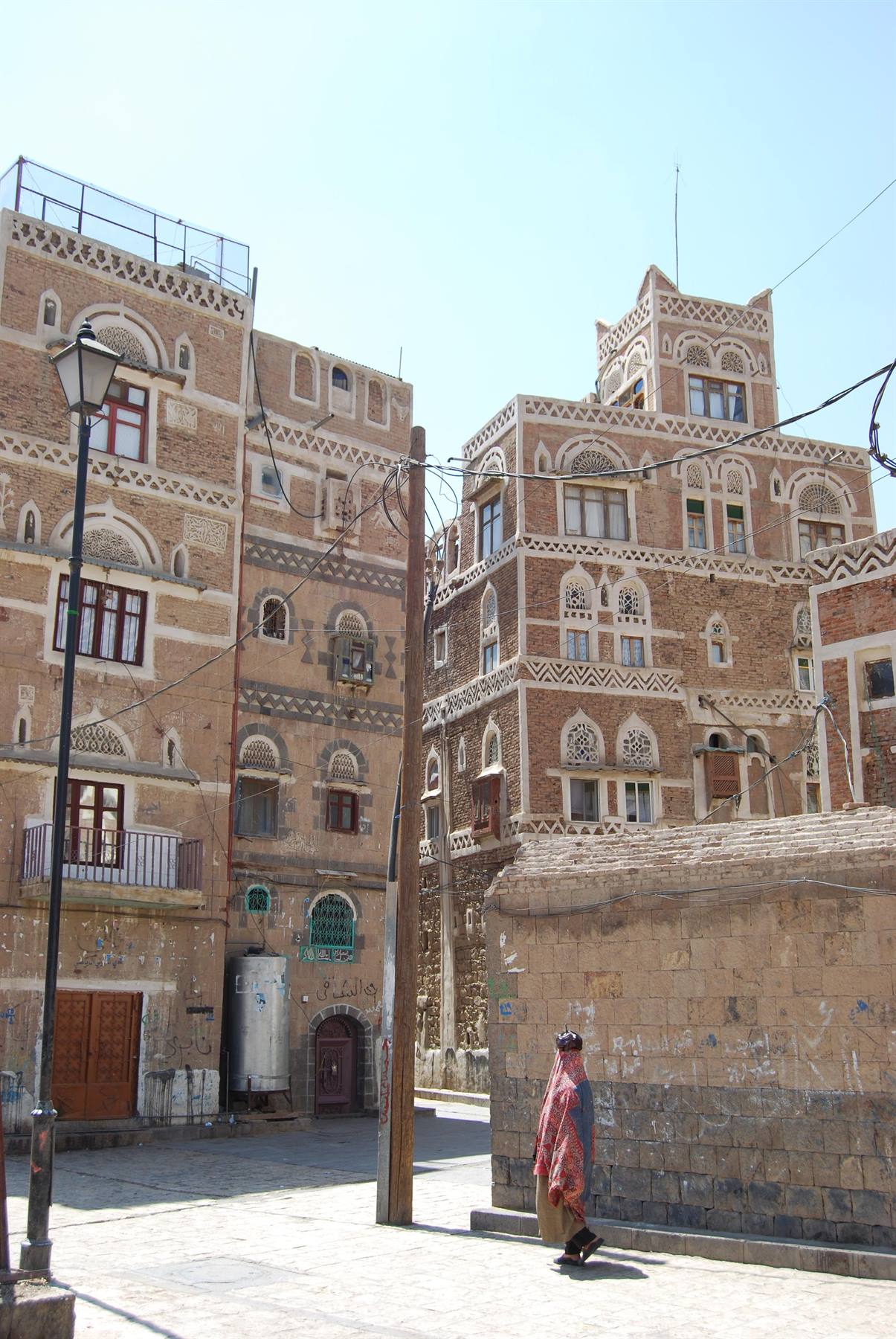
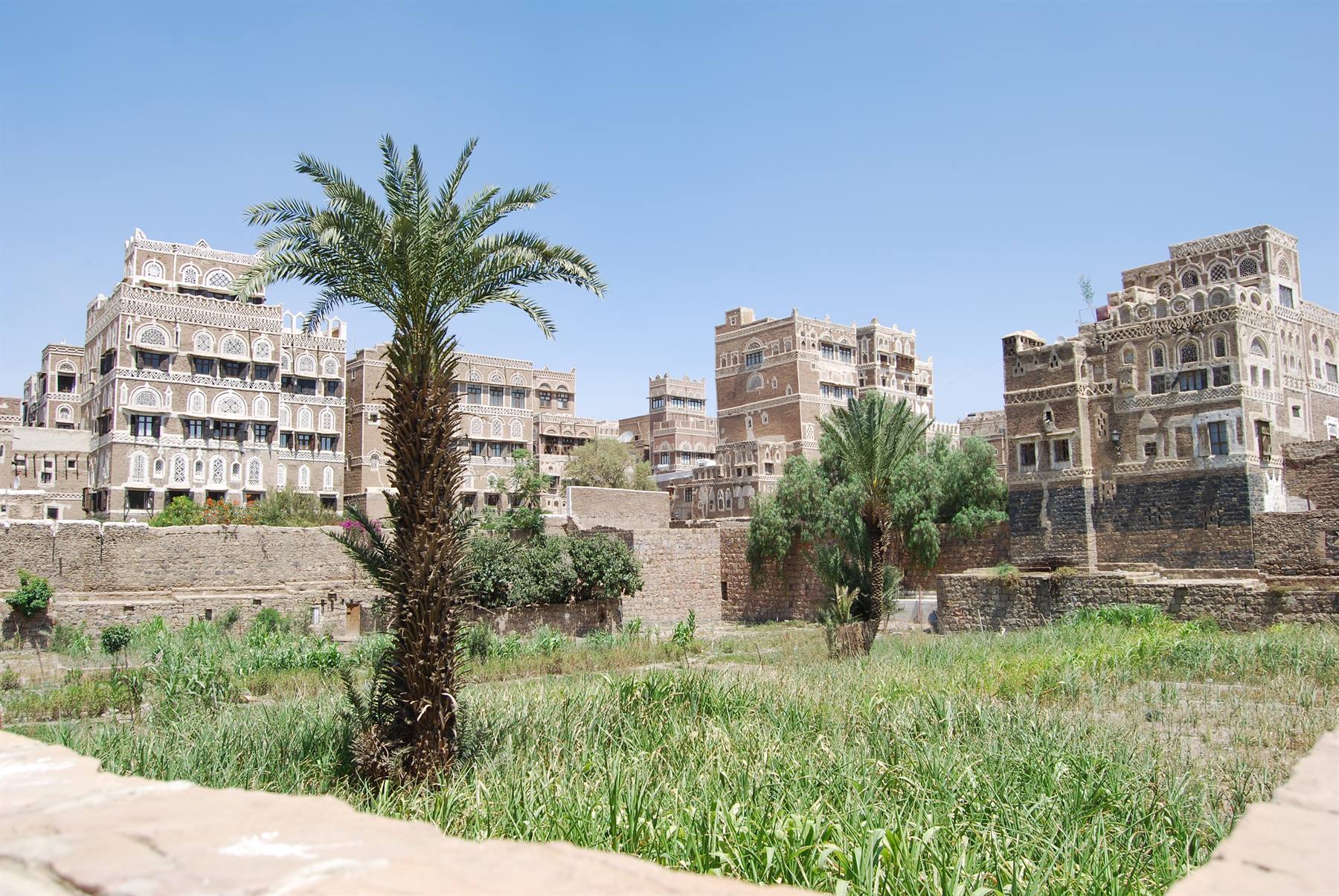
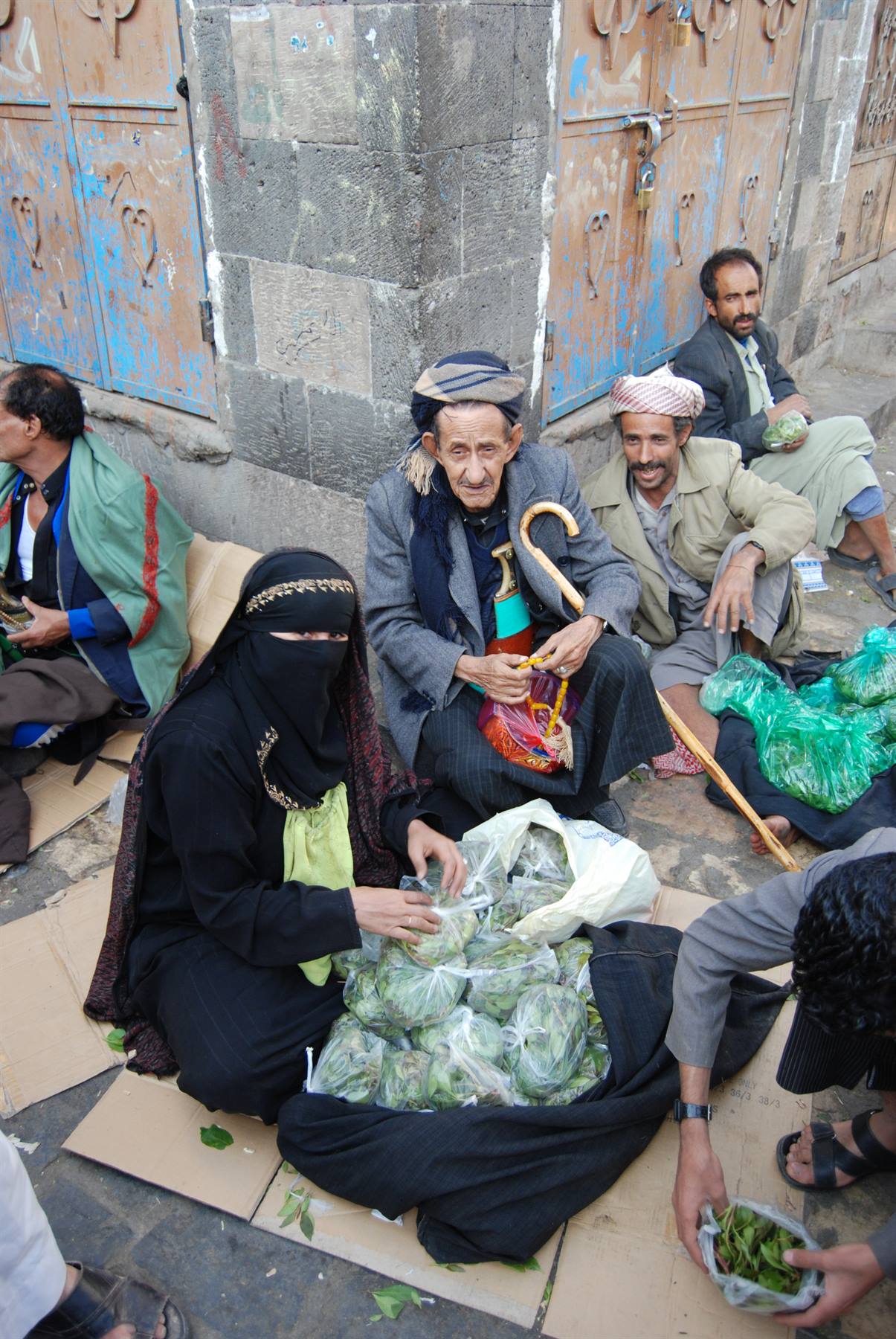
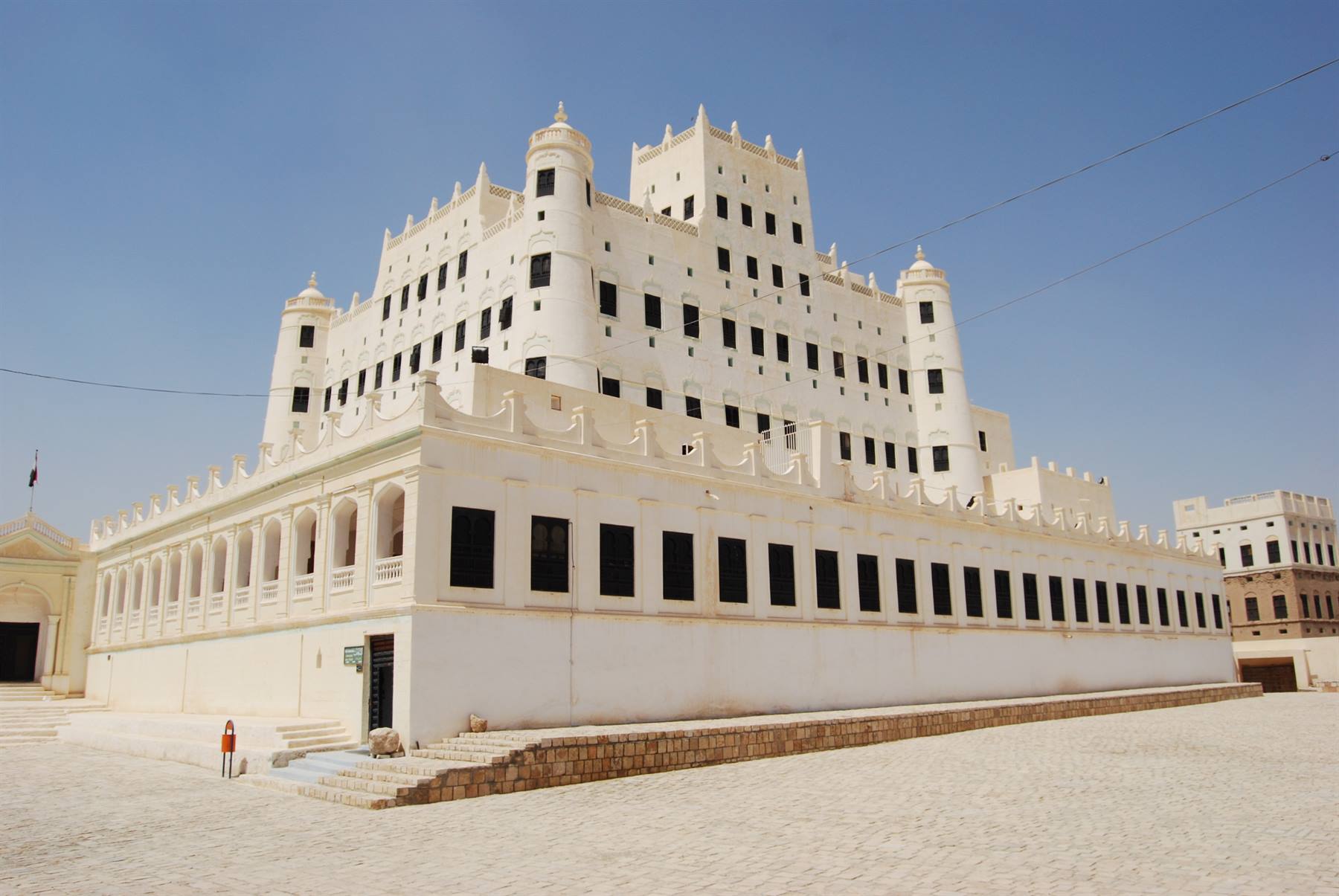
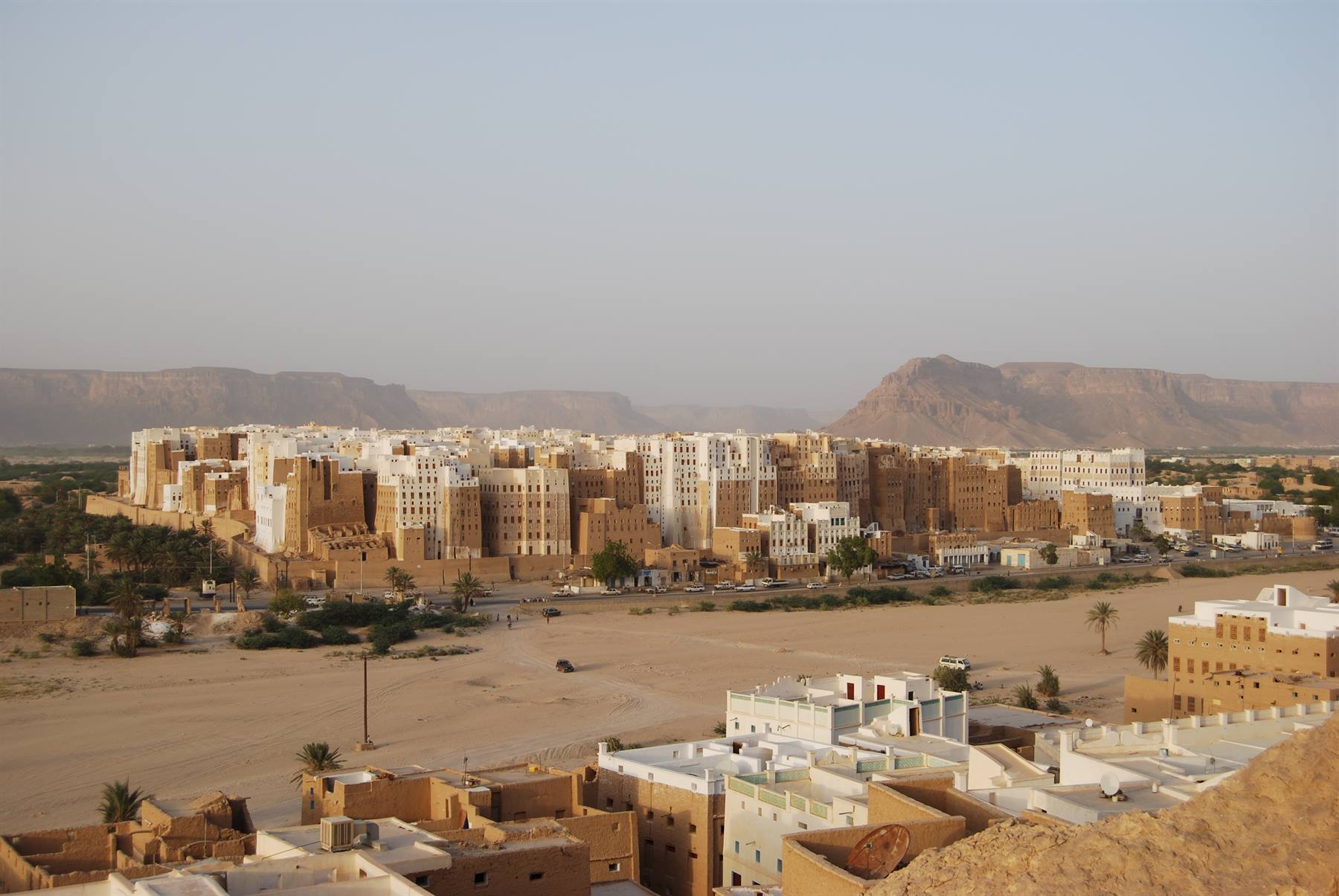
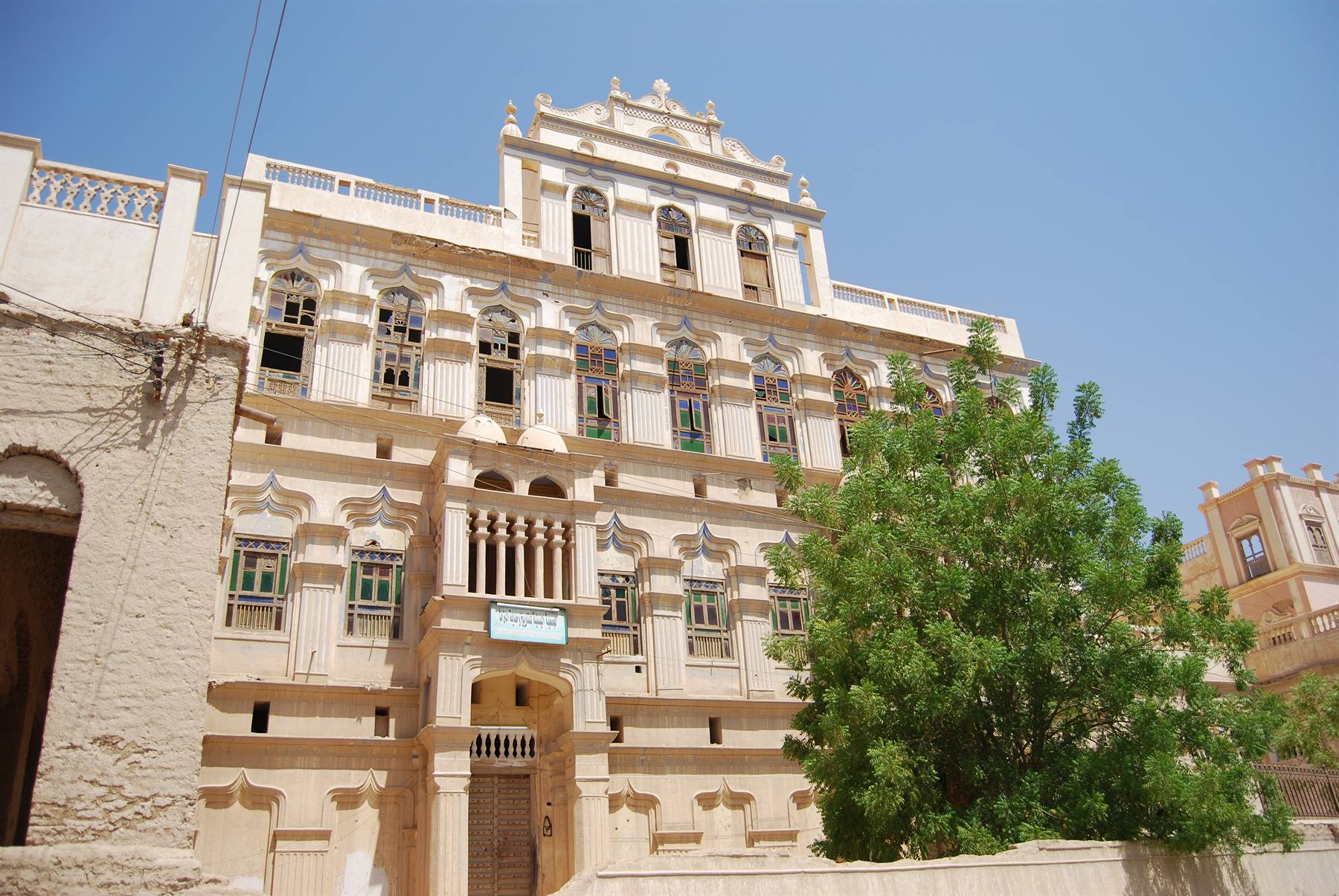
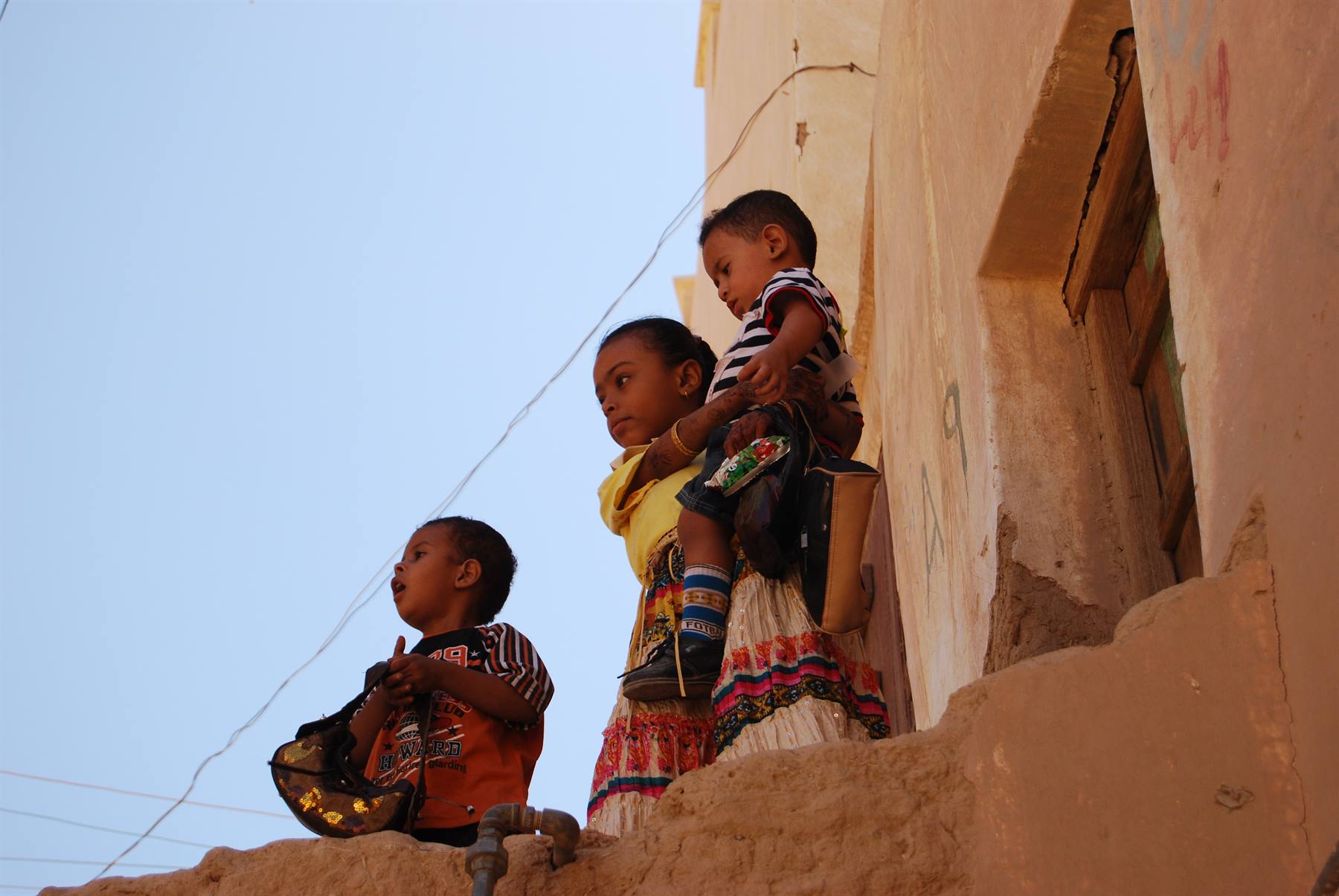
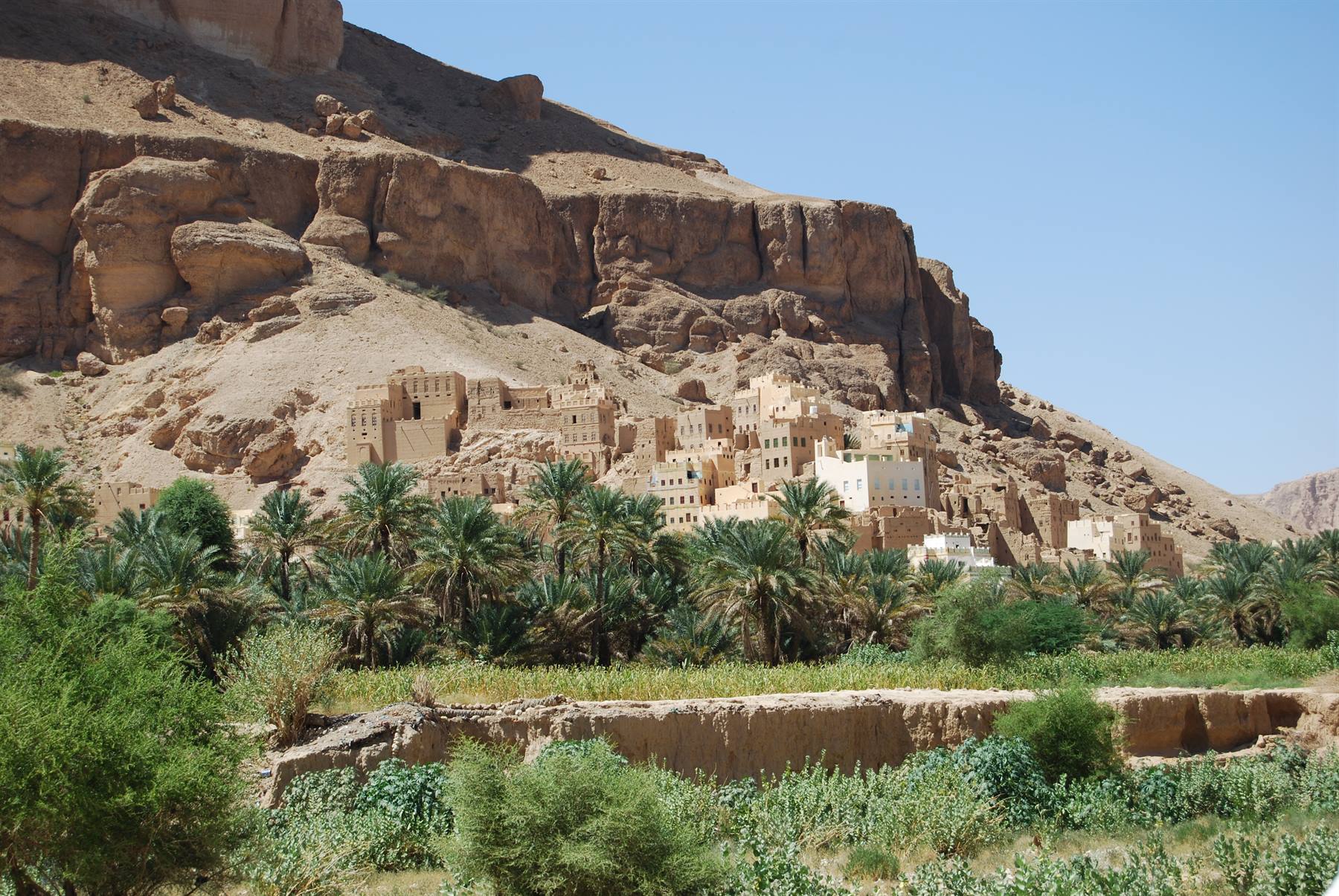
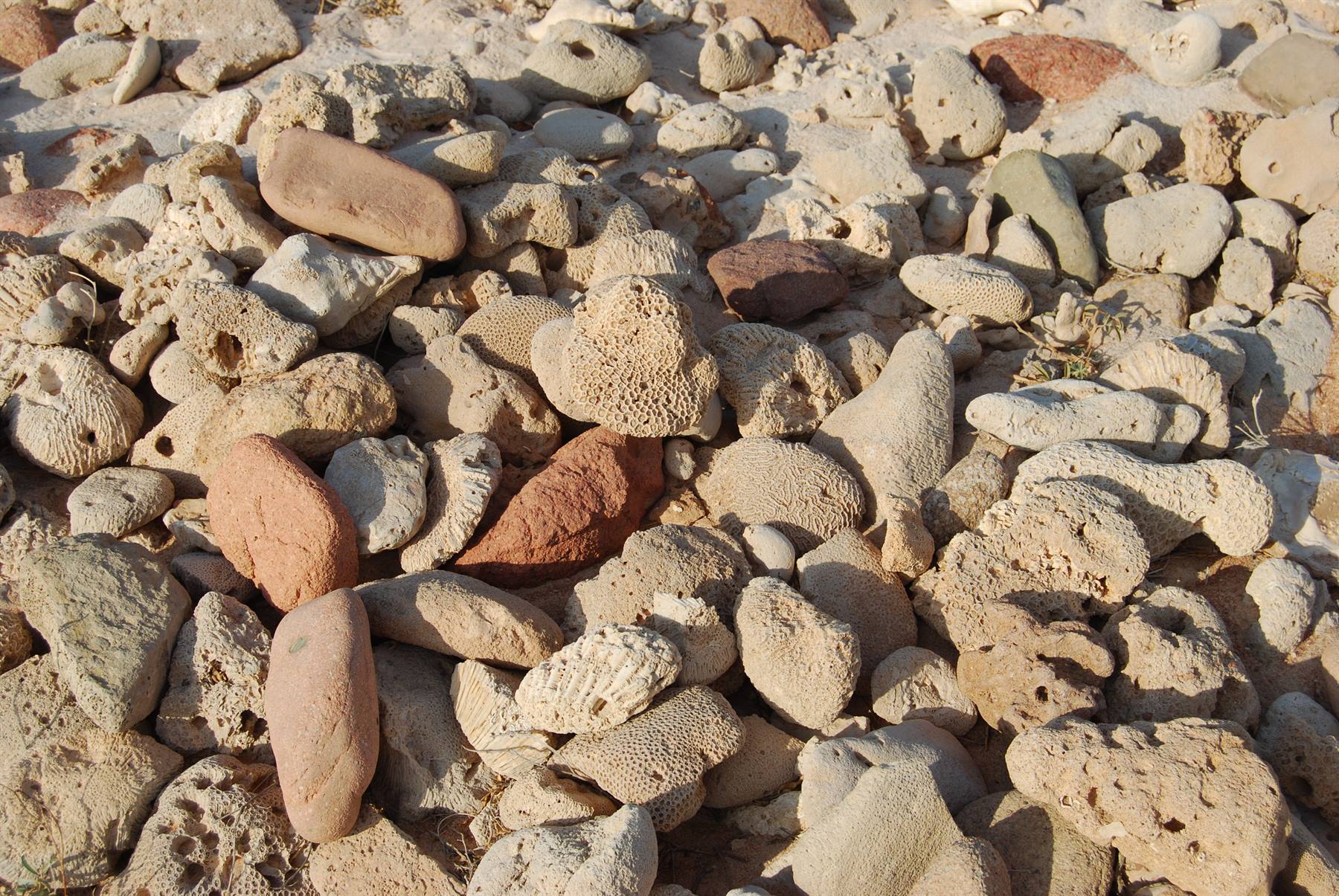
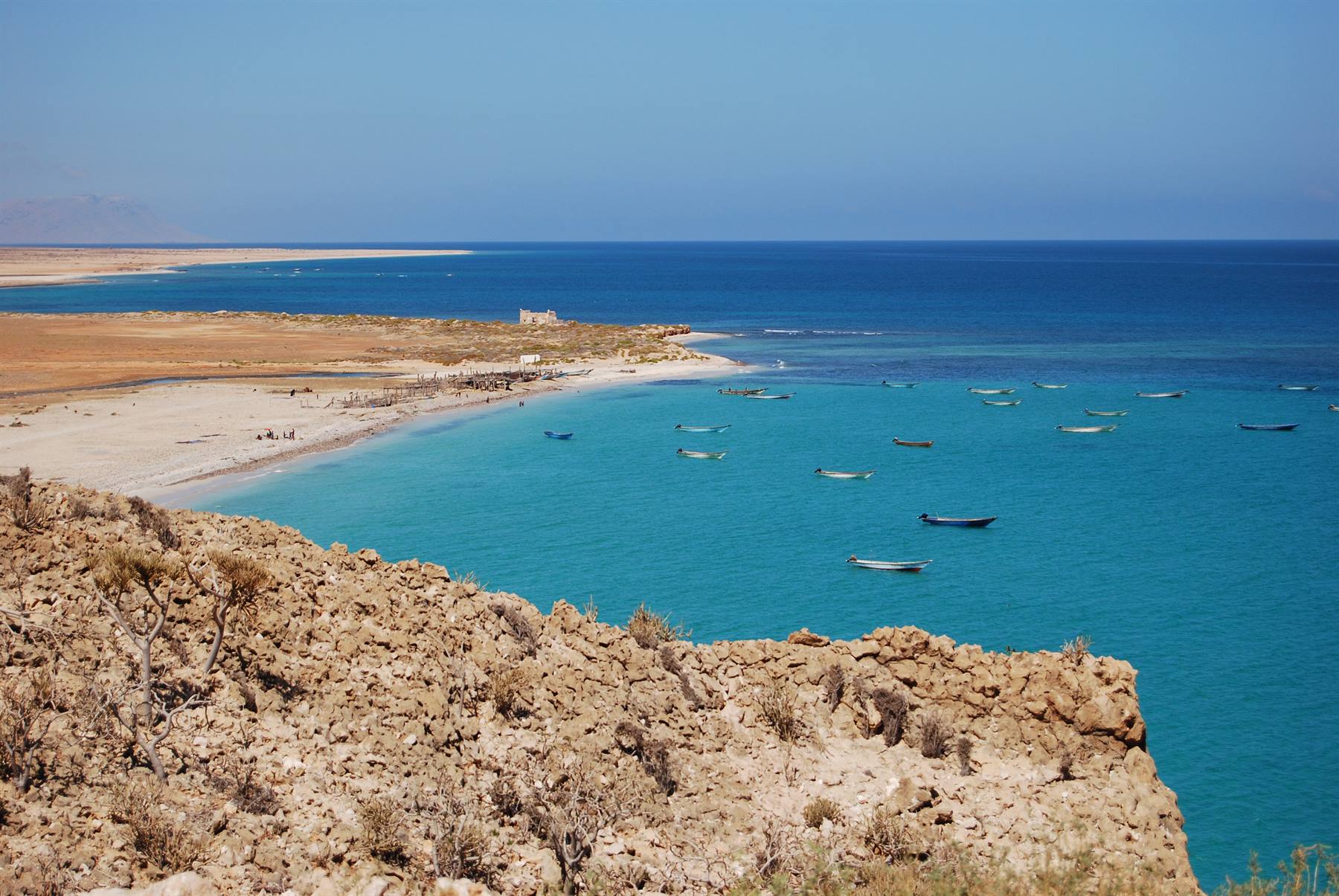
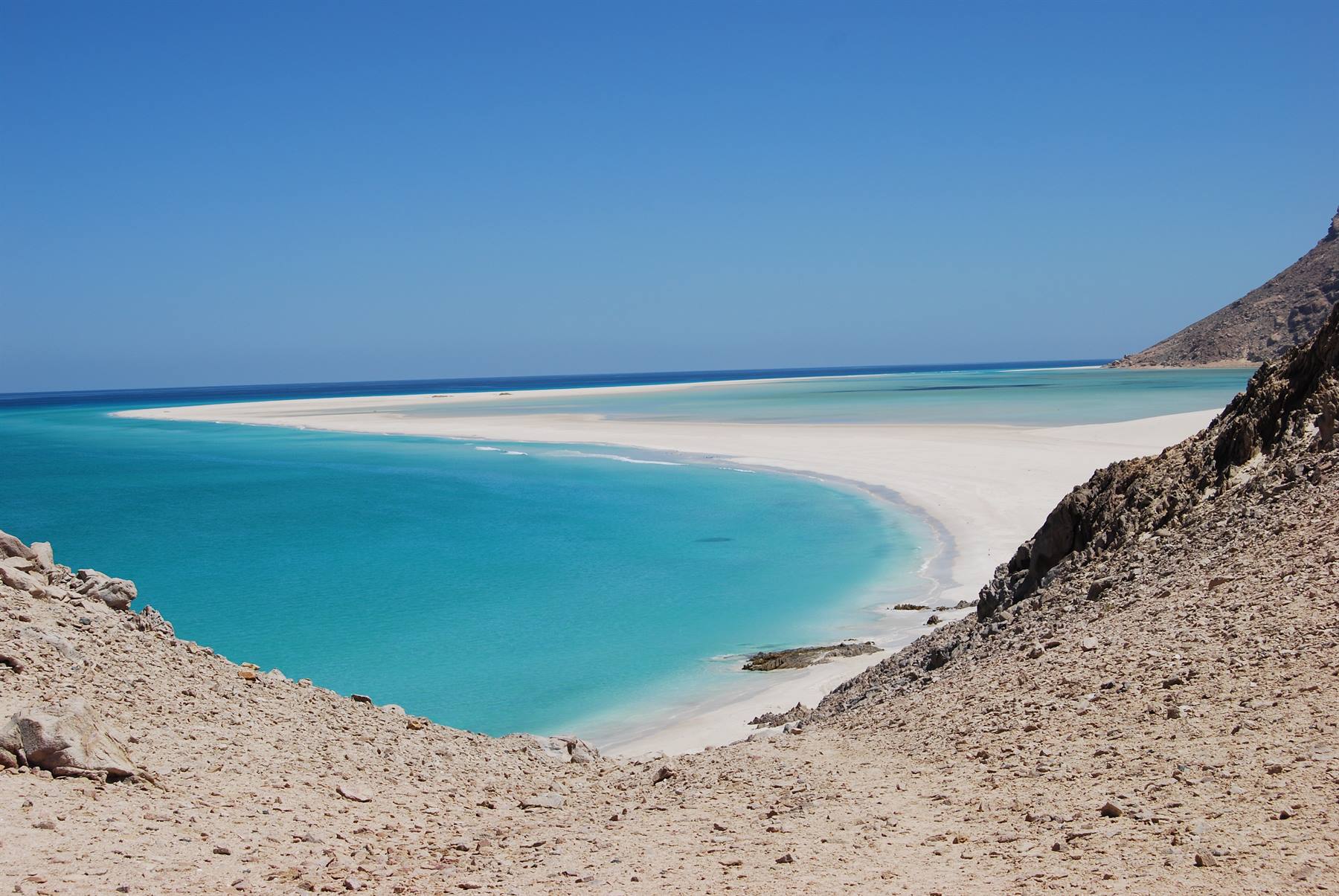
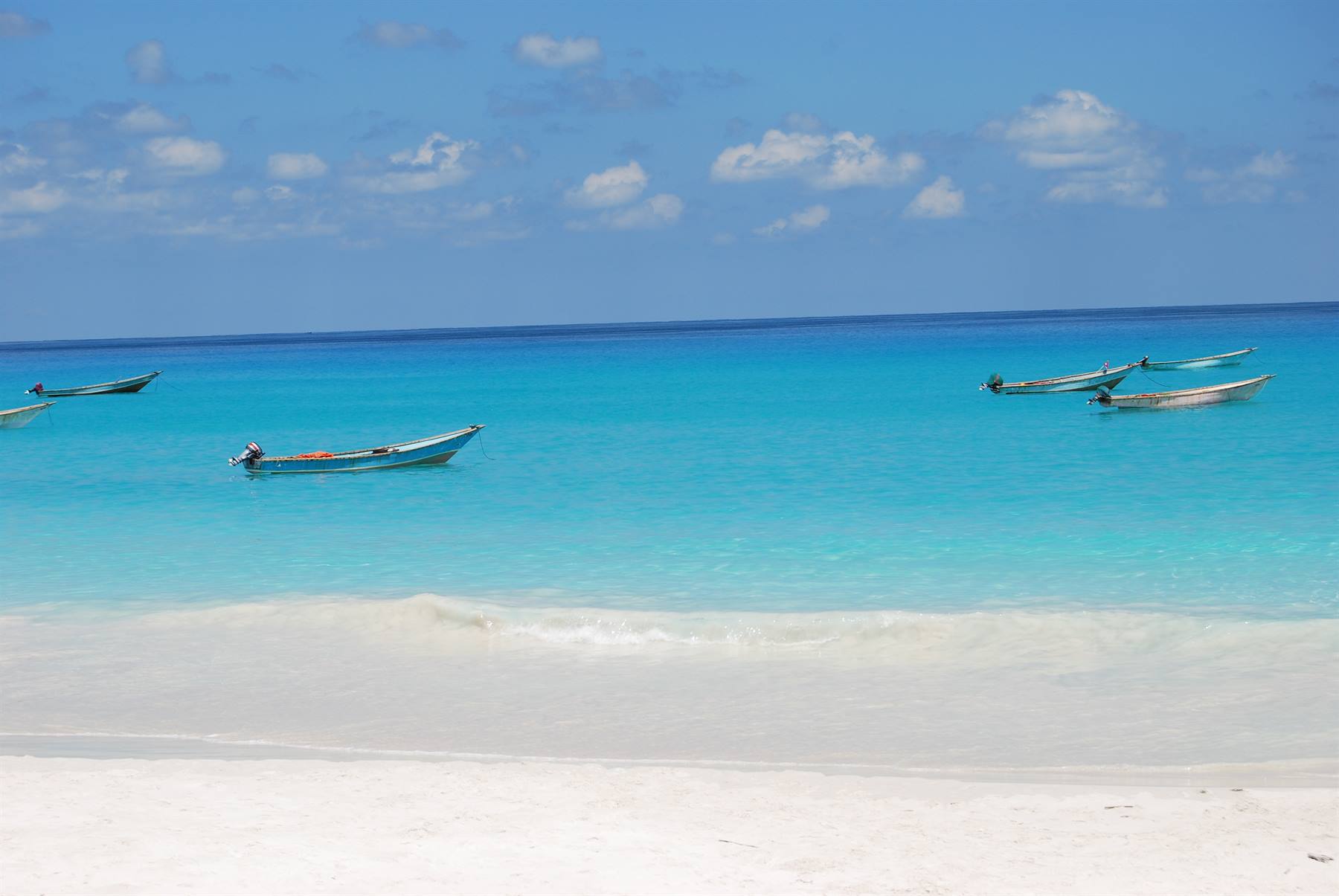
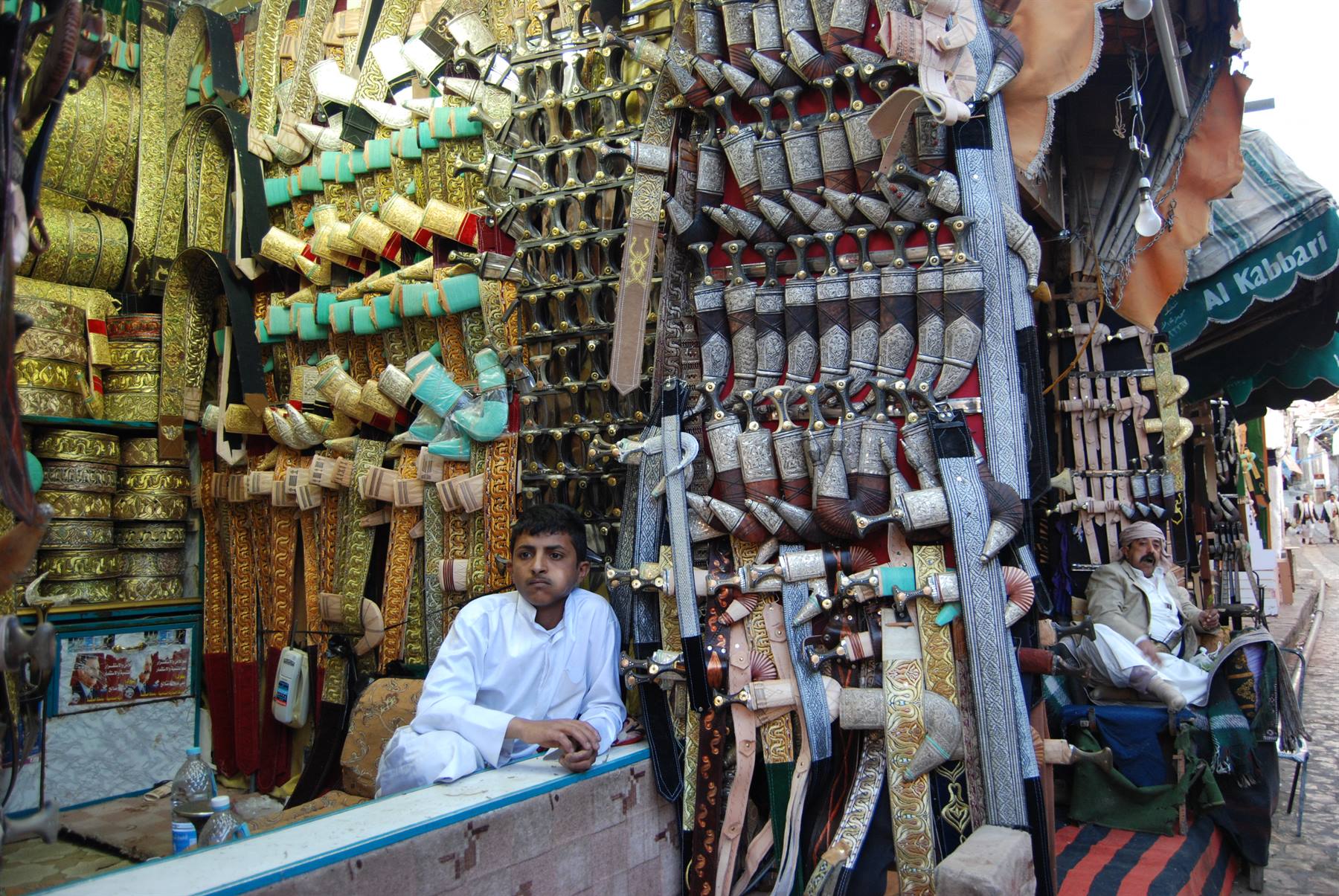
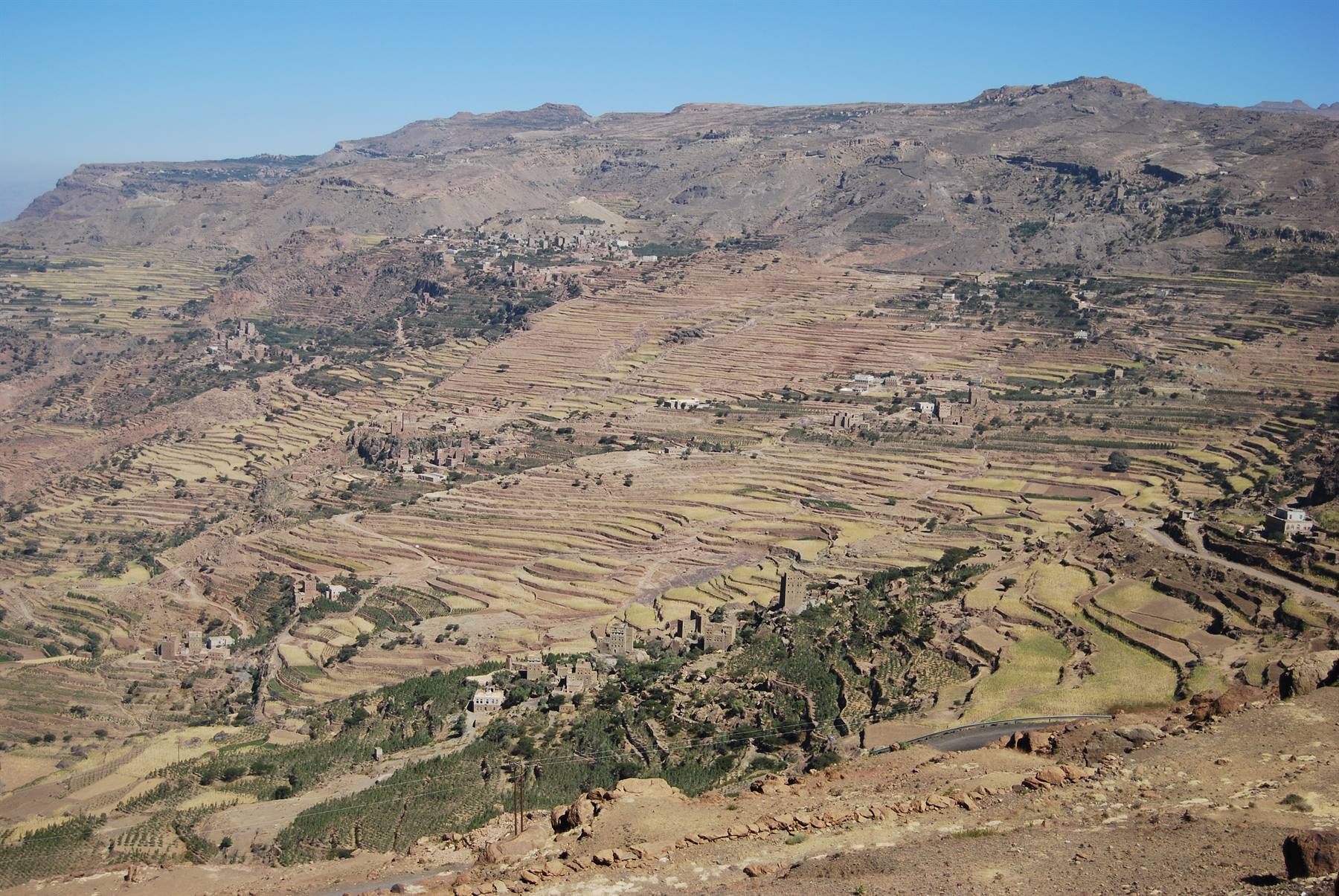
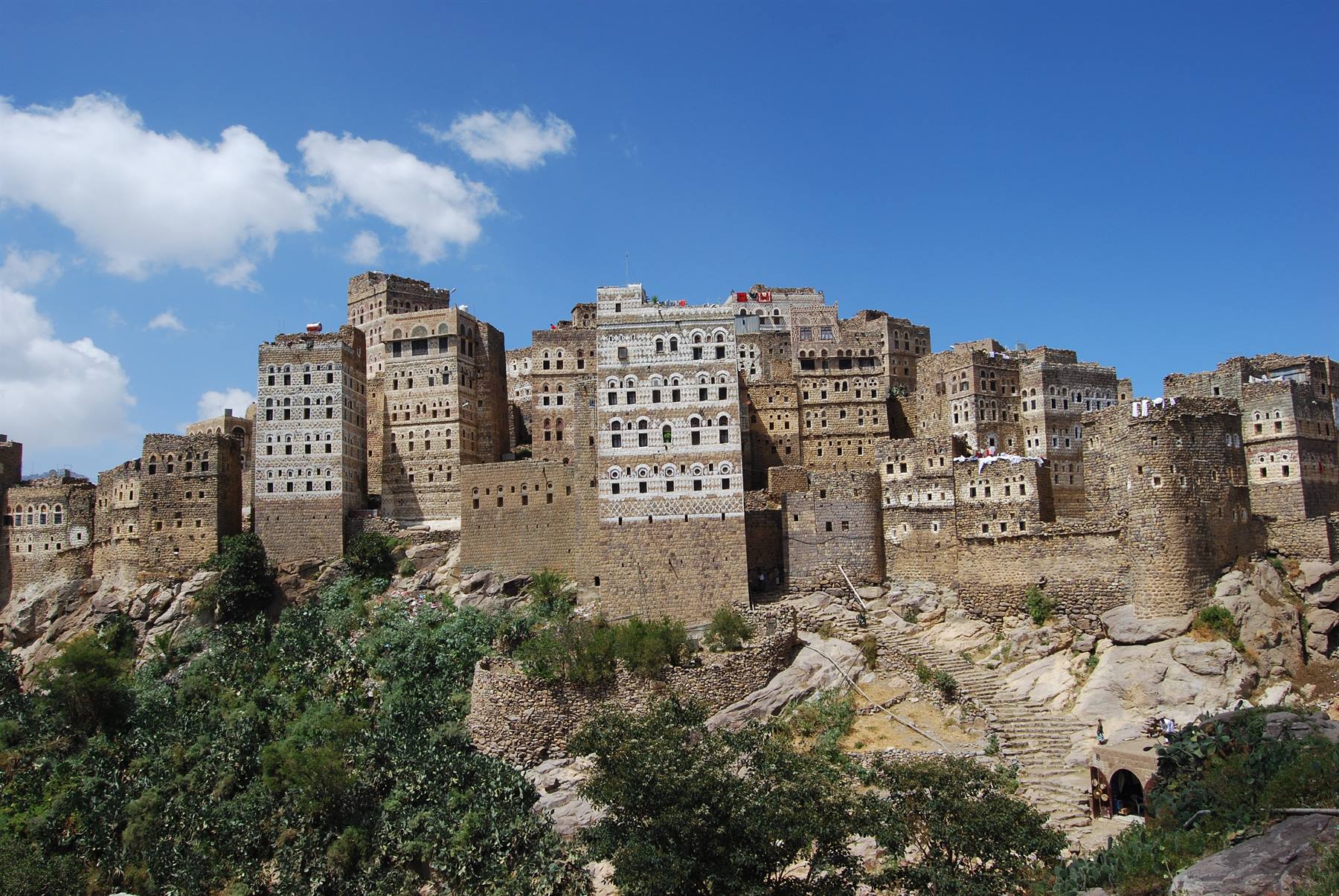
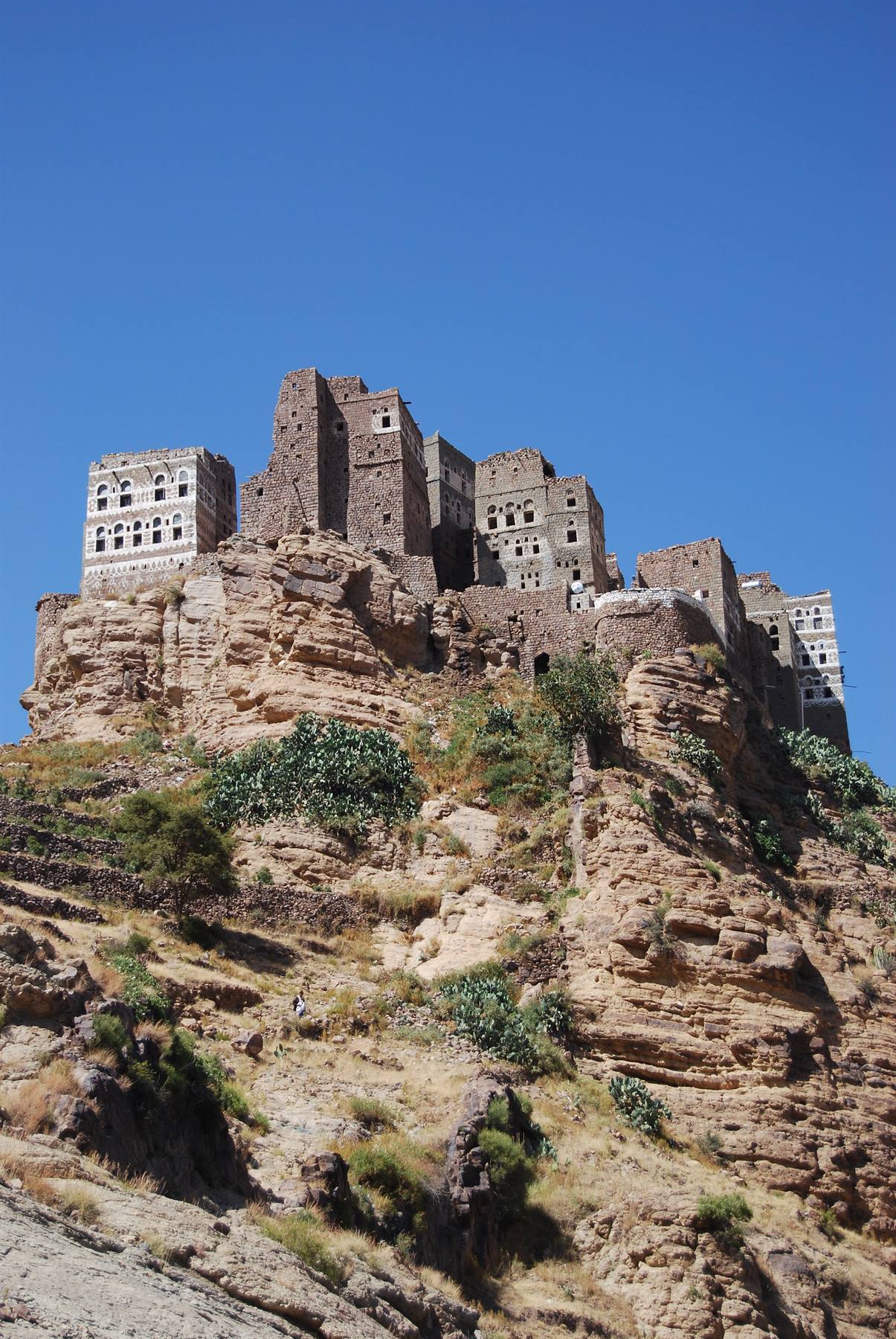
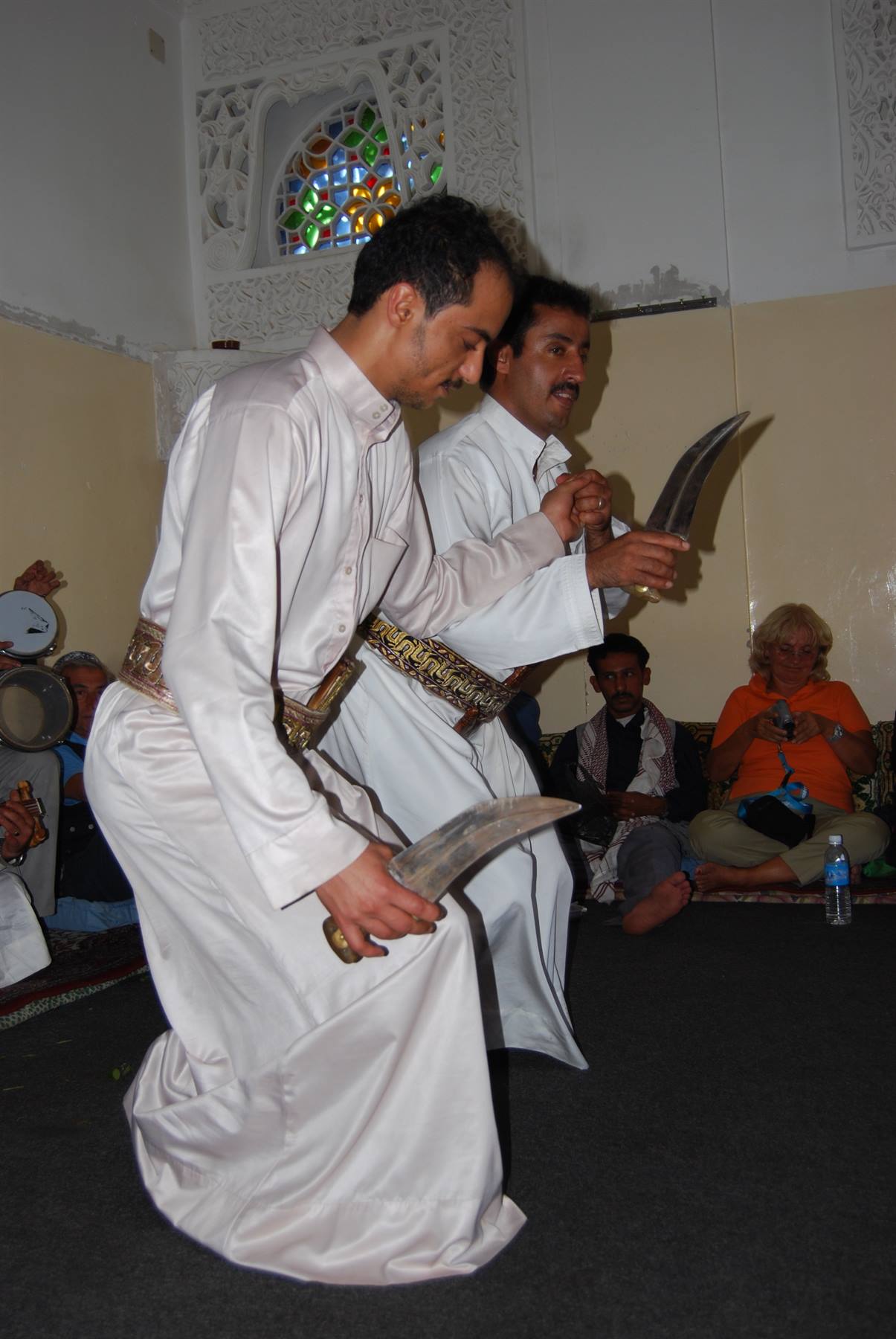
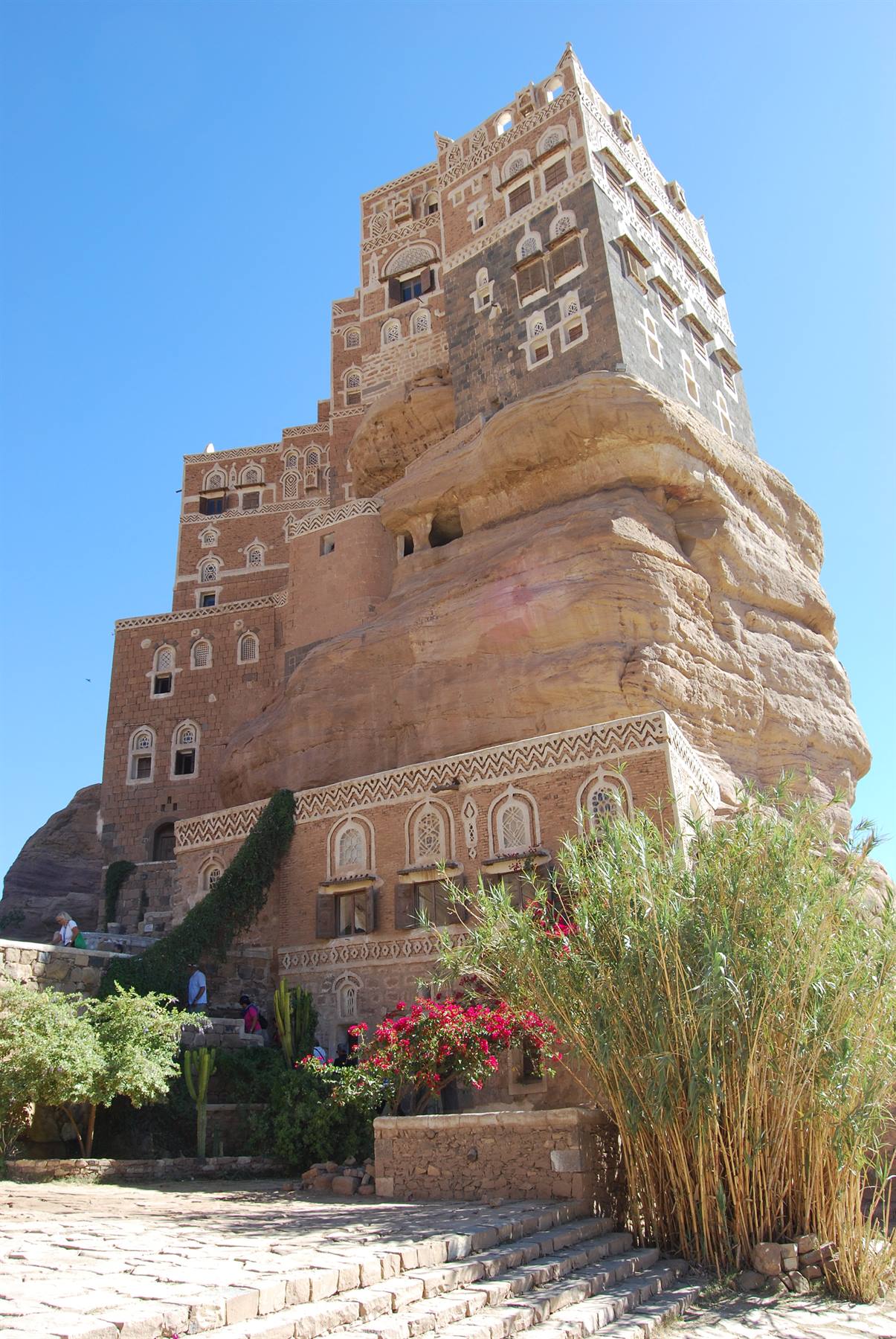
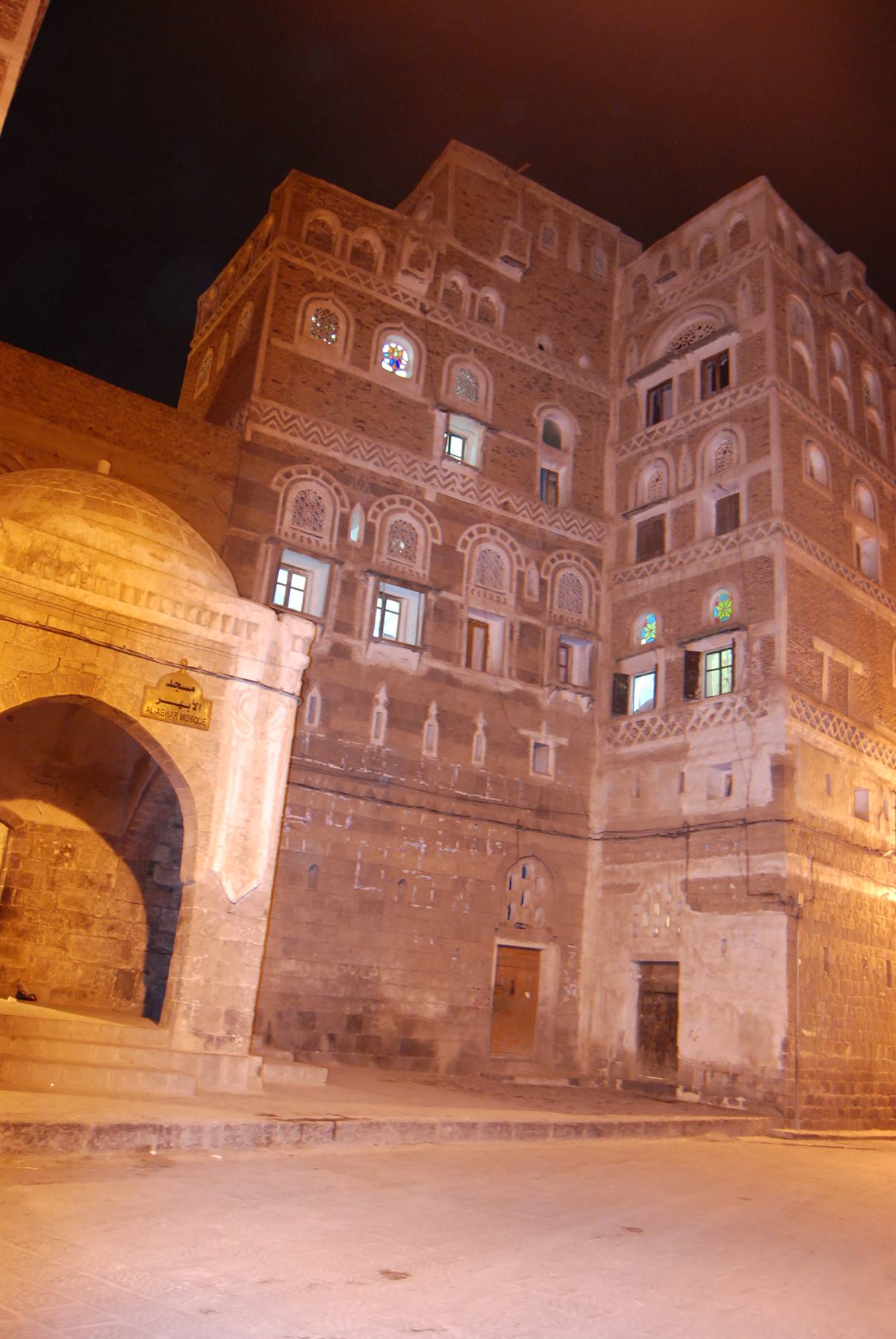

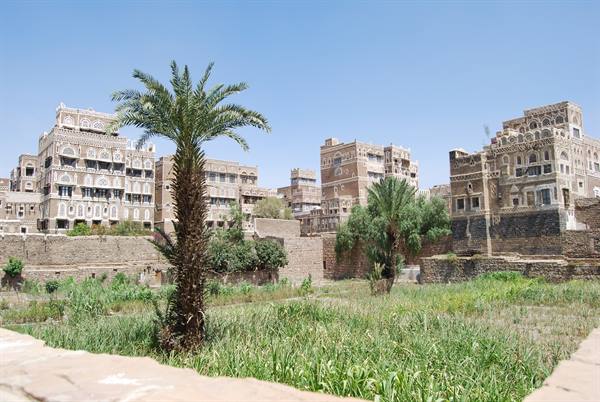


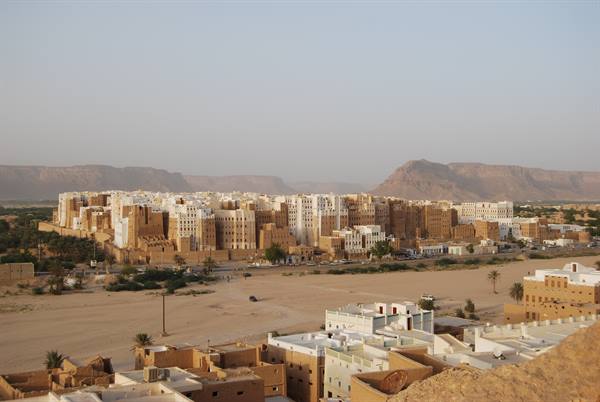
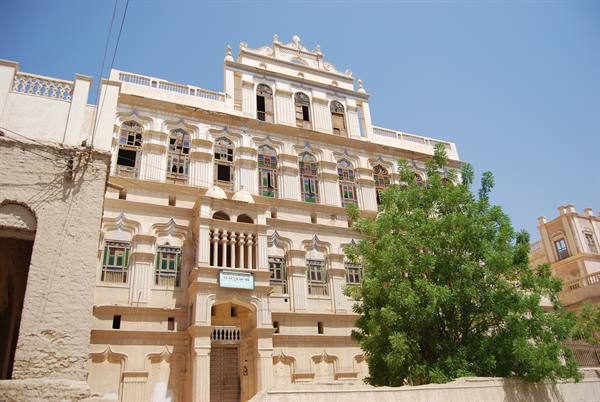
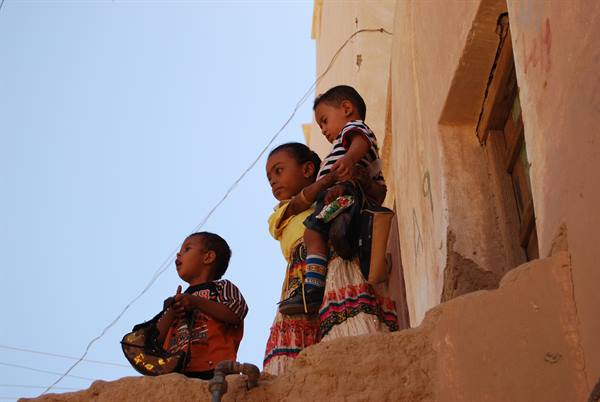
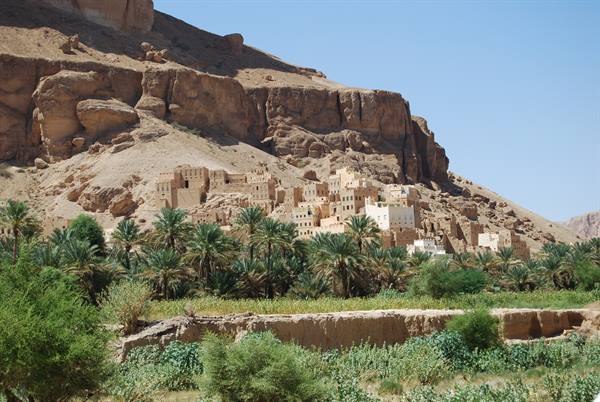
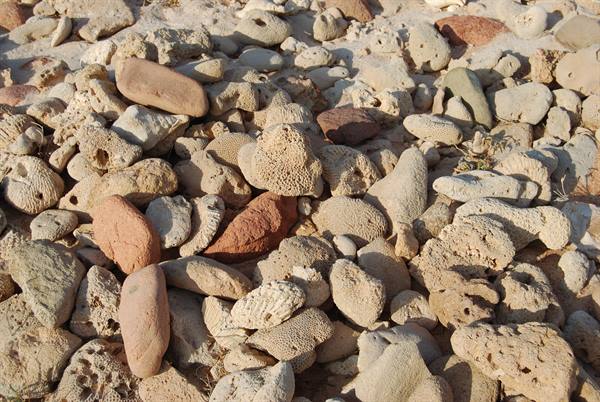
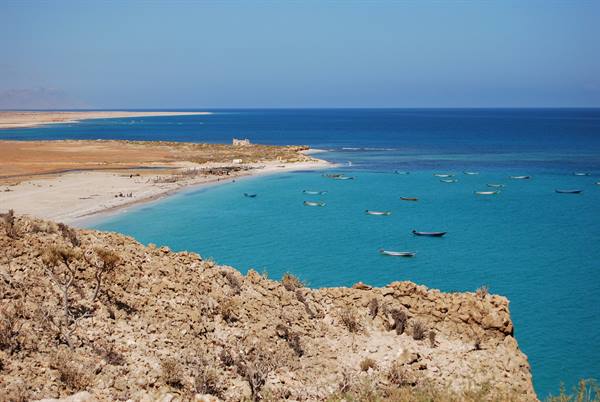
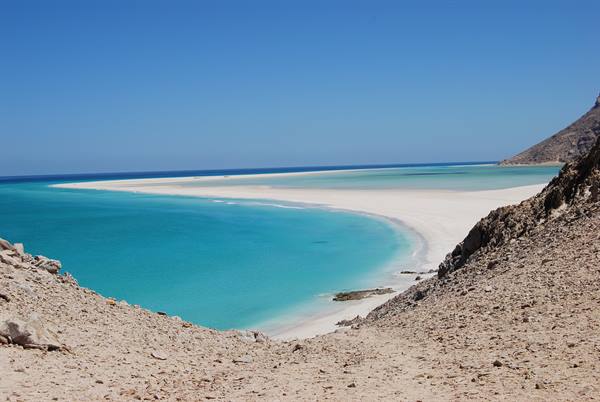
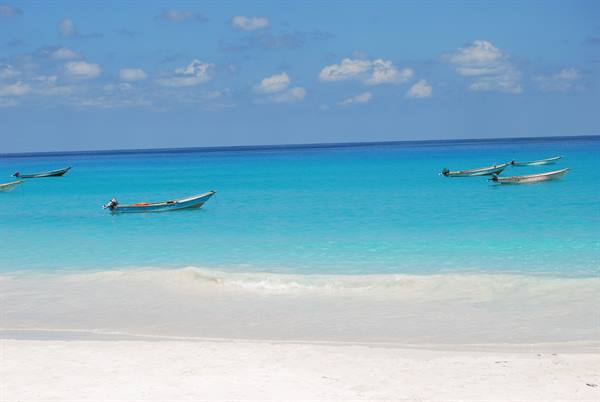
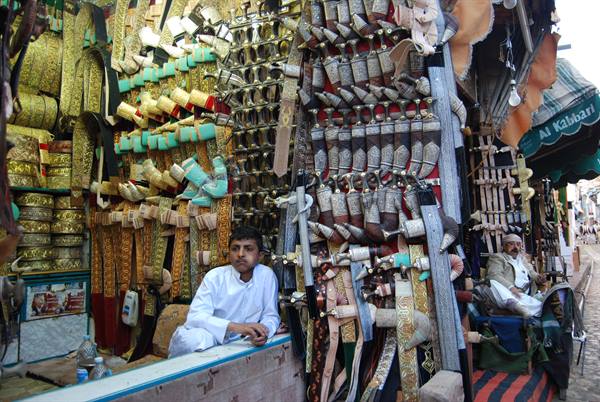
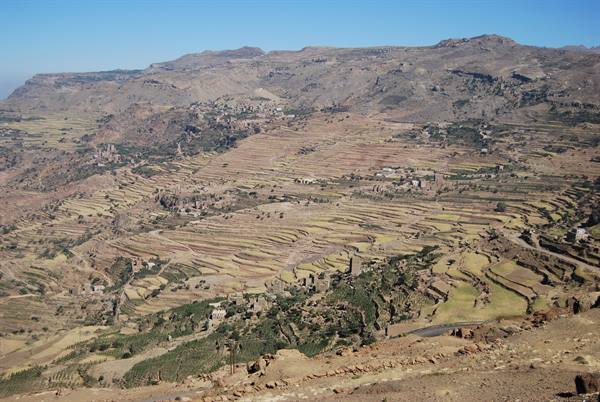
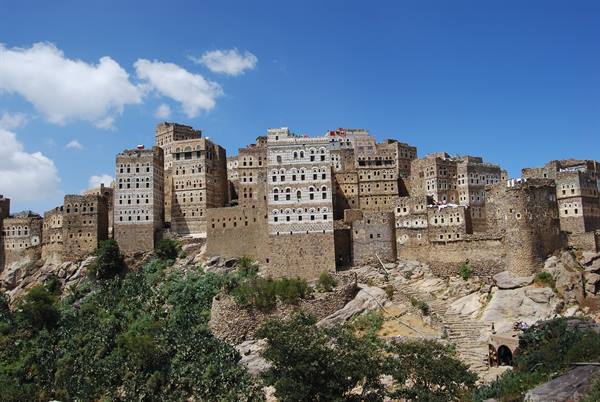
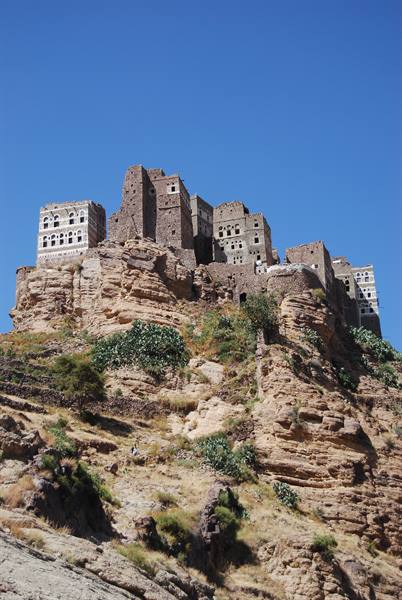

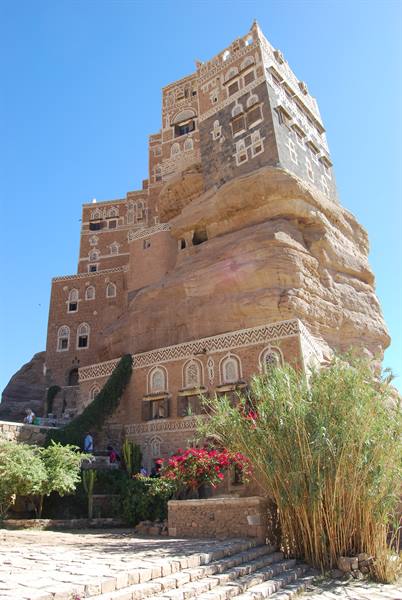

0 reader comments