V Tripscoop
Tripscoop›Middle East›JORDAN›Aqaba and Petra
JORDAN · Middle East

Aqaba and Petra

GIgioma ·72 photographs ·10 Apr 2012 – 13 Apr 2012 ·4 days
Where
Aqaba · MAR ROSSO-DESERTO
When
10 Apr 2012 – 13 Apr 2012
4 days · trip of 2012
Who
giovanni duina · @gioma · concesio
How
Travel diary
The story · 1 days

With my wife Maddalena, already at the end of March 2010 we had tried to visit Petra, but our adventure ended under a real downpour. Departure as scheduled from Orio at 11 and arrival in Aqaba at the expected 16.20, the Aqaba airport open only for us, we find waiting for us the very kind Mrs Cecilia of I Viaggi del Turchese who in half an hour takes us to the Gulf Hotel. As only I and my wife Maddalena are doing, this week, the Minitour of Petra + Red Sea, we are combined with those doing the Tour of Jordan; instead of a 3* hotel we are accommodated at the Gulf Hotel, a 4*. The Gulf Hotel perhaps does not deserve its 4 stars; certainly it is not up to the standard of the hotels of Sharm or Taba, but for 2 nights it is more than fine.

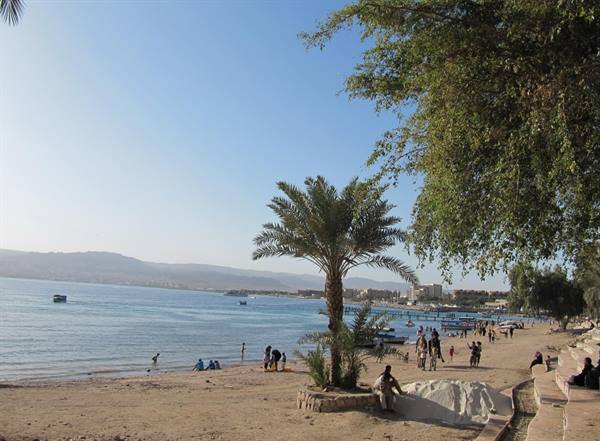
Aqaba is a seaside holiday place for Jordanians and families from Saudi Arabia; it is located in the southern triangle of Jordan, squeezed between Israel to the west and Saudi Arabia to the east. An ancient small fishing port in the gulf of the Red Sea, separated from the rest of the country by mountains and desert, Aqaba has had considerable development, after the British protectorate and the definition of the borders, being the only port of Jordan. Hence the many new civil and industrial constructions (oil refinery, commercial port and arrival point of the Hejaz Railway that brings to Aqaba the phosphates extracted in the mines of southern Jordan). A city of considerable vitality, I am surprised by the cultivated vegetable gardens extending along the ridge that descends from the coastal road towards the beach.

We did not see the more renowned beaches along the east coast, towards the Araba, but certainly I would not lie down on the sand here, the sea is too dirty. On the morning of the 11th, an early wake-up and at 7 we are on the bus; we find Mahdi, the excellent guide who will be with us today in Petra and will then accompany the others on the tour of Jordan. He enthused us so much that for a moment we thought of changing our trip and going tomorrow with him and the others to Wadi Rum. From Aqaba to Petra there are about 130 km. We leave the city heading north-east and take the highway no. 15 that goes towards Amman. We cross a short stretch of rocky desert; a short distance away on our left, the airport where we arrived and in the background the Israeli city of Eilat. The road, carved into the mountain, winds along a wadi with stretches on viaducts.

Having passed the arid mountain that for centuries defended Aqaba from invasions, we are in the great desert that extends over the whole of Jordan. On our right, beyond the wadi, runs the narrow-gauge railway line that brings the phosphates to Aqaba. The road is travelled by every kind of vehicle but above all by tankers loaded with petrol and trucks going from Aqaba to Amman. After about an hour Mahdi points out to us on the right the road leading to Wadi Rum, whose highest mountains can be seen in the distance. Shortly after we leave the flat and always straight highway 15 and take on the left the 35 which climbs towards Petra. From now on we will travel a mountain road that climbs into a landscape even more barren than that seen so far. To stunted wheat crops succeed plots of land with heaps of stones here and there where goats graze.

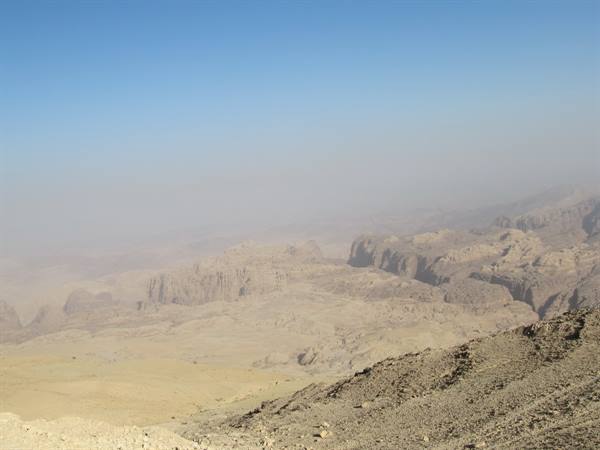
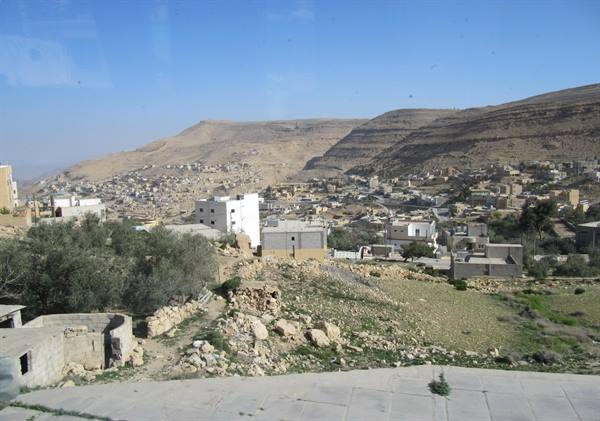
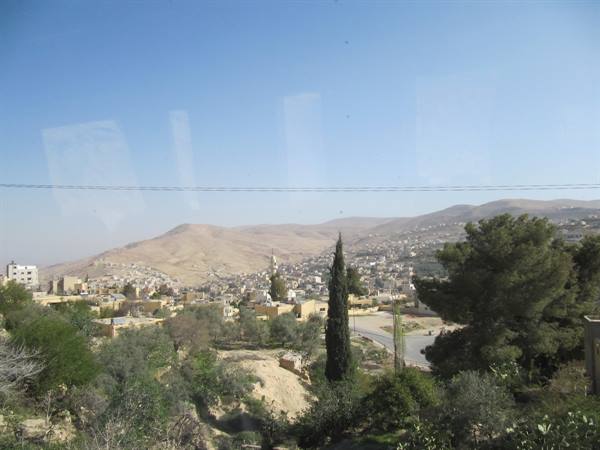
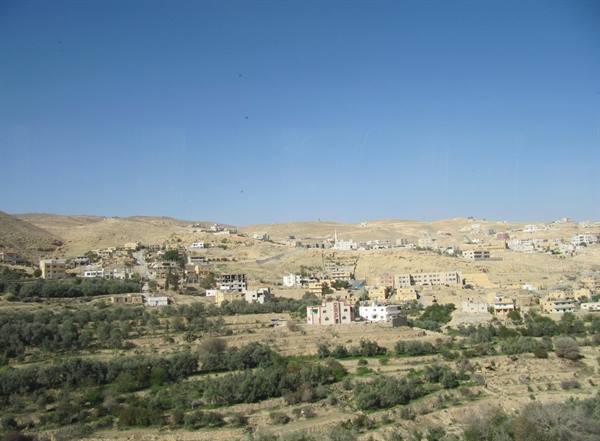
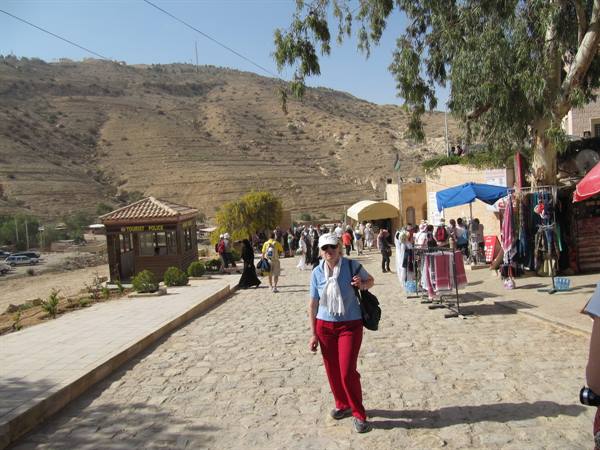
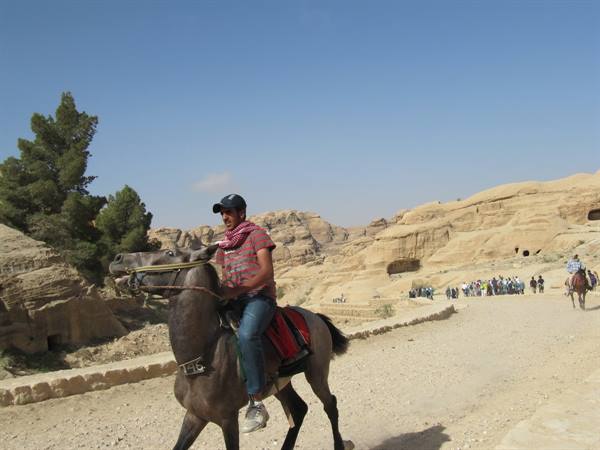
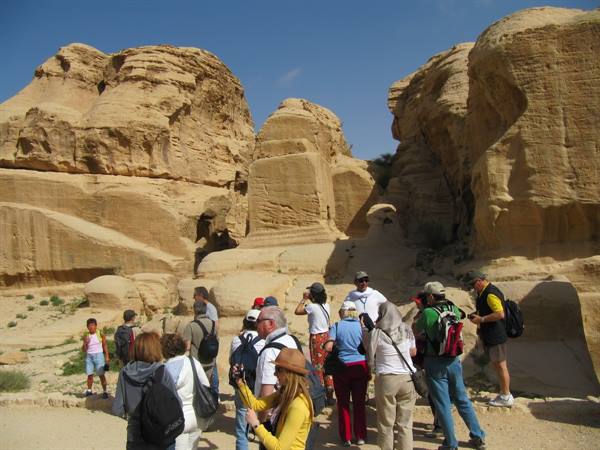
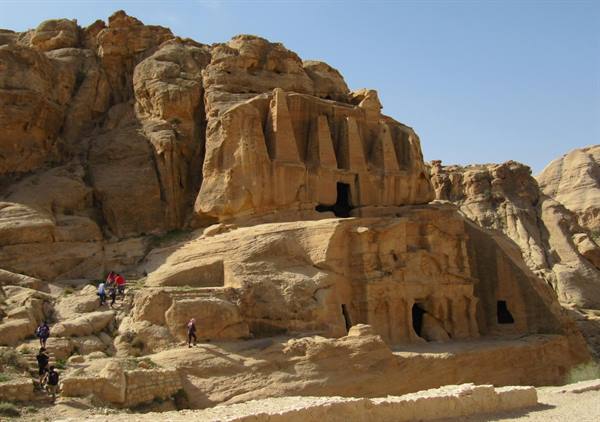
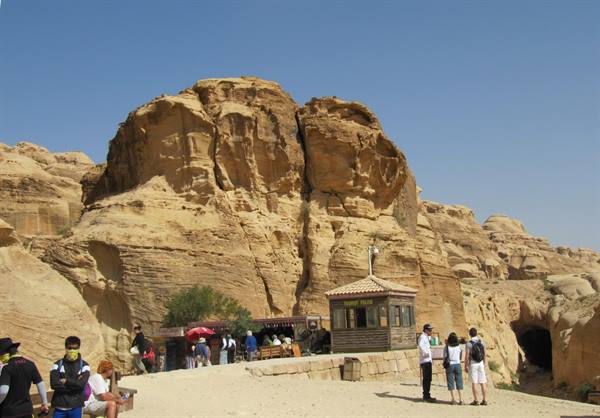
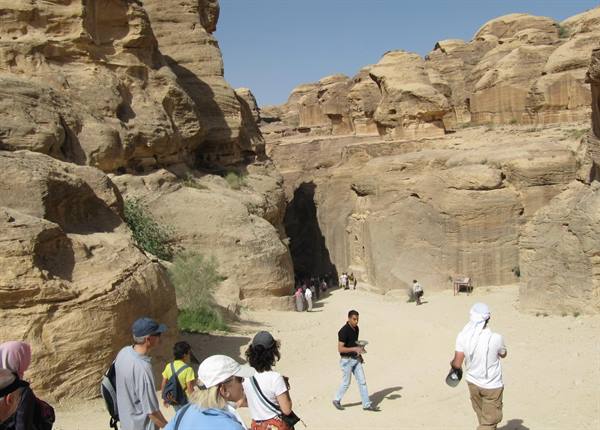
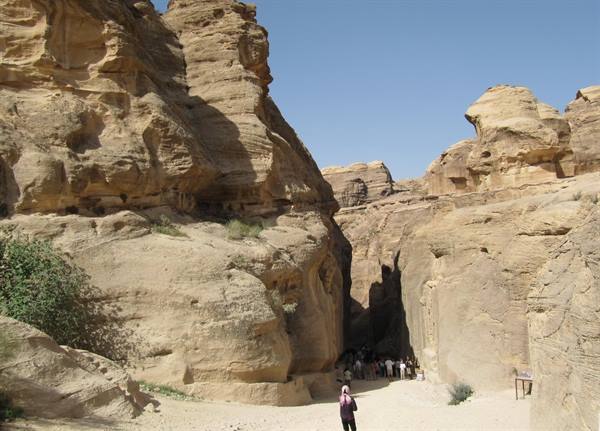
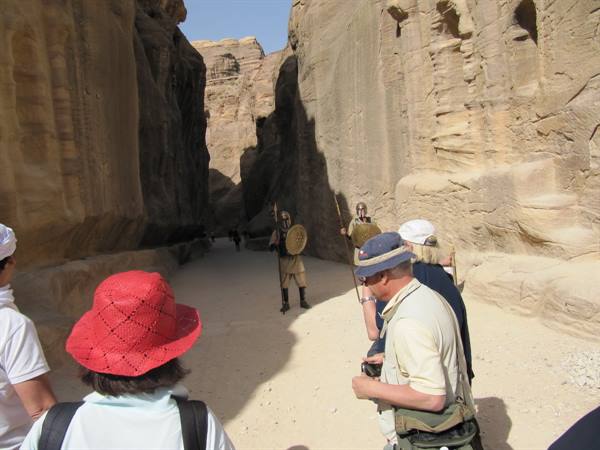
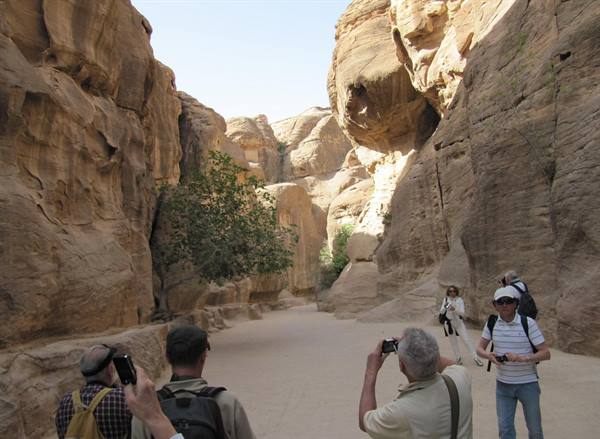
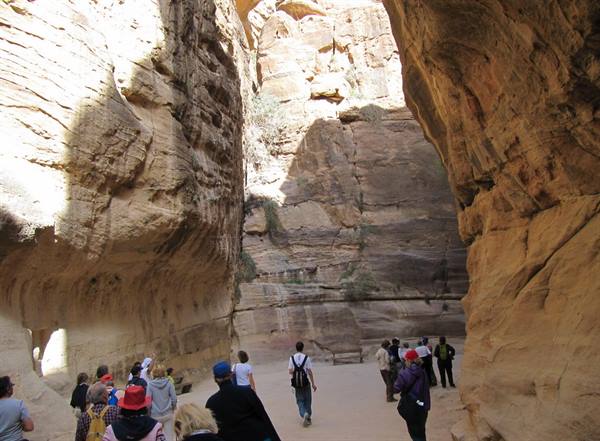
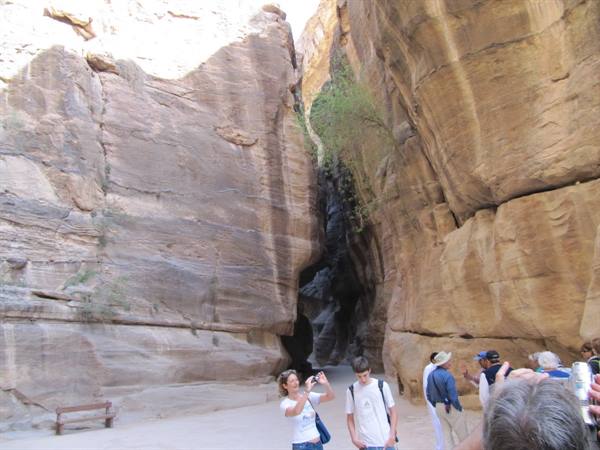
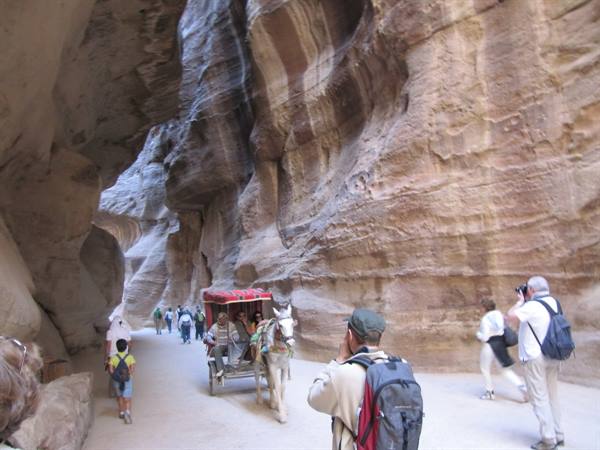
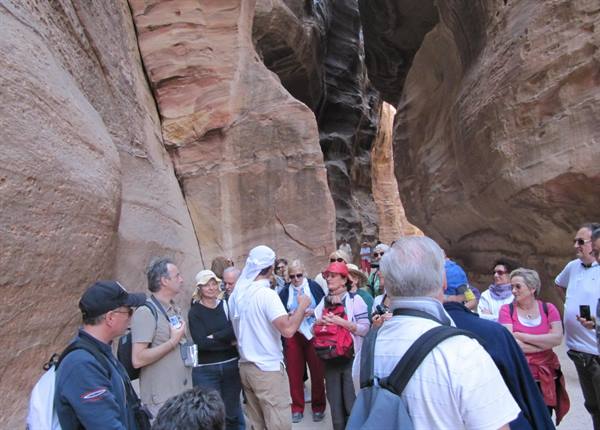
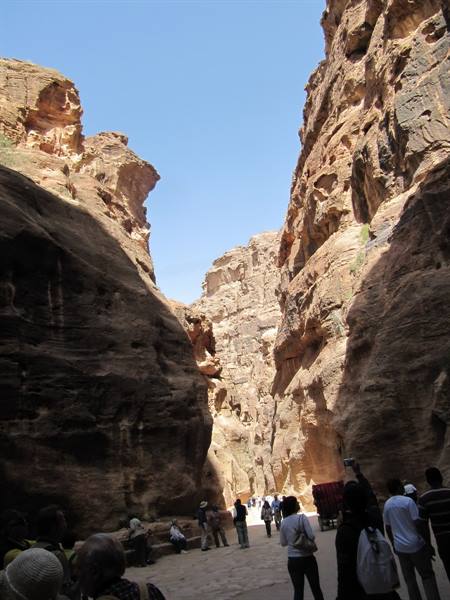
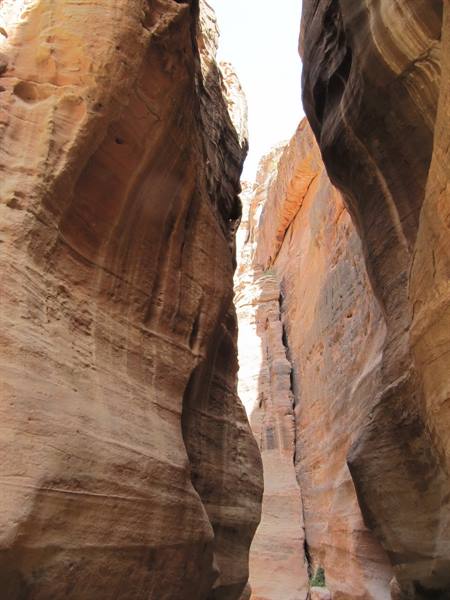
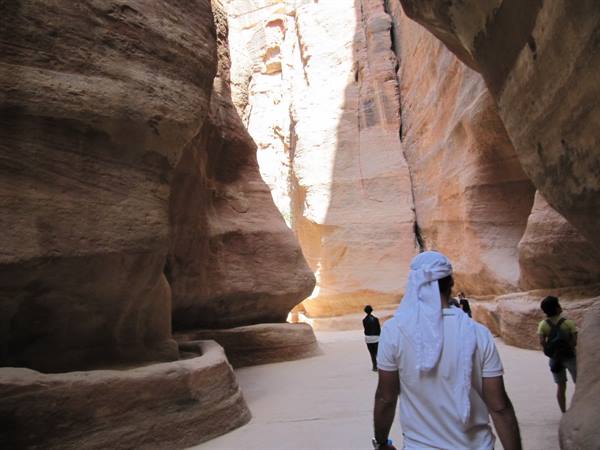
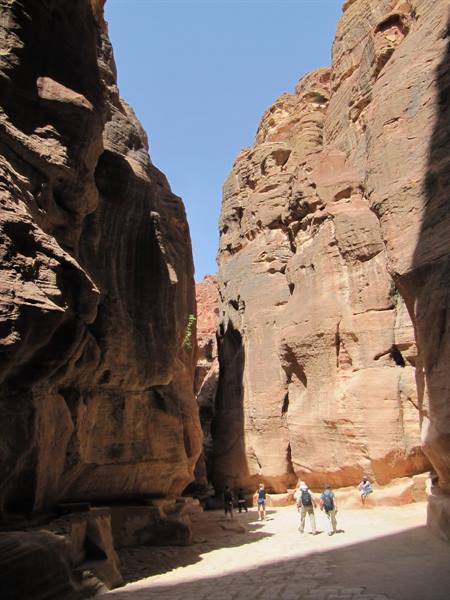
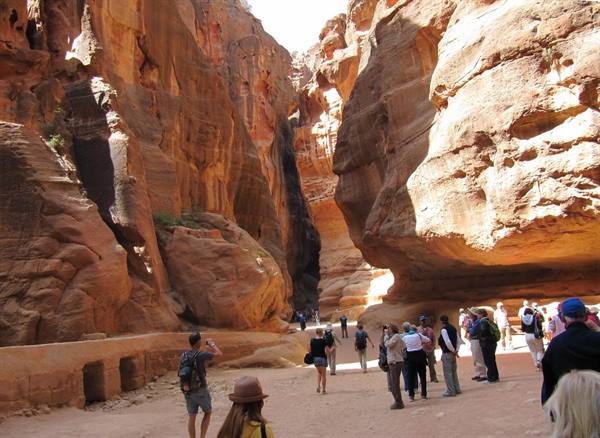
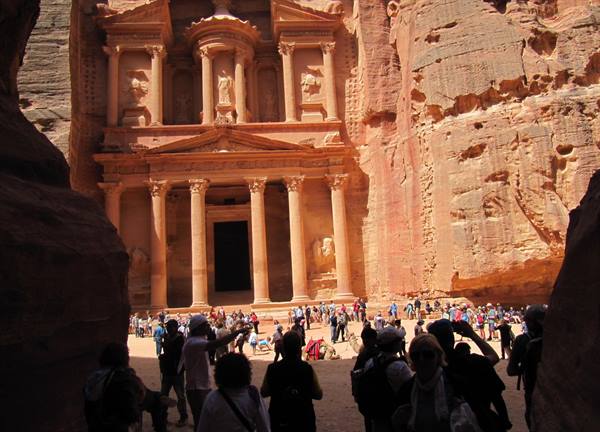
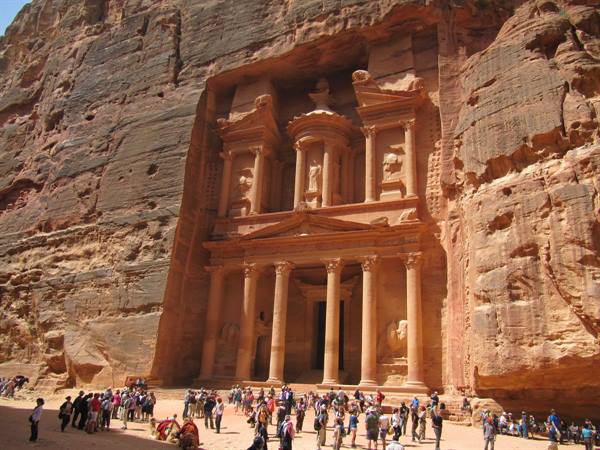
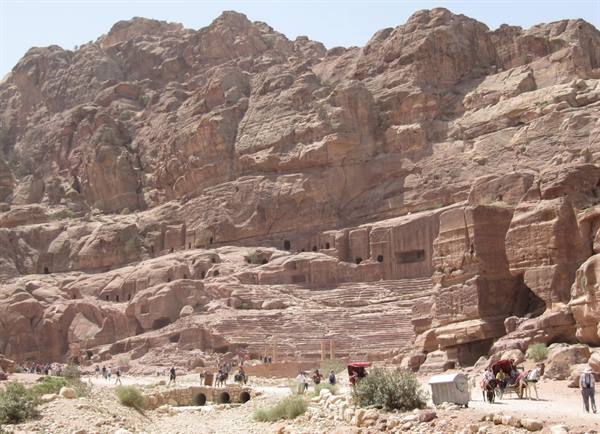
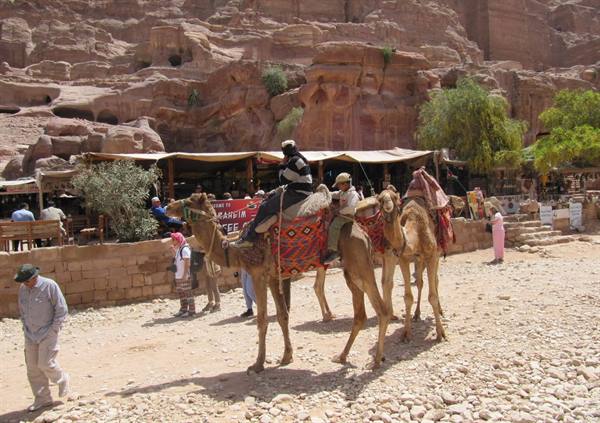
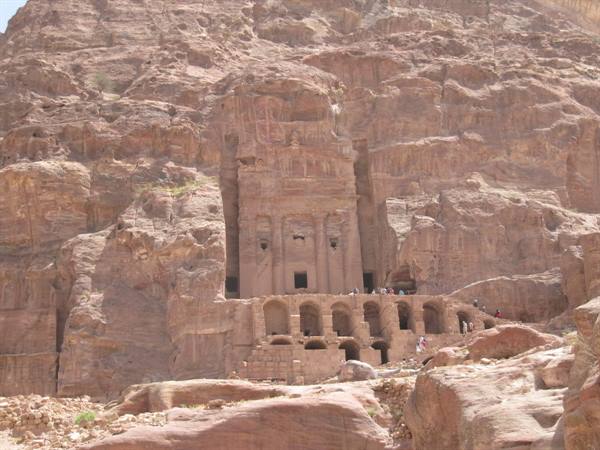
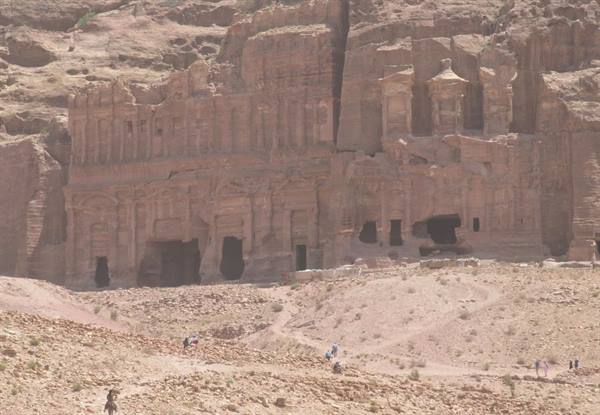
A stop at a rest point on the top of a mountain at about 1,000 m a.s.l. from which you can see, as far as the eye can see, a whole succession of rocky and arid mountains and valleys. Then the road begins to descend; we pass a first village with new buildings which is followed shortly after by the small town of Petra, extending over the slopes of the mountain and down in the valleys. The buildings are mostly new or recent, other and new hotels are being completed. The fairly narrow road with considerable traffic descends between two rows of houses and numerous souvenir shops down to a large car park near the Movempik Hotel; we get off the bus after setting the departure at 17. From here on I do not want to write anything else, leaving to the photographs I have published the task of illustrating the magic of this ancient place.

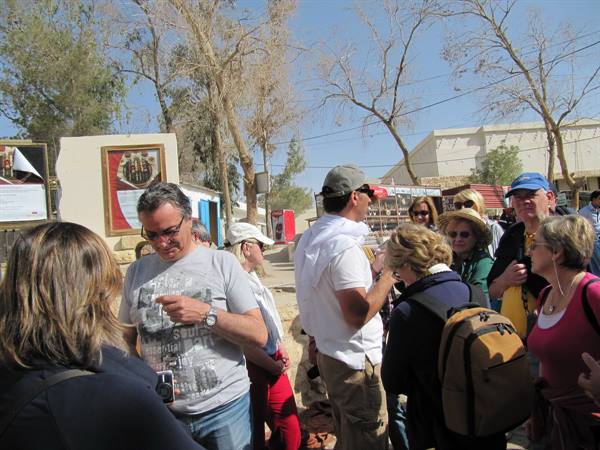
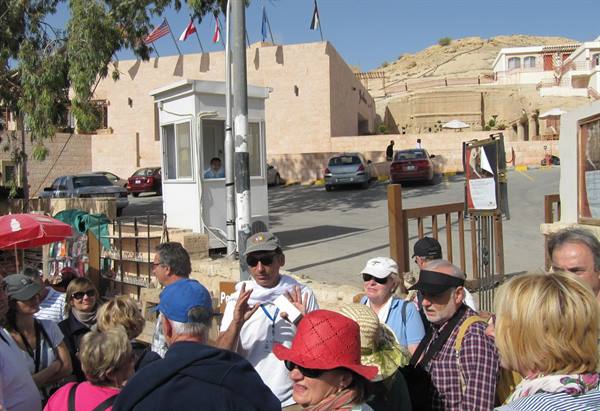
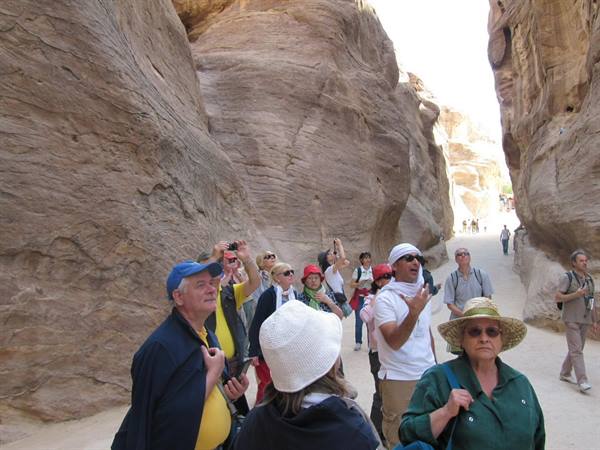
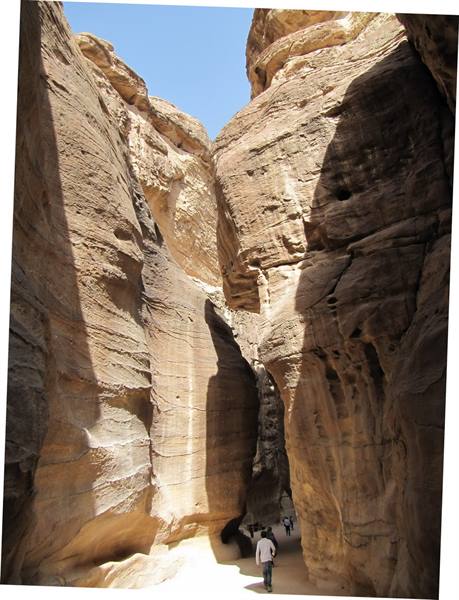
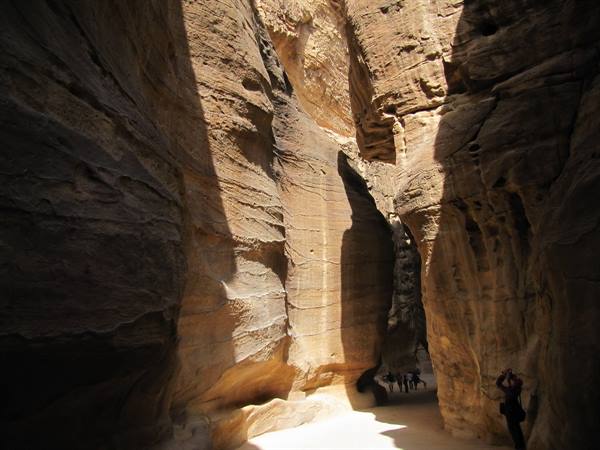
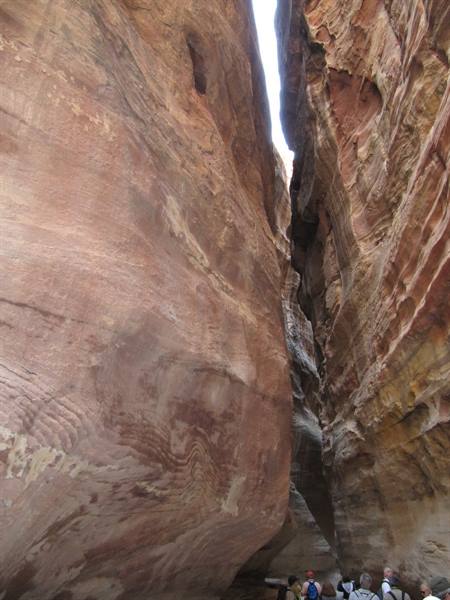
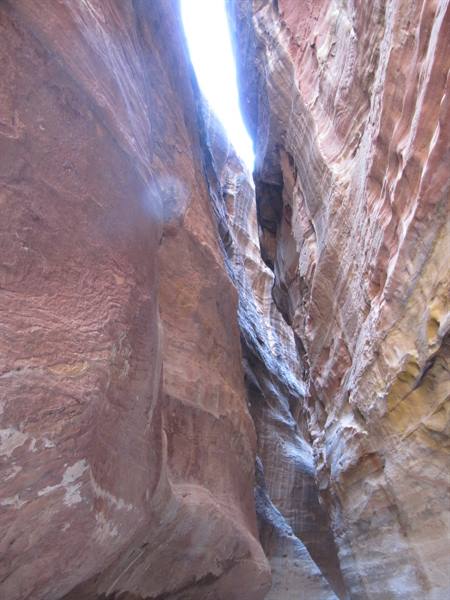
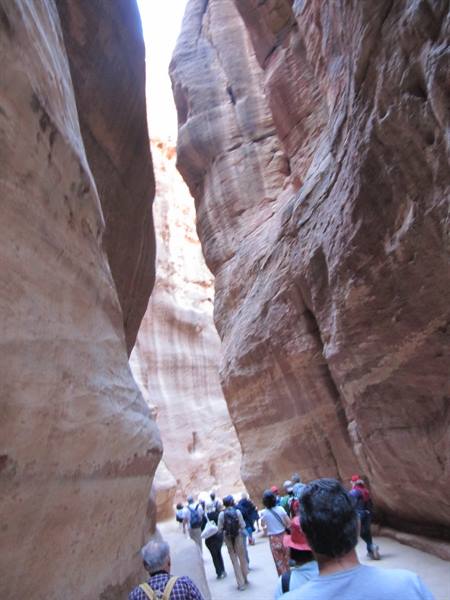
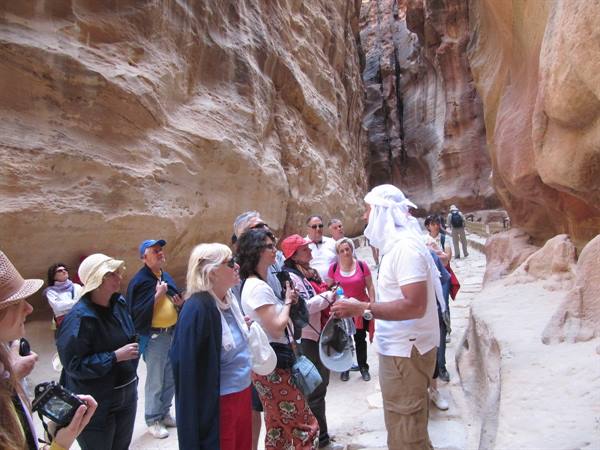
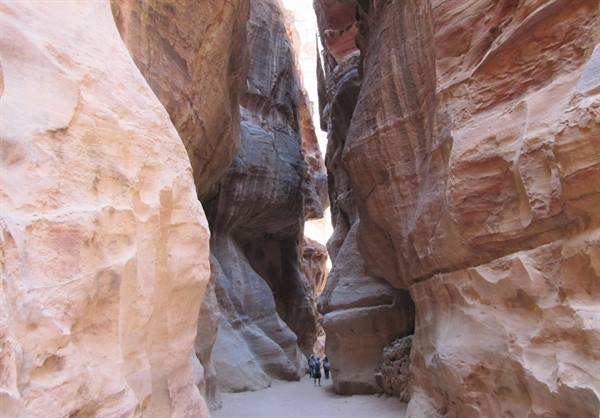
The climate is pleasant and will become hotter as the hours pass, so much that we will find relief in venturing among the cool walls of the Siq. Because of the heat, excessive for us, we will give up climbing the steep stone steps that in about an hour lead to the Monastery. The tourists are many and so are the school groups on school trips. Goodbye Petra, I strongly wanted to return despite the disappointment of the first time, and this time you enchanted me.

Day 110 Apr 2012

With I Viaggi del Turchese: MINITOUR PETRA + RED SEA With my wife Maddalena, back at the end of March 2010, we had already tried to visit Petra, but our adventure ended in a real downpour. Departure as scheduled from Orio at 11 and arrival at Aqaba at 16.20 as planned, the Aqaba airport open only for us, waiting for us we find the very kind lady from I Viaggi del Turchese who in half an hour accompanies us to the Gulf Hotel. Since only I and my wife Maddalena are doing, this week, the Minitour of Petra + Red Sea, we are grouped together with those who will do the Tour of Jordan, and instead of a 3* hotel we are accommodated at the Gulf Hotel, a 4*. The Gulf Hotel perhaps doesn't deserve its 4*, it certainly isn't up to the standard of the hotels in Sharm or Taba, but for 2 nights it's more than fine.

Aqaba is a seaside holiday spot for Jordanians and families from Saudi Arabia, it is located in the southern triangle of Jordan squeezed between Israel to the west and Saudi Arabia to the east. An ancient small fishing port in the Gulf of the Red Sea, separated from the rest of the country by mountains and desert, Aqaba has seen considerable development, after the British protectorate and the definition of the borders, being Jordan's only port. Hence the many new civil and industrial buildings (oil refinery, commercial port and arrival point of the Hejaz Railway which brings to Aqaba the phosphates extracted in the mines of southern Jordan). A city of considerable vitality, I am surprised by the cultivated vegetable gardens that stretch along the ridge that descends from the coastal road towards the beach.

We haven't seen the most renowned beaches along the east coast, towards Arabia, but I certainly wouldn't lie down on the sand here, the sea is too dirty. On the morning of the 11th, an early wake-up and at 7 we are on the bus, we meet Mahdi, the excellent guide who will be with us today in Petra and will then accompany the others on the tour of Jordan. He thrilled us so much that for a moment we thought of changing our trip and going tomorrow with him and the others to Wadi Rum. From Aqaba to Petra there are about 130 km. We leave the city heading north-east and take state road no. 15 which goes towards Amman. We cross a short stretch of rocky desert, a short distance away on our left, the airport where we arrived and in the background the Israeli city of Eilat. The road, carved into the mountain, winds alongside a wadi with stretches on viaduct.

Once past the arid mountain that for centuries protected Aqaba from invasions, we are in the great desert that extends across all of Jordan. On our right, beyond the wadi, runs the narrow-gauge railway line that carries the phosphates to Aqaba. The road is used by every kind of vehicle but above all by tankers loaded with petrol and trucks going from Aqaba to Amman. After about an hour Mahdi points out to us on the right the road leading to Wadi Rum, whose highest mountains can be seen in the distance. Shortly afterwards we leave the flat and always straight state road 15 and take on the left the 35 which climbs towards Petra. From now on we will travel along a mountain road that climbs through a landscape even more barren than the one seen so far. Stunted wheat crops are followed by plots of land with piles of stones here and there where goats graze.

Stop at a rest area on the top of a mountain at about 1,000 m above sea level from which we see, as far as the eye can see, a whole succession of rocky and arid mountains and valleys. Then the road begins to descend, we pass a first village with new buildings which is followed shortly afterwards by the small town of Petra which extends on the slopes of the mountain and down into the valleys. The buildings are mostly new or recent, other and new hotels are nearing completion. The road, fairly narrow and with considerable traffic, descends between two rows of houses and numerous souvenir shops down to a large car park near the Movempik Hotel, we get off the bus after setting departure at 17. From here on I don't want to write anything else, leaving it to the photographs I have published to illustrate the magic of this ancient place.

The climate is pleasant and will get hotter as the hours go by, so much so that we will find relief in going into the cool walls of the Siq. Because of the heat, which for us is excessive, we will give up climbing the steep stone steps that in about an hour lead to the Monastery. There are many tourists and very many school groups on school trips. Goodbye Petra, I strongly wanted to return despite the disappointment of the first time and this time you enchanted me.
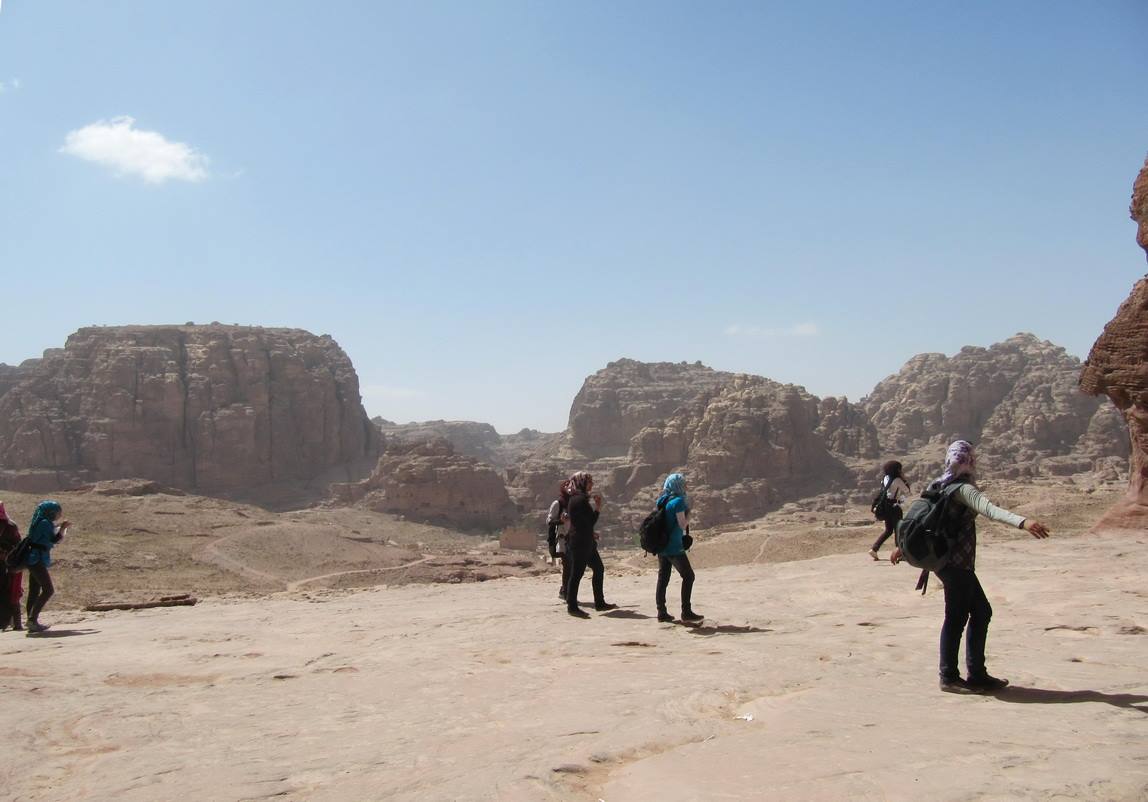
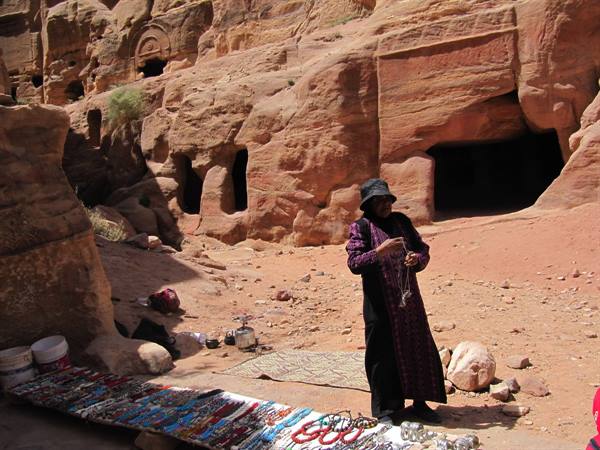
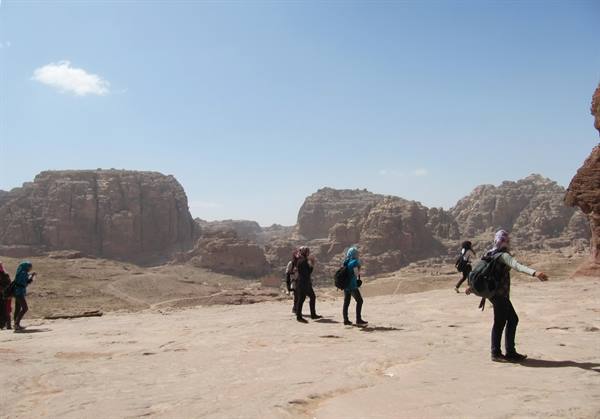
Petra, Local women tourists

The journey's photographs

72 photographs · click to open them full screen

▶ Slideshow
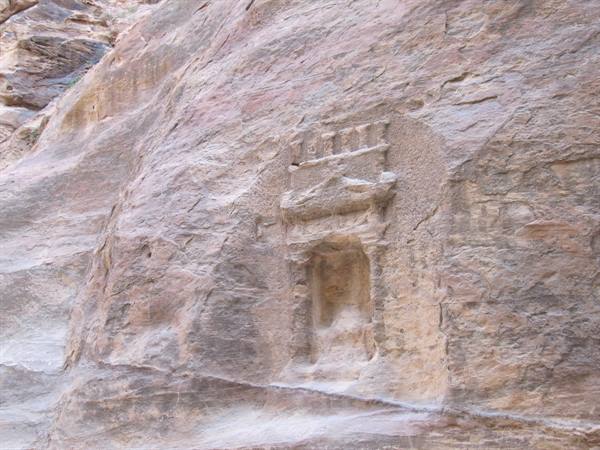
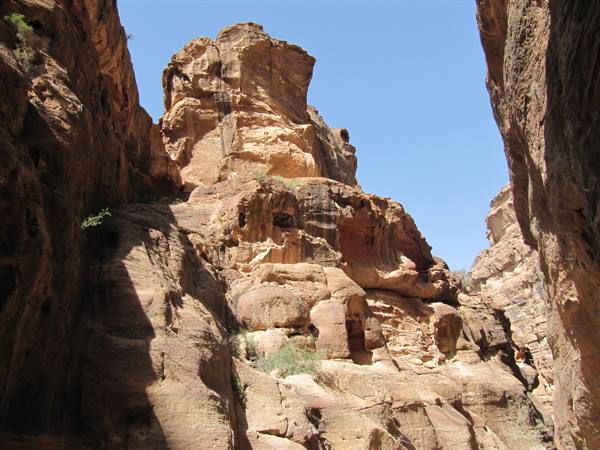
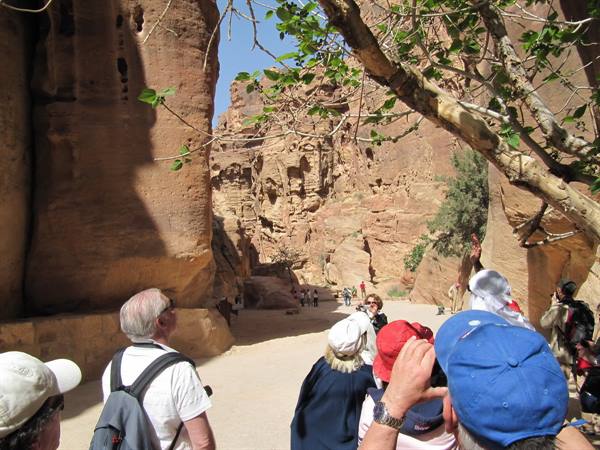
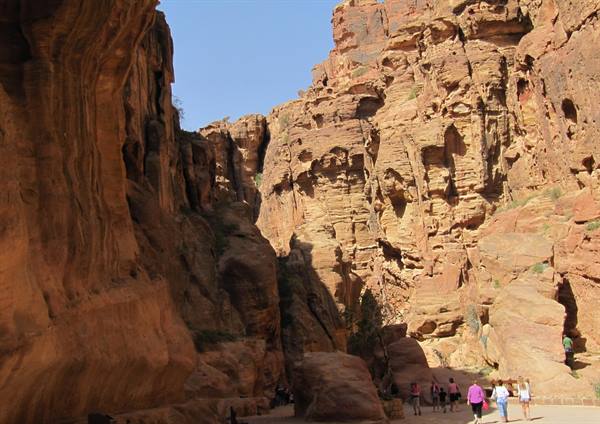
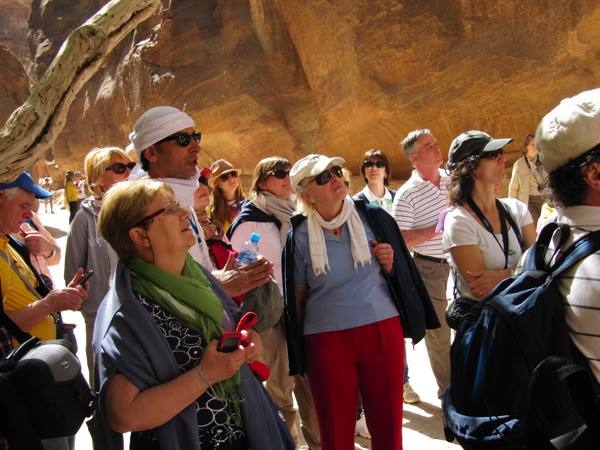
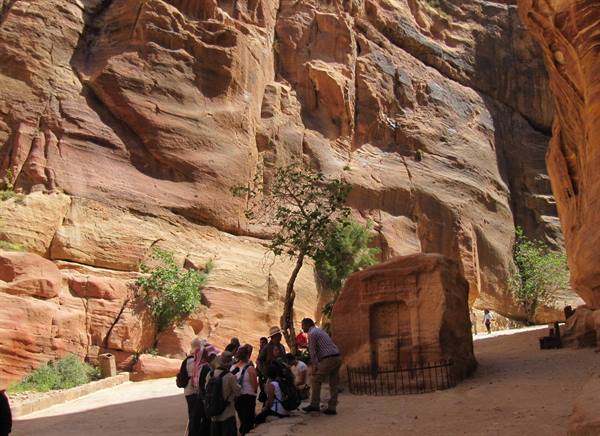
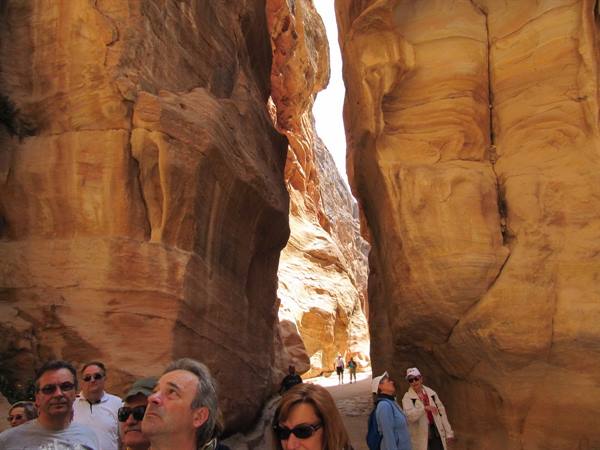
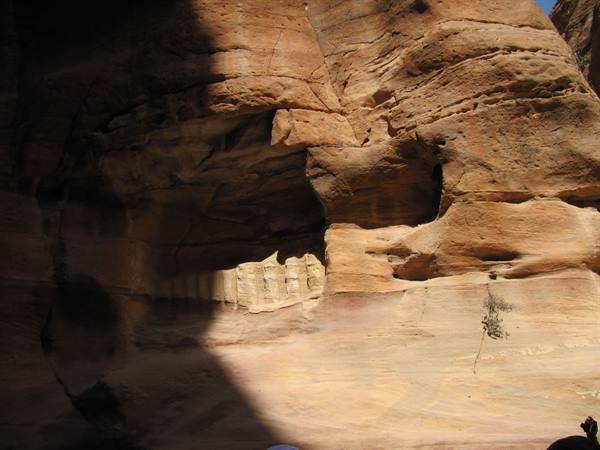
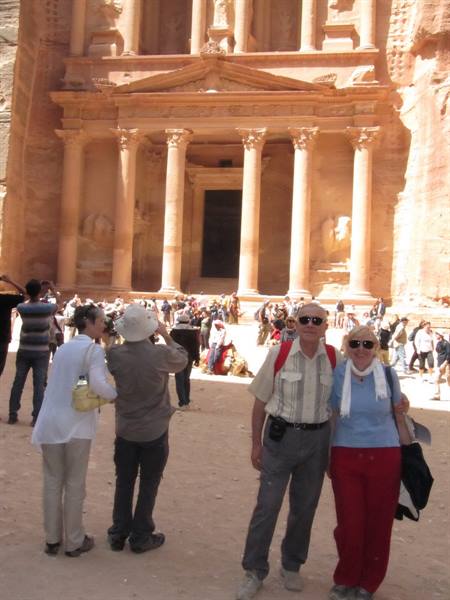
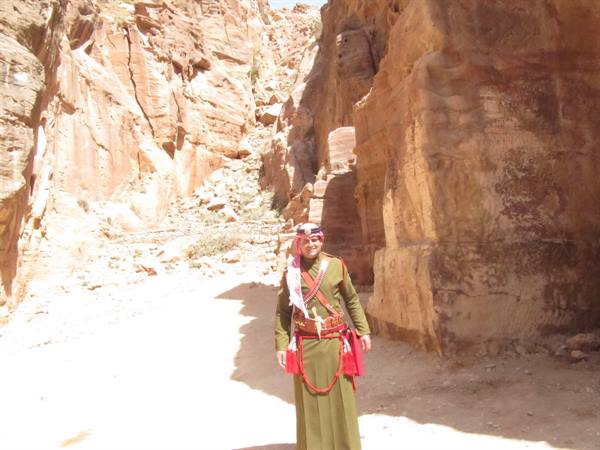
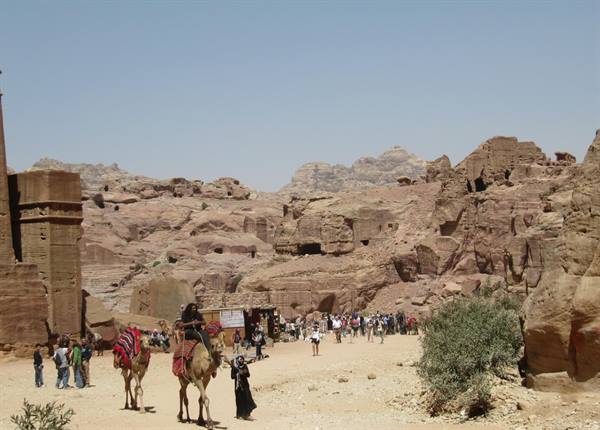
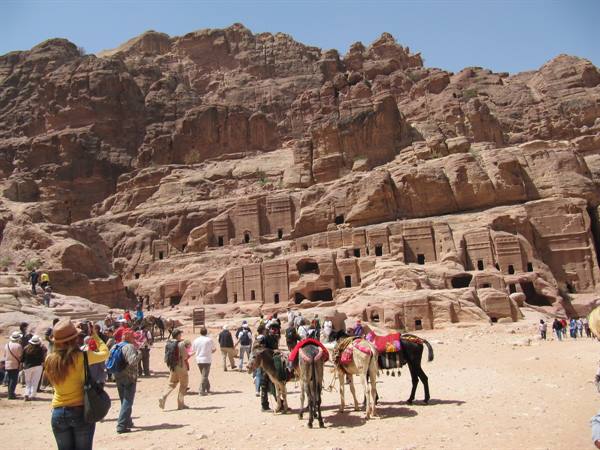
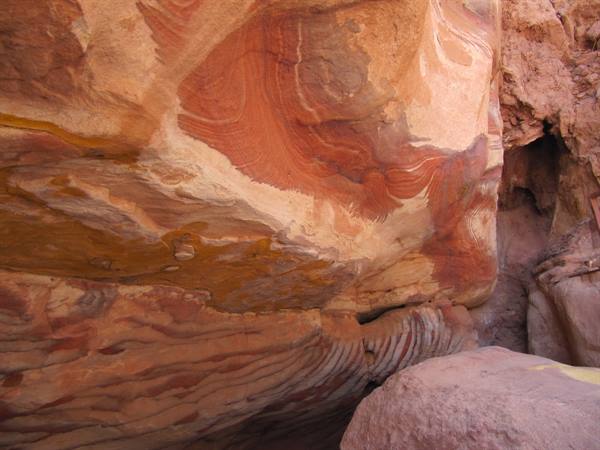
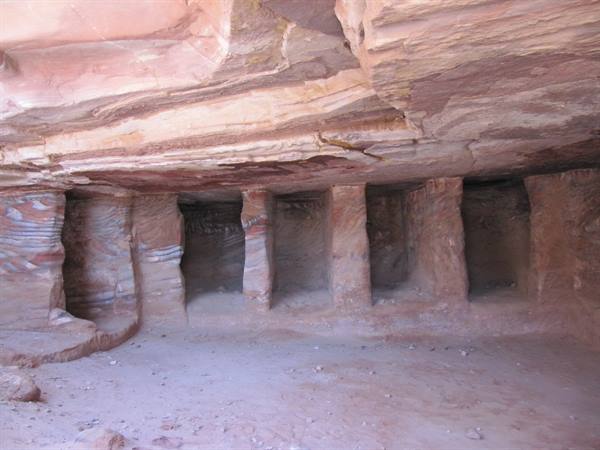
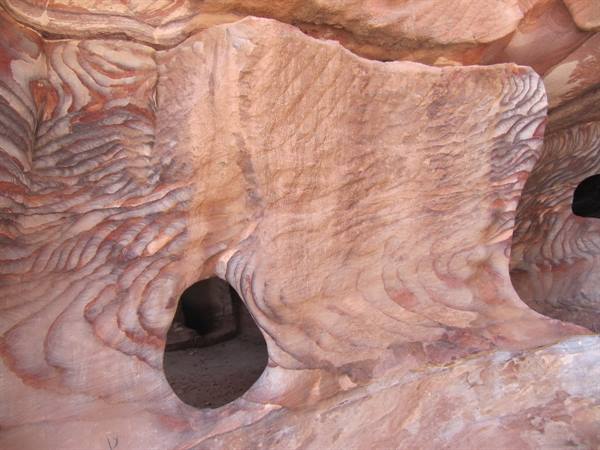
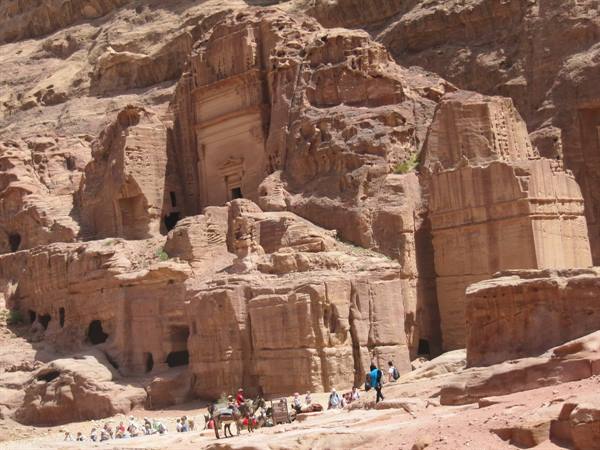
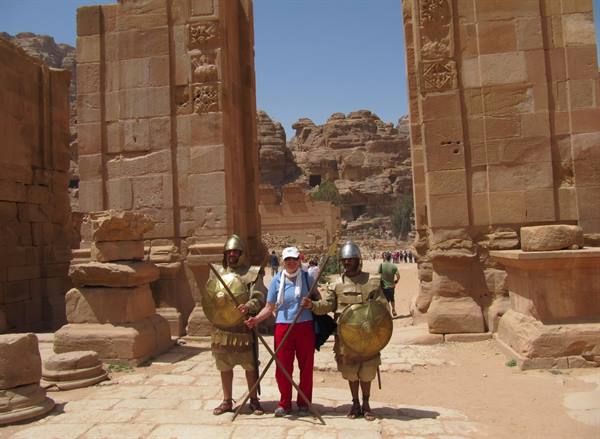
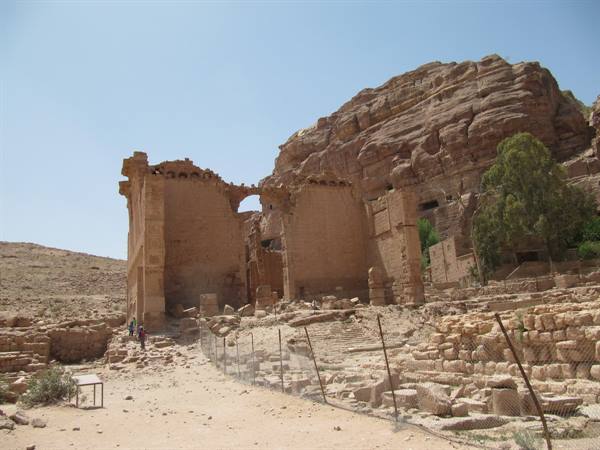
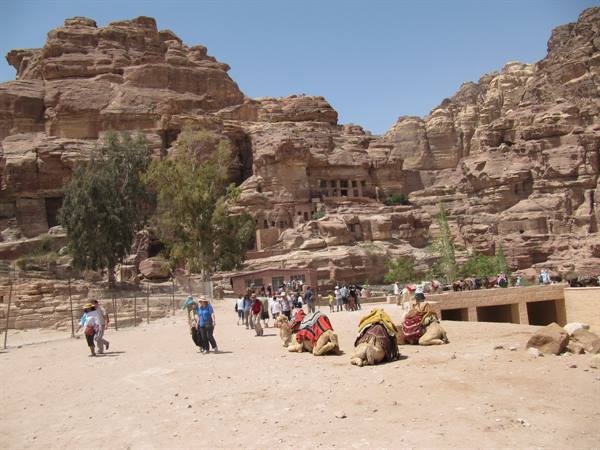
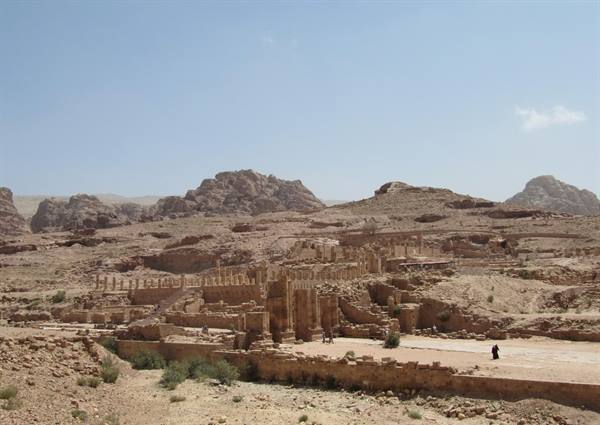
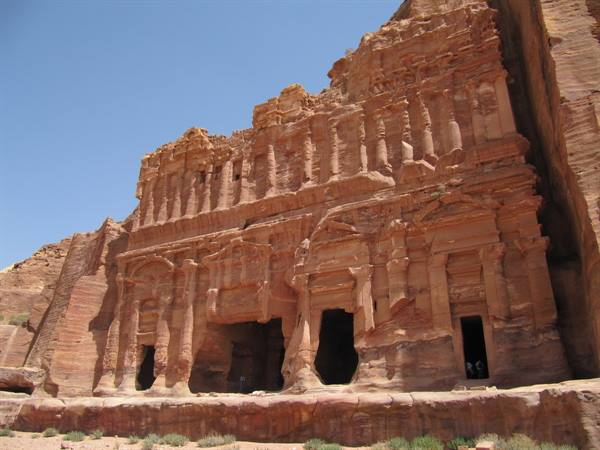
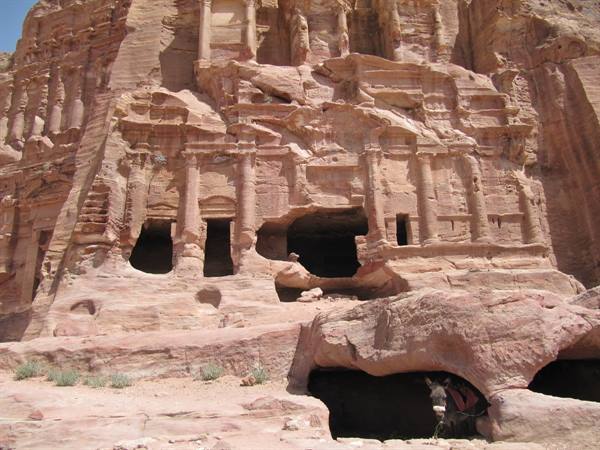
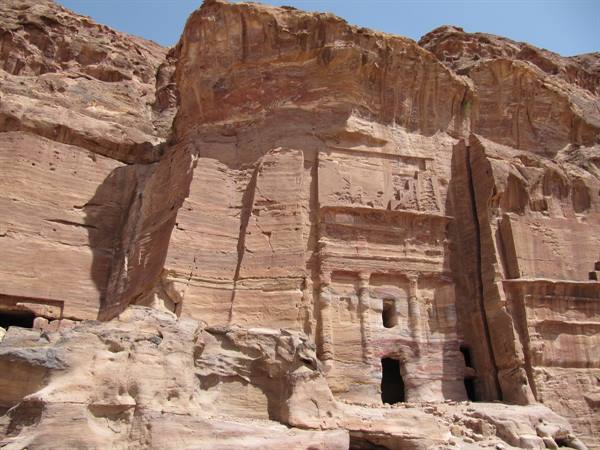
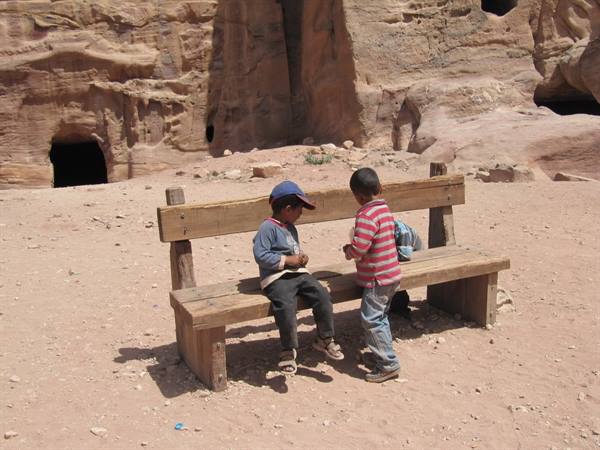
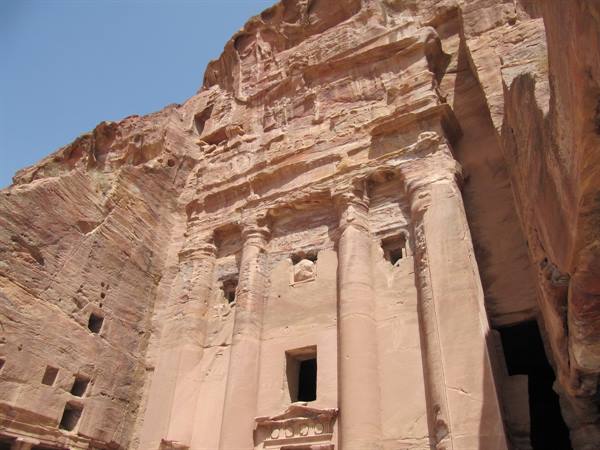
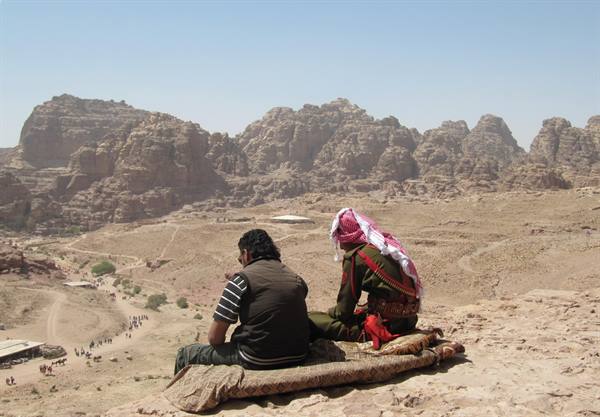
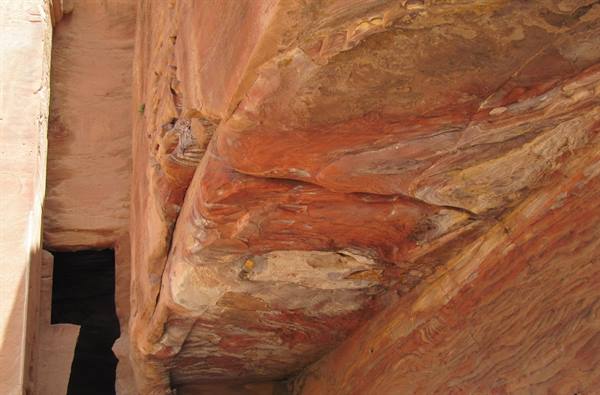
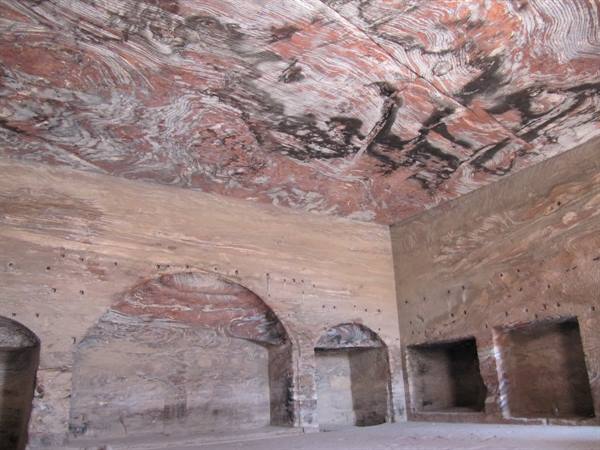
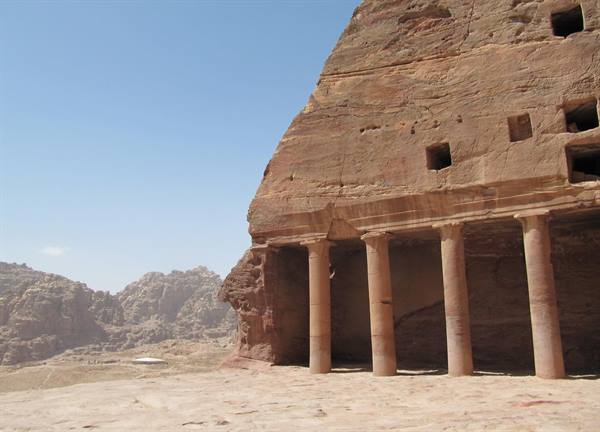
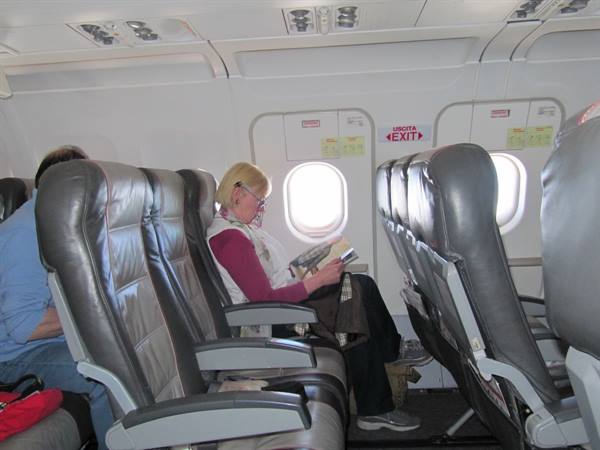
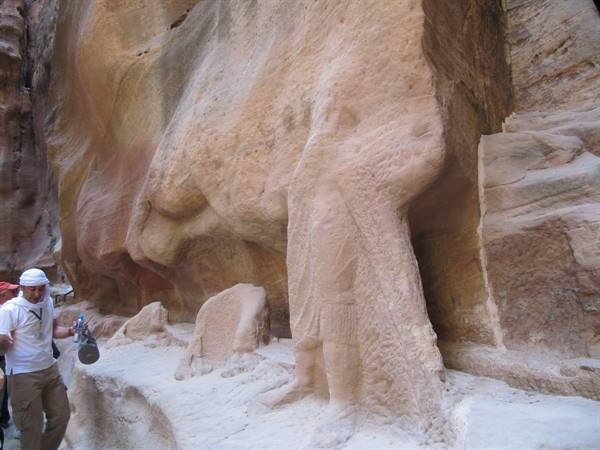
flying toward Aqabathe beach of Aqabaon the road to Petravillage near PetraModern PetraPetra todayin Petra toward the SiqOur guide Mahdientrance to the Siqmeans of transport in Wadi Musafirst monuments of the SiqTomb of the Obeliskscheckpointfinally the Siqyou enter the immense crack in the rockancient guardsMusa's (Moses') fig treeMahdi all fired upin the Siqlike dwarfs in the Siq of Petraexplanationshunting for memoriescarriages and pedestrians in the Siqvery attentivepuci and shadows of the Siqancient devotionsrocks and vegetationMoses' fig treethe colors of Wadi Musaadmired in the Siqvotive stonealways with the nose upgrotto of the Siqcolorscolorful nightmarelights and reflectionswhat remains of a man and his camelalways more admiredother colorsancient water channelslike dwarfs among giantsspectatorscolors and suggestionsEl Khasneh (The Treasury)El Khasneh (The Treasury)in front of El Khasneh (The Treasury)desert guard Wadi Musa and tombsother ancient tombscolorsancient caverns colors and suggestionsvendormore tombsRoman theatre and tombswaitingTomb of the UrnRoyal tombsamong the henchmenPalace of the pharaoh's daughtertoward the restaurantColonnaded street and Roman ruinsPalace TombCorinthian TombRoyal tombstreet urchinsTomb of the Urn.Wadi Musa, guards on a breakTomb of the Urn, interior Tomb of the Urn, colorful interior Tomb of the Urn, exteriorPetra, Local women tourists

0 reader comments

No comments yet. Be the first to write about what struck you on this trip.
To comment sign in or join free.
esc
↑↓ navigate ↵ open esc close All results →