The story
Wandering for the first time through London, and Bath-Salisbury-Stonehenge, by Ferny Forner A do-it-yourself trip, organised by consulting travel accounts and blogs. First, a few practical notes: Trip from Turin with Ryanair, €123 (2 people, return) Stansted-London airport return, £22 each with National Express (slow) Oyster/Travelcard for freedom of transport in London, 7 days, £25 each (essential). Hotel: Reem Hotel, double room with bathroom, 6 nights £403, Bayswater area, basic, clean, quiet, lift, comfortable bathroom, kind and helpful staff, convenient tube (Bayswater and Queensway, for 3 lines), also many double-decker buses a few steps from the bustling Queensway.
Restaurants we went to: Bell'Italia on Queensway (good, with affordable prices, about £15), Ponti's in Covent Garden, no comment, the restaurants in the Crypts of St Martin-in-the-Fields, St Paul, Southwark, very atmospheric, open only at lunchtime, simple menus, good prices (about £12). Tate Modern, very panoramic, mid-range prices, and finally the Strada restaurant near the London Eye on the Thames, good, mid-range prices £17-20. Museums, almost all free; churches often charge for entry. May 6: from Victoria coach station we go to the hotel, located in a lovely area with typical white buildings; we rest, then begin our wandering, take bus 23, settle on the upper deck and, so to speak, head into the centre. A slow ride, always stuck in traffic; we see Piccadilly, Regent Street, Trafalgar Square; given the slowness you see everything well.
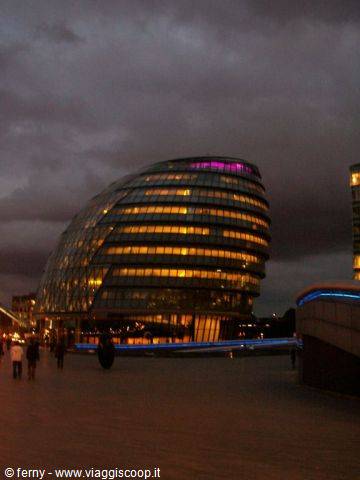
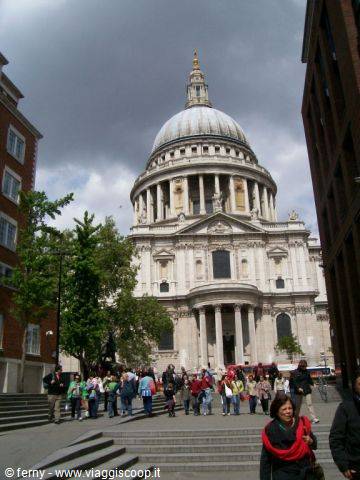
Many buildings are not only elegant but also architecturally interesting; we see the rich shop windows of the major fashion brands, we notice how many men are dressed in iron-grey or black suits with shirt and tie, they almost all look alike, and we'll meet many of them on the tube too. We've now been on the bus for almost an hour and a half; we get off at St Paul's Abbey, which we only see from the outside. The church is surrounded by many buildings; the dome is imposing, as are the two bell towers; the facade is baroque with columns like a Greek temple. We cross the Thames, going over Southwark Bridge, stopping to admire the magnificent view at sunset. We walk a long stretch of the south bank among tall buildings, often with pleasant design, interspersed with green spaces; the riverside road is very pleasant.
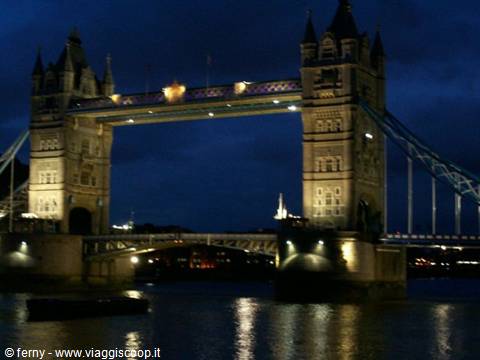
It's now 10 p.m.; we stop for dinner in a pub near the Hayward Gallery, a pleasant place, inedible dishes; on the way back we can enjoy the sight of the lit bridges over the Thames and the various skyscrapers.
May 7: we reach Trafalgar Square, a wide, historic square flanked by the National Gallery and St Martin-in-the-Fields church, with the tall column bearing Nelson's statue in the centre and four bronze lions at its base. We stop for a break on the Gallery steps; both the Gallery steps and Nelson's monument are full of people sitting, especially on the lions. We visit St Martin's church; its exterior with its columns makes it look like a Greco-Roman temple; the interior appears rather sober. The church is known for being home to the music academy; the whole thing looks very modern, but the original construction dates back to 1200, though, as with many churches and buildings, it has been rebuilt several times. We then go to Westminster Abbey.
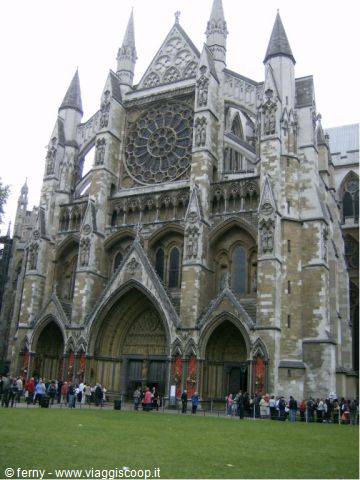
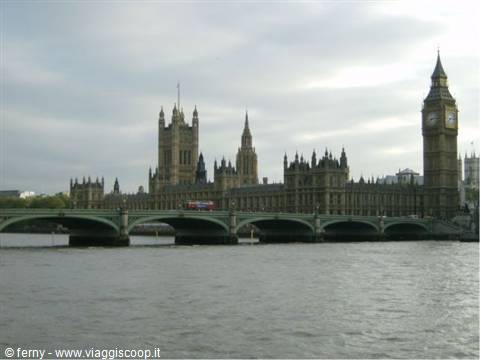
It's the royal abbey, where English sovereigns are crowned and buried; the original construction dates back to the 11th century, very beautiful, in English Gothic style. There's a long queue to get in; they tell us it's pointless to wait, so we limit ourselves to examining the outside. We then visit St Margaret's Church, beside Westminster; it was the parish church of the House of Commons. Both the interior and exterior seemed to me rather sober, even though it was founded as a Benedictine monastery between 1000 and 1100 and rebuilt several times. Visit to the Parliament (Westminster); we had already seen it from the outside while walking along the Thames. The area is quiet; I don't see any particular security, no sirens or blue-light vehicles, and yet we were in the area for more than two hours. I see only one guard at the car park entrance.
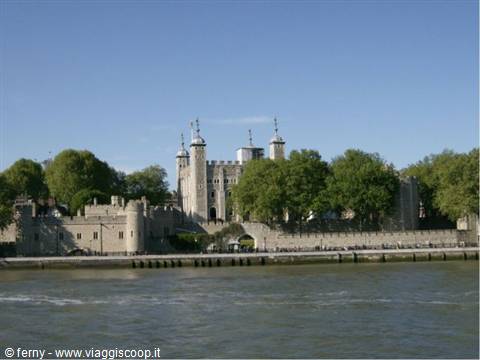
The building is very beautiful, even if it has no particular architectural merits; it's a 19th-century imitation of the Gothic style. I especially liked the Clock Tower (Big Ben) and the Victoria Tower. We head for Westminster Cathedral, the most important Catholic church in England. The construction is relatively recent, in a style copying Byzantine, with a bell tower built of white-and-red striped stone; the interior features decorations with splendid marbles. The church is quite large but you barely notice it because it's closed in by the nearby buildings around it; it seems to us little visited. From Covent Garden, where we take bus RV1, to Southwark to get a sense of those areas and rest a bit. The bus takes us as far as the Tower of London, passing through areas south of the river, letting us see areas that aren't always interesting.
May 8: Visit to Westminster Abbey; a long queue already at 9.30 in the morning. We go in (€11 each) following the long snake of the queue, it feels like being on a crowded coach. The abbey is very large, the central nave tall and narrow, the sides lined with tombstones and funeral monuments (not always of artistic merit) of very many illustrious figures from every field (kings, generals, admirals, poets, musicians, etc.). It's a mix between a pantheon and a necropolis; walking through the church you reconstruct the history of this country. I liked the central nave with its arches supported by columns; the tomb monuments too are often by famous sculptors, even modern ones — I saw one by Henry Moore. A shame you can't take photos. The medieval floor and the central nave are remarkable. Going to London without seeing the cathedral is like going to Rome without seeing St Peter's.
We then go to the National Gallery in Trafalgar Square, one of the richest galleries in the world. I notice the exhibition rooms are large; first we visit the big temporary Picasso exhibition, which I find magnificent — the works are divided by period and arranged in large exhibition rooms — then we continue visiting some rooms of the immense Gallery, in particular those of the Impressionists. At 6 p.m., in the Saint Laurent room, we listen to a classical music concert for violins and cello.
The journey's photographs
7 photographs · click to open them full screen

0 reader comments