The story
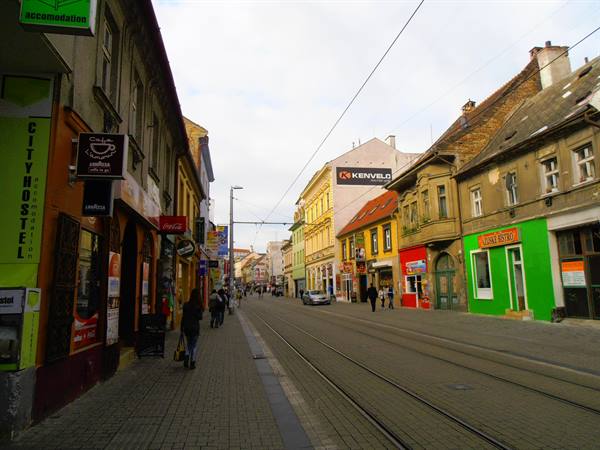
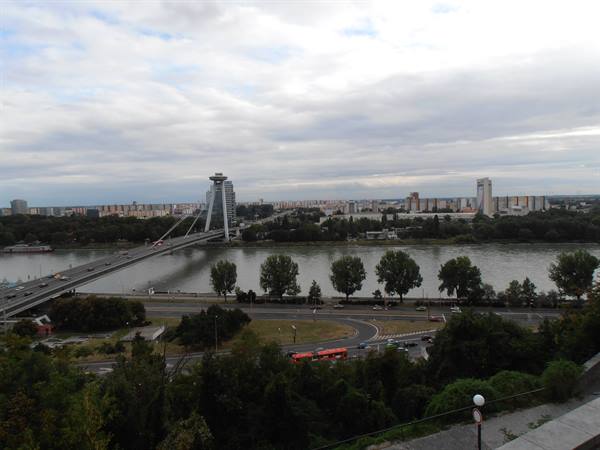
From Vienna you reach Bratislava, the Slovak capital, with a short one-hour ride on a train that looks almost like a metro line. It is frequented by Slovaks who work in neighbouring Vienna. BRATISLAVA is a lovely city of around 600,000 inhabitants that stretches along the Danube river, with several boats moored along its banks and many modern bridges, one of them with a restaurant high above a circular column. The historic centre is nice, with a series of pedestrian streets lined with low, ancient houses at whose bases are several open-air bars and restaurants that come alive in the evening with the locals and the many Austrian and German tourists who come to Slovakia for the affordable prices, although the fact that the euro circulates here — the only country together with Estonia in Eastern Europe — has pushed up the once very low prices.
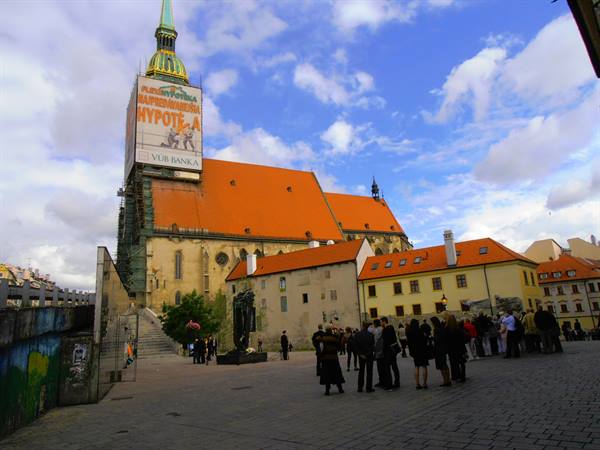
Slovakia has a good economy, better than Hungary's, and produces many cars, since Volkswagen, French firms and Korean Kia have built many plants there that produce more cars than Italy, thanks to low wages and low tax pressure. Bratislava has a castle on a hill, a very tall white quadrilateral with a large inner courtyard and a surrounding park being restored. It dates back to the 15th century and became the residence of the Hungarian royal family during the Turkish occupation of Budapest, when the Hungarian capital was transferred to Bratislava. Below is the beautiful Cathedral of Saint Martin with its 8 kg solid gold sphere on the bell tower. Many Hungarian kings were crowned in this church. Relations between the two states are terrible, because the Slovaks fear Hungarian claims which the latter swear they do not support.
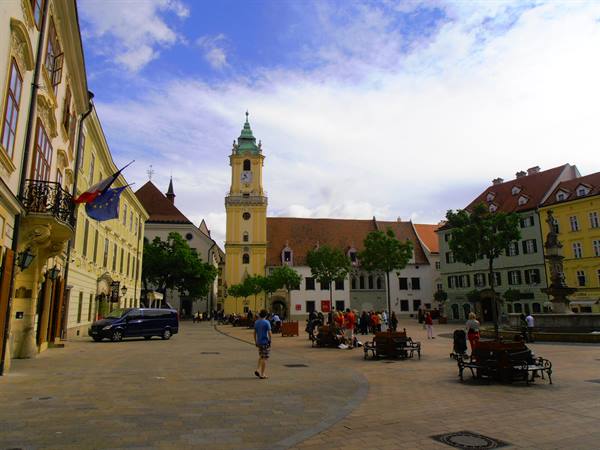
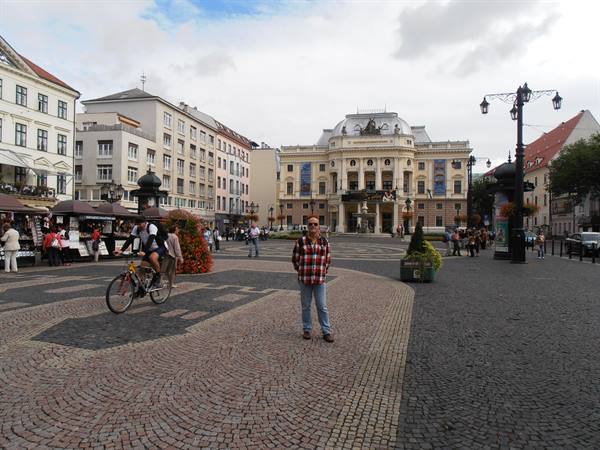
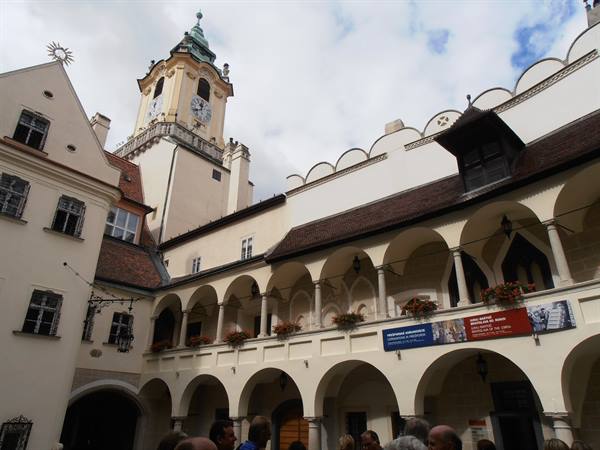
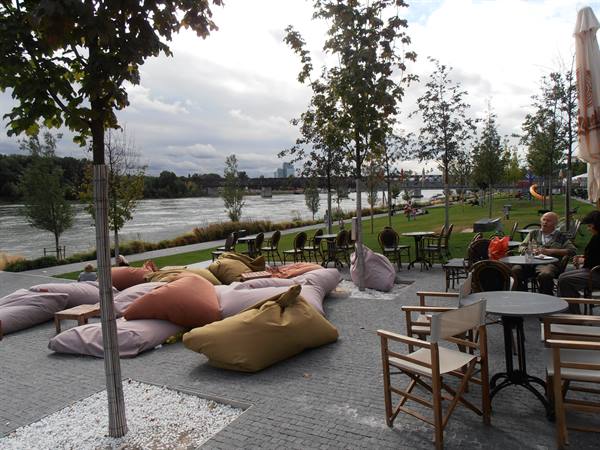
There is a fine Opera House in a square with a lovely garden and a luxury hotel, an ancient church on whose outer wall is embedded the black cannonball fired during an old conflict, and the mark of the Danube which had flooded the city during a winter flood when the ice came. A fine old town hall and interesting patrician buildings such as the Reduta and the Apponyi complete the historic centre, along with the Roland Fountain dating back to 1500, some gates and towers, and an ancient house just one metre wide. Very beautiful is the modern part along the southern side of the Danube. There are ultra-modern buildings housing shopping centres, hotels and museums, and a lovely riverside promenade with English lawns and huge cushions where especially young people lie down and drink cocktails while admiring the river and listening to the background music.
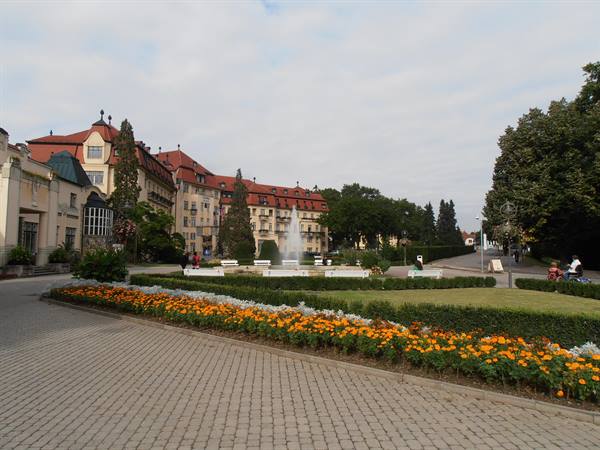
Unfortunately the communist regime committed some monstrous acts, for example building a motorway that runs right in front of the cathedral, putting it in danger and requiring restoration and consolidation. I thought one day was enough, and so I decided to move on and visit other places in the country. I would have liked to stop in Trencin, a lovely old town with a castle, but unfortunately I didn't notice I had passed it because I suddenly dozed off. Luckily I stopped just after at PIESTANY, a spa and health-resort town with a river, a lovely quiet green town and an imposing thermal complex, the Napoleon, with three facilities.
I decided to try the experience of bathing in the black mud and then in the very hot sulphurous water, drinking about six litres of very hot water held to be miraculous for the stomach acidity I unfortunately suffer from, often because of the beer I should give up. In short, I tried to make up for the many beers drunk with this excessive drinking of hot water and the bath, which, in the half hour resting in bed, gave me excessive sweating, but perhaps a healthy one. On the other hand, this experience cost me only 13 euros, and in the following days I felt reborn.
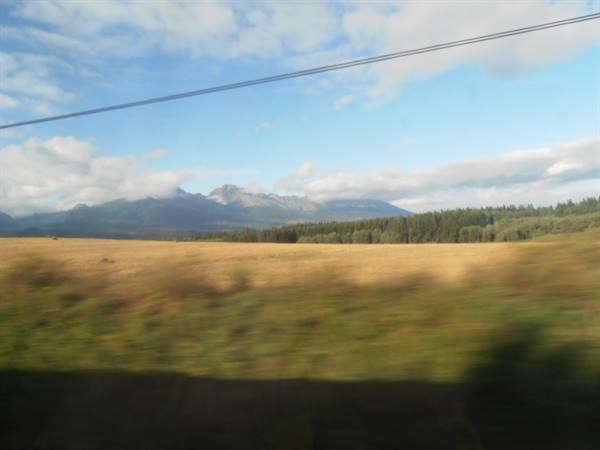
The next stop without a break was the Tatra mountains and their national parks. Slovakia is stormed above all for its mountains, but I was lucky enough to climb Mount Lomnica, one of the highest in the Tatras, during an excursion from Zakopane in Poland the previous year, and so I carried on and stopped at SPISSKA NOVA VES, a nice little town, under total restoration, which was very convenient for two excursions the following day. I stayed in a modern hotel and took the most expensive room of the whole trip: 35 euros for a single with bathroom, television, air conditioning and a spa on the ground floor with free use of the Finnish dry sauna and the Turkish steam one.
After the tiredness of the endless train journey lasting half a day, I appreciated this relaxing experience, which gave me the chance to meet various young Slovak couples who like to spend the weekend with mountain hikes and evening sauna sessions. What's more, coming out of the sauna and intending to dine in the hotel's lovely restaurant, I discovered that the whole place was taken over for the wedding party of a lovely couple. I stayed on the terrace, listening to the music of the little band, the dancing of the relatives and their drinking, which went on day and night for a full three meals, as I learned from two local girls who were invited and with whom I managed to exchange a short conversation and who rewarded me with a slice of the wedding cake, some pastries and Slovak sparkling wine — not bad at all.
Not satisfied, I decided to find a restaurant for a full dinner, and I was lucky to find an excellent, very original characteristic place with decor of antique objects from the Slovak home of other times. Strangely I don't remember what I ate, but I was satisfied and paid about 10 euros.
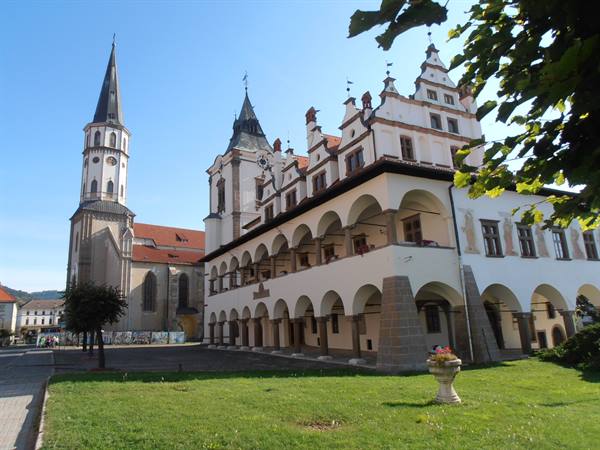
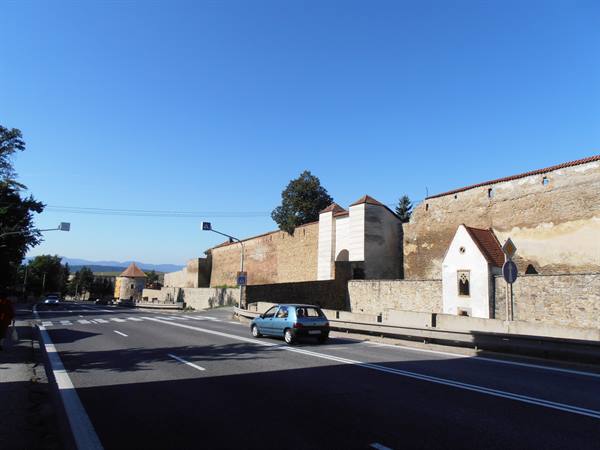
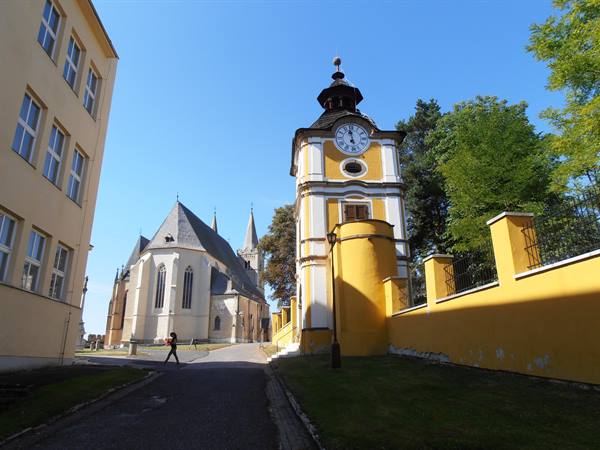
The next day I took a local train and reached LEVOCA, a medieval town surrounded by ancient walls and towers with some fine buildings inside and a beautiful church where I attended the Sunday Mass, noticing the deep religiosity of the Slovaks and appreciating the singing of the choir accompanied by that of the faithful.
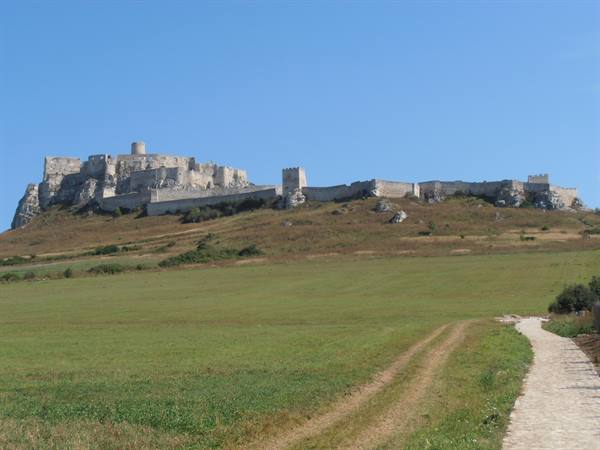
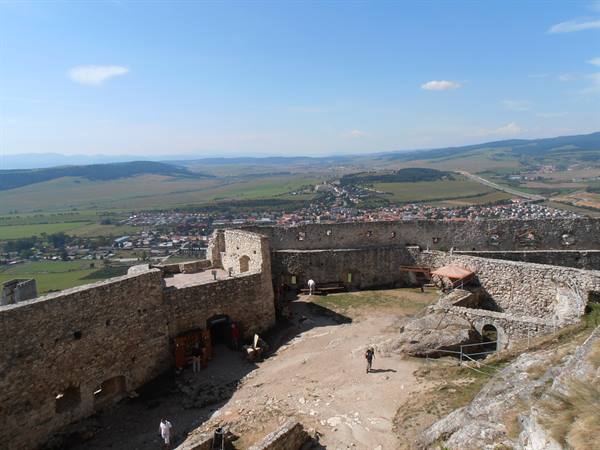
By coach I continued to SPISSKE PODHRADIE, a nice quiet town in a green valley that hosts two interesting attractions: the monastery and the ancient church of St Martin, a convent and ancient walls dating from 1200, in a religious complex called Kapitula just outside the town on a low panoramic hill; and on the other side the most photographed site in Slovakia: the SPIS fortress-castle, reached on foot by climbing a very long path that rises gradually but was heavy at midday with the sun directly overhead. It dates from 1200 and is one of the largest in Europe, and served to defend the local populations from the Tartars.
Fortunately, the visit, the panoramic spectacle, the halls with the old kitchen, a small inner church, some medieval weapons, the prison, the torture chamber, but above all the grandeur and panoramic position made that visit worthwhile, and it constitutes one of the main attractions of the country.
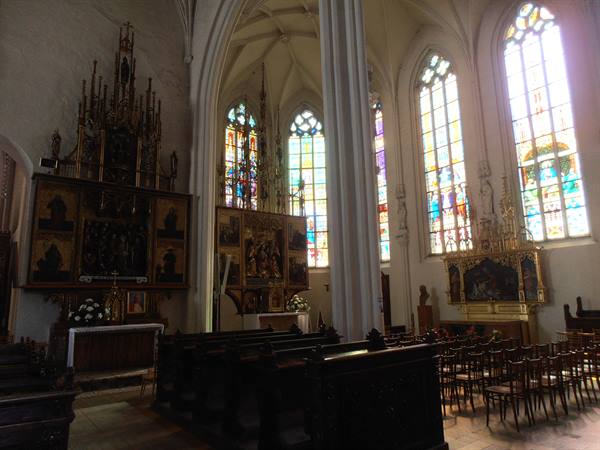
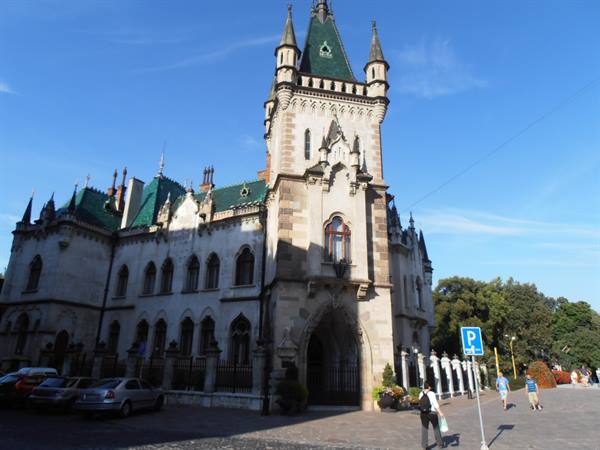
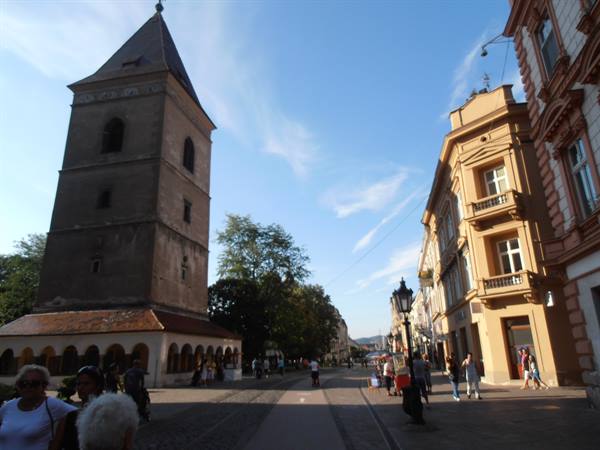
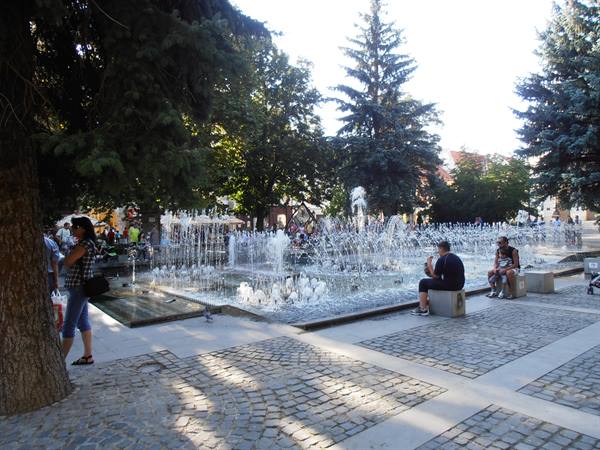
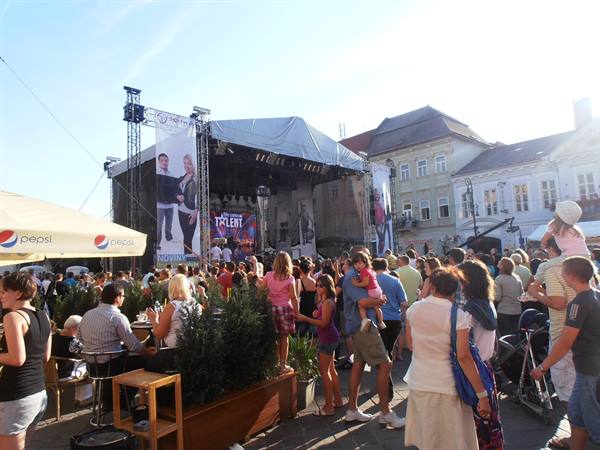
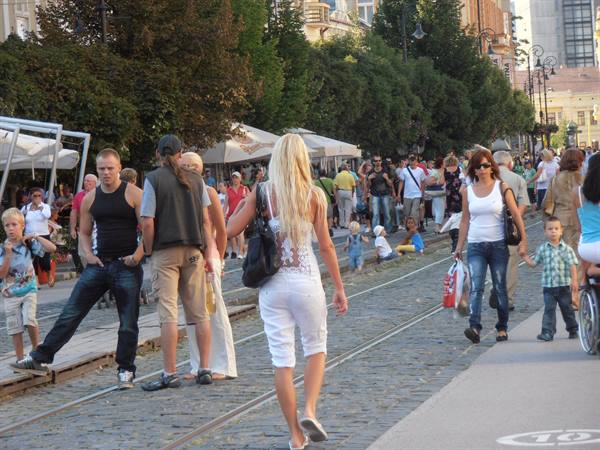
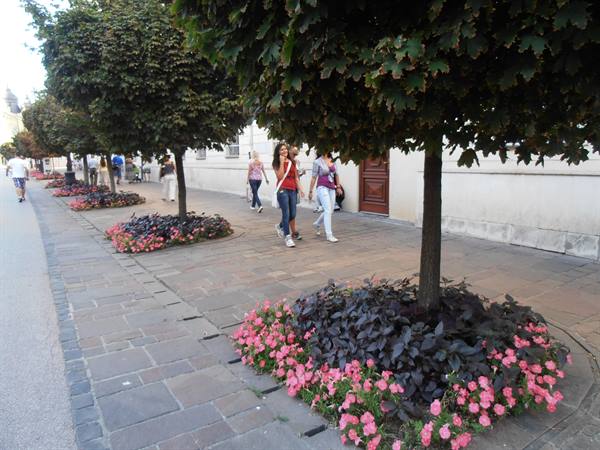
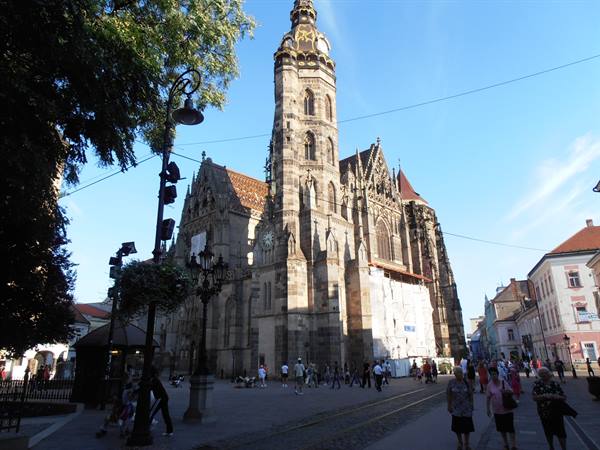
The last Slovak stop was the city of KOSICE, the second Slovak city, located near the border with Hungary, where I was supposed to stop for the night, but due to a series of unfortunate circumstances I decided that a visit of a couple of hours would suffice. I saw the historic centre, very beautiful, a very wide central street with the beautiful Cathedral of St Elizabeth with a fine bell tower, the Chapel of St Michael, a city tower, a spectacular fountain that sends up jets of water to the rhythm of classical music, many well-kept gardens and buildings, even some archaeological excavations, and a festival in the square with a rap concert by young Slovak groups and hysterical girls below cheering their idols.
The journey's photographs
35 photographs · click to open them full screen







0 reader comments