Sintra, Mafra, Sobreiro de Mafra, Ericeira, Óbidos, Alcobaça, Nazaré, Aljubarrota, Batalha, Fatima, Tomar - 25/26/27 Lisbon (see Part One) - 27 in the evening, for return to Italy on the morning of the 28th
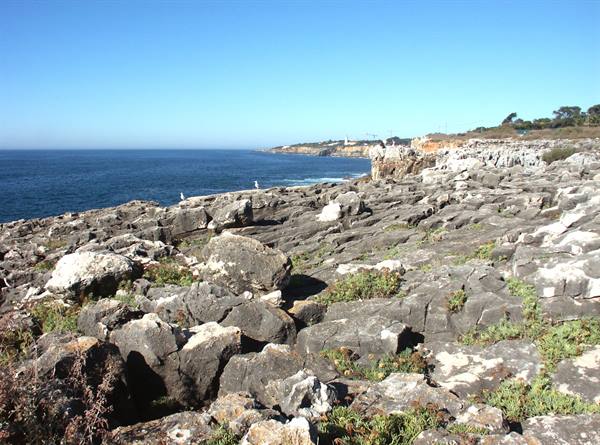
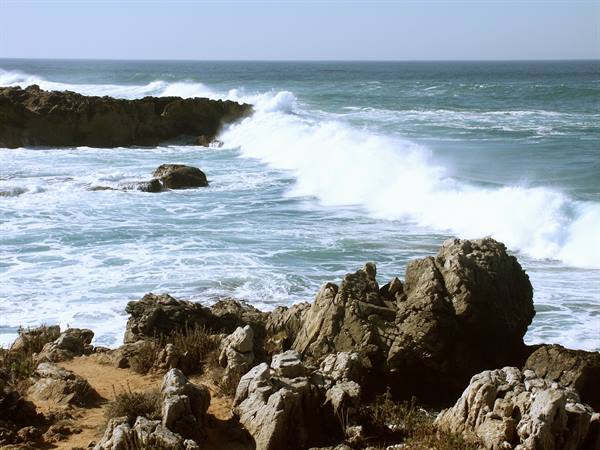
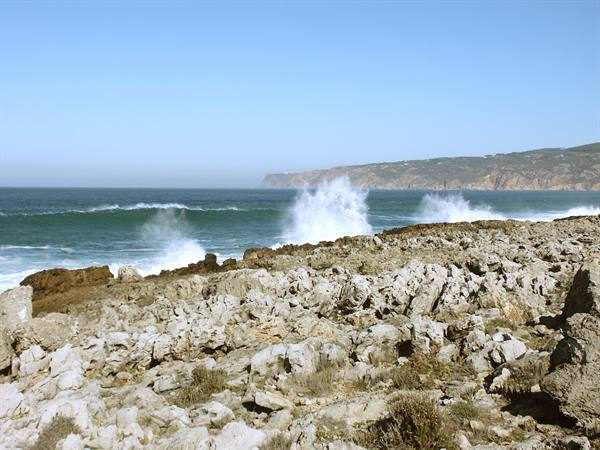
Our journey continues in the regions around Lisbon, visiting, in order, Sintra, Mafra, Sobreiro de Mafra, Ericeira, Óbidos, Alcobaça, Nazaré, Aljubarrota, Batalha, Fatima, Tomar, the most interesting towns and villages around the Portuguese capital. Heading up towards Coimbra and Porto we left for another occasion and this allowed us to make those mini stops too, where we saw what other people had told us to skip because not worthy of so much attention, such as the cliffs of Boca do Inferno, Cabo Raso and Cabo da Roca. It's true, they aren't the cliffs of Ireland or Brittany, but if we hadn't seen them there would certainly have remained the doubt about what we'd have missed.
It was a lovely wandering in an environment still in an intact natural state, often harsh, a mix of hills and mountains, where the massive contamination of mass tourism hasn't arrived yet, allowing those who visit these places, apart from towns of a certain size, to experience a contact with nature and the local people that by now, in many places in Europe, and in ever more vast areas of Portugal itself, no longer exists. When we had mentioned to some people the idea of visiting Lisbon and the areas around it, the response was unanimous… be quick because Portugal is changing fast, since a modernisation of the country is under way that will inevitably change many peculiar aspects of Portuguese life and environment, wiping out what can still genuinely be found today without effort, but which tomorrow will be only a memory because supplanted by the tourist mincer.
For example, the much-lauded Nazaré as a fishing village where the women traditionally wear seven-layered skirts and mend the fishermen's nets… today the women with the seven skirts are still there, but they no longer mend because it's become more lucrative to offer tourists accommodation, restaurants, souvenirs, etc. while the fishermen have left their nets to become hotel managers or take up other activities linked to the tourist flow that Nazaré now lives off, no longer showing that charm that had once made it famous.
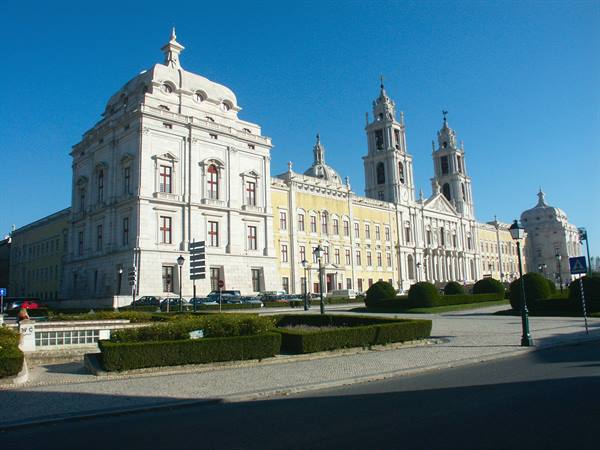
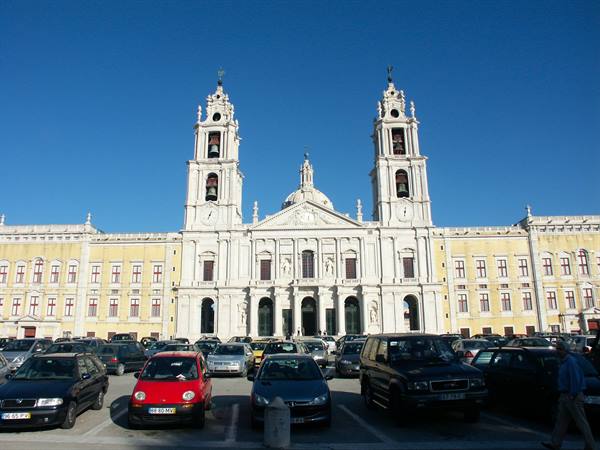
Such tourist development of the coastal areas was not always matched by an equal increase in some inland towns, even though what they offer is a very valid reason to visit them, as in the case of Mafra with its convent-palace known as the Palacio Nacional de Mafra, an imposing structure that dominates the town, mostly made up of two-storey buildings, where however, if you decide to spend the night in this small town, it becomes obligatory to use the only hotel in the town, the Hotel Castelao, a hotel where its two stars shine very little, with the sole advantage of being a stone's throw from the centre and where we had decided to spend the evening dining at the Restaurante Paris, a good choice.
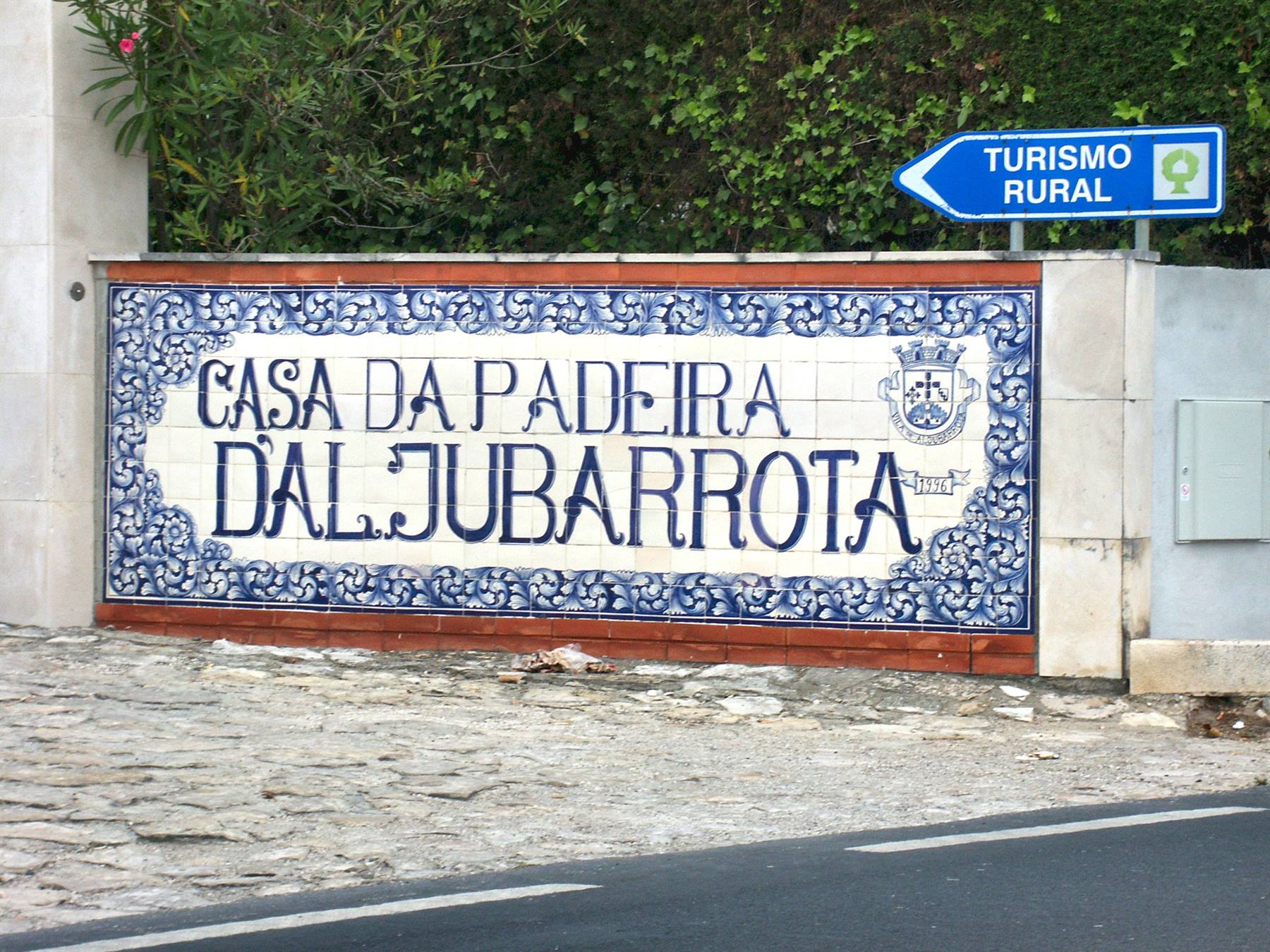
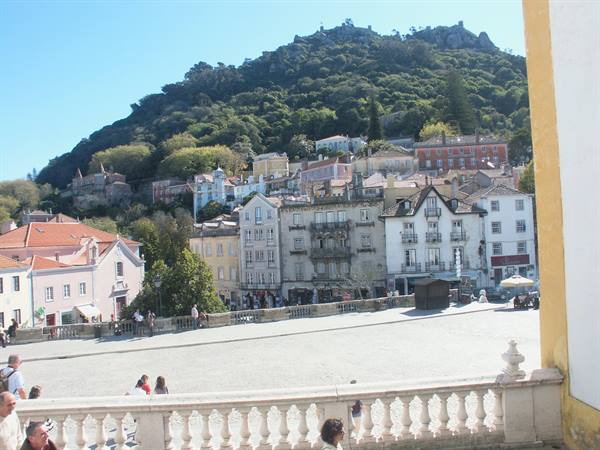
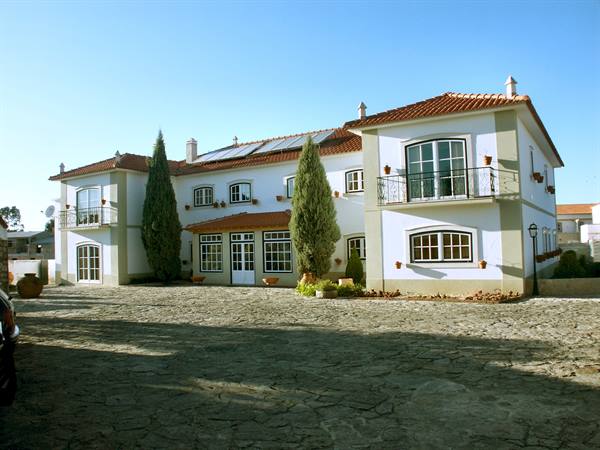
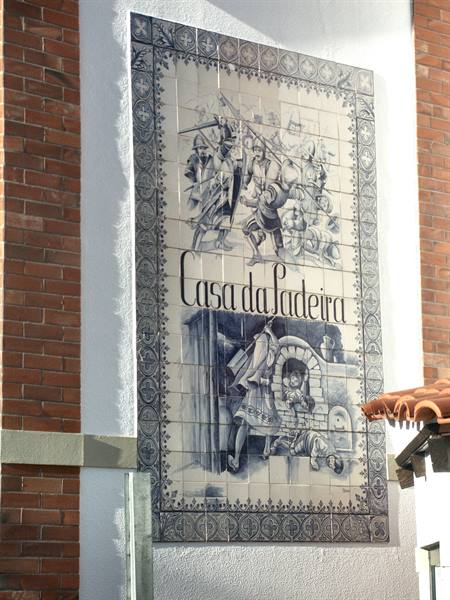
As accommodation, the best choice was made by stopping at Aljubarrota, in a Turismo Rural establishment and where on the Internet ( we had already noticed the quality of the Casa da Padeira, a pleasant environment that many ratings called excellent, a judgement confirmed both by the quality of the services found and by the friendliness shown to us by its well-prepared hostess, the very kind Lina Pacheco. Briefly, because they're recalled in the daily diary, the towns we had planned to visit fully met our expectations, each reserving for us, even though we had chosen them in good time by informing ourselves on the Internet about what their visit was worth, unexpected surprises, especially about their territorial location or their urban layout. Sintra is set on hilly terrain, dominated by the Castelo dos Mouros, which gives a wide view of the green surroundings.
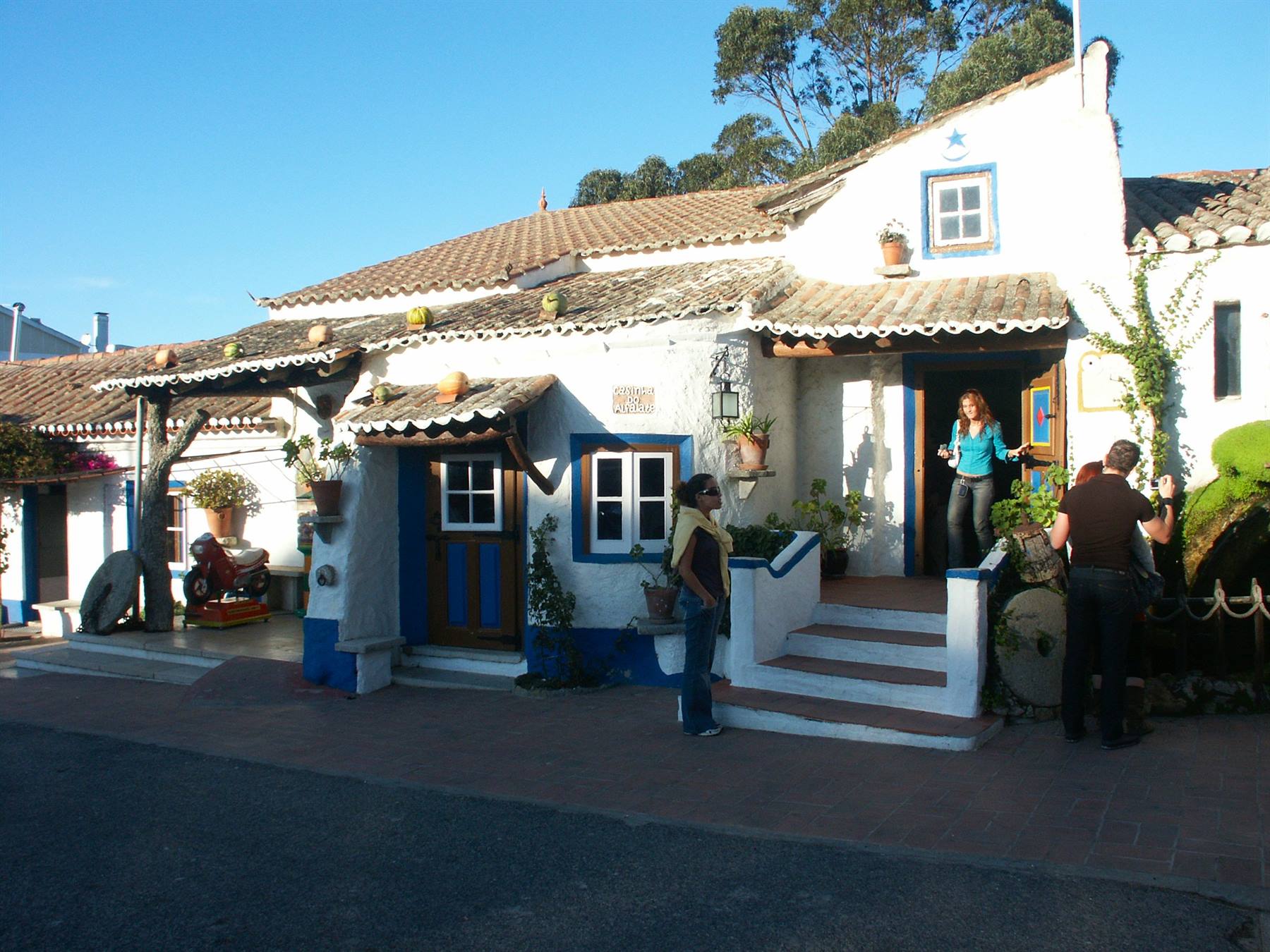
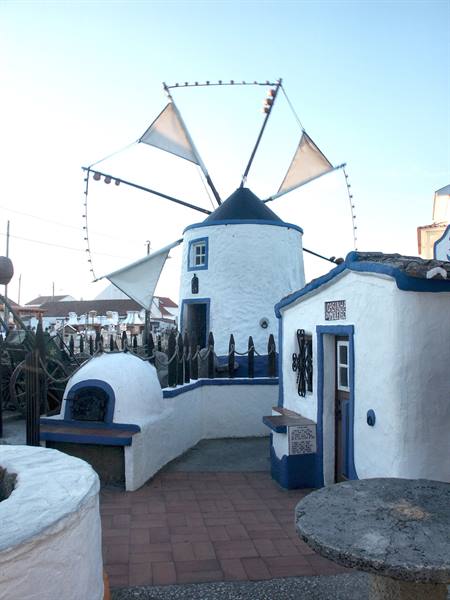
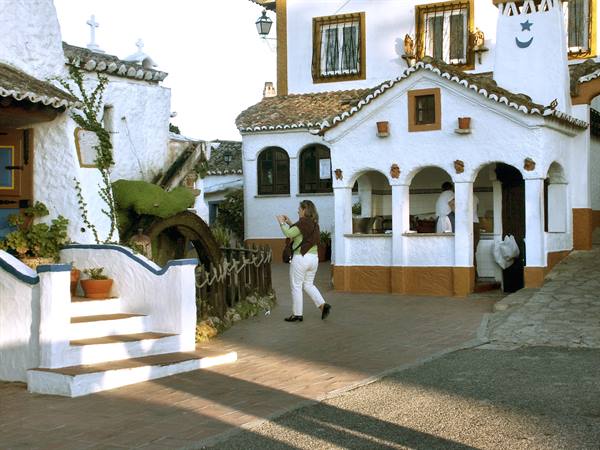
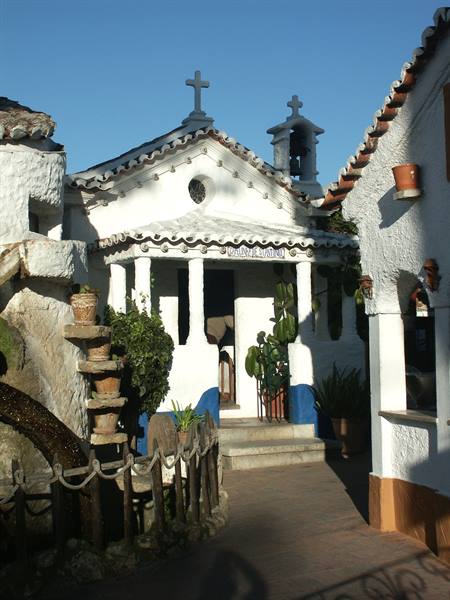
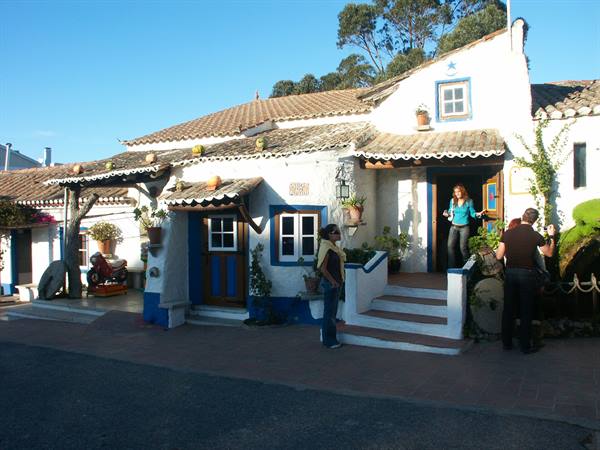
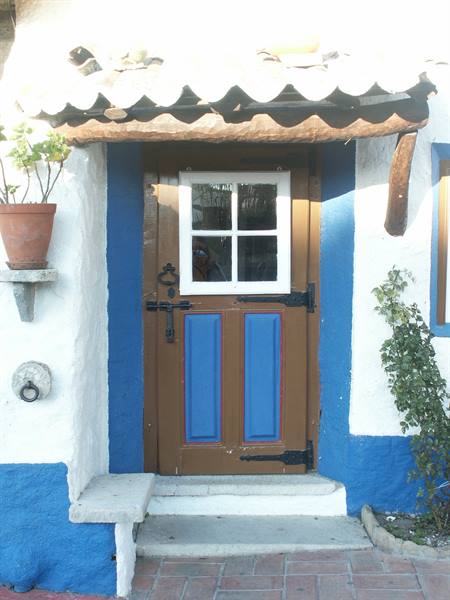
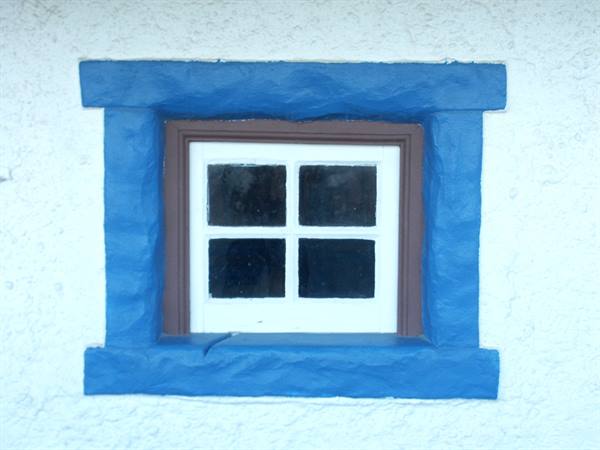
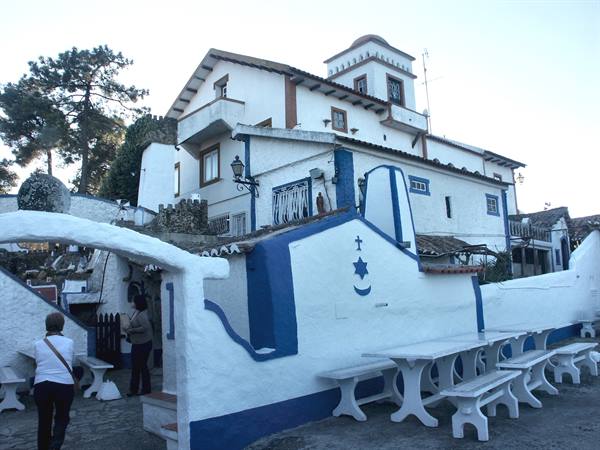
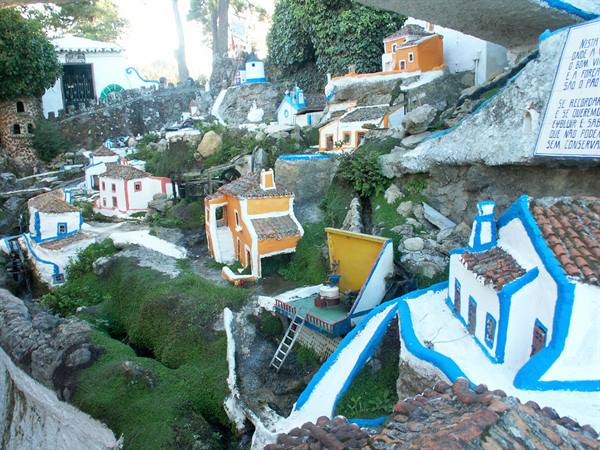
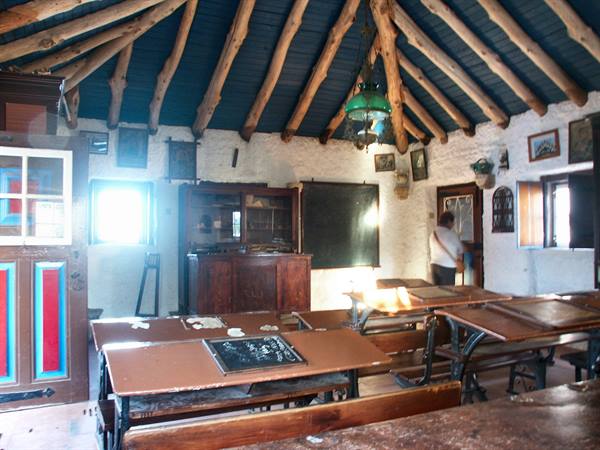
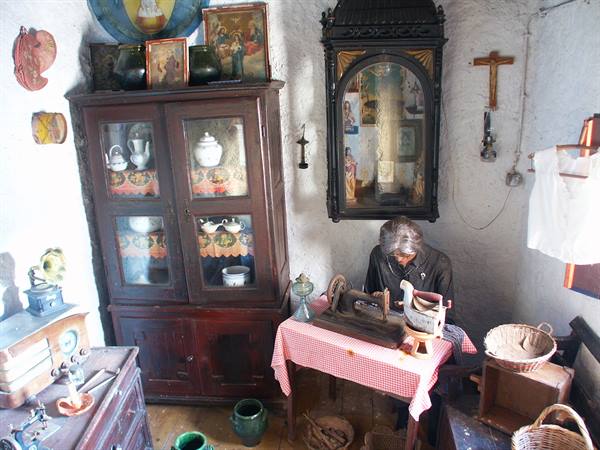
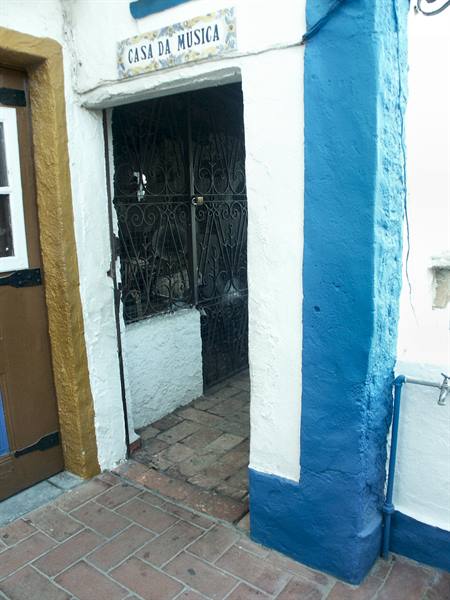
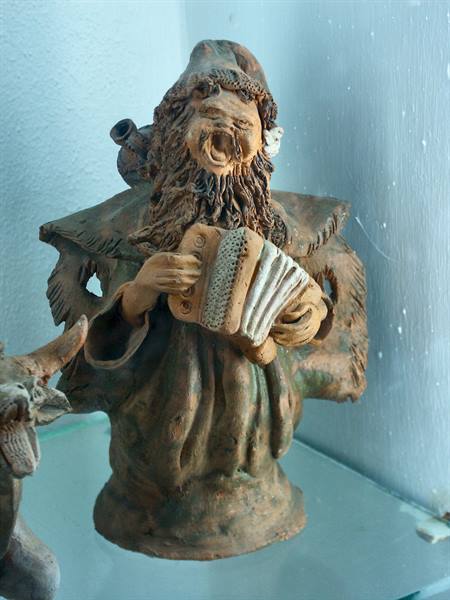
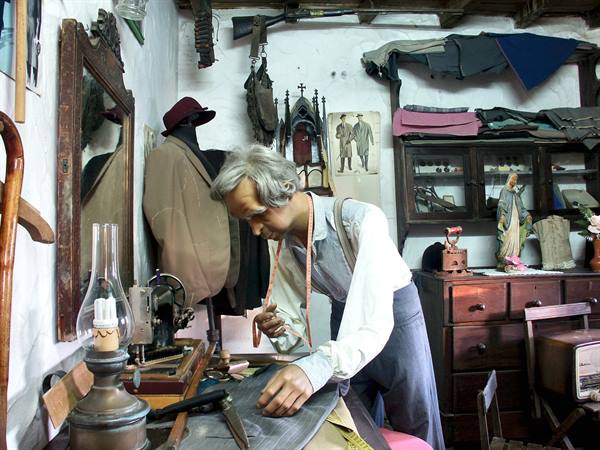
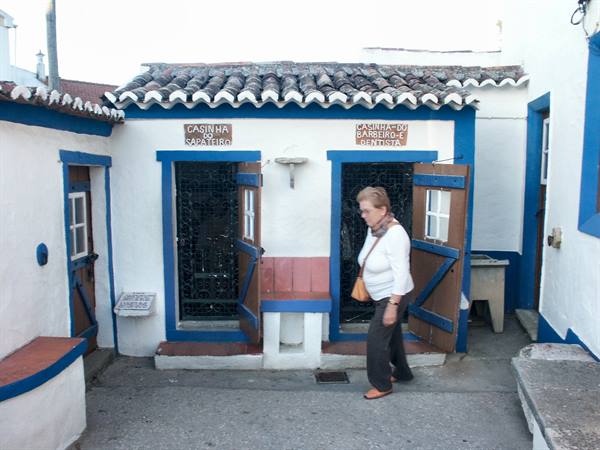
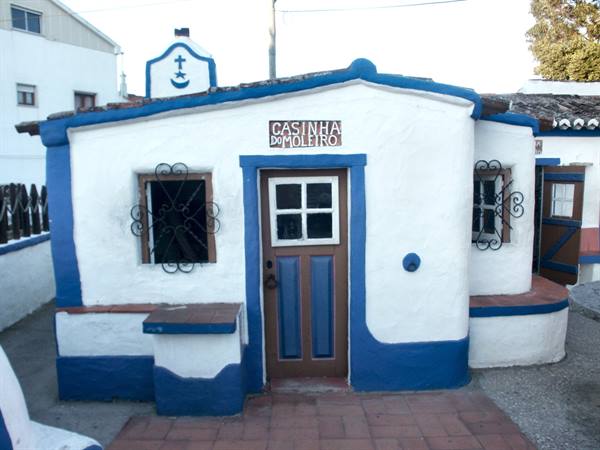
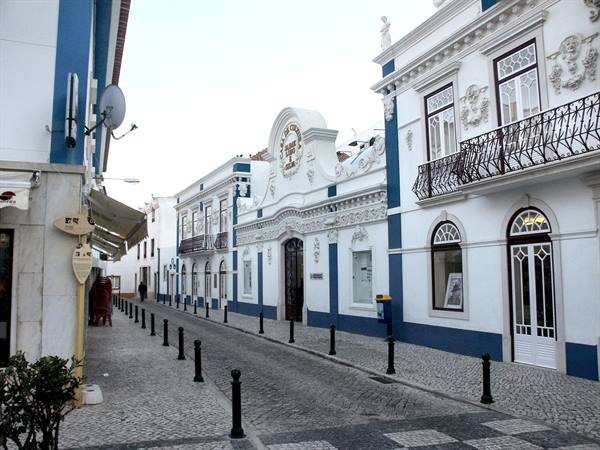
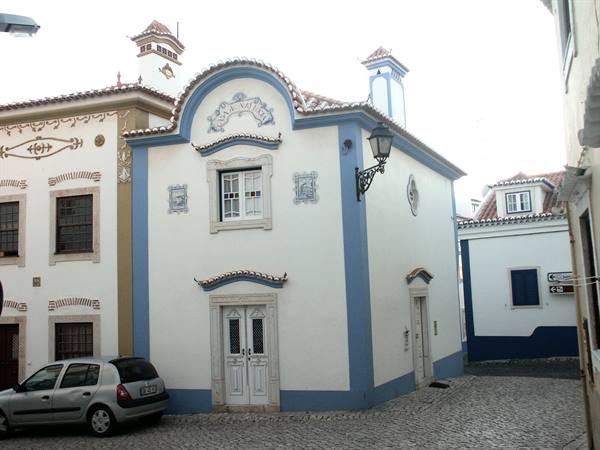
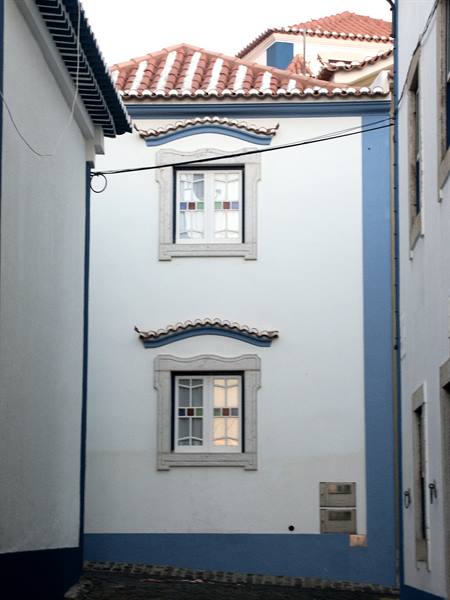
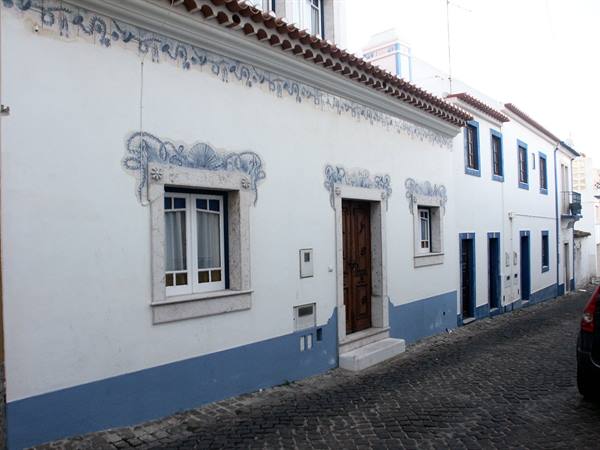
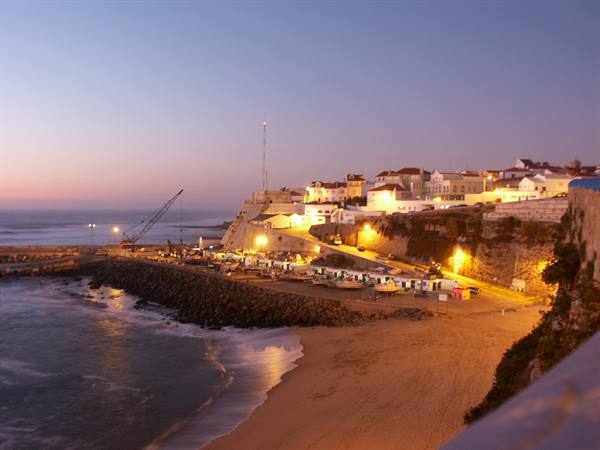
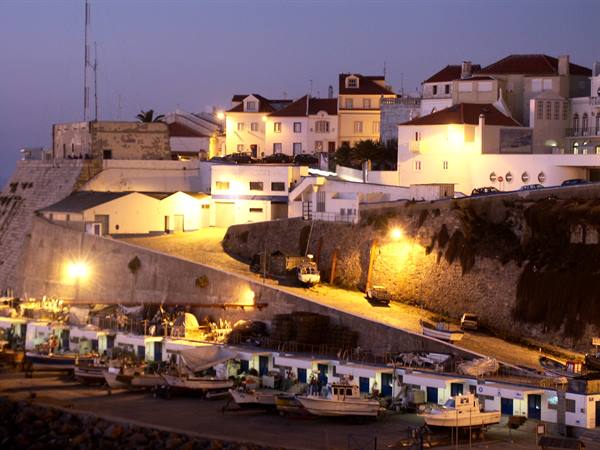
Mafra is bewildering because such magnificence of its Palacio Nacional corresponds to an urban fabric made up of low buildings, almost emphasising what once constituted power over the people. Sobreiro de Mafra, with its Aldeia Saloia, takes us on a journey through time, visiting that mini Portugal that the artist José Franco wanted to create as a historical memory of the crafts of yesteryear, where the various little white "casinhas" bordered in blue and well equipped inside show visitors the ancient "trades" that have almost disappeared. Ericeira was the object of a brief visit because we arrived in time to enjoy a lovely view over the Atlantic and likewise to admire the blue borders on the white houses and the red roof tiles by the windows.
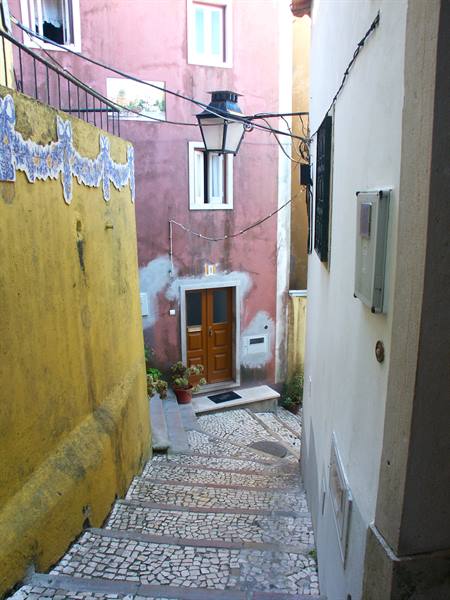
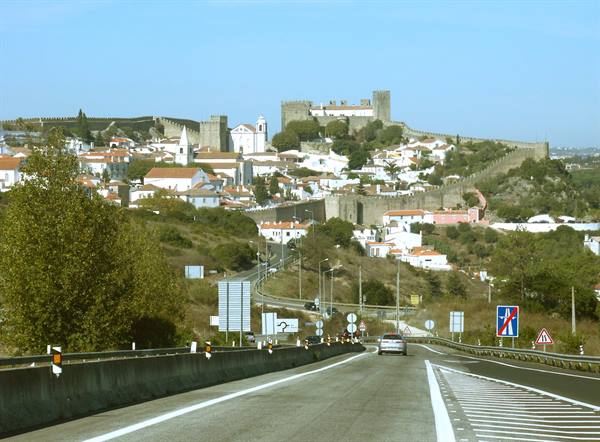
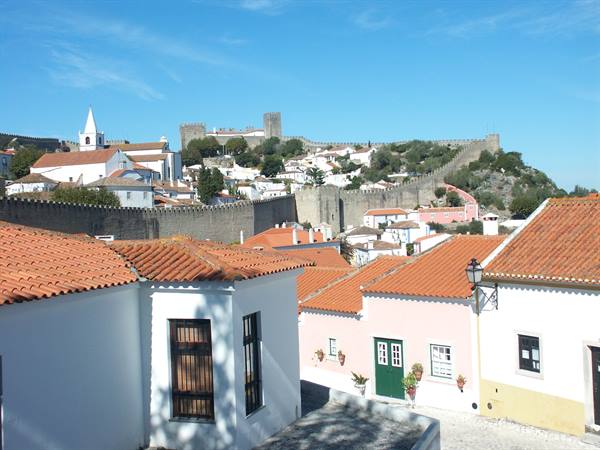
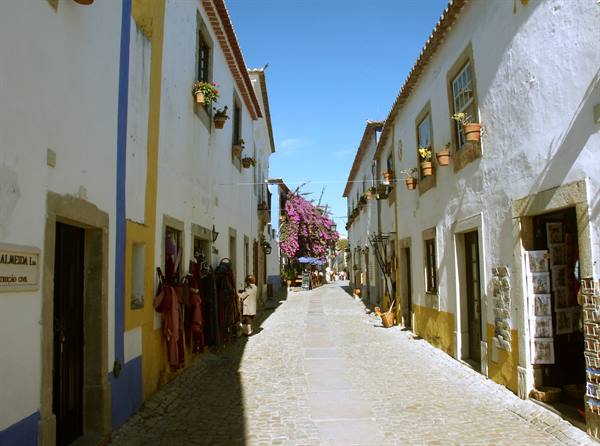
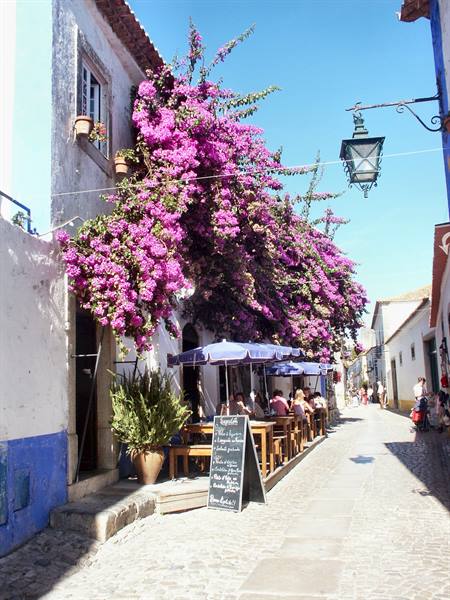
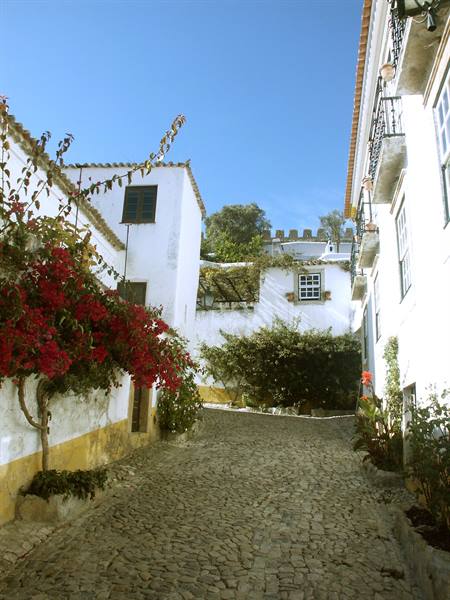
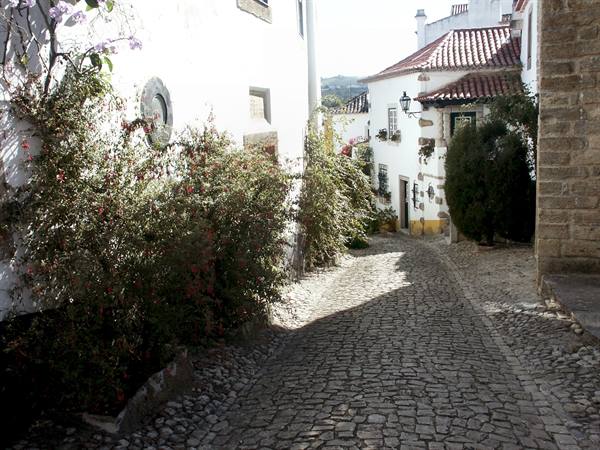
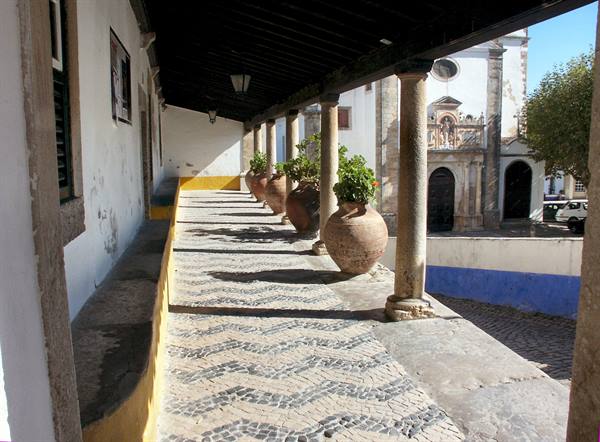
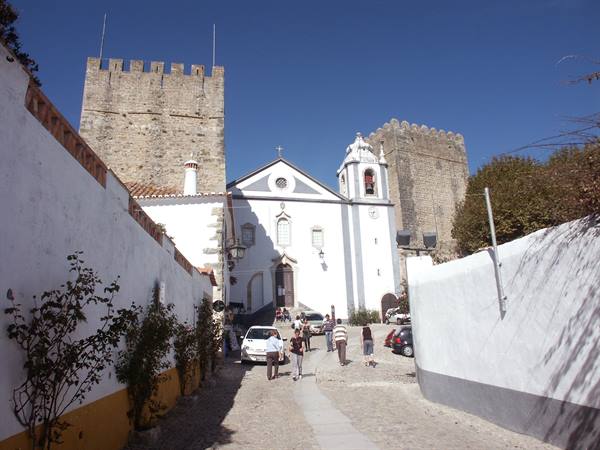
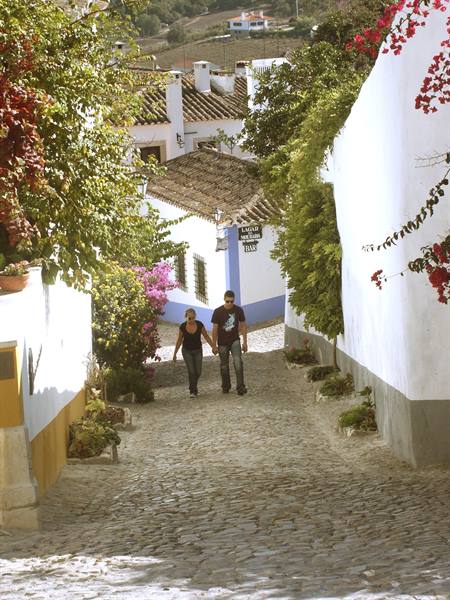
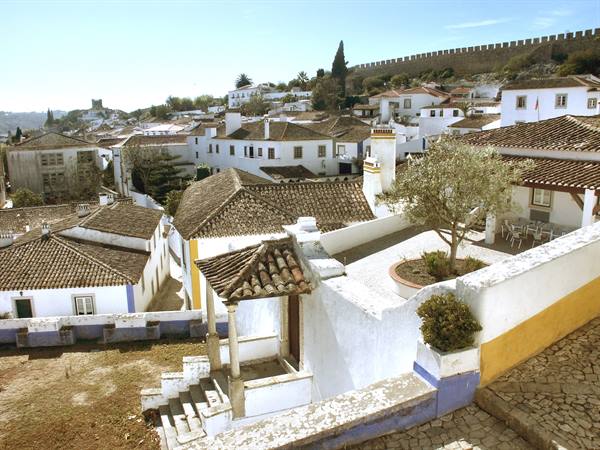
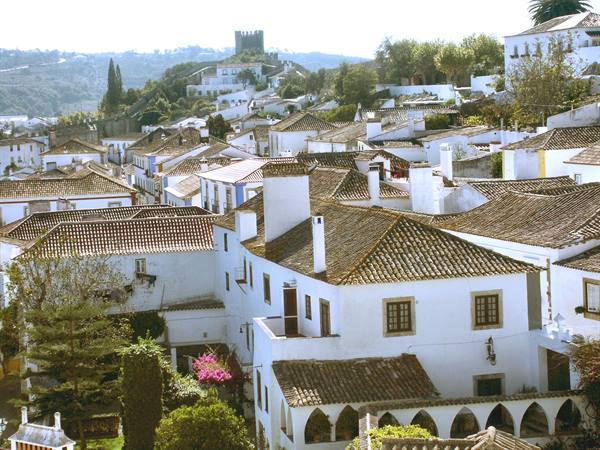
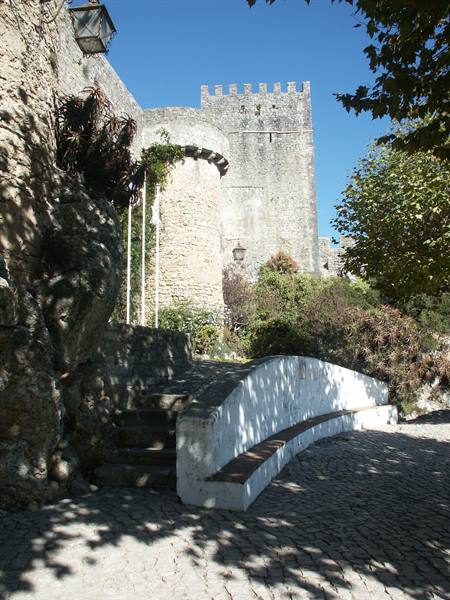
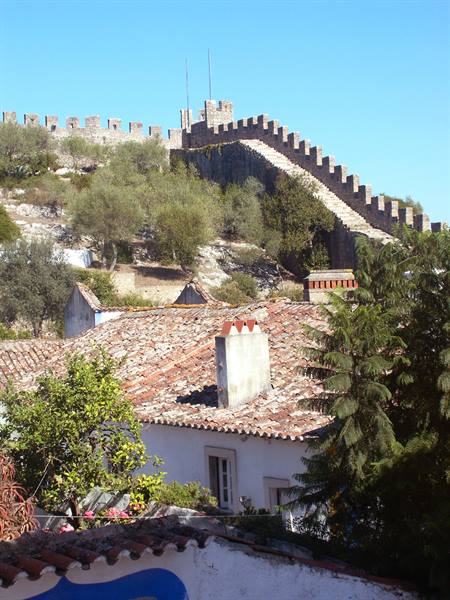
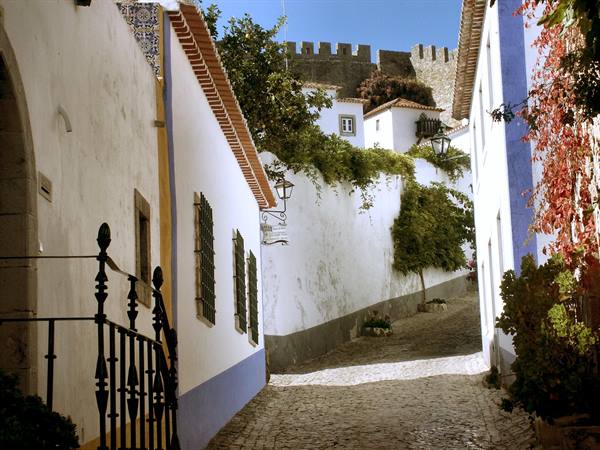
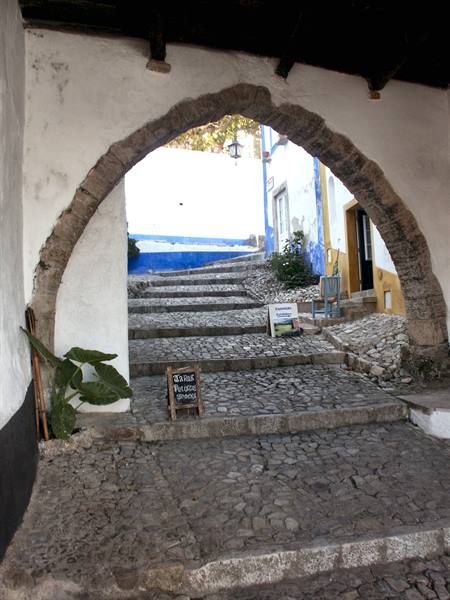
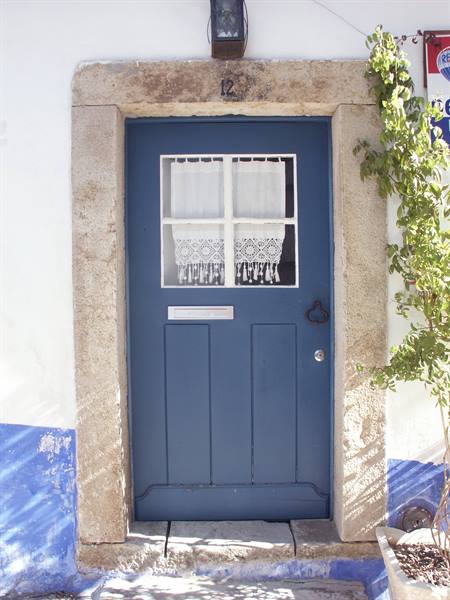
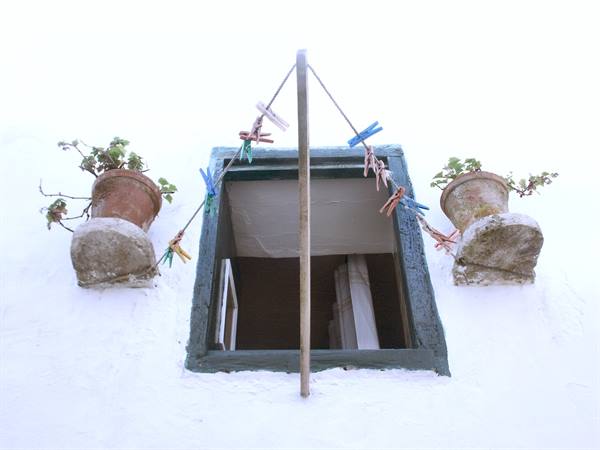
Óbidos was the cherry on the cake, an all-white village lying in a hollow protected by the mighty walls of its castle, an up-and-down of alleys where you stroll always between white walls bordered in blue and windows adorned with flowers. Of Alcobaça and Batalha we visited their imposing monasteries, leaving aside the urban fabric because of the almost always recurring structural contrast of the whole. Fatima couldn't be missing from our visiting and so it was, even if the impact you get crossing the centre isn't among the prettiest, as you witness a commodification of everything that can be linked to venerating the Madonna of Fatima.
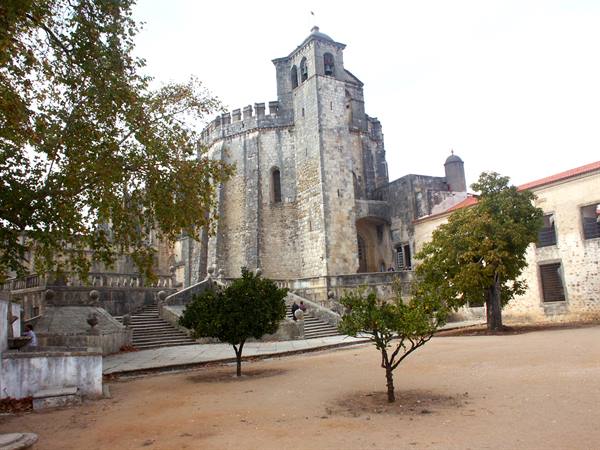
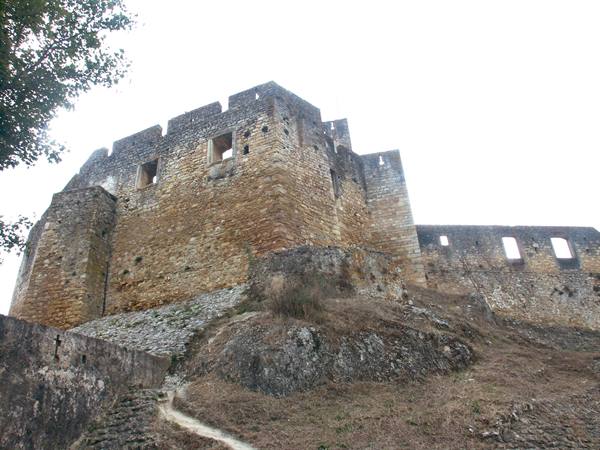
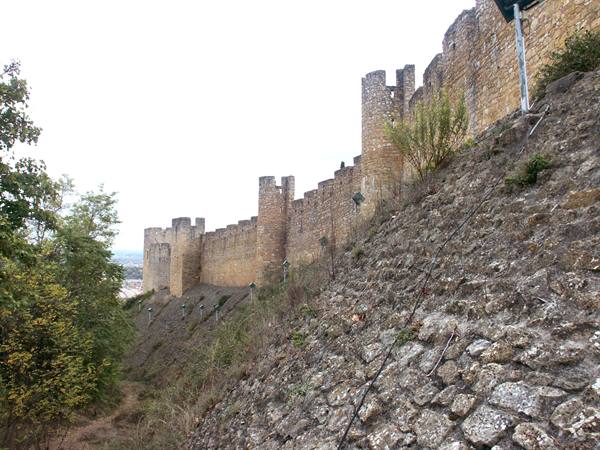
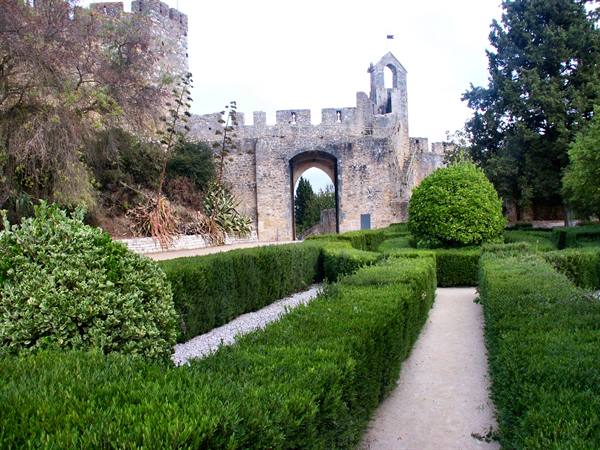
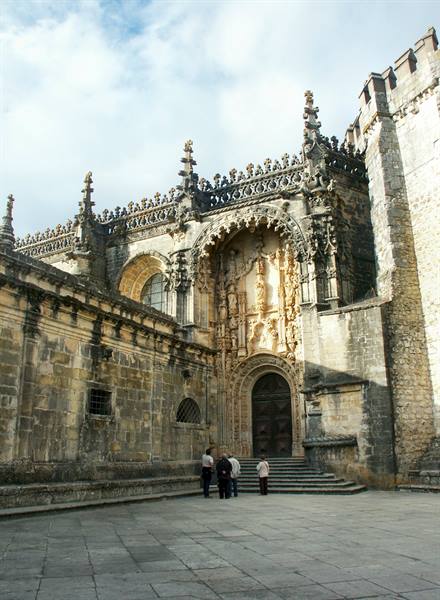
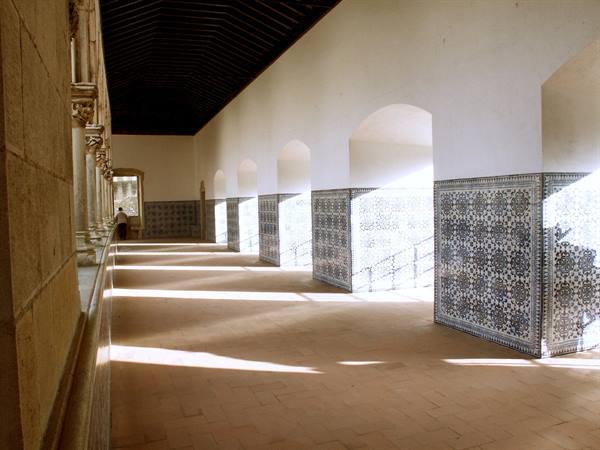
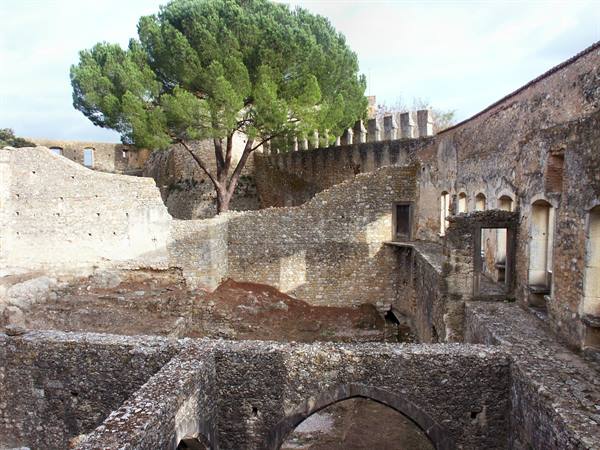
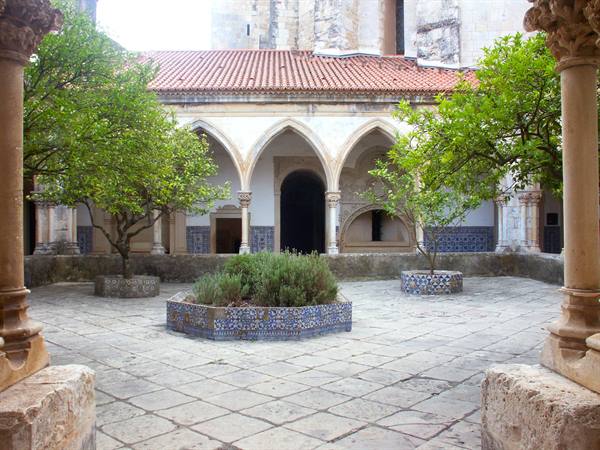
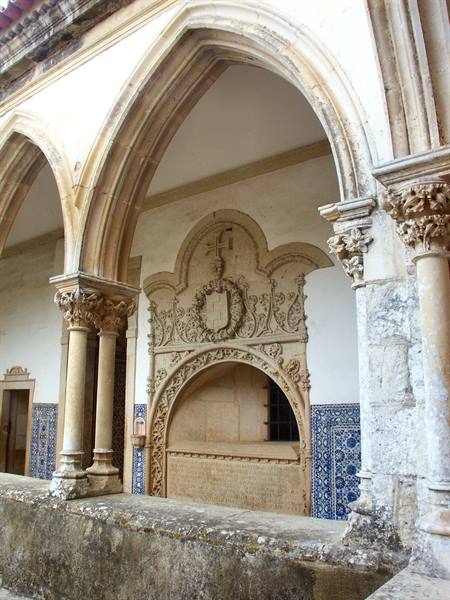
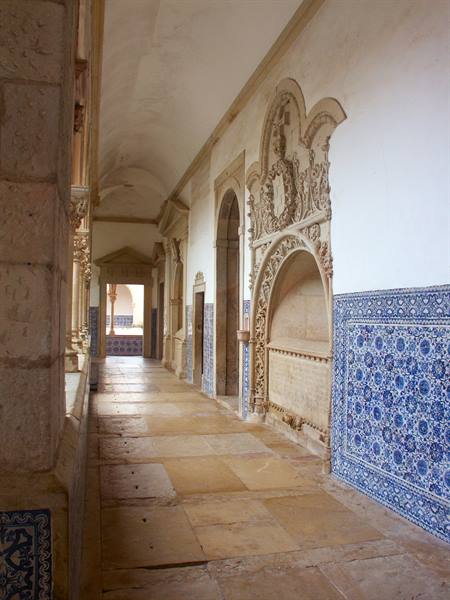
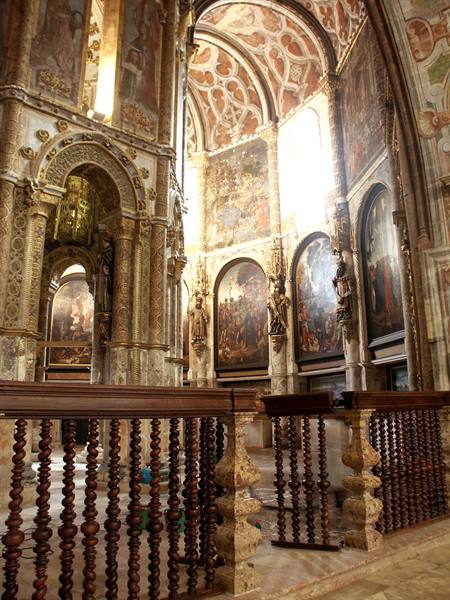
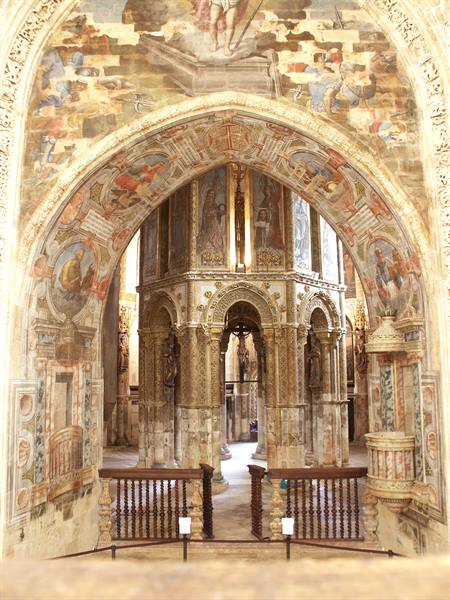
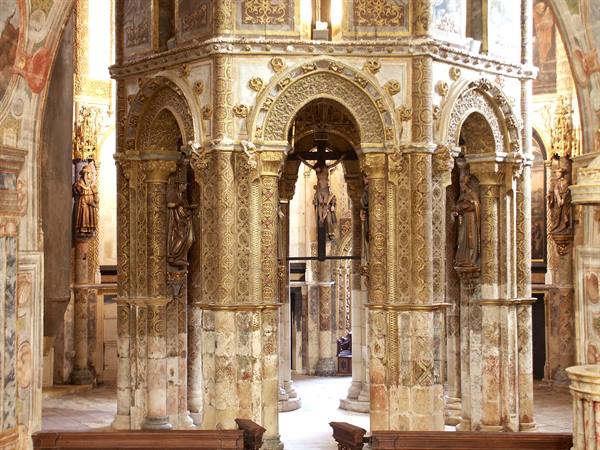
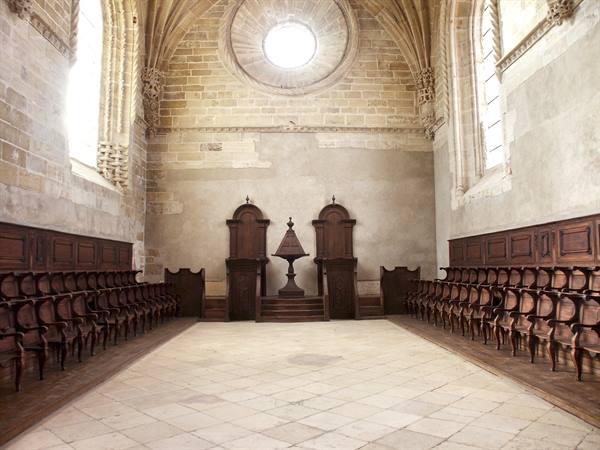
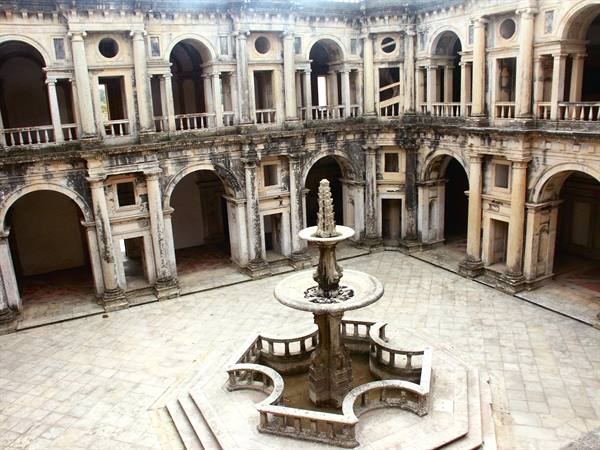
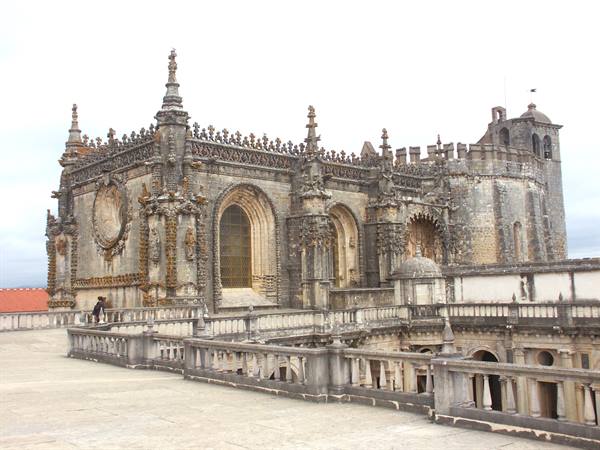
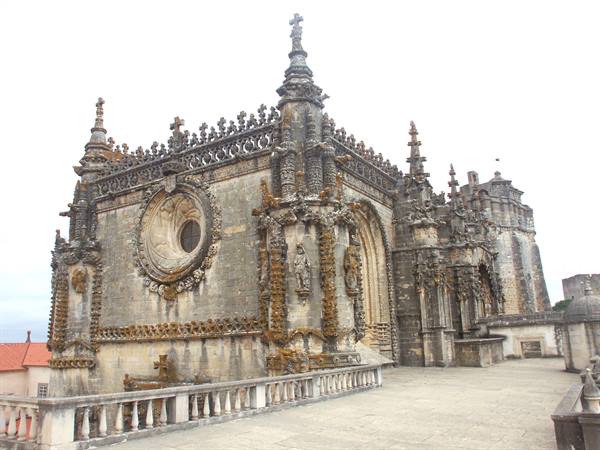
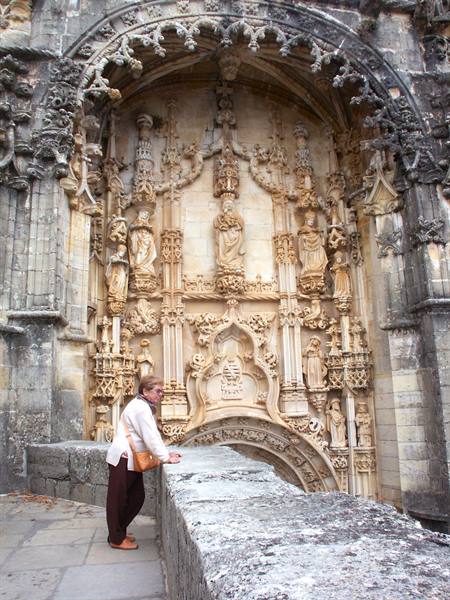
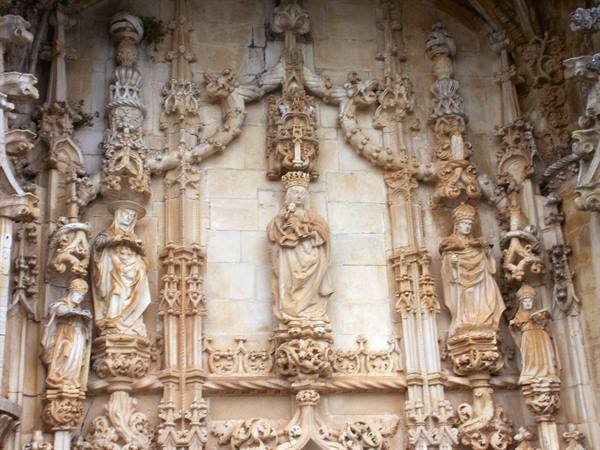
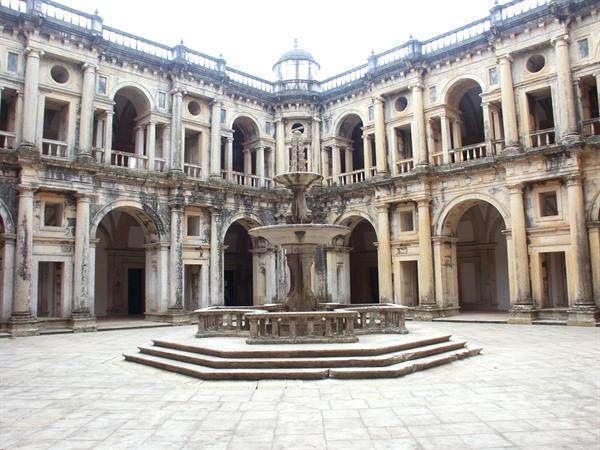
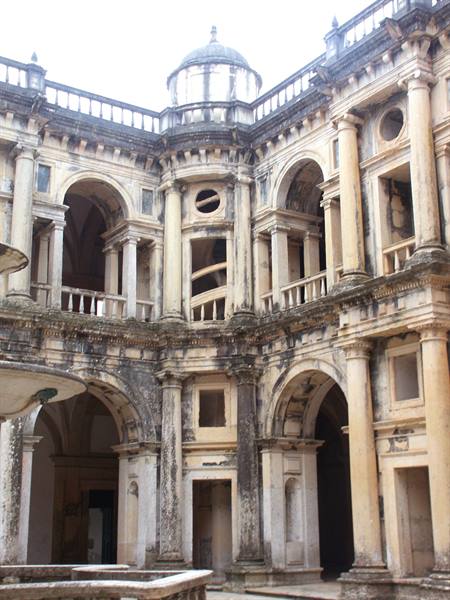
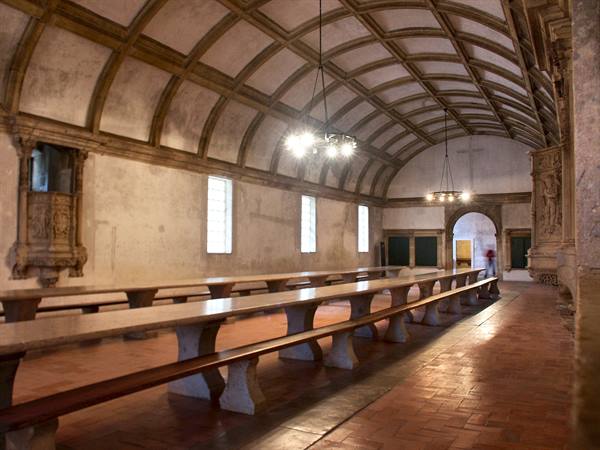
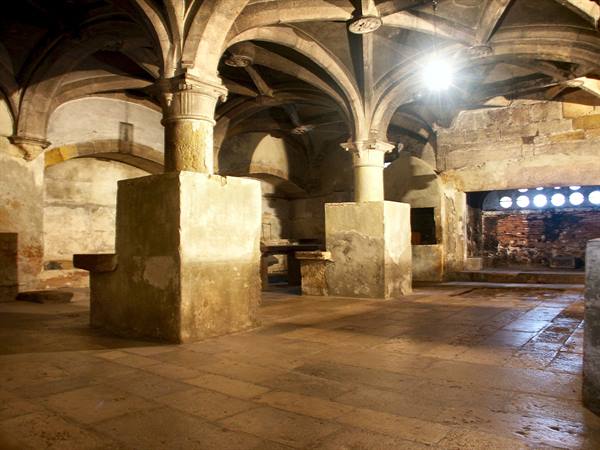
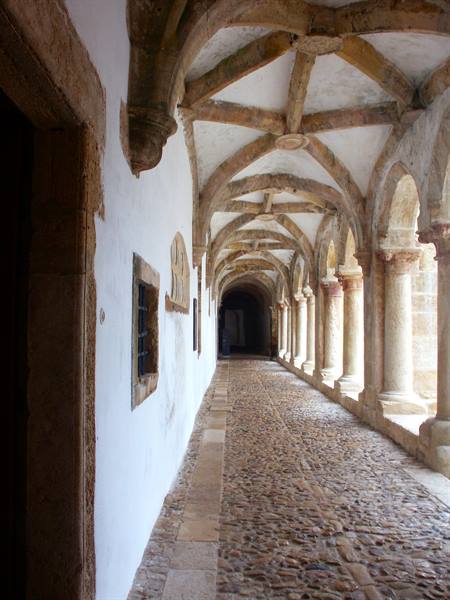
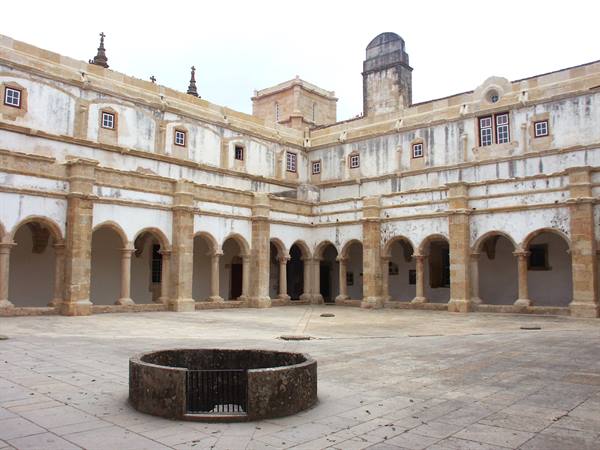
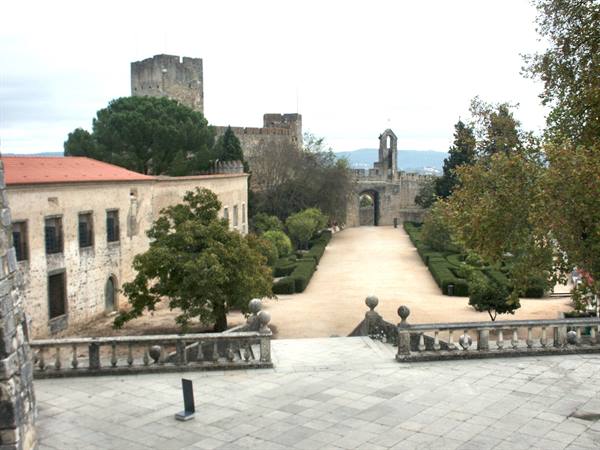
The big surprise of our journey was precisely the last stop, the visit to the Templars' castle or Convento do Cristo at Tomar, an imposing, massive, well-preserved structure, where the activities that took place inside it are still recognisable, showing the sober essentiality of the many rooms at one time destined for the life of the Templars in this place, where the power of these warrior monks is also perceived from the looming of the mighty castle over the town below. Tomar was the last stop of this journey of ours in Portuguese lands, returning to Lisbon in the evening, again to the Hotel Sete Colinas, dinner in the centre and the next day… TAP flight to Venice. Have a good trip. Wanda & Giancarlo
Day 125 Oct 2008
Sintra - Mafra - Sobreiro de Mafra - Ericeira
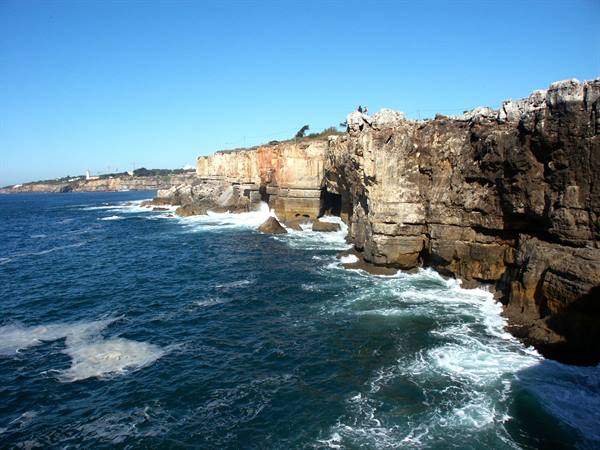
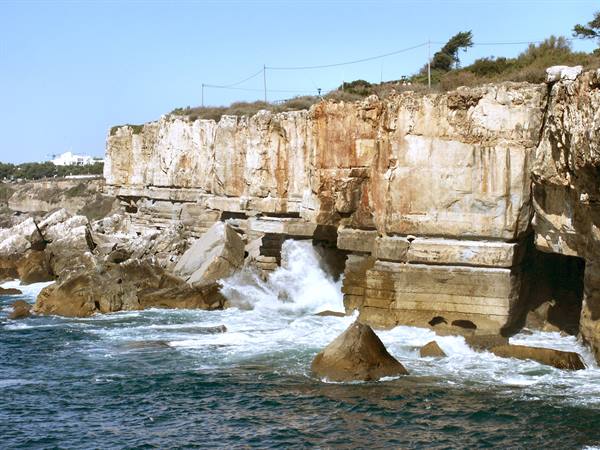
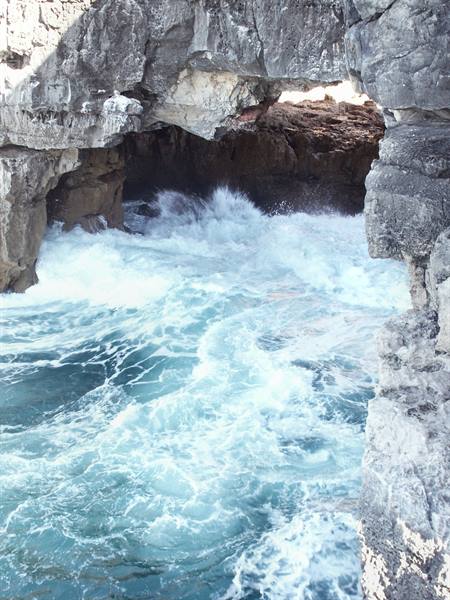
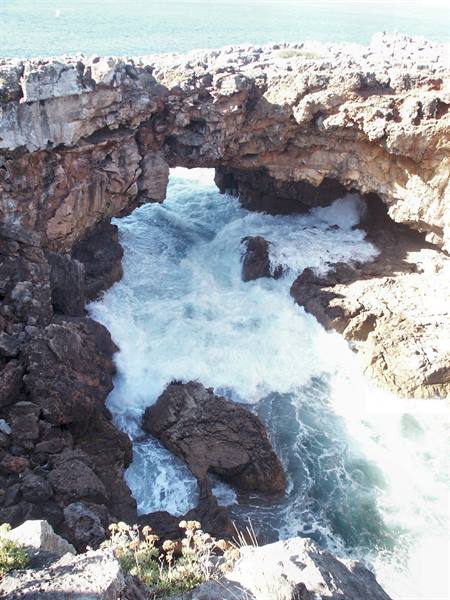
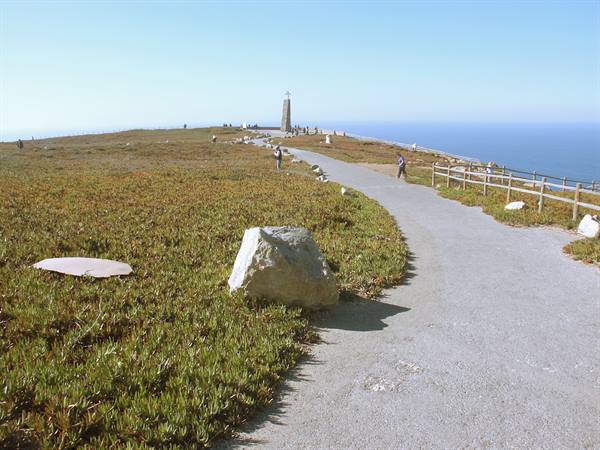
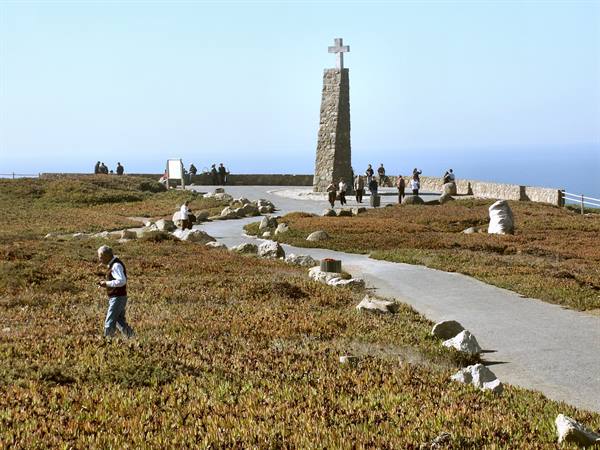
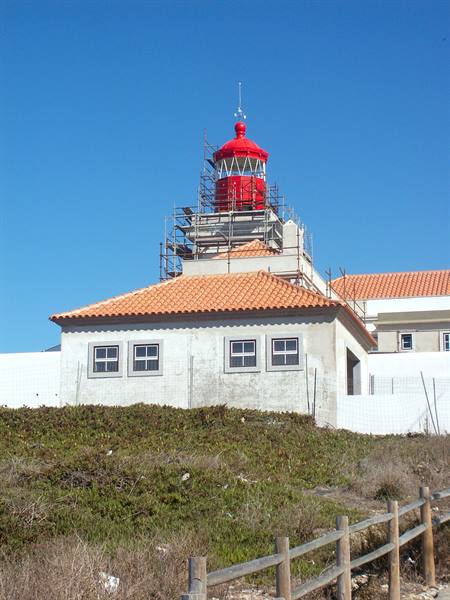
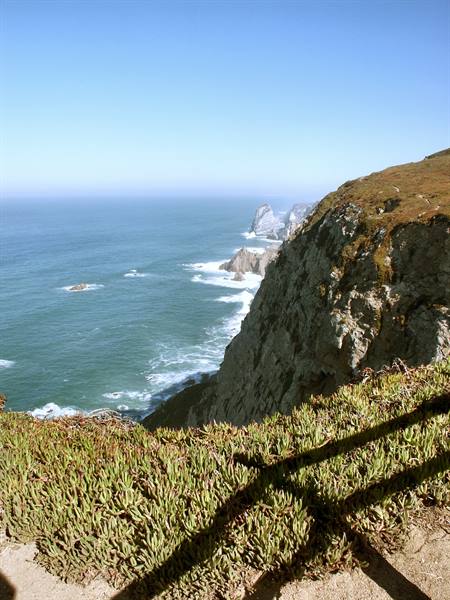
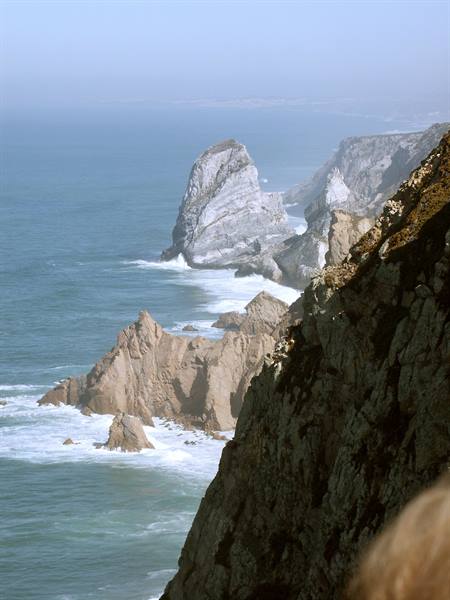
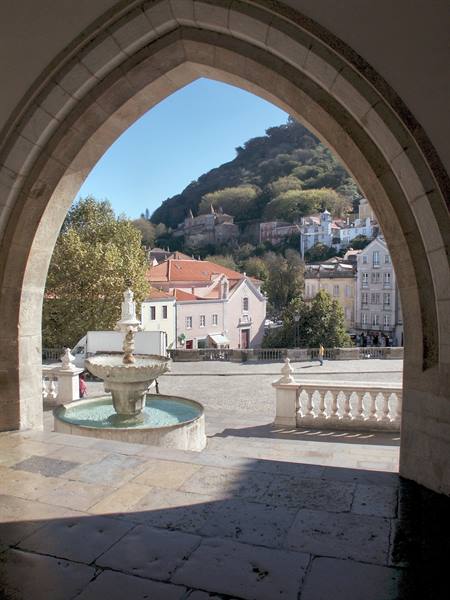
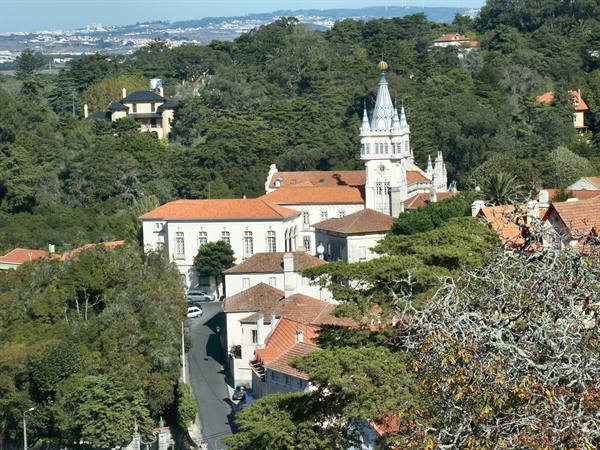
After picking up the car at the nearby Hertz, we head to Praça do Comércio to take the N6 and the N247 towards Sintra, preferring the long coastal route to meet the ocean at Boca do Inferno, Cabo Raso and Cabo da Roca. The "mouth" isn't exactly a hell, but the foaming of the water through the rocky natural hole offers a pleasant view. Cabo da Roca is the westernmost point of Europe, 140 metres above the water level, the place where the land ends and the sea begins, as the verse by the poet Luís Vaz de Camões written on the stone slab at the foot of the stele erected just beyond the old lighthouse says. Sintra is a historic town perched on the hills dominated by the Castelo dos Mouros.
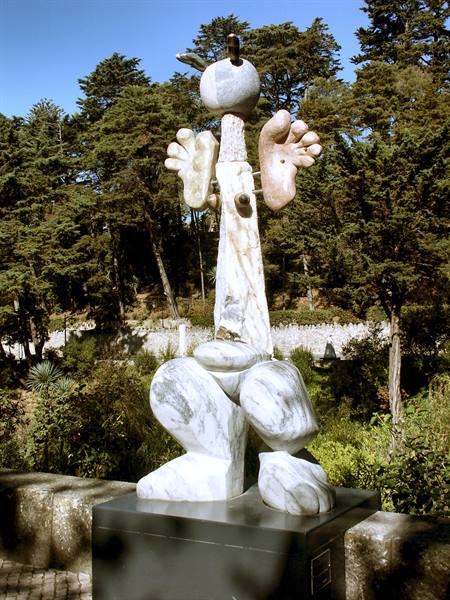
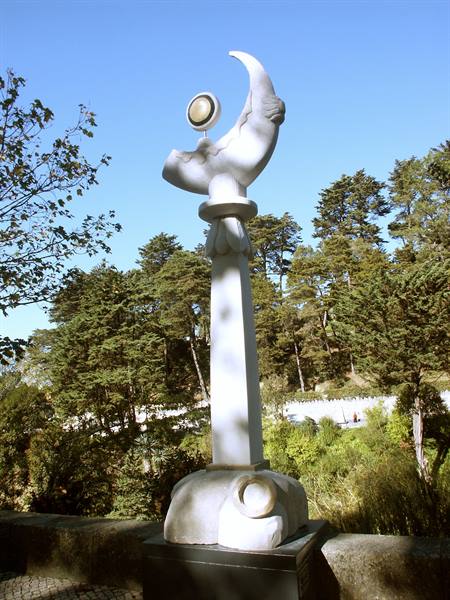
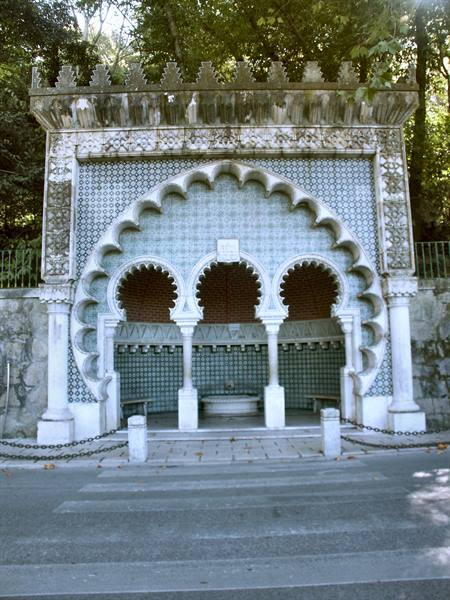
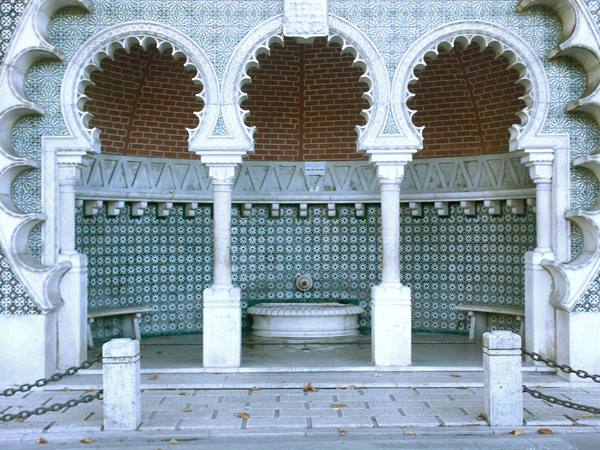
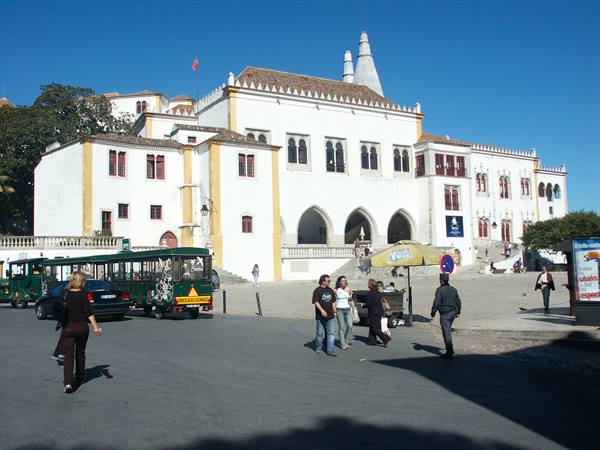
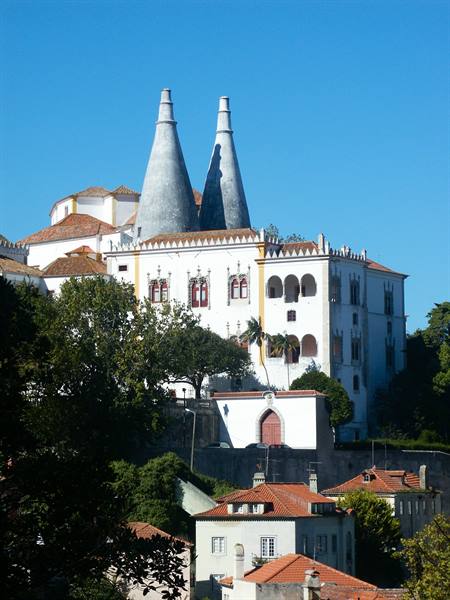
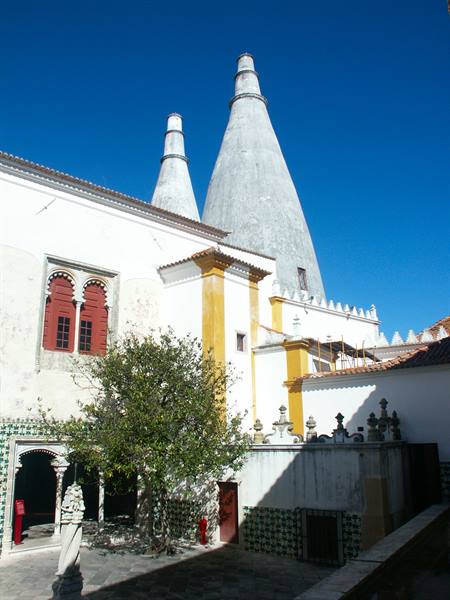
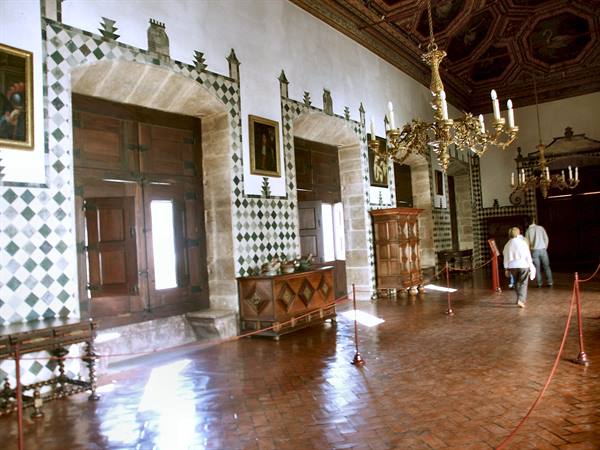
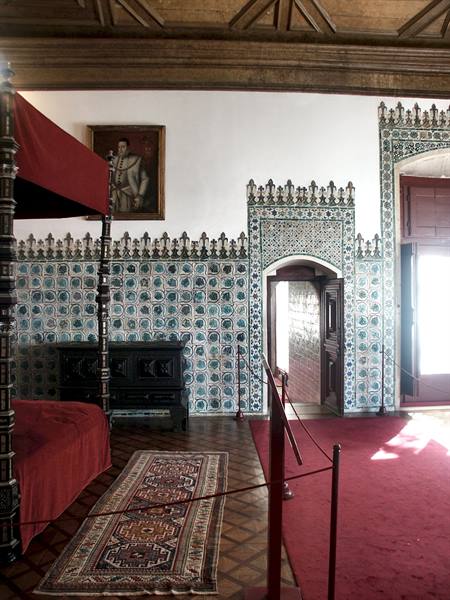
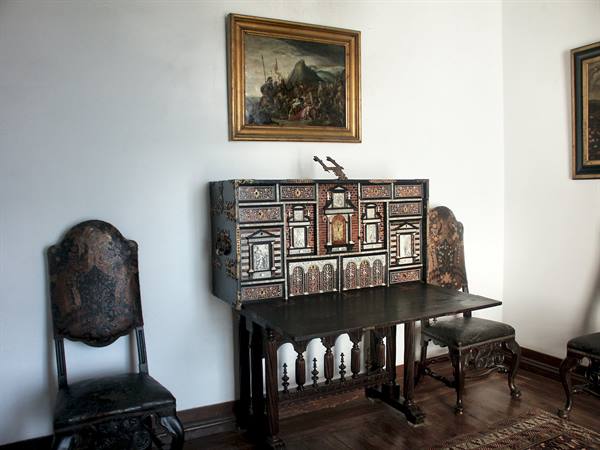
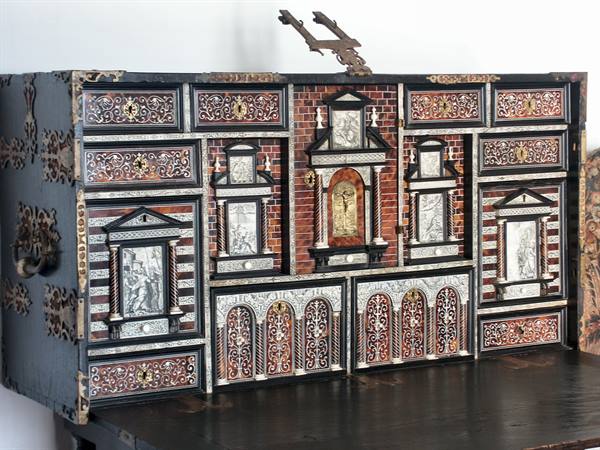
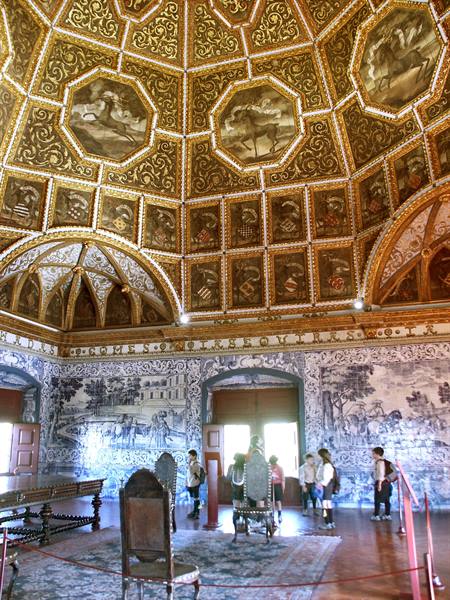
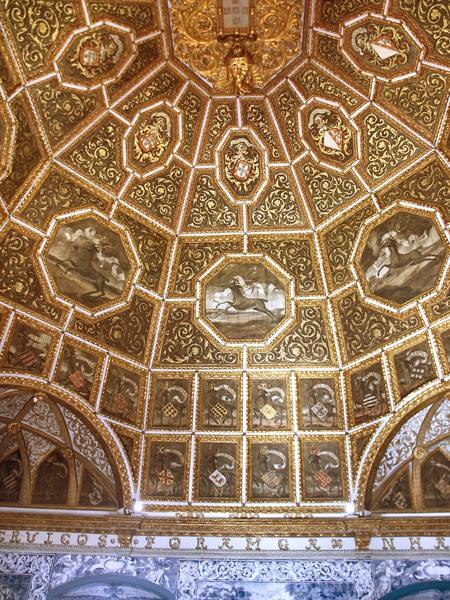
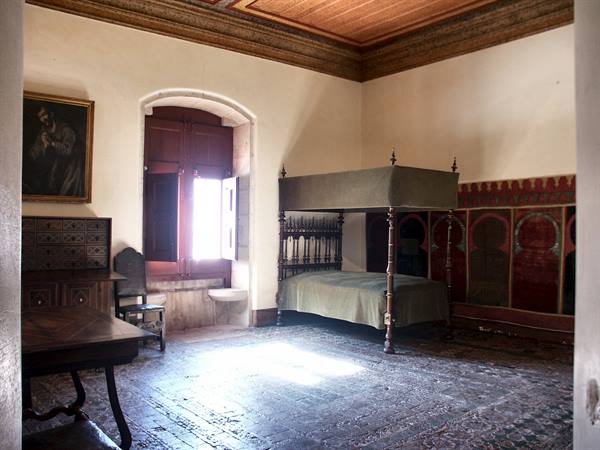
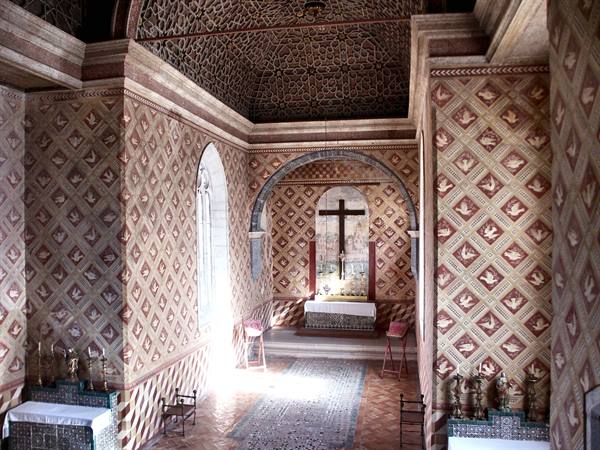
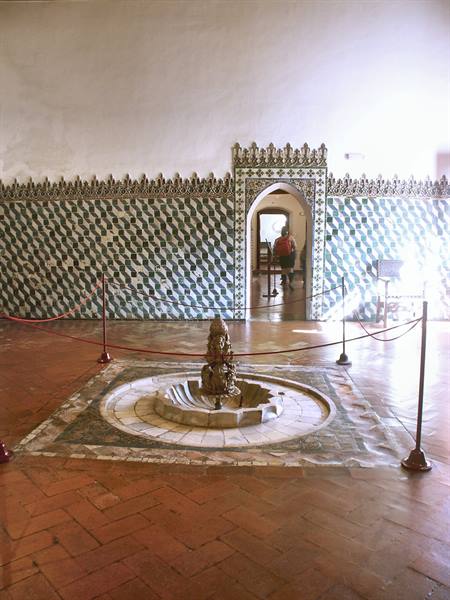
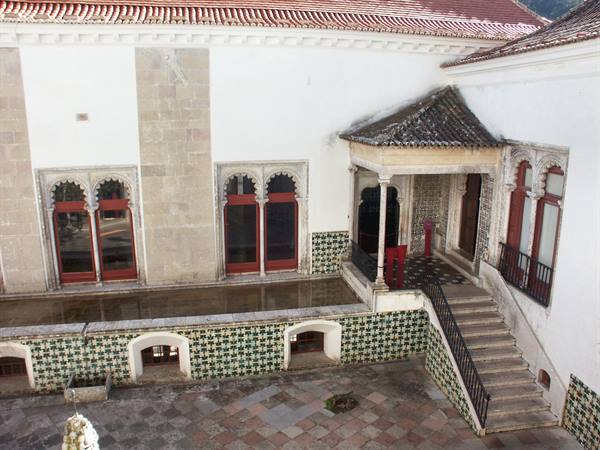
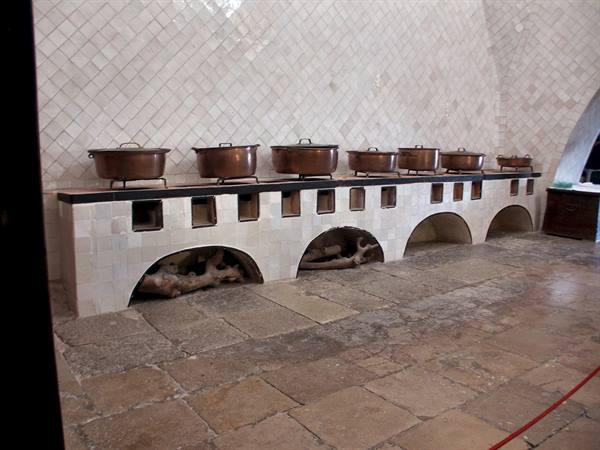
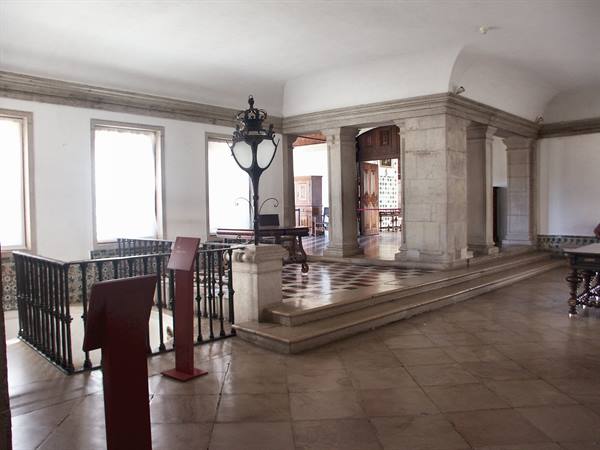
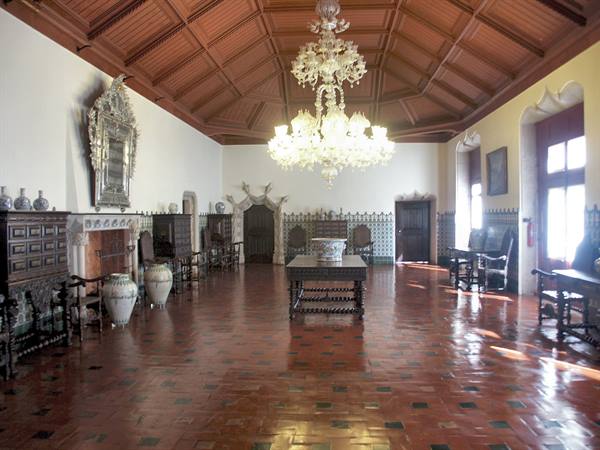
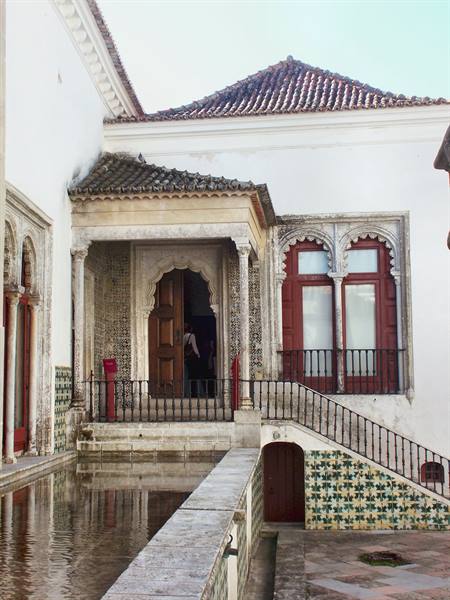
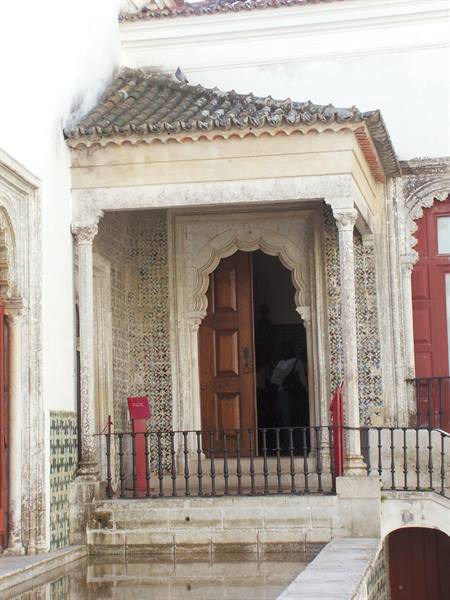
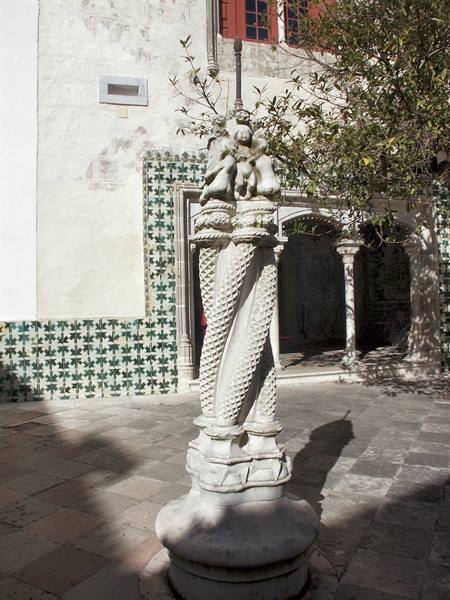
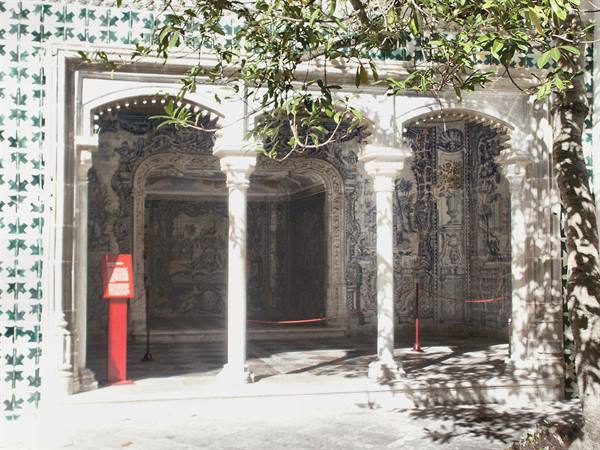
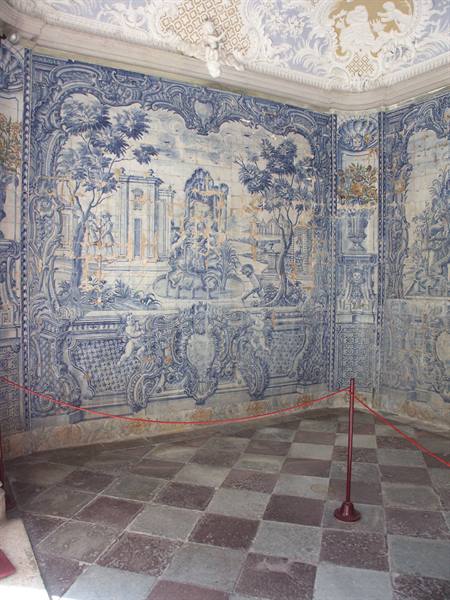
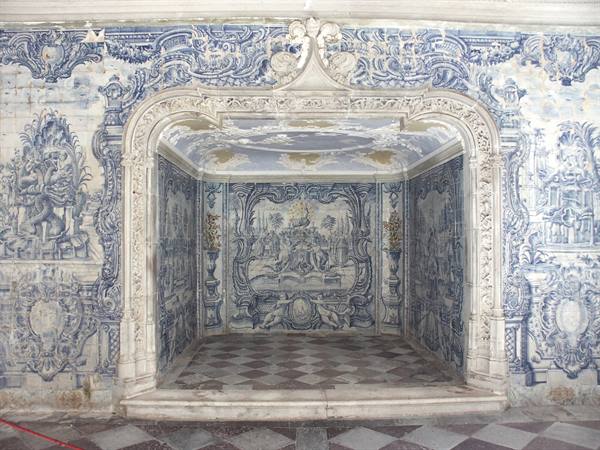
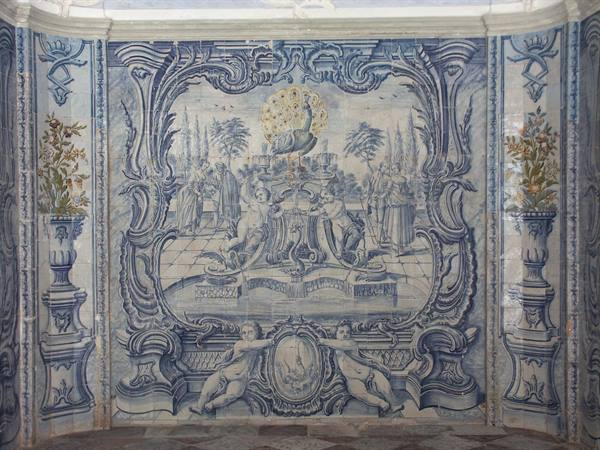
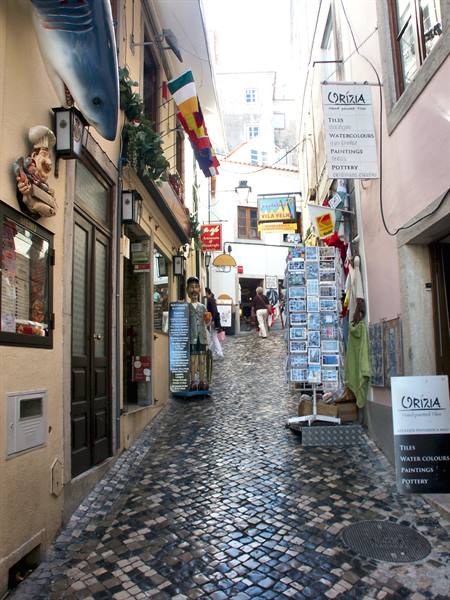
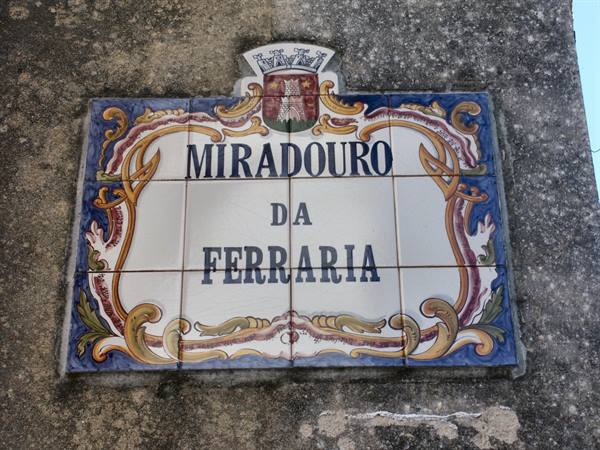
Right away we come across the Fonte Mourisca, a Moorish lacework that contrasts with the modern sculptures at the side of the road towards the centre, where the ups and downs of the little streets and the miradouros make the views of the town change continually. Two enormous conical chimneys draw us towards the Palácio Nacional, and we then visit its well-preserved interiors, with well-furnished rooms, terraces, internal and external staircases, niches, Mudéjar azulejos, little fountains, the great kitchen with its hearths, the cauldrons and the old equipment still in their place. The Palacio da Pena is a heterogeneous architectural complex from 1840-50 where all styles are mixed, giving life to a fairy-tale ensemble with colourful crenellated towers.
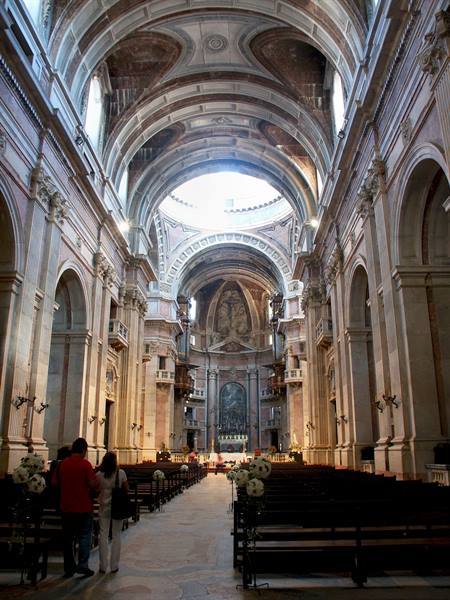
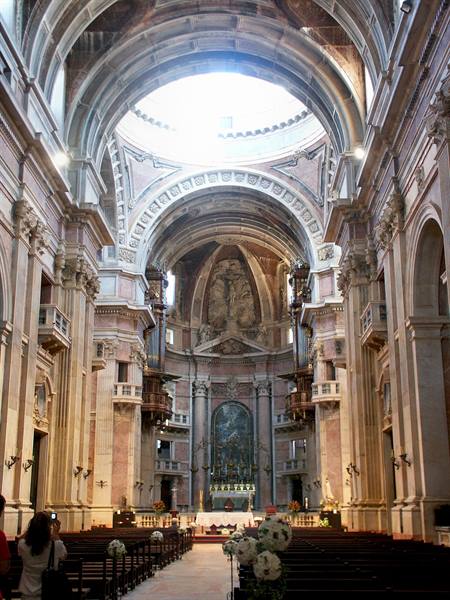
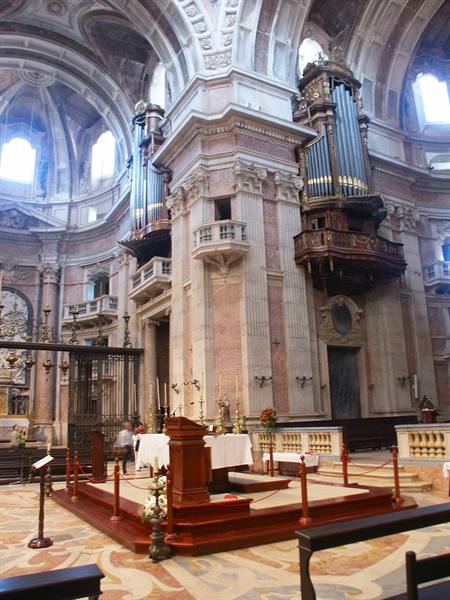
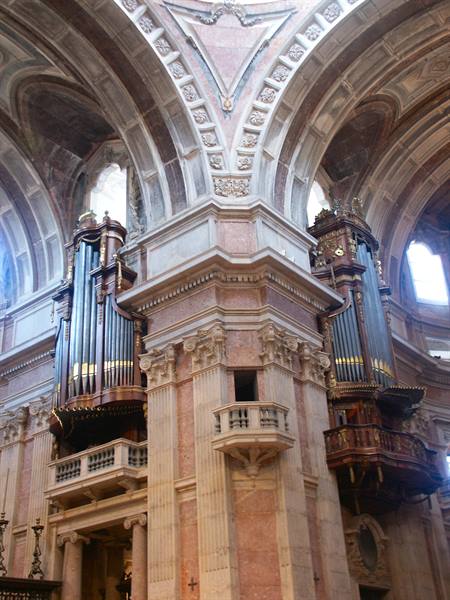
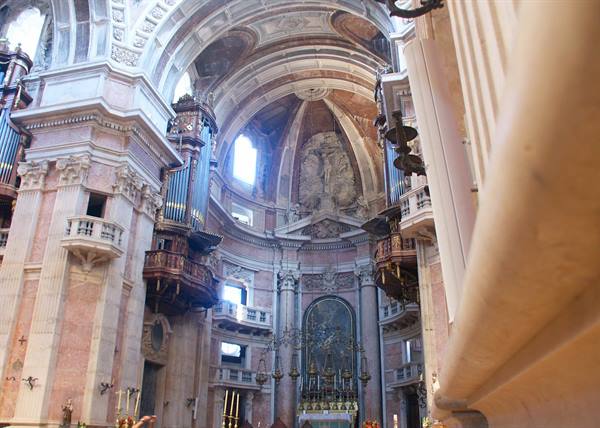
Taking the N9 again, we arrive at Mafra, known for the Palacio Nacional de Mafra, a mighty Baroque convent where everything is big, its square plan with sides of 220 m, the interior of 900 rooms with 4500 doors and windows, all forming the royal palace with furnished rooms, music rooms, games rooms, hunting rooms, the long library with 40,000 books and incunabula of great value, the pharmacy, a hospital, the convent and the basilica with two bell towers equipped with as many as 114 bells, the dome covered in white and pink marble, the Carrara marble statues.
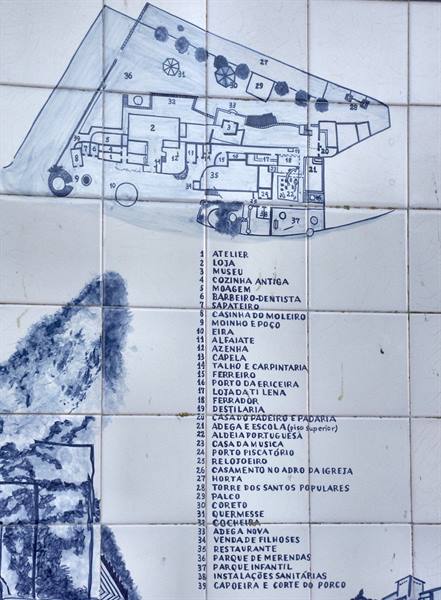
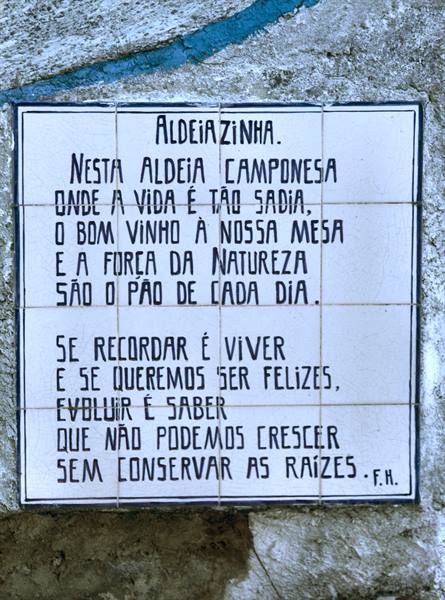
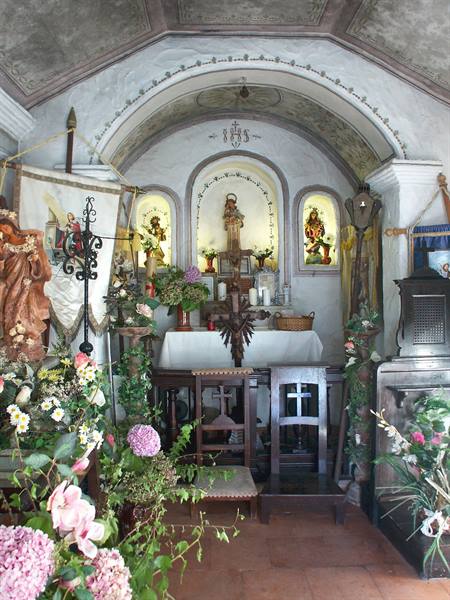
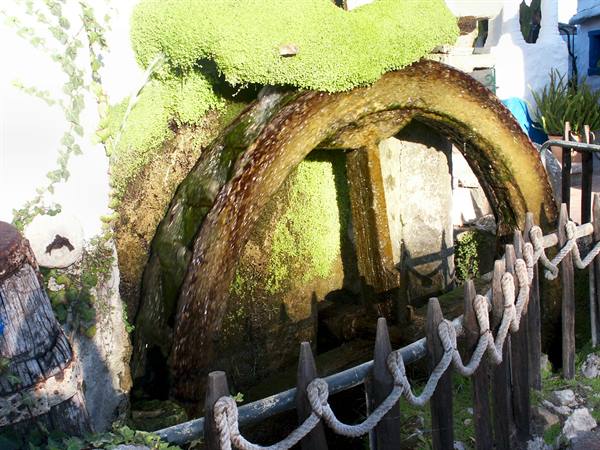
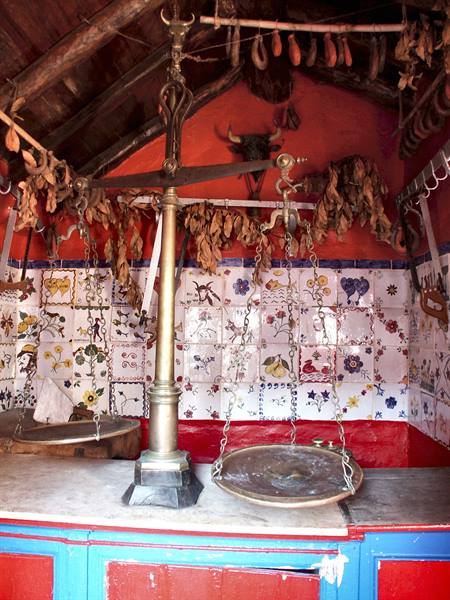
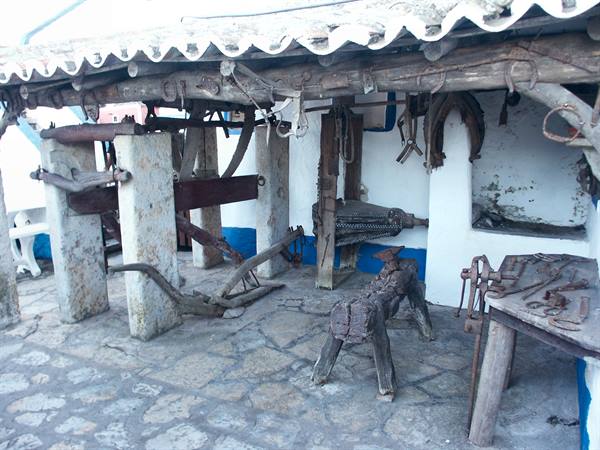
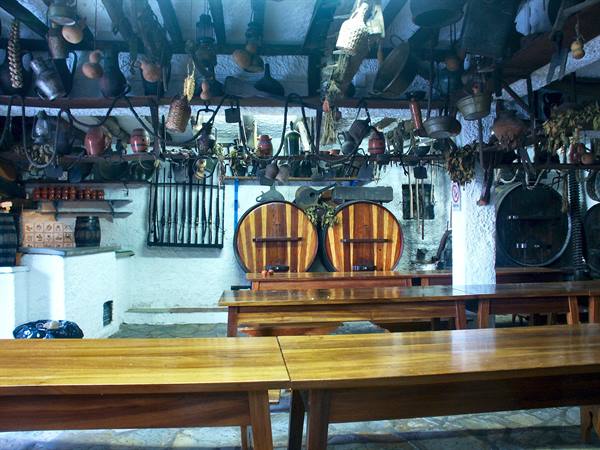
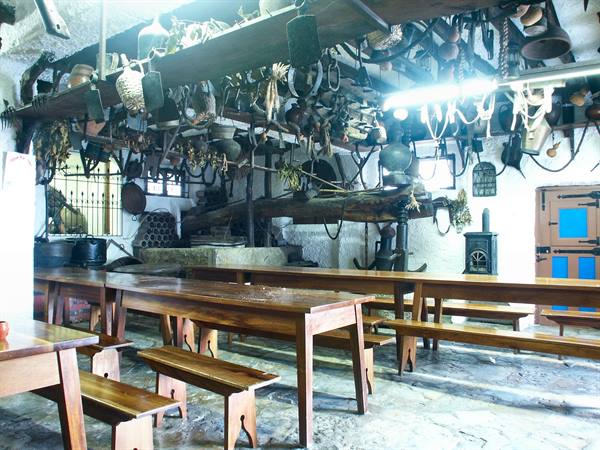
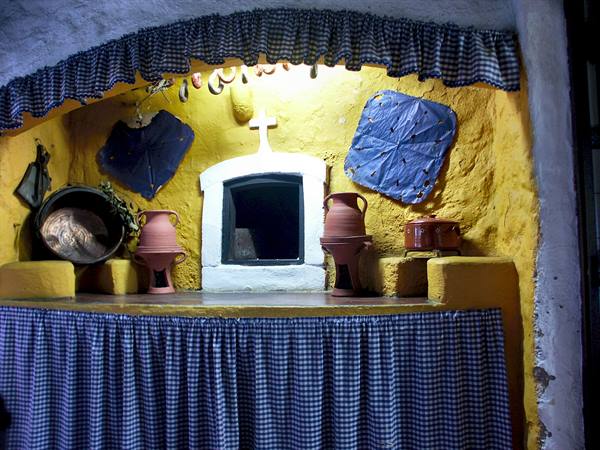
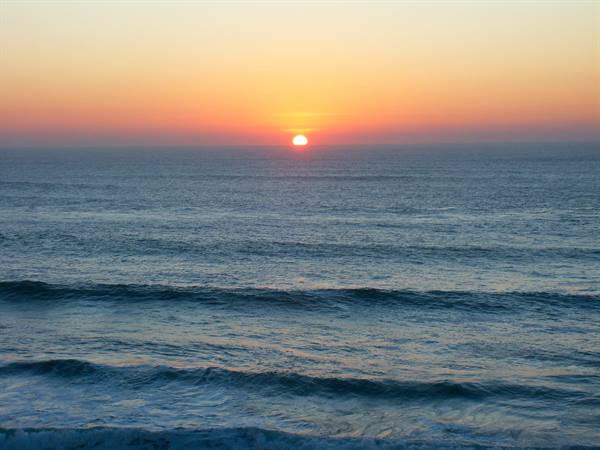
We then decide to return towards the Atlantic, to Ericeira, preferring the N116 to stop at Sobreiro and admire the reproduction of a typical Portuguese village in miniature, 2,500 sqm where the Aldeia típica de José Franco develops, also known as Aldeia Saloia, where the sculptor José Franco has reproduced typical white houses with the activities of the past, some of which still working, like the bakery with the wood-fired oven, the tavern with local wines, etc. In the late afternoon we're at Ericeira, a cluster of white houses with windows outlined in blue, then the sun setting into the ocean and the town lighting up for the night.
We return to Mafra to have dinner at Paris, a small place recommended to us for the friendliness and warmth of its owner and for its typical dishes based on fish, shellfish and good wine, a good choice, both for the confirmed welcome of its owner and for what we spent, 31 Euros for two eating and drinking without restrictions, also savouring a grappa they produce themselves.
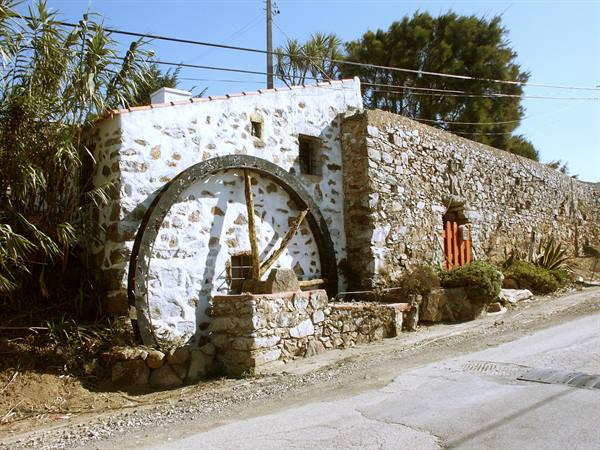
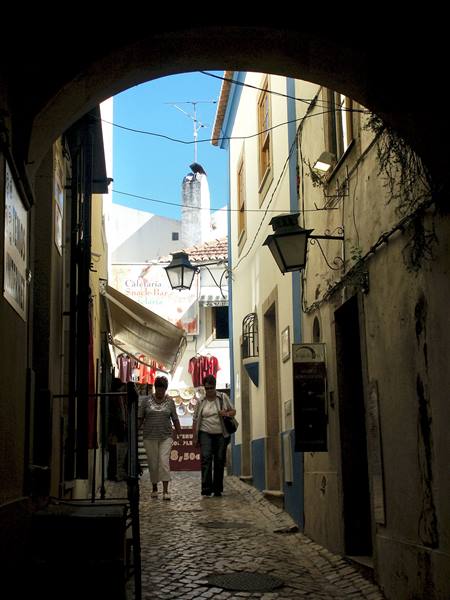
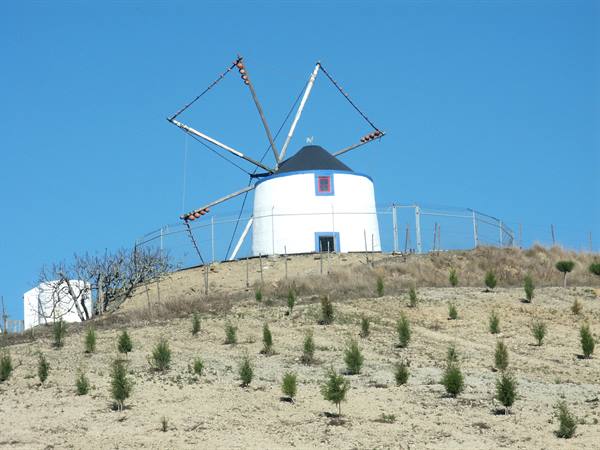
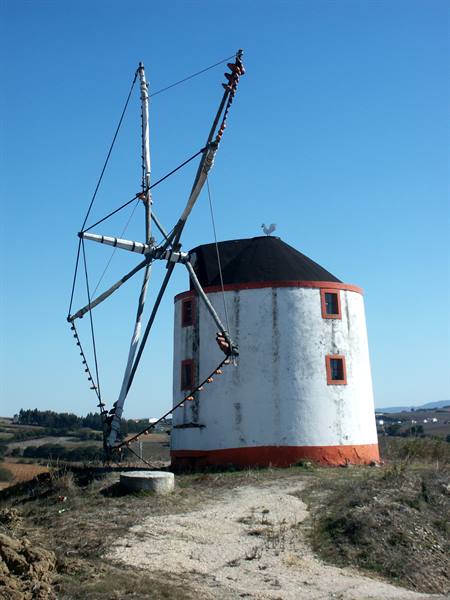
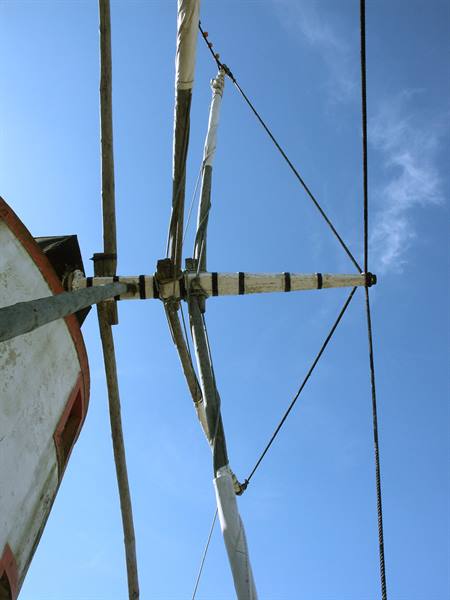
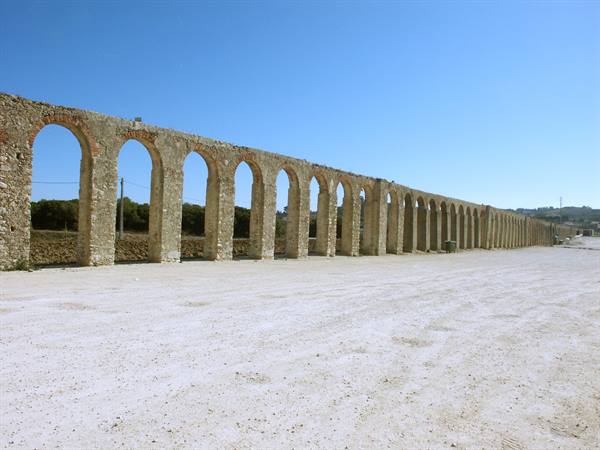
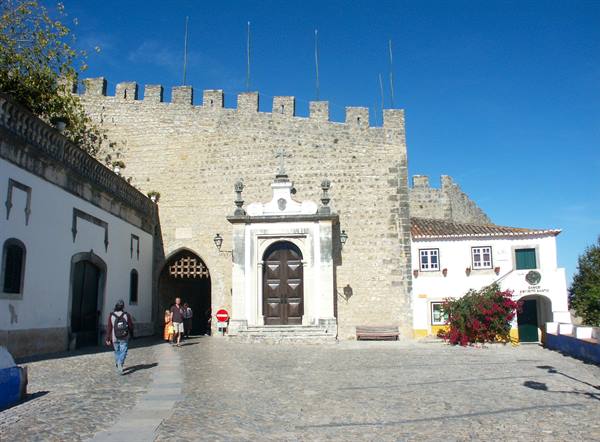
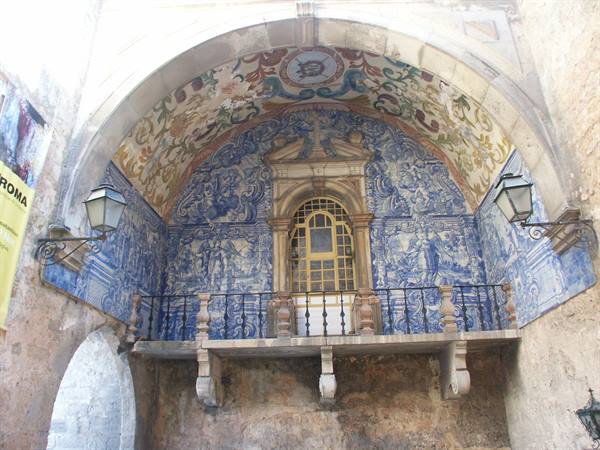
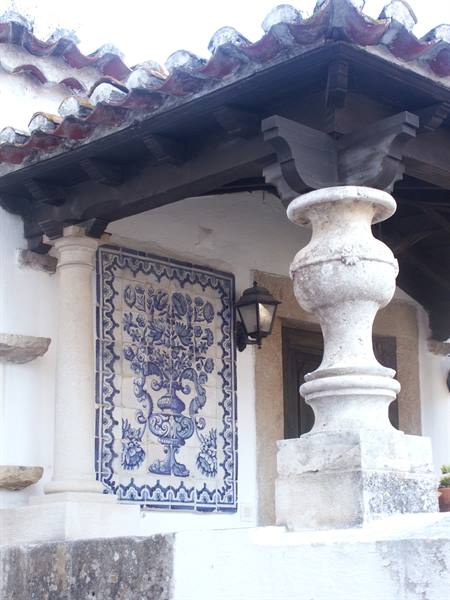
The windmills were by now on our route and, taking the N8 and then the A8 to get to Óbidos, we came across them, scattered here and there on the knolls of gentle hills, well preserved but mute witnesses to the activity of times gone by. Finally Óbidos, whose surrounding walls and castle manifest their imposing defence of this ancient village nestled in a hollow of the surrounding hills. Close to the old 16th-century aqueduct we park and then continue, as is obligatory, on foot into the fortified Óbidos, passing through the Porta da Vila, with its azulejos gracing the imposing walls. Once inside, an unexpected ensemble appears before our eyes of white houses with showy coloured borders and twisting alleys that transport us into an environment of white walls adorned with flowers, bougainvillea, wisteria, geraniums, where tranquillity reigns supreme.
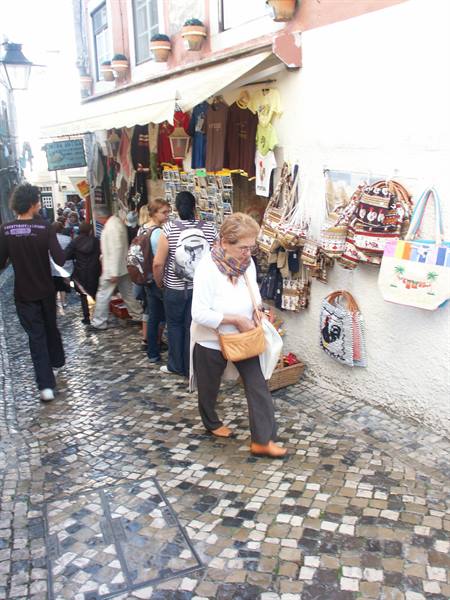
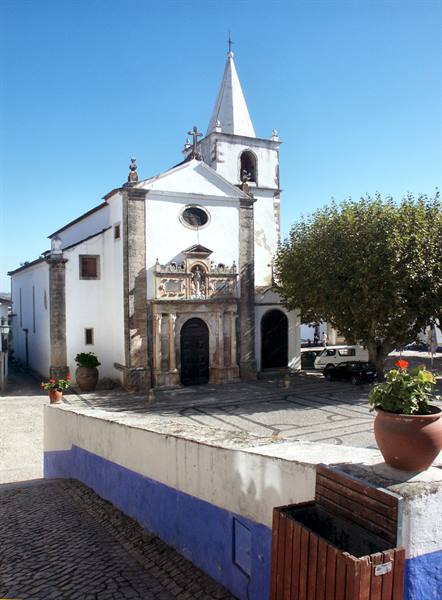
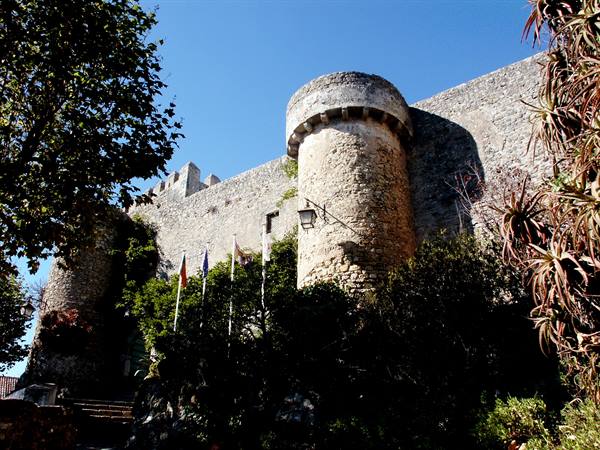
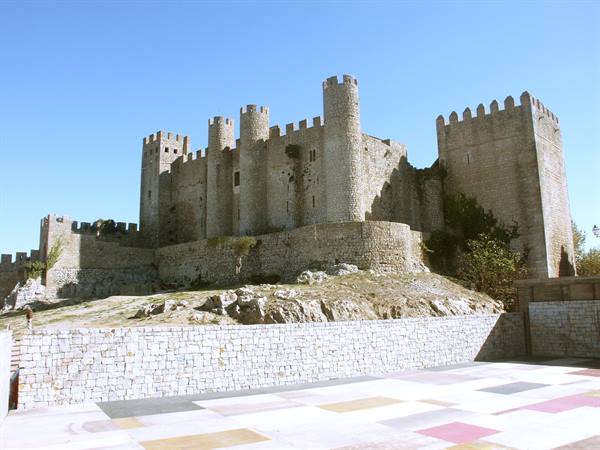
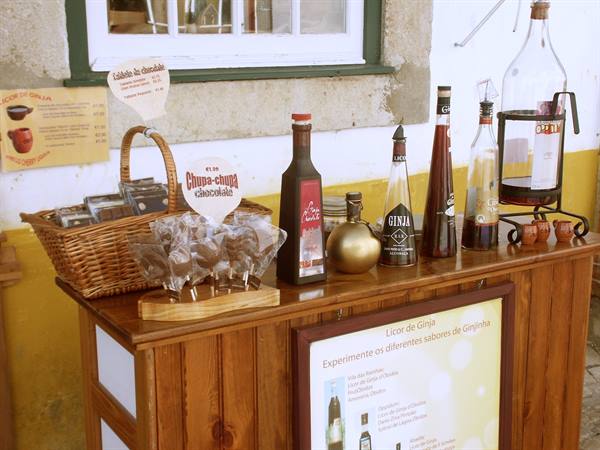
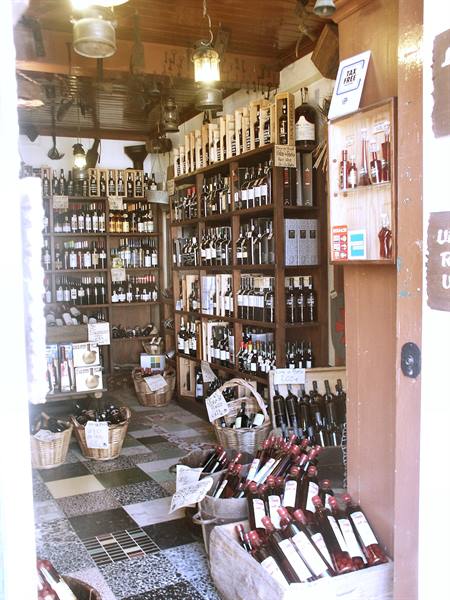
Tourists prefer the main Rua Direita for the little souvenir shops, local and non-local crafts, the little spots with local specialities and the ever-present Ginja, the typical cherry-based liqueur, similar to cherry. The Igreja de Santa Maria, the most beautiful church in this village, is towards the end of Rua Direita and a little further on is the well-preserved 13th-century castle, with walls, towers and crenellated ramparts that now frame an elegant Pousada.
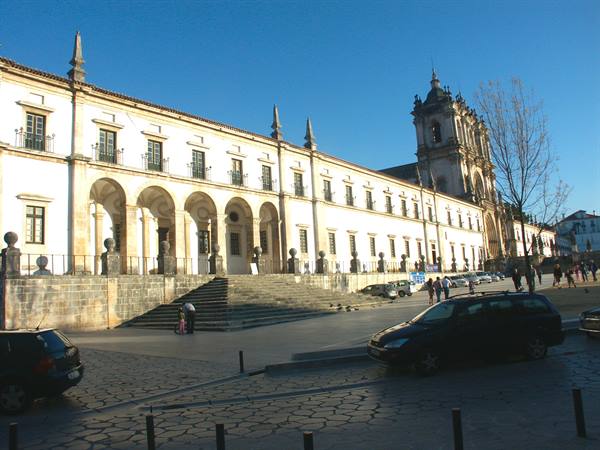
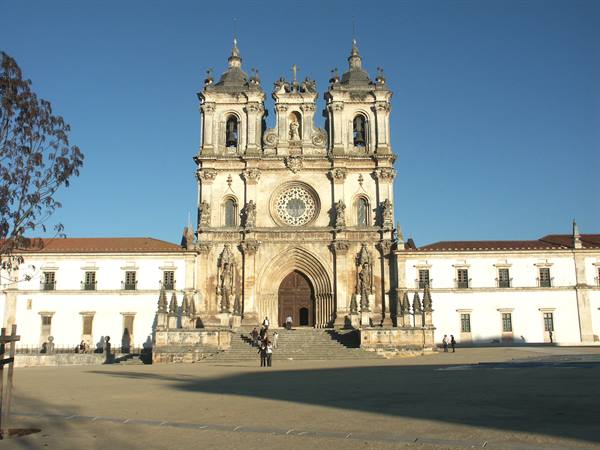
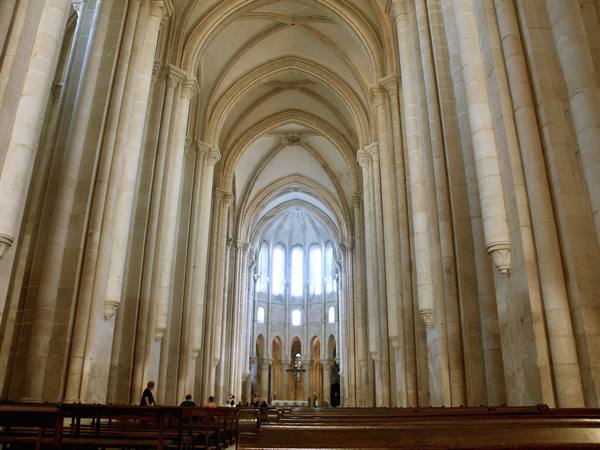
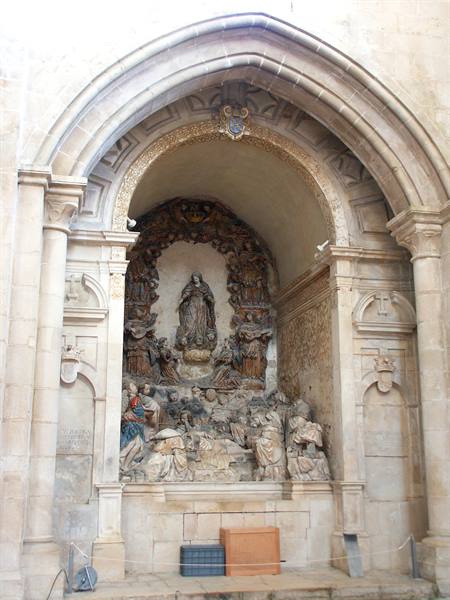
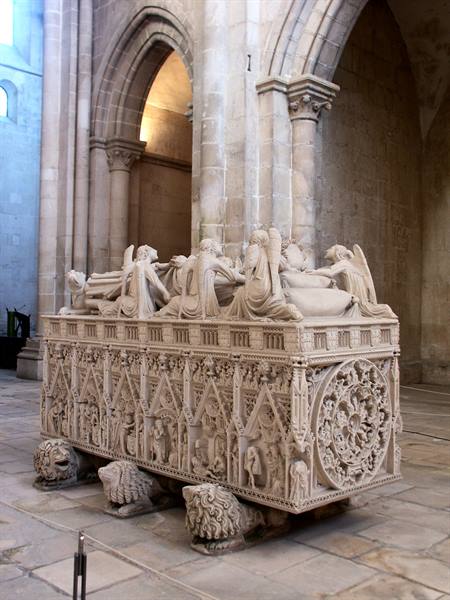
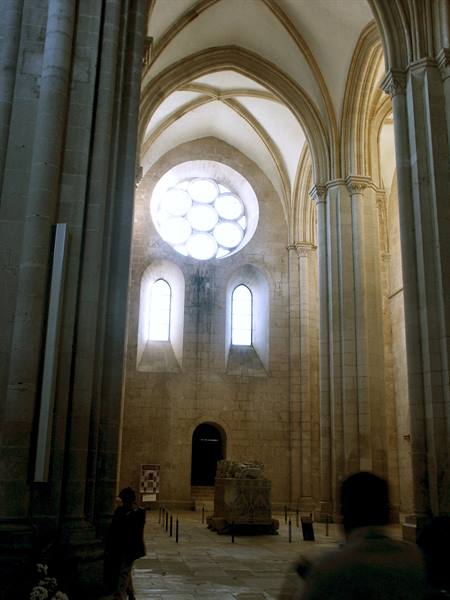
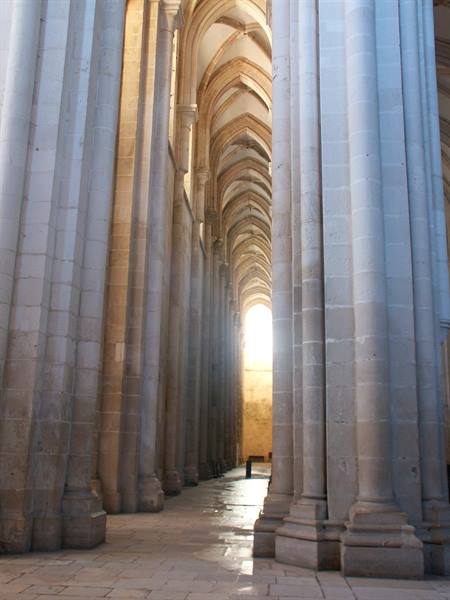
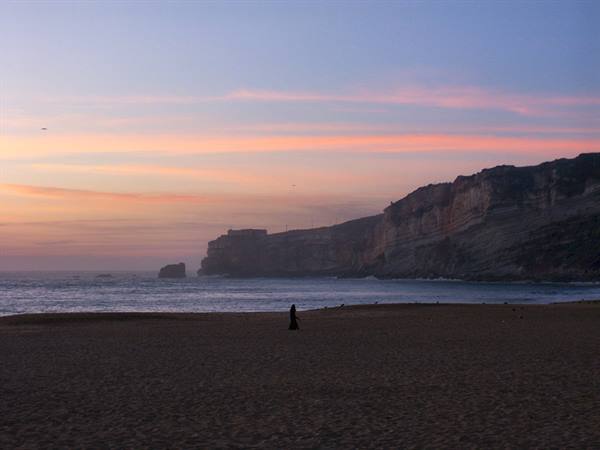
We take the A8 again towards Alcobaça to visit the imposing Mosteiro de Santa Maria de Alcobaça, the medieval Cistercian monastery founded in 1153, remodelled several times, where not to be missed are the main chapel, the ambulatory with other chapels, the Royal Tombs, the royal Pantheon, the chapel of Saint Bernard, all finely carved, then the Sacristy, the Room of the Kings, the Refectory, the Kitchen, the Chapter House and the Cloister of Silence, one of the largest Cistercian cloisters in Europe. We spend the evening in Nazaré... described to us as an ancient fishing village, it disappointed us for its purely touristy atmosphere. We spent the night between Alcobaça and Batalha, in Aljubarrota, the town where Portugal, in 1385, saved its independence from the Spanish, also using the "padeira", the bread paddle, to chase out the last Spanish who had hidden inside an oven.
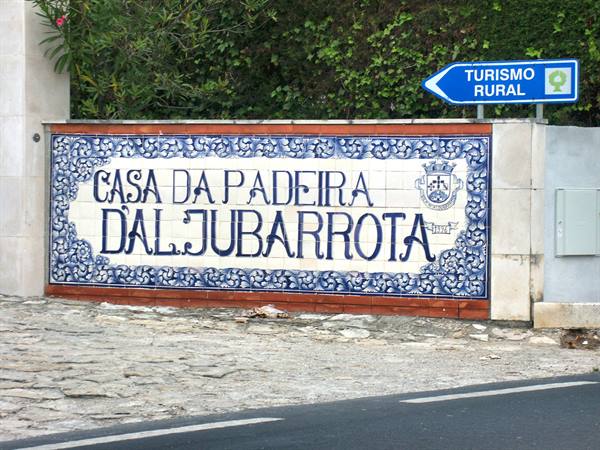
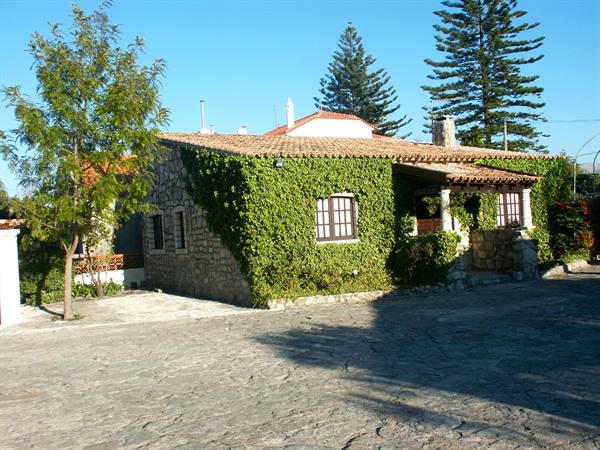
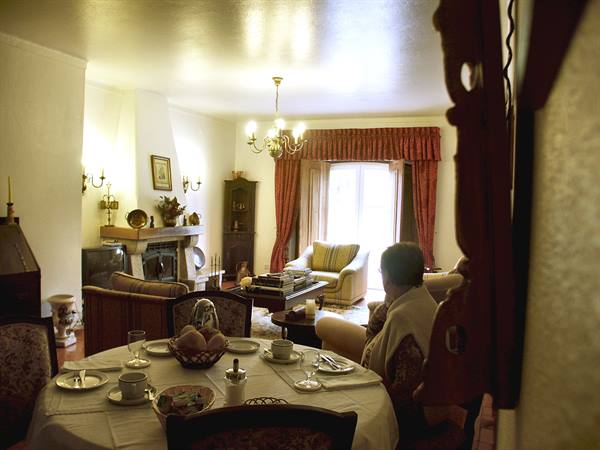
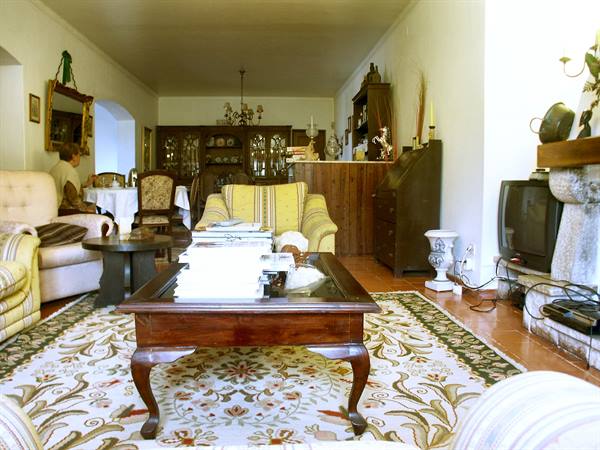
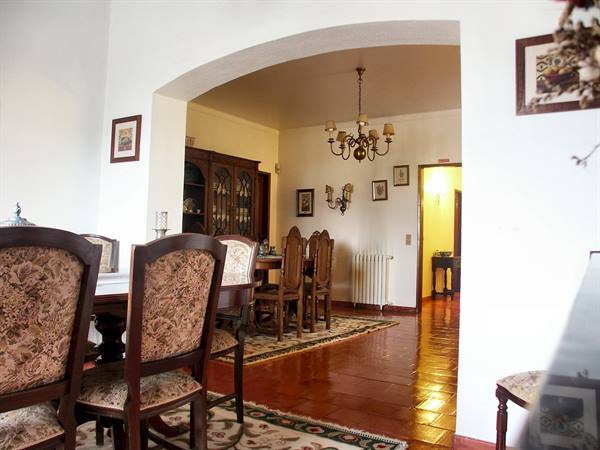
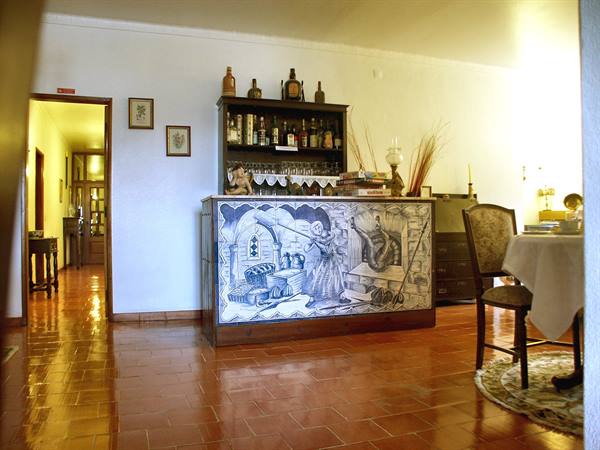
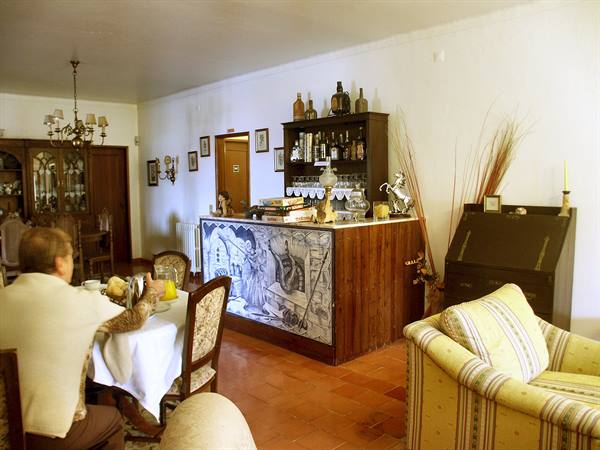
From here the Casa da Padeira (at no. 19 of Estrada Nacional N8), a beautiful residence made from a historic and well-preserved villa with garden, parking, pool, mini-golf, barbecue area and more. Inside we find a bar, breakfast room, TV room, billiard room, a fireplace, etc. and on the upper floor spacious rooms with bathroom, TV and telephone, all in an elegantly furnished, clean environment with a quiet and welcoming atmosphere, where Mrs Lina Pacheco makes the guest feel at ease, also with pleasant conversation while savouring the abundant and excellent breakfasts lovingly prepared by her... the loveliest encounter of our stay in the surroundings of Lisbon.
08.01 Aljubarrota - Casa da Padeira
Day 327 Oct 2008
Batalha - Fatima - Tomar- Lisbon
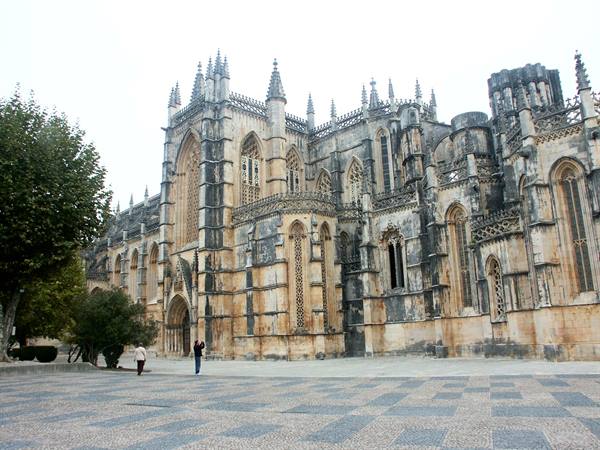
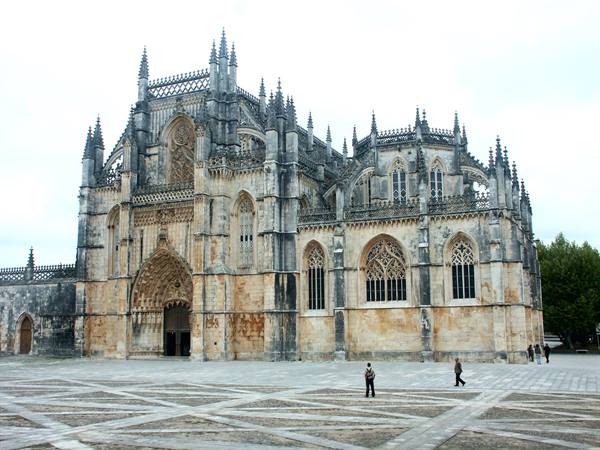
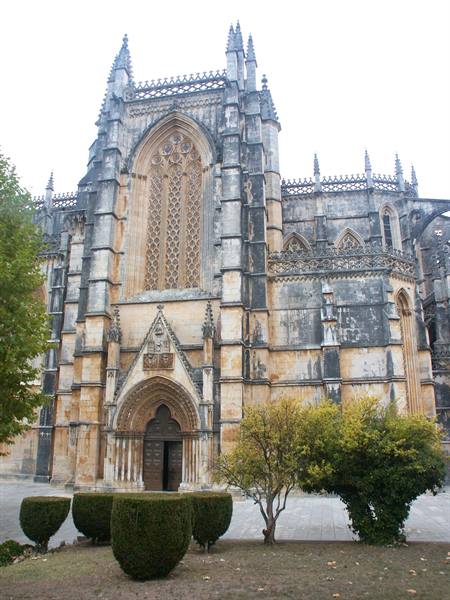
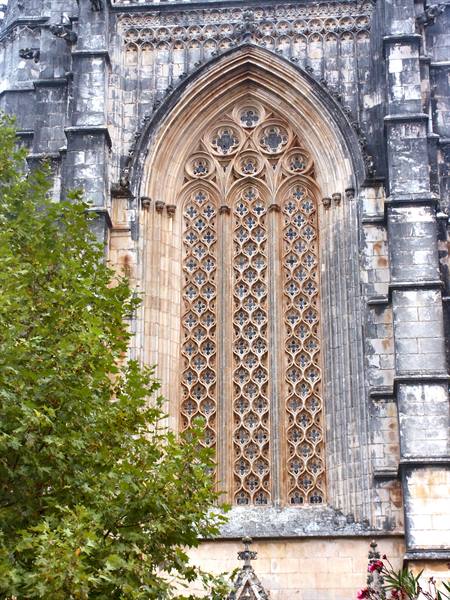
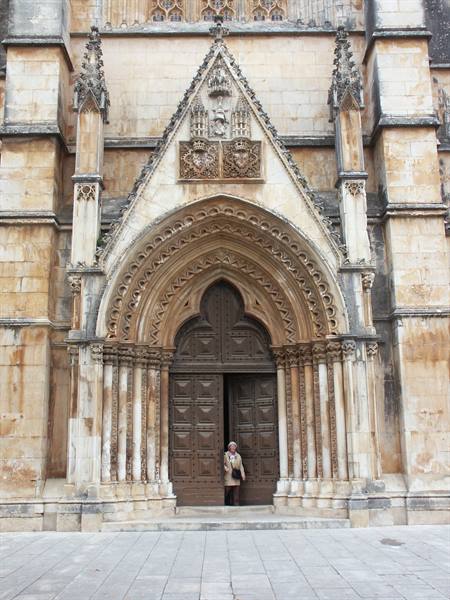
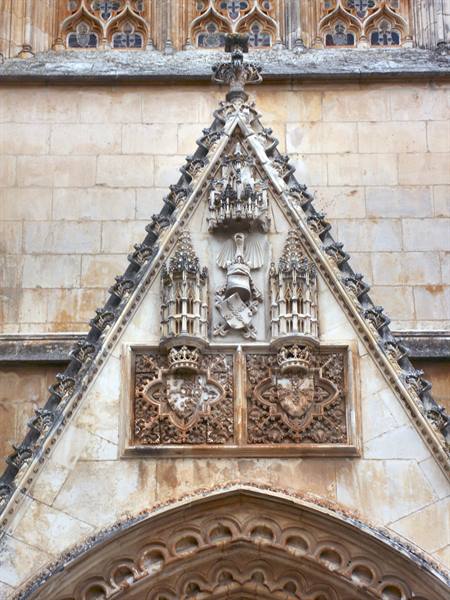
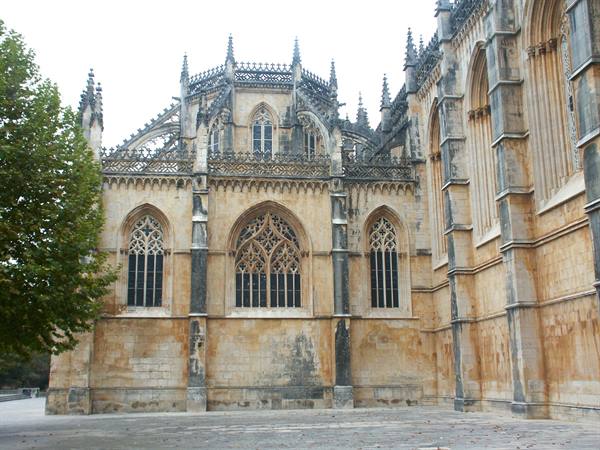
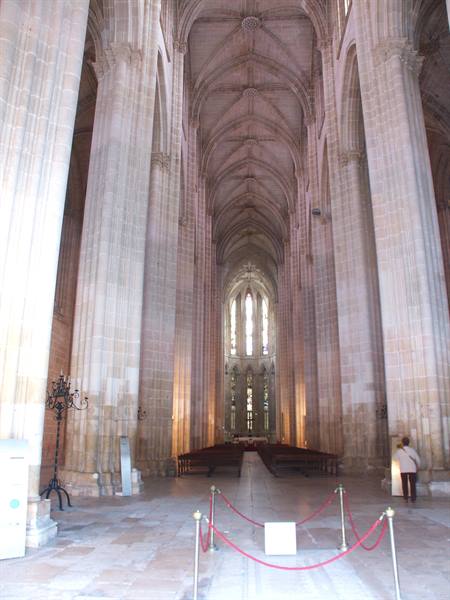
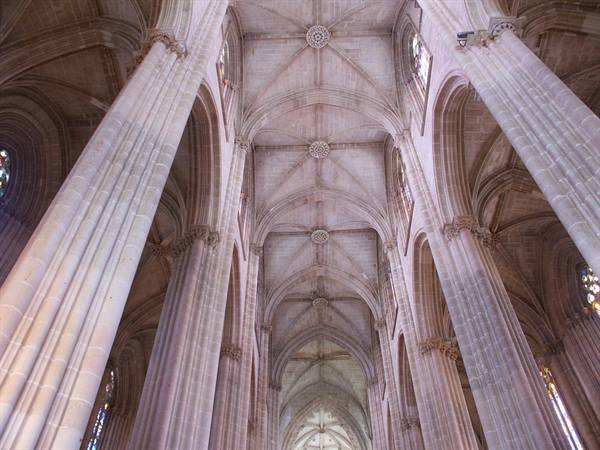
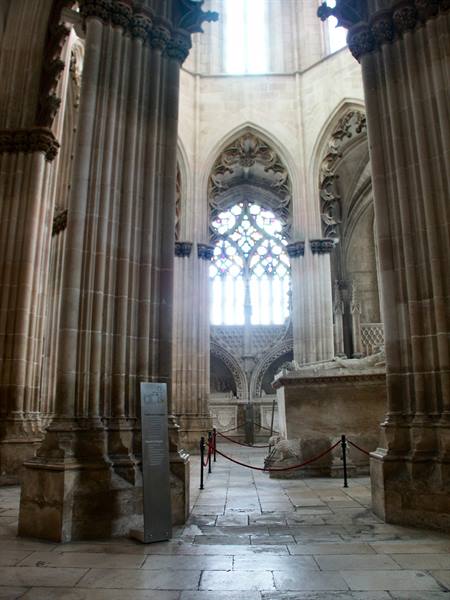
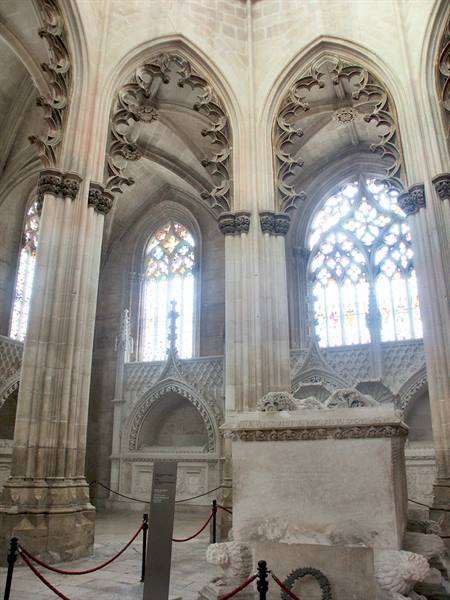
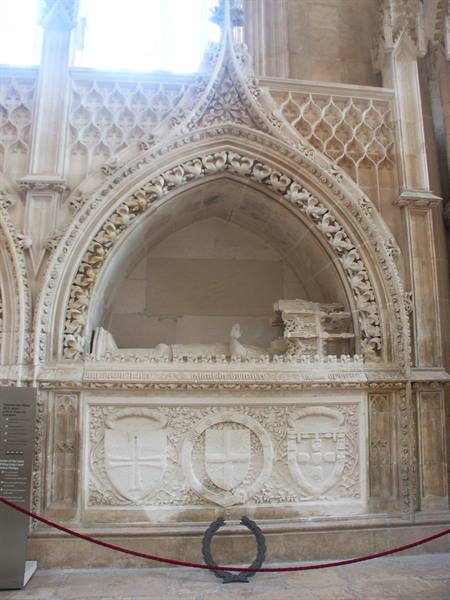
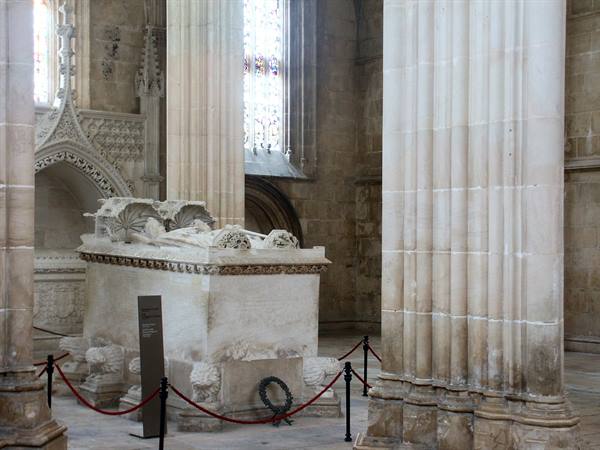
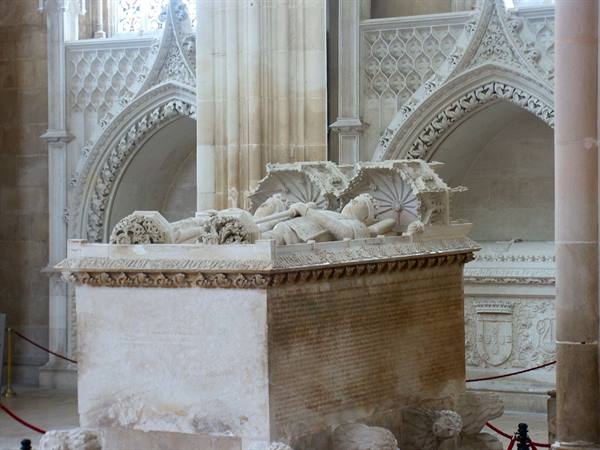
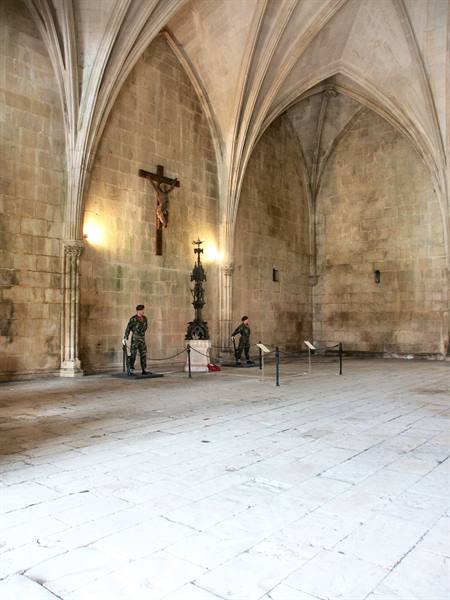
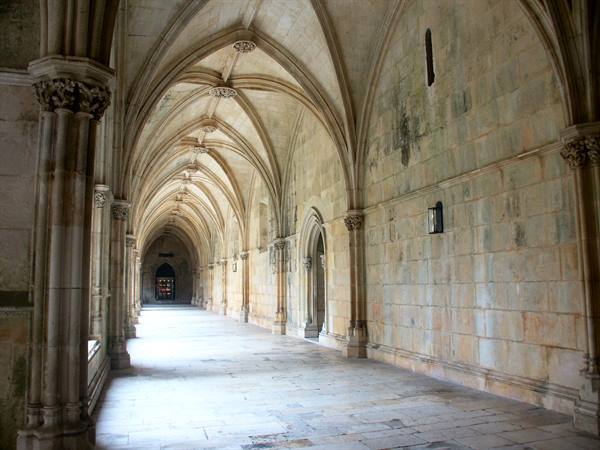
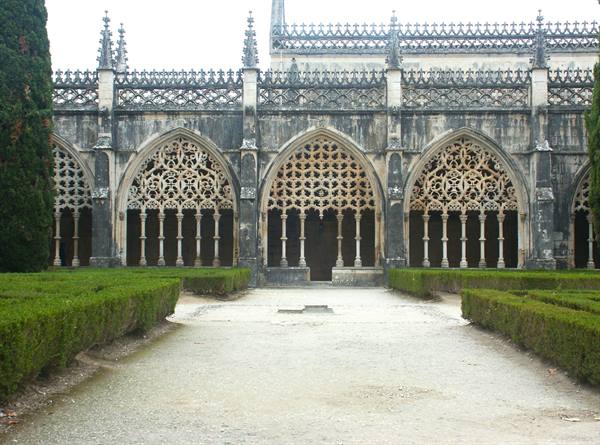
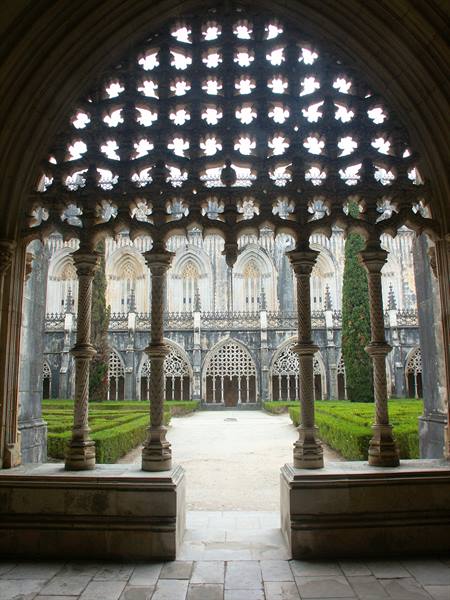
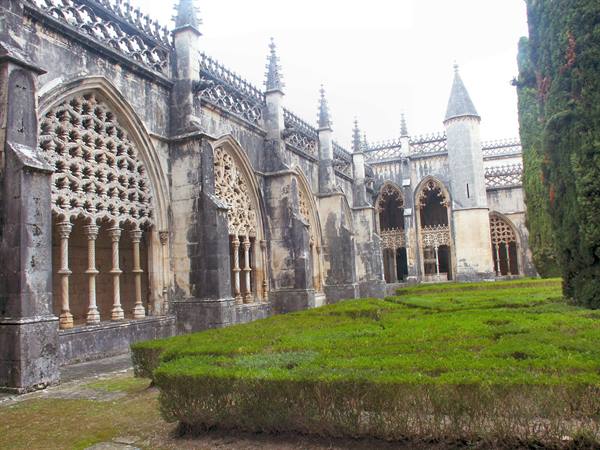
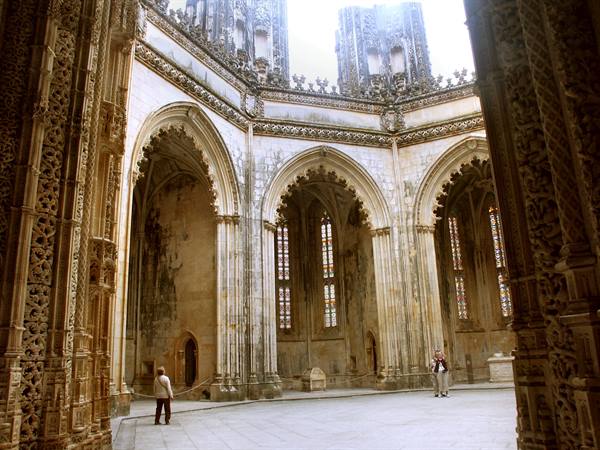
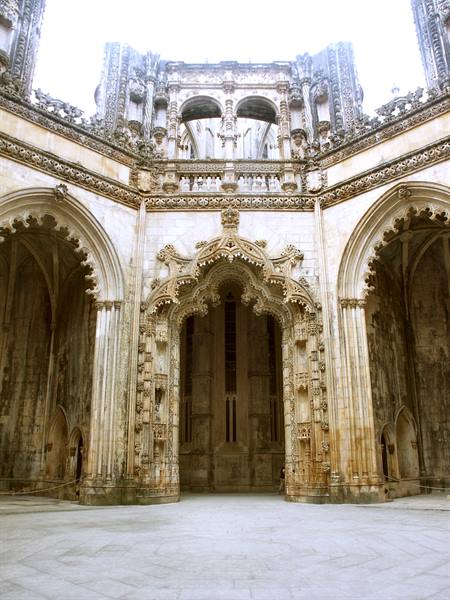
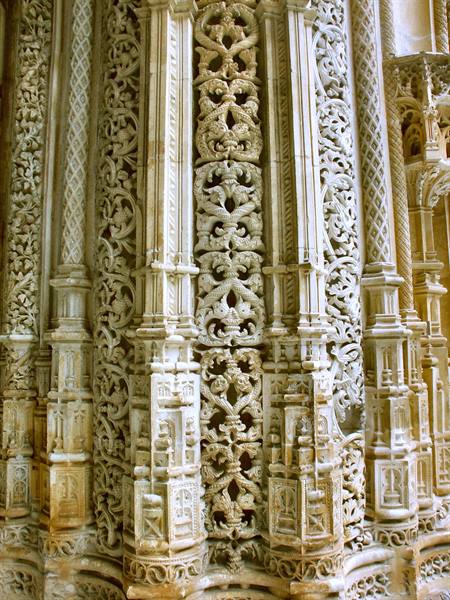
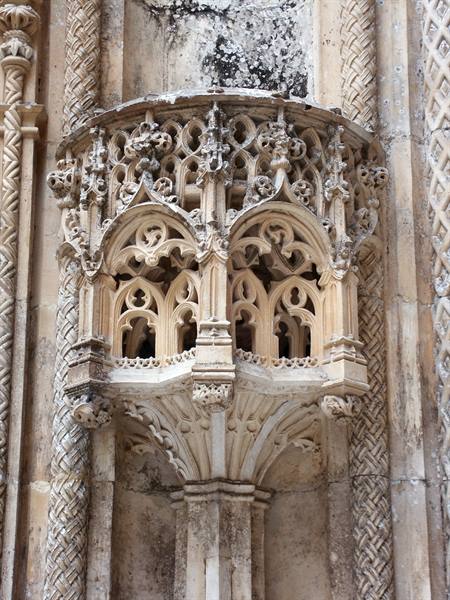
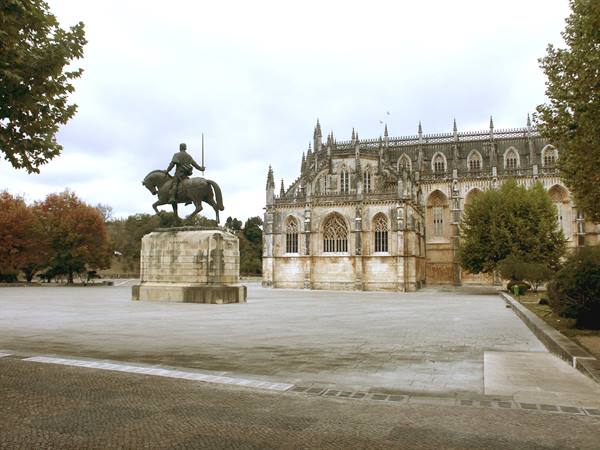
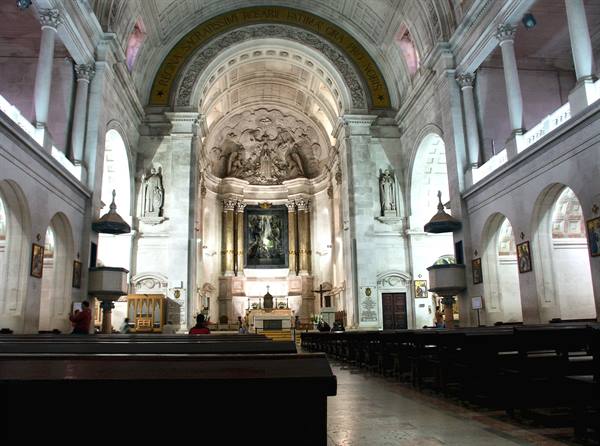
Driving along the N8 and the N1, we arrive at Batalha to visit the historic Monastery erected in thanks for the Portuguese victory in the battle of Aljubarrota. The majestic structure, which cost two centuries of great works, is predominantly Gothic and, besides the ornamental richness of the whole, features large polychrome stained-glass windows from 1430, the first produced in Portugal. We reach the nearby Fatima by driving along the panoramic N356, allowing us to cross and get to know the environment of this semi-mountainous area. The impact with the town of Fatima isn't among the most beautiful, since there's a raging of shops with religious souvenirs and hotels where the names of Saints serve as their signs.
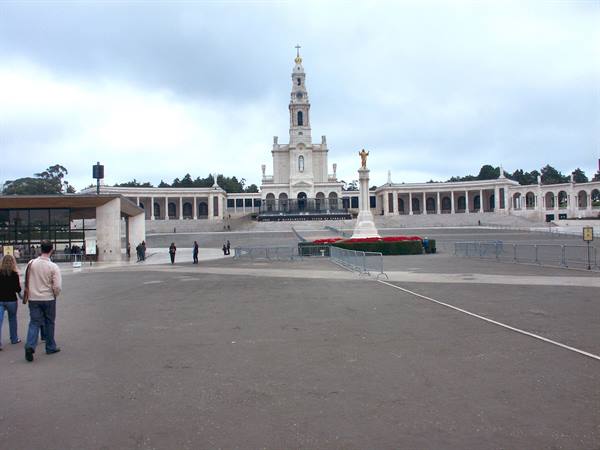
Arriving in the large and empty square in front of the sanctuary, we encounter only a few faithful listening to one of the perpetual masses celebrated in the grotto on the left, someone making their way around it on their knees. The whole is a bit cold, but, strangely, a certain emotion pervades our souls, even though we aren't practising believers because we prefer helping to praying. Having visited the sanctuary, with no artistic emotion, we take the car again and, reaching the IC9, go to Tomar, a historic centre dominated by the Templar castle or Convento do Cristo, a grandiose and well-preserved 12th-century construction.
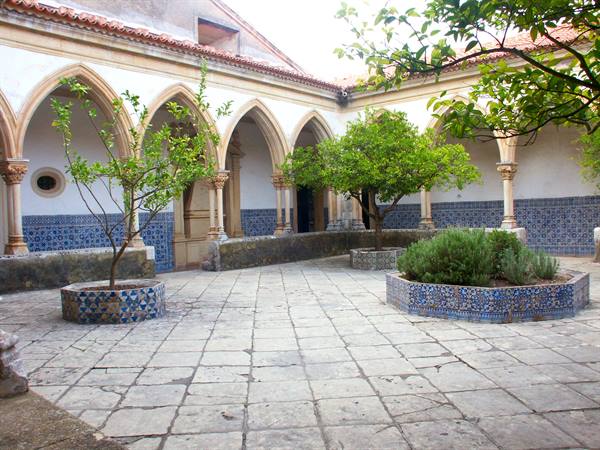
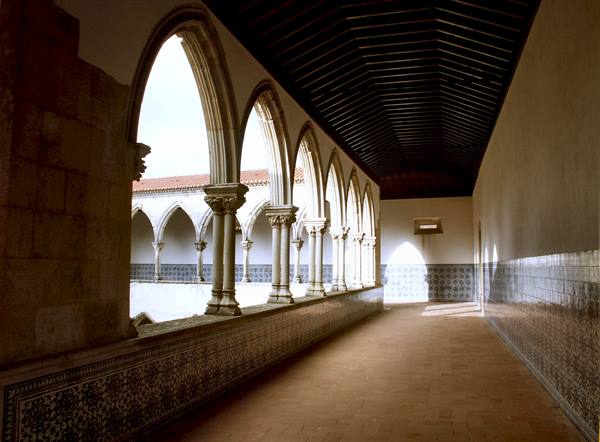
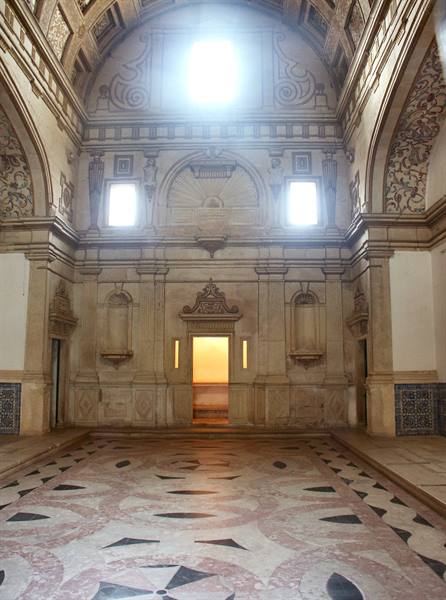
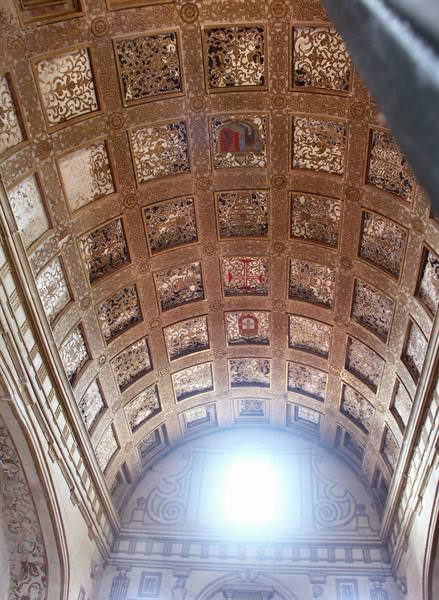
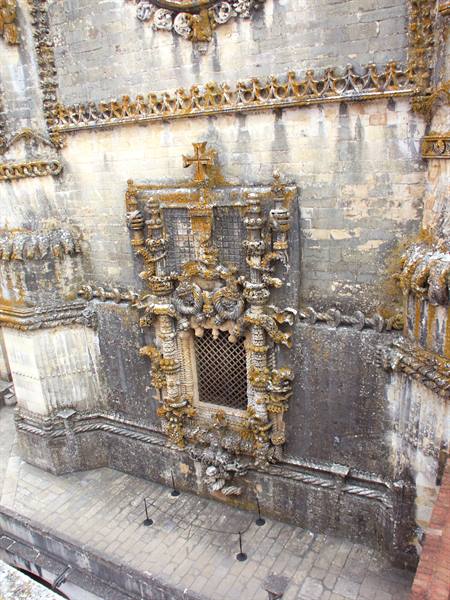
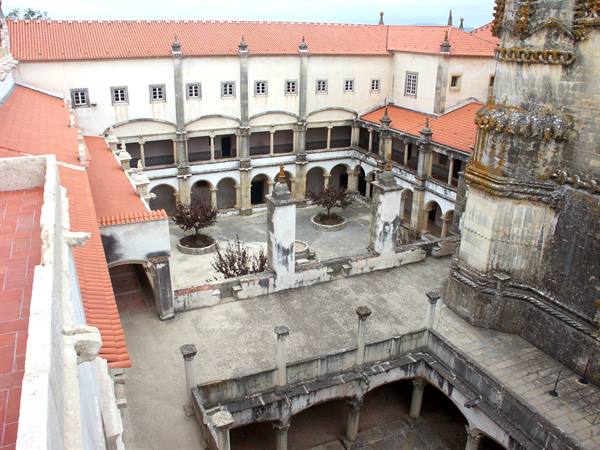
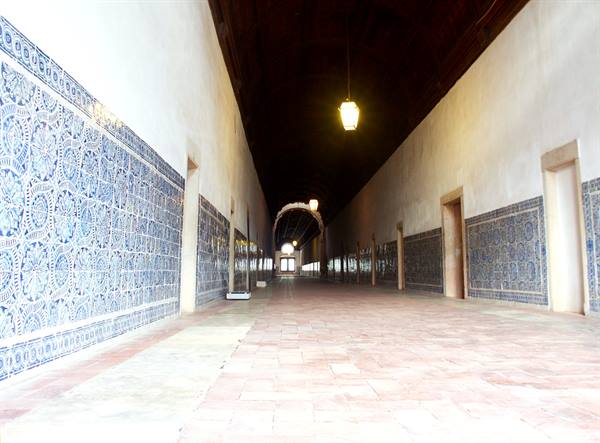
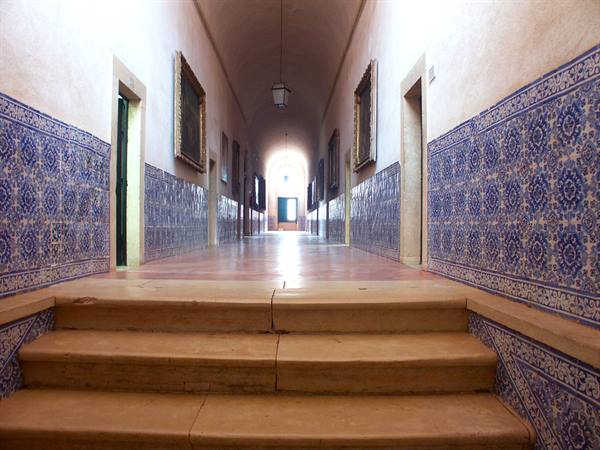
A UNESCO heritage site, it's one of the most important monuments in Portugal and its marvellous and imposing interior, all visitable, shows us the polygonal church with rich sculptures and paintings, the capitals, the naves, the spiral staircases leading to the upper floors, up to the walkable roofs that allow a face-to-face encounter with the decorations of the façades, then the immense dormitory, the refectory, the kitchen, a plunge into the history of the monk-knights, the Templars. Once our available time has run out, we return to Lisbon, hand back the rented car, the last bacalhau in the centre at the restaurant Le Xope Xope, a bit pricey but it's right in the centre, on Rua dos Correeiros, fish and shellfish... but it was our farewell to nighttime Lisbon, and the next day, the 28th, luggage, breakfast, taxiii... plane to Venice and back home.
0 reader comments