Fado… the sad destiny of the Portuguese people. The first encounter with this music happened in Venice, in 1977 at the Teatro Malibran, where we went to listen to that Amália Rodrigues whom I knew only through 2 LPs bought for my passion for music of popular origin. I was also lucky enough to meet personally, at the end of the show, the great Amália Rodrigues and her musicians, a meeting of which I jealously keep the show poster with Amália's dedication and the autographs of her musical accompanists. From then on I began to nurture the great desire to go to Portugal, to Lisbon, to get to know the city, but mainly to listen to Fado in its native land.
After other trips, this one to Lisbon materialised in 2008, a TAP flight Venice-Lisbon, a hotel in the centre, the Sete Colinas at Avenida Almirante Reis 67, a three-star built in 2008, clean, equipped with modern comforts, abundant breakfasts and... a metro with the Anjos stop in front of the door, very convenient and quiet even though on a main artery of the city. Three days... and three nights to get to know better the capital of Portugal together with its bacalhau, its splendid people and its heart-rending... Fado.
The following destinations, according to the travel programme prepared in good time and which I'll talk about in the second part, involved a visit to the coastal area with Boca do Inferno, Cabo Raso and Cabo de Roca and then on towards Sintra, Mafra, Sobreiro de Mafra, Ericeira, Obidos, Alcobaça, Nazaré, Batalha, Fátima and Tomar, then returning towards Lisbon for the conclusion of our journey,. On these places the internet makes available to us a great deal of information, including that which I used to put together our trip, so here I'll limit myself to indicating those places that left the greatest mark on our memories. Portugal still has strong reasons to be the object of a trip, which I suggest, for anyone thinking of it, to do as soon as possible so as not to lose them.
Because of a past economy that wasn't exactly flourishing, Portugal has been opening up to tourism only in recent years and this means that you can still find what in other European cities has almost totally disappeared... the atmosphere of a bygone time and the people of a bygone time, an environment in some ways still with a human face, where people don't just look at you and pass by, but gladly talk, are cordial, open, almost eager to communicate with those who visit their country.
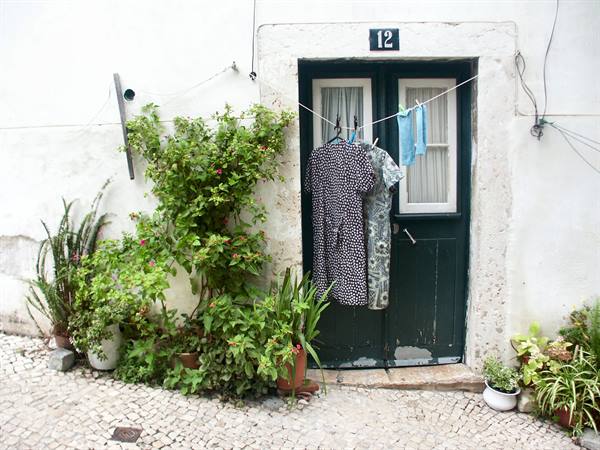
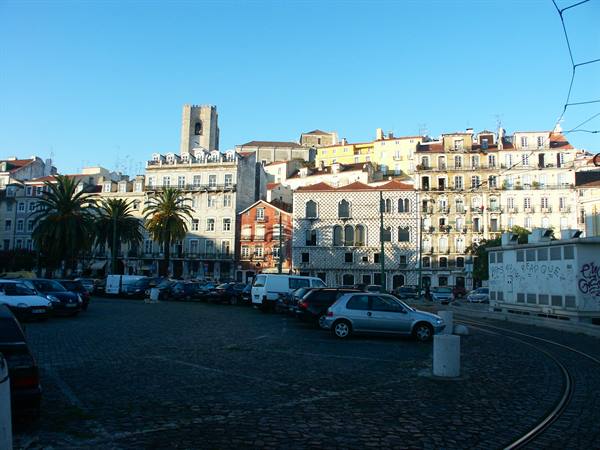
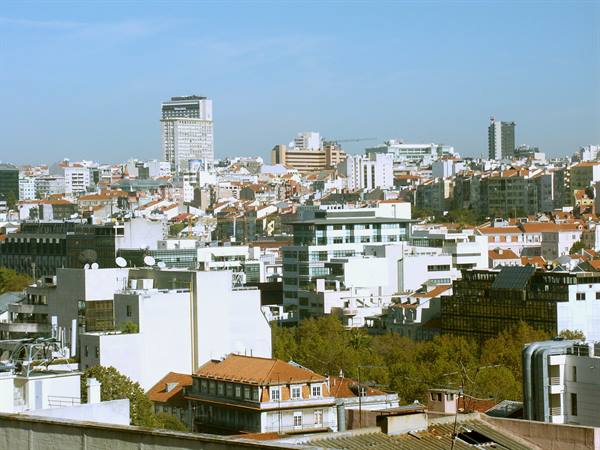
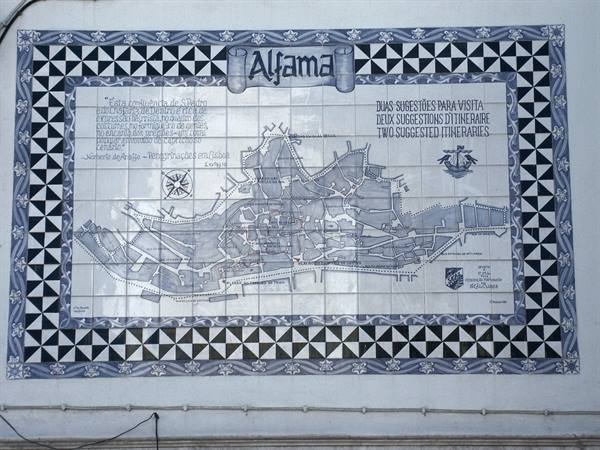
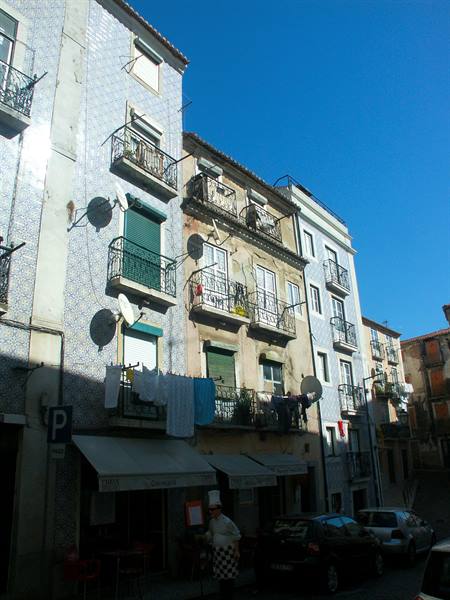
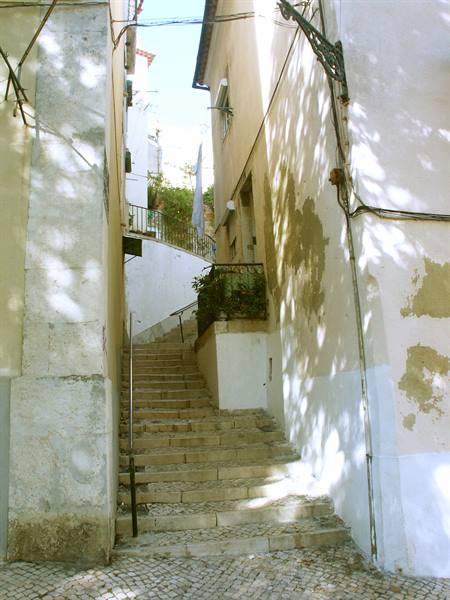
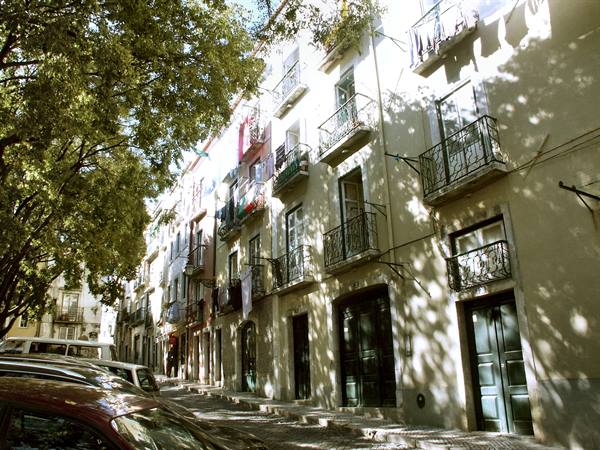
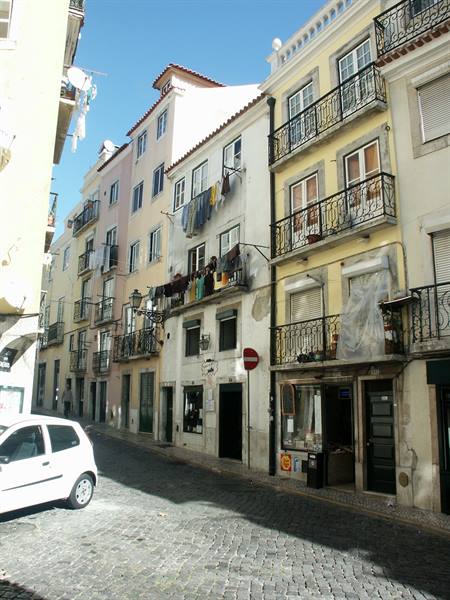
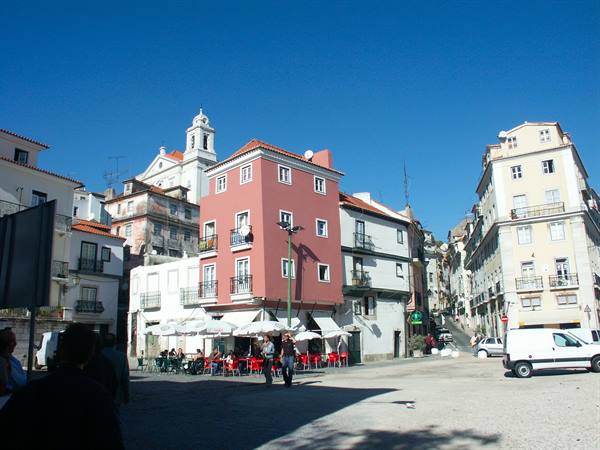
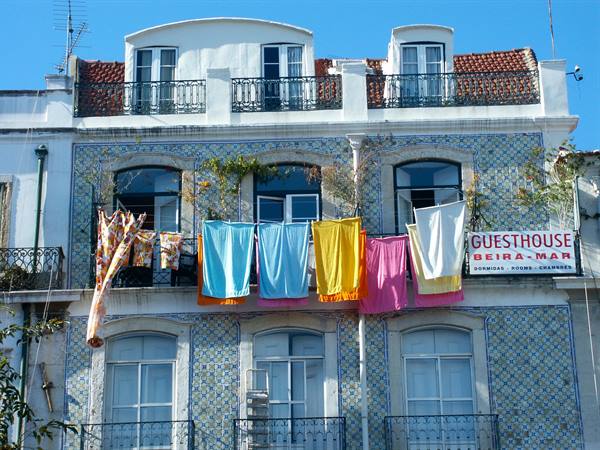
Lisbon is a collection of hills on which all its neighbourhoods rest, the Baixa, the Rossio, the Bairro Alto, the Chiado, all more or less rebuilt after the earthquake that had half-destroyed it in 1775, except for the one that keeps intact the appearance of the old Lisbon, the Alfama, the neighbourhood with its narrow and winding little streets where, in a continuous up-and-down, it's not hard to find the craftsman working in his small and dusty workshop, the neighbourhood with the houses with peeling plaster, the little outside staircases you never know where they lead, the myriads of television aerials infesting the roofs, the colourful sheets in the wind... the people of a bygone time, the very cordial ones, open to dialogue, helpful, a humanity pleasant to meet...
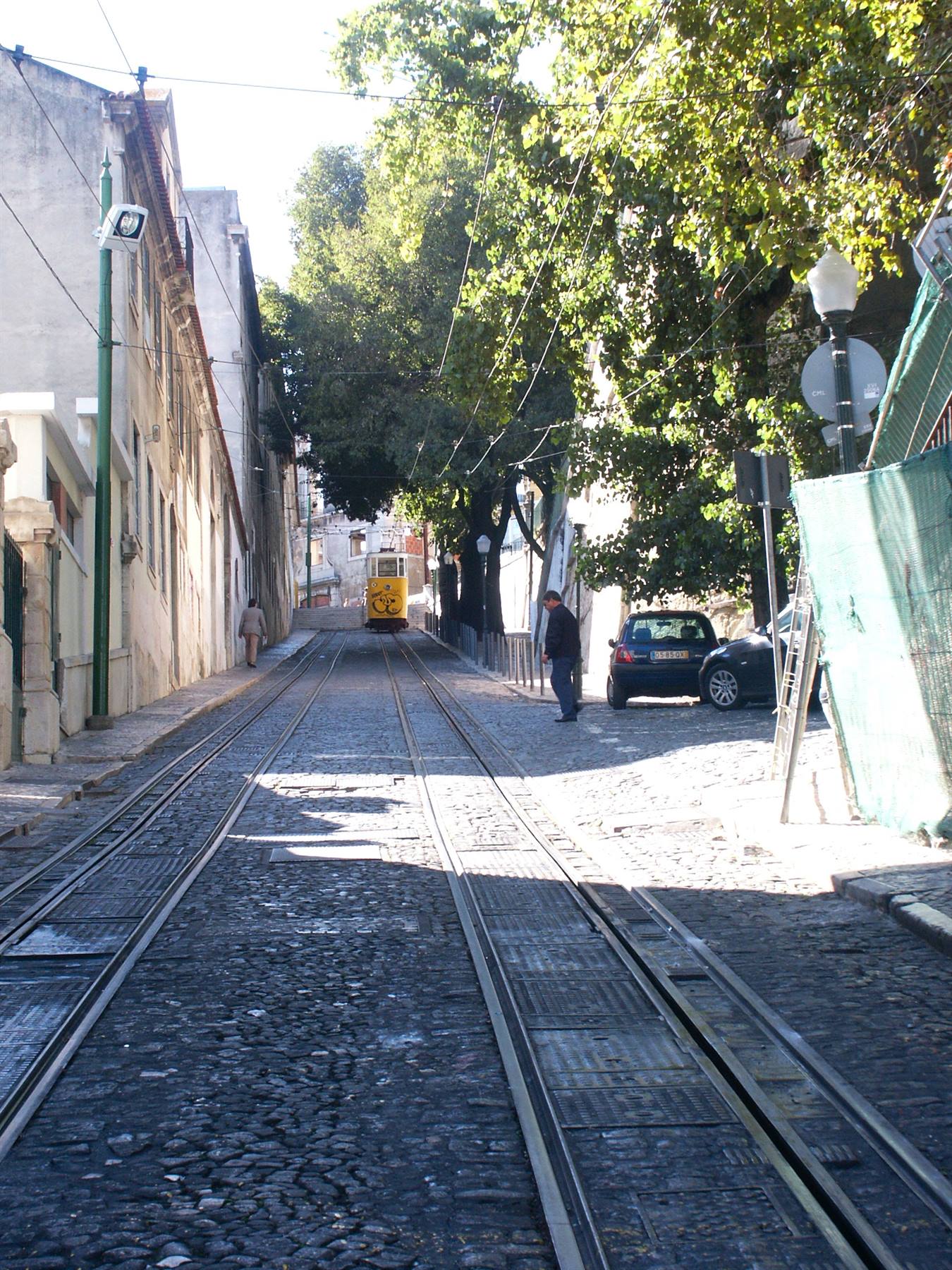
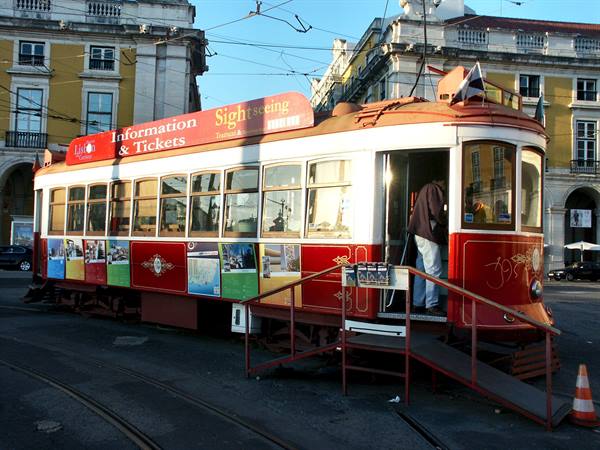
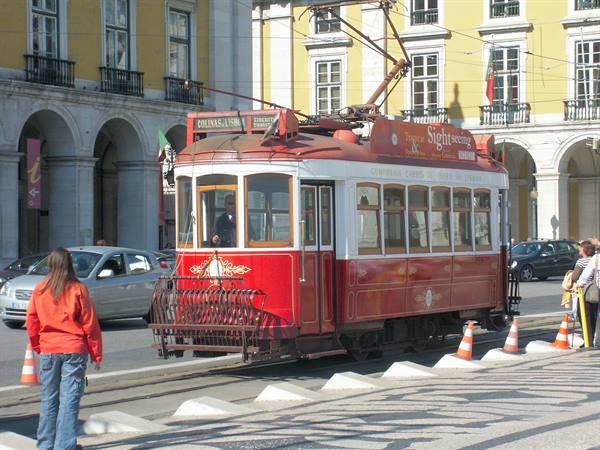
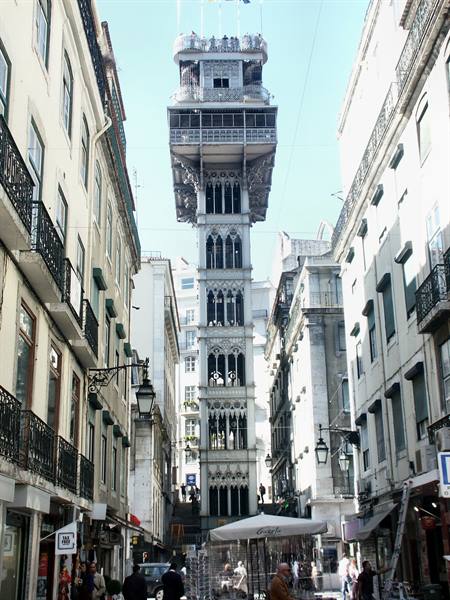
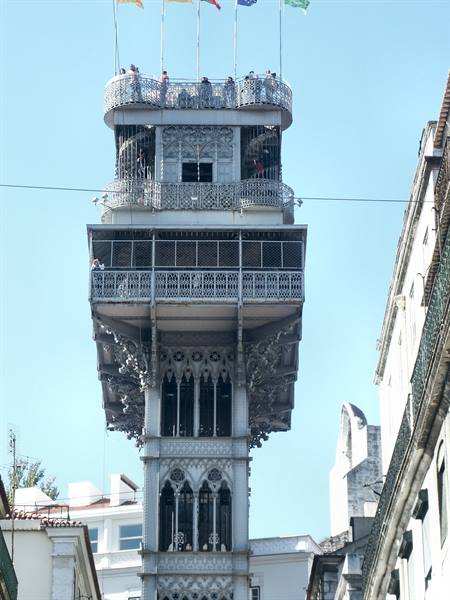
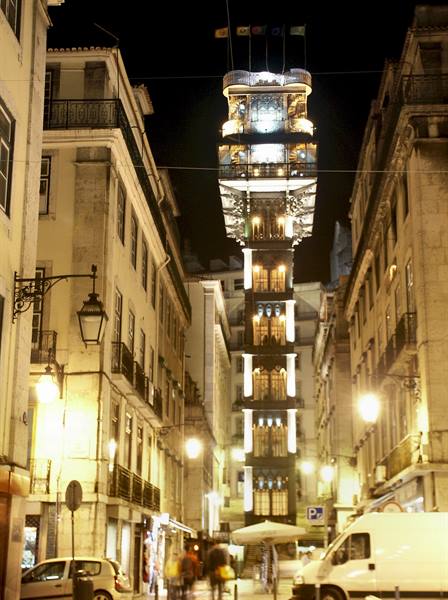
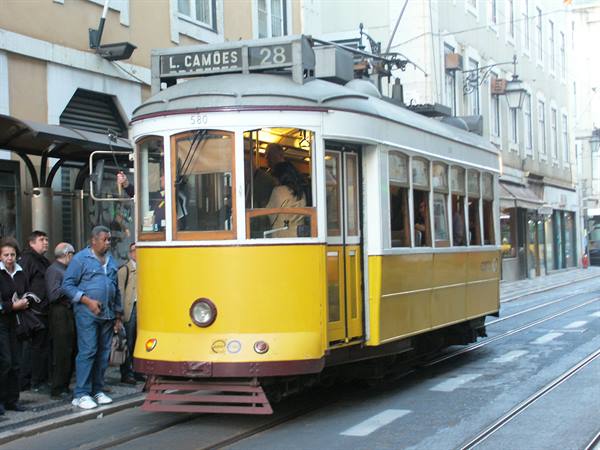
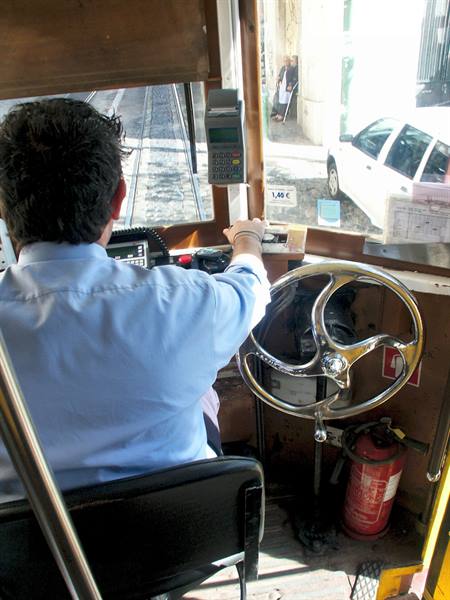
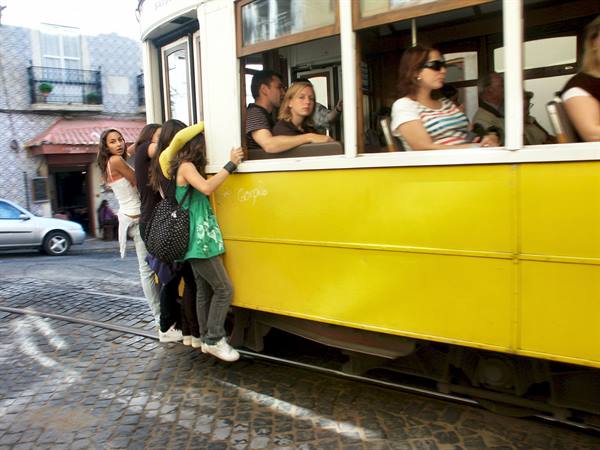
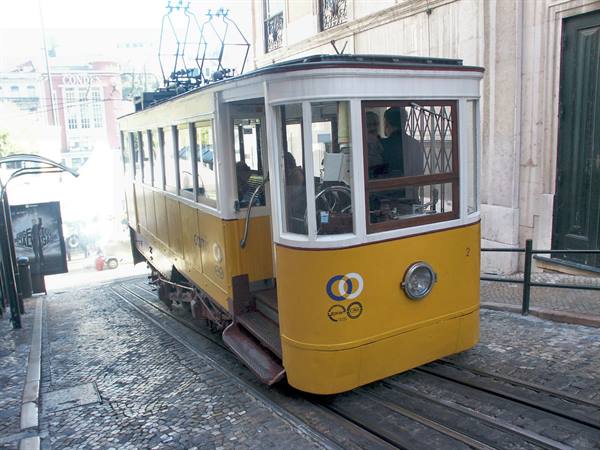
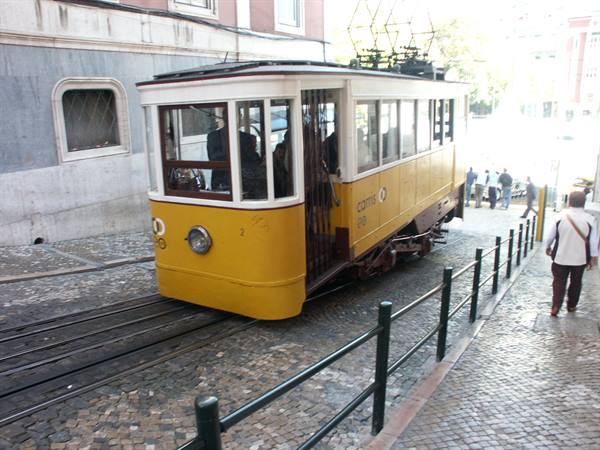
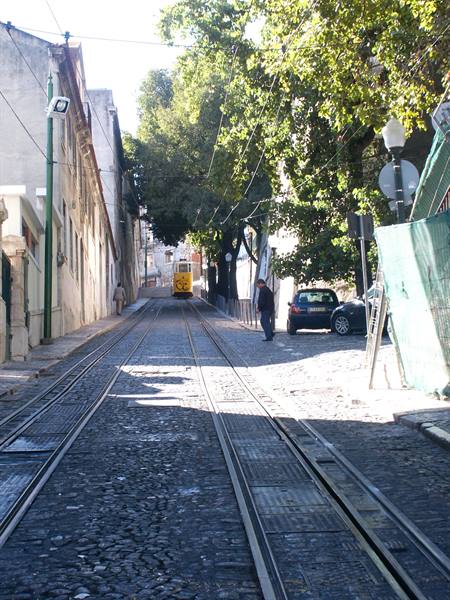
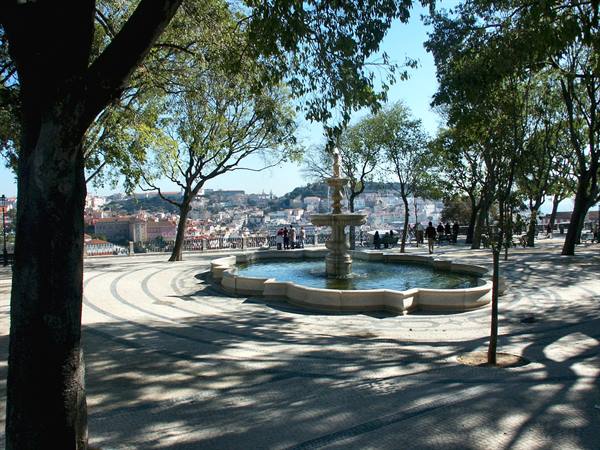
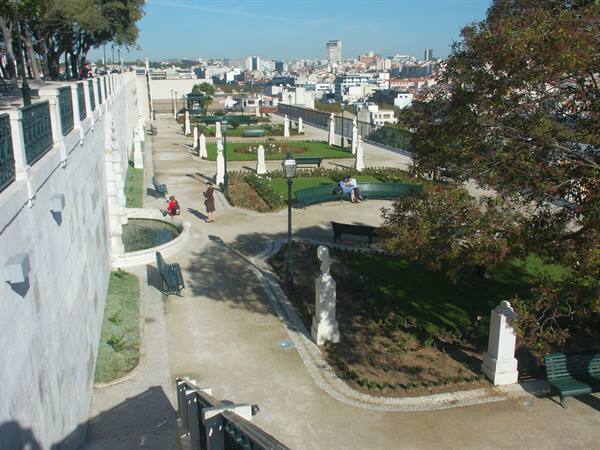
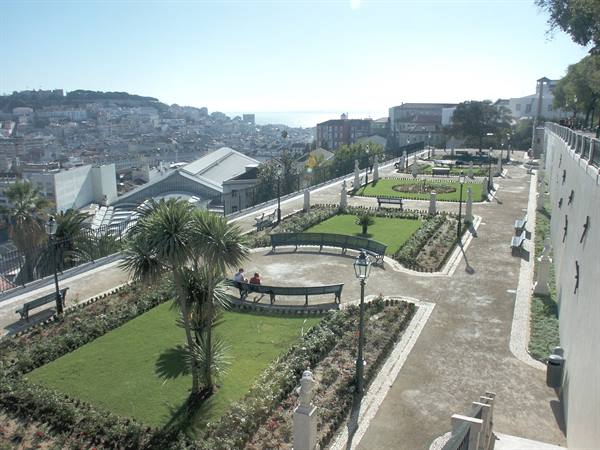
but for how long? Lisbon also offers other opportunities that should be experienced for their uniqueness: - the Miradouro, panoramic terraces from which to sweep your gaze over the city; - the Electricós, the old red or yellow trams that rattle through the city, where the 28 historically plays the leading role for its travelling along the narrow and winding little streets of the Alfama; - the Elevadores, the historic lifts that by rising "from one floor to another" of the city still allow us to admire Lisbon from inside their cabins lined with wood and brass, where the best known is the Santa Justa one in Largo do Carmo, near Rua Augusta; particular, because it's called Elevador da Glória but is in fact a funicular, is the little car similar to the yellow Electricós found in Calçada da Glória, beside the Central do Rossio railway station in Praça dos Restauradores, from where it sets off
to travel the steep climb that in a short time takes us to the belvedere terrace of São Pedro de Alcântara, another panoramic point over the city. A bit outside the centre of Lisbon, towards the Ponte Vasco da Gama, there's the Oriente, the very modern seafront district cleverly built on the occasion of Expo 98, giving new life to a disused port area.
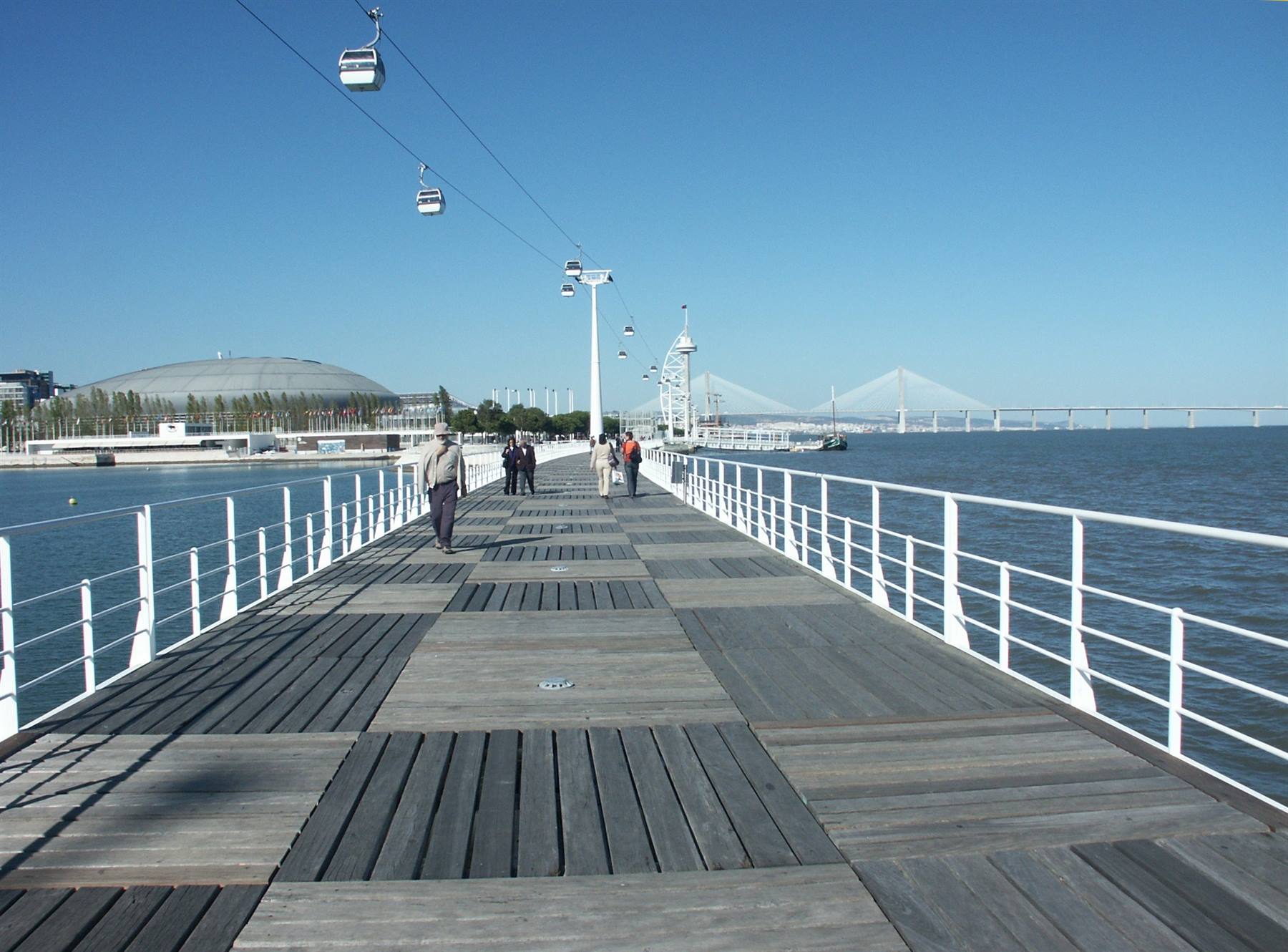
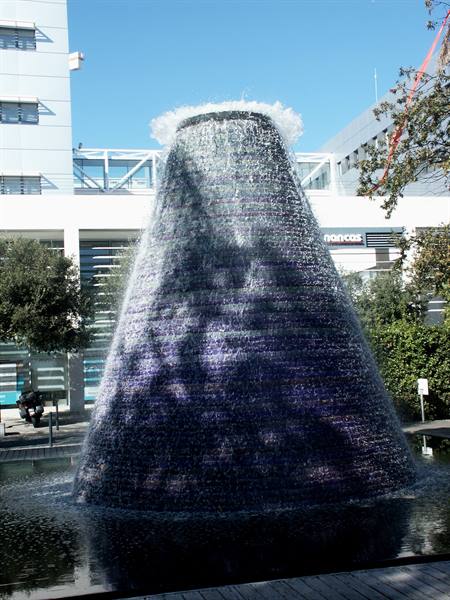
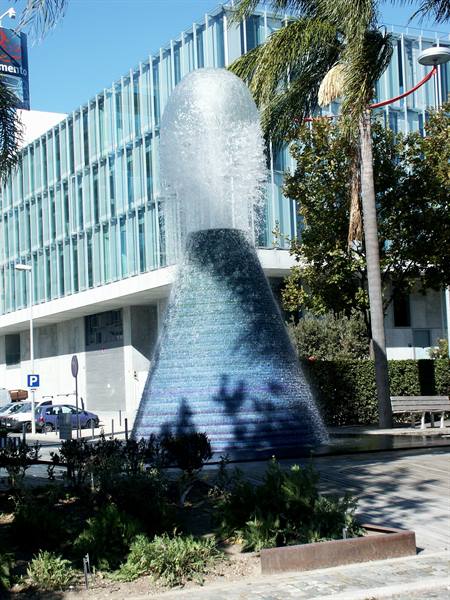
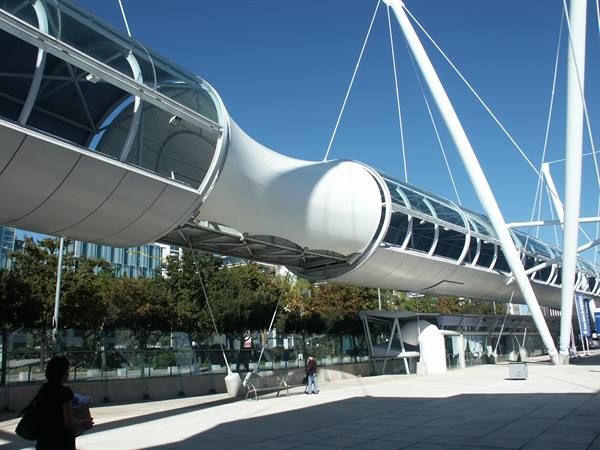
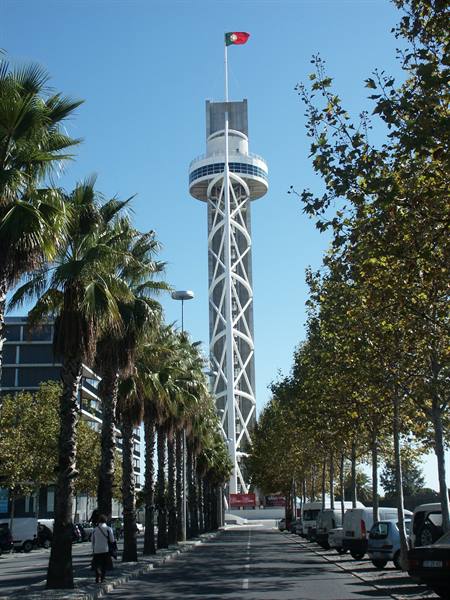
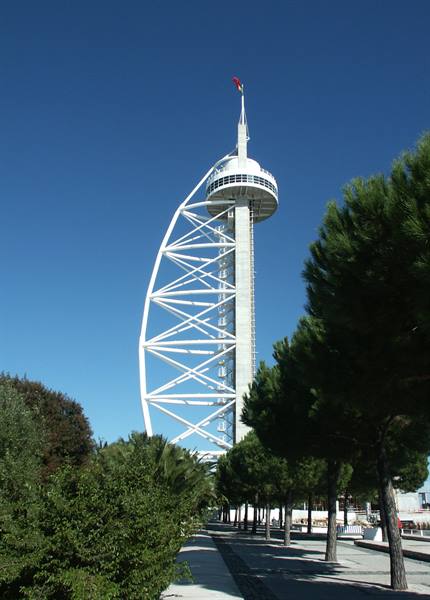
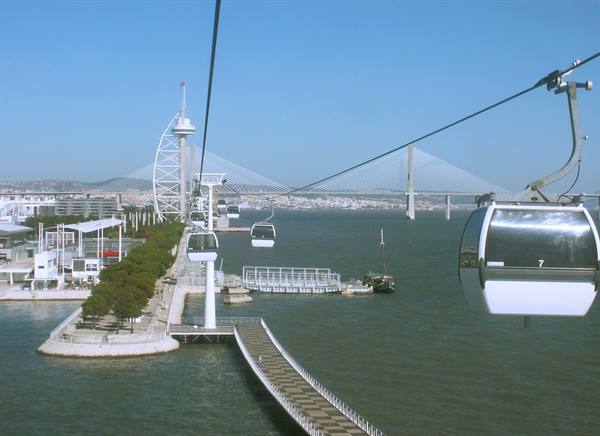
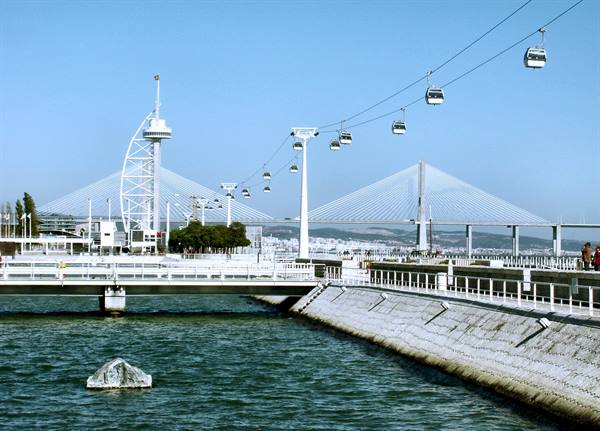
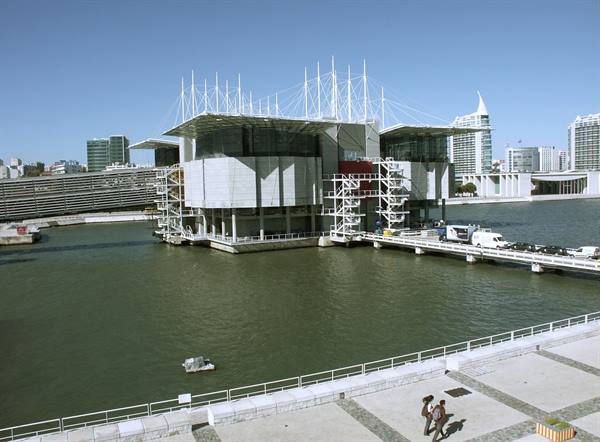
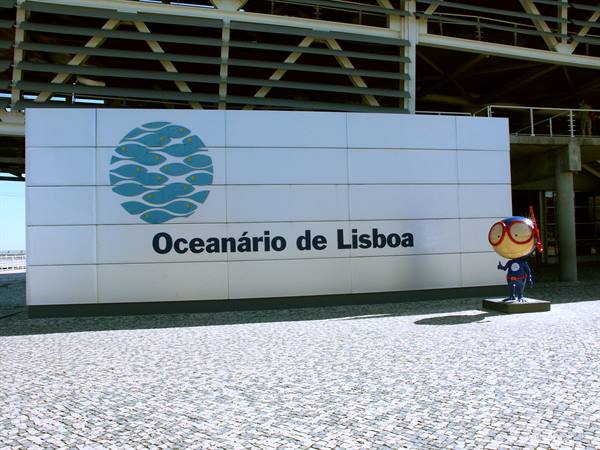
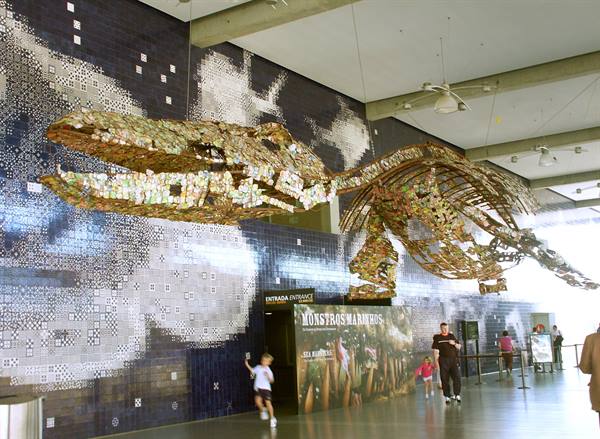
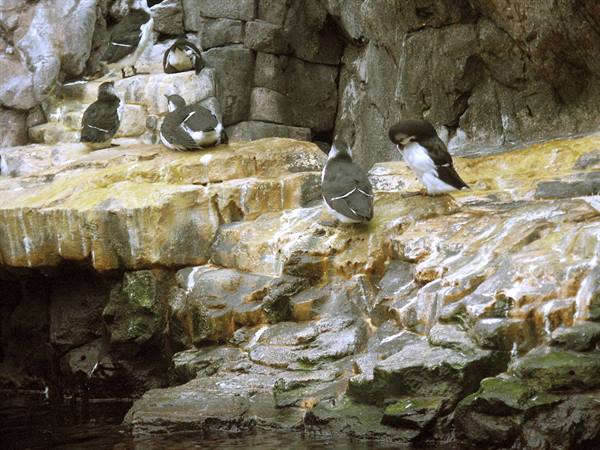
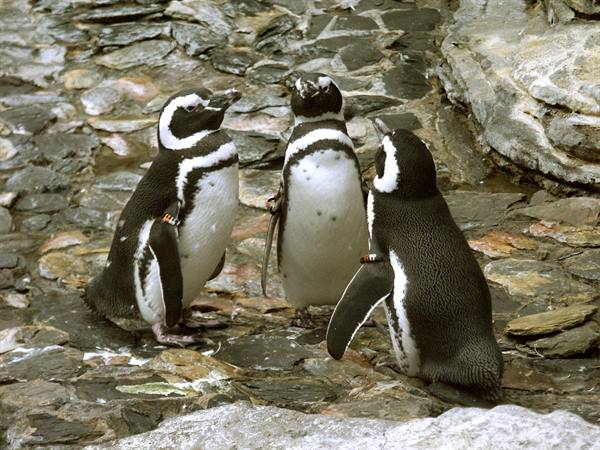
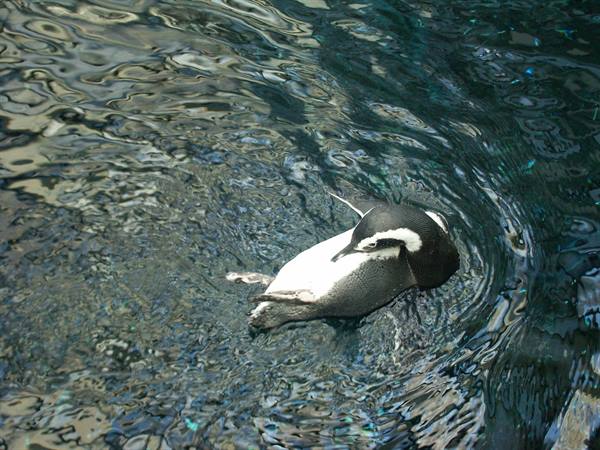
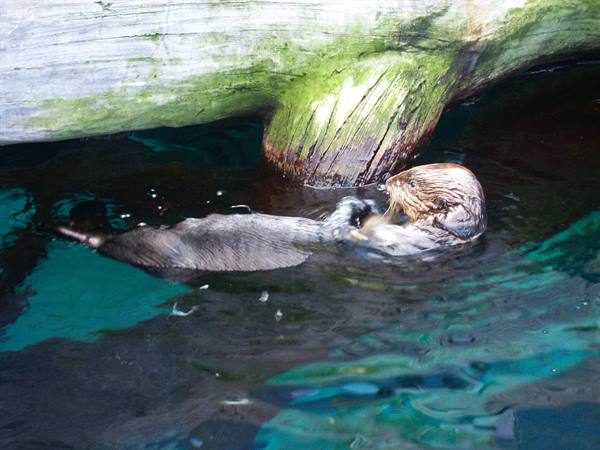
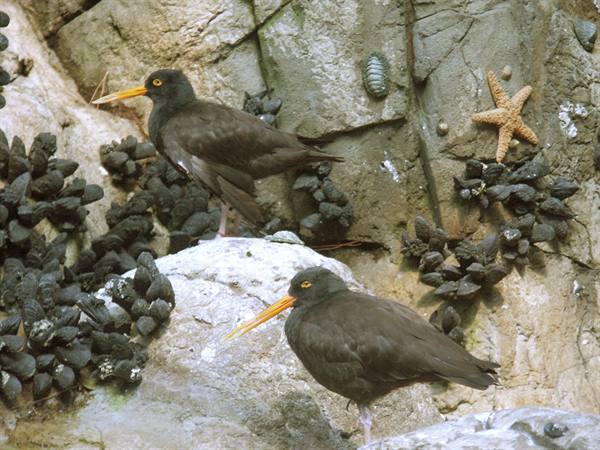
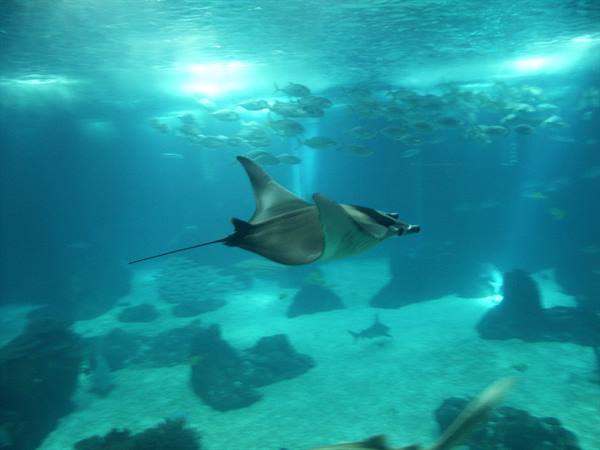
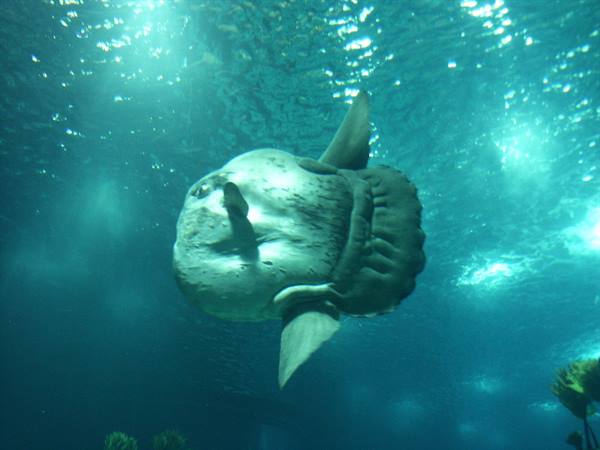
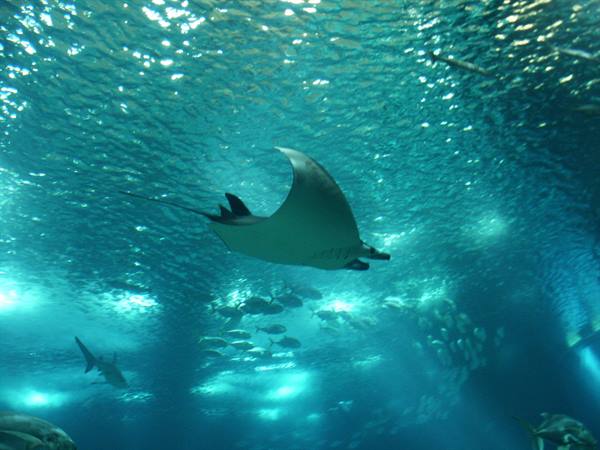
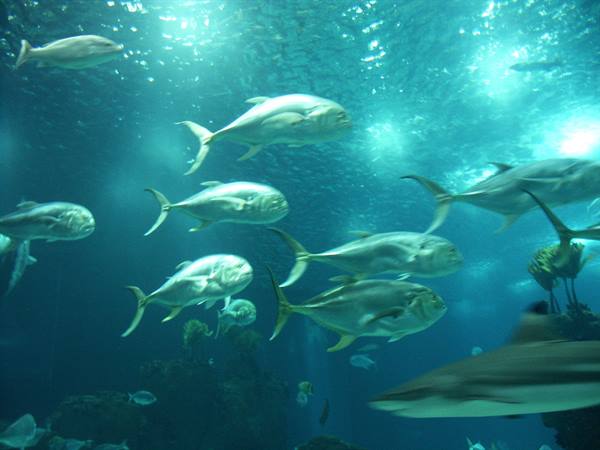
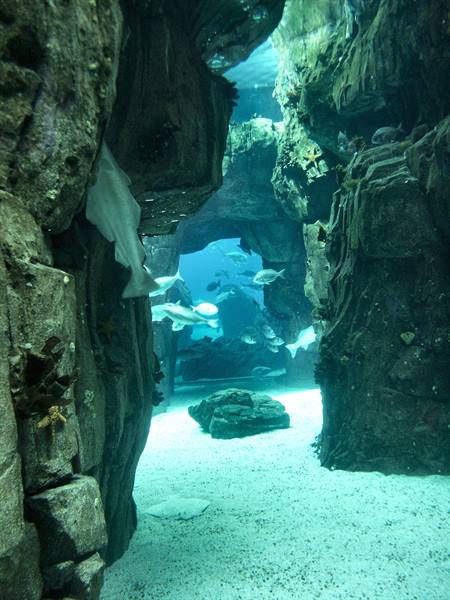
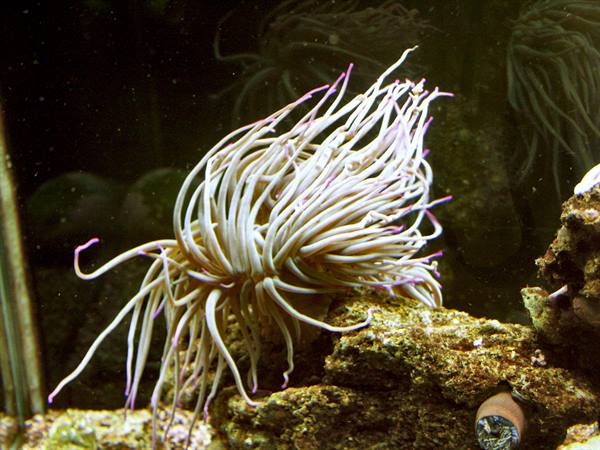
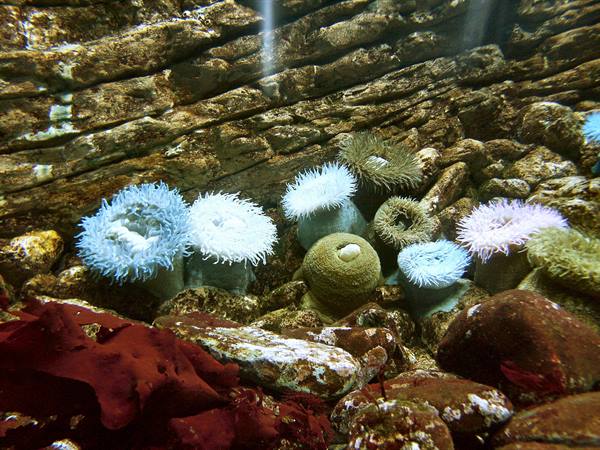
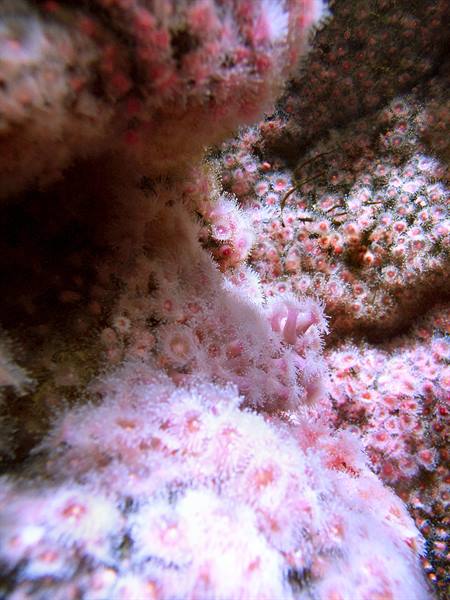
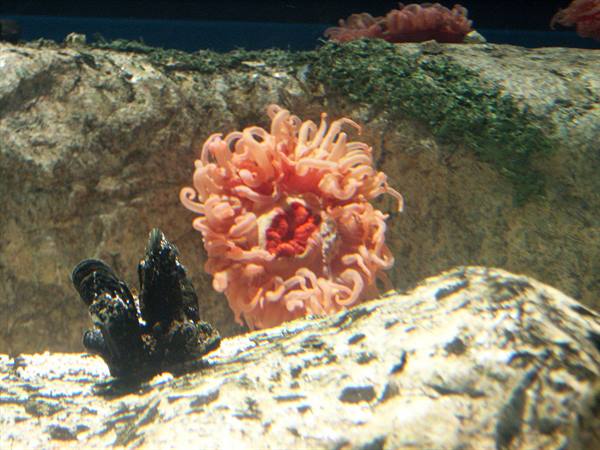
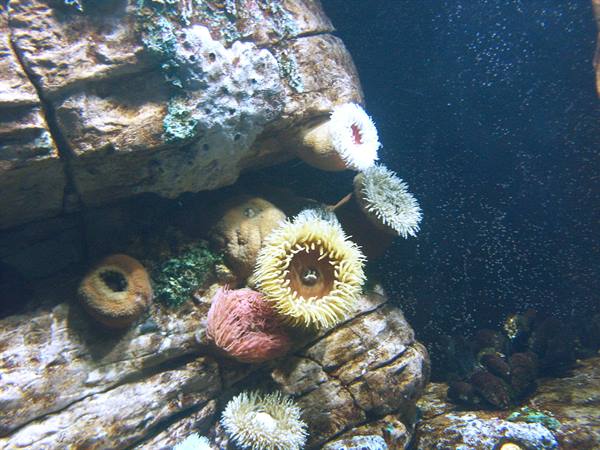
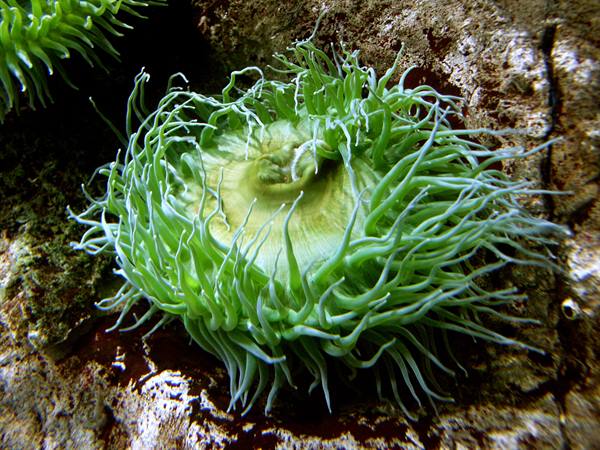
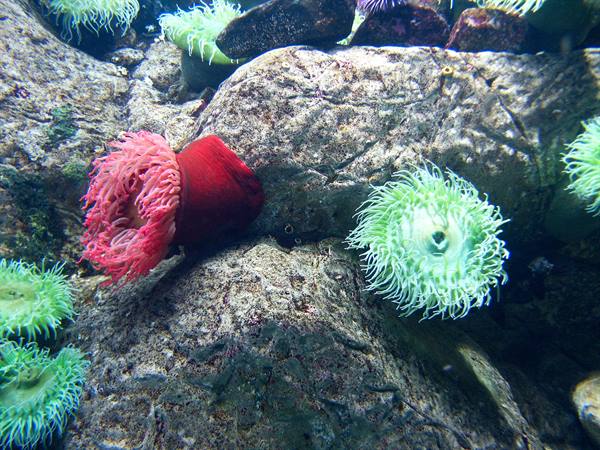
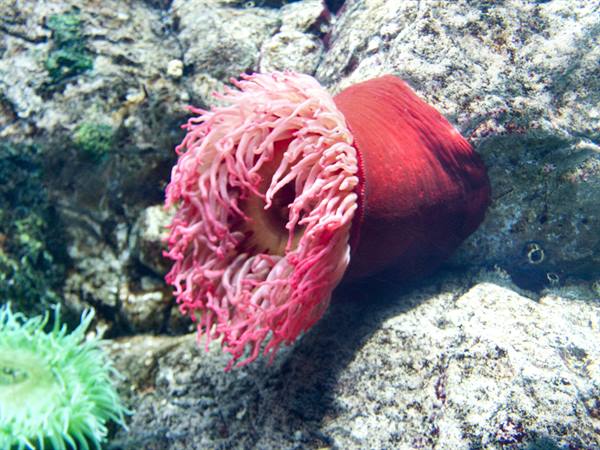
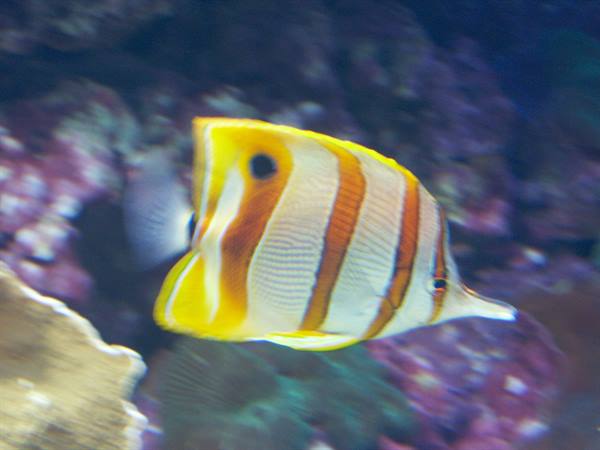
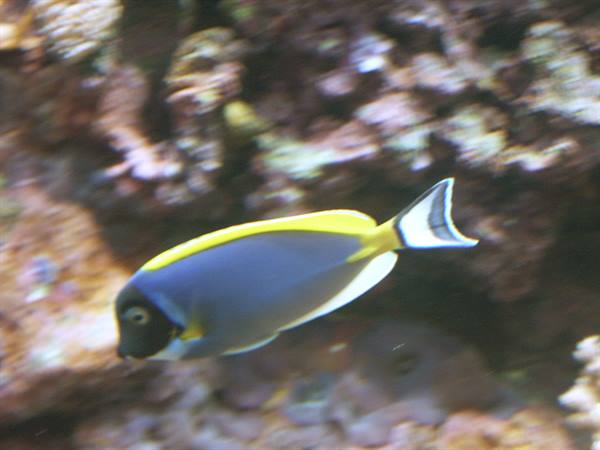
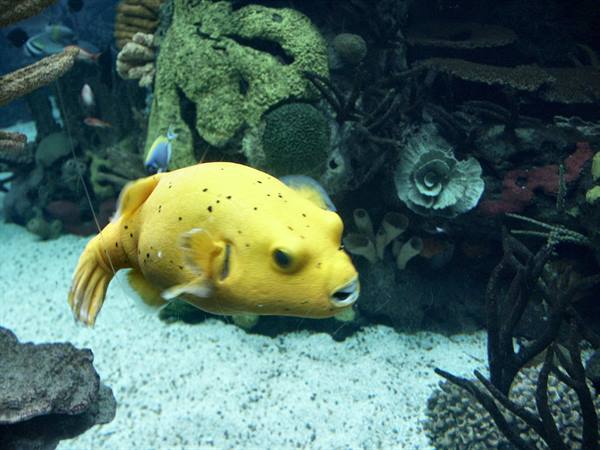
Here you stroll along wide pavements among trees, flowerbeds, fountains with a geyser effect, visiting the Parque das Nações with the interesting Gare do Oriente station designed by Calatrava, the modern Torre Vasco da Gama, to which the park is also linked by the panoramic cable car, and still the set of structures dedicated to exhibitions, conferences, concerts, the shopping centres and… the Oceanário de Lisboa, the largest aquarium in Europe where, with its 7 million litres of water, many species of living beings from the oceans swim before our eyes, a large tank that with its three floors shows us rays, sharks, tuna, moray eels, groupers, fish of every colour, etc., also meeting penguins, sea lions, seabirds in their well-reconstructed environment and then the route in half-light where you can admire beautiful sea anemones, very colourful little tropical fish, seahorses clinging to th
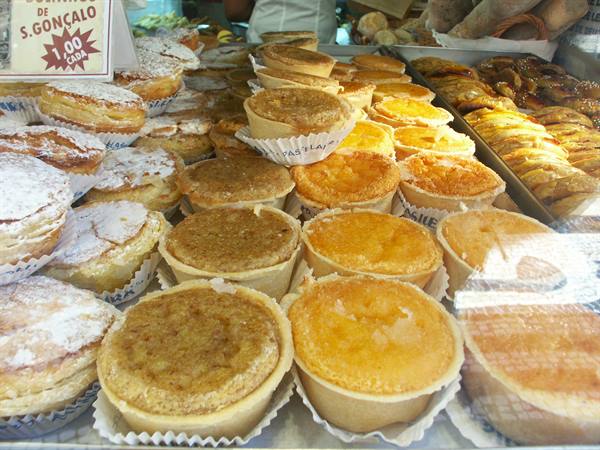
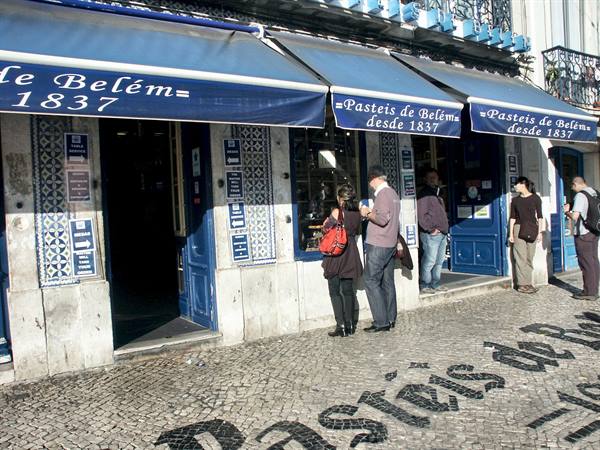
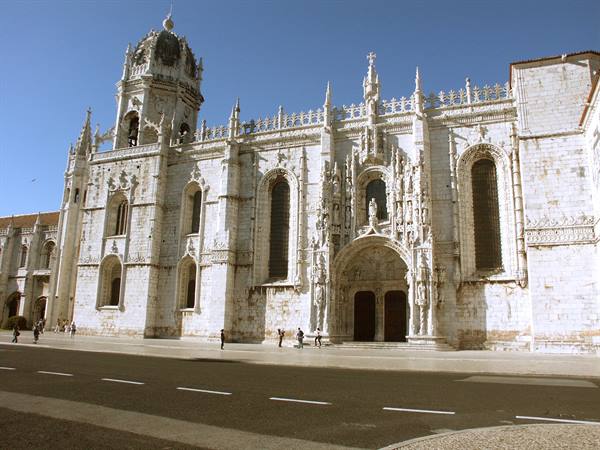
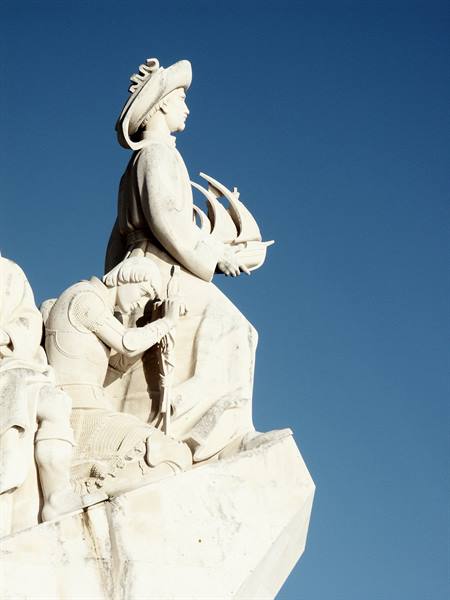
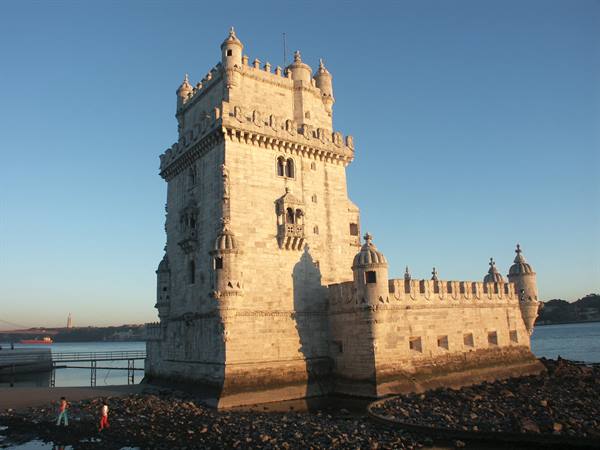
e algae and anything else arranged in numerous aquariums set into the black walls, forming living pictures of the marine world. On the opposite side of the seafront, easily reachable by public transport, there's the Belem district and here you shouldn't miss a visit to at least 4 of the historic institutions of this place, the Padrão dos Descobrimentos, the Torre de Belém, the great Monasterio de Jerónimos and, for those with a sweet tooth… the historic Pasteis de Belém patisserie, where to savour their specialities in one of the several inner rooms it's best to arm yourself with a lot of patience because it's almost always full.
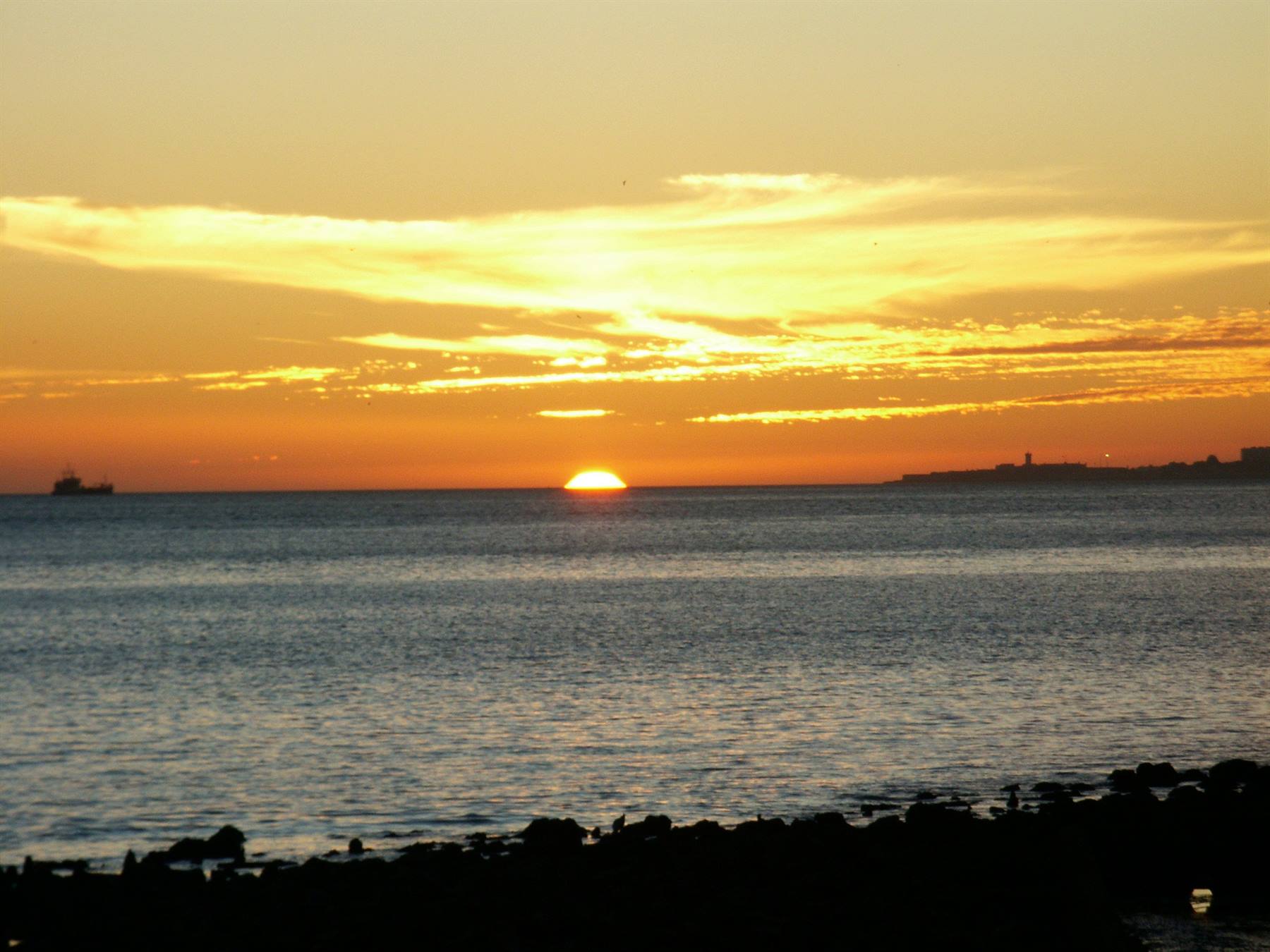
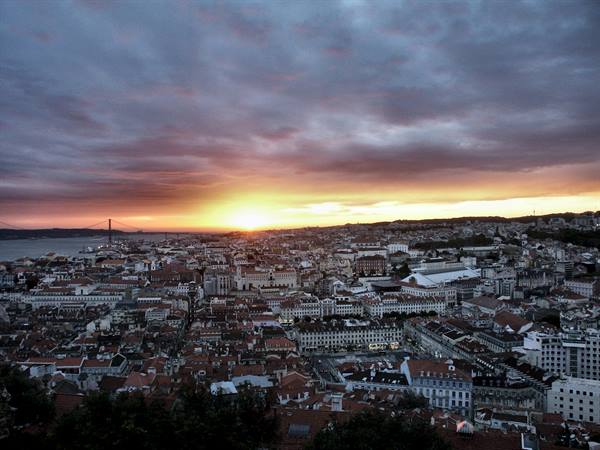
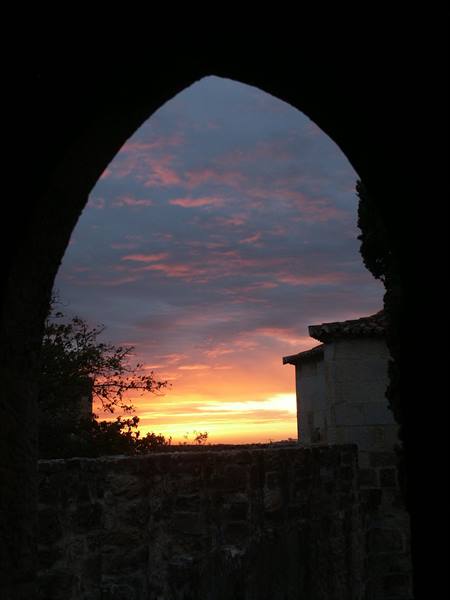
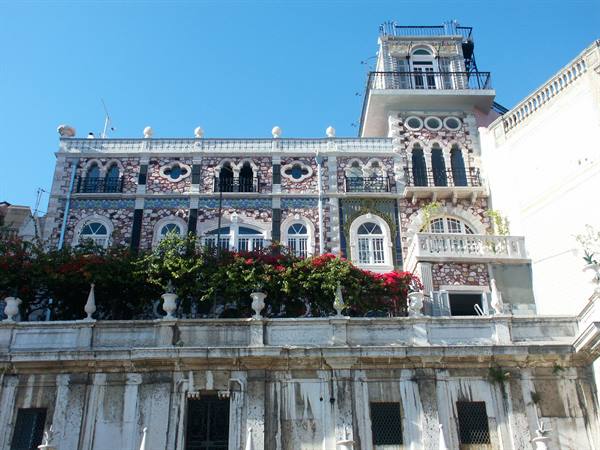
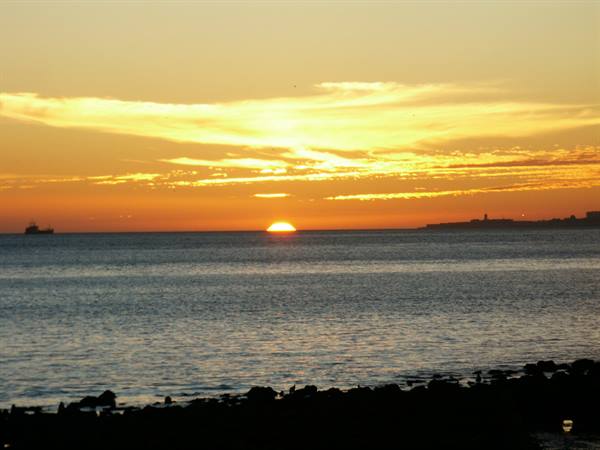
Finally the colours of Lisbon, the white of the buildings standing out in sharp contrast with the intense blue of the sky, the light of Lisbon, which gives the city particularly warm tones, the sunsets of Lisbon, where the golden sun doesn't make you regret the closing of the day, also because the light of nocturnal Lisbon is a clear invitation to continue the stroll to visit its beautiful squares, its brightly lit streets, its barely lit alleys where the notes of Fado accompany us making us dream.
I'd note that Portugal is less expensive than many other countries in Europe, eating in little places where the Portuguese eat costs little and even being whisked around by taxis is very affordable (7 euros from the airport to the hotel and also in the centre you spend few euros), so it's not worth skipping the tasty Portuguese cuisine, with its bacalhau prepared even in ways unthinkable to us (I ate cod with pork and potatoes, all baked, very good), for sandwiches and the like, you'd miss the opportunity to get to know the tasty aspect of this beautiful country. A small place of this kind is the Casa da India at Rua de Loreto 49-51, off Rua do Alecrim where it becomes Rua da Misericordia (I write it because the taxi driver, though charging me only 6 euros, drove around for more than half an hour because he didn't know where to take us).
The diary of this journey, for reasons of descriptive space, continues in the second part. Have a good trip. Wanda & Giancarlo
Day 122 Oct 2008
Praça do Comércio - Rúa Augusta - Elevador de Santa Justa - Castelo de Sao Jorge - Sé Cathedral
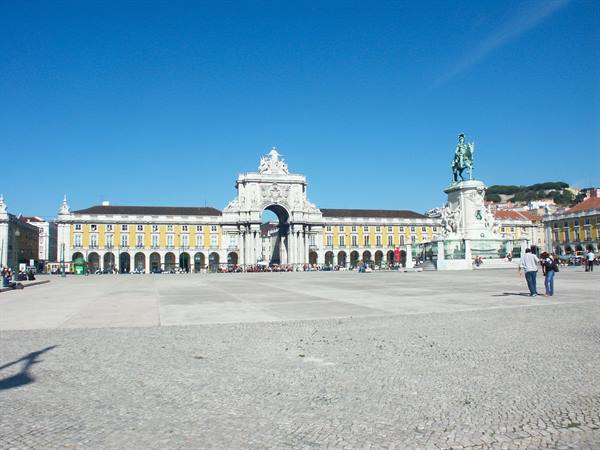
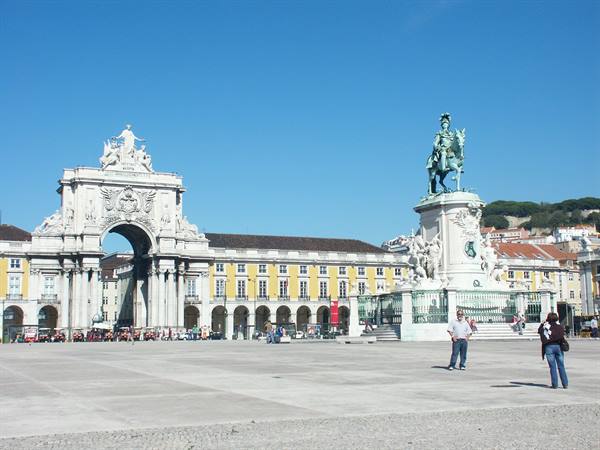
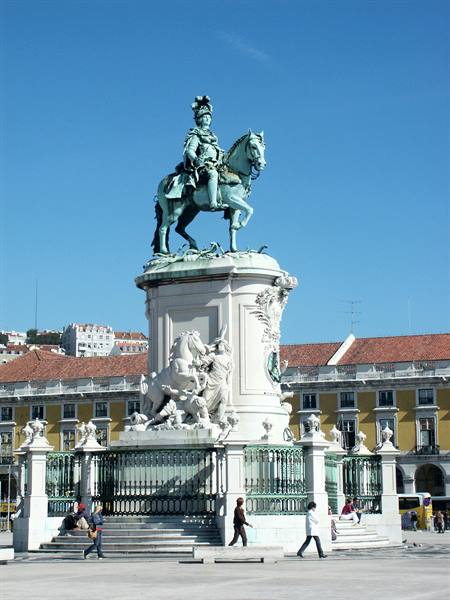
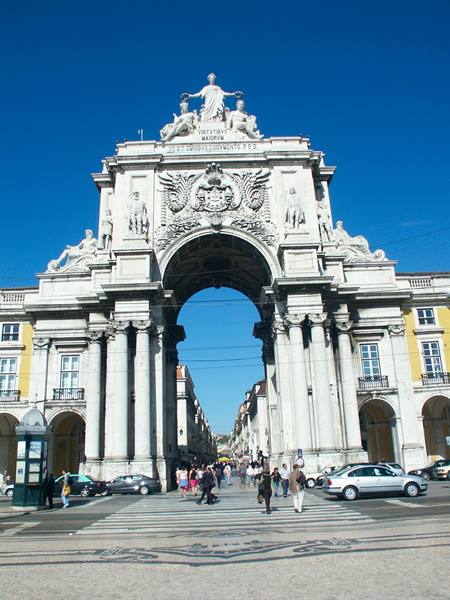
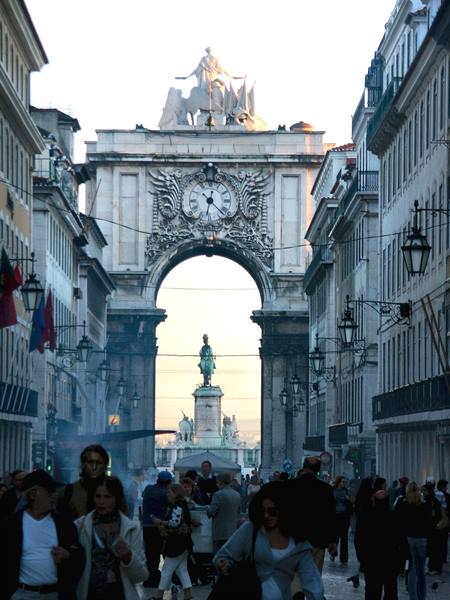
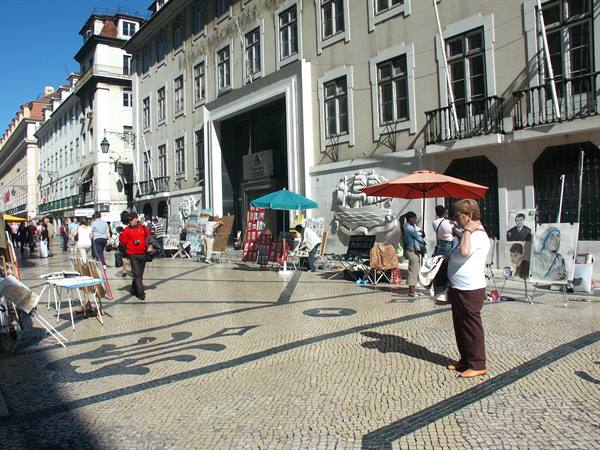
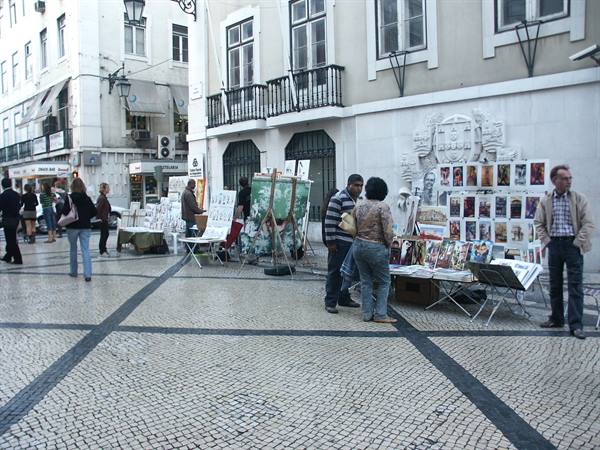
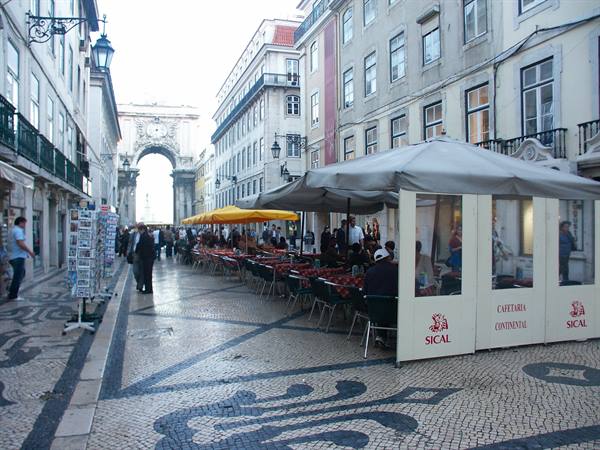
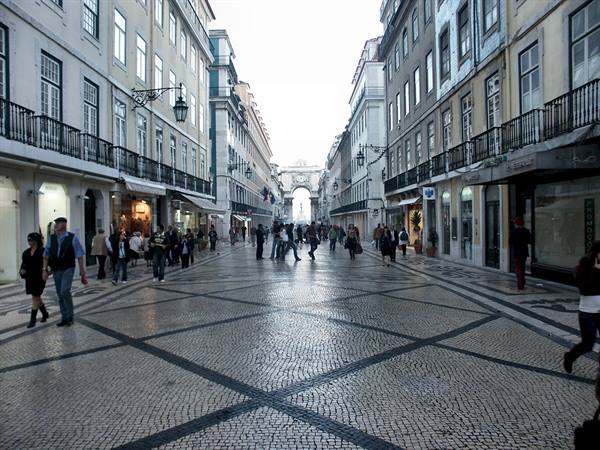
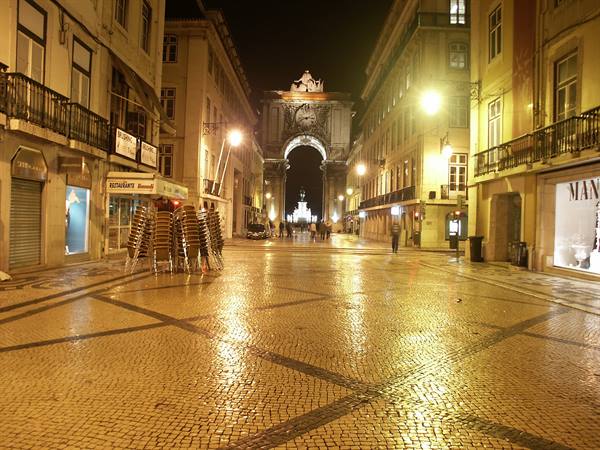
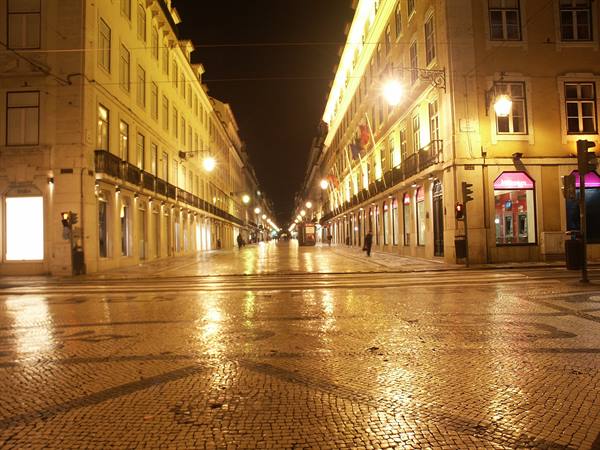
Praça do Comércio was our first encounter with Lisbon, a big encounter because big is this square that was once the theater of Portuguese commercial trade and of the history of this city. Facing the Tagus river, it's like a great auditorium from which the main city thoroughfares radiate to reach the various neighborhoods scattered over Lisbon's hills. The sumptuous Rúa Augusta is just past the Arco Triunfal, the enormous arch that serves as the gateway to the Baixa, the lower neighborhood, the vital heart of the city. Rúa Augusta, entirely pedestrian, is beautiful by day but also by night for its warm lighting and the swarming of people coming and going, stopping to chat, to have an aperitif, to dine in an imposing and well-kept historic setting.
On the sides of Rúa Augusta, in particular on the parallel Rúa dos Correeiros, there are little places where you can savor Lusitanian cuisine, but beware of places meant to fleece tourists, avoidable if you use the precaution of not letting yourself be enchanted by the obsessive proposals of the waiters of every place you come across while strolling, preferring a glance at the menu of those few places that are always full even with Portuguese people.
Equally famous is the parallel Rúa Aurea, an ancient street where the name itself leaves no doubt about its past splendor, the working and trading of gold, an activity that no longer exists today, but a pleasant surprise, for those who love the Fado of Amalia Rodrigues, but also of many other artists, can be found by stopping at the shop Discoteca de Amalia, at Rúa Aurea 272, where you find everything about the music of the great Amalia Rodrigues and her singing Fado, a gem for enthusiasts of this sad remembering of the fate of the Portuguese who left their native soil to go discover distant lands. Also on the side of Rúa Augusta, on Rúa de Santa Justa is the city's best-known elevator, a tower from whose top you can cast a panoramic gaze over Lisbon, even in the evening. Spotted while strolling along Rúa Augusta, the Castelo de Sao Jorge was the second destination of this day.
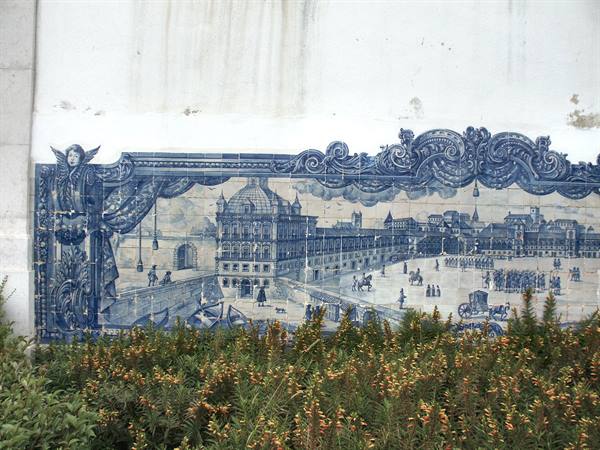
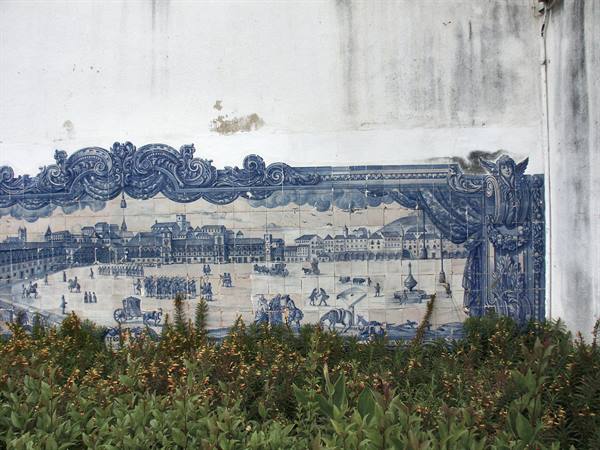
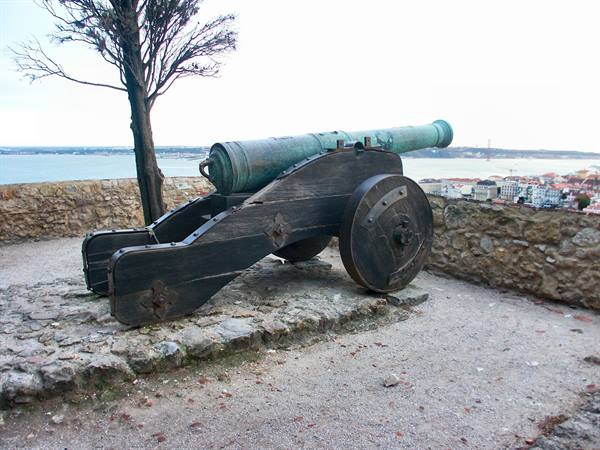
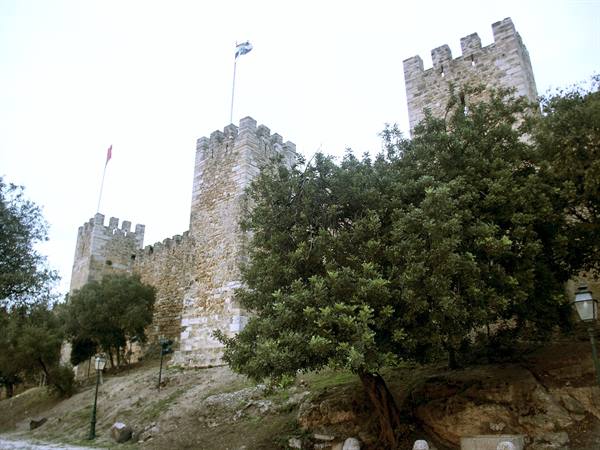
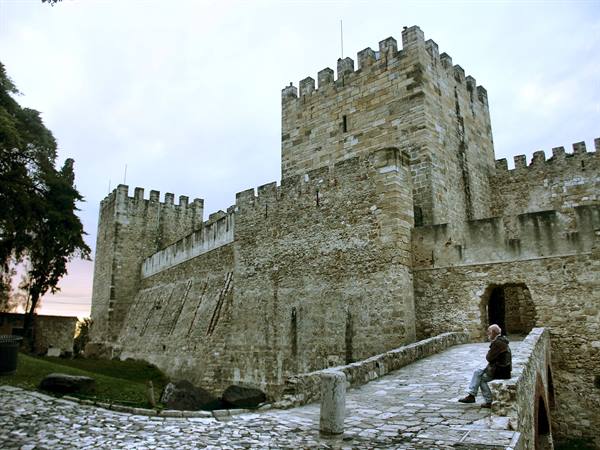
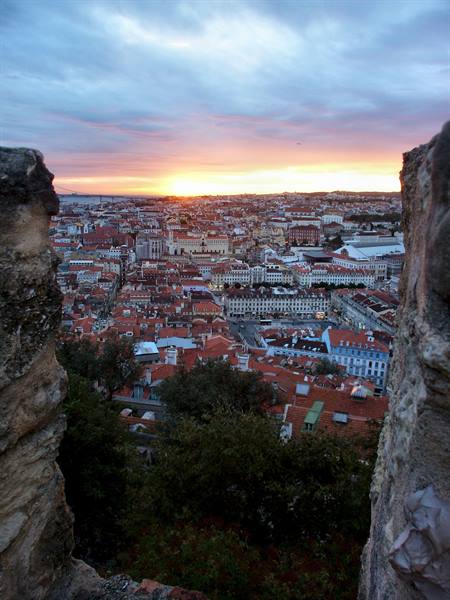
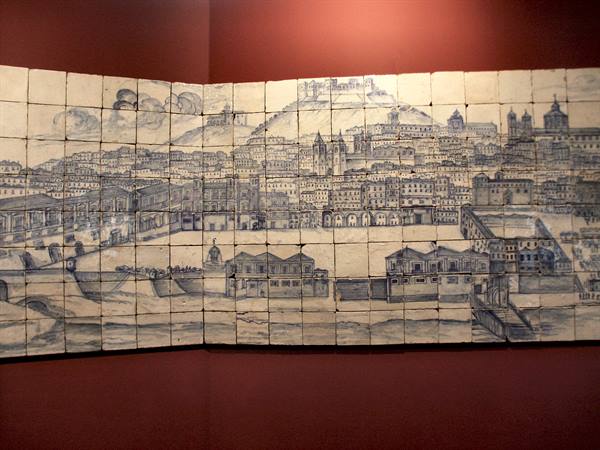
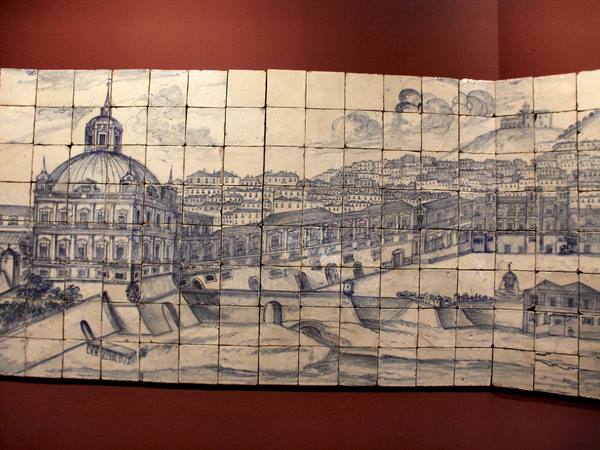
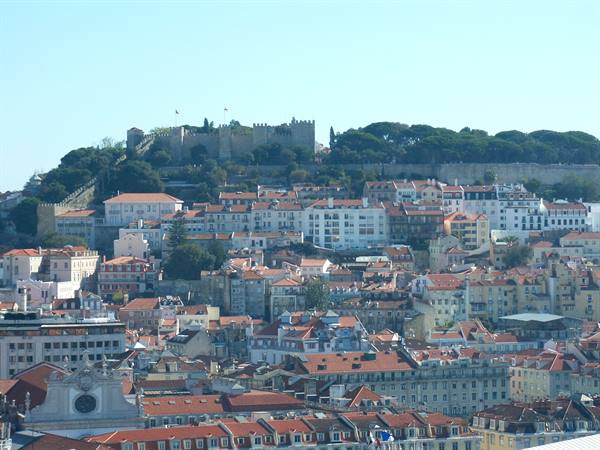
The famous electricos 28 was the means that took us up to the area where this castle stands in the Alfama neighborhood, a maze of alleys where the tram, with its clatter, really grazes the walls of the buildings. Having gotten off, before us was the Igreja de Santa Luzia, a church on whose side is the miradouro of the same name with azulejos reproducing the Lisbon of times past. Finding the church closed, after a short uphill walk we arrived at the Castelo de Sao Jorge, and, having paid the entrance to the castle, we immediately headed to its miradouro and even from here the view over Lisbon is an eyeful of the nerve centers of its center with the historic squares, also showing us the greatness of the Tagus, the river where this city's naval trade still takes place today.
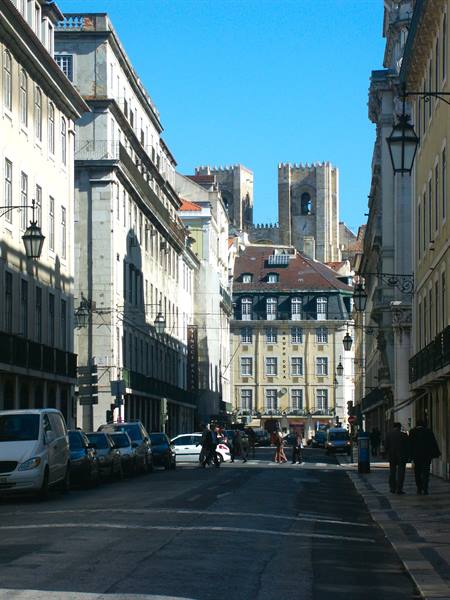
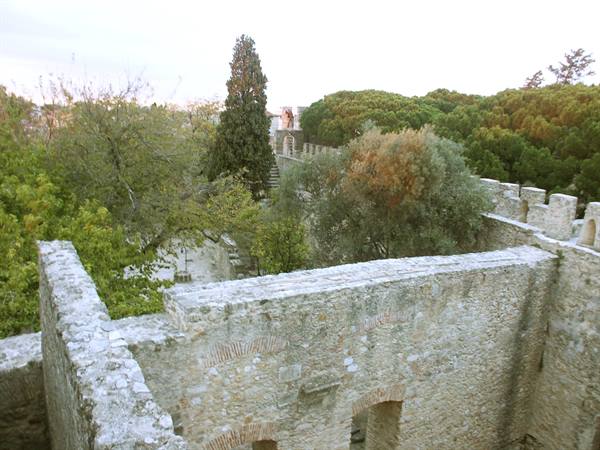
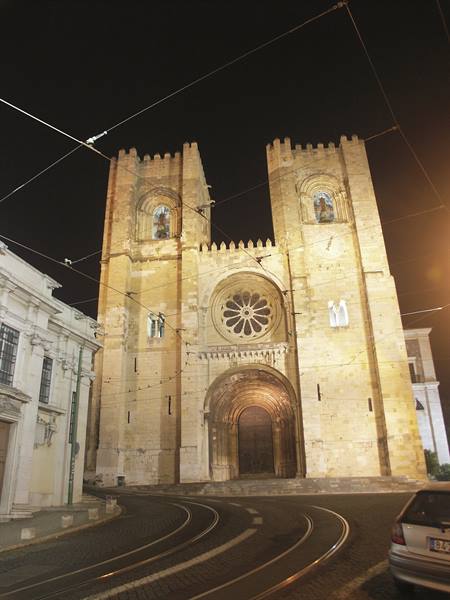
The route over the castle, with its mighty walls, allows you to walk on the bastions where, between one merlon and another, your gaze always goes to the city below. If visited towards dusk it's worth waiting for the sunset over Lisbon, where a golden sun makes its outlines stand out, resting on the countless hills that fade into the distance framing the panorama enjoyed from here. The Catedrale Sé closed our first day of strolls in Lisbon, where the continuous ups and downs put the calves of us poor inhabitants of flat plains to a hard test, yet leaving us with the pleasant feeling of being in a city that in certain respects still has its past clearly recognizable, in particular noting the contrasts between the more sumptuous part of the Baixa and the more decadent one of the Alfama.
01 Lisbon - 06.14 Parque das Nações - seafront walk
Day 223 Oct 2008
Oriente - Parque das Nações - Oceanario - Azulejos Museum - Casa dos Bicos
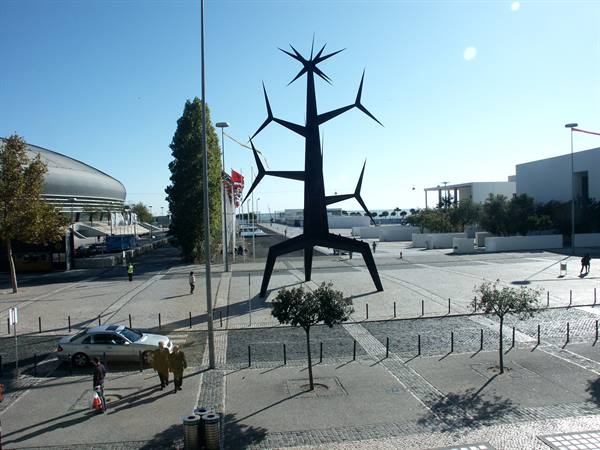
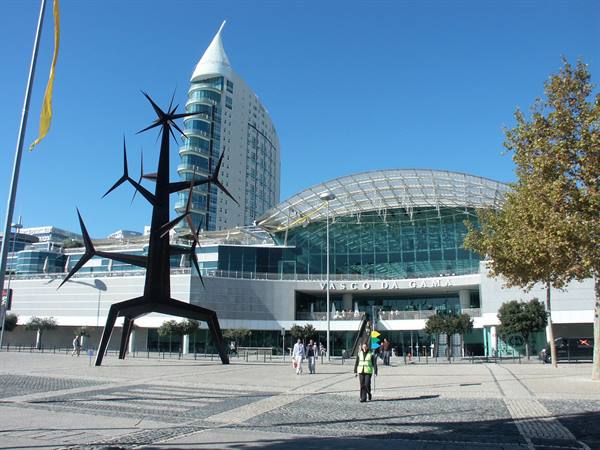
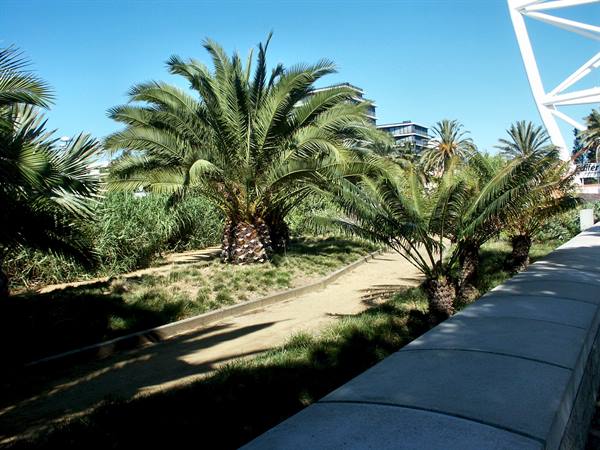
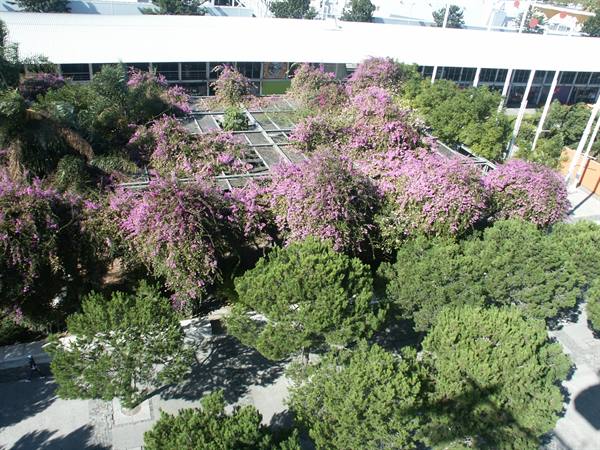
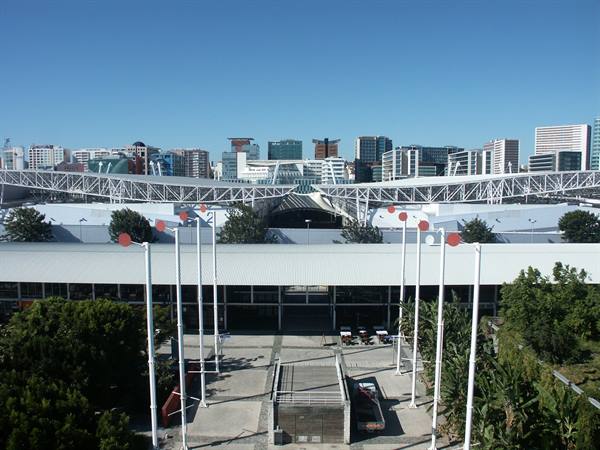
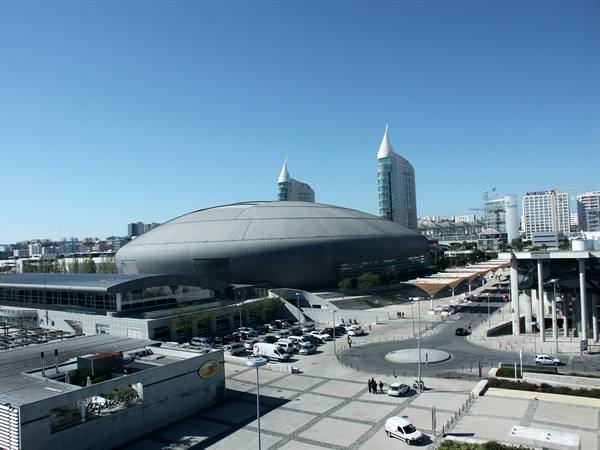
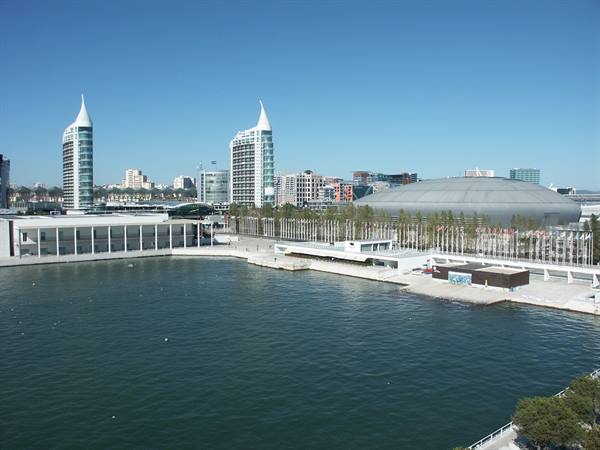
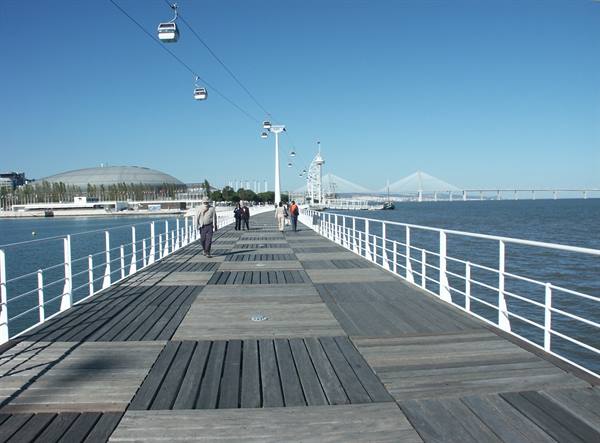
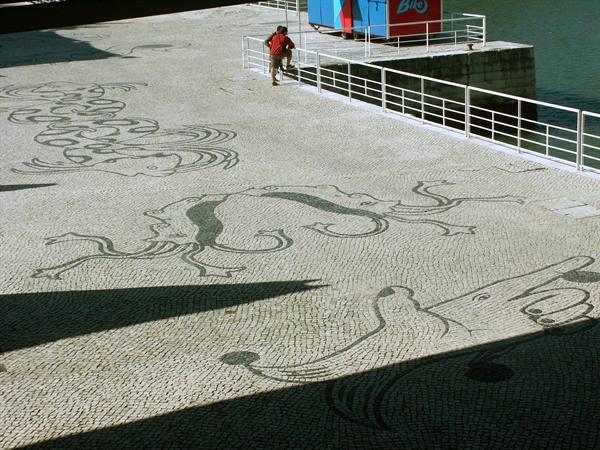
Being a building technician, there's nothing better than combining the visit to the Oceanario with a tour of the new part of the Oriente neighborhood and the structures that make up the whole of the Parque das Nações, where, with a radical recovery and renovation of this former port area, a great vital and modern space has been created capable of generating many opportunities for gatherings with exhibitions, events, fairs, congresses, shows and whatever else is feasible in the various accommodation structures built on the occasion of Expó 98, including also the great possibility of enjoying the green areas created here where it's very pleasant to stroll watching the mouth of the Tagus in full relaxation, also enjoying a good coffee in one of the places scattered around this area, far from the city traffic that often envelops us in its obsessive din.
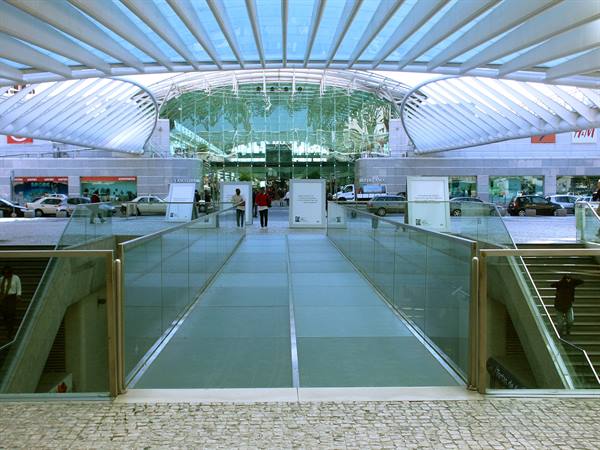
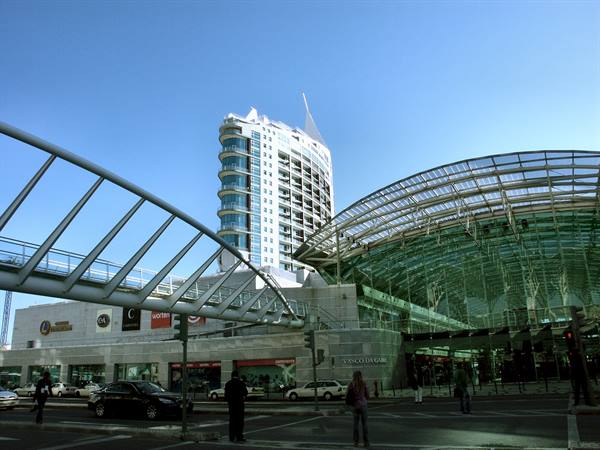
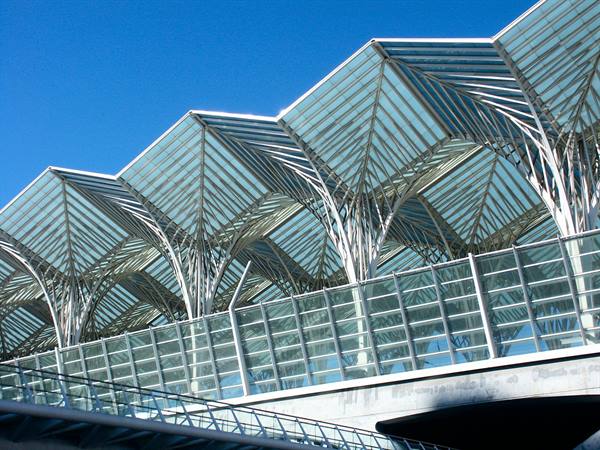
Coming out of the metro, Oriente station, you immediately find yourself in an environment in full contrast with the historic Lisbon neighborhoods, no more stone and blinding white in narrow alleys, but silver steel and glass over wide spaces, slender structures supporting luminous windows that succeed well in maintaining contact with the fascinating light of Lisbon. The Spanish architect Santiago Calatrava managed to create a railway station with soaring and light lines, almost giving the sense of the cathedral that welcomes, under its transparent vaults, its wandering pilgrims, in a space where you don't feel oppressed by the deliberately heavy architecture that these places often have, thus giving breath to those who live the anxiety of rushing through everyday life.
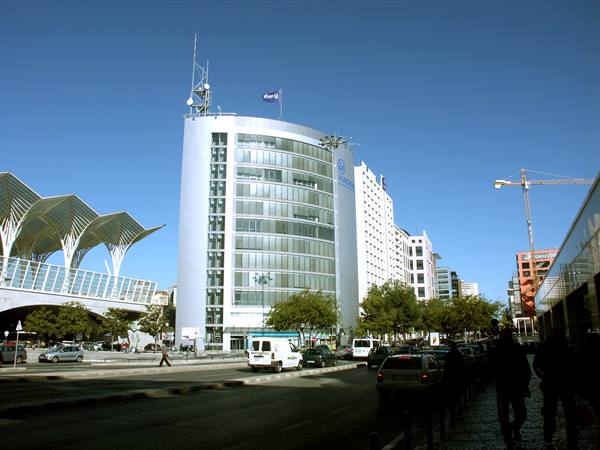
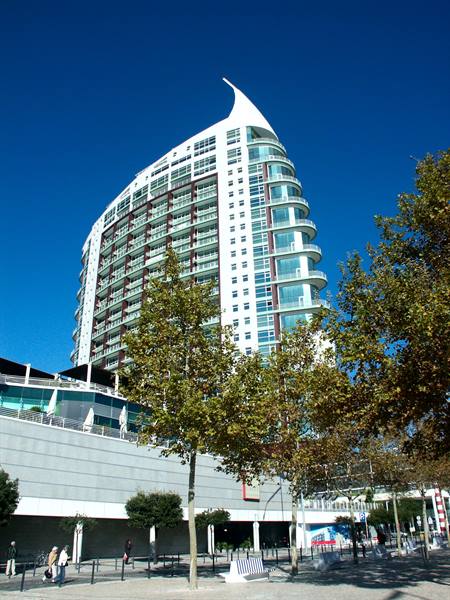
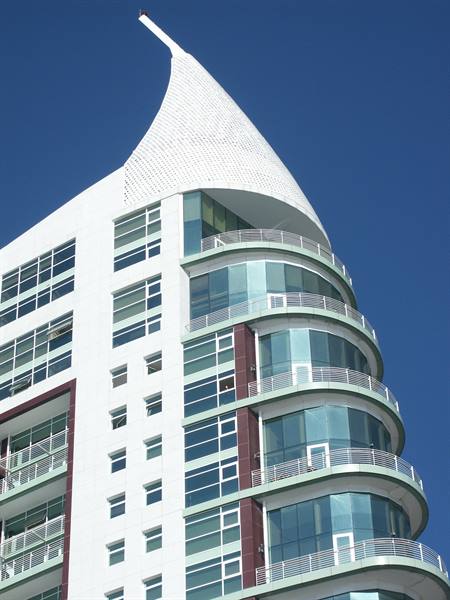
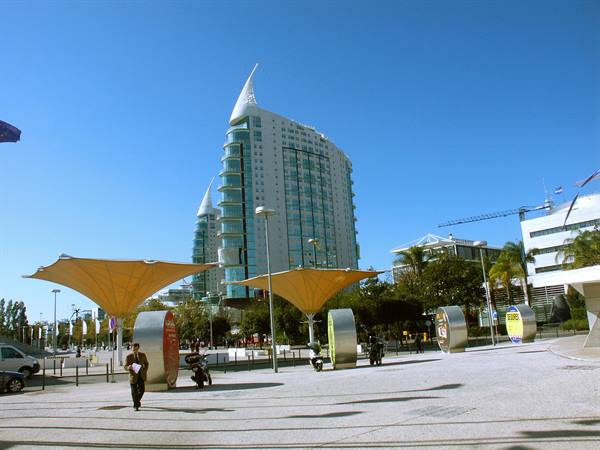
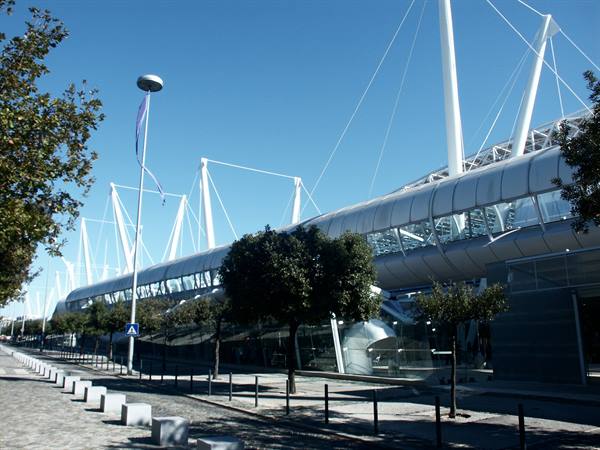
Outside, modern volumes that well reproduce the will of those who wanted to give a current face to a city that had remained frozen in time, contrasting with skyscrapers with white caps facing the wind, with a very modern white metal tower that looks at the Tagus, the Torre Vasco da Gama, then rocking us in the panoramic cable car that allows us to admire the gardens below, the not-far Vasco da Gama bridge, the longest in Europe with its 12,345 meters connecting the areas of Montijo and Sacavém. Always built with the same innovative spirit and with the intent of giving vital continuity to this area, we find buildings for exhibitions, fairs, conventions, shows, etc. often made using metal structures that recall the life of the sea with the white stayed masts that bring us back so much to the upper decks of merchant ships.
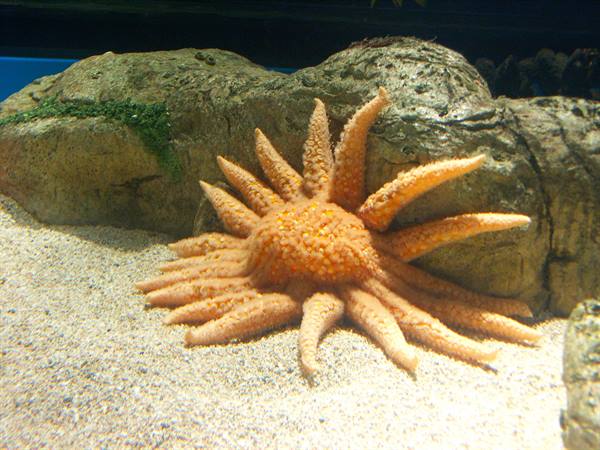
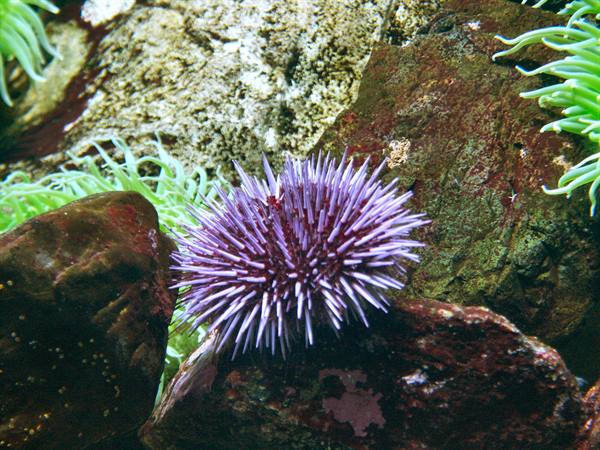
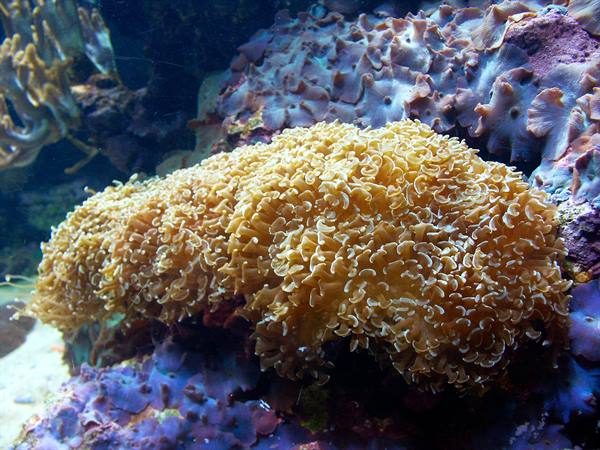
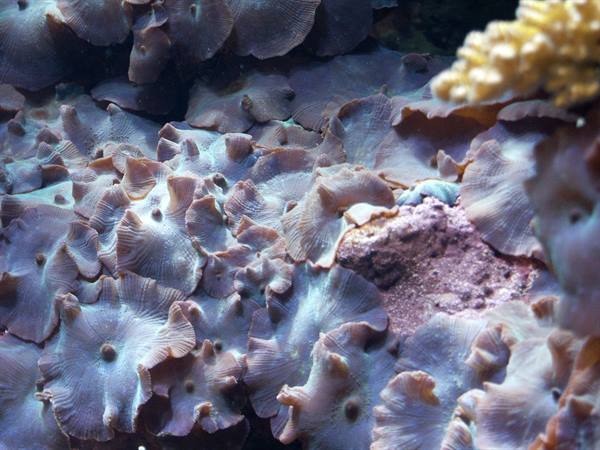
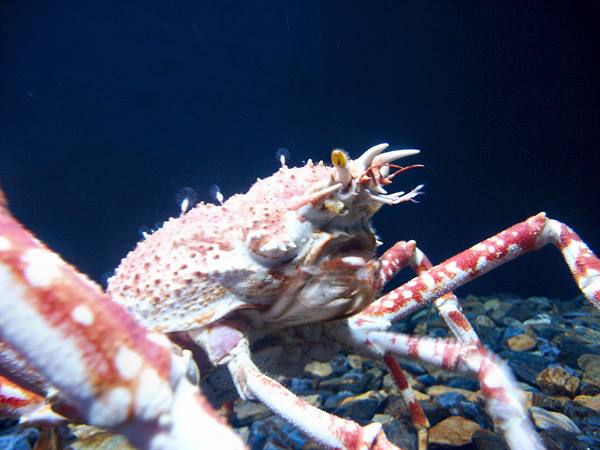
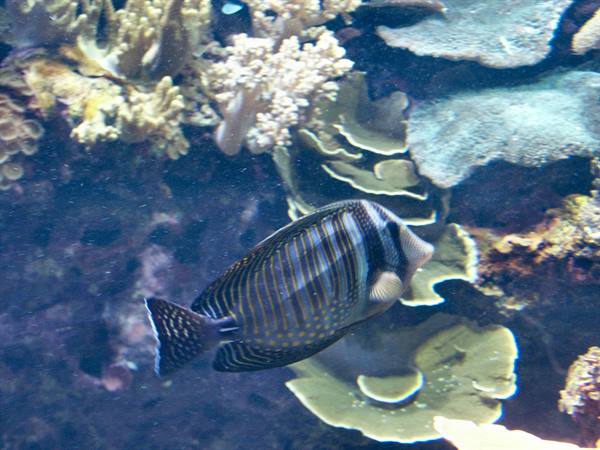
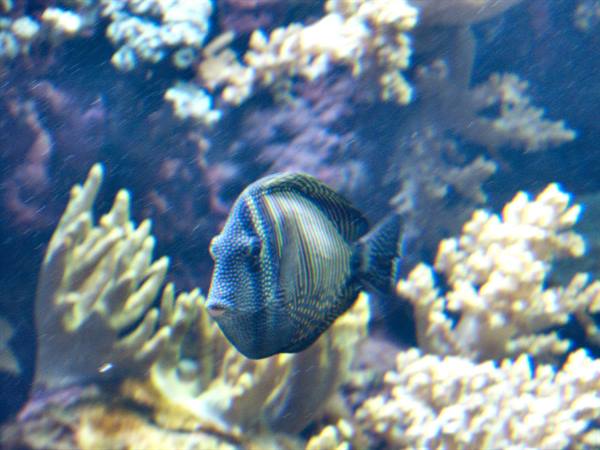
A good coffee basking in the sun and then… the Oceanario, this great surrogate of the seas where its guests swim before our eyes. A full 7 million liters of water, three floors of visiting, outdoor tanks, indoor tanks, reproduced environments that show us the life of their inhabitants, including their "scents" and then the many windows open onto marine microcosms, the aquariums larger or smaller that show us the life of the small species that populate the seas, more or less tropical, with very colorful little fish, anemones, starfish, seahorses, etc. a rainbow of marine nature often far from our habitat if not, by this too, destroyed by our wanting to impose ourselves on what is vital for us.
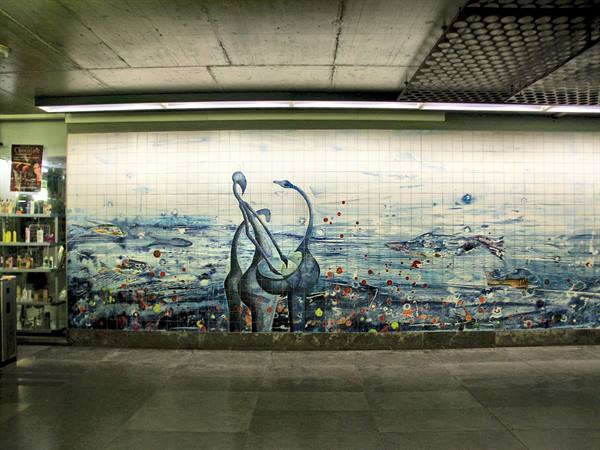
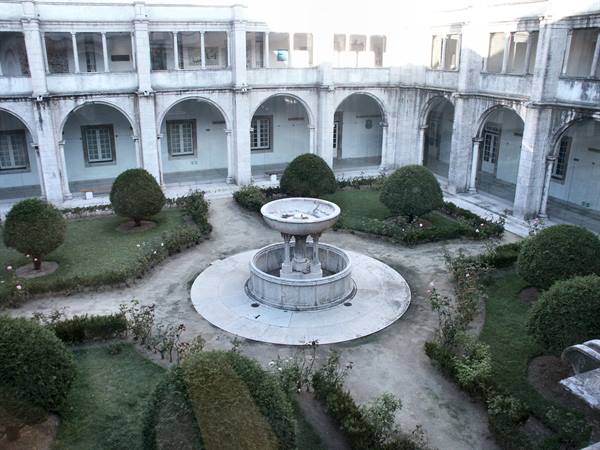
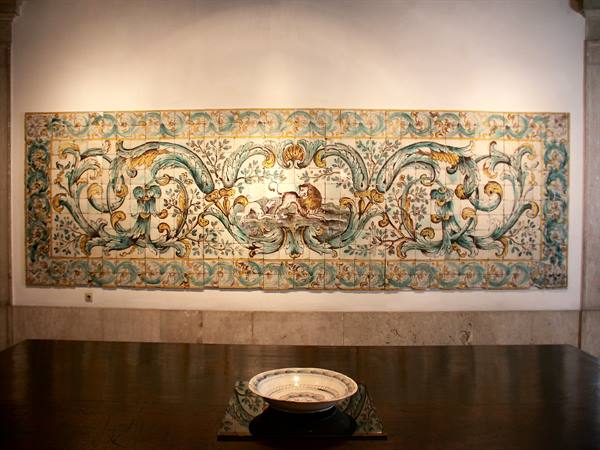
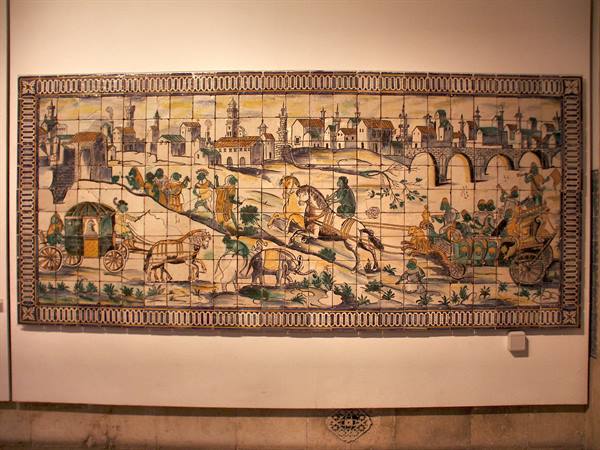
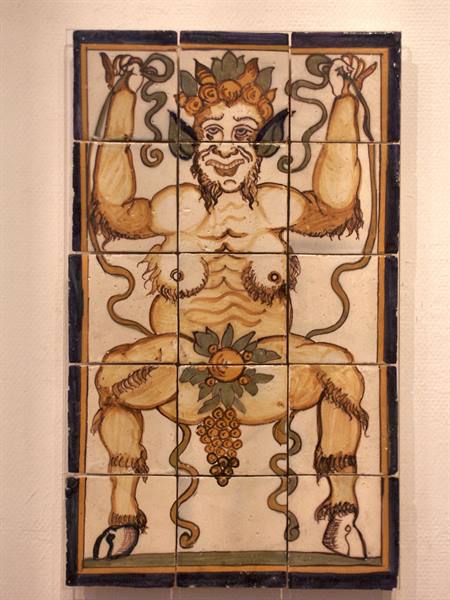
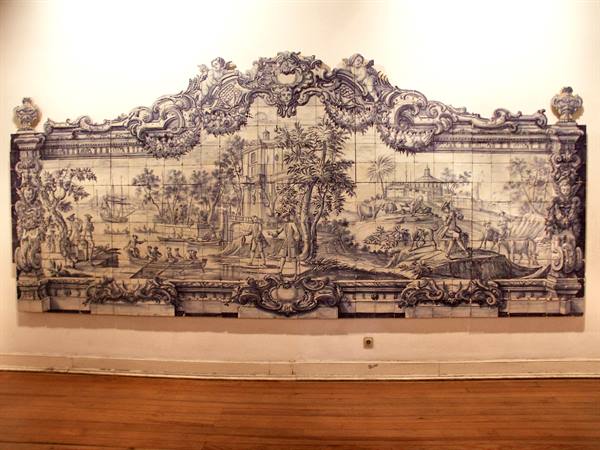
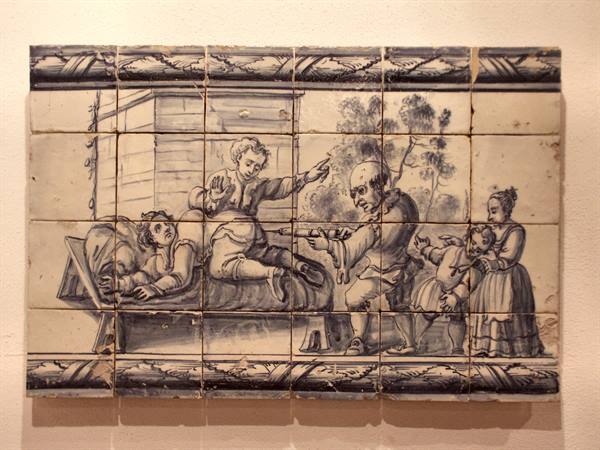
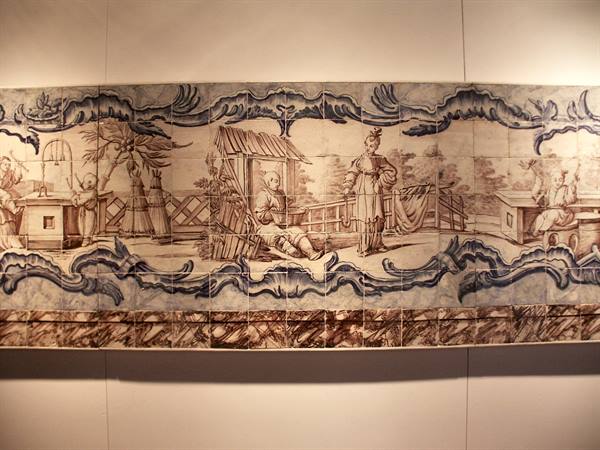
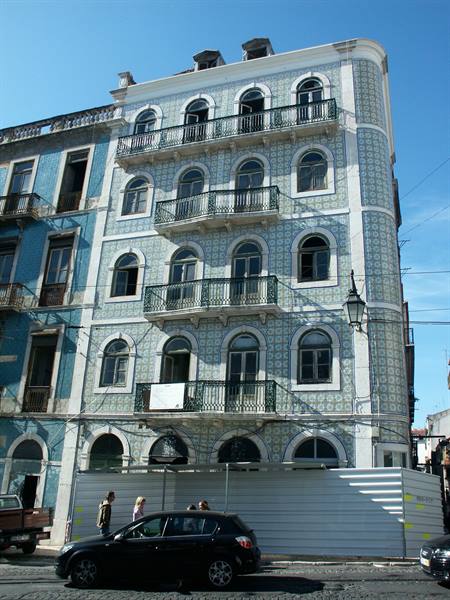
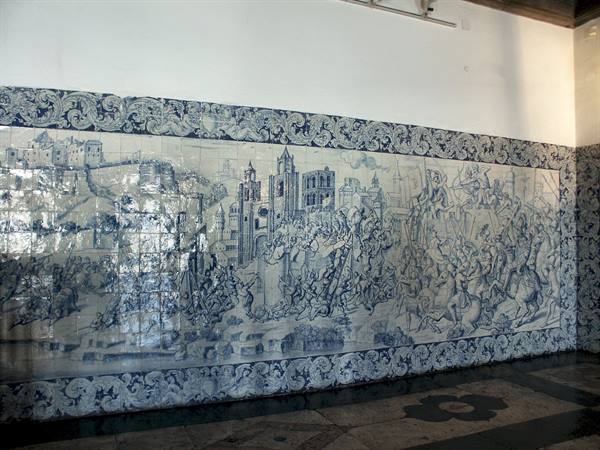
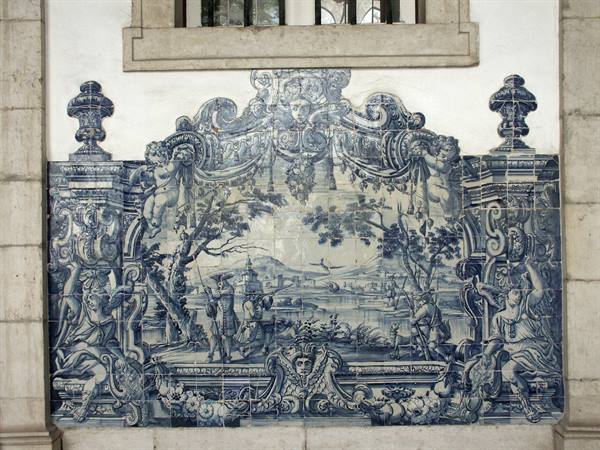
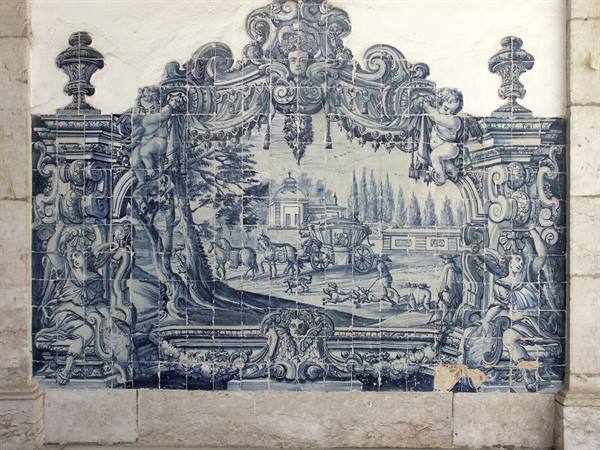
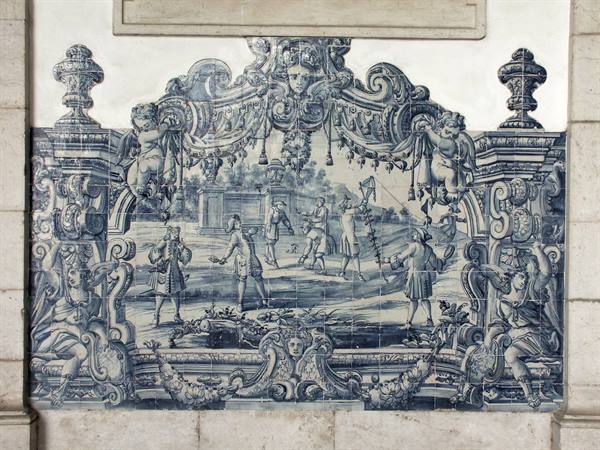
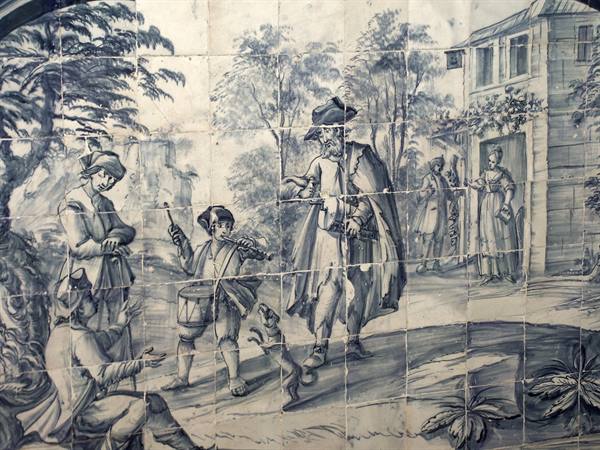
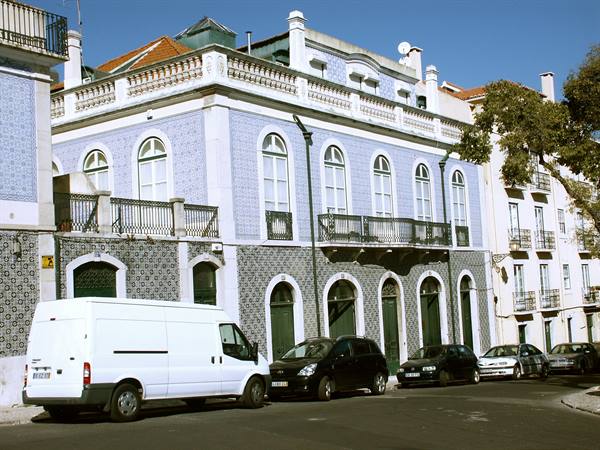
Having said goodbye to this gigantic aquatic structure, we headed towards what is the memory of a historic activity belonging also to Portugal, the artistic production of Azulejos, the ancient tiles that many buildings still decorate showing their vivid colors in spite of time past. At Rúa Madre Deus 4, returning towards the city center, we visit the Museu Nacional do Azulejo, where, in an unexpected former convent, we can admire the fine art of painting clay tiles that once adorned the interiors of churches and chapels, but then also used to cover entire exterior facades of buildings and where in Lisbon you can still see its use.
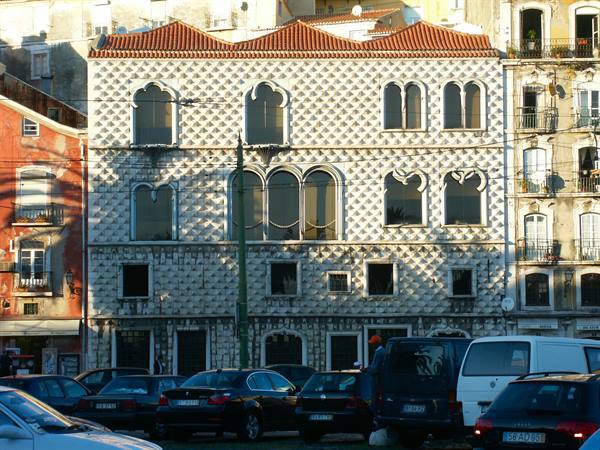
Surely the Arab influence meant that the first Italian, Spanish and Portuguese productions of "al zuleiq" so much recalled, without equaling it, the Arab production's floral lightness, creating almost carpets of colored tiles, yet moving over time to reproduce what the Arab never did, the depiction of scenes of daily life, returning almost photographic images of what was once the urban fabric, the environment with its people. All this is well represented at the Museu Nacional do Azulejo, also showing the "photograph" of Lisbon before it was half-destroyed by the 1755 earthquake. Having resumed our return, at Rúa dos Bacalhoeiros we find the Casa dos Bicos, the house of lace or of diamonds, so called for its facade in rusticated stone points shaped like diamonds.
We spent the evening in the Bairro Alto neighborhood, strolling among the dimly lit pedestrian alleys of this neighborhood, where everyone offers you dinner and fado, but preferring ourselves the restaurant, the well-known Adega Machado at Rúa do Norte 91, where fado and guitarradas were the accompaniment to an excellent dinner although… it's a place for tourists who want to spend (just under 120 euros for two) to relive the environment where Amalia Rodrigues and her great Fado were at home, witnessed by the many signed photographs scattered throughout a rustic environment, well-kept and where you feel at ease, almost coddled by the kind lady who advised us on what to savor of the excellent Lusitanian cuisine offered, listening to the various artists who took turns, accompanying us throughout the evening with this Portuguese music that recalls the sad fate of its people in the conquest of
the unknown of times past.
01 Lisbon - 10.01 Bairro Alto - Elevador da Gloria
Day 324 Oct 2008
Rossio - Bairro Alto - Alfama - Museu do Fado - Belém
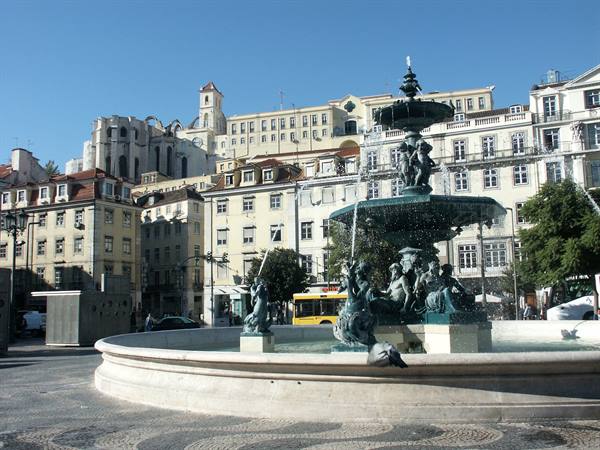
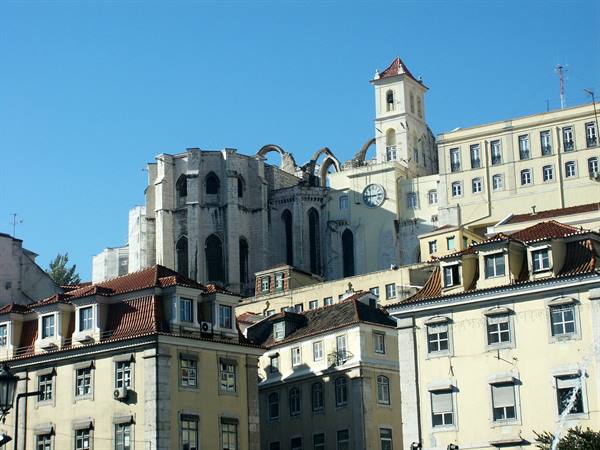
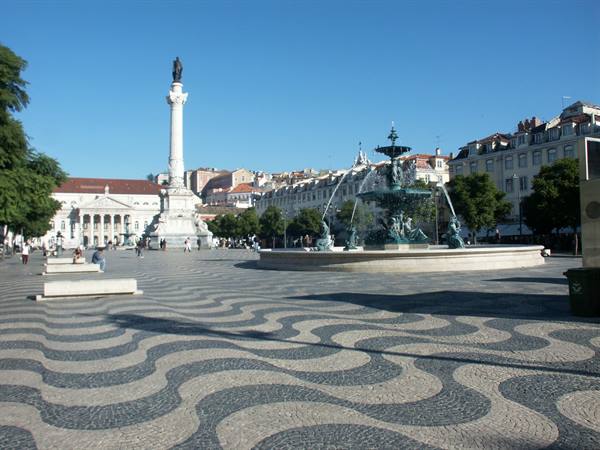
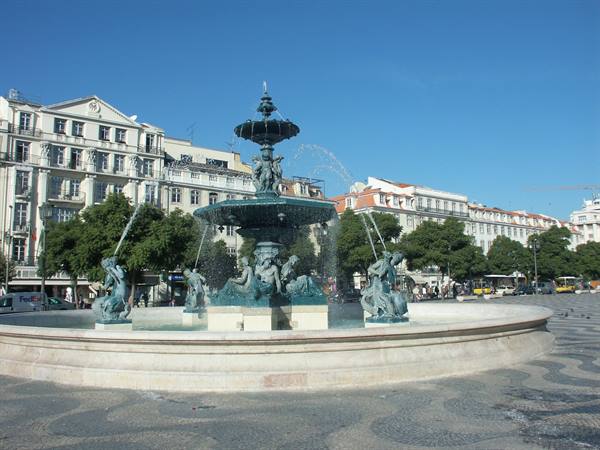
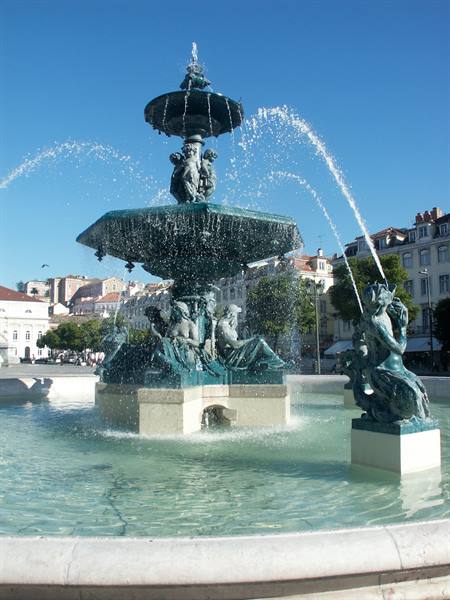
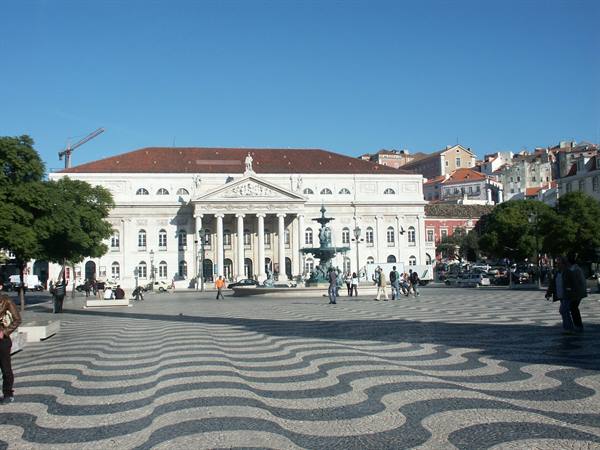
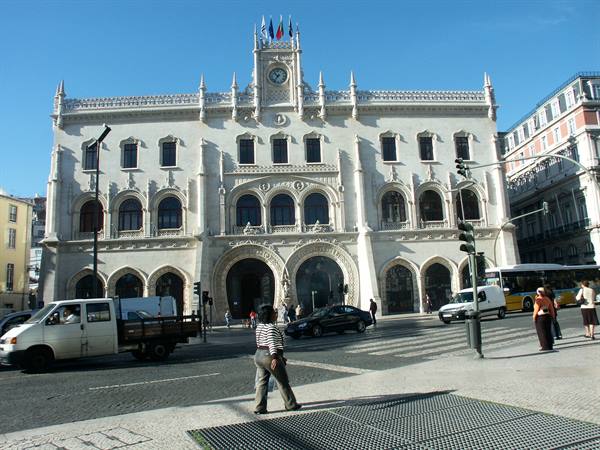
Having walked Rúa Aurea and crossed Praça Dom Pedro IV, we entered the Rossio neighborhood arriving at the nearby Praça dos Restauradores, a square that opens before us showing us, as in an ancient amphitheater, what surrounds it, the Bairro Alto with the ruins of the Igreja do Carmo on one side and the Alfama with the Castelo de Sao Jorge on the other. Created to commemorate the liberation of Portugal from Spanish rule, in its basin with a wavy floor stands out the obelisk recalling the historic event and the artistic fountains, while on the sides you can admire the historic buildings that form the backdrop to this wide square and where also stands out the beautiful facade of the station, the Central de Rossio.
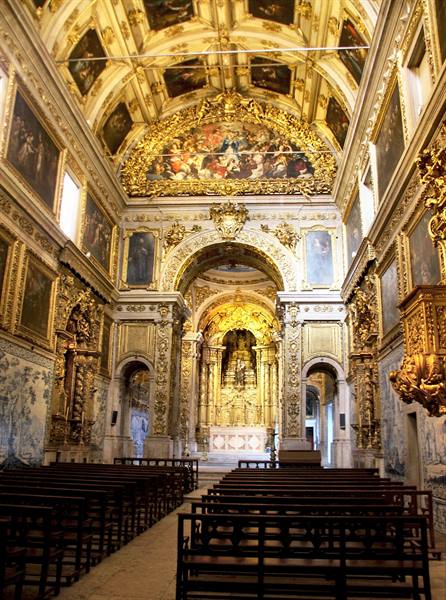
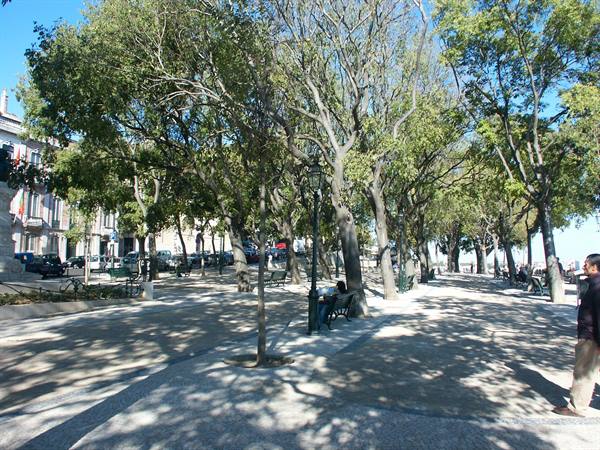
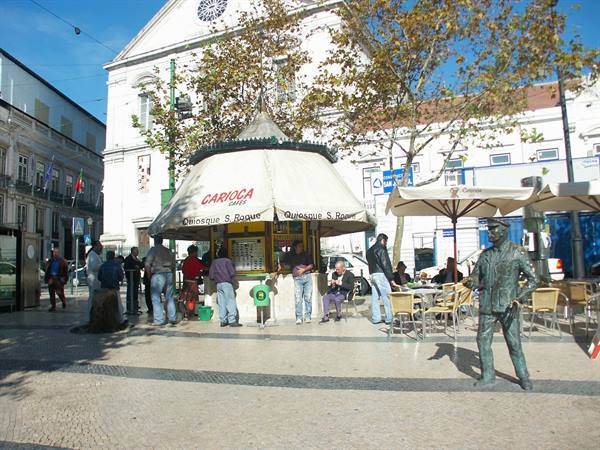
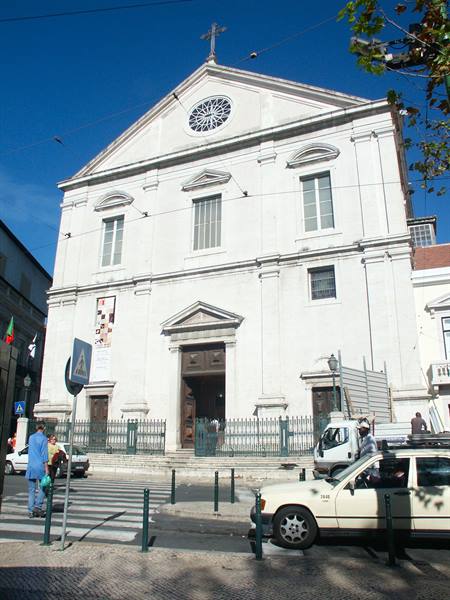
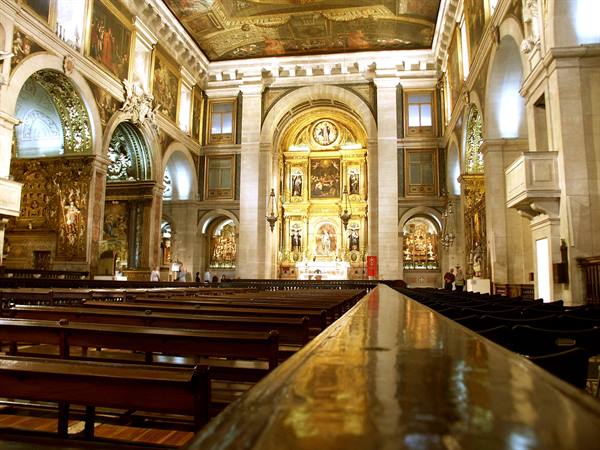
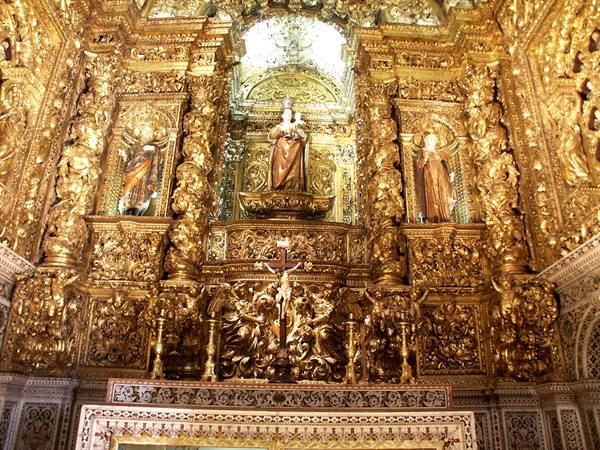
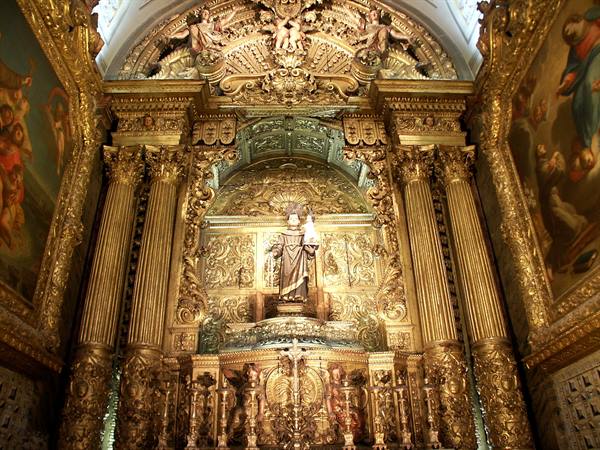
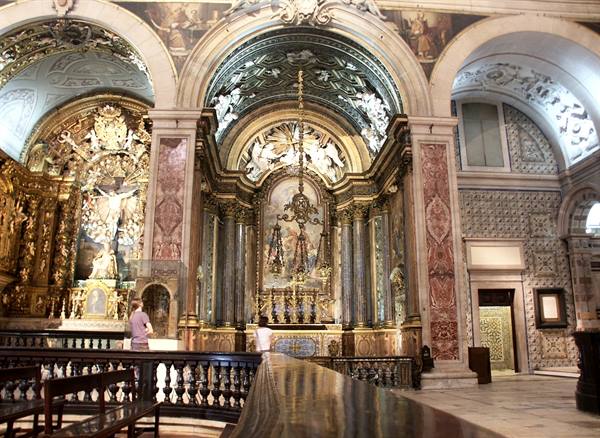
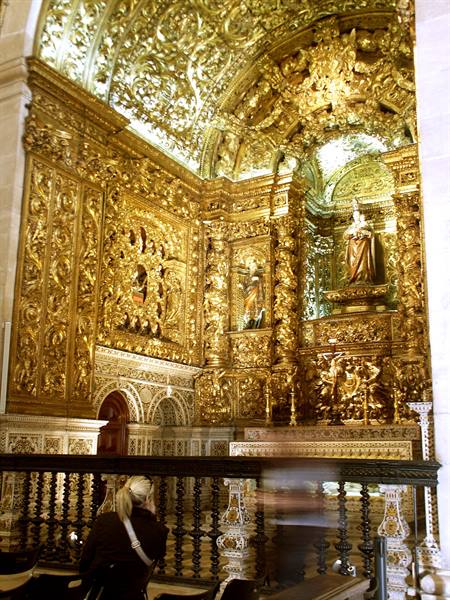
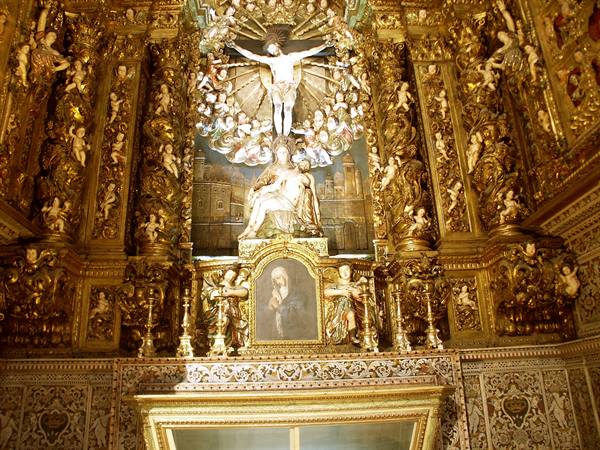
On the side of this wide square is the narrow Calçada da Gloria, the alley where we take the Elevador da Gloria to reach the Bairro Alto neighborhood, getting off beside the Miradouro da Gloria, another belvedere over Lisbon and its hills. A short stroll along Rúa São Pedro de Alcântara and we're right in a pleasant tree-lined little square where you almost don't notice the simple and white facade of the Igreja de São Roque, a church that reserves a real surprise for us when visiting its interior, revealing a wealth of decorations and exciting artistic works and of whose presence nothing would be suspected if one stopped to distractedly observe its bare and linear exterior facade.
The interior comprises a full four altars, seven chapels, a choir, a pulpit, some tombs and the sacristy, all artistically well finished and where the baroque style stands out, a whole also highlighted by the structural confinement constituted by the clear colonnades and arches that make up the load-bearing structure of this masterpiece, in whose creation also participated the Italians Nicola Salvi and Luigi Vanvitelli with their Chapel of St. John the Baptist, built in Rome, dismantled and reassembled in this church in the 18th century.
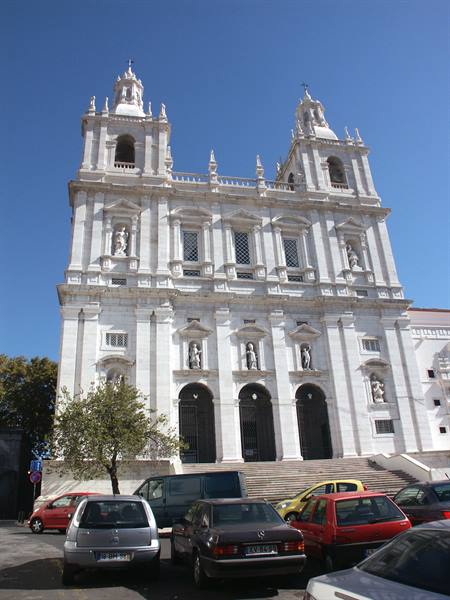
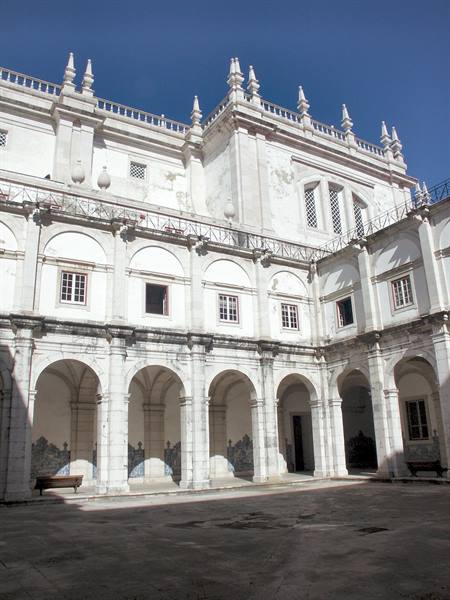
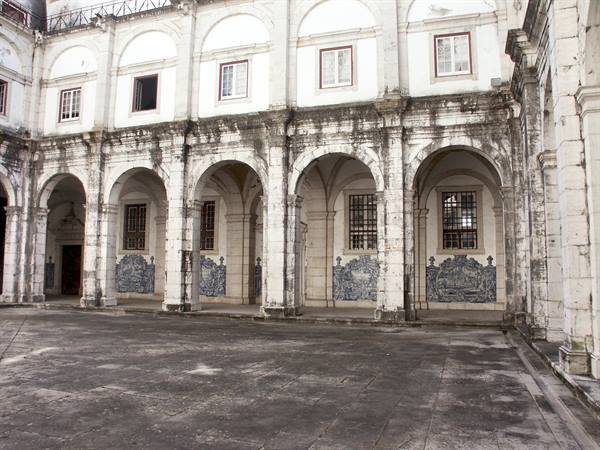
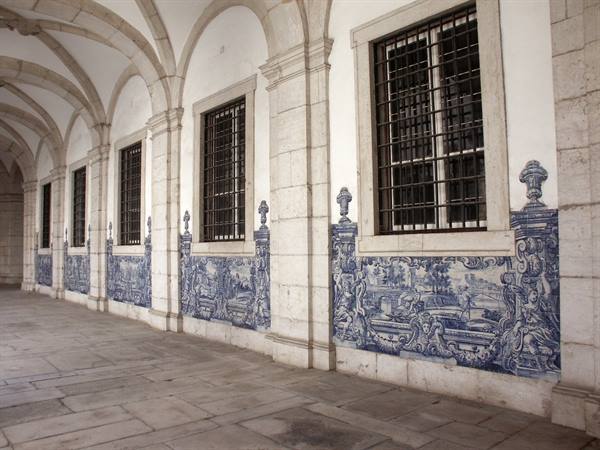
Having retraced our steps walking the Calçada da Gloria, we return to the Alfama neighborhood to arrive at the Igreja de São Vicente de Fora, on the largo of the same name, and to admire its Azulejos, where those inspired by La Fontaine's fables make a fine display, a full 38 designs in white and blue arranged on the walls of the portico that forms the internal cloister. Having also visited the whole of this church, we decided to go down walking through the interior of the Alfama to arrive at the Museu do Fado.
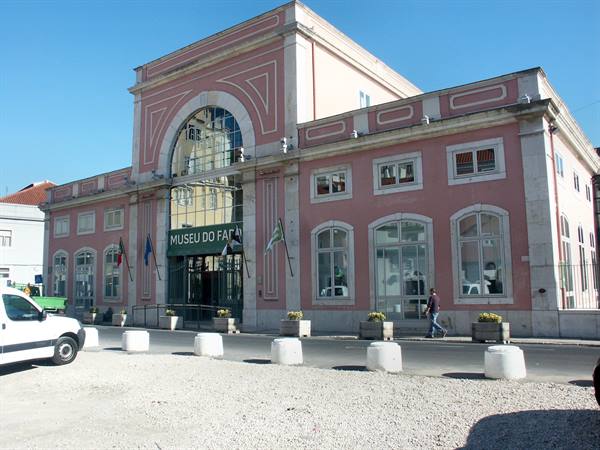
It was a stroll, always with continuous ups and downs, that so much reminded us of some alleys of our southern towns, those where the sheets in the wind greet you with their sinuous swaying, where the craftsman smiles at you from his little workshop, where the cheerful chatter of the taverns encourages you to join in to taste, in Lisbon, a good glass of the omnipresent fresh and lively Vinho Verde. The Museu do Fado, although interesting for what it displays to signify the history of this Portuguese music and its performers, left me a bit disappointed as I expected much more about this artistic expression that is so deeply felt by the Portuguese people and beyond.
Nice the display cases with what constitutes Fado, from musical instruments to sheet music, from old 78s to more recent CDs, the photographs of the performers, the possibility of listening to their voice, then the internal school, but the whole left me with a feeling of bareness, of emptiness, of strange silence in this place that should resound with the notes and voices that have made this beautiful music known to the world, clearly of popular origin being the still very much alive expression of the soul of a people, the Portuguese. Having then arrived at Avenida Infante Don Enrique, from here we take the bus to be taken to Belém, on Rúa de Belém, where the tasting of the famous Pasteis awaited us, the pride of the Antigua casa dos Pastèis de Belém, the celebrated Lisbon pastry shop that since 1837 has satisfied the sweet palates of those who prefer it for its confectionery specialties.
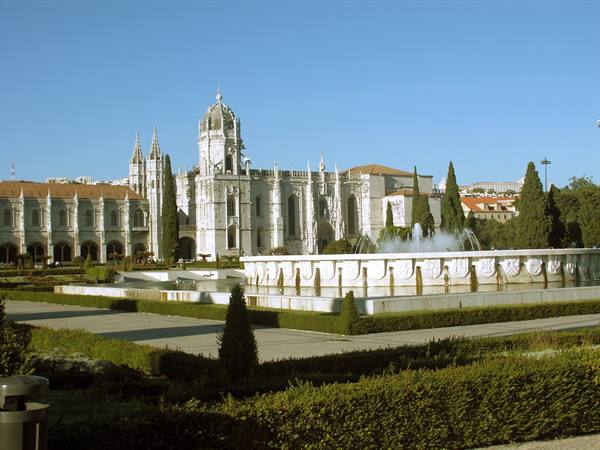
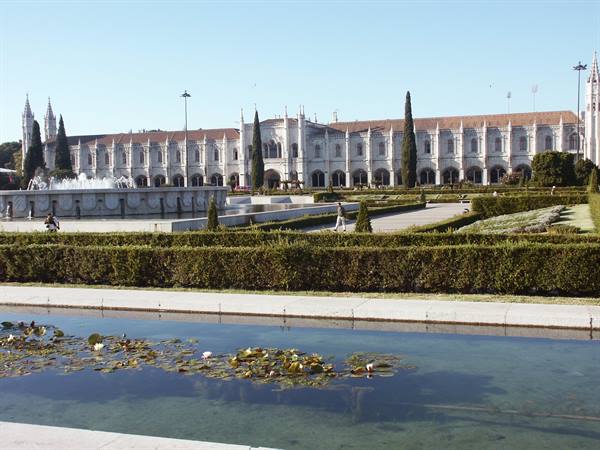
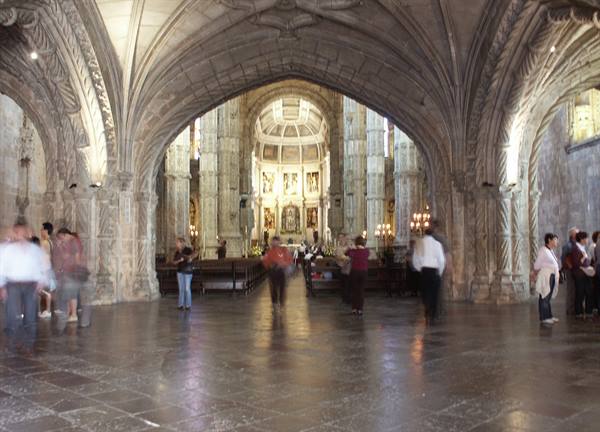
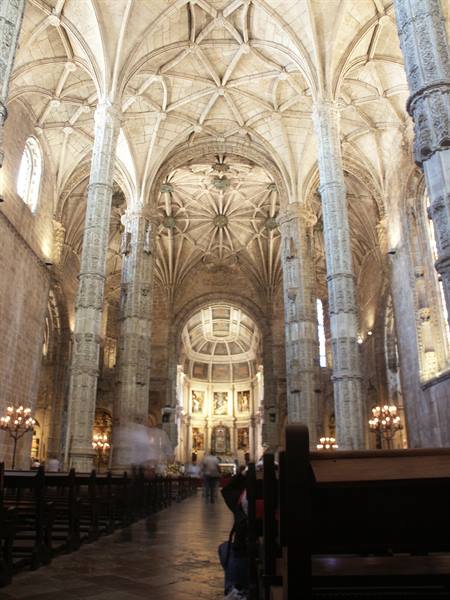
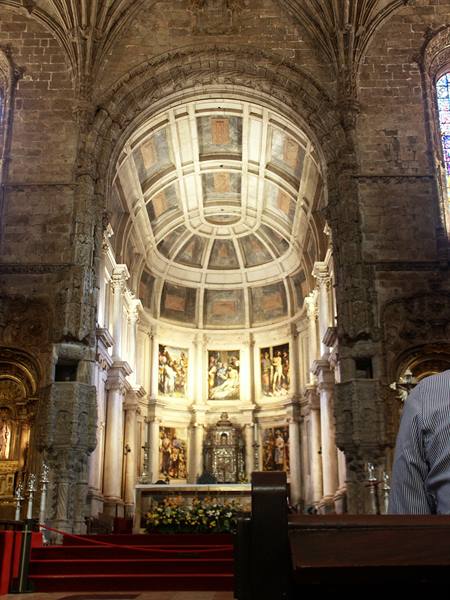
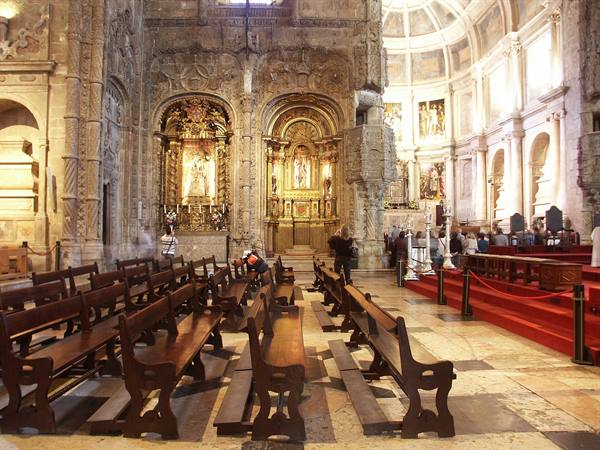
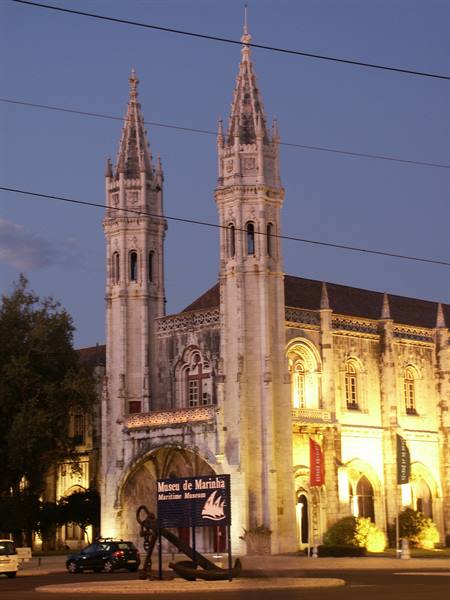
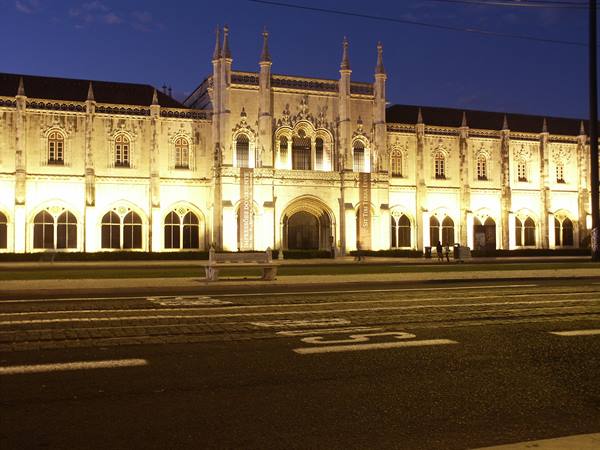
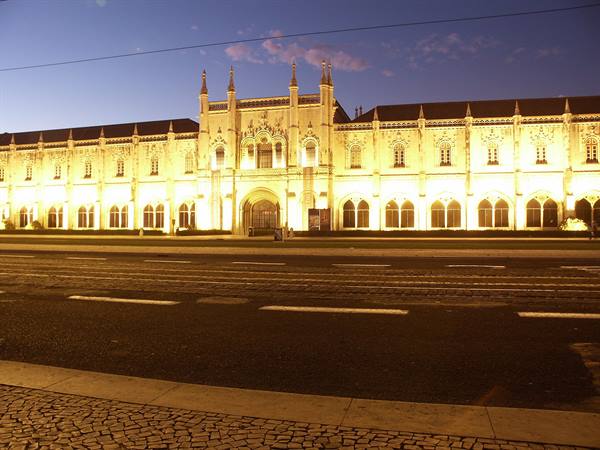
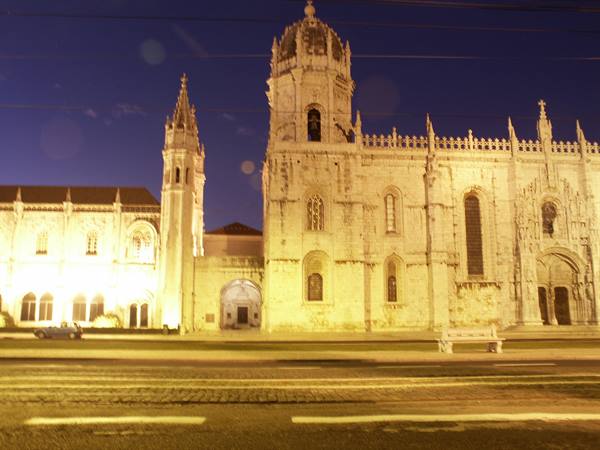
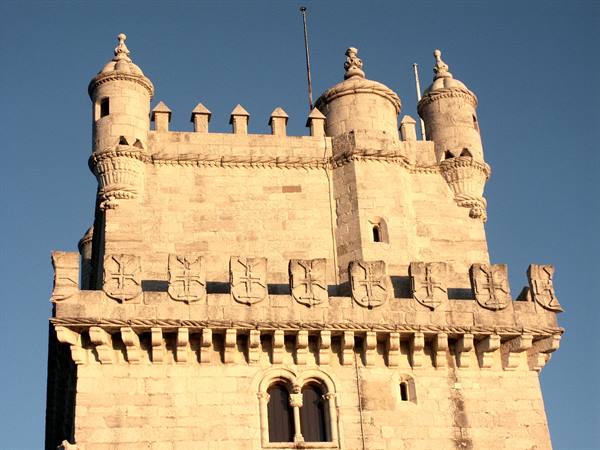
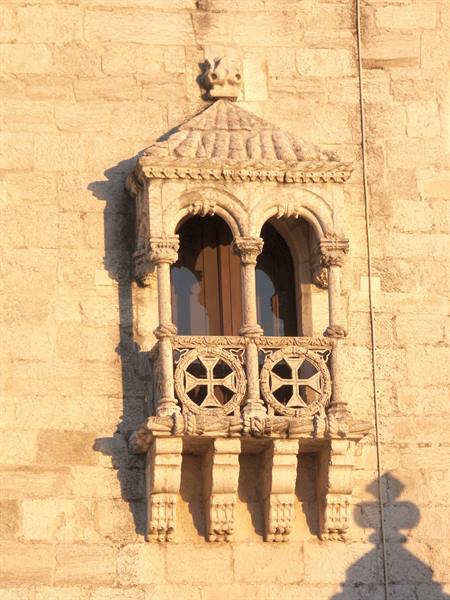
At its side the imposing Mosteiro dos Jeronimos, built in the early 1500s in pure Manueline style to symbolize, together with the nearby Torre di Belém, also in the same style, the great discovery of the route to the Indies and the trade that resulted from it, giving life to the most important historical period of Portugal. The interiors of this monastery are grandiose, soaring, airy, where the structures don't constitute an obstacle to the whole of the ample volumes admired while strolling with one's nose in the air. The cloister and the refectory close the visit to this historic building, one of the most important buildings of Lisbon and a great tourist attraction for those visiting this beautiful European capital.
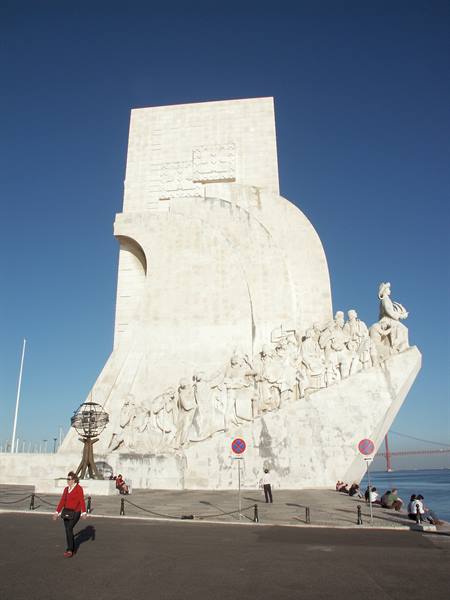
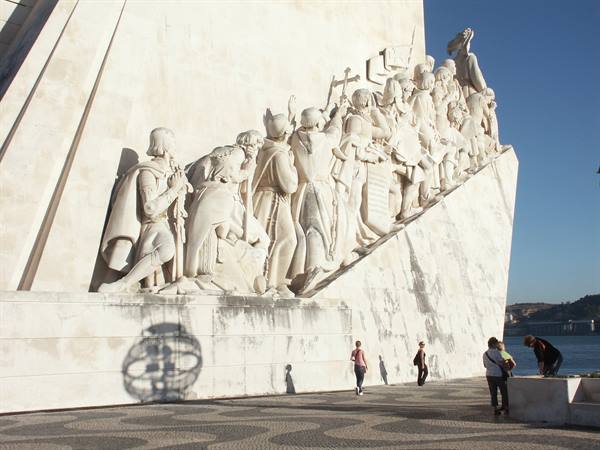
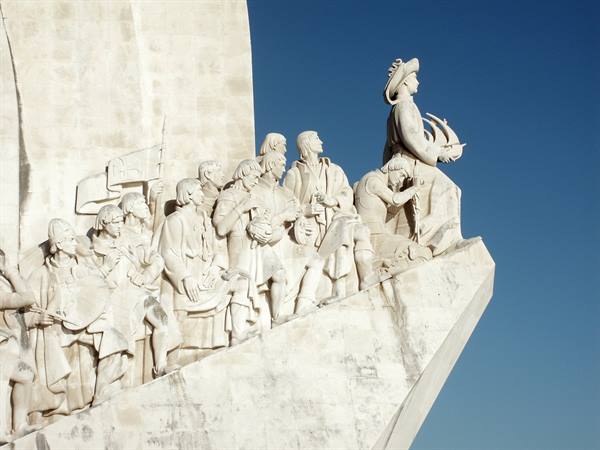
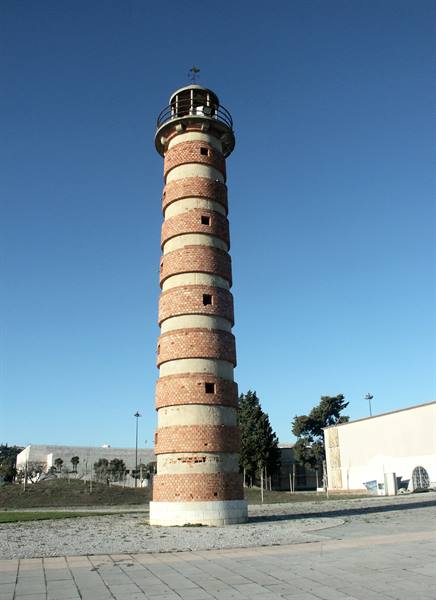
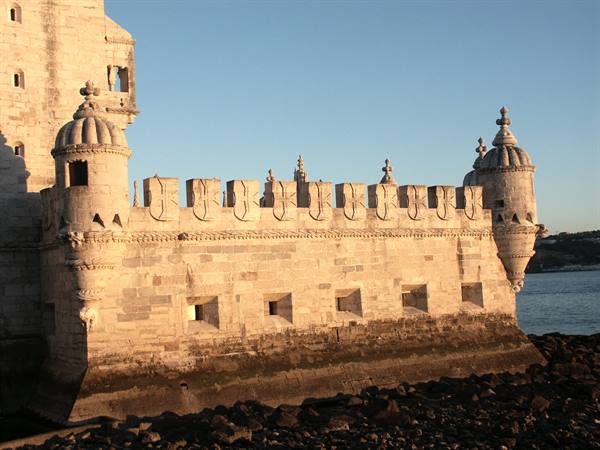
Outside we cross the great Praça do Império, one of the largest squares in Europe, a whole of greenery, walkways and fountains that separates us from the Padrao dos Descobrimento, the monument to the discoveries on the bank of the Tagus and created in 1960 in memory of all the sailors who contributed to the greatness of Portugal with the discoveries that allowed its commercial development. The nearby Torre di Belém, also commissioned around 1500 in Manueline style to celebrate the discoveries of the time, faces the Tagus in memory of the ancient Lusitanian splendors and… of the customs duties collected in this tower for the merchant trade that used the great Portuguese river.
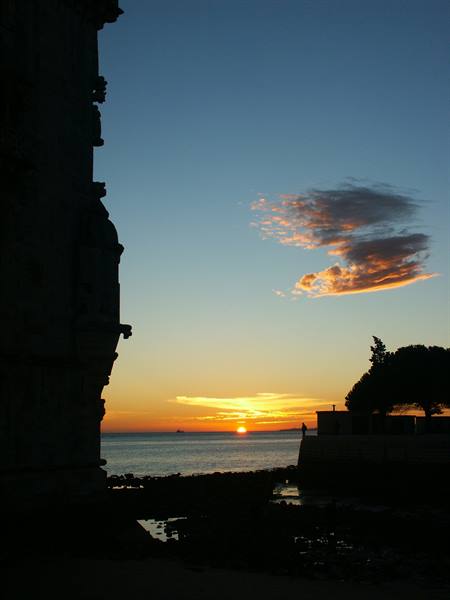
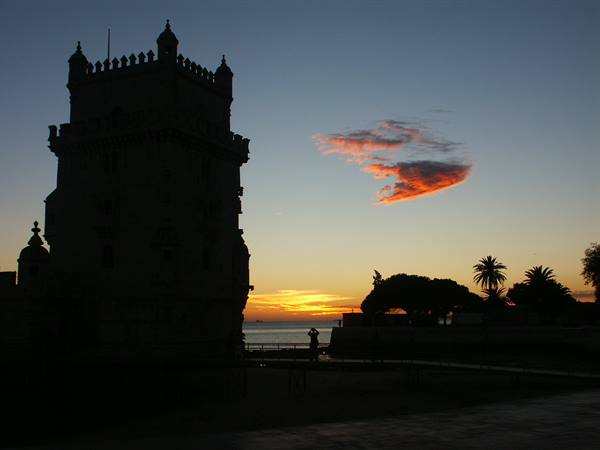
A beautiful sunset over this splendid Lisbon corner closes our stay in Lisbon, with our do-it-yourself program foreseeing departure, the next day, for the nearby towns that will constitute the travel diary and photographic representation of the second part of our LISBON & SURROUNDINGS.

0 reader comments