The story
The travelling world watches the names of railway destinations, the platform numbers, the flights and the metro stops scroll across the big boards, complete with arrival and departure times… everyone with their nose in the air, scanning for the name and the time that will take shape from the whirling of black flaps, with letters and numbers printed in white to form the message needed by whoever is using these means of transport. All over the world of travel we find these displays which, with their fast ticking, tell travellers what they need to know. The whole world uses them, everyone watches them, but… few people know where this information system was born.
We should also say that, all over the world, thousands and thousands of people every day rest their gaze on the large wall clocks on the outer façades of bell towers, churches, town halls, railway stations, street poles and so on, where, besides the time, it is very easy to read a recurring name on these dials: Fratelli Solari. It was Fratelli Solari who also made the wooden box clocks with a slot where, after inserting your card, you pressed a lever and the time of entering or leaving work was stamped, with the unforgettable sound of a bell signalling that the clock-in time had been set.
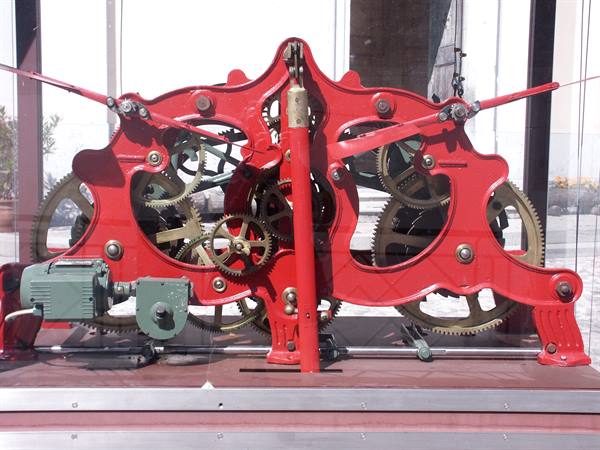
Well yes, all these mechanisms — once mechanical, then electromechanical and now electronically controlled — are the product of the ingenuity and entrepreneurial skill of the Fratelli Solari, whose “Antica e premiata fabbrica di orologi da torre” was founded in 1725, drawing on the craft activity that had been going on in Pesariis, just by Prato Carnico in Val Pesarina, since the 17th century, but giving it that evolutionary stamp which allowed this Carnic firm to make a name for itself all over the world.
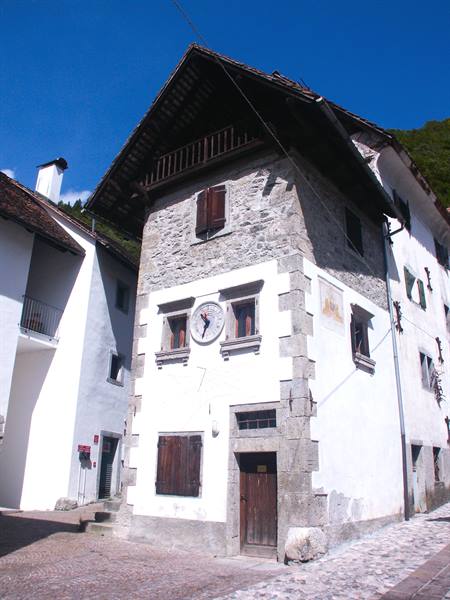
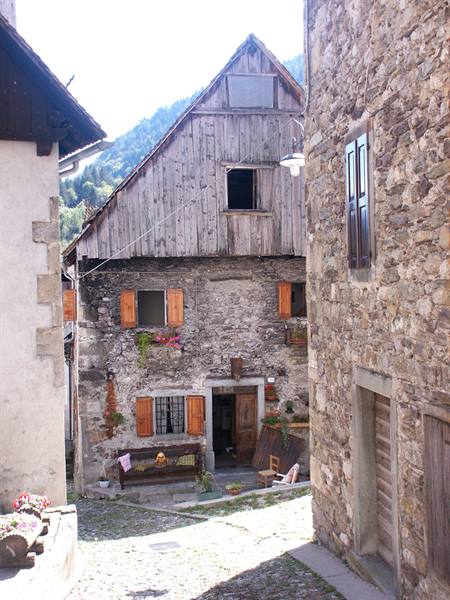
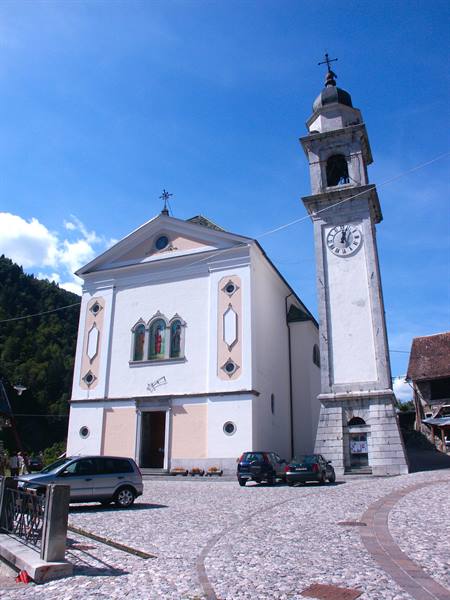
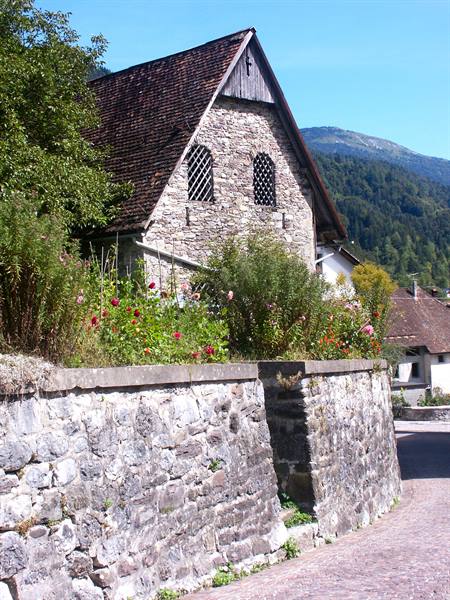
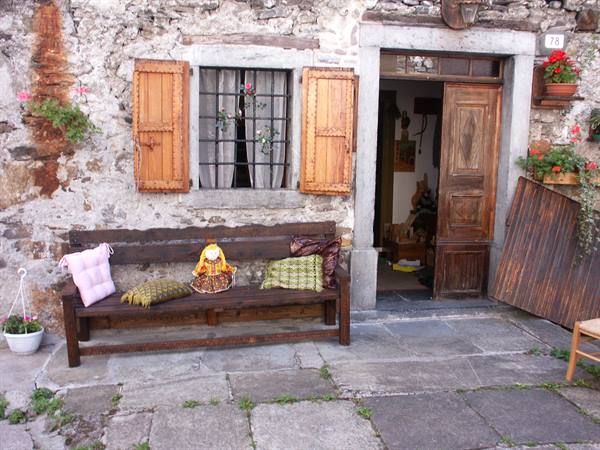
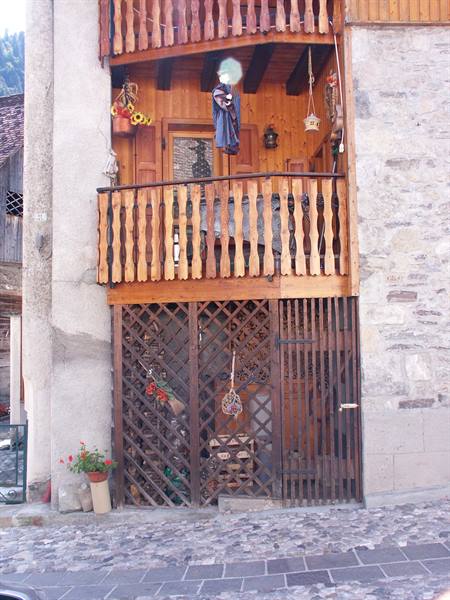
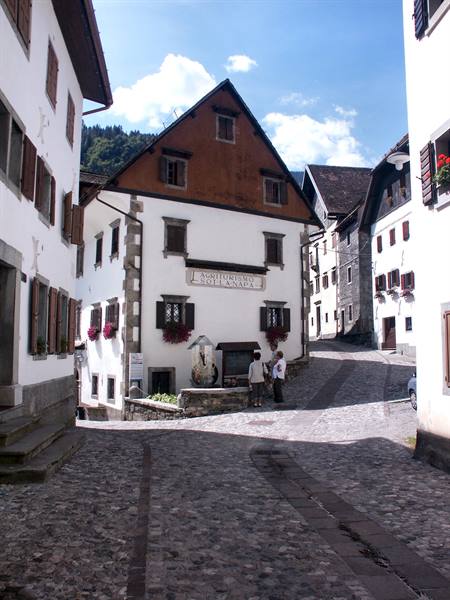
Now in Pesariis, a village at the foot of the Carnic Alps in upper Friuli where, paradoxically, time has stopped, in stark contrast with that old activity, only the history of this clockmaking remains, with a few lone craftsmen carrying on the tradition; yet the memory of its clockmaking calling comes alive every day as you stroll through a village where the clocks are its living monuments.
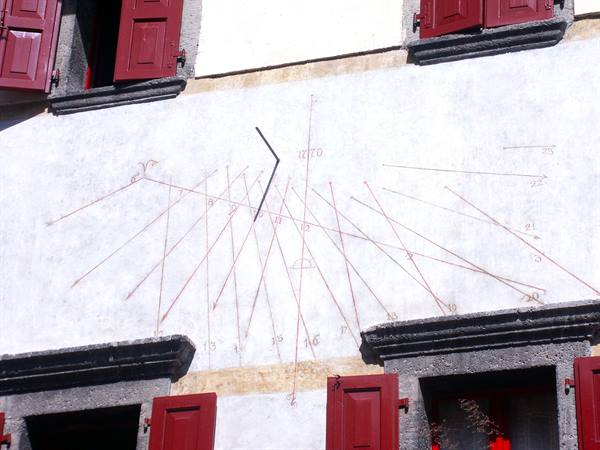
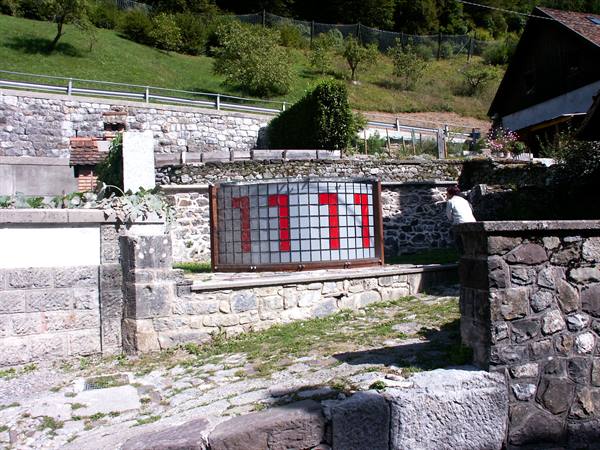
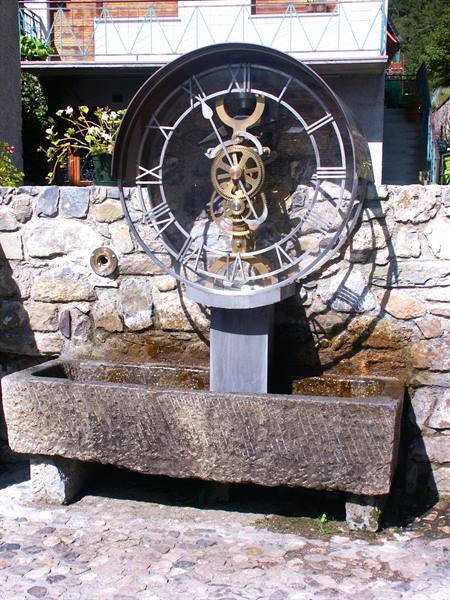
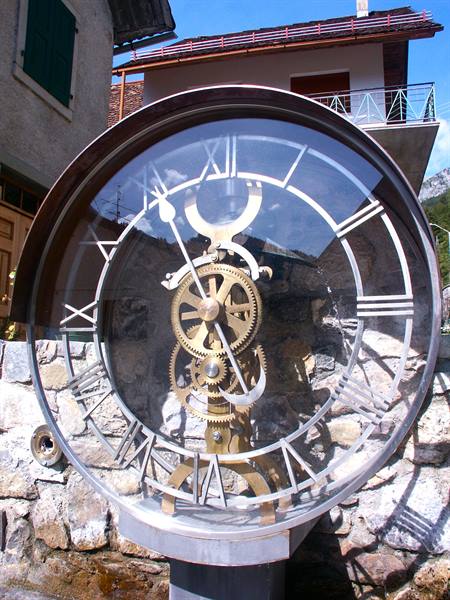
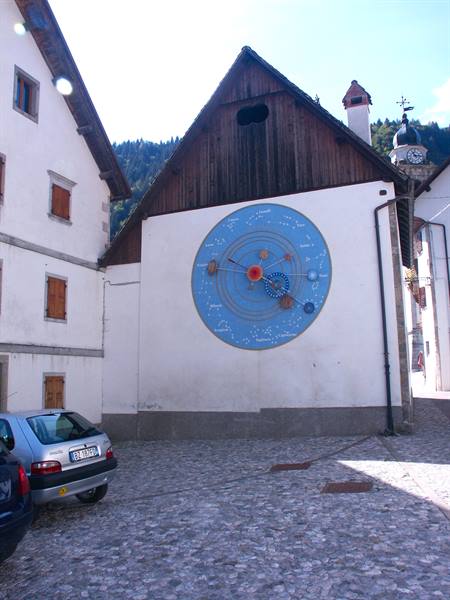
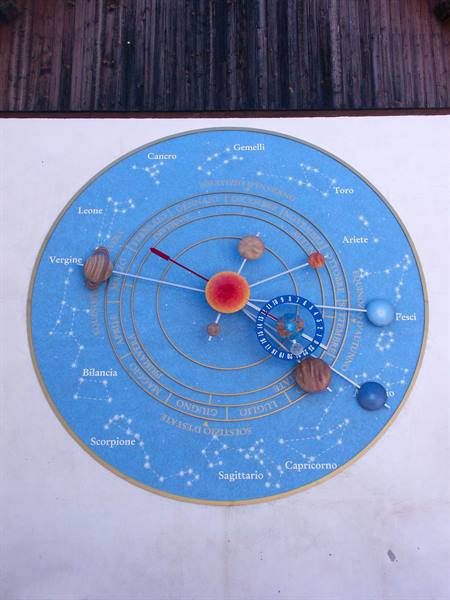
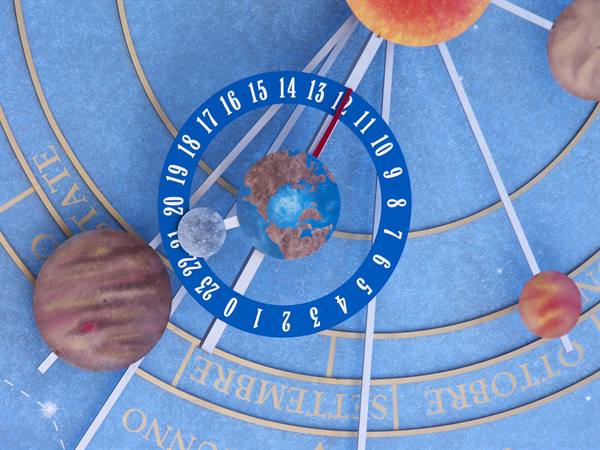
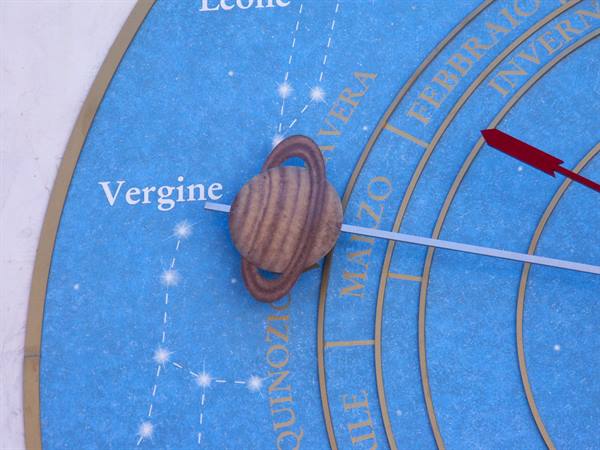
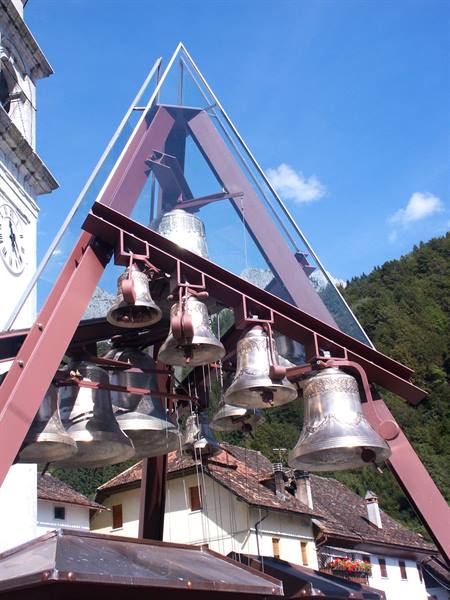
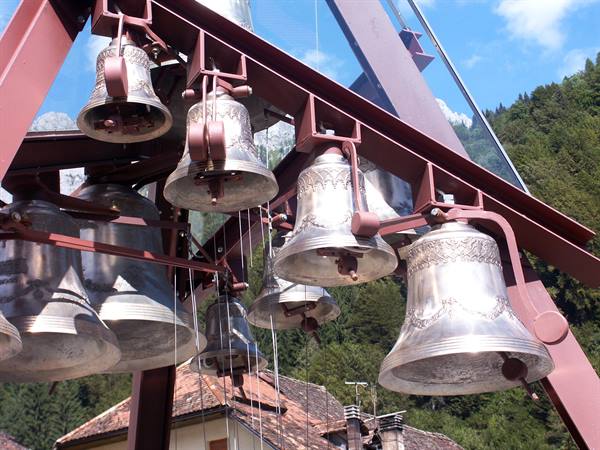
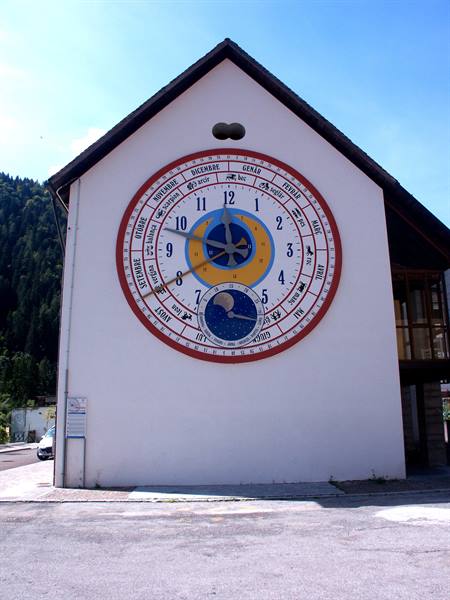
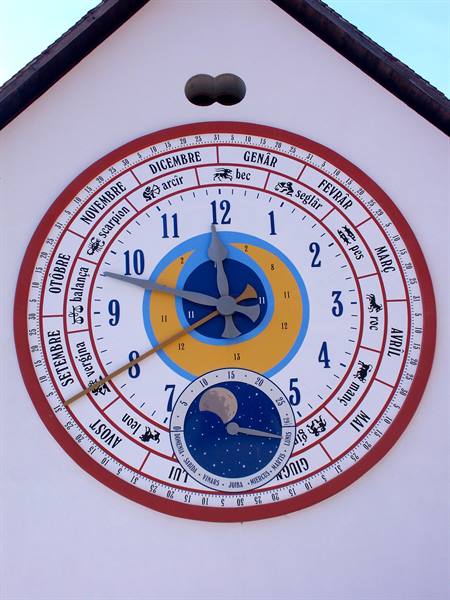
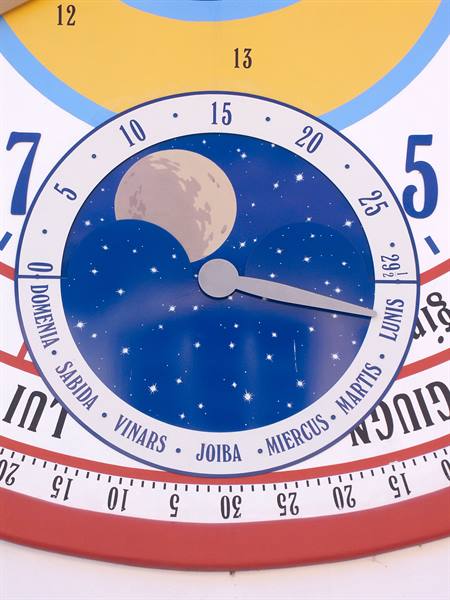
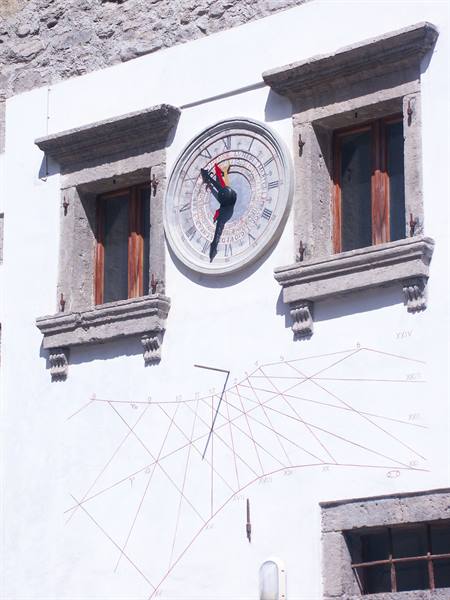
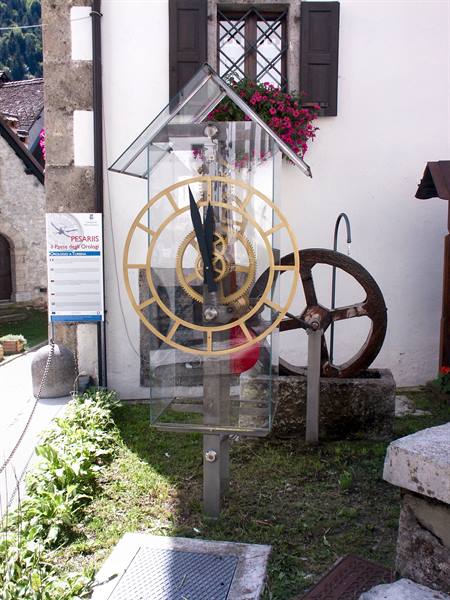
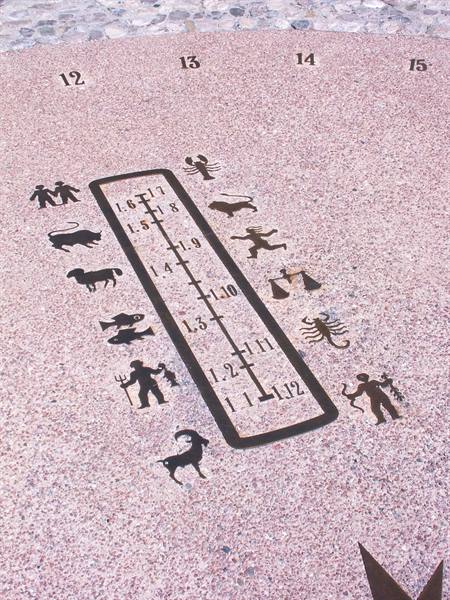
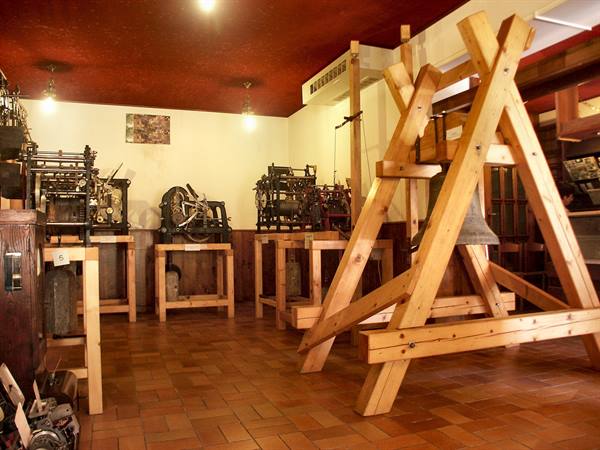
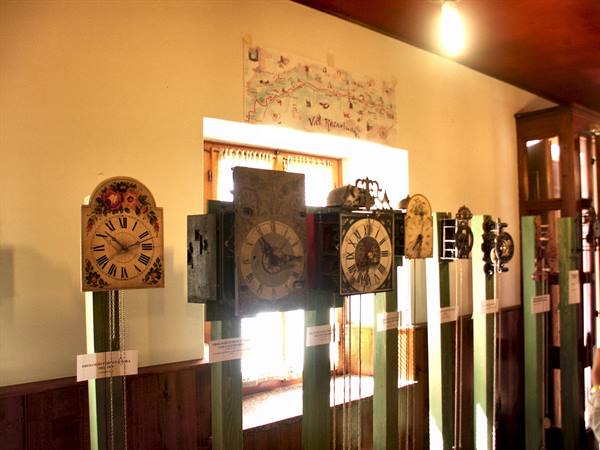
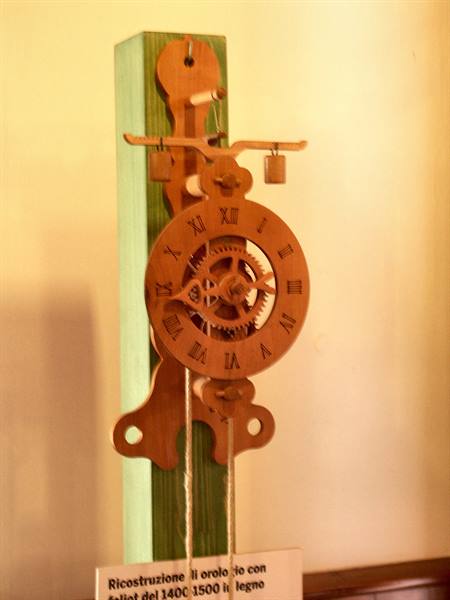
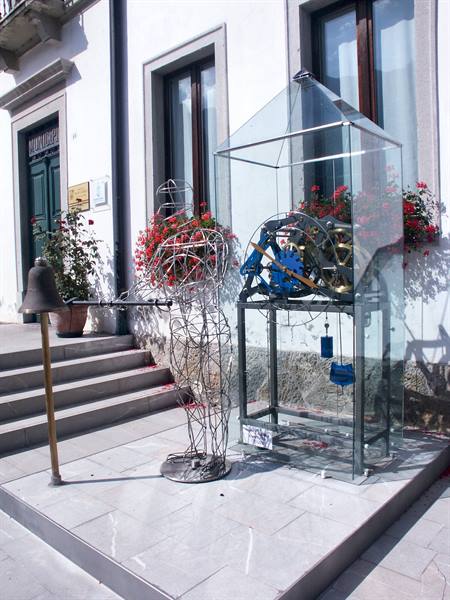
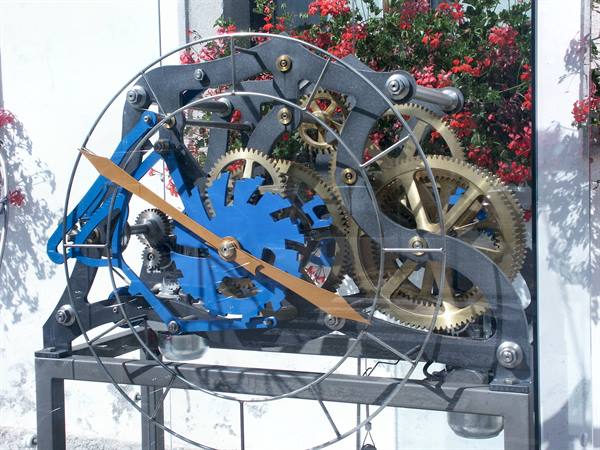
To the visitor of this small but pleasant Carnic village, Pesariis shows timekeepers of every kind: sundials, water clocks, mechanical clocks with giant flaps, chequerboard clocks, clocks with complications showing the planets, the signs of the zodiac, the position of the stars, the sun's ecliptic through the various constellations, then the clock with a carillon of bells that can even be played by hand, and much more to admire as you walk along the trail of the Monumental Clockmaking of this ancient hamlet. A small museum preserves some of the old mechanisms, and to have the door opened — if it is closed because it is outside opening hours — ask where the sacristan is, keeper of the key to this museum, and he will gladly also explain the history of these “timekeepers”.
Not to be missed is sitting down with your legs under the table to savour the local specialities, the typical dishes of Carnia, where simplicity and the genuineness of the ingredients are the basis of every dish — traditionally the few that this land has always given its people. Pasta and beans, barley soup, stuffed pasta with aromatic herbs, cotechino (muset) with sauerkraut, stewed meat with polenta, frico — the thin crisp wafer of mixed cheeses alone, grated and fried in their own fat — and then the smoked charcuterie, with speck reigning supreme, and so on, all accompanied by robust Friulian wines, where here too Cabernet stands out for its full body and aroma, pairing beautifully with the dishes of Carnic cuisine.
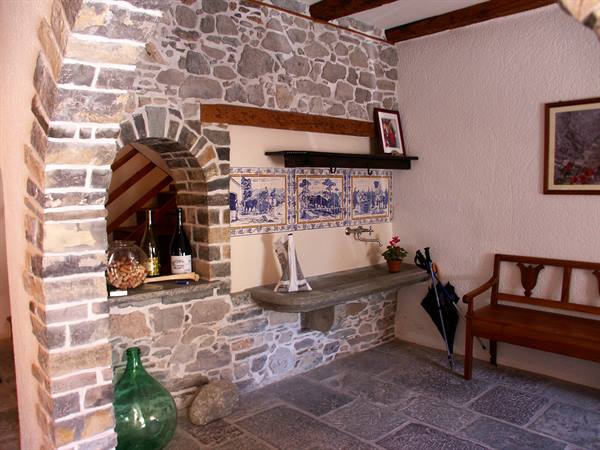
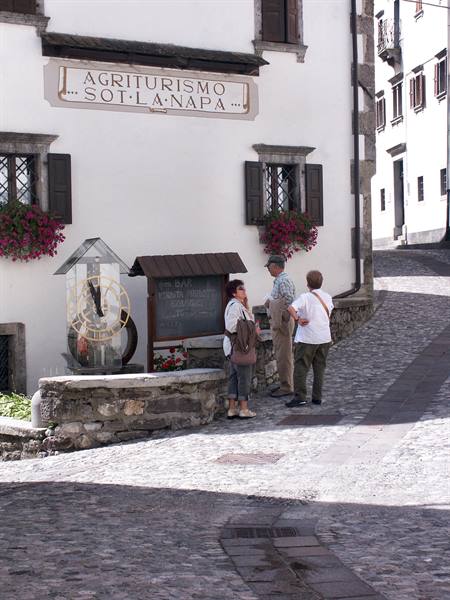
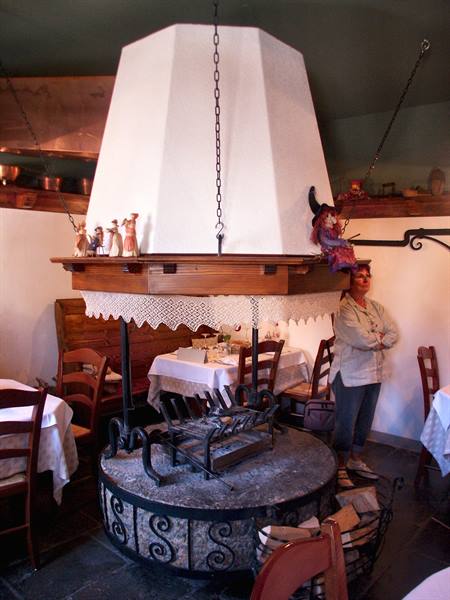
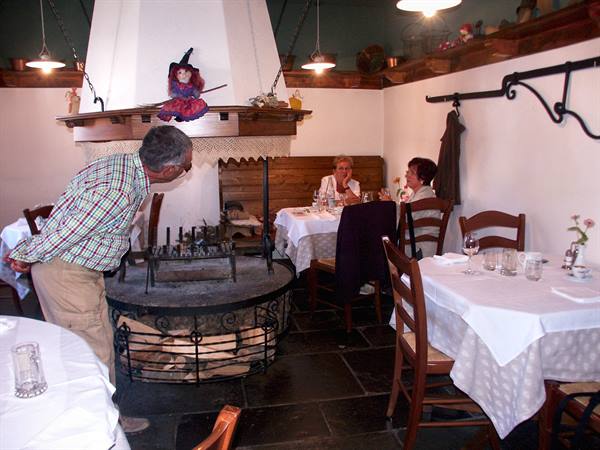
In Pesariis we came across this cuisine at the Sot La Napa farmhouse restaurant, a place with the classic Friulian “napa o nape”, the traditional hearth with the white hood above it, often edged with handmade lace. The place is simple, as is its furnishing, which evokes memories of times past, all neatly arranged in a room of the old 18th-century bourgeois house that makes up the farmstay, with its lodgings, dining room and shop, run by Eliana and Silvia, obviously Solari, a delightful presence whose readiness to chat let us steal a few secrets of their excellent cooking and also learn about the organic products of their farm — available to buy, and from which we chose the typical sauerkraut to go with boiled meat, preferably the... “muset”. Have a good trip. Wanda & Giancarlo
The journey's photographs
43 photographs · click to open them full screen









0 reader comments