Church "Dives in misericordia" by Richard Meier
Today, for the third installment of our adventures, we tackle another mini-trip (I hope you enjoyed the previous one). The city is the same: Rome; the architect is the same too: Richard Meier; We're moving, however, to the outskirts, to the Tor Tre Teste neighborhood, to visit the famous church dedicated to the Merciful God, but better known as the "Jubilee Church." With these diaries I like to entice enthusiasts to take the opportunity for a visit (the things I've told you about, am telling you about, or will tell you about all deserve it!) and so I'll open a brief parenthesis for anyone who might want to track down the work in the maze of the capital (it's not easy to find): Ø by car: from the Grande Raccordo Anulare ring road (GRA) take exit 16 (Via Prenestina) toward Rome city center. Continue on the road of the same name, going over the roundabout at the intersection with Via E.
Longoni (staying always on Via Prenestina). After about another km turn left onto Via Tor Tre Teste. Continue for about two km on this road then at the intersection with Via Angelo Viscogliosi turn right, pass under the bridge-building. As soon as you pass this building the church will appear on your left. Ø By public transport: from Termini station go to Via Amendola and take the 14 with terminus Togliatti for 23 stops. Get off at the Togliatti stop, go to Via Molfetta and take the 556 with terminus Tobagi for 6 stops. Get off at the Tovaglieri/Ermoli stop. 200 meters from the stop is Via A. Viscogliosi. Another 500m and you arrive at the church. The church, like Meier's other work in Rome and like everything in Italy, had a rather troubled birth: the initial project (competition) dates back to 1996 and was won against opponents of the caliber of Eisenmann, Tadao Ando, Calatrava, Gehry.
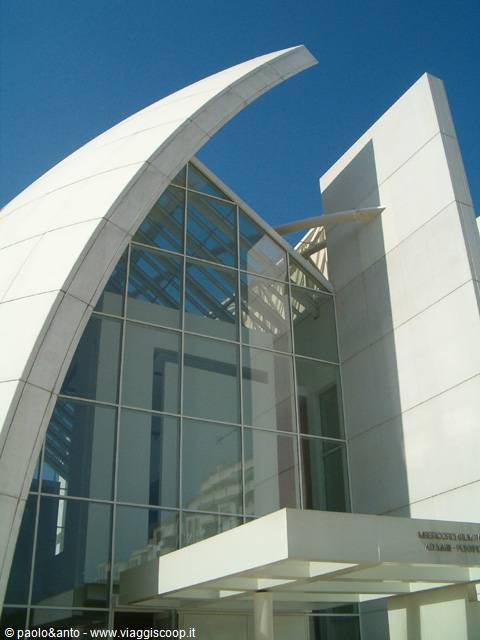
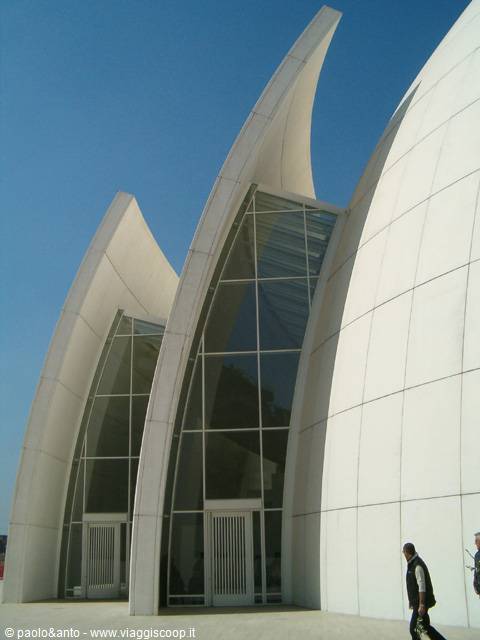
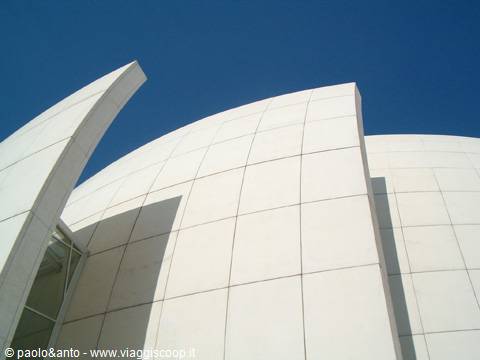
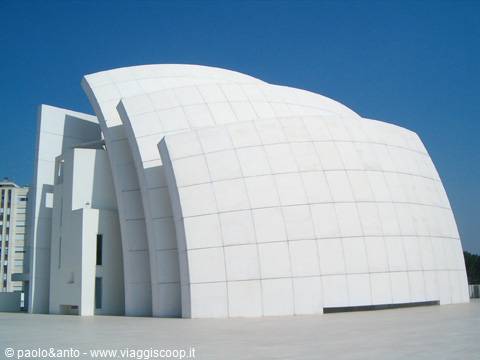
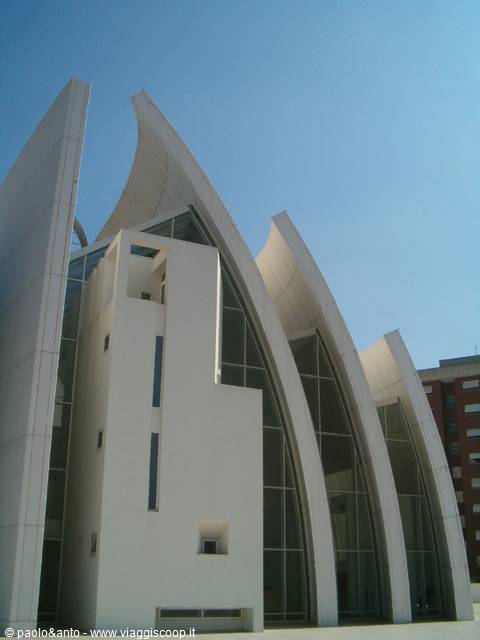
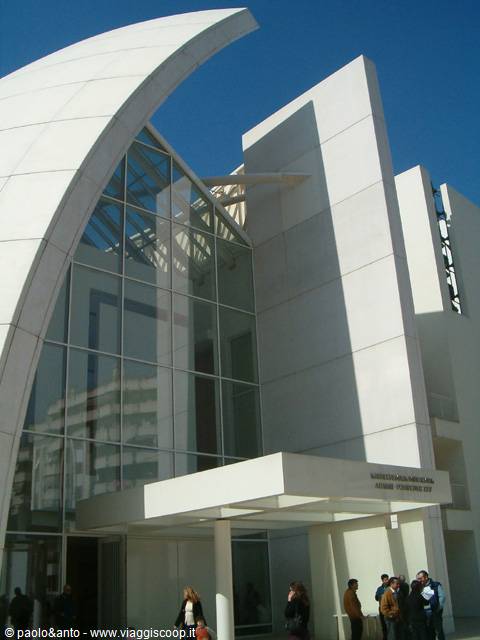
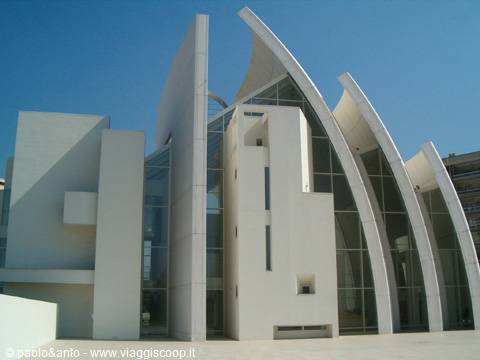
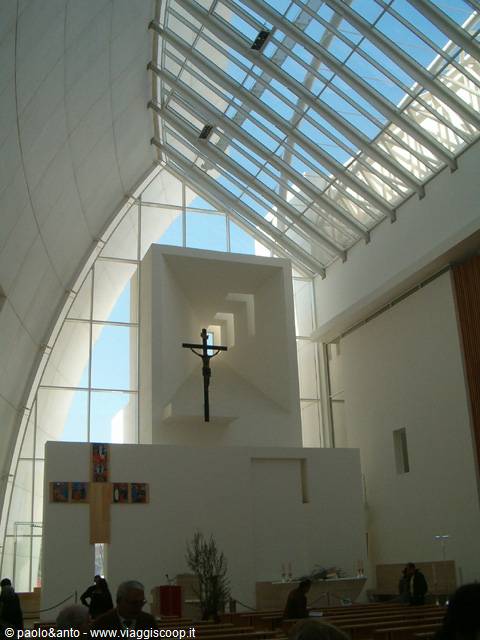
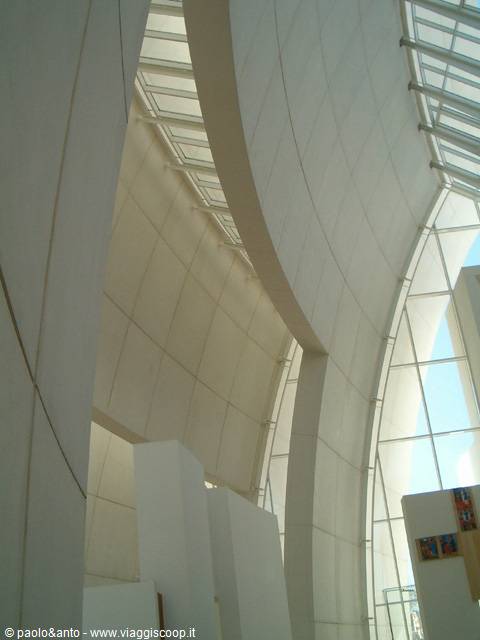
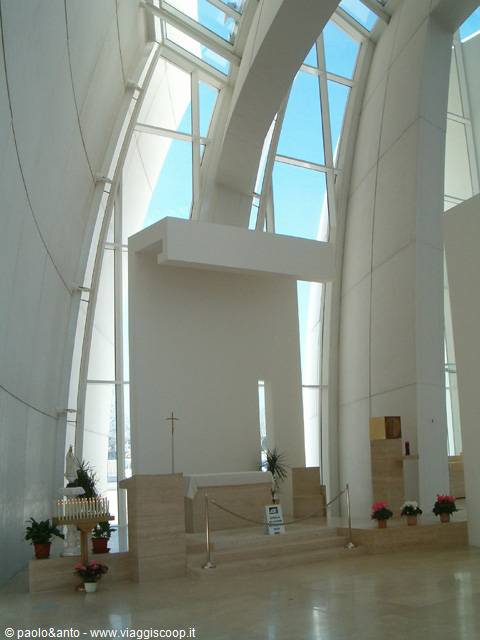
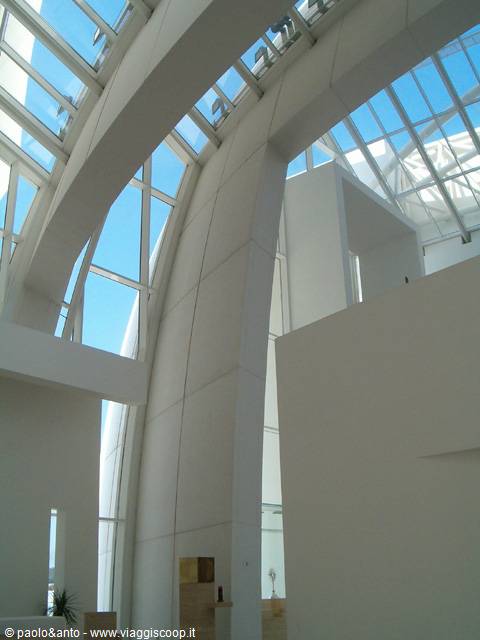
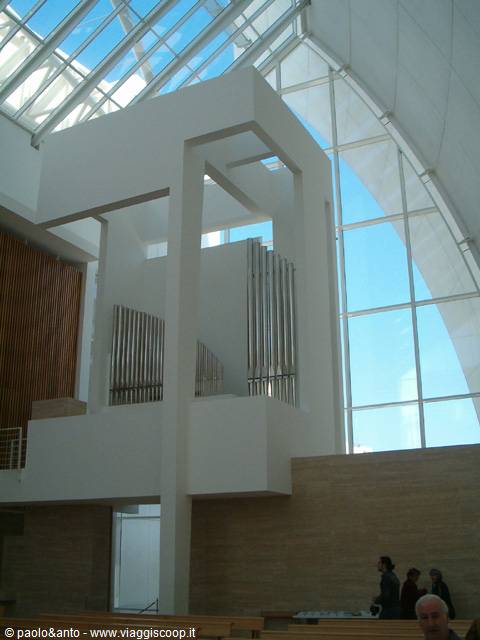
The church was to have been finished by 2000 and was inaugurated in 2003. Bureaucracy played a part here, but less than usual also because the competition, construction, and payments were managed directly by the Catholic Church. The problem, of a technical nature, is due to the complicated shape that the architect wanted to give the structure (the enormous three sails of fair-faced concrete, self-supporting and in direct contact with the window frames' glazing). With a touch of pride we must say that the brilliant solution to the problem was provided by an Italian company from Bergamo that produces cements and that invented and patented a very resistant white mixture, even self-cleaning and smog-eating (today Meier is building the new headquarters of this company in the famous Kilometro Rosso designed by J. Nouvel in Bergamo).
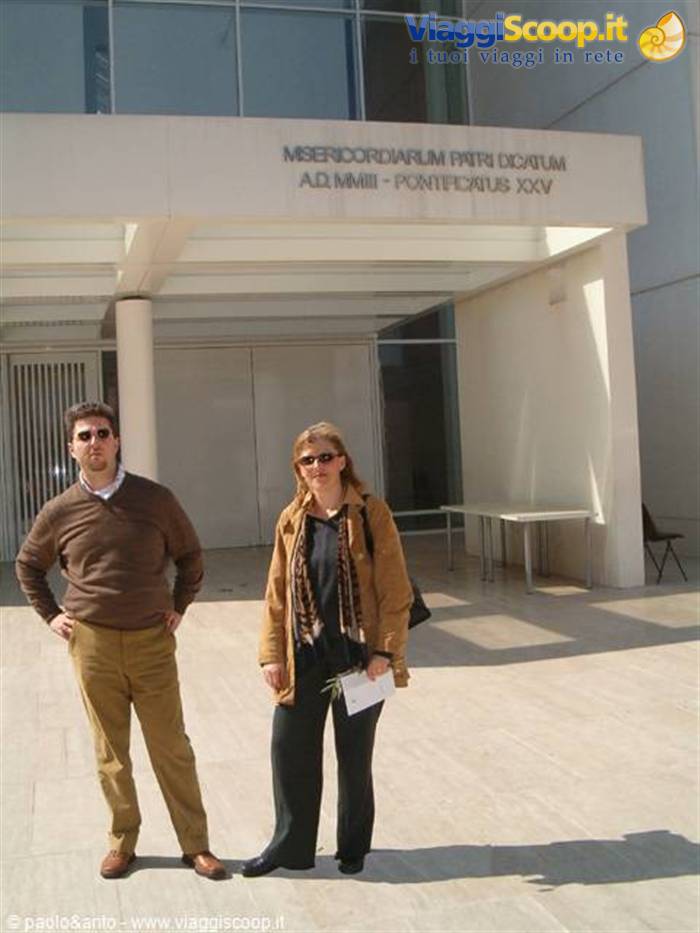
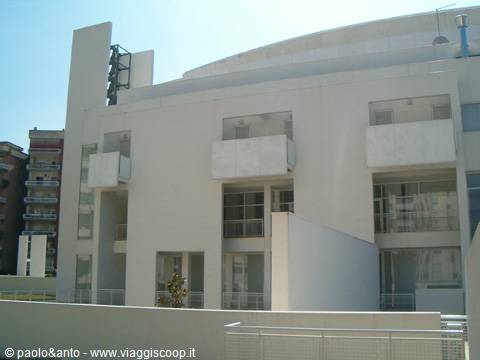
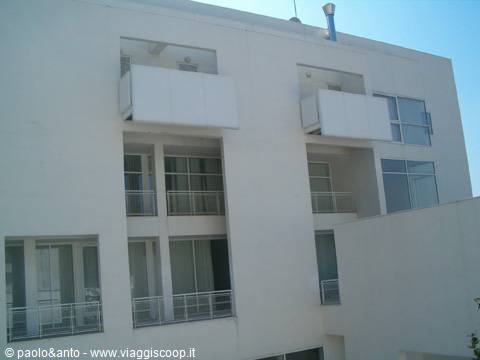
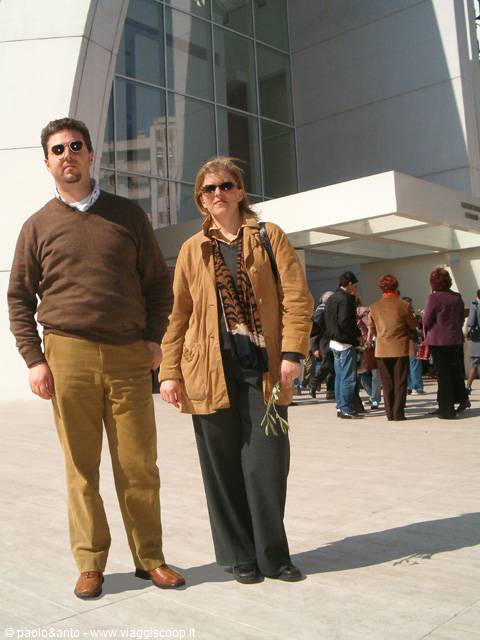
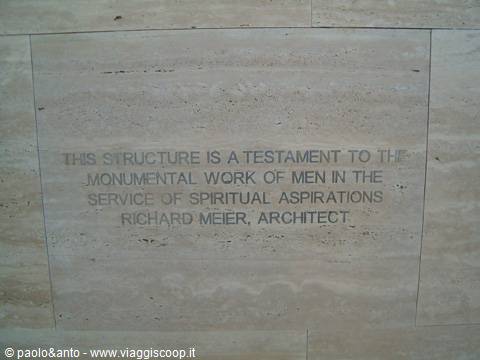
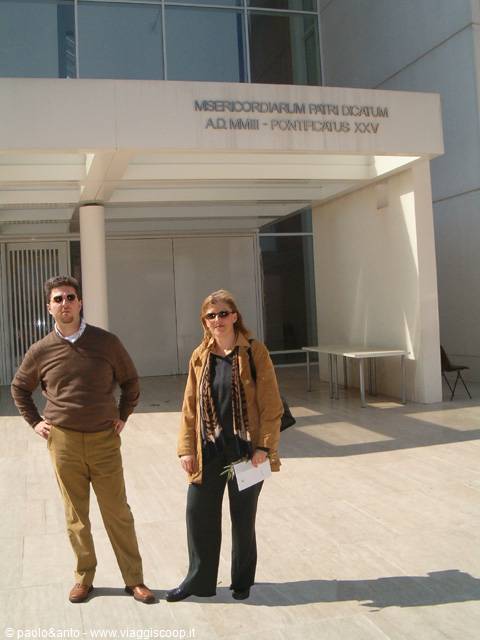
The architect himself declared that without this technical solution he could not have built the church as designed. The photos attached to this diary date back to March 20, 2005, but our first visit dates back to the day of the inauguration, October 26, 2003. There's no need for me to describe the work for you, the attached photos do it well, I can only add that the church is run by a group of young and friendly priests who, well aware of celebrating mass inside a masterpiece, Christianly put up with the enormous number of tourists who snap photos inside (never during services, I beg you!!!) and even have on sale, between "Famiglia Cristiana" and the "Messaggero di Sant'Antonio," Richard Meier's monograph. Happy Travels, until the next installment.





0 reader comments