The story
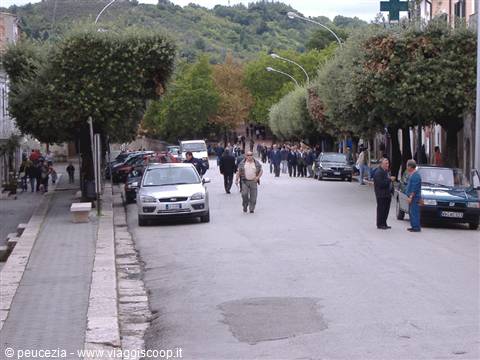
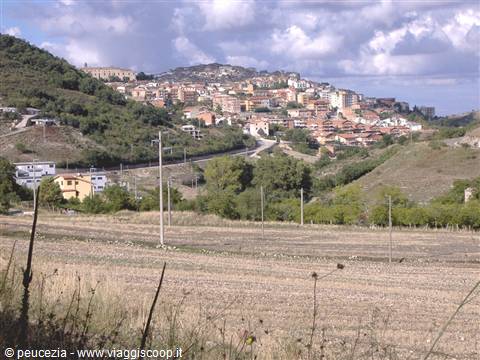
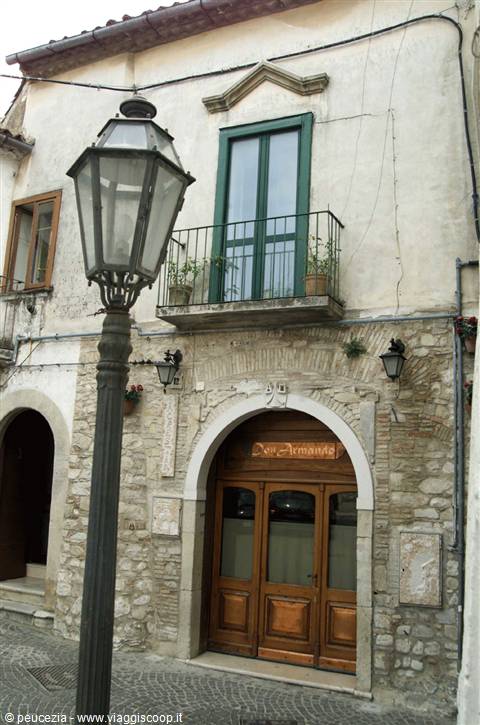
Set on the border between Puglia and Campania, Bovino played a strategic role over the centuries. Traces of its past are clearly visible in the old village, destroyed and rebuilt several times, which is distinguished by the harmony of its urban layout and by the generally good state of conservation of the materials, forms and colours typical of its tradition. Even today you can admire long stretches of river-stone paving, stone houses with the traditional tile roof, brick barrel vaults, noble palazzetti with their romanesque arches and beautiful courtyards, an impressive number of stone portals (around eight hundred have been counted), the work of local master stonemasons and evidence of the role the town took on over the centuries.
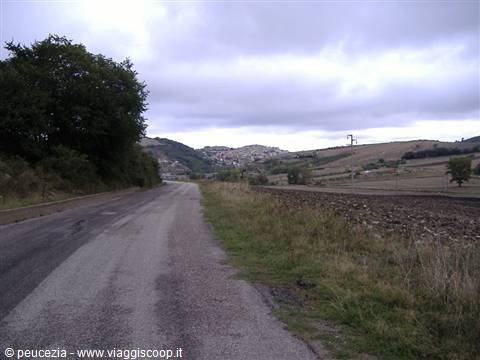
The little white houses, the steep stairways of the alleys, the green countryside all around complete the evocative picture, one of fragile beauty, having to defend itself from the ever-lurking alterations of those who ignore the sense of history, which here appears infinite: as shown by the remains of Roman walls (in the Portella district), the traces of mosaics, the statuettes of Hercules, the anthropomorphic steles and the numerous finds kept in the civic museum.
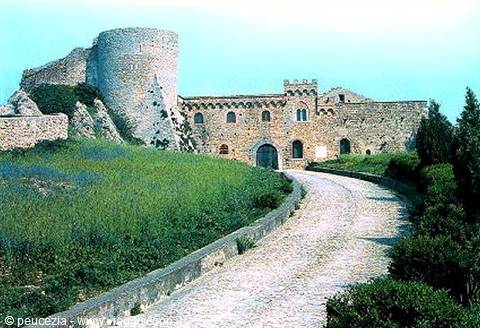
The village contains seven churches, among which the Cathedral Basilica stands out for importance; in 1231 the master Zano, from Gaul, impressed on its façade that primitive Gothic style that inaugurated the season of Romanesque in Puglia. The Ducal Palace, inhabited until 1961 by the descendants of the Guevara, was in its best days (in the 1600s) one of the most beautiful patrician residences of the south. In its coffered-vaulted halls and in its beautiful hanging garden, Torquato Tasso, Giovan Battista Marino, Maria Theresa of Austria and Pope Benedict XIII all found hospitality. But the historic centre holds other treasures. Among the sacred buildings: the church of S. Pietro, an interesting example of Romanesque architecture with Byzantine elements grafted onto Roman remains.
The private residences are almost all fitted with splendid portals, a symbol of the power and pride of the local nobility. Not bad for a village unknown to most! So a good reason to visit it; I couldn't believe my eyes when I was there!
The journey's photographs
9 photographs · click to open them full screen




0 reader comments