The story
Campiglia Marittima, ancient medieval village- text and photos by Giovanni Camici
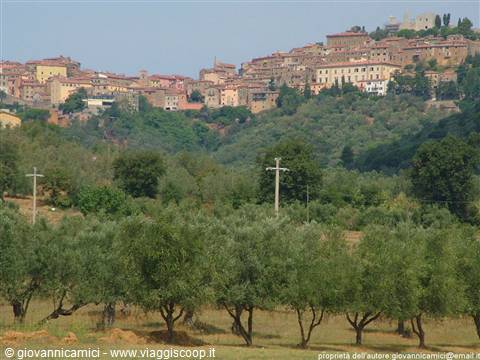
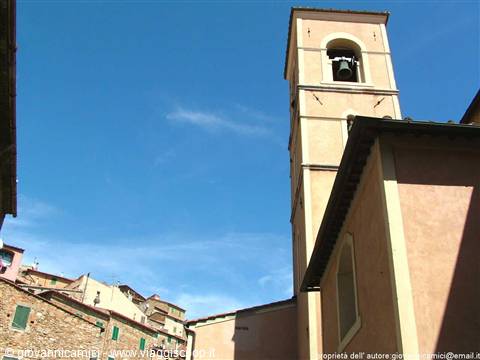
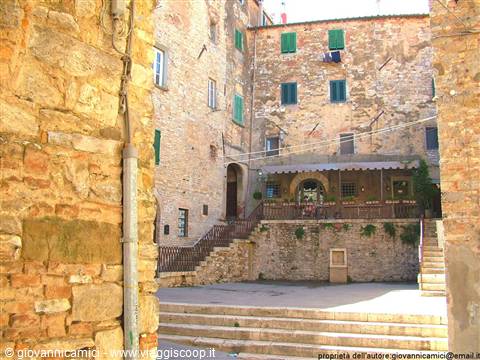
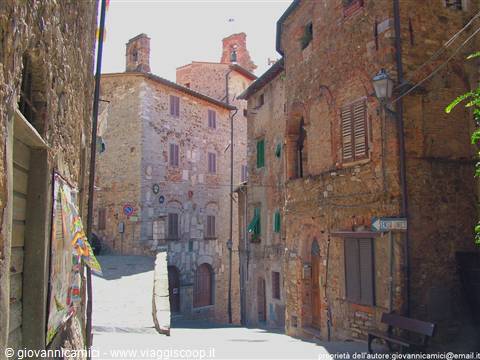
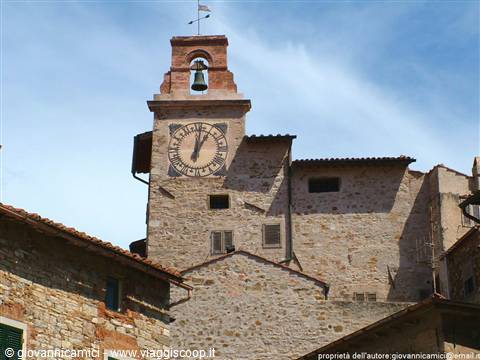
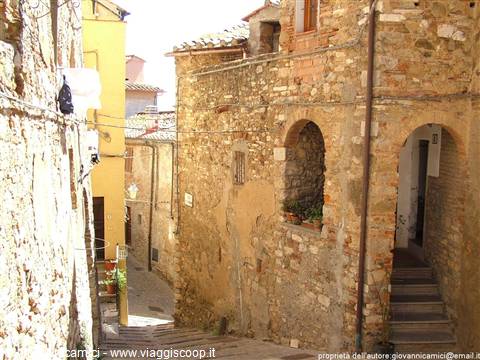
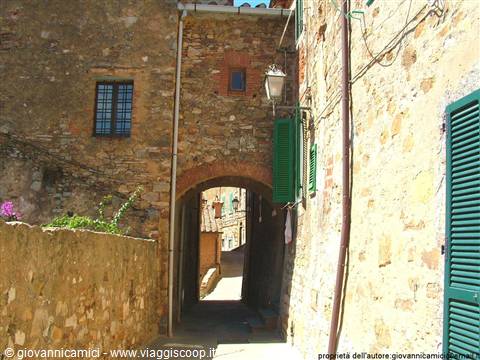
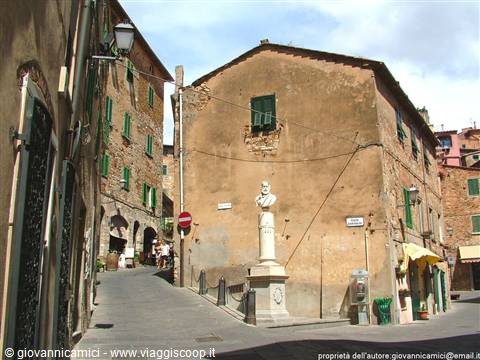
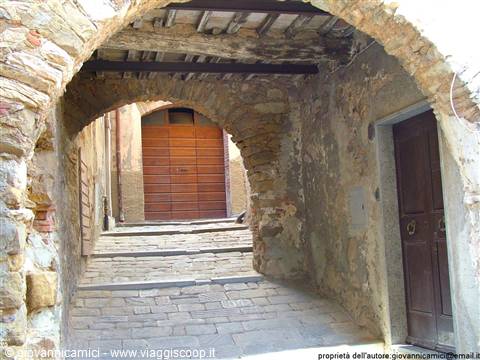
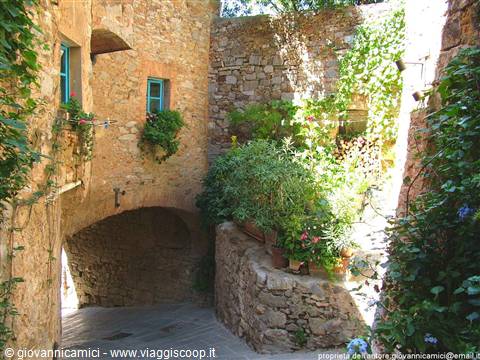
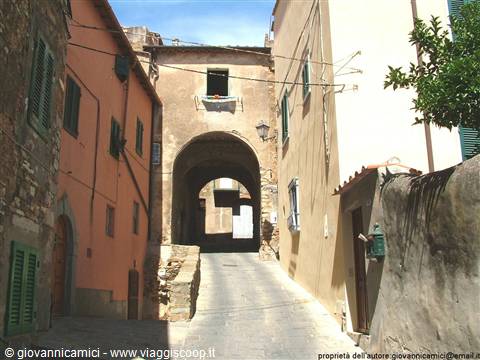
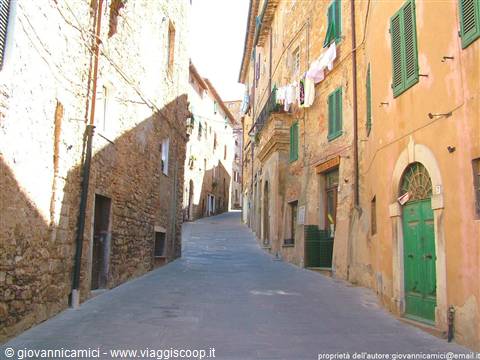
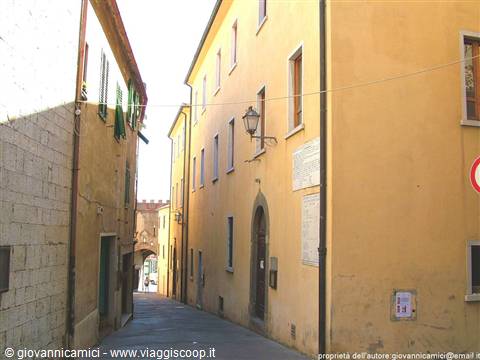
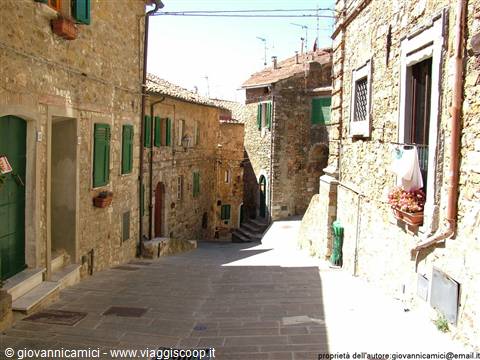
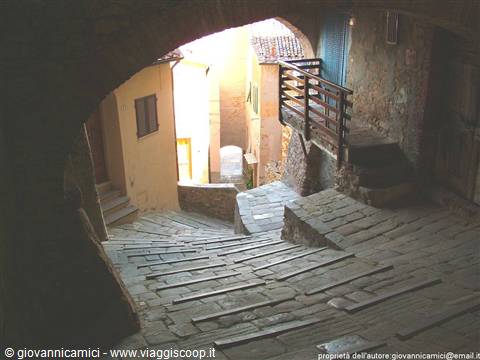
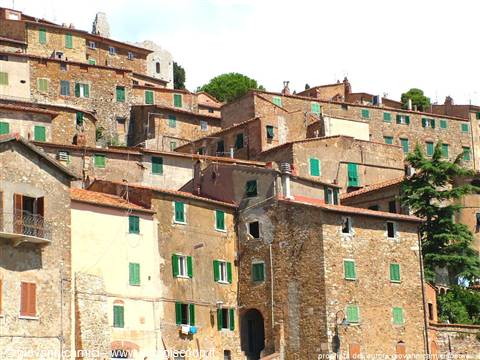
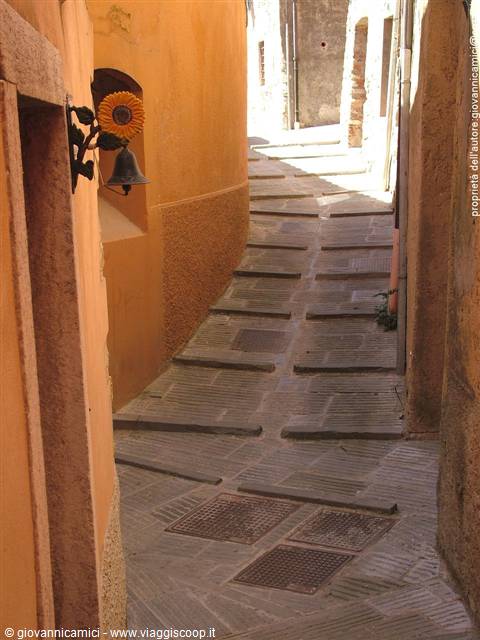
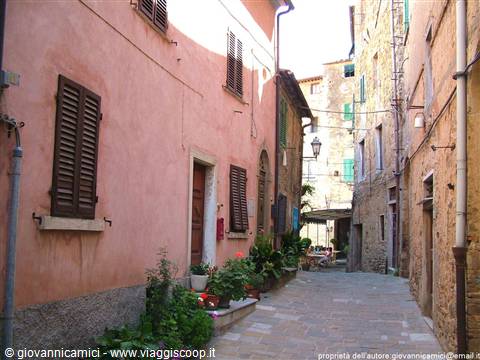
Campiglia Marittima, an ancient medieval village nestled on 2 hills 276 m above sea level, called Rocca and Poggiame, surrounded by vineyards, olive groves and Mediterranean scrub. It is thought that it already had settlements in the Etruscan period, based on the evidence found just outside the village, with the remains of forges (dating back to the 7th-8th century BC), where lead and copper were smelted, deposits the area was rich in. The village is enclosed within a walled circuit, made up of a series of ups and downs of paved lanes, little squares, loggias, palazzi, churches, arranged in concentric semicircles. Written sources document that the urban settlement of Campiglia Marittima already existed by the 11th century; the first document naming Campiglia dates back to the deed of Count Gherardo II della Gherardesca in 1004.
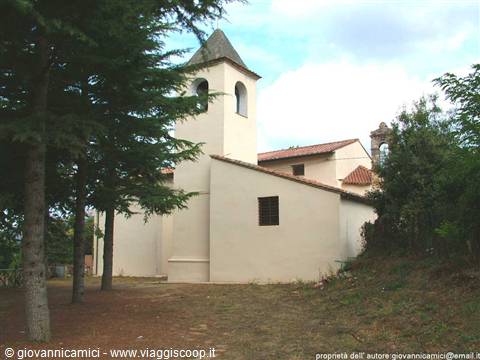
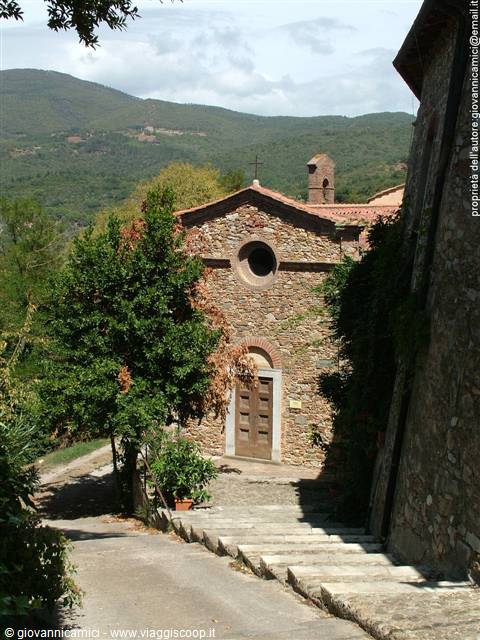
Indeed it is with the arrival of the Counts of the Gherardesca that the Rocca was built, and later dominated by the municipality of Pisa, thus overlooking the territory of the Pisan archbishopric. Thanks to its geographical position Campiglia proved useful for this fortification along with other castles in the area, also becoming the seat of a capitania, led by a captain, a judge and a notary. Campiglia remained until 1406 under the municipality of Pisa until its capitulation under the Florentine municipality, in the battle of 1509. From this period onwards, the economic and military importance of Campiglia suffered a great decline, to the point of being abandoned, and in 1664 the land inside the rocca was even converted and rented out as farmland. Outside the gate: there are other sites of some interest, such as the church of S.
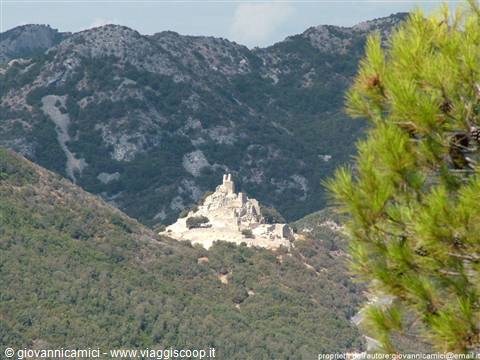
Antonio from the 16th century, or the church of the Madonna di Fucinaia already existing in 1493, to which an Augustinian monastery was annexed; here the Virgin is venerated, an image found in a forge of the time, and finally the church of San Sebastiano from the 14th century. Archaeo-mining park with the Rocca di S. Silvestro, dating back to the 10th-11th century, when the counts of the Gherardesca decided to begin the mining exploitation of the area, becoming an urban settlement complete with dwellings, a defensive wall, a church and some cisterns for the... the citadel is divided into 2 parts, the residential one with single-storey houses and the other industrial and artisanal, this urban and economic prosperity occurred with the fall of the Gherardesca and the arrival of the new family Della Rocca in the 12th century.
With the discovery of new mines, the inhabitants began to decrease, rural areas began and this settlement was definitively abandoned in the following century. Pieve di San Giovanni, in Tuscan Romanesque style dating back to 1113 although its origins suggest it already existed in that period; above the side entrance door facing Campiglia we can notice a high relief representing a boar hunt.
The journey's photographs
30 photographs · click to open them full screen






0 reader comments