The story
LADAKH - THE LITTLE TIBET by Giovanni Camici
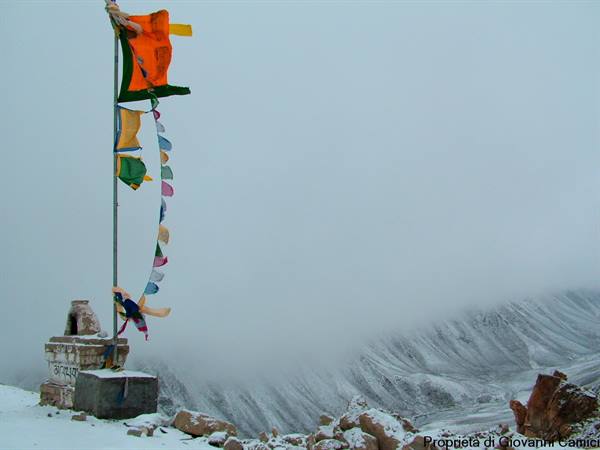
The north-west tip of India ends with the state of Jammu and Kashmir, which within it holds 3 regions of different culture and religion: Muslim Kashmir, Hindu Jammu and Buddhist Ladakh. I'll dwell on the part of Ladakh, the "Land of the high passes", which marks the border between the peaks of the western Himalaya and the plateau of Tibet, and is rightly called "Little Tibet" for its topographical and cultural resemblance to the neighbouring plateau. Surrounded by natural borders of high mountains, this area is accessible overland only from May to October; in the other periods, with the closing of the access routes over the passes because of snowfall, it stays cut off from the rest of the country, reachable only by air on days of clear visibility.
To the north the peaks of Rimo I and Teram Kangri in the Ladakh Range separate it from China; to the south the peaks of the Stok Range join the Zanskar chain, while to the west lie the slopes of Nun and Kun. History tells that the first inhabitants of these lands were the Khampa, a nomadic people, yak herders, while the first permanent settlements were founded by Buddhist pilgrims who reached Mount Kailash; today the Brokpa are the last Indo-Iranian Buddhists. In the 9th century Ladakhi culture spread beyond the Indus valley, but at the end of the 14th century a Tibetan pilgrim brought Gelukpa Buddhism to the region. Later came the Muslim conquest, bringing a period of prosperity, while to the north the Mongol-Tibetan army pressed; to repel it, Ladakh had to ally with the Mughals, remaining independent but paying tribute to its allies.
Ladakh's fortunes and prospects changed from 1830, when the Dogra army coming from Kashmir exiled the King, administering the region and annexing it to Jammu. In 1995 the Autonomous Hill Development Council of Ladakh was set up, with the aim of quelling the sparks of protest, but a large number of people feel tied to Kashmir and demand union-state status for these lands. Even though later, in 2002, the smaller front of the territories won the elections, India still hasn't decided to tackle the issue of Ladakh's separation from Jammu and Kashmir. Jule Ladakh!
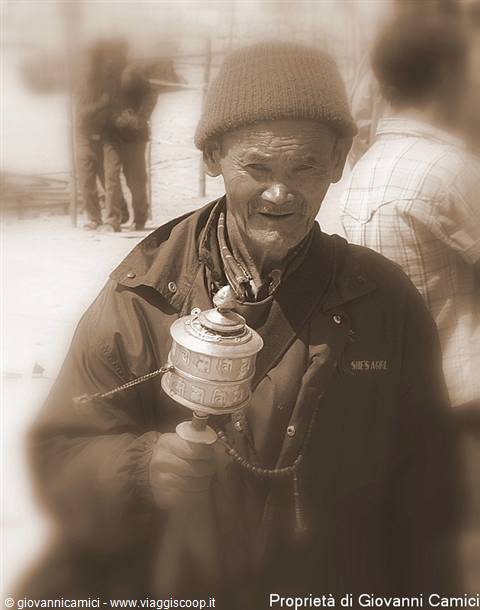
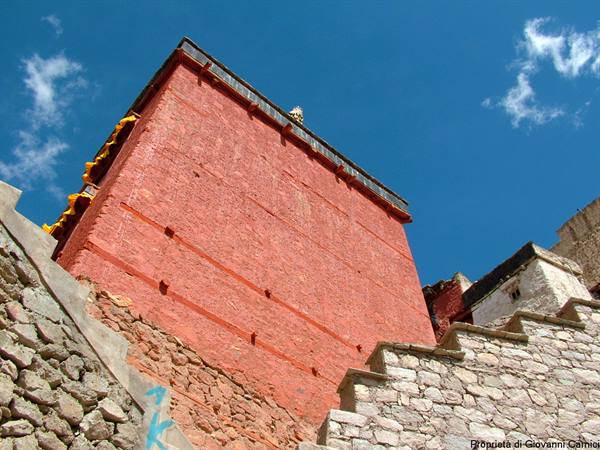
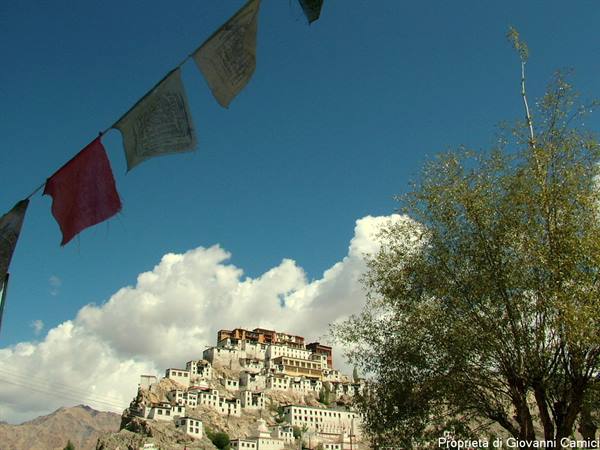
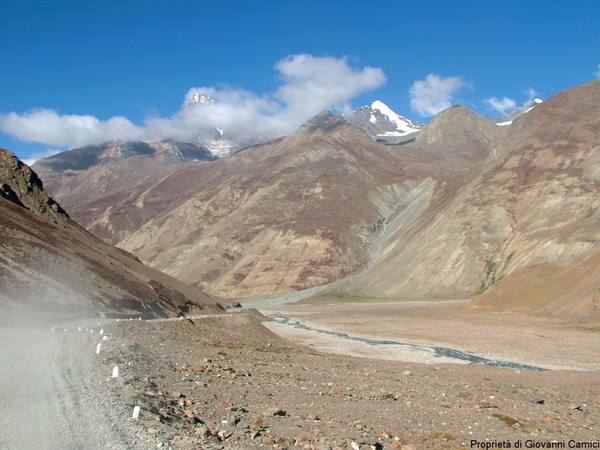
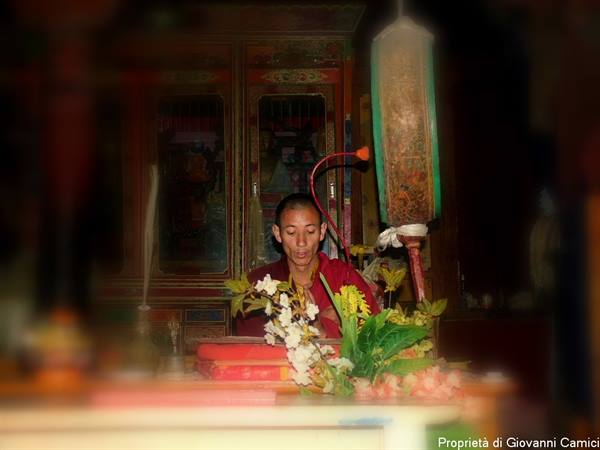
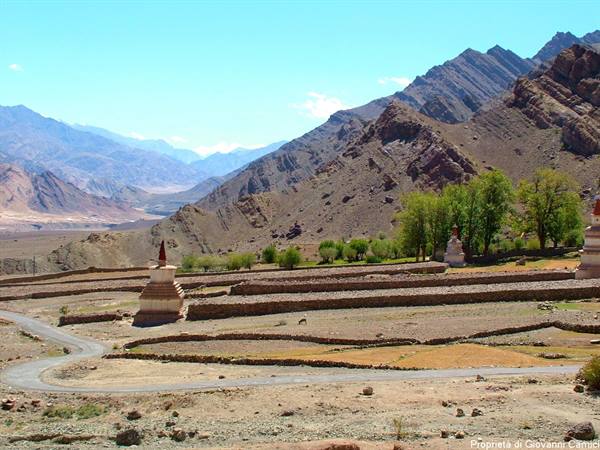
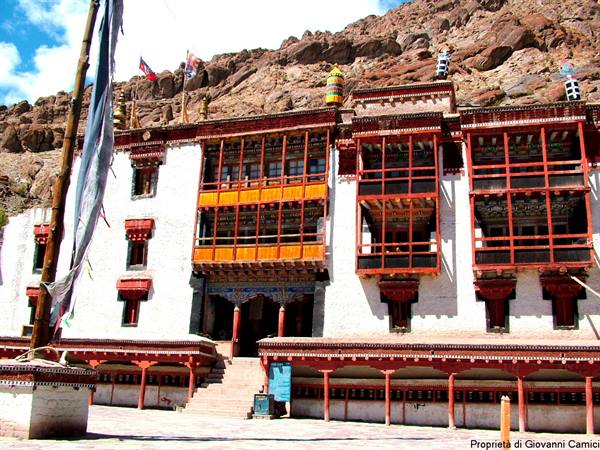
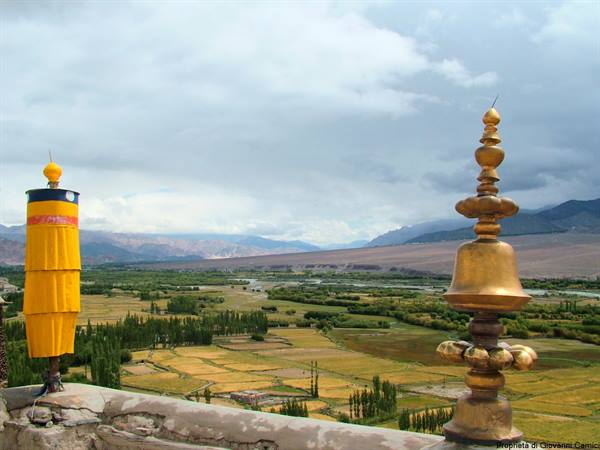
The journey's photographs
47 photographs · click to open them full screen













1 reader comments
Grazie per le bellissime foto! Mi hanno emozionato veramente. Deve essere stato un viaggio incredibile...