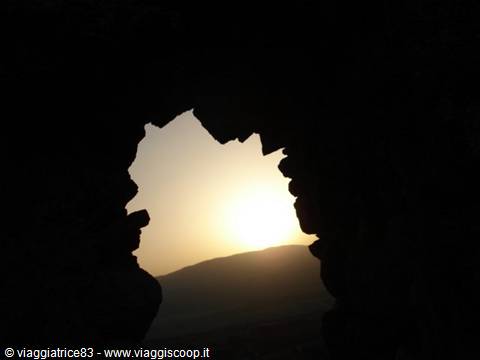
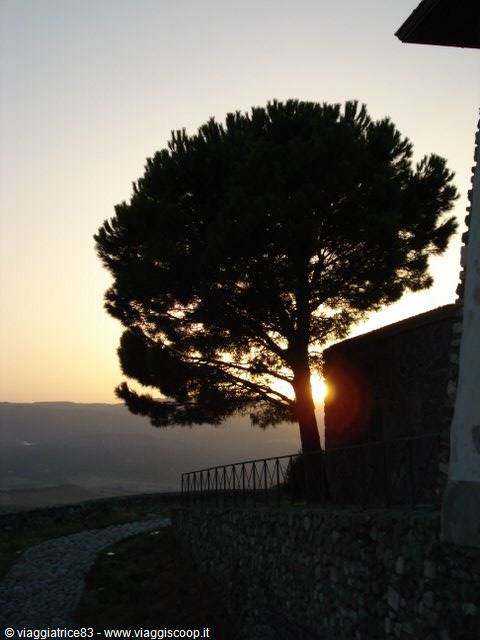
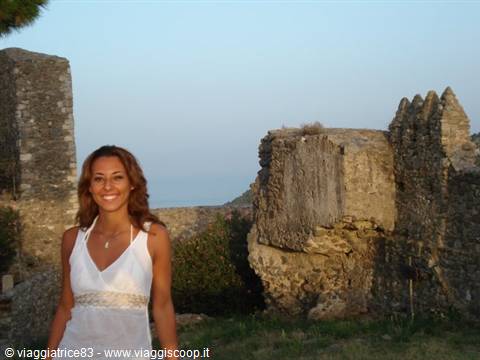
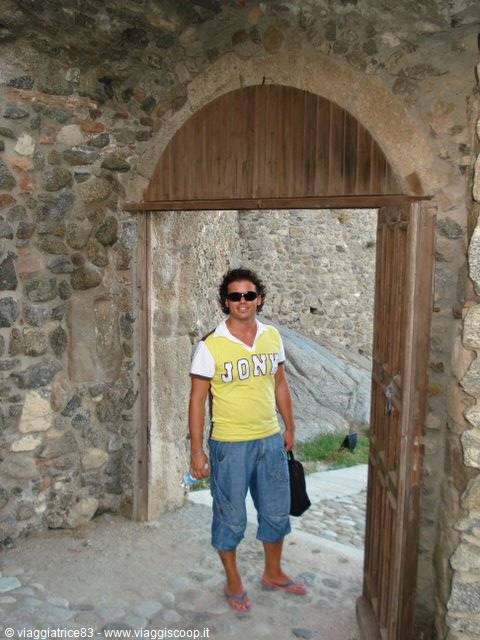
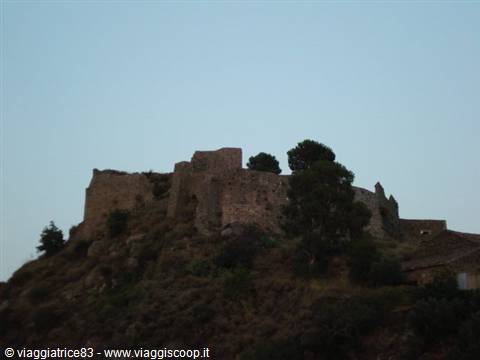
After 23 summers spent in Calabria, finally in Luca's company I made it up that hill so far from the road yet so close to reach, to admire the splendour of this village still bound to strong traditions.
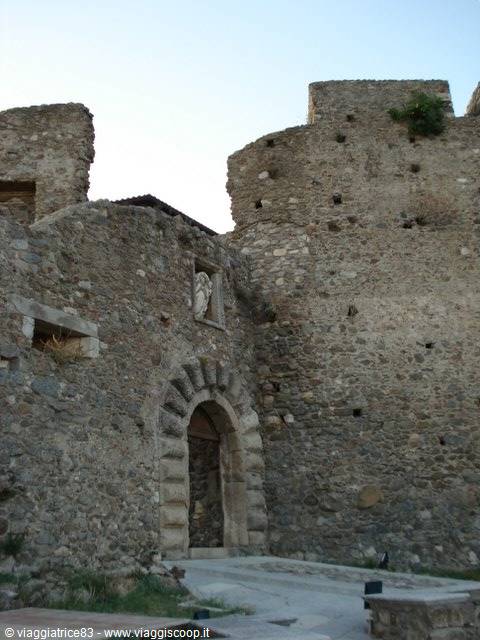
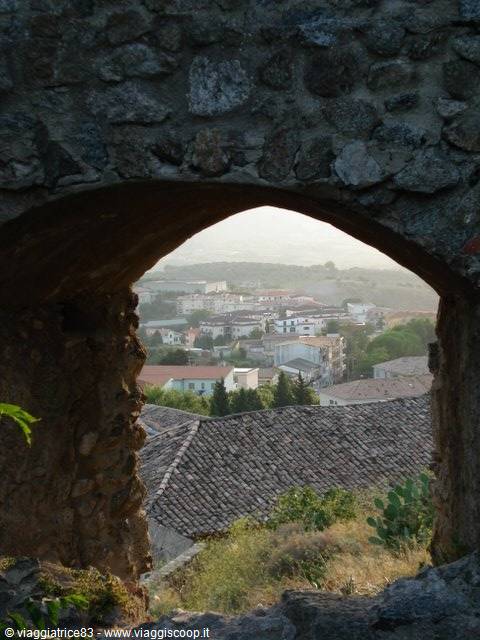
Squillace sits on a hill, 344 metres above sea level, in a strategic position for controlling the gulf of the same name.
Squillace's history is lost in time. Some attribute its founding to Ulysses, others to the Athenian Menestheus, a veteran of the Trojan War. What is certain is that it was first the Greek Skilletion and then the Roman Scolacium; the Romans, in 123-122 BC, established on the same site as the Greek Skilletion the COLONIA MINERVIA SCOLACIUM. During the Early Middle Ages, Saracen and Lombard raids forced the inhabitants to take refuge on the nearby hills for safety.
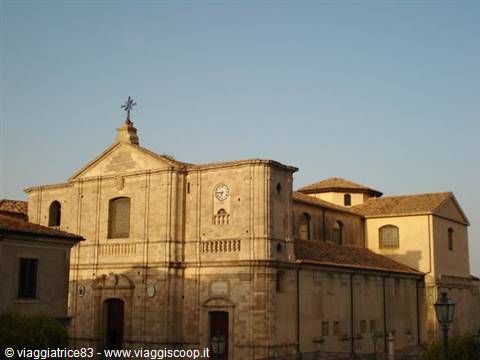
Before the 1783 earthquake there were 28 churches in Squillace, eleven of them parish churches and the others for the celebrations and private worship of patrician families. There were also three male monasteries, two Franciscan (the Capuchins and the Observants) and one Dominican. The female monasteries were four. With the arrival of the Cassa Sacra, the benefices of the churches and monasteries destroyed by the 1783 earthquake were suppressed. Many remains are still intact in the village, making Squillace unique, rich in history, traditions and culture. Local craftsmanship is a strong point; the school has, over the years, helped train numerous potters and artists who have revived the ancient art of the artistic ceramics of Squillace.
Several art workshops are currently active along Corso G. Pepe, where you can relive the ancient charm of this tradition. Fine ceramic pieces are on display, harking back to the classical tradition, along with rustic and handcrafted wares (limbe, giarre, salaturi, vozze, lanceji, sazareji, etc.).
By decree of the Ministry of Industry, Commerce and Craftsmanship and following a resolution of the National Ceramics Council, the City of Squillace, home to a very ancient ceramic tradition, has been recognised as a 'zone of the national territory in which there is an established production of artistic and traditional ceramics'.



0 reader comments