The story
With the arrival of the fine days, so too comes the desire for a weekend roaming our Italian cities, enjoying sun, food and artistic and cultural beauties. The choice falls on Genoa, helped by the fact that the exhibition "From the Impressionists to Picasso" is about to end, which we want to visit, and so from 1 to 3 April we set off for a city known until now only for its port and aquarium, without expecting anything in particular. Having visited the exhibition with masterpieces from the Detroit Institute of Arts, we begin our tour of the old part of the city.
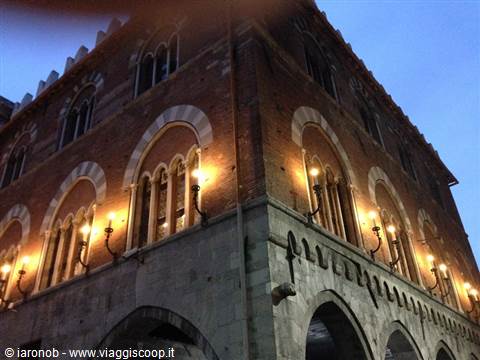
Wandering through the historic centre of medieval layout, among little streets that criss-cross almost to form a labyrinth, we lose ourselves among little artisan shops now rare in other cities, among bars and tiny venues with two or three tables and others that, though seeming small, develop upwards or at the back with a series of rooms one inside the other, creating highly characteristic, original and particularly welcoming spaces. A tide of young people fills the venues and streets for the aperitivo or the after-dinner cocktail, and we can't be outdone either, so we sip our aperitivo and dine in one of the many venues the area offers. The following day positively surprised us, since we happened to be in Genoa during one of the events called Rolli Days, during which the most prestigious palaces of the Genoese historic centre are open to the public and free of charge.
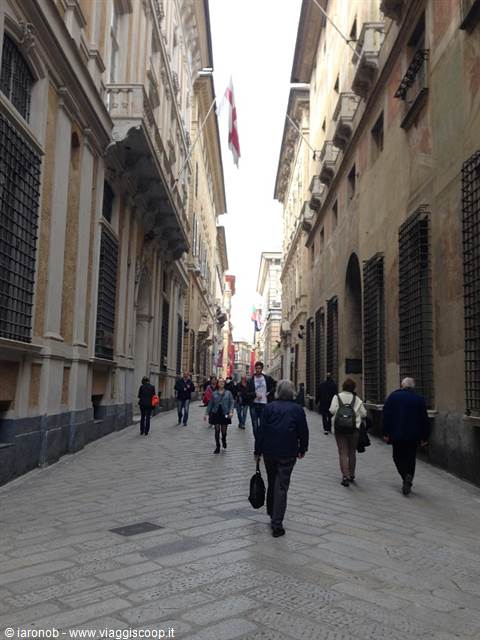
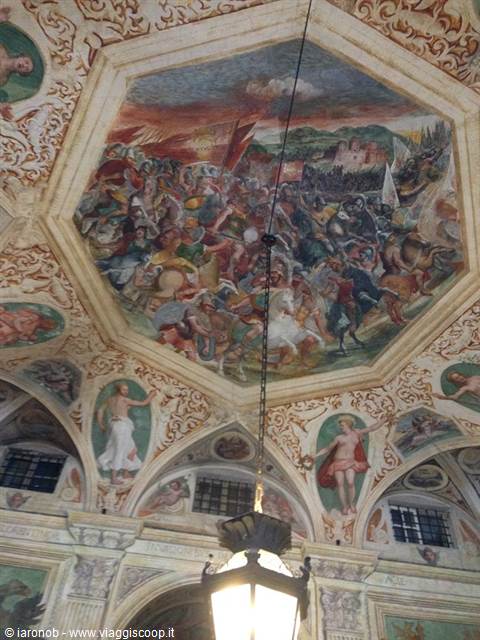
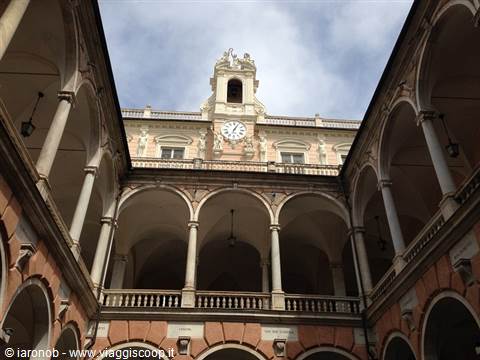
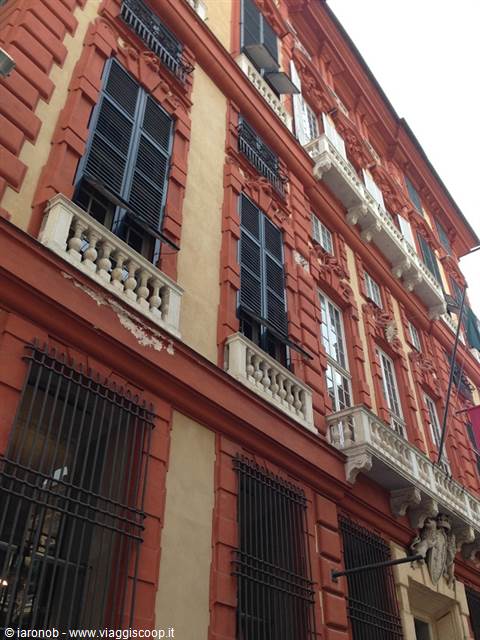
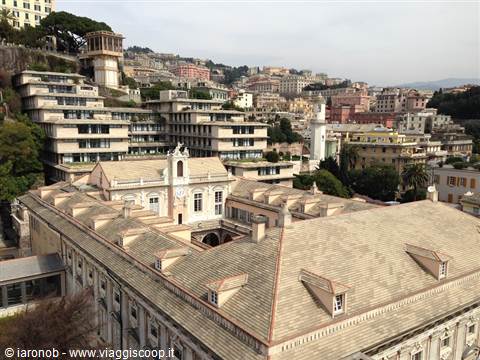
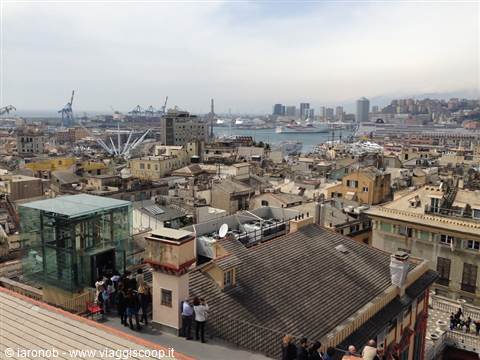
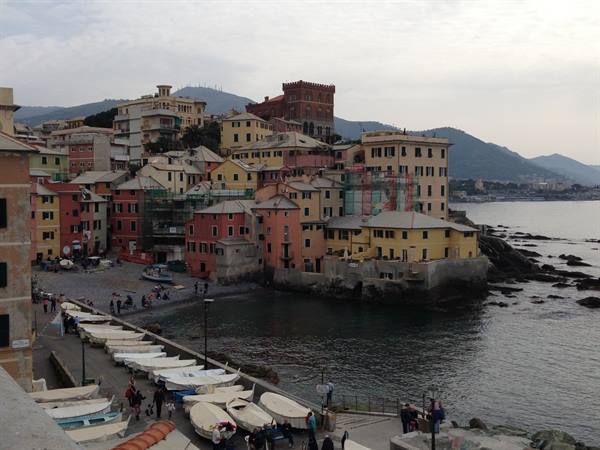
The Rolli of the public lodgings of Genoa were, at the time of the ancient Republic, the lists of the palaces and excellent residences of the noble families who aspired to host the high personalities passing through for state visits. We walked along one of the main streets where many of these palaces are located: via Garibaldi. The street, straight and 250 metres long, was born (under another name) precisely as a street of representation in 1550 and still today preserves these late Renaissance and baroque palaces and, together with the other streets involved and the system of the Rolli, forms part of the UNESCO World Heritage. Among gardens, halls and courtyards, a visit to Palazzo Rosso and its panoramic terrace, from which the whole city can be seen, is well worthwhile. On the last day, before leaving, we made a stop at Boccadasse.
Attached to the city itself, after a lovely walk among avenues and Art Nouveau buildings, one suddenly finds oneself in a fishermen's village still active which, despite the tourists, has managed to keep its authenticity almost intact. A postcard. Well, we arrived rather sceptical and we leave instead happy to have discovered an interesting, pleasant, welcoming and young city.
The journey's photographs
11 photographs · click to open them full screen
0 reader comments