The story
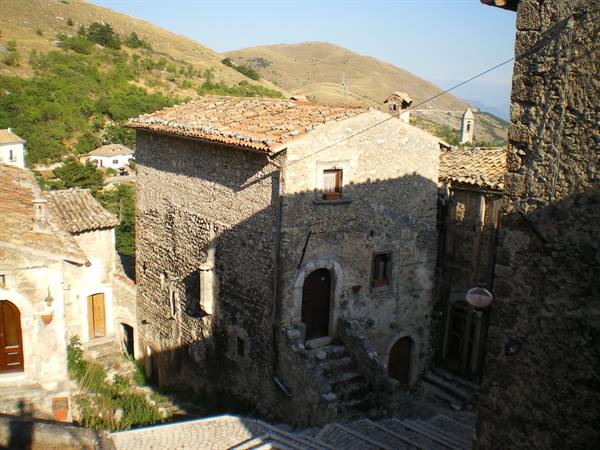
This mountain area is less touristy than the Alps; there are hardly any souvenir shops, and walking through the villages feels like stepping back in time. You'll find grocery stores and characterful little shops. Typical foods of this area are arrosticini and legumes.
The network of trails is vast and there are many hikes to do. Unfortunately, though, the signage is often missing or unclear, which is common throughout the Apennines. Having a map is essential.
We stayed at Camping Gran Sasso in S.Stefano di Sessanio. We couldn't have been happier; it's a lovely campsite with small pitches and room for a few caravans/motorhomes. The staff are kind and the costs are low. There's also a restaurant where genuine dishes are prepared. Even though it was August, at night it was quite cold (around 10 degrees), so by about 9 pm we all retreated into our tents (apart from a Neapolitan family who entertained us for two days with shouting, music and games of bocce at any hour of the day). This is absolutely not the place for anyone looking for nightlife, but it's perfect for those who want a bit of peace and quiet.
9 August
The first day we arrived around lunchtime, rested and pitched our tent. Afterwards we took a walk to the nearby village of S.Stefano di Sessanio, 5-10 minutes on foot from the campsite. It's a real shame that the damage caused by the earthquake was still visible (as in all the other villages we saw during the holiday). In the village there's a single, very expensive grocery store.
10 August
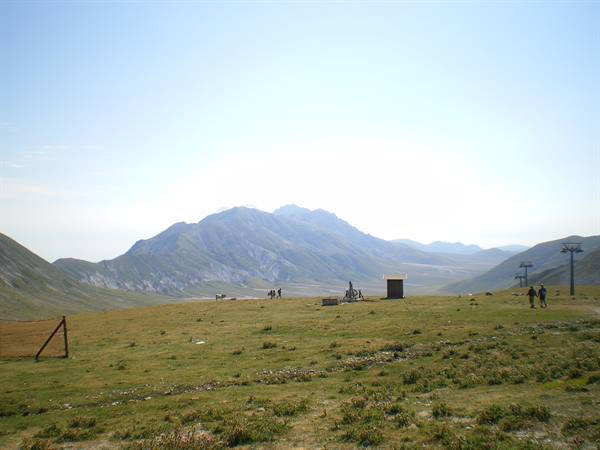
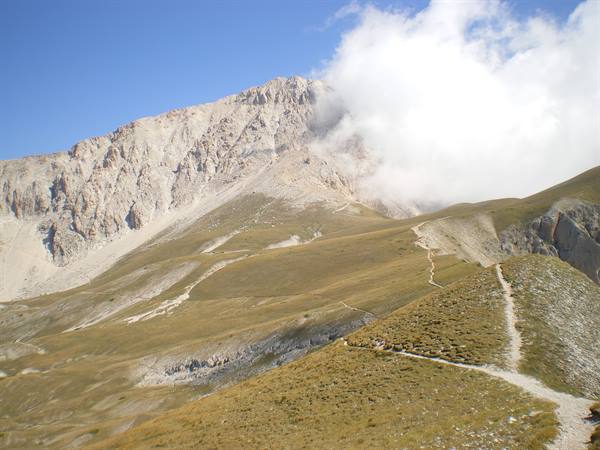
We saw Campo Imperatore for the first time: a marvellous plain! We climbed towards Corno along the only non-mountaineering trail to reach the summit. It goes without saying how beautiful and magnificent this mountain is... The trail isn't difficult and is therefore very busy (especially on the very first stretch). There are, however, some exposed sections over rocks and, about halfway, a scree slope. I'm not very fit and settled for doing half the route. It was a lovely hike and I'd recommend it to everyone!
11 August
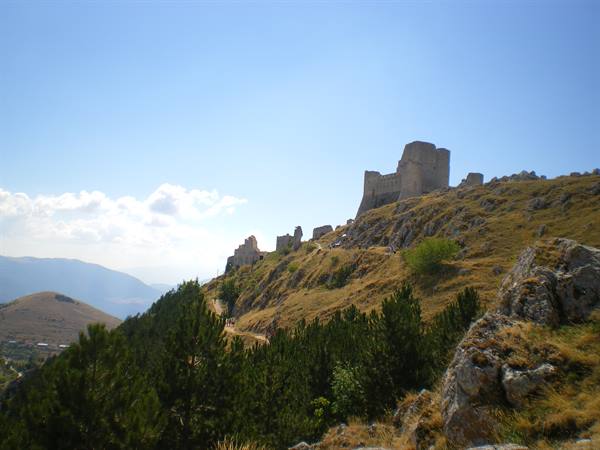
Starting from our campsite, we took a walk to the Rocca di Calascio. It's one of the best-known places in this area, and deservedly so. The castle ruins can be visited for free and there's a lovely view. Back at the campsite we had lunch and rested. We then drove to Castelvecchio Calvisio, a characterful village with a lovely view of the Rocca di Calascio. Here we found a grocery store run by a friendly lady and bought some biscuits to take home. There was also a cicerchia festival on.
12 August
Tired from the walks of the previous days, we decided to take the car and see the Gran Sasso from the opposite side. So we went to Isola del Gran Sasso: we didn't like the village, and we were unsettled by the horde of people visiting the gigantic sanctuary surrounded by sandwich vendors. For lunch we stopped at Campo Imperatore to try one of the area's typical dishes: arrosticini. A stop at Castel del Monte, another characterful village, and finally the archaeological area of Piano della Battaglia. In this area, reachable in under 30 minutes via a trail that starts from the road linking Castel del Monte to Calascio, you'll find the remains of a city dating back to the third century BC: not much is left, but on the little hill there's a gazebo and it's a relaxing spot - there was absolutely no one there.
The journey's photographs
5 photographs · click to open them full screen
0 reader comments