The story
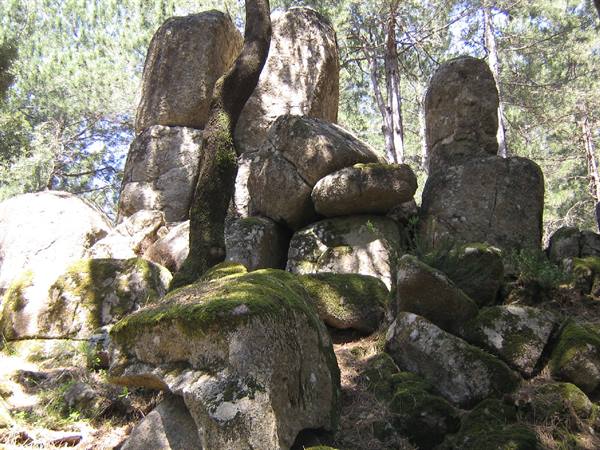
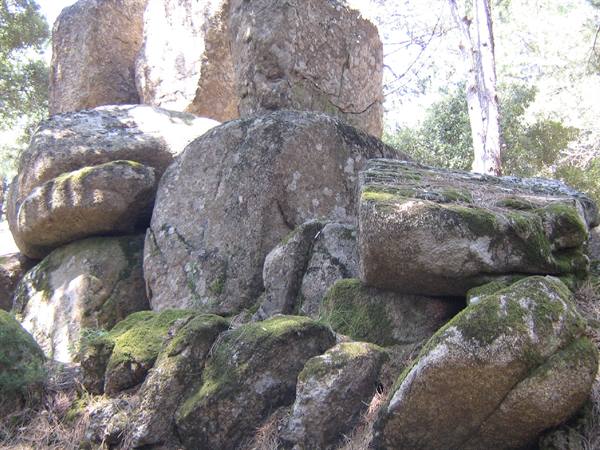
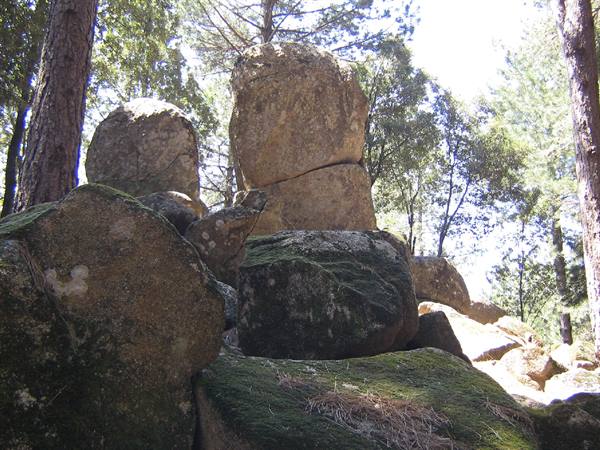
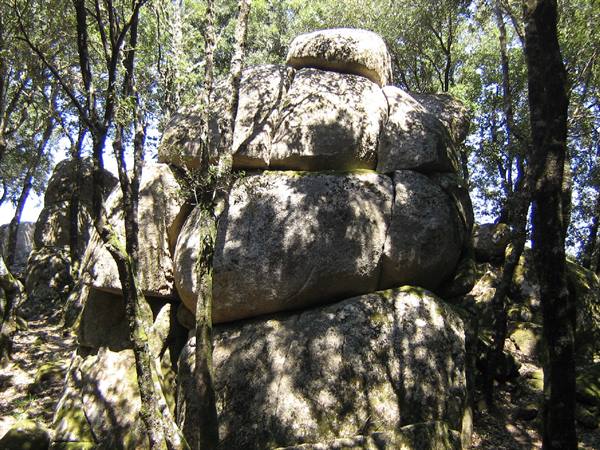
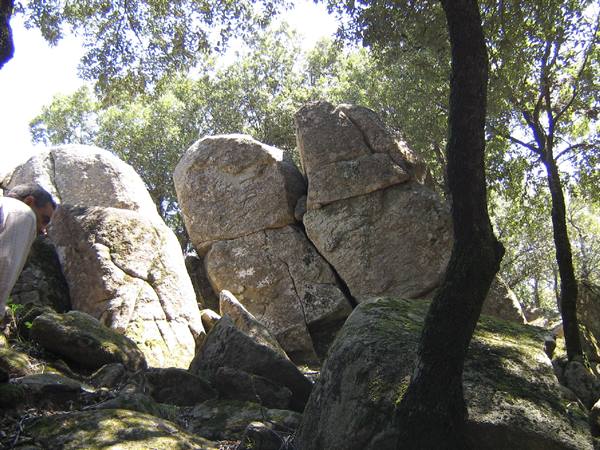
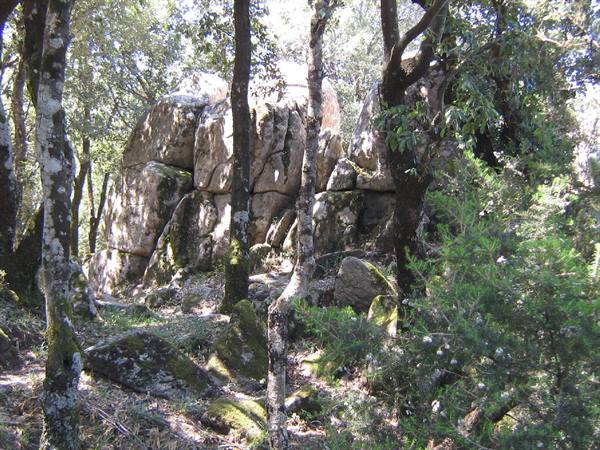
The megaliths of Nardodipace In the Calabrian Serre: the mystery of the People of the Sea Near Nardodipace, a mountain village close to Serra San Bruno, megalithic constructions have been found standing on top of a plateau, near the highest peak of the Serre. It is claimed that these megaliths belonged to the ancient Pelasgian civilisation, datable between the Bronze and Iron Ages, and that the site — given its altitude — was a place of worship. The Pelasgians, the People of the Sea, who came from far away, according to the scholar Domenico Raso settled in the small enclave of the Ionian Serre from the VII millennium BC to the middle of the II millennium BC.
Their identity has gradually been revealed through epigraphic contributions of Pelasgian pre-writing, found in Byblos, in Libya, in Tuscany, at Glozel on the Massif Central in France, in Scandinavia and on the Atlantic coasts of Canada. The Pelasgian enclave of the Calabrian Ionian Serre did not arise all at once. The mass transfer of the Pelasgians from Egypt, following an immense natural catastrophe, and the partial one of the Pelasgians of Syria towards the Ionian coasts of Catanzaro and Vibo, happened around the middle of the VI millennium BC. The places frequented by the Pelasgians were initially the ancient harbour inlet of Squillace, the ancient inlet of Focà-Marina di Caulonia and the mountain Città della Porta behind it, today Nardodipace.
The journey's photographs
6 photographs · click to open them full screen
0 reader comments