The story
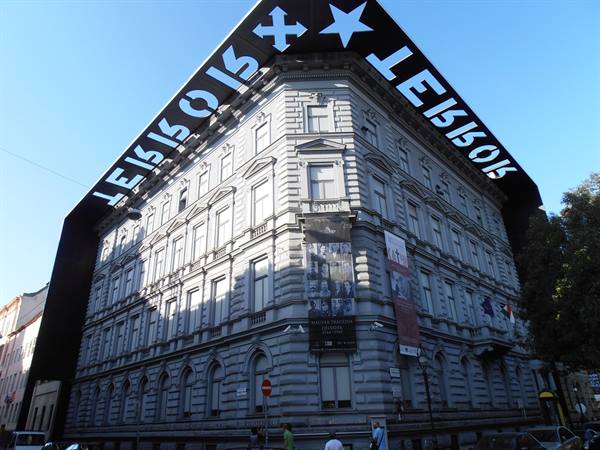
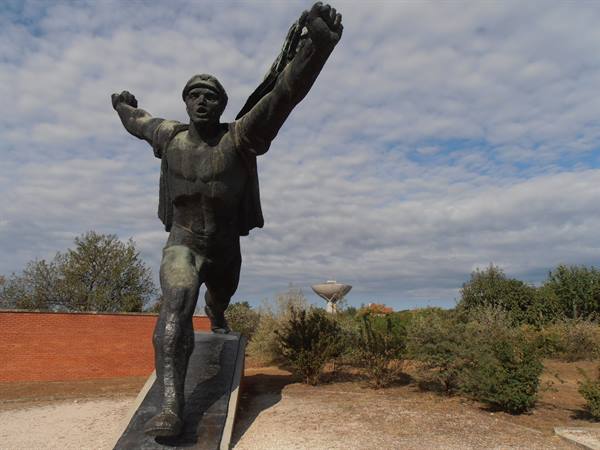
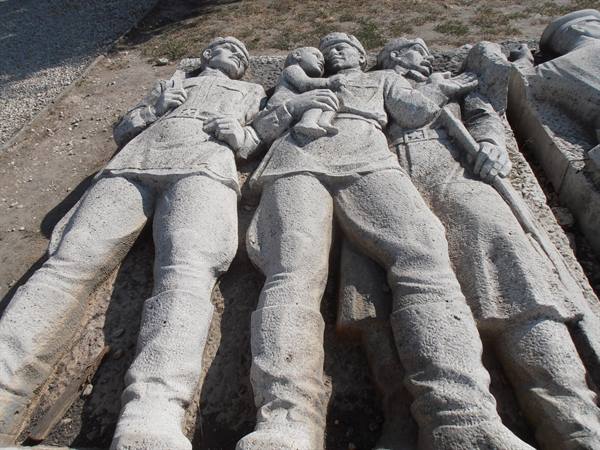
In Budapest there are sad memories of the communist regime and of the Hungarian uprising of 1956 and its violent repression, which made 200,000 Hungarians flee abroad. I refused to visit the sad House of Terror on Andrassy Avenue, today the most visited museum in the city, because I don't like confronting the sadnesses of the past and I know that in that horrible place first the Nazis and then the communists tortured and imprisoned huge numbers of Hungarians. Instead I went to the outskirts to visit Memento Park, where several statues thrown out of the communist regime have been brought: statues of communist leaders such as Lenin and Stalin, and of local leaders, partisans, Hungarian workers and Russian liberator soldiers. Coming back to the beautiful things of Budapest, I'd like to talk again about the thermal baths.
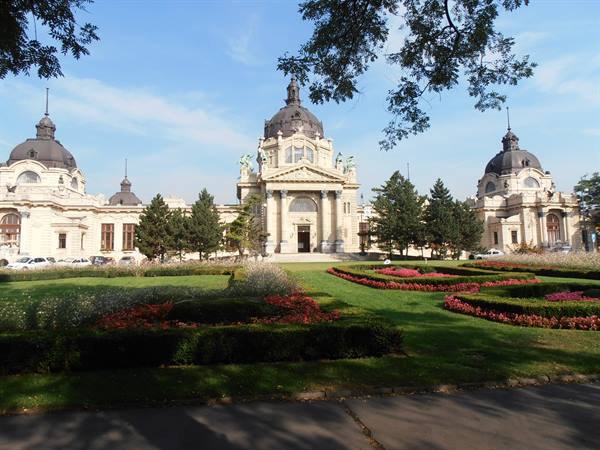
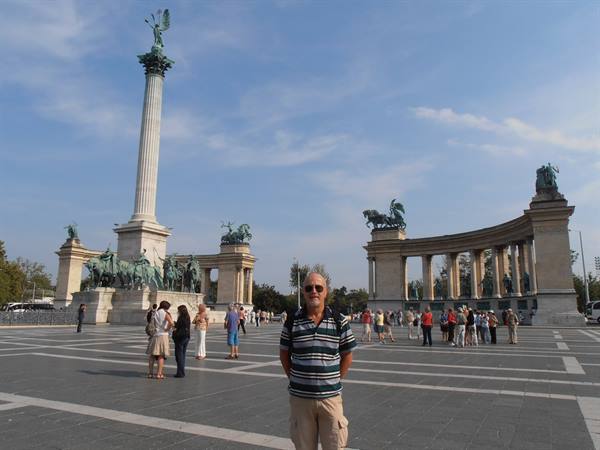
There are two very beautiful and historic ones: the Szechenyi, in the northern part of the city opposite the gigantic Heroes' Square, built to celebrate the 1,000th anniversary of the arrival of the Magyar people (who set out from the Urals) in Hungary, which today is reduced to a third of its original territory, since the remaining two thirds belong to Poland, the Czech Republic, Slovakia, Romania, Serbia and Croatia — in particular Bratislava, Varazdin, Novi Sad, Cluj Napoca and many other predominantly Hungarian cities. Hungary lost both world wars and consequently a large part of its original territory, today restricted to the capital Budapest, Lake Balaton and two other medium-sized cities, Pecs and Szeged..... while for the rest there are only small towns on the Hungarian plain.
Budapest is a metropolis of over two million inhabitants, with around thirty districts crossed by three metro lines, the first of which was built around 1850, the first in Europe! There is also a vast tram network linking the various parts of the capital with an efficient transport network that allowed me to visit many places with a three-day pass bought twice for the modest sum of around 13 euros. Budapest, in fact, is made up of two two-faced cities.
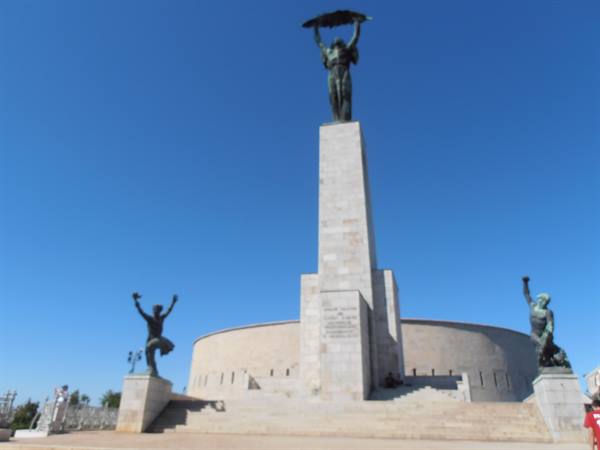
Buda, which hosts the long Castle Hill and two other hills: the Gellert, which hosts the luxurious hotel and the Gellert baths, and another that hosts the Liberty Statue, a woman holding a horizontal leaf, and the Citadella, an old fort never used, and the Malastrana district below the castle, but also other residential hills that host an old railway with a little historic train that runs along it and leads to a panoramic tower, and another little train run by young pioneers aged 10 to 14 that leads into a nearby forest. Pest, on the other hand, is much larger and more important and hosts the great historic centre.
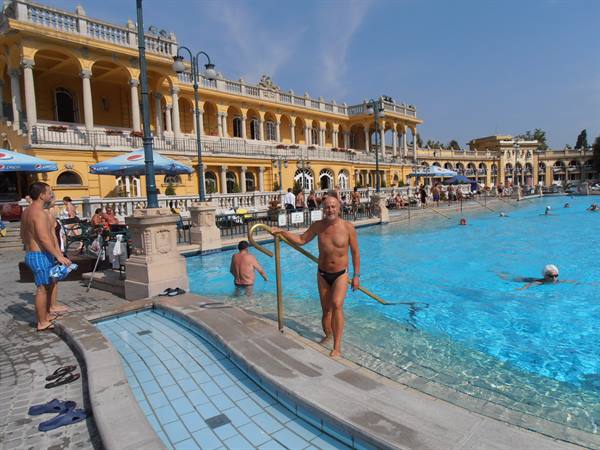
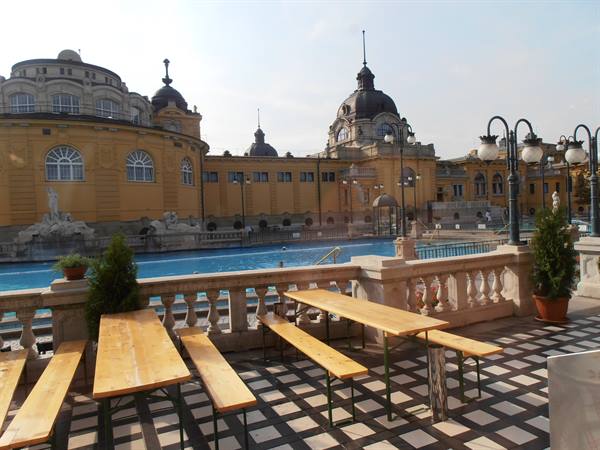
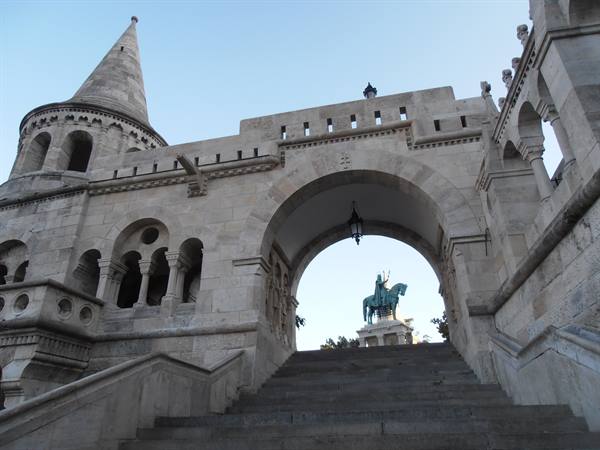
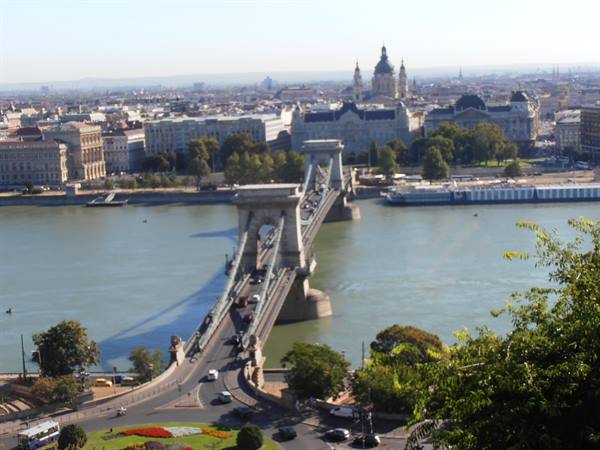
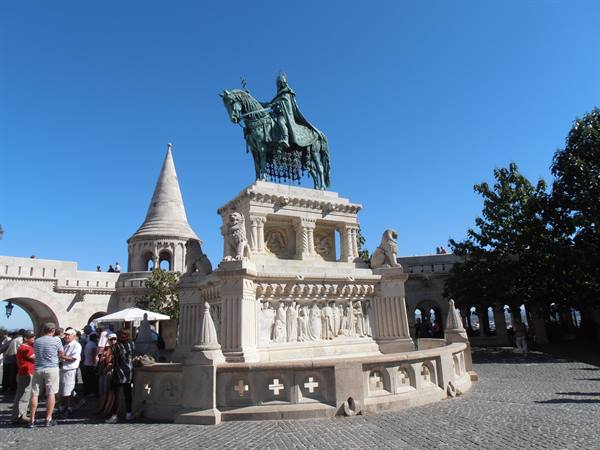
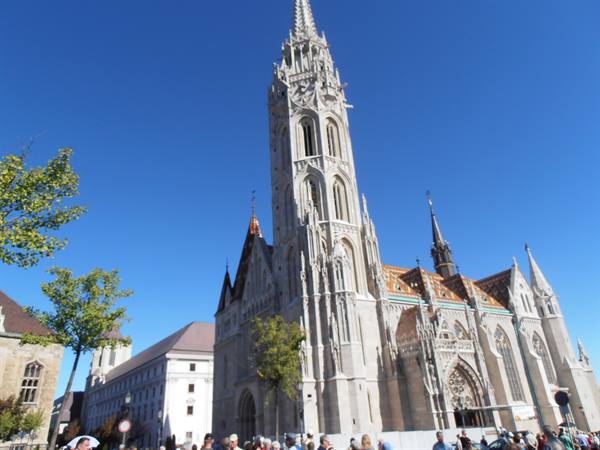
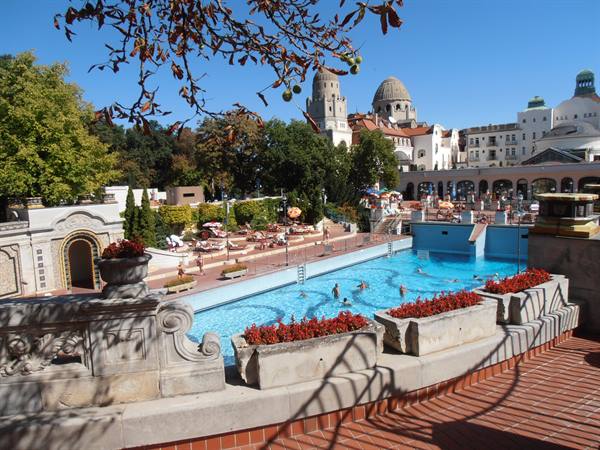
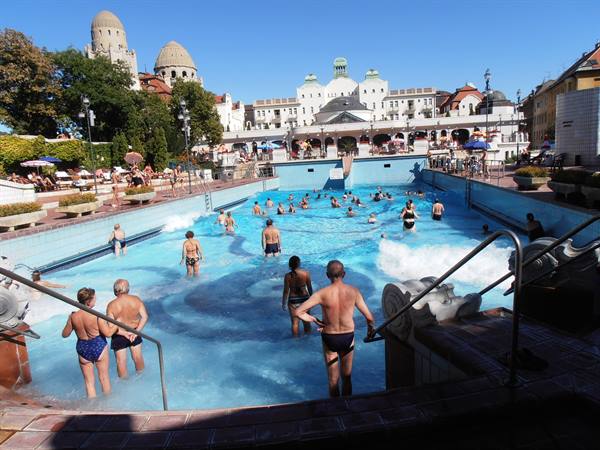
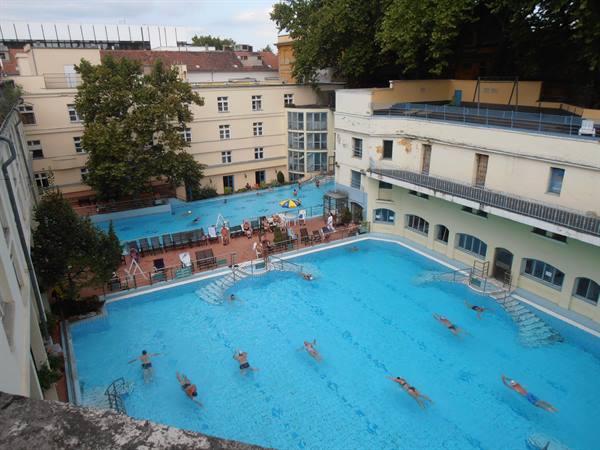
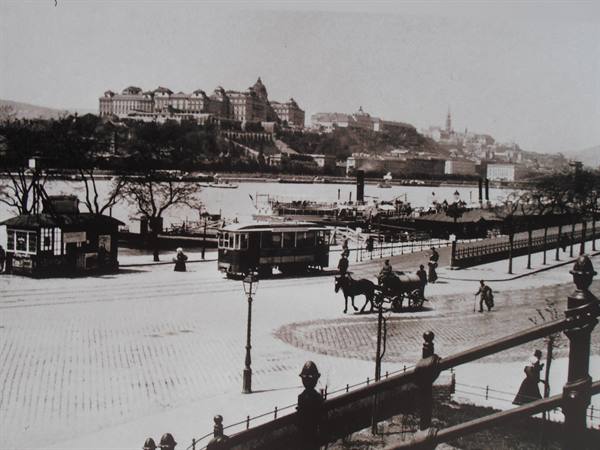
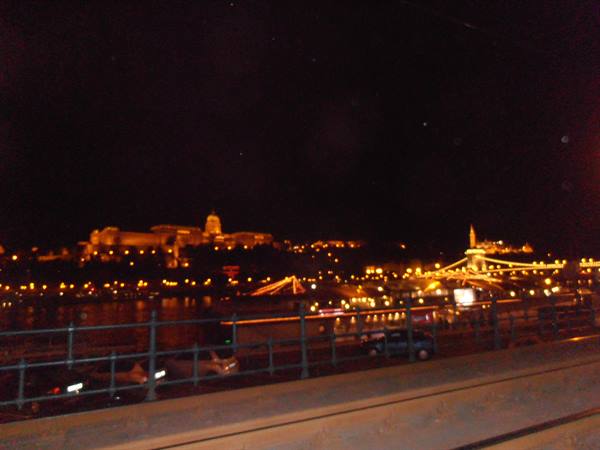
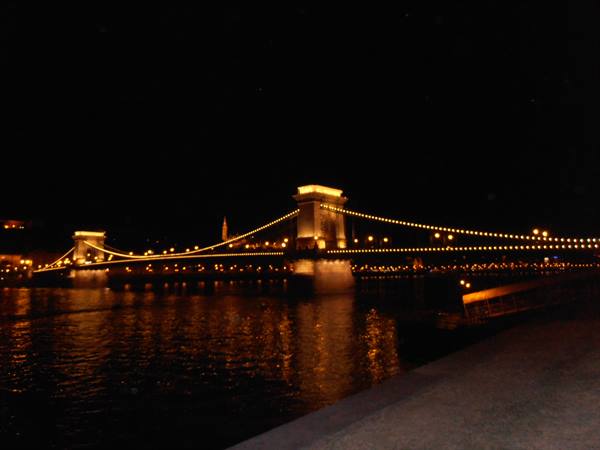
The castle is a large building that today houses the National Gallery, which I didn't visit, limiting myself to photographing it from outside and noticing the statue of the great military commander Prince Eugene of Savoy, the Roman-era ruins of Aquincum, the beautiful Gothic church of Saint Matthias with its coloured roof and the statue of Saint Stephen, the first Hungarian king, which looks out onto the elegant white neo-Gothic bastions from which you enjoy the beautiful city panorama with the Danube along its length crossed by various bridges, the most famous of which is the one with the iron chains named after the usual Szechenyi, a historical and political figure of stature to whom the largest and most spectacular baths are also dedicated, with an enormous open-air pool of hot thermal water and two other even hotter pools at the ends where locals and tourists soak.
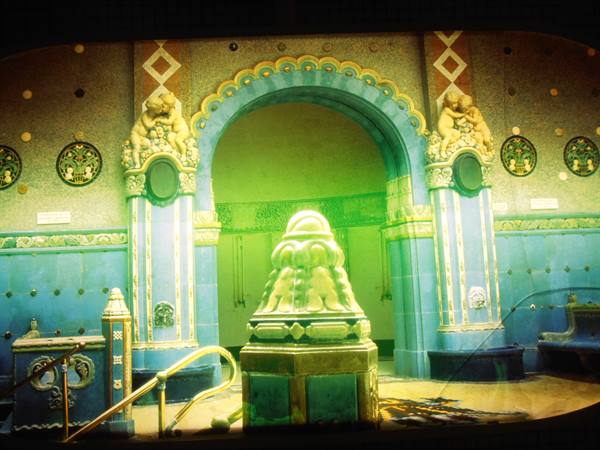
In the basements are the saunas, which I didn't visit because I was too busy cooling off and taking long swims. The Gellert is a great luxury hotel with an attached spa, smaller as an outdoor pool than the Szechenyi, but it also includes a beautiful indoor pool that looks like a Greek temple. Then there is a large Turkish hammam with a water basin and a very tall dome that filters faint coloured lights through slits in the roof while bathers divide their time between relaxing in the warm waters and visiting the very hot saunas, dressed in a small sheet that hides the genitals but leaves the buttocks exposed. When they sit down for hygiene's sake they turn the little sheet towards the rear and reveal the genitals, with a funny effect. Tuesday is dedicated to women, while the other days are for men, except in the evening and at night, when both sexes are allowed to visit.
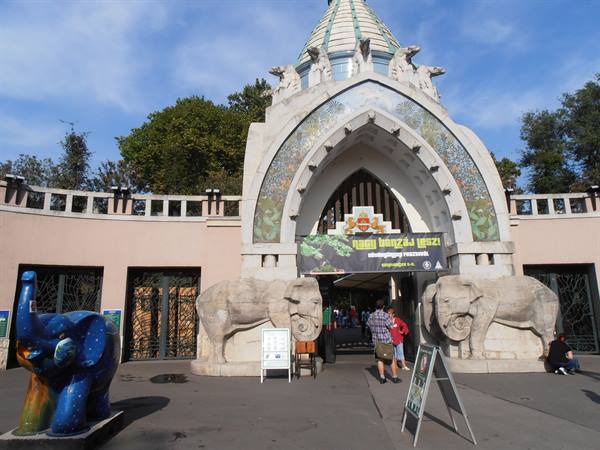
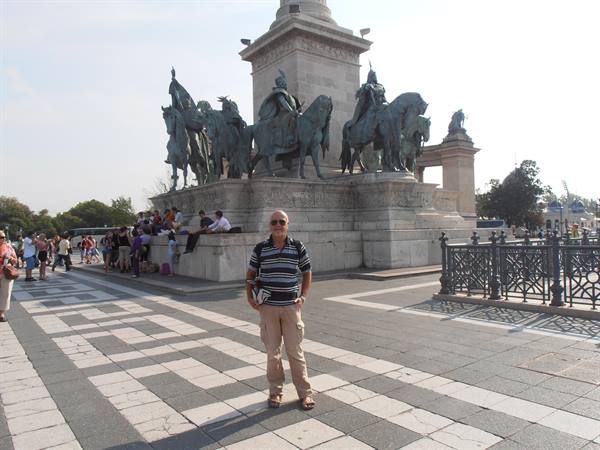
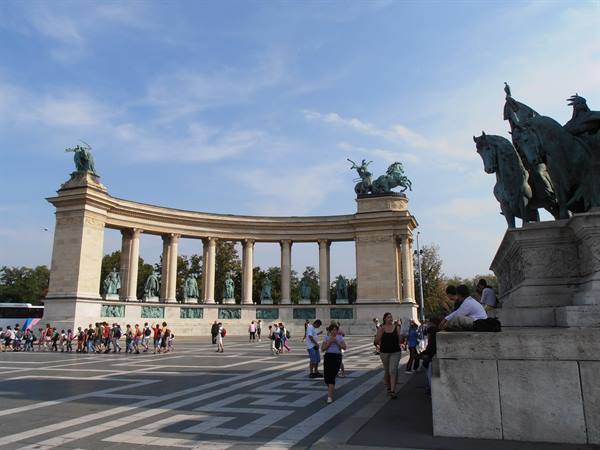
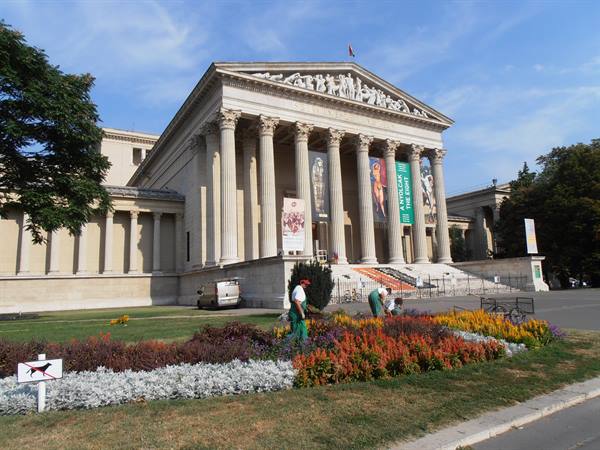
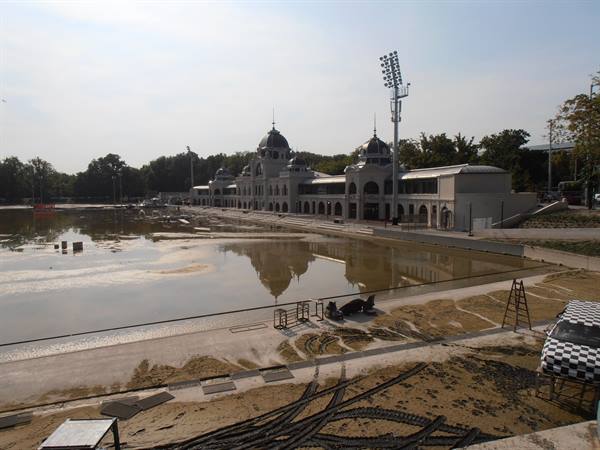
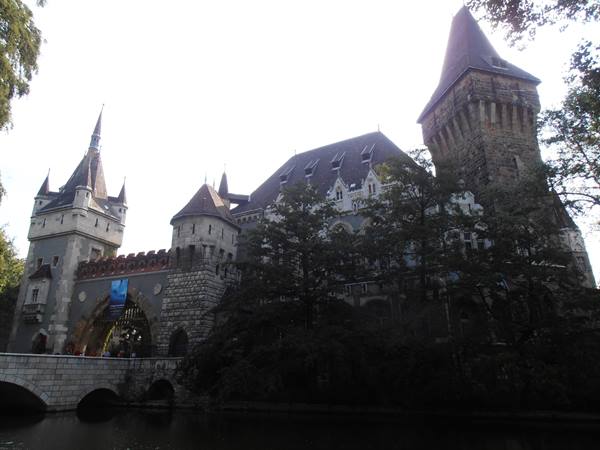
Starting from the wide Andrassy Avenue you reach the vast Heroes' Square, built to celebrate the 1,000th anniversary in 1896 of the Hungarian conquest of the Magyar plateau, setting out from the Urals. There is a tall column, an important tomb and a circular colonnade housing bas-reliefs and the statues of the most important Hungarian kings, which are also found at the base of the column. At the sides of the square are two large museums, an artificial basin under restoration, the Szechenyi baths, the zoo and a complex of churches, museums and the Vajdahunyad Castle on the edge of the city park. But Budapest is not only thermal baths; there are many beautiful palaces, squares, parks, churches and museums.
In particular, opposite the enormous Heroes' Square, next to a huge artificial lake under restoration, you can admire a spectacular complex made up of a church and a large museum that looks like a castle, named Vajdahunyad. In Budapest I stayed in a friendly central hostel a few steps from the Elizabeth Bridge, the white one that leads to Buda towards the castle. Budapest is a metropolis of over two million inhabitants, with around thirty districts crossed by three metro lines, the first of which was built around 1850, the first in Europe! There is also a vast tram network linking the various parts of the capital with an efficient transport network that allowed me to visit many places with a three-day pass bought twice for the modest sum of around 13 euros. Budapest, in fact, is made up of two two-faced cities.
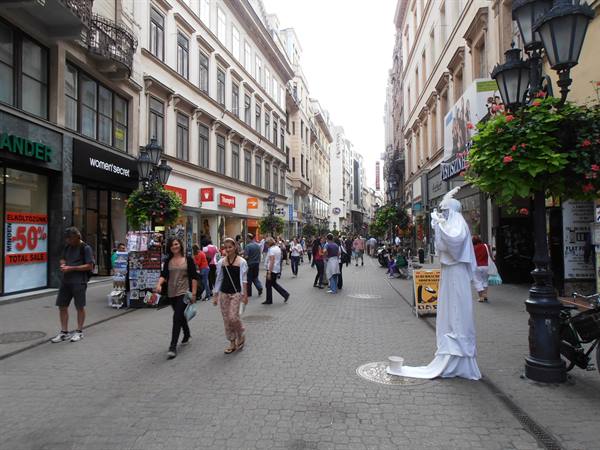
Buda, which hosts the long Castle Hill and two other hills: the Gellert, which hosts the luxurious hotel and the Gellert baths, and another that hosts the Liberty Statue, a woman holding a horizontal leaf, and the Citadella, an old fort never used, and the Malastrana district below the castle, but also other residential hills that host an old railway with a little historic train that runs along it and leads to a panoramic tower, and another little train run by young pioneers aged 10 to 14 that leads into a nearby forest. Pest, on the other hand, is much larger and more important and hosts the great historic centre. Nearby is the Astoria metro stop and Vaci Utca, the shopping street that houses elegant shops, bars and restaurants that at night become the meeting place of men in search of.... erotic thrills, since prostitutes circulate there and there are strip-tease venues and nightclubs.
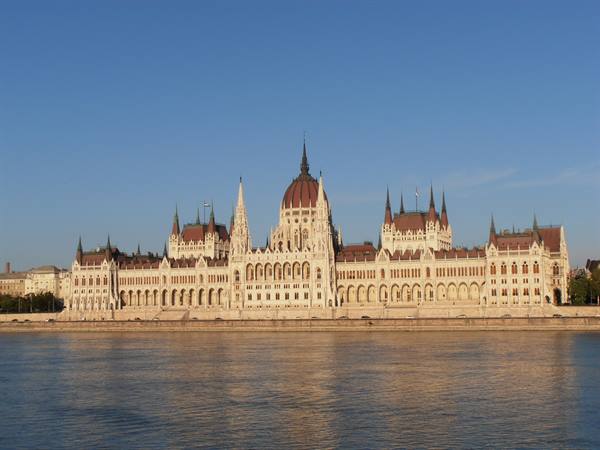
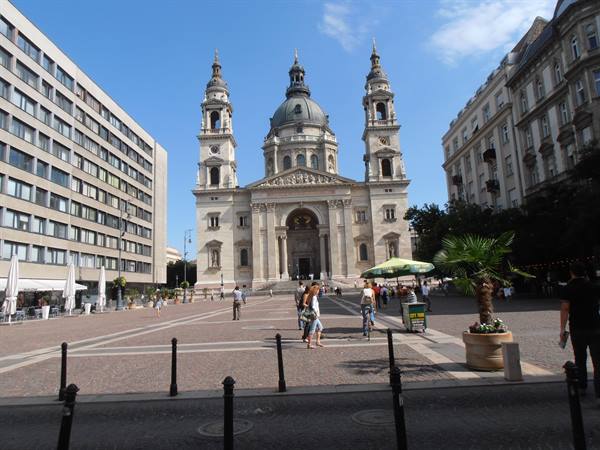
In the middle of the Danube is the great Margaret Island, 2.5 km long, which hosts the famous Sziget festival that in summer attracts thousands of young people from all over Europe. In the past it was an island infested with rats, and during Turkish rule it became the seat of the harem and later a recreational area. There are many institutional buildings with elegant and impressive structures, such as the Parliament Building along the Danube, which in its Gothic architecture recalls the English Parliament or Milan Cathedral. Just behind is the beautiful building of the Ethnographic Museum and nearby other ministerial buildings, the fine Basilica of Saint Stephen and the very long Andrassy Avenue, which reaches
The journey's photographs
48 photographs · click to open them full screen









0 reader comments