- "Where are you going on holiday this year......? " - "To the Czech Republic." - "Ah..... Prague! What a great city!!" - "Well..... actually we are not going to Prague....."
This, more or less, is the dialogue we had with friends, relatives and everyone who asked us about the destination of our summer holidays. If we had carried out a poll, we could safely state that 100% of the Italians we contacted would say that the Czech Republic = Prague.
The idea of visiting areas a little less "well-trodden" than the capital came to us after reading the hundreds and hundreds of reviews and comments about Prague, which is described as beautiful and fascinating, but also extremely chaotic and full of Italians, especially during the month of August.
From the little information gathered online from those who had visited those areas, and based on what we read in the guidebooks, we drew up a rough itinerary that took in the main UNESCO-protected sites, as well as other variations that interested us.
Shortly before leaving, though, the many voices of people who did not know our destination in the slightest made even us start to have some doubts about the choice we had made.....
Technical Info.
Length of the trip: 15 days, by car from Italy.
Itinerary: There are quite a few things to see, and we divided the trip into 3 stages: Cesky Krumlov, Olomouc, Kutna Hora. Obviously in so little time we had to make choices, leaving out several areas.
Accommodation: All booked over the internet from Italy. One curiosity: despite being good-category hotels, none of them wanted a deposit or even credit card numbers as a guarantee.
Payments: All the hotels we chose accepted payment by credit card, but several of those we contacted wanted only cash!! For cash withdrawals in korunas, we relied on the many ATMs that all accept our trusty Visa Electron.
Guidebooks used: Rough (Excellent, with more than enough information), Lonely Planet (Good technical part, too bare on everything else), TCI Green Guide (Overall rather poor).
Notes:
- The areas we visited turned out to be unexpectedly green, full of dense forests, as if we were in the Alps. Gentle hills, lakes and rivers give the landscape a very relaxing and pleasant look.
- You have to pay close attention to dinner time. There is a "point of no return" that varies from area to area, after which it is useless to look around, nobody will give you anything more to eat! You can only fill up on beer! In Cesky Krumlov it is around 22:00, in Olomouc it is dramatically early at 19:45 (McDonald's aside), around 20:30 in Kutna Hora. In general, after 23:00 almost everything is closed.
- The shop hours in the areas we visited are also very peculiar: after 17:30 it is hard to find any open. On Saturdays they are open only in the morning from 7:30 to 10:30 / 11:00 at most, always closed in the afternoon. On Sunday, of course, closed.
- Costs: as of today (2008) the euro still has not arrived in the Czech Republic, and the local currency is the koruna (exchange rate 24 korunas = 1 euro). Thanks to the low value of the local currency, some expenses turn out to be very cheap. In particular, all food has truly ridiculous costs (with 400 korunas, about 16 euros, in "standard" beer halls we ate and drank our fill as two people; in top-quality restaurants we reached 1000 korunas, about 41 euros, for two, tip to the waiter included). Petrol is cheap (1.2 euros per litre) and so is public transport in general. On the other hand, prices for branded clothing or electronics seemed to us equal to, if not higher than, ours.
- English: we found people who spoke English in the hotels and tourist information offices. In the smaller places (beer halls etc...) they more or less understand, but often answer in Czech. We asked locals for information a few times, and in only one case did we find someone who understood and spoke English. In any case we found the Czechs always extremely willing to make themselves understood and to help us in any way.
- On Mondays almost all the monuments and places to visit are closed.
- There are very few motorways, and they link PLZEN to PRAGUE, PRAGUE to BRNO, BRNO to BRATISLAVA and BRNO to OLOMOUC. So if you need to head outside these routes you will have to travel on ordinary roads, which are well maintained, on a par with Italian ones, but cause considerable slowdowns, because of the hundreds of little villages you have to drive through where in any case the speed limit is strictly 50 km/h. So think carefully about what you want to visit and try to group it into areas close to one another. As in Austria, here too to drive on the motorway you have to buy a Vignette, of varying duration, which must be stuck on the windscreen.
- Roadworks on ordinary roads: on 3 or 4 days (out of 15) we came across roadworks along the roads we had to take to reach our destination. It is true they were secondary roads, which the sat-nav considered in order to get us to our destination sooner, but we never found ourselves facing 5 / 7 whole kilometres of road closed (in both directions!) because they had to resurface it!! Watch out, because the signposted diversions are not always very clear, and a few times we had to drive quite a few extra kilometres just to skip the closed stretch of road, losing a lot of time!
- In the Czech Republic, even in the most famous castles, there are no audio guides or individual visits. A castle visit must always be in a group accompanied by a real live guide. So there are times and schedules to respect, and in the most touristy places it is better to book if you want to be sure of getting in at a set time. Visits in English only in the most important castles, otherwise, if you are lucky, you will be given a leaflet to hand back at the end of the visit, in your language or at least in English.
Day 110 Aug 2008
Hotels:
Romantick Garni Hotel (Cesky Krumlov): a 10-minute walk from the town center, in a quiet location near the river, with a guarded on-site parking lot (very very small), or an external one across the street. Very intimate hotel, few rooms, ours very pretty and clean. Decent buffet breakfast, not very generous on the "sweet" side, in a small room separate from the building with the rooms. Very kind and lovely owners, wifi in all rooms, and also a PC for browsing 24h a day. There's a minibar available for guests to take drinks from, payment at the end of the stay on trust (since it's not in the room!). Rating: 7.5
Hotel Flora (Olomouc): in a perfect location, a 5-minute walk from the central square, passing through the gardens surrounding the historic center. Large hotel, suitable for meetings and conferences. Spacious and clean room, decent mattresses. Due to the size of the hotel, we found it definitely noisier than the previous one, especially thanks to a sports team/company made up of very very rowdy guys (not of Czech origin). Spectacular breakfast, with an endless buffet of sweet and savory items, truly remarkable! Wifi available, but only one PC for browsing in the lobby seems a bit little. Rating: 7.5
Hotel U Vlasskeho Dvora (Kutna Hora): very central location, in the main square. Parking for only 5 cars, to be shared with other hotels: if you go out of town during the day, it's still easy to find parking in the evening, since Kutna Hora "empties out" of tourists around 6:00 PM. Buffet breakfast with little sweet stuff and a good choice of savory items that they prepare on request. The hotel has about ten rooms, ours nice, clean and spacious. Wifi available. On the ground floor there's also the hotel's brewery/restaurant which, to be honest, we often saw empty. Staff fairly detached. Rating 7.
After the 750 km that separate us from Cesky Krumlov, we arrive on a nice sunny afternoon at our first hotel. During the trip, from Linz to Cesky, the GPS goes haywire and takes us on a road that may be shorter, but is certainly more winding and slow. We pass through some enchanting typical Alpine villages, then the road narrows and before the border, it plunges into the thick Bohemian Forest, where it runs alongside a characteristic railway before reaching the main road to Cesky Krumlov. In the evening we're a bit worn out, we stay a bit too long at the hotel resting, and at 10:00 PM we miraculously find a place in the center that will feed us. Excellent and somewhat heavy dinner, with typical Czech dishes.
Cesky Krumlov
Day 211 Aug 2008
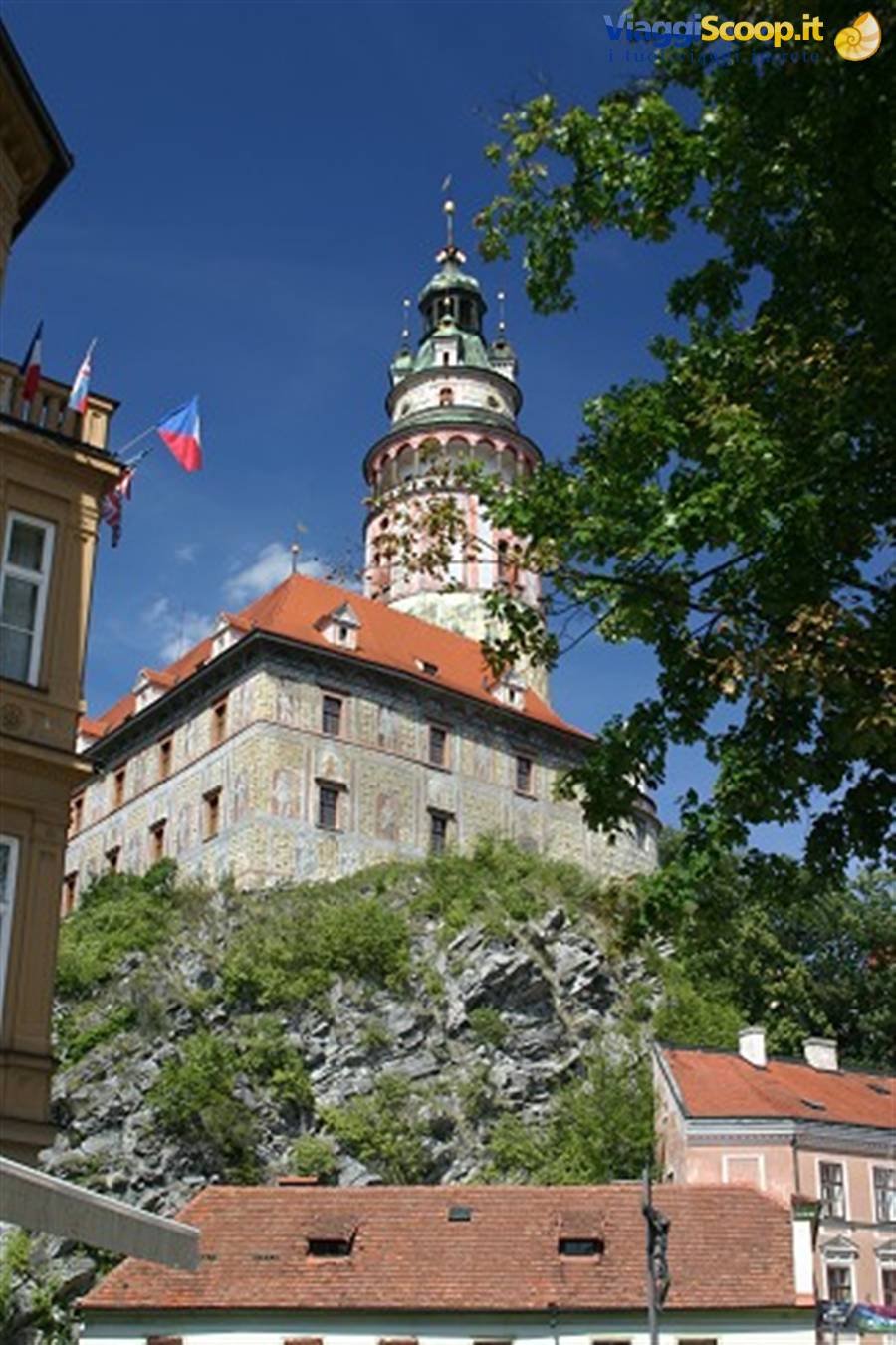
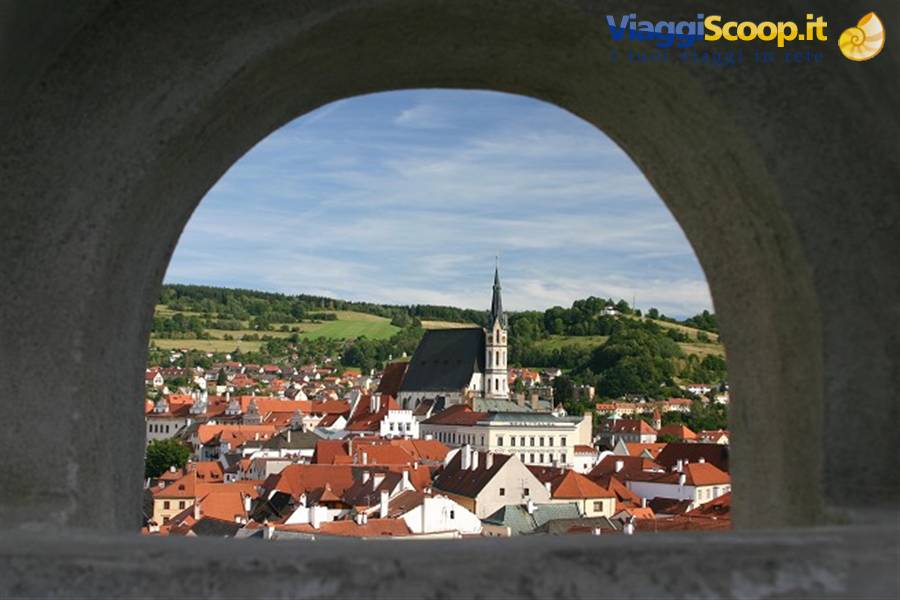
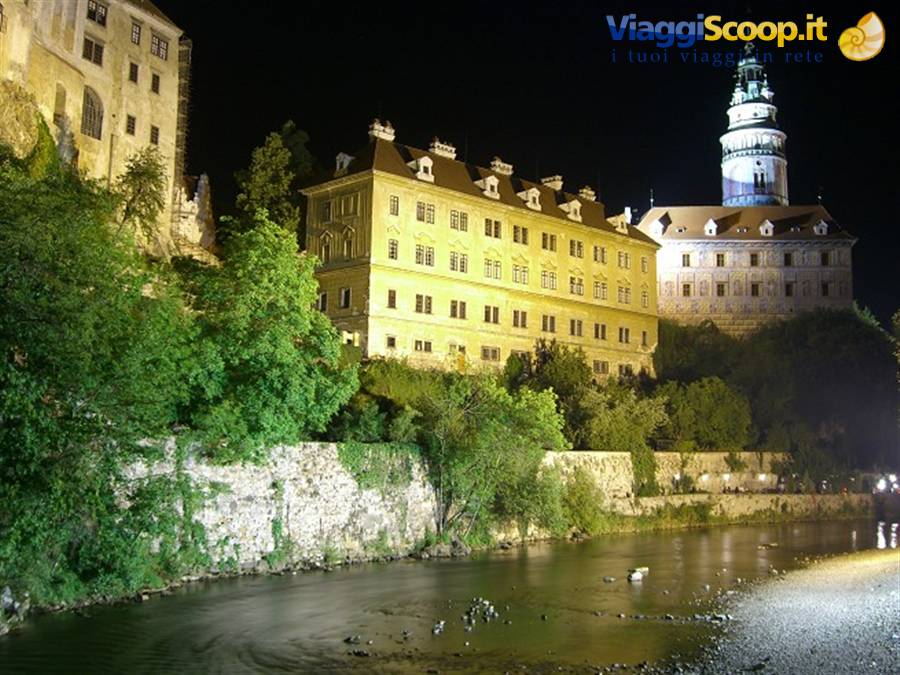
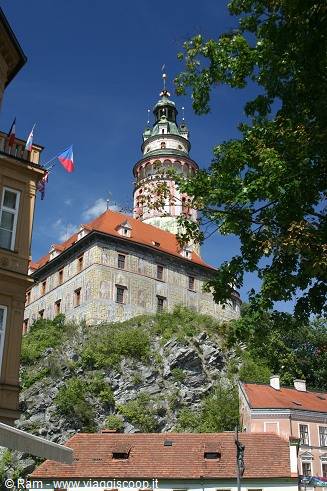
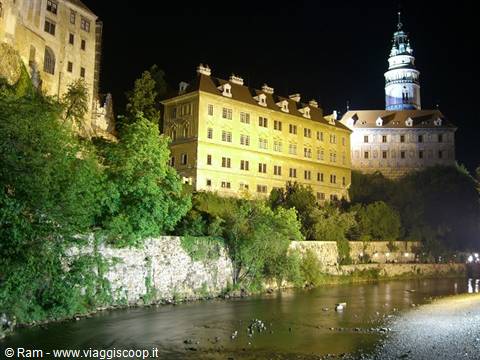
CESKY KRUMLOV: Beautiful, beautiful, beautiful. Not by chance is it the second most visited destination in the Czech Republic after Prague, and it's nicknamed the "Pearl of Bohemia". It's a small medieval town that winds between two bends of the Vltava River, with the castle dominating from above. It's definitely the most touristy place we visited, there are several souvenir shops scattered around the historic center, restaurants and breweries. You can visit it calmly in a day (without the castle interiors and museums!), but it's very pleasant to stroll through the streets of the center, in search of some beautiful view of the river. Canoeists and their shouting will accompany you during your visit to the town, almost as if you were at the edge of a swimming pool. The castle, which can be accessed from several points, is also very very beautiful. Rating: 9
Cesky Krumlov
Day 312 Aug 2008
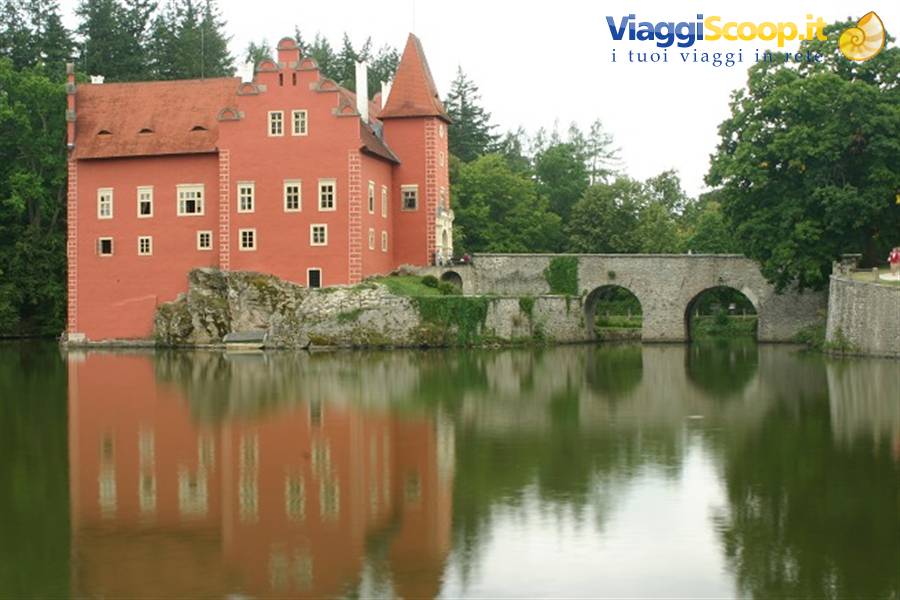
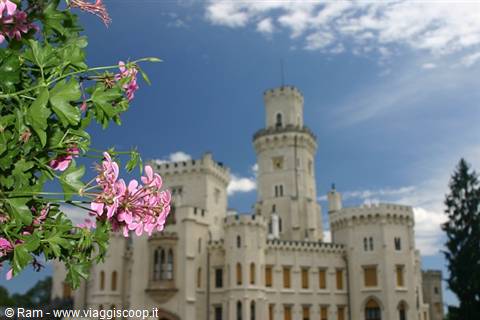
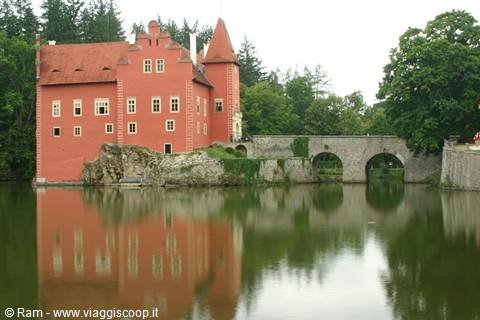
CASTLES AROUND CESKY KRUMLOV: Around Cesky Krumlov there are several castles and fortresses (as somewhat throughout the Czech Republic), some more famous, others more isolated. Each has its own guided tour, but several only deserve a look from the outside. Read a guidebook to get an idea of what you might like most. The one at Hluboká nad Vltavou is probably the most spectacular and chaotic, in shimmering white, with a beautiful park around it. To relax, on the other hand, you can move further north, towards the castle of Cervená Lhota, whose red walls are reflected in the waters of a beautiful lake surrounded by forests. The one at Jindrichuv Hradec is also beautiful (notable is the pink music rotunda), located in the center of the town of the same name overlooking a lake.
In a spectacular position more for postcards than for visiting, at the confluence of two rivers, is the castle of Zvíkov. Rating: 7.5
Cesky Krumlov
Day 413 Aug 2008
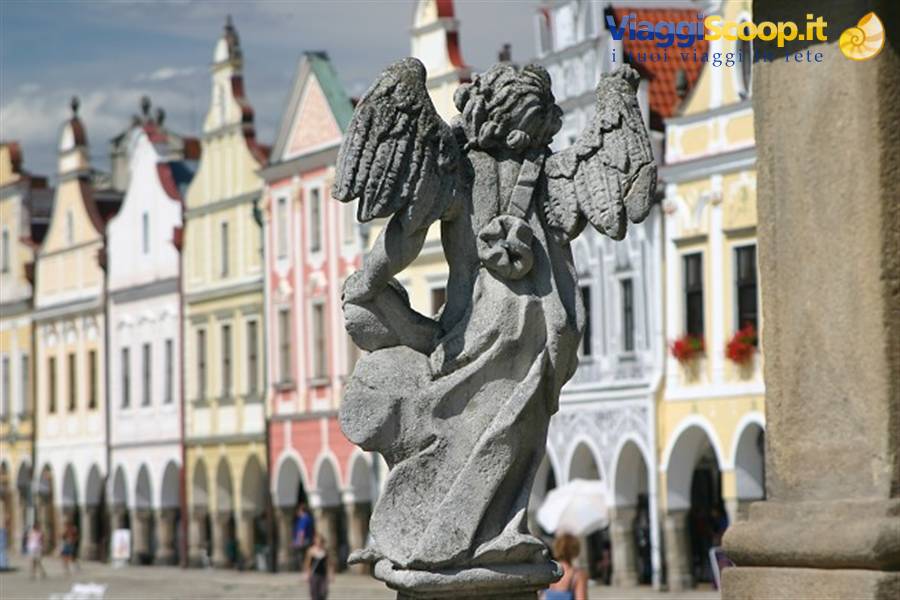
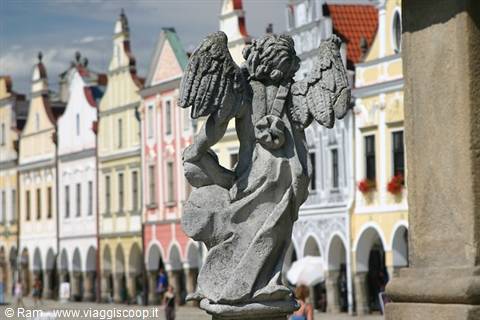
TELC: Telc is a small masterpiece, with its pastel-colored houses overlooking the large square. Its castle and the whole village surrounded by water and a beautiful park where you can relax make it one of the most enchanting places visited in the Czech Republic. Truly remarkable. There are small shops and stalls, but the town didn't seem to us yet invaded by mass tourism. Absolutely not to be missed!! Rating: 9
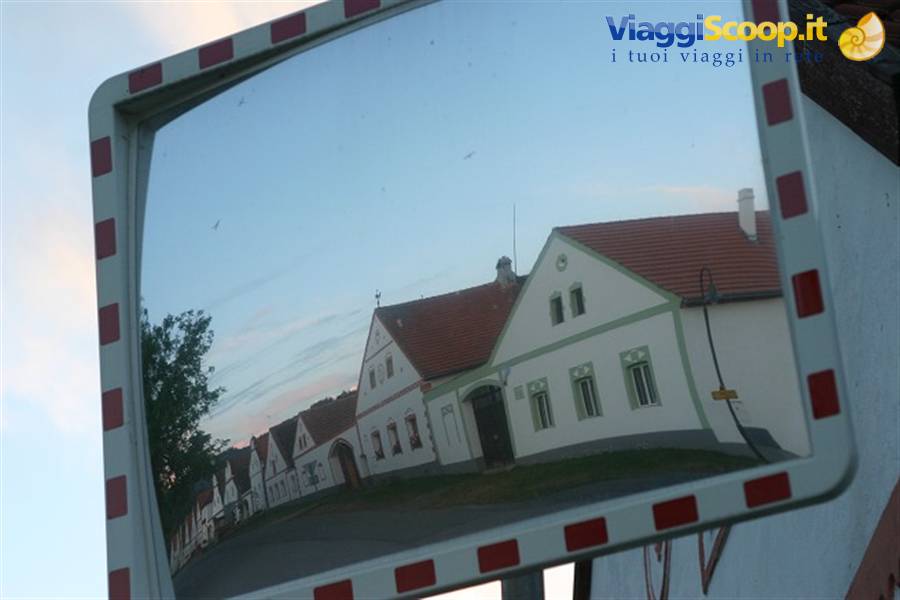
HOLASOVICE: Listed as a Unesco heritage site like other places in the Czech Republic, we visited it at sunset, returning from a day of sightseeing. It's in a rather secluded spot, among green hills and woods where several fallow deer and roe deer run free. Deserted, we were able to admire it perhaps better than others. But it didn't particularly strike us; maybe because everything is concentrated on a single street lined with typical and pretty little white houses, maybe because we were a bit tired, but it didn't leave us with a very special memory. Nice. Rating: 6
Cervená Lhota
Day 514 Aug 2008
TREBONSKO: It's a particular area of Bohemia, a nature reserve and Unesco heritage site, located in the surroundings of the city of Trebon, which is not by chance called "The Czech Canada". Concentrated in just a few dozen square kilometers, immersed in vast forests, there are around 600 lakes and ponds, mostly artificially created. Beyond the landscape aspect of remarkable beauty, the place is a refuge for several species of birds and animals. In these lakes, thousands and thousands of Carp are farmed, the typical Christmas dish of the Czech Republic. We left the main road and ventured into the heart of this territory towards evening, to admire its beauty even better. Stopping on the shores of some lake, you just have to wait a few minutes to see enormous carp darting from the water.....
it's really funny, in the silence in which you're immersed, to hear the continuous "Plop" of the fish jumping in. Rating: 7.5
Telc
Day 615 Aug 2008
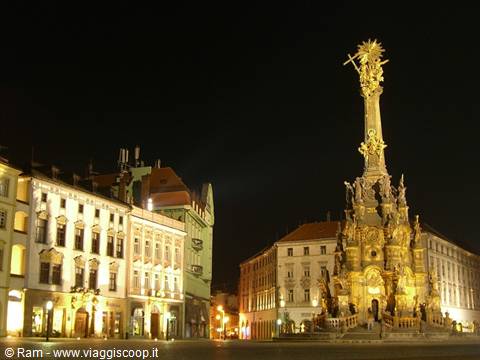
OLOMOUC: Olomouc is like a good soccer team, which wins without individual stars or champions, but thanks to the collective. In fact, apart from the stunning Holy Trinity Column, it doesn't have things that left us open-mouthed. But the two beautiful squares in the center, the town hall with its particular astronomical clock, the churches scattered here and there, the hidden alleys, the parks surrounding it and the low influx of tourists make it very harmonious, and pleasant to visit. Without the museums, you can easily get around it in a day, churches included. From Olomouc to Brno there's a convenient highway that connects the two cities in about half an hour. Rating: 7.5
Holasovice
Day 717 Aug 2008
LEDNICE - VALTICE AREA: Honestly, it didn't drive us crazy. The two castles are nice, even though in the one at Lednice there aren't even panels with explanations in English in the various rooms, and the tour on the day we went was only in Czech. The park connecting the two castles is immense, and rather than on foot it's better to tour it by bicycle. It seemed to us like a destination frequented by Czechs for the classic Sunday outing, complete with ice cream vendors with carts, and kids playing on the lawns. In Valtice we found a typical village festival, with the locals in traditional costume dancing to the sound of a small band. Rating: 6.5
Stramberk
Day 818 Aug 2008
MORAVIAN KARST AND PUNKEVNY CAVES: We set off early in the morning from Olomouc, we had booked the cave tour from Italy by email for 2:30 PM, and we'd also like to take a look at the Moravian Karst landscape. Unfortunately today is the day we run into the "road pavers" who occupy a stretch that for us, or rather for the GPS, is of fundamental importance for reaching the caves. We waste an hour driving around this piece of road, going up and down the Moravian hills. The landscape is beautiful, the day is sunny, but the wasted time doesn't let us enjoy it fully. We still manage to arrive at Mlyn at 12:30, just in time to park and rest a bit. The road ends in a very narrow, wooded valley, where the information center and ticket office are located. From here, on foot or with a rickety little train, you cover about 1 km of road to reach the cave entrance.
We exchange our reservation at the ticket office, and buy the combined tickets for both the train and the cable car that goes up to the top of the Macocha abyss (definitely to be avoided, it's not worth it). There are loads of people, the place is among the most famous in the country. We go in right on time. The tour lasts about an hour, and is unusual because for half an hour it's done the traditional way, on foot. Suddenly, after the darkness of the caves, a blinding light: we emerge at the deepest point of the Macocha abyss, spectacular. It's a cave like the ones seen before, whose ceiling however collapsed long ago, giving rise to a spectacular chasm, covered in the greenest mosses and plants. From here, we go back underground to reach a dock where we board 20-seat electric boats, to complete the visit by navigating the underground river.
The ride is evocative, often you have to lie down because the ceiling is very low, and since there's a bit of traffic, it's easy to end up in a head-on collision with another boat (as happened to us), but nothing dangerous. Halfway along the river, the boat docks to visit another part of the caves, and then resumes until the exit. Anyone who has visited Frasassi will find the limestone formations seen here a bit disappointing, but the visit as a whole is striking, thanks to the variety of environments and things you see. When we come out, we head to the cable car a little further ahead, which takes you to the top of the Macocha abyss. The view, however, isn't much, much more spectacular from below! We enjoy an excellent Magnum since it's a bit warm, and we get ready to head back to the car. Rating: 8
PERNSTEIN CASTLE: After finishing the cave visit, since it's 4:30 PM and the sun is high, we decide to make a quick stop at Pernstein Castle, which is about forty kilometers from there. The route turns out to be very beautiful scenery-wise, we cross several valleys passing through gorgeous forests, but the roads are terrible, and the times drag on. We arrive at the castle and see it from the outside. It's among the most beautiful, both for its very isolated position and for its structure: the classic medieval castle from a horror movie, imagining it on a dark night with lightning and thunder gives you the chills! No tourists around, everything is closed. Rating: 8
We realize it's 7:00 PM...... very late!! We'll never manage to get to Olomouc to find an open place to eat! We drive around for an hour on back roads in the middle of nowhere, until we reach the main highway. We stop at the first town of a certain size, Boskovice, and look for nearby restaurants, relying completely on chance. We end up in an old-style beer hall, whose owners are vintage car enthusiasts. Some guys are drinking at the outdoor tables. We discover they also make pizza, and out of curiosity we also order 2 simple little dumplings in addition to the main courses. We have what will be our best dinner of the whole vacation, spending less than all the other times! Spectacular! We set off again toward Olomouc, full and satisfied.
Žd´ár nad Sázavou
Day 919 Aug 2008
On the last day available in Olomouc, we take advantage of it to go visit the eastern area bordering Slovakia, where remains of the Wallachian culture in the Czech Republic can still be found. The Wallachians are a particular people, they had created their own autonomous state, obviously never recognized by the institutions, and had minted their own currency.
STRAMBERK AND THE WOODEN CHURCHES: The day is splendid, sky very blue and nice warm sun. After leaving the highway toward Ostrava, we head a few kilometers into the Stramberk valley. The area is very green. Soon we arrive at the town, which is perched on a hill. We don't see paid parking lots like in the other places visited, and we immediately find a spot to leave the car, in the shade of several plants. It feels good, and the air smells of resin. As we walk toward the center, we already notice the first wooden buildings.... there are tons of them, and all inhabited. The town square is delightful, all surrounded by houses with painted facades, with a lovely garden in the center. Around it there are beer halls, a few little shops, a museum and a bakery selling the town's typical sweets, the "Štramberské uší" that is the "Stramberk Ears", made with a cinnamon-based dough.
The smell is intense and spreads throughout the square. The town is dominated by the scenic wooden tower, which you reach by walking along a comfortable path. Few tourists around, everything very quiet. We get two fruit juices and relax a bit on a bench while we read what the guidebook says. The typical wooden churches are not in this town, there are about ten of them, but they're scattered more or less everywhere. The Rough guide gives a bit more indication about which are the most beautiful, and we set off toward the one in Guty. We get there in about half an hour by car. Or rather, we get to the town, because there's no trace of the church. There's only a cemetery and some houses. We ask a Czech cycle tourist, very kind, but who doesn't know a word of English. He understands what we're looking for, and directs us with gestures.
We didn't understand much, and after ten minutes, we try asking a lady. She doesn't know any English either, but thanks to a pen and a sheet of paper, she shows us exactly where to find it. Finally after 5 minutes, outside the town in the middle of a woods, we reach our destination! The church is how I expected it, immersed in the greenery and silence of the woods. The sun's rays filtering through the trees lightly illuminate it. The gate around it is open, and we go in. Unfortunately the interior is closed, there's a cell phone number to call, probably to have the door opened, but it's all written in Czech, and we give up trying to call, probably no one would understand. Rating: 8.5
Kutna Hora
Day 1020 Aug 2008
Last spectacular breakfast in Olomouc, the day is gray and makes you want to eat energy foods..... we have to take advantage of it, we probably won't find so much stuff at the next hotel. We have about 200 km to cover, it won't be a long transfer this time. However, we have an important detour along the way, toward the
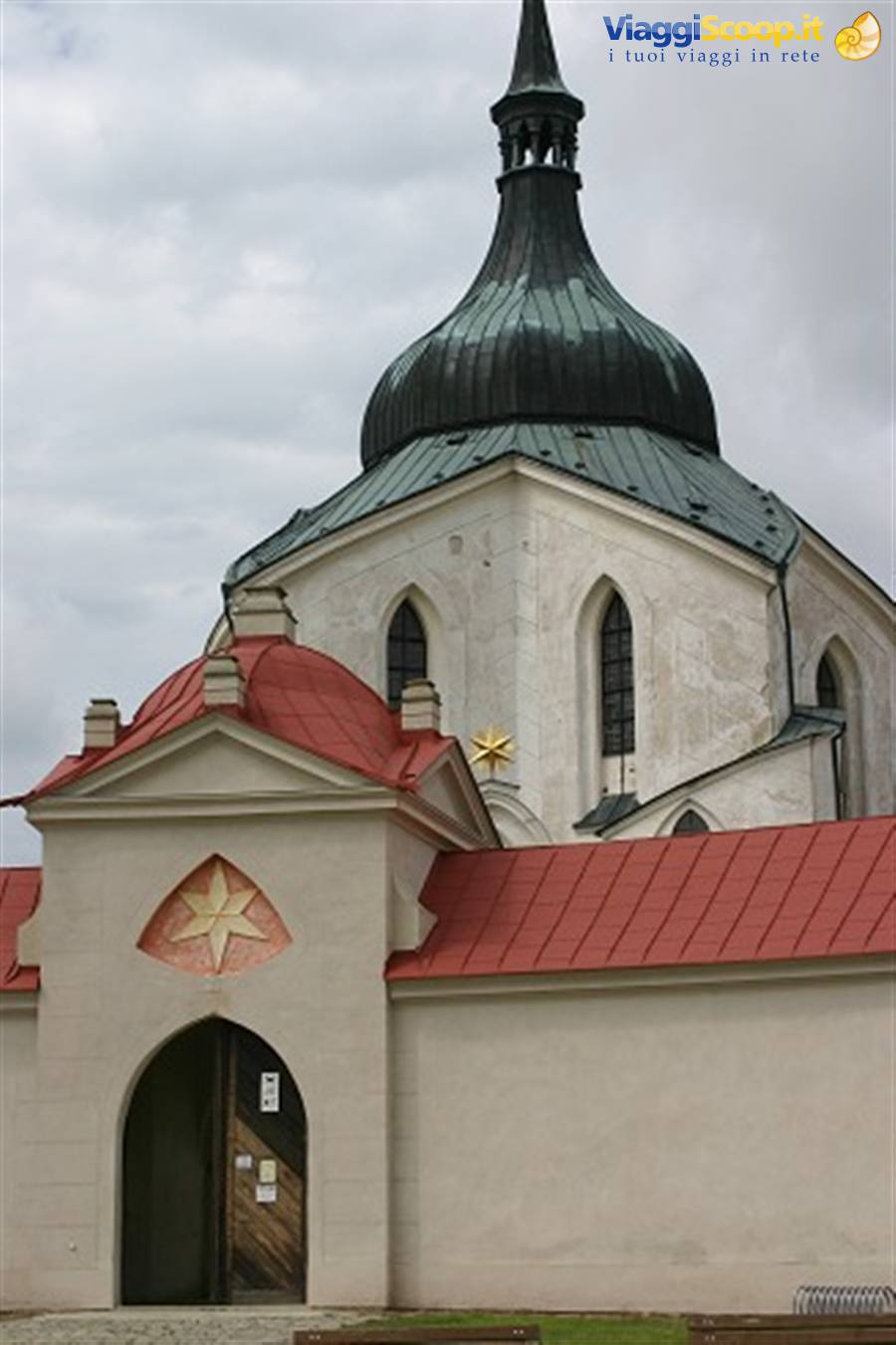
CHURCH OF ST. JOHN OF NEPOMUK: it's in Žd´ár nad Sázavou, about 40 km from the Prague - Brno highway exit. The area scenery-wise doesn't say much, and the gray weather doesn't help much either. We arrive following the road signs, the place is well signposted, a destination for many pilgrimages. We park at the foot of the hill, there's only another very old Skoda. We climb slowly, leaving all the luggage in the car. There's an annoying wind. The church entrance is topped by a conspicuous coat of arms with a golden 5-pointed star. That will be the recurring theme: the church is star-shaped, as are the walls surrounding it, the stained-glass windows, the coats of arms above the doors, and many other details inside. We arrive at lunch break, we have to wait about an hour before the guides arrive and we can pay for the tickets to enter.
The guide obviously speaks only Czech, and since there are 10 of us tourists all foreigners (Italians, French, Germans) they hand us handy sheets that describe the church in detail (there's no Italian, only German, French and English). A work by Giovanni Santini, it's a little masterpiece, absolutely not to be missed, rightly included among the UNESCO World Heritage monuments. Rating: 8.5.
After finishing the visit, we eat a few biscuits we had with us and then set off again toward Kutna Hora where we arrive in mid-afternoon. Here it's warmer, and the sun even comes out. We find the way to reach the hotel only thanks to the GPS, since it's right in the center, with lots of one-way streets. Great luck, we even get a convenient parking spot to unload, and after checking in, we go up to rest a bit in the room.
Kutna Hora
Day 1121 Aug 2008
The initial plan called for a quick trip toward the Cesky Ray area, the "Bohemian Paradise", but we're tired, the weather forecast is uncertain, and we don't feel like taking the car out again. We'll take advantage of the day to properly visit Kutna Hora and relax a bit!
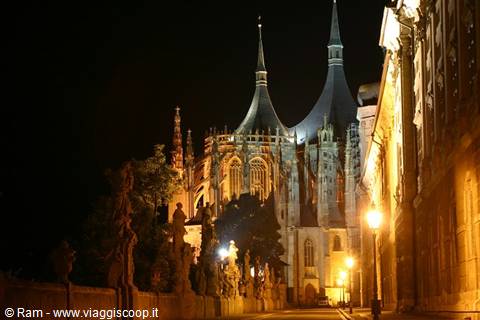
KUTNA HORA: To see it really well without rushing, visiting museums and various attractions, you need a couple of days, or at least a day and a half. Otherwise, without particularly detailed visits, you can see everything in a day. If you don't have heart problems and don't suffer from claustrophobia, we recommend starting the visit at the Silver Museum (Watch out, there are always lots of people), where we booked one of the many guided tours (in Czech, with sheets written in Italian) lasting about 1 hour, divided into 2 parts: in the first they showed us the tools used by the miners and how and where they worked, while in the second part, once we'd put on white smocks, protective helmets and flashlights, they took us to visit the remains of the only silver mine still accessible in the city.
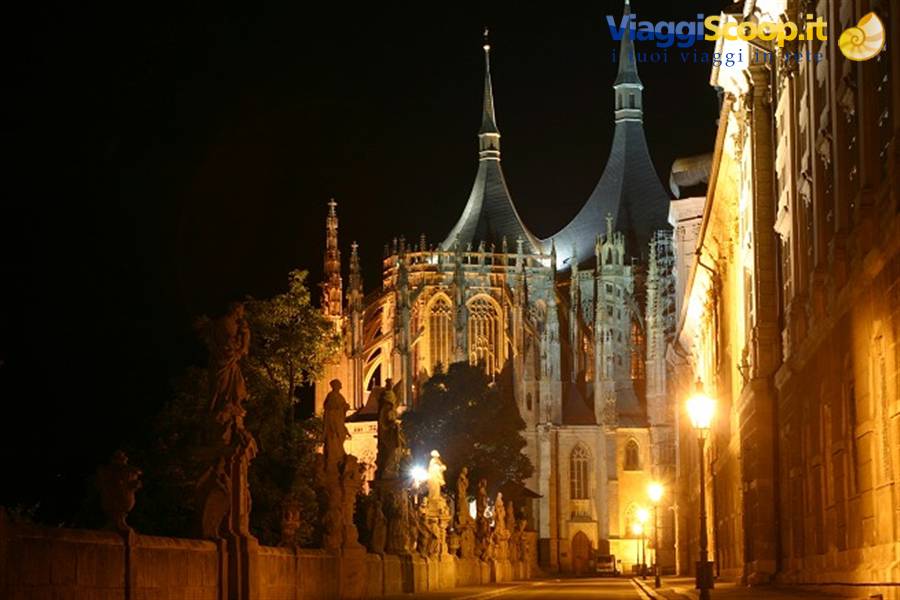
You won't see anything incredible, but the visit serves to put yourself in the shoes of one of those people who worked in times gone by in the many mines from which silver was extracted to mint the coins of half of Europe. You stay down there for about half an hour, but it feels like an eternity. The tunnel gradually narrows, water drips abundantly from the rock above our heads, and little by little you find yourself crawling along the walls with your back lowered. A bad feeling, we'll never be cavers! Once you're back out in the open air on the other side of the city, you'll be photographed by dozens of smiling tourists seeing you all nicely dressed up as you return to the museum. Silver and its mines are the central point of Kutna Hora's history. Everything you'll see, in one way or another, will lead back to that. From the beautiful and grand Cathedral of St.
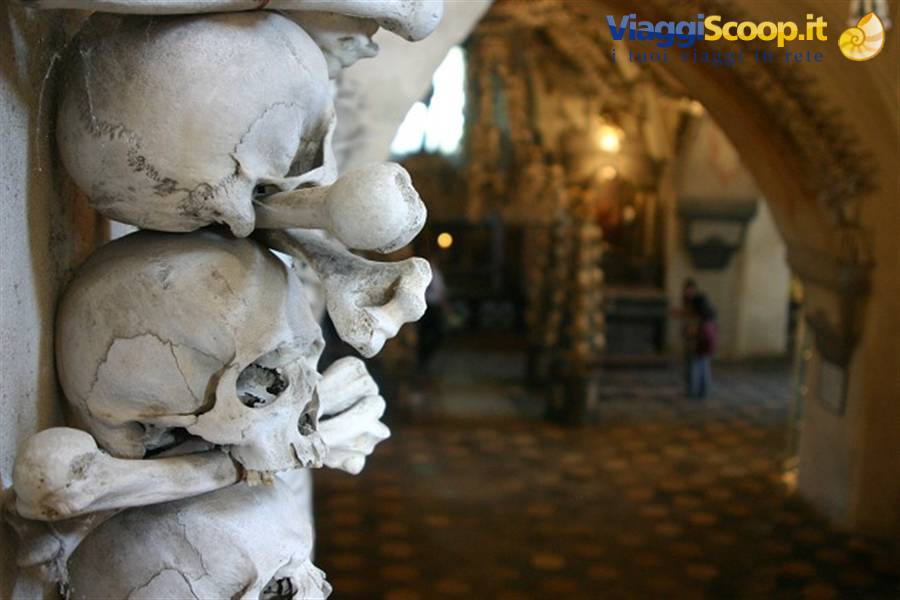
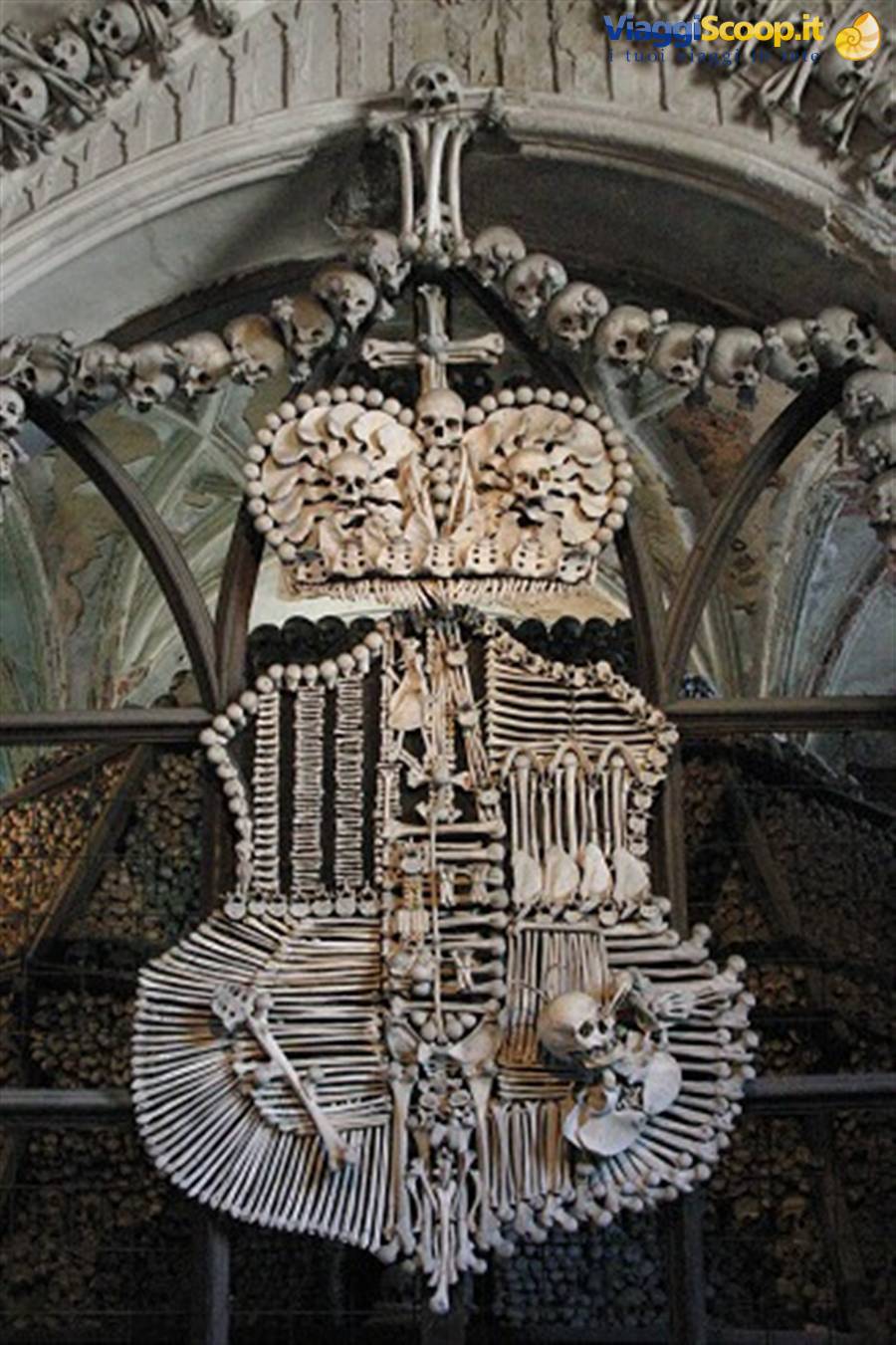
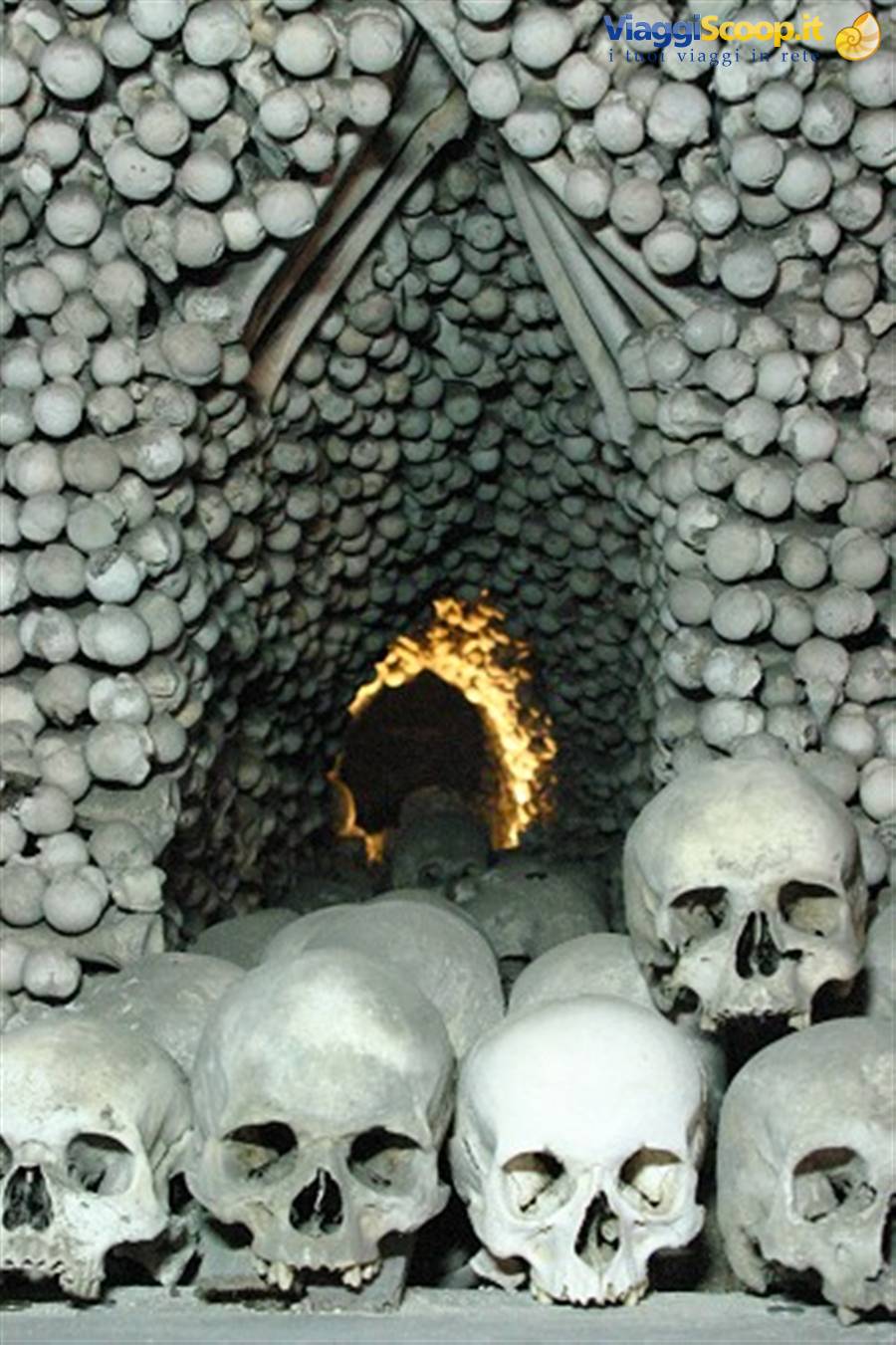
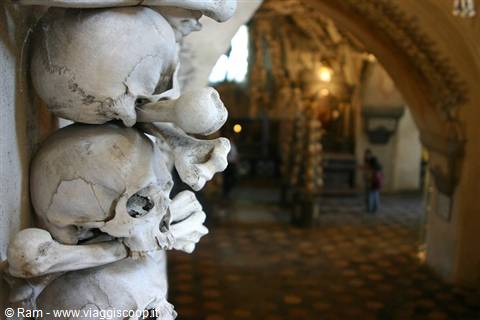
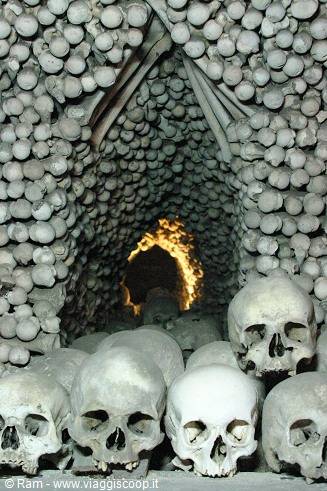
Barbara (patron saint of miners) to the Italian Court, from the Kamenna Kasna fountain to the views you can admire walking aimlessly through the historic center. Not to mention the macabre Sedlec ossuary, just outside the city center, built on the spot where an abbot returning from Jerusalem dropped a handful of earth taken from Golgotha. From that moment, all the local nobles wanted to be buried there to be sure of eternal life. But the arrival of the plague brought thousands of victims, and the number of accumulated bones had become unmanageable, so much so that a large number of them had to be piled up in a warehouse next to the church. Until they were found by a woodcarver named Frantisek Rint, who had the idea of using them to compose ornaments and other things in the crypt of the ossuary.
At first glance very macabre, in reality the work that Rint (who even signed his work on one of the walls, obviously using bones) carried out wants to send a much deeper message. Not to be missed. Rating: 8.5
Kutna Hora - Sedlec Ossuary
Day 1222 Aug 2008
KONOPISTE CASTLE: The weather isn't really bad, it's warm and the sky is partly cloudy, and we take advantage of it to head toward the only castle that, before leaving, had replied to us by email saying it was possible to visit it with audio guides in Italian. In about an hour we arrive at the gigantic parking lot at the foot of the Zamek. It's one of the most visited in the country, and it shows. It's still early and we easily find a spot. There's a long row of stalls selling lots of typical souvenirs, as well as a couple of bars, plus the little train and the carriage that take people around. We realize we're very close to Prague, the area is clearly more exploited for tourism than the other places visited so far. We walk the short path that climbs up to the castle. From the outside it doesn't say much.
In the moat surrounding it there's a bear that's very sad-looking, like the ones seen at Cesky Krumlov. We go into the ticket office. They're very well equipped, an airport-style LCD panel lists the scheduled tours and their departure times. No trace of audio guides..... who knows what they understood from the email, but anyway we see the white red and green flag among the scheduled tours and we book it; while we wait we go for a little walk. Here there are Italians, and you hear them as usual. We take a little walk in the woods surrounding the castle, then go back into the large courtyard and sit on a bench. Suddenly a guy with long hair dyed yellow and red, with about ten earrings, rings and bracelets of every kind, comes out of a side door and plants himself in the middle yelling: "Italians??? Italians??". We wait a moment. "Someone will come forward...." I think to myself.
"Italians.....???". We get up and raising our hand we show our tickets. We're alone. The guy smiles and leads us toward the entrance door. We notice he has a strange fanny pack strapped to his waist. Once we reach the first corridor, the guide stops. He presses a button on the fanny pack, and music starts at full volume, which gradually lowers leaving room for a voice saying: "Welcome to Konopiste Castle....". So that's where the audio guide was.... not exactly as we intended it, but it's still something. The visit is nonetheless very rewarding, the interiors are very beautiful, all well furnished and very interesting. At the end we discover that our guide, very kind, doesn't know a word of Italian, same for English and French, so we ask for information with gestures about other things we're interested in before the visit ends. The sun has come out, and it's very hot.
We go visit the rose garden and the garden behind the castle, and then return to the courtyard where there's a kind of bar, to get something cold. I scarf down 2 magnums and we rest a bit, while a big group of Italians with a Czech guide in tow invades Konopiste. After a few minutes some of them start cursing at their guide, when they discover they'll have to wait a bit before entering, because there's already another group on the tour. One of them, a calm gentleman, sits down next to me, and I ask him in Italian where they were from. A bit surprised (no way??? eh eh, here basically it's only Italians) he tells us they're staying in a hotel in Prague, that they came out for a day trip. Yesterday they went to Karlstein, but he, a lover of antiques, didn't like it at all, since the interiors are rather anonymous and bare. Good to know, that means we'll only see it from the outside.
We thank him for the information and say goodbye, leaving him to his visit. Rating: 8.5
Kutna Hora - Sedlec Ossuary
Day 1323 Aug 2008
STERNBERK, KARLSTEIN AND KRIVOKLAT CASTLES: On the last day, with sullen but still dry weather, we dedicate it to a quick tour of the castles around Prague. The view of Sternberk from the road is undoubtedly very striking. A majestic fortress rising in a very green valley on a rocky spur, it definitely deserves a stop and a few photos. Not many tourists around. From here we head toward Karlstein. The beautiful and lonely valleys we cross give no hint of what we'll find when we arrive. My goodness.... it feels like being in Rome! What a mess of people, everywhere you only hear people speaking in the Roman dialect. A long street full of shops, bars and hotels climbs up toward the castle. Luckily for us, since we're not arriving from the main road, we park without paying a single crown at the edge of a mountain road, next to a small guesthouse behind the rock on which the castle stands.
From here we continue and in 5 minutes we're in hell. Even the shopkeepers speaking in Italian, in Roman dialect!!! It can't be.....! Incredible... there's even the souvenir discount store.... Boxes full of junk made in China or who knows where, and groups of Italians busy buying this or that!!! Terrible!! Don't misunderstand us, we don't have anything against Romans...... there must have been Italians from other regions too, but you only heard them. The sky improves, and a bit of sun even comes out. We decide to climb up toward the castle, at least to see it a bit more up close. Indeed it's very scenic. Let's hope that inside it isn't as disappointing as that Italian tourist described it to us. Anyway, we've had enough of this chaos, we quickly head back to the car, and before returning to the hotel we make a quick stop at Krivoklat Castle, which is only 25 km away.
This detour allows us to cross the Krivoklasto hills, where we stop for some photos of the beautiful panoramas. We arrive at the small village of Krivoklat, we find it much less chaotic than Karlstein, also because of its isolated position, in a narrow valley surrounded by woods. We hit the road again toward Kutna Hora, passing through Prague's wide but very congested ring road. Rating: 7.
Conclusions.
All in all, the Czech Republic made an excellent impression on us. We didn't find a country backward compared to Italy, bearing in mind that we visited areas off the main tourist routes, indeed in some respects I'd say there's even something to learn. The doubts we'd had before leaving were definitively put to rest. We knew we wouldn't encounter spectacular landscapes to leave us open-mouthed, but the country is nonetheless very rich in forests and lakes, which are a pleasant diversion from the pure and simple visit of a city or a castle. The local people were always courteous and helpful. Combining all this with the favorable prices for sleeping and eating, we believe it's a vacation to be warmly recommended to anyone who wants to discover still little-known corners of the Czech Republic.






0 reader comments