The story
This state, which separated from Slovakia in 1994, is made up of two regions: Bohemia with Prague and Moravia with Brno. PRAGUE is one of the most beautiful cities in Europe, the fifth richest, has about 2 million inhabitants, is crossed by the Vltava or Moldau and has a glorious past. It was the capital of the Holy Roman Empire in the Middle Ages and one of the most important and populous European cities. The baroque city strikes you with the facades of its buildings, but the main attraction is the stone Charles Bridge, which has become a living room, with its painters selling their works next to the religious statues that adorn its sides while you admire the entrance and exit towers, the boats travelling the river to the delight of tourists and the hill opposite with the castle and the other elegant old buildings lining the banks, especially the Opera House.
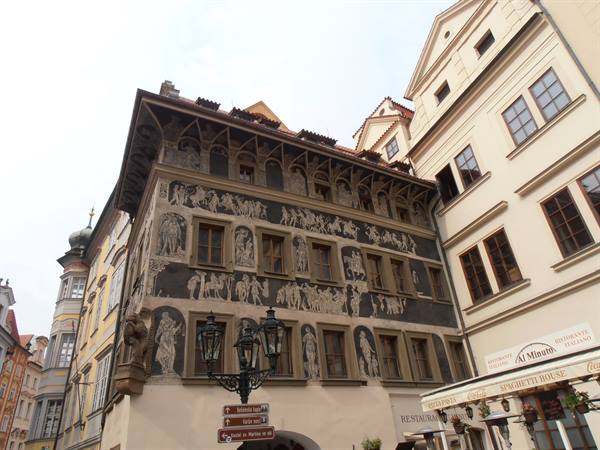
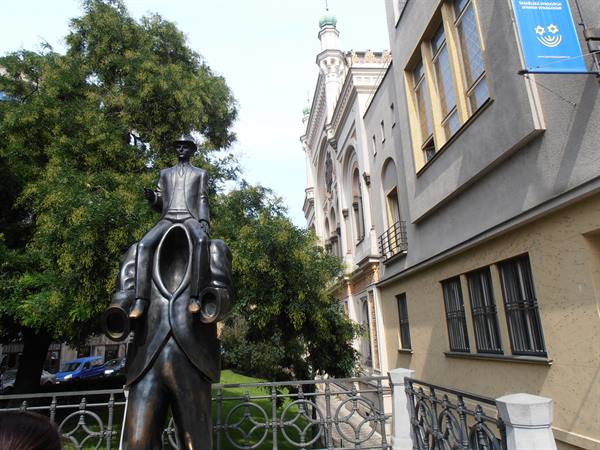
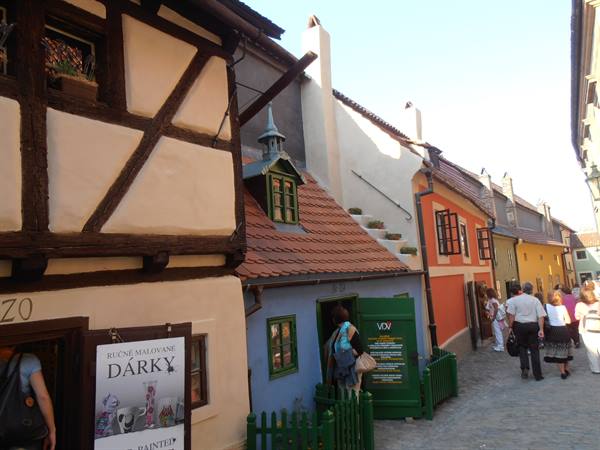
The other attraction is the main square with the church of Tyn with its two towers and above all the astronomical clock tower. Wandering the narrow lanes of the historic centre is like wandering the calli of Venice, and you always come across new surprises such as the house of Franz Kafka, the famous German-speaking Prague writer who left various traces around the city: a strange statue of a headless man carrying a small man on his shoulders, his birthplace and his sister's house in the historic and ticketed alley at the right-hand edge of the castle. In Prague you visit the Jewish ghetto of Josefov to admire the old synagogues, including one from 1270 that Hitler had ordered not to be damaged and in which he ordered various objects of Jewish culture to be gathered because he thought people would be curious to see the testimonies of an extinct race.
The Jewish cemetery, where Franz Kafka, also Jewish, is buried, is striking. The small cemetery contains around 12,000 deceased buried in several layers reaching great depths. Another interesting area of Prague is the one that houses the beautiful Municipal House with an Art Nouveau facade, a very famous and much-loved historic café and a concert hall, an old tower opposite and handsome buildings all around in a square that is also a landmark thanks to the important underground metro station.
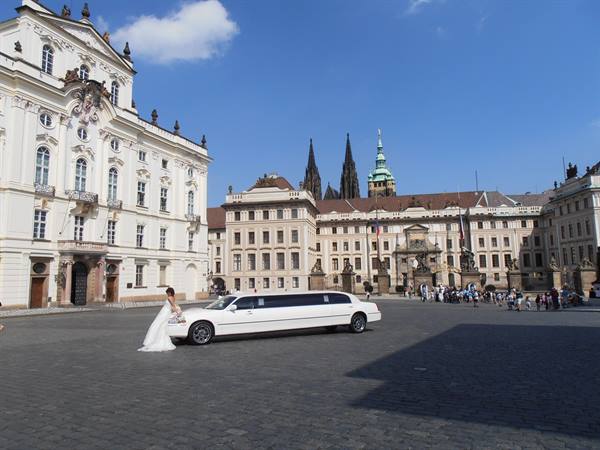
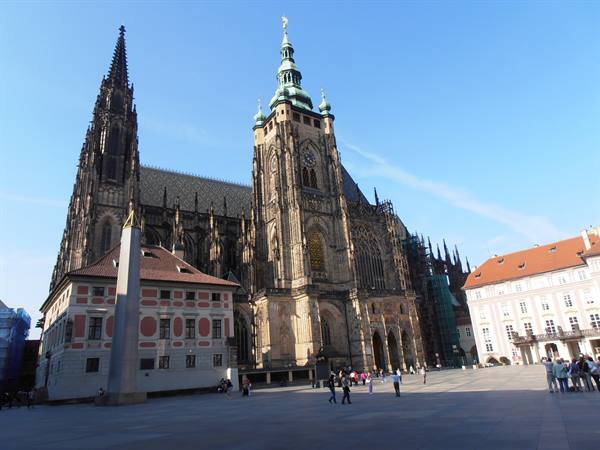
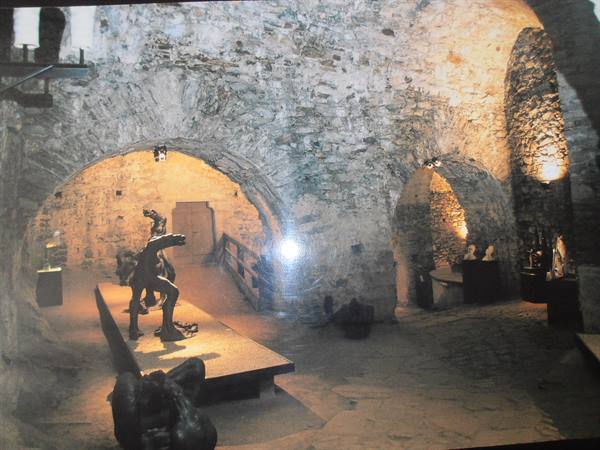
The castle is an enormous complex with various courtyards and houses the President of the Republic and several museums, of which the two most important are those opposite: one of baroque art and the national gallery in the Sternberg Palace, which I visited and which holds a very rich picture gallery with works by great Italian, French, German and Flemish painters, statues and other artworks contained in beautiful frescoed rooms that are sometimes more striking than the works on display. At the edge of the castle, beyond the lane with the low pastel-coloured houses, including Kafka's sister's house, you also come across a prison tower with the torture chamber.
There is also a lovely panoramic vineyard and a villa with a luxury bar and restaurant that I crossed to go down to the river and reach the Senate building, housed in the beautiful classical Wallenstein Palace with a large Italian garden with classical statues, strange walls reminiscent of a cave interior and even a small lake and a beautiful fountain. On the other side of the river there is the theatre with the statue of the composer Dvorak and some buildings housing university faculties, including the one attended by the suicidal hero of the Prague Spring, the famous Jan Palak, who in 1969, after the Russian invasion, set himself on fire and sacrificed himself in protest. For him and for another suicidal hero, Jan Zajic, there are commemorative tombs right opposite the National Museum building in the huge longitudinal Wenceslas Square with the statue of that same saint on horseback.
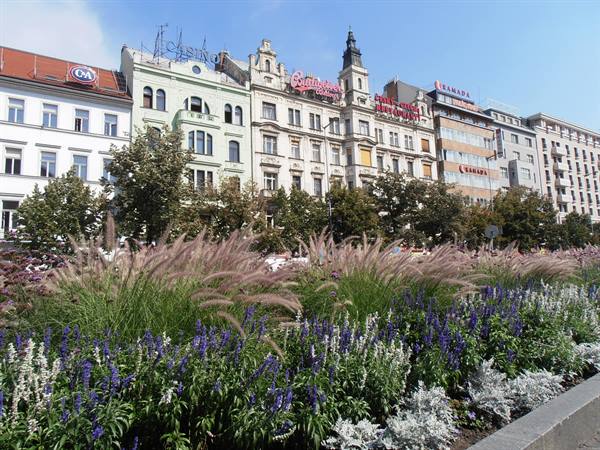
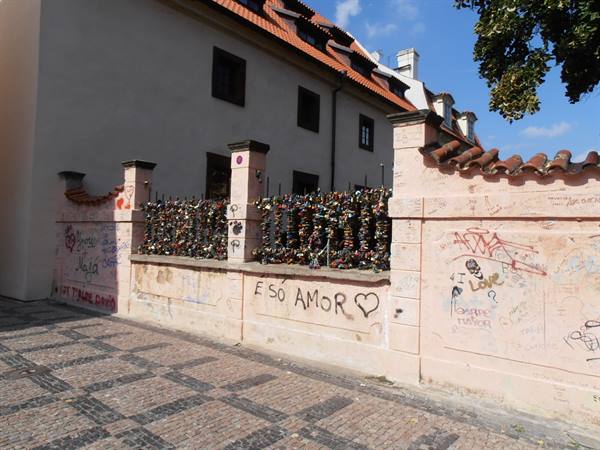
The square is another landmark of the city, since along its sides there are very beautiful buildings housing luxury hotels and representative palaces as well as many elegant shops. I remember below the castle a lovely park and the high wall covered in colourful graffiti and messages paying tribute to John Lennon and the Beatles, next to a little bridge with many padlocks that lovers have attached as a sign of love, near an old watermill. In Prague I stayed in a nice central hostel, the Down Town, where I met many friendly people, including a local guy who one evening accompanied me and another guest to visit the Vysehrad hill along the Vltava, which is home to the beautiful church of Saints Peter and Paul and a small cemetery with the tombs of Smetana and Dvorak, the two great Prague musicians.
That evening we even admired the fireworks near the illuminated castle, with special and spectacular effects. Then we went to a typical restaurant to taste some local specialities and drink the good beer that was invented by the Czechs themselves, precisely in the city of Pilsen, including Budweiser, which is Czech from Budeovice even though another one was created in the USA and is locked in a legal battle over the name. I visited the contemporary art museum in a modern 5-storey building with lots of paintings and statues. There is also a hill that once housed a statue of Lenin or Stalin and that today has been replaced by a gigantic metronome, an object that marks time for musicians. The next stop was the town of CESKY KRUMLOV, the Czech Republic's second tourist attraction, on the UNESCO list since 1992 and about 5 hours away by bus, almost at the southern border with Austria.
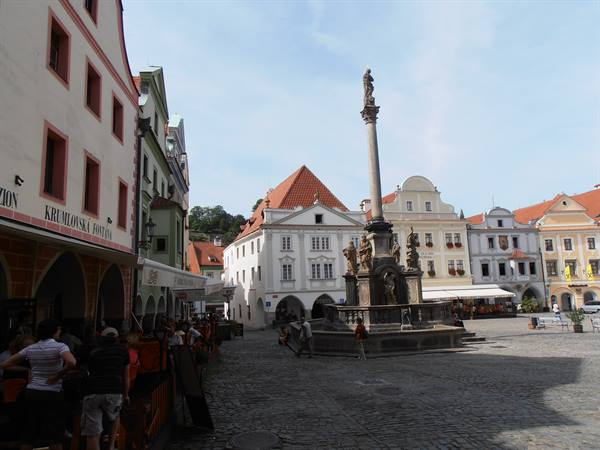
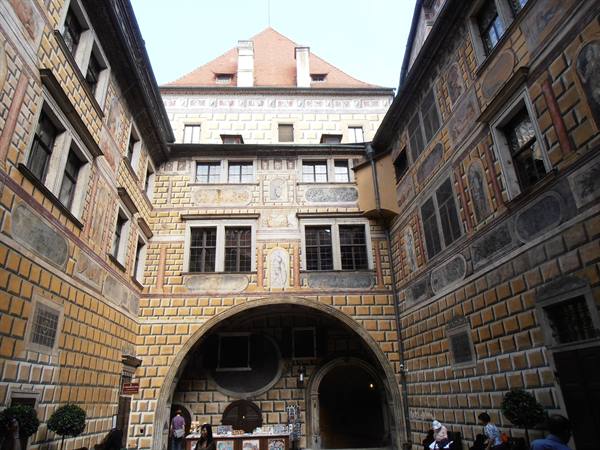
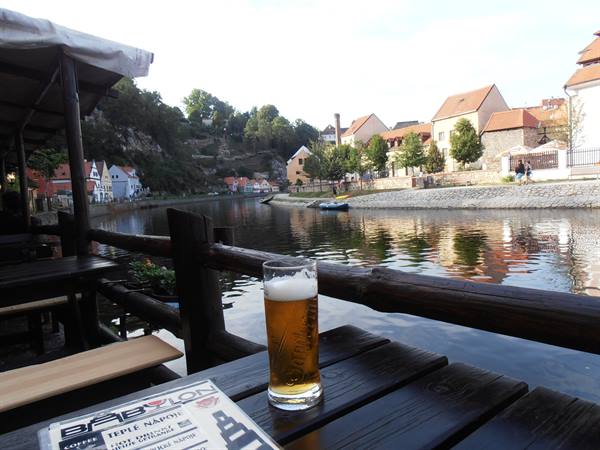
This very beautiful little town has a baroque and Renaissance castle belonging to important families of the Austrian aristocracy and a pedestrian historic centre inside the bends of the Vltava river that almost form an island. Along the river, dozens of canoes, dinghies and rubber boats run the circuit, helped by the current fed by drops in level that put the day-trippers to the test. I spent a lovely day strolling along the narrow streets and the beautiful squares and the banks at sunset, enjoying a good beer in a panoramic bar and then along the castle park in the upper part. Then, after a bus journey of about 5 hours, I reach the beautiful capital of Moravia, BRNO, with its difficult though short name, famous mostly for its motorcycle racing circuit which, so I was told, is about to close for lack of funds.
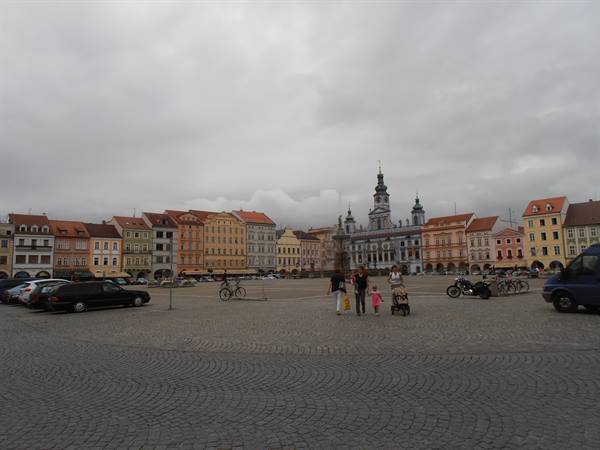
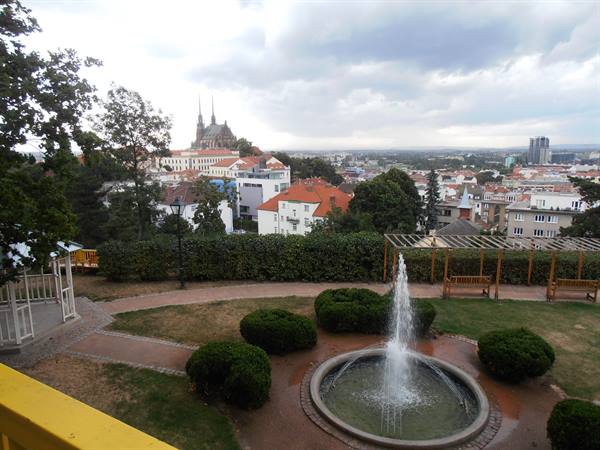
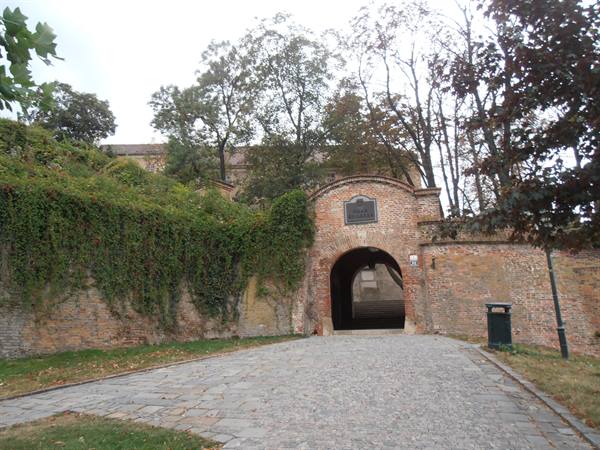
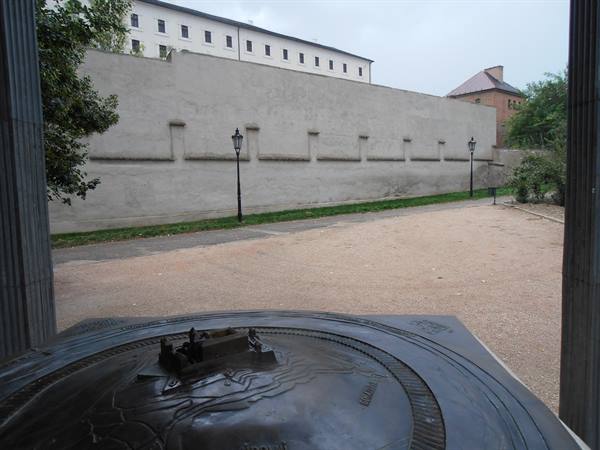
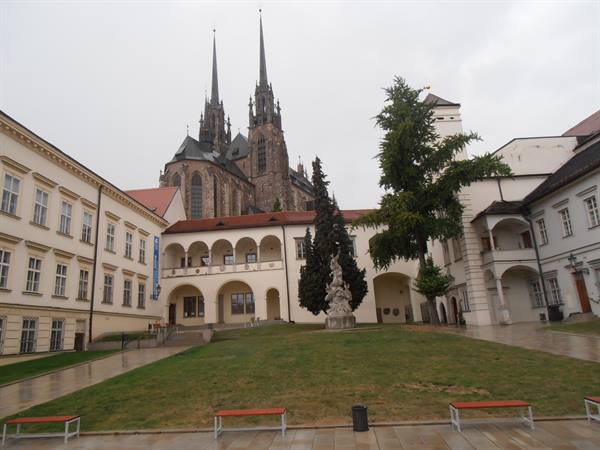
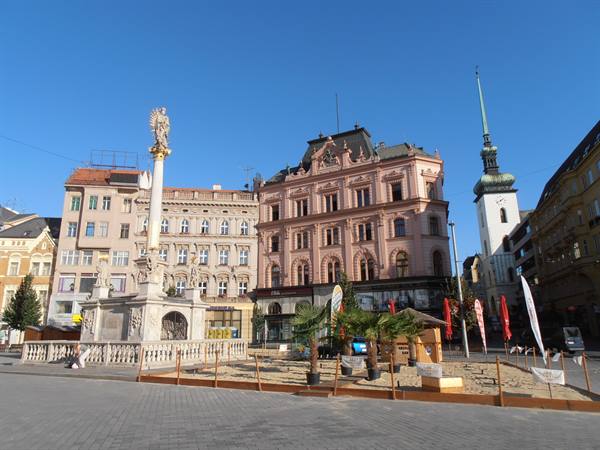
Brno is a beautiful, very elegant, clean city, with lovely parks and gardens, handsome squares with old buildings and modern ones that marry and alternate with each other. In particular, the attractions are a white town hall tower, the beautiful central Freedom Square with a column commemorating the end of a plague and the building with the statues of 4 giants that seem to hold it up, the market square with an old fountain and many stalls selling fruit and vegetables among old buildings, the hill with the Cathedral of Saints Peter and Paul that dominates the historic centre and from which you enjoy the city view, and finally the incredible Spielberg fortress, which brings to mind the story of Silvio Pellico and his book "My Prisons".
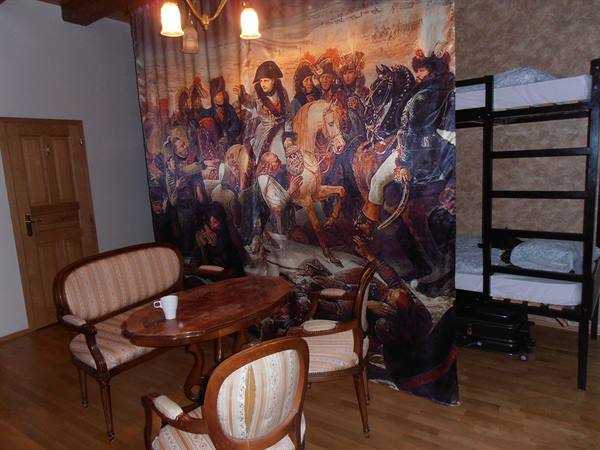
Indeed, all the dissidents of the Austro-Hungarian empire were imprisoned in this prison-castle, including our hero-writer, whose famous phrases praising freedom and democracy are recalled in Italian on a plaque on the walls. The fortress is now turned into a gigantic museum hosting exhibitions and art displays that I didn't have time to visit. In Brno too I stayed in a very original hostel, the Mitte, which features a v
The journey's photographs
45 photographs · click to open them full screen




















0 reader comments