The story
ZAGREB is a lovely city of around 700,000 inhabitants. I arrived there late, around midnight, and luckily I had the address of a hostel near the station, which I reached in ten minutes on foot. It was the Down Town Hostel, a spartan place with a bed in a 6-bed dormitory for 20 euros a night, but very convenient for its central position, a few steps from the main square and all the points of interest. The new Zagreb lies on the far side of the Sava river, but it isn't very interesting; I realised this in the last few days when I tried to reach it, but I gave up at once because it is made up of modern buildings left rather neglected and dating back to Tito's communist regime. Fortunately there are ample green spaces that soften the sadness of a boring, dormitory-town architecture.
Only on the last day did I take the tram, one of the many that make up the exceptional transport network based almost entirely on blue trams that form a network similar to the metro of larger cities, except that it runs above ground and for this reason is also more pleasant, though slightly slower. I took that tram to spend the last day, a Sunday, at Lake JARUN, a pleasant artificial basin that has also hosted the Universiade since it has modern facilities for rowing races, as well as various beaches and plenty of greenery around.
The waters are fresh and clean and there are various refreshment points, cycle paths, woods and three islands, one of them linked by a bridge; I was also able to watch a commemorative march in honour of Terry Fox, a Canadian athlete who had tried to cross both coasts of the North American continent to raise awareness of his illness, cancer, which took him before the march ended. For the record, on my way back from that lovely day spent at the lake I stopped at another city park with an artificial pond where the beer festival was taking place, a sort of local Oktoberfest with many marquees, each representing different regions of Croatia with their various culinary specialities and wines. I stopped at the one from Slavonia because it had a folk band playing excellent cheerful Balkan music that reminded me of certain village festivals I had attended during my childhood in Istria.
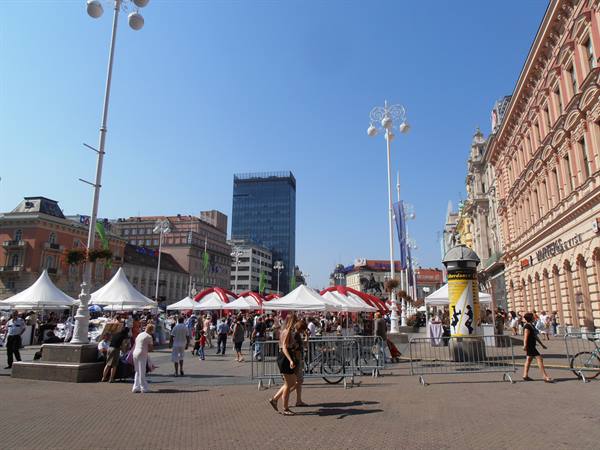
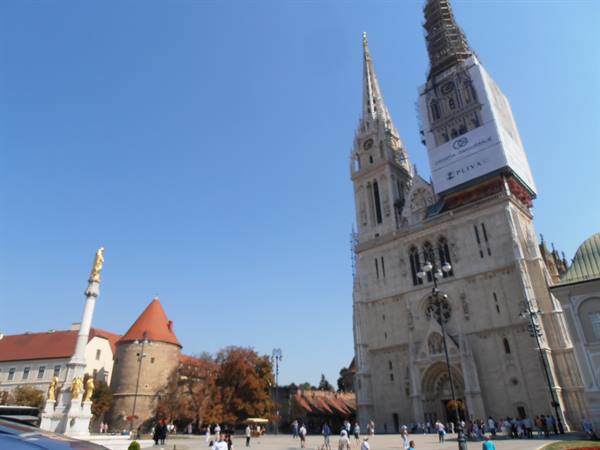
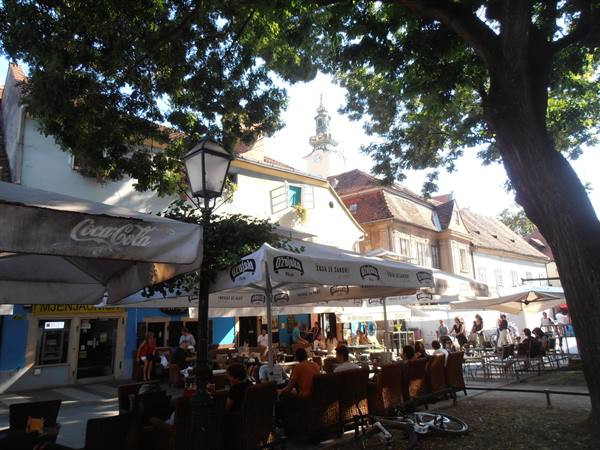
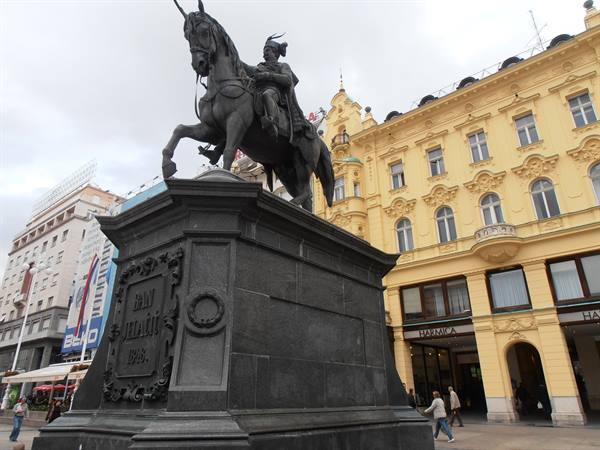
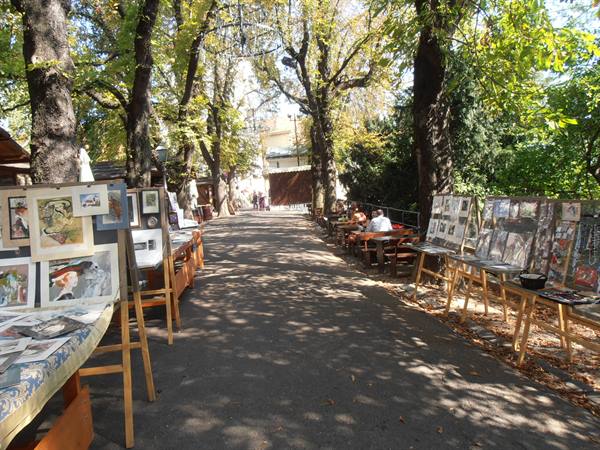
I spent the last day visiting a full four museums after crossing the historic centre again from the city park with its musical cloister and couples dancing the Argentine tango, Jelacic Square with the equestrian statue of the historical figure first thrown out and then rehabilitated, the nearby beautiful cathedral with its old walls and a tower, the market square with its cheerful stalls, another lovely church with a fine bell tower topped in green and gold, the pedestrian lanes with many crowded bars especially in the evening when the people of Zagreb come from all over the city to enjoy the peace of this old and relaxing part at the foot of the hill, which you climb either along a staircase or by taking the shorter funicular that in 64 seconds links the lower part of the city to the summit, home to the beautiful church with the coloured roof bearing the coats of arms of Zagreb and Croat
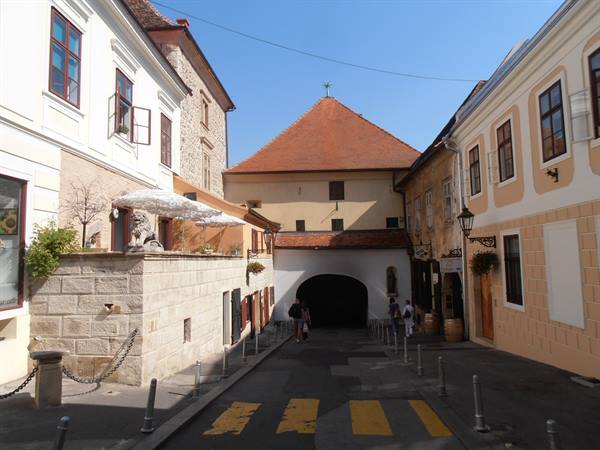
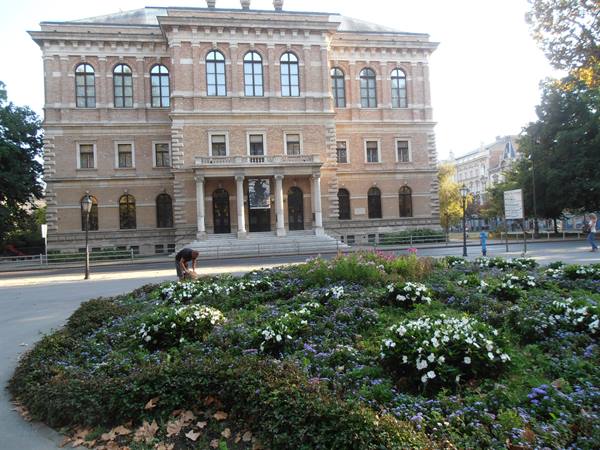
ia, the government palace, the Parliament and many museums, as well as an old tower from which for centuries a cannon has fired at midday, next to a romantic area called Strossmartre, a name that blends Parisian Montmartre with Strossmayer, the 19th-century bishop and patron who did so much for the Croatian capital — for example the building of the important museum that bears his name and houses an important picture gallery, mainly of religious paintings, painted above all by lesser Italian artists with a few fine exceptions linked to works by major artists. On the hill there is also an old gate with a protected image of a Madonna that miraculously survived a fire which in the 1800s destroyed the city, and which is a destination of worship and pilgrimage for the deeply Catholic Croats.
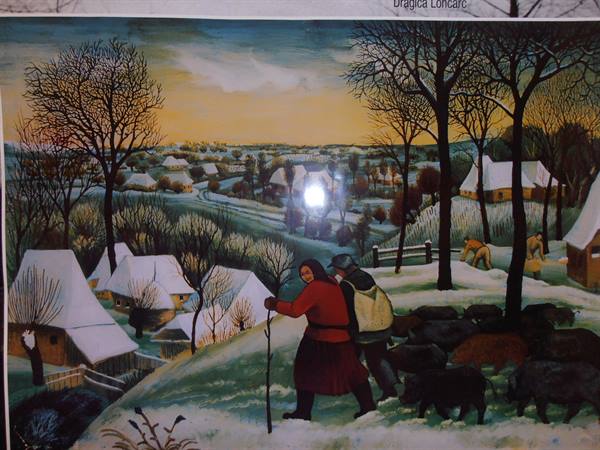
On the last day I visited two very interesting museums on the hill: that of naive art, a rich collection of the major Croatian artists, masters of this style linked to the great Generalic and... with around 80 paintings, each lovelier than the last, and then the museum of the great Croatian genius, the sculptor Mestrovic, who lived at the beginning of the last century and died in the USA. In his beautiful house, which hosted him for many years, is the rich museum that gathers many impressive and valuable sculptures. They are statues mainly in black bronze, but also in white marble and wood, with depictions of women in erotic poses and people in suffering.
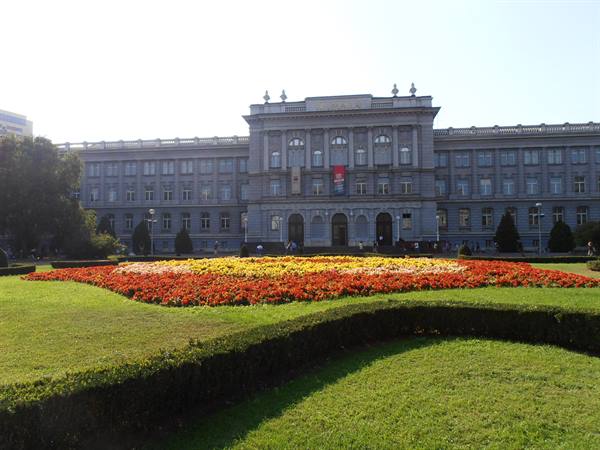
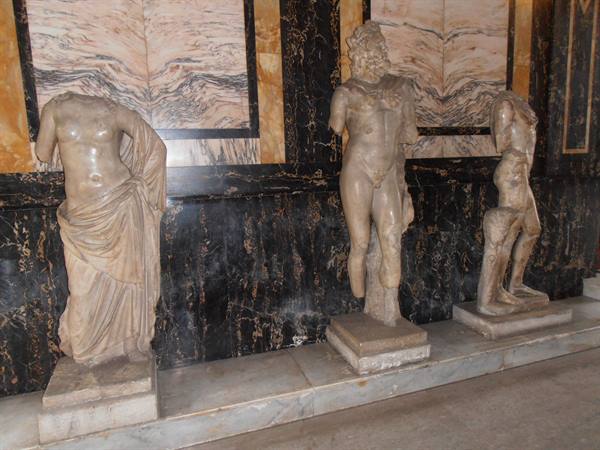
Another museum I had visited in the preceding days is the MIMARA, a collection rich in around 4,000 pieces among paintings, statues, porcelain, carpets and all the beautiful things that a wealthy Croat who emigrated to the USA after making his fortune had bought around the world and brought back to his homeland before his death, donating the precious collection to his native city, which after various ups and downs managed to find a worthy home in a very beautiful and large building that houses at a high level a very rich collection of works of art worthy of a visit and appreciation. Zagreb is a relaxing city where you breathe good air, by no means polluted by the little traffic, removed from much of the city which uses its splendid trams, silent and non-polluting.
There are large, well-kept city parks, especially the one in front of the railway station, but also ample green spaces to the north with the nearby mountain of... that brings fresh air to the neighbouring city, and the modern southern part I mentioned earlier. What can I say in the end if not that Zagreb was a worthy final destination of a lovely three-week journey that allowed me to complete my knowledge of Central Europe,
The journey's photographs
18 photographs · click to open them full screen





0 reader comments