The story
I take a flight to Timisoara, Romania, and after visiting the Romanian city that was missing from my Romanian itinerary and also Arad, almost on the Hungarian border, before boarding the train that will take me to visit Serbia for the first time.
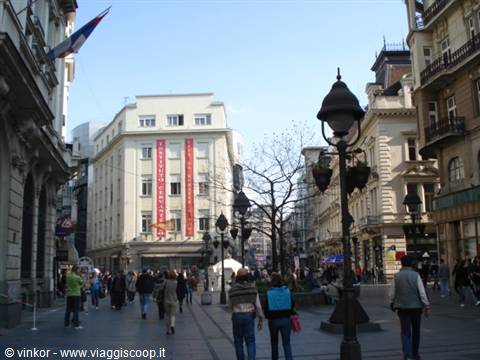
BELGRADE is a beautiful capital, at the confluence of the Danube and the Sava with its beautiful fortress, the Kalemegdan, a destination for the people of Belgrade who go there to admire the beautiful panorama, breathe a bit of fresh air after walking along the beautiful pedestrian street Kneza Mihajlova with its shops and street artists.
Another beautiful street is Terazije with its bars and the view of the Hotel Moskva and above all the Skandarska a little further south after crossing the beautiful square with the ever-closed National Museum and the statue of King Karageorgevic.
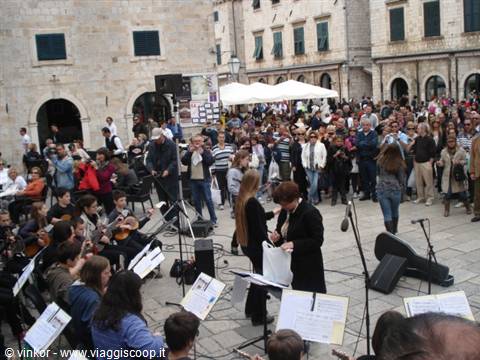
Skandarska is the Belgradian Montmartre with its bars and restaurants where you taste the excellent Serbian cuisine listening to Balkan folk music, but also the classical repertoire that small orchestras play for customers. Not far away is the so-called Silicon Valley, the elegant street where the beautiful Belgradian girls, botoxed and silicone-enhanced, arrive to meet their admirers in the fashionable venues and on the terraces of the outdoor bars and restaurants.
Belgrade is poor in museums, but not in art galleries. Not to be missed is the museum of the Serbian genius, Nikola Tesla, to whom Serbia has also dedicated the airport of the capital. And then various churches such as that of San Marco and the largest in the Balkans, still under construction, namely Sveti Sava which looks a lot like that of Alexander Nevski in Sofia.
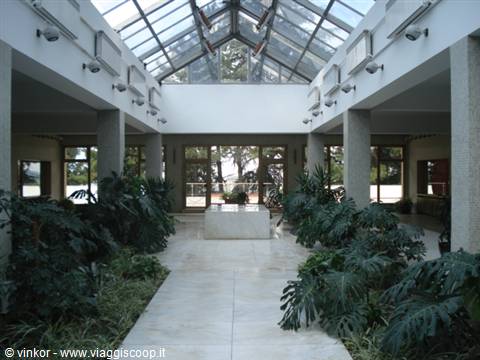
I would also say to visit Tito's mausoleum on a green hill on the outskirts, at the house of flowers that the Serbs snub because they do not remember with pleasure the regime of the Croatian leader who until 20 years ago was a local God. There is also a fine museum next to it that collects various gifts received from Yugoslav citizens, but also from foreign heads of state visiting Belgrade.
It is then worth taking a coach and arriving in a couple of hours at NOVI SAD, the beautiful city on the Danube with the fortress of Petrovaradin which in summer hosts the EXIT festival that attracts young people from half of Europe.
With another coach one reaches in about 8 hours SARAJEVO, the capital of the tormented Republic of Bosnia and Herzegovina, practically divided between the Muslim Bosnian federation and the Republika Srbska even though the two parts currently coexist peacefully, without a border and with a common currency, the Bosnian mark.
Sarajevo, which suffered 4 years of Serbian siege and was half-destroyed, still preserves the bullet holes in the façades of the buildings and the tunnel only one metre wide that supplied the inhabitants and reached the city centre from the nearby airport. The city that hosted the Winter Olympics in 1984 and was the site of the fatal 1914 attack against Archduke Franz Ferdinand that set Europe alight with the First World War, is really a beautiful city, crossed by the Miljacka river and surrounded by beautiful mountains.
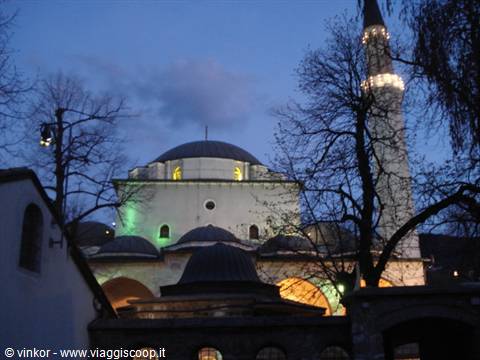
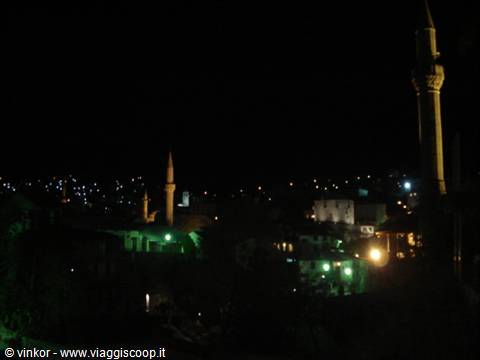
The western part has an Austrian imprint with majestic buildings of the late 1800s and early 1900s with many bars and cafés where the inhabitants love to sip coffee between one chat and another, while in the evening it is frequented by young people who love to stay up late in the many pubs and discos. The eastern part, on the other hand, has a Muslim imprint, the Bascarsija, that is the old Ottoman town with small houses, mosques, hamam inside which there are shops for tourists and art galleries.
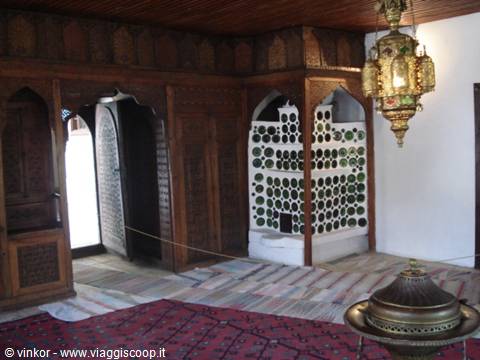
During the day the area is very frequented by tourists but also by locals who love to sip Turkish coffee, tasting the typical local sweets. To visit on the hill is the beautiful Ottoman house SVRZO from the 1800s with wooden balconies and rooms furnished with period furniture and carpets.
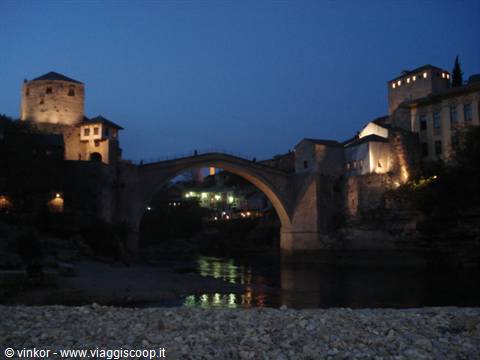
From Sarajevo one reaches by coach, along the Neretva which has many trout farms and adjoining little restaurants where you taste the fresh fish caught in front of you, MOSTAR the capital of Herzegovina, a city that I thought was especially Croatian and instead is full of mosques, hamam, bazaars typical of Sarajevo, but above all one admires its famous old bridge just rebuilt after the destruction of the recent war that razed to the ground the beautiful city which still shows many of its buildings abandoned and damaged by the bombings and by the front line that passed through the middle of the city.
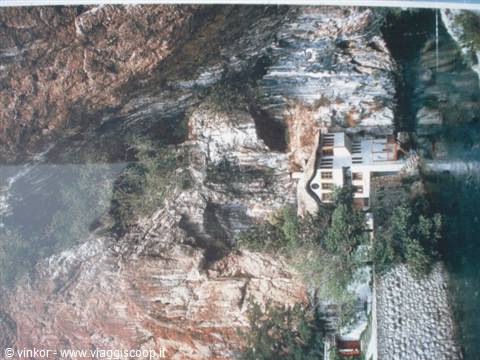
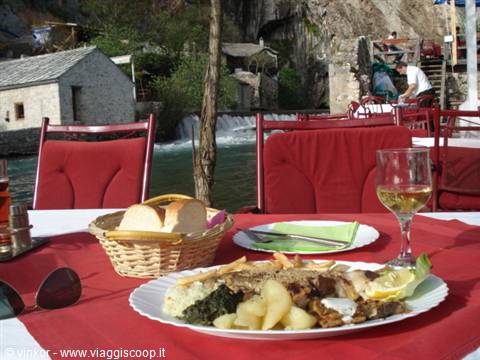
From Mostar, after walking along the delightful tourist citadel around the bridge and having photographed it from all positions, one can take a fine excursion to the nearby BLAGAJ, a small but relaxing town with its river Buna that springs from a hole above the dervish temple, in the rocky mountain that towers over it. One can taste trout or carp here too in the restaurants on the wooden walkways with a view of the dervish temple in total renovation.
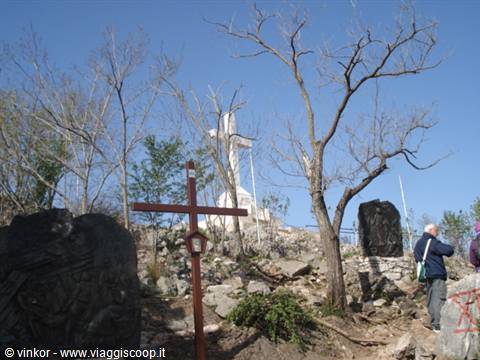
Another interesting excursion from Mostar is the one leading to MEDUGORJE, the town where in 1981 six teenagers saw the Madonna and which owes its fortune to this event since thousands of pilgrims come there from all over Europe for the mass in the new church and for the climb of Mount Krizevac along the dangerous and uneven path since the paving is of sharp stones that some walk barefoot as penance before reaching the summit with the cross and the spectacular view over the valley below, after passing various hairpin bends with crucifixes and the bronze scenes of Jesus's ascent to Calvary.
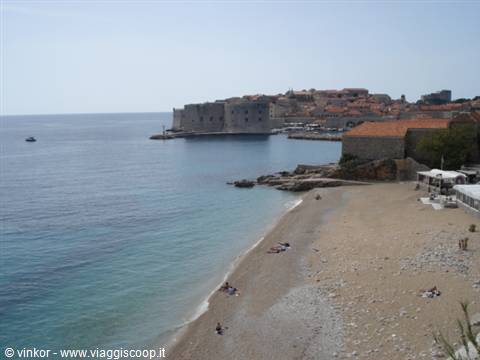
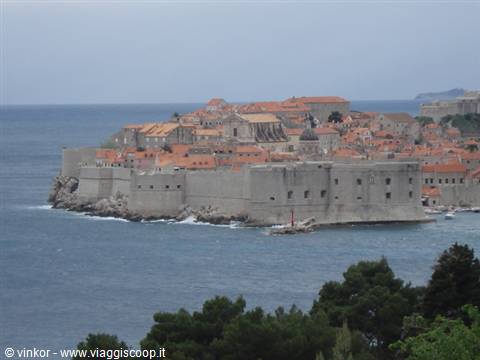
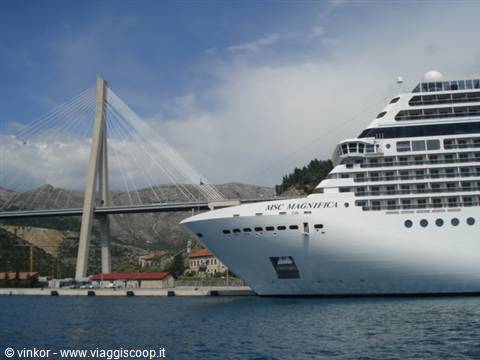
From Mostar one travels partly by train through a landscape of mountain gorges and tunnels carved into the rock and then by coach until landing in NEUM, the only Bosnian town on the Dalmatian coast, on the road leading to the nearby DUBROVNIK, the beautiful Croatian city that I visit for the fourth time, losing myself in its little streets and alleys inside the walled city which in the evening is almost deserted while by day it is besieged by tourists who arrive by cruise ships. I took advantage of the good weather to relax on the beach of Ploce a few steps from the old high walls and I even swam in the cold waters of the Adriatic.
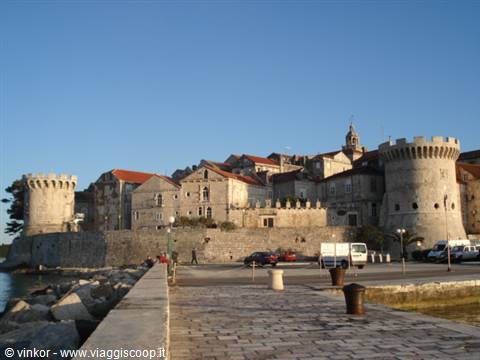
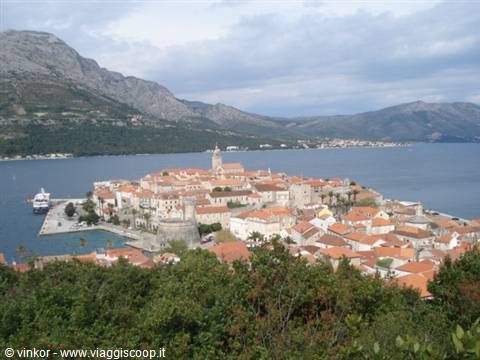
The following day winter returned and I left by coach for KORCULA or Curzola, the beautiful island reached through the Peljesac peninsula and then from Orebic with a short ferry crossing to the beautiful Venetian town which the locals say is also the birthplace of Marco Polo, complete with a marked house, as well as the beautiful churches, the high walls, the towers, the narrow alleys, the palms, the rocky coast with small beaches and the beautiful pine wood uphill with many cyclamens even in April, a beautiful ancient tower and a breathtaking view over the city and the sea which here seems a lake since it is bounded by the Peljesac peninsula.
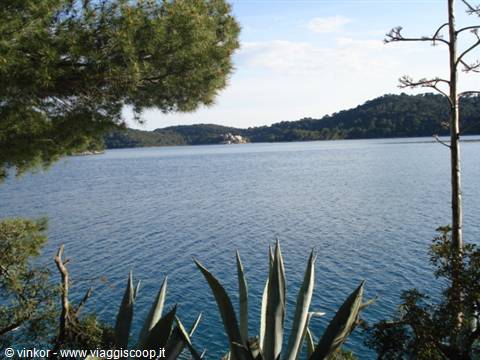
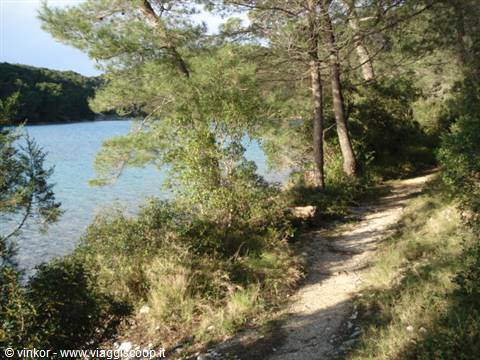
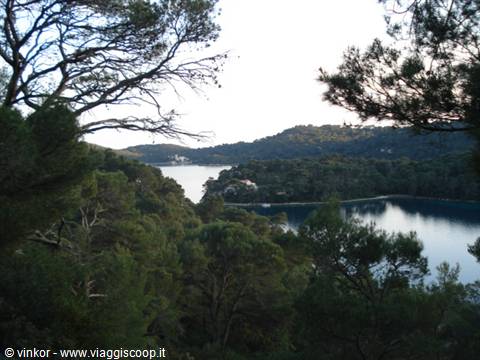
On returning to Dubrovnik I took the catamaran to the island of MLJET which I had been chasing for years to visit its national park consisting of two adjoining lakes, a small islet with an ancient monastery and plenty of beautiful vegetation that one enjoys walking the trails along the lakes.
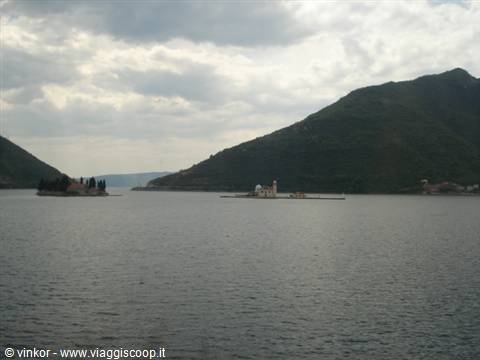
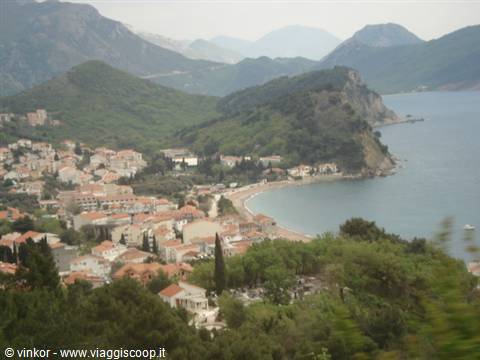
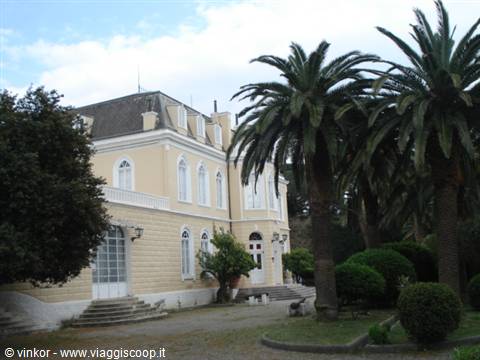
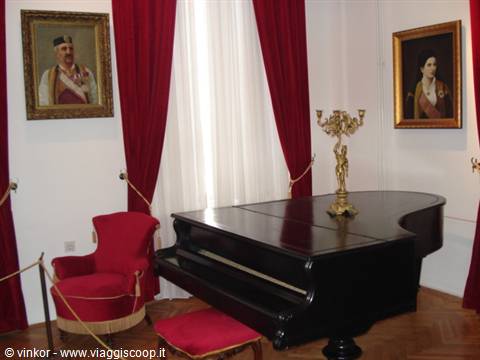
Then another coach towards neighbouring Montenegro and I quickly pass the beautiful bay of KOTOR, the peninsula of Sveti Stefan, Budva, Petrovac, Sutomore until reaching BAR, whose ruins of Stari Bar I had visited the previous year but I had missed the beautiful port city, with its seafront promenade under renovation and the beautiful palace of King Nikola which houses a museum and the original rooms of the Montenegrin royal family which included Queen Elena, who married Victor Emmanuel III, the short king who married the very tall princess to raise the stature of the Savoy.
From Bar one crosses the whole country, encountering tunnels carved into the mountain, the capital Pod
The journey's photographs
40 photographs · click to open them full screen















0 reader comments