The story
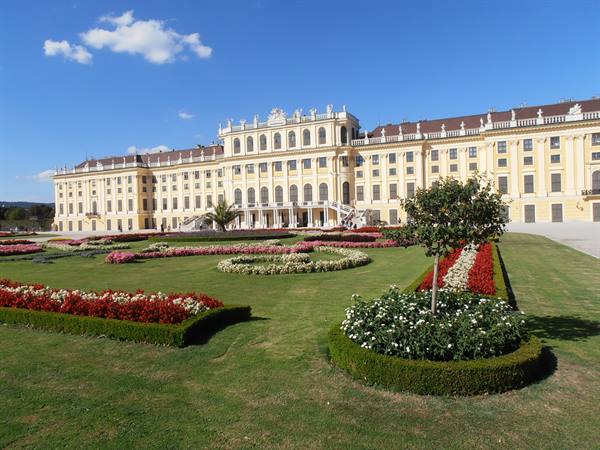
I meet Vienna again 40 years after my first visit and 30 after my second, and... well... back then I hadn't seen much, apart from St Stephen's Cathedral, a distracted stroll through the centre and the famous Schoenbrunn Castle, the Habsburgs' summer palace, which this time I only see from the outside, strolling through the lovely, very well-kept park, full of flowers and with an Italian-style garden. This time, however, my three-day visit to Vienna is a triumph of palaces and museums.
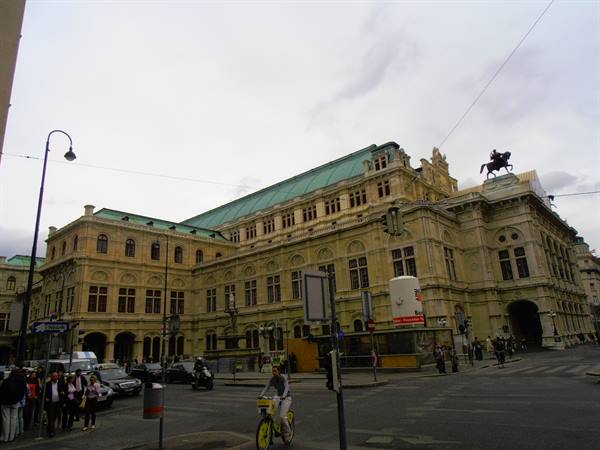
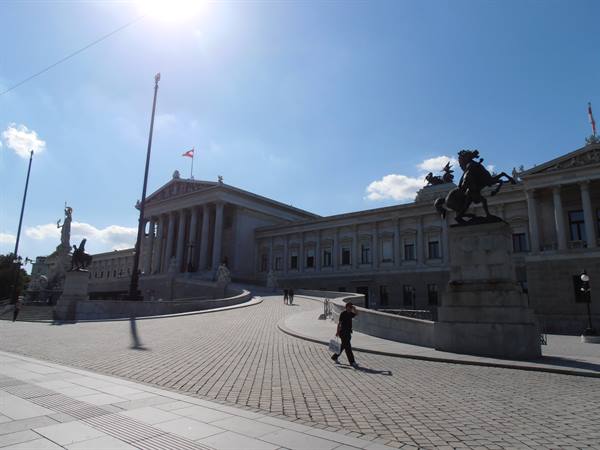
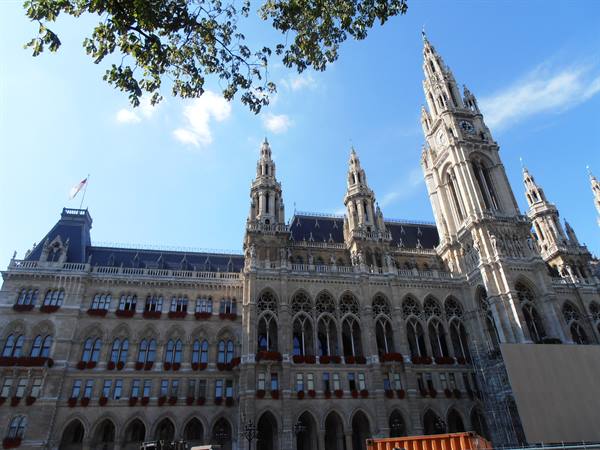
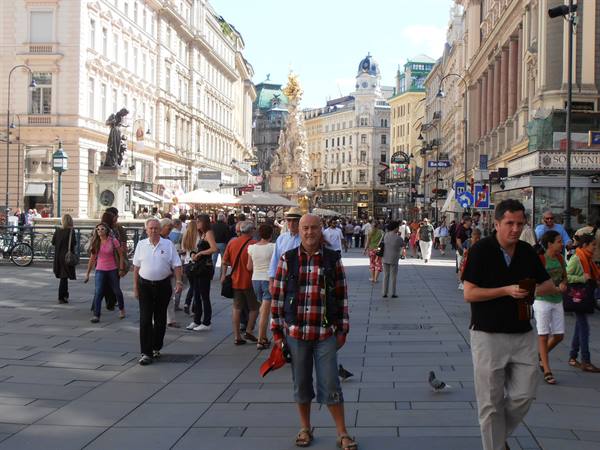
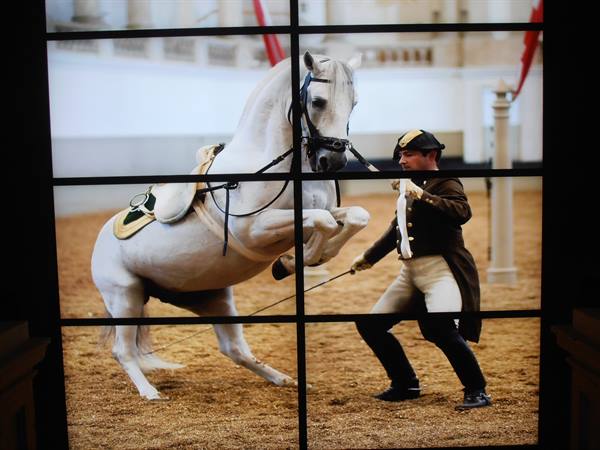
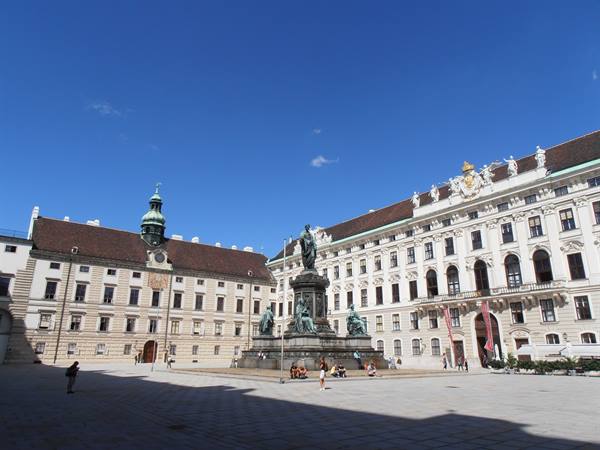
Of course it was also lovely to stroll through the wide pedestrian area around St Stephen's Cathedral with its colourful roof, the Graben with the statue commemorating the end of the plague and its elegant shops, the park with the elegant Town Hall building under restoration and the adjoining Parliament, University and Opera House buildings, but the triumph was the HOFBURG, that is the Habsburgs' winter palace, made up of about ten buildings, the church where weddings and funerals were held and where the hearts of emperors and empresses are kept, the parks and courtyards with many statues, the treasury, the Royal Chapel and the riding school with the Spanish school of the white Lipizzan horses, which are bred in Lipica on the Trieste Karst but a few kilometres across the border in what is now Slovenian territory,.
The Hofburg, literally courtyard castle, is made up of about 2,400 rooms that today house museums and exhibitions, but what moved me for a whole day is the building that houses the personal apartments of Sissi and her husband, Emperor Franz Joseph. We have all seen the films with Romy Schneider that TV shows again and again with great success; moreover I am from Trieste, which is home to Miramare Castle, the residence of Maximilian of Habsburg, brother of Franz Joseph, who hosted several times the restless and depressed empress, forever travelling and fleeing the boredom and formalities of the Viennese court.
The beautiful princess was eternally depressed also because of the suicide of her son Rudolf at Mayerling; she was obsessed with appearances and diets, with very long hair that took 4 hours a day to care for and clean, she was a sporty rider always on the brink of injury and very attached to Hungary, also because, according to malicious gossip, her lover was the Hungarian count Andryass, to whom Budapest has dedicated one of the main streets in the centre. In the empress's apartment you can admire various rooms containing her wonderful dresses, her jewels, the gym equipment that was ahead of its time, photos of her children and many portraits that highlight her beauty and elegance. The emperor's apartment is more sober, but very interesting.
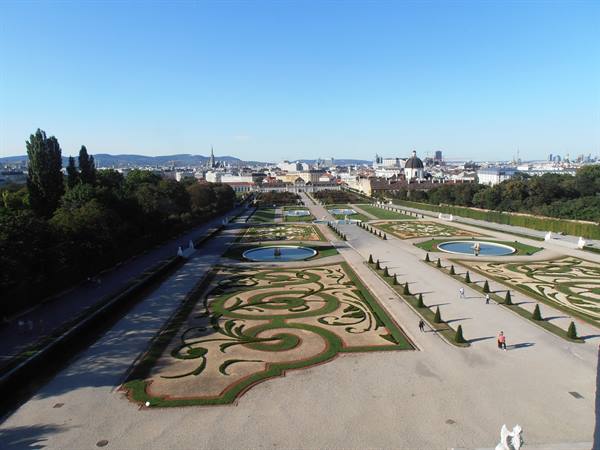
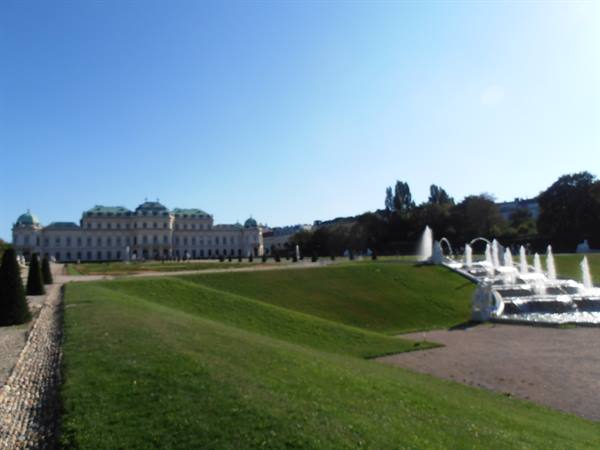
There are many portraits of his much-loved wife, his simple bed where he slept alone and was woken at 3.30 in the still dead of night and subjected himself to a bath, rubbed down by a sleepy servant. There are the rooms where he received ministers and the weekly audiences attended by as many as 100 citizens, even simple folk who requested an audience to ask favours and whom the emperor listened to for a few minutes, giving an answer to each. A pity not to be able to take any souvenir photos, whereas you can do so in the basement, where you visit sets of plates and glasses and precious trays and food carriers that were part of the imperial furnishings. Vienna captivates with its palaces and museums and I visited quite a few. What struck me most is the Upper and Lower Belvedere, separated by a very long park-garden embellished with elegant classical fountains.
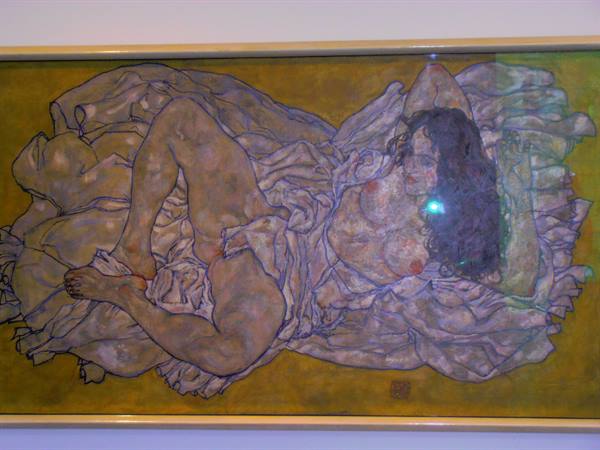
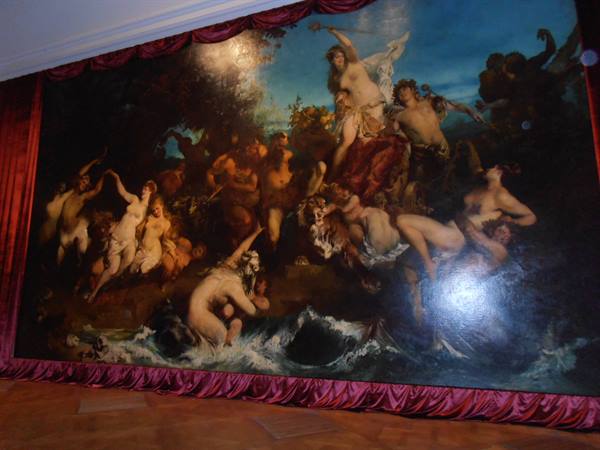
In the Lower Belvedere there are gigantic and extraordinary paintings by the 19th-century Viennese painter Mackart, who was unknown to me and whom I liked enormously. He was a painter of eroticism with portraits of beautiful women and others such as the homage of Venice to the noblewoman Caterina Cornaro, which is a great masterpiece. In the Upper Belvedere, panoramic and elegant, there is a rich picture gallery with the famous painting of the kiss by Klimt and works by the other great Viennese painter Egon Schiele, whom I had already appreciated at an exhibition in Como and whom I was able to explore further not only at the Belvedere but also in another Viennese museum in the museum quarter, opposite the Hofburg. That museum is truly exceptional with many masterpieces by great classical painters of various nationalities, one of the best I have visited around the planet.
Unfortunately, having visited about twenty museums during this trip, I get a bit confused and can't remember the authors, but I saw masterpieces by Kokoshka, Chagall, Picasso, Matisse, Mirò, Cezanne, Van Gogh, Brughel, Renoir, Monet, El Greco as well as our own Raffaello, Tintoretto, Caravaggio, Canaletto, Bronzino, Pinturicchio, Buonarroti, Modigliani, Guttuso, Carrà, De Chirico and many other lesser names of our Renaissance, the 19th and 20th centuries. In particular, in Vienna I visited the Leopold Museum, which holds the largest collection of paintings by Egon Schiele and others by Klimt and Kokoschka, and an exhibition in the museum quarter dedicated to the great Salvator Dalì, of whom I was able to admire a few very beautiful paintings, and to many other artists inspired by him not only in painting but also in statues and compositions of various kinds.
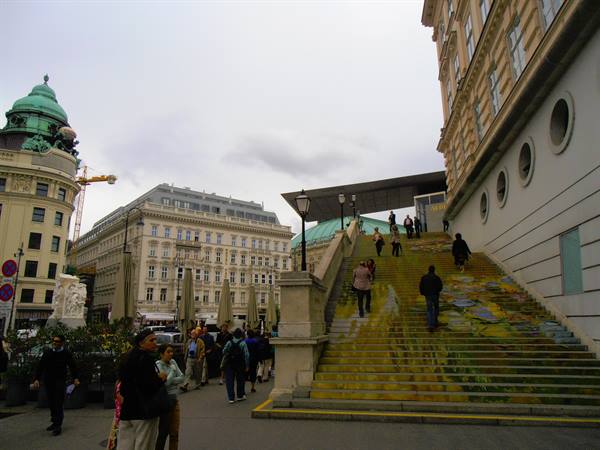
From Vienna I also remember the Opera House with the star on the pavement in front dedicated to our Giuseppe Verdi, the statue of Mozart and Goethe and another museum in a historic building, the Albertinum, another incredibly rich picture gallery, and the nearby pavilion with an old botanical garden that must have been beautiful but today is rather neglected and turned into a bar. On the Graben, the elegant central pedestrian street, there are also modern black bronze statues portraying characters from a science-fiction film. I also liked the Naschmarkt, a market more than two centuries old that hosts open-air stalls along an avenue with many small restaurants and bars where you can eat fish and other local specialities at reasonable prices.
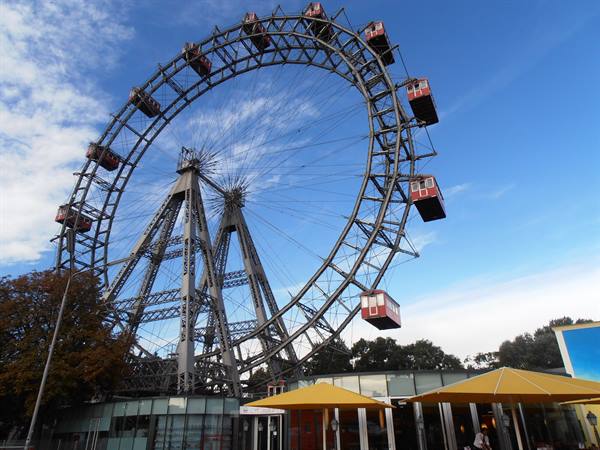
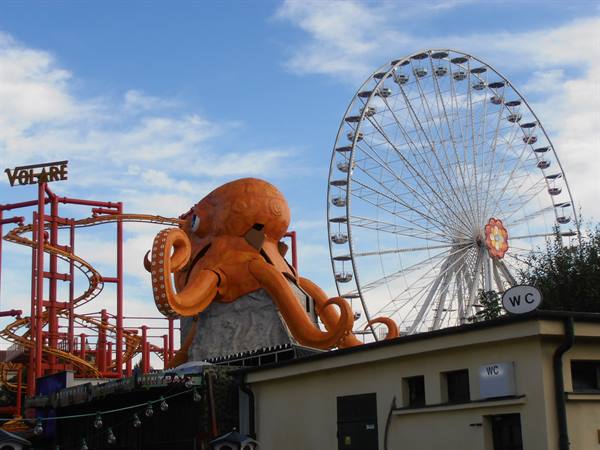
Strangely I didn't see the beautiful blue Danube, which I later discovered was not far from the Prater, the great wheel and the huge amusement park that I visited deserted early in the morning and in the evening as it was closing, with its lights and infernal rides that I refrained from trying because they are enough to give you a heart attack, with sudden vertical drops at full speed down endless towers or another modern wheel much bigger than the old classic one. Vienna is perfect and some say rather boring, but I don't agree.
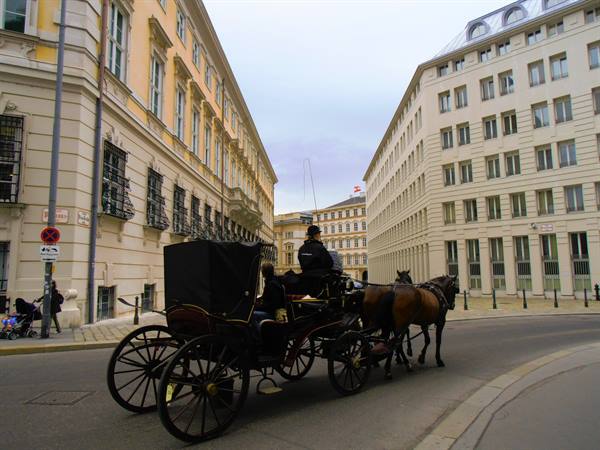
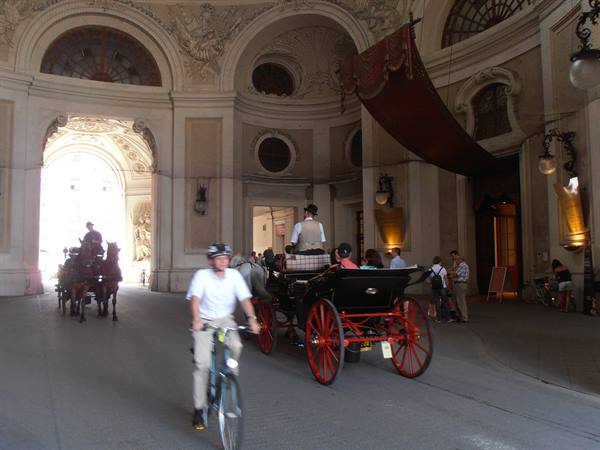
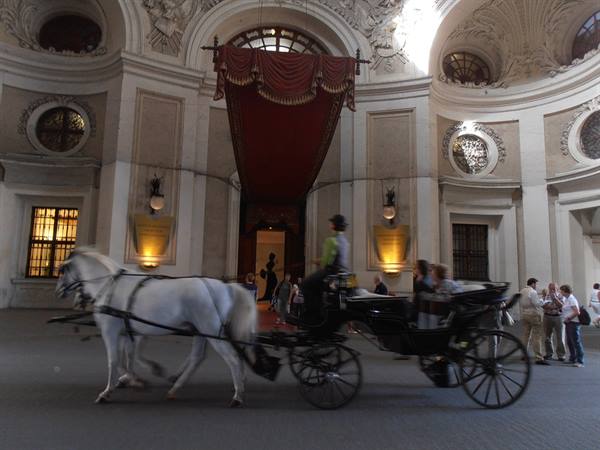
I think that from a cultural point of view it is one of the most interesting cities in Europe and very fascinating for the great past of an empire that dominated the centre of the continent for centuries and that, despite the passing centuries, fully preserves its memory, if only for the many horse-drawn carriages crossing the historic centre and its famous cafés where you taste delicious sweets like the Sacher torte or the strudels, not to mention its chocolates. I would also have liked to take a trip outside Vienna for a taste of Austrian wines in the famous...... among hills and with a view of the Danube, but the city's many attractions forced me to wander through the centre discovering ever more interesting and fascinating places.
The journey's photographs
25 photographs · click to open them full screen




0 reader comments