The story
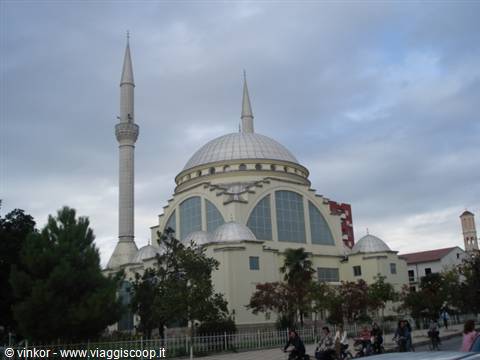
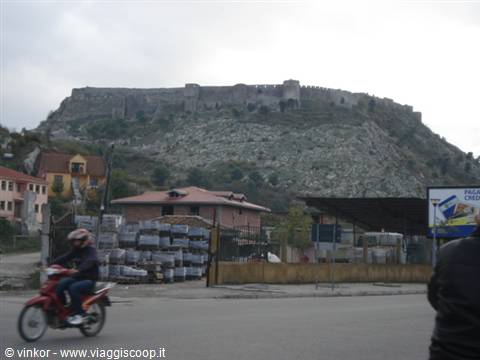
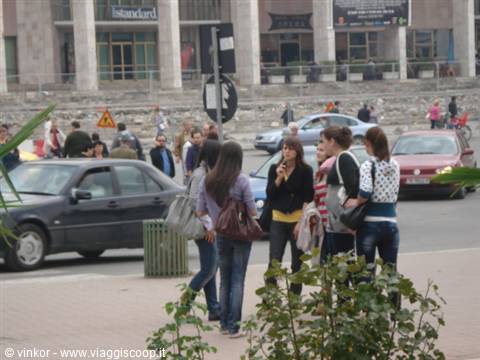
The first impression was negative because I came across scenes of poverty and also quite a lot of rubbish at the roadside, but as soon as I arrived in Scutari, I immediately changed my mind and felt reassured, admiring modern buildings, fine parks and gardens, large squares and a lovely pedestrian street with pastel-coloured houses. There are beautiful mosques and a hill with a famous castle fortress. I take the modern motorway to the capital TIRANA where I arrive after a couple of hours. The city presents a whole series of very tall, brightly coloured blocks, traffic made up of lots of Mercedes. After a refreshing shower I go to discover the capital, crossing the great central boulevard named after the last Albanian king, Zog. There are many shops, boutiques, bars and well-dressed people.
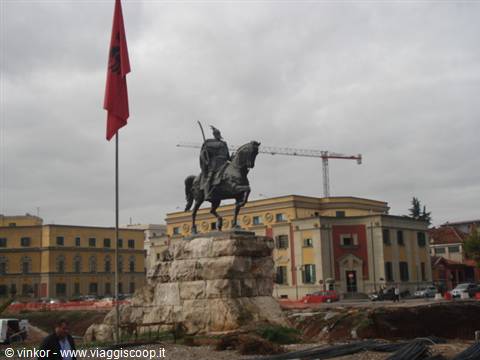
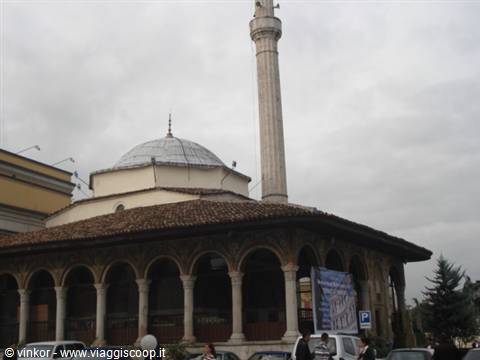
You arrive at a very large square in total refurbishment with the Albanian hero Skandenberg on his horse in the centre. All around are yellow and red buildings that house various ministries, the Museum of history and archaeology, a very beautiful old mosque and then, further on, the Parliament and Government building. * Most of these government buildings were built by our occupiers in the 1930s, but there are also futuristic skyscrapers, a fine park with a famous restaurant and then a street full of boutiques. The next day I take a walk through the centre, first visiting the excellent history and archaeology museum, practically deserted.
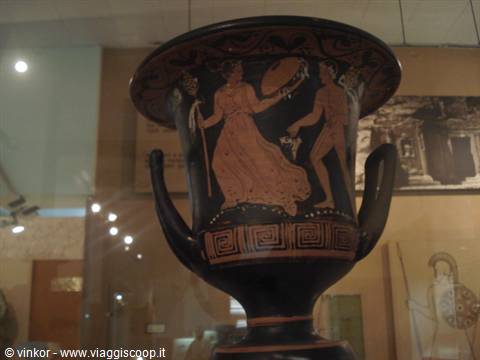
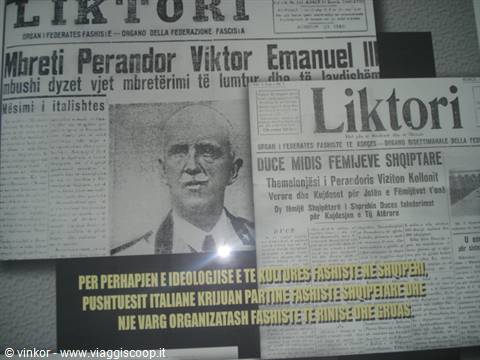
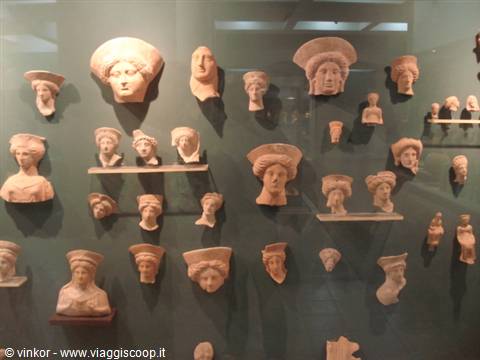
There are remarkable artistic pieces taken from various Albanian localities of various eras, mosaics, statues, photos, but what strikes you most on the upper floor is the room dedicated to recent history with the Italian invasion, photos of King Zog, of Mussolini and of King Vittorio Emanuele III, the war, the communist revolution and many photos of the victims of the regime, which naturally today is seen as a dark period. * I then visit the most exclusive district with residential villas that belonged to the communist nomenklatura, the villa of the dictator Enver Hoxha, the embassies of various countries and the new buildings.
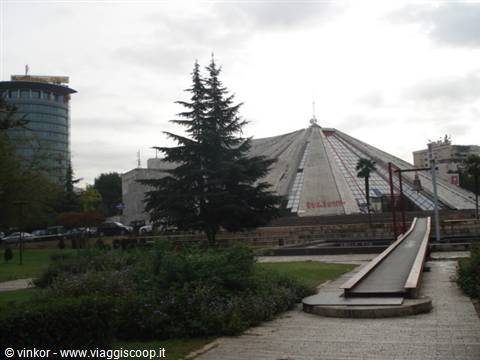
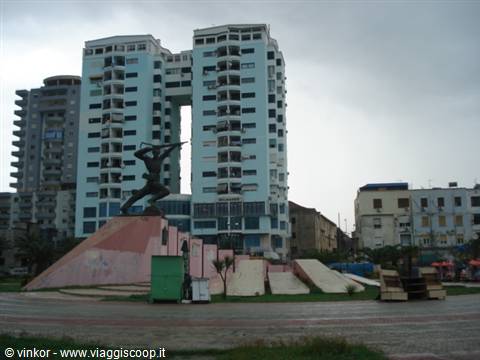
There is a river that looks like a canal with green banks, a horrible enormous pyramid built on the orders of the dictator's daughter as a mausoleum for her father, which is now falling into ruin, an ancient stone bridge standing by a miracle, rather squalid houses from the communist period, but then modern buildings and fine squares. A pleasant city with many open spaces, parks and wide boulevards. * Next destination DURAZZO where I arrive by motorway from Tirana in a couple of hours. Unfortunately it rains continuously, I arrive in the modern part along the sea with lots of deserted hotels and apartment blocks and then the historic centre which is not up to much.
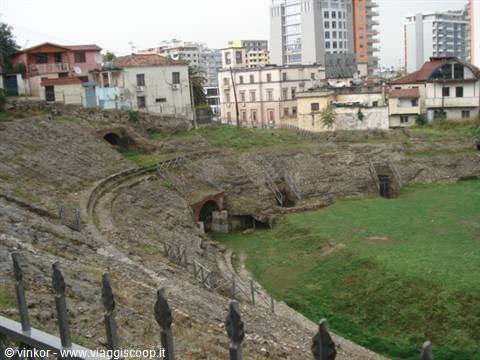
There is a large Roman amphitheatre oppressed by tall buildings, other Roman ruins, a Venetian tower and above all an archaeological museum with statues, porcelain, jewellery from the Greek and Roman era recovered in the area, from the time when Durazzo was an important colony. * The next stop is FIER, a modern city with colourful blocks. I stay in a hotel in the centre with a comfortable room for 20 euro. I dine at the hotel restaurant, I eat well but this time I pay double compared to Tirana: about 10 euro for veal roast, potatoes, vegetables, beer and grappa. I meet a group of young people who speak good Italian and tell me about the Albanian mafias in league with the politicians who lord it over the country. I also meet a likeable literature professor who invites me to the bar to drink a good mulberry grappa.
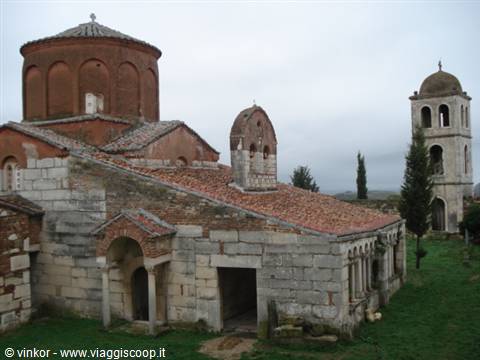
He is forced into a second job at a local TV station and practically works 18 hours a day! I even meet a gentleman who recites to me verses from Dante's Inferno, incredible! * The next day I take an excursion to APOLLONIA, one of the main archaeological sites in the country, first a Greek and then a Roman colony. The site is very evocative, on a hill amid greenery with olive trees and Mediterranean shrubs. There is a beautiful old medieval church and various ruins: a theatre, a mosaic covered with sand for protection, a necropolis and below you glimpse an enormous valley with the usual bunker casemates built by the communist dictator who feared invasions. It seems there are as many as 70,000 throughout the country. * I meet flocks of sheep and women tending groups of turkeys.
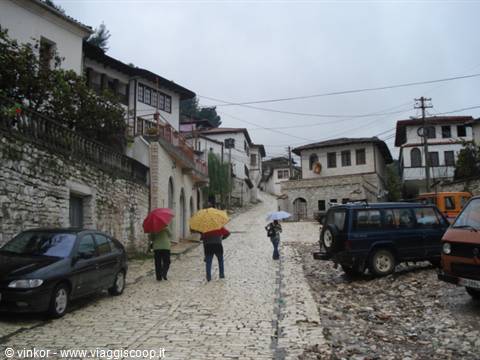
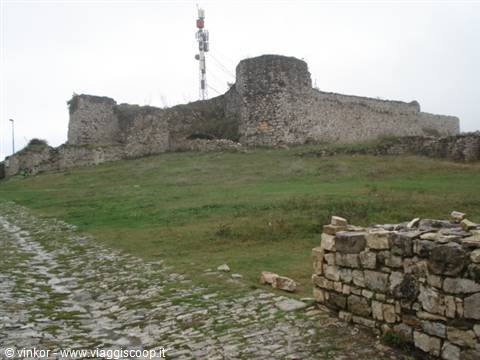
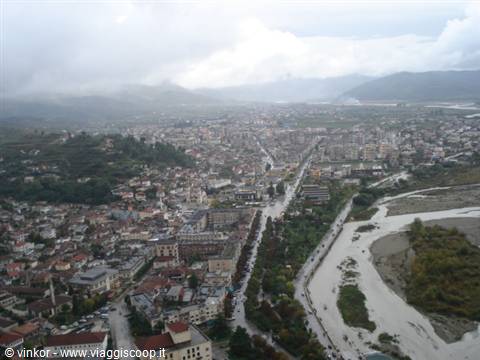
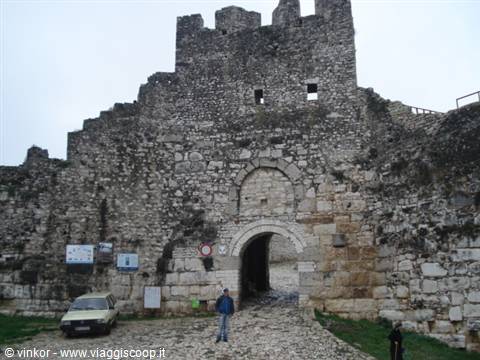
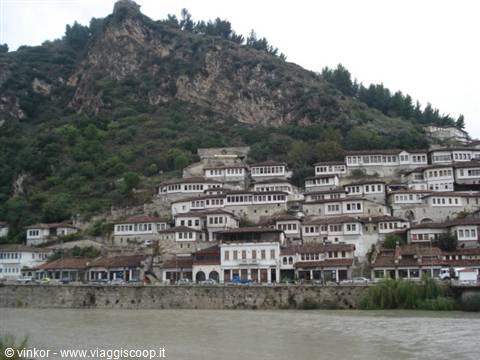
At this point I start heading south and I come across quite a few problems because it keeps raining, there are lots of potholes, diversions, roadworks, in short a disaster, but I imagine that in a year everything will be easier for the new visitors who will certainly come because lately Lonely Planet has recommended the country as a tourist destination. * Anyway I manage to reach BERAT, one of the most interesting old towns in the country. A white city of a thousand windows with period houses on a hill and a castle fortress at the top. There are various districts, an enormous river and the new city on the other side in the valley. Ancient mosques and ruins of old palaces. Everything is built in white stone, including the road surface, and you get the impression of living in the past.
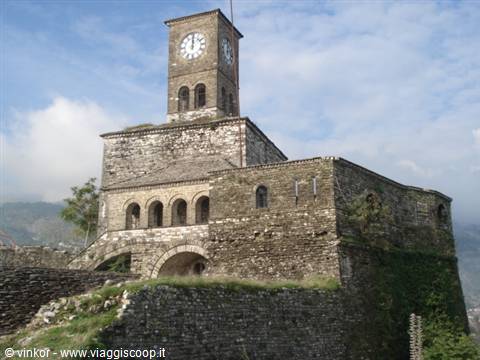
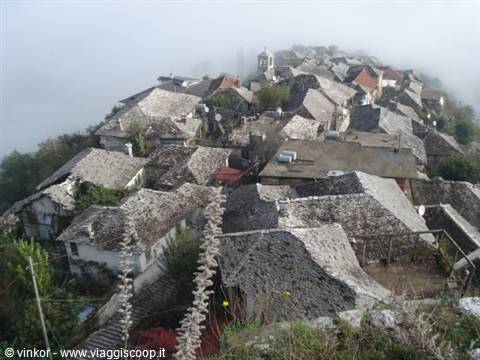
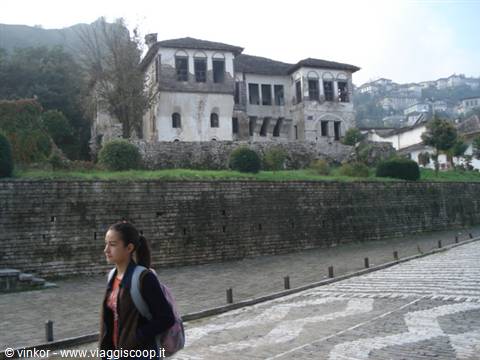
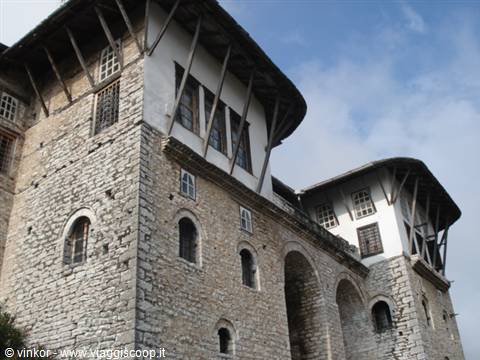
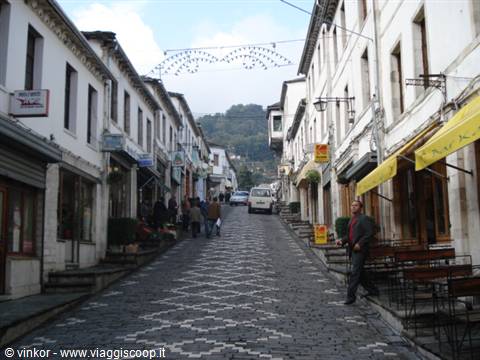
The other interesting destination is the city of GIROCASTRO which I reach, again with the problems described above, after sleeping in a bed and breakfast found in the evening in the dark like a mirage after a road that was getting uglier and uglier. A likeable couple welcomes me, they give me an excellent dinner, I watch the evening TV programme with them, with a game similar to our boxes one. The hotel is inside a farm estate with many pomegranate and persimmon trees on a hill overlooking a valley and a fine river below. It is the Albanian spa town and indeed later I come across water springs and various fountains. * Girocastro instead is the city of a thousand steps, it resembles Berat but is more neglected. Here too there are old houses but different ones: they are two tall white towers divided by a lower central terrace.
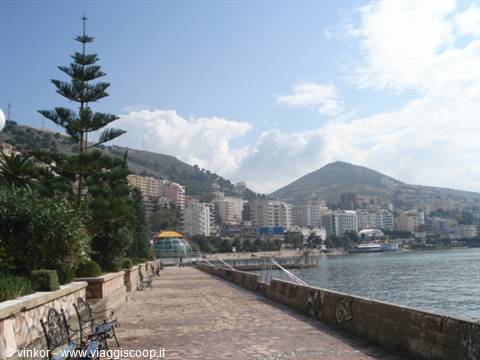
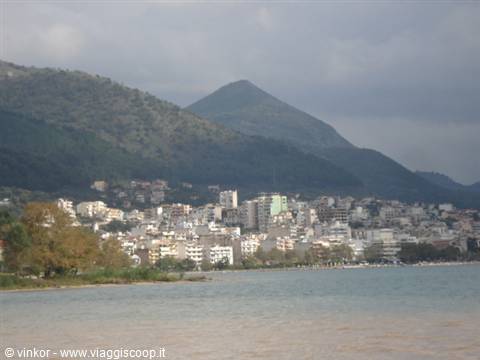
*As in Berat there is a castle fortress at the top with a museum of weapons, above all cannons used during the last war and even the wreck of an American fighter plane, not captured but landed nearby due to engine problems. * From Girocastro I follow a road with hairpin bends that climb over the mountains, I pass green valleys and hills with orange cliffs, a stream next to the road and an artificial lake before descending on the other side to SARANDA, a lovely seaside town with a fine promenade and restaurants where I stop for lunch and eat an excellent pizza and a delicious ice cream. * Due to problems with roads and distances I had to give up VALONA which everyone says is one of the most beautiful Albanian cities. Instead I choose BUTRINT, the main archaeological site, once a Greek, Roman and Venetian colony.
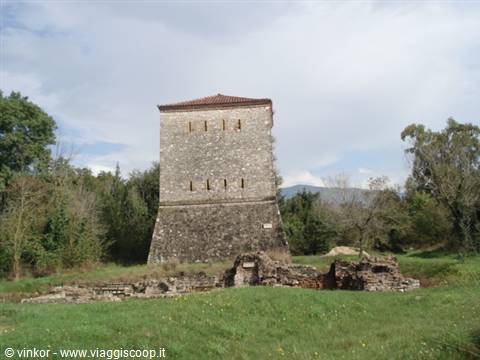
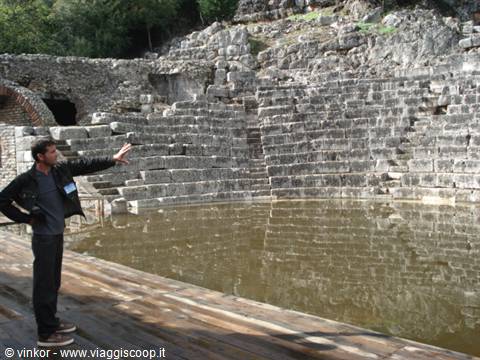
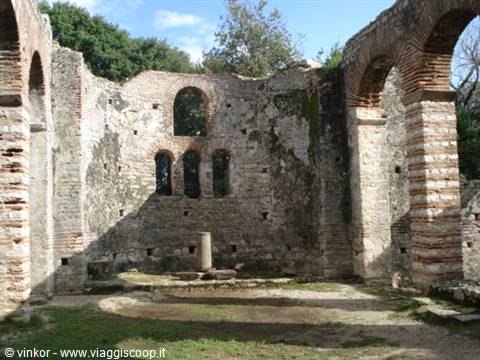
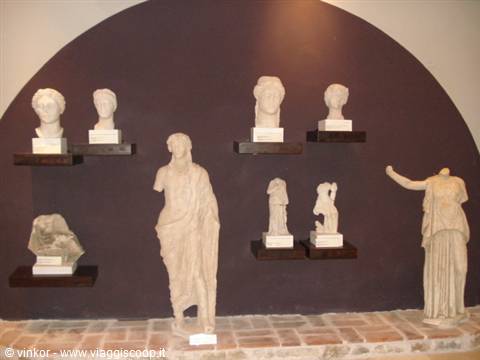
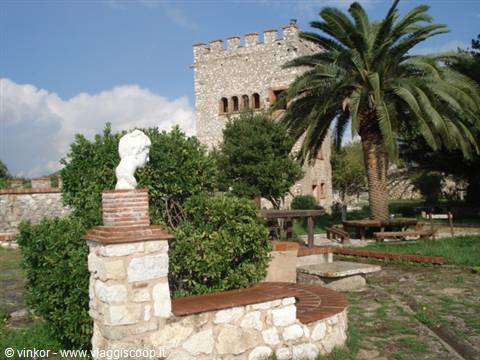
It is located in a very green national park between the sea and an inland canal-lake. I take a guide, a history student who tells me lots of interesting things. The Greek dry-stone walls for example, more resistant than the later Roman ones, who were the first to use cement, which however deteriorates easily. There are baths, the remains of a basilica, springs and wells of spring water, important mosaics here too covered with sand for protection, a Venetian tower and an interesting museum with various statues, objects from various eras and the very romantic head of an ephebe or young woman. * I have no choice but to take a ferry and reach the last small village on the border with Greece, where I meet some Albanian boys who at night are preparing to cross the border clandestinely to go and work in Athens.
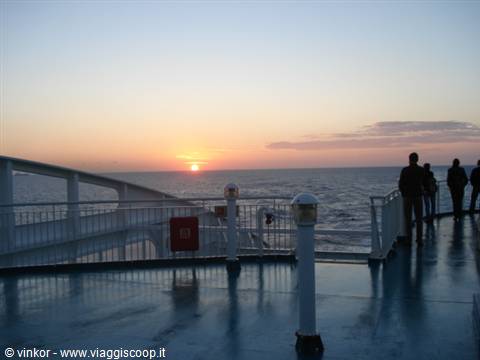
I arrive at IGOUMENITSA in Greece, I spend a lovely day strolling along the seafront and late in the evening I take the ferry for Ancona
The journey's photographs
37 photographs · click to open them full screen




0 reader comments