Nosy Be, Antananarivo, Ranomafana, Ambatolampy, Antsirabe, Sahambavy, Fianarantsoa, Ambalavao, Ranohira, Ifaty, Tulear, Antananarivo, Nosy Be · Madagascar
When
8 Sep 2010 – 15 Sep 2010 8 days · trip of 2010
Who
Sofia Sterchele · @solaika94 · Torino
How
Travel diary
The story · 8 days
Tour of the big island of Madagascar.
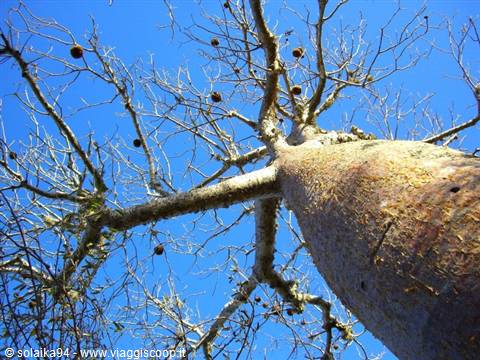
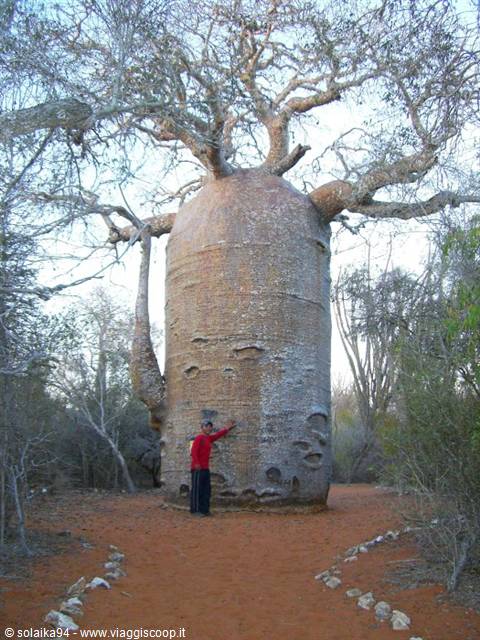
Departure from Nosy Be towards Antananarivo. Visit of the park hosting the rainforest of Ranomafana, to the craft businesses of Ambatolampy and Antsirabe, to the tea plantation of Sahambavy. Overnight stay in Fianarantsoa. Visit of the city of Ambalavao, typical for the processing of Antimoro paper. Visit of the Anja park and of Isalo. Short stay in the south of Madagascar in the province of Tulearm with a visit to the Baobab botanical garden, Return to Antananarivo for the panoramic visit of the city and of the Lemurs Park. Return to Nosy Be.
Overnight stays
Antananarivo: hotel "Le palissandre" Ranomafana Park: hotel "Domain nature" Ranohira: "Le relais de la reine"
Day 18 Sep 2010
Arrival on the big island
We leave Nosy Be for Antananarivo, otherwise known as Tana, the capital of Madagascar. At the Tana airport the two guides await us, who will accompany us during the journey on the big island, Ciprian and Hery. By the time we arrive the sun has already set; here it sets around 5:30-6:00 pm, and the temperature is lower compared to the day. We are at the end of the winter season and it is about 18°C. We arrive at the hotel "Le pallissandre", where we have dinner and spend the night. The next day, to reach our destination, Ranomafana, we will have to travel a good 430 km. Distances in Madagascar are not measured in km, but rather in travel times which stretch out depending on road and weather conditions.
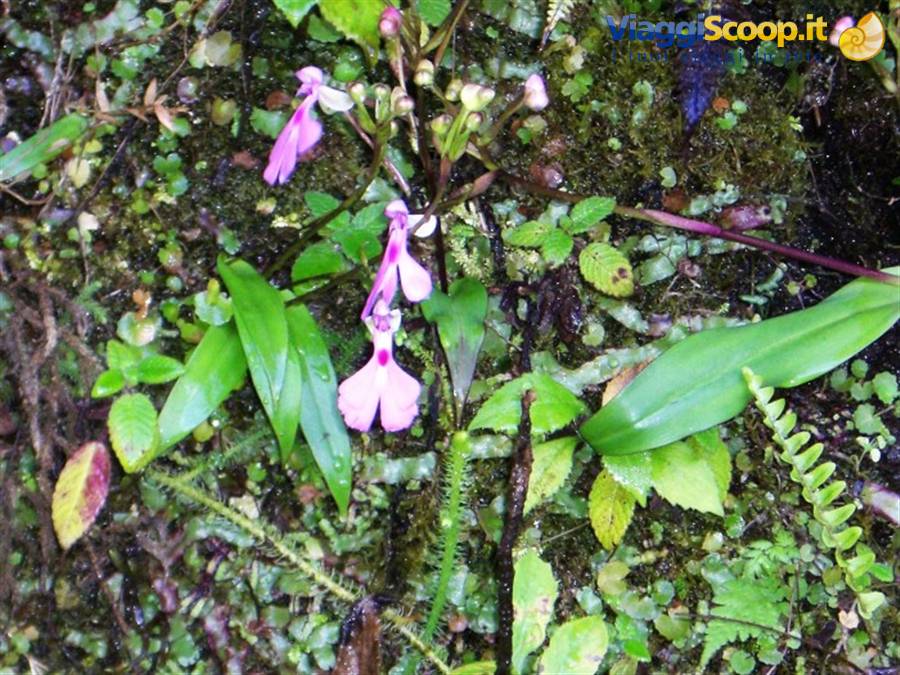
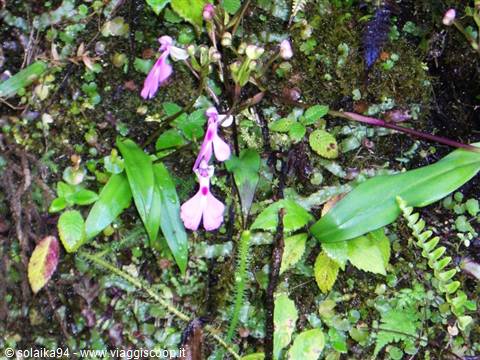
Ranomafana Park, small orchids
Day 29 Sep 2010
Towards the Ranomafana rainforest park
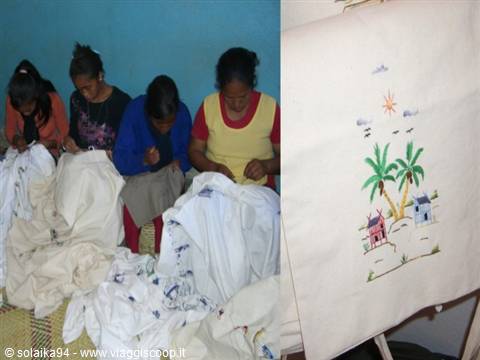
We set off towards Ranomafana park, where we will see the rainforest and have our first encounters with lemurs, animals endemic to Madagascar. Along the way we make a few stops to visit local artisanal businesses. In the village of Ambatolampy, we visit a workshop where aluminum pots are produced by hand. We watch the preparation of one of them, according to the traditional process. A particular powder is used to prepare the mold, while the aluminum is melted at high temperatures outdoors. Once the mold is prepared, it is poured in still incandescent; after a few moments the pot is extracted. We then visit a workshop where small models are built using recycled tin and rubber. Typical are the bicycle and the Madagascar "pusse pusse", little cars, small buses and the little Vespa. Next to it, a workshop where splendid tablecloths, napkins, doilies and much more are embroidered by hand.
We make one more stop on the journey at Antsirabe, where we visit a workshop where zebu horns are worked, the cattle raised in Madagascar. The horn of a zebu is treated according to a particular process and various perfect and shiny objects are produced. We go to a restaurant in the area for lunch. The main dish of the meal is a mix of rice and zebu, pork and duck meat, prepared according to traditional Malagasy recipes. We taste the "Fresh", the typical Malagasy drink, a prize recognized worldwide for its excellent quality. A Panachè prepared with the local beer of the three horses THB. We also visit the workshop where the country's precious woods are worked in Ambositra. A long afternoon awaits us to reach Ranomafana park. We enter the park when it is already dark, under a light drizzle. Our hotel is called "Domain Nature" and is located inside the park.
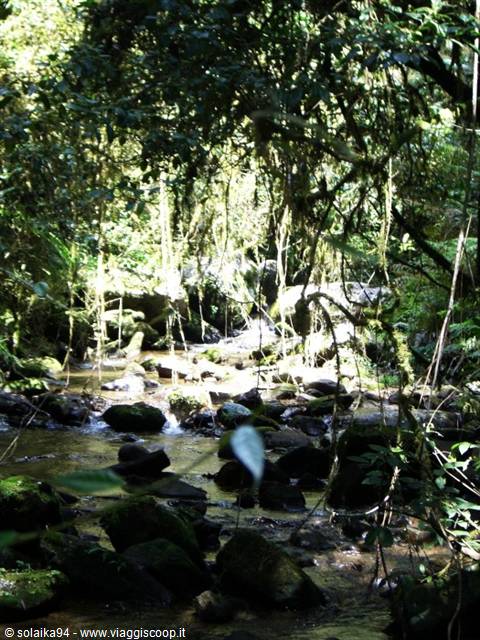
The bungalows, reachable on foot, are arranged around the main structure used as reception and restaurant. To reach ours we have to retrace the road and climb a series of stone steps up the hill. Nearby a watercourse descends along the hill.
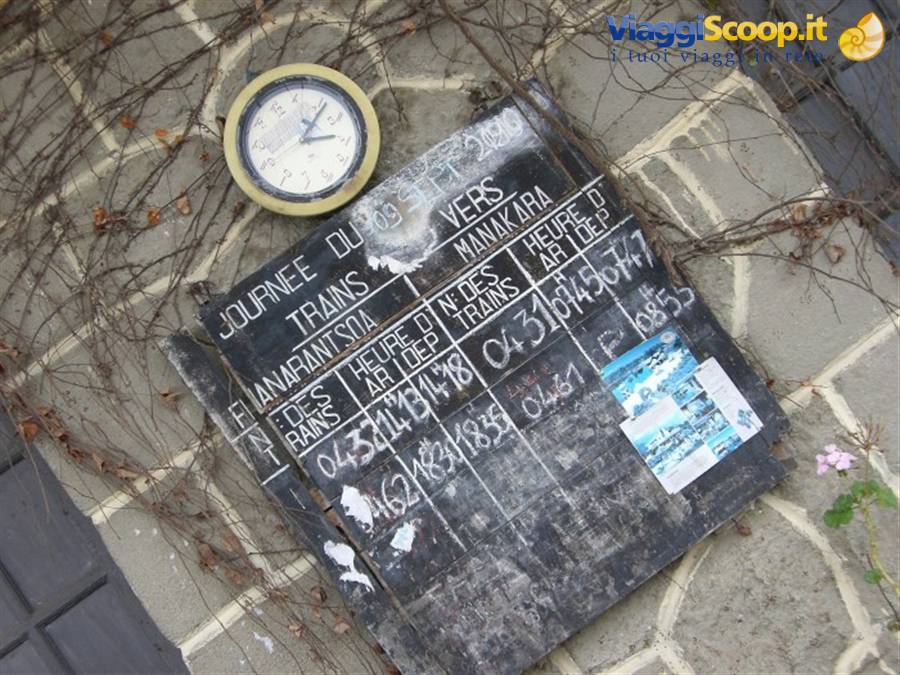
Sahambavy Station
Day 310 Sep 2010
Visiting Ranomafana park
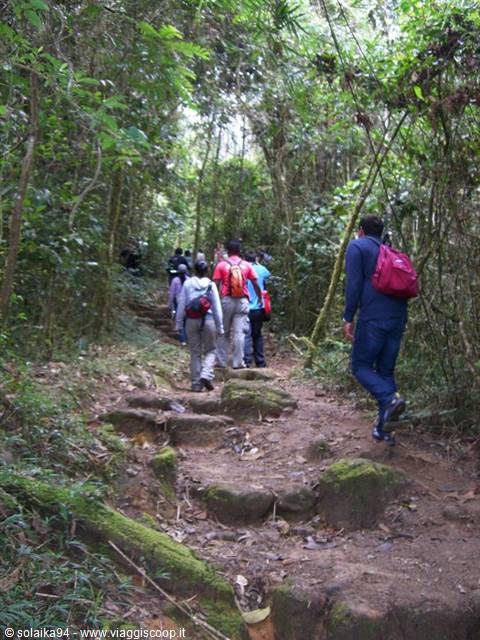
We wake up in the rainforest of Ranomafana park. It is truly true: here nature reigns supreme, around us an indescribable panorama. Fortunately it is not raining. After the meal we reach the place where the route inside the forest and the search for lemurs begins. A park guide accompanies us during the route, showing us endemic plants and explaining the characteristics of the fauna. In the forest there are many species of birds, butterflies, lizards and chameleons, amphibians and lemurs. We will be able to see some species, thanks to the presence of some young men who will go ahead of us to spot them. The park is very vast. Inaugurated in 1991, it is a national park, a UNESCO heritage site. Inside it there develops a very dense and lush rainforest, once actively inhabited by the local population, now largely protected, to preserve its biodiversity.
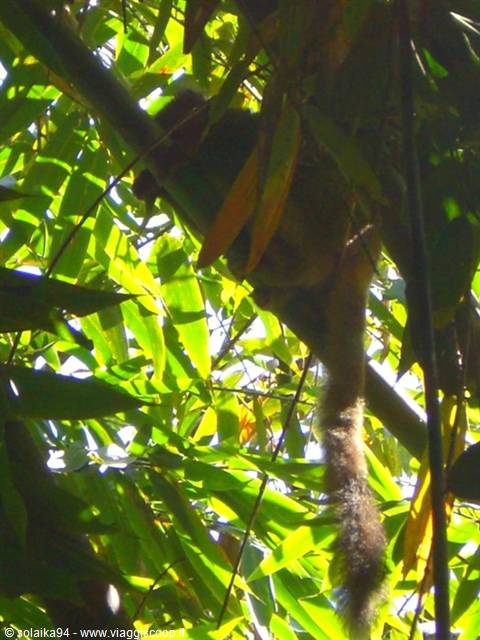
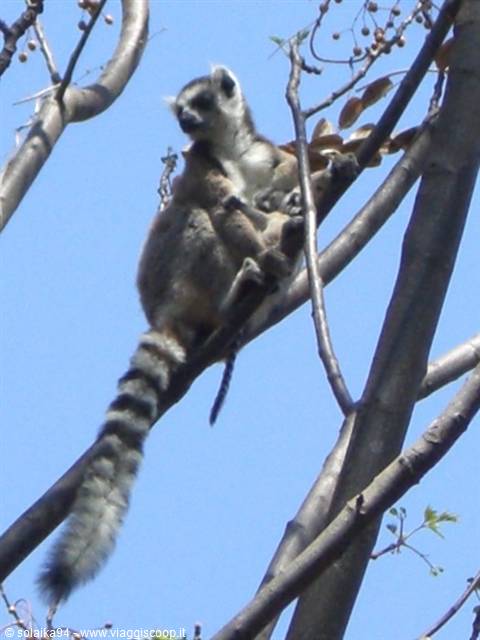
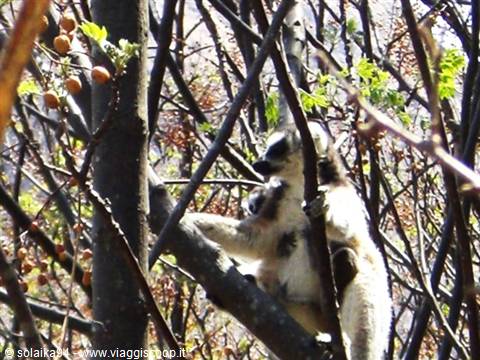
It is located in a very mountainous area, reaching 600-1400 m. Inside it live as many as 12 species of lemurs, some with diurnal habits such as the golden bamboo lemur, and others nocturnal. The diurnal ones live mainly in the trees, where they build their nests. Some live on the ground. The young live for a long time clinging to their mothers' bodies. They have a long tail that serves them to balance during the long leaps from one branch to another. They feed on fruit and leaves. The nocturnal lemurs, smaller in size, also feed on small insects. Finally the first sightings. The vegetation is very dense and they are very far away, but we manage to glimpse them several times, perched on distant branches, busy with their routine activities, jumping from one branch to another.
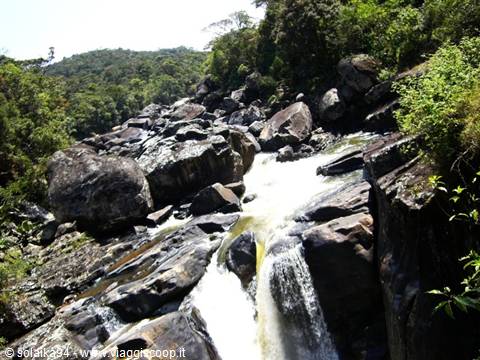
Once out of the park we stop to admire a beautiful waterfall and the small orchids that grow on the walls of the park's hill, along the road. We reach the town of Sahambavy where the only tea plantation in Madagascar extends. The plant was imported from the nearby African continent, from Kenya. Most of the production is exported to that country. The plantation is very vast; on the horizon the hills are laden with tea plants. We reach Fianarantsoa before dinner. We stop in a panoramic area to admire the view of the city.
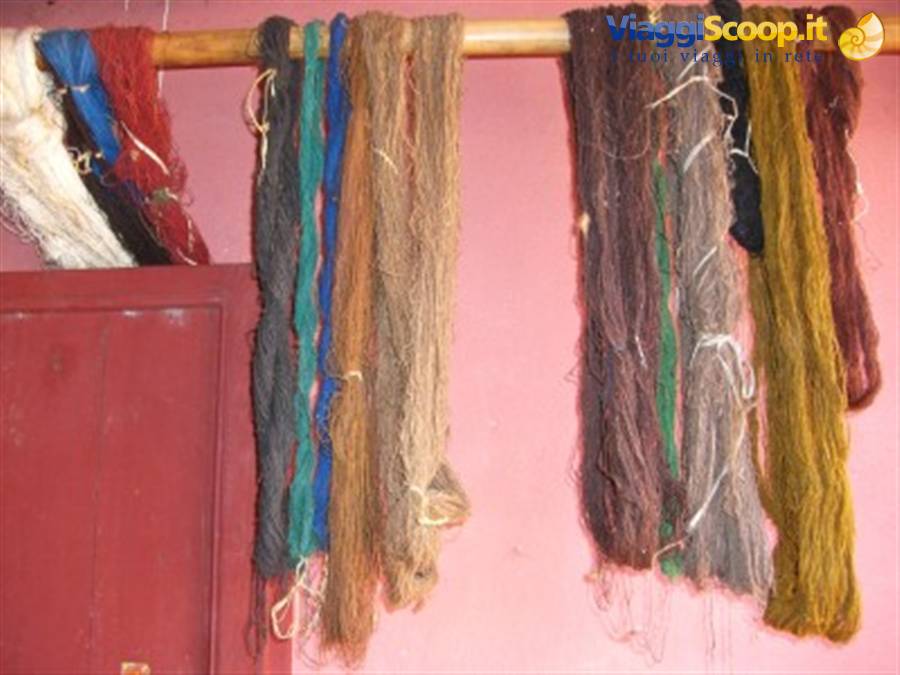
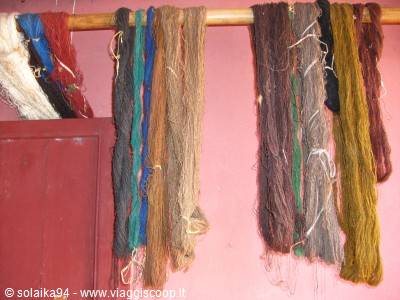
Raw silk fabric
Day 411 Sep 2010
Along the road to Isalo
We leave Fianarantsoa to reach Ambalavao, a town famous for the production of Antaimoro paper, commonly known as rice paper. Obtained from the bark of Avoha, a plant typical of southern Madagascar, its processing dates back to ancient times, when it was used for the first transcriptions in the Malagasy language of sacred texts. Nowadays it is used for the production of decorative objects. Along the road we make a stop in a village whose main source of livelihood is the working of raffia. Similar to jute, this local plant is used to produce various objects such as bags, hats, baskets, and holders. A boy shows us how the filaments are obtained from a stem of the plant which, after drying, are woven to produce various objects. We visit one of the dwellings of the village, built of red earth and mud.
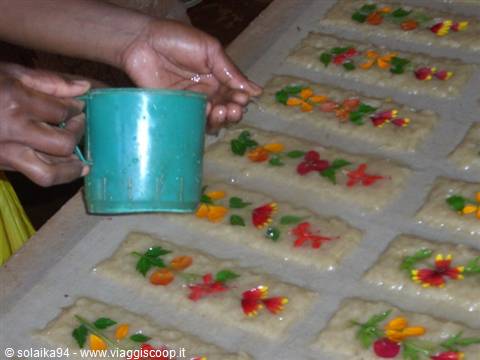
We enter through the entrance door and are invited to go up to the upper floor, whose access is allowed thanks to a wooden ladder with rungs. The environment is more than spartan. Having reached Ambalavao we visit a center where the Antaimoro paper is produced. The dried fibers of the plant are boiled for three or four hours and then reduced to a pulp using wooden pestles. The paste thus obtained is diluted with water, spread in special containers, where the decorations are made by placing dried flowers on top. The containers are exposed to the open air for drying. In this way raw sheets are obtained which, once detached from the frames, can be folded and cut according to the intended use. Various objects are obtained, from the simple bookmark to the photo album. Notebooks, notepads, small pictures and also favor bags. Our next stop is a workshop where silk is worked.
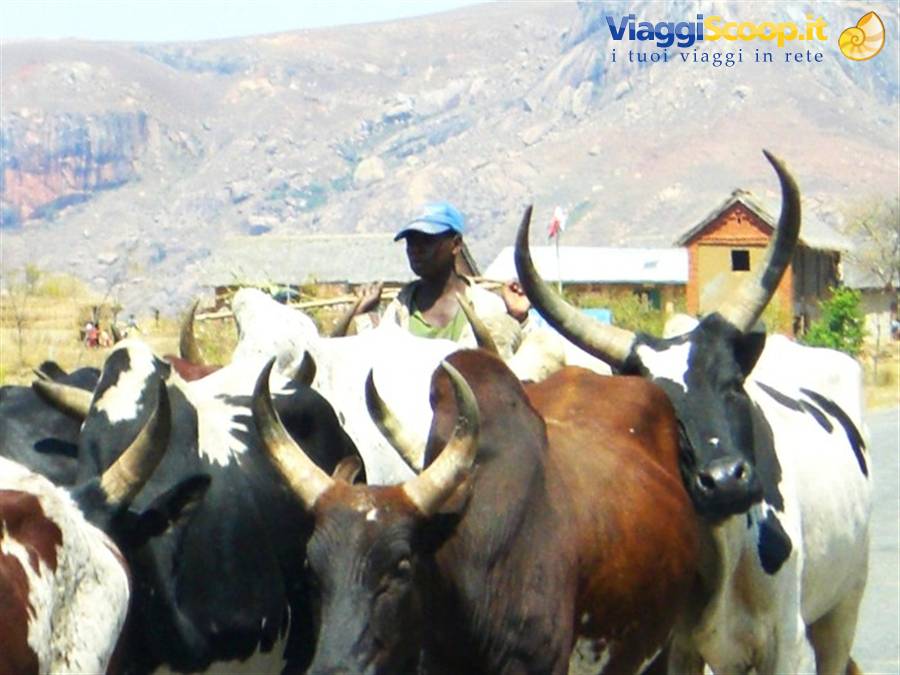
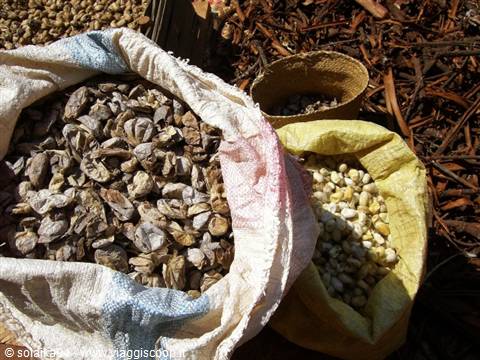
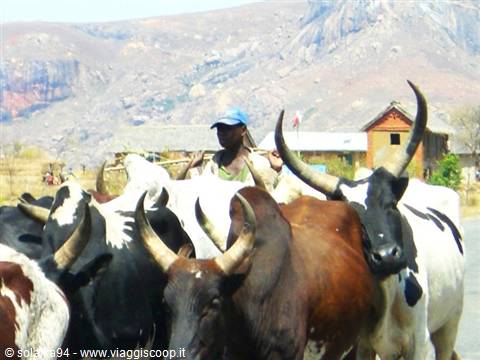
We are shown the raw base materials. Starting from the silkworms, to the dried plants used for the colorings. The work is done by hand by skilled women, who use very rudimentary looms. The final result is a raw fabric, very different from the silk we are used to seeing, but very beautiful especially in the colorings. We resume our journey towards our next destination, the Anja park, where we will be able to see lemurs of the Catta species. Along the road we encounter numerous groups of zebu, the typical cattle of Madagascar. It is a very important animal for the Malagasy population. Its meat is the basis of the local diet, like rice. Physically it is similar to the domestic ox, but differs by the fat hump on its back. It is raised for meat, milk, leather, and nothing of its horns is thrown away. With their working, tools and objects of all kinds are produced.
It is very resistant to tropical diseases and parasites, for this reason it can live and be raised where the ox does not survive. It also has a fundamental importance in the rural sphere, as it is used for plowing the land, still carried out with animal power. It can often be seen along the roads pulling the most used means of transport, the carts. For its important role in Malagasy society, the zebu has a certain economic value, for this reason there are organizations that steal this type of livestock. Moreover, precisely for its value, it is given as a dowry to the bride's family, by the men, especially in the Bara ethnic population. In particular, for a man it is a way of demonstrating his worth and masculinity to steal one at least once in his life, especially to bring it as a dowry to his bride. The appearance of this park is very different from that of Ranomafana.
The climate is much drier, the vegetation lower, barren, less lush. Going deeper into the park, along the path we can encounter the first lemurs clinging to low plants. Many young ones are also clearly visible, jumping from one branch to another independently or keeping themselves clinging to their mothers. We continue our walk towards the viewpoint. Along the way we can see the caves inside which the lemurs take refuge during the night. The climb is a real "scaling", the path is carved out among the rocks. Arriving at the top we enjoy a truly breathtaking view. A flat expanse bordered by mountainous heights. A variation of colors from the red earth, to the green of the vegetation, to the bright green alternating with the color of the water of the rice fields. Rice fields everywhere, carved out in small spaces organized as terraces.
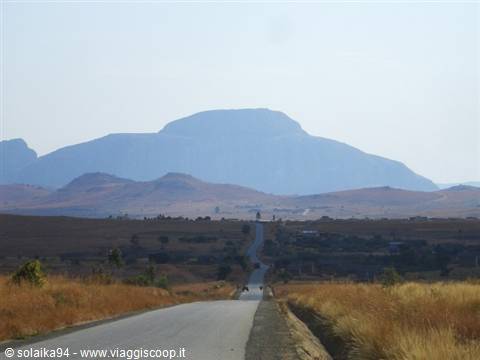
Once out of the park we stop for a picnic lunch offered to us by the inhabitants of a nearby village. We then resume the journey towards the city of Ranohira, where we will be able to visit the splendid Isalo park. Two brief stops, one obligatory for replacing a flat tire, one to admire the beautiful sunset. Everything is tinged with a very warm red; the earth, equally red, blends into one with the sky. The sun descends faster and faster until it disappears. We arrive at the "Le relais de la reine" hotel in the darkness of evening.
Zebu
Day 512 Sep 2010
Visiting Isalo park
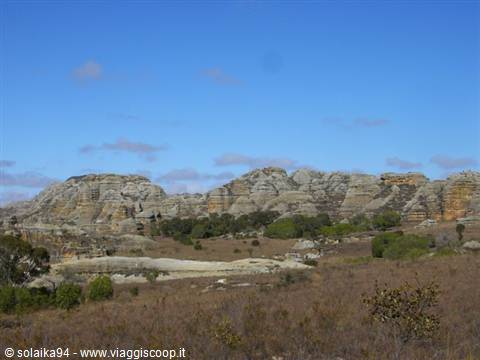
The "Le relais de la reine" hotel is a very particular structure, set into the rocks of the park. A series of small pathways trace the route among the rocks that leads from the bungalows to the central structure. The vegetation, barren and at the same time lush, gives a small preview of what the appearance of the Isalo park is like. A protected natural area located in the central-southern part of the country. It presents a landscape different from any other region of the island, with large rock formations shaped by the wind, the Isalo Massif, immersed in vegetation very similar to that of the continental African savannah. The park includes over 80,000 hectares of the Isalo Massif, a set of sandstone rock formations characterized by canyons, gorges and other spectacular conformations, green and lush oases, with waterfalls and natural pools, reachable through special paths.
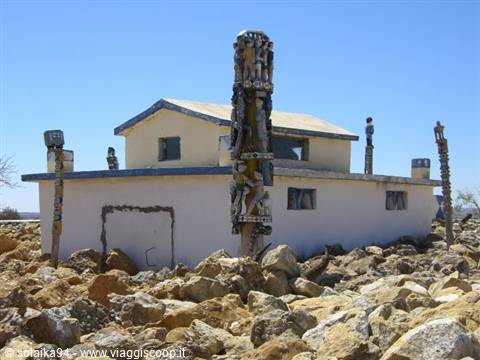
The two main canyons are the canyon of the rats and the canyon of the monkeys, inhabited by lemurs. We will have the chance to visit the latter, the Namaza canyon. The fauna of the park is very rich; numerous species of birds, reptiles, mammals and lemurs live there, which will show themselves very easily. A peculiarity of the park is being in the territory where by tradition some burials of the Bara ethnic group fall, whose members use to bury their dead in natural caves. For this reason the territory is felt as a sacred place and of worship. We arrive at the entrance of the park when the sun is already high. Our destination is the natural pool, where many visitors are accustomed to refresh themselves by taking a dip in its waters. We follow a path, guided by one of the park's guides, Dollar. At the beginning we can immediately notice the tombs of the Bara.
Some of them have been opened to move the remains of the deceased, others are still closed and are recognizable by the presence of numerous stones accumulated in front of their entrance. In Madagascar the cult of the dead is deeply felt. Funerals are celebrated with special festivities. The ancestors have a very strong influence on the life of the population. There are various beliefs. To occupy territories in which the deceased are buried, it is necessary that these consent. To carry out any type of work that could in some way interfere with traditions, the ancestors must consent. When strange events occur, the authors are the ancestors expressing their disapproval. The Catholic religion is very strong, but despite this the population is strongly swayed and influenced by the beliefs linked to the ancestors and their spirits.
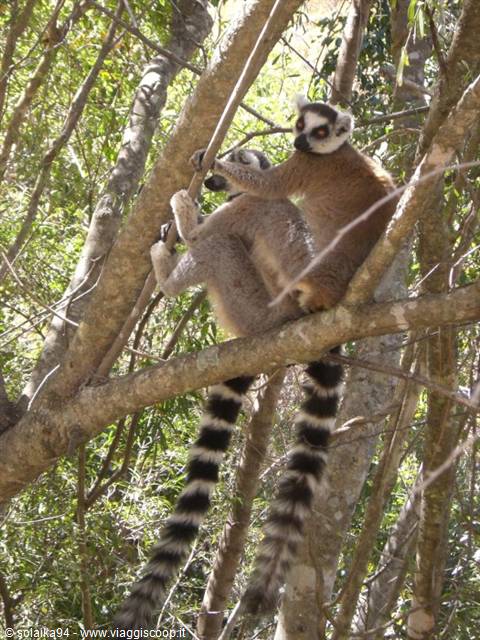
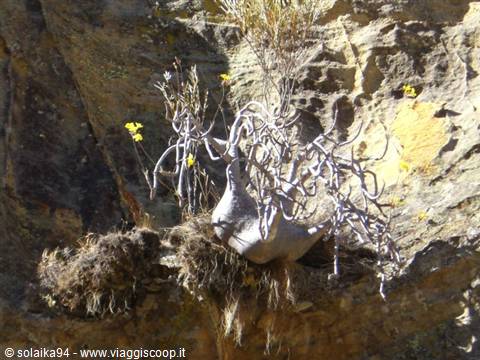
The route is very long; it will take us a few hours to reach our first stop, an area used for camping. The landscape is spectacular; the more we climb the trail, the more visible the rock formations with the most particular shapes. Behind us a breathtaking panorama, a real canyon. We begin to see the first dwarf baobabs, set into the rocks, with pretty yellow flowers. At the campsite, we meet groups of lemurs who, attracted by the presence of man and by food, wander nearby. It is clear that they are accustomed to coexisting with man. They let themselves be approached, photographed. Many are on the ground, others clinging to the trees. A female strolls near the rest area of the campsite, with her little one at her belly. Some clinging in pairs to the trees let themselves be approached and photographed up close.
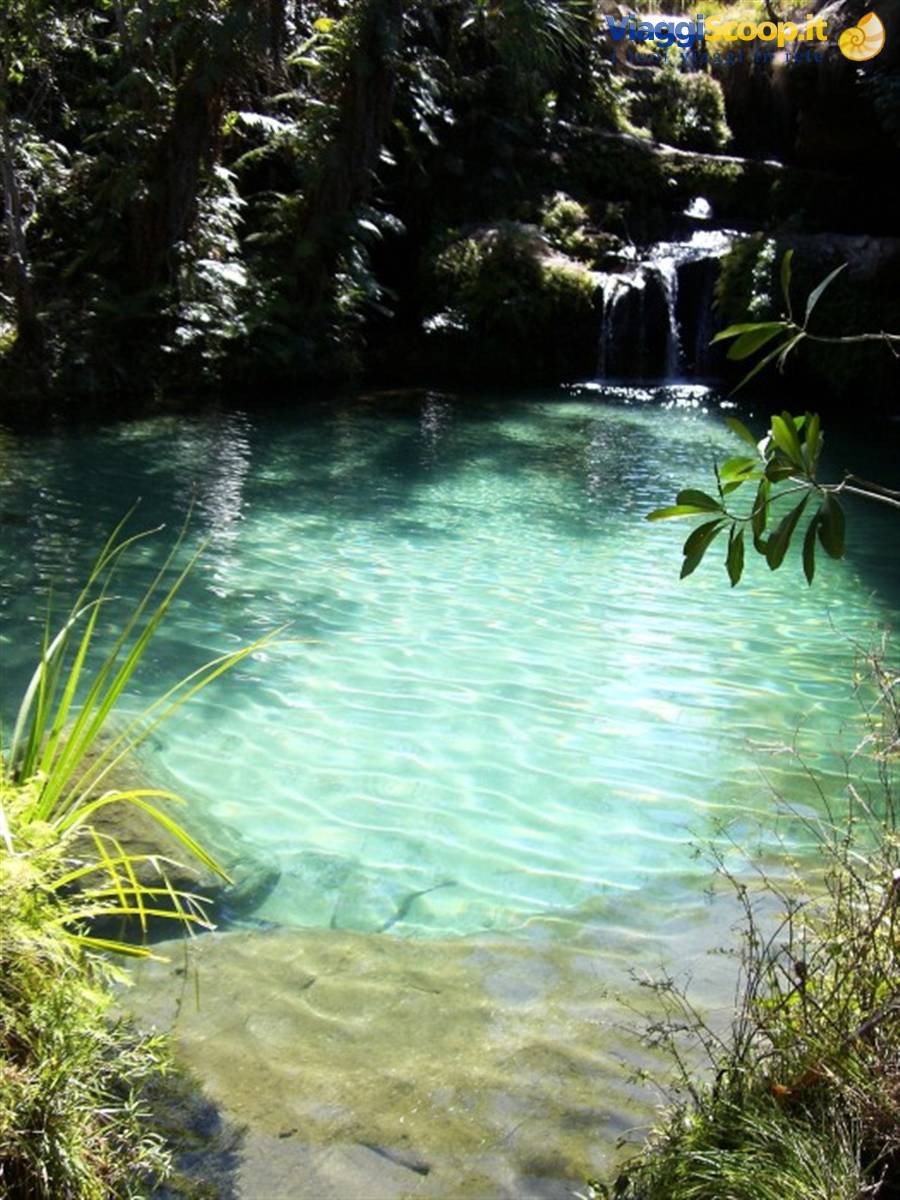
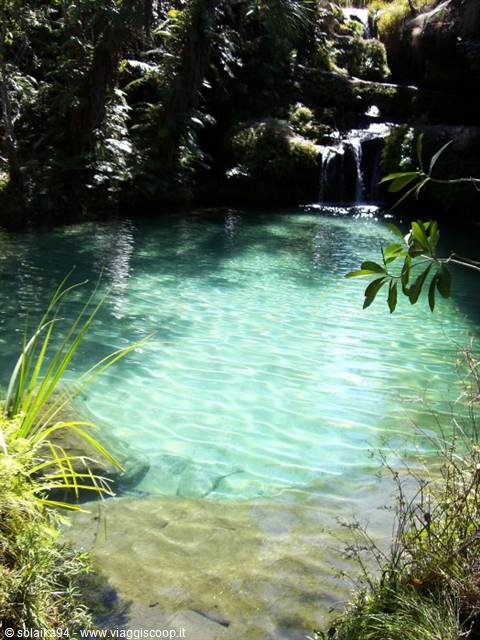
After a short stop in the company of the lemurs, we resume our walk towards the natural pool. It will take another half hour of walking before we begin to approach the watercourse that forms it. The vegetation becomes ever denser and greener. We follow the watercourse which, with a series of waterfalls, ends up forming a small lake, where the water seems truly clear, surrounded by caves and inlets. Many members of the group, like other tourists already on site, jump into the water. The place has a particular charm and mystery. Ciprian and Hery tell us about a mysterious story of spirits, water lilies, people lost and then found, captured by the spirits and then escaped. We realize that the local people are truly conditioned by these stories and really believe in them. In the afternoon another demanding walk.
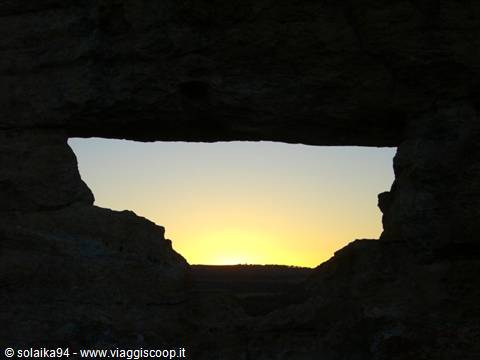
We follow a path along the watercourses, among the rocks, in the gorges of the canyons. We first reach the waterfall of the water lilies which, according to beliefs, was once inhabited by them. Then we retrace our steps, to take the detour and reach two other lakes, the blue lake and the black lake. They are truly particularly fascinating places. We return towards the exit of the park. The last stop at the window of Isalo. A natural cavity open in the rock, inside which it is possible to observe plays of light at the sunset of the sun. The day has been truly demanding and the tiredness is truly great. Before dinner we grant ourselves a moment of rest and relaxation at the hotel's wellness center.
Isalo Park, natural pool
Day 613 Sep 2010
Towards the deep south and the sea
We set off very early towards Tulear and Ifaty, in the deep south of Madagascar, 270 km away. We leave this area of Madagascar, particularly known for its finds of precious stones. Along the road we make a brief stop in the village of Sakaraha. We travel the main road, along which we can observe a cross-section of the life of its inhabitants.
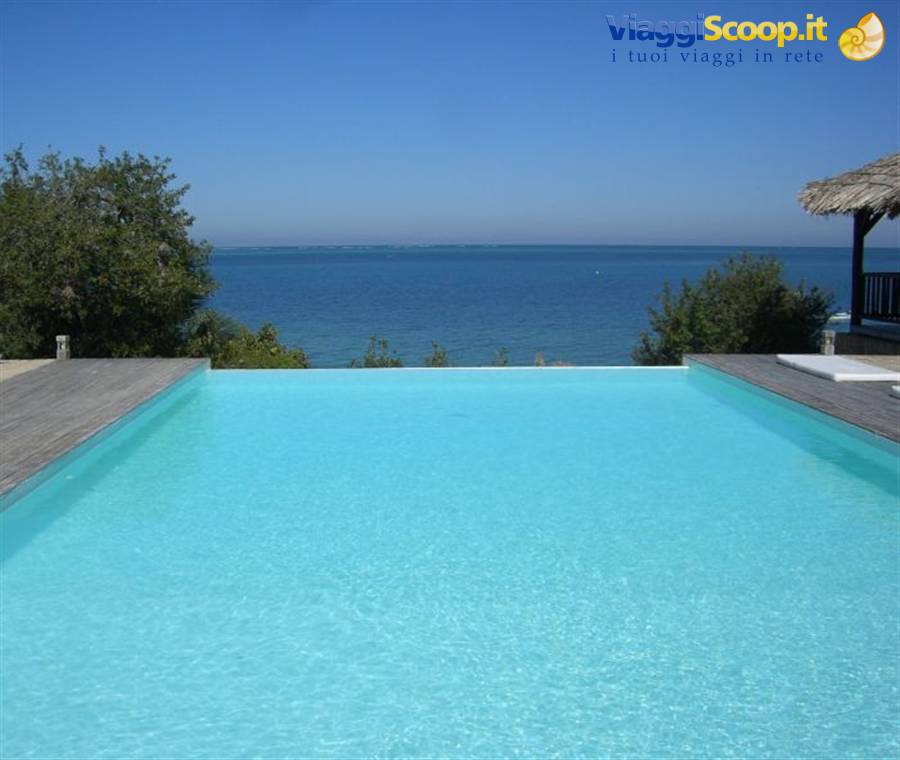
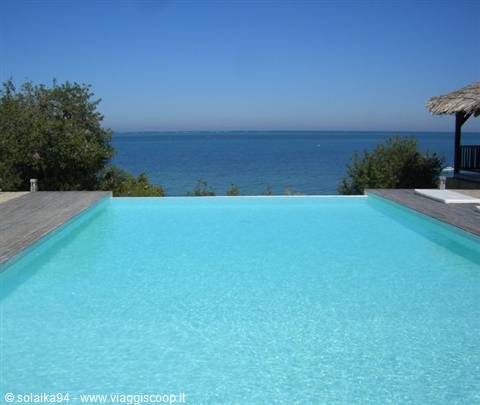
Ifaty, view from the pool
Day 714 Sep 2010
Ifaty and Tulear
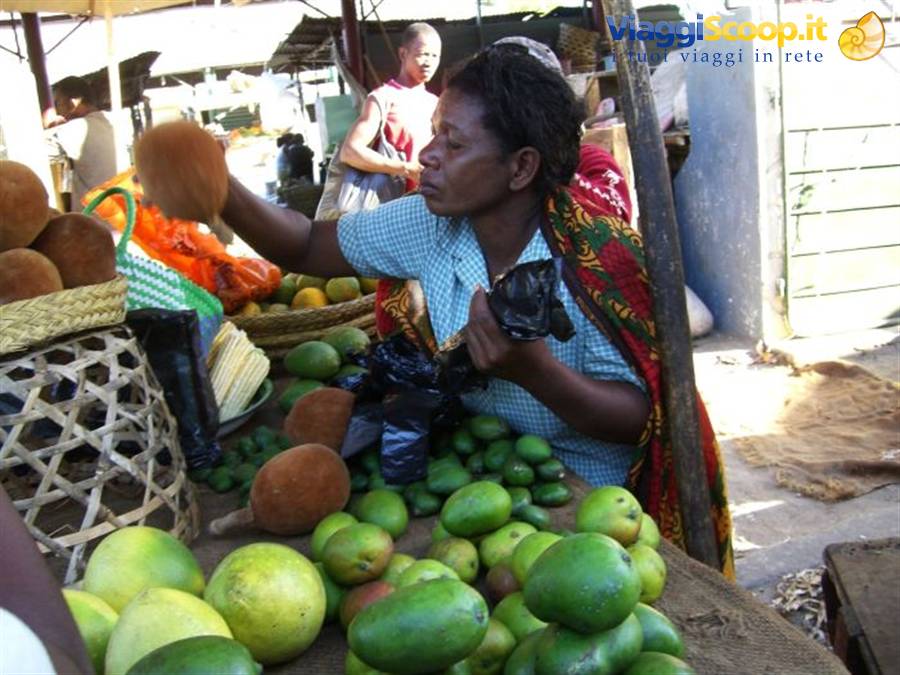
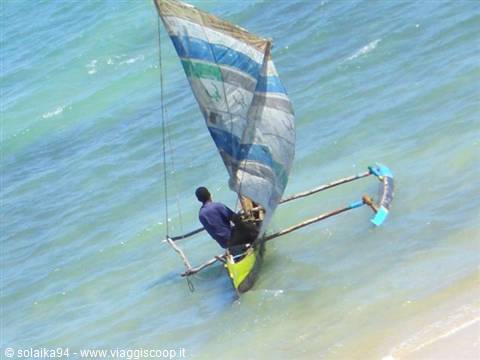
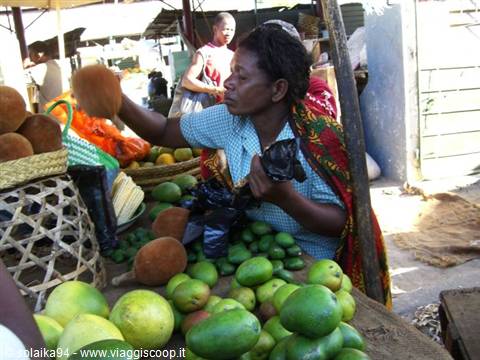
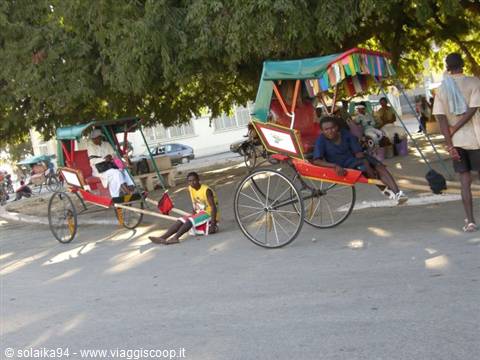
On this day we grant ourselves a moment to relax. Some of the group decide to go out on the fishermen's boats to explore the coral reef, which they say is one of the most beautiful and teeming with life. We, on the other hand, decide to stay and rest after the long and intense days we've spent. The hotel is located right on the beach and enjoys a splendid view of the sea. It has an outdoor pool. Not too far from the fishing village. In the afternoon we set off again for Tulear, where the flight that will take us back to Antananarivo awaits us. Before boarding we still have time to take a walk on foot through the town's market. The fruit and vegetable stalls are full of color and very inviting. On the city streets, in addition to the normal car traffic, there are bicycles and numerous pusse pusse. The pusse pusse are little carts pulled by barefoot men.
According to belief, these men are reincarnations of deceased people who, in their lives, committed unlawful deeds, for which they were forced to flee from their places of origin. They are particularly afraid of sand—never throw sand in their faces. In fact, during the periods of the year when sandstorms strike the city, these characters disappear from circulation. We fly to Antananarivo, where we arrive in the evening.
Tulear, market
Day 815 Sep 2010
Antananarivo, last day on the big island
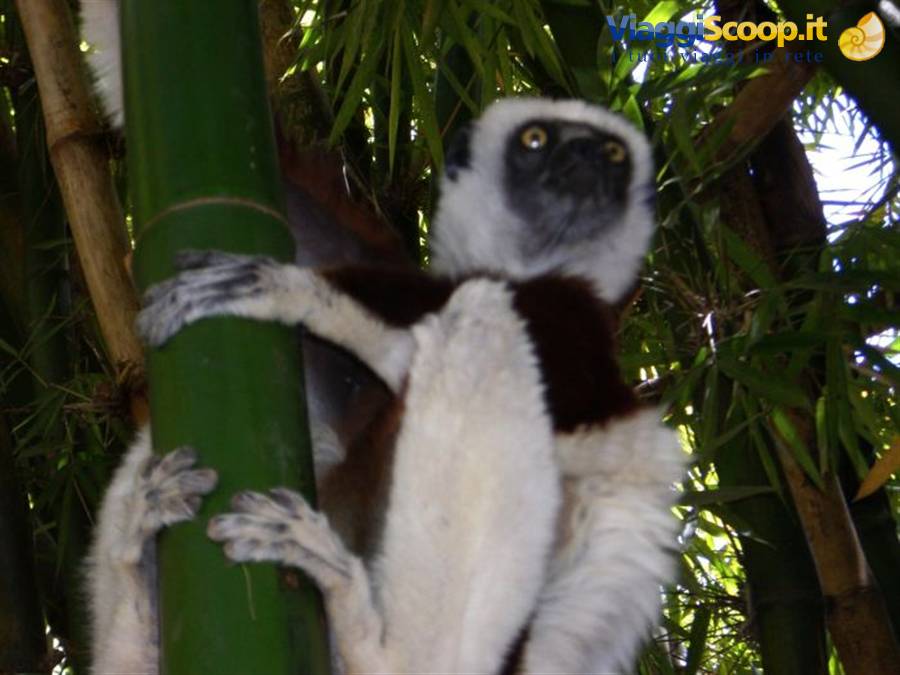
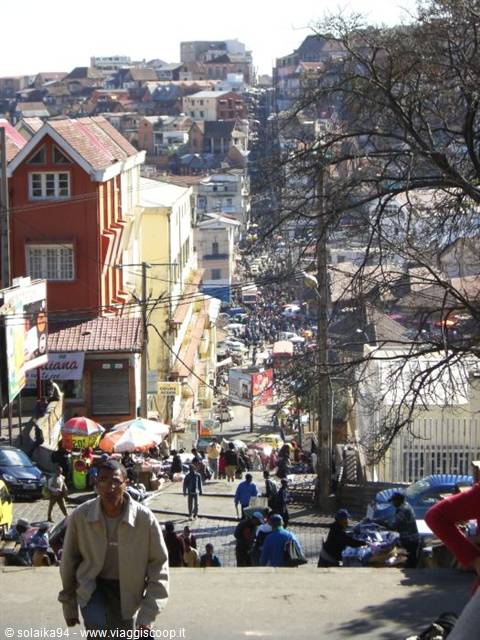
During the morning we visit the city, very chaotic, full of colors and very particular views, architectural styles that make clear how it has changed over time. We take a walk through the flower market. At the end of the city tour we reach the Lemurs Park. A private park, home to numerous varieties of lemurs that live in complete freedom. Here we can finally meet the Sifaka, a lemur nicknamed the dancer because of its gait. This species in fact does not walk normally, but hops. We can have truly up-close encounters; some specimens come down to the ground, a mother with her baby hops down to our level. Another specimen hops along a fence, stopping to sunbathe or pose for us, so that we can capture its sparkling eyes. Other varieties of lemurs are present in the park. They live in freedom, but are fed by humans. We observe their mealtime.
We take the flight to Nosy Be, where we will spend the rest of the vacation dedicated to rest.







0 reader comments