The story
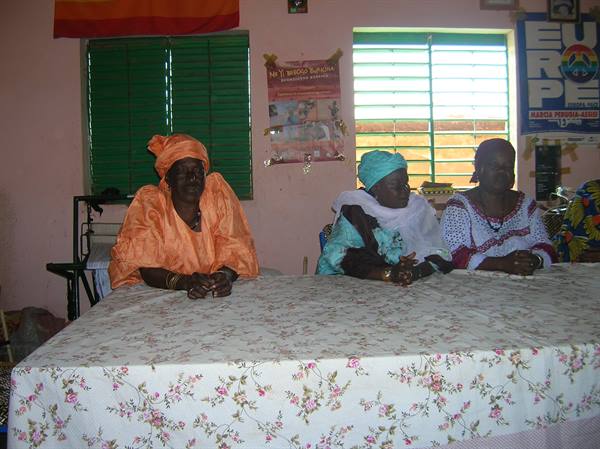
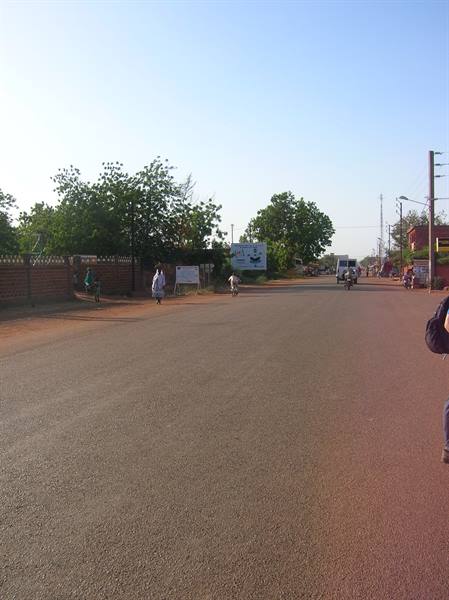
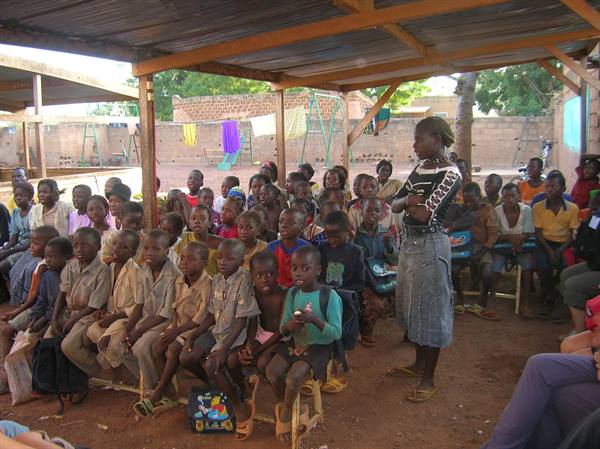
This cultural exchange lasted a good 2 weeks, which allowed me to get to know the Burkinabè young people who welcomed us with great warmth in their city. The trip took place mainly in two cities: the first is Ouagadougou (as well as the capital), where we stayed on the first and last evening and where we were able to visit the main attractions of the city, while the second is Ouahigouya, a large town in the north of Burkina where our exchange took place entirely, born thanks to the creation of the project "Nei Beogo Burkina" (Good morning Burkina) coordinated by "Comuni per la Pace" (CoCoPa) Beinasco, Moncalieri, Nichelino, Rivoli and Settimo Torinese, all municipalities in the Turin belt.
The main goal of this project is exchange, and not an aid intervention, but solidarity aimed at creating a network between the municipalities of the CoCoPa and the Municipalities of Burkina Faso in an attempt to respond to individual problems together. Together with these young people we created a small Italian-French show and started a project for the creation of a centre where it would be possible to use the internet, but also to have more adequate information. Today this initiative is carried forward both by Italian young people doing civil service in Burkina and by Burkinabè young people. To conclude, I can say that it was a unique experience, even if it wasn't very easy for me, given and considered that it was my first trip alone to such a faraway place and for so many days, but at the same time I say that it is a trip everyone should make to rediscover the simple things of life.
SOME INFORMATION
-POPULATION: 13,228,000
-LIFE EXPECTANCY: 53.8 YEARS -BIRTH RATE: 6 CHILDREN PER WOMAN -DEATH RATE: 44.78 PER 1000 -INFANT MORTALITY RATE: 99.78 PER 1000 -LITERACY RATE: 25.85%
-CAPITAL: OUAGADOUGOU
-CURRENCY: CFA FRANC -TIME ZONE: UTC 0 -OFFICIAL LANGUAGE: FRENCH -NATIONAL MOTTO: UNITY, PROGRESS, JUSTICE -NATIONAL ANTHEM: UNE SEULE NUIT -NATIONAL DAY: 11 DECEMBER
-GOVERNMENT: PARLIAMENTARY REPUBLIC
-HEAD OF STATE: BLAISE COMPAORE -HEAD OF GOVERNMENT: PARAMANGA ERNEST YONLI -INDEPENDENCE: FROM FRANCE, 5 AUGUST 1960 -ENTRY TO THE UN: 20 SEPTEMBER 1960
THE ETHNIC GROUPS
The population of Burkina Faso is made up of about sixty different ethnic groups, even though most Westerners do not recognise the different ethnic groups to which an individual belongs. The main ones are as follows: the Mossi (48%), the Peuls (8%), the Gourmantché (7%), the Bobo (7%), the Gourounsi (6%), the Lobi (4%), the Bissa (4%), the Samo (3%), the Bwaba (3%).
USEFUL TIPS
Photographs are forbidden of all public and official buildings (recognisable by the national flag) and of military and police checkpoints. As for clothes, you must always wear things that do not offend the Burkinabè, so going bare-chested, very short shorts, or clothes or anything that might appear provocative is forbidden. If you are invited to a friend's home or a restaurant, in this case too you must dress correctly, precisely to show that you are honoured by the invitation; remember, it is rude to eat with your left hand.
NECESSARY DOCUMENTS AND VACCINATIONS
Passport, identity card, yellow booklet of international vaccinations; obviously, among the most important vaccinations to have are: yellow fever, malaria, typhoid fever, hepatitis A, anti-meningococcal; there may also be variations depending on where you go. Some doctors advise doing the treatment for travellers' diarrhoea, which I found very effective; obviously this is information relating to this experience, so I advise relying on doctors or competent people.
USEFUL TIPS
If you set off on a trip to Burkina you must absolutely not forget: -a small personal first-aid kit; -massive doses of Autan Extreme or Off Scudo (if you go outside the summer period you can find these products in any pharmacy); -sun cream, a hat and sunglasses; if you have very fair skin you must be very careful, because even if you are dressed the rays filter through and you still get a tan; -mineral salts, they can be useful to you, because being out and about all day the body can suffer; taking the mineral salts with a little water will help you not to get dehydrated.
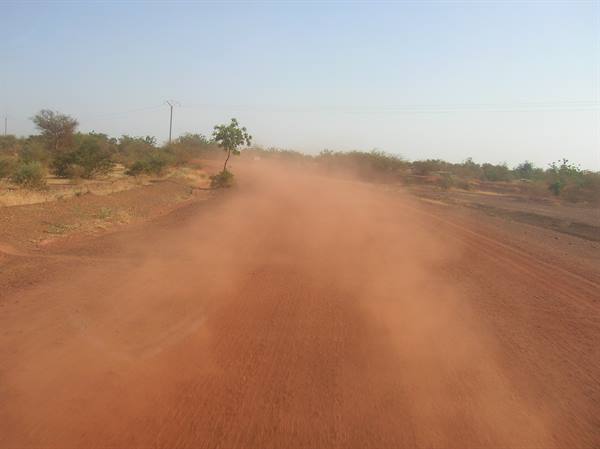
-hand sanitiser, I took both the liquid and the gel kind for the hands; a drop is enough to have clean hands, in fact even if you don't touch anything your hands will always be dirty because of the dust that rises, while the normal hand sanitiser could be useful for washing fruit or vegetables, or even for sanitising your clothes when you wash them. -a sleeping bag liner and some pillowcases, they were very useful to me because where we slept we didn't have sheets so I used those; also bring a mosquito net, the kind used for beds, so you avoid finding unexpected friends in your bed, but also to protect yourself from night-time mosquitoes; -bring clothes that aren't very nice or perhaps old, because they get dirty easily because of the red earth, and very often stains or marks remain.
If you go in the period when I went, in the evening it was a bit cool, so I also advise you to bring a few long-sleeved t-shirts or sweatshirts. -as for water, you find it either in bottles or in plastic bags, but I recommend bottled water; one of the brands you'll find is LAFI; for soft drinks you'll find Coca-Cola, Fanta, Sprite and the legendary Fanta Mango; obviously the first three taste very different from the ones we have in Italy and you'll only find them in glass bottles, whereas you must try Fanta Mango because it is only found there. Careful: do not drink water from the taps or from any other source.
-As for food you'll find rice prepared in a thousand ways; the to, a typical dish, is a polenta made with millet flour and is served with sauces, but you may also find fish, obviously river fish, and then meat; often chicken or mutton is served, but you'll also find beef; another thing is fried potatoes, but not normal potatoes, the sweet ones; you can also taste excellent meat skewers usually served with chips; another dish is grilled chicken (I think) with a lot of garlic, but if you remove all the garlic used it remains a very good dish.
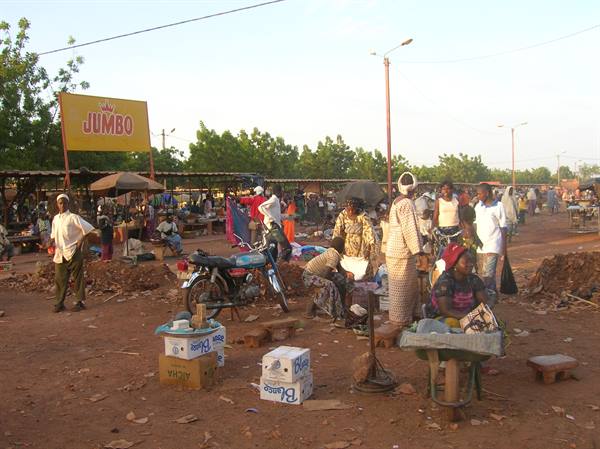
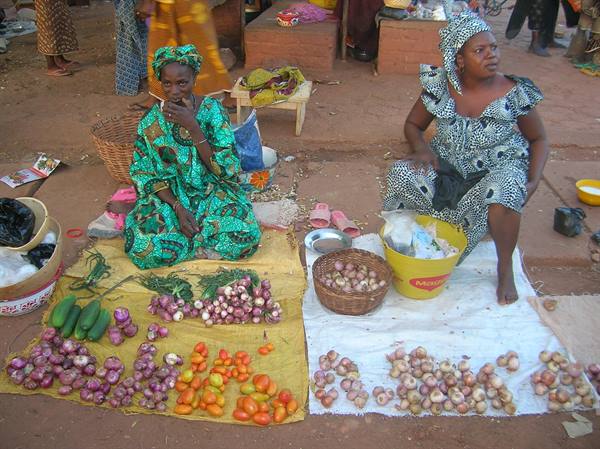
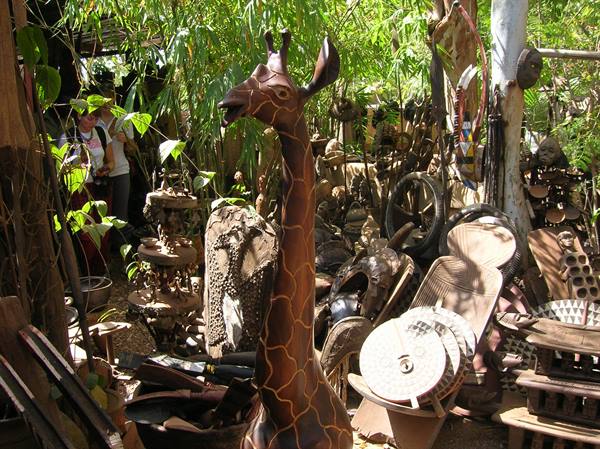
At lunch and dinner it is not customary to eat bread (the baguette), which is instead offered at breakfast with butter and jam; tea is also served; the water you are given you can use because it is boiled, so there is no risk of getting diarrhoea; milk and instant coffee (which I advise against because it isn't very good) and then in some places they also serve fresh juice. -When you buy something, bargaining is obligatory, because it is a tradition for the Burkinabè; also, as for food, you'll find biscuits, crackers and even chocolate spreads similar to Nutella, all very good. if you happen to be in Ouagadougou, don't miss the crafts centre, where you'll find all the wooden, bronze and ebony products, musical instruments and the famous batik.
With these few tips I hope I've been helpful, and that I'll receive some comments to improve too, and all that remains is to wish everyone a GOOD TRIP!!
The journey's photographs
30 photographs · click to open them full screen



0 reader comments