The story
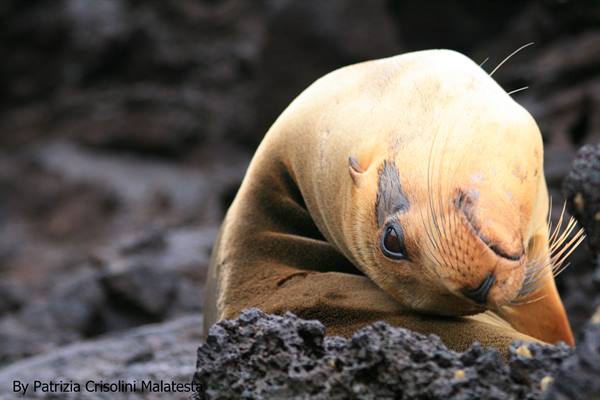
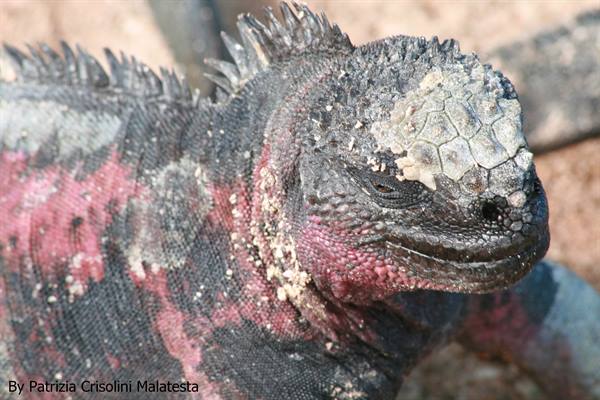
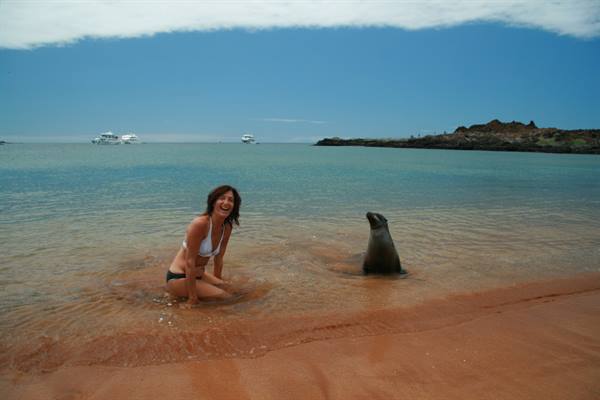
It's impossible to describe the emotion I felt during my visit to the Galapagos Islands. It's a place of extraordinary beauty, an unimaginable place, and only by visiting it can you understand how beautiful our entire planet could have been. When I went to Kenya and saw the first wild animal, a giraffe, I couldn't help shouting with joy; I felt an overwhelming emotion and thought that no other nature trip could ever give me one of equal intensity. And so it was, until I arrived in the Galapagos. I was left stunned, breathless, completely captivated by what I saw. In the Galapagos the animals have no fear of you; they accept you as an integral part of nature. I'll never forget the sea lions that interact with you when you're in the water.
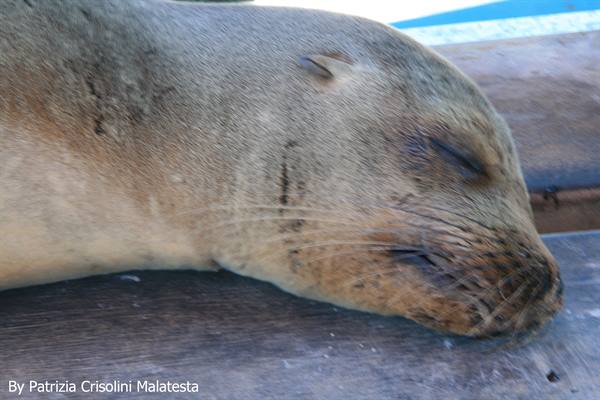
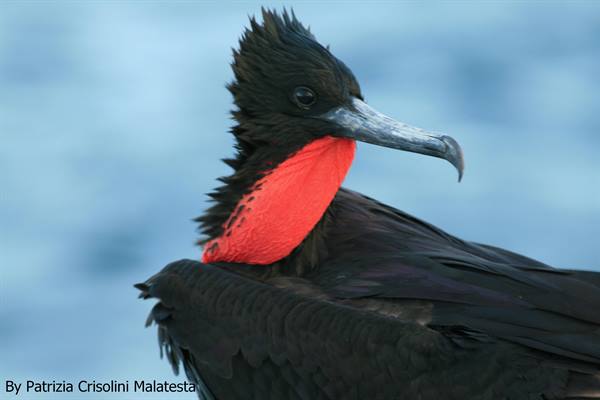
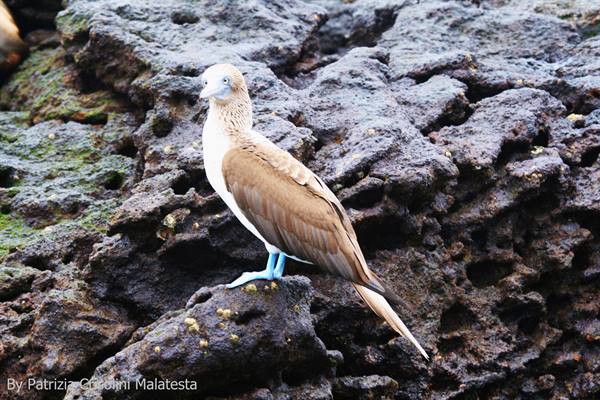
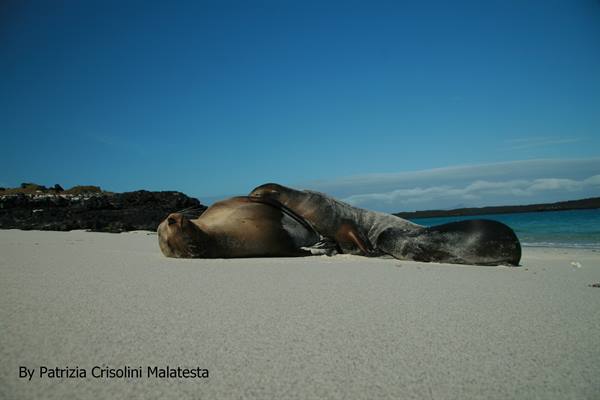
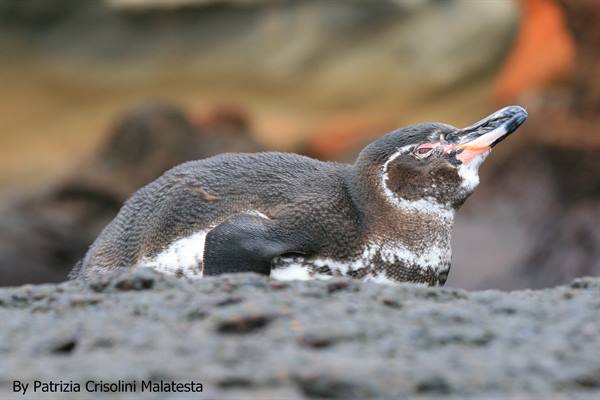
They seek you out, circle around you, invite you to play, and you're caught up in this game; you dive and resurface following their movements, and when you're tired you come out of the water and lie down on the beach, where dozens and dozens of sea lions bask in the sun. And on the beach you can stop to watch the flight of the boobies or the pelicans and their acrobatics as they dive headlong into the water to catch fish; and as you turn your gaze towards the sea you may notice the penguins in the water playing among themselves, a sort of game of tag in the water. These islands completely captivated me; there's no place in the world that can match them. And it's a place everyone should visit, a place that makes you understand that a different way of living together is possible.
The best way to visit the islands and enjoy their enchanting landscapes is certainly to take a cruise. Not on those big ships, though, full of tourists, where before going ashore you have to wait your turn. A small ship, one that can hold a maximum of 14/16 people. And then the trip will be perfect.
In 1959, the government of Ecuador made 90% of the Galapagos Islands a National Park. All areas that had not yet been included in urbanised zones were designated and incorporated into the park. In 1967 a control service was set up and five years later the first superintendent arrived. Visitors must respect the strict rules of the islands, which have been a World Heritage Site since 1978. The “Galapagos National Park Service” works in collaboration with the “Charles Darwin Research Station” to achieve their shared goals of conserving and protecting the natural resources, with the Galapagos National Park and the Galapagos Marine Reserve. The control service approves all the itineraries of the vessels that visit the islands, making sure tourism is spread evenly across all the islands. The park's rules were developed in an attempt to protect the area's resources.
To prevent the use of boats from increasing, the park provides licensed guides to accompany all visitors, properly respecting the rules. No plant, animal, shell, piece of wood or other natural thing should be removed or disturbed. Take care not to bring any natural material onto the island, or from one island to another. Do not bring food onto the uninhabited islands. Do not disturb the animals. Do not feed the animals. It could be dangerous for you, and in the long run it could destroy the natural balance. Do not frighten or drive any animal away from its burrow or nest. Stay within the areas designated for visitors. Do not deface the rocks. Do not buy objects made from animal or plant material from the island. Do not visit the park without being accompanied by a licensed National Park guide. Limit your visits to officially approved areas.
Show a conservation-minded attitude towards the environment.
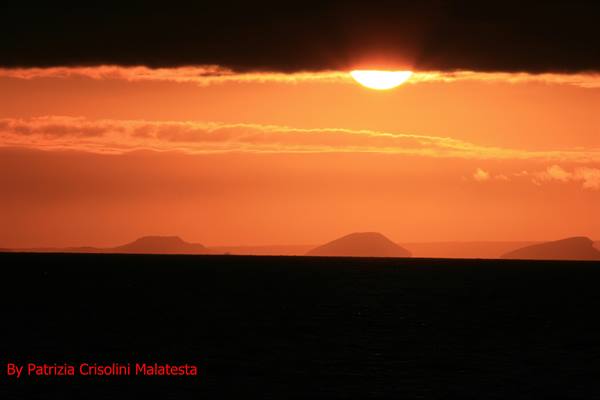
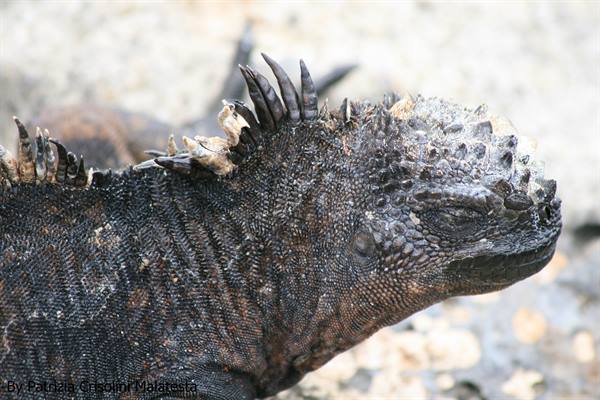
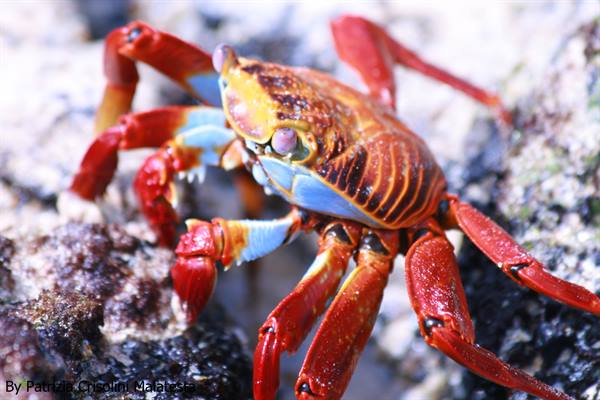
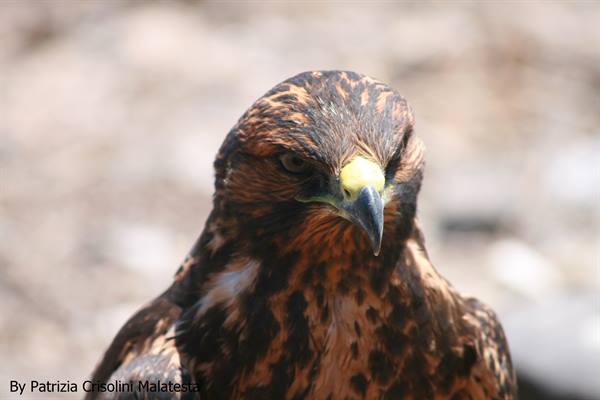
The journey's photographs
19 photographs · click to open them full screen




2 reader comments
complimenti! vedendo le tue foto ho potuto sognare di essere lì in quel paradiso e leggendo il tuo pensiero ho provato un po' delle tue emozioni! Deve essere un viaggio stupendo!
bellissime foto!!