The story
A genuine whirlwind trip to Uruguay, a country that wasn't in my travel plans but which, due to a series of circumstances, I visited all the same. I was in Buenos Aires with a friend, we had finished visiting the capital of Argentina and couldn't stray too far since at 22:50 we had to catch the plane home. The only interesting tourist spot visitable in a day was Colonia do Sacramento, on the other side of the Rio de la Plata, in Uruguay. In the morning we reached the port of Buenos Aires by taxi and, with the first ferry, crossed the great river that separates the two countries in three hours. The port of Colonia do Sacramento is less than a km from the historic centre of what was for a long time the most important city in Uruguay.
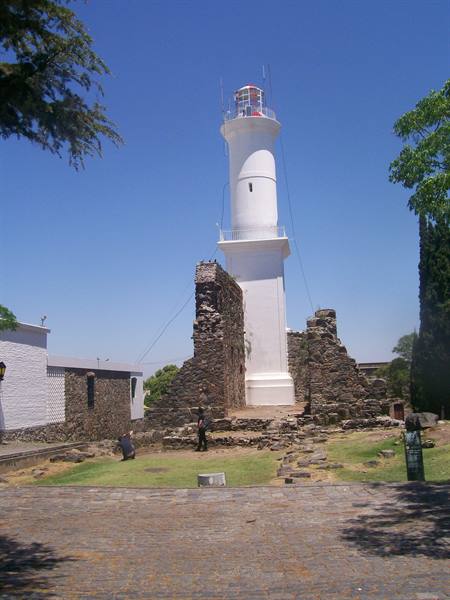
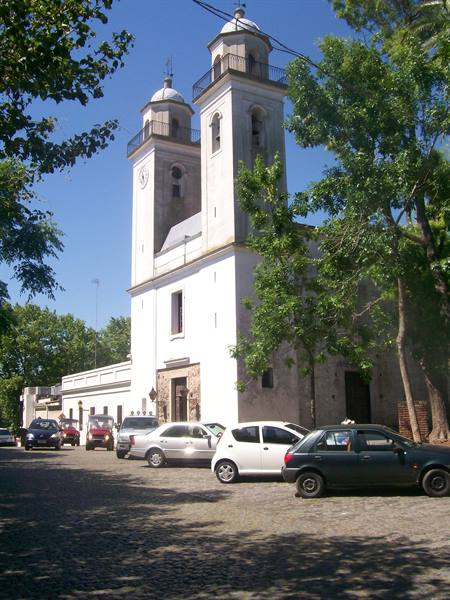
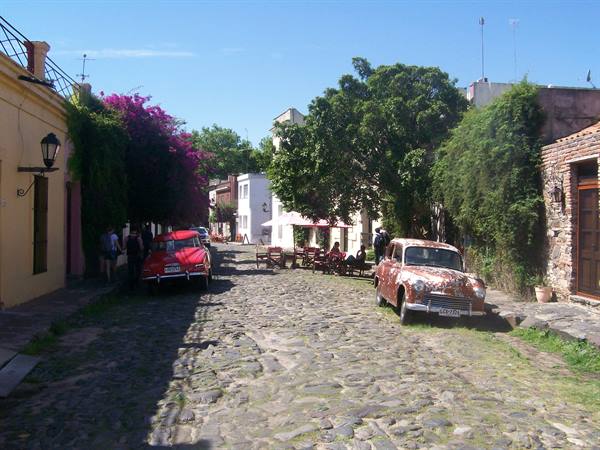
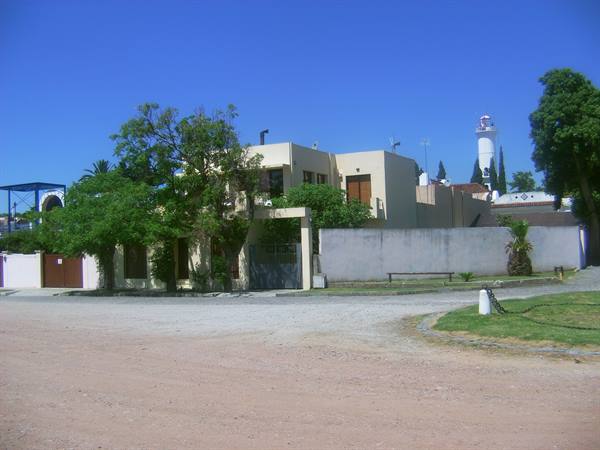
The citadel is still partly fortified; the architecture recalls first Portuguese and then Brazilian rule; the houses, with their wrought-iron balconies adorned with flowers, face onto narrow, cobbled streets. The main square is large and shaded; we take the opportunity to have lunch at the outdoor tables of a small restaurant serving the traditional Uruguayan dish, a culinary cocktail made of french fries, meat, tomato, salad and a fried egg. The square is dominated by a lighthouse preceded by the remains of an ancient convent. We take a stroll along the riverside, where some people are sunbathing on the rocks. Passing by the small tourist harbour we reach the square that houses an old church and the foundations of a historic building.
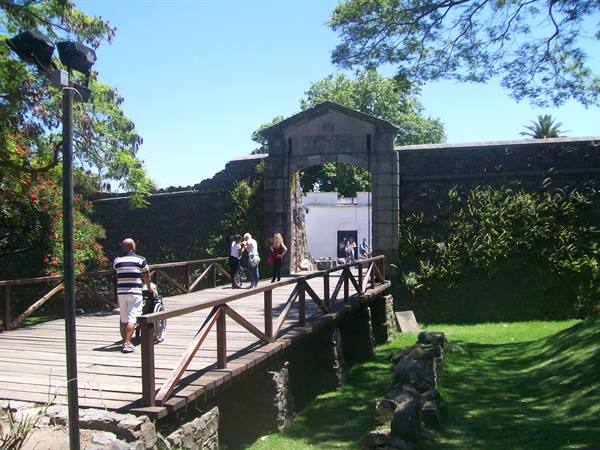
There's only time to take a few photos in front of the fortress gate, observing the old cannons as a reminder of the time when Colonia do Sacramento rivalled Buenos Aires for control of trade on the Rio de la Plata. On foot we return to the port and from there to Buenos Aires. This time we manage to board the hydrofoil, which docks in Buenos Aires in less than half an hour. It's certainly not essential to see Colonia do Sacramento, but if you're in Buenos Aires and have time to spare it's good to know that it's an easy excursion, also because the Uruguayan visa is obtained at the port of the Argentine capital before even setting sail, and it's free. There's no need to change local currency, since euros, US dollars and Argentine pesos are all readily accepted.
The journey's photographs
5 photographs · click to open them full screen
0 reader comments