Santa Marta
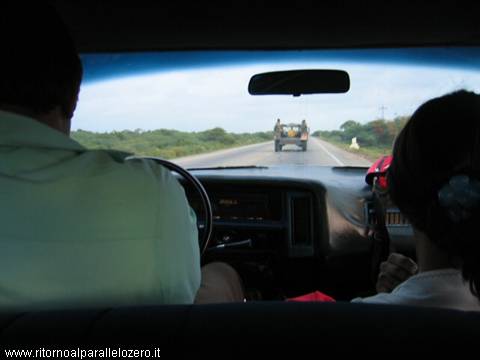
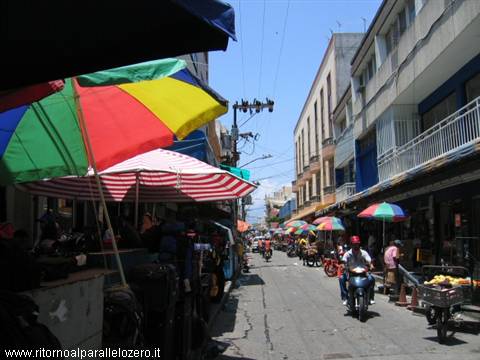
The bus journey to reach our first Colombian destination, Santa Marta, took about three hours, nothing serious, but the spectacle offered by the vegetation we were immersed in and by the characteristic run-down little houses scattered along the main road made the whole thing really pleasant. Right away the town made an excellent impression on us, especially its tranquillity, which we were no longer used to in Venezuela. In a full twenty-five days spent on Venezuelan soil we had never allowed ourselves a night out (excluding the Los Roques archipelago, but that doesn't count!) because of the constant danger we could run into, so it's understandable that this unexpected tranquillity seemed like paradise to us. Just enough time to find accommodation and settle our bags and we were already out on the streets exploring the city.
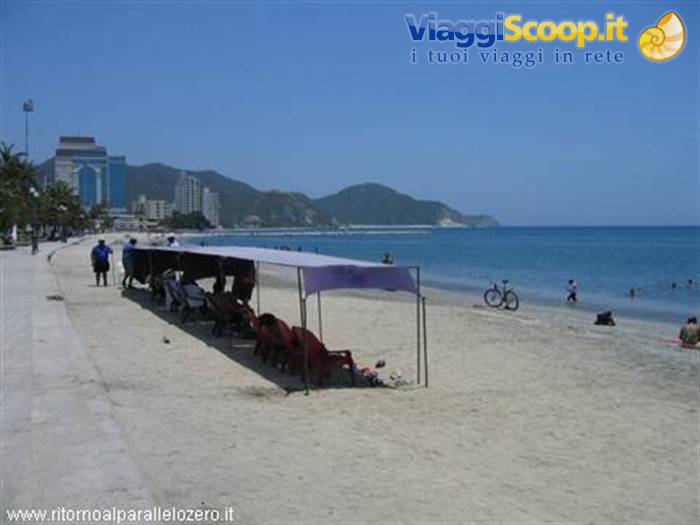
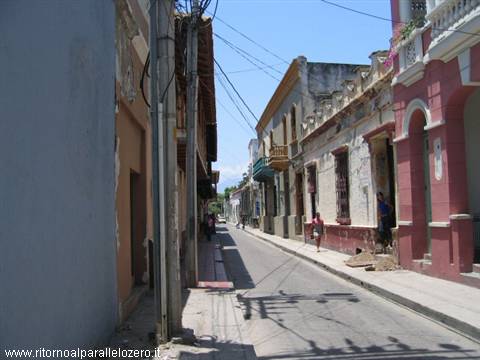
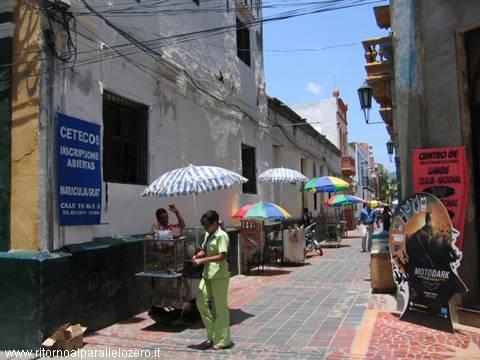
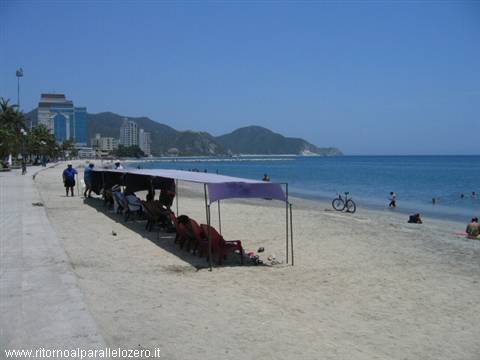
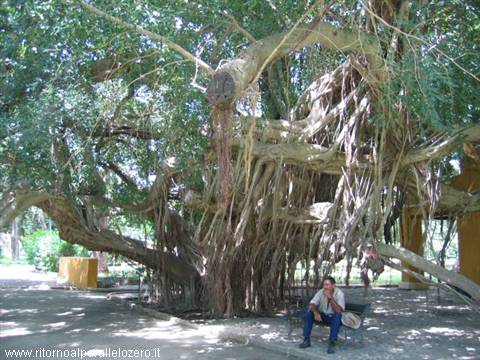
Santa Marta is a medium-sized town with an important colonial centre in appreciable condition of preservation, and above all it is built on a pleasant bay protected from the violence of the ocean. We immediately adapted to this new and pleasant situation of peace and safety, not letting the chance slip for an excellent dinner near the beach and a healthy digestive stroll along the seafront. The reasons why Santa Marta makes the headlines are essentially two: the Quinta de San Pedro and Tayrona National Park. For reasons of time and above all money we had to rule out the visit to the Park and concentrate on the Quinta, an old and immense estate where sugar cane was distilled, which became extremely famous for having hosted the Libertador in his last days of life.

0 reader comments