The story
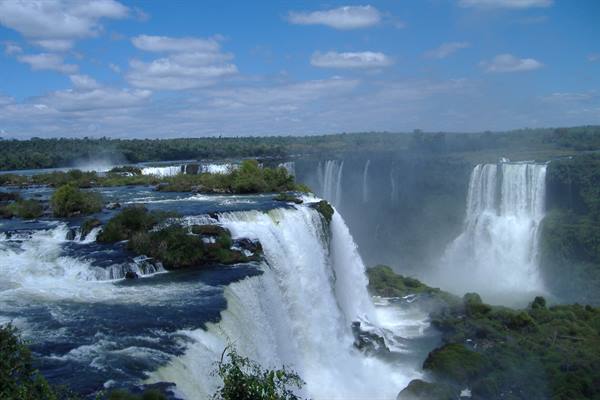
It's actually three small trips made over the course of a month, starting from Rosario. The first trip was to Victoria (Entre Ríos). The little town still preserves a colonial appearance and is famous for its windows with artfully wrought grilles. It's worth going there from Rosario passing through the Paraná delta (about 57 km from one bank to the other). The second was to Iguazú. Unfortunately, given the little time my companion had, we took an organised package. Good service, but I have more fun organising the trip on the spot. The hotel was in Foz (Brazil), quite nice and with good service, but Puerto Iguazú (Argentina) is much prettier and livelier. We were lucky because the Iguazú (guaraní: I water, guazú big) was at a time of high water flow and the sunny weather allowed us to enjoy all the falls.
I recommend, on the Argentine side, taking a catamaran (150 pesos: 1 euro = 4.32 pesos) under the San Martín fall and going down a stretch of river. Truly thrilling and fun. Of the Garganta del Diablo there's little to say, on its own it's worth the trip. In front of such a spectacle you can't help thinking of what Galeano wrote, recreating the arrival of Nuñez Cabeza de Vaca at the Garganta. "He knelt and said: Lord, after crossing the Desert of death, travelling half of America, now I know that the purpose of my life was to arrive here". A unique emotion. The Brazilian side is beautiful too and very panoramic. The entrance is tiered: foreigners pay more than locals: A. 40 pesos and B more or less. The third was to Salta, a completely unorganised trip.
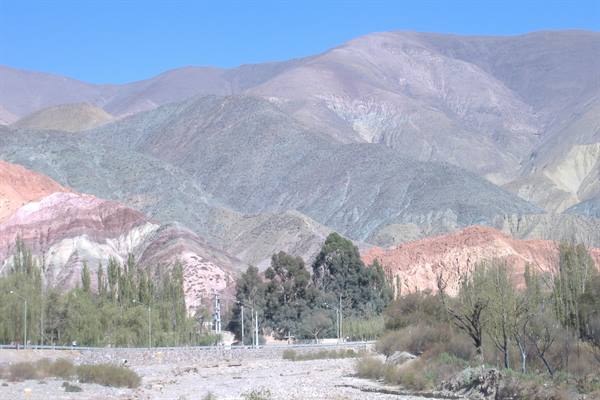
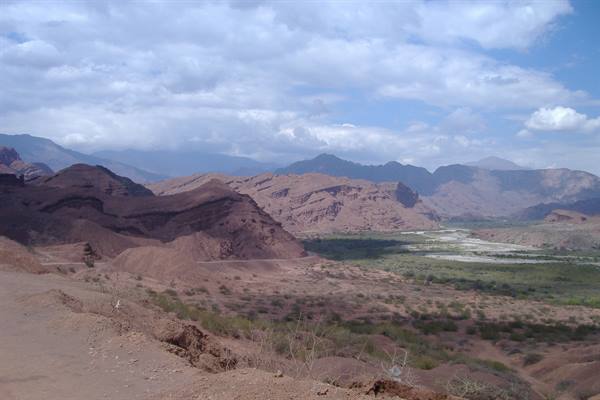
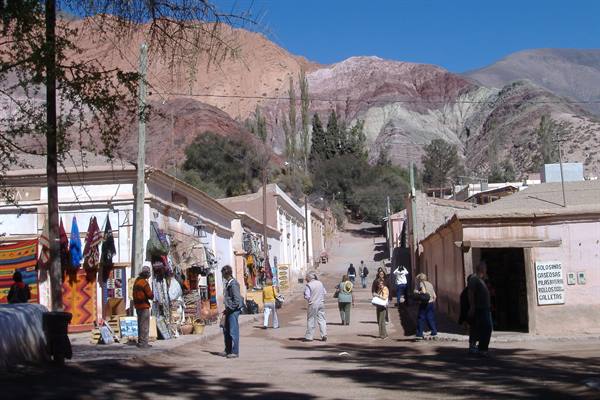
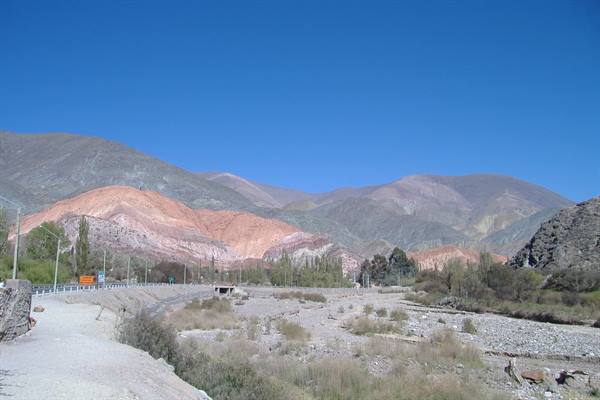
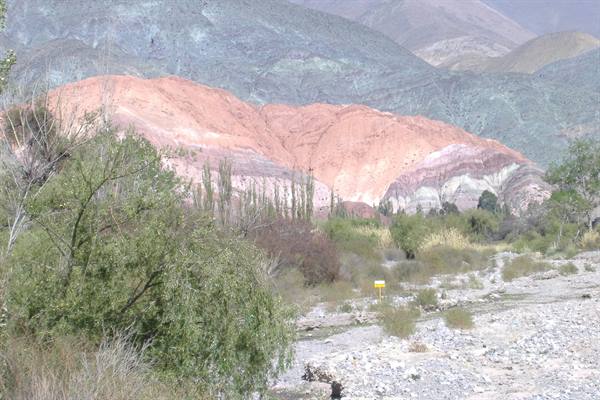
After 16 hours of travel (194 pesos from Rosario) we looked for somewhere to sleep and found it straight away 200 metres from the square of the Cabildo (the old town hall): 100 pesos for a double. A colonial casona with three patios and the rooms opening onto the patios, very pretty, like Salta itself. We rented a car (160 pesos for 200 km a day, 180 for 400 and 195 unlimited mileage). They accepted the Italian driving licence. The first tour was in the Quebrada de Humahuaca (UNESCO cultural and natural heritage of humanity). On the way there, to reach Jujuy it's worth taking the old road, it's all bends but it's worth it. Going north look to the left, and the same coming back. The sun against the mountains brings out their colours: orange, green, blue, violet, yellow, grey.
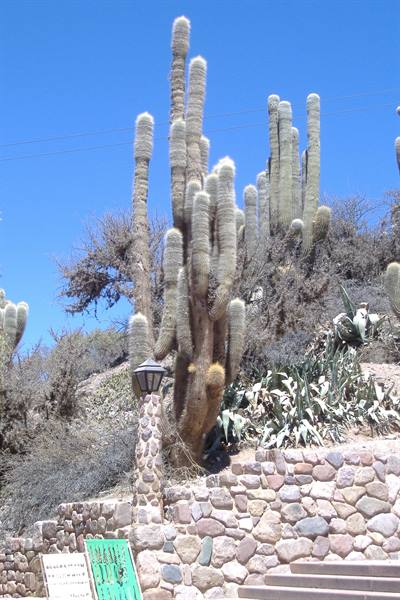
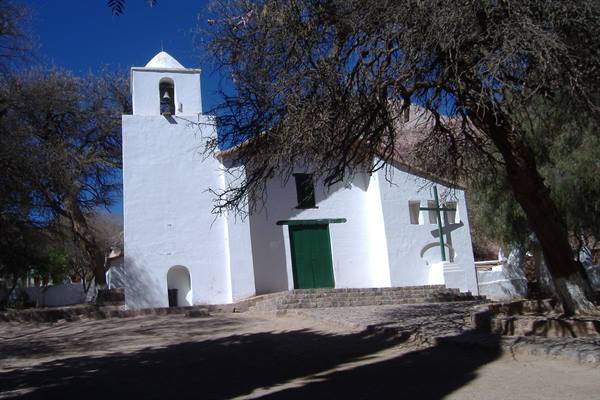
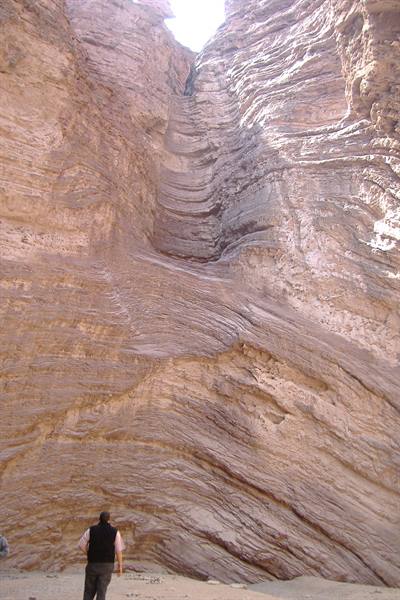
And then the poplars, the willows, the cacti, one of the most beautiful parts of the Andes I've seen (I know the Chilean, Peruvian and Patagonian ones). The first little village is Purmamarca; despite the tourists it keeps a colonial, timeless air and has a beautiful church: modest but clean in its lines. It's worth looking around during the journey because there are various little villages with colonial features. It's worth stopping at Tilcara with its pucará (Inca lookout post); after all, all those little villages were stages on the Inca road, from Peru to Mendoza. The next day we went to Cafayate through the Quebrada of the same name, formed by red mountains with the strangest shapes. From there we did the Calchaquí valleys (the name of the local Indians; actually it's a Quechua name, they call themselves Diaguitas). All dirt road: for about 90 km, two hours.
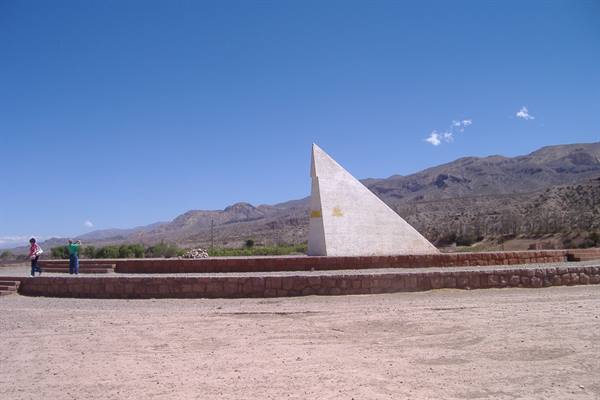
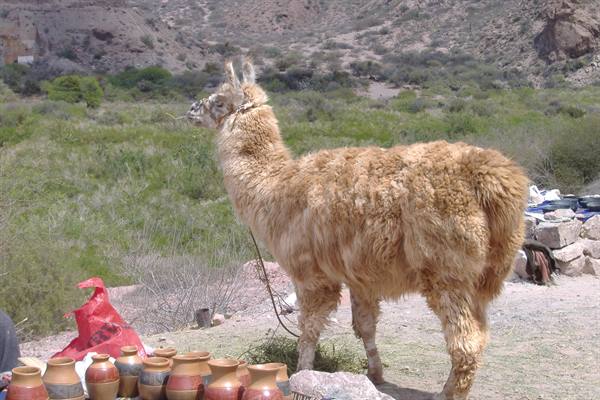
We stopped at Molinos, which has a beautiful church in the Cuzco style. The mountains are again different from those seen previously. 17 km from Cachi the car broke down and we had to wait for help from Salta. But from Salta about 63 km are dirt and mountain roads: 5 hours of waiting. We did the rest of the trip in the dark. Anyway I can say (having done the route on another trip) that the town is very pretty, clean and preserves a lovely colonial atmosphere and the route towards Salta is spectacular. Those little villages were stages on the Inca road too. I forgot: the Indian handicrafts (though I call it art) are very beautiful. Also: walking at Purmamarca you cross the Tropic of Capricorn.
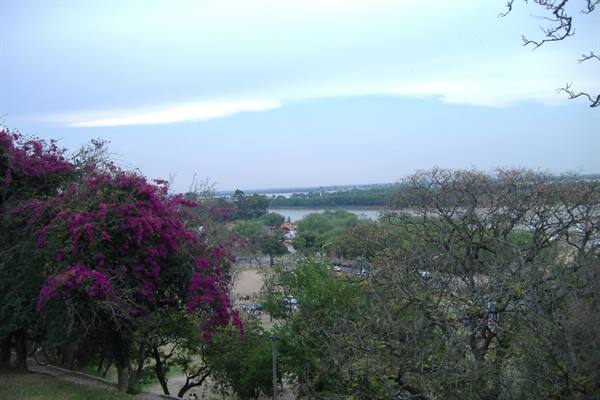
From there we went to Paraná, a city that arose in the 1800s, but it has a privileged view over the Paraná and its delta: it will have another when it meets the Uruguay river and they form the Río de la Plata. It's possible to go out to the islands. On the 12th there was the counter-celebration of the discovery of America: Argentine, Paraguayan, Uruguayan and Brazilian Indians walk through the city playing drums: it seems the earth rises. In Argentina there are many more Indians than you'd think: 1 in every 40 inhabitants (more than Brazil) and at least 56% have an Indian ancestor. The Europeanness of Argentina is a distortion of reality created by good Buenos Aires society. BS AS disappointed me.
I've been there countless times but now it's a bedlam, between dance shows and tango singing, one next to the other you can't make anything out any more, even the Plazoleta Cortázar (Palermo) has lost its charm. In any case, wandering around San Telmo, avoiding the tourists, is still fascinating.
The journey's photographs
21 photographs · click to open them full screen






2 reader comments
Iguazú é stato messo giusto dalla parte opposta rispetto a quella in cui si trova realmente (al confine tra Brasile, Paraguay ed Argentina). Non é colpa mia, mi dispiacerebbe che qualcuno pensasse che le mie conoscenze geografiche siano cosí bassine. Matusca
Iguazú non si trova nella provincia di Córdoba ma a nord est, al confine con Brasile e Paraguay