Patagonia, Land of Fire Text by Anna M. Photos by Marco G.
This is one of those trips we had been planning for a long time; then for many reasons it stayed only an idea until this year. We were curious to see these wide open spaces, this land ruled by the winds, and above all the sheer scale of the Andes. I read a lot about it, including Chatwin's famous "In Patagonia", and I could not quite picture this part of the world. Organising the trip was not difficult; Argentinians are very warm and helpful, and even on the ground there were no difficulties of any kind.
Outside of those in the trade, English is not widely known, but Spanish is not hard to learn. Armed with the invaluable EDT phrasebook, which gave us the rudiments of the language, we managed perfectly well communicating in their language. Personally, when I go somewhere I would rather be the one who adapts than stubbornly speak Italian and expect others to understand me. After all, we are the guests! In El Calafate I witnessed a scene that annoyed me a great deal. One evening, dining in a restaurant, a couple in their fifties come in. They sit at a table and, in a voice that was not even very quiet, the woman starts saying "we're Italian, we're Italian" and repeats it several times. The waiter looked at her and his expression clearly said "so what?".
The remark struck me as decidedly out of place and in very poor taste: what did she expect? For the waiter to roll out a red carpet along her path? Special treatment? For someone to pull an interpreter out of a hat? Well… this attitude of hers struck me as tasteless, especially considering she then expressed herself strictly in Italian, expecting the waiter—who either had little aptitude for languages or was doing it on purpose—to take her instructions literally. I fully share the waiter's attitude; I would have done the same. Anyway, I repeat: Spanish is less difficult than one might think, and our efforts to communicate in their language are always well received.
We also had the "pleasure" of experiencing driving in Argentina. Well… we had the chance to confirm that Argentinians use the highway code only to keep their table legs level, because it really seems nobody bothered to read past the index. Cars overtaking stopped vehicles in the middle of the road to turn left, indicators used only when they remember, people sticking an arm out to signal a turn, speed limits ignored, not to mention the junctions where logic is nowhere to be found: you cannot say that whoever has right of way goes through, nor even the biggest one; the craftiest and the fastest goes, and for the rest there is nothing left but to wait and hope to squeeze in. Let's not even talk about pedestrians: it is not healthy to cross without first scrupulously checking there is a real chance of reaching the other side of the street.
To the dear old ladies in Italy who insist on always walking on the side of the road with no pavement, when on the other side the council has built one to every specification, wide enough for a car to almost pass on it, I strongly advise them to try the same experience in Argentina. In the city, the streets are almost all one-way. As the street plan is a grid, this encourages the heavy use of one-way streets. To find out whether a street is one-way, since they are not signposted like our one-way streets, besides the well-tested technique of seeing "which direction the cars are parked", it is enough to look, at the sides of the street, at the sign with the street name. Underneath there are two arrows (both directions) if the street is two-way; otherwise an arrow shows the direction of travel. The numbers shown indicate the house numbering.
And there is no need to be alarmed by their "high" number: the first part of the number indicates the block. Asking for directions, then, is great fun. You never quite understand where they are sending you; the fact is that if you ask where a hotel is, you will be told "3 blocks from the centre", a precise indication if only it included the direction to take!
The prices quoted in this text, unless otherwise indicated, are all in pesos ($). Whether because of the 2000 economic crisis or the favourable exchange rate (1 euro is about 3.5 pesos), Patagonia is a fairly cheap destination. The effects of the crisis are still visible. I have never seen so many cars so old and so battered, parts held together with wire, real wrecks. Of course, the roads they have do not exactly give their cars a long life, nor does their fantastic driving. And so the outskirts of the towns, suburbs made of shacks and decay.
Day 128 Jan 2006
We leave Turin blanketed by a beautiful snowfall as it prepares for the imminent Olympic event. As if a week of strikes by Alitalia and the staff of Caselle airport weren't enough, when air traffic finally resumed operating normally, the snow decided to make its appearance, blocking northern Italy! On Saturday morning, since I'm part of the category of people who always wait until the last minute for everything, I was packing my suitcases with one vigilant eye outside. And the snow kept falling copiously; even the texts exchanged with a colleague of mine from Turin, who updated me in real time on the snow situation in the city, promised nothing good. The airport was anyway in operation and that was what mattered. Once at the airport, well ahead of time, we immediately check in. Although with some negligible delay, apart from a few exceptions, the airport was operating normally.
Obviously we got one of the exceptions and the delay, negligible at first, became progressively worrying, especially in light of the fact that the time available in Rome wasn't much. The more time passed, the more it shrank. The staff at the boarding gate gave vague and sometimes annoyed answers to the passengers' requests. I'll skip the comments on the fact that they weren't able to answer the question of whether the plane, which was supposed to arrive from Rome, was or wasn't in flight. "It should be" was their answer... A plane doesn't seem to me to be such a tiny little object that it goes unnoticed! Anyway in the end the plane arrives and in a short time leaves Turin at the very hour it was supposed to land in Rome... since teleportation doesn't exist, we arrive in Rome with less than 10 minutes to the takeoff of the flight to Buenos Aires.
Even though in theory they would have waited for us, we try to move as quickly as possible. I hand over my boarding pass and the problems begin. Some genius of an employee had cancelled my reservation and assigned my seat to another passenger. Needless to say, the apologies of the boarding manager didn't faze us at all, especially her attempt to postpone the departure. Absolutely out of the question, considering that the mistake was theirs I don't see why I should have been the one to lose out. She insists, the plane is full, but I don't give in. We argue for quite a while, it's 10 pm, we're tired, we haven't had dinner yet and this mess has made us furious so we're not at all inclined to give up a day of our trip for a mistake made by some genius of an employee.
In the end, the pilot comes down, and proposes, under his responsibility, to let me travel in the seats reserved for staff, commonly called the "jump seat". In exchange they would refund my ticket. So in the end we get on the plane and finally leave.
Avenida 9 de Julio – Buenos Aires
Day 229 Jan 2006
Buenos Aires
After a trip that turned out better than expected—aside from the landing, when I had to listen to a lecture on Totti's footballing skills from a very 'Romanista' steward—we arrive in Buenos Aires after a 14-hour flight. It's about eight in the morning and the thermometer is already approaching thirty degrees. As if the discomfort of the previous evening weren't enough, our dear flag carrier decided to top off an already failed cake with a cherry. They left our luggage in Rome. What can you say… it's fairly normal to 'lose' your luggage, but come on, did it all have to happen to us on the same flight?! Anyway, since I already had to stop by the local Alitalia office to collect my compensation, let's add this to the list too. Ezeiza airport, where all international flights depart and arrive, is about 45 km from the city centre. There are many ways to get there: taxi, remises cars, bus.
We choose the Manuel Tienda Leon bus ($25 per person). So, equipped with only our carry-on, the two backpacks we'll use for our mountain hikes, we set off dejectedly into the city. Whether because we're not used to this heat—in Turin it was snowing and temperatures were below zero—or because of the tiredness from the journey, walking through the sun-drenched streets of the city is an enormous effort. There aren't many people around anyway, maybe because it's Sunday, maybe because it's too hot, but the city seems deserted, a bit like Turin in August. We quickly reach our hostel and take a cool shower. We take stock of the situation and make a shopping list of immediate necessities. Lucky we're dressed in layers and that in a moment of 'mental sanity' I decided to put two pairs of light trousers in the backpacks. It would have been impossible to wear the winter ones.
But Marco has his boots on his feet and we absolutely have to find a pair of sandals or something similar, a bit more suited to Buenos Aires' summer heat. The heart of Buenos Aires is the area known as the microcentro. We walk along the pedestrian street Via Florida and reach the famous Plaza De Mayo, known for having been the scene of many protests and still is today. Facing this square is the equally famous Casa Rosada, from whose windows Peron and his wife Evita used to appear. Along Via Florida, a bit of life stirs, the shops are open and going in to look at the merchandise is even pleasant, since almost all of them have air conditioning. Restaurants and venues hand out flyers advertising dinners or shows. So we wander around the city, not so much as tourists but as simple Sunday strollers. We reach Plaza de la Republica, where another obelisk dominates, and we look out onto Av.
9 de Julio, the widest avenue in the world—it has 16 lanes—and to make sure the guide didn't say something ridiculous, we try to count the lanes. The temperature swing plus the tiredness from the journey start to take their toll; we often stop to rest on some bench in the shade of a tree, and there isn't a breath of air even if you paid for it. There's little traffic, and the city seems to be sleeping. Every now and then at street corners you see orange juice vendors, waiting patiently for customers at their stalls. As the evening progresses and temperatures drop, people begin to fill the streets, crowding the roads, and Buenos Aires takes on all the liveliness described by the guides. For dinner we choose one of the places whose flyer we received (El Gaucho – $28.10) and we eat our first Argentine steak. Spectacular.
We stroll around the city some more and then head back to the hostel (V&S Hostel). It's been a very long day. The hostel has a small balcony and a group of guests is singing along with a guitar. For a while it's even pleasant, but then it becomes a bore, and since I wanted to sleep, I would gladly have whacked the guitar over his head. The ceiling fan blade spun all night, but the heat of Buenos Aires didn't make us regret not having planned more days for this city. Of course ours was a 'whistle-stop' visit, but at this time of year it can't be otherwise. If we come back in winter we'll explore this city better.
Accommodation: V&S Hostel - Viamonte 887 – Buenos Aires – Cost $85 (double with en-suite bathroom – B&B)
Laguna de Los Tres – Parque Nacional Los Glaciares
Day 330 Jan 2006
El Calafate
The alarm goes off early, our flight is at around 9, so we don't have much time to waste. We quickly have breakfast and go down to the street to wait for the car, a remises, that will take us straight to Ezeiza airport (cost $45). We have plenty of time to get to the airport calmly, but the driver speeds like there's no tomorrow. There are signs with speed limits, but we get the impression he considers them simple numbers that decorate the road. At the airport we sadly discover that our luggage is still in Rome, so we arrange with the Alitalia staff to have it sent directly to Patagonia. Our flight to El Calafate departs on time; it's one of the few flights departing from Ezeiza—usually the so-called 'domestic' flights all leave from Aeroparque, the other Buenos Aires airport.
We almost leave our belongings on a chair; Marco, getting up, didn't notice that his bum bag with his wallet was left there; but a very kind gentleman notices the oversight and runs after us to hand it back. That was all we needed! The flight is smooth and we arrive in El Calafate around lunchtime. El Calafate airport is quite small, but equipped with everything you need; it's a fairly recent structure in the middle of nowhere, about fifteen kilometres from the town. El Calafate certainly doesn't boast much air traffic, so at 5 pm the airport closes. This means that tomorrow, provided the luggage arrives, we'll have to be here before closing time to collect it. The landscape around us resembles Namibia in many ways. I was expecting a desolate land but not this arid.
If you don't look in the direction of the Andes, the feeling is exactly that of an arid African landscape; the tones, the colours are the same, shades of yellow through to brown, stretches of earth with dry shrubs scattered here and there. I don't know why, but I keep expecting to see a giraffe or an antelope pop out at any moment. The guy from Avis who's supposed to hand over the car we booked is late. I even start to doubt whether I understood the rental location correctly, but in the end, all out of breath, he arrives. Rental companies at these airports just have a sign; the offices are in town and even there they're sometimes just desks within another business (travel agencies). The staff come to bring and collect the car at the airport if this was arranged in advance.
Our guy is a very young lad who, in perfect English, explains that he can only hand over the car we booked after 5 pm and provisionally assigns us another. All this, added to the fact that we have to organise ourselves to possibly collect our luggage, throws our plans a bit off course. We had booked this night and the following ones in El Chalten, which is 220 km of dirt road from El Calafate. On the other hand, the kilometres done with this car won't be counted (n.b. rentals in Argentina are almost all with limited mileage). A bit fed up with all these setbacks, we go into town to find a place to have lunch and decide what to do. If our luggage doesn't arrive it's a mess to go trekking; my boots are in the suitcases, and not only those, so tomorrow going for a walk is out of the question.
El Calafate is a pretty little town, its centre is very lively and full of shops; basically everything is along the main tree-lined street that crosses the centre. The sign at the entrance to the town calls it the capital of the glaciers. Indeed it's the closest town to the famous Perito Moreno glacier (about 80 km) and to the southern part of Los Glaciares National Park. El Calafate overlooks the shores of the immense Lake Argentino, about 1,600 sq km, making it the largest lake in the country. While we walk along the main street swarming with people and shops, I have one of those thoughts that surprise even yourself. An obvious thought, moreover, because why complicate our lives going back and forth on these dirt roads—we just need to swap the booking for the night and slightly modify the itinerary.
So we head straight to the B&B (Casa de Grillos) where we've booked a few nights and, luckily for us, they have a room available for the night. The owners are truly very kind, a very friendly and sociable elderly couple. La Casa del Grillo is a lovely little house in a quiet area outside the town centre, a few steps from Laguna Nimez, a natural area where you can observe birds in their habitat. Our room is very nice and the bathroom is very spacious. We couldn't have made a better choice. Having solved the accommodation problem, we move on to phase two of the plan: phoning the hosteria in El Chalten to cancel the first night. Not an easy task, since the phone number I wrote down is wrong (of course) and the number can't be found in the phone book. Luckily there are internet cafes and I found this hosteria by browsing the internet.
The woman only speaks Spanish, so with my poor knowledge of the language I try to make myself understood, above all I try to make her understand that I'm not cancelling the whole booking, only the first night. She keeps repeating 'no problema no problema'—let's hope she understood. Having sorted out this practical problem, we spend the rest of the afternoon wandering around the town and doing a bit of shopping; we also buy some maps that will be useful in the coming days for the hikes we'll do. We also go to the Chalten Travel office to book the excursion to Chile. In the end, after much research and much thinking, we've decided to take a one-day excursion to visit Torres del Paine National Park in Chile. The cost of the excursion is $186 per person. It includes the coach journey and the guided visit to the park. Of course, it's a group thing, but there's no other way.
For dinner we choose a restaurant (La Cocina - $31.50) along the main street and, to cheer ourselves up, we also treat ourselves to dessert. All in all, our holiday has begun and, even though we've had a few hitches, so far we've managed not to let all these setbacks ruin our holiday. The wind, which has blown incessantly all day, picked up as the sun went down. The air is cool and it feels nice with a jumper on.
Accommodation: Casa de Grillos - Pasaje Las Bandurrias s/n - El Calafate - $105 (double with en-suite bathroom - BB)
Guanaco
Day 431 Jan 2006
Glaciar Perito Moreno
We start the day straight away with a spectacular breakfast. Marta, the owner of the B&B, makes the cakes and jams offered at breakfast herself. This morning's apple cake is simply sublime. Marco is over the moon with breakfast; he, who loves a sweet rather than savoury breakfast, says he's finally found a country that 'knows how to do breakfast'. We taste 'Calafate' jam for the first time, a fruit that grows in this land. It looks like a blueberry, same colour and same shape, it grows on thorny bushes, but the taste is different. The plan for the day is to visit the famous Perito Moreno glacier, then, maybe, collect our luggage and move on to El Chalten for the evening. The glacier is 80 km from the town. For those without their own car there are buses or organised excursions. The route initially runs alongside Lake Argentino, majestic and immense.
Along the road you can spot hares and small birds of prey and other birds, rarely a guanaco. The route is partly asphalted and partly dirt road; the dirt section is also subject to roadworks, so driving that stretch is rather boring. Finally we arrive at the glacier… it's early and there aren't many people yet. The entrance fee to the park is $30 per person. The Perito Moreno glacier—more simply Glaciar Moreno—is perhaps the only glacier in the world, so they say, that is continually advancing. In the area there are other glaciers, such as the Upsala glacier, which, although larger than Glaciar Moreno, is less spectacular, and the Onelli glacier, located in the northern arm of Lake Argentino. These glaciers can only be reached by boat with day-long trips.
The glacier, its sheer size, is spectacular. Every now and then you hear the thuds of a chunk falling into the water. Its majesty is impressive. There are several walkways and levels of balconies to see the ice, which is positioned exactly in front of the viewer. Its height exceeds 50 metres and at its base it's rather crevasse-ridden. The ice that breaks off the glacier feeds the waters of the immense Lake Argentino. At the foot of the glacier, on a small stone platform, a mother fox with her two cubs is enjoying the sun. But few notice her presence; her colour blends with the stone, and the fact of being in front of a natural spectacle of such great majesty means her presence is almost ignored by most of those present. Everyone comes to see this glacier. Just look at the varied human presence here. There's even a group of Italian women.
Sitting, with their backs to the glacier, they complain about some of their companions' choice to stay longer than necessary in this place, and they plan to leave and find a bar; they're getting bored. Sometimes people travel the world just to be able to say they've been there, take a nice photo for the relatives, and then everything else doesn't matter. I feel sorry for them, but if their first thought is to go to the bar rather than stay there and enjoy this spectacle, they might as well have stayed home leafing through a catalogue! This doesn't mean Italians are worse than others, and since the others I can't understand what they're saying, I can't comment. But these attitudes annoy me quite a bit; if you don't like it and you're not interested, you just had to stay home so you wouldn't crowd this place so much.
As the temperature rises, towards lunchtime, the ice falls suitably increase. Looking up at the sky, Marco spots two condors flying. Happy as a child who's received a new toy, he starts a photo session with the two birds; lucky we brought the digital cameras, otherwise we'd have had to take out a mortgage at the photographer's to pay for the developing! In the afternoon we go to collect our luggage at the airport and head for El Chalten. We drive a stretch of the famous Ruta 40, the road that crosses Patagonia from south to north along the Andes. Along the road you come across, besides guanacos, some nandus. They're slightly smaller ostriches but just as stupid. There are lots of fences marking the boundaries between various properties and estancias; these animals sometimes find a gap and then can't find their way back.
Stupidly they stick their heads between the fence wires but can't get through to the other side because it doesn't occur to them that simply lifting a leg would let the rest of their body through too, poor things! So we see quite a few of them running breathlessly along the fences looking for some opening. The land is truly arid and this area, which resembles Namibia in every way—in its colours, its dry shrubs—has a particular charm of its own. The road first runs alongside Lake Argentino and then Lake Viedma. Immense stretches of water where the Andes are mirrored in their waters. Here and there you see signs for some Estancia; these people certainly aren't woken in the middle of the night by the noise made by neighbours coming home. The road is all dirt; they're doing asphalting work that's proceeding veryyy slowly, but meanwhile the road is dirt and not even among the best.
Fortunately the last stretch of road, the RP23, is asphalted. At the junction we also pick up a hitchhiker; it's 6 pm and considering that not many cars pass, that the wind is very strong and who knows how long the poor guy had been waiting there for a lift. He's a lad from Milan—what a small world—and he's been in Argentina for a while, so we spend the rest of the journey talking with him about what he's seen and done. Ahead of us Cerro Torre and Fitz Roy dominate with all their grandeur. Perhaps these names mean little to most people, but they're two great mountains that have always fascinated the most capable mountaineers. El Chalten is a small village, born in 1985 as a base for climbing expeditions to the two mountains. It's a recent village and the urban planning shows it.
Its streets are dirt and there's no traffic at all; it looks like a Wild West town—where are the horses and the gunslingers? There are lots of children crowding the streets. Kids on bicycles, running, with a football, shouting and lots of laughter; the streets of El Chalten swarm with children. Hosteria Lago Viedma is a little white house not far from the centre, but nothing is far from the centre. There are few rooms and they're all on the upper floor; the interiors are all wood, making it a somewhat rustic environment. Our room is nice, small but equipped with every comfort. For dinner we go to one of the restaurants in town (Pizza Bar Comidas Patagonicus – $40). No meat menu because we're not fans of the genre; we have two nice plates of tagliatelle with tomato, not bad at all, and of course this evening too we treat ourselves to dessert.
A stroll around the village, which really seems like a town from times past if it weren't for the internet cafes. The guides describe it a bit like a frontier outpost, but for the tourist, El Chalten has almost everything: the supermarket, shops, internet cafes; only the bank is missing, but someone says that will come soon too.
Accommodation: Hosteria Lago Viedma – Ricardo Arbilla 71 – El Chalten – Tel. (02962) 49389 – ww.elchalten.com/lagoviedma - $120 (double with en-suite bathroom – B&B)
Caracara Chimanco
Day 51 Feb 2006
Laguna Los Tres (El Chalten)
Early wake-up today, we're walking! The hosteria's breakfast isn't bad at all, even though the slice of cake is nothing like those made by Marta! We're planning to go to Laguna Los Tres. What we've chosen, in fact, is the best route to admire up close the eastern face of the legendary Monte Fitz Roy. An itinerary practically free of difficulty on a well-trodden path but quite long (22 km round trip with an elevation gain of about 850 m). We leave the car at the trailhead near the Madsen campsite, and we set off; maybe it's a bit early but there's hardly anyone around. We haven't been in Argentina long but we've already realised that they're not particularly early risers. The trailhead is well signposted with a wooden sign anyway. The path immediately climbs through the forest heading north-west.
After passing a small saddle just below Cerro Rosado, you cross over into a broad, almost flat valley. Crossing the basin you reach Camp Base Poincenot, hidden among the southern beeches. You then cross the Rio Blanco on a bridge built from a wooden trunk, and in a few minutes you're at Campo Base Rio Blanco, the starting point for mountaineering ascents in the Fitz Roy group. Only climbers undertaking ascents of Monte Fitz Roy can stay at this camp; for everyone else there's the Poincenot camp. The route then becomes more demanding and the path climbs more steeply and ruggedly up to the shelf where Lago de Los Tres lies, at the foot of the glacier of the same name. Simply fantastic! Once we arrive we position ourselves in a good spot that lets us admire everything. The place is spectacular.
The mists come and go from the peak and every now and then you manage to see the mountain's summit. Fitz Roy (3,405 m) is also called the mountain that smokes, precisely because of this peculiarity of often having its peak hidden in the mist. The name Fitz Roy is obviously a relatively recent name; the indigenous peoples know the mountain as Chalten. Scanning with binoculars we spot two climbers on the face; I don't envy them at all—given the mists that every now and then envelop the mountain, I don't think they're suffering too much from the heat, quite the opposite. The first expedition to reach the summit of Fitz Roy was a French expedition in 1951, so I've read, because I wasn't there! One of the peaks adjacent to Fitz Roy bears the name of a French member of this expedition, a certain Poincenot, who—bad luck for him—drowned in the waters of the Rio Fitz Roy.
Talk about bad luck: you climb a mountain like that, where the chances of leaving your feathers behind aren't a fantasy, and then what does he do? He drowns in a river. That's real bad luck! As time passes, people start to arrive. Mmmhhh, these Argentines aren't very early risers. In the afternoon we head back.
After cleaning ourselves up properly we go out for dinner. Since we haven't walked enough yet, we go out on foot and do the rounds of the village. After carefully looking at many restaurants from the outside, we go back to the same place as the night before. We sit in another part of the place; old photographs of mountaineers who have passed through the town hang on the walls. There are even photos of Maestri with his companions from that ill-fated expedition on Cerro Torre dated 1959, in which Egger lost his life. They were supposed to be the first climbers to reach the summit, but unfortunately there's no proof to support that claim, since the camera fell with Egger and was lost, so Maestri's testimony alone wasn't deemed valid. Eh.. goood grief..
what distrust these mountaineers have! The fact is that the matter was the subject of discussion for years, and I can believe it! In 1970 Maestri, to put an end to the chatter once and for all, climbed Cerro Torre, opening what is today known as the compressor route. Since the climb is a little stroll, he thought he'd open a route using expansion bolts that he hammered (that's not exactly the right term, but you get the idea) into the mountain walls, helped by a drill powered by a compressor—hence the name "compressor route". A small piece of equipment. But instead of removing all doubt about his actual ability to have climbed the summit, a right fuss broke out; in fact, there are those who claim that, having got almost to the top, he never actually got past that kind of ice mushroom that tops the summit. If you look at this mushroom with binoculars you can see it.. impressive.
So much effort for nothing, I say, because even today the first certain ascent to the summit of Cerro Torre is the one completed in 1974 by yours truly, who was two years old at the time, and by Ferrari's Italian expedition!! Don't believe me? Not my problem!
Accommodation: Hosteria Lago Viedma - Ricardo Arbilla 71 - El Chalten - - $120 (double with en-suite bathroom - BB)
Laguna Torre
Day 62 Feb 2006
Lago Torre (El Chalten)
Another early start today. Our destination today is Lake Torre near the De Agostini base camp. Today's trail is a little shorter than yesterday's, but this evening we have to get to El Calafate, so after the walk, we still have a good 2 hours of driving down that purgatorial road. We set off early so we don't have to rush in the afternoon. At the same time as us, a group of young people sets off. According to Marco, they're the ones doing a glacier trek, whose brochure he'd seen; according to me, no. Setting aside the fact that they're lightly dressed and only some have small backpacks—which, unless they're Mary Poppins' bags, I doubt big jackets or jumpers could come out of—there are still their shoes. Do you really think people in tennis shoes could wear a pair of crampons? Canvas tennis shoes with crampons have never been seen!!! Anyway… we'll see.
Today there's a good dose of wind again, but that's normal for this land, so we might as well get used to it. The trail starts from the meadows on the western side of the village of El Chalten, again with a wooden signpost showing the route. The path climbs moderately, crossing a series of grassy hummocks and entering the valley watered by the Rio Fitz Roy, which flows on the left, quite deeply cut. Reaching a small saddle, you then reach the first viewpoint over Cerro Torre. Every now and then hares pop out of some bush. Too cute! The path descends until it comes close to the river flowing across a broad alluvial plain. After about 3-4 hours from El Chalten you reach Campo Base De Agostini, which stands in a wood near the moraine of the Grande Glacier. Beyond the moraine, before the glacier, lies Lago Torre. Another spectacular place.
Cerro Torre (3,102 m) rises at the head of the glacier. I wonder how you can climb a mountain like that. Its vertical walls seem to me extremely steep and inaccessible. Once at our destination we find a sheltered little corner on the shores of the lake and enjoy the view of Cerro Torre and the other mountains. Meanwhile our group arrives too, and alas, Marco was right. In single file, preceded with a good lead by two guides, our 'aspiring mountaineers' proceed, equipped with harnesses, which they'll use to cross the river on a zip line. As they all file past, Marco, obsessed with boots, reviews every single pair of shoes and, amused, comments on what he sees. Bringing up the rear is a guide who very likely senses the source of Marco's amusement, looks at him with a 'resigned' air, and pointing at the group ahead of him, starts laughing. Yeah..
the world is beautiful because it's varied, but who knows how 'demoralising' it is for a guide to lead people like that around. It's true that the trek they offer is something anyone can do, but turning up in tennis shoes and without a jacket or a fleece—I mean, a glacier is always a glacier, even if they just let you see it for a couple of minutes and walk on it a bit just so you can say you've walked on a glacier. In the early afternoon we take the long road back; I don't know why, but returns are always longer than the outward journeys. Back in the village we get our car and immediately set off towards El Calafate, which we reach towards evening. Aleandro and Marta, from la Casa del Grillos, welcome us very warmly, as if we were part of the family.
Accommodation: Casa de Grillos - Pasaje Las Bandurrias s/n - El Calafate - $105 (double with en-suite bathroom - BB)
Salto Grande - Torres del Paine National Park (Chile)
Day 73 Feb 2006
Lago Roca (El Calafate)
This morning we have a few things to do in town, so we wake up nice and relaxed and head calmly into the centre to run a few errands. Tomorrow we're going on a 'day trip' to Chile and we need to change Argentine money into Chilean money to pay the park entrance. So we go to the exchange office they told us about, and after a long queue we discover they don't have money in that currency, so we go to the bank, and here too, after a long queue, we reach the counter and manage to buy the equivalent in Chilean currency to pay the park entrance. So between one queue and another, a good part of the morning has gone. Queues in Argentina are a sight to behold. Endless queues, line after line of people, queuing at the checkout in supermarkets, in front of ATMs. Everyone queues calmly, without nerves.
A veeery different approach from ours, where a queue is synonymous with stress and if you dally a little those behind you make themselves heard. The funniest things at the supermarket. They put the shopping on the checkout counter, which doesn't have a conveyor belt like ours; the cashier very calmly takes piece by piece and passes it over the scanner. And if the customer has forgotten something, no problem; the cashier calmly waits for the customer who meanwhile wanders, perfectly calmly, around the supermarket to get what's missing. Once the procession of items in front of the scanner is finished, the cashier very calmly starts bagging the shopping, fortunately helped by the customer. With the shopping sorted, it's time for the bill. The cashier announces the amount and the customer starts looking for the money. All this happens with extreme calm, without anyone getting worked up.
Everyone calmly waits their turn and no one complains—in short, a less stressed approach than ours, in fact not stressed at all. The ideal would be an intermediate system: ours is too stressed and theirs too relaxed. Seeing that lunchtime is approaching, we go to see the nearby Laguna Nimez nature reserve, which is in fact on the shores of Lake Argentino. Like all reserves it's perhaps more interesting during the bird migration season, but in any case it could be worth a little visit. The entrance costs $2. They give you a small map which the wind almost immediately blows away, but the reserve isn't very big and there's only one route. There are quite a few birds of prey, various kinds of ducks, ibises. We haven't yet managed to find a book on the birds of this area, so for today's bird-watching activity we have to rely solely on Marco's ornithological knowledge.
In the afternoon we move to the Lake Roca area instead. We drive through this valley and along this road beside this lake. The road is dirt and there's hardly anyone. It's an area little touched by tourism and apart from a few estancias you don't come across anything else. We take a little road that leads along the lake; there are two fishermen and a family playing football on the grass. The view of the lake and the mountains is very beautiful; it's a quiet place to relax a bit and have a snack with the family. Marco isn't feeling too well—the temperature swings have given him a nice cold—and an afternoon of complete relaxation on the lake shores is just what's needed. In the distance a gaucho, on horseback, gathers some cows scattered here and there and drives them back.
The rest of the world with its confusion, its people, seems so far away; you can only hear the whistling of the wind and the sound of the lake water stirred by the wind.
We head back for dinner along an alternative road, all dirt, that takes us straight into the town centre. That wasn't exactly the intention but, as we'd already had occasion to understand, road maps aren't very precise; on ours a road is marked that we can't find. Maybe it's still a track and we didn't recognise it as a road, or maybe it just isn't there. As an alternative, if we hadn't had to waste the whole morning at the bank, we could have done the one-day excursion to the Upsala glacier; maybe another time. For dinner we go to a pizzeria (La Lechuza - $34) where I witness the fantastic scene described at the beginning of my account. Dinner isn't bad. The pizza is served on a wooden board, very characteristic. To choose the place for dinner—there really are lots in the centre—we carefully consulted our trusted guides and then chose a place not mentioned in the guides.. eh eh
Accommodation: Casa de Grillos - Pasaje Las Bandurrias s/n - El Calafate - $105 (double with en-suite bathroom - BB)
Magellanic Woodpecker
Day 84 Feb 2006
Torre del Paine N.P. (Chile)
It's still night when we wake up. They come to pick us up at 5 for the excursion to Chile to Torres del Paine park. Within this park is the Paine massif, a collection of mountains, granite peaks that rise from the Patagonian steppe towards the sky and dominate the landscape. What can you say? They're spectacular. We have a few complaints about the efficiency of this method of organising excursions, anyway… Marta, when we come down for breakfast, is already up. Truly an exceptional hostess. At 5 on the dot a car comes to collect us. They take us to another hotel, from where a minibus departs that, doing the rounds of the city, picks up all the excursion participants. So we leave El Calafate at almost 6.
Wouldn't it have been quicker to have everyone meet in one place so as to avoid wasting useless time with this door-to-door taxi service? But my standards of efficiency and organisation, I realise, don't really fit South American rhythms and lifestyles. The journey is quite long; a stop at a bar for breakfast and a few comfort breaks, then straight on to the border. The road is initially asphalted and the little bus speeds along, despite the rain, then it becomes dirt but the little bus keeps speeding along. We arrive at the Argentine border, a little house in the middle of nowhere; it's cold, it's raining and of course it's windy. The border guards slowly check passports and stamp the various bits of paperwork.
The look is exactly that of the border posts you see in old western films—who knows if the screenwriters were inspired by places like this!!! A bit more road and here we are at the Chilean border, and here a great chaos. The customs officer is on his own, or rather, there's only one person handling the entry and exit procedures from the country, because in fact there are two—one working and one watching. There are really a lot of people wanting to cross the border in both directions; all we can do is fill in the entry forms and queue up. After the passport check comes the health inspection. You can't bring any kind of fresh food into the country, such as fruit, vegetables, meat. What can you say.. we spent a good three hours just managing to get everyone through customs. For the record, to cross with your own vehicle you have to queue up again for the vehicle document check.
Finally we're all back on the bus—a different bus, because the one we'd been travelling on up to now stayed on the other side of the border; another bus with the guide was waiting for us on this side. The guide immediately starts explaining the type of tour we'll do, the stops, the rules, and informs those present that the park entrance must be paid in cash and in Chilean currency. And lo and behold, a few little hands go up saying they don't have money in Chilean currency. So another stop at the exchange office, with the associated annoyance of some of those present at this further delay. And finally we set off. The first stop is near the park entrance. While the guide goes off to complete all the entry formalities, we wander around the car park and take a few first photos of this Paine massif. The day isn't nice; it's not raining, but the clouds envelop the mountains.
The environment around us is different from the Argentine one. It's greener, more luxuriant. The Andes, in fact, act as a barrier to the weather systems, stopping them on this side of the mountains. The guide provides a load of information about the place, the people, life in these areas. We stop at several points to see the mountains, the landscape. In a car park a Patagonian fox lets itself be photographed; along the road a myriad of guanacos. Many more than you see in Argentina, but we'd read that too. The park, created in 1959, had among its main objectives the protection of this and other animal species from hunters and poachers. We go to visit the Salto Grande waterfall, very beautiful. Then Lake Pehoe. It's not possible to go to Lake Grey because, the guide explains, there are problems on the road or something related to the minibus traffic.
A nice rip-off, because at the agency they'd told us that was exactly where we were going, and that's where we wanted to go too. Sigh! Finally we head back. Fortunately the borders are less crowded than on the way out, so we don't waste too much time with the various formalities and in no time we're back on the bus heading for El Calafate. We get back to town at 10 pm, but we reach our B&B at almost 11 because, thanks to this door-to-door service, we drive round the city dropping people off here and there, until it's our turn. Of course, the last ones on the bus! At la Casa del Grillo Marta is still up. She welcomes us with her usual kindness and helpfulness and asks about our day.
So, over a nice cup of mate, we tell her about the slow Chilean bureaucracy and our trip to Chile, which allowed us to see, even if very furtively, this splendid country that we'll certainly return to visit with more attention and more time. Maybe we'll even do the famous trek known as the 'W', because of its particular shape. Who knows…
Accommodation: Casa de Grillos - Pasaje Las Bandurrias s/n - El Calafate - $105 (double with en-suite bathroom - BB)
Ushuaia – Tierra del Fuego
Day 95 Feb 2006
Ushuaia
Our plane to Ushuaia leaves at midday, so no early wake-up and a leisurely breakfast. We linger chatting with Aleandro too before leaving la Casa del Grillo. He tells us a bit about the country's economic and political situation, about the general situation in South America and about the people. I like talking to the locals, if only to understand how they live, what they think, who they are. After leaving la Casa del Grillo we stop in town for some shopping and then head to the airport. We check in and pay the airport taxes ($18) and wait for the Avis guy, who is late again today. We haven't exceeded
Beaver
Day 106 Feb 2006
Tierra del Fuego N.P. (Ushuaia)
Today too it's not a beautiful day. You can't tell whether it's just thinking about raining or really intends to. The fact is it's not at all warm, so, dressed properly, we head for the bus stop. I was expecting to see posts indicating the company name, the direction, but at the street corner I see nothing. On the other side of the street, however, we notice a line of small buses stopped and a driver beckoning us with his hand. We cross over and, even though it wasn't yet his company's departure time, he decides to leave anyway, so we immediately get going. The ticket, round trip (which must therefore be used with the same company) for the Tierra del Fuego national park costs $20 and the journey lasts about half an hour. It's the first coastal national park established in Argentina. Its territory is very vast and includes not only the coast, rich in birdlife.
You can spot condors, albatrosses, cormorants, gulls, partridges, various types of geese and ducks, as well as mammals such as foxes and rabbits. We only saw rabbits (many), cormorants, gulls, partridges and a few kinds of geese and ducks. Coming back to our bus journey, it must be said that this public transport mechanism works very well. There are several companies operating in this area, each departing at a set time from the centre of Ushuaia for the various locations in the national park. So even without a car you can move about easily without great difficulty. A brief stop at the park gate to pay the daily entrance fee ($20) and here we are at our destination. We immediately head for our trail; we want to get to Cerro Guanaco, from which they say you get an excellent view.
We're a bit doubtful about the quality of the view given that the weather is really bad and the mountains are shrouded in mist. It's very cold, the wind is very strong and at times it rains. There are very few people around, but on the other hand there are lots and lots of rabbits; we deduce that either there aren't too many foxes or the rabbits reproduce faster than the foxes can gobble them up. From every bush you can see a pair of ears pop up, a little ball of fur running. They're really adorable. The trail initially crosses the forest with some stretches of steep climb. It runs for a length of 8 km (one way). As the climb increases it becomes steeper and sometimes the ground is slippery. The wind is very strong but sheltered in the forest you can walk quite well. The creaking, a bit sinister, of the trunks moved by the wind has something unsettling about it.
Once at the edge of the forest the wind is very strong. We put on gloves and hats and continue
Night Heron
Day 117 Feb 2006
Tierra del Fuego NP (Ushuaia)
Today the weather is worse than yesterday — weren't we lucky! Our plane doesn't leave until the evening, so we have the whole day to explore these places some more. Our original plan was to take the chairlift up to the Martial Glacier and do a short loop in the area from there, but the weather is bad and the glacier is shrouded in fog. As an alternative, I suggest to Marco that we go walk that much-vaunted coastal trail in Tierra del Fuego National Park: the senda costera. The first person who dares come and rave to me about the beauty of this trail again gets a shoe in the face. Sure, compared to a stroll downtown under the arcades it's fantastic, but compared to the trail to Cerro Torre or Fitz Roy... people, those are views!!! We take the usual bus, with the same driver as yesterday, and get off exactly at the start of the trail.
At first it goes through the woods, then comes out and follows the coast for a long stretch, 6.5 km in all. The environment is peculiar, especially along the coast, but the trail is torture. Mud, mud, and more mud. We get filthy, disgusting. The day is grey and these places have something melancholy and sad about them. We run into a few people, but not many have ventured onto this trail. We also pass a campsite; there aren't many tents, and I don't find that hard to believe — in this weather it wouldn't even cross the back of my mind to pitch a tent on this lovely squishy ground and sleep all night curled up in my sleeping bag while the rain soaks my tent and everything within reach. I have to say that when we reach the paved road we're truly happy; all that walking in the mud has worn our nerves thin, quite a bit. The landscape is nice, but nothing more.
Nothing as exceptional as the guidebook describes, nice views over the channel, but from there to calling them "breathtaking"... We wait for the bus back along the road; the café isn't far, but that's how this system works. When you see the bus coming you flag it down, and if there's room they let you on, you show your nice round-trip ticket, and Bob's your uncle. Back in town we buy a nice slice of crostata for a snack, take a few steps downtown and along the bay, then go pick up our suitcases and with a remises car ($10) we quickly reach the small Ushuaia airport.
At check-in they inform us of a 2-hour delay to the departure time and give us a voucher to go get a snack while we wait for the flight — not like in Turin, where we waited more than two hours for a flight and they didn't even offer us a little candy, even though it was dinnertime! The flight is rather bumpy; strong winds toss the aircraft around quite a bit, and the landing phase is pretty wobbly too. Lucky I'm getting off in Trelew and don't have to continue on to Buenos Aires like some others. Almost all planes crossing the country from north to south and vice versa, departing from or arriving in the capital, include an intermediate stop with a change of passengers. Those continuing on don't get off. What can I say about Trelew airport? Another example of a microscopic airport; there's a very strong wind but it's hot, very hot.
Another fine temperature swing! It's midnight and everything is closed; the only souls in the airport are the travelers to and from this flight and those who, for some reason, have to pick up the new arrivals. Since we're two hours late, I stay to wait for the luggage while Marco goes to handle the paperwork with the Avis guy, who's been waiting there for who knows how long. Of course there's no office at the airport; the procedure is the same, they came to bring us the car directly at the airport. The car is a bit bigger than the previous one, but you can't say it's in better shape. The guy gives us a strange speech about how we can, if we want, swap it the next day. We don't see the point, and besides we don't want to waste another morning getting another car; if this one works, it's fine as is. He quickly explains the way to our hotel and off we go.
It's in downtown Trelew; maybe because it's almost one in the morning, but there's not a living soul downtown. We find our hotel fairly easily, park, and go in. The guy is completely taken aback; he has no record of any reservation. I show him my emails exchanged with his colleague, and he, all innocent, tells me that the colleague most likely didn't write anything in their register. What a bunch of bunglers!!! Anyway, he has a room free, though it's not like the one we'd requested. Given the hour and everything else, we decide to take the room, even though, after places like the Casa del Grillo, this room is really squalid and rundown.
Overnight stay: Cheltum Hotel - Avda. H. Yrigoyen 1385 - Trelew - tel (02965)431066 - - $78 (double with private bathroom - BB)
Lake Toncek – In the background Cerro Cathedral
Day 128 Feb 2006
Punta Tombo
I'm woken by the voices of people in the hallway, it's about six. The room has a small window that we opened because it was too hot, and what do I see peeking in? The little head of a big black cat looking into the room. Breakfast is by far superior to the hotel's sloppy style. Looking more carefully at its lounge, the entrance, the reception, it wouldn't be bad, but like everything in Argentina, it had a few years of glory and then they just let it go. I get the impression that this is somewhat the style — as a neighbor of mine would say, "no ambition" — they let things be marked by time without doing anything to maintain their initial splendor. We leave right after breakfast for Punta Tombo to visit the famous colony of Magellanic penguins, which numbers more than half a million penguins nesting in this area.
Punta Tombo is 110 km from Trelew, which has self-baptized itself the penguin capital. In case you hadn't figured it out yet, every town is the capital of something! Our map shows a road connecting the paved one, RN 3 (ruta nacional), to RP 1 (ruta provincial), the dirt one, which would have shortened the distance we'd have to do on dirt. I say "would have" because even though the map shows this nice road, in fact it doesn't exist yet, it's still under construction. So, with great anger and with yet another proof that maps are a bit too approximate, we have to drive all the way back to the junction for Rawson to take RP 1, this long dirt road. Every now and then some armadillo crosses the road, but they're too fast to immortalize with the camera. So we arrive at the penguin colony, and it's already late morning.
We pay for the tickets ($20), grab two sandwiches for lunch, and then off to the penguins. Magellanic penguins are about 45 cm tall, the adults anyway, and weigh around 4-5 kg. They nest in this area and build their nests on land, even up to 800 meters from the coast. The area was established as a nature reserve in 1979 to preserve the penguins, the fauna, and also the flora present in this zone. This one at Punta Tombo is anyway the largest continental colony of Magellanic penguins. Oh my... even before reaching the parking lot we get a hint of what this visit will be like. Penguins strolling calmly along the road, indifferent to people and cars. Let me say up front that I'm absolutely crazy about these adorable little animals, and even though it's not the first time I've had the chance to see them in their natural environment, for me this is always a big moment.
They're just everywhere. Wherever you turn, you see one popping up. They waddle calmly among the cars and buses in the parking lot, toward the beach, in the middle of a herd of guanacos grazing peacefully. I have a lot of fun watching them all lined up on the beach waiting for the waves to take a dip; some youngster is at his first encounter with the sea and the dilemma "do I dive in or don't I" is at the center of his thoughts, but then a huge wave comes and voilà, everyone in the water! To prevent people from going everywhere, a sort of path or zone has been marked out where you can wander. There are a great many penguins. It's a blast walking among them, stopping to watch them, photograph them, observe them. They're funny with their waddling walk. I bend down to their height and we observe each other a bit more closely.
You have to be careful because they tend to peck, but if you don't bother them, they're not at all disturbed by all these people, and if you get close to observe them, they pause for a moment to observe you and then, indifferent, go back to preening their feathers. As the guidebook says, it's better to be in this area when there aren't the crowds of tourists arriving by bus. At a certain point something like 8 coaches of the gran turismo type from Costa Cruises showed up, and even though numerically the penguins were still superior, the chaos and noise produced by all these people far exceeded that produced by all these penguins. Since we're in no hurry and have no commitments of any kind, we stay there calm and blissful watching the penguins, have lunch, relax, and meanwhile the tour groups leave. It feels like being reborn: just a few people scattered along the path.
In the mid-afternoon, though reluctantly, we say goodbye to our new friends and get back on our way. We quickly consult the map and decide to make a stop in Gaiman. Gaiman is 17 km west of Trelew along RN25. It's a small town of Welsh origin. The name Gaiman isn't of Welsh origin but was given by the indigenous people who spent the winter in these areas before the arrival of the Welsh, and it means something like "arrowhead or stone point." The Welsh arrived later and settled in these lands. The town therefore boasts a long Welsh tradition, as witnessed by the tea houses present in the town. We choose the Hotel Unelem. The place was recently renovated and is very nice. Our room is very spacious. Before dinner we take a stroll around town. Very few people around. There's an internet café that also has phones, so we take the opportunity to call home and wish Marco's mom a happy birthday.
In this area my cell phone doesn't get a signal, but it's much cheaper anyway to use these phones than to pay for cell phone roaming. In any case, so far it has only picked up a signal in Ushuaia (for the record, you need a tri-band phone anyway). We have dinner in the hotel restaurant, where a very elderly waiter serves dinner with all the trappings of etiquette. I don't know why, but he reminds me of an old English butler. Impeccable style and formality, a shame about the eyeglass temple fixed with tape, which takes away a bit of the style. We eat excellent cannelloni and a nice sampling of desserts; since we were very undecided about which dessert to choose, he kindly offered us a nice mixed plate of desserts, including the quintessential Gaiman cake, of course made by his wife, who is the hotel's cook. They always like to let you know when things are made with their own little hands.
The Welsh tradition of this town, and therefore the tea ritual, reigns supreme, and even in this hotel I notice there are lots of teapots, all with a crocheted tea cosy. I find them amusing, even if a bit tacky. They seem to me like things from another era. Good thing my mom isn't here, otherwise she would have copied the idea and the whole family would have been outfitted with a crocheted "outfit" for the teapot!!!
Overnight stay: Hotel Restaurant Unelem - Avda. E. Tello y 9 de Julio - Gaiman - Tel. (02965) 491663 - $98 (double with private bathroom - BB)
Manso Glacier and Ventisquero Negro – Monte Tronador
Day 139 Feb 2006
El Bolson
After a good breakfast with bread, butter and jam and a nice slice of homemade cake, we set off for the Andes. The road separating us from the mountains is a long one, so we get straight into the car; fortunately it's paved. There aren't many stopover places to make and according to the map the road, the RN25, crosses a rather desolate wasteland. Equipped with everything we need and with a full tank, we set off on our way. What can I say about the route? Wide open spaces. Very characteristic are the stretches of road near the Valley of the Ruins where the road partly runs alongside the river, which has green and lush vegetation on its banks, and then reaches the Paso de Los Indios valley where the road passes between tall rock formations of a particular red colour.
The traffic is practically non-existent; every now and then you come across a car, you see some estancia in the distance but for the rest it's all desolate. The car radio doesn't pick up any station; every now and then we stop to stretch our legs a bit. On the road there are squashed hares and lots of birds of prey that, perched on the fence posts, wait for their prey. During a stop, we hadn't even had time to get out of the car when three vultures were circling above our heads. And easy now, guys? It's not time yet to snack on our leftovers!!! At a certain point we leave the RN 25 to continue on the NR62 where we will then meet and continue on the famous RN40, the road of Patagonia which in this area is fortunately paved. Our first encounter with a few people is at the service station in Tecka.
Quite a coming and going of people, also because there aren't any others, so? The kilometres travelled and still to be travelled are so many that almost like a mirage you keep scanning the horizon to see the mountains appear. Our destination for today is El Bolson. That it was the capital of hippy civilisation can still be seen; they've grown up but they've stayed hippies. It was the first city in Argentina to declare itself a 'denuclearised zone and ecological commune'. Outside a supermarket two women with headbands and 'flower children' style clothes, with their barefoot little girls, get into a pickup that has seen better times, much better times. The centre is all a ferment and a swarming of people; they're taking down the stalls of the little market, but the city is really being stormed by tourists.
We make a quick dash to the information office to see if we can find some news about some trail to walk. The woman we speak to doesn't have very clear ideas about what a trail is but she still manages to sell us a map with some trails marked. We weren't used to all this confusion and all these people, and above all, El Bolson seems to us a holiday resort for families, seeing as prams and pushchairs definitely abound. For dinner we choose a place on the main street (Calabaza - 37$); we're intrigued by the milanese di calabaza but when we discover that it's not a meat milanese but a pumpkin one, we settle for two nice plates of butter ravioli. They're not bad even if the pasta is a bit too anaemic, it's very white, it's certainly not egg pasta. Instead we stay overnight in a fairly new hotel on the outskirts of the city (80$ (double with en-suite bathroom - BB).
Lake Roca - El Calafate
Day 1410 Feb 2006
Piltriquitron Hut (El Bolson)
Although we're ready for breakfast at seven, the breakfast operations are very very slow, the usual South American phlegm, but we're in a hurry. The sun is already high and here it warms up quite a bit too, and we have a nice little trail to walk and still have to get to Bariloche. The breakfast attendant literally makes you sleepy. I have time to go back to the room and get all the stuff ready since he still hasn't brought the milk, maybe he still has to milk it. After leaving the hotel we take Route 258 heading south and turn onto the not-very-nice dirt road near Villa Turismo which, after 13 kilometres, takes us to the car park where we leave the car to take the trail that will lead us to the Piltriquitron Refuge and from there, if one feels like it, up to Cerro Piltriquitron.
Fortunately the trail goes through the woods because the sun is already high and is already warming up quite a bit. We first arrive at the Bosque Tallado; it's a forest where the trunks have been carved to create sculptures, very lovely and original. From here you continue a bit further and arrive at the refuge: a wooden building that enjoys a good view. There are two dogs, a cat sleeping under a bush and two horses grazing in the shade. The managers, two young guys, are bustling about in the house next to the refuge. The tranquillity and peace of the place is broken only by the music coming from the refuge's radio. A real shame. From the refuge you continue, on a steep trail that runs alongside a disused ski lift, towards Cerro Piltriquitron. This area, east of El Bolson, is very characteristic of the Camarca Andina. The wind is present only on the ridge and it's warm.
A different condition compared to what we've experienced until today. We don't make it all the way to the peak of the cerro because time is short, but we have lunch on a nice knoll that offers us a pleasant view of El Bolson and the mountains in front, which after all was what we wanted to see, a superb panorama. El Bolson is the town closest to Parque Nacional Lago Puelo, in fact it's 15 km from the town. Lake Puelo is a beautiful blue lake, we can see a piece of it from the top of the knoll we chose. On the way down we meet quite a few people going up towards the refuge. It's very hot, the ground is very dry and dusty and I'm reminded of a book I read about Patagonia called 'Dust in the Shoes', the good part was just the title. El Bolson also marks the border of Patagonia and this means that the economic benefits tied to this land end here, such as petrol sold at discounted prices.
There are many checkpoints outside the towns. The police stop all cars, usually they ask you where you're from and where you're going, they check passports and wish you a good trip. In the guidebook I had read that they had haughty and authoritarian attitudes, that they could ask for money. Nothing of the sort. They were always very kind and courteous. A curious thing is that no one ever asked us for the car documents or the driving licence. We arrive in San Carlo di Bariloche in the late afternoon. Bariloche is a very spread-out city. The first impact with this city and its degraded outskirts, shacks, various shanty towns, dilapidated houses, dusty and unpaved roads. The centre instead is a flourishing tangle of streets, shops and hotels. It's very chaotic and crowded so we decide to go look for a hotel outside the city.
Besides, parking in the city is all paid and isn't even too cheap given their standards. So we take the road along the lake that leads to Cerro Campanario and look at a few big hotels but we'd like to find something like a B&B or a hosteria, a place without too much commotion. So we come across the Hosteria del Cuore. We're a bit doubtful about whether to go in or not, it seems a bit too distinctive and luxurious for our wallet and instead we can afford it. The owner is a Roman lady who has lived in Argentina for years. She shows us our room and tells us something about the city. It's strange how over these days we always talked with her, about Italy, about Argentina and in the end we left without knowing her name. The Hosteria is truly adorable, distinctive, clean and well kept.
Our room is beautiful, the area, even though close to the main road, is very quiet, an excellent choice this one too! Once we've settled our things we go into the city. San Carlo de Bariloche is a very prestigious tourist town, you can see it from the target of its restaurants, its hotels and the countless shops. It boasts the fortune of having not only a rather varied summer tourist season but also a winter season thanks to the countless slopes in the area. Although its winter ski slopes aren't the most beautiful in South America, Bariloche's social scene attracts a great many tourists who don't want to ski only, but relax in the countless tea houses or chocolate shops, linger in the restaurants and maybe stay up late in one of the many discos... in short... let's say it.. the Argentine Cortina d'Ampezzo.
For summer tourists there are many alternatives, from the countless treks for those who love to try their hand at this sport, to short strolls within everyone's reach, rides up the mountains on chairlifts which here they call aerosilla, and lots of sun and lots of water on the shores of the lakes, among them Lake Nahuel Huapi which also gives its name to the national park present in the area. The waters of the lakes, although they are alpine lakes, in summer have a temperature such that it's possible to swim. We're here to trek so we go to the local CAI office to get some information about the trails and then we too do some shopping while waiting for dinner time to arrive. Tonight we intend to eat Patagonian trout so we choose a place (La parilla de Julian) that has this dish on its menu and we continue the evening visiting one of the many chocolate shops in the city.
My goodness what a shop, it would make the best chocolate shops in Italy die of envy!
Accommodation: Hosteria del Cuore - Avda. Bustillo 4788 - S.C. de Bariloche - Tel (09244) 443566 - del cuore@bariloche.com.ar - 100$ (double with en-suite bathroom - BB)
Monte Tronador
Day 1511 Feb 2006
Lopez Hut (S.C. de Bariloche)
Up early, breakfast and then off towards our destination for the day. The Lopez Refuge. From the centre of S. C. de Bariloche you follow the shore westwards along Lake Nahuel Huapi, a little past the cable car for Cerro Campanario you turn and cross Lake Moreno which you then follow along its shore. Near a sharp bend to the right the sign appears pointing left for the Rifugio Lopez which however we ignore in order to park a few hundred metres to the right near the Rio Lopez where the trail starts (wooden signpost panel). So we leave the car, all alone. The trail, almost always in the woods, climbs very steeply alongside the sunken watercourse until it reaches the refuge's (dirt) service track which ends 15-20 minutes from the refuge. Every now and then the trail comes out of the thick woods and offers breathtaking views of Lake Moreno and the surrounding mountains.
The day is very hot and there isn't even the tiniest thread of cool breeze which would have been just right. In certain points the trail is really in full sun and I almost feel like I'm melting in the sun. The ground is very sandy and as you walk it kicks up quite a cloud of dust. At a certain point the trail meets a forest track, as mentioned, and you continue on this for a little while and then return to a trail that leads to the refuge. We've almost reached the refuge when we're overtaken by a 4x4 vehicle with some people on board. If you don't feel like walking you can pay for this service offered by the refuge that whizzes you up to the end of this road off-road, so that there's really very little left to do on foot. Well...
seeing as until then we had held the absolute first position and it really annoys us that these people come down here all nice and rested and arrive first at the refuge, we quicken our pace. We don't even have to quicken much because my dead-snail speed, as Marco calls it, is far above the speed of the three people who arrived. So we arrive at the refuge first. I settle on a nice rock in front of the refuge while Marco decides to continue to reach the summit of Cerro Lopez. Slowly other people begin to arrive too, some visibly tired from having walked the entire trail, others instead, although they're tired and exhausted, it's clear they used the off-road lift. Personally these things always annoy me a bit, because in the end it's not those who need it who use it but the lazy ones and as far as I'm concerned the lazy ones can just stay at home.
A little group of three people including a small girl of about 6 also set off in the direction of Cerro Lopez. Marco meets them on the way down and I with the binoculars have a chance to watch them scrambling among rocks and snow. After having really risked slipping and hesitated about what to do they head back down the descent but is it ever possible that people always have to get themselves into these situations. If you know how to do something you do it but if you don't know how to do it you don't take a little girl with you with the risk that besides hurting yourself she gets hurt too! Reckless people are everywhere! In the afternoon we return and after a nice shower and settled at the Hosteria del Cuore we go into the city. I have to go change the strap on my watch which has broken.
Marco is very amused because he really wants to see how I manage to make myself understood by the watchmaker. I find a little shop in a tiny little alley packed full of watches, cuckoo clocks too. Inside an elderly couple serves the customers. In your face Marco, I manage to make myself understood well and the lady starts pulling out boxes and boxes of straps to find the one the size of my watch. Once we've found the size I choose a burgundy one, she takes it and with an apologetic manner points out that that one, compared to the others she was showing me, cost a bit more. I ask her the price and she, still with an apologetic manner, tells me it costs 8 pesos.
Sold! If I think that the last time I changed it in Italy it cost me 10 euros, you'd want to buy some as spares! For dinner we wanted to go eat at the parilla, but since here the time zone for dinner isn't synchronised with ours we fall back on a restaurant that does pasta and pizza (Como pizza e pasta - 31$). Obviously it's just us. We choose a nice table in front of the window and order our pizza. We can't understand one ingredient of the pizza we'd like to choose. The waitress tries in vain to make us understand, we can't find it in our pocket dictionary; in the end she goes into the kitchen and brings it out to show us: basil. Ah.. now we understand why she kept insisting with the tomato and the sauce.
It's just past eight, in the rest of our trip we never had any problems of any kind with this time, the places at this hour were teeming with people, here those already open are deserted. When we came into the place there was English background music but shortly after here comes Pausini's voice, it's not that she excites me much but we listened to the whole album while we had dinner. We're almost at the end of dessert when the owner comes to show us the moon rising from the waters of Lake Nahuel Huapi and in all its splendour reflecting the light on the waters of the lake. A beautiful sight. We leave the place anyway and it's still deserted.. Huh.. but what time do these people have dinner!?!?! On the other hand the streets of the centre are crowded with tourists, and full of life.
Later, while we're returning to the hotel, we pass in front of the place where we had dinner, it's full of people. I look at the watch and it's past 11, but do you think that's a time to have dinner!!!
Accommodation: Hosteria del Cuore - Avda. Bustillo 4788 - S.C. de Bariloche - Tel (09244) 443566 - del cuore@bariloche.com.ar - 100$ (double with en-suite bathroom - BB)
Puerto Piramid – Valdes Peninsula
Day 1612 Feb 2006
Schmoll Lake, Tonchek Lake and Frey Hut (S.C. de Bariloche)
We have breakfast calmly since the trip we want to do this morning depends on the chairlifts opening. So shortly before 10 we're queuing in front of the ticket office of the Villa Cathedral cable cars, we also have to fill in a special register where all those intending to walk these trails must register. In this area there are a great many ski lifts, but except for the one we're about to take, the others are open only in the winter season. It is, in fact, a very popular ski resort in winter given also its close distance to Bariloche (20 km). We first take a gondola and then a chairlift that leaves us a little below the Rifugio Lynch (cost of gondola and chairlift 24$ (one way)). Before walking the trail we've chosen it's important to go to the local CAI office to check the snow cover and the condition of the trail.
Indeed it's a beautiful trail but with snow it could become a tad demanding and not within everyone's reach. The trail is spectacular, it offers spectacular views over the valleys and the mountains. Initially it goes in a south-westerly direction first crossing the barren ridges of these mountains that are part of the Cerro Cathedral chain. The views over the valley of the Arroyo Rucaco below are very beautiful. In the distance you can admire the glaciers of Monte Tronador which we'll go to see tomorrow. The trail always keeps slightly below the ridge, passing beneath the imposing Cerro Cathedral. It passes among stony areas and sometimes you need to use both hands to move along since the trail is, so to speak, carved into the rock. Anyway it's one of the most beautiful trails we've walked in Argentina.
We arrive at the col of the Roca Inclinada from where the descent begins and from where we see for the first time the immense valley we'll have to descend into. We cross a light snowfield to go down to the beautiful Lake Schmoll, surrounded by rocks and mountains. A short stop with an accompanying dipping of the feet in the waters of the lake. For an alpine lake its water isn't cold at all, it's even pleasant to soak with the water up to your ankles, there are even people in swimsuits swimming in its waters. We resume the descent passing in front of Lake Tonchek to arrive at the Rifugio Frey. The view of the Torre Piramidal that dominates the valley is stupendous. There are quite a few tents along the lake and quite a few people relaxing with a dip in the lake, as well as a few ducklings enjoying the sun.
A truly amazing place! From the Rifugio Frey to the car park where we left the car there are 12 km. It makes me sick just thinking about it, a whole day walking and I still haven't finished. So since it's not even that early we set off along the descent trail. The trail allows a view of another valley, then it goes into the woods and then crosses a zone, halfway up the slope, from which you can admire Lake Gutierez. Very strange vegetation, this zone, it looks like bamboo canes. The trail from the Refuge to the car was really long. I'm more than convinced that whoever designed this trail had it in for trekkers. It's a continuous up and down and you never arrive. We reach our car and it's just past 19 so tonight we can go eat at the parilla without any problem, we shouldn't have any trouble with the restaurants' opening hours.
Later we leave the hosteria del Cuore not before having chatted a bit with the owner's husband, an Argentine who speaks perfect Italian. So we go into the restaurant (La Parilla de Julian) and it's well past nine. In the place there are only a few occupied tables, we sit down and order the parilla. It's a bit less theatrical compared to the one in Ushuaia, but the chef is the same, in front of his grill selecting the pieces to cook according to the menus ordered by the customer. We chose a parilla based only on meat, their 'complete' recipe also includes offal and various other little bits that don't appeal to me at all. As the various types of meat that make up the dish are ready the cook brings them directly to our table and arranges them on a wooden board. We're starting to feel it coming out of our ears when he finally announces that that's the last piece.
And with relief we try to finish this last piece too when the cook comes over with a new little piece telling us there was still this one. He asks if we want seconds of any piece but we're more than full. But despite this.... Zot... he hands us another little piece. We leave the restaurant with our stomach literally in our hands... we've eaten too much. We take a couple of walks around the city and along the lake shores to try to burn off all this food.
Accommodation: Hosteria del Cuore - Avda. Bustillo 4788 - S.C. de Bariloche - Tel (09244) 443566 - del cuore@bariloche.com.ar - 100$ (double with en-suite bathroom - BB)
Patagonian panorama along route 40
Day 1713 Feb 2006
Mount Tronador (S.C. de Bariloche)
At breakfast Marco tells me he dreamt all night about last night's cook who kept bringing him meat to eat.. a nightmare. He confesses that for a while he doesn't want to hear about meat, anything but meat. Ha ha ha ha... Today we go to visit an area of the Parque Nacional Nahuel Huapi: the area surrounding Monte Tronador where at the base of this imposing mountain (3,554 m) rises the Ventisquero negro, that is the black glacier. Entrance to the park costs 12$. By car we pass the Pampa Linda area, where there's a little park house, and continue to the end of the road to reach the area at the base of Monte Tronador (3,554 m). To get here you travel a long dirt road that for a good stretch runs alongside Lake Mascardi. This road is single-lane so there are fixed times when you can go up and times when you can go down, this is because the road in some places is really narrow.
A lake of glacial origin springs from the Ventisquero negro, in its black waters you see small icebergs floating. As the name says it's a truly black glacier, its waters are decidedly dark. Once we arrive at our destination we leave the car near the refuge and set off along a trail that we found described I don't know where since back home I could no longer recover the references of this route. We have to cross the river and the riverbed has widened and shifted so much that the start of the trail is submerged by the water, to manage to get across we're forced to balance on large fallen trunks. The trail climbs, so on the orographic right of the river, and climbs quite steeply; every now and then there are enormous trunks to climb over or go around. The panorama you enjoy from the top is very beautiful but nothing special.
You can see the glacier and the waterfall present at the bottom of the valley. Unlike other places here there are loads of very annoying flies, so we head back down the descent trail and go to eat on the benches near the refuge in the shade of the trees. In the afternoon we take the return road making a few stops here and there for some nice photos of the area and to observe the landscape calmly. We return for dinner to the same restaurant where we had pizza two evenings ago. Obviously once again it's just the two of us and this time they play us Ramazzotti's album. When we came in the music was different but shortly after, voila', some music from home. We appreciate their gesture. Tonight we order pasta, Marco pens, me ravioli. Delicious, they have nothing to envy from the ones back home.
In any case the cook comes to greet us when we pay the bill and wants to know how his pasta was, and they even give us a few postcards of the area. A shame that tomorrow we leave, we'd made some new friends.
Accommodation: Hosteria del Cuore - Avda. Bustillo 4788 - S.C. de Bariloche - Tel (09244) 443566 - del cuore@bariloche.com.ar - 100$ (double with en-suite bathroom - BB)
Tierra del Fuego National Park
Day 1814 Feb 2006
Esquel
Today is Valentine's Day and we hadn't even thought about it. When you're on holiday the calendar doesn't matter. There would still be a lot to do and see in the area, one could travel the seven lakes road to the town of San Martin de los Andes but the time at our disposal is starting to run short and so we have to take the road back. It's only right, before leaving the city, to make one last visit to the lovely centre of Bariloche with its wooden and stone buildings. There are some St Bernard dogs scattered around the square, not by chance but by shrewd owners who allow you to take some suggestive shots with the dogs in the background of the square in exchange, of course, for money.
We stop for lunch in El Bolson and to consider whether to stay another day, we'd like to walk another trail in these parts, but after having been to the local CAI office which informs us that for years no one has maintained the trail we had chosen, we get back in the car and head for Esquel. There were other possibilities and other trails, but we're starting to feel the weight of the tiredness of this trip so we'd like to walk a trail that isn't too long, we no longer feel like doing 20 km hikes but neither little hour-long strolls. But the middle way seems not to exist. In these last days it's also been very hot, the kind owner of the Hosteria del Cuore had told us that this year was a particularly hot year and we're starting to feel nostalgia for our cold winter.
So we move to Esquel, a town that was founded at the beginning of the 20th century and is now the main commercial centre and livestock market of the Chubut region. In fact it's a quiet place that can be used as a base to visit the not-far-away Los Alerces National Park. A curiosity, the name of the town derives from an indigenous term meaning 'swamp' or 'place of thistles' The latter name I find rather funny! To stay overnight we find a structure similar to a motel, so we book a room here, then we go into the town centre to have a look around. It's not that it's anything special. There are tree-lined avenues with enormous alerce trees. We stop by the information office to see what the possibilities of the area are. On arriving we'd spotted a mountain towering over the town with a cross on top, we ask the information office for news.
Well...we don't quite understand the reasons but this lady gives us to understand that even though there is a road that goes up to the top and that from up there you enjoy a beautiful view they don't publicise the place so people don't go. We try in vain to find the road that goes up this mountain but driving around the uneven streets of the shabbier part of Esquel isn't easy. The streets are bad, people are in the street, children and dogs that suddenly cut across the road, junk and scrap scattered here and there. After a few attempts we give up, if they don't want us to go we won't go but what a strange way of doing things! Esquel is also the departure station of the famous Tonquita train, which I didn't manage to see. The road runs alongside the railway but I never happened to come across the train in motion.
The Tonchita is a steam train that travelled at the fantastic speed of 30 an hour carrying passengers from Esquel to El Maiten. Today you can take it as a tourist attraction still in Esquel to reach Nahuel Pan and return by bus. There is, however, still a passenger service between Esquel and El Maiten which takes a good nine hours. The choice of room type turned out to be a winner and the place is rather quiet. Our car is disgustingly dusty so we take advantage of this enormous courtyard to give the windows a bit of a clean and brush off our hiking boots, they're so dusty you can't tell what their original colour was. At a certain point we see the owner of the motel coming towards us and seeing as between one thing and another we've made quite a mess in the courtyard with the water we fear she's coming to tell us off, so I slip away and leave Marco out there to face the lady's wrath.
But she simply came to point out a hose attached to a tap which we could use if we wanted to wash the car. As if, we don't even wash our own car at home let alone a rental one. For dinner we go to a pizzeria (Don Pipo - 18.50$) in the centre, here too there are time zone problems so at 8 we're the only ones dining in the place but I have no desire at all to wait. After dinner we stroll around the town where the shops are still open, closing time is 10 pm. Not bad this idea of closing later, it allows you to shop even after dinner. I wonder if it's a habit reserved for tourist places or is it an Argentine habit. In any case they're not all open, most likely everyone does, rightly, as they please.
Accommodation: Hostal la Hoya - Av. Ameghino y Libertat - Esquel - tel (02945) 451697 - 110$ (double with en-suite bathroom - B&B)
Lake Schmoll – Descending to Rifugio Frey
Day 1915 Feb 2006
Puerto Madryn
We get in the car aware of the long journey ahead of us, obviously since not much time has passed since we came through here there's no big news, we could have returned to Buenos Aires with a flight from Bariloche but we couldn't make the dates and itinerary fit. We arrive in Puerto Madryn in the afternoon. It's a city on the coast overrun by tourists during this time of year. Its main streets teem with restaurants, shops and venues. The beach is full of people, there's wind but in this area it's warm. Puerto Madryn anyway has a favourable position situated in an inlet of the Golfo Nuevo. It was founded by Welsh settlers in 1886, you can see that not everyone had liked Gaiman. Ha ha! Puerto Madryn is the country's second port as regards fishing and is also the site of Argentina's first aluminium smelter.
The plants are there and are clearly visible, they're certainly not low environmental impact. We choose a hotel on a side street not far from the centre with a car park because in Puerto Madryn parking is all paid, and not only near the centre. I feel a bit like I've become a child again when I used to go to the seaside with my parents for the summer holidays. There are lots of families with children crowding the seafront or oceanfront, who knows what it's called. There are playgrounds and one of those bouncy castles that little kids love so much. The beach is crowded, the sea, because of the wind, is a bit rough, but Puerto Madryin really has the air of a seaside town overrun by beach holidaymakers. A classic seaside tourist town, like there are so many back home.
The city is anyway large, along the road by the sea there are certain houses and certain villas of impressive luxury, not to mention certain hotels. Among the other things done today we also bought some mate. We went to the supermarket where a whole aisle was dedicated to this herb, which one to choose? Flavoured, plain, there was something for every taste and every form: loose and in tea bags. So what do I choose, I who have tasted it just once and now wanted some to take home to distribute to friends and relatives. A random choice doesn't seem good to me, the one with the most colourful packaging.. neither&... the choice drags on and Marco gets impatient.. at a certain point a lady comes over, grabs three packs of one type and puts them in her trolley! Great... we make the same choice, if she takes three packs it can't be that bad. Done.
Mate is the name of the infusion prepared with the leaves of this yerba mate, native to South America. The process is similar to that of common tea: the yerba mate is dried, cut and chopped. Argentines and those who want to respect tradition, like our friend Luca, drink this hot infusion using a metal straw called a bombilla. The herb is put in a small container called a mate and hot water is poured over it. This tradition in use among the indigenous peoples was learned and made their own by the Spanish and Portuguese colonisers. Later it was adopted as the traditional drink of the gauchos in many areas of South America, such as Argentina, Paraguay, Uruguay and along the whole Andes range. In Argentina drinking mate is a daily ritual and it's very common to see people around with their mate sucking from the bombilla.
A bit of an obsession I say, but one of those obsessions that bother no one and keep alive the folklore and traditions of a people. Personally it doesn't excite me, a bit amaretto for my tastes. However I haven't tried the more folkloric version of the thing but what they call 'Mate cocido', that is it works exactly like tea, you make the infusion in the cup with the tea bag. And after this good news about mate we return to Puerto Madryn. The air, because of the wind, is cool so we delude ourselves that we won't have to suffer the heat tonight. Our hotel doesn't have air conditioning and to be honest I don't like sleeping with the air conditioning on but our room, despite the window wide open, stays anyway rather warm.
Accommodation: hotel Carrera - marcos A. Zar 844 - Tel 802965) 450759 - - 120$ (double with en-suite bathroom - BB)
Armadillo
Day 2016 Feb 2006
Peninsula Valdes
After a good breakfast we get in the car heading for the Valdes peninsula. A place greatly described by the guides. It's famous for its landscape and for the colonies of sea lions and elephant seals that reside on its coasts and above all, for the southern right whales. But that's another story because the whales reside in these waters in the month of November so... either someone misread the calendar or we won't see them. Besides these animals you can encounter guanacos, nandus, other seabirds and not rarely even orcas. The Valdes Peninsula they claim is one of the most beautiful wildlife reserves in South America... exaggerated.... A large part of the surface of this reserve is the property of estancias that raise sheep there, in fact besides the aforementioned fauna there are also lots of sheep! Entrance to the peninsula costs 35$.
Shortly after the gate there's an information centre where you can find some information about the peninsula, the local fauna and where a whale skeleton is also kept. A slightly bulky little object. There's also a tower from whose top you see the immense expanse of this peninsula. What can I say? The landscape is desolate, arid and dry and the colours are all shades of yellow and brown, what will these poor sheep have to eat, if they saw the green meadows of our alpine pastures they'd die of envy. First of all we make a hop to Puerto Piramides. It reminds me of a little fishing village. There isn't much life around, maybe the bulk of the tourists stay in the town in November, when all the boat excursions to spot whales are also on. In fact the sea trips for whale watching all depart from the pier of this little village. Our first stop is punta Piramides near the village.
Here there's a colony of sea lions. They all lie blissfully dozing in the sun. A lone male puts on a bit of a show but no one takes any notice of him. Some little ones try to play with their mothers who, tired, sleep in the sun. We then move on towards punta Delgada where there's a lighthouse, but it's in a private area, a hotel has been built so you can't enter unless you use the hotel or the restaurant. There's also a public area but at the moment it's closed due to landslides. Next stop Punta Cantor. The road runs alongside the coast and the landscape is a bit more varied. The wind is very strong, if you're not careful it'll take off the door of our poor car. Here we can once again admire the adorable Magellanic penguins. There aren't as many as at Punta Tombo but enough to perfume the air. Obviously we waste a lot of time on the penguins.
Also in this area there are the elephant seals. Imposing. They're lying in the sun and look enormous. You don't see them up close but from a promontory that overlooks the beach. A shame. There's also a reserve guard and a little hut with the details of the sightings. The day before yesterday an orca had been seen, today absolutely nothing. We scan the sea a bit with the binoculars but we're not that lucky. Last stop of the day Punta Norte. And here we find only sea lions. There could also be elephant seals but today they haven't shown themselves. For dinner we choose a hotel restaurant (Hotel Yanco Vale - 25$). Waiting at the tables there's also a boy of about eight to ten years old, a bit chubby but very willing. He bustles right and left clearing tables, bringing plates, taking orders.
It's a spectacle to watch him hustle so much so that before leaving we even leave him a bit of a tip, after all he deserved it all.
Accommodation: hotel Carrera - marcos A. Zar 844 - Tel 802965) 450759 - - 120$ (double with en-suite bathroom - BB)
Valle Paso de Los Indios
Day 2117 Feb 2006
Puerto Madryn
The holiday is now about to end.. we've taken a day's truce to rest. We could have done many things but a day of relaxing strolling around without haste is really needed. We get up calmly, pack our things and go around Puerto Madryn. We pick up two sandwiches for lunch which we go eat in the El Doradillo area north of Puerto Madryn in the direction of the Valdes Peninsula. It's an area of beaches reached by travelling along ruta 42, a very wide dirt road that runs alongside the coast. It's a protected municipal area and there's also a centre, with a tower, for whale watching, but everything is closed. Access to this area is free, even during whale watching season. At El Doradillo there aren't many people, a few tents camped here and there and a few people on the beach. Today the wind is also very strong, maybe for this reason staying on the beach isn't very pleasant.
It's high tide and the sea partly covers the beaches. In the afternoon we go to see a nature reserve where there's a colony of sea lions: the Punta Loma natural area. It's just south of Puerto Madryn right after an area of high sandy dunes. Entrance costs 10$, there are two kinds of platforms that allow you to see the animals. However we have to wait for low tide to free the beach from the water. As the sea level drops the sea lions gradually arrive from the sea and go to earn their place in the sun. In the sea every now and then you see the little heads of the animals emerge, but most of the time we notice the arrival of an animal only when it's almost reached the beach. Later we return to Trelew and take the opportunity to take possession of our room and to wander around the town.
The room they've reserved for us this time is better than the previous one, Marco was right who wanted to give them his trust and confirm the booking. Obviously this one has also seen better days but at least it's more decent and respectable than last week's. Trelew although it preserves some historic buildings today is above all an important commercial centre. It was born in 1886 as a railway junction and owes its name to a fusion and mangling of two Welsh words. If it wasn't clear the Welsh ruled the roost in this area. We visit the central part of the town then the Plaza Indipendenza and its side streets and the famous av. Fontana. We reach Plaza del Centenario and make our way to the Laguna Cacique Chiquichiano recreational park. The park is nice, there are coloured benches, the jetty on the lake, but it's completely deserted.
It all seems relatively recent, I don't understand whether it hasn't been used yet or whether it was built but no one gives a damn and so as often happens in this country they let things drift on their own. There would also be a kind of kiosk but it's closed, whether it was ever open or not you can't tell. A few chairs scattered here and there but nothing more that would suggest that one day it will open. We spend some time relaxing on a bench. It's a shame there's no one there. It's a nice place and it's also quite peaceful and above all it's a green corner in this arid area. The town is lively, we're in the middle of carnival and it's enlivened by people in masks. A stretch of the main street (av. Fontana) has been closed to allow the celebrations. They're setting up a stage and later the music at full volume and the festive crowd will fill the street.
Accommodation: Cheltum Hotel - Avda. H. Yrigoyen 1385 - trelew - tel (02965)431066 - -
Sea Lions – Valdes Peninsula
Day 2218 Feb 2006
Trelew
I wake up very early, not because I'm not sleepy or because of the heat, but because the woman in the room above has decided to phone from the window in such a way that the whole neighbourhood can delight in her conversation. Damn mobile phones!!!! I don't know what's got into her, the fact is I have to listen to all her many phone calls in search of a hotel room for a young lady on her own (I'm struck by this way she has of describing herself.. a young lady and on her own.. who knows what she's trying to imply) that has a television and is available immediately.
Last night we heard her arguing with someone, maybe it's the boyfriend who's ditched her, and I can believe it; it's 5 in the morning and this one is already being a pain! Luck sometimes assists us and the woman finally finds the room; after a bit we hear the door slam and we know we can go back to sleep! We don't have much left to sleep because anyway at 8 we have to be at the airport. We leave the car and this time we have to pay an extra for the kilometres we covered in excess of those agreed, but nothing more than what I had budgeted. Just out of curiosity I checked the car's registration book and discovered that it had been registered less than 12 months earlier. My goodness, looking at it from the outside you certainly wouldn't have said so. Between tax discs, dents and various little scratches, the bodywork looks much older.
On top of that the driver's side door has a draught that makes it seem like you're on a motorbike. Well.. I'm exaggerating a bit but the draught is there. Maybe it's been forced or who knows. The Trelew airport is tiny, and seen in the sunlight it's also more welcoming. A little souvenir shop, a bar and not much more; we check in straight away and pay the airport tax at the relevant office (6.05$). The flight to Buenos Aires is uneventful. From here, to reach Ezeiza we decide to take a remis car (Remises Universo - 64$). We could also have taken a bus; there are buses connecting the two airports, but the difference in cost isn't much and the car is more comfortable.
And so begins the rigmarole of check-in, airport taxes (55.44$), passport control, boarding, queues and waiting and adios Argentina, maybe one day we'll be back! A curious note about the flight is that the staff on the way there were all male while now, on the return, they're all women. Awful to say but the male folk did better. More professional. Anyway... someone should explain to some of these dear hostesses that it's unprofessional to dash along the aisles of the plane, during the descent, humming 'how lovely, we're landing, how lovely, we're going down' or to serve meals to people while telling the colleague opposite “I can't wait to go home and have a shower because I'm all sweaty'. And good grief... a bit of professionalism... you're still ladies!!!!
Magellanic Penguin (Punta Tombo)
Day 2319 Feb 2006
And so our journey has ended. We land in Turin, whitened by snow. We had set off with snow and we return with snow; after the heat of recent days it almost feels like a relief to put on gloves and scarf. The Olympic event is at its peak, the city is dressed for a party and for us, who left a sleepy Turin with the slow machine of the Games that was just getting going, it's almost a surprise to find it again in its Sunday best, cheerful, swarming with people, life and colours and Patagonia with its colours, with its people, seems nostalgically so far away.
GUIDES: Argentina 3rd edition - EDT (Lonely Planet) - Italian edition Trekking in Patagonia 1st edition - EDT (Lonely Planet) - Italian edition Argentina Chile 1st edition - Rough Guides - Vallardi viaggi
Complimenti per l'approfondita stesura del resoconto del viaggio! La mia, dal 2004 devo ancora terminarla. Scrivo per solidarietà: ve ne sono capitati di fatti rincresciosi! A noi, mia moglie ed io, è andato tutto liscio. Siamo saliti su ben 12 aerei di bandiera argentina, dove il personale a bordo era impeccabile sotto il profilo professionale e non ci sono stati inconvenienti di sorta sia negli aeroporti che in volo e soprattutto gli orari sono stati sempre rispettati. Pensare che quando siamo partiti eravamo convinti di andare incontro a disagi. Abbiamo girato il Paese in lungo ed in largo e di italiani ne abbiamo incontrato solo due, con i quali siamo poi diventati amici ed ogni tanto ci incontriamo per rievocare l'avventura patagonica. Gli alberghi ci hanno soddisfatto in pieno, forse fatta eccezone di Puerto Madryn. E' vero, il parco auto, fuori di Buenos Aires è vetusto, però non abbiamo avvertito, negli utenti della strada, un'indisciplina degna di essere sottolineata. Il sistema degli isolati (quadras) lo abbiamo trovato eccellente in quanto, conoscendo il numero civico, si può subito calcorare la distanza. Per quanto concerne il degrado delle periferie e dei quartieri popolari: beh! Si potrebbe andare lontano! Basta comunque fermarsi ad una dichiarazione della "ministra" dell'ambiente nei primi tempi della presidenza Menem: "Farò il bagno nel rio Riachuelo" a la Boca. Due anni fa era ancora una gran cloaca a cielo aperto e non risulta che adesso sia stato bonificato. Comunque, nel complesso, si può dire che ne sia veramente valsa la pena di aver fatto un viaggio simile. Chissà, forse un giorno riuiscirò a terminare il nostro" racconto di viaggio". Ancora complimenti. Cordiali saluti. Gianni.
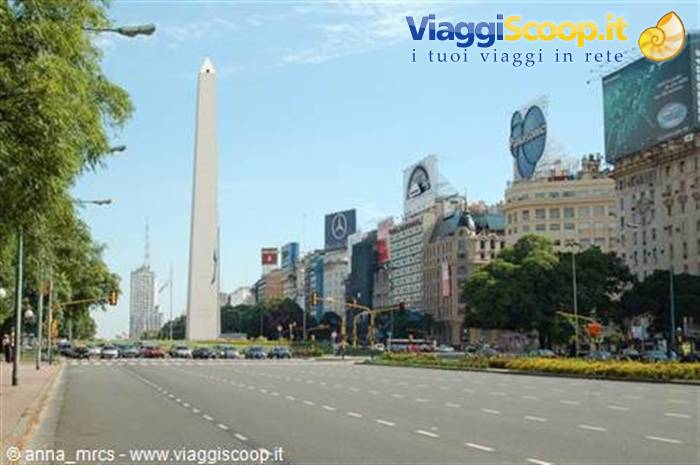
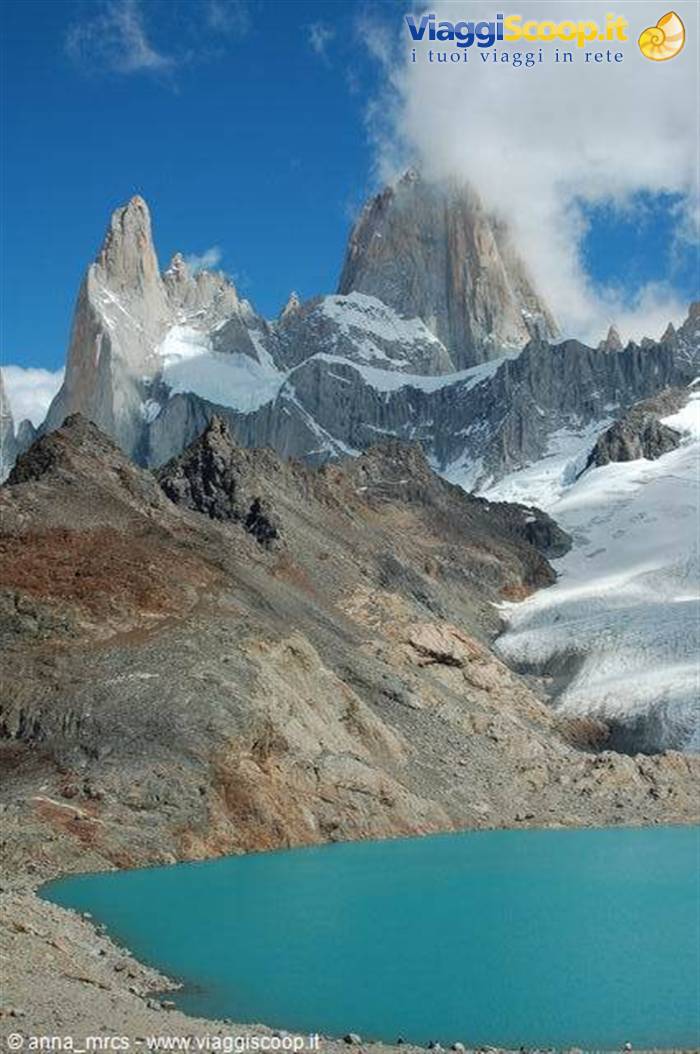
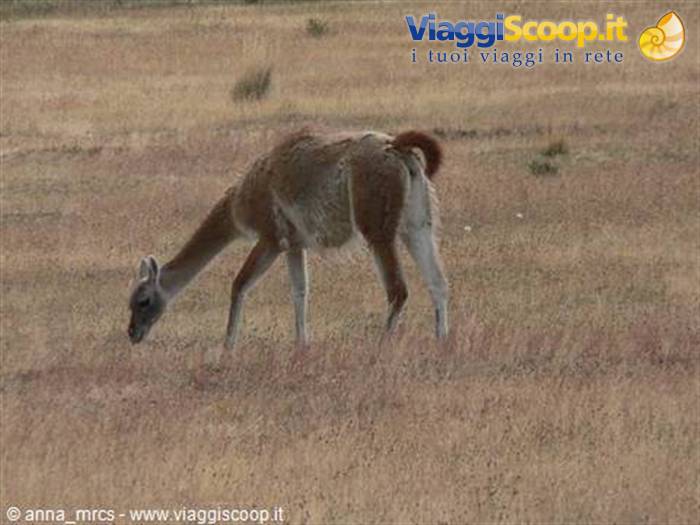
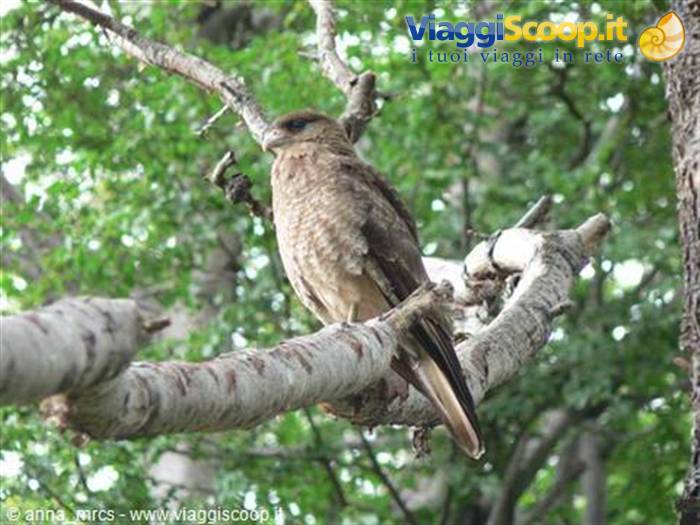
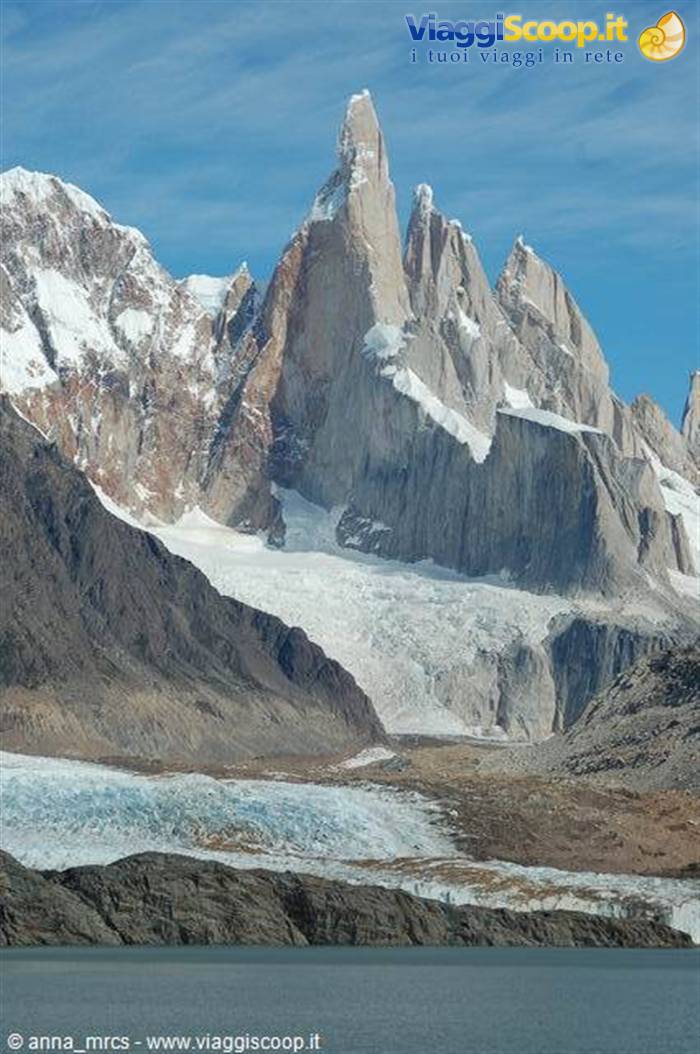
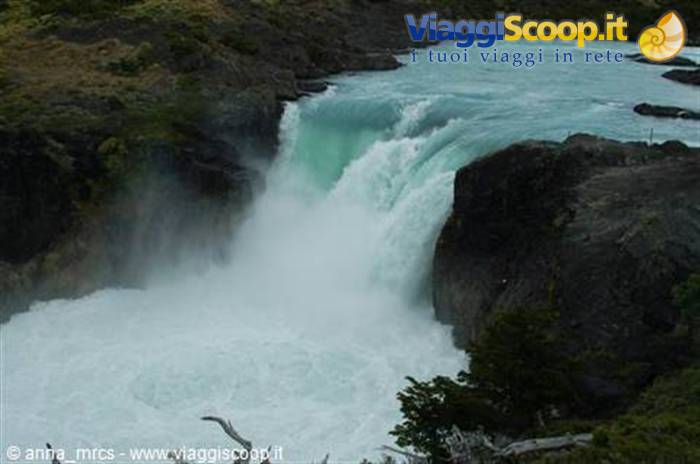
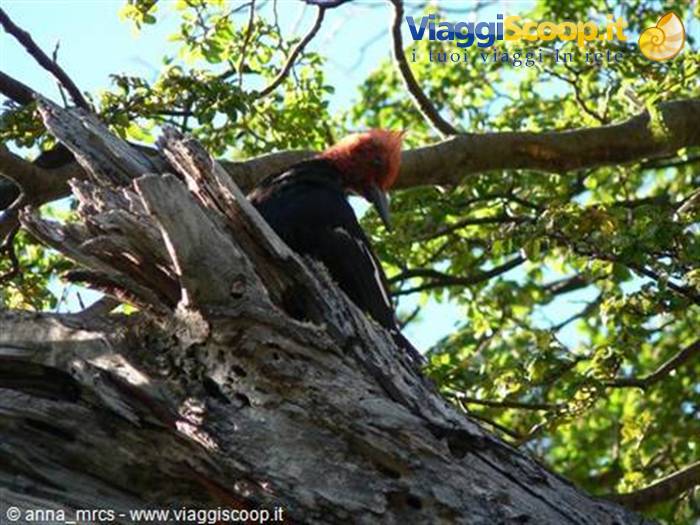
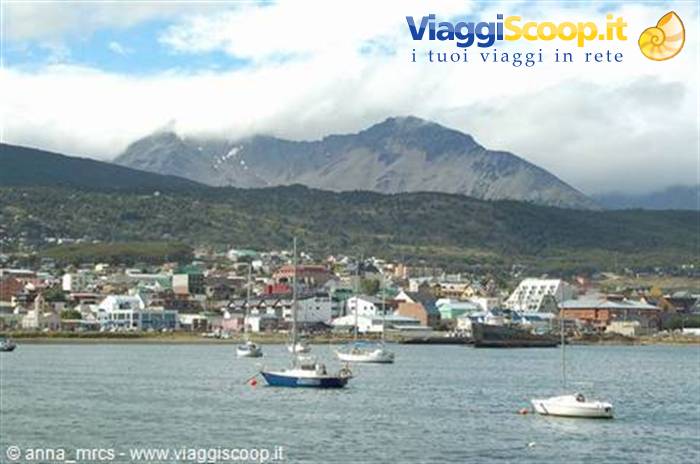
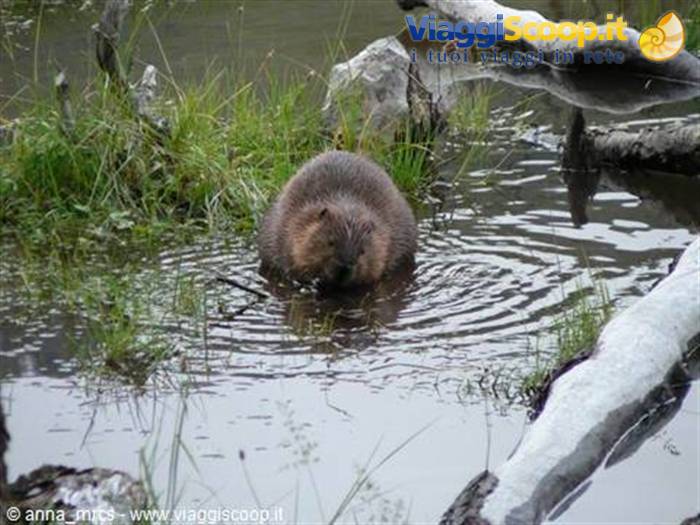
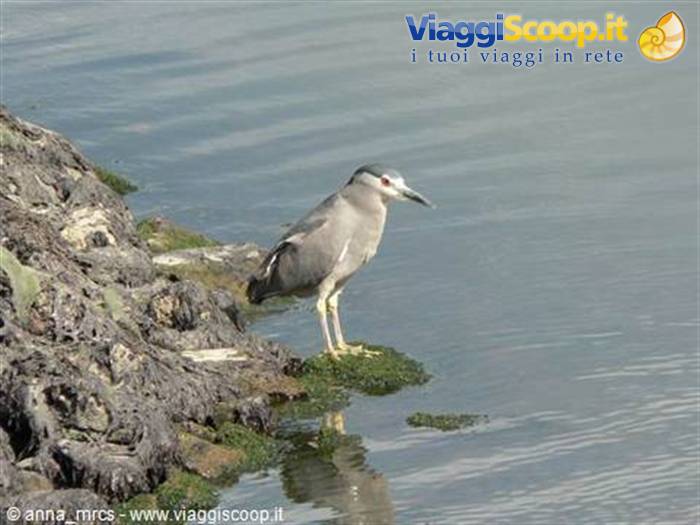
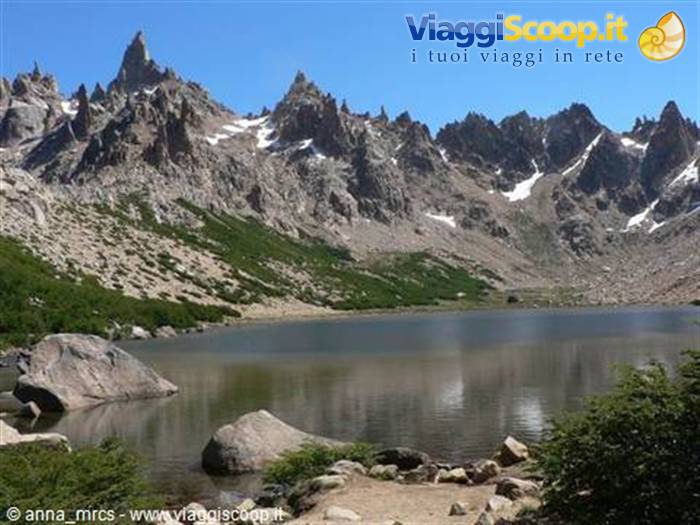
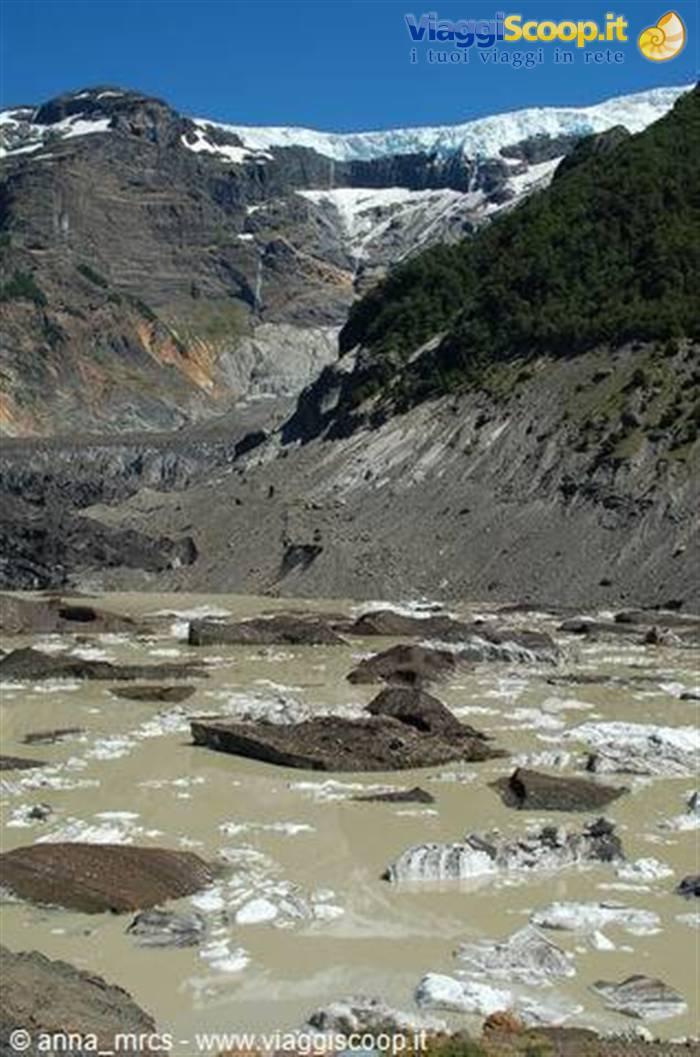
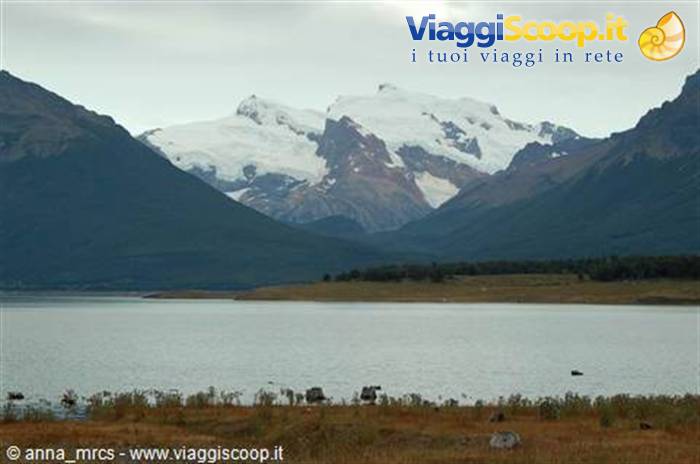
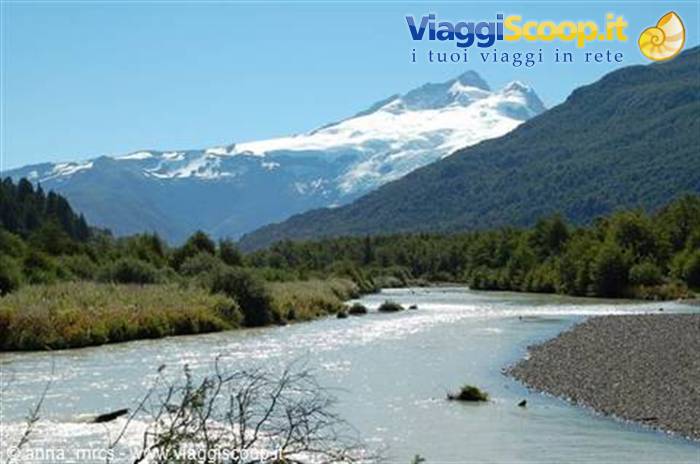
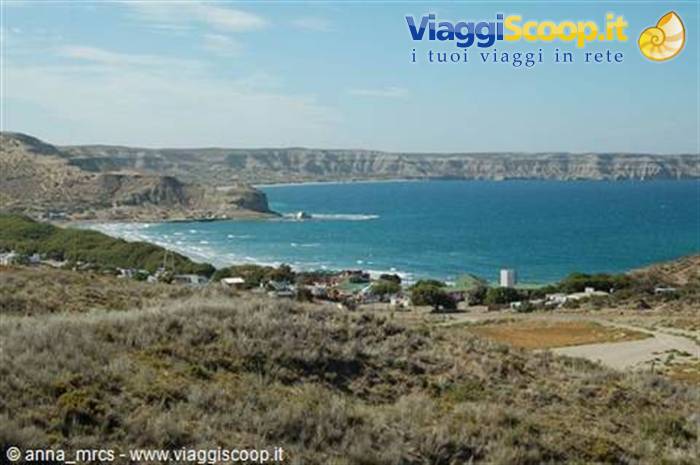
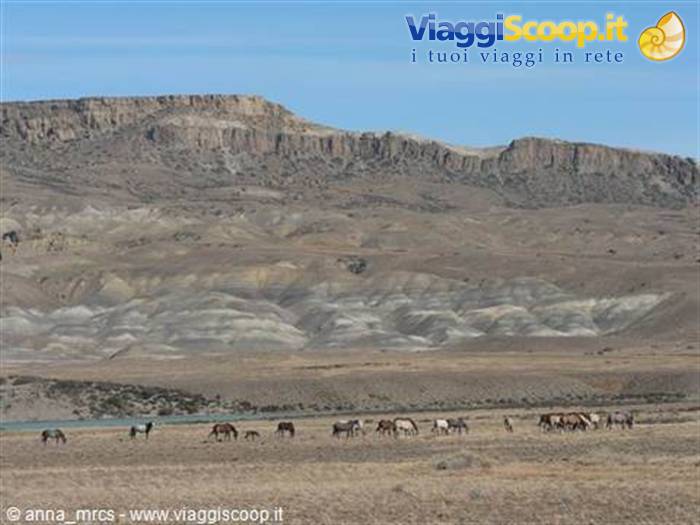
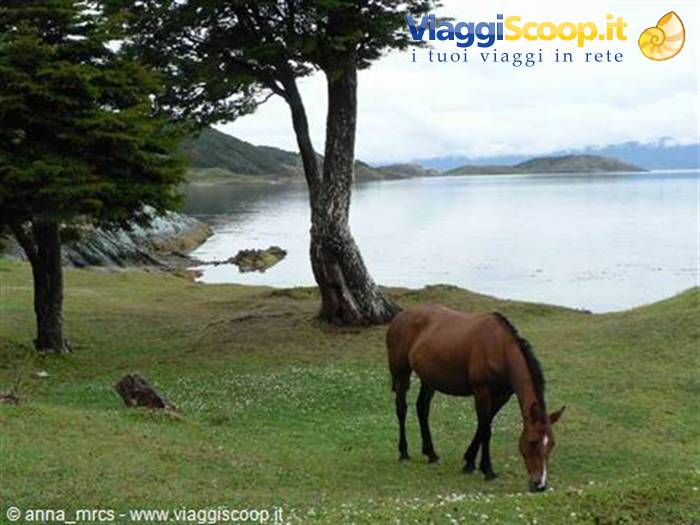
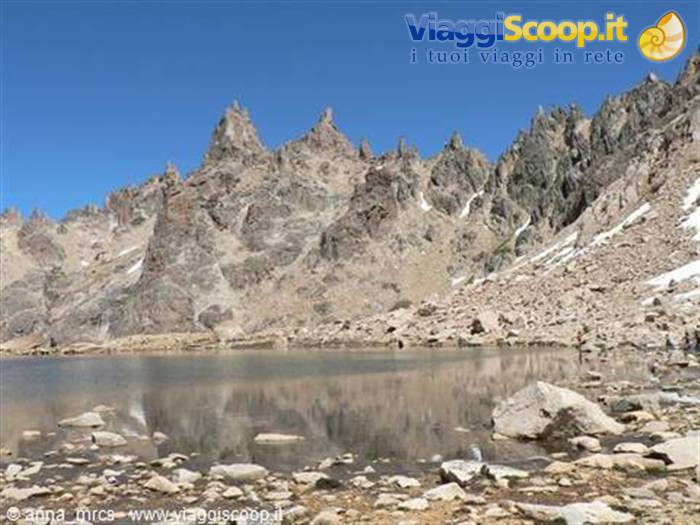
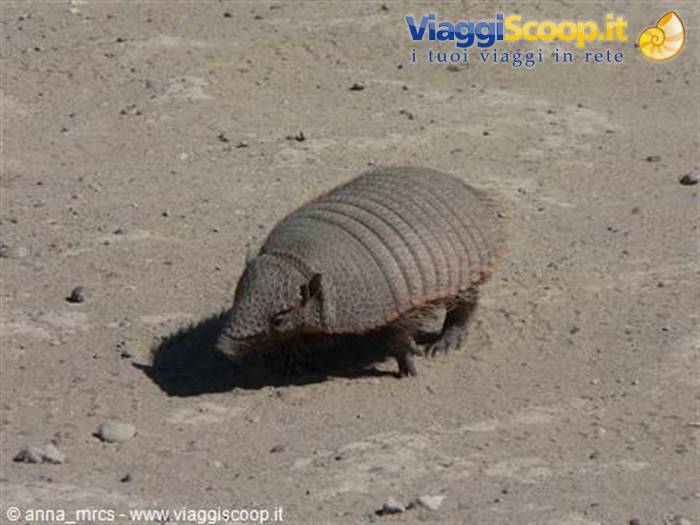
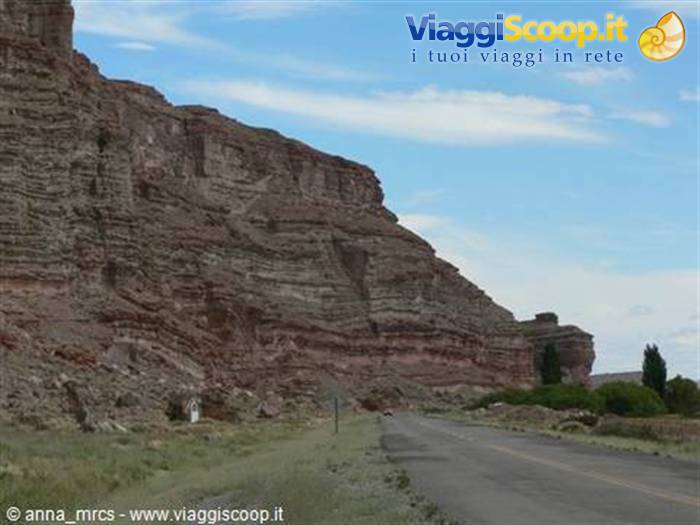
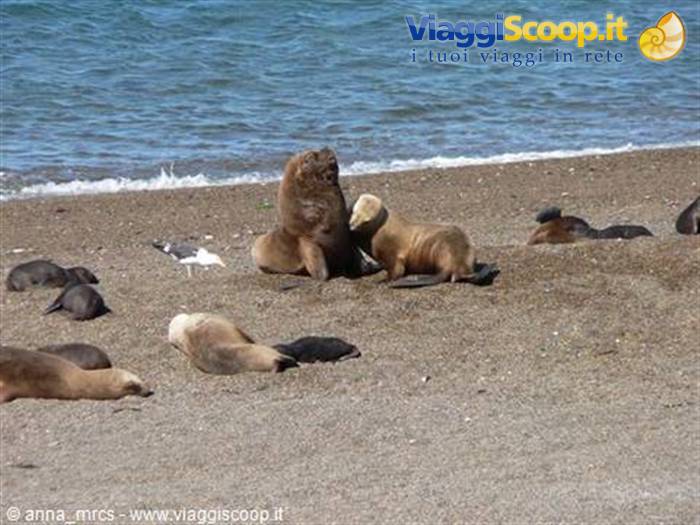
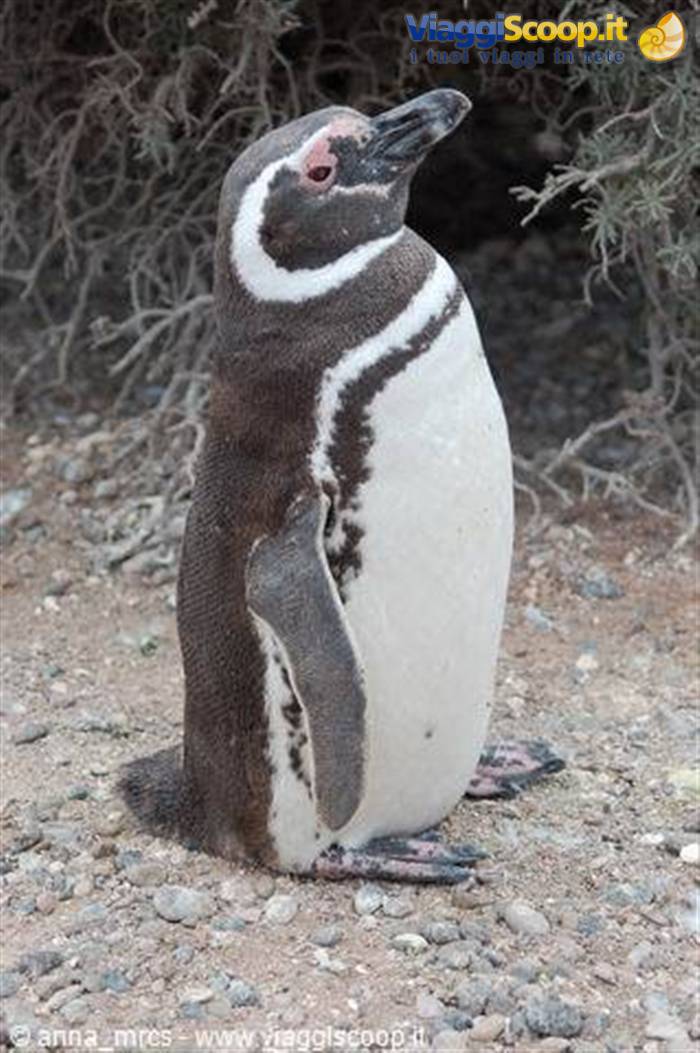

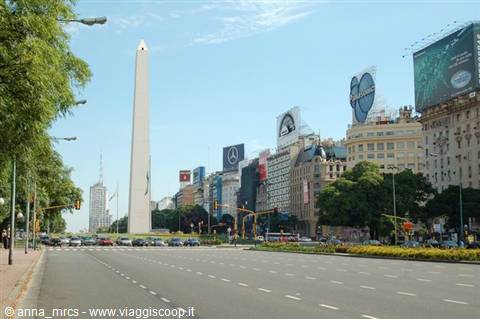
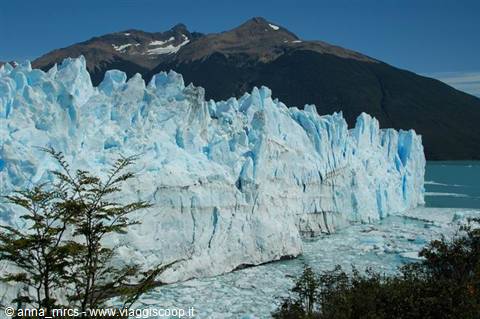
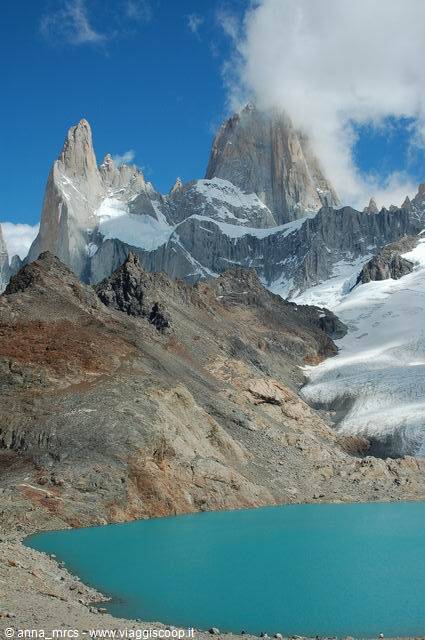
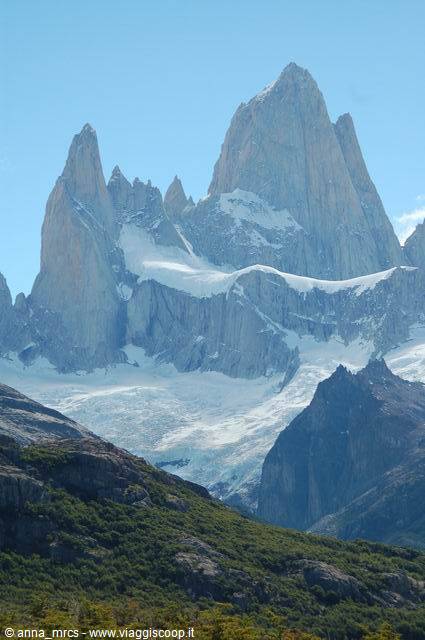
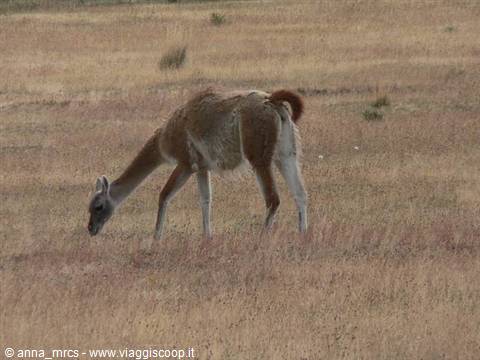
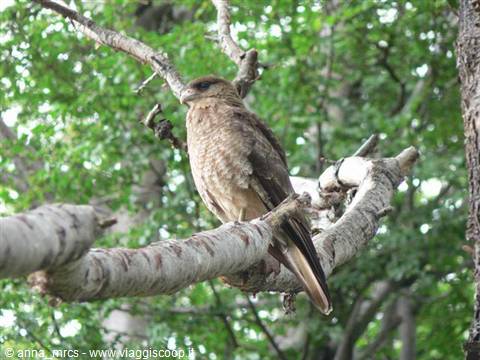
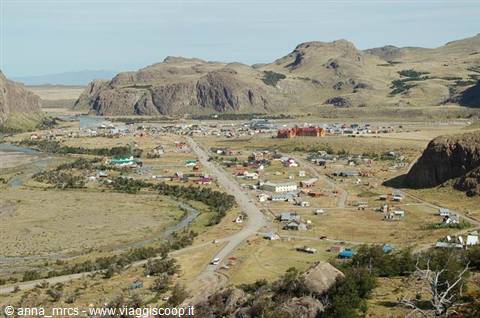
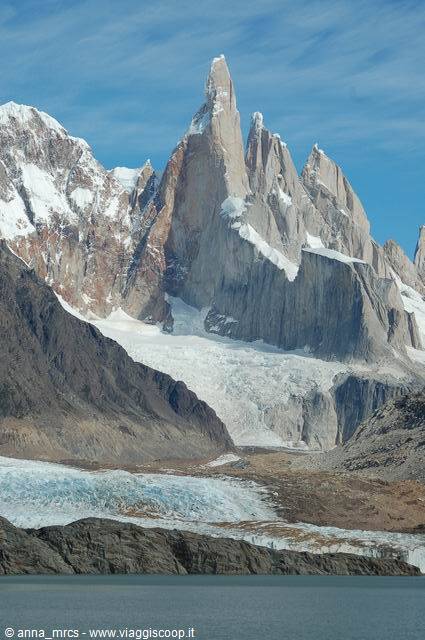
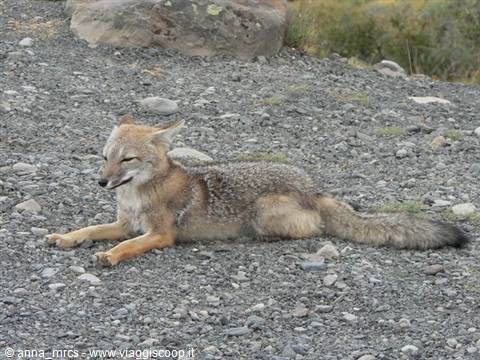
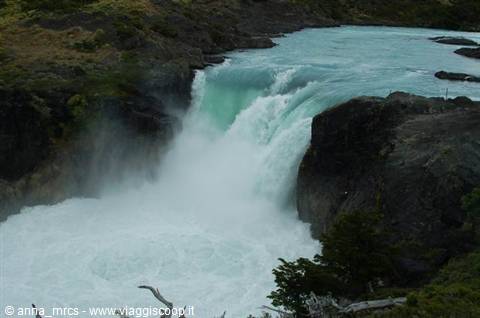
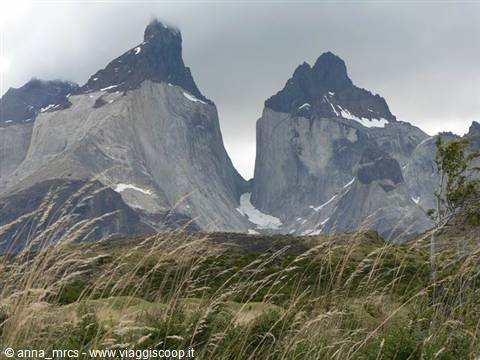
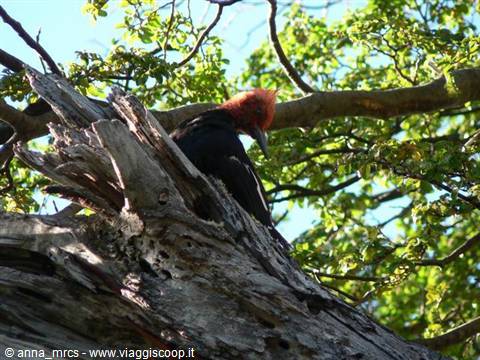
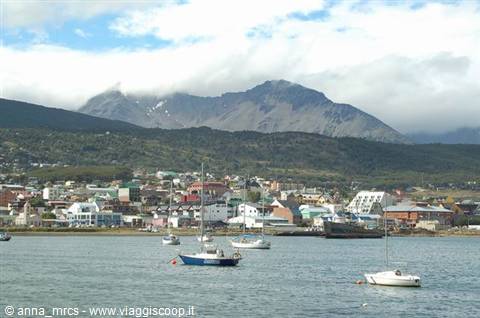
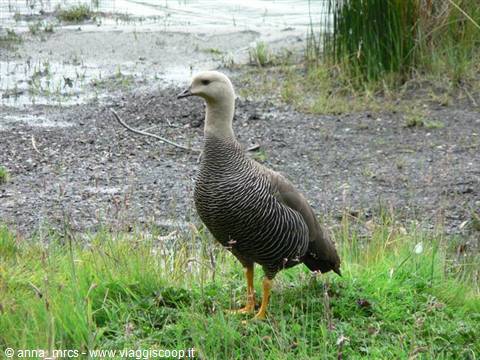
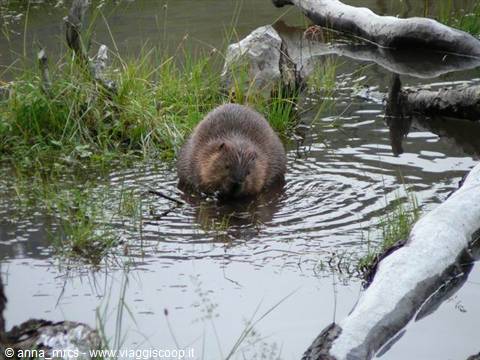
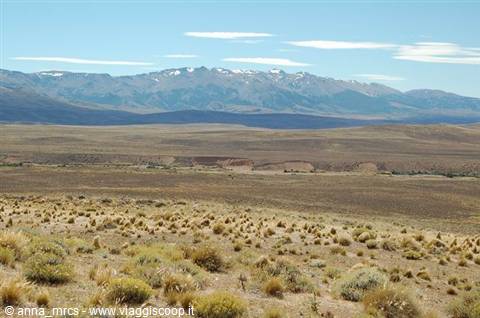
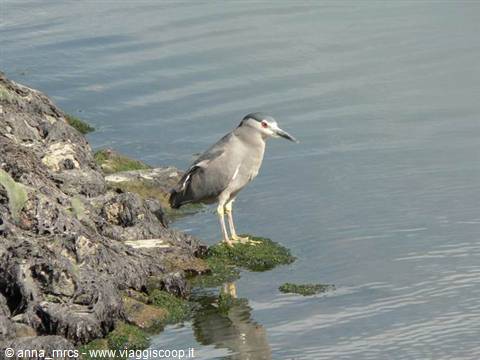
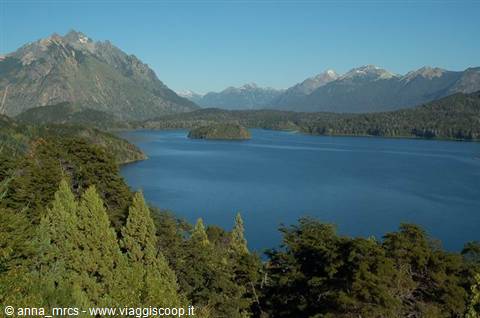
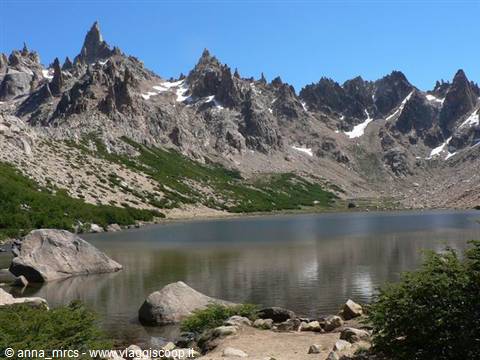
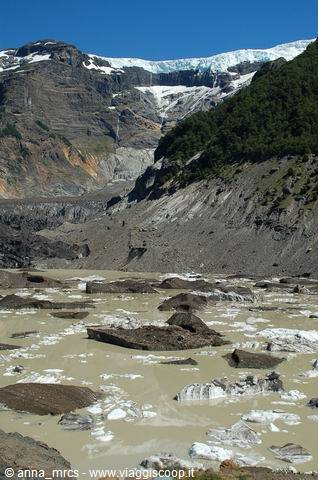
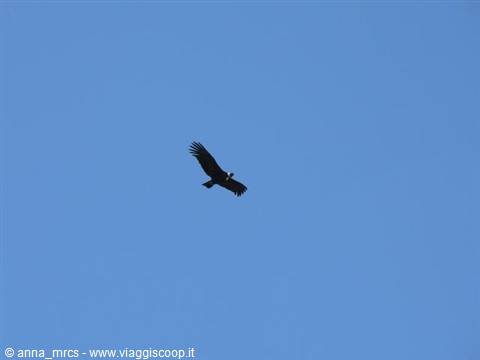


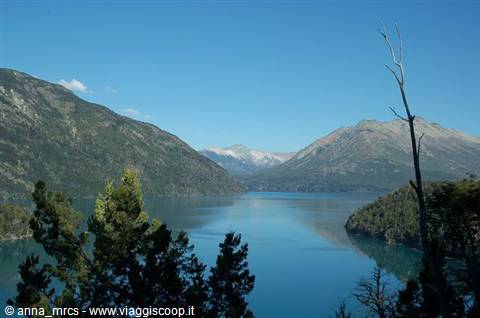
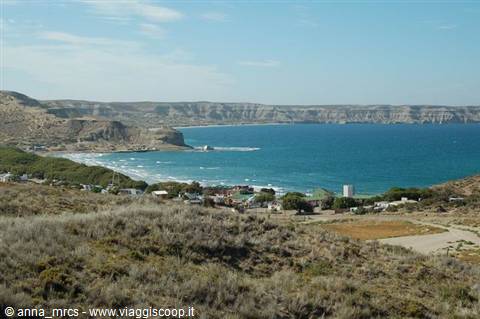
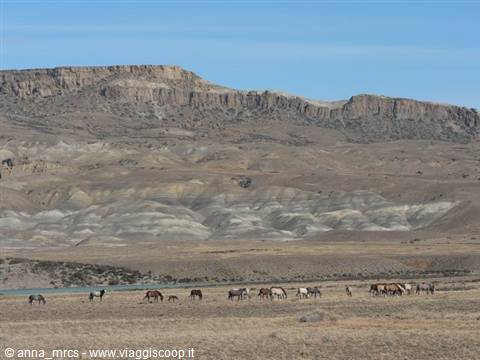
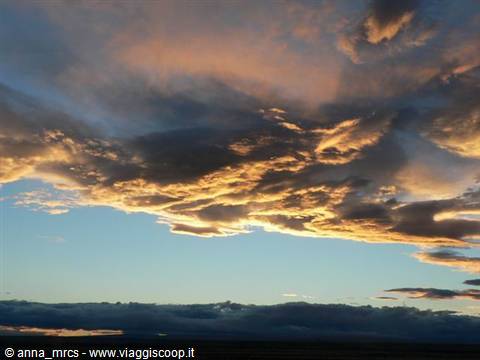
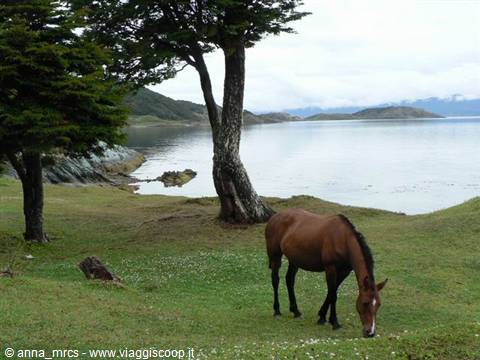
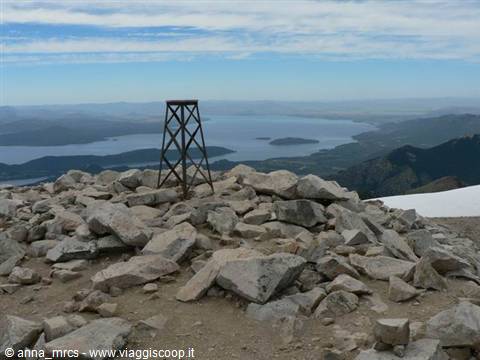
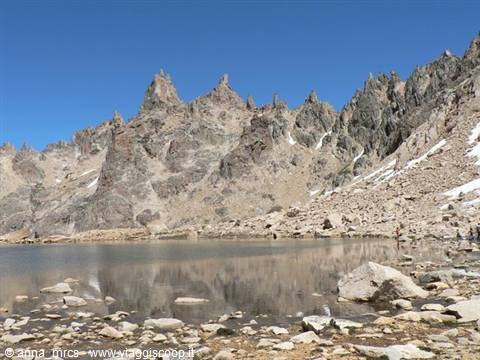
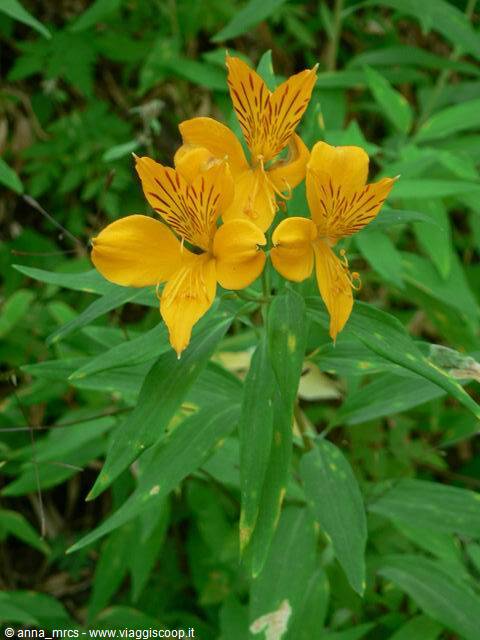

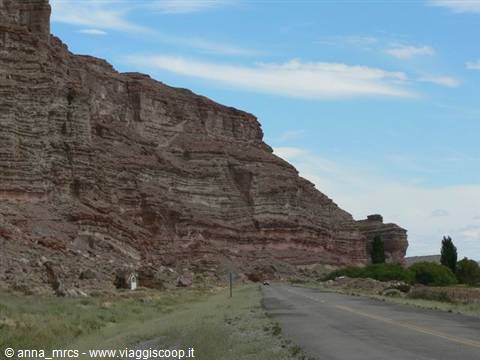
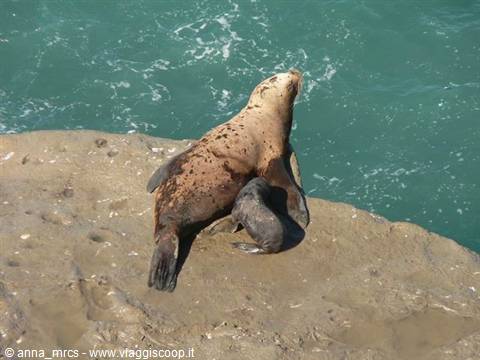
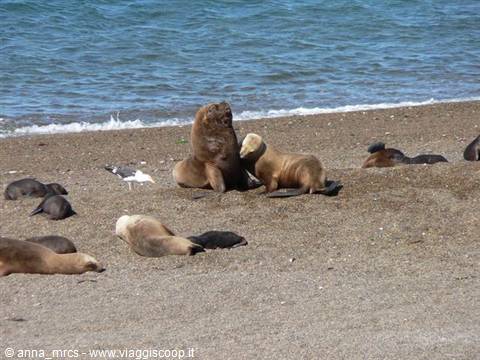
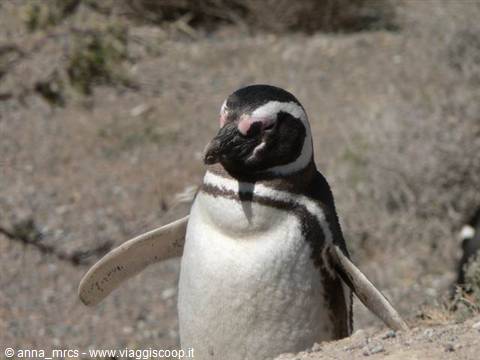

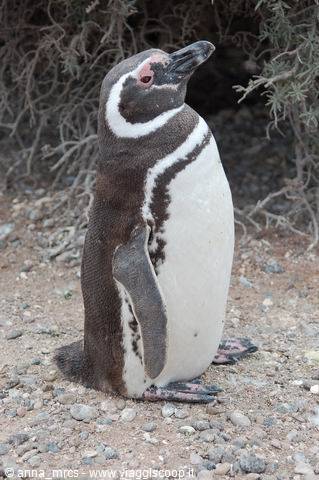
1 reader comments
Complimenti per l'approfondita stesura del resoconto del viaggio! La mia, dal 2004 devo ancora terminarla. Scrivo per solidarietà: ve ne sono capitati di fatti rincresciosi! A noi, mia moglie ed io, è andato tutto liscio. Siamo saliti su ben 12 aerei di bandiera argentina, dove il personale a bordo era impeccabile sotto il profilo professionale e non ci sono stati inconvenienti di sorta sia negli aeroporti che in volo e soprattutto gli orari sono stati sempre rispettati. Pensare che quando siamo partiti eravamo convinti di andare incontro a disagi. Abbiamo girato il Paese in lungo ed in largo e di italiani ne abbiamo incontrato solo due, con i quali siamo poi diventati amici ed ogni tanto ci incontriamo per rievocare l'avventura patagonica. Gli alberghi ci hanno soddisfatto in pieno, forse fatta eccezone di Puerto Madryn. E' vero, il parco auto, fuori di Buenos Aires è vetusto, però non abbiamo avvertito, negli utenti della strada, un'indisciplina degna di essere sottolineata. Il sistema degli isolati (quadras) lo abbiamo trovato eccellente in quanto, conoscendo il numero civico, si può subito calcorare la distanza. Per quanto concerne il degrado delle periferie e dei quartieri popolari: beh! Si potrebbe andare lontano! Basta comunque fermarsi ad una dichiarazione della "ministra" dell'ambiente nei primi tempi della presidenza Menem: "Farò il bagno nel rio Riachuelo" a la Boca. Due anni fa era ancora una gran cloaca a cielo aperto e non risulta che adesso sia stato bonificato. Comunque, nel complesso, si può dire che ne sia veramente valsa la pena di aver fatto un viaggio simile. Chissà, forse un giorno riuiscirò a terminare il nostro" racconto di viaggio". Ancora complimenti. Cordiali saluti. Gianni.