The story
Since July 2000 I have lived in Polynesia and, with my boat, the Gulliver, I have sailed it far and wide and, not rarely, to places where tourism is virtually unknown. I love this land and its sea, but what satisfies me most is living in close contact with the people of Polynesia, their culture, their history and their traditions, and even today I continue to discover, experience and read about interesting nuances and unexpected sides of it. I don't like luxury hotels and hotel chains, because they give a false image of Polynesian life and reality and often their very location creates, in effect, a barrier with the surrounding territory and people. I far prefer the family guesthouses, often run by Polynesians or Franco-Polynesians, ever more numerous and usually well kept. But that is not the only reason.
A family guesthouse costs less than a quarter, and often even more, than a hotel, and what you pay certainly stays in the Polynesian economy. The saving on accommodation will allow you a few more days, a few more islands or extra excursions, or... simply to save on the trip. It is true that, in the collective imagination, a stay in Polynesia is lived in an "overwater" bungalow set in the turquoise lagoon, and for a honeymoon it is a treat to be indulged. By all means indulge it, perhaps for the last two days... but, believe me... don't make it your whole stay: it is a superfluous expense. This preamble was necessary to avoid misunderstandings about my idea of travel, and thus to make an initial selection of those who will want to read these lines.
THE FLIGHT
My advice is this. Try to book well in advance, as it is easier to find cheaper tickets, and at the same price choose Air Tahiti Nui as your airline, because it is the flag carrier, has new and comfortable planes, the food is good and it gives you a Polynesian "preview" right from your departure from Paris... For the intercontinental flight, however, rely on your travel agency or, better still, on agencies specialising in the Polynesia destination, because the airline sector is constantly changing. An agency that works very well on Polynesia and which I feel I can recommend is certainly KiaOra. One option not to be dismissed could be to fly not via the USA but via Chile, and thus make a stopover at Rapanui, better known as Easter Island.
It could be the cherry on the cake of a trip "to the other side of the world": it costs a little more, but when else will you have the chance to visit Easter Island, which is itself part of the Polynesian Triangle? Moreover, this choice can give you the opportunity to visit a wonderful land such as Chile. For anyone who thinks they have problems with jet lag, one or two melatonin tablets help the sleep-wake cycle and you'll arrive in Tahiti more rested and vice versa. More and more couples choose to stop in New York for a few days to "break up the trip", but my personal assessment is that this choice is not dictated by a real jet lag problem. On a trip like this, taking days away from Polynesia and spending them in the USA doesn't seem like a good choice, and you end up having to give up some atoll or island for a walk in the Big Apple.
The USA is an easy destination and you can plan a trip there whenever you like, and perhaps more thoroughly than a stopover. Make sure your passport complies with American rules and check that they haven't changed in the meantime: you risk arriving at the airport and having to turn back and, if all goes well, sending the cost of the trip soaring as well as giving up a few days in Polynesia. Also check the latest American anti-terrorism rules on luggage and comply with them. Don't be surprised if you are registered with fingerprints and a mugshot in addition to the digital passport check; your airline has already had to provide your itinerary, so it's all under control. Personally, for two years now I have chosen to no longer fly via the USA but via Chile. But that is a whole other topic! You'll make the inter-island flights with Air Tahiti.
There is no problem in contacting the airline's booking office by email and buying the Pass best suited to your itinerary. On the website you'll find all the information; the only warnings are to check carefully the weekly flight frequencies and that the Pass provides for departure from Tahiti and return to Tahiti, so you leave from Tahiti, visit the islands on your programme in any combination without making intermediate stops on Tahiti. The airline accepts exceptions but they cost you more. You can pay by credit card and collect the tickets on arrival at the airline's airport office. If you plan the trip for July/August, the high season here in Polynesia, opt for the first half of July, because here in July there is the Heiva. A month that sees all the villages of Polynesia celebrating and normally already from Tuesday.
Every evening, and also during the day, there are traditional competitions such as stone lifting, the Polynesian javelin (hitting a coconut at a height of 10 m), the fruit-carriers' race, a tressage competition in coconut and pandanus fibres etc., and then the highlight, which is the Polynesian dances and choirs. The competition is between the districts of each village and it is a superb and unique spectacle, because they do it for their own pleasure and not for the tourists - quite different from the vahinè and the odd tanè (the male) you might be shown at a hotel or in the outdated and over-touristed Tiki Village on Moorea. Ask locally about the Heiva programme that will take place on the island or in the district.
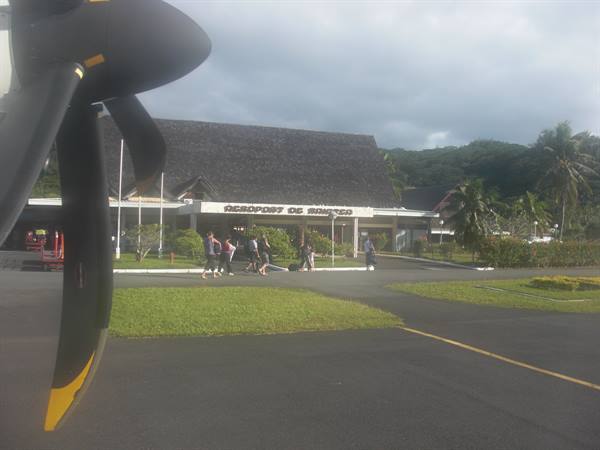
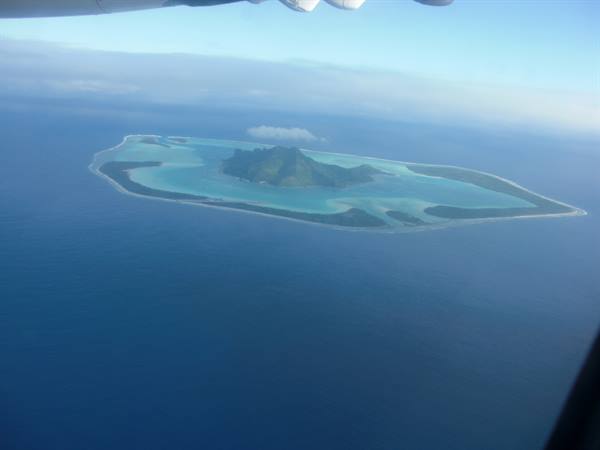
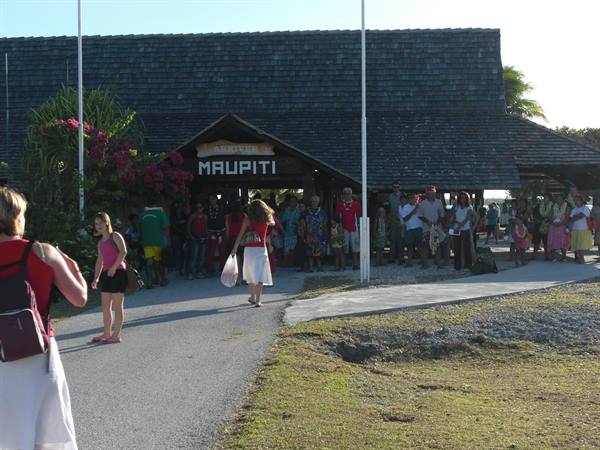
The journey's photographs
6 photographs · click to open them full screen



0 reader comments