Tripscoop›Oceania›FRENCH POLYNESIA›Polynesia: Instructions for Use (2009 revision) - General Information and Advice
FRENCH POLYNESIA · Oceania
The story
GENERAL INFORMATION AND ADVICE
The best time to come to Polynesia is during the southern winter, which corresponds to our summer; it is generally the driest period, and therefore with a lower percentage of humidity in the air and less rainfall. The temperature is cooler, ranging from a minimum of 22° at night to a maximum of 28/29 during the day. The temperature is cooler because during this period there is almost always a south-easterly wind, the one they call the Maramu here. Being in the southern hemisphere, the south wind is cool! It may seem obvious, but I don't think it is for everyone. The climate changes all over the world, so don't be surprised to find a few rainy days without the Maramù even in winter. Here it's winter, so the hours of daylight are fewer than the hours of sun. Depending on the month, the sun rises on average around 6 and sets around 17.30.
The sea temperature stays around 27/28° and in very sheltered lagoons even 3 or 4° more. So plan for a jumper for evening walks, especially if there's wind. Bring some mosquito repellent and an after-bite cream, because in vegetated areas it's easy to meet mosquitoes that adore Western blood. For the night, bring a small burner with tablets or liquid that you can plug into a socket (remove the central earth pin beforehand, otherwise you won't be able to use it with French plugs, or take the universal set). Polynesia is the land of informality, both by habit and because of the climate; here even the most important and prominent people dress simply. Flip-flops, shorts and a t-shirt for men, and flip-flops, a pareo and a t-shirt or top for women. Don't bring pareos to the land of pareos, buy it here and it will also remain a lovely memory.
If you want to buy a Polynesian pareo, watch the labels: the only Polynesian producer is Arii Creation. The people of Polynesia have become very religious and the majority are Protestant and Catholic, so although they tolerate it because you are tourists, if you are not on the beach don't walk around in a swimsuit: it is a form of respect towards them and they will be even more welcoming. Given that most Polynesians don't swim during this period because it's winter and the water "is cold", you will rarely find a Polynesian woman bathing in a swimsuit: almost always in shorts and a t-shirt. If you are looking for evening entertainment as it is understood in the West, this is not the right place. People go to bed early and at sunrise they are already up to make the most of the day. On Friday evenings and Saturdays you may find parties in the villages or hotels: ask around.
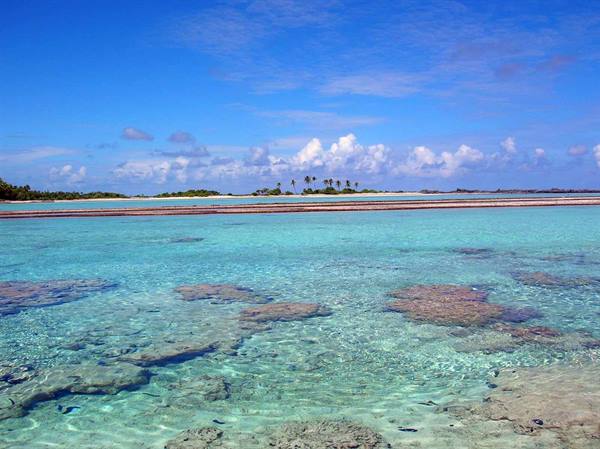
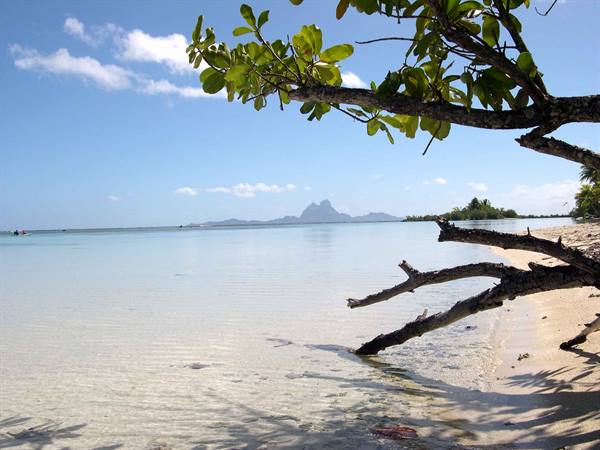
Shops open at 6.30, 7, and the cafés or small trattorias where you have breakfast sometimes even earlier. Forget the myth of Polynesian sexuality; it died wherever it truly existed, with the arrival of the first colonisers and then with the missionaries. If, on the other hand, you have read about the sensuality, the grace, the simplicity of Polynesian women, well, that is all true. You only need to watch any Polynesian woman dance, whatever her age, to realise it. Contrary to what you might infer from the glossy photos in tour operators' brochures, Polynesia is not famous for its long, large white beaches, but rather for its lagoons and the way of life of the Polynesian people. Of course there are beaches, but they are generally small, with vegetation right up behind them, and you may find coral just a few metres from the shore.
The beaches you find at the hotels are, in 90% of cases, made of sand brought in and taken from the sandy areas of the lagoon. When planning your trip, don't aim to see the greatest number of islands or atolls, otherwise you'll always have a suitcase in your hand and you'll take in almost nothing of this country. Stay at least 3 or 4 days in the same place: like all the beautiful things that give us pleasure in life, this too is to be savoured, not devoured - and then... at least you'll remember the taste. Kindness, friendliness, a smile and helpfulness attract the same in return, so be like that with the people and you'll see that you'll be repaid more than proportionally.
Be curious and open, ask and you'll see the willingness and care with which they will be happy to explain and teach you about their traditions, whether in cooking, fishing or dancing, because this is a source of pride for them. Speaking of cooking, the food here is very good, as it is a blend of Polynesian, Chinese and French cuisine. You also have to travel with your "taste", so don't assume that a certain type of dish won't please you: taste it without preconceptions and you'll discover new flavours that will win you over. Money spent hiring a scooter, a bike, a car, a canoe or a small motorboat is money well spent, because on land it will let you admire the luxuriant vegetation and have some interesting encounters, and at sea, in the lagoon, see the island from its best perspective and perhaps go snorkelling in the many coral gardens near the reef.
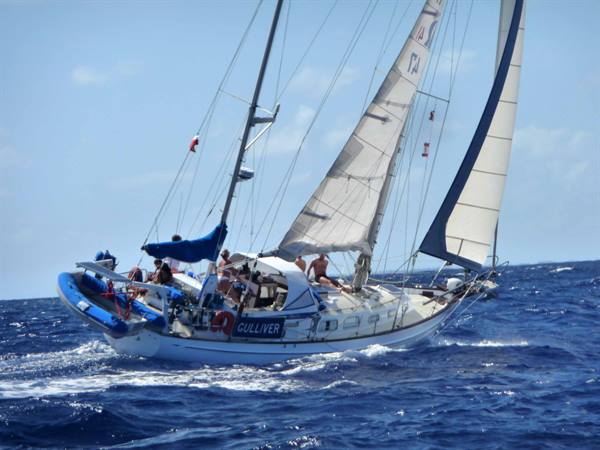
And if your budget allows it, spend a few days sailing between the islands: it is the best way to see and visit the islands. The Society Islands lend themselves particularly well to being visited and experienced on a sailing boat, and you'll always be on an excursion at the cost of a good family guesthouse. Avoid the dolphinariums, lagunariums and similar attractions, or shark feeding: they are unhealthy tourist initiatives and personally I do not encourage them. Among other things, with a decree of April 2006, the Polynesian government banned shark feeding as well as hunting them for commercial purposes (see shark fins for oriental cuisine); the problem is that, since there are no controls, you will certainly find someone offering you an excursion with shark and ray feeding.
You can easily see dolphins in the Passes (gaps in the reef that allow access to the lagoon) and their surroundings. What better lagunarium (an enclosure containing the typical local fish) than the lagoon itself, with the fish free and in their habitat, coming, it must be said, to observe you. If you really want to see sharks, either go diving with a dive centre, or treat yourself in Bora to an excursion in the little yellow submarine. But if your itinerary also includes Tahaa, you could go to the Hibiscus, where our good friend Leo runs the foundation of the same name for the protection of sea turtles. In seawater tanks you can observe the green turtles that are being treated for injuries or simply in rehabilitation before being released into the open sea. You can always ask whether a turtle is ready to be released and adopt it.
In recent years, together with the many couples who have come aboard the Gulliver, we have adopted and released several dozen. Allow me one more recommendation. If some excursion offers you a walk on the coral reef: Don't go! (It's forbidden but, once again, there are no controls) The coral reef already has a very unstable balance thanks to man; if we then walk on it too, we are reckless. Where you leave your shoe print it will take decades pr
The journey's photographs
6 photographs · click to open them full screen


0 reader comments