Antalya is the main Turkish coastal resort overlooking the Mediterranean. Founded in the 3rd century BC, it has developed haphazardly until reaching almost 1 million inhabitants, with an outskirts made up of tall and anonymous buildings scattered everywhere in the valley surrounded by the wild Bey mountains.
Given the little time at our disposal we limited ourselves to visiting its old nucleus, which surrounds the port area and is called Kaleici. Certainly the most historic and characteristic area of the city, but also the biggest tourist trap, with beautiful little shops waiting for euros and dollars that open onto the alleys like a big market. Exactly so, during the day Kaleici is invaded by hundreds of tourists, becoming a shopping paradise, but certainly at less advantageous prices than the nearby modern centre enlivened by the locals, who wisely avoid Kaleici so as not to squander their wallets. You will hardly find a Turk strolling and stopping in the venues and shops of the old centre. That doesn't mean you can't still find a good deal here too.
But this unrestrained rush to buy barely allows the tourist to appreciate the history of the place. For this reason it would be preferable to visit the city early in the morning, when the tour operators' buses haven't arrived yet.
The visit starts from Cumhuriyet Meydani square, which offers a splendid view over Kaleici, the port and the Clock Tower. Here rises majestically the symbol of Antalya, the Yivli Minare, the Fluted Minaret built with red bricks and blue majolica decorations. At its feet is the Alaeddin Camii Mosque; you can visit it if you're dressed respectfully and remove your shoes. In any case don't expect to enter the sumptuous Blue Mosque. We walk along one of the many beautiful alleys that slope down toward the port, among restored Ottoman houses, small squares and nice little venues offering splendid views, accompanied by the constant and interested welcoming greetings of the sellers of the many craft shops, some of which are truly fabulous.
We're intrigued by a splendid carpet shop, where the kind owner explains the art of Turkish craftsmanship, which consists of weaving the carpet with a double knot, making the work longer and the product more durable. The crafts are very varied, in a few metres you go from worked ceramics to curtains and tablecloths in hand-woven cotton and yet to the most elegant jewellers. But the most particular remains an original bazaar of finely decorated plates and glass objects, covered by a blue cloth that gives the place a strange atmosphere.
But what attracts tourists most is clothing: brand jeans, Levi's or Diesel (€15), Adidas sweatshirts (€8) and T-shirts (€5). Copies? Originals? Who knows, what's certain is that if you buy them in Italy you'll often find the words "made in Turkish" on the label.
Food products aren't missing either: first of all the "lokum", Turkish delight, they're biscuits with various fillings, from coconut, to almond, to pistachios. The jams are also excellent and inexpensive, including the bergamot one. Don't forget a packet of the famous Turkish coffee and the typical raki, comparable to our grappa. But there's one object found everywhere that's said to bring good luck: it's the nazarlik, the eyes of Allah in blue glass. Often it's also found set into necklaces, bracelets or other souvenirs.
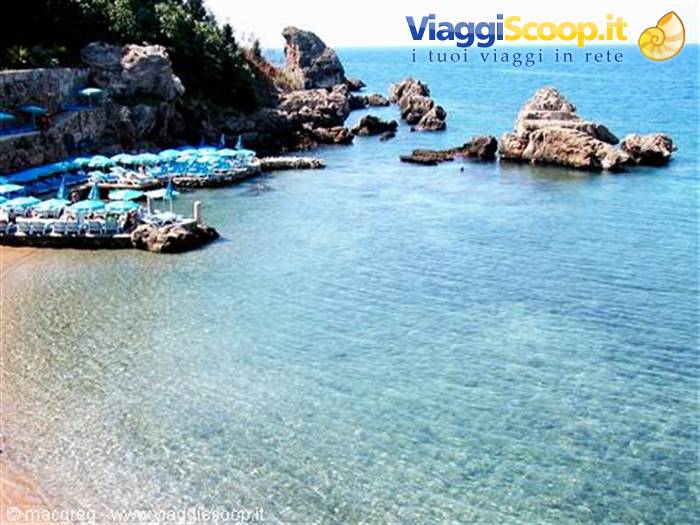
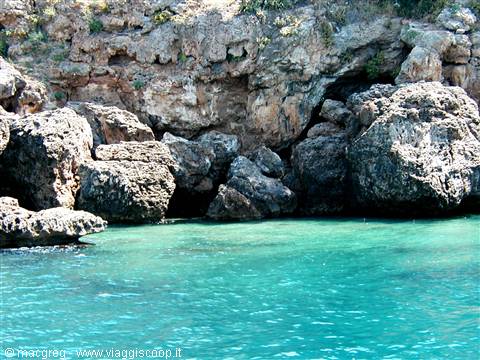
Walking along you thus reach the Roman port, where the sailors will invite you on an hour-long trip in a schooner along the coast (€5) until you reach a little waterfall that drops into the sea (Lower Duden Waterfall, in summer a trickle of water.) If you have little time, skip it, nothing special, in any case it lets you admire the cliff that separates the city from the sea. From the port you can also admire part of the walls that defended the city.
We go back up another alley that leads back to the starting point, and pass through Hadrian's Gate, built in 130 AD to celebrate the emperor's visit. Lunchtime is approaching and the old town is invaded by the thousand fragrances of its trattorias. The menus invite you to taste the specialities for just a few euros: doner kebap (meats roasted on skewers), tandir kebap (mutton stewed in a clay oven) or again kavurma (veal with tomatoes and peppers).
We find other delightful little shops, most of them sell splendid hookahs and backgammon boards. Of course all prices are negotiable. And if you intend to buy something of value, all you can do is arm yourself with patience, sit at an outdoor table with the seller, and start haggling over the price chatting about this and that accompanied by a cup of tea or coffee that will surely be offered to you along with the ever-present hookah.
In Antalya the day is long and time has little value!



0 reader comments