The story
During our 10-day trip in Syria, we had also planned an excursion in Lebanon. From Damascus we reach the border in less than an hour, but here we spend just as long to carry out all the necessary formalities. The problems present themselves almost only on the Lebanese side, both on entry and on exit: first of all, we have to show our documents a great many times and, above all, when we go in person to queue, a lot of people cut in front of us, often armed with very many passports to be examined and..from which money comes out to speed up the service. It is nerve-racking and provokes maddening anger; at a certain point Diala starts arguing in Arabic, but, as cowards and dishonest people always do, the policeman raises his voice and attacks her.
I immediately tell her that it is not worth opposing these people and this system, precisely because it is a system: I understand her anger, precisely because that is the world she has to deal with every day! Another interesting detail: hooded women are not required to show their faces and, therefore, whether there is a match between this and the photo in the documents, because the law of the Arab republics establishes it, whereas Diala, who has her face uncovered, is studied and compared 4 or 5 times with her photo, to rule out that it is Osama bin Laden travelling and not her! In addition, we spent a lot of money, and a lot of unplanned money, because the agency had forgotten to tell us that we would also have to pay to leave Syria, a tax that, if you leave the country by plane, has instead been abolished for a few months.
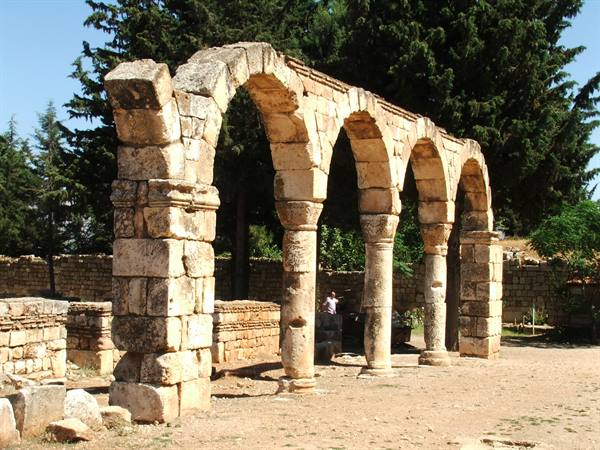
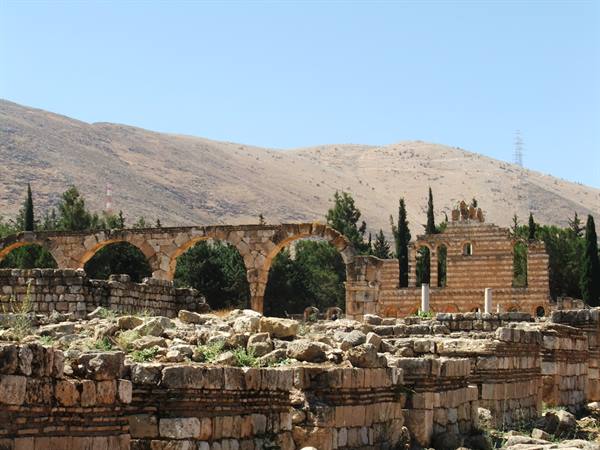
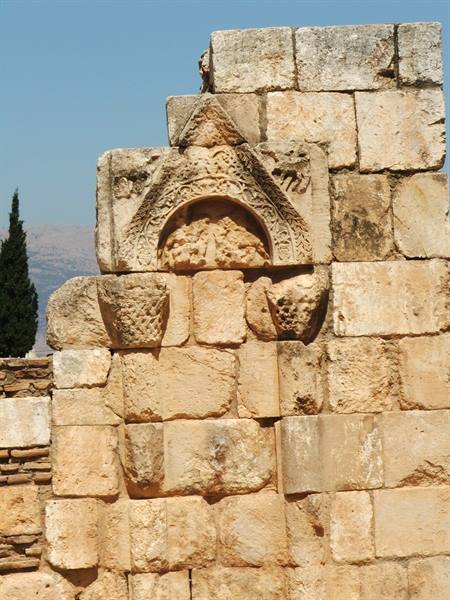
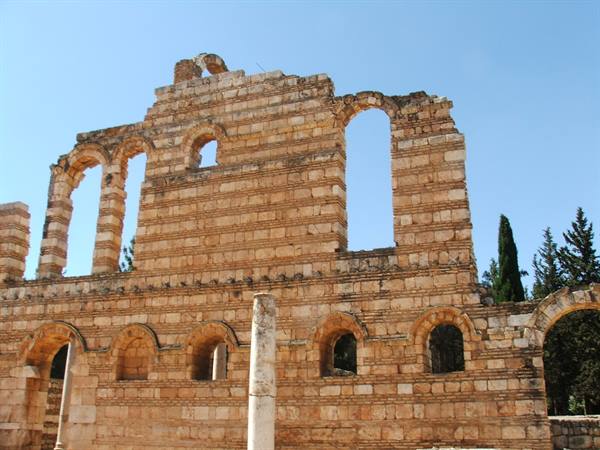
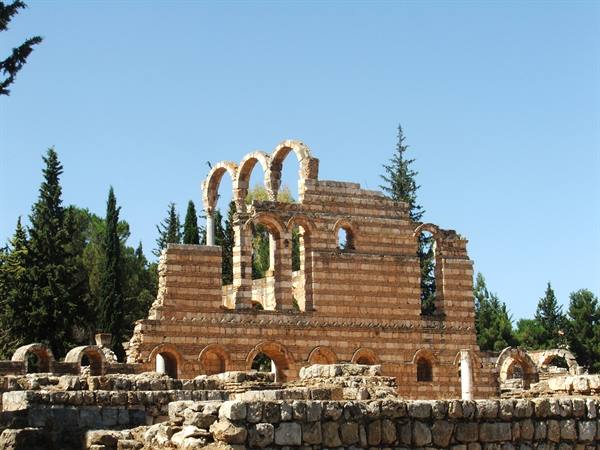
Along the way there are many military checkpoints where weapons and tanks can be seen: we are not very far from Israel and, on the other hand, this is the area with the greatest Hezbollah presence. The first stop is AnJar, a city built in the sixth century by the Umayyads according to Roman, Greek and Christian architectural criteria, and unique for this reason: in reality, despite being a UNESCO heritage site, it does not say much to us.
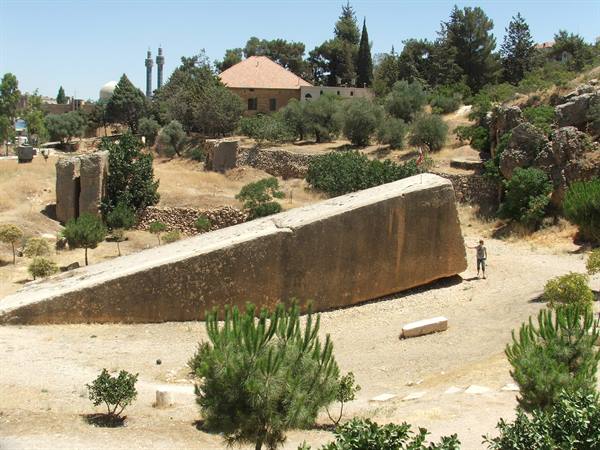
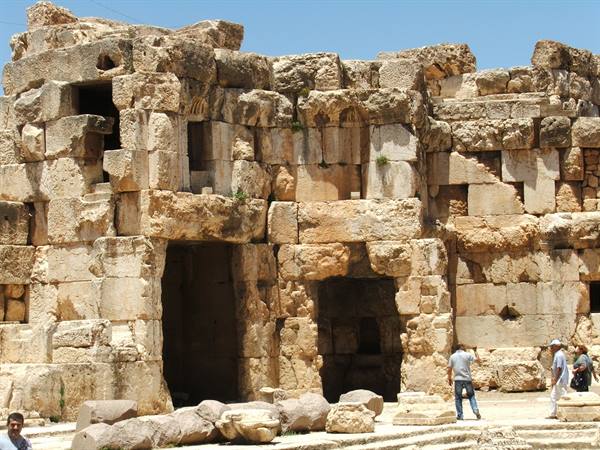
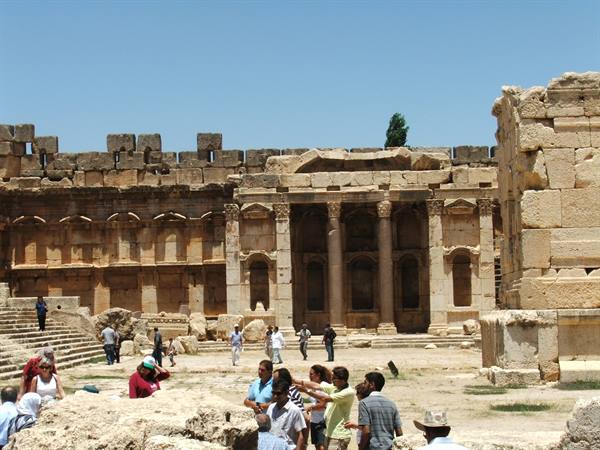
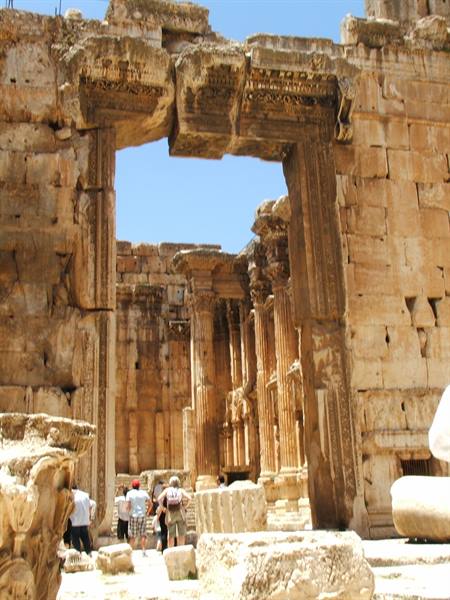
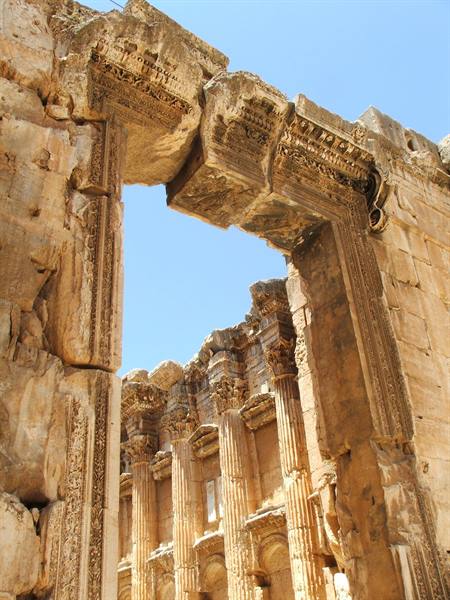
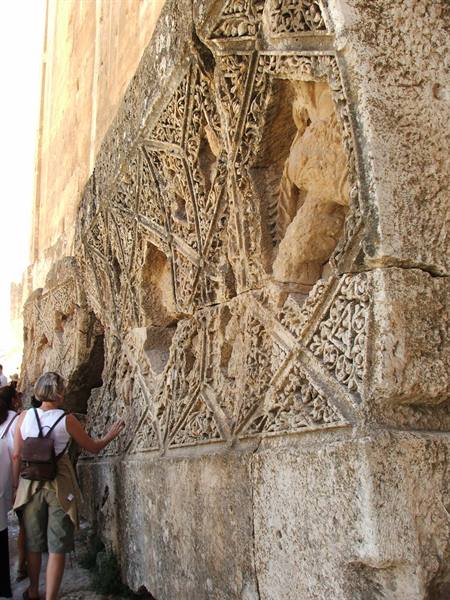
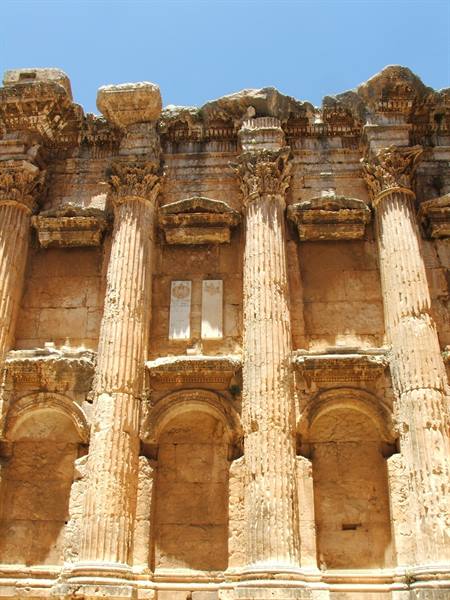
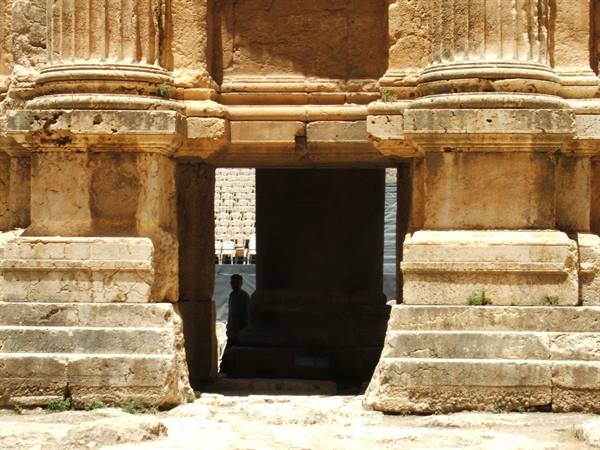
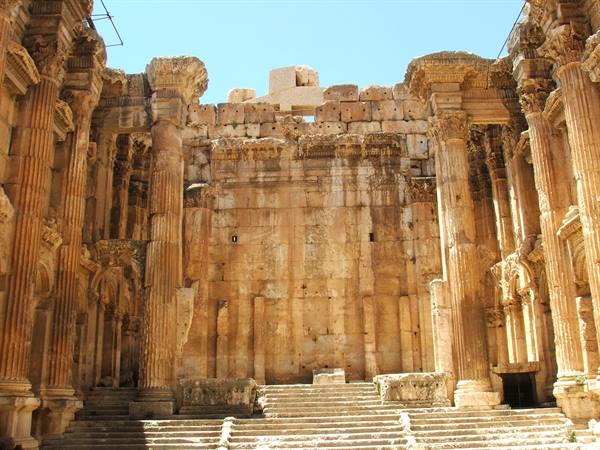
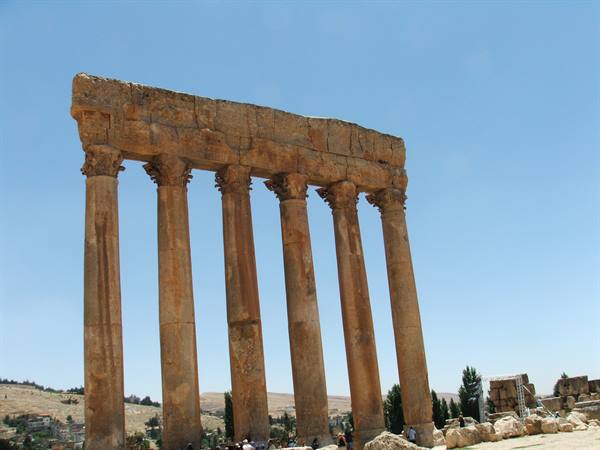
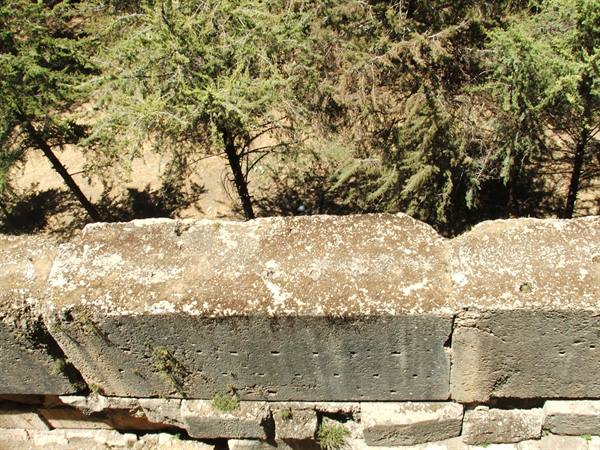
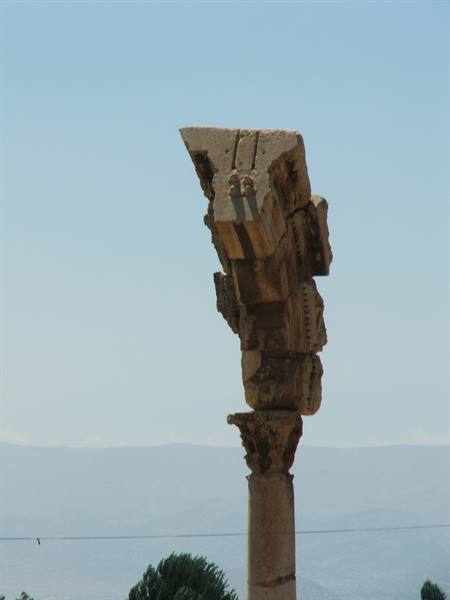
From here we finally reach Baalbek, the real goal of this excursion, also a UNESCO heritage site, but of quite another CALIBRE! In fact, its temple of Jupiter is considered among the most colossal and most astonishing in the world: what immediately strikes you about this enormous and ancient complex are its dimensions; you realise that it is beyond human reach, especially as regards the base of the building, where you can see the largest blocks, each of which measures over 21 m in length by almost 5 in width and weighing about 1000 tonnes. According to official archaeology the site, attributed to the Canaanites, dates back to the Bronze Age, around 2900-2300 BC, and is dedicated to the triad Adad-Ishtar-Shamash.
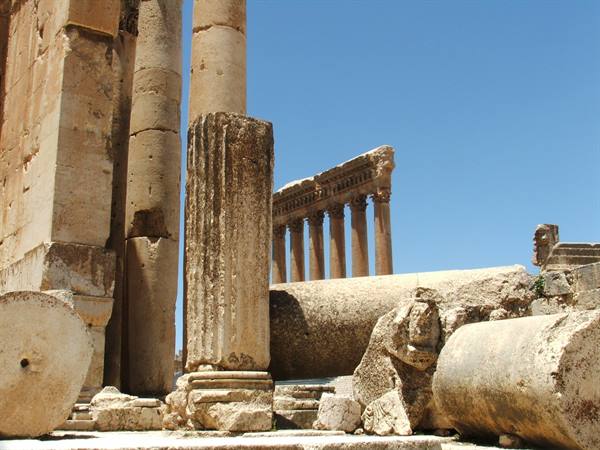
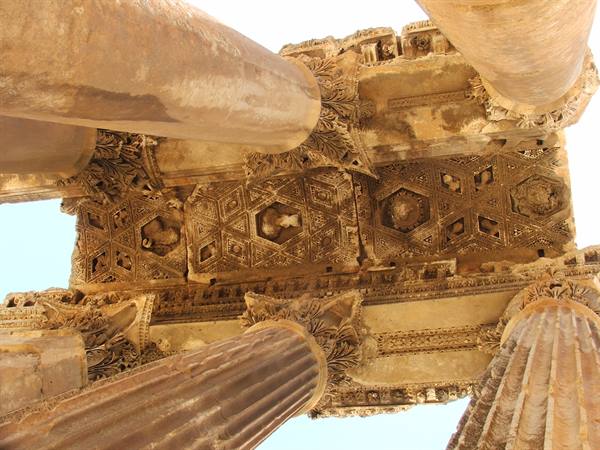
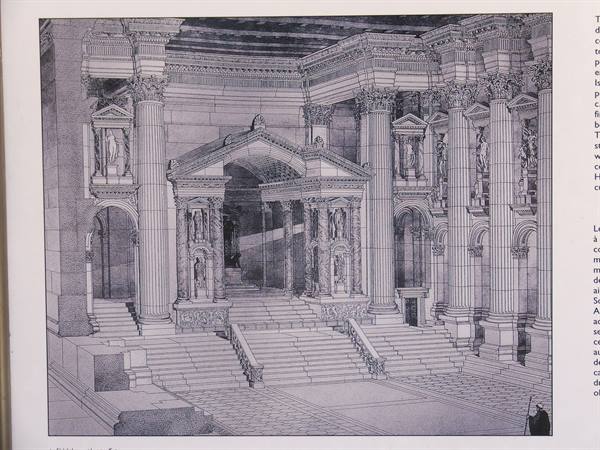
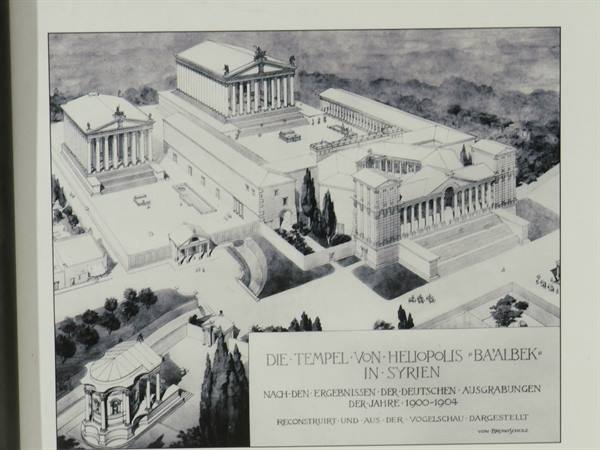
The famous Russian researcher Zecharia Sitchin also speaks of it; in his opinion the site was built by an alien race, the Anunnaki from the planet Nibiru in 10,500 BC, as the ancient Sumerian texts state; these are the same giant Nephilim described by the Bible. During the Greek rule of the Ptolemies the city was renamed Heliopolis, dedicated to the Greek sun god Helios and to the Egyptian Ra. Subsequently, during Roman rule, the divine triad was transformed into that of Jupiter-Venus-Mercury, then in the Neronian era the temple of Jupiter was built in 60, while at the same time the tower altar in front of the building was built. In later eras, under the various emperors, Trajan, Antoninus Pius and Caracalla, the temple of Bacchus and the temple of Venus were erected. Finally there was Philip the Arab, born in Damascus, who built the hexagonal courtyard.
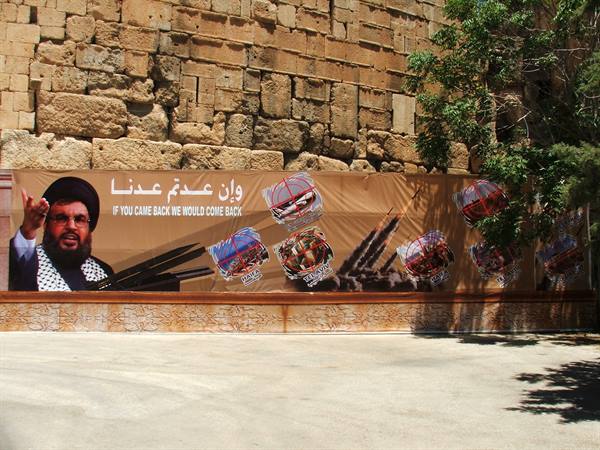
But it is evident that the bases of the colossal site are much older and are neither of Greek nor Roman origin, given the use of megalithic blocks that make up the temples, a practice certainly not typical of these two great cultures. In short, an archaeological site with a mystery! And truly grandiose: it is evidently incomprehensible how certain stones were hoisted! Not to mention the opulence: many monolithic columns arrived from Aswan and then transported to Istanbul, where they are still found in Hagia Sophia and in the Roman cistern; floors, marbles and fantastic sculptures! We remain ecstatic. One little detail disturbs us. At the entrance to the site there is a giant poster of Hassan Nasrallah, head of Hezbollah, pointing his machine gun at a series of targets, Israeli as it happens, and the threatening words “If you come back, we will too!” Diala is not too shocked, indeed.
We are, a little. I am very shocked, above all because I clearly perceive that it is a spiral of hatred and violence that animates this part of the world, this part that was the cradle of civilisations and religions. Evidently and sadly, IN VAIN.
The journey's photographs
26 photographs · click to open them full screen

0 reader comments