In just under 3 hours we reach Paphos, Cyprus, from Rome-Ciampino airport with our special travel companion, Ryanair. We chose this destination mainly because we were looking for guaranteed sun in late April, given that we only had a long weekend and wanted to spend little; so Cyprus popped up, a country at the far east of the Mediterranean. From a trip initially conceived as a total break to relax, it turned as usual into a tour de force... but evidently for now this is our priority need. Indeed, to start with, we rented a car, because although I knew there is a dense network of urban and suburban buses that also keep to schedule, I also knew that their timetables can be infrequent. Moreover, I had discovered that there is a lot to do and see... and so the decision was ratified.
We arrived at 10.30 in the morning and went to collect our Picanto, booked with Sixt through our usual Rentalcars. Bearing in mind that at Paphos airport you have to pay 20 € in taxes on site with any company, we — if no surprises crop up (with companies it has happened to us twice, afterwards) — were happy. The handover of the car itself was rather quick, and above all everything was explained to us with great clarity and transparency, which is also not always a given with car rental companies. So, driving on the left, we headed straight for Nicosia, the only capital in the world still divided by a wall, which separates the Greek part from the Turkish one.
We have about 140 km to cover, plus the 160 to do again to reach our hotel, in Paphos, but the cities are connected by an excellent, free motorway! We arrive around midday, but however much the motorway ends literally on a long straight road leading into the centre, we find heavy traffic and take a long time to cover very few kilometres and park.
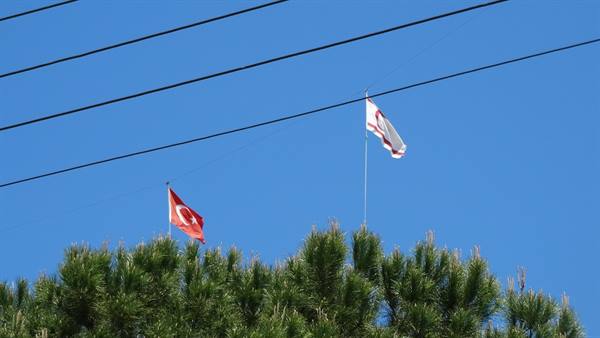
As we approach the city, we manage to make out 2 gigantic flags (if they can be seen from at least 20 km away!) dug or carved — or who knows what — into the very hill behind Nicosia, representing Turkey and Turkish Cyprus, that is, a dark star and crescent on a light background and vice versa! I must say, a little unsettling! The Republic of Northern Cyprus is recognised only by Turkey, which, taking advantage of a moment of instability, invaded the island in 1974 with the backing of the usual English for reasons of utterly strategic position, and "held on to", all told, about 36% of the territory. Cyprus has been occupied over the centuries by various peoples, but its essence remains Greek.
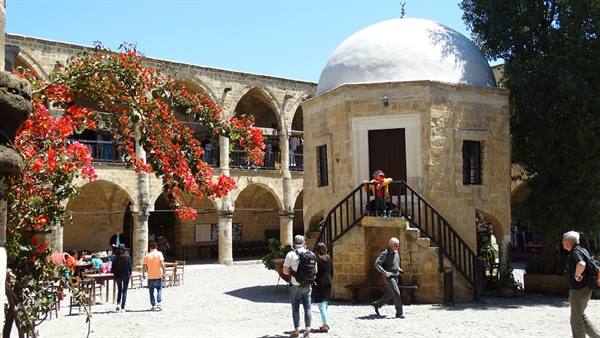
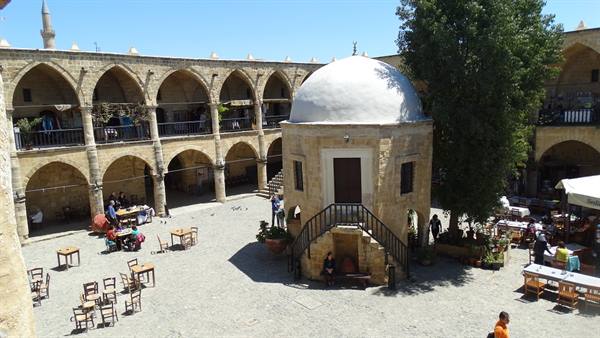
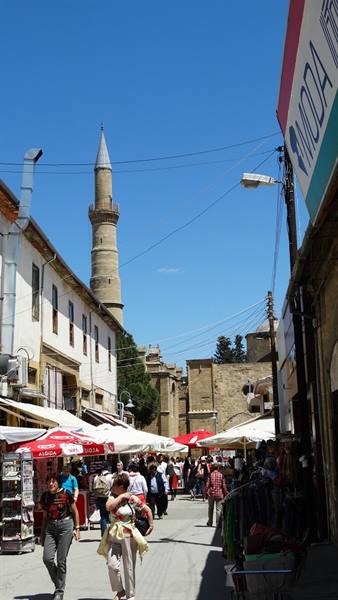
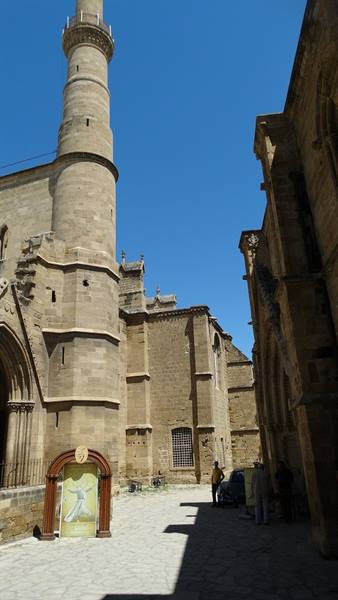
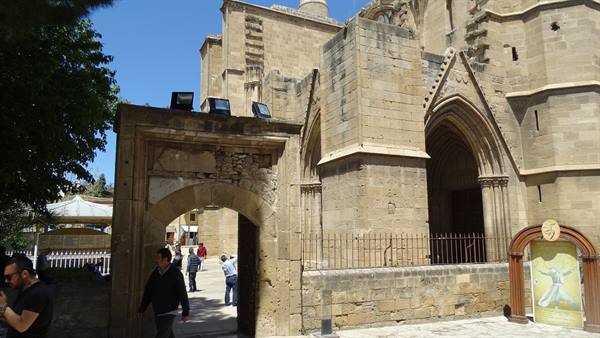
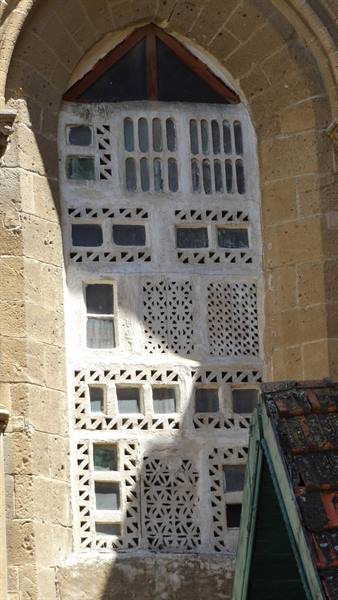
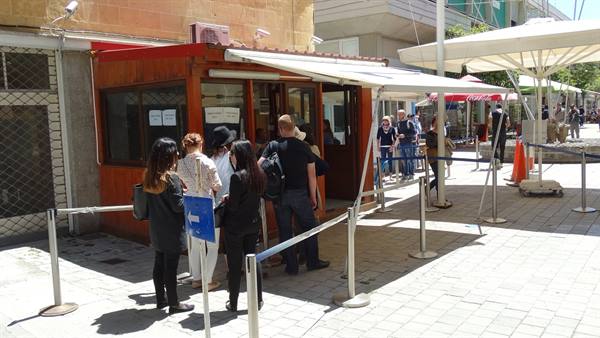
Back to Nicosia: the Greek part, the southern one, is new, efficient, full of businesses and life, but although it appears mainly made up of white buildings, not too tall, rather like Athens, in reality it remains a little anonymous: we could be anywhere. Having left the car in a paid car park, we head straight for Ledra Street, a pedestrian street full of the shops of the usual chains that you find everywhere, at the end of which is the crossing into the Turkish part, where we will stay a couple of hours, lunch included. We visit the Selimiye Mosque, clearly the remnant of a Gothic church, very beautiful on the outside, and the Buyuk Han, an ancient and valuable example of a caravanserai... though too full of the tables of the various restaurants.
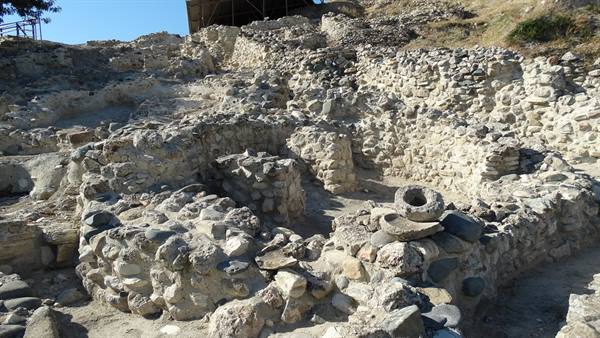
We potter about among the alleys, trying to get away from the streets closest to the border, full of shops and very commercial, precisely to get a slightly clearer idea. And indeed a great poverty prevails at once, with half-ruined houses full of rubbish; all the same, you get no sense of danger at all, and to be honest, this small Turkish part we visited, I liked more than the neat Greek part. Towards 3.30 pm we were back in the car to head south again, and once more we found heavy traffic leaving the city. Along the way back, a little before Limassol, we stopped to visit the archaeological site of Choirokoitia, flagged as one of the most remarkable on the island. In fact, given how the wooden walkways around it are arranged, you do not grasp at all the grandeur of the settlement dating from the Neolithic.
What a pity! In the late afternoon we reach the Hotel Axiothea, which has its own car park and stands on a hill from which it commands the city and the sea. It is a very decent three-star, and the generous breakfast eaten behind a fantastic picture window with a sea view reconciles you with the world from the morning on! In the evening, to have dinner, we walk the 3 km that lead to the marina: there are far too many places to choose from, for every taste! We choose one and feast on Greek cuisine, so the 3 km back up to the hotel will be a real tonic for a vague start to digestion... in an upright position!
Day 125 Apr 2015
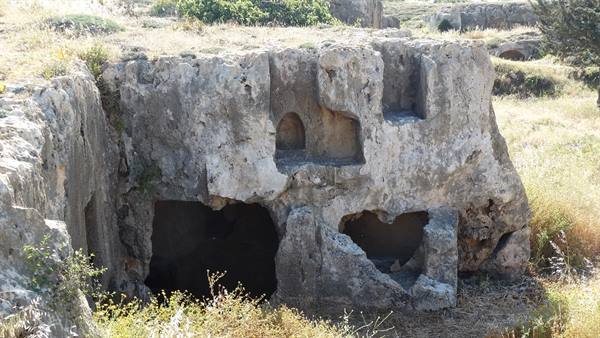
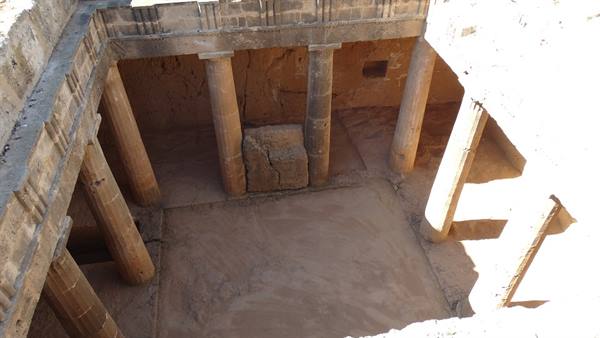
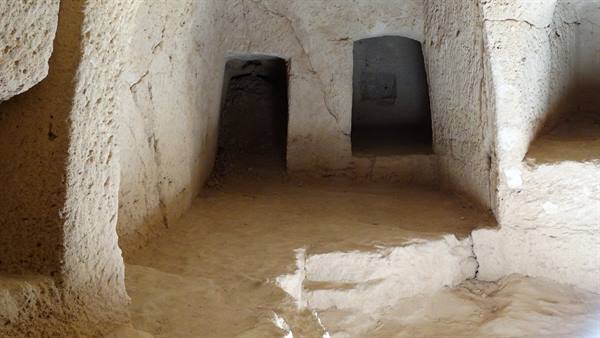
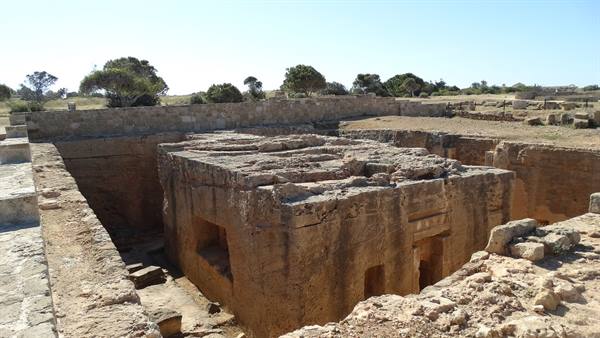
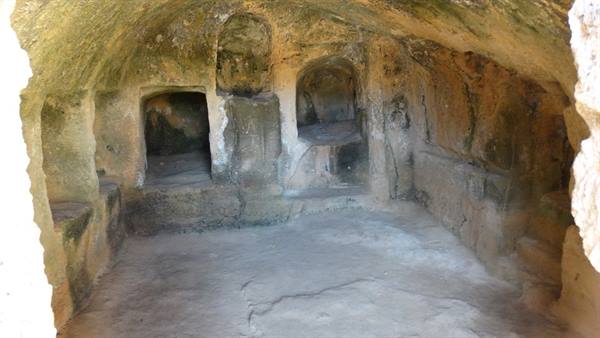
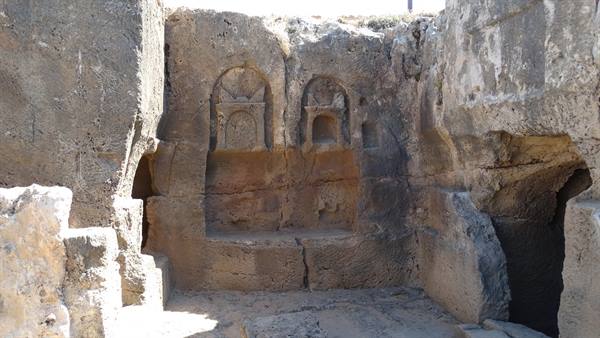
Today, bearing in mind that the most important archaeological sites open at 8 and close at 19.30, before heading towards the Akamas Peninsula, we first of all visit the Tombs of the Kings, in Paphos. It is a stunning and extensive site that served as a necropolis from the 6th to the 2nd century BC, with numerous tombs carved into the rock, even on a level literally "below ground" compared with the walking level, sometimes in veritable systems of rooms complete with columns, corridors, niches and incredible ornaments! It seems that these tombs housed the remains of nobles, but they are called of the Kings because of their imposing size. Indeed, they are grandiose and although I see a vague connection with the Sardinian Domus de Janas, thousands of years older, and perhaps also with the Etruscan necropolises, I feel I am truly seeing something different.
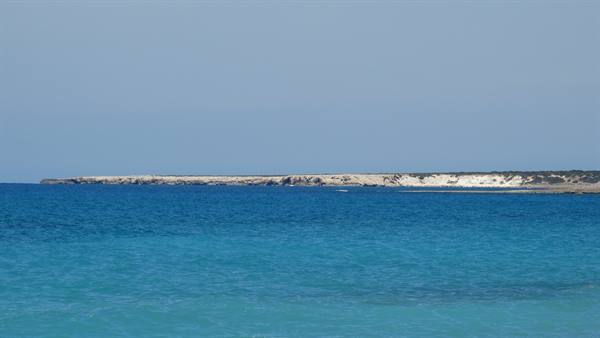
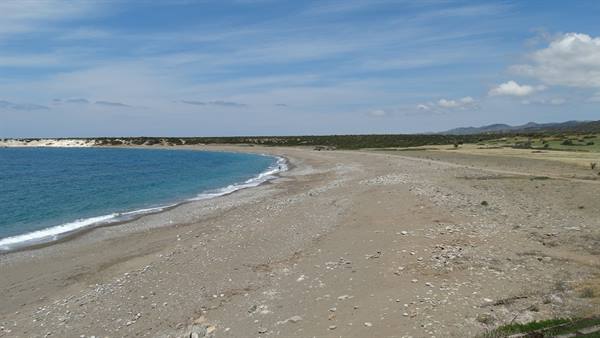
Also notable is the position right by the sea, a characteristic we will also find in the other two sites we will visit later. Satisfied, we head towards the Akamas peninsula, to the north-west, a nature reserve where there is also Lara beach, considered one of the most beautiful and wild on the island and where, in summer, turtles nest. Following the coast, decidedly too built-up, we arrive as far as Aghios Gheorghios, and exactly until the coastal road becomes unpaved. From that point, after about 5 kilometres of unpaved road, one arrives at the Lara restaurant and therefore at the bay. This road was passable with an ordinary car, but there are many others where a four-wheel drive or a quad is indispensable, and quads are rented in several places. Indeed, the nice thing about this stretch of the peninsula is that it is not built-up, otherwise it isn't that exceptional.
The hinterland looks like Sardinia or certain areas around Syracuse (but with much less grandeur and beauty) and the bay of Lara itself … we have similar or more beautiful ones all over Italy. Besides the accessibility of the sea, however, one can do trekking routes inland or along a canyon which, as you enter, narrows more and more. We stop at 2 beaches and in the end we have lunch with beers and cheap and very good pittas at the Lara Restaurant, sprawled on a terrace over the sea: this is life! The sun is beating down and we decide, quite ill-advisedly, to change the scenery completely and head towards the Kikkos Monastery, considered the richest on the island, in the Paphos Forest. Believing we are taking a shortcut, we take a myriad of little roads across the Akamas peninsula, which in reality make us go the long way round and waste a lot of time.
Moreover, like fools, we don't think of filling up with petrol, just to be safe: with a car you don't know, I'd say that's a real idiotic thing to do. After almost 2 hours of driving(!), extremely stressed and also very worried, we reach a place in the middle of the mountains called Stavros Tis Psokas, hoping and taking for granted that we'll find a petrol station. Four or 5 km before reaching it, the car goes onto reserve and along the last 21 km, in the middle of these dark mountains full of black fir woods, without a house, with many walls at least on one side of the road "crumbled" and with the carriageway full of fallen stones, we met only three cars.. Instead, this is not a village, but a collection of resorts for mountain holidays, with one open bar, one single parked car and NOBODY in sight.
Not to mention the fact that the Kikkos Monastery is another 29 km from here!!! Total panic! At the bar there is a lady, who tells us that the first petrol station is 34 km away and that we have to retrace much of the road we came on. Faced with our anxiety, she makes it clear that, if we are stupid enough to have got ourselves into this state, the problem is only ours: that's obvious! We hear voices coming from above, where some buildings can also be glimpsed, and we clamber up on foot, now in the grip of total agitation. We reach a house with some people chatting and spending a nice Saturday afternoon, in an atmosphere which, if you have petrol, is certainly beautiful, and, quite without any hesitation, we barge in and pour out all our problem to them: that is, in our opinion we can't manage 34 km to Polis, because we have a small car and we doubt there is enough in the reserve..
since from the instruction booklet it isn't clear to us how many litres of petrol it can hold. Well, what can I say, the 3 Cypriot families turn out to be exceptional: they offer us something to drink or eat; they try to siphon some petrol from their cars, but they can't manage it.
So they get on the phone (minutes and minutes and more minutes of waiting) with Sixt, first to find out whether our insurance included "rescue" and since, obviously not, they ask them how many km we could do on the reserve and after more time, the guy lets them know that we had 50! In short, we could make it! To reassure us further, they left us their mobile phones, saying: you go and don't worry, because you'll make it, but if it really doesn't work out, call us and we'll come! Needless to say they were right and we made it, which I informed them of with a text message, which I don't know if they ever received. In the end, once the danger was over, anger set in, because it was too late to do anything else and the afternoon had been completely wasted.
Along the way back, shortly before 18, we saw a very pleasant place with little palms overlooking a small beach and we seized the opportunity on the spot, deciding to stop. And it did us a lot of good, because this relaxing stop made us see everything in perspective again: the mountains were truly fascinating, without this story we wouldn't have had the chance to get TRULY in touch with Cypriots and.. never again so careless with petrol! After enjoying our mojito and ouzo in front of a beautiful sunset over the sea, we returned to the hotel absolutely exhausted, but restored. In the evening, an excellent light dinner near the hotel and off to bed!
Kato Paphos
Day 226 Apr 2015
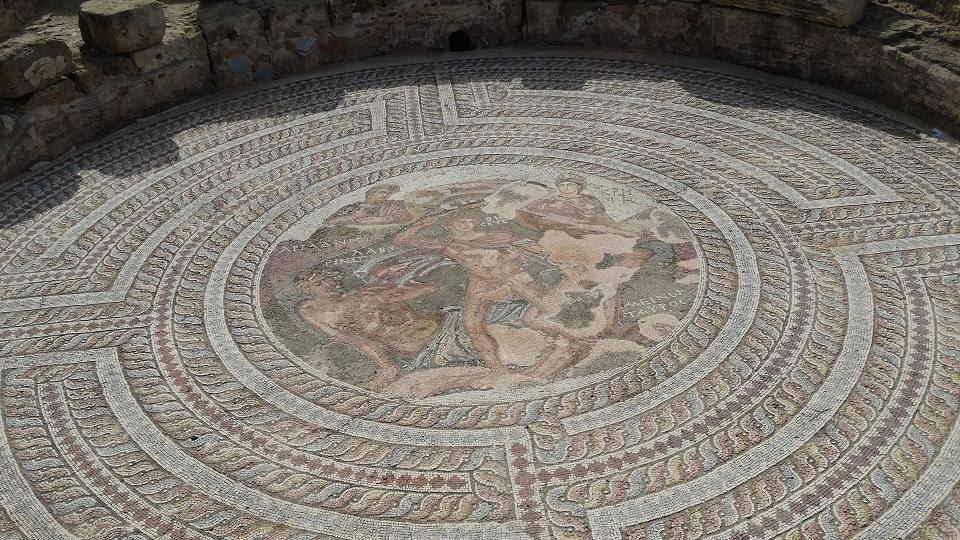
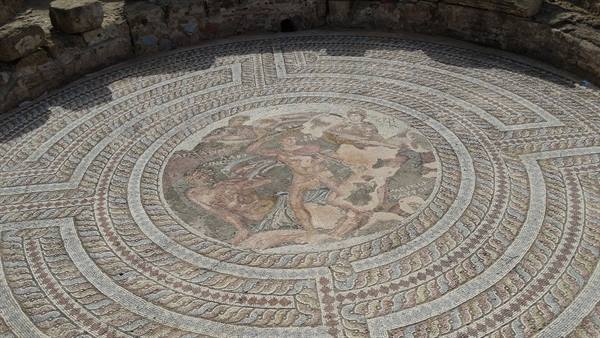
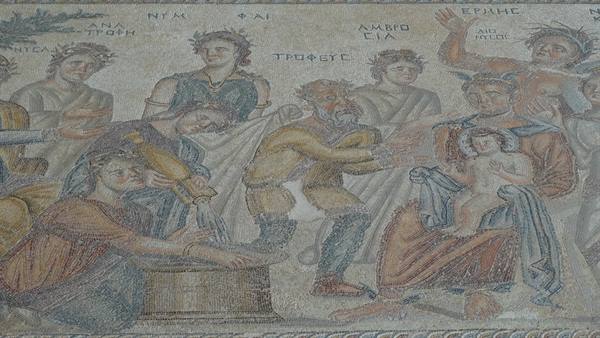
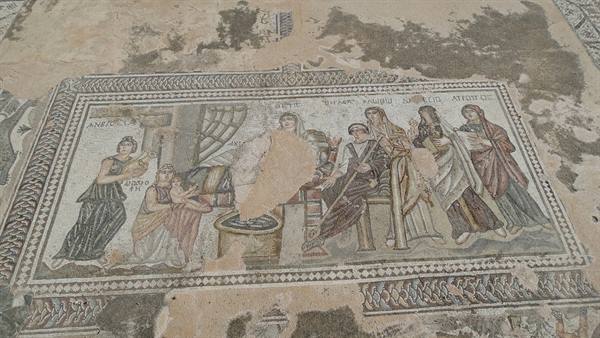
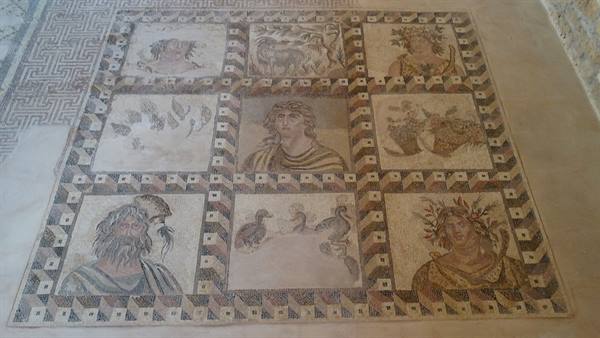
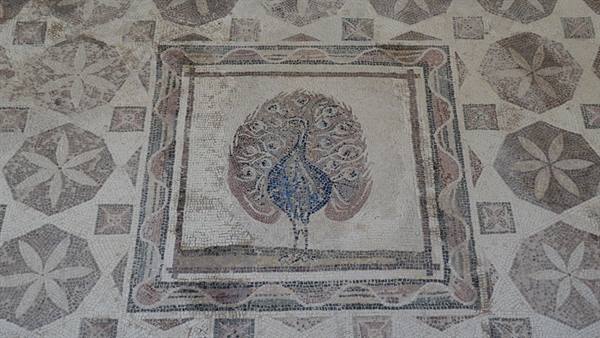
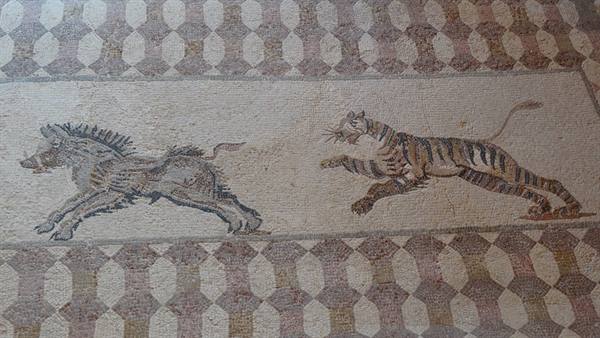
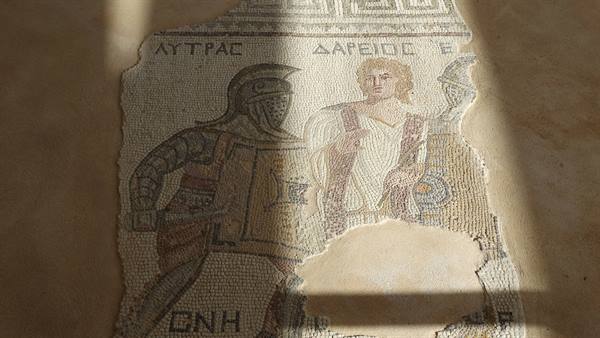
Sunday, the last full day, before heading towards the Troodos Mountains in search of Monasteries, we visit the other archaeological site of Paphos, Kato Paphos, also located by the sea. In this case, it is a series of Roman villas arranged once again over a large area facing the sea and in which there are splendid frescoes depicting mainly mythological and hunting scenes. It's a shame that many mosaics are covered, however, although Piazza Armerina remains unsurpassed for extent, beauty and variety of mosaics, and the little-known Villa del Tellaro, near Syracuse, has absolutely the most beautiful mosaics I have ever seen for detail and "movement" of the scenes, these mosaics are very very beautiful. Having left the site, we head towards the Troodos Mountains, whose Mount Olympus reaches 1900 metres.
Despite the fantastic and misleading advice of the Lonely Planet, which tells you that at certain monasteries you just have to be kind and they let you in, whereas when you arrive after who knows how many kilometres of mountain roads, everything is bolted shut to the point that you feel guilty just for having thought of approaching, just to cite a SINGLE example, we manage to see, following other people's directions, at least 2 churches and a monastery, among the many in these mountains that are part of Unesco.
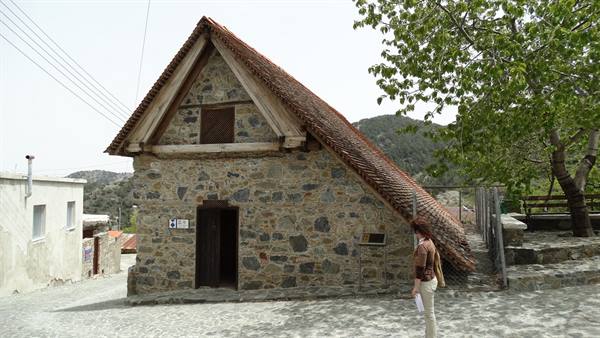
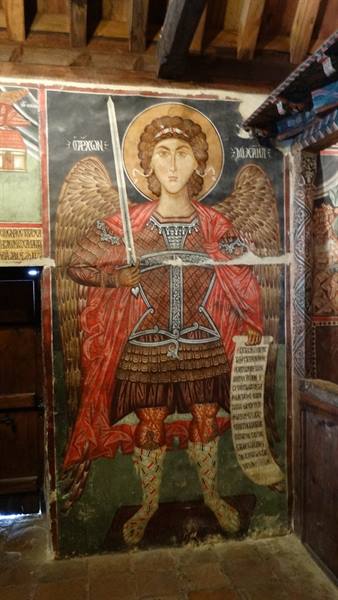
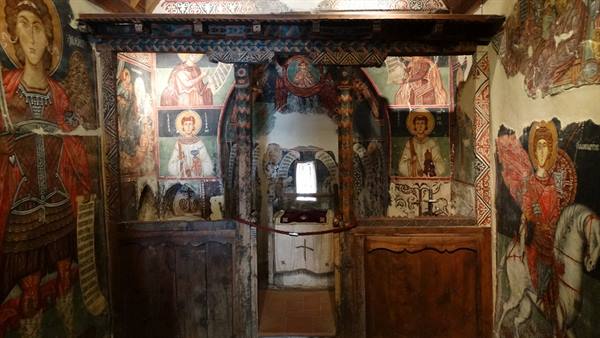
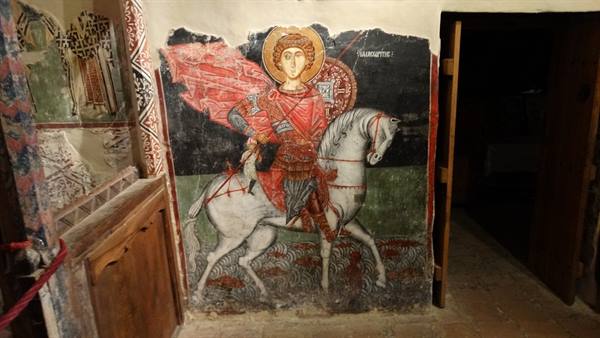
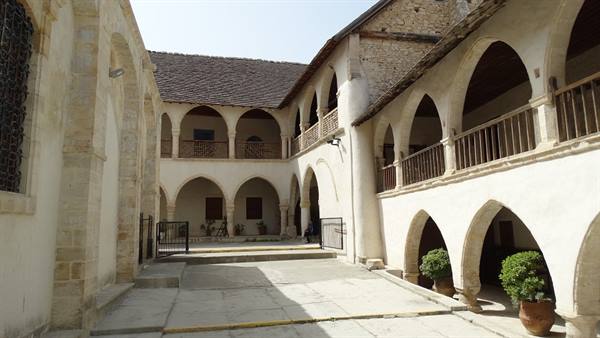
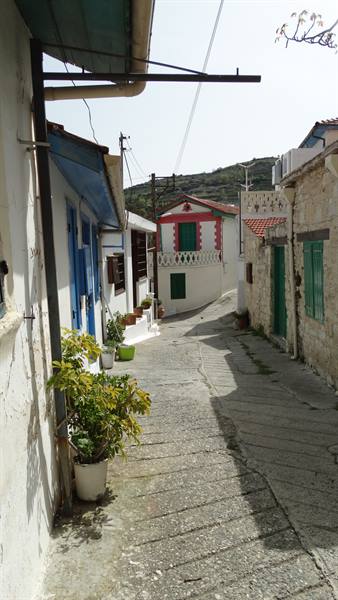
The truly spectacular one is the little church of Archangelos Mihail, dated 1476, in the faraway village of Pedoulas: a single mini nave completely frescoed, with a small upper floor for the women (more like a pigeon loft), covered by a wooden roof typical of these mountains, that is with one of the 2 slopes longer than the other: this church alone, for me, was worth the crossing of the Massif! After this visit, we headed back south, in the direction of Limassol. Along the way back, partly different, we visited a monastery whose name I don't know, which had just closed, but whose little nuns reopened it for us, even offering us some sweets, and after lunch, the village of Omodos. This village, located much lower down, at about 800 m altitude, is worth a visit.
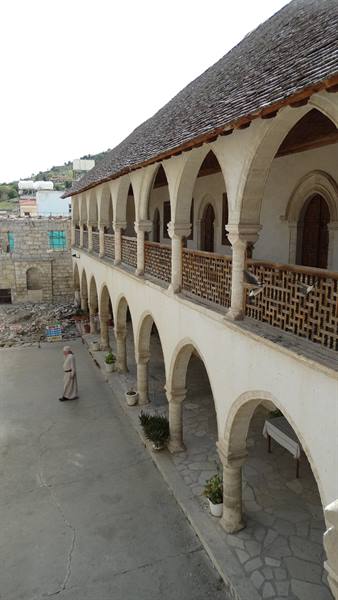
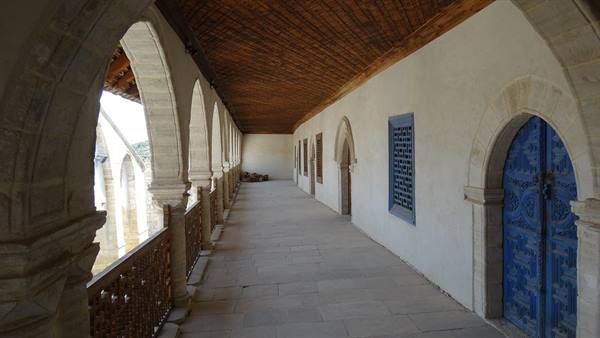
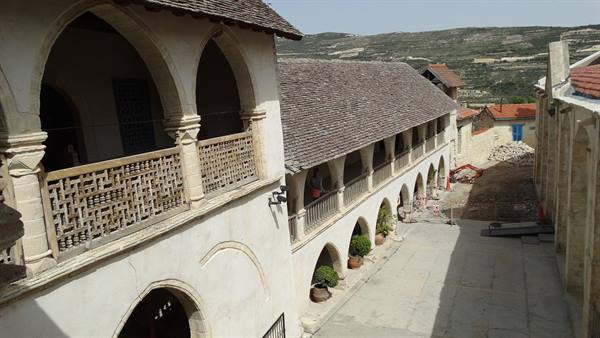
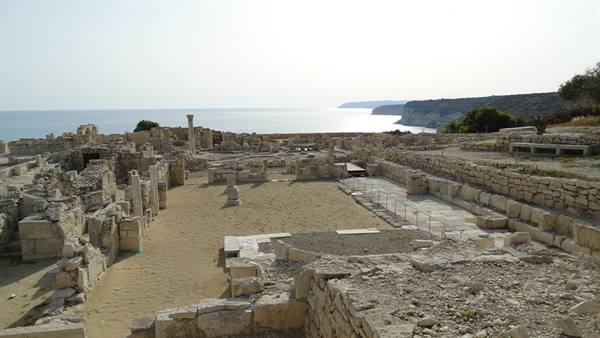
Although it is very touristy, both the centre, truly well preserved, and the Monastery of the Holy Cross, according to tradition commissioned by Saint Helena and built in 327, are truly interesting and deserve a good stop. At this point, we descend definitively towards the sea, to visit the last important archaeological site of our trip, located 19 km from Limassol in the direction of Paphos, Kourion. Here we find the remains of the City-State of the same name, famous for its temples and oracles, which consist of buildings, columns, mosaics, thermal baths, and an amphitheatre, beautiful but a little too reconstructed. The site stands on a rock jutting out over the sea: a dominant position, even more grandiose than those of the two Paphos sites, where the coast is low. Here there are beaches surrounded by high cliffs.
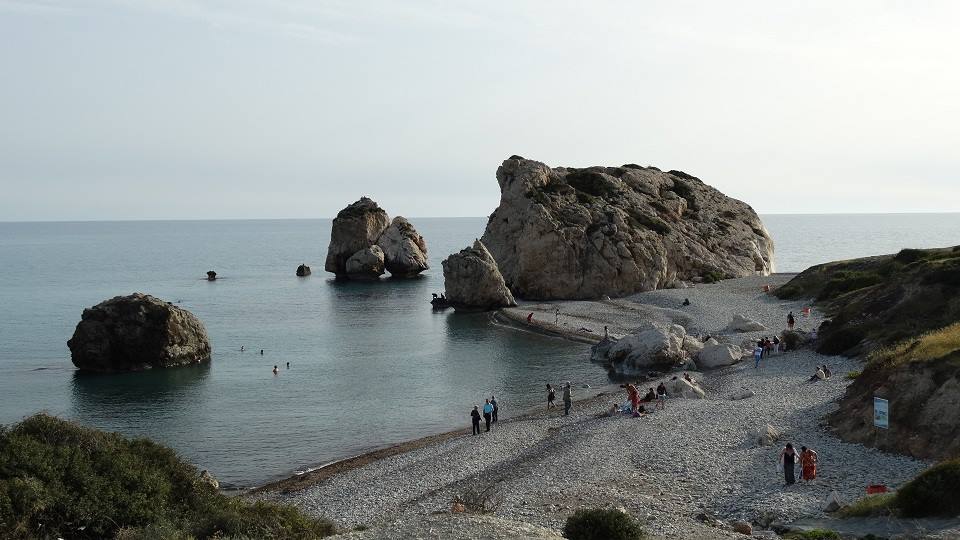
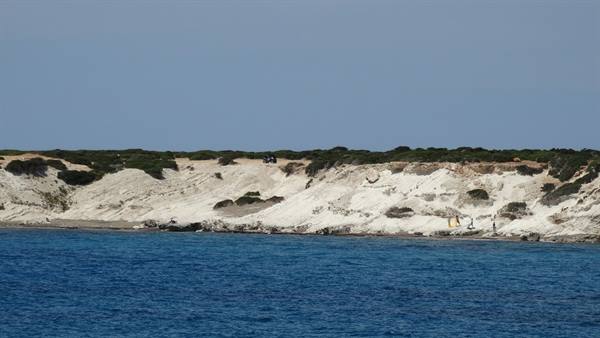
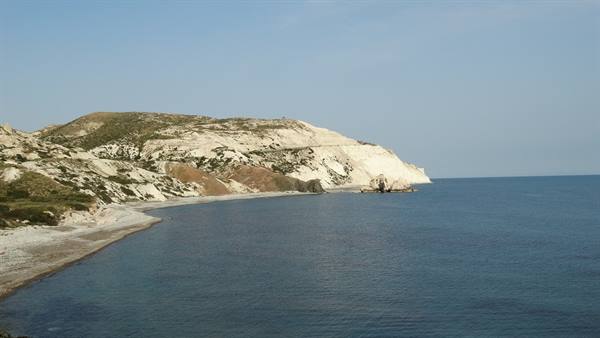
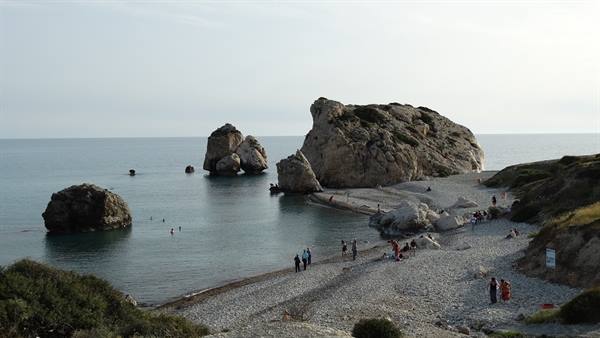
Indeed, the last destination of the day is precisely Petra tou Romiou, the famous beach of Aphrodite, surrounded by high white cliffs, with sea stacks in front of it.. along the road to Paphos. We stop only to see what it's like and indeed, the freezing water is transparent and the view is worth it, despite the very uncomfortable stones. In the evening we dine in a restaurant in Paphos recommended by the increasingly less esteemed Lonely Planet, which I don't want to name, because it was the least good and the most expensive of the whole trip … so, follow your instinct and not these axioms that the LP dictates with such self-assurance. The next morning, we leave at 10.30 and it takes us more than three hours to get home.
These three days in Cyprus were a pleasant interlude; this country, geographically very Mediterranean, because it recalls in turn Sardinia, Sicily, Malta, Lebanon, Greece and who knows how many other countries or regions I haven't visited, is pervaded by Hellenism, as the manager of our hotel also pointed out to us, and for those who love this culture, a visit can be worthwhile, also considering that life, as often happens, is much cheaper than in our mythical peninsula! Efharistò, Cyprus!
0 reader comments