The story
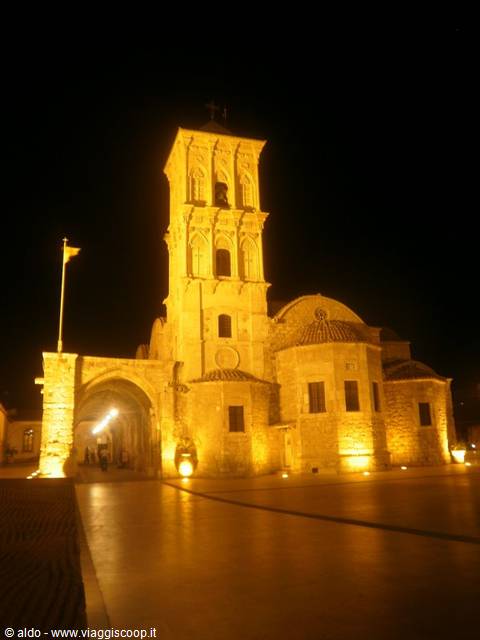
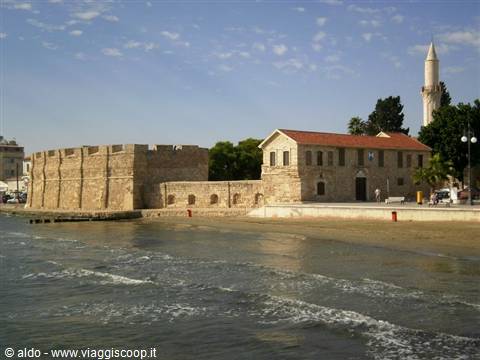
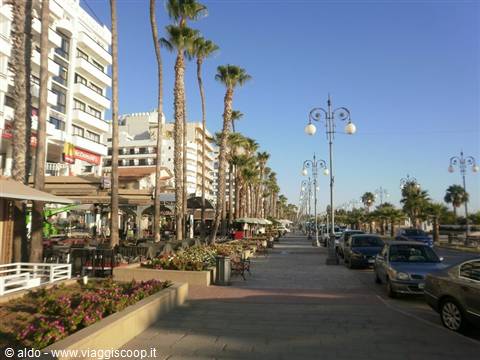
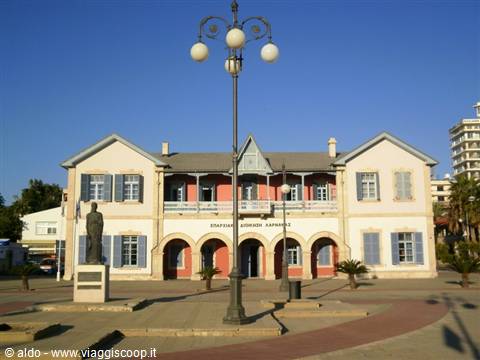
We decided to stay 6 nights in Larnaca as a base for visiting the island, both the Cypriot and the Turkish part. Larnaca is a nice little town of 90 inhabitants, built on the ashes of ancient Kition, a city-state that gave birth to the philosopher Zeno and was the adoptive home of Jesus's friend Lazarus, with a fine modern seafront rich in restaurants, venues and pubs; worth visiting are the medieval fort (1.70 euros) with the adjoining Ottoman Kepir mosque, the church of San Lazzaro, the Pierides archaeological museum (from 1815), the municipal historical archive museum, the Kamares aqueduct (18th century), the salt lake with the beautiful Hala Sultan Tekkesi mosque (648 AD).
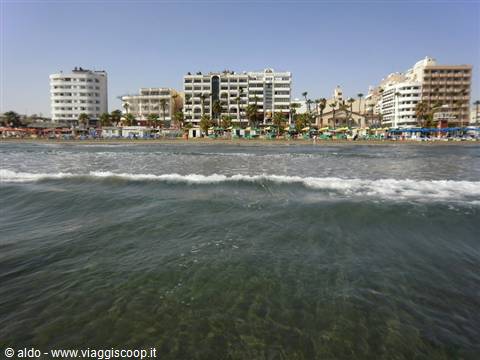
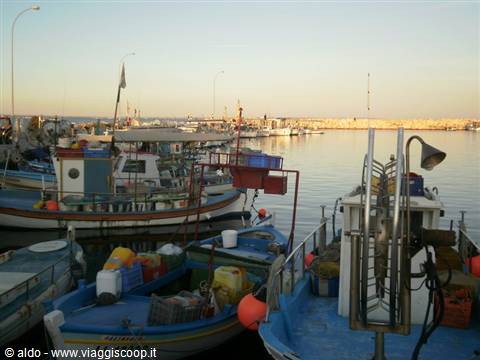
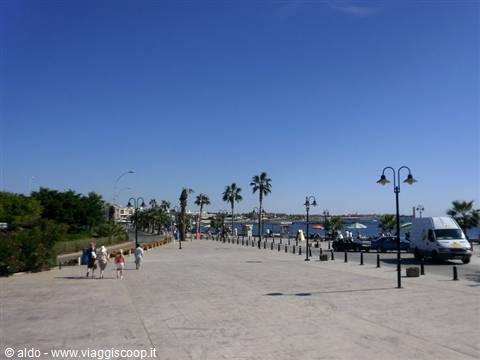
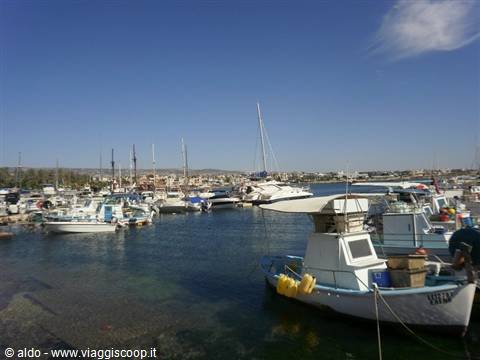
Larnaca is divided in two by the fort; to its left (looking towards the sea) is the new, modern part with hotels on the seafront and a beautiful beach with the marina, and the right part instead, which is old Larnaca, made up of low, colourful houses, with olives, lemons, figs and pomegranates in the gardens, right on the sea and with a little fishermen's harbour, where you can savour better the real Larnaca with nice little restaurants, mostly frequented by Cypriots, where you can enjoy excellent fish and the famous mezé. On the 2nd day we then visited the city of Nicosia with a bus (5 Euros valid all day); having left Larnaca, after an hour we are in Nicosia (Lefkosia), the only city in the world still divided in two by a wall.
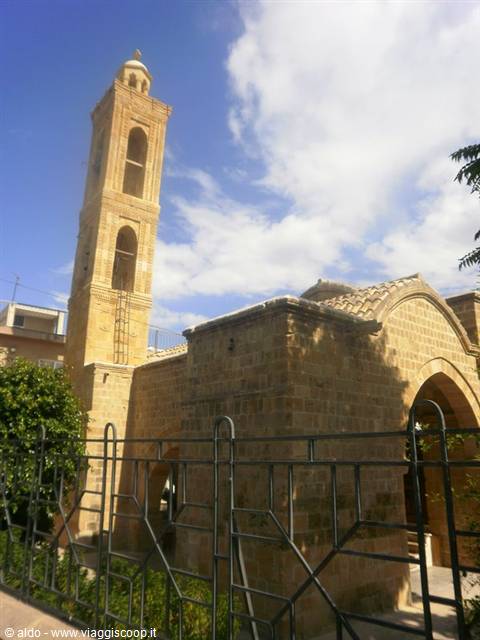
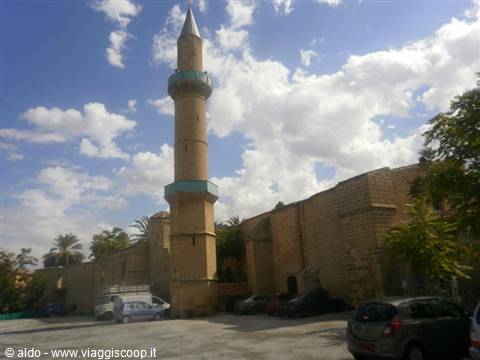
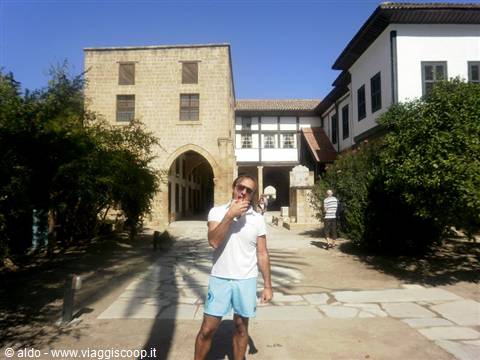
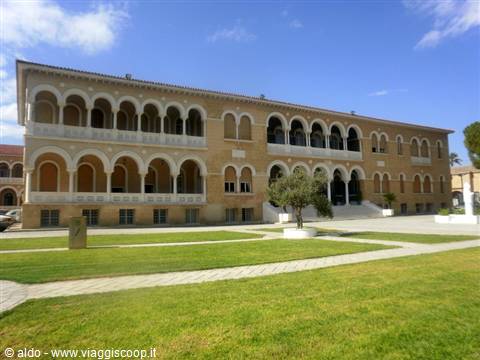
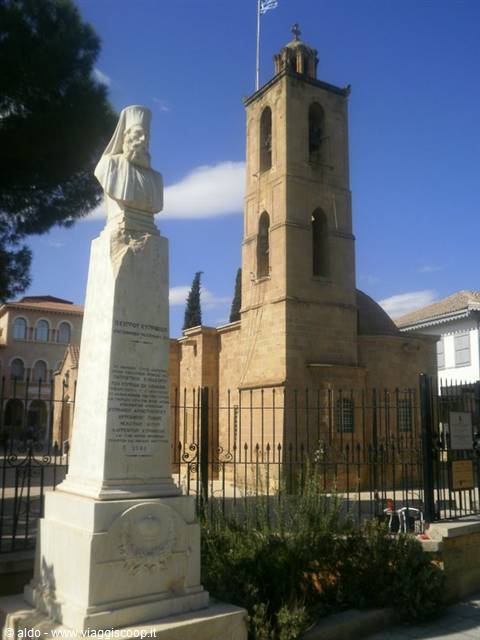
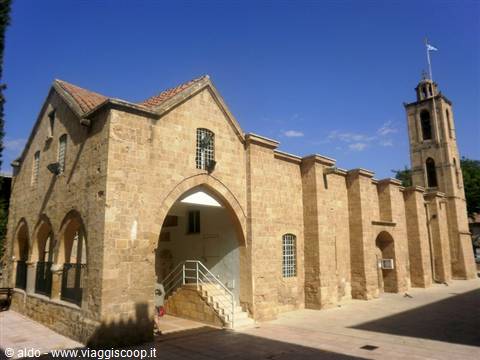
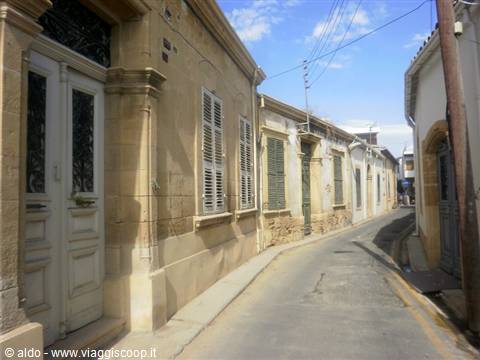
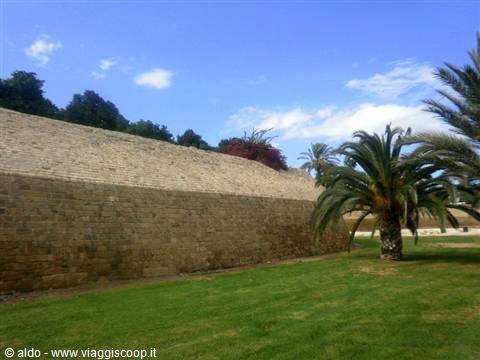
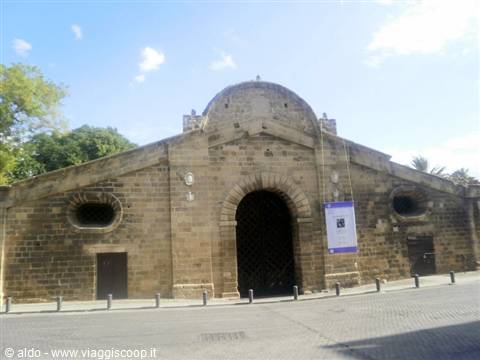
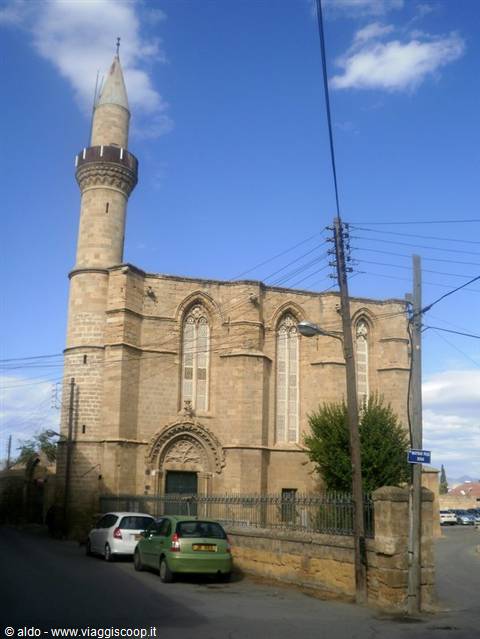
We first visit the Greek-Cypriot part of the old city, the one inside the fine and well-preserved Venetian walls of 4.5 km with 11 heart-shaped bastions; here it is worth seeing the Laiki Geitonia quarter with its restored early-1900s houses, the old and new archbishopric with the statue of Makarios, bishop and first president of Cyprus, the cathedral of San Giovanni, the Ethnographic Museum, the Chrysaliniotissa church with its crafts centre, the restored Famagusta gate, the house of Chatzigeorgakis Kornesios (dragoman of Lefkosia), the Omeriye mosque, the Faneromeni church, the Trypiotis church and, outside the walls, the Cyprus Museum.
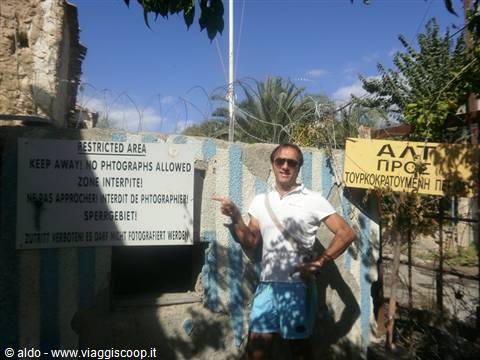
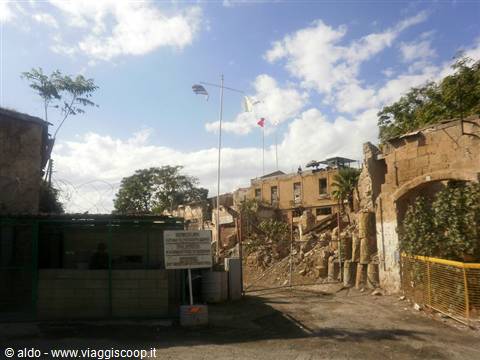
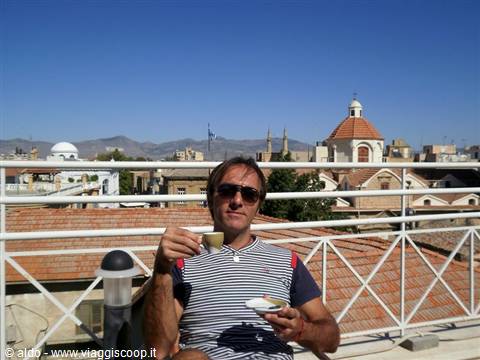
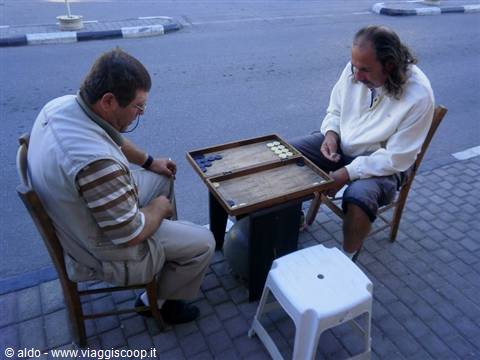
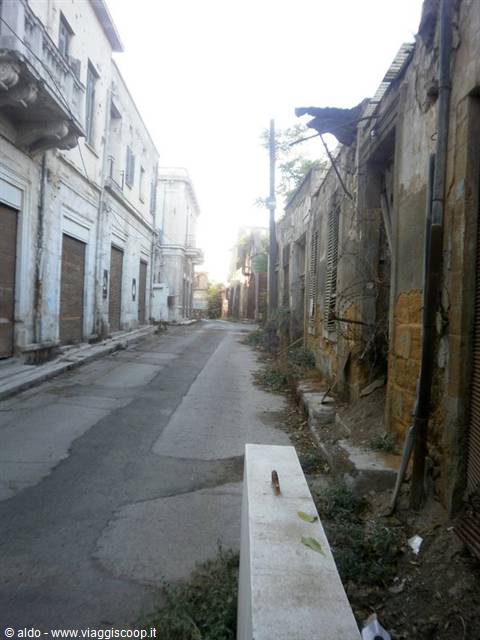
Don't fail to have a coffee in a bar with a terrace to enjoy the splendid view of the whole city from above! As you walk you will come across the border with the Turkish part, and here you can see the damage that since 1974 has created the fracture between the Turkish and Greek zone, a kind of green line made of walls, barbed wire, watchtowers and houses destroyed by bombing or abandoned. In the afternoon we go to the Turkish part of Nicosia; the difference is immediately clear: signs in Turkish, the Turkish language (but also English), Turkish currency (you can also pay in euros but the exchange rate is unfavourable), a totally different atmosphere, streets full of typically Middle Eastern products, flavours and smells.
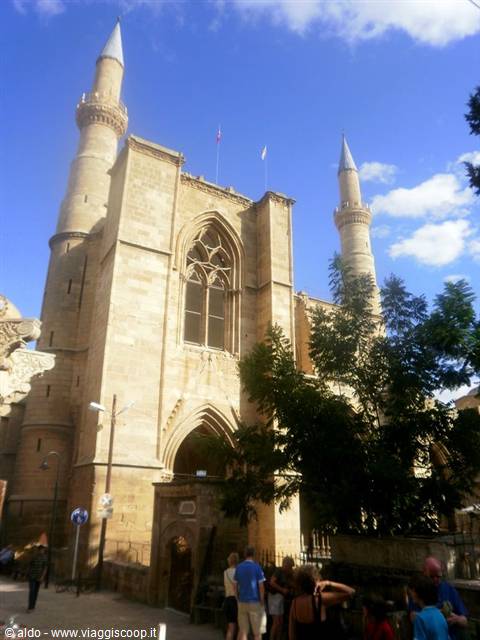
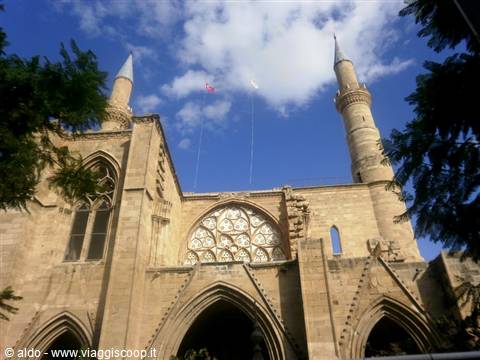
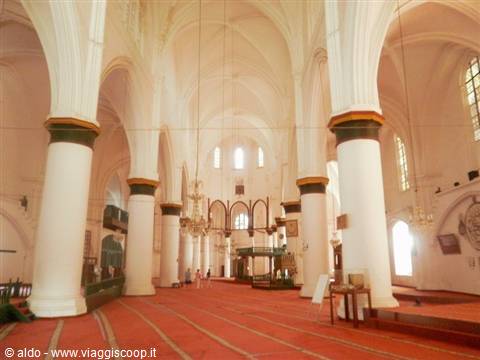
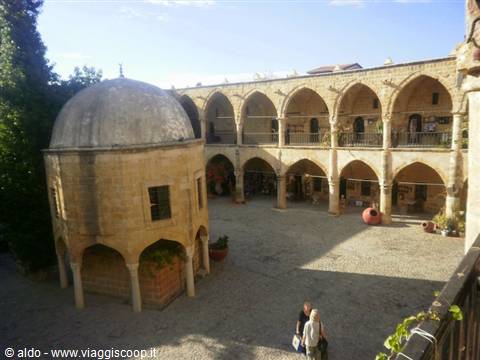
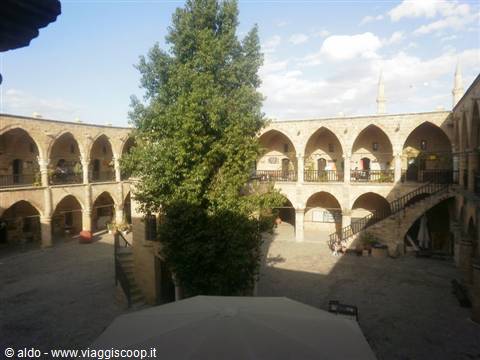
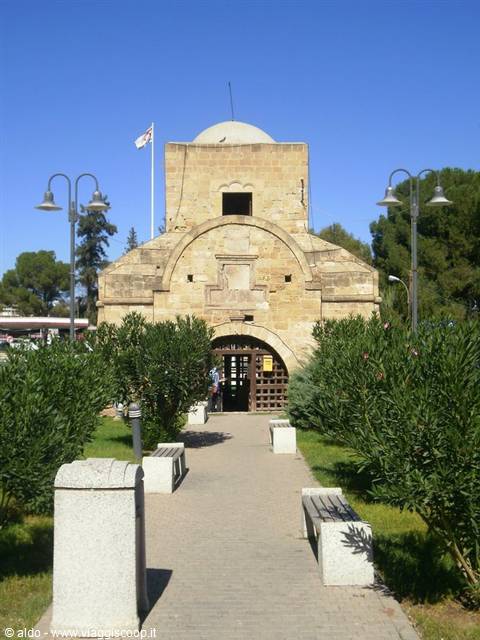
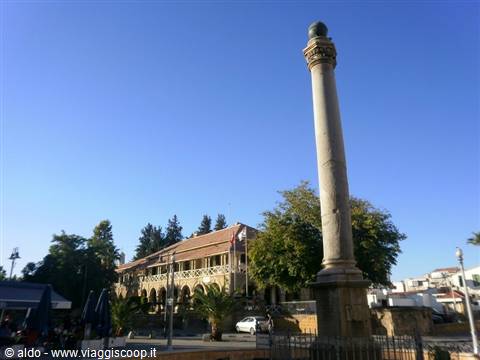
Here it is worth seeing the great Selimiye mosque, the Haydarpasha mosque, the great Buyuk Turkish bath, the Armenian church under restoration, the house of the dervishes, the Venetian column, the Law Court British Colonial, the Mevlevi museum and the Girne (Kyrenia) gate, but above all savour the Turkish atmosphere of the occupied part. At 18.30 we return to Larnaca. On Wednesday we decide, again for 5 euros, to take the ticket valid all day for the area of Agia Napa, Protaras, Cape Greko and Paralimni.
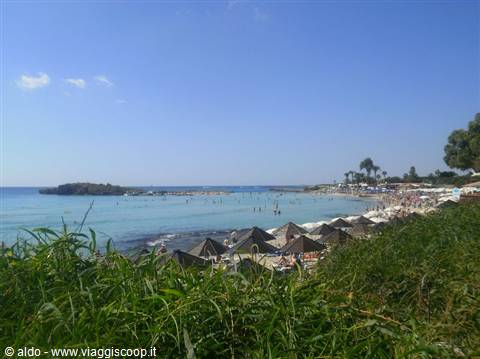
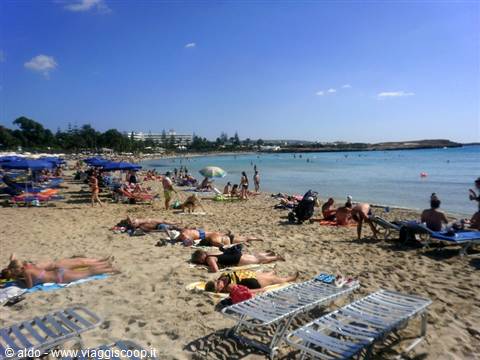
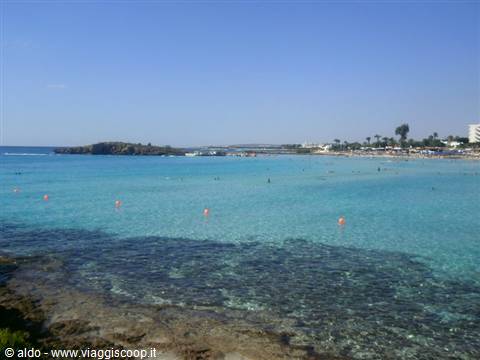
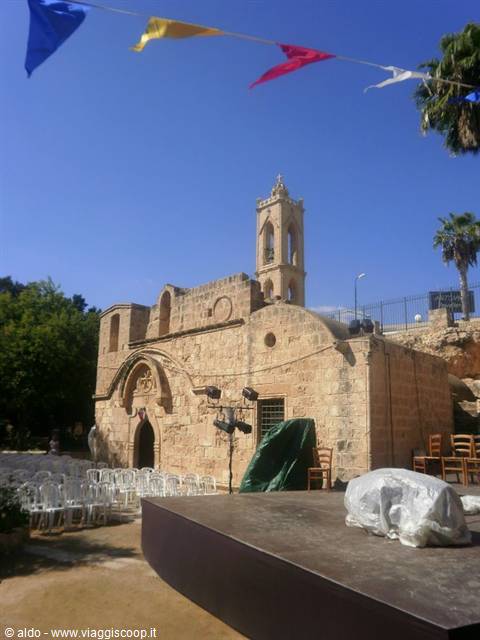
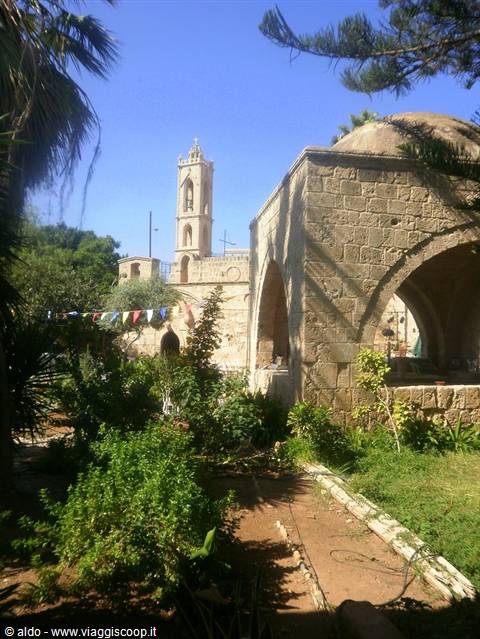
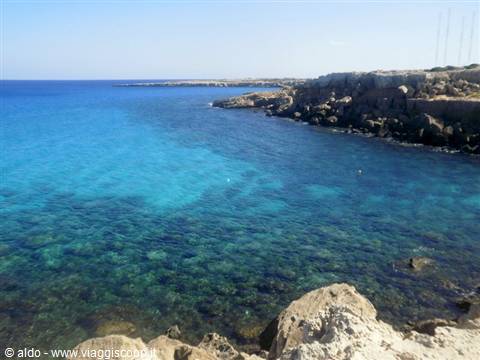
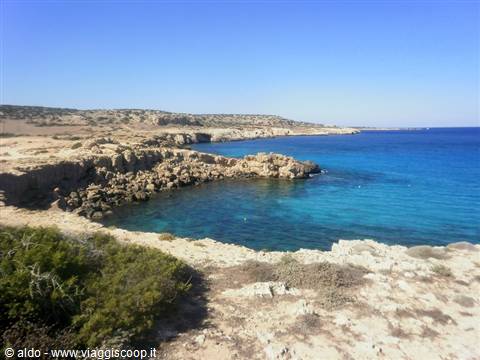
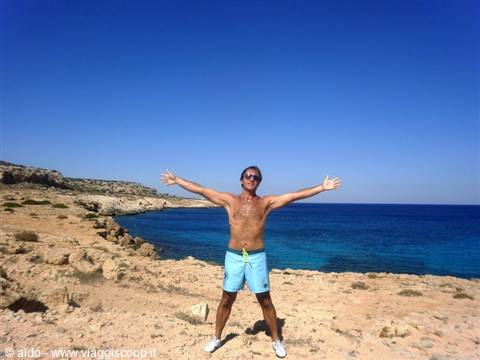
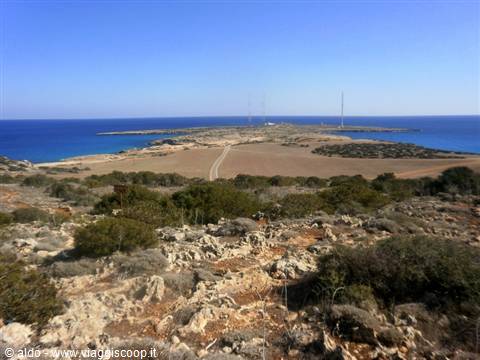
At 11 we get off in front of the famous Nissi Beach, the most beautiful beach of the south-eastern part of the Greek side; indeed it is similar to Caribbean beaches, and fortunately in October there are not many tourists and you can enjoy its beauty, then on foot to walk a little of the coast as far as the centre of Agia Napa to see the beautiful monastery of Agia Napa (lady of the forests) of the 16th century. Having seen the monastery we quickly take a bus (still with the 5 euro ticket bought in Larnaca) that drops us 2 km from Cape Greco, and here we make it all the way on foot to the tip....SPECTACULAR! It is one of those things you must not miss in Cyprus: blue and turquoise sea, cliffs plunging into the sea...a true spectacle of colours and peace, in a stretch of Cyprus still totally unspoilt.
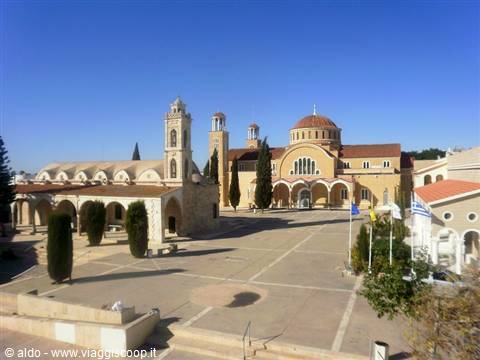
We set off again towards Paralimni; we arrive in what is now the administrative centre of the district since 1974, when the Turks occupied the city of Famagusta, which is now partially inaccessible, a ghost town. Paralimni has beautiful Byzantine churches and a Roman church of the Virgin Mary; we take refreshment after so much walking, and then at 18.00 we take the bus that from Paralimni returns to Larnaca. On Thursday morning we decide once more to go to the bus stop on the seafront and take the bus (5 euros) to Nicosia to cross the border and see from the Turkish side the famous Kyrenia (Girne for the Turks), considered the most beautiful Turkish-Cypriot tourist resort.
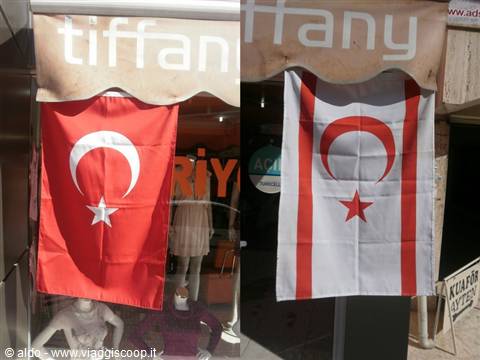
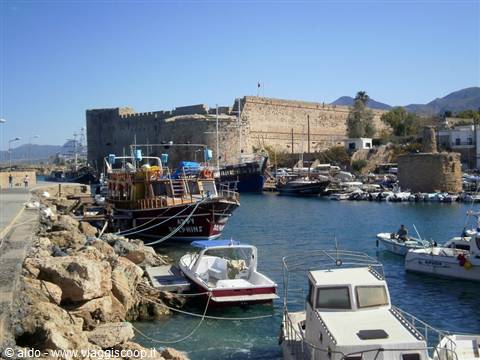
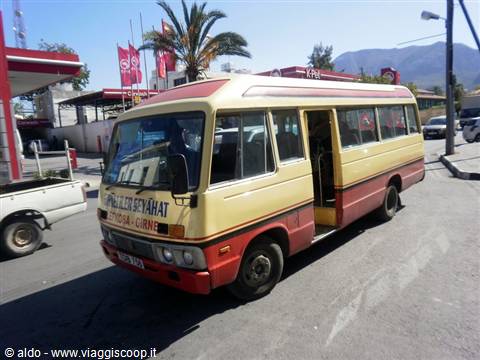
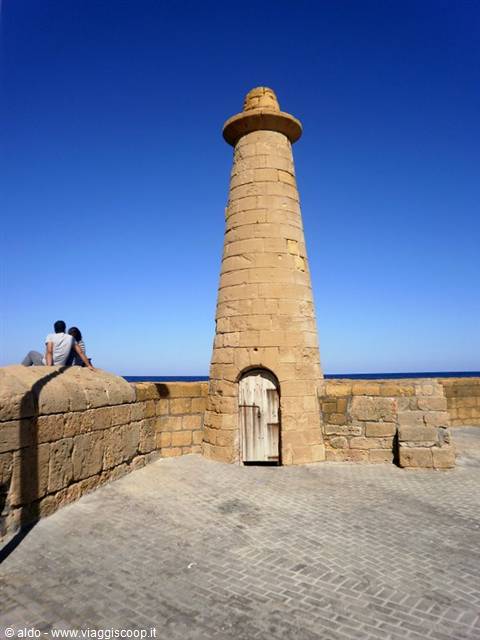
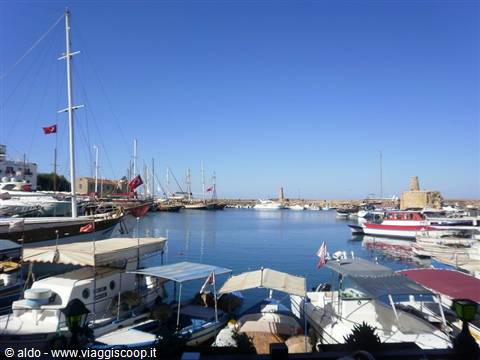
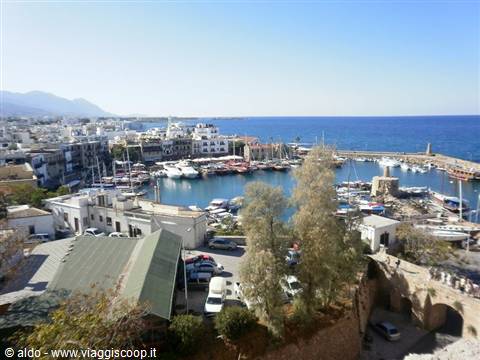
We cross the border and change 20 euros into Turkish lira and then continue on the main road as far as the gate of the Venetian walls of Girne; here, 50 m to the right, is the place where the little buses hold, of 10-12 people, which every 15 minutes for the sum of 4.5 Turkish Lira (2 euros) take you in 30 minutes to Girne. We soon arrive in the beautiful and ancient Girne (Kyrenia for the Greeks); the atmosphere is that of the Turkish coast for anyone who has been there, all Turkish flags or those of the Turkish Republic of Northern Cyprus, a beautiful gulf with the Byzantine fort (later Ottoman and then Venetian) playing the leading role. We enter for 12 Turkish Lira (5 euros) and visit it all, taking beautiful photos of the bay from its top; we come out and continue the tour of the town, through its little streets and shops, buying various souvenirs.
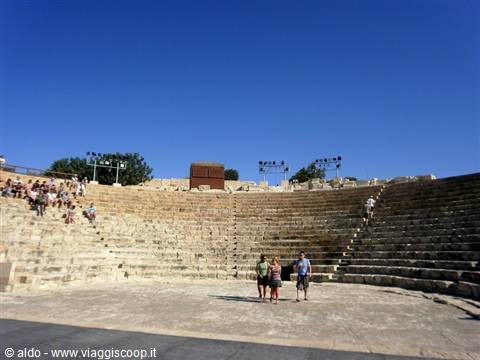
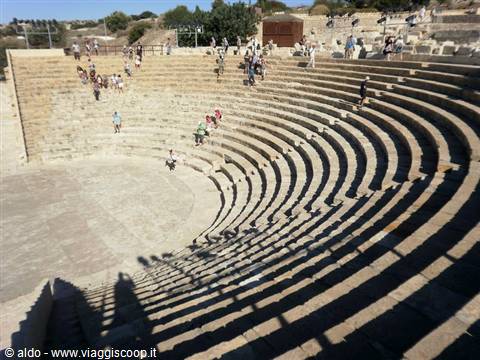
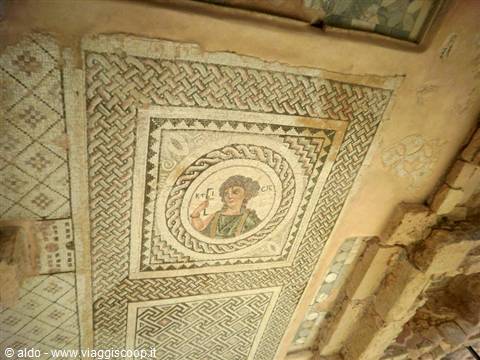
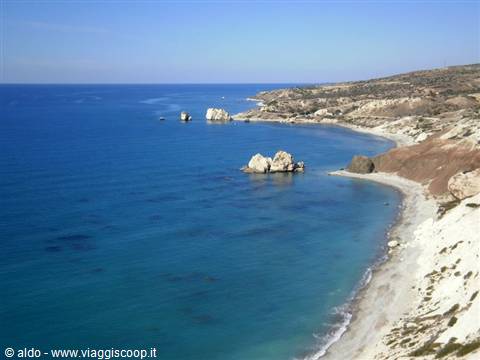
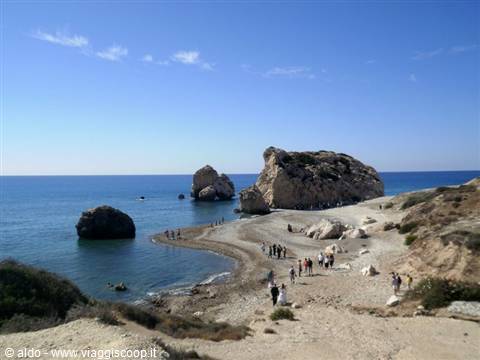
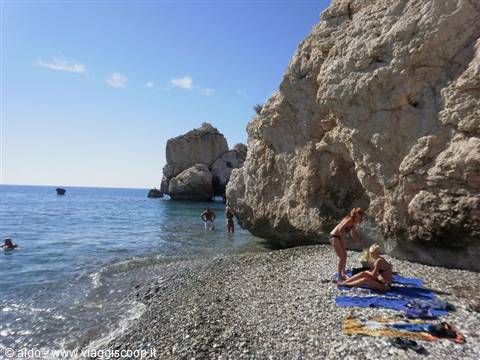
At 16.30 we take the little bus that takes us back to Lefkosia (Nicosia) and then from here the bus to return at 20.00 to Larnaca. On Friday morning we wake up early and at 8.00 the Eman Tours bus for 15 people, which will take us for the whole day on the excursion we booked with the hotel to Kourion, Aphrodite's Rock and Paphos for 30 euros. Kourion, one of the most impressive sites of the island, from the 2nd century BC, where the Greek-Roman theatre overlooking the sea stands out, the house of Eustolios with its mosaics, the remains of the basilica, the baptistery and the stadium. Having visited it, we set off again towards Petra Tou Romiou, where mythology says Aphrodite was born. It is a fine stretch of coast with blue sea and the rocks from which Aphrodite emerged; the beach is of stones but the setting still deserves a short stop.
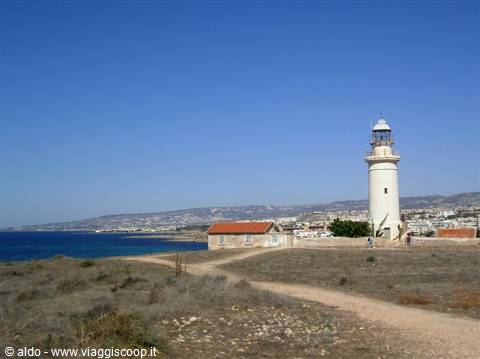
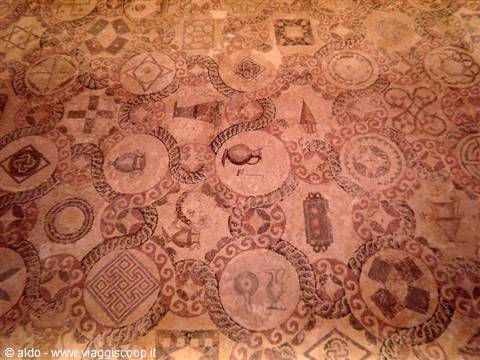
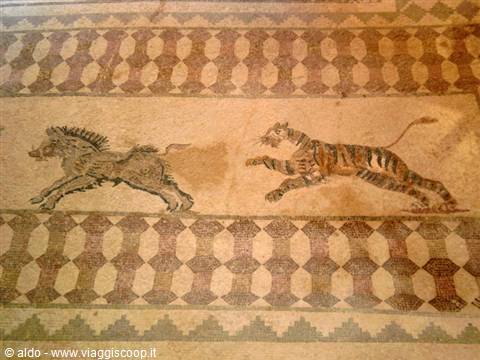
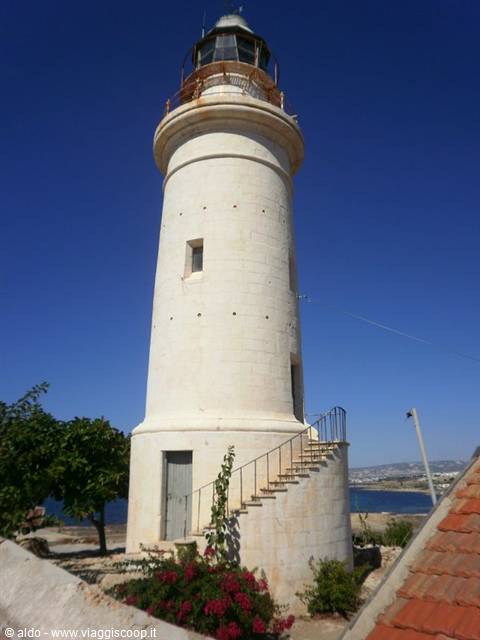
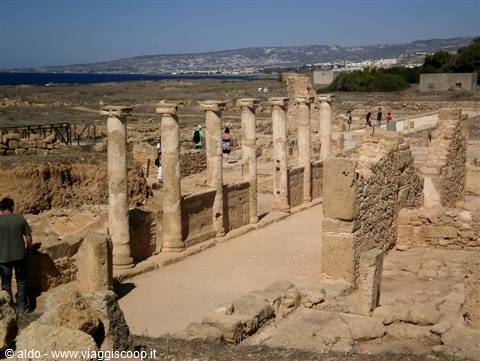
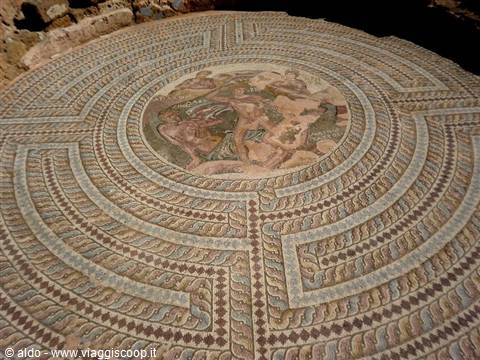
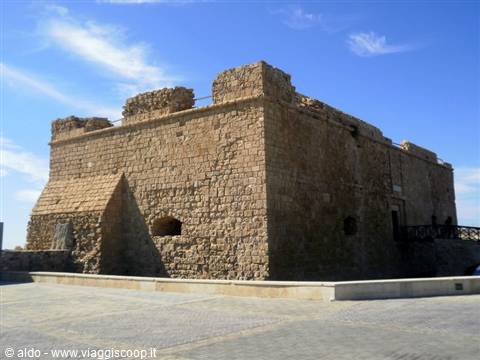
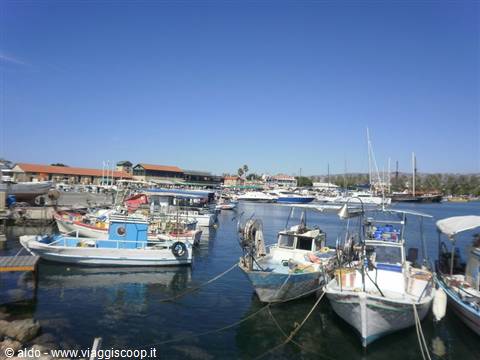
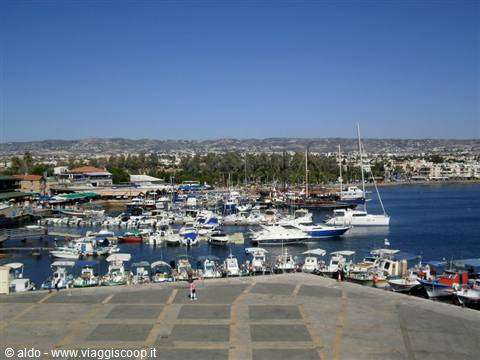
We set off again towards Paphos, where we arrive at 12.00; we go immediately to the lower part of Paphos, where on the sea is found the archaeological park of Kato Paphos, which together with the city is a UNESCO heritage site. Here you must not miss the mosaics of the house of Dionysus, of Theseus, of Aion and of Orpheus, from the period that runs from the 2nd to the 5th century AD. They are mosaic art masterpieces among the most refined in the Mediterranean. You must not miss either the Odeon, used today for theatrical performances, the ruins of the Limeniotissa basilica and the Tombs of the Kings.. We then visit the fort, originally Byzantine (euro 1.70), then rebuilt by the Ottomans. From its top you enjoy the view of the port and the bay of Kato Paphos and can take beautiful photos.
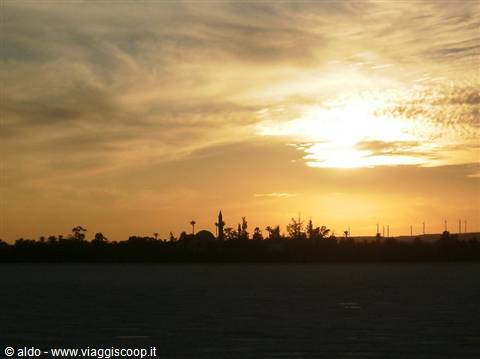
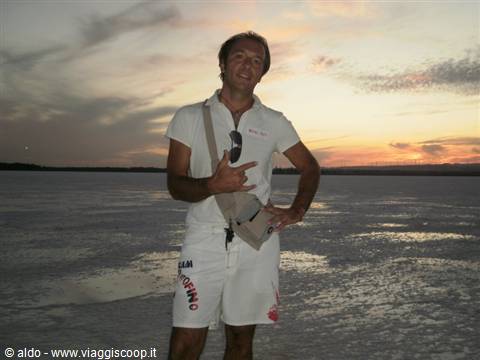
We return towards the bus, which takes us back in about 2 hours to Larnaca, where we take the opportunity to go to the salt lake and photograph the Hala Sultan Tekkesi mosque at sunset. Saturday is dedicated to ourselves, to the sea, the sun, the beach, the last purchases; the town is livelier than usual, in the centre there is the market, and in the evening everybody is out in the venues, restaurants and strolling along the seafront. On Sunday, return to Milan via Athens. I believe that Cyprus is an island that deserves to be visited: beautiful beaches of every kind, ancient archaeological sites, enchanting places like Paphos and Kyrenia (Turkish part), a city like Nicosia rich in history and today the only city in the world divided
The journey's photographs
97 photographs · click to open them full screen















0 reader comments