The story
Passing through Dunfermline, in the Scottish region of Fife, you can't help but stop at the imposing and austere abbey. Dating back to 1128 at the wish of David I of Scotland, a Benedictine monastery; its construction and completion took over 100 years, ending in 1250.
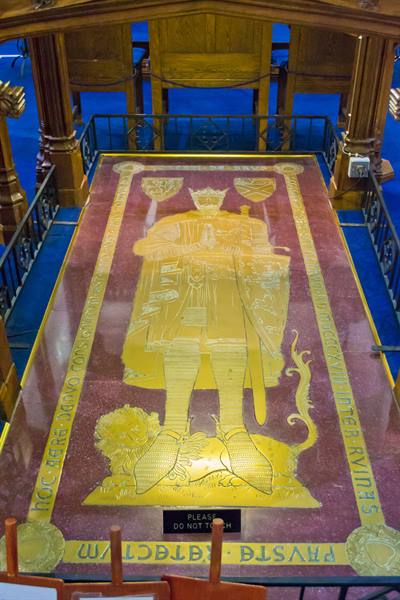
Dunfermline was a very famous place at the time, since it was right here that the King of Scotland Malcolm III married Princess Margaret, and both were buried at this Abbey. In reality the royalty of the place doesn't end there, since 200 years ago (precisely in 1818) the remains of another King of Scotland were found, the famous Robert the Bruce, who was the architect of the wars of independence from the English crown.
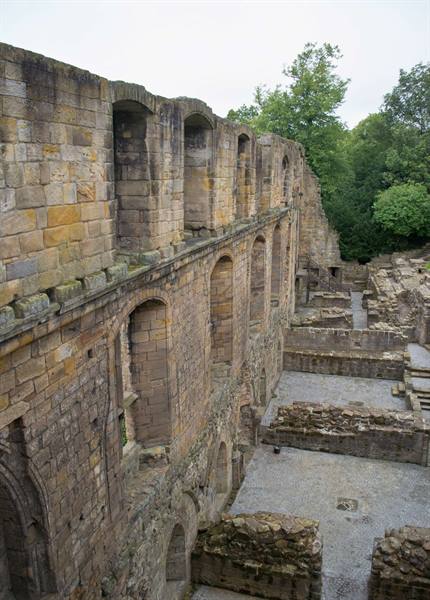
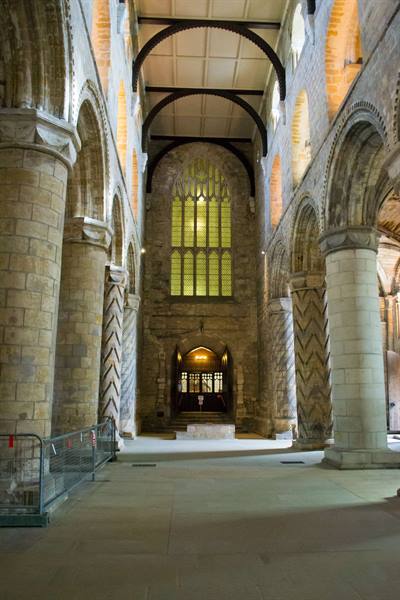
Today the complex is divided into two parts, or three to be exact: the Abbey, the Church and the Palace. Not much of the Abbey remains, to tell the truth, there are only ruins: the refectory and the nave of the old church and the wonderful Romanesque and Gothic windows. This is the only paid part of the site, entry costs £3.70 and frankly I'd advise you to skip it (unless, like us, you have bought the Scotland Pass that gives you free access to the site). In fact there isn't much to see: the ruins are clearly visible from outside too, and unless you plan to take a walk among the ruins it really isn't worth it.
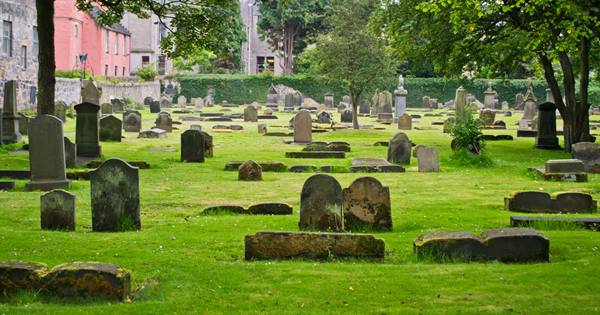
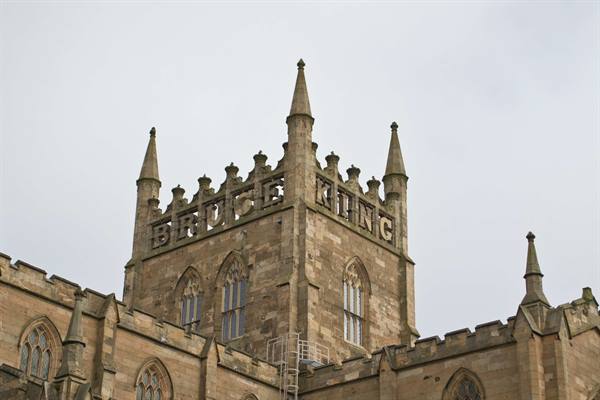
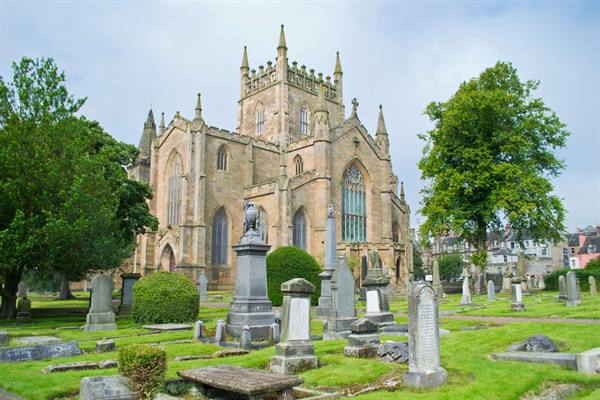
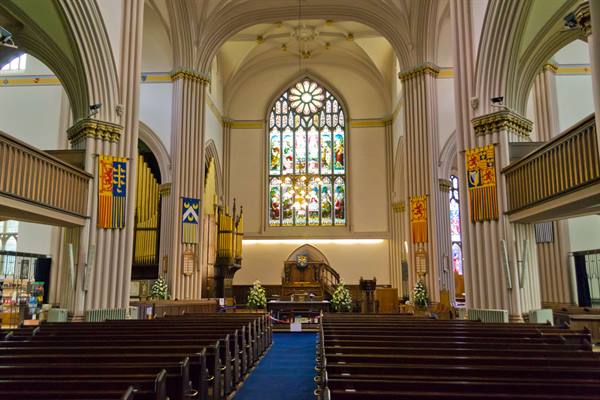
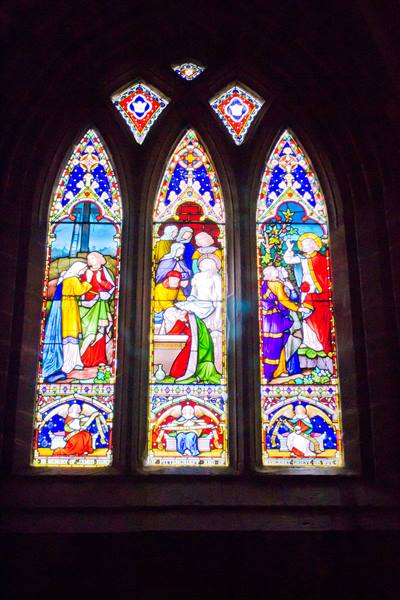
The church, on the other hand, stands next to the old Abbey and this is wonderful both outside and inside, where near the central nave is the place where the remains of Robert the Bruce have been moved. The Church deserves a visit even though there is a strong contrast between the wonderful, historic exterior and the interior, which is almost completely new and rebuilt.
The third site to see is included in the Abbey ticket and is Dunfermline Palace, once used as the abbey's guesthouse, transformed into a palace by James VI, and his son Charles I was born right here. In my view the adjacent Pittencrieff Park, kept in impeccable condition, is worth a lovely walk.
An important note: the church is closed to visitors from October to April, a period during which it is open only for religious services, while it can be visited free of charge from April to the end of September from 10.00 to 16.30 (14.00 to 16.30 on Sundays). Obviously the Abbey, which charges, can be visited throughout the year with different hours.
The journey's photographs
8 photographs · click to open them full screen
0 reader comments