Excursion to Lanzarote
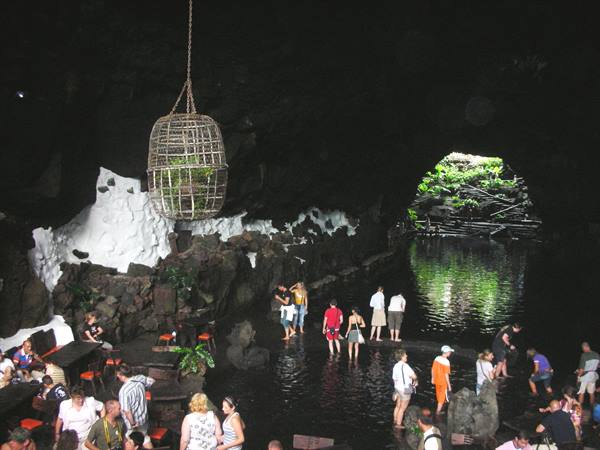
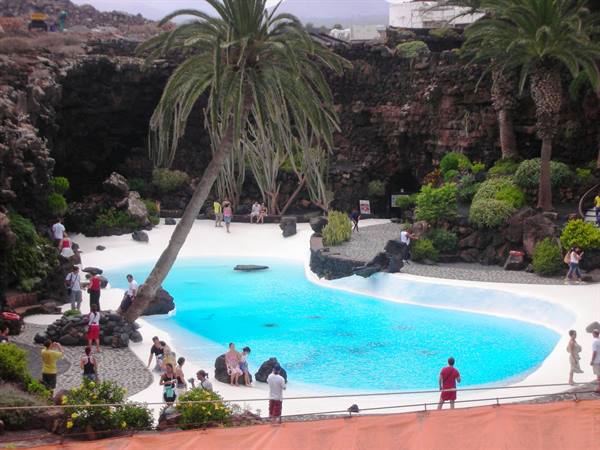
Jameos del Agua: At Jameos del Agua, Manrique created a fantastic and beautiful place, which for years has attracted huge numbers of tourists and curious visitors eager to see a surreal spot with endless beauties. The lava cone that was formed during a great volcanic eruption, through which the lava flowed down to the sea, emptied itself of the incandescent lava and cooled over time. The ceiling of the cone in some places collapsed under its own weight and created openings that let light filter into the volcanic, black cone. In this inhospitable place, an artificial lake of salt water has formed, since we are very close to the sea, and in it many little crabs of a protected and unique species have found a home: the blind albino crab, which usually lives on the lightless ocean floor.
The water of the lake is freezing cold and there is little light at this point, so in this surreal place Manrique created a botanical garden, a centre equipped with a large theatre/meeting and concert hall, a luxurious restaurant with rooms and dance floors that at high tide fill with seawater…a unique and inimitable pool. Among the black walls of volcanic rock and the green of the botanical garden, a pool with a white bottom and bright blue water stands out like a fistful of light in the darkness. The place is a destination for great figures and hosts important dinners, meetings, actors, and poor tourists who just want to see this magical place and cross the lake of the little crabs via a flooded walkway to see the beauties of nature.
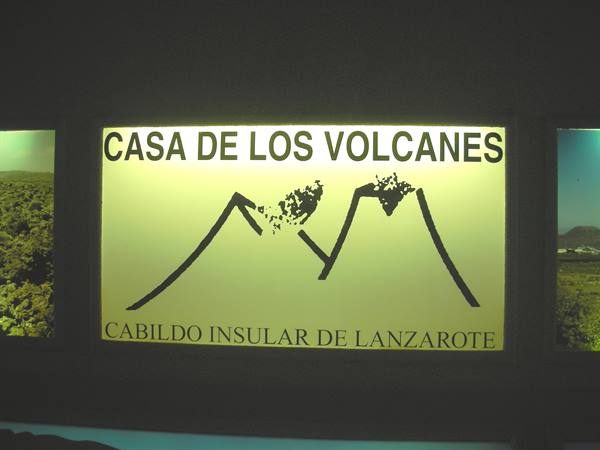
Here is also headquartered the famous House of the Volcanoes, a centre for the study of volcanic activity in the Canaries and beyond, a museum and repository of the history of volcanoes over the centuries. It all leaves you breathless for the colours, the discoveries, and the beauties. We are a stone's throw from the sea and the coast; the place has an admission fee, but what you see is priceless.
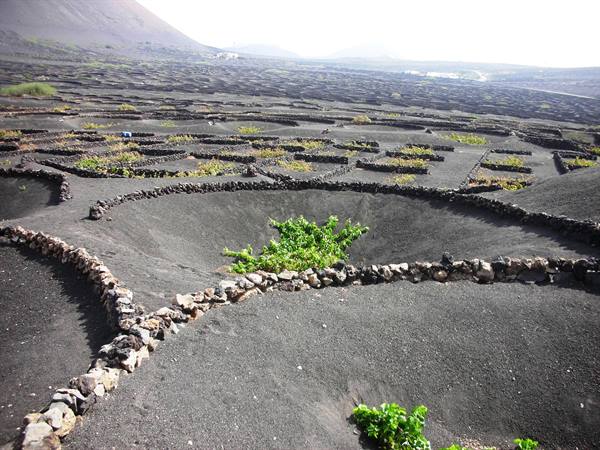
The vineyards of La Geria. The vineyard area of Lanzarote is an elevated and peculiar area; you get there by going from Timanfaya heading north. The fields are cultivated using methods unique in the world, since the soil is not favourable for cultivation given the surface layer of ash and the strong wind that here too blows relentlessly all year round…so the growers sharpened their wits and dug holes in the ground down to the fertile part of the soil to plant the vines, which are then protected from the wind by building small stone walls for each individual plant. The result is painstaking, intensive manual labour and a typical, singular landscape.
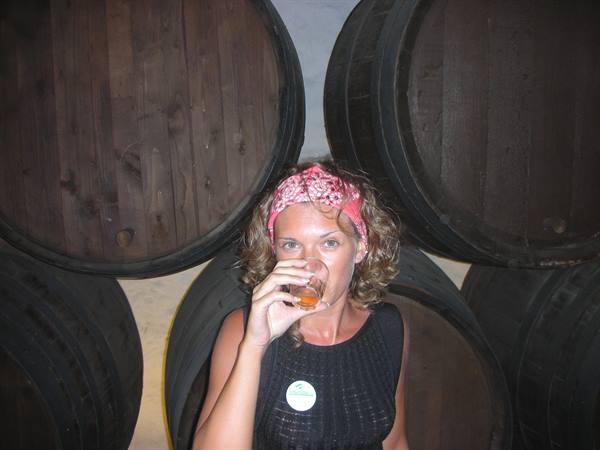
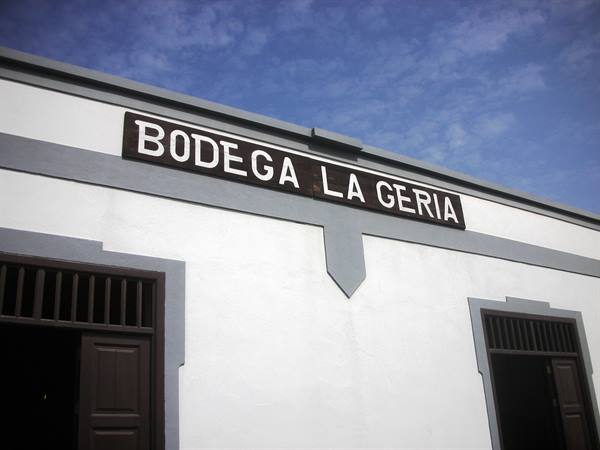
In the vineyard area there is also an important wine estate called La Geria, complete with a souvenir shop and a bar where you can taste the wine produced there, from red to white, acidic wines not too pleasing to the palate of Italians, so well accustomed to our sacred wines. La Geria is a typical place with wooden barrels, a large car park, an area for strolling and admiring the spot. The most famous wine produced in Lanzarote is Malvasia.
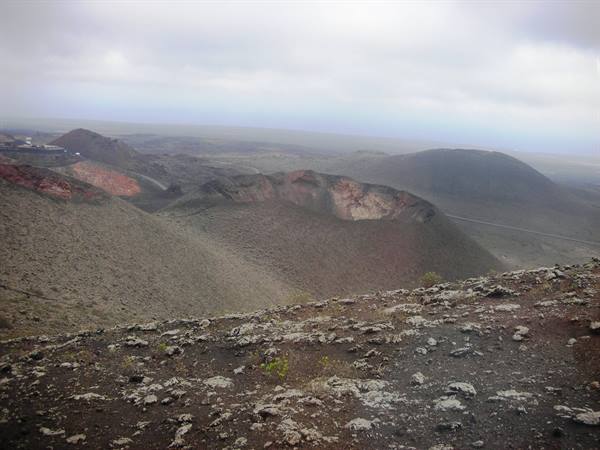
Timanfaya National Park: In Lanzarote, near Yaiza, there is an area declared a World Heritage Site and Biosphere Reserve; it is the largest existing hardened lava flow and constitutes a national park called Timanfaya. The place is utterly original and unique; you reach the entrance gates and already the landscape all around is sinister and rocky. The starting point, as well as the general meeting point, is a place protected from the heat of the ground with a restaurant that uses the heat of the volcanic subsoil to cook, a souvenir shop, and a few spots where experiments are carried out with the heat coming from the subsoil. We are talking about a hardened volcanic flow that has changed the landscape of part of Lanzarote, creating a rocky and astounding place.
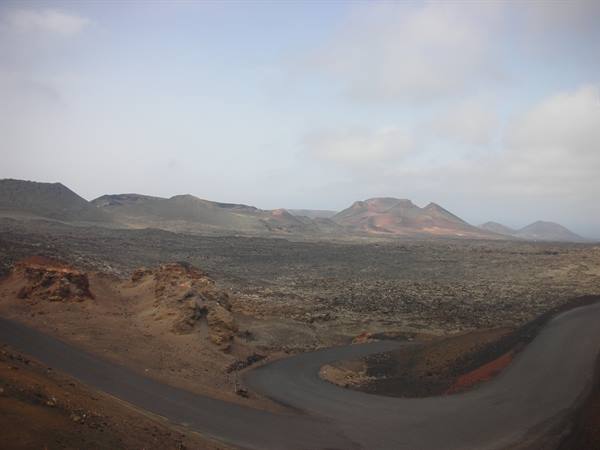
The tour of the lava flow can only be done aboard organised buses and not on your own; all the roads are built with specific materials such as basalt and glass to protect against the heat emitted by the ground, which would otherwise melt everything. The flow is kilometres long, unique, original, and very beautiful. Kilometres of hardened volcanic rock that over the years has taken on strange shapes and colours, like a lunar landscape. You can still see the hardened flows of years piled one on top of another, the tongues of hardened lava in a range of colours such as the classic black, yellow, red, green; some volcanoes of Lanzarote are still active and are monitored by the House of the Volcanoes, a structure at Jameos del Agua that monitors all the volcanic activity of the Canaries, the volcanic archipelago par excellence.
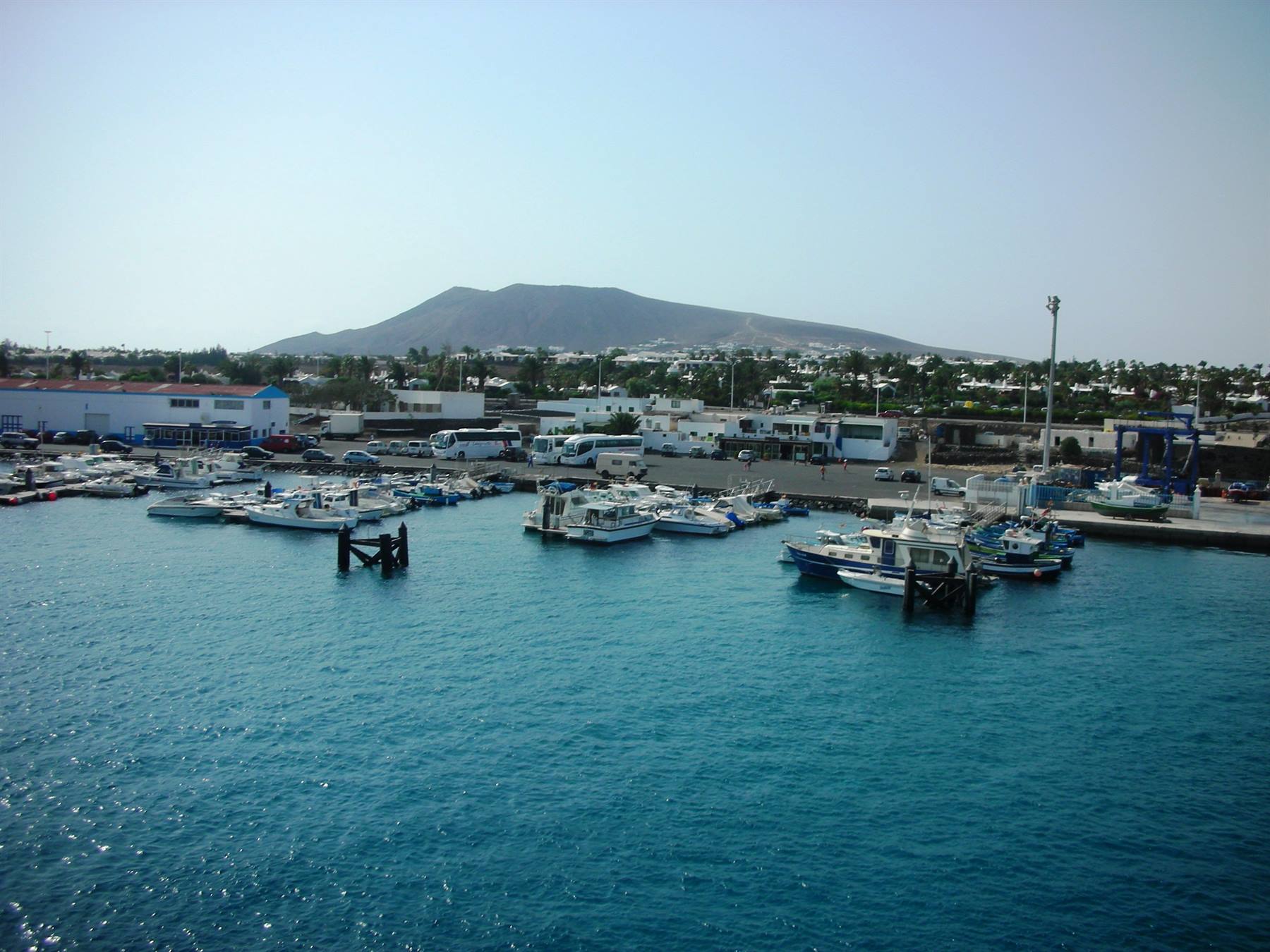
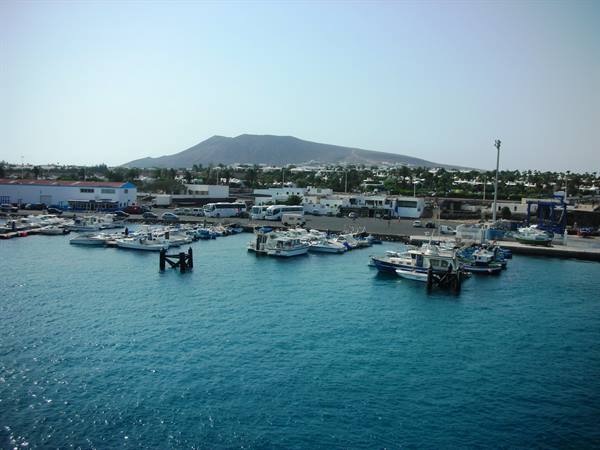
Lanzarote has 365 volcanoes on it and the lava flow of Yaiza lasted for 6 long years and increased the surface area of the island. It is a disturbingly beautiful and distinctive landscape. The narration during the visit of the history of the eruptions of Yaiza is astonishing. You can eat in the park's restaurant, where many dishes are cooked in the great natural oven, which is a hole in the ground from which a very intense heat comes, allowing the food to be cooked. The visit is unique and unmissable, and Lanzarote is reachable from Fuerteventura with a little more than an hour's ferry crossing from the port of Corralejo. Lanzarote is a very beautiful and wild island; Timanfaya is a unique attraction and must be experienced. Among the lava flows stretches a route used only by buses for the guided tour.
I don't think the price of the visit is very high, since we paid a single fee for the entire excursion in Lanzarote. The island of Lanzarote is called the island of volcanoes because there is one for every day of the year. The landscape is majestic!!!


0 reader comments