Andalusia is the region of Spain that many consider the most beautiful, and partly because a fantastic deal came up with Ryanair to Seville, partly because the summer is scorching hot and for us it is harder to get away in September or in spring, we seized the opportunity and went at the end of January. We spent 8 nights and 9 days there, and even though we missed the gardens in bloom or the courtyards full of geraniums in Cordoba, everything seemed beautiful to us and, indeed, some landscapes, both urban and mountain, between the presence of snow and that rare presence of fog, gained a touch of magic! We hired a car as soon as we arrived in Seville and returned it, also at the airport, 2 days before departure, since we would spend those days visiting the city.
As always it was really difficult to make a choice, because from various accounts I had read, I had understood that Andalusia does not boil down to Seville-Cordoba-Granada, because it is full of characterful villages, of incredible nature and because it has many very different, truly unique landscapes. Since I had become fixated on a mine unique in the world located north-west of Seville, the Riotinto Mining Park, and since in January you can visit it by little train only on Sundays, I literally built the whole 2600 km route around it, also trying to take into account all the opening times of the museums, churches and monuments we considered truly unmissable in every city. So, as you can easily imagine, the research done was not insignificant. In the end, however, we were satisfied with everything, with the only exception of the Tabernas desert.
Among the things we would have liked to see, but which it proved truly impossible for me to 'slot in' to the trip, were Tarifa and Gibraltar, but no great harm done, since we were delighted with the rest! We did a more or less anticlockwise loop and were satisfied with every place we slept. Lastly, in general Andalusia, like the rest of Spain for that matter, is cheaper than Italy, with the possible exception of the monuments, which on average cost the same as ours, plus some churches that charge an entrance fee. For accommodation, I paid much less in the cities, except for Cadiz, which is anyway a more expensive city than average, than in the towns.
Day 120 Jan 2015
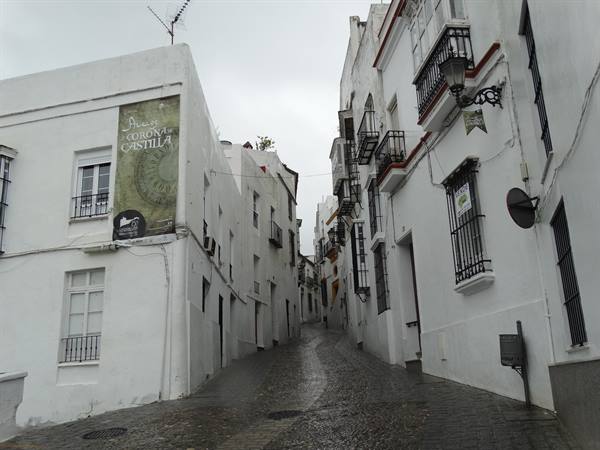
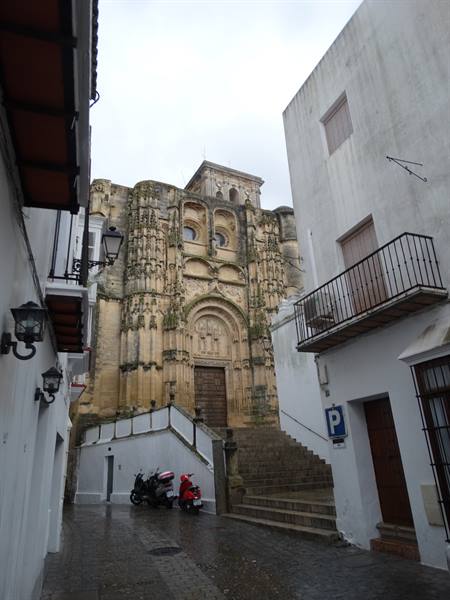
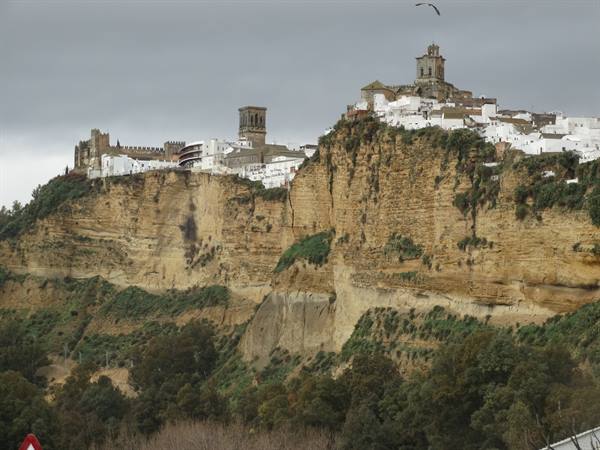
Having picked up the car hired with Budget through Rentalcars at Seville airport around 13:00, we headed straight south. Our first stop was Arcos de la Frontera, a beautiful village perched on a hill that on one side slopes gently up only to look out on the other over a cliff of remarkable height. Even though it was drizzling and almost everything was closed, the Andalusian welcome seemed to us magnificent: white houses, very narrow alleys and Baroque churches are the features that immediately strike you about this village. We ate in the small and characterful place Jovenes Flamencos where we rediscovered excellent and inexpensive Spanish cooking and appreciated the tradition of many parts of Andalusia, and certainly of the province of Granada, which consists of having at least one free tapa, at minimum the little bowl of olives.
From Arcos we headed due east, crossing the hills, which aren't really hills at all, on which the beautiful Pueblos Blancos, that is the white villages, rest. Nature is wild, the vegetation is of an insane variety, yet coexisting in an original and, to me, unusual way. Maritime pines, together with oaks, prickly pears, cycads, agaves and trees similar to firs; gentle and extremely rocky mountains, high plateaus and moorlands: all this wonder forms in part the Parque Natural de la Sierra de Grazalema. Making these incredible landscapes even more thrilling was some abundant snowfall from the previous days that covered everything in white.
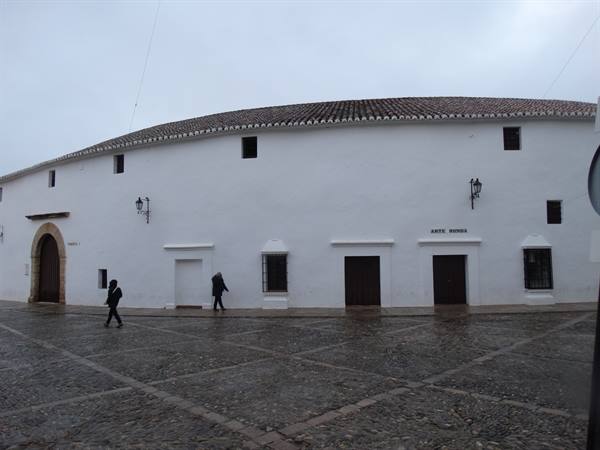
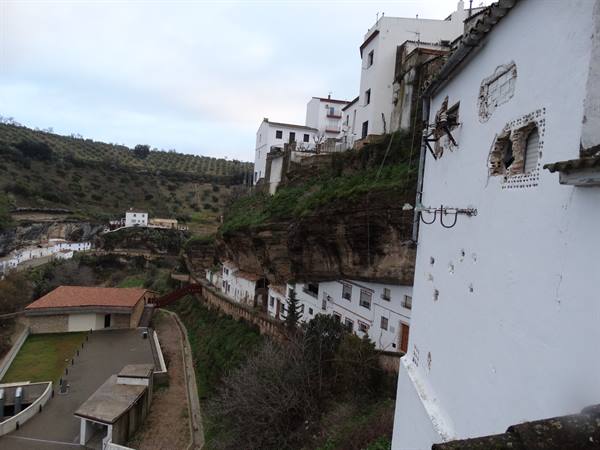
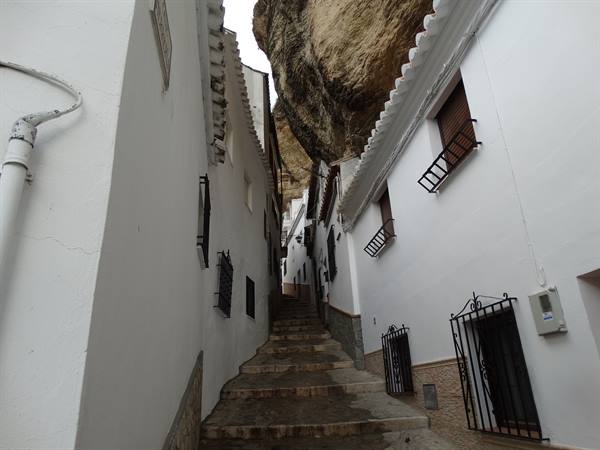
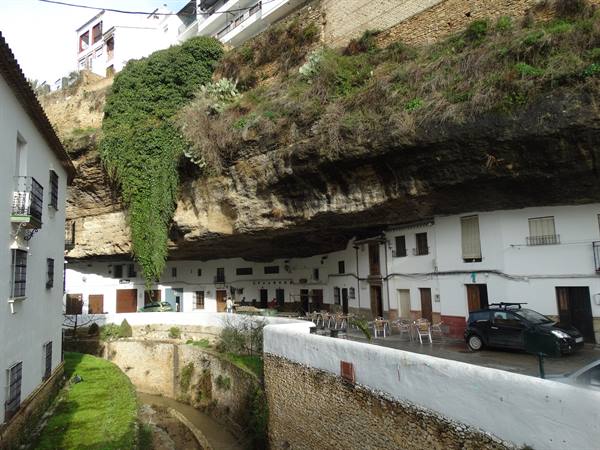
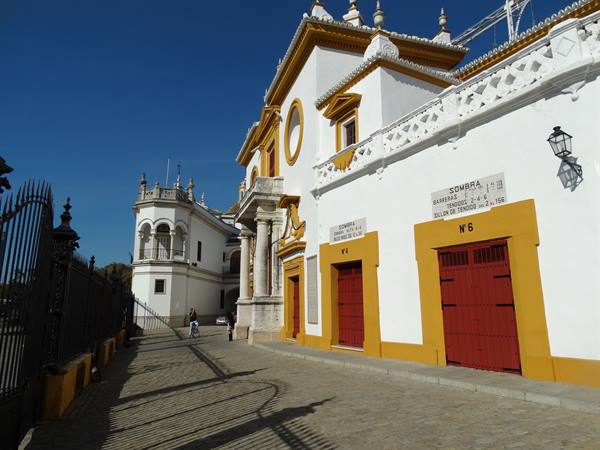
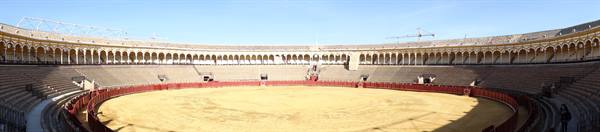
In the late afternoon we arrived at Ronda, a town famous for the oldest Plaza de Toros in Spain, which we could only see from the outside, and for the fact that this town was built right up against and on top of an actual canyon, at a truly vertiginous height. However, perhaps because of the late hour, because everything worth visiting was closed, and because of the persistent drizzle, in short, we didn't much like Ronda. Finally we headed to the last stop of the day: Setenil de la Bodega, where we slept in the excellent Hotel de Setenil. A village built with cave dwellings set among incredible granite rocks, almost completely off the usual tourist routes for no justifiable reason at all, and discovered truly by chance: an absolute spectacle! Finding almost everything closed, we had dinner in the hotel restaurant.
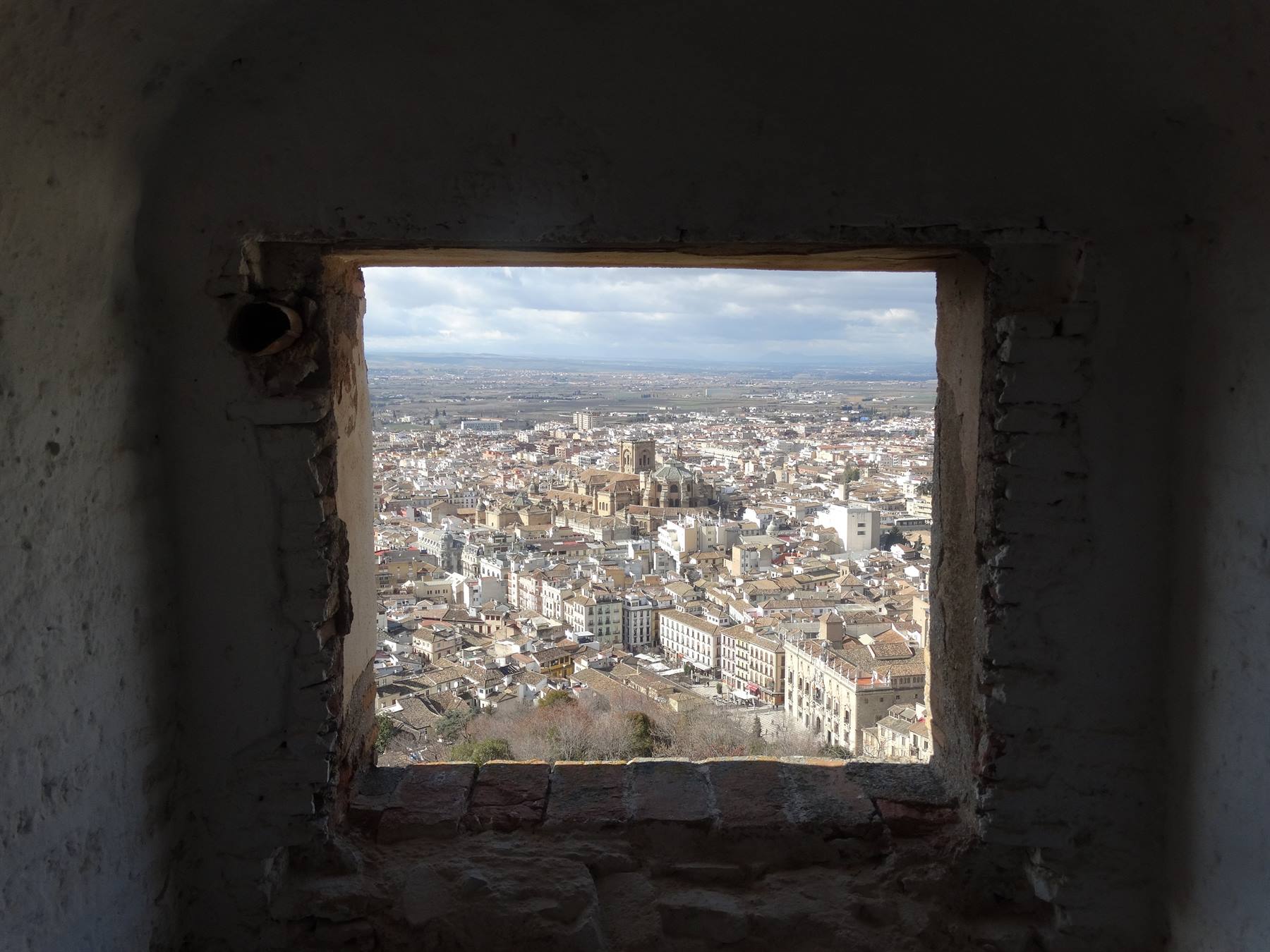
Granada
Day 221 Jan 2015
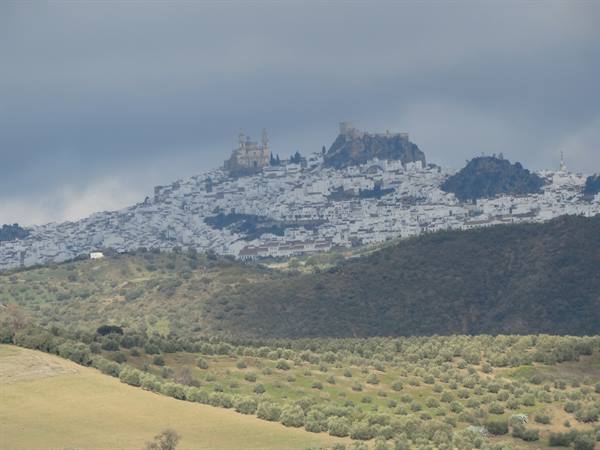
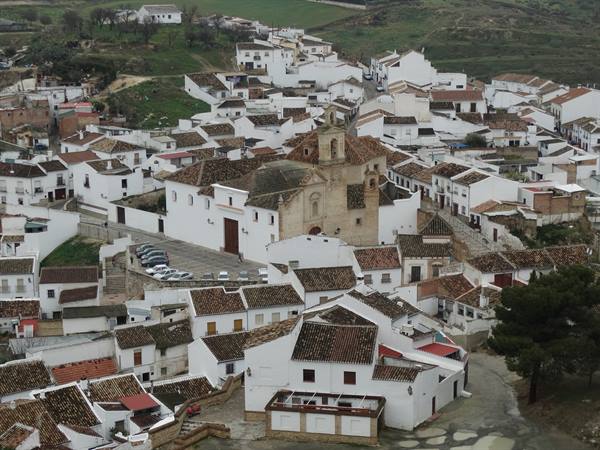
Continuing always eastward, we stop at Antequera, another beautiful town that boasts the largest number of churches in all of Spain. Indeed, from the hill on which the Alcazaba, that is the Moorish castle, stands, bell towers sprout in great numbers amid the sea of white buildings. Here also stands out the beautiful Collegiate Church of Santa Maria, whose admission ticket, for a couple of euros more, allows entry, precisely, to the Alcazaba. An audio guide, included in the price, lets us begin to enter the world and the history of Andalusia, the beautiful Moorish Al-Andalùs. Even the lower and more modern part of the town seems to us interesting and dynamic, but we can't find a new parking space and decide to resume our journey.
This parking business, however, will be, as we already knew, a problem throughout the journey: either you can't find any or they cost a lot, and even taking into account this not insignificant aspect, I had to choose all the places to sleep, with the exception of Seville, where we would no longer have the car. Bear in mind also that many streets in the villages and not only are truly HORRIBLY narrow, so be careful about the car you pick! We reach Granada in a little over an hour. Here I chose to sleep at the Pension Suecia, because it's not far on foot from more than one place of interest, for its modest cost and because I had read that in the area it's possible (with a bit of luck) to find free parking.
In fact, it goes even better for us! The Pension is located in a small oasis set apart from traffic along with other small buildings and little villas and has some internal parking spaces and perhaps, since it's winter and there isn't a great influx of tourists, the owner allows us to leave the car within these little courtyards, even though there is in reality a no-parking rule. Fantastic, also because for 2 days we won't use it and, beyond the big saving, we have it safe and always under our eyes! The Pension is a little villa in a somewhat Art Nouveau style located below the hill on which the Alhambra stands, though you can't see it from here. The common areas are nice, the room is the least beautiful we'll have and the bed is a bit small, but the location is good, the owner is exquisitely kind, so I'm satisfied with the choice.
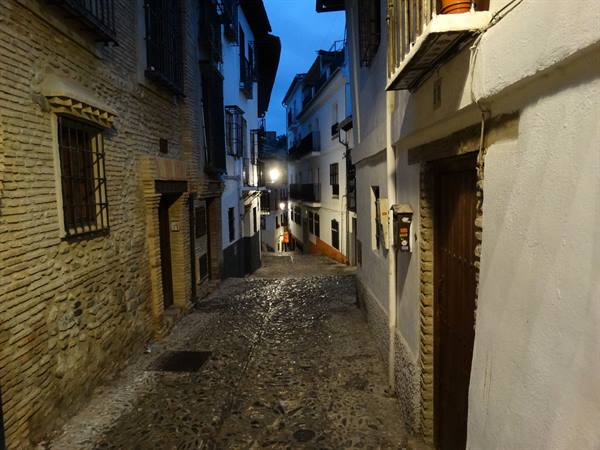
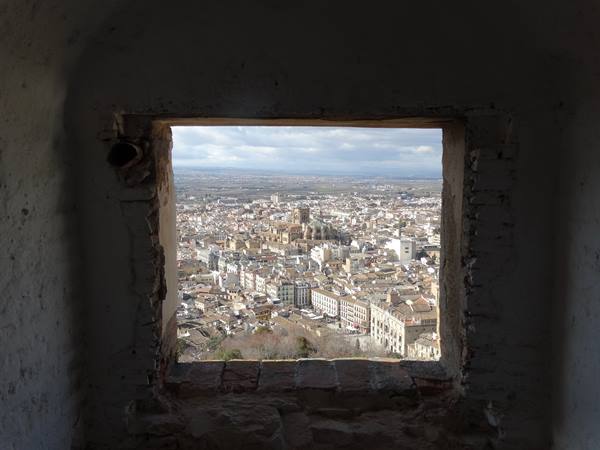
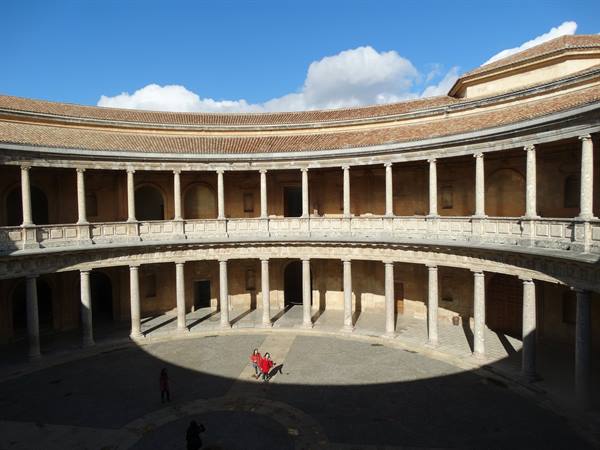
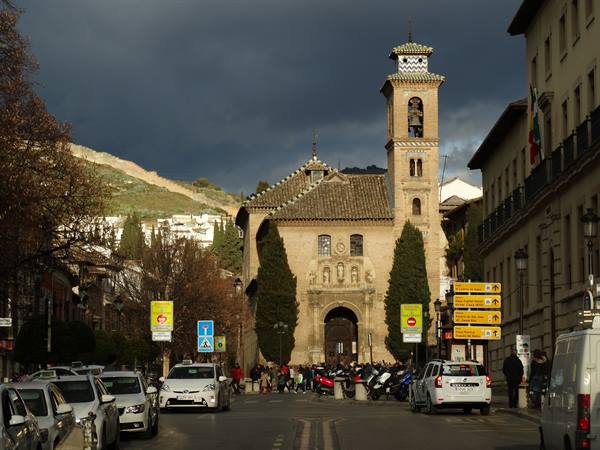
The things to visit are all reachable on foot, you know, from here here's the distance between them. All the same, in my view, everything remains a bit "scattered." Given the road layout that in many parts of the centre is truly tiny, there are several lines of small buses that connect them continuously for a few coins paid on board. We begin with the visit of the grand Cathedral, so surrounded by buildings that from outside it's absolutely impossible to grasp its dimensions or overall shape, until we see it from the heights of the hills of the Albaycin and the Alhambra. Near the Cathedral we visit the Capilla Real commissioned by some monarchs to house their tombs and perhaps more beautiful than the Cathedral itself.
Beautiful is what remains of the Madraza, the Quranic school, which can be seen with a short guided tour in English or Spanish every 15 minutes and open until 8 pm!Still in this area there's the Alcaiceiria, the old Arab souk, today full of souvenir shops, but nonetheless charming and giving some idea of what these markets were like, often hidden among other buildings. Tired and soaked by the rain that has been pestering us a bit all the time, fortunately only in the first 2 days of the journey, we find a place where we'll return to eat the next day too, because the food is excellent and because it seems to us quite authentic, the Bodega Castaneda. The free tapas are original and always different, even from one table to another: at ours, the first evening a fantastic stew and the second raw shrimp(!).
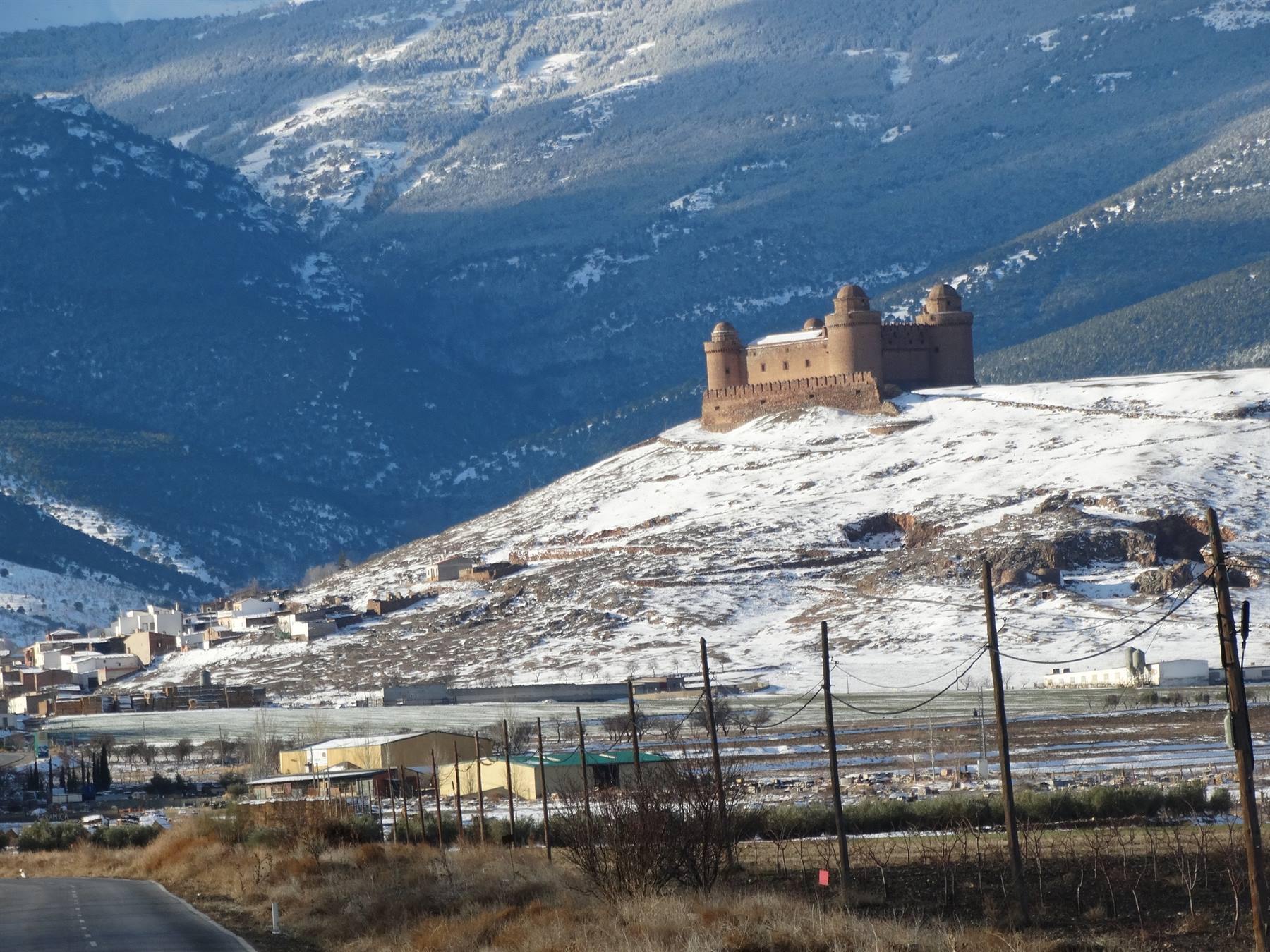
Calahorra Castle
Day 322 Jan 2015
The forecast for today was disheartening, but fortunately, for a change, totally wrong! The constraint of the day is that at 1:30 pm we have the visit booked via the internet to the Alhambra and that we must ABSOLUTELY be there with a full hour to spare. In fact we will discover that:1) perhaps because of the season we're in, but we won't find any queue to enter and we paid unnecessarily more, buying the tickets online, when normally it should be the opposite;2)The time is essential only for the staggered visit to the Palace of the Nasrids, but no one tells you this.
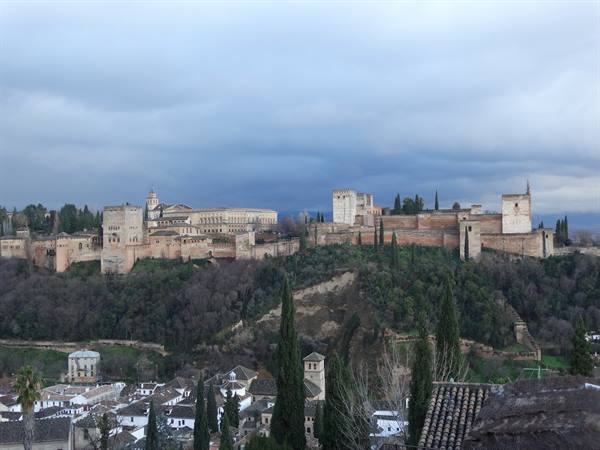
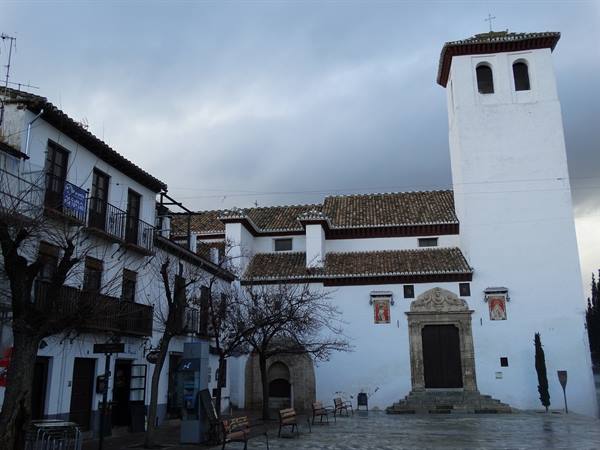
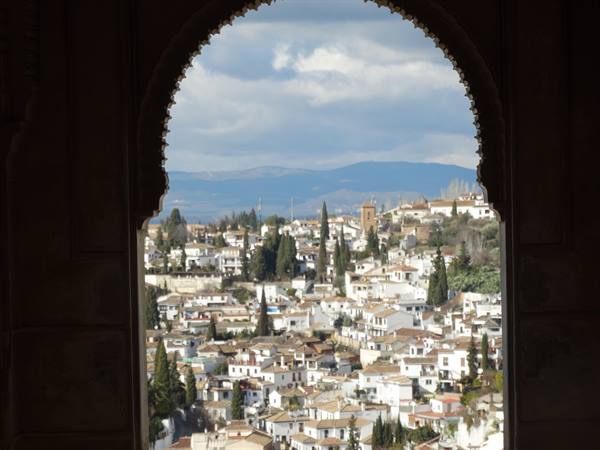
In fact the Alhambra is built on a vast area and is made up of many things to see and if one were already informed of this detail by whoever sells you the ticket, one could organize oneself slightly better and certainly experience it with less anxiety! In any case, in the morning we inspect the Albaycin quarter, a remnant of the old Arab quarter and located on the hill facing the Alhambra. It is characterful, outlined by narrow, steep little streets, churches, many miradores, that is "balconies" from which to look out over the city from different perspectives, and ancient palaces, some of which can also be visited, like casa de Zafra and casa de Porra, now a university centre.
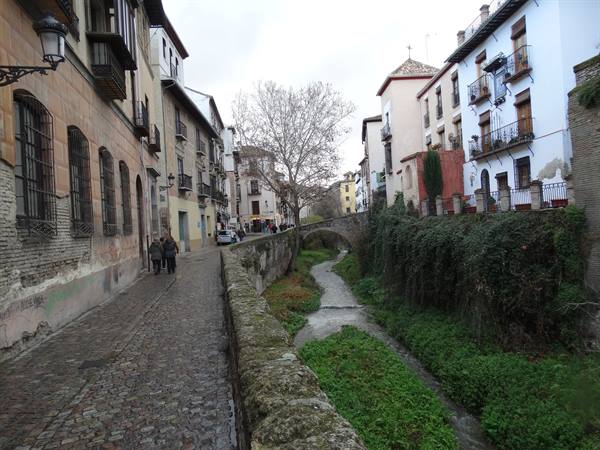
At the foot of the hill, near the Carrera del Darro, we visit the beautiful Arab Baths, a real gem, among the last remaining in Spain, and the Monastery of the Concepcion, where a very enthusiastic lady accompanies us through the very numerous rooms full of precious and truly unusual sacred objects. Highly recommended! We walk along the fascinating Carrera del Darro, a narrow and fascinating street that runs alongside the river of the same name and serves as a watershed between the 2 high hills of the Albaycin and the Alhambra and is lined with numerous sacred buildings.
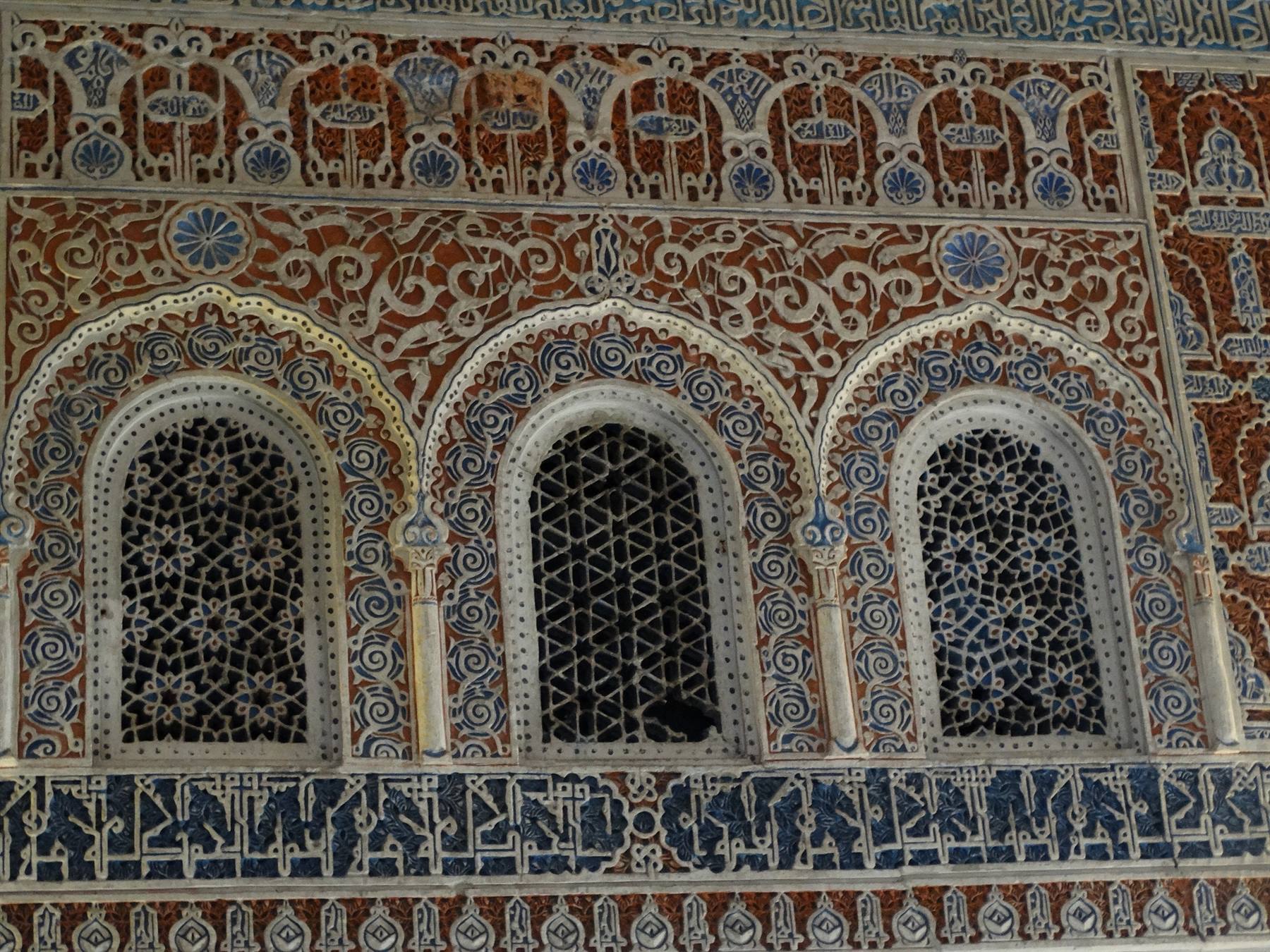
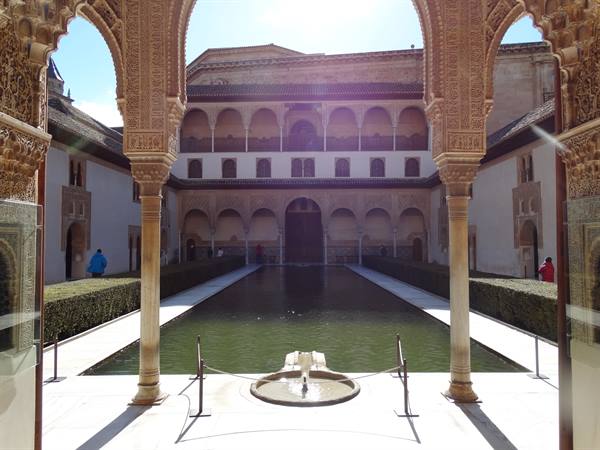
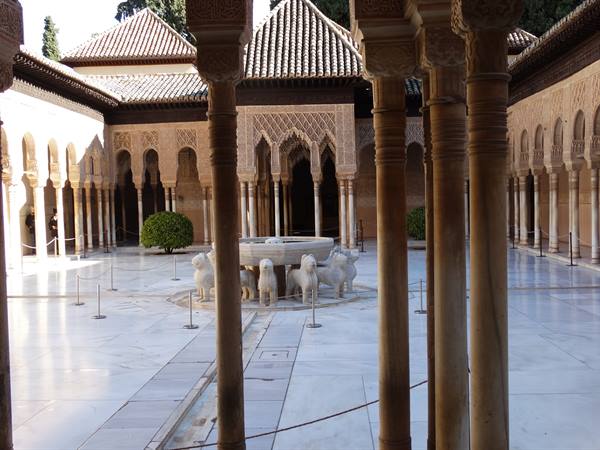
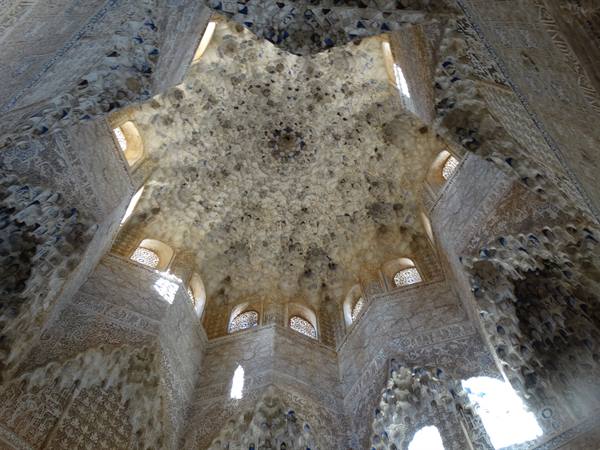
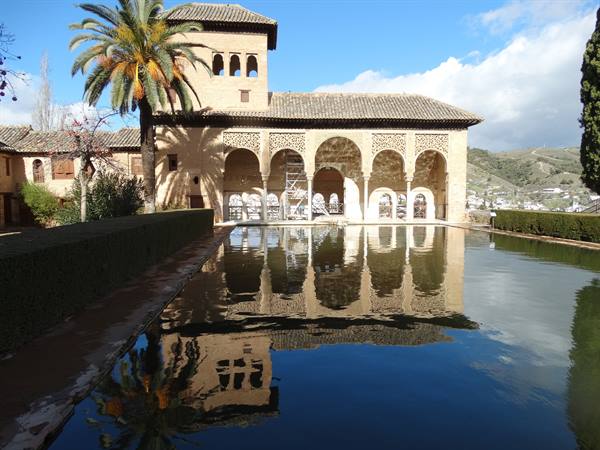
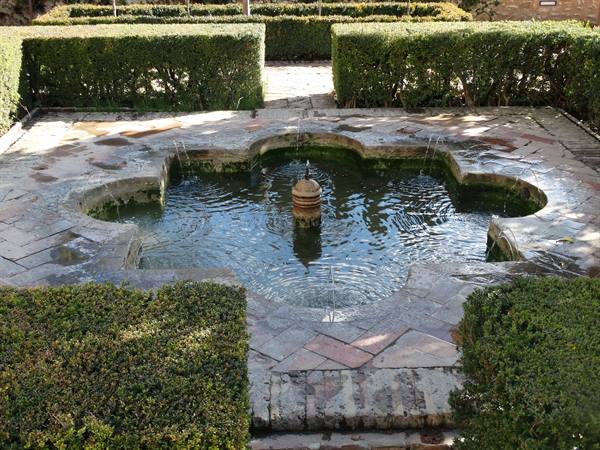
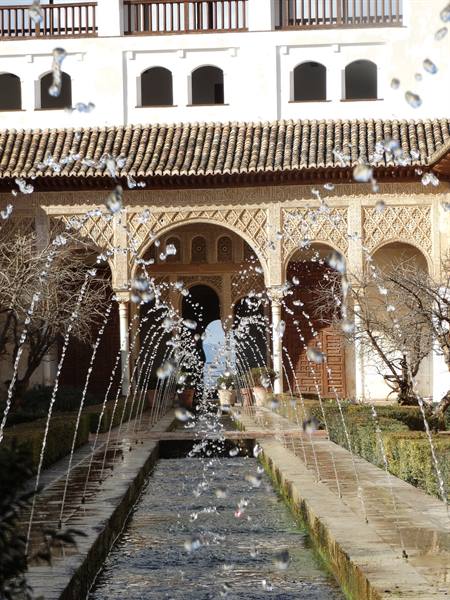
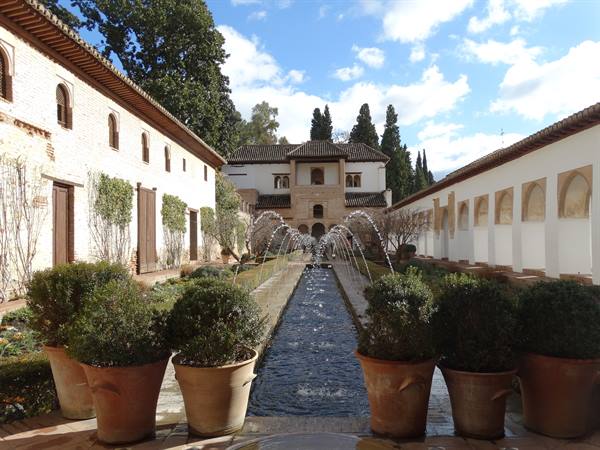
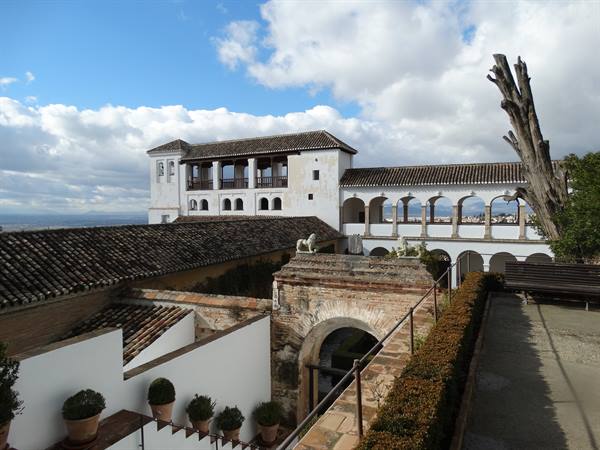
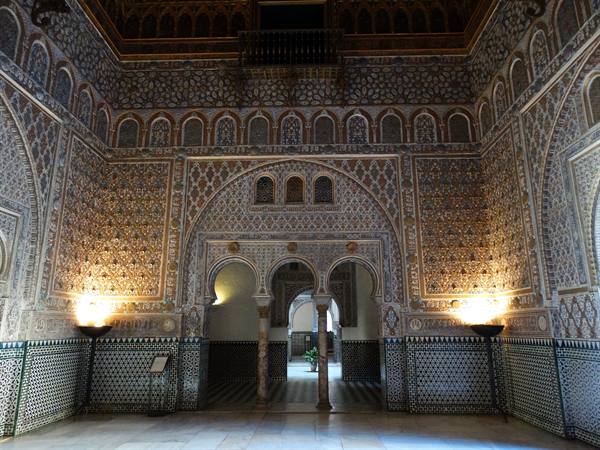
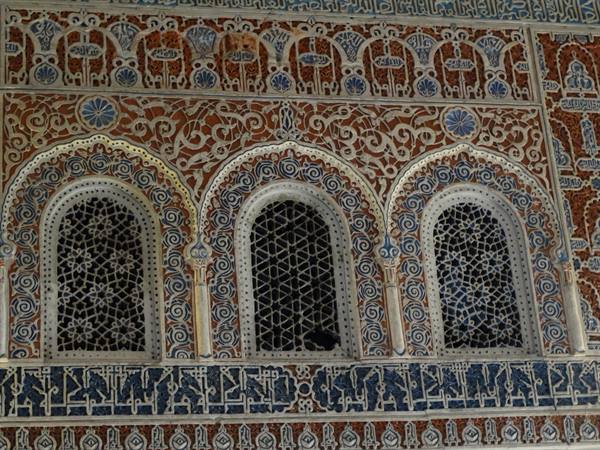
There are also many establishments on one side of it, but at this time of year the numerous little tables that in the warm season enliven the towns, but also invade them a little too much, fortunately are not there! We then climb up the hill of the Alhambra from this somewhat wild side, with the anxiety of the appointment to keep, but we make it, even managing to buy something to eat up there. On the hill we stay more than 2 hours, managing to visit everything without haste. Among all the monuments, gardens and palaces, the truly spectacular thing is the Palace of the Nasrids, full of rooms and ceremonial gardens that are a true jewel of Arab architecture.
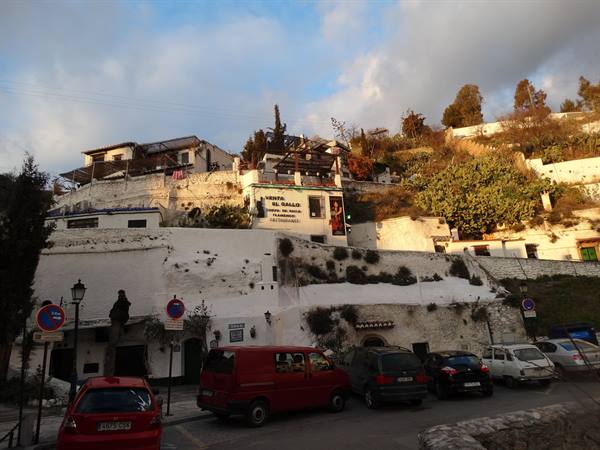
For us who have visited the imperial cities of Morocco, it's nothing new and for me this will not be the monument with a capital M of the whole journey, nevertheless it is an absolute splendour that alone would be worth a journey to this region and is also the most visited monument in Spain. Afterwards we take a bus up to the hill of the Sacromonte, the gypsy quarter where there are still some cave dwellings and which is supposed to be so characterful. To us it says absolutely nothing. For the rest of the day we wander a bit to understand this city a little better, which in the end I found fascinating and which in my ranking among the 3 main ones, I place decidedly in second place.
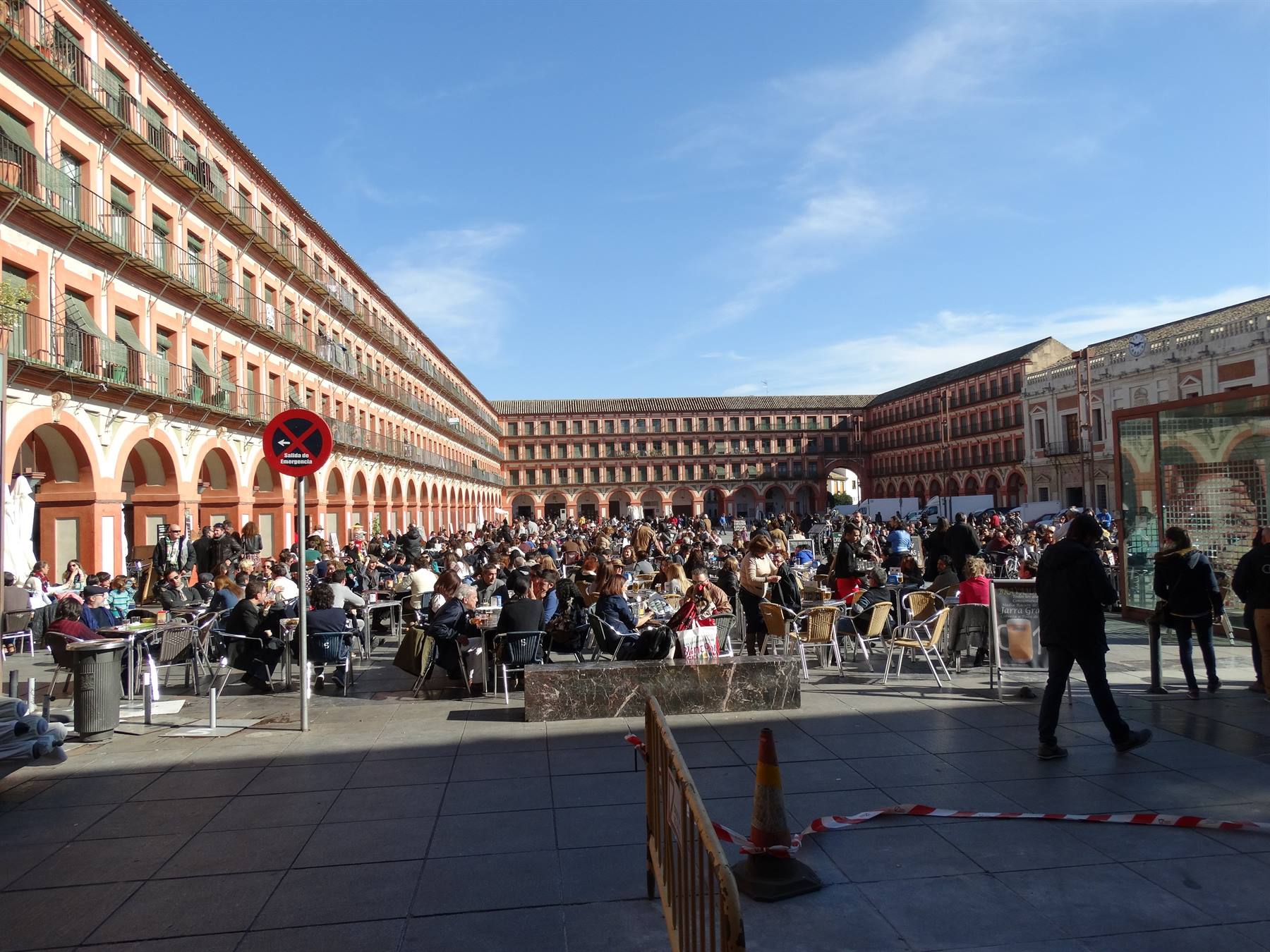
Córdoba, Plaza de la Corredera
Day 423 Jan 2015
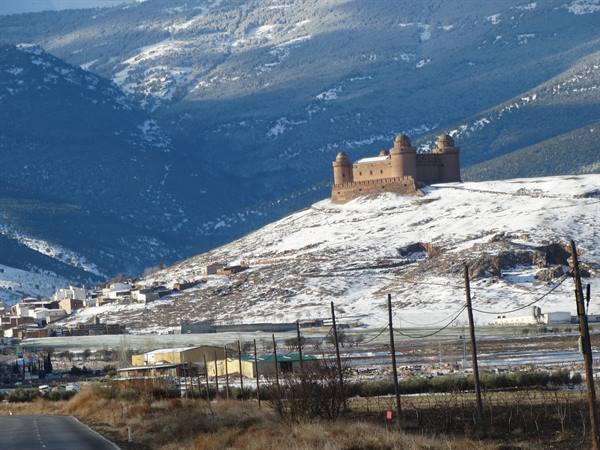
We leave Granada and head further east towards Gaudix, but having reached it, we don't stop, because our goal for the morning is the Tabernas desert, not far from Almeria. We travel along a motorway that winds over very high plateaus, practically circumnavigating the grandiose Sierra Nevada, which never as now has such an appropriate name. At the end of one of these high plains with breathtaking panoramas, which remind me, however absurd it may seem, of landscapes seen in documentaries about Mongolia, we make a very brief detour towards the Castle of Calahorra, just to look at it a little closer, since in winter it's only open on Wednesdays. It rises grandly on a little hill from which it truly dominates the whole immense valley and is located right at the mouth of the road that then leads south, towards the sea.
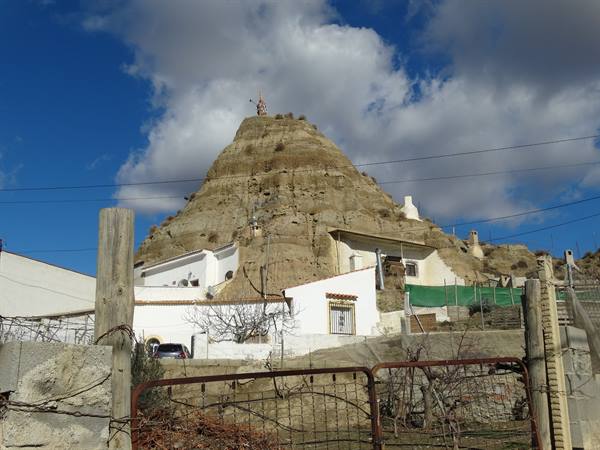
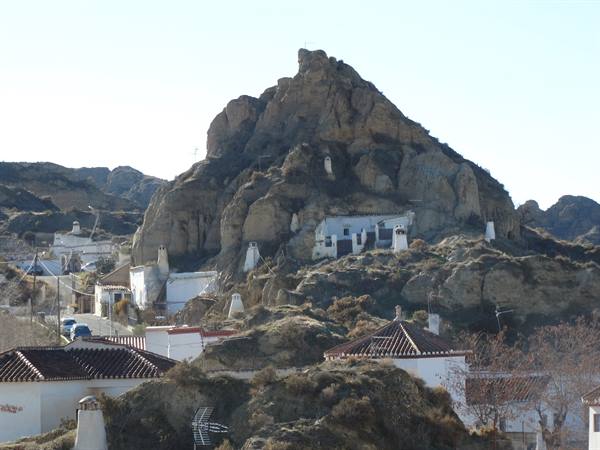
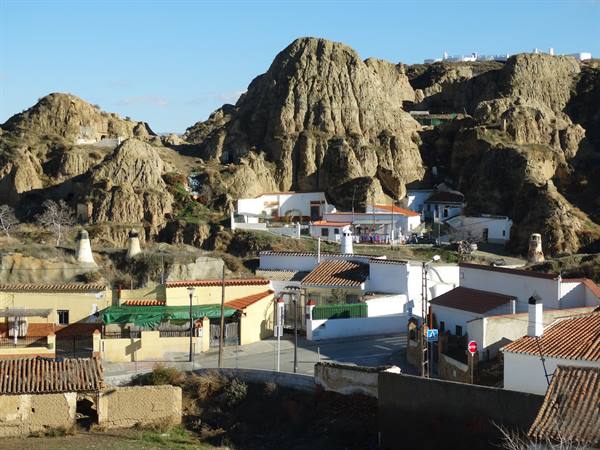
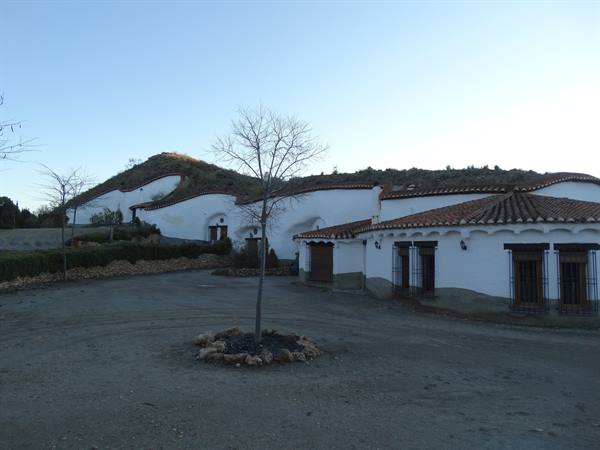
We set off again for the desert, to reach which we go a full 150 km out of our way: a total rip-off. It seems only a somewhat arid area…but not even that much. Thoroughly annoyed by this blunder I had made, we retrace our steps a good 75 km, which bring us to the next super-cool hotel in Alcudia de Gaudiz, the Cuevas del Zenete. Cuevas means "caves" and indeed these are little houses built one after another, on a single storey and..completely dug into the limestone hill, because this village, like Gaudix, Purullena and others, is full of these cave dwellings which, unlike those of Setenil, where they were built among blocks of granite, are dug into hills of softer material, sometimes clayey and sometimes limestone, and which in certain cases strongly recall the Fairy Chimneys of Cappadocia.
Our cuevas are fantastic, furnished with great taste and with a nice fireplace that we'll then light in the evening: for €6 you can get a phenomenal quantity of firewood. The nickname we'll give to this magical place, with its cold climate and deep blue skies, is the Hobbit thing!We set off again for Purullena, the pottery village, where we visit the interior of one of these houses turned into a museum and which from the inside is even more unsettling, because it seems like an anthill! Cave dwellings means houses dug into the earth or nestled in it, and in these parts it has been established that people lived in them already a million years ago.
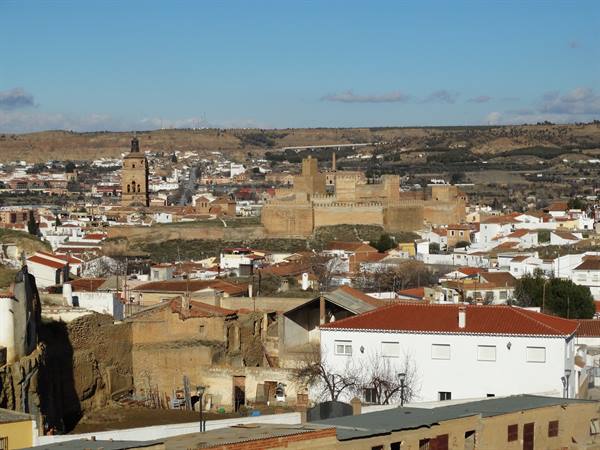
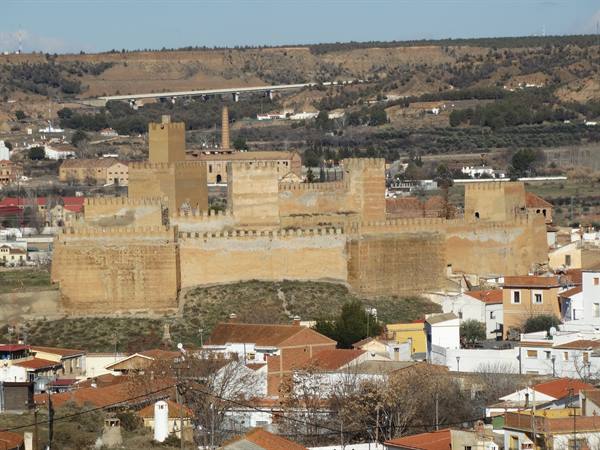
Then we go to Gaudix, where besides the numerous houses of this type, which are sometimes recognizable only by the smoke from the chimney…which are found on the very numerous little hills, the great Cathedral in Gothic-Renaissance style and the Arab fortress or Alcazaba also stand out, unfortunately closed. In the evening we'll have dinner in Alcudìa.
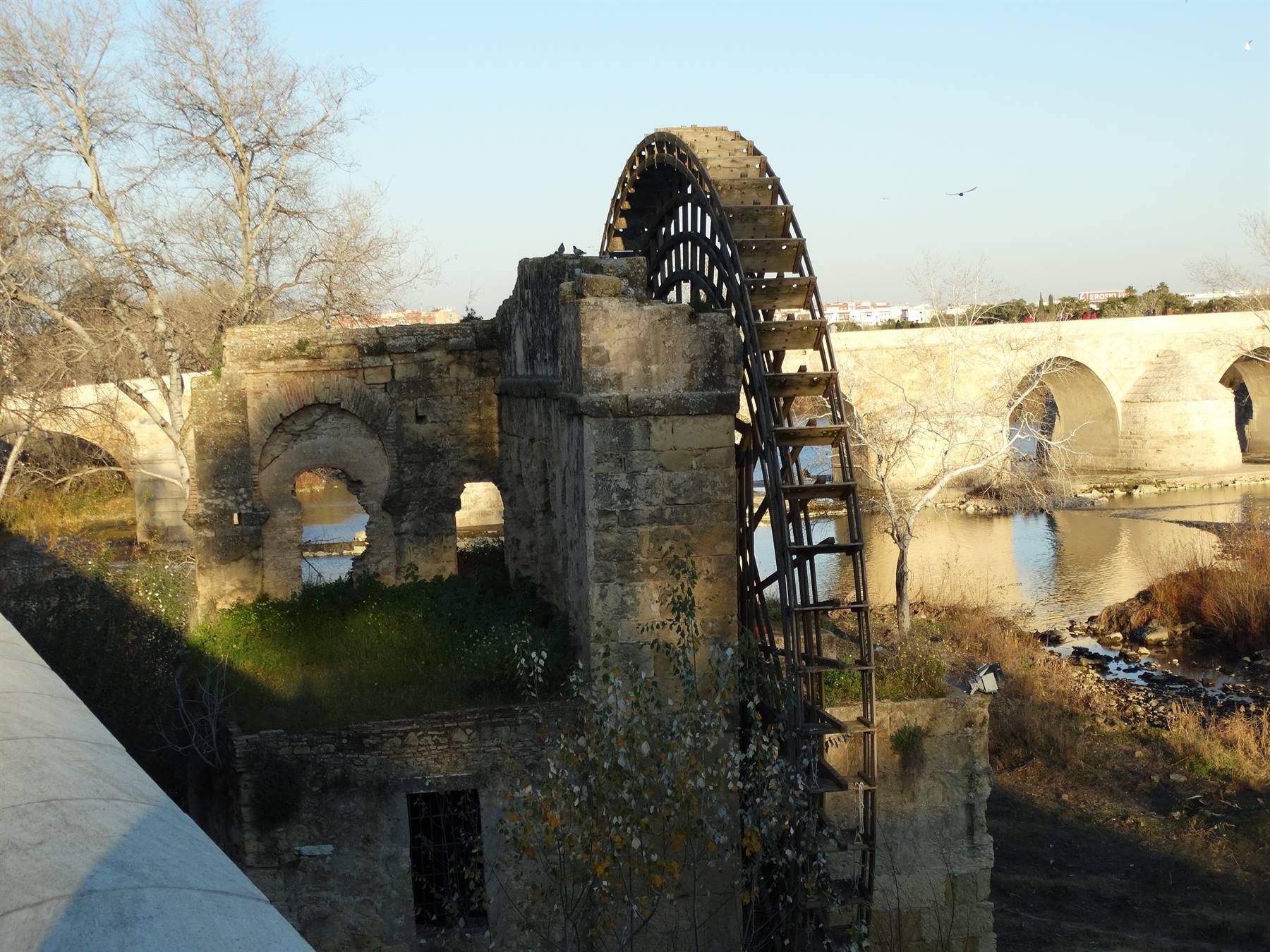
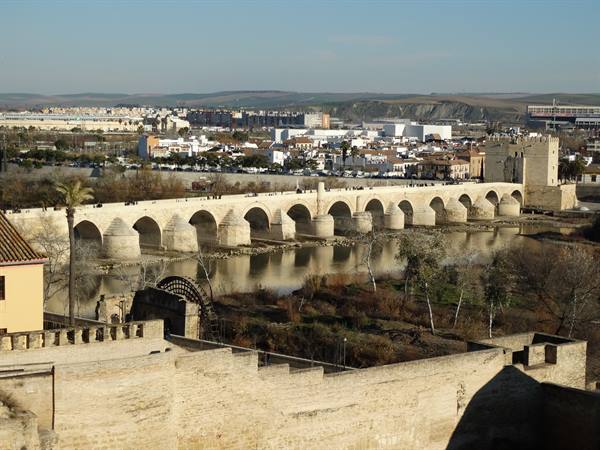
Córdoba, the mill near the Roman Bridge
Day 524 Jan 2015
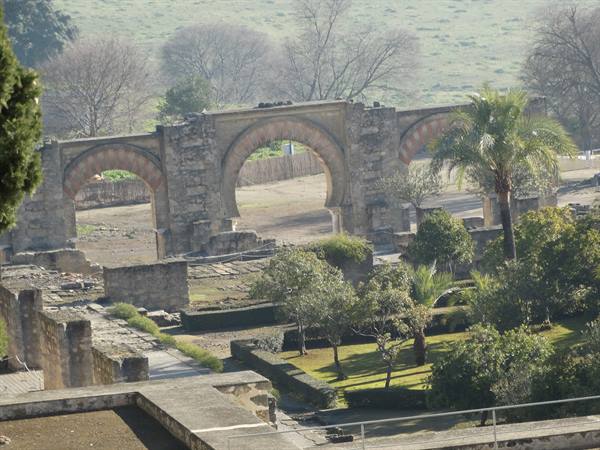
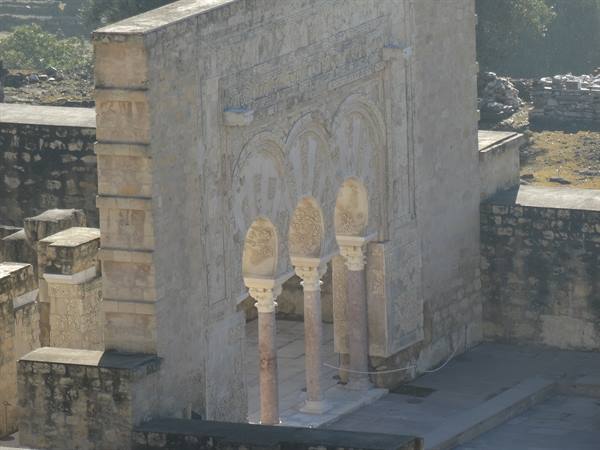
We leave the "upper" province of Granada and descend literally back west. The new stop awaiting us is Cordoba, where we have extremely tight timing, since we stay there only one night and the next morning by 7:30 we have to set off again to go to the Rio Tinto Mine. Nonetheless, we manage to see everything I had in mind and perhaps more! Before arriving in the city, we go to visit the Medina Al Zahra, which is about ten km east of Cordoba itself. It is one of the most important archaeological sites in the country, a medina commissioned shortly before the year 1000 by the Muslims, still masters of this land, and which "existed" for only 70 years, before being destroyed by the North African Berbers in 1010. The grandiose vestiges, still clad in marble, suggest the magnificence of the Caliphate of Cordoba. From the car park you reach the site obligatorily by a shuttle bus.
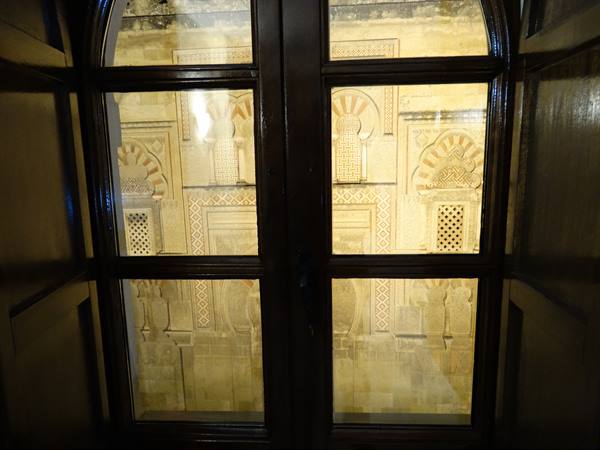
We go to Cordoba where we leave the car in a covered car park for the modest sum of €12 for 24 hours, located right up against the walls of the Alcazar and therefore of the centre, and in 10 minutes we reach our fantastic new hotel! It is the Hotel Mezquita, a 2-star that in my opinion is worth 4!Nice, inexpensive, central, characterful and then…you open the window and 3 metres away you find the walls of the fantastic, immanent, marvellous, grandiose, unique and I don't know how many other adjectives I could find.. Mezquita..and you faint! Yes, this will prove to be MY monument, and Cordoba MY Andalusian city. That is, the one that moved me most on this journey and among the few things that made silent and overpowering tears flow, among the many that by now I can say I have seen in my life. Extremely excited, we drop everything and begin our explorations of the city.
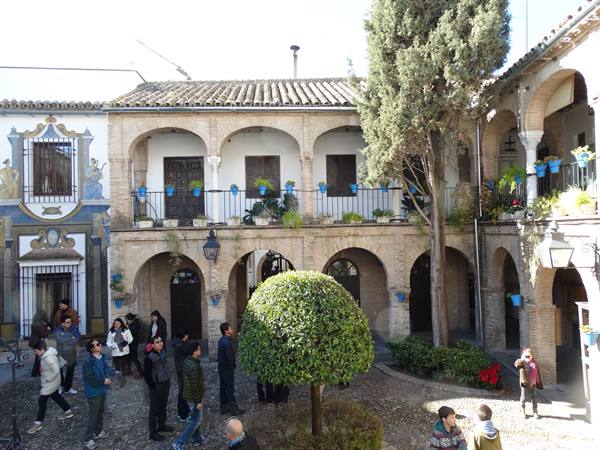
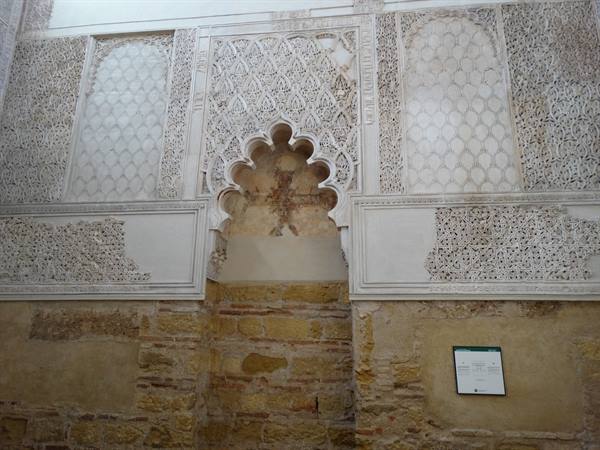
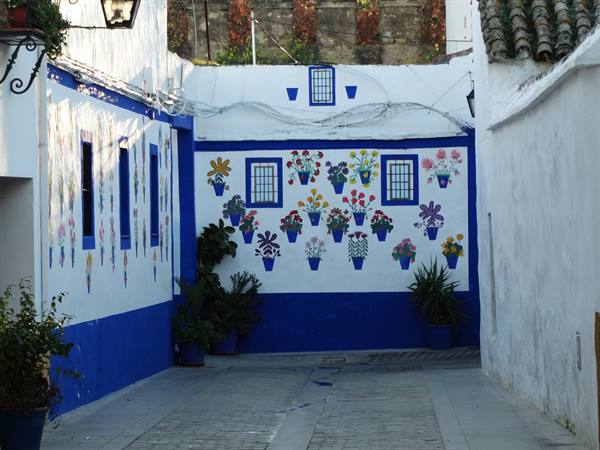
Meanwhile, I can say that it's my favourite because it's a drawing room, the centre is all compact, the alleys are many and well tended, it's full of atmospheres and it's white, white, white and finished in blue, and how can one not succumb to the charm of the light and the sky?? And if I think that all this love bursts forth despite the geraniums with which the city is abundantly adorned not being in flower and despite only a few courtyards for which it is famous being glimpsed…what would I feel, who knows, if I came here in May?? I console myself thinking that then the city would be too full of tourists for my tastes, since even now they are by no means few!!We manage to see the small and precious Synagogue, in the juderia quarter, one of the 3 remaining in Spain: the other 2 are in Toledo, one of which we managed to see.
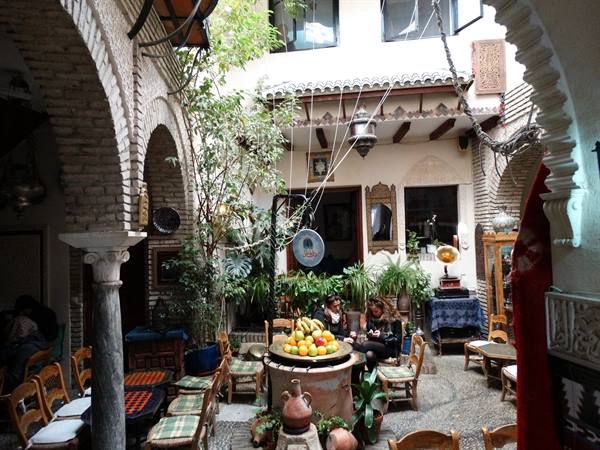
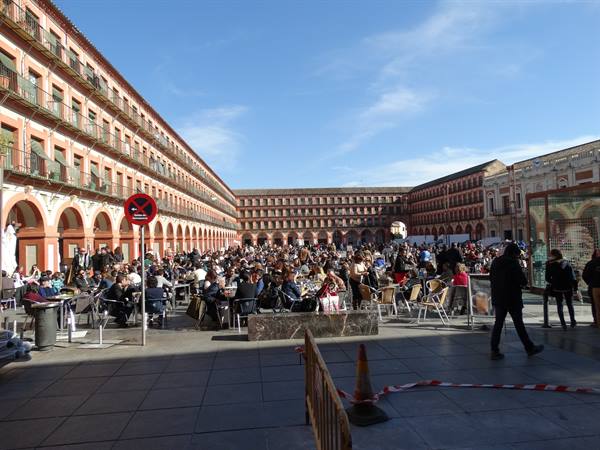
Then we go to casa Andalus, a typical Arab-style house, full of courtyards and secret corners. We pass by the small indoor market of the Zoco, actually a patio onto which several artisan workshops look out, which reminds me of a very beautiful one seen in Damascus. Walking along, we cross the Plaza del la Corredera which, despite its shape similar to the Plaza Mayor in Madrid, I like very much, actually leaves me very disappointed because it is completely carpeted with the little tables of the various establishments. What we had escaped at the Carrera del Darro in Granada, here truly ruins everything! A shame.
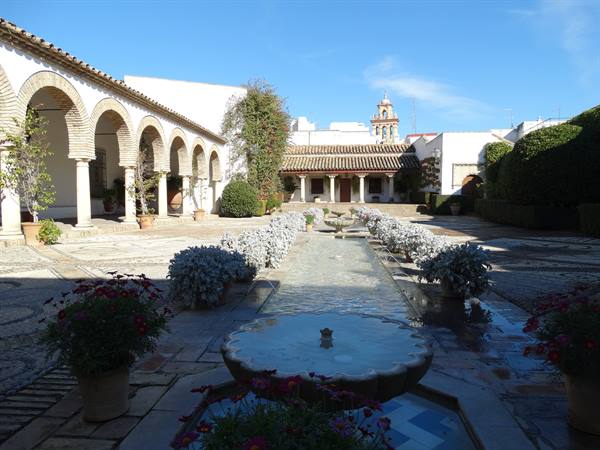
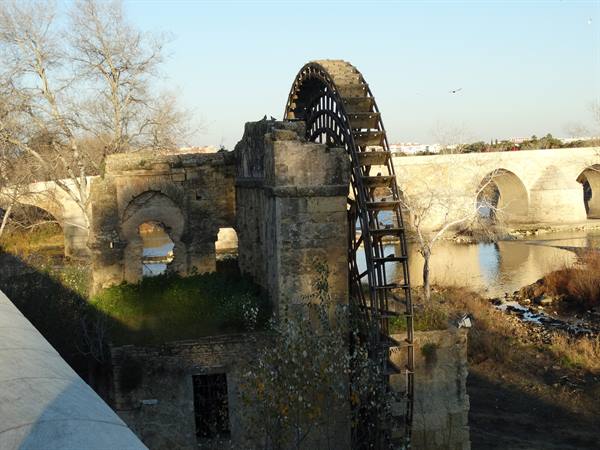
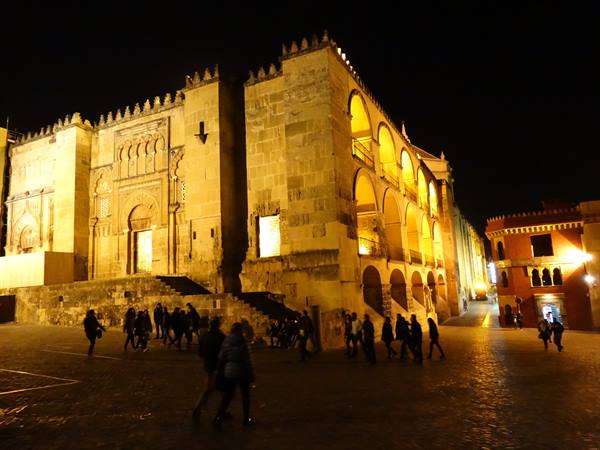
We see the Alcazar de Los Reyes Cristianos, the historic stables of the Caballerizas Reales de Cordoba, where in the evening we'll return to see an equestrian show, the Roman bridge and the Palace of Viana, actually a set of houses and countless aristocratic courtyards assembled together, where however the staff who sold us the tickets did not inform us that we could also take a guided tour to see the interiors of the palace, otherwise FORBIDDEN, deciding for us that we would not have been able to understand Spanish! Then we wander far and wide, among alleys, palaces, churches and monasteries..until we reach the true jewel, that is the Mezquita. Mezquita simply means Mosque, it is the only surviving medieval Spanish mosque and one of the largest mosques in the world.
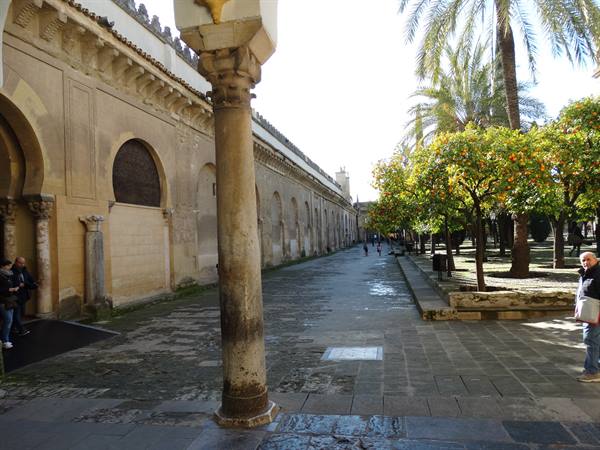
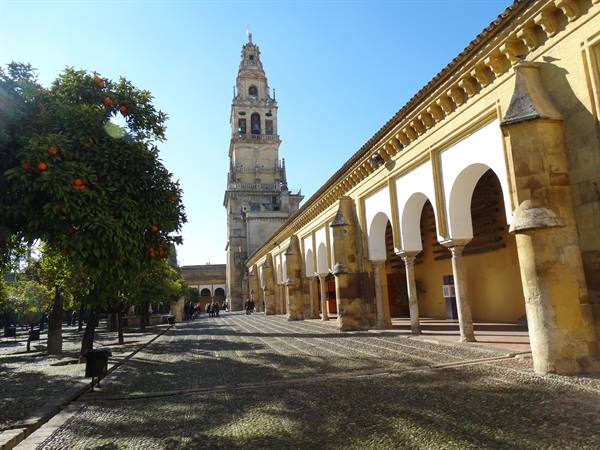
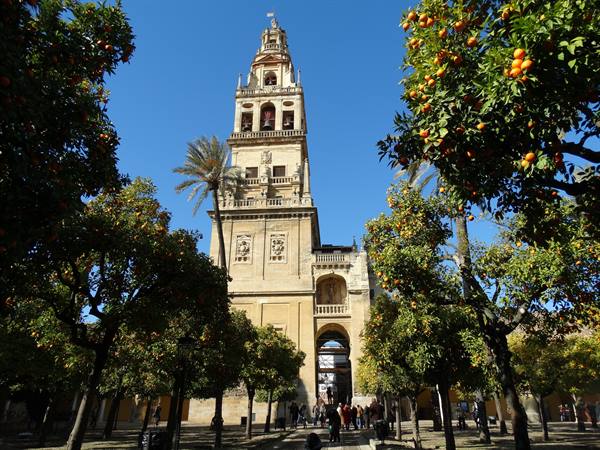
And why has it come down to us? Because inside it the great Charles V, despite pressure from the Church for it to be demolished, had it saved…by having a great Cathedral built inside it. This concept is grandiose and seeing this marvellous interlocking, the most banal question in the world came to mind, but unfortunately one of great relevance: but why can't these 2 great religions coexist with this marvellous harmony? The enormous structure, surrounded by walls, has an area of 24,000 sq m and was built in several phases covering almost 300 years. You enter it from the Door of Forgiveness, an immense door beside the Baroque bell tower that incorporates the ancient minaret. Inside the walls is the Patio de Los Naranjos, with at least a hundred trees and numerous fountains that served for the ablutions before entering the mosque.
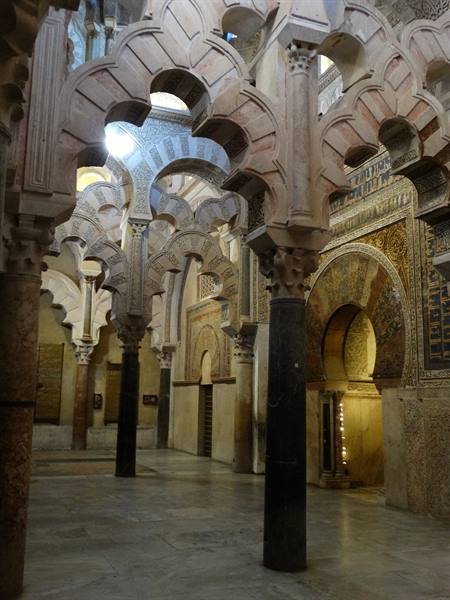
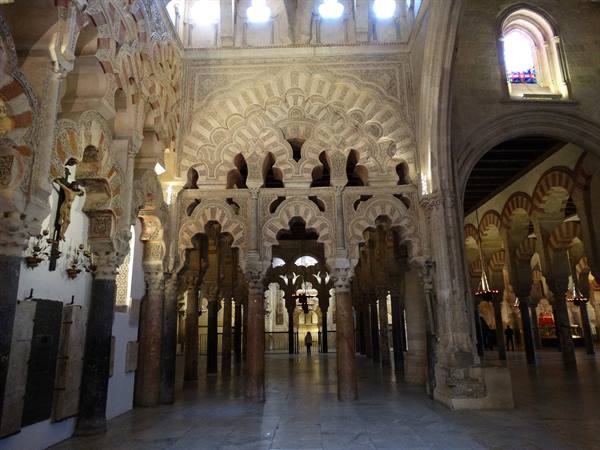
They say that when the orange trees are in bloom, the garden is marvellous, but, trust me, even when they are laden with fruit, as at this moment, it is something beautiful. Finally I enter the Mezquita and as soon as I glimpse in the half-light these columns that end in horseshoe arches and in all wanted to and manage to evoke an infinite oasis of palms, emotion grips my throat and I turn and walk alone, trying to distance myself from everything and everyone, with tears streaming copiously and a lump in my throat. But how can man have conceived such beauty? Is this what makes us perceive how great God is? Probably yes. This mosque which deep in my mind takes me back to the marvellous Umayyad Mosque of Damascus, has 824 columns all different, as are the capitals, many of which were recovered from previous Roman and Visigothic structures.
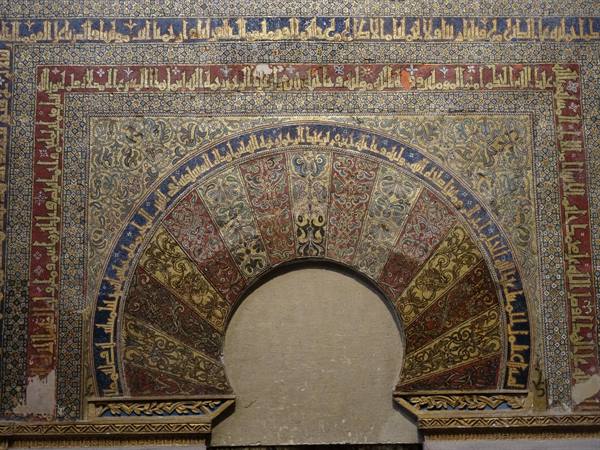
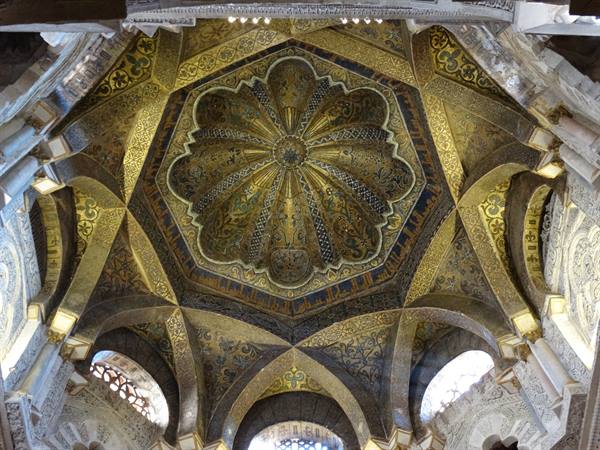
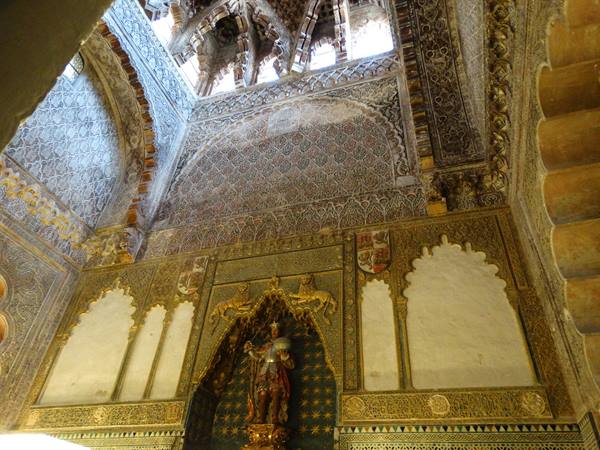
The double order of arches was copied from Roman aqueducts both for structural purposes and to increase the light. Observing with greater clarity, I notice a thousand noteworthy details, the ceilings finely inlaid in wood and stone, the Mirhab, that is the prayer niche from which the imam exhorted the faithful, mosaics and decorated domes and marble floors, passages of the Koran carved in stucco in marble frames. On the right side some rooms and Baroque chapels house a rich treasury and then the Royal Chapel and then the Renaissance-Baroque Cathedral of Santa Maria. The Cathedral can be seen as a defacement done to the Mosque, even by me who am Christian..and yet I believe that truly, without this idea of the internal cathedral, the Mosque would not have come down to us. And we would have lost something great, truly. We would have lost this oasis of stone palms, like life in the desert.
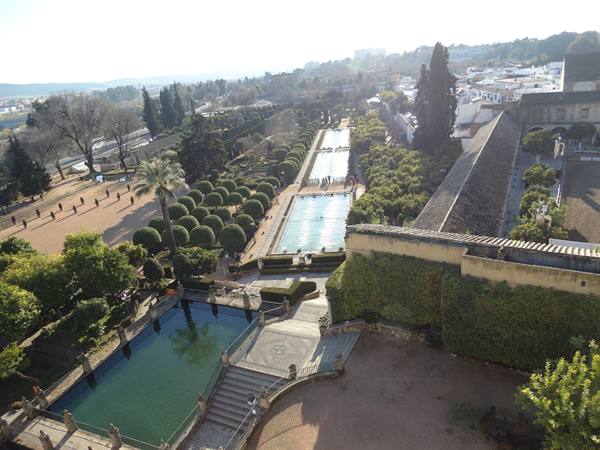
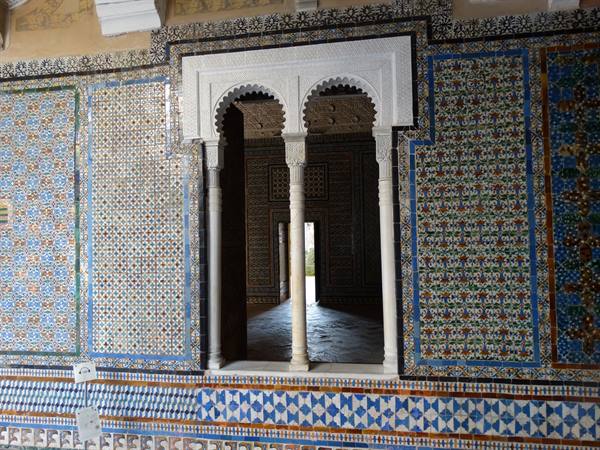
Seville, Royal Alcázar
Day 625 Jan 2015
At 7:30 we set off to reach the much-longed-for Rio Tinto Mine and, as usual, we manage to make the journey much longer. When technology didn't exist this happened to me far less than now: go figure! With the park staff we had exchanged numerous emails that somewhat fooled me, because they had given me a whole series of timetables for visiting the various components of the mining area; in fact, it was indispensable only to be there for the guided tour at 12 and then for the departure of the little train at 1:30 pm, because everything else could be seen in a short time. It is one of the most productive and ancient mining districts in the world and its charm is decidedly extraterrestrial. The museum is located in the old hospital of the Compañía de Riotinto, the company that exploited the deposits from 1873 to 1954.
The building, a house in Victorian style, is the first museum of its kind in Spain and offers a route through the different stages of the exploitation of the area's deposits, reproduces a Roman mine and houses countless pieces linked to mining activities and objects of industrial archaeology. La Peña de Hierro is one of the most beautiful places in the Region, and visitors, accompanied by specialized guides, can admire magnificent landscapes, visit an underground tunnel 200 metres long, find the sources of the Rio Tinto and learn about the place where NASA conducted research for the MARS project.
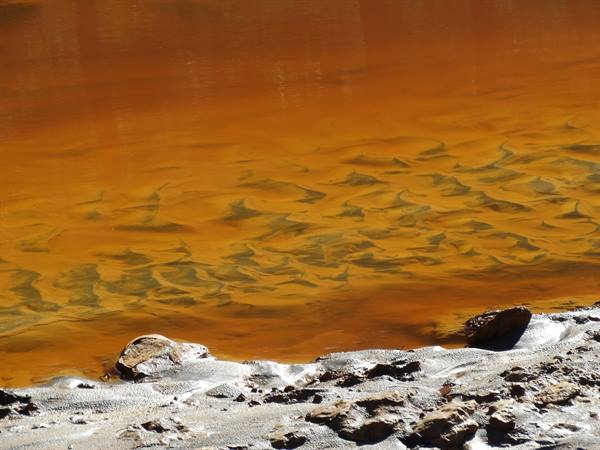
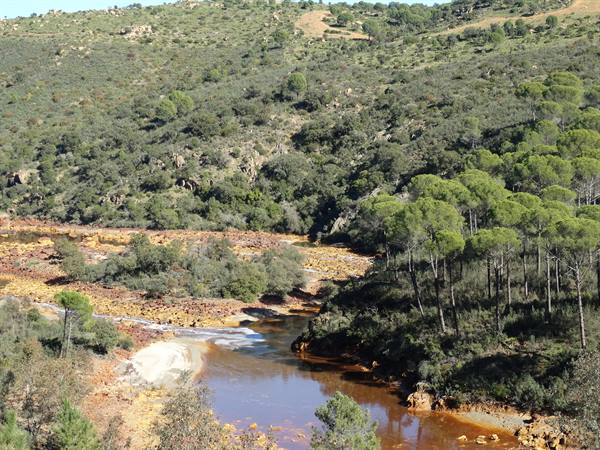
With the mining activities long ceased, the Rio Tinto area today offers a landscape that surprises and disorients, because of the deep and arid scars left by the excavation operations, and above all because of the intense red colour that characterizes the waters of the river, totally saturated with iron oxide. It really feels like being on another planet, and it's no surprise that among the few regular visitors to the area there are NASA scientists, who take advantage of the surreal and almost "Martian" atmosphere of these surroundings to try to clarify how life can survive in extreme
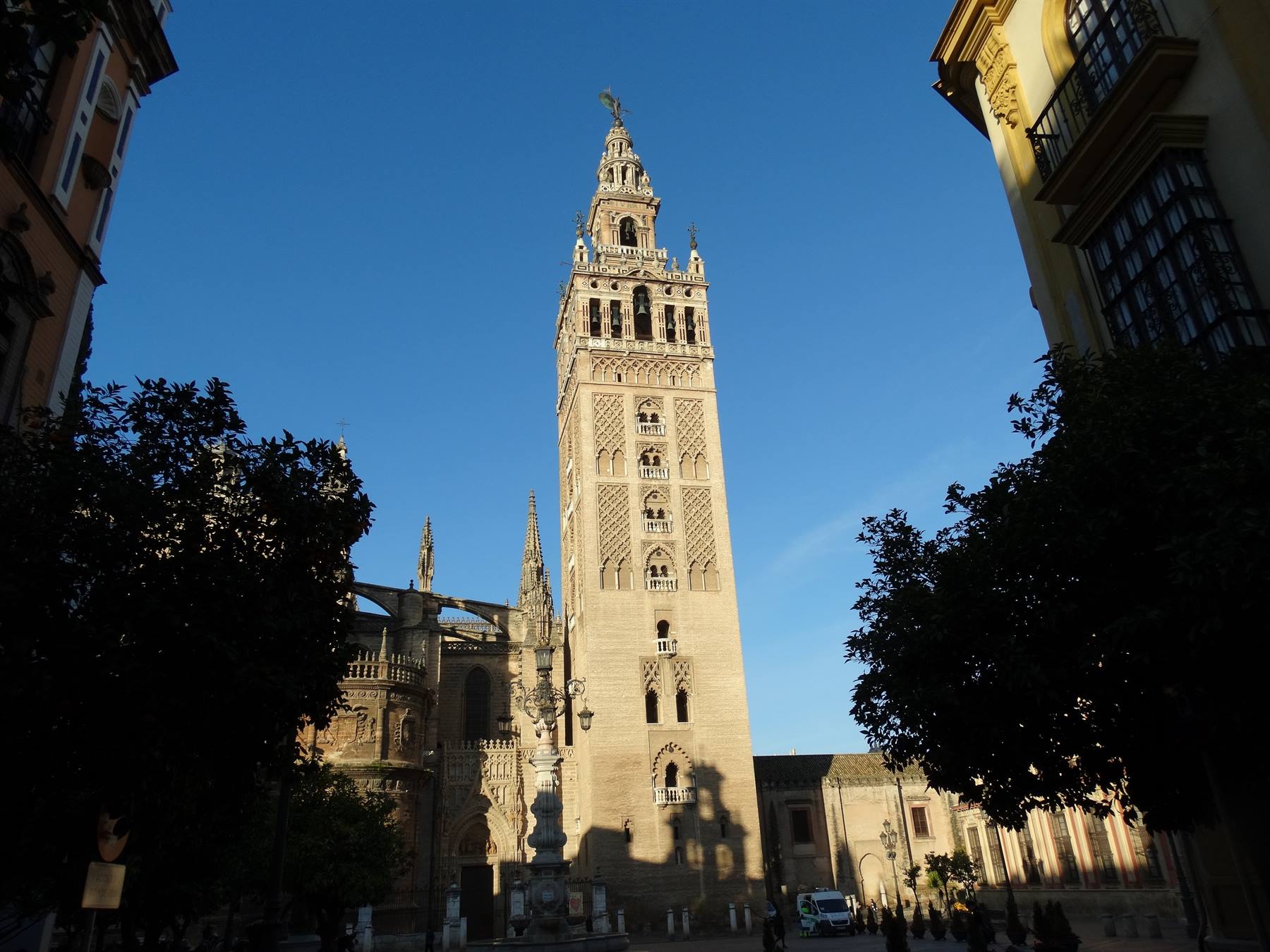
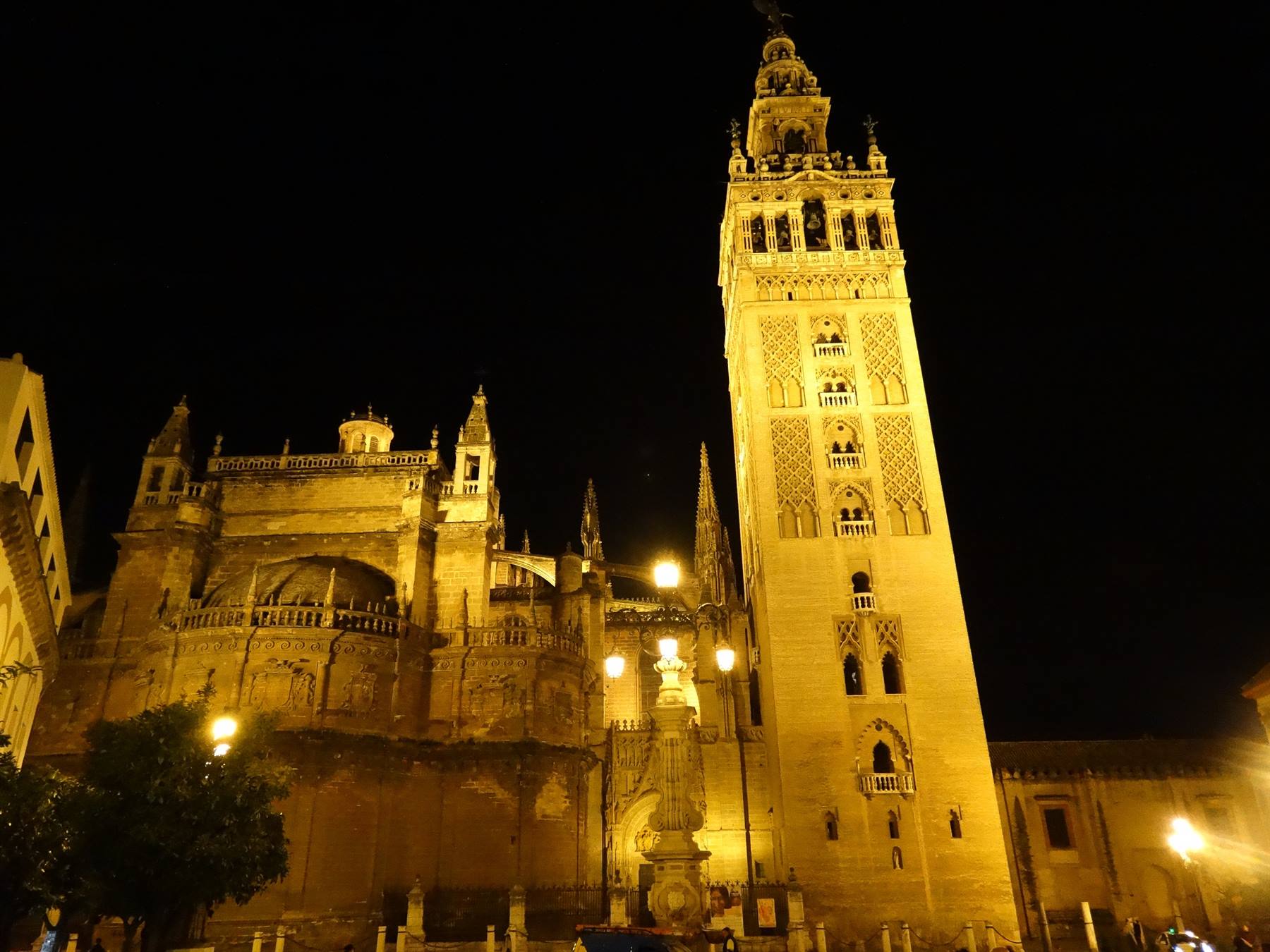
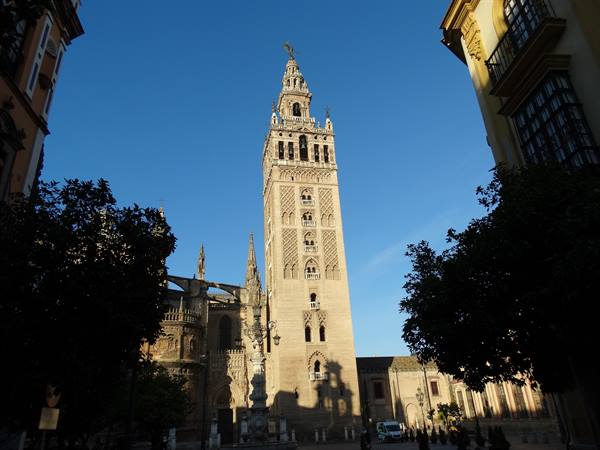
Seville, La Giralda
Day 726 Jan 2015
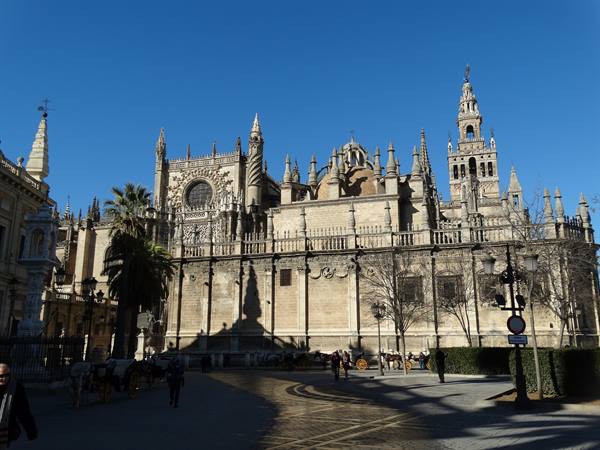
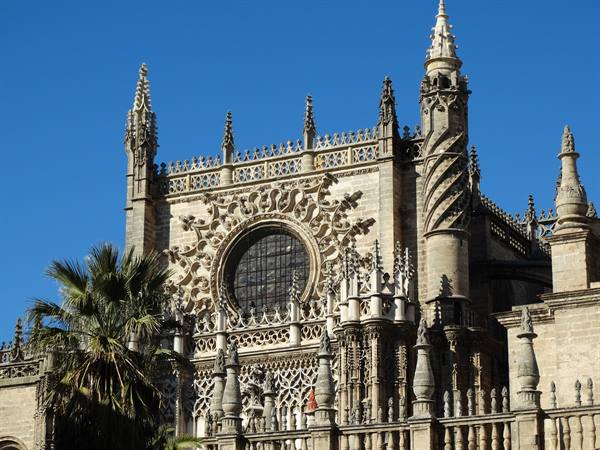
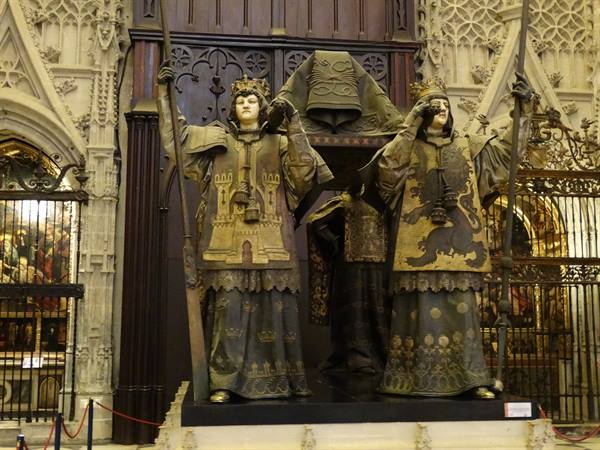
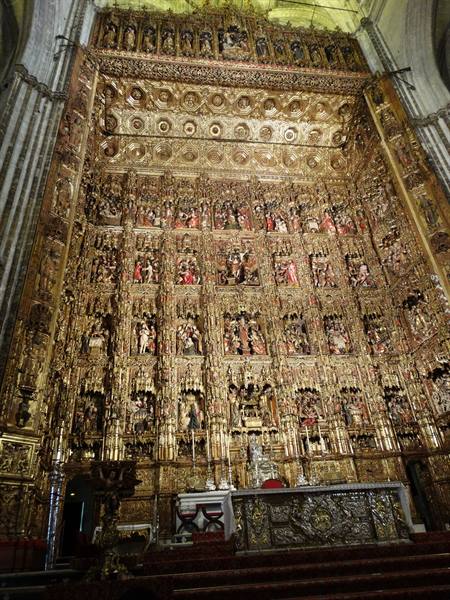
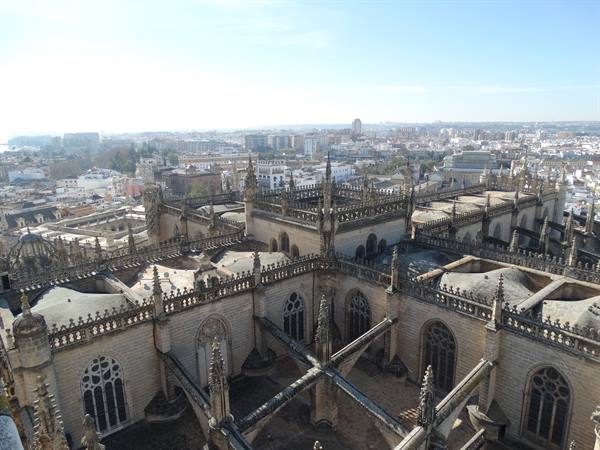
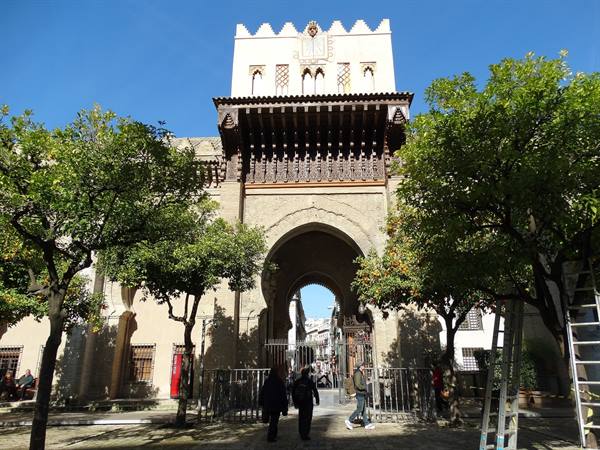
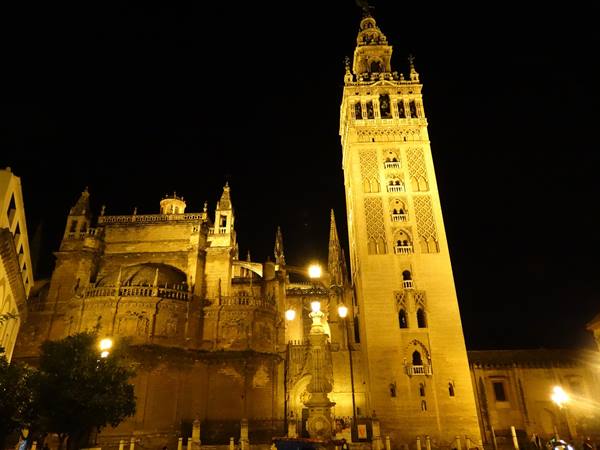
We still have a little time to see the city in the daylight and, after a nice breakfast of hot chocolate and churros, we wander through the alleys, visit the great Cathedral and I buy myself a good 2 pairs of shoes that I had eyed the evening before and that I don't know how I will fit in the suitcase, together with the blue and green ceramics in perfect granadino style (2 salad bowls and a cutlery rest!), bought in Purullena! But we will make it! We leave the city and the
0 reader comments